
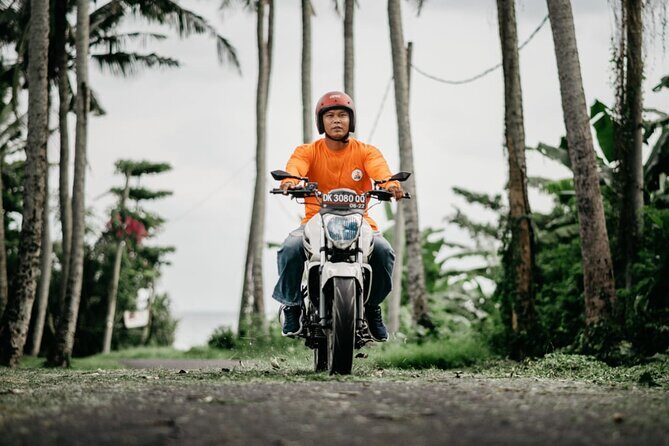
Canggu Motorbike Lessons
Manual bikes can feel intimidating fast.
That’s why these Canggu motorbike lessons are built around a calm, step-by-step progression, starting on a quiet village street and moving to real riding only after you handle the essentials. It’s a practical way to turn the idea of riding in Bali into something you can actually manage.
Two things I really like: you get structured manual motorcycle basics (clutch, gears, hill starts, emergency braking), not random “watch and copy” advice. And you’re not sent out unprotected—helmet plus knee and elbow protectors are included, along with bottled water during the 2-hour session. The coaching style also shows up clearly in instructor feedback: people mention instructors like Rico, Dino, and Gede calming nerves and teaching slowly enough to sink it in.
One consideration before you book: this is not a scooter lesson. You’re expected to already have scooter riding experience, and you’ll need a valid license. If either of those is a no, you may spend the lesson stuck on basics you weren’t ready to start with.
In This Review
- Key Things I’d Focus On Before You Go
- Why Manual Training Matters More Than You Think
- Getting There: The Quiet Start in Canggu
- What Happens in the First Phase: Theory Without the Headache
- Clutch, Gears, and Hill Starts: The Core Skill Section
- Street Riding Only After You’re Ready
- Gear and Small Safety Details That Matter
- Price and Value: $35 for a Skill You’ll Actually Use
- Who This Fits Best (and Who Should Consider Another Option)
- How to Prepare So You Learn Faster
- Booking Reality: Weather and a Calm Start
- Should You Book Canggu Motorbike Lessons?
- FAQ
- Where is the meeting point for the Canggu motorbike lessons?
- How long does the motorbike lesson last?
- What time does the lesson start?
- Is this lesson for scooters or manual motorcycles?
- Do I need experience riding a scooter?
- What is included in the lesson price?
- Do I need a license to join?
- Is this a private tour or shared group?
- What if the weather is bad?
Key Things I’d Focus On Before You Go
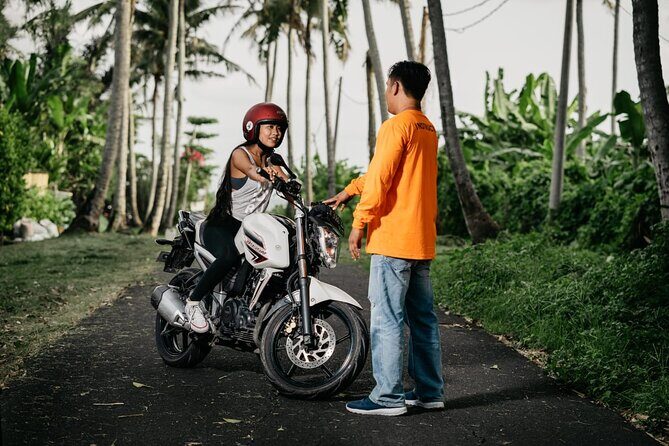
- Manual motorcycle training, not scooter practice (clutch and gears matter here)
- Theory first, so you understand what each control is doing
- You only ride on the street after confidence, not before
- Hill starts and emergency braking are part of the plan
- Included safety gear: helmet plus knee and elbow protectors
- Private setup so your group gets the attention they need
Why Manual Training Matters More Than You Think
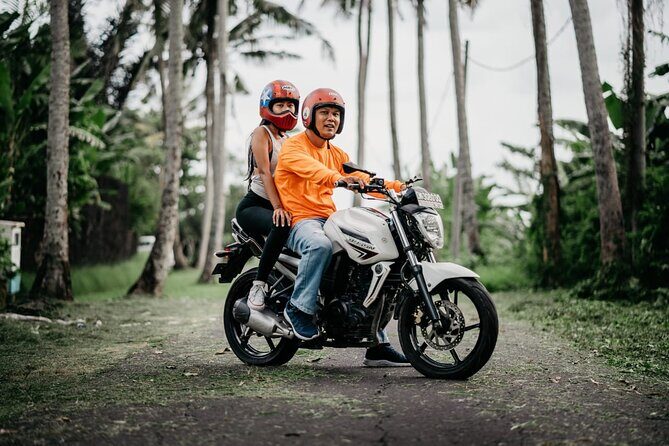
If your mental picture of Bali riding comes from scooters only, you’re going to feel the difference immediately. A manual motorcycle changes the game. The clutch isn’t optional. Gears aren’t a “maybe later” detail. And hill starts can turn a fun day out into a stressful one if you haven’t practiced them under guidance.
That’s what makes these lessons useful. They’re designed for skill-building that you can reuse quickly once you’re back on your own bike. You’re not just learning to move forward—you’re learning how to control the bike when conditions get tricky, like slowing down fast, dealing with starts on slopes, or stopping safely with emergency braking.
Another smart part is the pacing. The lesson is structured so the instructor doesn’t move you to street riding until you’re confident with the fundamentals. In a place where traffic flow can feel chaotic, confidence isn’t fluff—it’s your ability to react instead of freeze.
Getting There: The Quiet Start in Canggu
The meeting point is in the Canggu area (listed as 94GX+FX7, Canggu, Kuta Utara, Badung Regency, Bali 80351, Indonesia). It’s described as a quiet village street, which is exactly what you want for day-one practice.
Why it matters: the first minutes of learning are where people usually panic. A calmer starting area gives you space to get comfortable with bike position, the feel of the controls, and what “stalling” means in real life. You’ll start at 9:00 am, and the activity ends back at the meeting point, so you’re not dealing with the added stress of getting somewhere else after you’ve learned.
You can also show up knowing it’s a private activity. That means it’s just your group, not a mixed crowd of strangers. In skills training, that difference is huge. You get more time with the instructor and fewer distractions.
What Happens in the First Phase: Theory Without the Headache
Before any riding, you’ll get a theory session. The goal here is simple: you learn how the bike works and what the controls do. It’s not about turning you into a mechanic. It’s about preventing the most common beginner mistake—randomly touching levers while hoping it works out.
You’ll cover how everything connects:
- how the clutch relates to starting and moving
- how gears change how the bike responds
- how braking should feel when you need to stop quickly
This theory part matters because it shortens the learning curve. If you understand what you’re doing, the bike stops being a mystery. It becomes a set of inputs and outputs. That mindset makes the rest of the lesson easier to absorb.
Also, the lessons allow breaks if you need them. That’s practical, not motivational. If you’re tense, your hands and feet get clumsy. A quick reset helps you keep learning without building frustration.
Clutch, Gears, and Hill Starts: The Core Skill Section
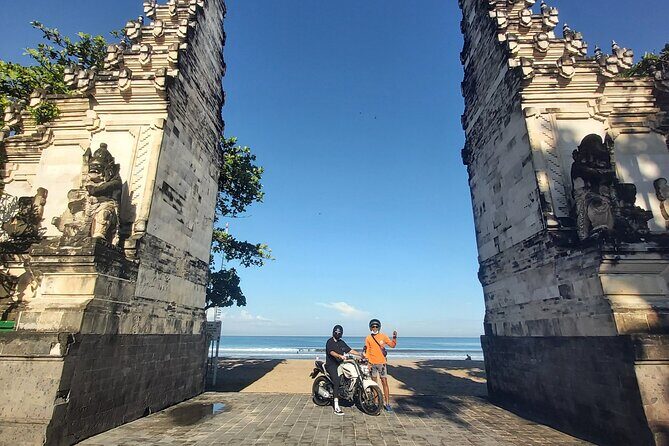
This is where the training earns its keep. You’ll practice the “small stuff” that makes “real riding” possible:
- using the clutch properly
- shifting through gears
- hill starts
- emergency braking
- and other core basics the instructor chooses based on your comfort
Hill starts deserve special attention. In Bali, slopes are common, and traffic doesn’t stop for your learning curve. Practicing starts on an incline with an instructor means you learn the bike’s rhythm—how to time clutch release and throttle without rolling backward or stalling.
Emergency braking is another must-have. Beginners often focus on accelerating and forget how to stop. If you can’t stop smoothly and confidently, you’ll ride defensively in your head even when you want to feel relaxed. Practicing the emergency stop plan during training gives you a script for what to do if something changes quickly.
What I like about this approach is it’s not overly dramatic. You’re doing specific drills. That makes it easier to judge your progress. You’ll know what you’ve mastered and what still feels shaky.
Street Riding Only After You’re Ready
Once you’re confident, you move to a street. The lesson is explicit about the progression: street practice comes after you handle the basics well enough.
This is the difference between learning and suffering. In many places, people rush to get you “on the road” so you can say you tried. Here, the structure tries to keep you in a learning zone where you’re building the skill that actually matters—control under normal riding conditions.
You’ll practice until you feel stable enough to continue. If you’re still gaining comfort, you take breaks. If you’re progressing well, you can keep moving forward. That flexible pacing is valuable because beginners don’t all learn at the same speed.
And if fear is part of the story for you, you’ll want to know that several instructors are praised for reassurance and slow instruction. People specifically mention Rico helping them feel comfortable and safe on Bali roads. Others highlight Dino for rebuilding confidence after an accident. Gede is repeatedly credited for helping riders overcome fear while teaching at a pace that’s easy to understand.
Gear and Small Safety Details That Matter
This lesson includes helmet, knee protectors, and elbow protectors, plus bottled water. That might sound basic, but it’s the right kind of basic.
Why it helps:
- A helmet reduces the impact of mistakes while you’re learning.
- Knee and elbow protection reduce the cost of small falls that happen when balance and clutch timing aren’t consistent yet.
- Water helps because stress + heat can make your coordination worse.
Also, the training is built for a manual bike. That means your movements may feel more “coordinated” on the bike and less floaty than scooter-only riding. Protectors give you a little safety buffer while your body adapts.
Price and Value: $35 for a Skill You’ll Actually Use
At $35 per person for about 2 hours, this sits in the “serious bargain” zone for motorcycle training—especially with safety gear included. The value isn’t just the lesson time. It’s what the lesson prevents: bad decisions made by first-timers who underestimate clutch-and-gear control.
A fair way to think about it:
- You’re paying for instruction that helps you practice the basics safely.
- You’re paying to avoid the trial-and-error phase that can lead to awkward stalls, rushed stops, or worse.
- You’re paying for confidence that carries over to your everyday riding plans.
Because it’s private, the instructor focus is more likely to stay on you (or your group) instead of being spread thin. That increases the odds you’ll get meaningful corrections while you’re still learning the controls.
Who This Fits Best (and Who Should Consider Another Option)
This class is a good match if:
- you want manual motorcycle skill, not just scooter experience
- you already ride a scooter and can handle balance at low speed
- you have a valid license
- you’re willing to learn by drills and repetition
It’s also a good option if you’re worried about safety or fear. The coaching feedback around Dino, Rico, and Gede suggests instructors take reassurance seriously. Gede in particular is praised for making lessons feel simple and easy to understand, with instruction that goes slowly enough to keep up.
It might not be the best match if:
- you have no scooter riding experience (the lesson notes this requirement clearly)
- you don’t have a valid license
- you’re not ready for clutch-and-gear coordination yet
One more note: the lesson asks for a moderate physical fitness level. That doesn’t mean athletes only. It just means you’ll be practicing body control—feet, hands, balance, and quick stops—so you’ll want to feel comfortable moving.
How to Prepare So You Learn Faster
You can’t control traffic out there, but you can control how prepared you are when you arrive.
Here’s what I’d do before the lesson:
- Arrive with your license ready, since it’s required.
- Wear comfortable clothes and shoes suitable for foot control and standing stability.
- Mentally plan for repetition. The lesson is about mastering a set of skills, not a one-time try.
- If you feel nervous, treat it as normal. The instruction style is built for easing into control.
And remember: this is a manual motorbike lesson. If you’re used to automatic scooter habits, give yourself permission to slow down at first. The clutch timing is the learning curve. Once it clicks, everything becomes easier.
Booking Reality: Weather and a Calm Start
This experience requires good weather. If it’s canceled due to poor weather, you’ll be offered a different date or a full refund. For riders, that matters because dry conditions make it easier to practice clutch control and braking safely.
Also, you’ll receive confirmation at booking time, and you get a mobile ticket. That keeps things simple: no complicated paperwork marathon before you start learning.
Because the session is time-bound (2 hours approx.) and starts at 9:00 am, try to plan your morning so you’re not rushing. You learn better when you’re not breathing like you just ran to catch a bus.
Should You Book Canggu Motorbike Lessons?
Yes—if you want a structured path to manual motorcycle control and you already have scooter experience. This is the kind of training that can save you from the most common beginner traps: incorrect clutch use, awkward gear timing, shaky hill starts, and panic during emergency braking.
I’d especially recommend booking if you’ve ever felt nervous about riding in Bali traffic. The coaching feedback around instructors like Rico, Dino, and Gede points to calm, patient teaching that focuses on comfort and safe handling. That’s exactly what you want when you’re learning something physical and coordination-heavy.
I’d hold off if you don’t have scooter experience or a valid license. In that case, you’ll be starting with gaps that the lesson is designed to assume you already have.
If you’re ready to practice step-by-step and you want to get onto the road with less fear, these Canggu motorbike lessons are a strong value for the money.
FAQ
Where is the meeting point for the Canggu motorbike lessons?
The start meeting point is listed at 94GX+FX7, Canggu, Kuta Utara, Badung Regency, Bali 80351, Indonesia. The activity ends back at this meeting point.
How long does the motorbike lesson last?
The duration is about 2 hours.
What time does the lesson start?
The start time is 9:00 am.
Is this lesson for scooters or manual motorcycles?
It’s a manual motorbike lesson, not a scooter lesson.
Do I need experience riding a scooter?
Yes. The lesson requires that you have experience riding a scooter.
What is included in the lesson price?
Included items are the motorbike and helmet, bottled water, and knee and elbow protectors.
Do I need a license to join?
Yes. Travelers should have a valid license.
Is this a private tour or shared group?
It’s private. Only your group participates.
What if the weather is bad?
This experience requires good weather. If it’s canceled due to poor weather, you’ll be offered a different date or a full refund.
More Tour Reviews




More Canggu Tours



More Seminyak Tours
Seminyak Tours: how the alternatives stack up
 ★ 5.0
★ 5.0Bali Full-Day Traditional Village Sightseeing Trip All Inclusive
 ★ 5.0
★ 5.0Experts Bali Driver : Best Bali Private Driver for Tour in Bali




The lists this tour appears in