Best Iconic West and East Nusa Penida Island Tour – All Inclusive

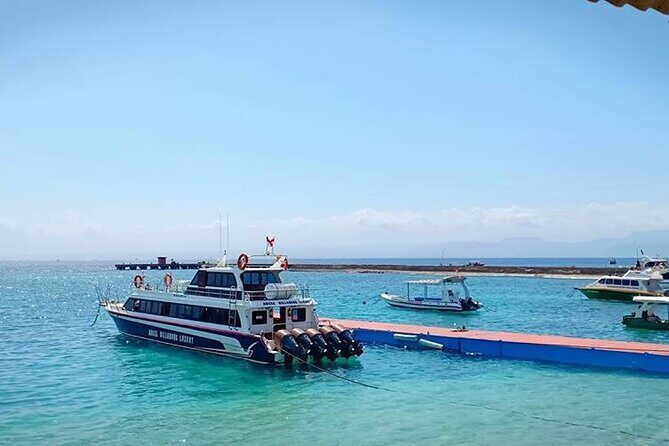
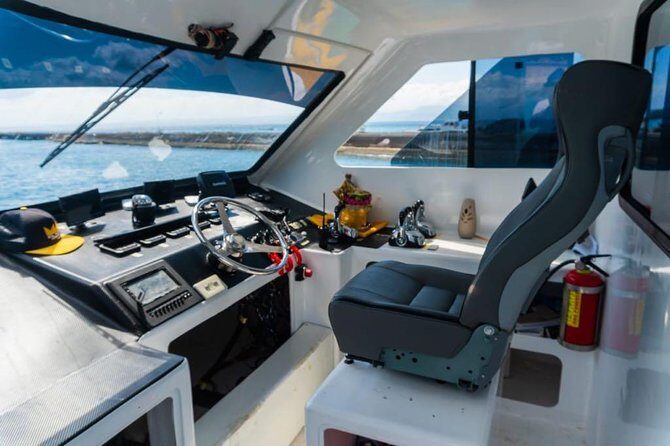
Best Iconic West and East Nusa Penida Island Tour - All Inclusive - Stop 1: Sanur check-in and the fast-boat ride

Nusa Penida in one day can feel like a magic trick. This all-inclusive route takes you across the island’s west and east highlights with hotel pickup plus a fast boat from Sanur, then handles the driving so you can focus on the views.

The best part for me is how the itinerary strings together the headline stops in a smart order: Diamond Beach for that clean white-sand look, then the famous cliff viewpoints later when the light is usually better for photos. It’s also very people-friendly in how it’s set up as a private day with your own group only, so you’re not stuck waiting around for other schedules.

The one real catch is the heat and the walking. The Molenteng Tree House area involves getting up and around rocky steps, and one of the key stops is not designed for a chill stroll. If you’re sensitive to heat or mobility limits, plan for slower breaks and bring water.

Key things I’d plan around
Best Iconic West and East Nusa Penida Island Tour - All Inclusive - Key things I’d plan around

  • Full-day pacing: about 10 hours with an early Sanur check-in
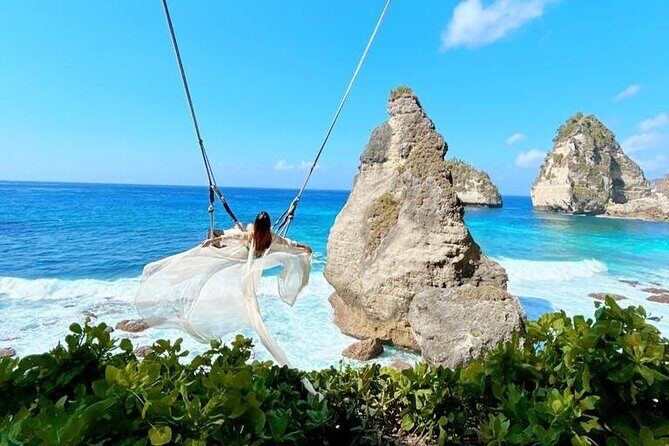
  • East and west highlights in one loop: Diamond Beach, Kelingking, Paluang Cliff, and more
  • Private logistics: pickup, boat, and private car handling the route
  • Photo-focused viewpoints: Kelingking and Paluang Cliff are built for angles
  • Lunch included: an Indonesian meal break at a local restaurant
  • Fitness + heat reality check: Tree House Molenteng can be tough in warm weather

From Kuta pickup to Sanur fast-boat: the day’s “engine”
Best Iconic West and East Nusa Penida Island Tour - All Inclusive - From Kuta pickup to Sanur fast-boat: the day’s “engine”
This tour starts early, and that’s not a gimmick. You’ll get picked up in Kuta around 06:30–07:30, then head to Sanur to check in for the fast boat. The schedule is tight but clear: you’ll usually be checking in around 07:30–07:45, with the boat departing at 08:00.

Why that matters: Nusa Penida is famous, and spots like Diamond Beach and Kelingking don’t like crowds or slow timing. Starting the boat trip early helps you reach the first stops before the day turns scorching and before the viewpoints feel overly packed.

What I like is that it’s not just transport. The experience is set up so you’re not solving logistics on your own. After you arrive on Nusa Penida, you switch to a private car for the island route. Your guide keeps the sequence moving, which is a big deal when you want photos at multiple cliffs without turning the day into a GPS hunt.

Also worth noting: it’s listed as private (only your group), so the pace usually feels more flexible than a big group day—though you still follow the route order for practicality.

Stop 1: Sanur check-in and the fast-boat ride
Best Iconic West and East Nusa Penida Island Tour - All Inclusive - Stop 1: Sanur check-in and the fast-boat ride
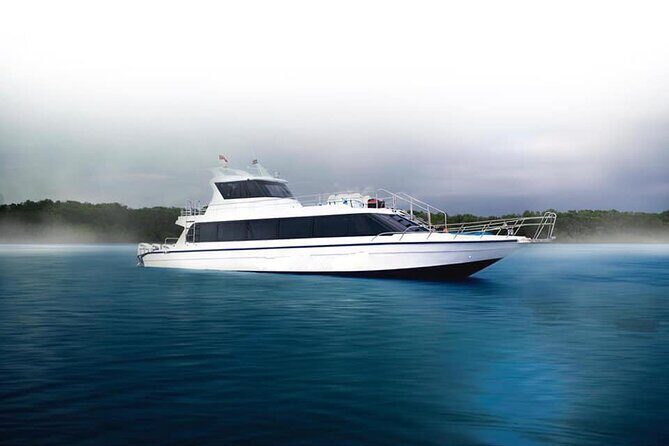
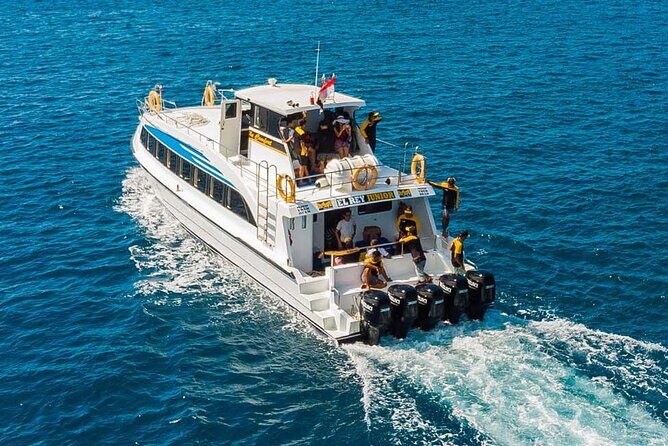
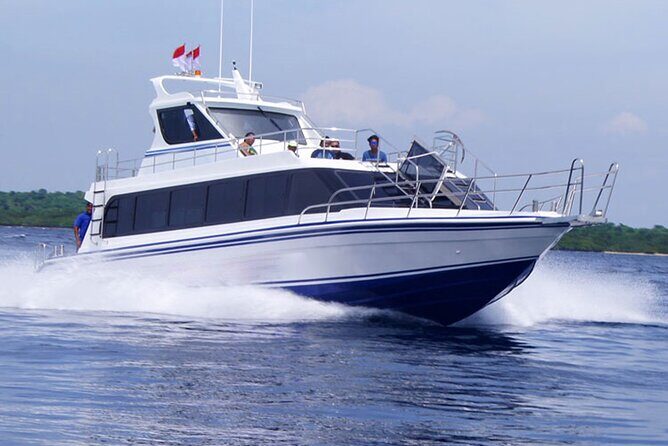
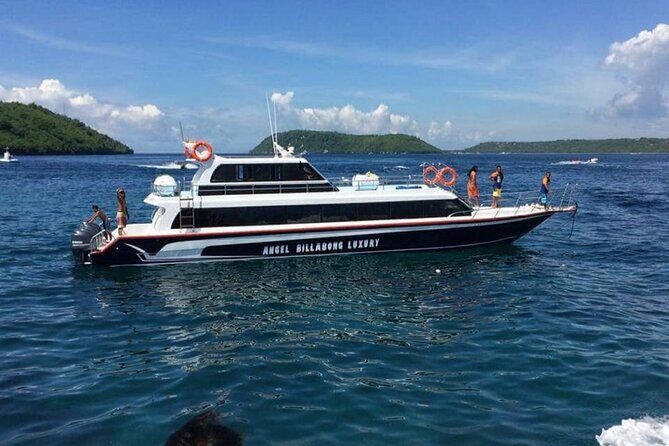
Sanur is the launchpad. You check in for the boat, then you’re off to Nusa Penida.

The practical takeaway: if you’re prone to motion sickness, consider bringing what works for you. The schedule doesn’t leave much time to “figure it out” mid-ride, and the rest of the day is active.

On the plus side, this morning setup means you spend your effort on Nusa Penida rather than bouncing around Bali. It’s a straight line from pickup to departure to exploration.

Stop 2: Diamond Beach (white sand, easy to enjoy)
Best Iconic West and East Nusa Penida Island Tour - All Inclusive - Stop 2: Diamond Beach (white sand, easy to enjoy)
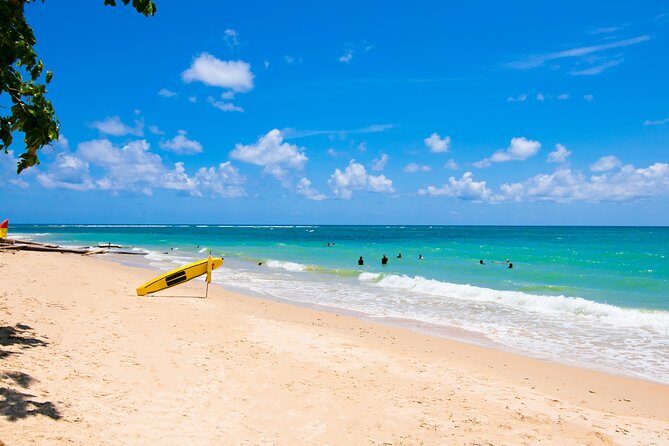
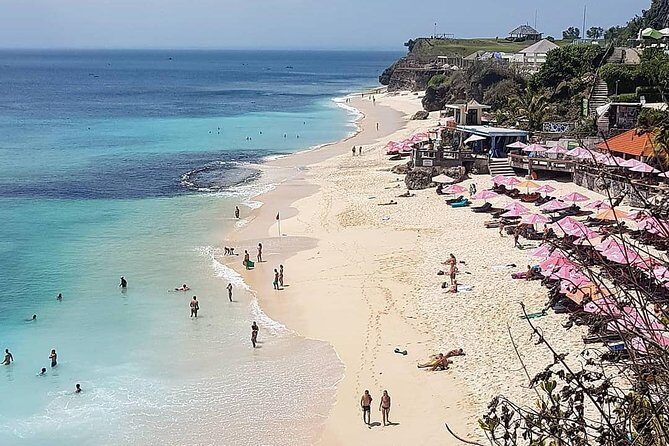
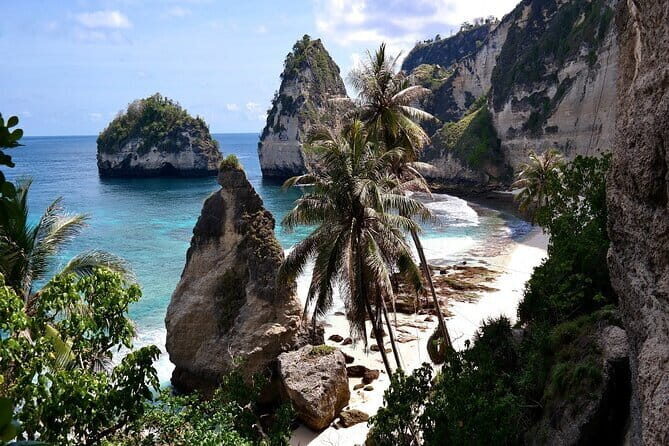
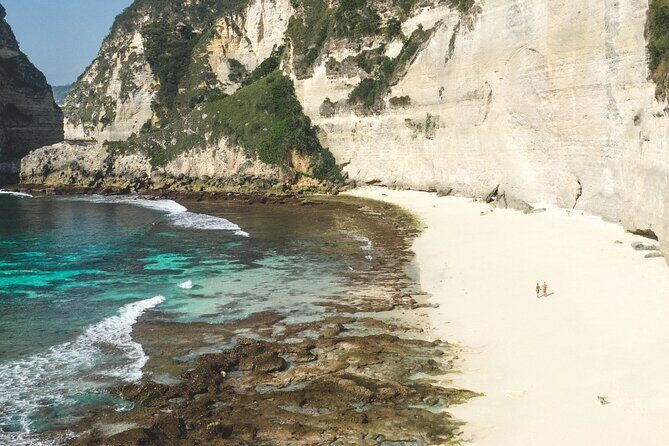
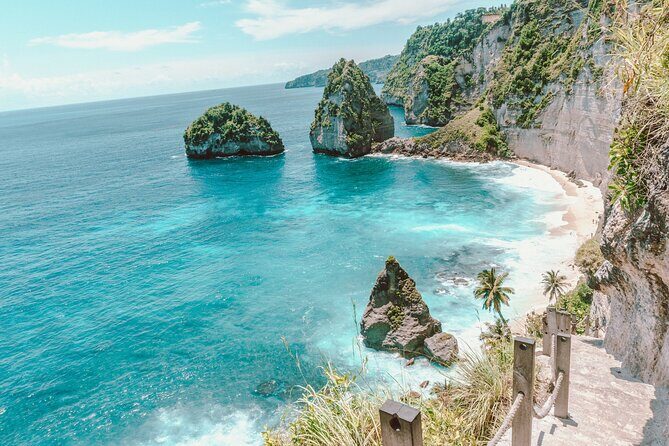
Diamond Beach is where the day starts to feel special fast. You’ll travel there around 09:00–09:45, then have about 09:45–10:45 to explore.

This is a newer-name attraction for many visitors and it has the look people come for: bright sand and a photo-ready beach scene. The time window is useful. You get enough time to walk around, grab shots, and still stay ahead of the day’s heat.

How to make the most of it:

  • Bring swimwear if you want to take advantage of the water and relax time. The tour wording also points to swim and relax at your own pace.
  • Keep an eye on footing near the shoreline. Coastal areas can be uneven, and you’ll be moving while the sun climbs.

Possible drawback: this stop is popular for a reason, so you’ll likely want to choose your angles and move early within your time slot.

Stop 3: Molenteng Tree House (the hike that turns real)
Best Iconic West and East Nusa Penida Island Tour - All Inclusive - Stop 3: Molenteng Tree House (the hike that turns real)
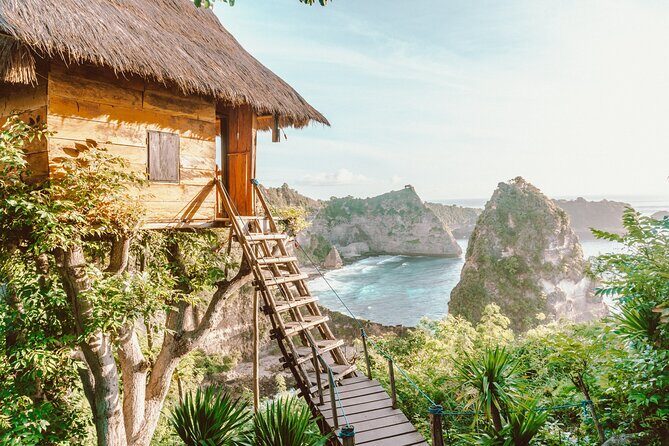
After Diamond Beach, the day shifts to the cliff views at Rumah Pohon Molenteng. Travel time is about 10:45–11:30, then you explore 11:30–12:30.

This stop is a small wooden house built on a rock cliff, with views over a stretch of beach. It’s famous for a reason, but it’s not “push-button easy.” One review highlighted that a level of fitness is needed in the heat to access the treehouse—and it’s doable even for people in their 60s, but you should take it seriously.

My practical advice:

  • Plan your energy for the climb. Don’t burn your legs on the first few meters if you want to enjoy the viewpoints.
  • Bring water and take short breaks. The schedule gives you time, but the environment gives you heat.

The best part: this is the kind of stop where the photos aren’t just “pretty”—they’re framed by the cliff setting. You’re not only looking at the ocean. You’re standing above it, with that distinctive rocky backdrop.

Lunch at Warung The Sorent (fuel before the big cliffs)
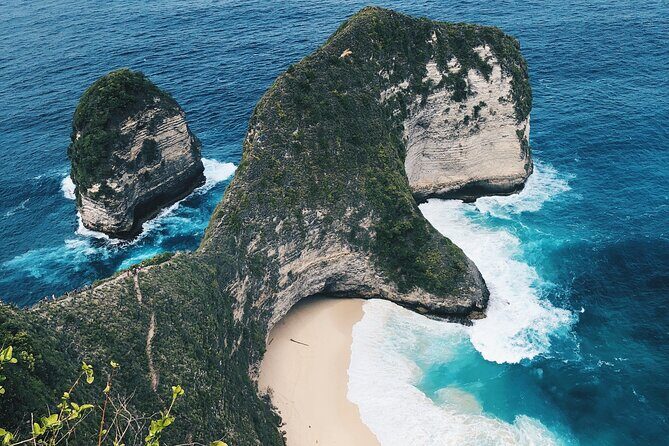
Best Iconic West and East Nusa Penida Island Tour - All Inclusive - Lunch at Warung The Sorent (fuel before the big cliffs)
Next up is a break at Warung The Sorent. You’ll head there around 12:00–12:30, then lunch runs 12:30–13:30.

The value here is simple: you’re on a full loop across the island, and you get an Indonesian lunch without scrambling. Your guide handles logistics, so you don’t spend your best hours trying to find food that fits your timing.

What you should do during lunch:

  • Hydrate and cool down. This is your reset point before Kelingking.
  • If you’re sensitive to heat, treat this like a mini recovery session, not just food.

No stop is truly “optional” in a full-day tour, so having a real meal built into the timing is a quiet advantage.

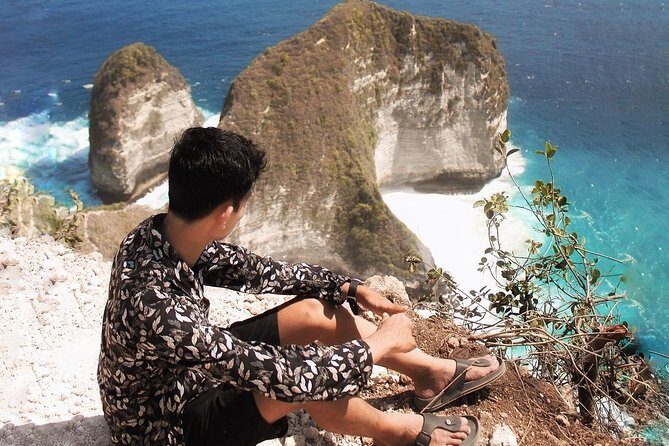
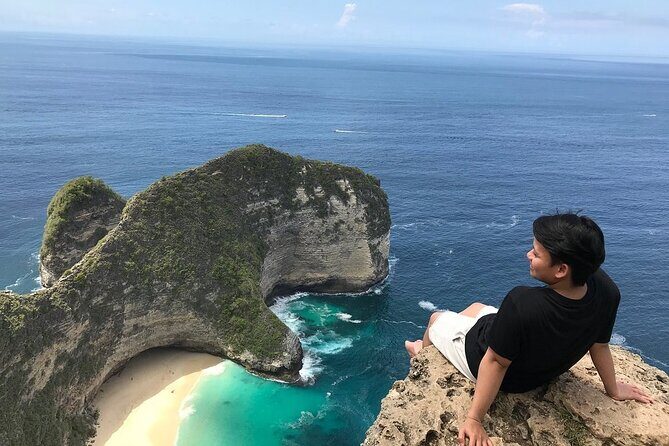
Stop 4: Kelingking Beach (iconic cliff time)
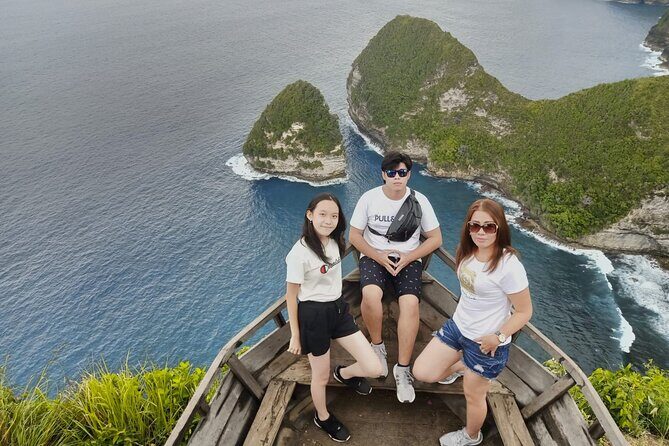
Best Iconic West and East Nusa Penida Island Tour - All Inclusive - Stop 4: Kelingking Beach (iconic cliff time)
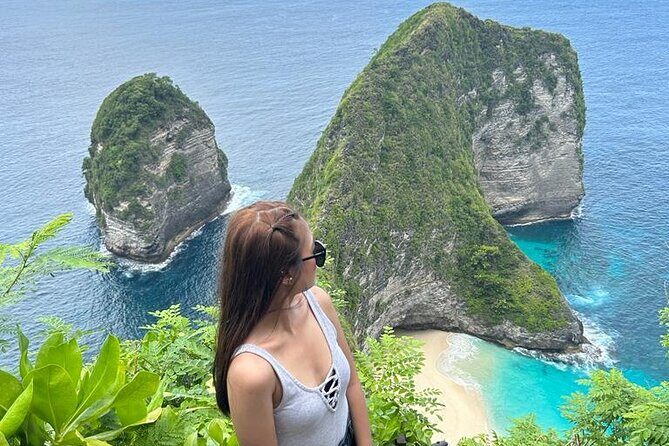
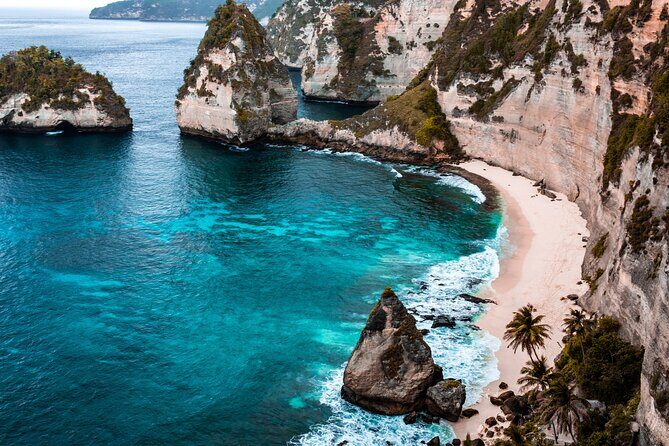
Then comes the headline: Kelingking Beach, explored 14:00–15:00. You’ll travel there around 13:30–14:00.

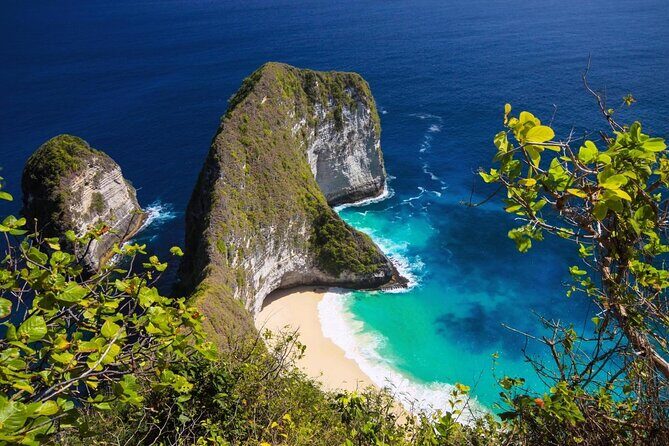
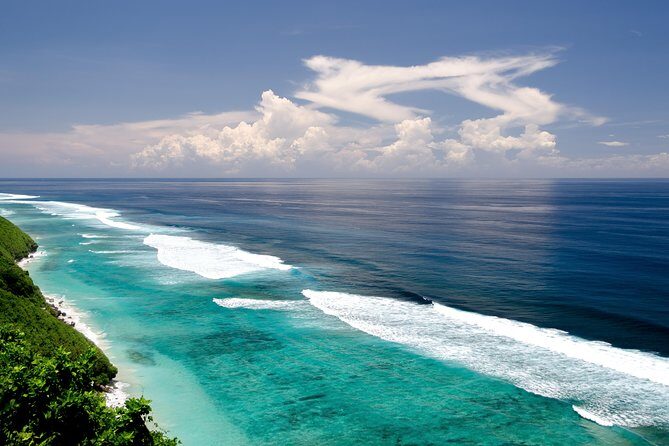
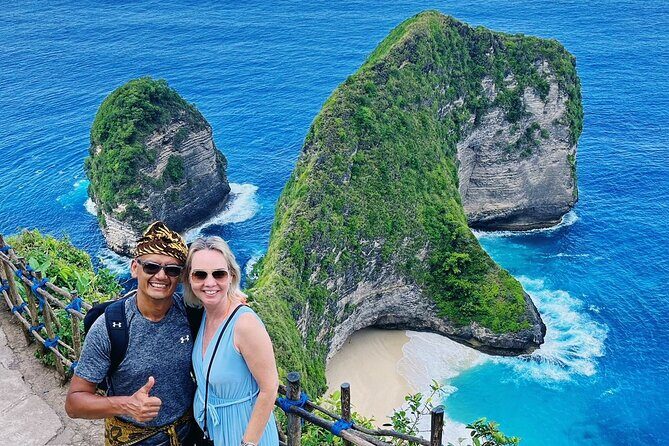
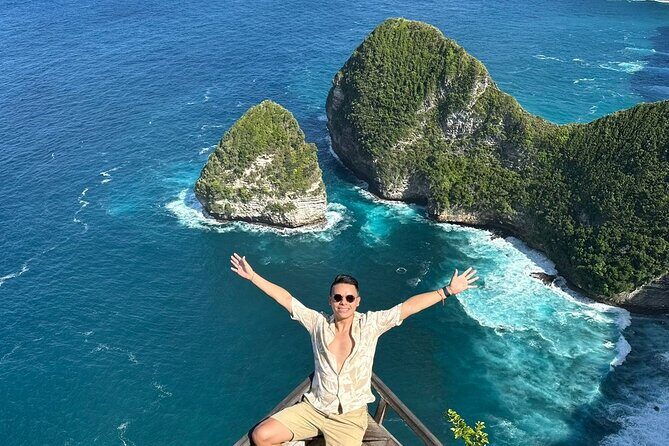
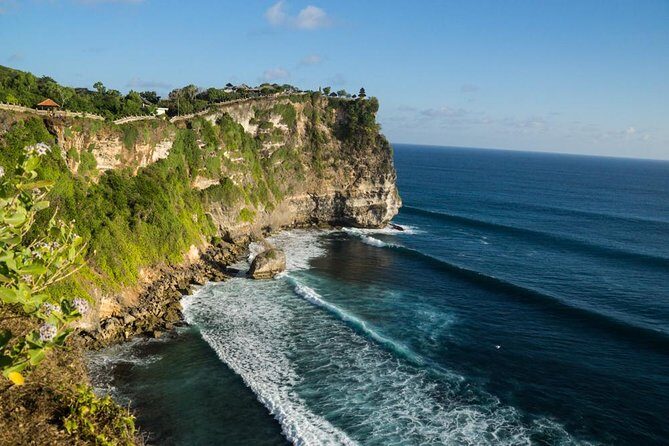
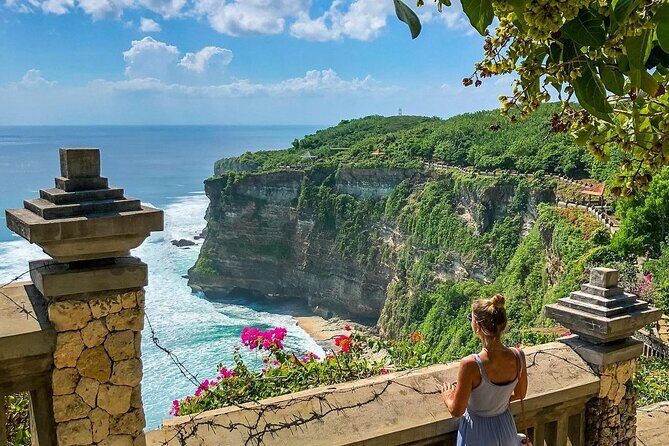
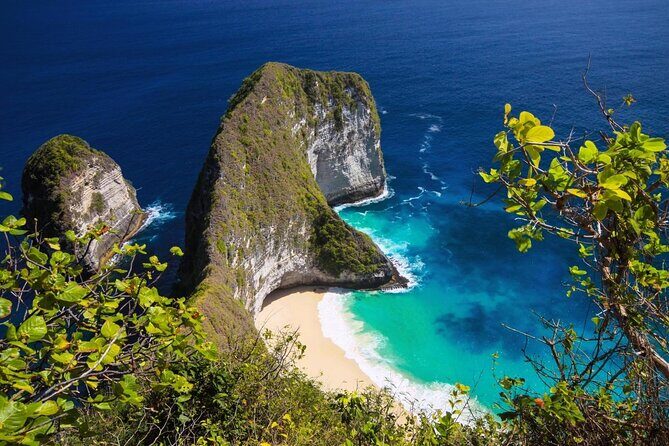
Kelingking is the famous one. It’s the west-side cliff viewpoint many people plan their entire trip around, and you’ll have a solid hour to enjoy it. This is where you can get the classic angles, plus enjoy the surrounding scenery from above.

Photo strategy tip:

  • Move a bit. Don’t only shoot from one spot.
  • Check how the cliff angles and ocean lines up from the platform points you can access.

One consideration: the day is already warm by mid-afternoon. Keep your pace calm. The viewpoint is a “standing and shooting” kind of stop, but the approach area can still feel demanding.

Stop 5: Paluang Cliff (pink beach views and a satisfying finale)
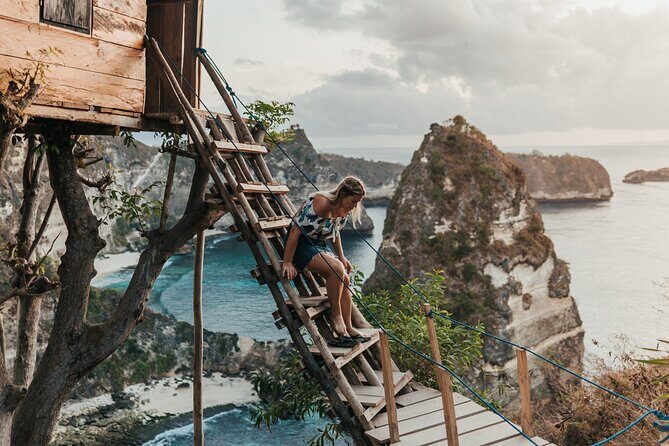
Best Iconic West and East Nusa Penida Island Tour - All Inclusive - Stop 5: Paluang Cliff (pink beach views and a satisfying finale)
After Kelingking, you head to Paluang Cliff. Travel is about 15:00–15:30, and exploration runs 15:30–16:00.

Paluang is a viewpoint known for showing Pinkie Beach from the side. You also get that nice bonus effect where Kelingking appears in the bigger photo story behind you. If you’re building one “Nusa Penida day” album, this stop helps your photos feel connected rather than random.

The time slot is shorter than Kelingking, but that’s normal for a cliff viewpoint. You’re there to get the angle, take the shots, and enjoy the view without draining your energy.

My tip: treat the last minutes like a final photo sprint. You’ll feel the difference between rushing and having time to pick your angles when you review your pictures later.

Returning to Sanur and back to Kuta: tired, but worth it
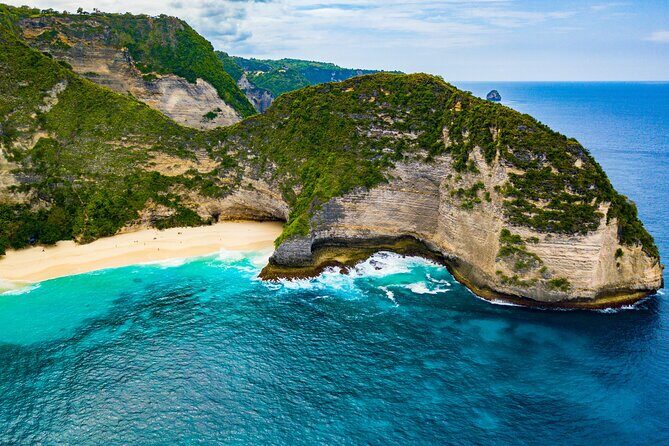
Best Iconic West and East Nusa Penida Island Tour - All Inclusive - Returning to Sanur and back to Kuta: tired, but worth it
After Paluang Cliff, the schedule shifts into “wrap up” mode. You’ll go back to the Nusa Penida harbor around 17:00, then take the fast boat to Sanur 17:00–17:30. You’ll then be escorted back to your Bali hotel 17:30–18:00.

This is a long day, no way around it. But it’s built to end with transport handled for you, not you figuring out boats and rides at night.

If you like having a clear finish time, this helps. You’re not guessing when your day will end. You’re in control of your evening plans back in Kuta.

What makes the guides matter (and why it shows up in reviews)

A tour like this is only as good as the people handling it. The experience is run by Bali Golden Tour, and the reviews clearly connect the good feeling to the guides and drivers.

I especially noticed three names showing up with praise: Erna, DEPA, and Bagu. That matters because Nusa Penida days are about more than just visiting spots. Good guides:

  • keep you moving between stops without chaos
  • help with photo timing and angles
  • make the day feel comfortable, even if you’re traveling alone

If you’re solo, the photo support can be a huge quality-of-life improvement. One review specifically called out how a driver took photos throughout the day, which means you’re not stuck begging strangers to help.

The real value of $110: what you’re paying for

At $110 per person, the price isn’t cheap in the way a no-frills taxi-only option is. But for a full-day Nusa Penida loop, it’s also not random.

Here’s what that money covers based on the included elements:

  • Hotel pickup in Kuta to the Sanur port
  • Fast boat transport to Nusa Penida and back
  • A private car to move around the island
  • Entry/ticket coverage for key stops like Diamond Beach, Tree House Molenteng, Kelingking Beach, and Paluang Cliff (as listed)
  • Lunch (Indonesian food) during the day

So you’re not paying just for scenery. You’re paying for a day that runs like a system. If you’ve ever tried to stitch together boat schedules, entrance tickets, and private driving on an island like this, you’ll understand why that value adds up.

Also, it’s listed with mobile ticket and group discounts, and it’s commonly booked about 36 days in advance. That early booking rhythm can be useful if you want a day that fits your Bali schedule.

Best for whom (and who should think twice)

This tour fits best if you:

  • want east and west Nusa Penida highlights in one day
  • prefer guided timing so you don’t waste hours negotiating transport
  • care about photo angles at cliff viewpoints
  • like a defined plan with pickup, driving, and return handled

You might think twice if:

  • you’re worried about heat and climbing at the Tree House Molenteng stop
  • you want a slow, flexible day with long beach lounging and no tight transitions

It’s still doable for many fitness levels, but it’s not a flat, stroll-only itinerary.

Booking tips that actually help

A few practical moves can make this day smoother:

  • Wear closed, grippy shoes. The itinerary includes cliffs and rocky areas.
  • Bring a hat and sunscreen. Midday stops happen in full sun.
  • Pack water. The day is long and the treehouse access can be taxing in warmth.
  • Plan to bring a phone or small camera strap. Wind and movement happen around boats and cliffs.
  • Keep your mindset flexible on timing. You’re working around tide, conditions, and weather.

Weather note: the experience is marked as requiring good weather. If conditions are poor, you’ll be offered a different date or a full refund, so don’t book this as your only possible plan.

Should you book this Nusa Penida iconic day tour?

If you want the best-of list—Diamond Beach, Molenteng Tree House, Kelingking Beach, and Paluang Cliff—all in one organized day, this tour is a strong choice. The all-inclusive setup means you spend your energy on viewpoints instead of logistics, and the private driving helps you cover a lot without feeling like you’re sprinting alone.

Book it if you’re comfortable with a long day and the reality of heat at the treehouse. Skip it if you want low-effort sightseeing or you know you’ll struggle with rocky access and standing/walking time.

If your goal is one memorable Nusa Penida day with solid photo opportunities and a smooth ride plan, this is the kind of tour that saves you time—and keeps the day enjoyable.

FAQ

What time does the tour start?

Pickup starts around 06:30 am, and you’ll check in at the Sanur fast boat around 07:30–07:45, with departure at 08:00.

Is hotel pickup included?

Yes. The tour includes pickup offered and includes getting you from your hotel area in Bali to the port at Sanur.

How long is the tour?

The duration is listed as about 10 hours.

What are the main stops on the itinerary?

You’ll visit Diamond Beach, Rumah Pohon Molenteng (Tree House), have lunch at Warung The Sorent, then go to Kelingking Beach and Paluang Cliff, before returning to Sanur and back to your hotel.

Is this tour private?

Yes. It’s listed as a private tour/activity with only your group participating.

What happens if weather is bad?

The experience requires good weather. If it’s canceled due to poor weather, you’ll be offered a different date or a full refund.

Bali ATV Ride and White Water Rafting

Two thrills in one Bali day. Ayung River rafting plus an ATV ride through lush countryside makes this outing feel like you’re getting more than your money’s worth in about 6 hours.

I like that it’s a real combo: you cool off on the river, then dry off (sort of) and roar around rice paddies with a guide. I also like the practical touches—air-conditioned vehicle, bottled water, lunch, and even a shower/changing room so you’re not stuck feeling gross afterward.

One consideration: you should plan for getting wet during rafting and then riding on the ATV in boots and helmet. Bring a change of clothes, and you’ll be a lot happier.

Key Things To Know Before You Go

Bali ATV Ride and White Water Rafting - Key Things To Know Before You Go

  • Ayung River action with safety equipment included, plus chances to see waterfall moments from the water
  • ATV around rice paddies with a guide and the option to ride solo or tandem
  • Buffet lunch after rafting, so you’re not scrambling for food mid-adventure
  • Shower and changing room to reset before the ride back
  • Small group size (max 6), which usually means more attention and less waiting
  • Pickup offered, and you can upgrade for hotel transfers

How This Bali ATV and Ayung Rafting Combo Really Feels

Bali ATV Ride and White Water Rafting - How This Bali ATV and Ayung Rafting Combo Really Feels
This is the kind of day trip you’ll remember because it moves. You’re not just touring viewpoints from a bus seat. You’re on the water, then on an ATV, and you’re doing both with guides who handle the gear and the timing.

The best part is that the adrenaline is paced. Rafting wakes you up and gets your muscles working, and the ATV ride turns that energy into speed on dirt tracks. Between the two, you get lunch—buffet style—so you’re not running on nerves and snacks.

Also, this runs with a small maximum group of 6 people. That matters in Bali where bigger groups can mean long waits and less individual attention. Here, you can expect the day to feel more like a direct activity session than a slow “tour loop.”

Price and Value: Is $48.56 a Good Deal?

Bali ATV Ride and White Water Rafting - Price and Value: Is $48.56 a Good Deal?
At about $48.56 per person, this combo is priced like a budget adventure, but it doesn’t feel skimpy on the essentials.

Here’s where the value comes from:

  • You’re paying for two activities (white-water rafting + ATV ride) in one day.
  • Lunch is included, not something you have to budget for separately.
  • All safety equipment is included (you don’t need to hunt down rentals).
  • You get bottled water, plus an air-conditioned vehicle.
  • There’s a shower/changing room, which is a big deal when you’ve been splashing and sweating.

The one “hidden” cost to plan for is personal convenience: you’ll want sunscreen and a camera, and you’ll need a change of clothes. Luckily, those are easy items to bring and not major extra spending.

If you want one practical rule: if you’re already planning to do rafting and ATV in Bali, bundling them like this usually saves you time and coordination headaches.

Getting There: Meeting Point and Pickup Setup

Bali ATV Ride and White Water Rafting - Getting There: Meeting Point and Pickup Setup
The activity starts and ends back at the meeting point. The start location is:

Jl. Raya Krasan, Sedang, Kec. Abiansemal, Kabupaten Badung, Bali 80352, Indonesia

Pickup is offered, and there’s also an upgrade option for hotel transfers. Either way, you’ll spend less of your day figuring out transport and more of your day doing the stuff you came for.

Expect a day that’s timed tightly: rafting, then lunch, then ATV, then back. With a small group max of 6, the schedule usually feels smoother than tours that cram in lots of stops.

Step One: Ayung River Rafting and the Waterfall Moments

Bali ATV Ride and White Water Rafting - Step One: Ayung River Rafting and the Waterfall Moments
The rafting portion is on the Ayung River. You’ll get safety gear and you’ll go with a guide who helps you handle the route and the river sections.

What you can realistically count on:

  • You’ll get wet. Rafting water hits, even on calmer moments.
  • The guide leads you through the river experience, including cool-off sections.
  • There are waterfall moments along the way that can look great from the raft, especially when the light hits the spray.

One thing I appreciate here is the setup: the tour includes safety equipment, bottled water, and a vehicle. That usually means less hassle and fewer “wait, where do I sign up for gear” moments.

Possible drawback: because this is rafting on moving water, it’s not just about “being active.” You also need to be okay with the physical reality of splashes and brief cold-to-cool water exposure.

Between Rafting and ATV: Lunch, Reset Time, and Gear Comfort

Bali ATV Ride and White Water Rafting - Between Rafting and ATV: Lunch, Reset Time, and Gear Comfort
After rafting, you’ll have a buffet lunch. This is one of those underrated parts of a combo tour. When you’re done paddling and you’re ready to ride an ATV, food that’s actually part of the schedule helps keep energy stable.

You also get access to a shower room and changing room. That’s a practical win for comfort. You’ll likely finish rafting damp, then transition into a helmet-and-boots ATV ride. Being able to rinse off and switch clothes makes the whole second half feel more enjoyable and less sticky.

What to bring makes sense here:

  • Change of clothes (worth it)
  • Sunscreen
  • Camera

No DVD video is included, so if you want keepsakes, rely on your own photos and video.

Step Two: ATV Ride Through Rice Paddies (Solo or Tandem)

Bali ATV Ride and White Water Rafting - Step Two: ATV Ride Through Rice Paddies (Solo or Tandem)
After lunch, you’ll put on your helmet and boots and ride an ATV around Bali’s rice paddies with a guide. The ATV portion is where you trade teamwork for control—hand to throttle, feet positioned, and focus on the track.

Two big things you should care about:

  • You can choose solo or tandem. If you want more control and personal experience, go solo. If you’re sharing the thrill and keeping things less intense, tandem can be a good fit.
  • You’re not riding alone in a vacuum. A guide is with you, and that usually means you follow a planned route rather than randomly wandering.

And yes, there will be bumps. That’s the point. The ride is designed for motion—so if you’re expecting a gentle scenic cruise, you might be surprised. Plan on some vibration and physical movement.

Who This Day Trip Suits Best

Bali ATV Ride and White Water Rafting - Who This Day Trip Suits Best
This combo is a smart match for:

  • People who want action in one day: rafting plus ATV without juggling two separate bookings
  • Adrenaline-focused outings where you don’t mind getting wet
  • Anyone who likes having a guide handle the details so you can focus on the fun

It’s also a decent choice if you value small-group pacing. With a max group size of 6, you’re less likely to feel like you’re stuck waiting around for other teams.

If you’re the kind of person who gets frustrated by messy clothing and sweat, use the built-in shower/changing room and bring a proper change. It’ll make the day feel much easier.

Small-Group Energy and Guide Support

Bali ATV Ride and White Water Rafting - Small-Group Energy and Guide Support
The overall vibe from the experience is that the guides and drivers are there to make it work for you. The feedback highlights friendliness and working around interests and needs, which matters a lot on combo tours. When timing tightens, a guide who communicates clearly can turn stress into a smooth flow.

You also get pickup options and a vehicle included. That removes a big chunk of day-trip friction in Bali, where transport can be the difference between a fun outing and a slightly annoying schedule.

And with a maximum of 6 travelers, you’re more likely to get attention when you have questions—like how to position on the ATV, or what to do if you’re unsure about any part of the rafting gear and briefing.

What to Pack (So You Don’t Regret It Mid-Adventure)

The tour specifically asks you to bring sunscreen, a camera, and change of clothes. I’d treat those as mandatory, not optional.

My practical packing list for this kind of day:

  • Sunscreen (you’ll be outside for both rafting and ATV)
  • A camera/phone that you can keep dry or use quickly during splashes
  • One full change of clothes for after rafting
  • Something simple for the rest of the day that can get damp (comfort beats style here)
  • If you wear glasses/contacts: keep your own plan in mind for rafting water exposure

One more note: the included bottled water is handy, but you’ll still want to pace yourself and take sips when you can.

Duration: Can You Really Fit This In One Day?

The duration is about 6 hours. That’s long enough to feel like you did something real, but not so long that you’ll feel like you lost the whole day.

You’ll likely feel a time crunch only if you’re using the day for other activities. Plan for this to be the main event. Once rafting starts and ATV follows, it’s hard to add extras without messing up the flow.

With pickup options and a return to the meeting point, the day is designed to close out neatly. That’s useful if you don’t want to manage transport after getting wet.

Provider Note: Hire Bali Cab

The experience provider listed is Hire Bali Cab. Since transport is part of the offering (air-conditioned vehicle is included, pickup is offered, and hotel transfer is available as an upgrade), the provider matters. A good transport flow is the quiet hero of combo tours, because it determines whether you spend your energy on fun or on waiting.

Should You Book This Bali ATV and Ayung Rafting Combo?

I think you should book this if you want two high-energy activities in one day, and you care about comfort add-ons like lunch plus a shower/changing room. The price feels fair when you factor in what’s included: safety gear, water, buffet lunch, transport, and access to reset after rafting.

I’d skip it if you hate wet activities or you want a relaxed, slow sightseeing day. The ATV ride is meant to be active, and the rafting portion is meant to be on water, which means you should expect splashes.

If you’re on the fence, decide like this: if you’re already excited about both rafting and ATV, bundling them here saves time and hassle. And if you’re mainly craving one of them, consider whether the second activity is worth the energy for your current mood.

FAQ

Is pickup available for the Bali ATV ride and white-water rafting?

Yes. Pickup is offered, and there’s also an option to upgrade for hotel transfers.

How long is the tour?

The total duration is about 6 hours.

Can I ride the ATV solo or tandem?

You can choose solo or tandem for the ATV ride.

What is included in the price?

The tour includes an air-conditioned vehicle, bottled water, lunch, shower and changing room, and all safety equipment.

What should I bring?

Bring sunscreen, a camera, and change of clothes.

Can I cancel for a full refund?

You can cancel for a full refund if you cancel at least 24 hours before the experience’s start time.

Experience The Real Bali, With Your Own Bali Private Car And Driver

Experience The Real Bali, With Your Own Bali Private Car And Driver - Pickup Zones: Getting Started Without Losing Half a Day

A private car in Bali can feel like cheating the chaos. For $50, you get a 7am start and a driver who helps shape your route so you can focus on temples, viewpoints, and scenery instead of scooters and stress. The best part is flexibility: you’re not stuck on a rigid schedule.

I especially like two things: the car-and-driver setup (no driving yourself) and the way the day can be tailored on the fly, with help if you run short of ideas. The main drawback to plan around is that entrance fees and taxes are on you, so your final total depends on what you choose to visit.

Key Things I’d Prioritize With This Private Bali Car

Experience The Real Bali, With Your Own Bali Private Car And Driver - Key Things I’d Prioritize With This Private Bali Car

  • A flexible day plan: you design the itinerary, then adjust with driver recommendations
  • Pickup and drop-off where you’re staying across major areas like Kuta, Seminyak, Canggu, Ubud, and more
  • Up to 6 people for one flat car rate (very comfortable for that number)
  • An English-speaking driver who’s also practical about timing and getting around traffic
  • Costs are clear: fuel, parking, and toll charges are included; you cover admission fees

Why This Private Car Works So Well in Bali Traffic

Bali is beautiful, but the road vibe can be intense. The overview is blunt for a reason: self-driving can be dangerous and stressful, especially with scooters moving like they have their own weather system. Add in the fact that parking can be a pain, and driving yourself stops feeling like freedom and starts feeling like work.

This is the opposite. You get a private vehicle plus an English-speaking driver, and you spend the day watching the island instead of navigating it. When the driver knows how to time pickups, handle stops, and manage route choices, you gain something underrated: mental bandwidth. You can actually enjoy the experience rather than bracing for the next turn.

One more practical win: the day runs about 8 to 10 hours, which is long enough to get a real mix of places without turning the trip into a blur of constant rushing.

Your Driver Helps You Build the Day, Not Just Drive

Experience The Real Bali, With Your Own Bali Private Car And Driver - Your Driver Helps You Build the Day, Not Just Drive
This experience is built around one idea: you design the itinerary, and the driver helps. If you have a plan, you’ll likely follow it. If you don’t, you can ask for recommendations and steer your day toward whatever mood you’re in—nature, spiritual sites, photo stops, or a mix.

That flexibility matters in Bali because the best route is often the one that fits your energy, not a list you found online. A good example from the guides’ style: in several accounts, drivers like Jay and Agung were praised for guiding people to the right spots, and for being genuinely helpful with the pacing. Another theme I saw was drivers adjusting plans based on what people asked for—like when Arjun helped rearrange a program to match family needs.

Also, don’t sleep on the photo value. Arjun was mentioned as doubling up as a photographer, and Dewa Gunawan was noted for taking many photos that looked professional. If you care about getting pictures without awkward setup at every stop, this is a real perk.

Pickup Zones: Getting Started Without Losing Half a Day

Experience The Real Bali, With Your Own Bali Private Car And Driver - Pickup Zones: Getting Started Without Losing Half a Day
This is a big deal if your hotel isn’t in the middle of the action. The pickup and drop-off coverage includes popular areas in Denpasar, Kuta, Legian, Canggu, Seminyak, Ubud, Sanur, Nusa Dua, and Jimbaran. In plain terms: chances are good you won’t need to travel far just to meet your car.

The start time is 7:00 am. An early departure helps because you’re less likely to start your day already stuck in gridlock. Even if traffic is still traffic, you’re starting from a better position.

Also, the experience is described as private: only your group participates. That means the driver isn’t hopping between different parties, which usually makes timing smoother.

What You’ll Actually Do During the “Bali” Day

Experience The Real Bali, With Your Own Bali Private Car And Driver - What You’ll Actually Do During the “Bali” Day
The itinerary is flexible rather than fixed. Your day is set up like this: you’re picked up, you visit interesting places on Bali based on the options available to you, and you end back at your drop-off point.

Even though there isn’t a strict list of named stops provided in the summary, the general direction is clear from the experience details and the examples people gave: you can focus on nature and spiritual sites. Nusa Penida also came up as a great add-on option for some visitors, praised for the scenery.

Here’s how I’d think about structuring your day with this kind of private charter:

  • Pick a theme for the morning
  • If you’re aiming for spiritual stops, you’ll likely want fewer locations but more time per stop so the visits feel respectful rather than rushed.
  • If you’re aiming for views and nature, plan for photo time that doesn’t feel forced.
  • Pick a second theme for the afternoon
  • A common smart pattern is pairing one scenic area with one culture or spiritual moment. It keeps the day balanced.
  • Leave buffer time for route reality
  • Bali’s road conditions can surprise you. Drivers were praised for choosing routes that helped avoid many traffic jams, and that’s exactly what you want: fewer hours lost to dead time.

A note on distance

Because you’re designing the day, you can also design the risk. If you try to stack far-apart areas into one schedule, the day can feel tight. The driver can help adjust, but it’s still your responsibility to decide how full you want the itinerary to be.

Comfort and Group Size: The Car Rules You Should Know

This is priced per car, and the capacity is listed as up to 7 persons per car, but the rate is specifically for a maximum of 6 persons. The car is described as very comfortable for six. So if you have a group of 6, this is clearly a sweet spot.

Also, if you’re traveling in a group, you’ll appreciate the difference between:

  • one shared ride with everyone together, and
  • splitting into multiple vehicles

This setup keeps the day simple. Your driver works with one schedule, one group, and one set of needs—especially helpful when you want photo stops or a quick adjustment to keep everyone happy.

Price and What It Covers (Plus the Stuff You Pay Yourself)

The headline price is $50 for a day of about 8 to 10 hours. That’s per car, and it covers the vehicle and driver time—along with practical costs: fuel, parking, and toll charges are included.

What’s not included is equally important:

  • Food and drinks (you’ll cover this)
  • All fees and taxes (meaning admission fees at attractions are on you)

So the value isn’t just about the low rate. It’s about reducing the hidden spending that usually comes with getting around: parking fees, fuel, and tolls would add up fast if you were paying separately or trying to coordinate multiple rides.

If you’re the type who prefers predictable budgeting, I’d do this before you set your itinerary: decide which stops you absolutely want and expect to pay admission for. Then the rest of the day becomes easier to control financially.

Driver Quality: The Real Difference You’ll Feel

A private car is only as good as the driver you get. In the experiences people shared, the drivers were praised for being punctual, safe, friendly, and flexible.

Some specific names that were called out:

  • Jay and Agung for guiding people to great natural and spiritual spots
  • Arjun for reorganizing a program and acting as a strong helper for photos and pacing
  • Dewa for safe, smooth, and well-handled guidance
  • Anggaa for being punctual and making the whole day feel hassle-free
  • Agung Tattoo for helping people see plenty of places and for arriving before time
  • Dewa Gunawan for patient explanations and lots of professional-looking photo help

Even if you don’t get one of these exact people, the pattern matters: you should expect an experienced, English-speaking driver who’s comfortable with questions, suggestions, and day-of adjustments.

Practical Tips So the Day Feels Effortless

Experience The Real Bali, With Your Own Bali Private Car And Driver - Practical Tips So the Day Feels Effortless
You can make this experience even better with a little prep. Here are my favorite moves that match how the service is designed to work:

  • Start with a theme list, not a fixed checklist

Write down 3 to 5 must-do ideas. That gives the driver room to recommend the order.

  • Tell the driver your pace

If you want lots of stops, say so. If you want fewer stops with more time, say that too. The praise for flexibility suggests drivers respond well.

  • Plan photo moments in advance

If you want good pictures, mention it early. Drivers like Arjun and Dewa Gunawan were praised for taking lots of photos, which usually works best when it’s not a last-minute scramble.

  • Budget for entrance fees at the start

Since admissions are not included, you’ll avoid surprises by assuming you’ll pay as you go for the sites you pick.

  • Keep day travel sensible

If you choose far areas, expect the schedule to feel more compressed. If you keep it tight, the day feels calmer and more enjoyable.

Should You Book This Private Bali Car?

I’d book it if you want a stress-free way to explore Bali without the hassle of driving, and you like the idea of shaping the day around your interests. It’s especially good value if you have a group up to 6 people because you pay one flat car rate and get a full day of transport plus an English-speaking driver.

I would think twice if you’re someone who needs a fully fixed, named itinerary with included admission fees. This experience is designed for customization, and the sites’ entrance costs are your responsibility.

If you’re staying in Kuta, Seminyak, Canggu, Denpasar, Ubud, Sanur, Nusa Dua, or Jimbaran, and you want a smooth, flexible day, this is one of the easiest ways to get out and see Bali without turning your vacation into a driving project.

FAQ

How long is the private car with driver experience?

It runs about 8 to 10 hours.

What time does pickup start?

Pickup starts at 7:00 am.

Where can you get picked up in Bali?

Pickup and drop-off are available in popular areas including Denpasar, Kuta, Legian, Canggu, Seminyak, Ubud, Sanur, Nusa Dua, and Jimbaran.

Is this a private tour?

Yes. It’s private, so only your group will participate.

How many people can fit in the car?

The car capacity is up to 7 persons, and the rate is per car for a maximum of 6 people (described as very comfortable for 6).

Is the driver English speaking?

Yes, an English-speaking driver is included.

Is fuel, parking, and tolls included?

Yes, fuel, parking, and toll charges are included. Entrance fees are not included.

What do I pay for if I book this?

You pay for food and drinks, plus all fees and taxes (including attraction admission fees).

Do I need to print tickets?

A mobile ticket is offered.

Can I cancel for a full refund?

Yes, free cancellation is available if you cancel up to 24 hours in advance of the experience start time.

Snorkelling in Nusa Penida – Manta Point

Snorkelling in Nusa Penida - Manta Point - Why this boat day beats “one reef and done”

Mantas pull you in, but the plan matters. This full-day snorkel trip is interesting because it stacks multiple reefs off Nusa Penida into one smooth boat day, with a dedicated guide for each snorkel group. You’ll get transport from Sanur to the meeting point and then out on the water to cover more reef than many shorter tours.

I especially like the way lunch, snacks, and bottled water are built in, so you’re not scrambling for food between swims. I also like that the operator keeps the day structured around three set snorkeling stops, not just one quick beach session. The overall pacing feels designed for real reef time.

One thing to factor in: there’s an extra IDR 100,000 conservation fee payable in cash on the day. Everything else is priced with taxes and handling already accounted for, but that cash fee is easy to overlook if you’re comparing deals.

Key highlights worth knowing

Snorkelling in Nusa Penida - Manta Point - Key highlights worth knowing

  • Manta Point + Crystal Bay + north drift snorkeling in one route
  • Often spot manta rays, with coral gardens of hard and soft corals
  • Dedicated snorkeling guide for each group focused on safety
  • Lunch, snacks, and bottled water included onboard
  • Small group size (max 12) plus snorkeling insurance and equipment included
  • Conservation fee (cash, IDR 100,000 per person) is an extra cost

The Sanur setup: pickup, boat timing, and what the day feels like

Snorkelling in Nusa Penida - Manta Point - The Sanur setup: pickup, boat timing, and what the day feels like
This trip starts in Sanur, with pickup offered and the activity meeting at Neptune in the Sanur area. Opening hours run from 7:00 AM to 4:00 PM, and the total tour time is listed as about 6 hours (transfer times vary with time of day and traffic). Once you reach the dive center area, logistics get handled before you head out.

Expect a 45-minute boat ride to Nusa Penida. That’s long enough for the day to feel like a proper escape, but not so long that you burn hours sitting in transit. Then the plan becomes a coast-hugging loop: you’ll move from the south around the island, traveling up the west coast toward the north side for additional snorkeling.

One smart detail in the design: you’re not just doing a single “see a reef, get back on the boat” pattern. The route is built to maximize different sections of coastline, which usually means better variety in what you see and how the water conditions change from stop to stop.

Why this boat day beats “one reef and done”

Snorkelling in Nusa Penida - Manta Point - Why this boat day beats “one reef and done”
A lot of Nusa Penida snorkel tours rush you to one main spot and call it a day. This one is different because the boat transfers are set up to cover much more reef than standard shorter tours. The tour description explicitly frames it as an all-day coast run, not a quick outing.

That matters because reef conditions aren’t identical everywhere. Even when the overall area is the same island, visibility, current, and what marine life hangs around can shift. By adding multiple locations—including the north drift spots—you give yourself more chances to have that wow moment, even if conditions aren’t perfect at one stop.

It also helps psychologically. After the first swim, you already have the next stop coming up, so you stay focused on the water instead of waiting around for the day to end. The day feels like it’s “in motion,” which is exactly what you want when you’re paying attention to waves, tide, and sea state.

Stop-by-stop: how each snorkeling location works

Snorkelling in Nusa Penida - Manta Point - Stop-by-stop: how each snorkeling location works
The trip is set around three snorkeling locations off Nusa Penida, commonly described as Manta Point, Crystal Bay, and north-side drift snorkeling spots. The exact ordering is tied to the day’s route, but you can think of it as a mix of signature reef and calmer coral areas, then a change of pace with the north current sections.

You’ll also hear about a stop at Kelingking Beach as part of the day’s routing. The activity data doesn’t spell out how long you’ll stay there, but the presence of this stop usually means a break and a chance to see that famous coastline from the land route while the boat day is underway.

Here’s what each snorkeling section is best for.

Manta Point: what you’re really signing up for

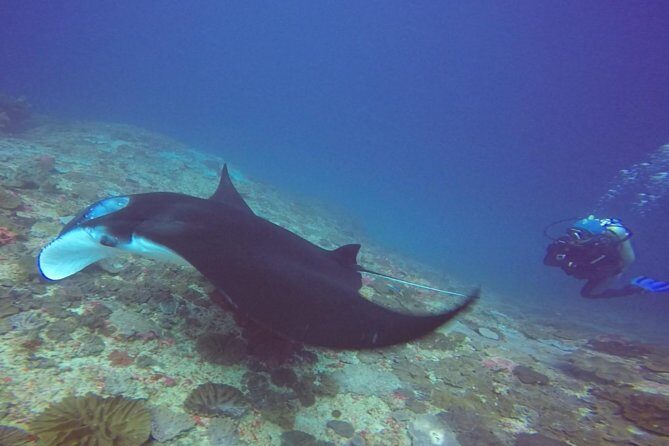
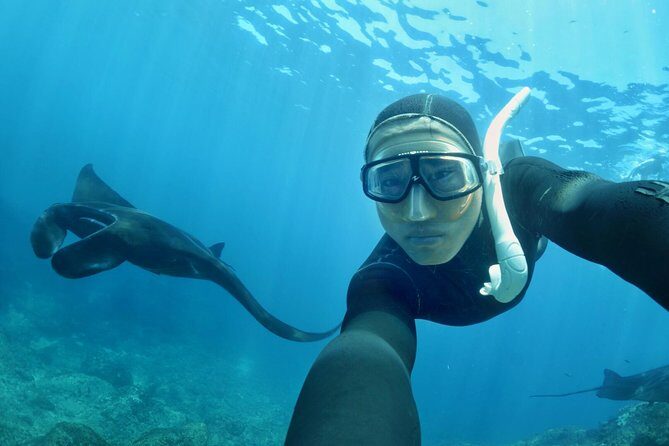
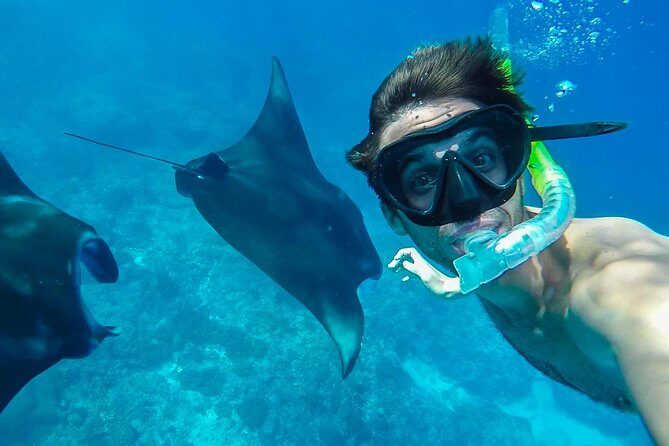
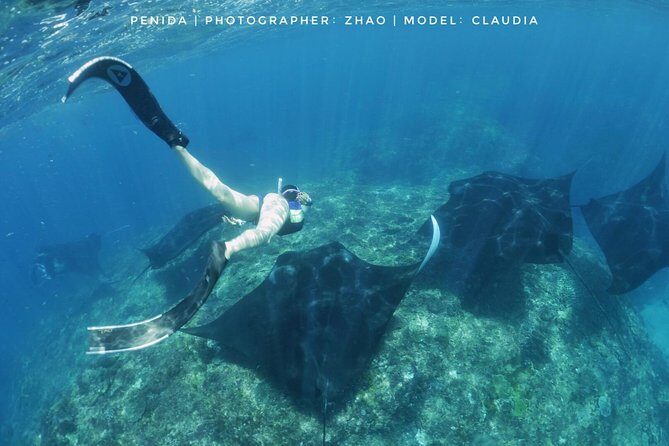
Manta Point is the headline, and it’s included for a reason. The tour description says you’ll snorkel there with a strong chance of seeing impressive marine life, often including manta rays.

That said, manta sightings are never guaranteed. What you can count on is that this stop is selected specifically for high-quality reef scenery and frequent marine-life activity. If you’re coming for manta chances, this is the stop you want on your itinerary.

One practical consideration: sea conditions can affect access. In the information provided, there’s an example of high waves where reaching Manta Point wasn’t possible, and the day still moved forward with other snorkeling. So treat Manta Point as a top priority, but keep a flexible mindset if the sea state changes.

Crystal Bay: corals and a calmer feeling

Crystal Bay is the other named reef stop, and it’s typically the one that balances the day. The tour description highlights both hard and soft corals here, plus impressive marine life.

In practical terms, this is where you benefit from having time and gear handled for you. Your guide keeps the group together, and the snorkeling time at a second location usually helps you enjoy the coral variety rather than rushing from one “maybe” sighting to the next.

If your idea of a great snorkel day is coral detail—texture, color, and fish activity—Crystal Bay is the kind of stop that fits. You’re also more likely to appreciate the reef itself if you’re not fighting the hardest conditions of the whole route.

North-side drift spots: don’t fight the current

The itinerary includes drift snorkeling sites in the north. This is where the experience can feel more dynamic. Drift snorkeling generally means you’re letting the water move you while you watch the reef and marine life from the surface.

The big value here is variety. If Manta Point and Crystal Bay are your “main reefs,” the north drift spots add a different snorkeling style that often feels more like exploration. It can also mean more chances to see different species than you’d see at a single static location.

Because drift conditions can be more challenging, this is also where your guide matters. The tour’s safety approach is built around each snorkel group having a dedicated guide, which is exactly what you want when currents are involved.

Equipment, guides, and the safety vibe that makes a difference

You get snorkeling equipment included, which matters on a day like this when you don’t want to deal with rentals, fitting, or last-minute confusion. Equipment setup depends on your height, weight, and shoe size, so if the operator asks for those details during booking, take it seriously. The faster they can size you correctly, the sooner you’re in the water.

A standout feature in the tour description is that safety is a priority, with a dedicated guide for every snorkel group. That’s a big deal in Nusa Penida because the day involves boat time, water time, and changing conditions between stops. A dedicated guide also means you’re more likely to get quick instructions about what to watch for and how to snorkel comfortably in each spot.

You’ll be snorkeling with small-group energy. The tour lists a maximum of 12 people, which is far more comfortable than the large cattle-car setups that make snorkeling feel rushed. Reviews tied to this experience also emphasize organization and that the boat is clean and safe, which aligns with the overall “prepared day” feel.

What’s included onboard: staying powered for the long water route

This isn’t a bare-bones outing. You’ll have lunch, snacks, and bottled water onboard. That kind of inclusion turns the day from a gamble into something you can plan your energy around.

The value is simple: you can snorkel harder because you’re not running low on food or fluids after the first stop. On a boat day, it’s easy to underestimate how much energy you burn just by moving, suiting up, and staying alert for water conditions.

There’s also mention of cool drinks onboard, which helps keep the day comfortable. Bring sun protection (hat, sunscreen) because the tour doesn’t list it as included, and with multiple water stops, you’ll get real sun exposure.

If you have dietary needs, a vegetarian option is available when you advise at booking. That’s a useful detail because lunch is included and you don’t want to end up with a sad substitute once you’re already out on the route.

Price and value: is $150 a fair deal?

At $150 per person, this tour isn’t the cheapest way to snorkel near Bali. But it looks like the price is paying for three things that most bargain tours don’t deliver as well:

First, you’re paying for multiple snorkeling locations off Nusa Penida, including Manta Point and Crystal Bay plus north drift spots. A day that covers more reef is usually more expensive because it requires the boat schedule and timing to match.

Second, the operator includes snorkeling equipment, snorkeling insurance, lunch, snacks, and bottled water. If you price those items separately, the “extra” cost often shrinks.

Third, you’re paying for the human part: a professional snorkeling guide and safety structure with a dedicated guide per group. That’s hard to quantify, but it shows up in how smoothly the day runs—especially when sea conditions shift.

The one surprise cost is the IDR 100,000 conservation fee, payable in cash. If you budget that upfront, the overall price feels more comparable to other full-day, multi-stop reef experiences.

If you’re comparing tours, I’d look less at the base price and more at what’s included onboard, the number of sites, and whether the itinerary is designed for a full reef circuit.

Group size and who this tour suits best

Snorkelling in Nusa Penida - Manta Point - Group size and who this tour suits best
With a maximum of 12 people, this tour fits people who want organization without feeling trapped in a big crowd. Reviews also point to a smooth experience even when the boat includes a mix of scuba divers and snorkelers, which suggests the operation can handle different comfort levels in the same day.

Who it’s best for:

  • People who want serious reef variety in one outing
  • Snorkelers who care about safety and guidance more than solo freedom
  • Anyone who wants the included food and equipment so the day stays simple

Who might want to rethink it:

  • People who are mainly chasing a guaranteed manta encounter (nature doesn’t do guarantees)
  • Anyone sensitive to changing sea conditions, since access and comfort can shift with waves
  • People who want a very short, low-cost trip (this is built as a full boat day)

Small practical tips before you go

Here are a few details that will make the day smoother, based on what the tour setup requires.

  • Answer the equipment sizing questions carefully (height, weight, shoe size). It speeds up fitting and helps you snorkel more comfortably.
  • Plan for a cash add-on for the conservation fee (IDR 100,000 per person). If you arrive without cash, you’ll be stuck at the worst moment.
  • If you’re the type who gets impatient, stay focused on the route. The day includes a boat ride plus multiple stops, and it flows better if you expect that rhythm.
  • Pack reef-safe sunscreen and a hat. You’ll be on the water multiple times, and the sun has a way of showing up fast in open boats.

Should you book this Nusa Penida snorkel route?

Book it if you want a structured, multi-stop Nusa Penida day with the best-known named reefs (Manta Point and Crystal Bay) plus additional north snorkeling. The included lunch, snacks, bottled water, equipment, and insurance make it feel like a complete package, not just transportation and a quick swim.

Skip or reconsider if your number one goal is guaranteed manta sightings no matter the sea conditions. Also think twice if you hate the idea of being on a boat for long enough that waves can change your exact path.

If you’re comfortable treating Manta Point as a top-chance stop and you like the idea of snorkeling several different reef areas in one day, this tour is a solid pick.

FAQ

What is the duration of the snorkeling experience?

The tour duration is listed as approximately 6 hours, with transfer times that can vary depending on time of day and traffic.

Is pickup included?

Pickup is offered, and the experience starts at the Neptune meeting point in the Sanur area.

Where does the tour start and end?

It starts at Neptune Scuba Diving Bali, Jl. Suka Merta, Sanur Kauh, Denpasar Selatan, Kota Denpasar, Bali 80228, Indonesia. It ends back at the meeting point.

Which snorkeling locations are included?

You snorkel three spots off Nusa Penida, including Manta Point and Crystal Bay, plus additional drift snorkeling sites in the north.

What’s included in the price?

Included are lunch, snacks, bottled water, a professional snorkeling guide, snorkeling insurance, and use of snorkeling equipment, along with all taxes and handling charges.

What’s not included?

GoPro rental is not included. A conservation fee of IDR 100,000.00 per person is also not included and is payable in cash.

Is there a vegetarian option?

Yes. A vegetarian option is available if you advise at booking.

What is the minimum age?

The minimum age is 5 years old.

What is the maximum group size?

The maximum number of travelers is 12.

What should I do if the weather is bad?

This experience requires good weather. If it’s canceled due to poor weather, you’ll be offered a different date or a full refund.

Best Bali Beaches – Uluwatu Temple – FREE Wi-Fi

Best Bali Beaches - Uluwatu Temple - FREE Wi-Fi - Nusa Dua’s Pantai Mengiat and Water Blow: Swim, Sunbeds, and Big Waves

This day trip has a simple pitch: beaches in the morning, cliffs at sunset. You get a private driver, Wi‑Fi in the car, and a plan you can tweak on the fly. I like that the route strings together classic coastal stops without you having to micromanage transport, and I also like that it’s built around Uluwatu’s sunset timing and the Kecak performance.

The big thing to think about is the traffic. Uluwatu is famous for its views, but it’s also famous for slower roads and late arrivals, so you’ll want to stay flexible with your timing.

Key Points at a Glance

Best Bali Beaches - Uluwatu Temple - FREE Wi-Fi - Key Points at a Glance

  • Private car + driver all day means fewer hassles and more time on the sand
  • On-board Wi‑Fi helps you upload photos without waiting until night
  • Fully customizable: skip stops or linger longer where you’re enjoying it most
  • Cliff temples and coastal photo stops are paced for sunset at Uluwatu
  • Clear alternatives: you can choose ticket options or even go half-day depending on what you want
  • Mask and sanitizing measures are part of the experience setup

Private Driver With Wi‑Fi: What You’re Really Buying

For $28 per person, you’re not just paying for a list of locations. You’re paying for one practical thing: a car and driver that will pick you up and keep moving, so you spend less time figuring out routes and more time living the day.

The Wi‑Fi on board sounds small, but it changes how you enjoy stops. You can grab beach photos, share them while you’re still in the moment, and not end up with a phone full of unposted shots when you’re tired and sunburnt.

Your tour is private, meaning it’s only your group. You also get bottled water, parking fees, and fuel surcharge covered, so there aren’t lots of tiny add-ons pulling at your budget.

Pickup and the Full-Day Rhythm (About 10 Hours)

Best Bali Beaches - Uluwatu Temple - FREE Wi-Fi - Pickup and the Full-Day Rhythm (About 10 Hours)
The tour runs about 10 hours, from morning through evening. Pickup covers Seminyak, Canggu, Nusa Dua, Ubud, Kuta, Jimbaran, and Sanur, with additional notes for areas like Tanjung Benoa and Legian.

That matters because long-distance travel in Bali can eat hours if you’re doing it yourself. With pickup included, the day feels like a “single plan,” not a chain of separate rides.

One more practical point: the itinerary includes multiple 1-hour blocks. In real life, those blocks can stretch or shrink based on road conditions. The upside is you can ask to spend more time at a place you love.

Nusa Dua’s Pantai Mengiat and Water Blow: Swim, Sunbeds, and Big Waves

Best Bali Beaches - Uluwatu Temple - FREE Wi-Fi - Nusa Dua’s Pantai Mengiat and Water Blow: Swim, Sunbeds, and Big Waves
Your first real beach stop is Pantai Mengiat in Nusa Dua. This is a classic Bali shoreline moment: you can swim, sunbathe, and snap photos, and you can also rent sunbeds if you want a more relaxed setup.

A short walk from there is Water Blow, a dramatic spot where Indian Ocean waves crash against jagged limestone edges. The idea is simple, but it’s one of those “stand here for a while” places. The sound alone is worth the walk.

Two ways to enjoy this stop:

  • If you want an easy morning, go straight to Pantai Mengiat, then do Water Blow when you’re ready for something more dramatic.
  • If you care about photos, plan Water Blow timing around the light and your energy level, since you’ll be on your feet.

GWK Cultural Park Stop: The Vishnu and Garuda Scale Lesson

Best Bali Beaches - Uluwatu Temple - FREE Wi-Fi - GWK Cultural Park Stop: The Vishnu and Garuda Scale Lesson
Next comes GWK, a cultural park devoted to Hindu God Vishnu and Garuda, the mythical bird companion. The headline is the giant statue of Vishnu riding Garuda, listed at 120 meters tall.

Even if you’re not the type to tour museums, this stop has a practical benefit. It breaks up beach time with something elevated and visual—literally—plus it’s an easy place to pause, look around, and reset before more coastline.

The caution? This is a “see it and move” stop. If your goal is pure beach lounging, you’ll want to keep an eye on time so it doesn’t steal from the sands you came for.

Pantai Melasti Ungasan: White Sand and a Cliffside View

Best Bali Beaches - Uluwatu Temple - FREE Wi-Fi - Pantai Melasti Ungasan: White Sand and a Cliffside View
Then you’re heading to Pantai Melasti Ungasan, a beach below a high cliff. The water is described as clear blue, with corals, and the view from the cliff is part of the appeal.

This is where the day starts to feel more like a coastal tour and less like a checklist. You get a strong sense of Bali’s geography here: cliffs, ocean, and beach all in one scene.

If you like swimming, this is a good place for it. Just remember coral zones can be fragile, so keep an eye on where you step and where you swim.

You’ll also see a “swanky” oceanfront club vibe associated with the area—think a pool, bars, and DJ events in an open-air style. If you’re not into that scene, you can still enjoy the beach itself; you don’t have to hang out at the club.

Padang Padang Beach: Surf Energy and Movie-Spotting Moments

Best Bali Beaches - Uluwatu Temple - FREE Wi-Fi - Padang Padang Beach: Surf Energy and Movie-Spotting Moments
Padang Padang Beach is the Bali stop people talk about when they want both scenery and beach culture. It’s famously linked to the filming of Eat, Pray, Love with Julia Roberts, and it’s also well known in the surf community due to its size and waves.

What I like about this kind of beach is the energy. You’re not just staring at pretty water—you’re watching surfers, spotting people who travel specifically for the break, and seeing how the shoreline changes throughout the day.

The potential drawback is crowds and intensity. If you prefer quiet, slow beach time, you’ll want to arrive in the middle of the plan when you have enough daylight and don’t feel rushed.

If you do come for photos, shoot both angles: the wide shoreline views and the close-up textures of sand and rock edges.

Uluwatu Temple: The Cliff Setting That Makes the Whole Evening

Best Bali Beaches - Uluwatu Temple - FREE Wi-Fi - Uluwatu Temple: The Cliff Setting That Makes the Whole Evening
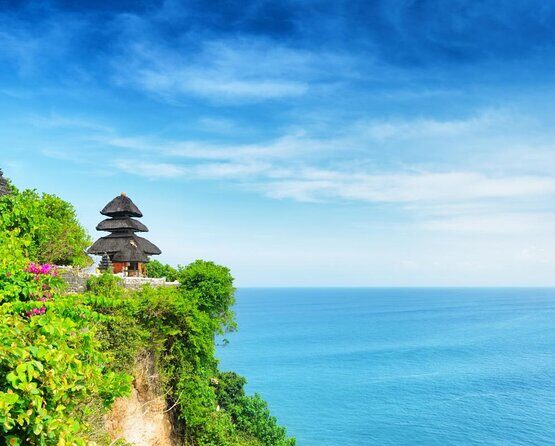
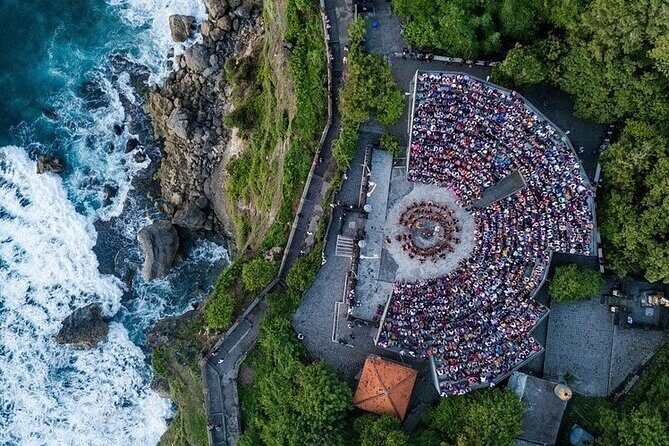
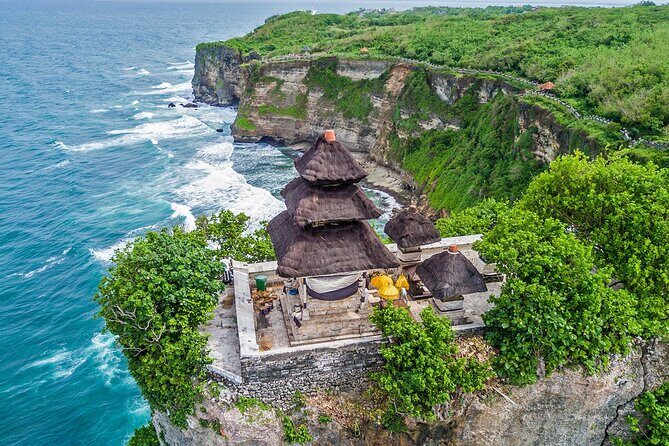
Uluwatu Temple is not just a temple stop—it’s the core “why this tour works” moment. The temple is built at the edge of a 70-meter-high cliff projecting into the sea, and it’s a pura (Balinese temple).

This setting is what makes it so photogenic and memorable. You’re not standing in a flat tourist courtyard. You’re looking out over water, watching light change, and feeling the wind coming off the ocean.

Even if religious sites aren’t usually your top priority, Uluwatu’s location gives you a built-in viewpoint. It’s the difference between seeing a temple and experiencing a dramatic place.

Kecak and Fire Dance at 6pm: Timing Is Everything

Best Bali Beaches - Uluwatu Temple - FREE Wi-Fi - Kecak and Fire Dance at 6pm: Timing Is Everything
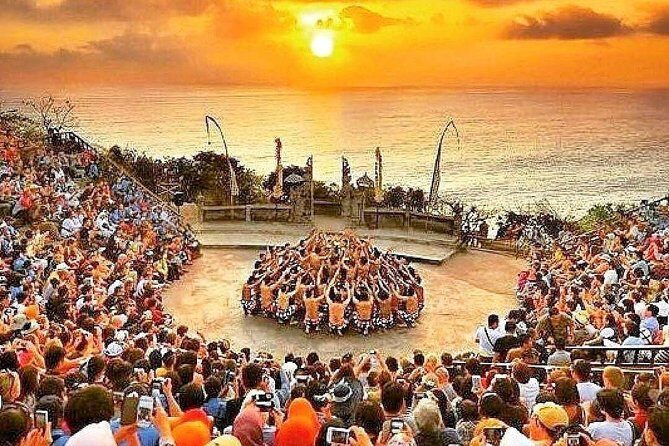
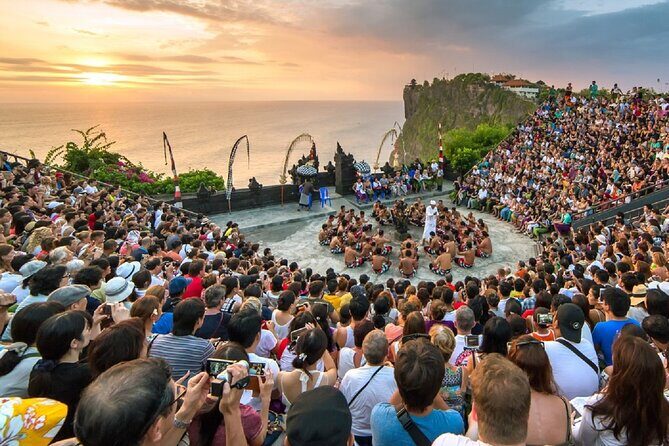
Your plan includes the Kecak and Fire Dance performance. It’s described as daily at Uluwatu Temple at 6pm, and it’s an outdoor show on the cliff side.

It’s based on the Ramayana, and the performance sits in front of the sunset backdrop. That’s why the timing matters so much. If you arrive late, you might still catch the show, but you risk losing part of the sunset effect that makes Kecak at Uluwatu special.

What I’d do: treat 6pm as your anchor time. The car ride and other stops can be flexible, but the performance schedule is the one thing you’ll want to protect as much as possible.

Also, since this is outdoors, bring sunscreen and something to cover your shoulders if you burn easily. You’ll be sitting and watching long enough that sun exposure adds up fast.

Jimbaran Bay Sunset Wrap-Up: Grilled Seafood Energy

After the temple and performance, the plan points to Jimbaran Bay for sunset and beach-side grilled seafood at cafes. This is the classic Bali “eat while watching the water” vibe.

Even if you don’t sit down for a full meal, the area is a good place to decompress. Your day will have involved swimming, walking, photos, and waiting for a show—Jimbaran is a natural place to end with something easy.

If you’re hungry, this is where that hunger becomes part of the experience. If you’re not, you can still enjoy the atmosphere and use it as a calm finish.

Price and Value: Why $28 Can Still Be a Good Deal

At $28 per person with a private vehicle, pickup, and a driver for about 10 hours, the value depends on what you care about.

This is a strong value if:

  • You want convenience from pickup through drop-off
  • You like the idea of multiple beach stops without renting scooters or dealing with navigation
  • You want a sunset-focused evening at Uluwatu without scrambling last minute
  • You plan to take lots of photos and use the Wi‑Fi for quick uploads

It may be less of a deal if you’re the kind of traveler who wants a totally free day with zero structure and no set performance timing. In that case, you might prefer renting your own transport and building the route yourself.

Tickets are where the “value math” changes a bit. The experience notes say tickets can be included or excluded by your choice. Some stops are listed as free admission, but if you want fewer surprises, pick the ticket option when booking.

Customizable Stops: How to Use Flexibility Without Losing the Day

The tour is described as fully customizable. You can skip stops and spend as much time as you want at each location.

Here’s how I’d use that flexibility in a practical way:

  • Keep the “must-see” anchor as Uluwatu Temple and the 6pm performance.
  • Be willing to shorten a stop like GWK if you’re feeling beach-tilted that day.
  • If you fall in love with a beach, ask your driver to adjust the pacing so you’re not rushing through the fun parts.

Flexibility is most helpful when you use it to protect the time you’ll regret losing. Don’t use it to constantly reshuffle everything, or you’ll end up stressed.

What to Bring (So the Day Feels Easy)

This is a beach-heavy, outdoor-heavy day. Bring sun protection and comfort items you’ll actually use:

  • sun cream and hat
  • swimsuit and towels
  • camera for photos
  • bottled water is included, but you’ll still want extra if you get thirsty fast

Also plan for walking. Even short walks between spots add up after hours in heat and sun.

Who This Tour Suits Best (And Who Might Want Something Else)

This tour fits best if you want:

  • a structured day with private transport
  • multiple beach stops in one shot
  • Uluwatu Temple and Kecak built into your schedule
  • an easy way to travel from places like Ubud or South Bali without doing logistics yourself

I’d think twice if:

  • you hate waiting and road delays (traffic can affect pacing)
  • you want a quiet, no-crowd beach day every stop
  • you’re sensitive to sun and don’t pack protection

Should You Book This Bali Beaches and Uluwatu Day?

If your dream day includes beaches plus a cliff sunset show, I think it’s a smart booking. The private driver cuts the hassle, the on-board Wi‑Fi makes photos easier in real time, and the combination of Pantai Mengiat, Melasti, Padang Padang, and Uluwatu hits a lot of classic Bali moods.

My only real caution is timing. Build your day around the 6pm Kecak performance and accept that traffic can slow things down near Uluwatu. If you’re okay with that trade-off, this tour delivers a lot of scenery per hour, without you doing the route math.

FAQ

What’s the duration of the tour?

It runs for about 10 hours.

Is pickup available from my area?

Pickup is offered from Seminyak, Canggu, Nusa Dua, Ubud, Kuta, Jimbaran, and Sanur, with additional notes for other accommodations such as Tanjung Benoa and Legian.

Do I get Wi‑Fi during the trip?

Yes, Wi‑Fi is provided on board your vehicle.

Is this a private tour?

Yes. It’s a private tour/activity, so only your group will participate.

Which places are included in the itinerary?

The plan includes Pantai Mengiat (Nusa Dua), Water Blow, GWK cultural park, Pantai Melasti Ungasan, Padang Padang Beach, Kecak and Fire Dance, Uluwatu Temple, and a sunset wrap-up near Jimbaran Bay.

Are admission tickets included?

Tickets can be included or excluded depending on the choice you make when booking.

What time does the Kecak and Fire Dance start?

It’s performed daily at Uluwatu Temple at 6pm.

What should I bring?

Bring sun cream, a hat, swimsuit, towels, and a camera for your personal use.

Are there any health and safety measures?

Masks and personal protective equipment are part of the experience setup, with frequent sanitizing of cars, and social distancing is required during the experience.

Full Day Private Tour in Nusa Penida

Full Day Private Tour in Nusa Penida - Getting started at Sanur Harbour: the route that keeps you moving

One island. Four big photo stops. This full-day private Nusa Penida circuit is built to cover the island’s famous viewpoints without feeling like you’re constantly sprinting, because the total 9 hours includes the travel time. You start with a hotel pickup and return by fast boat, then spend the bulk of the day on Penida with a local guide and driver.

I especially like the mid-day reset at Crystal Bay, where you get time to swim or just chill with very clear water. The other highlight for me is Kelingking Beach, famous for that dinosaur-back silhouette, plus the chance to spot manta rays from the top if conditions line up.

One thing to plan for: lunch is included, but timing can be a bit slow. If you’re the kind of person who hates waiting around, I’d carry a small snack and water so a delay at the meal doesn’t throw your whole day off.

Key things that make this Penida tour work well

Full Day Private Tour in Nusa Penida - Key things that make this Penida tour work well

  • 9 hours includes travel, so the schedule feels realistic instead of packed-only-on-paper
  • Private hotel transfers + private driver on Penida mean less confusion and fewer stops wasted finding roads
  • Crystal Bay gives real time to swim or snorkel, not just a quick walk-by
  • Angel’s Billabong and Broken Beach are wave-dependent, so you’re seeing natural effects, not manufactured views
  • Entrance fees are handled (admission tickets listed are free, and all fees and taxes are included)
  • Insurance is included, adding peace of mind for a day that’s mostly outdoors

Why this 9-hour private circuit feels easier than it sounds

Full Day Private Tour in Nusa Penida - Why this 9-hour private circuit feels easier than it sounds
Nusa Penida takes time. That’s the whole point of choosing a tour that counts travel inside the total duration. Here, you’re not stuck doing math in your head about boat rides plus driving time plus stop time; you’re just managing one day.

The private format matters too. On Penida, road conditions and angles can make even a short detour feel long. Having a driver focused on getting you to each spot helps you spend your energy where it counts: looking at the cliffs, not navigating them.

You’ll also move with a local guide who can explain what you’re seeing in plain language. That turns the usual photo stop routine into something more like a guided day outside, with context that makes the shapes and sea features feel more real.

Getting started at Sanur Harbour: the route that keeps you moving

Full Day Private Tour in Nusa Penida - Getting started at Sanur Harbour: the route that keeps you moving
Your day centers around the fast boat departure from Sanur Harbour (with about 20 minutes there). Sanur is known for bright, open-water views, and it’s a good launchpad for Penida because you’re close to the crossings that matter.

From your hotel, you get private transfers to the harbour area. That’s a big value point if you’re staying off the main tourist drag, since you’re not trying to stitch together local transport while also timing a boat departure.

Once you reach Penida, you’re on a private driver loop. That keeps the day flowing through five major stops rather than turning into a scavenger hunt.

Crystal Bay: clear water time (swim if the mood hits)

Full Day Private Tour in Nusa Penida - Crystal Bay: clear water time (swim if the mood hits)
Crystal Bay is where the tour gives you a breather: about one hour to enjoy the beach area. The water is described as very clear, with white sands, and that’s why it’s a go-to spot for relaxing and for snorkeling opportunities.

If you want to swim, this is the stop where you’re most likely to be able to do it without feeling rushed. I like this pacing: you do cliffs later in the day, then you get a more forgiving, water-focused break in the middle.

Practical tip: bring your swimwear in a way you can access quickly. Since breakfast is not included, it’s also smart to eat early before pickup so you’re not hungry while you’re trying to decide whether to get in the water.

Angel’s Billabong: a natural seawater pool shaped by waves

Full Day Private Tour in Nusa Penida - Angel’s Billabong: a natural seawater pool shaped by waves
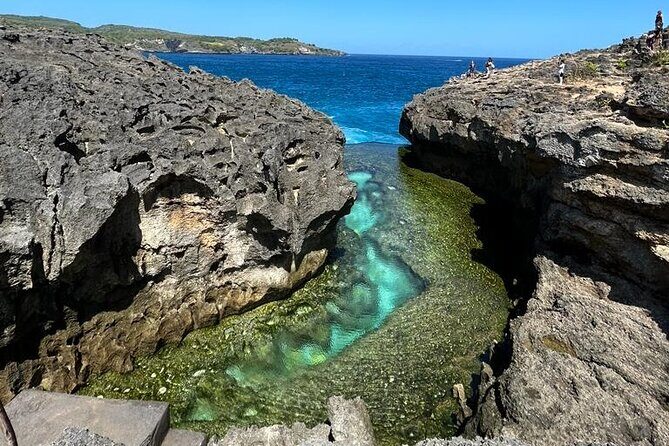
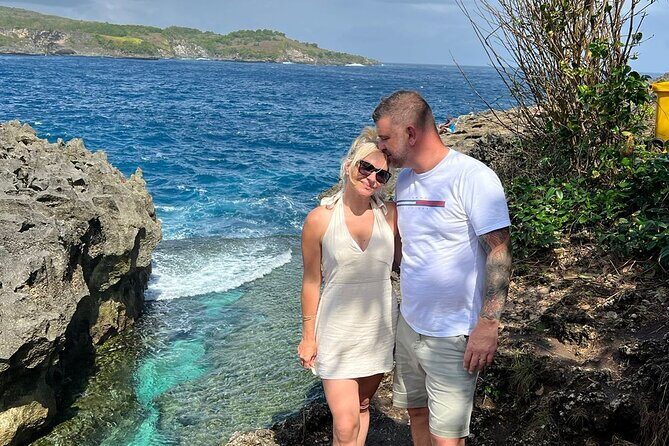
Next comes Angel’s Billabong, a natural sea-water pond tucked between cliffs. The key detail here is that it’s formed and affected by the ocean, with waves coming in from the sea side, which gives the pool that distinct look.

Your time is about 30 minutes, so this isn’t a long hang-out. It’s more of a stop where you take in the geometry: the carved rock edges, the pool’s changing appearance, and how the sea interacts with the walls.

The drawback with spots like this is also the advantage: conditions affect the drama. On a day when the ocean is behaving, it may look calmer and more glassy. When the waves are active, you’ll see more energy in the system.

Broken Beach (Pasih Uug): the hole-in-the-rock effect

Full Day Private Tour in Nusa Penida - Broken Beach (Pasih Uug): the hole-in-the-rock effect
Pasih Uug, also called Broken Beach, is built around one of Penida’s most dramatic ideas: a big hole between hills. The ocean forces water into that opening, and from the viewpoint you can see it like a tunnel cut into the coastline.

You get about 30 minutes here, which is just enough time to take pictures, orient yourself, and settle into the view without feeling like you’re waiting forever. I also like this stop because it teaches you how the coast works. It’s not just scenery; it’s physics with surf.

Again, the sea plays a role. The description mentions a difficult wave making the sea water into the hole, so your results can vary depending on the water’s mood that day. Don’t panic if it looks different than what you’ve seen online—part of the appeal is that it’s alive.

Kelingking Beach: the dinosaur-back viewpoint and manta-ray hopes

Full Day Private Tour in Nusa Penida - Kelingking Beach: the dinosaur-back viewpoint and manta-ray hopes
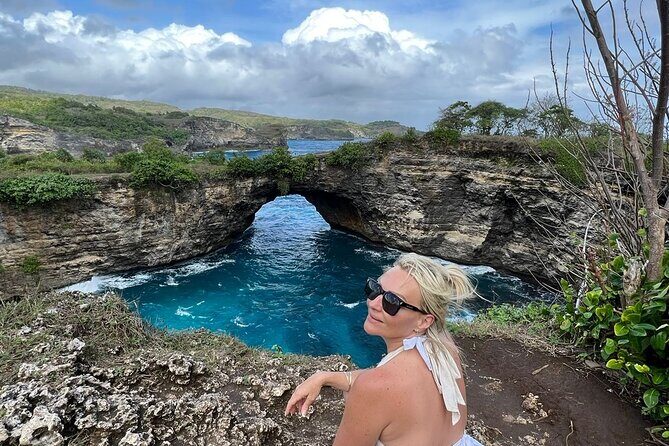
Kelingking Beach is the famous one. From the top, the rock formation resembles a dinosaur backbone, and that shape is what draws almost everyone. You’ll have about 30 minutes at this stop, and it’s enough time to get your bearings, take photos from the safe viewpoint areas, and watch the sea below.

The tour description also notes that you may spot manta rays from the top. That’s not something you can control, but it’s a great reminder that Penida isn’t only about cliffs. The water life is part of the experience, and conditions can make sightings more likely.

This is where being with a private driver helps. The stop timing stays clean, and you spend your time at the viewpoints instead of moving around for too long.

Lunch on this tour: included, but time can test your patience

Full Day Private Tour in Nusa Penida - Lunch on this tour: included, but time can test your patience
Lunch is included in the price, but the only real complaint tied to the meal is timing. In at least one experience, the group waited about an hour before food arrived, despite checking multiple times, and people who arrived later were served first.

Here’s how I’d handle it so lunch doesn’t ruin your vibe:

  • Set expectations that you might not eat at exactly the first scheduled moment.
  • Ask when lunch will be served and confirm again after you reach Penida.
  • Carry a small snack so you’re not miserable if the meal runs late.

The good news is that the overall schedule is described as well organized and respected. So if lunch timing is the only wobble, that’s manageable.

What’s included in the $77 price (and what that changes for you)

Full Day Private Tour in Nusa Penida - What’s included in the $77 price (and what that changes for you)
At $77 per person, this tour is priced like a “do it for me” day. The value comes from what you’re not paying for separately and what you’re not coordinating yourself.

Included items:

  • Lunch
  • Private hotel transfer
  • Local driver/guide
  • Fast boat return tickets
  • Insurance
  • All fees and taxes

Not included:

  • Breakfast

In plain terms, you’re paying for the transport puzzle: boat tickets plus the Penida driving loop plus a guide to keep the day structured. If you’ve ever tried to plan Penida with a mix of scooters, rides, and boat timing, you know how quickly costs and stress add up.

Also, the tour notes group discounts. That’s useful if you’re traveling with friends and want a private day that still feels like good value.

The guide and driver factor: comfort and confidence on Penida

On a private day, your guide and driver do more than point. They manage the flow: when you arrive, how you transition between viewpoints, and how you handle the day’s outdoor rhythm.

One guide name came up in feedback: Garra. People praised Garra as attentive and focused on making everyone feel comfortable. That kind of attention matters on Penida, where you’ll be outdoors for hours and doing short bursts of sightseeing that benefit from a calm, steady lead.

You’ll also get a local perspective on what you’re looking at—like how Angel’s Billabong works as a seawater pool and why Pasih Uug is all about the way waves move through rock.

Weather and sea conditions: the quiet reason this tour matters

This experience requires good weather. That’s not just boilerplate; Penida stops like Crystal Bay, Angel’s Billabong, and Broken Beach depend on visibility and wave behavior for the full effect.

If weather isn’t ideal, plans may shift or the tour may be offered on a different date. The smart move is to avoid tying this tour to the very last hours of your trip. Build in flexibility so you don’t end up scrambling for another day.

Who this private Nusa Penida day fits best

This tour is a strong match if you want:

  • A one-day circuit across the main highlights of Nusa Penida
  • Less logistics stress thanks to hotel pickup, fast boat return, and a private driver
  • Enough time at each spot to take photos and actually enjoy the view, with Crystal Bay giving you an hour to swim or snorkel

It’s also a good choice for couples or small groups who don’t want to share the day with strangers. If you’re traveling with friends and want a smooth plan with group discounts, the private setup is a solid way to keep costs reasonable.

If you hate walking around viewpoints on a schedule, or you’re sensitive to waiting for food, consider the pacing and lunch timing note. This is a day built for seeing, not lounging.

Should you book this Nusa Penida private tour?

Yes, I’d book it if you want one organized day that hits Penida’s headline stops: Crystal Bay, Angel’s Billabong, Pasih Uug, and Kelingking Beach—without juggling boats and rides yourself. The included fast boat return, private transfers, and lunch make the price feel more sensible than it looks at first glance.

I’d hesitate only if lunch delays would seriously annoy you or if you’re traveling with very tight timing and no backup day for weather. If you can be flexible and you’re excited by wave-shaped natural features and cliff viewpoints, this private format is a high-value way to experience the island in one go.

FAQ

How long is the Nusa Penida private tour?

It runs about 9 hours total, including the travel time between locations.

Where does the tour start?

It starts with pickup from your hotel and includes Sanur Harbour as the departure point area.

What stops are included in the day?

You’ll visit Crystal Bay, Angel’s Billabong, Pasih Uug (Broken Beach), and Kelingking Beach, with Sanur Harbour time as part of the day.

Is lunch included?

Yes. Lunch is included, but breakfast is not included.

Are fast boat tickets included?

Yes. Return fast boat tickets are included.

Is the tour truly private?

Yes. Only your group participates, and you have a private driver on Penida.

Are entrance fees included?

All fees and taxes are included, and the itinerary lists admission tickets as free at the stops.

Is insurance included?

Yes. Insurance is included in the tour package.

When should I book?

On average, it’s booked about 48 days in advance, so earlier is wise if you have fixed travel dates.

What if the weather is bad?

The tour requires good weather. If it’s canceled due to poor weather, you’ll be offered a different date or a full refund, and you can cancel up to 24 hours in advance for a full refund.

Ubud Small Group Tour: Monkey Forest, Tegalalang Rice Terraces and more

Ubud Small Group Tour: Monkey Forest, Tegalalang Rice Terraces and more - Timing from Kuta: why your day may run long

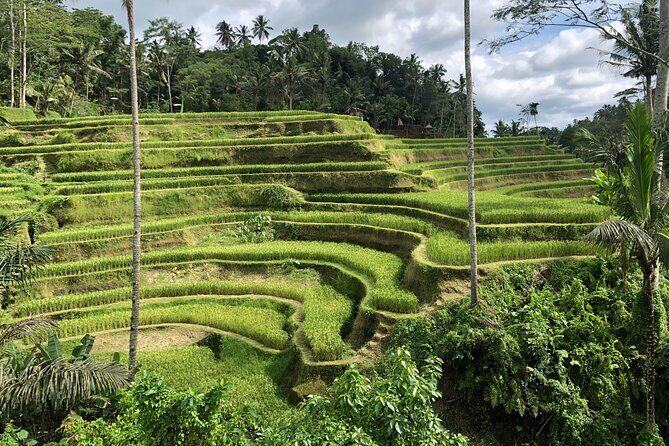
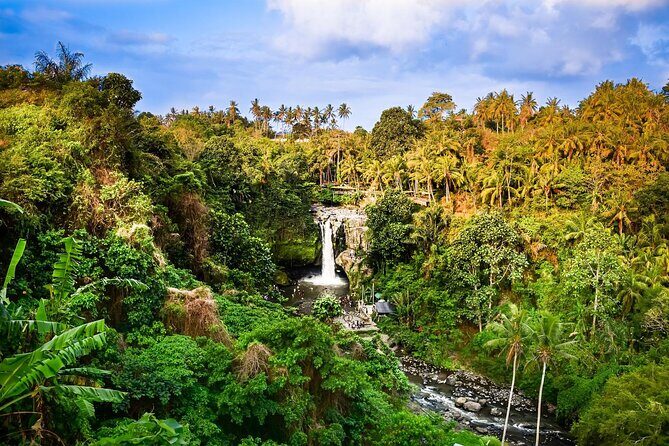
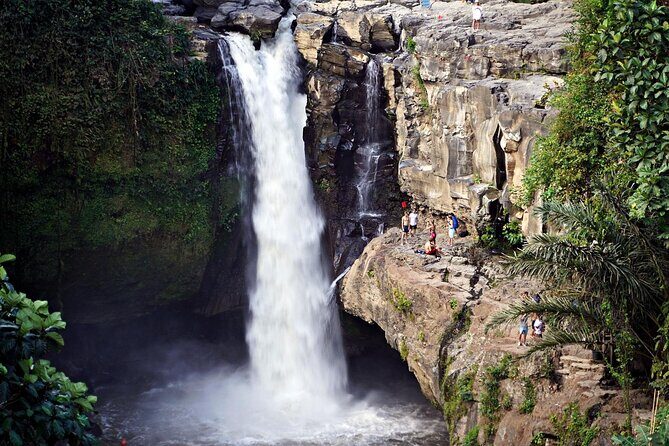
Ubud in one big loop is a smart use of time. This tour strings together the key hits—cool off at Tegenungan Waterfall, watch the “nope” factor of Monkey Forest, and end at Tirta Empul—so you get a real taste of Bali’s culture and nature without planning a full itinerary. I love the hotel transfers that save you from guessing routes, and I also like the small group size (max 9) that keeps the day from feeling chaotic. One thing to plan for: it’s a packed day, and most entrance fees are not included unless you pick the inclusive option.

What makes this one feel worth it is the guide. English-speaking guides are part of the deal, and in the feedback I reviewed, people called out guides by name like Dewa, Yogi, Eddy, Gusti, and Patu for explaining culture clearly and helping with photos. If you like learning what you’re actually looking at—offerings, temple meanings, and why rice terraces matter—this format works.

Because it starts in the Kuta area, timing can stretch. Even if the tour is listed at about 7 hours 30 minutes, plan a longer day in heavy traffic, and bring cash for any entrance fees that end up being due at the sites.

Key things that make this tour work

Ubud Small Group Tour: Monkey Forest, Tegalalang Rice Terraces and more - Key things that make this tour work

  • Small group, max 9: easier pacing and fewer waiting games than big buses
  • Hotel pickup and drop-off in Kuta: you avoid the “how do I get there” headache
  • Real Ubud mix: waterfall, monkeys, markets, rice terraces, then a holy spring temple
  • An English-speaking guide: you’ll get explanations, not just a checklist
  • Cool refreshment details: bottled water on board and an air-conditioned vehicle
  • Optional add-ons: Tegalalang swing costs extra if you want the thrill

The point of this day: a fast, guided Ubud sampler

Ubud Small Group Tour: Monkey Forest, Tegalalang Rice Terraces and more - The point of this day: a fast, guided Ubud sampler
This is a get-your-bearings-fast kind of tour. Ubud is Bali’s culture-and-arts hub, but it’s also spread out. If you only have one day, you’ll waste time trying to stitch stops together with rides and waiting. This route solves that problem by grouping nearby experiences into one loop.

You’re not just sightseeing. You’re moving through very different Bali worlds back to back: a waterfall for scenery and a break from the heat, the playful (and loud) Monkey Forest, a market area for everyday local life, the rice terraces for how Bali feeds itself and shapes land, and then Tirta Empul for spiritual practice and a holy water spring.

That variety is the real value. You come away with more context than if you only did one type of place—temples only, or nature only.

Timing from Kuta: why your day may run long

Ubud Small Group Tour: Monkey Forest, Tegalalang Rice Terraces and more - Timing from Kuta: why your day may run long
The tour is listed at about 7 hours 30 minutes, with multiple stops adding up to a longer on-the-road day. If you’re staying in Kuta, you should assume drive time can be significant.

In one bit of practical advice from the experience feedback: the drive from Seminyak or Kuta to the Ubud area can take about 1.5–2 hours depending on traffic. That means you’ll feel the day more than if you were starting closer to Ubud.

What to do with that info:

  • Wear comfy shoes and plan for walking stretches at each stop.
  • Treat the schedule as “about” time, not to-the-minute precision.
  • Keep your phone charged. You’ll want photos, especially at the terraces.

Tegenungan Waterfall: a quick nature reset

First stop is Tegenungan Waterfall. You get around 1 hour 15 minutes there, which is plenty for cooling off, getting a few solid photos, and then moving on without spending your whole day at one location.

Important: the waterfall entrance fee is listed as not included unless you choose an inclusive entrance-fee option. It’s shown as IDR 30,000 per person when it’s an extra cost.

What I like about starting here: it sets a calm tone. After pickup and driving, it’s a clean reset. You get that tropical “fresh air” feeling right away, before the day gets more crowded and active.

One practical drawback: you may be there in mid-day heat. Bring a hat and something small to protect your skin, because your time at the waterfall can feel longer than the clock if the sun is strong.

Monkey Forest: impressive, chaotic, and worth the rules

Ubud Small Group Tour: Monkey Forest, Tegalalang Rice Terraces and more - Monkey Forest: impressive, chaotic, and worth the rules
Next is Sacred Monkey Forest Sanctuary, with about 1 hour 15 minutes on the ground. This is one of those places where you’ll either have a great time or you’ll stress out—so the key is mindset.

This stop is all about sharing space. The monkeys are curious, quick, and not always interested in your plans. A guide can make this way easier by setting expectations and keeping you moving safely.

Entrance fees here are also not included unless you select the inclusive option. The listing shows:

  • Weekday rate: IDR 100,000 per booking
  • Weekend rate: IDR 120,000 per person

Practical tips that actually help:

  • Keep bags zipped and secured. Don’t hang things off your hands.
  • Hold your valuables close and avoid flashy snacks.
  • Bring patience. If a monkey steals the show, your guide will help you handle it calmly.

In the feedback I saw, camera moments were common—and guides like Patu were specifically praised for handling a monkey interaction fast and safely. That kind of competence matters here.

Ubud Traditional Art Market: a lunch-and-local-life stop

Ubud Small Group Tour: Monkey Forest, Tegalalang Rice Terraces and more - Ubud Traditional Art Market: a lunch-and-local-life stop
After monkeys, you’ll head toward the Ubud Traditional Art Market area. This is timed around about 1 hour.

The schedule frames lunch as part of the day, but the “Meals and other drinks” line is listed as not included. Translation: you’ll likely have a chance to eat there, but you should expect to pay your own way for your meal unless you see a package option that explicitly includes it.

Why this market stop is useful:

  • It slows the pace for a bit.
  • You can pick up small souvenirs or watch local crafts in action.
  • It’s a break before the rice terraces, which involve more outdoor time.

If you care about authenticity, this kind of stop beats a rushed photo-only break. It lets you see how locals shop and move through daily life, not just tourist zones.

Tegalalang Rice Terraces: the short walk that feels bigger

Ubud Small Group Tour: Monkey Forest, Tegalalang Rice Terraces and more - Tegalalang Rice Terraces: the short walk that feels bigger
Then you move to Tegalalang Rice Terrace with about 45 minutes allocated. This is a “see it, walk a bit, then get back out before you melt” timing.

Entrance fees for the rice terrace are not included unless you chose the inclusive option. The listing shows IDR 50,000 per person as an extra.

What to expect in the time you have:

  • You’ll get viewpoints for photos.
  • There’s typically a short walking portion to reach good angles.
  • It’s less about long hiking and more about quick access to the most photogenic areas.

There’s an optional add-on here: the Tegalalang Swing. It’s listed as optional at IDR 200,000. If you want the thrill shot, factor it into your budget and your stamina. If you don’t, skip it and enjoy the terrace walking at a calmer pace.

One helpful habit: bring water and take breaks when you can. Even with bottled water included on the vehicle, terrace time is exposed, and your energy goes fast.

Tirta Empul Temple: holy spring time, guided and respectful

Ubud Small Group Tour: Monkey Forest, Tegalalang Rice Terraces and more - Tirta Empul Temple: holy spring time, guided and respectful
Your final stop is Tirta Empul Temple, with about 1 hour 15 minutes there. This is the most spiritual moment of the day, and it’s where a guide’s explanations can really pay off.

The tour includes a visit to the temple complex and the holy mountain spring at Tirta Empul. Entrance fees are listed as not included unless inclusive is selected, at IDR 75,000 per person.

What makes this stop stand out in a good way:

  • It connects the “culture and arts” theme to something lived, not staged.
  • You get time to observe, learn, and experience the atmosphere without rushing through a checklist.

Temple etiquette varies by site and by what’s happening when you arrive, so follow your guide’s instructions closely. If you’re unsure, ask. Most problems in temples come from guessing.

Price check: is $18 a good deal after add-ons?

Ubud Small Group Tour: Monkey Forest, Tegalalang Rice Terraces and more - Price check: is $18 a good deal after add-ons?
The tour price is $18 per person, which is low compared with the number of stops and the fact that it includes hotel pickup and drop-off, an English-speaking guide, air-conditioned transport, drinking water, and insurance.

But here’s the catch: most entrance fees are not included unless you chose an entrance-fee inclusive option. The not-included fees listed in the details add up across multiple sites—especially Monkey Forest and Tegalalang.

So how do you judge value?

  • You’re paying for convenience: pickup, transportation, guide time, and bottled water.
  • You’re also paying for time-saving: you’re compressing several separate Ubud excursions into one organized day.
  • Your final spend can land higher once entrance fees are added, plus optional extras like the Tegalalang swing.

One practical tip from experience feedback: sometimes the entrance-fee coverage you expect doesn’t match what you find on the ground. The safest move is to budget for entrance fees and carry cash.

Even if you end up paying some extras, you can still find this kind of guided loop cost-effective because it replaces several separate tours and cuts out a lot of planning stress.

Small group comfort: max 9 feels like the sweet spot

This is a small group tour with a maximum of 9 travelers. That matters more than people think. In real life, a small group:

  • Moves together more smoothly.
  • Lets your guide manage timing better at each stop.
  • Cuts down on the “everyone disappear for photos” chaos that happens in large groups.

It also helps for photos and interactions—especially at Monkey Forest and the rice terraces, where you’re frequently stepping aside for angles and paths.

The vehicle is air-conditioned, which is a real win in Bali’s heat. Bottled water is included, and that tiny comfort addition makes a long day feel more manageable.

What I’d pack for this exact route

Because you’re doing a waterfall, a forest, temple grounds, and terrace viewpoints, pack for mixed walking and sun.

Bring:

  • Comfortable walking shoes (you’ll want grip)
  • A hat and sunscreen
  • A small towel or dry clothes if you tend to get wet at waterfalls
  • Cash for entrance fees if you are not using an inclusive entrance-fee option
  • A light layer for temple areas if you get chill from AC in the car

Also, keep your day organized: if you’re using a mobile ticket, have it accessible so you’re not digging through your phone at the entrance.

Who should book this Ubud Small Group Tour

Book it if:

  • You’re short on time and want a single day that hits major Ubud sights
  • You like guided storytelling and practical explanations at temples and culture stops
  • You prefer a group that’s small enough to feel personal

Skip it or rethink it if:

  • You hate long days and are sensitive to traffic-driven schedule changes
  • You want a slow, deep visit to one site rather than a sampler across many
  • You want all entrance fees to be included with zero follow-up costs (since several are listed as extra unless inclusive option is chosen)

If you’re traveling with kids, a small-group format can work well, and the feedback included at least one case where a booking shifted into a private-style day for a son and a parent. That suggests the experience can flex with your needs when capacity allows.

Should you book? My honest take

If you want one day that covers the big Ubud moments—waterfall, Monkey Forest, Tegalalang rice terraces, and Tirta Empul—this is a solid choice. The low base price plus pickup/drop-off and guide support is the kind of deal that works when you don’t want to micromanage logistics.

Just do two things to make it smoother: plan for entrance fees that aren’t listed as included unless you select the right option, and bring cash as a backup. Then you can focus on what you actually came for: seeing how Bali feels in motion, not just in one photo spot.

FAQ

How long is the Ubud small group tour?

It’s listed at about 7 hours 30 minutes, though the day includes multiple stops and travel time around Ubud from the Kuta area.

What stops are included in the tour?

The tour includes Tegenungan Waterfall, Sacred Monkey Forest Sanctuary, an Ubud Traditional Art Market stop (with a lunch opportunity), Tegalalang Rice Terrace, and Tirta Empul Temple.

Are hotel transfers included?

Yes. Hotel pickup and drop-off are included.

Is bottled water provided?

Yes. Drinking water is included, and bottled water is provided for refreshments.

Are entrance fees included?

Entrance fees are included only if you select an entrance-fee option. Otherwise, several site fees are listed as not included.

What entrance fees should I expect if they are not included?

The listing shows extra fees for Tegenungan Waterfall (IDR 30,000 per person unless inclusive), Monkey Forest (weekday IDR 100,000 per booking, weekend IDR 120,000 per person unless inclusive), Tegalalang Rice Terrace (IDR 50,000 per person unless inclusive), and Tirta Empul (IDR 75,000 per person unless inclusive).

Does the tour include lunch?

The schedule includes an Ubud Traditional Art Market stop that’s framed around lunch, but meals and other drinks are listed as not included, so you should expect to pay for what you eat unless an option says otherwise.

Is the Tegalalang swing included?

No. The Tegalalang Swing is optional and listed at IDR 200,000.

How big is the group?

It’s a small group tour with a maximum of 9 travelers.

What is the cancellation policy?

Free cancellation is available up to 24 hours in advance for a full refund. Canceling less than 24 hours before start time is not refunded.

Mount Ijen Blue Flame Tour from Bali

Mount Ijen Blue Flame Tour from Bali - Getting from Bali: comfort first, then the real start

The blue fire starts before the sun. A Mount Ijen midnight tour from Bali is one of those trips that feels a bit unreal because you’re aiming for a rare natural show—blue fire—right at the crater, just as the morning turns gray.

What I like most is how this is built around timing. You leave Bali in the evening, cross on the ferry at night, then hike up in time for the blue flame moment around 4am. Another strong point is the practical help: you get a private English-speaking guide, plus a gas mask and admission, so you’re not scrambling at the last minute.

One thing to consider: the blue flame may not be visible due to natural conditions, and the crater area can be busy. If you’re mainly chasing the flames, manage expectations—and listen to your guide about what’s safe.

Key things to know before you go

Mount Ijen Blue Flame Tour from Bali - Key things to know before you go

  • Midnight ferry from Bali to Java keeps your crater timing realistic for 4am viewing
  • Private English-speaking guide + gas mask handles the tough parts you don’t want to DIY
  • 1–2 hour hike to the crater means you’ll need moderate fitness and good headlamp planning
  • Blue fire is best from the crater at dawn (and conditions can affect visibility)
  • Jagir Waterfall + breakfast break adds variety after the early-morning effort
  • First Friday closures can affect your date, so double-check before you book

Midnight ferry to Java, so the 4am plan is actually possible

Mount Ijen Blue Flame Tour from Bali - Midnight ferry to Java, so the 4am plan is actually possible
This tour’s big trick is logistics. Instead of trying to force an early-morning drive from Bali, you take the overnight ferry to Java, then move into position for the Ijen hike. That matters because Ijen’s blue fire is a narrow time window—close to dawn—so the tour is designed to get you there when it counts.

The schedule starts with an evening departure. Pickup is offered, and the tour begins at 7:00 pm from Bali Ngurah Rai Airport (Denpasar). From there, you’re in an air-conditioned vehicle and you’re working toward the midnight crossing and early crater access.

If you’re the type who hates waking up at 1:30 am and then still losing time getting stuck behind traffic, you’ll appreciate this approach. It’s built for the people who want sunrise to be the goal—not just the word on the brochure.

Getting from Bali: comfort first, then the real start

Mount Ijen Blue Flame Tour from Bali - Getting from Bali: comfort first, then the real start
The transport setup is simple and practical. You’ll have an air-conditioned vehicle as part of the included service, and the ferry tickets are included for the return trip from Bali to Java. Bottled water is also included, which is a small detail, but it helps when you’re heading into cold, early conditions and you’re not thinking clearly yet.

One review highlight that fits this part of the trip: people called out how comfortable the rides were and how the guide helped them get moving early. Another name that came up in feedback is Hamid—described as expert during the hike timing, which is exactly what you want when you’re walking in the dark toward a crater.

This is a private tour, meaning only your group participates. That’s not just a comfort perk; it can also make the pacing easier, especially if you’re not sure about your footing in the dark.

The Ijen crater hike: 1–2 hours of effort and smart choices

Once you’re on the Java side, the core work begins: the trek to the crater. Expect about 1–2 hours walking, depending on fitness and pace. The goal isn’t a scenic stroll. It’s a climb in low light, done for a specific view at a specific time.

At the crater, you’re invited to see the blue fire phenomenon. Here’s the key safety note: to see it more closely, you must go down into the crater of Ijen. That is described as pretty dangerous, and the tour’s own guidance is blunt: if you feel doubt, stay on top while waiting for sunrise.

That advice is one of the most useful parts of the whole experience. Ijen is one of those places where people push themselves because they don’t want to miss the moment. The responsible move is to follow your guide’s call on conditions and safety, even if the closest view isn’t possible for you.

Also, don’t forget how the timing works. You’ll be hiking in darkness, reaching the crater before dawn, then watching for changes. If you’re planning to bring your own headlamp, bring it seriously—this is the kind of trip where a weak light slows your steps and adds stress.

Blue fire viewing: what makes it special, and what can get in the way

Mount Ijen Blue Flame Tour from Bali - Blue fire viewing: what makes it special, and what can get in the way
Let’s talk about the main event. Mount Ijen’s blue fire is a sulfur gas effect that looks like blue lava. It’s famously described as one of only two places in the world where you can see it—Mount Ijen in Indonesia, and Dallol Volcano in Ethiopia. At Ijen, it’s best seen from the crater just before dawn, which is why you’re leaving Bali so late and hiking so early.

Now, here’s the reality check. An important announcement says the crater is open and safe to visit, but the blue fire is temporarily not visible due to natural conditions. The tour also reminds you to follow safety guidelines during your visit. So even with perfect timing, the phenomenon can be affected.

Crowds can also be a factor. One feedback story said the person’s sole goal was to see the blue flames but couldn’t because of crowds, even though they still had a good view of the mountain lake and sunrise. You can’t control crowds, but you can control your approach: arrive early, keep moving with your group, and don’t fight your way into unsafe positions.

The tour includes a gas mask in Mount Ijen, which is a major comfort and safety advantage. It means you’re not trying to source protection on your own in a remote area. In that same practical spirit, focus on what you can control—good gear, safe positioning, and staying calm when conditions are foggy or fumes are present.

A detail that matters: the included list does not mention headlamps. One review mentioned having to rent a headlamp. So plan ahead. If you don’t already own a solid headlamp, treat rental as part of your prep, not a last-minute panic.

Acid lake sunrise: the 6am view you’ll likely remember

Mount Ijen Blue Flame Tour from Bali - Acid lake sunrise: the 6am view you’ll likely remember
Even if the blue fire is faint or partially obscured, the sunrise and crater views are still a big part of why people love Ijen. At about 6 am, you’ll get the best view of Mount Ijen, including the turquoise acid lake. That color comes from the acidic water in the crater, and it’s one of those sights that doesn’t look real in photos until you see it with your own eyes.

This is also where patience pays off. The tour experience shifts from the adrenaline of trekking to the waiting game of sunrise. If you stayed near the top (instead of going down), you’re doing exactly what the safety guidance suggests, and you still get your reward when the light changes.

One more practical tip: keep your expectations flexible. When you go, you’re not just buying a photo opportunity. You’re buying a rare time-of-day experience with a high-reward view if conditions cooperate.

Jagir Waterfall and breakfast: the calmer reset after the early grind

Mount Ijen Blue Flame Tour from Bali - Jagir Waterfall and breakfast: the calmer reset after the early grind
After the crater portion, you’re not sent straight back to the hotel with no break. You stop at Jagir Waterfall, which gives you something more normal to look at after hours of crater darkness and steep walking.

Breakfast is also part of the plan, but it’s own expense. That’s actually a nice way to travel: you get a chance to choose what you eat based on your appetite and what’s available nearby, instead of being forced into a standard tour meal. Still, plan for it in your budget.

This part of the day is also where you’ll feel the trip catch up with you. The tour is listed as 5 to 7 hours (approx.), but the early start makes it feel longer. By the time you’re eating and taking in a waterfall view, you’ll probably be glad the day trip isn’t just nonstop hiking.

Price and value: what $220 buys you on this kind of itinerary

Mount Ijen Blue Flame Tour from Bali - Price and value: what $220 buys you on this kind of itinerary
At $220 per person, this tour isn’t cheap, but it’s not trying to be. You’re paying for the parts that cost time and coordination: ferry tickets from Bali to Java (return), entrance fee in Mount Ijen, air-conditioned transport, and a private guide. The gas mask is included too, which is a real value add for a safety-focused hike.

If you’ve tried to piece together an overnight or very-early itinerary on your own, you know how easy it is for small gaps to snowball—late timing, missed ferry windows, unclear meeting points, or forgetting the right gear. This tour is built to reduce those headaches.

The private nature matters here. A group tour can be cheaper, but you’re still dealing with rigid pacing. A private group with a guide who adjusts to your pace can make a huge difference when you’re hiking in the dark and trying to time the best viewing moment.

One more value signal: the overall rating is very high (4.9 with many reviews). The most praised elements tend to be comfortable transport and strong guidance for the hike timing. Another name that came up in positive feedback is Andre, described as considerate and attentive to the group’s experience level. That matters because Ijen is physical and not everyone hikes the same way.

Safety, closures, and the real-world “why this sometimes changes” factor

Mount Ijen Blue Flame Tour from Bali - Safety, closures, and the real-world “why this sometimes changes” factor
This trip includes a few important heads-up items you should take seriously:

  • Every first Friday of the month, Mount Ijen is closed for one day. Check your exact date before you commit.
  • The crater is described as open as usual and safe to visit, but the blue fire can be temporarily not visible due to natural conditions.
  • The tour guidance is clear about danger if you want a closer view. If you feel doubt going down into the crater, stay on top and wait for sunrise.

Weather matters too. The experience notes it requires good weather, and if it’s canceled due to poor weather, you’ll be offered a different date or a full refund. That’s the right kind of safety policy for a volcano hike.

On the ground, safety is also about behavior: use the gas mask you’re provided, follow your guide’s instructions, and don’t let excitement override caution. You’re there for a phenomenon and a view, not a badge of toughness.

Who should book this Mount Ijen blue flame tour from Bali?

Book this if you want:

  • A timed attempt at 4am blue fire rather than a casual sunrise hike
  • Private guidance and included protection gear (gas mask)
  • A plan that handles ferry logistics so you aren’t guessing schedules
  • A day trip that blends crater intensity with Jagir Waterfall afterward

You might think twice if:

  • You’re very sensitive to early mornings and late-night departures
  • You have doubts about steep or dark conditions and you can’t follow safety guidance about staying on top
  • Blue fire visibility is your only reason for going and you can’t accept that it may not be visible on the day

Should you book it?

I think this tour is a smart choice if you want the best shot at Mount Ijen’s blue flame without turning it into a logistics project. The included ferry, air-conditioned transport, guide support, and gas mask make it feel built for real humans who have limited time in Bali.

So here’s the decision rule I’d use: if you can handle an early, physical hike with basic gear planning (headlamp), and you’re okay with the idea that conditions affect the blue fire, then this is worth booking. If you’re only chasing a perfect blue-fire photo no matter what, keep flexibility in your mind, because the same natural forces that create the phenomenon also control whether you see it clearly.

FAQ

What time does this Mount Ijen tour start?

The tour start time is 7:00 pm, starting from Bali Ngurah Rai Airport in Denpasar.

How long is the tour?

It’s listed as approximately 5 to 7 hours.

Does the tour include pickup from Bali?

Pickup is offered.

What’s included in the price?

The tour includes bottled water, air-conditioned vehicle, Mount Ijen entrance fee, round-trip ferry tickets from Bali to Java, a private English-speaking guide, and a gas mask in Mount Ijen.

Are meals included?

No. Meals and personal expenses are not included. Breakfast is mentioned as own expense.

How long is the hike to the crater?

The trekking to the crater takes about 1–2 hours, depending on your fitness.

Is the blue fire always visible?

No guarantee. There’s an announcement that due to natural conditions, the blue fire is temporarily not visible. You’ll also be advised to follow safety guidelines during your visit.

2-Day Private Sightseeing Tour of Bali with Hotel Pickup

2-Day Private Sightseeing Tour of Bali with Hotel Pickup - Art Villages First: Tohpati, Celuk, and the Batuan Art Stops

Bali’s highlights, organized and unhurried. This 2-day private route strings together holy temples, classic rice views, and a sunset-ready temple day, with door-to-door pickup from selected hotels around Kuta. You’ll also get hands-on culture stops for batik, jewelry, painting, and wood-carving, plus a coffee plantation visit and a fire dance in the mix.

Two things I really like are the mix of creative craft stops (Tohpati for batik and Celuk for gold and silver) and the fact that you’re not stuck with a noisy crowd. You’re with a private English-speaking driver/guide and a dedicated air-conditioned minivan, so the pacing stays flexible when you want a quick extra minute for photos or questions.

One consideration: it’s a fast-moving tour. Some stops are set around short time blocks, and the waterfall day includes a walk from the parking area, so you’ll want comfy shoes and a little patience with timing.

Key Moments You’ll Remember

2-Day Private Sightseeing Tour of Bali with Hotel Pickup - Key Moments You’ll Remember

  • Art-village stops that focus on making, not just selling: batik at Tohpati and gold/silver work in Celuk
  • Tirta Empul’s holy spring experience, where you’ll learn what the water ritual means
  • Kintamani/Batur caldera views plus a coffee stop that gives context for what you’re tasting
  • Tegalalang rice terrace and the subak irrigation system, a real look at how farming works here
  • Bali temples across different regions, from royal grounds at Taman Ayun to coastal scenery days like Tanah Lot and Uluwatu
  • Evening energy with a kecak fire dance, paired with beach time so you’re not temple-fatigued

Two Days, One Private Minivan: How This Tour Really Feels

2-Day Private Sightseeing Tour of Bali with Hotel Pickup - Two Days, One Private Minivan: How This Tour Really Feels
This tour is built for travelers who want maximum Bali, with minimum stress. You start in Kuta, then your private air-conditioned minivan becomes your moving base for two full days. That matters because Bali driving can be unpredictable, and a good guide makes a huge difference in how smooth the day feels.

I like that the tour is set up as true private sightseeing. With only your group, you can adjust timing without negotiating with other tourmates. The tour also includes hotel pickup and drop-off for selected hotels, plus a private English-speaking driver/guide—so you’re not just seeing places, you’re getting explanations while you’re there.

Expect days with a lot of stops, but also a sensible flow: art village morning, temple and sacred water midday, rice terrace and views later. Day two keeps the momentum and adds variety—royal temple grounds, a waterfall break, a lake temple photo stop, and then the coastal temples and beach.

Art Villages First: Tohpati, Celuk, and the Batuan Art Stops

2-Day Private Sightseeing Tour of Bali with Hotel Pickup - Art Villages First: Tohpati, Celuk, and the Batuan Art Stops
Day one starts in the art districts, and that’s a strong move. Instead of jumping straight into big temples, you get context for how Balinese culture shows up in daily life—through hands-on craft.

In Tohpati Village, you’re headed to an area known for batik. The goal here isn’t high-speed shopping. It’s seeing how the craft works and understanding why certain patterns and techniques are so prized.

Then you move on to Celuk Village, famous for gold and silver jewelry. You’ll see the making process, and you’ll also get a feel for the range of pieces—from small items to more expensive jewelry. If you’ve ever wondered why Bali jewelry can look both delicate and bold, this kind of stop gives you the answer fast.

The art run continues at Puseh Batuan Temple in the Batuan area, where you’ll find painting and creative work nearby. This is one of those stops that pairs well with a private guide: you can ask what you’re looking at and what’s traditionally connected to local art styles.

Practical note: these art stops are scheduled around short time blocks. That’s normal for a two-day tour, but it does mean you should walk in with a plan. If you want a specific souvenir, have a budget in mind, and don’t expect a long sit-down workshop.

Tirta Empul: Sacred Water and How to Watch Respectfully

One of the most meaningful stops on this route is Tirta Empul Temple, also known as a spring holy temple. The big idea: the name connects to the water source within the temple, where Balinese people go to bathe in sacred water.

This is where a strong guide really shows. A good explanation helps you shift from I’m just looking at a temple to I understand what I’m seeing and why people behave the way they do. In the experience reports I’ve seen, guides explained temple legends and history here, along with Hindu cultural protocols—the kind of details that make your visit feel respectful rather than touristy.

You’re given about an hour here, which is enough time to absorb the setting, observe how the ritual areas work, and take photos if allowed. Just remember that sacred places are not a sightseeing stage. Keep your pace calm, listen to your guide, and follow any posted directions.

OKA Agriculture Bali Coffee Stop: Tasting with Context

2-Day Private Sightseeing Tour of Bali with Hotel Pickup - OKA Agriculture Bali Coffee Stop: Tasting with Context
After the temple, you’ll head to OKA Agriculture Bali, a coffee plantation stop near the village of Temen. This is a practical break in the day: you stretch your legs, learn the steps behind coffee-making, and sample different varieties.

The tour includes coffee education and tasting, and you might also have the chance to try luwak coffee, depending on what’s available during your visit. Even if you don’t go for that specialty tasting, the value here is the context. You’ll understand what you’re paying for when coffee culture turns into a souvenir or a late-morning drink.

This stop is shorter than the temples, around 30 minutes, so treat it like a taste-and-learn stop rather than a long tour of the plantation. If coffee isn’t your thing, you’ll still benefit from the break from nonstop sightseeing.

Mount Batur and Kintamani: Caldera Views That Shut You Up

2-Day Private Sightseeing Tour of Bali with Hotel Pickup - Mount Batur and Kintamani: Caldera Views That Shut You Up
Then comes the big view stop: Mount Batur, also referred to as Kintamani. You’ll get a close-up feel of the caldera scenery—volcanic terrain that looks dramatic even without a dramatic story.

Your time here is around 30 minutes with admission included. That’s brief, but it’s exactly what this tour is trying to do: deliver the signature viewpoint without turning your day into a two-hour hike.

For best results, treat this as a timing-and-weather moment. If clouds are low, you may not get the crispest views. If the day is clear, you’ll get that wow factor quickly. Either way, you’re still stopping in one of Bali’s most recognizable “wow” regions.

Tegalalang Rice Terrace: Subak Irrigation in Real Life

2-Day Private Sightseeing Tour of Bali with Hotel Pickup - Tegalalang Rice Terrace: Subak Irrigation in Real Life
After the volcanic views, you’ll head to Tegalalang Rice Terrace near Ubud. This is the classic Bali rice-view you’ve probably seen online, but it’s better in person because you can actually read the subak irrigation system—Balinese cooperative water management.

You’ll have about 45 minutes here with admission included. That timing is good: enough time to walk through viewpoints, take photos, and notice how water and planting patterns connect. It’s also enough time to avoid turning it into a grind.

One more thing I appreciate: this stop gives you a lesson built into scenery. The rice terraces aren’t just a view. They’re a system—water distribution, community management, and seasonal farming. Even a short stop can make you look at the terraces differently.

Day Two Starts at Taman Ayun: Royal Grounds with a Garden Setting

2-Day Private Sightseeing Tour of Bali with Hotel Pickup - Day Two Starts at Taman Ayun: Royal Grounds with a Garden Setting
Day two kicks off with Taman Ayun Temple, the royal family temple of the Mengwi Kingdom. The translation of its name is beautiful garden, and the setting matches: it’s surrounded by a moat, and the whole place feels like it was designed to slow people down.

This stop is scheduled around 30 minutes with admission included. That short timing is typical here, but the structure of the site makes it easy to enjoy in that window. You get a sense of Balinese temple design and the way royal worship spaces differ from the more bustling ritual focus of places like Tirta Empul.

Banyumala Twin Waterfalls: A Green Reset (with a Short Walk)

2-Day Private Sightseeing Tour of Bali with Hotel Pickup - Banyumala Twin Waterfalls: A Green Reset (with a Short Walk)
Next, you’ll visit Banyumala Twin Waterfalls, a twin waterfall area in North Bali. It includes a natural pool where you can swim, and the waterfalls sit within green forest.

You should plan for a 10–15 minute walk from the parking area to access the viewpoint and waterfall area. That’s not an all-day trek, but it’s enough that the wrong shoes can turn fun into annoyance. If you’re someone who likes to wander, you’ll probably enjoy this stop more than the strictly time-limited ones.

You’ll have around an hour here with admission included. That’s solid for a waterfall stop: time to take photos, enjoy the cooling feel (if you swim), and still move on without feeling rushed.

Ulun Danu Beratan Temple by Lake Bratan: Cool Air and Photo Power

Then you head to Ulun Danu Beratan Temple, a water temple in the Bedugul area by Lake Beratan. The tour notes cool weather and mountain surroundings, and that fits what people love about this area: you often get a different feel from the warmer coastal zones.

This is a photo stop with meaning. The temple setting gives you that classic “temple meets water” look, and the mountains frame the scene in a way that feels cinematic without trying too hard.

You’ll have about 45 minutes here with admission included. That’s enough time to get your bearings, take a few angles, and step back to enjoy the view without turning it into a photo assembly line.

Tanah Lot, Uluwatu, Nusa Dua, and the Kecak Fire Dance

Day two continues with the coastal temples and evening entertainment. The tour includes stops tied to Tanah Lot and Uluwatu, plus time at Nusa Dua beach and a kecak fire dance performance.

This part of the itinerary is about shifting moods. Morning is temples and nature. Late day is dramatic coast and then a cultural performance. If you’re the type who gets tired of temple after temple, the beach and the dance are the payoff that keeps the second day from feeling repetitive.

A key practical detail: the ticket dance isn’t included. So if you want the kecak show, plan on paying for the ticket separately. Also, because coastal temple timing often leans on light and sunset, your guide may adjust the order slightly to keep the day smooth.

In the experience reports I saw, guides explained legends and temple context at major stops like Tirta Empul and Tanah Lot. When that happens well, the coast day becomes more than scenery. You don’t just take photos—you understand the setting and why it’s treated as special.

Price and Value: Why $86.67 Can Make Sense

At $86.67 per person for a two-day private tour, this is priced for travelers who want convenience and explanations without going full luxury. The value comes from the bundle:

  • Private English-speaking driver/guide
  • Private transport in an air-conditioned minivan
  • Hotel pickup and drop-off (selected hotels)
  • Entrance tickets included
  • Public Liability Insurance (PLI)

Entrance tickets alone can add up on Bali temple days. The private transportation is also a big piece, since you’re covering multiple regions over two days. If you were trying to do this route on your own with hired drivers plus tickets plus planning, you’d likely spend time and effort you don’t get back.

This tour also seems to attract people who book ahead—on average around a month in advance. If you’re traveling in a busy season, booking early helps you lock in the route and timing you want.

Who This Tour Fits Best (and Who Might Want Something Different)

This tour suits you if:

  • You’re new to Bali and want a best-of introduction across temples, craft areas, and scenic stops.
  • You want a private setup so you can ask questions and keep your pace comfortable.
  • You prefer guided context over self-guided guesswork.

It may be less ideal if:

  • You hate tight schedules and want lots of free time at just one place.
  • You’re mainly chasing one big hike or one specific village and don’t care about multiple regions.
  • You’re sensitive to long road days. This is a two-day route with many stops.

Temple Day Tips That Make the Whole Experience Better

You don’t need to overthink it, but a few basics will help:

  • Wear respectful, comfortable clothing for temple areas. Light layers are handy.
  • Keep your pace calm in sacred spaces. Follow what your guide says about where to stand and how to move.
  • Ask questions. This tour is set up for a guide-led experience, and the context often makes the sites feel more alive.
  • Bring small bills for any add-ons not included, especially the kecak dance ticket, since that’s specifically listed as not included.

Good guides make this easier. The tour experiences I’ve read emphasize safe driving and strong English, and some mention guides such as Dede, Yanik, and Ekka, along with drivers like Ady. When you get that kind of team, the route feels smooth rather than chaotic.

Should You Book This Two-Day Private Bali Tour?

I think this is worth booking if you want a tight, well-organized introduction to Bali’s major cultural hits—temples, rice terraces, art-making zones, and a night show—without juggling tickets and transport yourself. The private setup and included entrance tickets help justify the cost.

Skip it if you already know Bali well and want deeper time in fewer locations. This tour gives you breadth, not weeks of slow exploring.

If you do book, do it with the right mindset: you’re trading a little extra time at each site for a full two-day sweep across Bali’s top areas. For most first-timers, that’s exactly the deal.

FAQ

How long is the Bali private sightseeing tour?

It’s listed as about 2 days.

Where does the tour start?

The tour is based in Kuta, Indonesia, with hotel pickup from selected hotels.

What does the tour cost per person?

The price is $86.67 per person.

Is this a private tour or shared?

It’s a private tour/activity, with only your group participating.

Does the tour include pickup and drop-off?

Yes, hotel pickup and drop-off are included for selected hotels.

Is there an English-speaking guide?

Yes, the tour includes a private English-speaking driver/guide.

Are entrance tickets included?

Yes. Entrance tickets are included for the included stops.

What’s not included in the tour price?

Food and drinks, souvenir photos (available to purchase), and the ticket for the dance are not included.

Is the coffee plantation stop included?

Yes, the tour includes a stop at OKA Agriculture Bali for coffee plantation learning and sampling.

What is the cancellation policy?

You can cancel for a full refund up to 24 hours in advance of the experience’s start time.

Full-Day Highlights and Best of Ubud Village

Full-Day Highlights and Best of Ubud Village - Tirta Empul: holy spring temple and purification by water

Ubud hits hard in one day. This route strings together the big-name Ubud sights with temple stops and jungle views, all in one smooth schedule. I especially like the private A/C car for the ride between stops, and I also like that admission tickets are included for most attractions. The main drawback is that it’s a full day (about 8 to 10 hours) with time kept tight at each stop.

What makes this outing feel worthwhile is the balance of nature and culture. You’re not just sightseeing from the roadside; you get a focused visit at each place, roughly an hour per main stop, plus a lunch break in Ubud village.

One more consideration: the experience requires good weather. If rain or poor conditions roll in, the plan can change (you’ll be offered a different date or a refund, and guides may adjust the day).

Key highlights worth your time

Full-Day Highlights and Best of Ubud Village - Key highlights worth your time

  • Tegenungan Waterfall: built-in visit with admission and time to enjoy the cool, clear-water views
  • Tirta Empul: the holy spring temple where people come for body and soul cleansing using holy water
  • Tegalalang rice terrace: a dedicated hour to see the layered rice fields and viewpoints
  • Sacred Monkey Forest Sanctuary: a nature reserve temple complex where you can watch tame monkeys with natural surroundings
  • Saraswati Temple (Pura Taman Saraswati): Balinese architectural beauty in an older temple setting
  • A guide who can handle the day: English-speaking Balinese drivers/guides are common, including Wawan, Putu Lencong, Dirga, Anya, Harry, Gus Adi, and Erna

A tight Ubud day with a private A/C car and a real game plan

Full-Day Highlights and Best of Ubud Village - A tight Ubud day with a private A/C car and a real game plan
This is the kind of day that’s ideal when you want Ubud’s highlights without renting a scooter and playing navigation roulette. You start around 8:30am, and you can expect a total time of roughly 8 to 10 hours, depending on timing between locations.

I like that it’s a private tour/activity, meaning it’s just your group. That matters in Bali, where a day can feel calmer when you aren’t merging with a big pile of strangers at each gate.

The vehicle is a comfortable private A/C car, which is a big deal in the heat. It’s also the difference between rushing and actually enjoying the stops, because you’re not worn out before you reach the good stuff.

Tegenungan Waterfall: clear water, steps, and a cool reset

Your day begins at Tegenungan Waterfall, one of the top waterfall options in the Ubud area. The draw here is the combination of clean water, a cool atmosphere, and that feeling of nature closing in around you.

You’ll have around one hour, plus admission is included for this stop. The layout includes stepped areas down toward the viewing zone, so it’s not just a quick look from above. Plan for comfortable shoes, since you’ll be moving along pathways to find your best angle.

Photo tips without the fluff: go a little early in your hour so you’re not stuck waiting your turn at the most popular spots. And if you’re the type who likes lingering, remember your hour is fixed—so it helps to choose where you want your main viewpoint first, then explore a bit.

Tirta Empul: holy spring temple and purification by water

Full-Day Highlights and Best of Ubud Village - Tirta Empul: holy spring temple and purification by water
Next comes Tirta Empul, also known as the Holy Spring Temple, in the Tampak Siring area. What makes this stop special is the purpose: for thousands of years, Balinese worshippers have used the temple’s holy water for cleansing ceremonies aimed at the body and soul.

You get about one hour here, and admission is included. This isn’t a place where you’re meant to speed-run your way through. Even if you don’t know the ritual details, you can still appreciate the temple setting and the calm focus of the practice.

A practical note: temple environments can feel very “active” depending on the time of day. If you want photos, look for moments where people are moving through rather than pausing for ceremonies, so you don’t constantly interrupt the flow.

Tegalalang rice terrace: your hour for the best layered views

Full-Day Highlights and Best of Ubud Village - Tegalalang rice terrace: your hour for the best layered views
Then it’s on to Tegalalang Rice Terrace, one of the most famous rice terrace areas near Ubud. The appeal is simple: you get a wide view of layered green fields shaped into terraces, and it’s visually striking from multiple angles.

You’ll spend about one hour, and admission is included. Many people stop here as they travel around the Ubud region, but this tour gives you proper time instead of a quick pull-over.

What I like about this stop is the pace. A full hour means you can walk to one or two viewpoints, rather than only getting the first scenic spot you stumble upon.

What to watch for: rice terrace areas can involve uneven ground and lots of little paths. If you have any knee or ankle issues, take your time and stick to stable routes.

Sacred Monkey Forest Sanctuary: tame monkeys, but don’t get complacent

Full-Day Highlights and Best of Ubud Village - Sacred Monkey Forest Sanctuary: tame monkeys, but don’t get complacent
After the terraces, you head to the Sacred Monkey Forest Sanctuary, officially known as the Padangtegal Mandala Wisata Wanara Wana Sacred Monkey Forest Sanctuary. It’s a nature reserve temple complex in Ubud, and the big theme is the tropical forest environment with tame monkeys around.

You’ll have about one hour, and admission is included. This stop is great if you want wildlife without a full-on safari day. It also tends to feel more like a walk through a living forest than a museum-style attraction.

Two things to keep in mind. First, even if monkeys are described as tame, you’ll still be in a place where wild animals are part of the setting. Second, follow your guide’s lead on where to stand and when to move, so your photos don’t turn into a traffic jam.

If you’re traveling with kids, this can be the most fun stop of the day, but keep the vibe respectful. A forest reserve works best when everyone stays calm and observant.

Saraswati Temple in Ubud: Pura Taman Saraswati and Balinese design details

Full-Day Highlights and Best of Ubud Village - Saraswati Temple in Ubud: Pura Taman Saraswati and Balinese design details
Your final listed highlight is Saraswati Temple, Pura Taman Saraswati. This temple was designed by I Gusti Nyoman Lempad, under commission from the Prince of Ubud, Cokorda Gede Agung Sukawati—so you’re not just seeing pretty architecture; you’re seeing a place tied to Balinese cultural leadership.

Admission for this stop is listed as free, and your visit is about one hour. The temple’s design is described as old and thick with Balinese architectural style, which is why this is a strong counterpoint to the more nature-based stops earlier.

I like ending with a temple, because it gives you a different kind of memory. Waterfall and rice fields give you big scenery; a temple gives you details—shapes, materials, and a sense of how Balinese life holds spiritual space.

Go in with a relaxed mindset. This isn’t a stamp-collecting stop. Take your time looking around, then let your guide explain what you’re seeing in plain language.

Lunch in Ubud village: build your day around the meal break

Full-Day Highlights and Best of Ubud Village - Lunch in Ubud village: build your day around the meal break
The tour includes lunch in Ubud village with Indonesian food. That matters because it gives you a predictable break in the middle of a long day, instead of forcing you to find food on your own while you’re between sights.

Since the schedule is tight—about 1 hour per main stop—lunch becomes more than just eating. It’s a reset so you can still enjoy the later temples and forest without dragging.

If you’re sensitive to spice, you might want to tell your guide your preferences early. Since the tour uses one driver/guide for the day, they can help smooth out small issues faster than if you were on your own.

The guide experience: why Wawan, Putu Lencong, and others matter

Full-Day Highlights and Best of Ubud Village - The guide experience: why Wawan, Putu Lencong, and others matter
This is one of those tours where the guide can seriously change the day. The description calls out a friendly and experienced Balinese driver cum guide, and the sampled guide names show a pattern: English skills and patient, attentive driving are often highlighted.

Guides such as Wawan, Putu Lencong, Dirga, Anya, Harry, Gus Adi, and Erna come up in the provided information as people who helped make the day run well. What you’re really buying is judgment: choosing routes, keeping timing on track, and explaining the meaning behind the places you visit.

There’s also a smart practical advantage: on rainy days, guides may add extra indoor sites while waiting out the weather. Even though the plan is set, that kind of flexibility can prevent the day from feeling wasted.

Timing, weather, and how to keep the day feeling fun

Start time is 8:30am, so you’ll want to be ready early. After that, the day moves through the highlights in a structured order—waterfall, holy spring temple, rice terraces, monkey forest, then Saraswati Temple.

The big scheduling reality: you’re looking at an 8 to 10 hour day. That’s not bad if you want a one-day Ubud sampler, but it’s not a slow, wandering experience.

Weather is the other big factor. The experience requires good weather, and if it’s canceled due to poor conditions, you’ll be offered a different date or a full refund. If you’re booking as part of a tight itinerary, I’d keep some breathing room in your plan so you can shift dates if needed.

Pack for a mixed day: warm weather for outdoors, and something light in case the sky changes. And if rain hits, stay flexible. A good guide can shift the feel of the day while still getting you to the core sights.

Price and value: why $70 can make sense for a full highlight day

At $70 per person, this isn’t a budget half-day. But the value can stack up because several major costs are built in.

Admission is included for key stops: Tegenungan Waterfall, Tirta Empul Temple, Tegalalang Rice Terrace, and the Sacred Monkey Forest Sanctuary. Saraswati Temple is listed as free. Lunch in Ubud village is included too.

Add in the private A/C car and pickup offered, and you’re not just paying for “seeing things.” You’re paying for transportation time, entry fees, and a guide who helps connect the dots between nature and ritual.

There’s also mention of group discounts and a mobile ticket. Those small details matter when you’re trying to keep the whole day simple.

The main reason to compare price is the schedule length. If you hate packed itineraries or prefer long hangs at one place, you might feel rushed. But if your goal is Ubud’s top hits in a single day, this price-to-time ratio often works.

Who should book this Ubud Village highlights tour

This tour is a strong match if you want:

  • A first-time Ubud overview with major highlights in one day
  • A private experience with a friendly, English-speaking Balinese guide/driver
  • A mix of waterfall, temple, rice terraces, and forest without planning each leg

It’s less ideal if you want:

  • A slow day with no time pressure
  • Only one or two attractions and long unstructured breaks

If you’re traveling as a small group and want comfort with pickup and A/C, you’ll likely appreciate the practicality. It’s basically a structured Ubud day built for people who value convenience and clear pacing.

Should you book it?

Yes, consider booking if your priority is ticking off Ubud’s biggest names—Tegenungan Waterfall, Tirta Empul, Tegalalang rice terraces, Monkey Forest, and Saraswati Temple—without arranging everything yourself. The combination of included admissions for most stops, lunch in Ubud village, and private A/C transport makes the day feel efficient.

Hold off if your plan is flexible only on perfect weather days and you hate tight timing. Also be honest about your tolerance for a long day around 8:30am.

If you book, set expectations: your time at each stop is focused, your guide helps keep it running smoothly, and the day works best when you’re open to both nature views and temple culture.

FAQ

How long is the full-day Ubud Village highlights tour?

The duration is listed as approximately 8 to 10 hours.

What time does the tour start?

The start time is 8:30am.

Is pickup included?

Yes, pickup is offered.

Are admission tickets included for the attractions?

Admission tickets are included for Tegenungan Waterfall, Tirta Empul Temple, Tegalalang Rice Terrace, and the Sacred Monkey Forest Sanctuary. Saraswati Temple is listed as free.

Is this tour private or shared?

It’s private. Only your group participates.

What is the main weather requirement?

The experience requires good weather. If it’s canceled due to poor weather, you’ll be offered a different date or a full refund.

What is the cancellation policy?

You can cancel for free up to 24 hours in advance for a full refund. Canceling less than 24 hours before the start time is not refundable.

Ubud yoga, rice terrace walk and floating Breakfast tour

Ubud yoga, rice terrace walk and floating Breakfast tour - Kumulilir Start: Yoga Class Ticket and the Calm-First Setup

Bali does calm in the middle of your busy day. This Ubud-area combo tour strings together a yoga class, a rice terrace walk, and a floating breakfast stop so you get views and a little reset time without complicated planning. Two things I really like are that the day includes entrance tickets and pickup (so you’re not figuring out transport), and that the yoga + breakfast pairing gives the morning a smoother rhythm than a typical sightseeing run. One possible drawback: the tour is weather-dependent, and if conditions are bad you may be asked to switch dates or get a refund—plus last-minute bookings can leave less time to coordinate pickup.

You’re also not stuck with a huge crowd feeling. It’s a private tour/activity, so you and your group are the only participants. If you want a “Bali day” that feels scenic and easy on the logistics, this hits the sweet spot—just don’t treat it like a guaranteed never-change plan.

Key highlights worth knowing

Ubud yoga, rice terrace walk and floating Breakfast tour - Key highlights worth knowing

  • A/C vehicle + free pickup from many popular areas makes the day feel low-stress
  • Yoga class ticket included so you can show up and actually do the activity
  • Tegalalang rice terrace entrance ticket included which saves time at the gate
  • Floating breakfast at a scenic cafe gives you a memorable food moment with the scenery
  • Private group experience keeps things from feeling like a conveyor belt
  • Weather matters since the experience requires good conditions to run

Why This “Balinese Bliss” Day Feels Different Than Usual Sightseeing

Ubud yoga, rice terrace walk and floating Breakfast tour - Why This “Balinese Bliss” Day Feels Different Than Usual Sightseeing
Most Bali tours have a simple formula: hop in a car, stop at a place, take photos, move on. This one adds a calmer pace on purpose. The day is built around yoga and a floating breakfast stop, then finishes with the signature rice terrace walk at Tegalalang.

That mix is the appeal. Yoga changes how you experience the landscape. You’re not just looking at it. You’re moving a little, breathing, and then walking through one of Bali’s most famous view corridors. And the floating breakfast is the opposite of a rushed meal. It’s a “slow down and notice” kind of stop—plus you get the scenic setting that makes breakfast feel like an event.

Pickup, Private Tour Feel, and What 6 Hours Really Covers

The timing is listed as about 6 hours, which is a practical length. It’s long enough to include three meaningful pieces—yoga, floating breakfast, and the rice terrace walk—but short enough that you’re not burning an entire day on the road.

Here’s what I like for logistics:

  • Air-conditioned vehicle (big deal in Bali heat and traffic)
  • Free pickup from multiple areas, including Kuta, Seminyak, Denpasar, Ubud, Canggu, Sanur, Jimbaran, Nusa Dua, and more
  • Private tour/activity, meaning only your group participates

That last point matters more than it sounds. A private day usually means fewer coordination headaches and less waiting around. If your group has different comfort levels for walking and timing, you’re not trapped in a fixed pace.

You can also get group discounts and you’ll use a mobile ticket. Those details are small, but they usually help when you’re balancing other plans.

Kumulilir Start: Yoga Class Ticket and the Calm-First Setup

Ubud yoga, rice terrace walk and floating Breakfast tour - Kumulilir Start: Yoga Class Ticket and the Calm-First Setup
Your day begins at Kumulilir. The itinerary is short and simple on paper—Stop 1 at Kumulilir—then you move on toward the rice terraces. Even without a lot of extra detail listed, this first stop is clearly where the “serenity” part starts, since a yoga class ticket and coffee and/or tea are included.

I like this structure because it solves a common Bali travel problem. If you jump straight into sightseeing, you spend the first hour overheated, rushing, and trying to understand where to stand and what to do next. Starting with yoga (and a drink) gives your body an on-ramp. It also helps you enjoy the later part of the day more, because you’re already in a slower mindset.

One practical consideration: the tour notes a moderate physical fitness level. Yoga is usually not extreme, but the day overall isn’t designed for zero walking. Plan for some movement and comfortable clothing you can move in.

Tegalalang Rice Terrace Walk: The Views Part (and the Walking Part)

Ubud yoga, rice terrace walk and floating Breakfast tour - Tegalalang Rice Terrace Walk: The Views Part (and the Walking Part)
Next up is Tegalalang Rice Terrace, and the rice terrace entrance ticket is included. This is the part most people picture when they book a Bali rice terrace experience—and it’s the centerpiece view of the day.

A few things to keep expectations grounded:

  • You should expect a walk, not just a viewpoint.
  • Rice terrace areas can involve uneven paths and steps, depending on where you enter and how the route is set up.
  • The day requires good weather, and that matters a lot for terrace viewing. If skies are heavy, you lose contrast and the whole look changes.

Why I think the terrace walk inclusion is a smart value. Many tours will charge separately for entrance or “guided access” to the site. Here, the entrance ticket is already included, which means less friction on arrival.

Also, it’s timed as part of a full 6-hour day, not an isolated photo stop. That helps you avoid that “10 minutes, move along” feeling. You get time for the slow look and the walk-through, plus the earlier yoga element helps you notice more than just scenery.

Floating Breakfast at the Scenic Cafe: A Photo Moment You Can Still Enjoy

Then comes the fun and slightly surreal part: floating breakfast at a scenic cafe. The breakfast component is included as part of the package, and coffee and/or tea are also included.

Floating breakfast is one of those activities that can go two ways:

1) It becomes a stressful photo production, or

2) It becomes a relaxed, once-in-a-while Bali food experience.

This tour’s structure leans toward option 2. You’re not doing it as a quick add-on right before leaving. It’s one of the planned stops after yoga and before the rice terrace time fully takes over the day.

Here’s what to consider so it’s enjoyable:

  • Wear clothes that feel comfortable around water and humidity (you’ll be in a hot outdoor environment).
  • Bring a basic mindset for “messy and fun,” not fine-dining perfection.
  • If you care about photos, arrive ready to take them—but also plan to actually eat. The point is the combination of food + setting, not just the surface spectacle.

If you’re booking for the Instagram look, you’ll likely like this. If you’re booking for a memorable meal in a scenic spot, you’ll also probably feel satisfied.

Value Check: Is About $25 Actually a Good Deal?

At $25 for about 6 hours, this tour’s value is mostly in what’s included. Many “cheap” tours only cover the ride and then you pay separately for the activity and entry fees. Here, the included list is doing the heavy lifting:

Included highlights:

  • Air-conditioned vehicle
  • Yoga class ticket
  • Floating breakfast
  • Rice terrace entrance ticket
  • Coffee and/or tea
  • Free pickup from many areas
  • Mobile ticket
  • Private tour/activity (your group only)

When you add those pieces up, the money starts to make sense for travelers who don’t want to piece the day together. Even if you’d normally pay for yoga access or entrance tickets, you don’t want to spend your vacation time hunting down those add-ons.

One more value point: the transportation. A/C pickup reduces the stress cost. That’s hard to measure, but it’s real—especially when you’re traveling between Ubud-area sights from places like Kuta or Seminyak.

Weather, Cancellations, and the One Lesson From a Bad Experience

This experience requires good weather. If it’s canceled due to poor weather, you’ll be offered a different date or a full refund. That’s the standard “protect the experience quality” approach, and it’s fair.

Also pay attention to timing when you book. In one disappointing case, the booking was made just a couple of hours before start time, and the company couldn’t complete the itinerary due to same-day cancellation. The lesson is simple: book with enough lead time so pickup and coordination aren’t rushed.

If you want a smooth day:

  • Don’t schedule this as your absolute last plan of the trip.
  • Have a flexible mindset for weather and timing changes.
  • If you’re booking close to the start time, double-check your pickup details quickly.

That’s not paranoia—it’s just smart travel hygiene for Bali.

Who This Tour Suits Best

This works especially well if:

  • You want a first-time Bali day that mixes culture-adjacent calm (yoga) with the classic scenic payoff (Tegalalang).
  • Your group wants private pacing rather than joining a big tour herd.
  • You prefer activities that are already packaged—entrance ticket, yoga, breakfast, and transport are included.

It may not be ideal if:

  • Your group hates walking on uneven paths.
  • You’re traveling with very strict timelines and no flexibility (weather can change plans).
  • You dislike structured activities like yoga classes and meal stops.

Should You Book “Balinese Bliss” with Bali Agung Tours?

I’d book it if you want a practical, scenic Bali day that doesn’t feel like a scramble. The best reasons are the ones you can actually use: A/C pickup, private group feel, and the fact that the big components—yoga, rice terrace entrance, and floating breakfast—are already included in the price.

You should think twice only if you’re booking last-minute with no flexibility. Weather can also impact whether the day runs as planned. If you can handle that with a relaxed schedule, this is the kind of tour that gives you a balanced taste of Bali: movement, views, and a memorable breakfast moment.

If your goal is a “do it once” Bali experience that stays easy to manage, this one is a strong bet.

FAQ

How long is the Balinese Bliss tour?

The duration is listed as about 6 hours.

Where does the tour take place?

The tour is listed with the location as Kuta, Indonesia, with stops that include Kumulilir and Tegalalang Rice Terrace.

What’s included in the price?

The package includes air-conditioned vehicle, coffee and/or tea, a yoga class ticket, floating breakfast at a scenic cafe, rice terrace entrance ticket, and free pickup from many Bali areas.

Does the tour include pickup?

Yes. Free pickup is offered from areas such as Ubud, Canggu, Seminyak, Kuta, Nusa Dua, Jimbaran, Denpasar, Sanur, and Unggasa.

Is the tour private?

Yes. It’s a private tour/activity, meaning only your group participates.

What happens if the weather is bad?

The experience requires good weather. If it’s canceled due to poor weather, you’ll be offered a different date or a full refund.

If you want, tell me where you’re staying (exact area) and whether your group has any walking limits, and I’ll help you judge if this timing and pace fit your day.

Kecak Fire Dance and Sunset at Uluwatu Temple All Inclusive

Kecak Fire Dance and Sunset at Uluwatu Temple All Inclusive - The Kecak Fire Dance: seats, timing, and how the show lands

Sunset at Uluwatu changes the whole show. This all-inclusive evening pairs Uluwatu Temple cliffside views with the high-energy Kecak Fire Dance, timed for the sky to turn golden. You’ll go with a driver guide who helps you connect the temple setting to what you’re about to see on stage.

I especially like the “no-fuss” setup: hotel pickup/drop-off, entrance fees, the Kecak ticket, plus a sarong for the temple. I also love that you’re not just dropped off—guides like Dharma and Ketut are praised for explaining religious practices and keeping an eye on the monkeys while you explore.

The main thing to consider is comfort and timing. The amphitheater seats can be hard and the heat can be real, and the best fire-dance photos depend on clear sunset skies (rainy or overcast evenings can soften the picture-perfect moment).

Key points to know before you go

  • Uluwatu Temple + Kecak Fire Dance at sunset: the show timing is the whole point.
  • Included sarong and tickets: you spend less time fussing and more time watching.
  • Monkey management is a real skill: guides like Dharma and Eri are specifically praised for helping you stay safe.
  • Hard seating and heat: plan for 30–45 minutes of waiting in the amphitheater.
  • Small group size (max 14): easier to move as a group than big-bus tours.
  • Value at $37: you’re paying for transport, entry, and the performance—not just a ticket.

Why Uluwatu Temple sunset makes the Kecak Fire Dance worth it

Kecak Fire Dance and Sunset at Uluwatu Temple All Inclusive - Why Uluwatu Temple sunset makes the Kecak Fire Dance worth it
Uluwatu doesn’t do subtle. The temple sits on a dramatic cliff edge with nonstop ocean views, and the whole area has that “holy place with a crowd” feeling. That matters because the Kecak Fire Dance is not just a performance—you’re watching a story tied to Balinese ritual and tradition, set against a sunset that makes everything feel larger than life.

This is why I like this combo as an evening plan. You’re not rushing from one checklist item to another. Instead, you start at the temple—where you’ll hear cultural context from your guide—and then you watch the dance with the ocean and sky behind the stage. The contrast helps you understand why people come here again and again: it’s spiritual setting plus spectacle, and the timing turns it into a single experience.

Also, the temple visit isn’t just photo-op time. Several guides named in guest feedback—like Yudi, Dharma, and Ketut—are praised for walking people through what they’re seeing and why it matters. That can transform the temple from “pretty rocks” into something you actually understand.

Timing, pickup, and how the 5-hour schedule really feels

This tour runs about 5 hours, roughly 3:00 PM to 7:00 PM, and the Kecak performance runs 18:00–19:00. Practically, you’ll spend your afternoon heading down to Uluwatu, then you’ll be at the temple and amphitheater during the late-evening build-up.

Here’s the part that affects your enjoyment: the show seats fill fast, and you’re expected to be in position before the performance starts. One key detail shown in the setup is that you must have a seat around 17:30. In real-world terms, I’d plan for that plus a little buffer, because the venue can get crowded and heat can make waiting feel longer.

Pickup helps more than you might think. Uluwatu traffic can be slow, and the driving time can stretch depending on the day. With hotel pickup and a private vehicle (gas and parking included), you avoid wasting time coordinating transport and tickets separately. Several guest comments highlight smooth timing and early arrival, especially when the guide communicates clearly by WhatsApp and gets you to your seats without chaos.

If you’re the type who hates rushing, this schedule is a good match—just don’t show up hoping to arrive “right before” the show. You’ll enjoy it more if you treat the amphitheater like a check-in, not like a quick drop-off.

Uluwatu Temple: what to expect beyond the cliff views

Kecak Fire Dance and Sunset at Uluwatu Temple All Inclusive - Uluwatu Temple: what to expect beyond the cliff views
Uluwatu Temple is one of Bali’s spiritual pillars, and the experience is designed to get you there with cultural context. You’ll have time to walk around the temple grounds while your English-speaking driver guide explains what you’re looking at.

Let’s be real: Uluwatu is also a monkey zone. The monkeys are bold, sometimes snatchy, and they don’t care that you paid for a ticket. This is where a guide can make the difference between mildly annoying and stressful. Feedback repeatedly calls out guides like Dharma, Eri, and Ketut for helping visitors during monkey encounters—everything from keeping an eye out to helping protect items. One guest even described the guide spotting and managing fast-moving trouble (including helping with a good seat for the show afterward).

So here’s your practical takeaway: bring less stuff into the temple area. Keep glasses secured, avoid bags hanging loose, and keep small items zipped away. Sunglasses are tempting to wear on top of your head—until you see how quickly a monkey can react.

Dress is also part of the temple etiquette. You’ll get a sarong included for entering the temple, which simplifies things if you didn’t pack one. This is one of those small inclusions that feels big once you reach the entrance and realize how quickly lines can form.

One gentle heads-up: temple crowds can be intense. Even with a guide, you’ll be sharing space and moving with other groups, and there’s less “quiet temple” time than some other Bali sites. If you only want a rapid look, you can still make it work—many people end up spending a shorter window at the temple compared to how long it takes to handle crowds and monkey zones.

The Kecak Fire Dance: seats, timing, and how the show lands

Kecak Fire Dance and Sunset at Uluwatu Temple All Inclusive - The Kecak Fire Dance: seats, timing, and how the show lands
Kecak is famous for a reason, and Uluwatu’s version has a special electricity because it’s staged right by the ocean atmosphere. The cast uses rhythmic vocal chanting, with dancers and dramatic story beats that build tension and payoff.

What matters for your comfort is simple: you’ll wait. The show timing is 18:00–19:00, but you should plan to be seated earlier—around 17:30—because the amphitheater can fill quickly. Multiple experiences mention needing to sit down well ahead (some people said 45 minutes, others found that 15 minutes before was enough). If you want the easiest evening, aim for the earlier side.

Also, amphitheater seating can be tough. Several comments mention hard, uncomfortable seats in the heat. This isn’t a complaint about the show itself—it’s just reality. If you’re heat-sensitive, you’ll likely appreciate small comfort tools you can bring yourself (like a fan or a light layer), and you’ll probably want to arrive hydrated since water is included as part of the tour.

Show conditions can affect photos. Overcast skies can mute the sunset look, and rainy-season weather can change the vibe. One of the few negatives tied to the experience wasn’t the dance—it was the weather impacting visibility. If your goal is sunset photography, keep expectations flexible. You can still enjoy the performance even if the sky doesn’t cooperate.

Finally, the “fire” part is where the energy spikes. Many people highlight the fire dance as the best part—especially when it’s tied to that sunset timing. The chanting plus the costumes plus the ocean backdrop can feel like a full sensory event, not a short show you forget the next day.

Guide quality: how to spot the best evening (Yudi, Dharma, Ketut, Eri)

Kecak Fire Dance and Sunset at Uluwatu Temple All Inclusive - Guide quality: how to spot the best evening (Yudi, Dharma, Ketut, Eri)
Even when the venue is fixed, the experience isn’t. A good guide changes how fast you get oriented, how much you understand while you’re there, and how calm you feel when monkeys appear.

From the feedback, certain names pop up for strong performance:

  • Yudi is repeatedly praised for arriving early and going above and beyond from the start.
  • Dharma earns a lot of credit for explaining temple context and handling monkey situations while also helping with photos.
  • Ketut is highlighted for attentive English explanations, clear pickup communication, and helping solo travelers feel safe and guided.
  • Eri gets mentioned for lively, patient guidance and photo help.

You don’t need these exact guides to have a great time. But you should know what “great” looks like:

  • They explain what you’re seeing while you’re walking, not only after you’re already tired.
  • They’re proactive about getting you to the right area for seating and regrouping afterward.
  • They keep an eye on the monkey factor so you don’t waste time worrying about your bag or camera.

If your English is important (it is for most people), this tour specifically includes an English-speaking driver guide, and that shows up as a frequent satisfaction point in the feedback.

Price and value at about $37 per person

Kecak Fire Dance and Sunset at Uluwatu Temple All Inclusive - Price and value at about $37 per person
At $37 per person, this is one of the easier Bali evening values—because you’re not just buying a seat. Your included items cover the stuff that usually adds up:

  • Hotel transfers (pickup and drop-off)
  • Private vehicle with a driver guide, including gasoline and car parking
  • Entrance fee and the Kecak dance ticket
  • Mineral water
  • A sarong for temple entry
  • Service and government tax

So what are you really paying for? You’re paying to reduce friction. Uluwatu involves late-afternoon logistics, crowds, and timing pressure. When the transport and tickets are handled, you spend your energy enjoying the temple and show instead of negotiating rides and trying to figure out entrance procedures.

The main “not included” category is also typical: other personal expenses. That means any extra snacks, drinks beyond the included water, souvenirs, or optional stops are on you. In some cases, guides may take you to a coffee stop while timing the evening—Luwak coffee shows up in feedback—but that isn’t something I’d treat as guaranteed. If it happens, it can be a fun distraction before the show.

Group size is capped at 14, which helps with value too. It’s often easier than huge tours, and it keeps the evening manageable.

Comfort tips for hard seats, heat, and monkey-proof nights

Kecak Fire Dance and Sunset at Uluwatu Temple All Inclusive - Comfort tips for hard seats, heat, and monkey-proof nights
Let’s get practical. Your biggest comfort challenges are:

1) Heat and waiting at the amphitheater

2) Hard seating

3) Monkeys at the temple

Here’s what I’d do in your shoes:

  • Arrive ready for waiting. Treat the seating time like a plan step, not an optional suggestion.
  • Bring a small cooling option if you like them. One bit of feedback even recommended a fan for comfort in heat.
  • Wear footwear you can walk in on uneven temple paths.
  • Bring the minimum you can safely carry. Keep valuables secure and avoid leaving bags open.

Also, plan your timing around the temple entry etiquette. The tour includes a sarong, so you won’t need to scramble for one. That said, don’t rely on your bag for everything at monkey time. A monkey can move faster than your common sense.

If you’re going with camera gear, be extra careful. Several mentions describe items being snatched and broken. You won’t prevent curiosity, but you can reduce risk by keeping things zipped and controlled.

Finally, if you’re sensitive to crowds, Uluwatu is a popular evening. Your guide can help you move, but it’s still a high-demand site. You’ll enjoy it most if you accept that you’re sharing the sunset moment with plenty of other people.

Who this tour fits best (and who might want a different plan)

Kecak Fire Dance and Sunset at Uluwatu Temple All Inclusive - Who this tour fits best (and who might want a different plan)
This tour is best for you if:

  • You want a single evening that covers Uluwatu Temple and the Kecak Fire Dance together.
  • You prefer hotel pickup and a driver handling the hard parts (transport timing and tickets).
  • You like cultural context with your sightseeing, not just standing in front of things.

It’s also a strong pick for first-timers to south Bali who want an easy on-ramp. Multiple comments call out smooth pickup, attentive guiding, and a strong overall sense of “it just worked,” especially when the guide is proactive about seating and temple navigation.

Consider a different option if:

  • You hate waiting around in heat for long periods.
  • You need very quiet, low-crowd temple time.
  • Sunset photography is your top priority, and you’ll be disappointed by overcast conditions.

Should you book this Kecak Fire Dance and Sunset at Uluwatu Temple all-inclusive tour?

Yes, you should book it if you want the cleanest way to do Uluwatu in one evening: transport + tickets + sarong + guided temple context + the show at sunset. The price is attractive because most of the usual add-ons are already covered, and the small-group size keeps it from feeling like chaos.

Book it with eyes open if comfort is your main priority. The amphitheater seating is hard, and you’ll spend time waiting for the 18:00–19:00 performance. If you arrive ready—hydrated, light-packed, and seated early—you’ll likely walk away thinking the fire dance was the right way to end a Bali day.

If you care about guide quality, look for a well-rated driver guide in your assignment. Names like Dharma, Yudi, Ketut, and Eri come up because they’re doing the job that matters: explaining what you’re seeing and helping you handle the monkey factor.

FAQ

What time does the Kecak Fire Dance start?

The performance runs from 18:00 to 19:00. You’re expected to have a seat at the stage area around 17:30.

How long is the tour?

The tour lasts about 5 hours (approx.), typically in the 3:00 PM to 7:00 PM window.

Is hotel pickup and drop-off included?

Yes. Hotel transfers (pickup & drop-off) are included.

What’s included in the all-inclusive price?

Included items are entrance fee & Kecak dance ticket, hotel transfers, a private tour with an English-speaking driver guide, mineral water, a sarong for temple entry, plus service and government tax.

Do I need to buy tickets for Uluwatu and the dance?

No. Entrance fees and the Kecak dance ticket are included.

What is the cancellation window?

You can cancel for a full refund up to 24 hours before the experience starts. If you cancel within 24 hours, the amount paid is not refunded.

Fast Boat Transfer: Sanur to Nusa Penida by Penidago

Fast Boat Transfer: Sanur to Nusa Penida by Penidago - Price and What You’re Actually Paying For at $9.79

Sanur to Nusa Penida by fast boat is a quick hop with real island payoff. This one-way or return transfer runs on fast boats operated by Penidago, using Angel Billabong boats on a schedule that lets you plan a day on Penida without losing half your trip to transport. I especially like the wide departure window and the fact that you’re not stuck with one departure time.

What I really like is the basic “ready to go” package: life jacket included, luggage space up to 25kg, and insurance cover from Jasa Raharja. The boats also run from early morning into the afternoon, so you can match your day, not just the boat. One thing to consider: conditions can affect timing, and the arrival setup on Nusa Penida can involve a wet shoreline and some extra walking once you’re off the boat.

Key Points That Matter Before You Go

Fast Boat Transfer: Sanur to Nusa Penida by Penidago - Key Points That Matter Before You Go

  • Pick from many departures: Sanur to Penida runs roughly from 7:30am through 5:00pm.
  • Modern Angel Billabong boats with life jackets and insurance cover included.
  • Meeting point 30 minutes early, with Penidago messaging you the exact location.
  • Luggage space up to 25kg, but you’ll want to plan for rougher port/road moments.
  • Expect possible delays from traffic, weather, and real-world harbor conditions.

Sanur to Nusa Penida Transfers: Why This Route Feels Worth It

Fast Boat Transfer: Sanur to Nusa Penida by Penidago - Sanur to Nusa Penida Transfers: Why This Route Feels Worth It
This transfer is built for a simple goal: get you from Sanur (Bali) to Nusa Penida fast enough to still enjoy the island. The crossing is short—about 30 minutes to 1 hour—so it works well for a day trip or for starting your Penida plans early.

The route also gives you a practical rhythm. Instead of one fixed departure, you can choose from multiple departure times throughout the day, including 7:30am, 8:00am, 8:30am, 9:00am, 11:00am, 11:50am, 1:00pm, 2:00pm, 3:00pm, and 5:00pm. That flexibility matters in Bali, where traffic and schedules can go sideways.

Price and What You’re Actually Paying For at $9.79

Fast Boat Transfer: Sanur to Nusa Penida by Penidago - Price and What You’re Actually Paying For at $9.79
At $9.79 per person (the price point you shared), this feels like one of those “good value if it fits your timing” options. The big advantage isn’t just the low headline price—it’s what you get for it: the core safety and boarding essentials are included.

Here’s the value breakdown you should care about:

  • Life jacket included for every passenger.
  • Luggage space up to 25kg, so you’re not forced into ultra-light travel only.
  • Insurance cover by Jasa Raharja, which is the kind of detail that’s easy to skip when you’re comparing cheap tickets.

One more thing: prices for Penida fast boats from Sanur can change day by day. Prebooking helps you lock in a clearer departure time and a fairer price than trying to bargain on the day.

Boats, Safety, and Comfort: What to Expect on Angel Billabong

Fast Boat Transfer: Sanur to Nusa Penida by Penidago - Boats, Safety, and Comfort: What to Expect on Angel Billabong
You’ll travel on Angel Billabong fast boats. These are described as modern, and the operating style is “service from early morning until late afternoon,” which you’ll appreciate if you plan a longer Penida day.

Safety is handled with the basics that matter:

  • Life jackets are part of the included package.
  • Insurance cover is included through Jasa Raharja.

Comfort is a mixed story, mostly because Penida boats can get packed. In one account, the ride was smooth but the boat felt tight with everyone seated, and a deck-hand made sure people used available space. Plan for that. If you’re sensitive to crowding, the boat can feel like a bus that floats.

VIP Option (If You Want More Space)

One review mentioned a VIP session upgrade for $150 more, and that smaller group size made the ride nicer. If you’re traveling with someone you don’t want to be shoulder-to-shoulder with, this is the kind of upgrade to consider when it’s offered.

Check-In That Prevents Missed Boats (and Weird Harbor Moments)

Fast Boat Transfer: Sanur to Nusa Penida by Penidago - Check-In That Prevents Missed Boats (and Weird Harbor Moments)
Your success here is all about timing and communication. The meeting point is 30 minutes before departure, and Penidago’s team messages you with the exact meeting location.

Two practical moves that help a lot:

  • Put in a phone number connected to WhatsApp, so the team can reach you quickly.
  • Show up early enough that you can handle port crowding without rushing.

Port process is generally structured. At the meeting point, there can be registration steps like issuing a color badge and giving you a boarding pass and receipt before you walk to the harbor. Then staff will guide you to the boat.

One caution from real-world experience: some people found the agency hard to spot in Sanur’s busy port area. So don’t treat the meeting point like a vague suggestion. Use the WhatsApp message, get there early, and you’ll save yourself stress.

Choosing Your Departure Time: The Schedule Looks Simple, Reality Isn’t

Fast Boat Transfer: Sanur to Nusa Penida by Penidago - Choosing Your Departure Time: The Schedule Looks Simple, Reality Isn’t
The schedule is clearly listed, but you should still build a little cushion. The trip time is around 30 minutes to 1 hour, yet departures can shift due to boat availability and changes from traffic, weather, and real harbor conditions.

So how do you pick the best time?

  • If your priority is seeing Penida quickly, aim earlier (like 7:30am to 9:00am).
  • If you’re pairing this with slower morning plans, choose mid-day departures (like 11:00am to 2:00pm).
  • If you’re trying to keep the day flexible, later departures can work, but you’ll want backup plans for if boats run behind.

Also remember: the ticket schedule is based on boat availability, and schedules can change. That doesn’t mean chaos, but it does mean you should treat the day as movable, not guaranteed.

Boarding and Arrival: Sanur Is Newer, Penida Can Be Muddy

Fast Boat Transfer: Sanur to Nusa Penida by Penidago - Boarding and Arrival: Sanur Is Newer, Penida Can Be Muddy
Sanur port conditions and Nusa Penida port conditions can feel like two different worlds.

In Sanur, there’s mention of a new harbor setup. Sanur itself can still be busy and sometimes chaotic, especially if you arrive right on time. The upside is that with the meeting point system and staff guidance, you usually get to the right place and onto the boat without too much hunting.

In Nusa Penida, things can feel more construction-in-progress. One key detail: the harbor on Penida may be under maintenance and building the new harbor. That can lead to the boat arriving at the shoreline rather than a fully finished dock setup. When that happens, passengers may need to cross off the boat along the shoreline, which can involve wet conditions.

That affects your packing and your shoes. Bring something you don’t mind getting damp. And if you’re carrying a lot, consider how you’ll move luggage on dusty, rocky stretches before parking areas.

Luggage Reality Check

Luggage is included up to 25kg, and the port-to-parking walk can involve dust and rocks. One detail I’d treat seriously: it can be easier to carry a bag pack than a hard suitcase when the ground isn’t smooth. If you’re bringing a suitcase, plan to handle it yourself and take a little extra time at arrival.

The Crossing Experience: Smooth Sometimes, Packed Other Times

Fast Boat Transfer: Sanur to Nusa Penida by Penidago - The Crossing Experience: Smooth Sometimes, Packed Other Times
The crossing is often described as smooth. In one account, the crossing took about 55 to 60 minutes, so if you’re mentally planning for a 30-minute dash only, give yourself a little buffer.

Seats can be tight. When the boat is full, you’ll feel it. In that same style of report, the deck-hand focused on maximizing available seating rather than leaving empty chairs, which makes the ride feel more crowded than expected.

The best way to handle this:

  • Wear clothes you’re comfortable in for close quarters.
  • Keep your essential stuff with you (phone, meds, a small towel if you have one), because you can’t always predict how quickly everyone moves on and off.

Also, the check-in process and staff guidance usually help keep things organized, even if the harbor environment isn’t calm and tidy.

Return Trip Tips: Don’t Assume the Same Conditions

Fast Boat Transfer: Sanur to Nusa Penida by Penidago - Return Trip Tips: Don’t Assume the Same Conditions
A return trip isn’t always a carbon copy of the outbound ride. Boats can run late from delays and waiting, and the boarding setup at Penida can be different on the return.

One review flagged delays both trips and waiting time at multiple steps. Another review pointed out an unsafe-feeling boarding process due to the lack of a ramp to get on and off the boat (especially noted for the return). You should treat this as a heads-up, not a guarantee—but it’s a meaningful consideration.

If you’re traveling with limited mobility, you’ll want to think hard about this kind of transfer. You may face steps or shoreline walking depending on the harbor setup. In those cases, this transfer can still work, but it demands more caution and more personal pacing.

If you’re doing a same-day round trip, build your schedule with time slack. Don’t book the next activity with a knife-edge timing requirement.

Upgrades and Add-Ons: Hotel Transfer Can Remove a Lot of Stress

Your ticket is focused on the boat itself. Pickup and drop-off from your hotel to Sanur port is not included, but you can upgrade to add a transfer from your mainland Bali hotel to Sanur port.

For many people, that upgrade is worth it because Sanur port navigation can be tricky and time-sensitive when boats board on schedule. If your accommodation is far from Sanur or you don’t want to deal with scooters and taxi math, the hotel transfer can turn a stressful morning into a calmer one.

Also, group discounts and mobile tickets are part of the offering. Mobile tickets can be convenient, but the meeting point message is still the key. Treat communication as part of the ticket, not an optional bonus.

Who This Fast Boat Works Best For

This experience fits most travelers, with a maximum group size of up to 80 travelers. That cap can help keep logistics manageable compared to larger bus-style tours.

I’d point it toward:

  • People doing a day trip to Nusa Penida who want to lose as little time as possible.
  • Travelers who like options and flexibility thanks to the wide departure window.
  • Anyone who values included safety basics (life jacket + insurance) without paying a premium.

I’d think twice if:

  • You have mobility limits and you’re worried about boarding/offloading without a ramp or dealing with wet shoreline walking.
  • You have tight, non-negotiable timing on either side of the boat. Even when things run smoothly, delays can happen.

Should You Book Penidago Sanur to Nusa Penida Fast Boat?

If your plan is Penida for the day and you want a simple transfer with safety basics included, I think this is a solid buy at $9.79, especially because you get life jacket support, luggage capacity up to 25kg, and insurance cover. Add the hotel transfer if you want to reduce morning stress and avoid port-finding problems.

Book it if you can handle real-world timing. Boats can shift with weather and harbor conditions, and Penida’s port setup may involve shoreline walking. If you’re okay with that, the value is strong.

FAQ

FAQ

Where does this fast boat go?

It runs between Sanur and Nusa Penida, as a one-way or return trip.

How long is the ride?

The crossing takes about 30 minutes to 1 hour (approx.).

What departure times are available from Sanur?

Sanur to Nusa Penida departures include 07:30, 08:00, 08:30, 09:00, 11:00, 11:50, 13:00, 14:00, 15:00, and 17:00.

What boat operator and boat type is used?

You’ll travel on Angel Billabong fast boats.

What’s included in the ticket price?

Life jacket, luggage space up to 25kg, and insurance cover by Jasa Raharja are included.

Is hotel pickup included?

No. Pickup/drop-off from your hotel is not included, but you can upgrade to add a transfer from your mainland Bali hotel to Sanur port.

Do I need WiFi on board?

No WiFi on board is included.

How early should I arrive for check-in?

You should go to the meeting point 30 minutes before departure.

What if the weather is bad?

This experience requires good weather. If it’s canceled due to poor weather, you’ll be offered a different date or a full refund.

How many people are in a group?

The maximum is 80 travelers.

Bali Day Trip: Bali Instagram Tour (All Inclusive & Private)

Bali Day Trip: Bali Instagram Tour (All Inclusive & Private) - The Kuta pickup-to-drop plan (and why it changes the whole day)

One day, seven photo stops.

This Bali Instagram tour is interesting because it’s built around iconic sights that people actually come to Bali for—then it wraps them in private pacing, guide-led photo help, and an all-inclusive day flow. The plan hits the big-name locations (Lempuyang Temple’s Gate of Heaven, Tirta Gangga, Tegalalang Rice Terrace) plus the “wait, how is this so scenic?” moments like Goa Raja Waterfall.

What I like most is the private guide feel and the photo support. The guide is English-speaking, helps you time shots, and has a way of getting people moving smoothly through admissions. Second, the “all-inclusive” part is real: air-conditioned transport, entrance fees, lunch (dietary needs can be accommodated), bottled water, WiFi on board, and coffee and tea tasting are all included.

The main drawback is the day is long. Expect roughly 10 to 12 hours, and you’ll be hopping between multiple sites—so pack comfy shoes, plan to sweat a bit, and don’t expect a relaxed “slow travel” pace.

Key highlights at a glance

Bali Day Trip: Bali Instagram Tour (All Inclusive & Private) - Key highlights at a glance

  • Lempuyang Gate of Heaven with Mount Agung as the backdrop for that classic, framed look
  • Tirta Gangga Water Palace with royal water gardens and great walking-through views
  • Bali Swing + Bird Nest tickets included so you don’t have to figure that logistics day-of
  • Goa Raja Waterfall as a quieter, off-the-beaten-path break from the main temple circuit
  • Tegalalang Rice Terrace for the iconic tiered fields and photo angles
  • Coffee and tea tasting at the end as an authentic cultural finish

Private Bali Instagram Tour: what you’re really paying for

Bali Day Trip: Bali Instagram Tour (All Inclusive & Private) - Private Bali Instagram Tour: what you’re really paying for
At $99 per person in Kuta, the price is less about fancy add-ons and more about removing friction. You’re not renting a car, negotiating rides between sites, or playing ticket scavenger hunt. A private, air-conditioned vehicle plus included admissions is exactly what you want when your goal is to see a lot without losing half a day to logistics.

The other value piece is the guide role. In multiple reviews, guides (including Rhory, Wayan, and Esa) are praised for staying with you the whole day, helping with timing, and taking great photos of the group. One reviewer even highlighted that Rhory arrived early and made the day run smoothly from pickup through drop-off. That kind of “hands-on” attention matters because many of these stops have crowd patterns and limited best-photo windows.

This is also a smart fit if your travel style is: I want the iconic shots, but I also want someone to explain what I’m looking at. Reviews mention guides sharing history in a friendly, heart-to-heart way and keeping admission lines from turning into a mess.

The Kuta pickup-to-drop plan (and why it changes the whole day)

Bali Day Trip: Bali Instagram Tour (All Inclusive & Private) - The Kuta pickup-to-drop plan (and why it changes the whole day)
This tour offers pickup, private transportation, and a full-day route that’s paced around major highlights. That matters because Kuta is a busy base with traffic and distance. With a private car, you’re not waiting on multiple hotel pickups or getting squeezed into someone else’s itinerary.

It runs about 10 to 12 hours, which is long enough that comfort and planning win. You’ll want to treat the morning as your “get the best light and easiest momentum” time, then shift your expectations to “enjoy the sites, not a perfect schedule” later in the day. The plan includes built-in stops for food and water (bottled water is included, and lunch is included), which helps you avoid the classic Bali day-trip problem: you see everything you planned, but you feel wrecked afterward.

One practical tip from the way guides are described: ask your driver/guide about timing as you move. Several reviews call out guides suggesting the best times to be at the right places. Even small timing changes can make a photo less crowded and a temple visit more comfortable.

Stop 1: Lempuyang Temple’s Gate of Heaven (Mount Agung in the frame)

Bali Day Trip: Bali Instagram Tour (All Inclusive & Private) - Stop 1: Lempuyang Temple’s Gate of Heaven (Mount Agung in the frame)
Lempuyang Temple is one of Bali’s most sacred temple clusters, and it’s famous for the Gate of Heaven photos—especially when Mount Agung is visible in the background. This stop is usually the “why we booked” moment for many first-timers, and the included admission saves you time.

What to expect: temple visits here come with a strong sense of place and a lot of stair-and-walk energy. You’ll want to wear something you can move in, and bring patience. The best photos often depend on light and how quickly you can position yourself.

Why the private format helps: a guide who understands the flow can help you get through the site without losing your spot or scrambling for the perfect angle. Reviews mention guides smoothly handling admissions, and that’s exactly what you want at Lempuyang, where the photo waiting game can turn stressful fast.

Possible consideration: if you’re coming mainly for the iconic framed shot, keep in mind Mount Agung visibility can vary with conditions. Your guide can’t control weather, but they can help you manage the time at the site so you’re not standing around longer than necessary.

Stop 2: Tirta Gangga Water Palace (royal pools and calm photos)

Bali Day Trip: Bali Instagram Tour (All Inclusive & Private) - Stop 2: Tirta Gangga Water Palace (royal pools and calm photos)
After the temple energy, Tirta Gangga Water Palace shifts the mood. Built in 1948 by the last King of Karangasem, it blends Balinese and Chinese architectural influences, and it’s known for its water features and garden-like spaces.

What makes it worth your time: it’s visually different from the temple framing. You’re looking at layered pools and decorative elements, and it’s a great change of pace after walking. At this stop, your photos tend to be more about reflections, pathways, and quiet angles rather than that single giant backdrop.

Why I think it’s a good match for an Instagram day trip: the light works well for water shots, and the setting gives you multiple “micro scenes” without needing a long hike. You get about two hours, which is usually enough to wander, take photos at a few spots, and still feel fresh.

Stop 3: Lereng Agung lunch stop (a Mount Agung slope break)

Bali Day Trip: Bali Instagram Tour (All Inclusive & Private) - Stop 3: Lereng Agung lunch stop (a Mount Agung slope break)
The tour includes lunch at Lereng Agung, described as a scenic dining stop on the slopes of Mount Agung. Even if you’re not a food critic, having lunch placed in a scenic break matters. It turns the trip into a full experience rather than just driving between landmarks.

What to expect: a sit-down meal with a view, plus time to reset. You’re given about one hour here, so it’s long enough for a normal meal, not long enough to “accidentally nap” your afternoon away.

Diet-wise, the tour notes that they can accommodate dietary restrictions such as vegetarian, vegan, and gluten-free, if you indicate it when booking. This is a big deal on day trips, because changing plans mid-route usually turns into a headache.

Practical note: because the day is long, treat lunch as your energy anchor. Hydrate (bottled water is included), and don’t skip the meal hoping you’ll snack later.

Stop 4: Bali Swing and Bird Nest (thrill + timing)

Bali Day Trip: Bali Instagram Tour (All Inclusive & Private) - Stop 4: Bali Swing and Bird Nest (thrill + timing)
This is the stop where the tour name starts to make sense. The Bali Swing is a well-known Bali “wow” activity, and the tour includes tickets for the Jungle Swing and Bird Nest. You’ll be able to enjoy the experience without worrying about finding a separate ticket vendor.

What to expect from a photo-focused version: the guide role matters even more here. The best shots are about angles, timing, and knowing where to stand before the swing starts. Reviews mention guides clicking really good photos, and that lines up with why this is more than just buying a ticket and hoping.

Possible consideration: swinging involves waiting. You might find yourself standing around while others rotate through. That’s why having a guide who can manage your “move now, wait here, shoot then” plan helps.

This stop lasts about two hours. Plan to wear shoes you can move in, and bring a quick-dry layer if you’re sensitive to humidity.

Stop 5: Cantik Agriculture (coffee and tea with a real purpose)

Bali Day Trip: Bali Instagram Tour (All Inclusive & Private) - Stop 5: Cantik Agriculture (coffee and tea with a real purpose)
Next up is Cantik Agriculture, a plantation stop focused on Balinese coffee and tea making. The tour includes coffee and tea tasting, which is exactly what you want from a plantation visit: you’re not just walking through; you’re learning and sampling.

Why it’s valuable on a day like this: after temples, water palace wandering, and swings, this is a calmer, slower “culture” moment. It also gives your body a break from the heat and stairs.

Practical expectations: this is about agriculture, taste, and process. Don’t expect a theme park show. It’s more like a guided explanation followed by tasting, which fits well into a busy itinerary because it’s generally easy to participate in.

Stop 6: Goa Raja Waterfall (cool-down time)

Bali Day Trip: Bali Instagram Tour (All Inclusive & Private) - Stop 6: Goa Raja Waterfall (cool-down time)
Then you get the payoff for nature lovers: Goa Raja Waterfall, described as a hidden, more untouched spot. The included admission is good here because waterfall sites can be hit-or-miss for ticket clarity when you’re traveling independently.

What makes it different from the usual “big waterfall” vibe: the tone is more quiet and off the main beat. You’ll also likely enjoy the cooling effect—this stop is built for a temperature reset.

Time on this stop is about two hours. That’s useful because waterfalls often require a little extra time for paths, photography, and letting people move at their own comfort level.

Possible consideration: if you’re prone to slipping on uneven ground, take it slow. Waterfall areas can be slippery, and a private day trip doesn’t remove that reality.

Stop 7: Tegalalang Rice Terrace (iconic tiers and easy wandering)

No Bali “Instagram circuit” feels complete without Tegalalang Rice Terrace. This stop is famous for its terraced rice fields and dramatic vantage points.

Why it’s a good final “wow” stop: rice terraces photograph well in different light conditions, and they give you lots of angles without needing big, intense movement. The tour includes about one hour here, which is enough to catch a few photo setups and still enjoy the atmosphere instead of rushing.

Practical tip: if you’re chasing certain angles, be ready to walk a bit along the viewpoints. Private guides can help you shift to better photo locations without wasting time.

End your day with coffee and a smoother wrap-up

The tour’s included coffee and tea tasting is your final cultural closer. It’s a good way to end because it connects the day’s photos back to Bali’s daily life and local industries.

Then you’re back on the road to your drop-off. One of the biggest benefits of doing a private all-inclusive day trip like this is that the last hour doesn’t turn into “now what?” You simply ride back with everything handled.

Who this tour is best for (and who should consider other options)

This tour is a strong match if:

  • You want a photo-driven Bali day with iconic stops that are hard to assemble on your own
  • You like the idea of a private guide who can help with timing and photos
  • You’re traveling as a couple, solo traveler, or small group and want comfort in an air-conditioned car

It might not be the best fit if:

  • You hate long days and prefer slow, low-mileage travel
  • You’re extremely flexible about priorities and don’t need a structured route
  • You want lots of free time in just one place instead of “see many sights”

Should you book Bali Instagram Tour from Kuta?

If your Bali plan includes the Gate of Heaven photo, Tirta Gangga, and Tegalalang—and you don’t want to stress over routing, tickets, or timing—this is a solid choice. The biggest strengths are the private format, the guide’s photo help, and the fact that major costs like entrance fees, lunch, and transport are handled for you.

I’d book this if you want your first Bali day to feel organized but still fun: a temple morning, water palace calm, lunch with a view, a swing thrill, waterfall cool-down, rice-terrace icon status, then coffee to wrap it up.

FAQ

Is pickup included?

Yes. The tour offers pickup and uses private transportation.

How long is the Bali Instagram private tour?

It runs about 10 to 12 hours.

Is this tour private or shared?

It’s a private tour/activity, meaning only your group participates.

What’s included in the price?

Included items are entrance/admission for Lempuyang Temple, Tirta Gangga, Goa Raja Waterfall, and Tegalalang Rice Terrace, plus Jungle Swing & Bird Nest tickets, an air-conditioned vehicle, WiFi on board, all fees and taxes, bottled water, lunch (with dietary restrictions accommodated if requested), an English-speaking tour guide, and coffee and tea tasting.

What is not included?

Gratuity is not included.

Can you accommodate dietary restrictions?

Yes. They mention they can accommodate dietary restrictions such as vegetarian, vegan, and gluten-free, if you indicate your needs at booking.

Spa at Heiwa with Dining Included at Hiiragi

Spa at Heiwa with Dining Included at Hiiragi - The Heiwa Spa Routine: Foot Ritual, Aromatherapy Massage, Aloe Facial

A calm break from Kuta noise is the whole point. This package strings together Heiwa Spa time (foot ritual, aromatherapy massage, aloe facial) and then a Hiiragi set meal, all with a guide and welcome drinks.

I love how quickly it all fits together: you’re not committing to a half-day just to feel human again. I also really like the staff approach I’ve seen highlighted, including therapists who check in and adjust when you have an injury or discomfort. One possible drawback: the meal is a set lunch/dinner, so you won’t have full à la carte freedom.

Key Things I’d Focus On Before You Book

Spa at Heiwa with Dining Included at Hiiragi - Key Things I’d Focus On Before You Book

  • Heiwa Foot Ritual starts you off gently, then the full-body treatments follow.
  • Zen Energy Aromatherapy Massage (60 minutes) plus an Aloe Vera Facial (30 minutes) gives you both muscle relief and skin comfort.
  • Japanese-Peruvian set menu at Hiiragi is a fun change from the usual Bali dining routine.
  • Small group size (max 10) makes it easier to stay on schedule without feeling rushed.
  • Alcohol isn’t included, but it’s available as an extra for age 21+.
  • Dietary restrictions can be accommodated, if you ask at booking time.

A Short, Sensible Bali Reset: Spa First, Dinner Close By

Spa at Heiwa with Dining Included at Hiiragi - A Short, Sensible Bali Reset: Spa First, Dinner Close By
This experience is built for the kind of day you actually want on vacation: short enough to keep your plans flexible, but complete enough that you leave feeling different—not just temporarily soothed.

The format is simple. You meet at Hiiragi Restaurant in Umalas, get a welcome drink, then head into the Heiwa Spa sequence: a foot ritual, a 60-minute aromatherapy massage, and a 30-minute aloe facial. After your treatments, you go back to Hiiragi for a special set lunch or dinner.

It’s also a nice “two birds, one calm stone” combo for Bali. If you’re staying in the Kuta area, you get both wellness and a standout meal without needing to plan two separate outings.

Getting Oriented at Hiiragi: Welcome Drink and a Clear Start

You’ll meet at Hiiragi Restaurant, Jl. Umalas Klecung, Kerobokan Kelod, Kec. Kuta Utara, Umalas, Kerobokan Kelod, Kec. Kuta Utara, Kabupaten Badung, Bali 80361, Indonesia, and the activity ends back at the same spot.

The good part of meeting at the restaurant is that it gives you a predictable anchor. You can spot the place, settle in quickly, and then transition to spa time without the usual start-of-tour confusion. You also get a welcome drink right away, which helps when you’re coming in from heat, walking, or a busy morning.

The package includes a guide, and that matters more than you might think. With spa experiences, the guide helps you keep the treatment flow smooth, and it also means you’re not left figuring out timing on your own.

The Heiwa Spa Routine: Foot Ritual, Aromatherapy Massage, Aloe Facial

Spa at Heiwa with Dining Included at Hiiragi - The Heiwa Spa Routine: Foot Ritual, Aromatherapy Massage, Aloe Facial
This is the heart of the day. And it’s more than “a massage and done.” The sequence is layered on purpose: calm the body from the bottom up, then work deeper, then finish with face care.

Heiwa Foot Ritual

The foot ritual is a smart opening move. If you’ve spent time on Bali walking, standing, or riding around in scooters (without making it your whole personality), your lower legs can feel it. Starting here sets the tone for the rest of the session and helps you ease into relaxation before the main massage.

Zen Energy Renewal Aromatherapy Massage (60 minutes)

Next comes the Zen Energy Renewal Aromatherapy Massage for 60 minutes, using aromatherapy as part of the experience. The idea is to combine scent and pressure work so you feel it in two ways.

What I’d pay attention to is the human side of it. In the feedback I’ve seen, visitors liked that therapists communicate and can respond if you mention an injury or a spot that needs care. That’s exactly what you should do: if you have anything sore, tight, or sensitive, tell the therapist early so they can adjust their approach. You’ll get a better massage, not a one-size-fits-all script.

Aloe Vera Facial (30 minutes)

Then you get the Aloe Vera Facial for 30 minutes. This part is valuable because it balances the intensity of massage with something gentler and more restorative. If you spend time in Bali’s sun and humidity, aloe is a sensible way to finish—cool, soothing, and practical.

Refreshments During the Treatment

You’ll also have refreshment included. It sounds small, but it helps you stay comfortable through the session and transition smoothly into dinner.

The Hiiragi Meal: Japanese-Peruvian Set Lunch or Dinner

Spa at Heiwa with Dining Included at Hiiragi - The Hiiragi Meal: Japanese-Peruvian Set Lunch or Dinner
After spa time, you head to Hiiragi Restaurant for a specially curated lunch or dinner set menu. Hiiragi’s style is described as Japanese-Peruvian cuisine, which is the kind of hybrid that feels fresh without being complicated.

This meal is included, which is a big value point. You’re not hunting for a restaurant right after a massage. You’re not trying to time traffic or meal reservations while you’re still cooling down from aromatherapy and bodywork.

The other point: because it’s a set menu, you should expect the meal to be cohesive and planned around the experience—rather than you picking whatever you feel like in the moment.

If you’re a strict foodie and need a very specific dish, that’s where the one drawback comes in. Still, the good news is you can request dietary restrictions (vegetarian, vegan, gluten-free, and more) when you book.

Price and Value: What You’re Really Paying For

Spa at Heiwa with Dining Included at Hiiragi - Price and Value: What You’re Really Paying For
At $137.96 per person for about 2 hours 30 minutes, you’re paying for three core things:

  1. A guided spa experience with a structured sequence (foot ritual, massage, facial).
  2. A meal (special set lunch or dinner) rather than just a snack stop.
  3. Hospitality extras, including welcome and refreshment drinks.

If you’ve looked at Bali spa menus separately, you know how quickly costs stack up once you add more than one service. Here, the pacing is tight and the package wraps the meal into the same plan, so you get less “travel and scheduling friction.”

You’re also getting a small-group setup (max 10 travelers), which usually translates to fewer delays and a smoother timeline.

So yes, it’s not a budget-only option. But it reads like good value for people who want a real spa block plus a proper sit-down meal—without eating up your whole day.

Logistics That Matter: Timing, Mobile Ticket, and Getting There

Spa at Heiwa with Dining Included at Hiiragi - Logistics That Matter: Timing, Mobile Ticket, and Getting There
The total duration is about 2 hours 30 minutes. That’s a sweet spot in Bali. It’s long enough to feel like an event, but short enough that you can still do something else afterward—either at your hotel or with a late-day plan.

You’ll have a mobile ticket, and you should receive confirmation at booking. That makes it easier to show up prepared.

The meeting point is near public transportation, which helps if you’re not using a private driver. Just build in some time to get there calmly, especially if you’re in hot weather.

One note on what’s not included: private transportation isn’t part of the package. If you’re not close to the Umalas/Kerobokan area, you’ll need to arrange your own ride.

Who This Works Best For (And Who Might Skip It)

Spa at Heiwa with Dining Included at Hiiragi - Who This Works Best For (And Who Might Skip It)
This package is especially suited for:

  • Wellness seekers who want massage plus face care in one stop.
  • Food lovers who like the idea of Japanese-Peruvian flavors as a break from standard Indonesian-meal patterns.
  • Couples or solo travelers who want a reliable timeline with minimal planning.

It’s also a good fit if you want to return to the rest of your day with energy. The experience ends back at the meeting point, so you’re not stuck figuring out where to go next.

You might consider skipping if:

  • You want maximum freedom at dinner. This is a set menu.
  • You’re looking for a longer spa day. This is designed to be about 2.5 hours, not an all-afternoon reset.

Tips to Get the Best Massage and Smooth Meal

Spa at Heiwa with Dining Included at Hiiragi - Tips to Get the Best Massage and Smooth Meal
A few practical things will help you get more out of your time:

  • Tell your therapist about injuries or sensitive areas early. The care style here is communication-focused, and that’s what helps treatments feel comfortable rather than generic.
  • Plan your dinner expectations as a set menu. If you have a strong preference, mention it under dietary notes (as needed) at booking.
  • Use the guide’s timing. Spa sessions run in sequence. If you’re late, it can knock the schedule out.
  • If you plan to drink alcohol, budget extra. Alcohol is available for an additional charge and only for 21+.

Should You Book This Heiwa + Hiiragi Package?

If you want a Bali day that’s structured, calming, and still fun to eat, I think this is an easy yes.

Book it if you like the idea of a full treatment block—foot ritual, 60-minute aromatherapy massage, and a 30-minute aloe facial—followed by a sit-down meal at a restaurant serving Japanese-Peruvian set plates. The combo is convenient, the timing is sensible, and the included drinks help it feel like a complete experience, not a rushed add-on.

I’d hesitate only if you’re the kind of diner who needs à la carte freedom. Otherwise, this feels like a solid way to spend a couple hours in Bali and still end the day fed, refreshed, and ready to keep exploring.

FAQ

How long is the Heiwa Spa plus Hiiragi dining experience?

It runs for about 2 hours 30 minutes.

What’s included in the package?

Included are a welcome drink, Heiwa foot ritual, Zen Energy Renewal aromatherapy massage (60 minutes), aloe vera facial (30 minutes), refreshment, a Hiiragi special set lunch or dinner, and a guide.

Where do I meet for this experience?

You meet at Hiiragi Restaurant, Jl. Umalas Klecung, Kerobokan Kelod, Kec. Kuta Utara, Umalas, Kabupaten Badung, Bali 80361.

Do I need private transportation?

No. Private transportation is not included, though the meeting point is noted as near public transportation.

Is alcohol included?

No. Alcoholic beverages are not included. They’re available for an additional charge, and there’s an age restriction of 21+.

Can you accommodate dietary restrictions?

Yes. You can request accommodations for things like vegetarian, vegan, and gluten-free, as long as you indicate it as a special requirement at booking.

How big is the group?

The maximum group size is 10 travelers.

Is this experience easy for most people to join?

The info says most travelers can participate.

What’s the cancellation policy?

You get free cancellation if you cancel at least 24 hours in advance for a full refund. If you cancel less than 24 hours before the start time, the amount paid is not refunded.