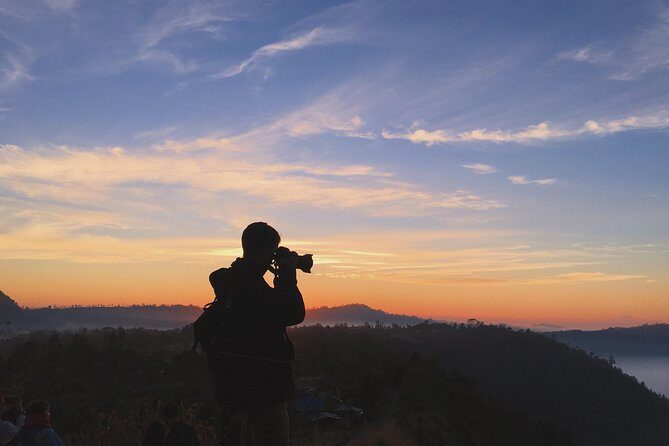
Bali (Padang Bai) to Gili Trawangan – Gili Air – Lombok (Bangsal)

Bali (Padang Bai) to Gili Trawangan - Gili Air - Lombok (Bangsal) - The onboard comfort details that matter (especially in the heat)

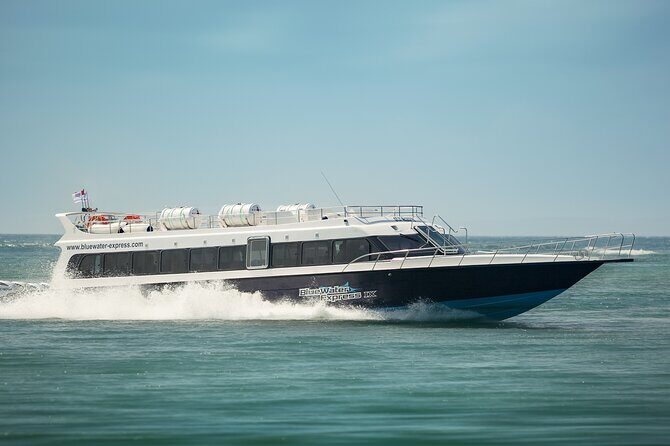
Speed over slog. That’s the whole point of this Bali to Gili crossing. It’s run by BlueWater Express, a long-time operator that’s focused on safety and a more controlled boarding experience, so you spend less energy worrying and more energy getting to island time.

Two things I really like: the ride is built for comfort with air-conditioned seating, a restroom on board, and free bottled water. The other big win is how the process is set up to be clear and efficient, with staff geared toward helping you check in and get moving.

One drawback to plan around: this is a speedboat service that can include precautionary stops mid-journey, and like all fast-boat routes, it’s weather-dependent.

Key points worth clocking before you go
Bali (Padang Bai) to Gili Trawangan - Gili Air - Lombok (Bangsal) - Key points worth clocking before you go

  • Purpose-built fast boat operation: The company pioneered the Bali–Gili fast-boat route back in 2006 and runs it with a safety-first mindset.
  • Comfort items are included: Air-con, bottled water (sealed), and onboard restroom access make the 3 to 3.5 hours feel shorter.
  • Smaller-group feel: This activity caps at a maximum of 70 travelers, which is a nice change from overstuffed big-ferry vibes.
  • You might see brief engine/prop checks: Any stop mid-sea is described as precautionary, to prevent prop issues from line or rope snagging.
  • Weather can change everything: If poor weather cancels the trip, you’ll get a different date or a full refund.
  • Premium price, but for reasons: At $91, it’s not the cheapest option, but you’re paying for a more organized departure and a less chaotic waiting experience.

Why this route is worth paying more for

This crossing is short on paper and long on meaning: you’re jumping off the Bali mainland and landing in the Gili rhythm fast. If you’re trying to maximize beach days (and minimize time lost to slow transport), a well-run speedboat makes a big difference.

I also like that the operator keeps the pitch consistent: safety, professionalism, and guest satisfaction. You feel that in the details you don’t always notice—like how check-in is handled and how the boat experience is set up to keep things moving.

Yes, it costs more than bargain ferry options. But the value is that you’re buying fewer headaches: clearer instructions, less “wait in the sun” chaos, and a smoother ride experience overall. For many people, that’s worth the premium.

Padangbai to the Gili islands: what your 3–3.5 hours actually feels like
Bali (Padang Bai) to Gili Trawangan - Gili Air - Lombok (Bangsal) - Padangbai to the Gili islands: what your 3–3.5 hours actually feels like
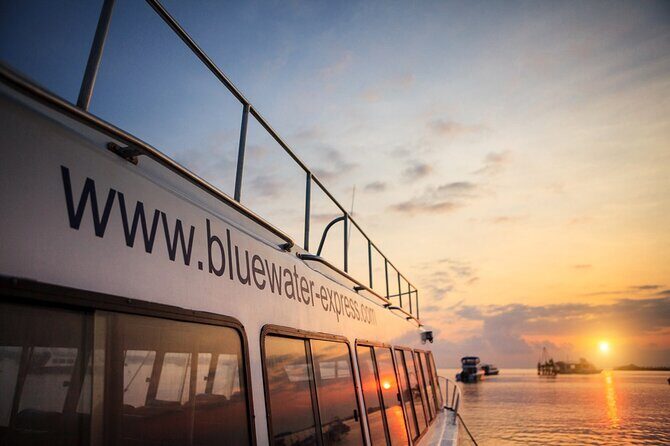
Here’s the practical flow. You start at the BlueWater Express dock in Padangbai, Bali (Jl. Silayukti, Padangbai, Kec. Manggis, Karangasem, Bali 80871). You’ll receive booking confirmation details that include your trip and pick-up time, and the meeting point is near public transportation.

Once you arrive at the port, expect a check-in process designed to be straightforward. Several people note that instructions are clear and staff are helpful, which matters because port logistics can get messy fast when you’re tired or traveling with gear.

Then comes the ride: the crossing time is listed as about 3 hours to 3 hours 30 minutes. Over that window, you’ll have access to onboard basics that make the trip easier—especially the restroom and the included sealed water.

As for arrival, this service is positioned around getting you to the Gili side and onward Lombok (Bangsal). The meeting point provided for the end is at the BlueWater Express area on the Gili side (including Gili Trawangan / Gili Indah area, Kec. Pemenang, Lombok Utara). In plain terms: you choose the right departure for where you want to disembark and then connect from there.

The onboard comfort details that matter (especially in the heat)
Bali (Padang Bai) to Gili Trawangan - Gili Air - Lombok (Bangsal) - The onboard comfort details that matter (especially in the heat)
This isn’t a barebones ferry experience. It’s a speedboat ride with comfort included, and that changes how you feel when you step off in the Gili islands.

You get air-conditioned cabin comfort, and that helps a lot when Bali heat clings to you the moment you step outside. You also get bottled water on board—plus sweet and water are listed as free flow sealed mineral water and sweet. Small thing, big relief when you’re already running on travel momentum.

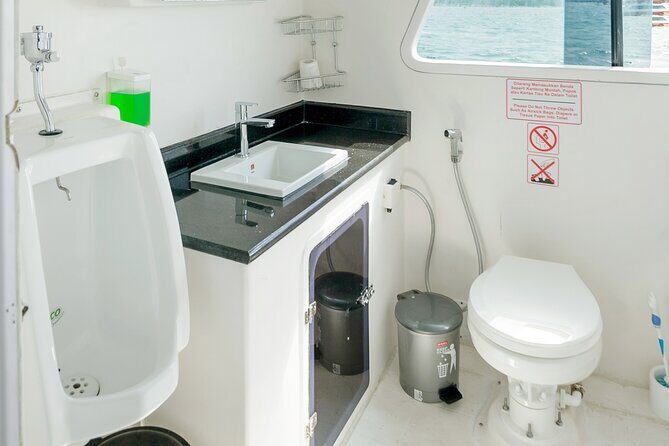
And then there’s the restroom. For a trip in the 3–3.5 hour range, onboard restroom access is one of those features you don’t think about until you need it. It also reduces how often you’ll rush around ports.

One note: air-con performance can vary by boat and seating location. I’ve seen comments that air-con could be better, so if you’re heat-sensitive, show up early and pick your seats with a little care during boarding.

Safety focus, plus the reality of a mid-sea check
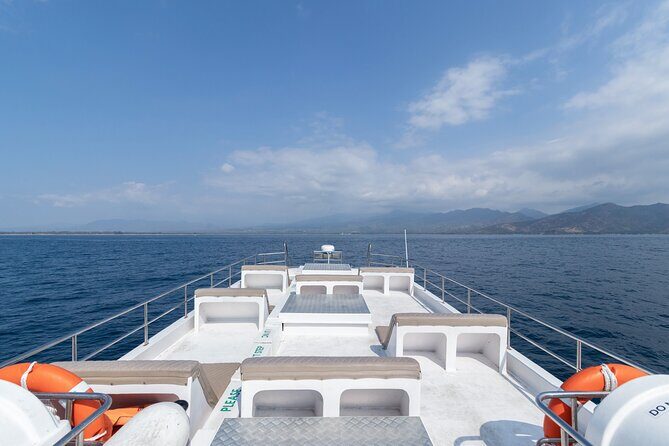
Bali (Padang Bai) to Gili Trawangan - Gili Air - Lombok (Bangsal) - Safety focus, plus the reality of a mid-sea check
The company emphasizes safety and professionalism, and that shows up in how they explain the occasional mid-journey pause. You might notice a brief stop while the crew checks the engine and prop area.

The stated reason is precautionary: rope or fishing line can snag the prop, and it’s better to check and clear anything before continuing. In other words, these stops aren’t treated like a breakdown; they’re treated like prevention.

A related point: the operator response also notes that their boat type is relatively larger (they reference a 26-meter boat size) and carries a smaller number of passengers than high-capacity operators. They also mention keeping guest counts far below the “hundreds at once” style. That’s exactly what you want on a speedboat: stability and breathing room.

Still, if you’re the type who hates any interruption, be mentally ready for the fact that the sea doesn’t always follow a perfect script.

Check-in and waiting: less chaos, more control
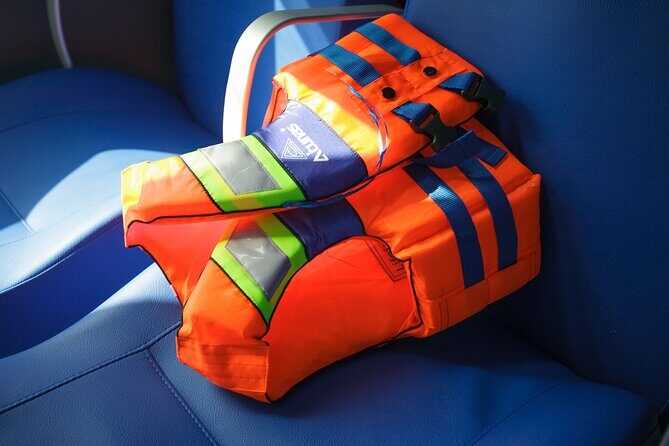
Bali (Padang Bai) to Gili Trawangan - Gili Air - Lombok (Bangsal) - Check-in and waiting: less chaos, more control
Port time is where trips either feel smooth or feel stressful. What I like here is that the service is set up so you aren’t stuck wandering around confused.

The meeting point is clearly identified at the BlueWater Express dock in Padangbai. And people have noted you can wait inside a nearby venue, specifically mentioning Sama-Sama Reggae Bar as a better option than roasting outside.

That’s a real travel advantage. When the departure window is tight and you’re sweaty, being able to sit down, cool off, and follow staff instructions keeps you from spiraling into “am I late?” panic.

Weather rules: how to stay flexible without losing your plans

This experience requires good weather. The cancellation policy is firm: it’s non-refundable and can’t be changed for any reason.

But there’s an important exception: if the boat is canceled due to poor weather, you’ll be offered a different date or a full refund. That’s the part you can plan around.

If you’re traveling around fixed events, I suggest you keep a little buffer time in your schedule and be ready to shift. Weather can be the one unpredictable variable, even when the operator does everything right.

Also, because customer experience depends on communication, I’d keep your booking details handy and watch for updates once your trip gets closer. If they change plans due to conditions, you’ll want to move fast.

Price and value: where the $91 really goes

Bali (Padang Bai) to Gili Trawangan - Gili Air - Lombok (Bangsal) - Price and value: where the $91 really goes
Let’s talk money in plain terms. This transfer costs $91. That’s not budget pricing.

So what are you buying?

  • A more organized departure flow, with clear instructions and staff support
  • Included comfort basics (air-con, water, restroom)
  • An operator with a long-running track record in this specific route
  • A more controlled passenger count (maximum 70 travelers for this activity)

If you’re choosing the cheapest option, you might save money but you risk trading that for comfort, order, or overall smoothness. And on island itineraries, “one annoying transfer moment” can snowball into missed connections or wasted energy later.

For many travelers, paying more here is basically buying time and calm—two things that are hard to measure but easy to feel when you arrive.

Who should book this speedboat (and who might not love it)
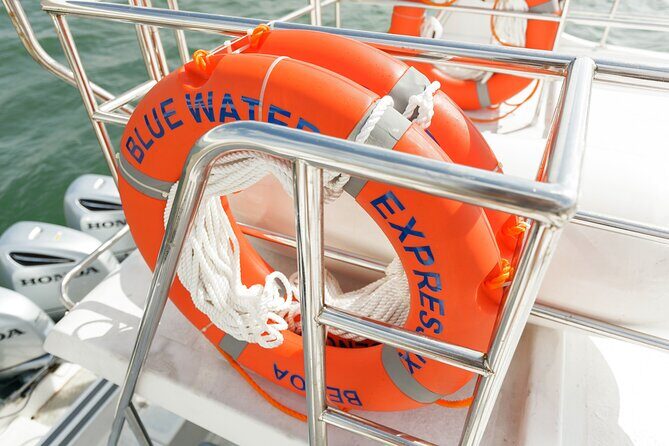
Bali (Padang Bai) to Gili Trawangan - Gili Air - Lombok (Bangsal) - Who should book this speedboat (and who might not love it)
This is a great fit if you:

  • Want a faster connection from Bali to the Gili islands without adding extra transfers
  • Care about comfort details like air-con and onboard restroom access
  • Prefer a service that aims for structured check-in and helpful staff

It may be less ideal if you:

  • Get strongly bothered by interruptions (there can be precautionary mid-journey checks)
  • Are extremely sensitive to seat comfort and cabin size—some comments point out that boats can feel cramped depending on what you compare against
  • Have to be ultra-picky about staff communication, since some crew language skills may not meet every expectation

And if you’re traveling with lots of luggage: use a smart packing approach and keep an eye on how bags are handled at loading. There’s at least one situation mentioned where luggage was damaged, and the operator indicates there is a policy to assist or replace damaged bags. The takeaway for you is simple: report issues immediately to the team on the spot.

Should you book BlueWater Express for Padangbai to the Gili and Bangsal?

I’d book it if you want a fast, comfort-forward transfer with a safety-first operator and a less chaotic departure style. The included air-con, restroom, and sealed water make the 3–3.5 hour ride feel practical rather than purely functional.

I wouldn’t book it if you’re trying to squeeze every dollar, or if you’re not okay with weather dependence and the possibility of a brief mid-journey check.

If your priority is getting to the Gili islands quickly and with fewer travel headaches, this is a solid, value-based choice at the price point listed.

FAQ

How long is the boat ride from Padang Bai to the Gili islands?

The crossing is listed as about 3 hours to 3 hours 30 minutes.

Where do I check in and board in Bali?

Your start point is BlueWater Express | Boat Padang Bai (Bali) to Gili Islands / Lombok at Jl. Silayukti, Padangbai, Kec. Manggis, Kabupaten Karangasem, Bali 80871.

Where does the trip end on the Gili/Lombok side?

The end point is BlueWater Express | Boat Gili Trawangan to Bali at Gili Trawangan, Gili Indah, Kec. Pemenang, Kabupaten Lombok Utara, Nusa Tenggara Bar. 83352.

What’s included in the ticket price?

Included items are insurance and medical coverage, an air-conditioned vehicle, free flow sealed mineral water and sweet, and a restroom on board.

Is private transportation included?

No. The listing specifies private transportation is not included.

How many people are on the boat for this activity?

The maximum group size is listed as 70 travelers.

Is the service suitable for most travelers?

It says most travelers can participate.

Do they provide water and refreshments on board?

Yes. You get free flow sealed mineral water and sweet.

What happens if the trip is canceled due to bad weather?

The experience requires good weather. If canceled due to poor weather, you’ll be offered a different date or a full refund.

When will I receive confirmation and pickup timing?

Confirmation is received at the time of booking, and you’ll receive booking confirmation details with trip and pick-up time.
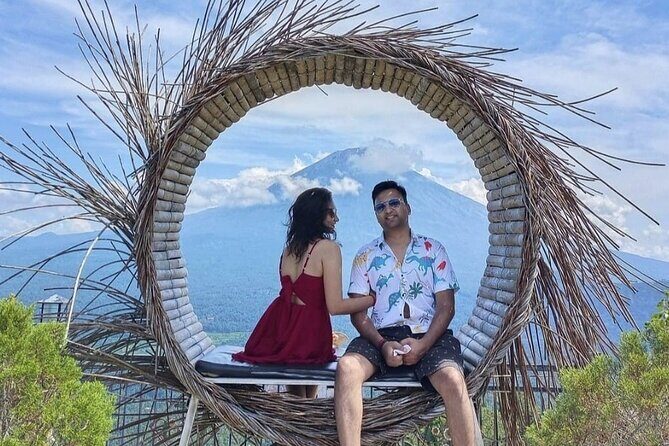
Best of Instagram Tour: Gate of Heaven, Tirta Gangga, Bali Swing

Best of Instagram Tour: Gate of Heaven, Tirta Gangga, Bali Swing - Tirta Gangga: royal water garden time that doesn’t rush

Early light changes everything.

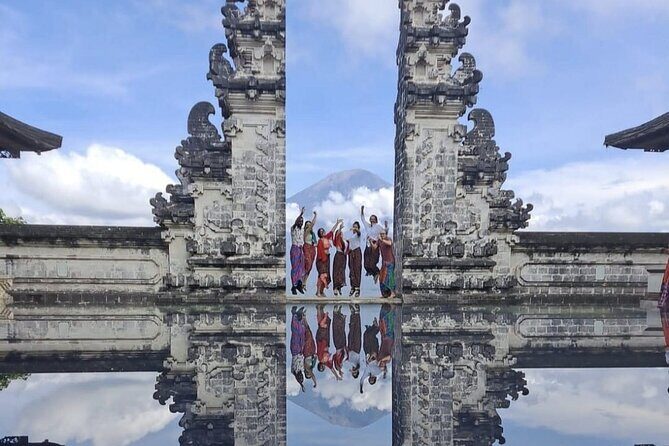
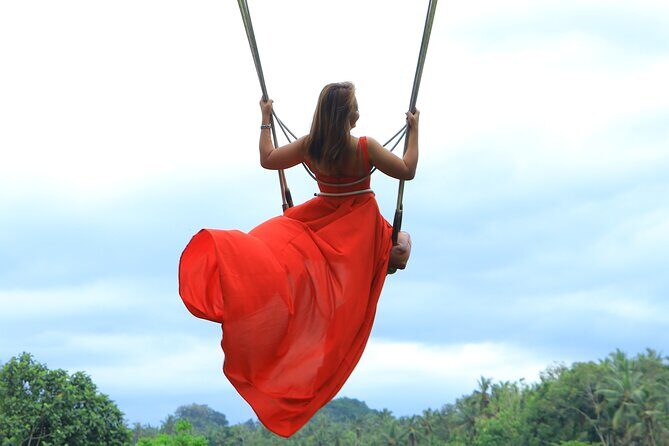
This day tour strings together Bali’s big-photo stops in East Bali and the Ubud area: Lempuyang Temple (Gate of Heaven), Tirta Gangga, Tegalalang Rice Terrace, and then a jungle swing experience at Aloha Ubud Swing. I like that the price covers the heavy stuff up front—entrance fees, lunch (Indonesian food), and bottled water—so you’re not doing the pay-everywhere math all day. I also like the early start and hotel convenience: pickup at hotels in Ubud and south Bali with an air-conditioned private car, plus a driver/guide who handles the getting-there. The main drawback? It’s a long day (about 10 hours) and the Tegalalang stop is brief, so it’s not the slow, lingering “wander in peace” style.

What you get is a practical “Instagram sweep,” but done with real logistics: English-speaking driver/guide, included shuttle bus to Lempuyang Temple, and a mobile ticket so you can move fast. If you hate self-driving on busy roads or you just want one less headache, this kind of route is tailor-made. And yes, you’ll do the swing and bird’s-nest type photo moments—just remember that if you want the paid photographer add-on at the swing, that’s extra.

Key moments I’d plan around

Best of Instagram Tour: Gate of Heaven, Tirta Gangga, Bali Swing - Key moments I’d plan around

  • 6:00 am start means you’re spending your daylight at the sites, not stuck in transit
  • Lempuyang’s Gate of Heaven plus an included shuttle bus to the hilltop gives you less hassle
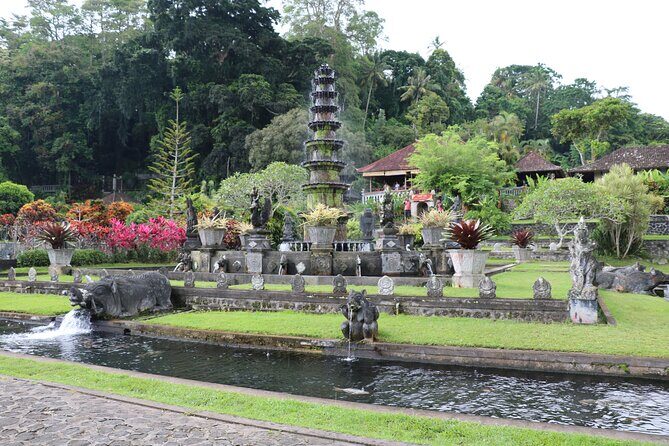
  • Tirta Gangga is built by Karangasem for royal bathing and recreation, now a calm photo pause
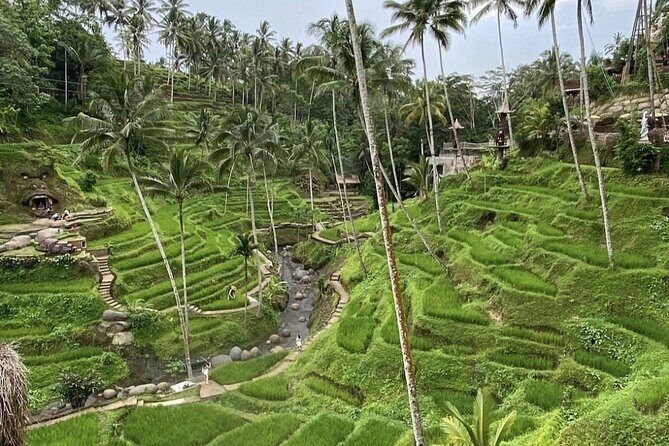
  • Tegalalang is short (about 15 minutes), so keep your camera ready and your expectations sharp
  • Aloha Ubud Swing (about 1 hour) delivers multiple scenic set-ups, but the pro photographer fee is not included
  • A/C private car + English-speaking driver/guide turns the day into a “ride, arrive, shoot, go” flow

How the hotel pickup and A/C ride really help

This tour is set up for convenience. You start at 6:00 am and you’re picked up directly from hotels in Ubud and south Bali (even though the tour is listed around Kuta). That matters because you avoid the self-driving stress—especially when you’re bouncing between East Bali temples and central Ubud-area scenery.

You’ll ride in a private car with good air-conditioning, and you’ll have an English-speaking driver cum guide. That combo is more than comfort. It also helps with timing and navigation, and it keeps you from guessing where to go next while you’re holding phones, cameras, and water.

There’s also an included shuttle bus to Lempuyang Temple. Lempuyang sits up on a hill, so this is the kind of “small included step” that saves energy and time. The itinerary then mixes longer temple/water-garden time with a short rice-terrace stop, so you’re not stuck doing everything at the same pace.
If you like a plan with built-in transport, this is the right kind of package. If you like to improvise and linger, you’ll feel the pinch on the short stop(s).

Lempuyang Temple and the Gate of Heaven: photo ops with a hilltop payoff

Best of Instagram Tour: Gate of Heaven, Tirta Gangga, Bali Swing - Lempuyang Temple and the Gate of Heaven: photo ops with a hilltop payoff
Lempuyang Temple is one of the biggest Hindu temples in East Bali, located in the Karangasem area. It’s set on top of Bisbis Hill, so the payoff is the big viewpoint feel when you reach the photo spot tied to the Gate of Heaven.

On this tour, you get about one hour at Lempuyang, and the ticket is included. You’ll also use the included shuttle bus to help you get up to the temple area more efficiently. That’s important because hilltop destinations can wear you out if you’re already tired from a long morning pickup.

What I’d plan for here:

  • You’ll likely be outside and exposed to sun for parts of the route and the photo-wait.
  • You’ll want comfortable footwear for uneven areas.
  • You may want to keep your movements smooth so you don’t waste time refinding your spot.

Also, this is a real place of worship, not just a photo set. Your guide should help you navigate how to behave and where to stand for photos, and a good driver-guide makes a big difference in how respectful and efficient the stop feels.

Tirta Gangga: royal water garden time that doesn’t rush

Best of Instagram Tour: Gate of Heaven, Tirta Gangga, Bali Swing - Tirta Gangga: royal water garden time that doesn’t rush
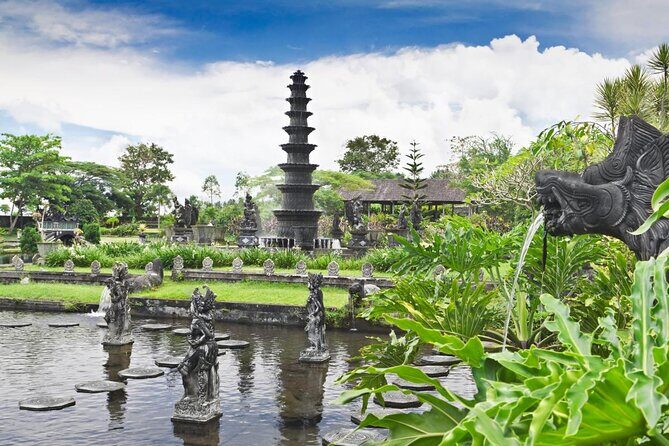
Next up is Tirta Gangga Water Garden, a park built by the king of Karangasem in ancient times. It was used as a bathing place and recreation area for the royal family. Today it’s a tourist attraction centered around a large pond and water-garden features.

Your time here is about one hour, and the admission is included. This is one of the stops where the tour pacing works well. After the more “photo-chase” energy of Lempuyang, Tirta Gangga offers slower movement: you can frame shots around water reflections and the garden layout without feeling like you’re sprinting.

Practical notes:

  • Plan to take your time with photos because the water details can look better from different angles.
  • You’re still on a schedule, so don’t expect a full roam like you’d get on your own with a full afternoon.

This stop is also a good “reset” moment. Even if you’re traveling primarily for Instagram-worthy sights, Tirta Gangga helps break up the day so it feels like an actual Bali experience rather than just a photo checklist.

Tegalalang Rice Terrace: the classic Bali stop, but it’s quick

Best of Instagram Tour: Gate of Heaven, Tirta Gangga, Bali Swing - Tegalalang Rice Terrace: the classic Bali stop, but it’s quick
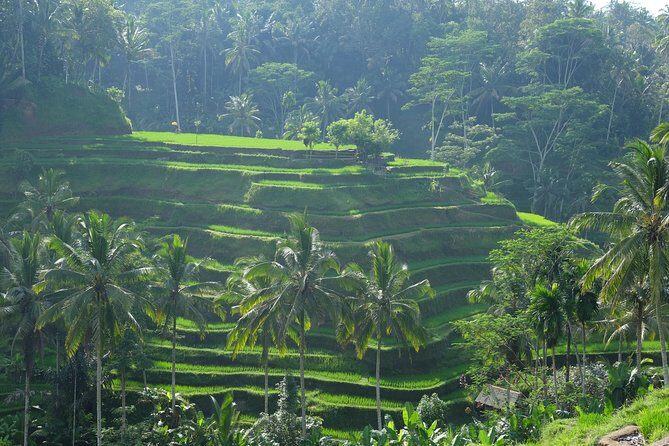
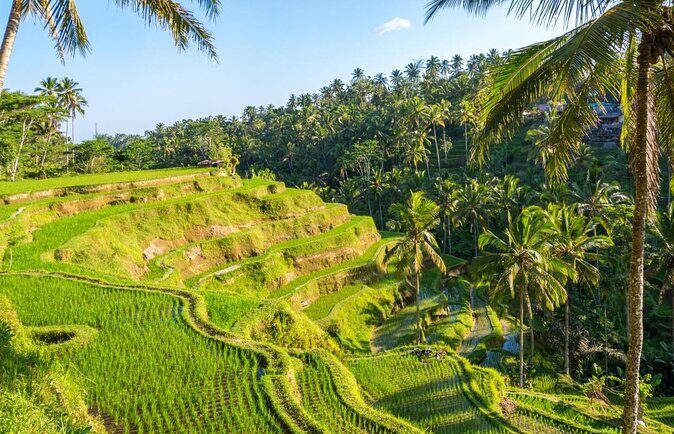
Then you’re heading to Tegalalang Rice Terrace near Ubud. This is a famous rice-terrace stop, and it’s often seen by people traveling between Ubud and Kintamani. The tour keeps this stop to about 15 minutes, with the ticket included.

Fifteen minutes sounds short because it is. The tradeoff is that it protects the rest of your day for the temple and the swing. So treat Tegalalang as the “get the iconic shot” stop, not the “walk every path and explore for hours” stop.

How to make it work in that time:

  • Decide your priority shot first—then move for supporting angles.
  • Keep your phone/camera accessible so you’re not fumbling with bags mid-moment.
  • Don’t plan on extended detours; the tour is built around a tight schedule here.

If you love rice-terrace views and could happily spend an hour or more here, you might feel slightly shortchanged. But if you want the photo and you’re also excited about Gate of Heaven plus the swing, this timing is reasonable.

Aloha Ubud Swing: jungle swings, bird’s-nest style moments, and extra photo costs

Best of Instagram Tour: Gate of Heaven, Tirta Gangga, Bali Swing - Aloha Ubud Swing: jungle swings, bird’s-nest style moments, and extra photo costs
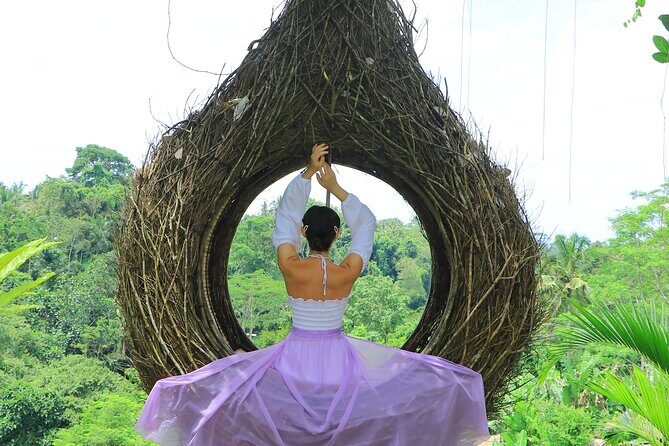
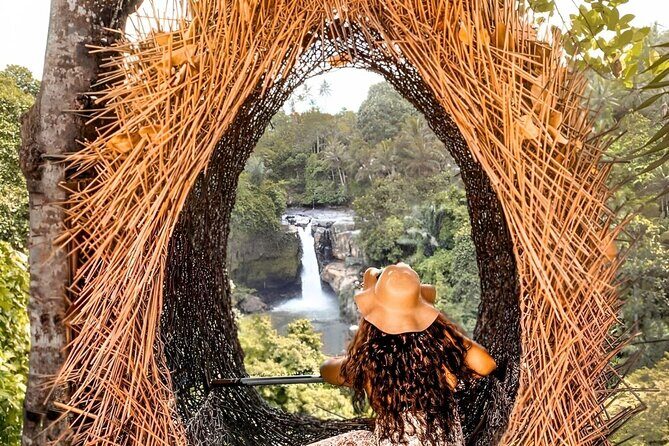
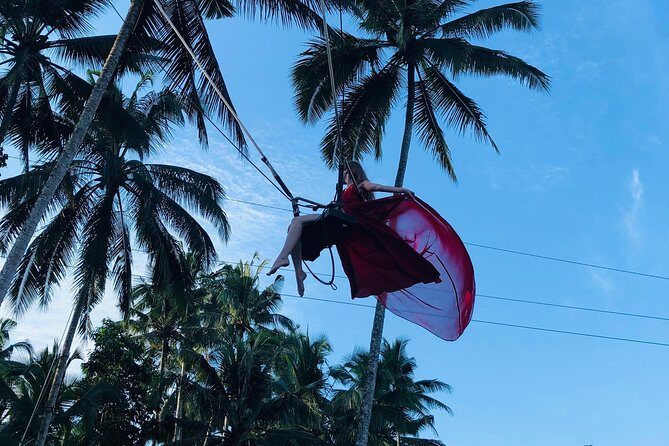
Now for the fun part. The itinerary includes Aloha Ubud Swing, branded as a Bali swing experience created for people who want to swing with very scenic forest surroundings. You’ll also see bird’s-nest style setups mentioned as part of the photo options, and the tour includes the swing admission.

You get about one hour at the swing site, and admission is included. This is also where the tour can feel most “photo-driven,” because you’ll want to try the different platforms/set-ups within the time you’re given.

Two practical considerations:

  • If you want the professional photographer photos, there’s a photographer fee at the swing that isn’t included. If that matters to you, budget for it ahead of time so you’re not making decisions on the spot.
  • Plan how you’ll handle your gear. If you’re carrying a bag, you’ll want to keep it manageable so you don’t lose time between photo spots.

A good guide can help keep this stop organized—timing your turns so you’re not waiting around too long and making sure you know where to stand for your turn. Some guides have even helped guests look extra photo-ready. For example, one guide named Darma arranged a chance to get a kebaya (traditional outfit) for a more polished photo moment. If you care about styling, it’s worth asking your guide what’s possible on your day.

Lunch and the small comforts that make a long day easier

Best of Instagram Tour: Gate of Heaven, Tirta Gangga, Bali Swing - Lunch and the small comforts that make a long day easier
Lunch is included, listed as Indonesian food, and you’ll also get bottled water. That’s the kind of inclusion that adds real value, because it keeps your spending predictable while you’re out for roughly 10 hours.

One detail that can make a difference on hot days: some guides have been described as thoughtful with small comfort items like cold towels during the day. That kind of care doesn’t show up on a brochure, but it affects how your day feels. If you’re traveling with the “we need breaks and hydration” mindset, this tour fits that need better than an all-day driving scramble.

Price and value: where the $100 per person actually goes

Best of Instagram Tour: Gate of Heaven, Tirta Gangga, Bali Swing - Price and value: where the $100 per person actually goes
The listed price is $100 per person, and the tour includes:

  • A private A/C car
  • An English-speaking driver cum guide
  • Shuttle bus to Lempuyang Temple
  • Entrance fees and taxes
  • Lunch (Indonesian food)
  • Bottled water
  • All fees and taxes
  • A mobile ticket

That’s a lot bundled. In Bali, paying separately for driver time, multiple entrance tickets, and lunch can add up faster than you expect. Here, you’re buying one package that handles the main cost centers, then you pay only for personal expenses and the swing photographer fee if you choose to add it.

So the value equation is simple: if you’d otherwise be spending money on a driver, entrance tickets at four stops, and a lunch, this can be a clean deal. If you’re the type who wants to go slow and linger at every site, you may pay for stops you don’t fully use (especially the short Tegalalang time).

Also note there are group discounts offered. Even if the tour is private for your group, it can still be worth checking whether your travel party size affects the final quote.

Your driver-guide can change the whole vibe

Best of Instagram Tour: Gate of Heaven, Tirta Gangga, Bali Swing - Your driver-guide can change the whole vibe
This tour isn’t just about locations. It’s about how smooth and friendly the ride feels between them.

The experience includes an English-speaking driver cum guide, and the human element comes through clearly in past days:

  • Ayu is described as patient and friendly, helpful with guest requests
  • Shalinder is described as reliable and friendly, especially with a large group
  • Dewa is described as a highlight for positive energy and care
  • Arta is described as caring and photo-helpful
  • Dirga is described as professional and willing to take lots of photos
  • Darma (and Sang Made Darma) is described as going the extra mile, including comfort touches and helping with photo-ready clothing options like a kebaya

You can’t guarantee which driver-guide you’ll get, but you can increase your odds of a great day by communicating what you care about. If your priority is photos at each stop, say that early. If your group wants more time somewhere specific, ask your guide how flexible the schedule is for your date.

Timing, weather, and how to handle the early start

The tour starts at 6:00 am and lasts about 10 hours. That early start is a strategy. You’ll be hitting hilltop and temple photo spots earlier in the day, which can help you avoid the worst sun and heat later.

Weather matters too. The experience requires good weather, and if it’s canceled due to poor weather, you’ll be offered a different date or a full refund.

What you can do to make the day easier:

  • Bring sun protection and plan for outdoor time across multiple locations.
  • Keep your day bag simple.
  • Expect a full morning and early afternoon with travel time woven between sites.

Also, since you’ll be outside for several stops, it’s smart to pace yourself. This isn’t a sprint marathon, but it is a packed day.

Should you book this Gate of Heaven, Tirta Gangga, and Bali Swing tour?

Book it if:

  • You want a one-day plan that hits the biggest visual hits: Gate of Heaven, Tirta Gangga, and Tegalalang
  • You don’t want to self-drive and prefer a driver/guide handling route and timing
  • You like the idea of included entrance fees and lunch, so you can focus on photos and enjoying Bali
  • You’re excited about the Bali Swing part and you’re okay with a one-hour swing window

Skip or adjust expectations if:

  • You want lots of time to wander each stop. The day is structured, and Tegalalang is only about 15 minutes
  • You hate early mornings. The 6:00 am start is real
  • You’re not interested in swing photos and would rather spend more time at fewer places

If your ideal Bali day is “see a lot, don’t stress the driving, and get your best shots,” this tour is a strong match. Just go in knowing it’s efficient, not slow.

FAQ

What time does the tour start?

The tour starts at 6:00 am.

How long is the tour?

It runs for about 10 hours (approximately).

Where does pickup happen?

Pickup and drop-off are offered directly at hotels in Ubud and south Bali.

Is there a shuttle included for Lempuyang Temple?

Yes. A shuttle bus to Lempuyang Temple is included.

What’s included in the price?

The tour includes a private A/C car, an English speaking driver cum guide, admission tickets for the listed stops, lunch (Indonesian food), bottled water, and all fees and taxes. It also includes a mobile ticket.

Are entrance fees included for each stop?

Yes. Admission tickets are included for Lempuyang Temple, Tirta Gangga, and Tegalalang Rice Terrace, and the swing stop includes admission.

Is the swing photographer fee included?

No. The photographer fee at the swing is not included.

What happens if the weather is bad?

This experience requires good weather. If it’s canceled due to poor weather, you’ll be offered a different date or a full refund.

What’s the cancellation window?

Free cancellation is available. You can cancel up to 24 hours in advance for a full refund. If you cancel less than 24 hours before the start time, the amount paid is not refunded.

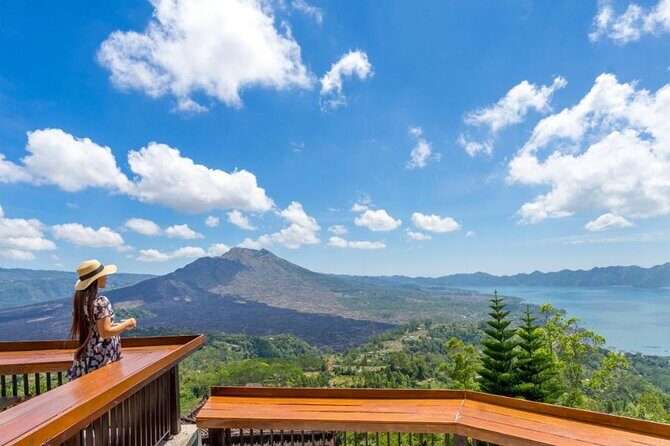
Mount Batur Volcano – Sunrise Trekking with White Water Rafting

Mount Batur Volcano - Sunrise Trekking with White Water Rafting - The Mount Batur Twilight Climb: What the 2-Hour Hike Feels Like

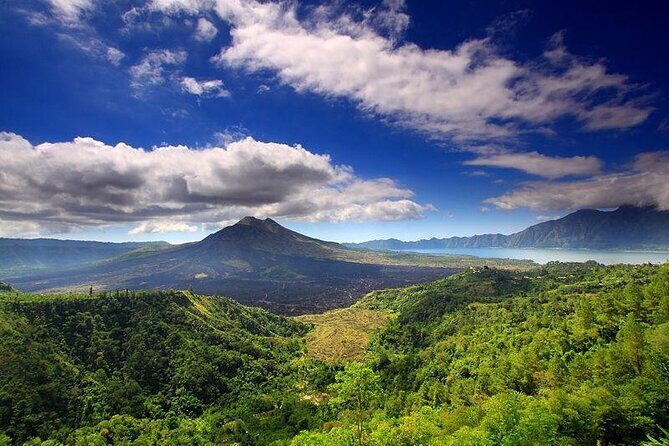
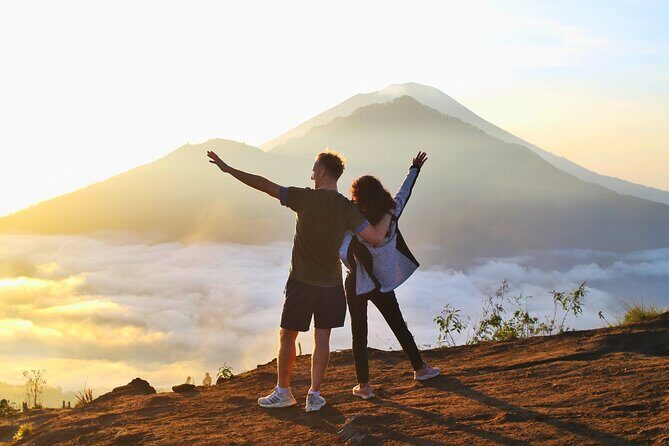
Bali starts before your alarm. This full-day combo pairs a Mount Batur sunrise trek with guided white-water rafting on the Ayung River, so your morning views turn into afternoon adrenaline.

I really like the way the day is built around one big payoff: a summit breakfast with hot coffee while the sun comes up. I also love that rafting is set up for beginners, with instruction and equipment so you can focus on paddling instead of guessing.

The main thing to consider is that the hike starts in cold, early darkness and it can feel intense when you’re half-asleep. Then you head straight to the river, so if you get wiped out easily, this schedule may be a lot.

Key Things You’ll Notice on This Day Trip

Mount Batur Volcano - Sunrise Trekking with White Water Rafting - Key Things You’ll Notice on This Day Trip

  • 1:30–2:30 a.m. pickup so you can start the climb in twilight
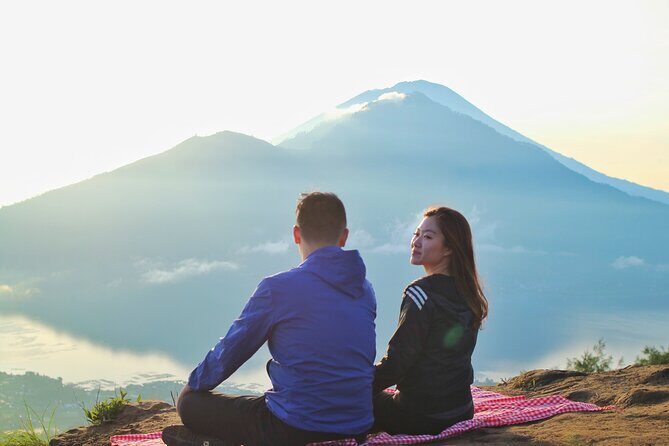
  • Summit breakfast at the volcano with a sunrise show over Lake Batur
  • Moderate hike with a real uphill effort toward 1,717 meters (9,066 feet)
  • Ayung River rafting on Class II and III rapids with full instruction and gear
  • Luwak coffee plantation stop for tastings after lunch

Batur at Dawn: Why This Combo Tour Works

Mount Batur Volcano - Sunrise Trekking with White Water Rafting - Batur at Dawn: Why This Combo Tour Works
This tour is basically two different types of Bali thrills, stacked back-to-back. First you grind uphill in the dark to earn that sunrise moment from the Mount Batur summit area. Then, once your legs are tired, you switch gears to paddling through rapids on the Ayung River.

What makes it click is timing and pacing. You’re not just “seeing Bali,” you’re chasing a specific set of conditions: cold pre-dawn air, a planned summit window around 5:30–6:00 a.m., and then daytime rafting.

It’s also a smart value format if you want a packed day without planning transport, meals, and activities yourself. For many people, the “wow” factor is the contrast: volcanic sunrise + moving water.

The tradeoff is fatigue. This is a long day (about 15 hours), and you’re doing it on early starter mode from the moment you leave your hotel.

From Kuta or Ubud to the Base: Pickup Times That Matter

Pickup begins between 1:30 a.m. and 2:30 a.m. Your driver and guide collect you in the early hours, then you head toward Mount Batur. Depending on where you start from, the drive is roughly 2.5 hours from Kuta or about 1.5 hours from Ubud.

That early departure isn’t just a scheduling detail. It shapes how the whole day feels. You’ll be climbing in dim conditions, and you’ll want your warm layers on before you ever get near the first steep stretches.

The ride is in an air-conditioned minivan, which is helpful because the morning can be chilly and you’ll likely arrive at the base ready to change from “bed mode” to “hike mode.” If you’re the type who needs caffeine before you move, you’ll appreciate having breakfast planned up at the top after the climb.

This tour is private, meaning it’s only your group. That matters for comfort when the day starts so early and everyone is still waking up in waves.

The Mount Batur Twilight Climb: What the 2-Hour Hike Feels Like

Mount Batur Volcano - Sunrise Trekking with White Water Rafting - The Mount Batur Twilight Climb: What the 2-Hour Hike Feels Like
You’ll meet your guide at the mountain base and start the climb in twilight, with the hike lasting about 2 hours. The goal is to reach the summit area between 5:30 a.m. and 6:00 a.m., right in time for sunrise.

The hiking level is described as moderate and aimed at people with some hiking experience, and the overall fitness requirement is “moderate.” In plain terms: you don’t need to be an athlete, but you should be comfortable with uphill walking for an extended stretch, on rocky and uneven ground.

Wear proper hiking or sport shoes. That advice isn’t overkill. Dawn hikes can be slippery if conditions are off, and you’ll be stepping in the dark long before you see the summit area clearly.

One practical tip from real day-of experience: layers help a lot. It starts cold when the sun hasn’t hit yet, then you warm up as you work uphill. I’d rather you overdress slightly early than shiver for the first half of the climb.

Also, go in ready to work. A guide who sets a steady pace can be a gift, but the climb is still a workout.

Summit Breakfast and the Sunrise Window (5:30–6:00 a.m.)

Mount Batur Volcano - Sunrise Trekking with White Water Rafting - Summit Breakfast and the Sunrise Window (5:30–6:00 a.m.)
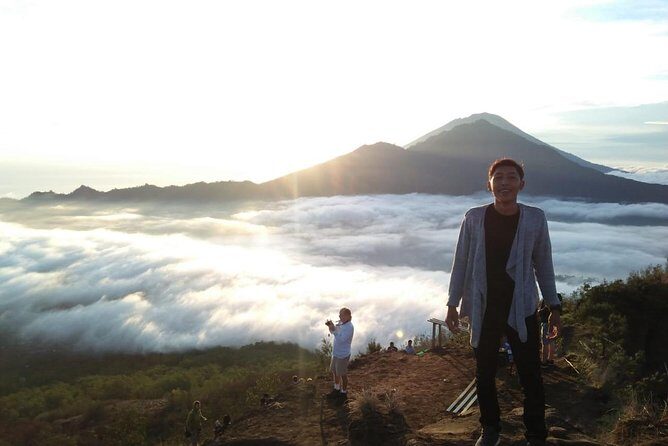
Once you reach the summit at about 9,066 feet (1,717 meters), breakfast and hot coffee are part of the reward cycle. You’ll have time to wait for sunrise, camera ready, before heading back down.

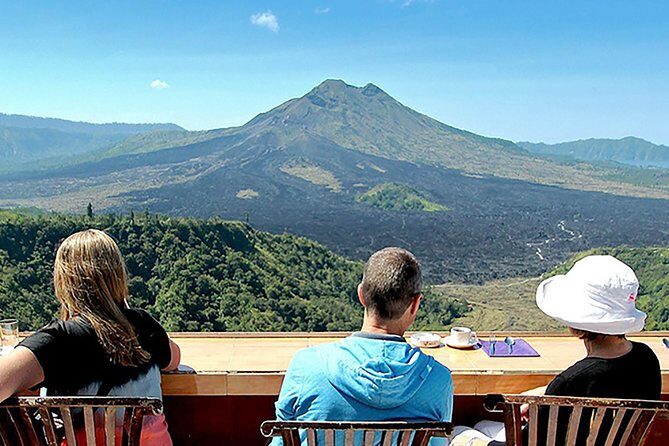
This is the moment most people remember: the view pulling back over Lake Batur and the caldera below while the sky shifts. You’re on an active volcano, so the setting feels dramatic even when everything looks calm.

Breakfast at altitude changes the experience. You’re not just “stopping to eat,” you’re refueling after the hardest part of the day, which helps you handle the return trek afterward.

Timing is important too. Sunrise isn’t an abstract idea here; it’s tied to that summit arrival window. That’s why the early pickup matters so much. If you want this tour for the sunrise, you’ll want to trust the schedule and avoid “sleep in” thinking.

Then you’ll start the descent, about 1.5 hours back to the return area around mid-morning.

Ayung River White-Water Rafting on Class II–III Rapids

Mount Batur Volcano - Sunrise Trekking with White Water Rafting - Ayung River White-Water Rafting on Class II–III Rapids
Around 9 a.m., you head by bus to the riverside and meet your rafting instructor. Before you get in the raft, you’ll get a safety briefing and learn basic maneuvers, plus you’ll be suited with helmet and life jacket and given equipment.

Good news: you don’t need rafting experience. Instruction is part of the package, and the rapids are graded as Class II and III, which typically means there will be noticeable action, but it’s not designed for expert-only danger.

The rafting itself runs about 10 miles (16 kilometers) with roughly 2.5 hours on the water. You paddle through scenery that includes tropical rainforest, cascading waterfalls, bamboo bridges, and Hindu shrines. Wildlife can appear along the riverside, too.

This is where the combo tour gets its second payoff. After climbing a volcano, your body shifts from “grind uphill” to “use your arms with technique.” It can feel like a lot at first, but rafting is also a great way to reset your focus.

When you finish, you’ll have time to shower and change before lunch. That detail matters in Bali, especially after an early, sweaty morning and then time on the river.

After the River: Shower Time, Buffet Lunch, and Coffee Tasting

Mount Batur Volcano - Sunrise Trekking with White Water Rafting - After the River: Shower Time, Buffet Lunch, and Coffee Tasting
When the rafting ends, you’ll get that short breather before lunch. The plan includes a buffet lunch at a local restaurant and time to freshen up. That’s a real quality-of-life upgrade on a day that starts around 1:30 a.m.

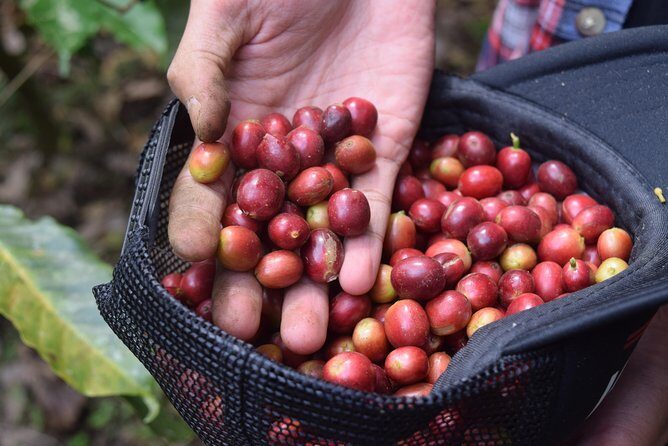
Then comes the extra stop: a Luwak coffee plantation. The tour includes time to learn about the process behind Luwak coffee (the world’s most expensive coffee) and to sample a range of Balinese teas and coffees.

This is also a chance to slow down. You’re not rushing to the next activity; you’re in tasting mode, which makes the long day feel more balanced. It’s not just a photo stop. The value is in understanding what you’re tasting and how the product is made.

Finally, you return to your hotel with drop-off around 4:30 p.m. For a 15-hour day, that return time is honestly a relief. You’ll still be tired, but you’ll be back before evening plans.

Price and Included Perks: Is $90 a Good Deal?

Mount Batur Volcano - Sunrise Trekking with White Water Rafting - Price and Included Perks: Is $90 a Good Deal?
At $90 per person, the question is whether you’re paying for one activity or actually getting two. In this case, you’re paying for a full package: transport, guides, breakfast, lunch, sunrise access by timing, and rafting equipment plus instruction.

Included benefits cover hotel pickup and drop-off by air-conditioned minivan, a local guide for the day, and breakfast and buffet lunch. On top of that, rafting is included with equipment and a guided experience.

That’s why I think the price makes sense for many people. You get:

  • an organized sunrise trek with summit timing,
  • a beginner-friendly rafting setup,
  • and meals that prevent you from spending extra money in the middle of the day.

What’s not included is also straightforward: alcoholic drinks are available to purchase, and a DVD is available to buy. So if you stick to water and bring your own snacks for the hike (if you want them), you won’t have to budget much beyond souvenirs.

If your priority is a single activity—either volcano or rafting—you might find cheaper options. But if you want both, bundled with transport and meals, this price is competitive.

Fitness, Footwear, and Packing: My Practical Checklist

Mount Batur Volcano - Sunrise Trekking with White Water Rafting - Fitness, Footwear, and Packing: My Practical Checklist
Plan for cold early air and warm uphill effort. The tour explicitly recommends a warm jacket and long pants, along with sunblock and a camera. I’d add common sense extras: a small layer you can keep on during the climb, and something simple to protect your hands if you feel chilly.

Wear hiking or sport shoes. Don’t rely on sandals or flip-flops for a pre-sunrise climb on rocky terrain.

Bring toilet paper too. That small item can save a lot of stress in remote-feeling rest stops during long day tours.

Your body will also need hydration and steady breathing. The climb is intense for some people, especially early in the morning when you’re not warmed up. Pace yourself with your guide’s cues and don’t try to sprint the steep sections.

If you get cold easily, treat warm layers as non-negotiable. Even fit hikers can feel freezing in the dark before sunrise.

One more practical detail: charge your phone and camera before pickup. The day runs so early that you may not get convenient recharging time later.

Who This Tour Fits Best (and Who Might Skip It)

This tour is a great fit if you want a full-day plan with two headline activities and you’re willing to start early. It suits hikers with some experience and a moderate physical fitness level, and it suits rafting beginners because instruction and equipment are included.

It’s also a strong choice for people who like structure. The timing is handled: pickup early, climb by twilight, summit for sunrise, then rafting by late morning.

Where it may not fit is if you hate long days or you want a gentler pace. The hike is described as moderate, but in practice it can feel tough because it’s early, uphill, and cold at the start. If you’re exhausted by physical effort, you may feel that the rafting comes immediately after the climb.

If you’re traveling as a group that wants maximum “Bali action” in one day, the private format helps. Everyone gets the same plan without waiting around for a larger shared schedule.

If your goal is a relaxed morning, you might prefer a different Batur experience that doesn’t stack rafting afterward.

Should You Book This Mount Batur Sunrise + Rafting Tour?

I’d book it if you want a clear, high-impact day: sunrise from a real volcano summit plus guided Class II–III rafting with meals and transport handled. The $90 price becomes easier to justify when you add up the guided climb, summit breakfast, equipment and instruction for rafting, and lunch.

I’d skip it if you’re sensitive to cold mornings, or if doing two physical activities back-to-back sounds like your idea of stress. Early darkness, a steep uphill climb, and then paddling shortly afterward means you’ll need stamina.

If you’re on the fence, use this rule: if you can handle a 1:30 a.m. wake-up and you’re comfortable hiking uphill for about 2 hours, the payoff is real.

FAQ

What time is pickup for the Mount Batur sunrise trek?

Pickup is offered between 1:30 a.m. and 2:30 a.m., depending on where you’re staying.

How long is the tour from start to finish?

The tour runs about 15 hours (approximately), with hotel drop-off around 4:30 p.m.

Is the Mount Batur hike difficult?

The hike is described as moderate and suitable for hikers with some experience, and it’s best if you have a moderate physical fitness level.

Do I need rafting experience for the Ayung River portion?

No. You don’t need rafting experience because full instruction and equipment are provided.

What class are the rapids on the rafting section?

The rafting includes Class II and Class III rapids.

What meals are included in the price?

Breakfast and lunch are included. Breakfast happens at the summit area, and lunch is a buffet at a local restaurant after rafting.

Is hotel pickup and drop-off included?

Yes. The tour includes hotel pickup and drop-off by air-conditioned minivan.

What should I bring for the early-morning hike?

Wear hiking or sport shoes, and bring a warm jacket, long pants, camera, sunblock, and toilet paper.

Does the tour include a coffee plantation stop?

Yes. You stop at a Luwak coffee plantation to learn about the coffee process and sample Balinese teas and coffees.

Is there free cancellation, and how late can I cancel?

Free cancellation is available. You can cancel up to 24 hours in advance of the experience start time for a full refund.

Stress Relief Massage at ANJALI SPA

Stress Relief Massage at ANJALI SPA - The 30-Minute Stress Relief Massage: What It Actually Covers

When your neck and shoulders lock up, you notice fast.

This 30-minute stress relief massage at ANJALI SPA in Kuta focuses right where Bali travel tends to create tension: shoulders, neck, and up into the head. What makes it especially appealing is the calm, cozy vibe and the consistently described technique—therapists like Yuli, Dewi, Desak, Tari, Indah, Indri, Pani, Wina, and Pani Ana are repeatedly credited with getting people out of that tight, stressy feeling. My favorite part is how much gets done in a short time, and how many people say the pressure and care feel tailored to them. One thing to factor in: time slots are limited, so you’ll need to contact ANJALI SPA to confirm your massage time.
You’ll meet at Astagina Resort Villa and Spa Bali in Legian (right by Kuta), and the session ends back at the same spot—simple and low-stress. The price is $16.63 per person, which is strong value for a private massage slot, especially if you’re trying to fit recovery into a busy day. Also, it’s built for real bodies: most travelers can participate.

Key Points You’ll Care About

Stress Relief Massage at ANJALI SPA - Key Points You’ll Care About

  • Shoulder-to-head focus for tension relief in a short 30-minute slot
  • Calm, cozy room atmosphere that sets the tone immediately
  • Therapists with consistently noted technique and gentleness (Yuli, Dewi, Desak, Tari, Indah, Indri, Pani, Wina)
  • Private session for your group only, not a shared-room setup
  • Limited therapist availability, so you must confirm your exact time in advance

Entering ANJALI SPA by Astagina in Legian (Near Kuta)

Stress Relief Massage at ANJALI SPA - Entering ANJALI SPA by Astagina in Legian (Near Kuta)
Your massage starts at Astagina Resort Villa and Spa Bali, on Gg. Bulan No.8, Legian (Kuta area). It’s a convenient place to orient yourself because the activity is walk-in simple: start there, then you finish there too.

I like locations like this for one reason: after a massage, you don’t want a whole scavenger hunt to get home. Here, you’re basically in a self-contained reset zone. Plus, the area being near public transportation is a real bonus if you’re not taking a car everywhere in Bali.

If you’re the type who likes predictability, this is also a clear-format experience. The spa lists set opening hours—9:00 AM to 9:00 PM, Monday through Sunday—so you can usually find something that fits before dinner or after a beach day.

The 30-Minute Stress Relief Massage: What It Actually Covers

Stress Relief Massage at ANJALI SPA - The 30-Minute Stress Relief Massage: What It Actually Covers
This is sold as a sensual stress relief experience, but in practical terms it means a focused hands-on session designed to reduce tension. The core description is shoulder, neck, to head massage, which lines up with what people specifically say they received: back/shoulder work leading into the neck and head.

Here’s what that usually feels like during the session—based on the described focus areas and how people describe the effect afterward:

  • Upper back and shoulders get attention first, which matters because tight traps and shoulder muscles tend to be the root of the whole neck problem.
  • Neck work comes next, with pressure applied to help soften the stiffness you feel when you’ve been looking down at your phone, steering through traffic, or lounging.
  • Head and scalp attention finishes the loop—people describe leaving feeling lighter and more “floating,” which usually points to a full release rather than just a quick shoulder rub.

The big theme I’d highlight is that the massage seems to land in that sweet spot between relaxation and real body work. People name specific therapists—Yuli for a full back/neck/head unwind, Indah for excellent comfort and appropriate gentle-to-soft pressure, and Desak and Tari for being attentive and skilled—so the spa’s team appears to have a consistent standard.

One consideration: you’ll want to communicate your pressure preference clearly. There’s at least one note about a massage feeling lighter than expected after a firmer request. That doesn’t mean the massage is always light—it’s just a reminder that pressure is personal, and you should speak up early.

How to Get the Most From It (Without Overthinking)

Because this is only 30 minutes, you don’t have time to go on a long backstory. What you can do is keep it simple and direct:

Before you start

  • Mention where you feel tension most (neck, shoulders, upper back).
  • If you know you prefer gentle or firmer work, say so at the start.

During the massage

  • If pressure feels too light or too intense, adjust quickly. The best outcome comes from short feedback loops, not silence.
  • If you’re there to fully unwind, you can also ask for a calmer pace—many sessions here are described as calm and relaxing.

After the massage

  • Drink water and take it easy for a bit. With neck and head work, your body may feel “too loose” at first if you jump right back into a full day’s walking and heat.

This is also a good appointment type if you’re traveling with someone. The activity is private, so it’s only your group in that session setup. Couples who want the same general treatment but with individual pressure preferences can still keep it coordinated without sharing a room setup with strangers.

Price and Logistics: $16.63 for 30 Minutes in Kuta

At $16.63 per person for about 30 minutes, this sits in the sweet spot for Bali value: you’re paying for a real, targeted body reset without committing to a long block of time.

Here’s how I think about value for a massage in practice:

  • Time matters. Thirty minutes can save your day if you’re already tired or if you want relief before a night out.
  • Focus matters. Shoulder-to-head tension relief is a practical target for travel strain.
  • Private matters. You’re not trying to relax while sharing a schedule with strangers. That privacy can make the whole thing feel more like recovery than just a service.

One practical detail that affects your experience more than people realize: limited therapist availability. You’re required to call or email ANJALI SPA to confirm your time, and the spa states they won’t be responsible if a therapist isn’t available when you don’t reserve in advance. So even if you book your slot, plan to confirm the exact massage time.
Also note the booking pattern: it’s typically booked about 51 days in advance on average. That’s a hint of demand. If you’re in Bali on short notice, you might still get something, but I’d treat confirmation as non-negotiable.

Private by Design: What That Means for Your Session

Stress Relief Massage at ANJALI SPA - Private by Design: What That Means for Your Session
This isn’t a group activity. It’s listed as a private tour/activity, meaning only your group will participate. For a massage, that typically matters in two ways:

  1. You can relax more fully. No waiting around in a shared space with an audience vibe.
  2. It’s easier to coordinate with a partner or friend who’s traveling with you. You can both book around the same time and keep the day on track.

It also helps if you’re the type who likes a consistent experience—same space, same team, no shuffle. Many people describe the atmosphere as calm and cozy, which is exactly what you want when the goal is stress relief.

Who This Massage Fits Best (And Who Might Want More Time)

This 30-minute stress relief session is a strong match if you:

  • Feel tight around the neck and shoulders
  • Want a quick recovery window between exploring and dinner
  • Prefer focused relaxation over a full-length, end-to-end ritual

It can also work well as a “first Bali massage” when you’re testing what you like. The emphasis on shoulders, neck, and head gives you a clear sense of whether you enjoy this kind of tension-focused bodywork.

If you know you want deep muscular work throughout your body, though, thirty minutes may feel short. The one mixed note about pressure also suggests that if you specifically want firm deep tissue, you should be very clear at the start and not assume it will automatically match what you want.

If you’re unsure, use your first minute to set expectations: tight spots, preferred pressure level, and what you want the session to do for you—relax, release, or a mix.

Should You Book ANJALI SPA for Stress Relief Massage?

I think this is a book-worthy choice if you want a quick, targeted reset in the Kuta/Legian area. The pricing is friendly, the atmosphere is repeatedly described as calm and cozy, and the massage focus is exactly where travel tension usually shows up.

Book it if:

  • You want shoulder, neck, and head relief in about 30 minutes
  • You’re traveling in a pair or small group and want a private session
  • You’re willing to contact the spa to confirm your time, since therapist availability is limited

Don’t rush-book it if:

  • You can’t be bothered to confirm your time by phone or email (the spa clearly depends on that)
  • You’re extremely picky about pressure and need firm deep tissue—still possible, but you’ll want to speak up early

FAQ

How long is the ANJALI SPA stress relief massage?

It lasts about 30 minutes.

Where is the meeting point for this experience?

Meet at Astagina Resort Villa and Spa Bali, Gg. Bulan No.8, Legian, Kec. Kuta, Kabupaten Badung, Bali 80361, Indonesia.

How much does it cost per person?

The price is $16.63 per person.

Do I need to reserve a specific time?

Yes. You must call or email ANJALI SPA to confirm your massage time because space and therapist availability are limited. The spa notes they won’t be responsible if a therapist isn’t available due to not reserving in advance.

Is this a private massage or shared with other people?

It’s private, meaning only your group participates.

What’s the cancellation policy?

Free cancellation is available up to 24 hours in advance for a full refund. If you cancel less than 24 hours before the start time, the amount paid is not refunded, based on local time.

Uluwatu Sunset,Kecak Dance and Diner Seafood In Jimbaran

Uluwatu Sunset,Kecak Dance and Diner Seafood In Jimbaran - Stop 1: Pura Luhur Uluwatu for ocean views and temple atmosphere

Sunset here feels close enough to touch. This private evening strings together cliff views at Uluwatu, a no-instruments Kecak fire dance, and a relaxed Jimbaran seafood dinner with a show. I love that combo because it’s culture and nature in one smooth stretch of time, but there’s one catch: traffic can nudge the schedule, so you might reach the dance a bit before peak sunset.

I also like how much the experience depends on real guidance, not just drop-off points. In past tours, guides like Thu Buddy and Budi have been praised for practical temple tips, especially dealing with Uluwatu’s monkeys. Expect around six hours total, with time for the temple, then the show, then dinner.

This is a great fit for couples or anyone who wants an easy “evening plan” without juggling tickets and timing on your own. The tour’s listed for moderate physical fitness, so plan for some walking around the temple area and keep your energy for the sunset and the dance.

Key things that make this tour worth your time

Uluwatu Sunset,Kecak Dance and Diner Seafood In Jimbaran - Key things that make this tour worth your time

  • Uluwatu timed for sunset with a cliffside temple viewpoint over the Indian Ocean
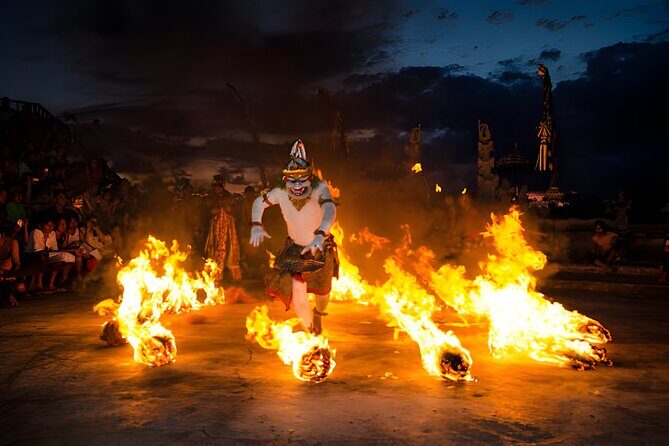
  • Kecak fire dance with only human voices (no musical instruments), plus a strong fire element
  • Jimbaran seafood dinner with a full meal breakdown including soup, multiple seafood portions, rice, veggies, sauces, water, and fruit
  • Air-conditioned private transport and an English-speaking driver so you’re not stuck figuring out the route
  • Monkey-smart advice from guides like Thu Buddy and Budi to help you avoid trouble
  • Seating can fill quickly at the amphitheater, so being on time matters for a good view

Why this Uluwatu evening works (and where it can wobble)

This tour is built for people who want Bali at two different tempos. First you get the calm, dramatic feel of a cliffside temple as the light drops. Then you switch gears to a loud, rhythmic performance, and finally you land at Jimbaran Beach for a seafood dinner that feels like a vacation postcard.

The big value is that you’re not piecing together three separate plans. You’re paying for a tight sequence: Uluwatu Temple, the Kecak and fire dance, and dinner at Jimbaran, all supported by private AC transport and a driver. The price is also unusually reasonable for what’s included, especially the dinner and the performance admission.

The one place this itinerary can wobble is time. Uluwatu is popular, and the drive can hit traffic. One past experience even notes that heading to the dance before sunset meant missing some of the view. That doesn’t mean the tour is bad—it just means your “sunset payoff” depends on timing and the road that afternoon.

Getting there: 3:00 pm start, private pickup, and real-world traffic

Uluwatu Sunset,Kecak Dance and Diner Seafood In Jimbaran - Getting there: 3:00 pm start, private pickup, and real-world traffic
You start at 3:00 pm, and the whole evening runs about 6 hours. Pickup is offered, and you travel in a fully air-conditioned car with a professional English-speaking driver. That matters here because Uluwatu and Jimbaran are not next door, and you’ll feel the difference between “planning yourself” and “someone else handles the roads.”

Even with a driver, traffic is a real factor in southern Bali. Plan your expectations around that. If you’re the type who needs a perfect, unhurried sunset moment at the cliff, you might prefer a tour that gives you extra buffer time. If you’re okay with a good view even if the schedule is slightly compressed, this works well.

Since it’s a private tour, you’re not sharing the car with strangers. That’s a small thing, but it helps a lot with comfort and pacing, especially when you’re trying to get to the dance on time and still enjoy the temple.

Stop 1: Pura Luhur Uluwatu for ocean views and temple atmosphere

Uluwatu Sunset,Kecak Dance and Diner Seafood In Jimbaran - Stop 1: Pura Luhur Uluwatu for ocean views and temple atmosphere
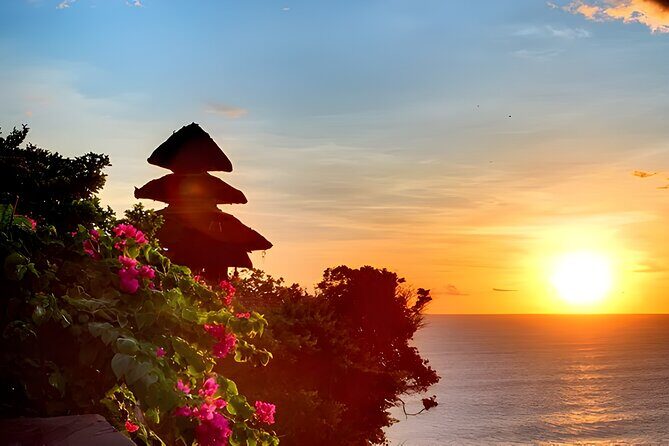
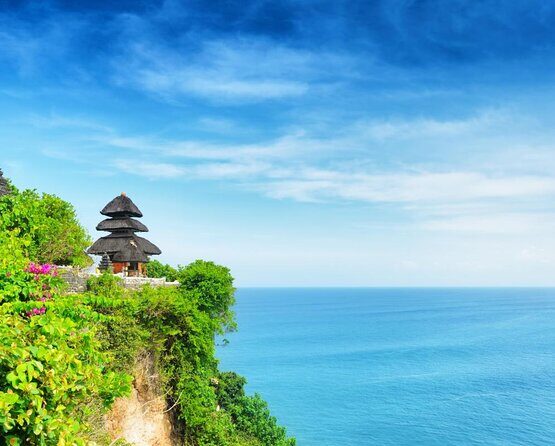
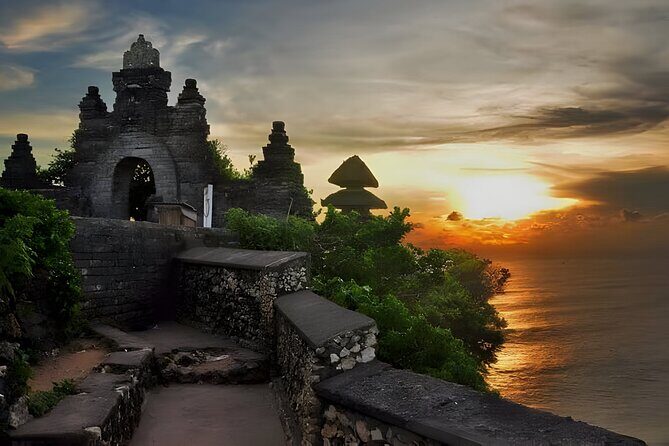
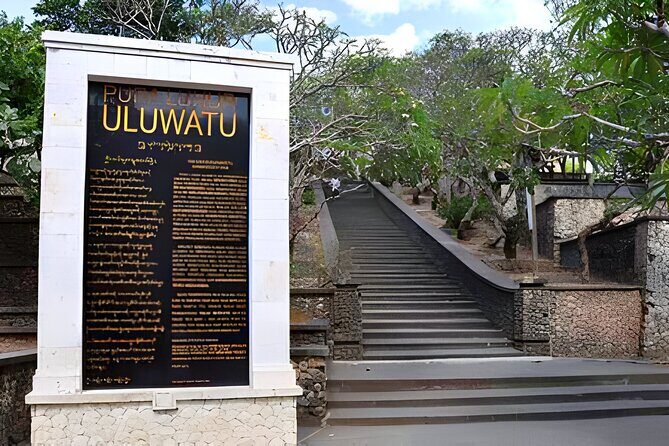
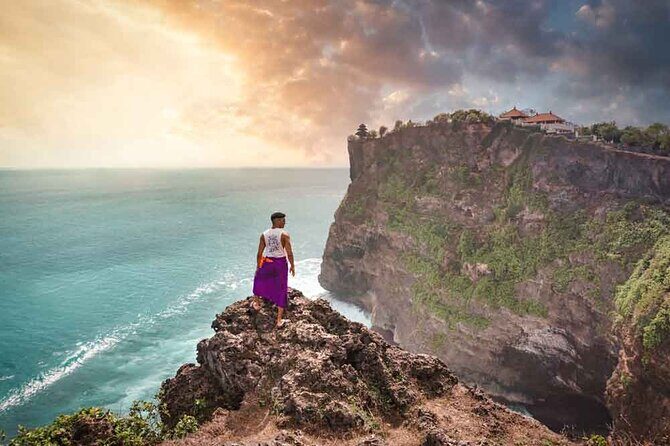
Uluwatu Temple—Pura Luhur Uluwatu—is one of the island’s top sunset spots, and it’s easy to see why. You’re going for the cliffside drama: you look out over the Indian Ocean, you get that classic Bali temple feel, and you get photo angles that simply don’t exist in town.

You’ll have about 1 hour here. That’s enough for the big moments: taking in the view, getting your bearings, and walking to a couple of viewpoint spots. The temple is also known for daily Kecak performances, which adds an extra layer of continuity when you move on to the dance later.

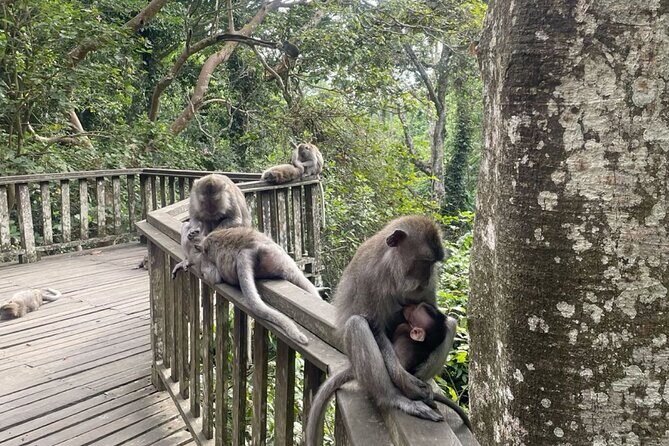
One practical thing to take seriously is Uluwatu’s monkeys. Guides on this tour are specifically praised for helping guests understand monkey behavior—like how monkeys can go after items such as glasses. Your best move is simple: keep your stuff zipped and secure. If you’re wearing sunglasses, put them somewhere they can’t grab easily.

A possible drawback: if the afternoon runs late, you may end up with less time than you hoped at the temple. So try to use your time efficiently once you’re there—get the best photos first, then slow down.

Stop 2: Kecak and fire dance—human voices, big energy

Uluwatu Sunset,Kecak Dance and Diner Seafood In Jimbaran - Stop 2: Kecak and fire dance—human voices, big energy
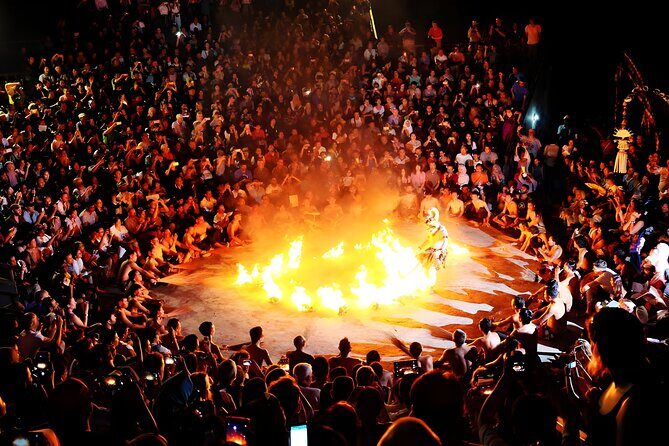
The Kecak and fire dance is the heart of the cultural part of the evening. It’s one of Bali’s most popular performances, and the key detail is also the coolest: the dance uses no musical instruments—the chorus is created by human voices only. That makes the sound feel raw and communal, not like a soundtrack.

You’ll be at this stop for about 45 minutes. The show is at the temple amphitheater, where seating can fill quickly. One tip from past guests: aim to arrive early for your seat, since the stadium can fill fast. In other words, don’t wander around right up until showtime.

The fire element is also part of why this performance hits. It’s visual. It’s dramatic. And it works really well as the “bridge” between the sunset calm and the dinner later. After Uluwatu’s open-air atmosphere, the performance feels intense and focused.

Here’s the realistic consideration: if your day runs late from traffic, you might feel like you’re rushing to get to the show. That’s exactly why those monkey and seating tips matter. You want fewer surprises so you can watch the performance instead of managing little problems.

Stop 3: Jimbaran Beach dinner—seafood that’s more than a snack

Uluwatu Sunset,Kecak Dance and Diner Seafood In Jimbaran - Stop 3: Jimbaran Beach dinner—seafood that’s more than a snack
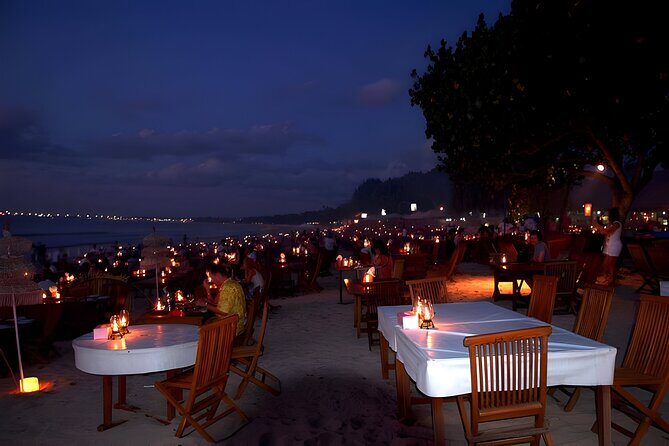
Dinner is at Jimbaran Beach, and this is where the evening turns into something comfortable and indulgent. You’ll spend about 1 hour 30 minutes here, which is a good pace for lingering without dragging.

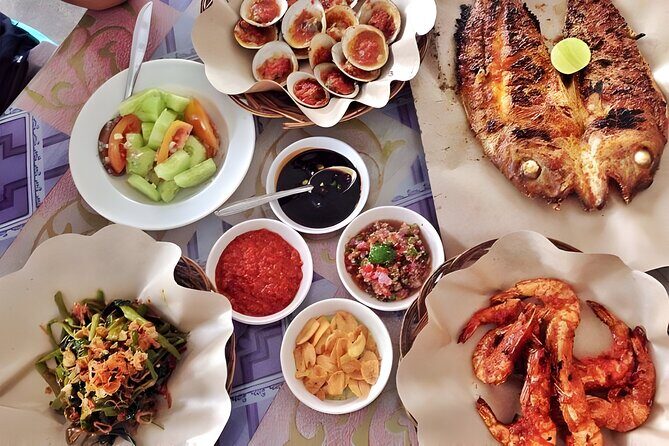
The tour includes a detailed seafood meal. You’re set up with Balinese soup, then seafood portions such as snapper (300 g), squid (150 g), clams (3 pieces), and prawns (3 pieces). You also get steam rice, vegetable (plecing kangkung), four kinds of sauce, mineral water, and mix fruits for dessert.

That menu is a big part of the value. For $40, you’re not just buying a view or a show—you’re getting a full seafood dinner with multiple items and sides. If you’ve ever eaten seafood in tourist zones and wondered where the value went, this is the opposite. The portions and the list are spelled out.

One balanced note: dinner quality can be a mixed bag depending on your expectations. Some guests have said the dinner was fine but not the most amazing food they’ve had, while others praise it as fantastic. The setting is the constant win—beach atmosphere, live music or a small performance vibe, and the feeling of a romantic night out.

Price and value: what $40 buys you in practice

Uluwatu Sunset,Kecak Dance and Diner Seafood In Jimbaran - Price and value: what $40 buys you in practice
At $40 per person, this tour is priced like a smart evening upgrade. You’re paying for:

  • private, fully air-conditioned transport
  • an English-speaking driver
  • entrance ticket coverage for Uluwatu Temple
  • ticket coverage for the Kecak fire dance
  • dinner in Jimbaran, with a full seafood spread

That’s a lot of “separate purchases” bundled into one. If you were to arrange it yourself, you’d likely spend more on transport and tickets, then still deal with timing and seat worries. Here, the tour model is built to handle the friction.

It’s not perfect value in every scenario, though. If you’re the type who wants maximum sunset time, traffic could reduce temple viewing time. Also, alcohol is not included, so if you plan on drinks, budget extra.

Still, for most people who want a clean plan for sunset, culture, and seafood, this is strong value. The dinner alone is a meaningful chunk of the price, and the transport and tickets finish the deal.

Who should book this private Uluwatu evening

Uluwatu Sunset,Kecak Dance and Diner Seafood In Jimbaran - Who should book this private Uluwatu evening
This tour suits you best if you want:

  • a romantic Bali evening with sunset vibes
  • Balinese culture in a practical order (temple view, then dance, then dinner)
  • private comfort with pickup, AC, and an English-speaking driver
  • a structured dinner that doesn’t require planning

It’s also a good choice for visitors who don’t want to stress about seat availability. The amphitheater fills up, and the show is popular. Having someone time your arrival helps.

I’d also say it’s right for couples and small groups who like “one afternoon, three experiences.” If you prefer to travel slowly and linger for long at viewpoints, you might want a different format with extra buffer time for sunset.

Tips that improve your experience fast

Uluwatu Sunset,Kecak Dance and Diner Seafood In Jimbaran - Tips that improve your experience fast
These are the small things that make the night feel smoother.

First, handle the monkey situation like it’s part of the tour. Keep your glasses and personal items secure, and avoid leaving anything easy to grab. Guides are known for pointing this out, so take their advice seriously.

Second, treat Kecak seating as a priority. If the amphitheater fills, you’ll want a good spot early rather than hoping. Aim to be ready for the show window with time to settle in.

Third, plan for traffic. Your schedule depends on the road that afternoon. If sunset timing is your number one goal, set your expectations: you can still get a gorgeous view, but you might not get a perfectly unhurried sunset photo session.

Lastly, wear practical shoes and keep your body comfortable. The tour is listed for moderate physical fitness, so don’t plan to sprint between stops.

Should you book this Uluwatu Sunset, Kecak, and Jimbaran Seafood tour

Book it if you want a simple, high-comfort evening that combines Uluwatu sunset, a signature Kecak fire dance, and a real seafood dinner without the hassle of arranging three separate things. The private AC transport, driver support, and included meal details make it feel like you’re paying for a plan that works.

Skip it or choose a different option if you’re very sensitive to timing and hate the idea of traffic possibly stealing minutes from your sunset. Also, if you’re a food snob who expects top-tier dining at every stop, know that the dinner is best judged as “good, filling, and in a great setting,” not as fine dining.

If your ideal night is culture plus romance plus beach seafood, this one is a very solid call.

FAQ

What time does the tour start?

The tour starts at 3:00 pm.

How long does the experience take?

The duration is about 6 hours.

Is pickup included?

Yes. Hotel transfers are included, and you travel in a comfortable air-conditioned car.

Is this tour private or shared?

It’s private. Only your group participates.

What’s included in the price?

The package includes entrance tickets, the Kecak dance ticket, and dinner. It also includes private air-conditioned transport, a professional English-speaking driver, petrol and parking fees, and taxes/services.

What dinner is included at Jimbaran Beach?

Dinner includes Balinese soup, snapper (300 g), squid (150 g), clams (3 pieces), prawns (3 pieces), steam rice, vegetable (plecing kangkung), 4 kinds of sauce, mineral water, and mix fruits (dessert).

Is alcohol included with dinner?

No. Alcoholic beverages are not included.

Does the tour require a certain fitness level?

Yes. It’s listed for travelers with a moderate physical fitness level.

What happens if the weather is bad?

The experience requires good weather. If it’s canceled due to poor weather, you’ll be offered a different date or a full refund.

Ubud Experience ; Swing, Waterfalls, Art Market, Rice Terrace

Ubud Experience ; Swing, Waterfalls, Art Market, Rice Terrace - Tegalalang Rice Terraces: Photos, Farming, and a Good Walk

Few things in Bali feel as organized as this day.

This Ubud highlights loop works because it mixes postcard scenery with quieter, spiritual stops. You get the famous Tegalalang Rice Terraces, a valley swing experience at Kumulilir, the spring-fed Gunung Kawi Sebatu Temple, plus quick hits at Ubud Palace and Ubud’s Traditional Art Market.

I especially like two things. First, it’s set up as a private tour, so you can adjust the pace and focus without feeling rushed by a big group. Second, the English-speaking driver and hotel pickup/drop-off from Kuta make the whole day easier from the start.

One consideration: the day runs about 8 to 9 hours, and traffic and heat can turn “easy sightseeing” into “stay hydrated and plan your stops.” Also, if you choose a base option that doesn’t include tickets, you may have to pay entry fees on top.

Key highlights worth planning around

Ubud Experience ; Swing, Waterfalls, Art Market, Rice Terrace - Key highlights worth planning around

  • Tegalalang Rice Terraces (45 minutes): Time for photos and learning how local farming works.
  • Kumulilir swings (45 minutes): A fun break with valley views and strong photo moments.
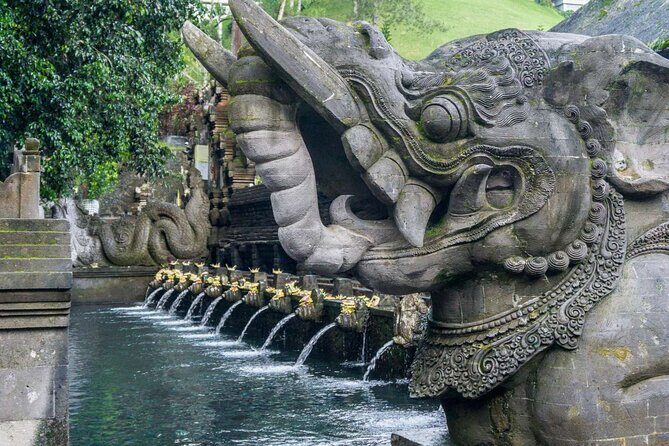
  • Gunung Kawi Sebatu Temple (45 minutes): Spring-fed bathing pools and small shrines in a calmer setting.
  • Ubud Palace (30 minutes, free): A short cultural stop that still feels worth the detour.
  • Ubud Traditional Art Market (1 hour, free): Good for browsing souvenirs and local crafts.

A Full-Day Ubud Highlights Loop from Kuta

Ubud Experience ; Swing, Waterfalls, Art Market, Rice Terrace - A Full-Day Ubud Highlights Loop from Kuta
This tour is built for first-time Bali visitors who want a clear plan and minimal stress. You start in Kuta, get picked up from your hotel, and spend the day working your way through Ubud’s most recognizable sights and a couple of quieter, more meaningful stops.

The big value here is the private format. Your driver isn’t juggling multiple groups, which means you can slow down for photos, spend a few extra minutes where you’re curious, and skip what isn’t clicking for you. Several drivers in past trips were praised for being flexible, including guides like Yanika, Dede, Ame, Ngurah, and Adhi, who were repeatedly described as friendly and patient.

It’s also practical. The itinerary is timed so you’re not stuck for hours in one place, and the stops are spread out enough to make the day feel like more than just a photo drive. Still, do expect the day to feel full—this is more “see the highlights” than “wander all day.”

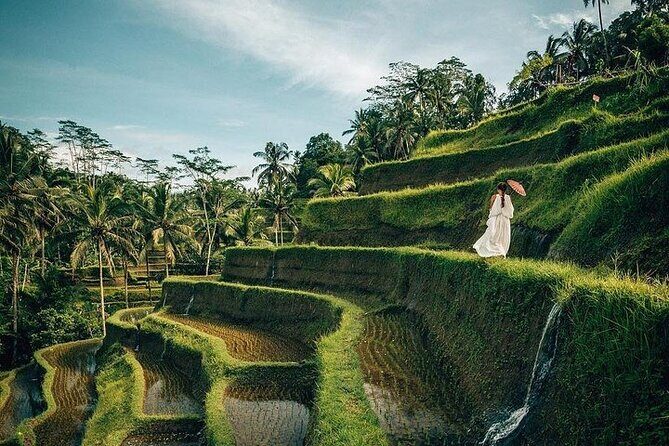
Tegalalang Rice Terraces: Photos, Farming, and a Good Walk

Ubud Experience ; Swing, Waterfalls, Art Market, Rice Terrace - Tegalalang Rice Terraces: Photos, Farming, and a Good Walk
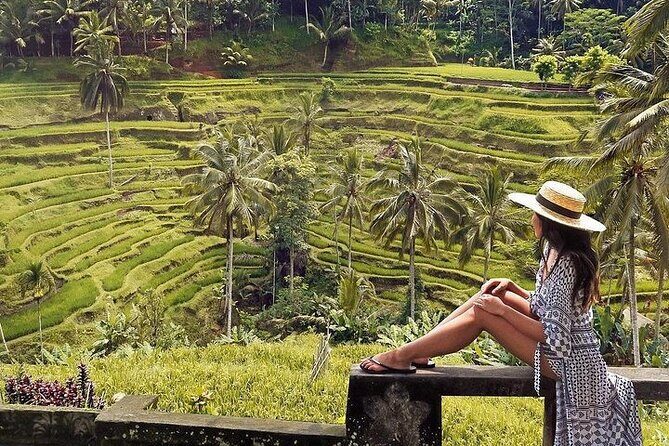
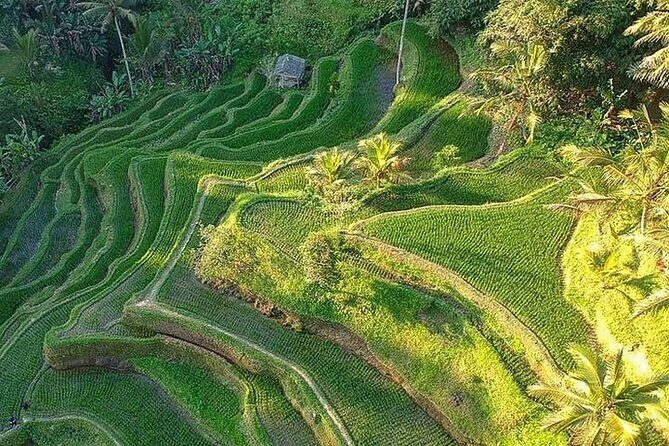
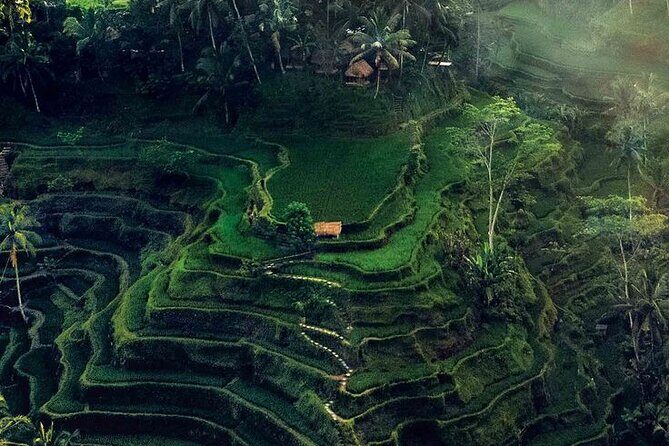
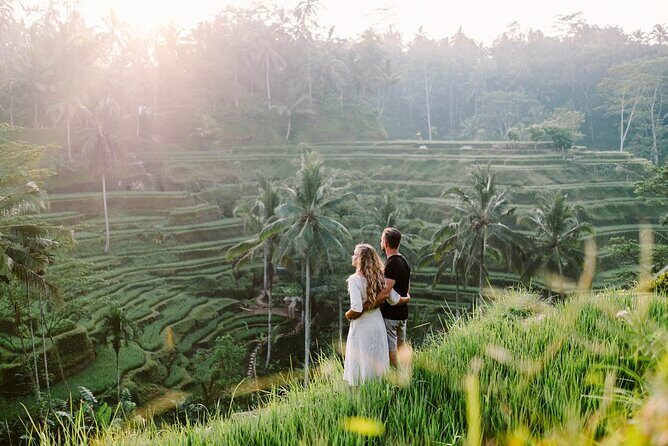
Tegalalang Rice Terrace is one of Bali’s most photographed scenes for a reason. The paddies look neatly arranged, and the view down the terraces gives you that classic sense of scale when you’re standing above the fields.

You’ll have about 45 minutes here, and the entry ticket is included. That’s enough time to walk a bit, grab photos from a couple of angles, and take in what people are actually doing in the area. The experience isn’t only visual. You also get a chance to learn about Balinese agricultural practices, which makes your photos feel less like postcards and more like context.

A drawback? Terraces can mean stairs, uneven paths, and bright sun. If you’re sensitive to heat, bring water and wear shoes you don’t mind getting a little dusty. Aim for shade breaks, especially if you’re going during the hottest part of the day.

Kumulilir Swings: Valley Views and a Real Activity Break

Ubud Experience ; Swing, Waterfalls, Art Market, Rice Terrace - Kumulilir Swings: Valley Views and a Real Activity Break
If you want one stop that feels like a break from temple time, this is it. Kumulilir is known for its swing experience, set along a valley with wide-open views that make it easy to take photos you’ll actually want to post.

You get about 45 minutes, with the admission included. The time works because you’re not waiting around—you can try the swings, take your photos, and move on while your energy is still high.

Here’s how to think about this stop. It’s part fun activity, part scenery. You can treat it like a quick memory-maker, or you can linger slightly if you’re chasing the perfect angle. Either way, it fits well inside a full-day itinerary.

One consideration: swings mean height and motion, so it’s not ideal if you’re uncomfortable with that. Also, if your camera setup is elaborate, budget a little extra time—photos take longer than you think.

Gunung Kawi Sebatu Temple: Spring-Fed Pools and Temple Etiquette

Ubud Experience ; Swing, Waterfalls, Art Market, Rice Terrace - Gunung Kawi Sebatu Temple: Spring-Fed Pools and Temple Etiquette
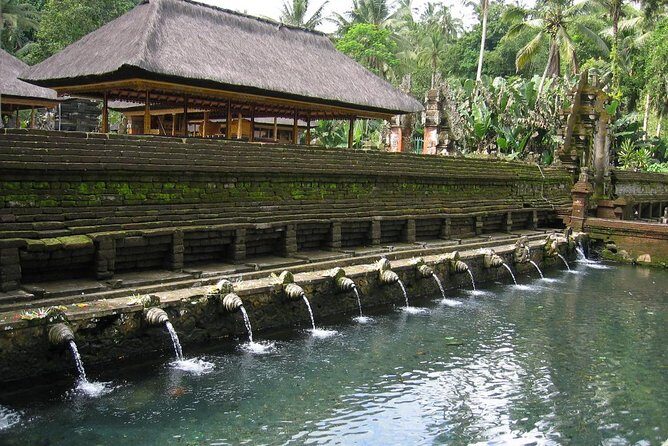
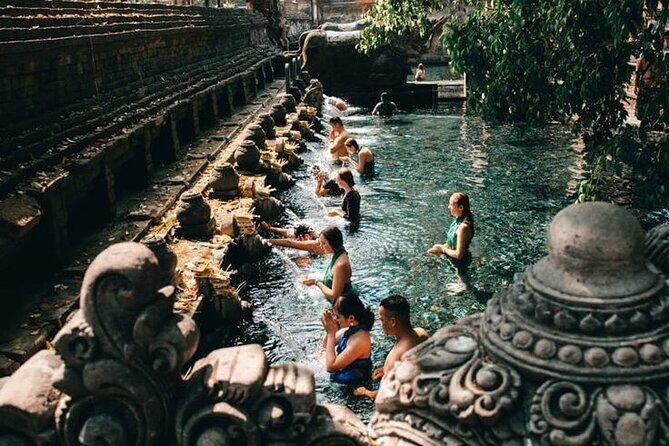
Gunung Kawi Sebatu is the calm counterweight to the more “adventure” stops. This is a spring holy water temple where you’ll see ancient shrines surrounded by crystal clear pools fed by natural springs.

You’ll spend around 45 minutes here, with the entry ticket included. What makes this stop memorable is the atmosphere. Local people come to bathe in the sacred waters for healing, so it feels more like a living place than a staged attraction. Even if you’re only watching, you can usually feel the difference from a standard photo stop.

Temple etiquette matters here. Dress modestly and be respectful around people using the water. Keep your voice down and move carefully around the pool areas. If you want to photograph, do it thoughtfully and don’t block walkways.

A practical note: spring water areas can be slick and cool compared with the surrounding heat. Wear footwear with grip, and consider carrying a small towel or extra layer if you plan to get close to the water.

Ubud Palace and the Traditional Art Market: Quick Culture Stops That Add Up

Ubud Experience ; Swing, Waterfalls, Art Market, Rice Terrace - Ubud Palace and the Traditional Art Market: Quick Culture Stops That Add Up
After the calmer temple time, this itinerary brings you back into Ubud’s cultural center with two stops that complement each other.

First is Ubud Palace, about 30 minutes and free. The palace area gives you a straightforward look at traditional Balinese architecture, and it’s where the King of Ubud resides. Even with a short visit, it helps you connect the dots between what you’ve seen in temples and what you’re seeing in daily royal and cultural space.

Then comes the Ubud Traditional Art Market, about 1 hour and free entry. This is the practical shopping and browsing part of the day. You can explore local crafts and souvenirs, and you can also get a sense of what kinds of art styles people are making here.

A word of advice: art markets can be fun, but they can also feel intense if you hate bargaining. Go with the mindset of browsing first. If you see something you love, negotiate politely. If you don’t, you haven’t lost anything—you still gained a cultural snapshot.

Also, if you’re thinking about photos, check what’s available for purchase. Souvenir photos are mentioned as an option, so plan your budget if you’re the type who likes getting a printed memento.

What Makes the Private Driver Setup Actually Valuable

Ubud Experience ; Swing, Waterfalls, Art Market, Rice Terrace - What Makes the Private Driver Setup Actually Valuable
Many Bali tours fail because you spend half the day negotiating logistics: timing, pickup confusion, and unclear ticket inclusion. This one tries to solve that with two key elements: pickup/drop-off and an English-speaking driver.

Your driver doesn’t just drive. In past trips, guides were praised for showing up on time and being helpful, including mention of drivers arriving early and handling heavy traffic well. If you get stuck in traffic, that matters more than people expect, because it affects your energy level for the rest of the day.

I also like that the tour is private. One-on-one attention changes how the day feels. If you’re curious about an area, you can ask questions and linger a bit. If you’re tired, you can keep moving. The tour summary also notes that you can discuss the plan when you meet, which is a quiet but important benefit.

A practical example from past experiences: one guide was specifically noted for the air-conditioned van, which helps when Bali heat stacks up during a full day. Another driver was described as accommodating for requests and very courteous, which makes a big difference when you’re leaving Kuta and spending the day on the road.

Price and Tickets: Where the $41.67 Value Really Shows Up

Ubud Experience ; Swing, Waterfalls, Art Market, Rice Terrace - Price and Tickets: Where the $41.67 Value Really Shows Up
At about $41.67 per person, this is priced like a highlights tour, not a luxury day. The good news is that the value depends heavily on what you choose for ticket inclusion and what you already planned to pay on your own.

The package includes:

  • Private transportation
  • Pickup and drop-off from your Kuta hotel
  • An English-speaking driver
  • Entrance fees with ticket inclusion

That ticket piece is the key. Tegalalang Rice Terrace, Kumulilir, and Gunung Kawi Sebatu Temple each have an admission ticket tied to them, and those tickets are described as included with the entry-fee component. If you choose a base rate option where entry ticket inclusion isn’t included, you’ll want to confirm what you’re responsible for paying before you arrive.

Food and drinks aren’t included, so you’ll likely spend extra for lunch and water. Souvenir photos are also not included, and those can add up if you do more than one.

Still, compared with paying separately for transportation plus entrance fees plus a guide, this price can look pretty smart—especially if it saves you from planning and ticket headaches.

Timing, Heat, and Traffic: How to Make 8 to 9 Hours Feel Manageable

Ubud Experience ; Swing, Waterfalls, Art Market, Rice Terrace - Timing, Heat, and Traffic: How to Make 8 to 9 Hours Feel Manageable
This tour runs about 8 to 9 hours, which is a lot of time packed into one day. It’s doable, but you’ll have a better experience if you treat it like a scheduled day, not a free-flow adventure.

From Kuta, you’ll be dealing with road time. Heavy traffic was specifically mentioned in past experiences, but drivers were also praised for handling it. That means you should plan to stay flexible if you hit slowdowns. When timing slips, your best move is to keep a calm pace rather than trying to “win back” every minute with a fast walk.

Heat is another factor. One review called out that the A/C van really helps. So do yourself a favor:

  • Drink water at every stop
  • Wear sun protection
  • Don’t schedule the most strenuous walking right after a long drive if you can avoid it

Also, think about order. You start with the rice terrace, then move into a swing experience, then shift toward temple calm. That sequencing works for most people because you get your active/photo time early enough that you’re not dragging yourself through temples at the end of the day.

Who Should Book This Ubud Day (and Who Might Want a Different Plan)

This tour fits best if you want a solid first-time Bali day with real variety. If you’re interested in Ubud’s main sights, want an easy schedule, and like the idea of a driver who can handle the driving and timing, this is a good match.

It’s also a strong choice for couples who want one shared plan. Multiple reviews mention couples having a great day, and the private setup makes it easy to tailor the pace.

You might consider skipping or adjusting if:

  • You don’t like heights or motion activities, since the Kumulilir swings stop is built around swinging.
  • You prefer long unstructured wandering over scheduled stops.
  • You’re very sensitive to heat and want a shorter day (because this one is 8 to 9 hours).

On the plus side, the stops include both active and reflective moments, so it doesn’t feel like you’re only chasing Instagram angles.

Should You Book This Ubud Swing-and-Temple Tour?

If you want an organized, high-value day that hits rice terraces, a swing experience, a spring-fed temple, and Ubud’s palace and art market in one go, I’d say it’s worth booking. The private driver setup, included entry tickets for key stops, and pickup/drop-off from Kuta reduce the usual friction that can chew up your time.

Book it if:

  • You’re short on planning time and want a clear itinerary
  • You want a mix of photos, culture, and a fun break
  • You’d rather pay one fair price than piece everything together

Pass or modify it if you want a lighter day or you’re not comfortable with swing-height activity. If you fall somewhere in the middle, this tour’s structure gives you enough variety to keep the day interesting.

FAQ

How long is the Ubud tour?

The tour is listed as about 8 to 9 hours.

Is hotel pickup and drop-off included from Kuta?

Yes. Pickup and drop-off from your Kuta hotel is included.

Is this tour private or shared?

It’s a private tour/activity, so only your group participates.

Are entrance tickets included for the main stops?

Entrance fees are included as part of the tour package, but the details note that if you choose a base rate option, entry ticket inclusion may not be included.

What are the main stops on the itinerary?

The stops include Tegalalang Rice Terrace, Kumulilir, Gunung Kawi Sebatu Temple, Ubud Palace, and Ubud Traditional Art Market.

Are food and drinks included?

No. Food and drinks are not included.

Is there a minimum number of people needed to book?

Yes, a minimum of 2 people per booking is required.

What is the cancellation policy?

You can cancel for a full refund up to 24 hours in advance of the experience start time. Changes within 24 hours are not accepted, and refunds won’t be given for later cancellations.

Ubud: Swing – Monkey Forest – Waterfall – Temple – Rice Terraces – Art Crafts

Ubud: Swing - Monkey Forest - Waterfall - Temple - Rice Terraces - Art Crafts - Tegallalang Rice Terraces: Walking Views and Farming Life in the Frame

Ubud can feel like a lot to plan. This packed day trip strings together the big-name sights (and a few visual favorites) with the payoff of private hotel transfers and a guide who helps with photos—often including guides like Putu, Komang, or Wayan. You’ll hit jungle waterfall views, the Sacred Monkey Forest, Tirta Empul’s ritual water, famous rice terraces, and the jungle swing all in one efficient loop.

What I like most is how you get a true day flow instead of wasting hours figuring out timing and rides. I also like that your English-speaking host acts as your photo assistant, so you spend less time hunting for the right angle. One thing to keep in mind: you’re moving around. If traffic is ugly (and in Bali, it can be), your pace may feel more “drive and stop” than “slow and linger.”

Key Things You’ll Notice on This Ubud Swing, Waterfall, and Temple Day

Ubud: Swing - Monkey Forest - Waterfall - Temple - Rice Terraces - Art Crafts - Key Things You’ll Notice on This Ubud Swing, Waterfall, and Temple Day

  • Private, air-conditioned transport with bottled water to keep a long day comfortable
  • A guide who doubles as your photographer, plus practical insider tips for each stop
  • Tegenungan Waterfall with both a viewing platform and the option to go down to the water
  • Tegallalang rice terraces for walking views and real-life farming scenes
  • Tirta Empul purification rituals at a holy spring bathing complex
  • My Swing Bali for high canopy photos, with guidance that can help you avoid hassle

A Private Ubud Loop That Saves You From Schedule Headaches

Ubud: Swing - Monkey Forest - Waterfall - Temple - Rice Terraces - Art Crafts - A Private Ubud Loop That Saves You From Schedule Headaches
Ubud is great—but the geography can be annoying. Stops are spread out, roads can be slow, and you end up spending energy on transport instead of experiences. This is designed for exactly that: you get collected from your hotel area in a private, air-conditioned car, and then you follow a ready-to-go route that covers the core Ubud hits.

The big value here is not just the stops. It’s the structure. You’re not winging timing across multiple tickets and ride requests. Instead, your guide keeps the day moving and adjusts where needed. In real-world feedback, guides like Putu and Komang were praised for being on time and helpful with routing, including smart choices to deal with traffic.

The other value: you’re not stuck doing everything alone. Your English-speaking host/driver/assistant is also happy to help with photos—so you can actually get usable shots at the swing, terraces, and temple water areas without playing camera-troubleshooting games.

Tegenungan Waterfall: Jungle Views and a Down-to-the-Water Choice

Tegenungan Waterfall is a classic Bali photo moment: green jungle surroundings, a wide view from the platform, and that sense of you being in the middle of the island’s wet-season scenery. Your time here is about one hour, and the layout gives you two options.

First, you can stay near the viewing area and take in the waterfall from above—best if you want photos with less splashing risk. Second, you can head down toward the water. That’s where you get the more hands-on experience, including the chance to be part of the scene instead of just photographing it.

A practical note: bring the right mindset. Waterfalls can mean slippery surfaces and wet stairs. Comfortable shoes matter. Also, if you’re wearing a swimsuit, plan to use a towel and sunscreen. The day is built for photos and movement, not just standing still.

Tegallalang Rice Terraces: Walking Views and Farming Life in the Frame

Ubud: Swing - Monkey Forest - Waterfall - Temple - Rice Terraces - Art Crafts - Tegallalang Rice Terraces: Walking Views and Farming Life in the Frame
Next up is Tegalalang Rice Terrace, one of the most photographed sections of Bali’s rice-growing landscape. Here, you’ll typically get about an hour for a stroll through the paddies—enough time to walk a path, find viewpoints, and pause for photos.

What makes this stop worth it is that it’s not just a postcard. You can often see how farmers do daily work in and around the terraces, and that makes the scenery feel grounded. Instead of looking at rice like it’s staged, you’re seeing it as living farmland.

For photography, terraces are all about angles and layers. Early parts of the walkway tend to offer deeper perspective, while other spots show more of the zig-zag lines. If your guide is helping with photos, use that. Ask for positioning—where to stand so the terraces stretch backward instead of turning into a flat green wall.

One caution: rice terraces can be crowded in peak times. Go steady on uneven paths and watch your footing. And if you’re hoping for a calm, empty landscape, know that this is a famous site.

Sacred Monkey Forest Sanctuary: Cool Shade, Temples, and Monkey Rules

Ubud: Swing - Monkey Forest - Waterfall - Temple - Rice Terraces - Art Crafts - Sacred Monkey Forest Sanctuary: Cool Shade, Temples, and Monkey Rules
The Sacred Monkey Forest Sanctuary is a tropical forest with tall trees that create that shaded, breezy feeling you don’t get in Bali’s brighter open areas. You’ll have about an hour here, and it’s not just about monkeys. There are also three temples inside the forest grounds.

The monkeys can be engaging—close enough that you’ll feel like you’re in their environment. That can be fun, but keep it respectful and controlled. The whole idea is coexistence. Don’t provoke, don’t grab, and don’t treat the area like a theme park.

This stop also has a strong visual payoff: shafts of light through the canopy, temple details tucked into greenery, and that rainforest texture that makes Ubud feel different from beach Bali. If you go in with a simple plan—wander, watch behavior, then take photos near temple structures—you’ll get more out of your hour and lose less time in the chaos of sudden monkey sightings.

Tirta Empul Temple: Purification Rituals and Sacred Spring Water

Ubud: Swing - Monkey Forest - Waterfall - Temple - Rice Terraces - Art Crafts - Tirta Empul Temple: Purification Rituals and Sacred Spring Water
Tirta Empul Temple is one of those places that feels more meaningful than just scenic. This temple complex includes a petirtaan, a bathing structure known for its holy spring water. Balinese Hindus visit here for ritual purification, and you’ll see the spring-fed pool area as part of the practice.

You’ll get about one hour. That time is useful, because it lets you observe the space and the rhythm of the ritual without rushing through it like it’s a checklist. If you’re someone who likes context, this is the stop where your guide’s explanations matter the most.

There’s also a practical side. This is a water-and-worship environment, so you should wear something appropriate to move around respectfully. If you’re planning to bring a swimsuit, use discretion. In sacred places, it’s less about you doing what you want and more about fitting yourself into the ritual setting.

My Swing Bali: Jungle Canopy Photos With Less Hassle

Ubud: Swing - Monkey Forest - Waterfall - Temple - Rice Terraces - Art Crafts - My Swing Bali: Jungle Canopy Photos With Less Hassle
The jungle swing is where the day turns into something very photo-forward. My Swing Bali is scheduled for about one hour, and the concept is simple: you swing high over the jungle canopy for dramatic pictures.

The key detail isn’t the swing itself. It’s how you manage the stress around the swing. In feedback, guides like Ketut were praised for knowing the best spots and helping you avoid long lines at the most famous swing positions. Even if you’re not line-avoiding (things vary day to day), having a guide who knows what matters can make a difference in how quickly you get your turn.

Bring sun protection. Heat plus waiting plus photos can drain you fast. Also, wear clothes and shoes that make sense for the swing. You’ll want to move securely and not spend your time thinking about wardrobe issues.

If you’re traveling with friends, this is an easy “all together” moment. If you’re solo, it’s also great because your guide can help you with framing and capturing your shots so you’re not stuck asking strangers to take one photo and then disappearing.

Gallery Ada Garuda: Wood Carving You Can Actually Understand

Ubud: Swing - Monkey Forest - Waterfall - Temple - Rice Terraces - Art Crafts - Gallery Ada Garuda: Wood Carving You Can Actually Understand
After the big natural stops, Gallery Ada Garuda gives you a more hands-on cultural reset. This is a woodcarver’s gallery with sculptures ranging from huge pieces down to sizes that fit in a bag. The admission here is free, and the stop is about 30 minutes.

This is a smart add-on for your day because Ubud isn’t only temples and views. It’s craft. A short gallery visit helps you look at Bali as a place where art is a daily industry, not just a tourist souvenir. If you’re the type who likes to bring something home that has story and detail, this is the segment where you’ll notice workmanship.

Use the short time to ask questions. Your guide can help interpret what you’re seeing. You might not leave with a giant sculpture—but you’ll likely come away with a better eye for what makes a carving look high quality.

Price and Timing: What $33 Buys You (and What to Budget)

Ubud: Swing - Monkey Forest - Waterfall - Temple - Rice Terraces - Art Crafts - Price and Timing: What $33 Buys You (and What to Budget)
At $33 per person, this tour is priced for value—especially because it includes private transportation, an English-speaking guide/assistant, parking fees, fuel surcharge, and bottled water. You’re basically paying to remove logistics stress while still hitting a full lineup of Ubud highlights.

Just plan your budget realistically. Entrance fees and the paid activities (like the swing and many temple/forest entries) are not included. Lunch is also not included, and tips are optional. That means your total day cost will depend on what you choose to pay at each site.

Time-wise, expect about 8 to 10 hours. One review noted that a day sometimes runs a bit over 10 hours without extra overtime charges, which is a nice comfort when plans shift. Still, do not treat this like a quick hit. It’s a full day with stops packed in.

Traffic is the wildcard. One person described horrendous traffic, but the driver stayed patient and informative. That’s a good sign: it’s not just a ride; it’s someone managing the day so you don’t feel stranded.

Comfort and Practical Stuff That Makes the Day Easier

You’re in an air-conditioned vehicle, which matters. Ubud heat and humidity can creep up on you, especially with lots of outdoor photo moments. You also get bottled water during the day, plus parking fees handled for you.

Your guide will wear masks and the cars are frequently cleaned and sanitized. That’s the kind of detail that won’t be exciting in a photo, but it helps you feel safer and more comfortable.

Bring what you’ll need for a day that mixes sun, water areas, and walking:

  • sunscreen and a hat
  • a swimsuit and towel if you want to go into water spots
  • camera (or phone with a battery plan)
  • comfortable shoes for uneven and possibly slippery terrain

If you want to maximize the day, use this packing list like a checklist—not like an afterthought.

Who This Tour Is Best For (and Who Might Want a Different Plan)

This tour is a great match if you want one organized Ubud day without turning it into project management. You’ll love it if:

  • you’re short on time and want multiple highlights in a single day
  • you prefer private transport over negotiating rides back and forth
  • you like photos and appreciate a guide who helps you get them
  • you want a mix of jungle, temples, terraces, and one craft stop

It may be less ideal if you want long, slow stays at each site or if you dislike moving around all day. The route is attraction-packed. Even though stops are timed fairly (mostly around an hour), the rhythm is still “arrive, see, photograph, move on.”

Should You Book This Ubud Swing, Waterfall, Temple, and Terraces Day?

I’d book it if you want a tidy, high-value Ubud day that saves you from transport guesswork and still gives you the photo moments—waterfall, rice terraces, Monkey Forest, Tirta Empul, and the jungle swing. The strongest signals are the friendly, punctual guides and the way the day can feel personalized, including smart routing when traffic gets bad.

Skip it (or consider a slower option) if you’re the type who needs lots of unstructured time on your own. This route is built for momentum, not for wandering until you feel done.

If your main goal is to cover the big Ubud highlights with less stress—and to come home with solid photos—you’ll likely find this one worth the money.

FAQ

What’s included in the tour price?

The tour includes an English-speaking tour driver/host/assistant, air-conditioned private transportation, fuel surcharge, bottled water, parking fees, and pickup service from several Bali areas including Kuta, Legian, Seminyak, Canggu, Sanur, Nusa Dua, Jimbaran, and Ubud.

Are entrance fees and activities included?

No. Entrance fees and activities are not included in the price. You’ll pay on-site for things like tickets and the paid experiences at each stop.

How long is the tour?

The duration is about 8 to 10 hours.

Do I need to bring anything?

Yes. Bring sunscreen, a hat, a swimsuit, a towel, and a camera (or phone). The guide will also wear masks, and the car is cleaned and sanitized frequently.

Is this tour private?

Yes. It’s private transportation for your group, and only your group participates.

Can I cancel if weather is bad?

Yes. The experience requires good weather. If it’s canceled due to poor weather, you’ll be offered a different date or a full refund.

Kuta Bali Silver Jewelry Making Class Near Kuta Beach

Kuta Bali Silver Jewelry Making Class Near Kuta Beach - The 3-Hour Silversmithing Process, Step by Step

Making metal magic in Kuta is surprisingly doable. This hands-on silversmithing class lets you learn from Balinese craftsmen on Jalan Raya Legian, close to Kuta Beach, so you skip the typical Ubud detour. I like that the workshop is structured enough for beginners but still gives you real responsibility during the process.

Two things I’d point you to right away: you get to design your own one-of-a-kind piece, and you take home what you make as a wearable souvenir. One consideration: you only make one jewelry item per person, and if you want extra silver or gemstones, those upgrades cost extra.

Key highlights worth your time

Kuta Bali Silver Jewelry Making Class Near Kuta Beach - Key highlights worth your time

  • 925 sterling silver for your project (the class includes silver up to a set allowance, with final take-home weight based on your design)
  • Hands-on steps from melting to polishing: hammering, pressing, soldering, filing, and finishing
  • Near Kuta Beach on Jalan Raya Legian: easy to pair with a day of walking and sunset plans
  • Small class size (max 22) and multiple instructors to keep the workflow moving
  • Free Wi-Fi plus a snack and mineral water to take the edge off the 1.5 to 3 hour session

Kuta Silver, Right on Jalan Raya Legian

Kuta Bali Silver Jewelry Making Class Near Kuta Beach - Kuta Silver, Right on Jalan Raya Legian
The big win here is location. You do the class in Kuta, on Jalan Raya Legian (near Kuta Beach), instead of driving across the island to Ubud. That means you can keep your day flexible. If you’re already planning beach time, shopping, and dinner nearby, this workshop slots in without needing a full day of transit.

The meeting point is STREET Jl. Raya Legian No.116, Kuta. The activity returns you to the same meeting point, so you’re not stuck figuring out a last-mile ride after you’re done. It also runs with a wide choice of start times, which helps if you want to pair the class with your morning energy level or your evening plans.

One more practical detail: you’ll have a mobile ticket. If you’ve ever chased a paper ticket in a humid climate, you’ll appreciate the simplicity.

What You’ll Make: One Piece from 925 Sterling Silver

This class is built around one main idea: you create your own piece from scratch. You start by choosing a design you want to make, then the team guides you through materials, tools, and the steps needed to transform silver into jewelry you can wear (or gift).

Here’s what’s important about the silver rules:

  • You take home your piece, and it’s directly yours (your design, your finished jewelry).
  • Each participant makes only one piece, and silver can’t be shared with someone else.
  • The included silver covers your project in the 1–5 gram range (final weight depends on what you design).
  • The workshop notes that if your jewelry ends up using less than 5 grams, the silver usage is still accounted for as 5 grams.

So plan your expectations like this: it’s not a huge production where you leave with a jewelry box. It’s a focused class where the main payoff is the craft and the meaning of wearing something you made yourself.

You’ll likely see classic items like chunky rings. In one example, someone created a ring that paired a chunky look with an amethyst style stone. If your taste runs toward rings or simple pendants, you’ll probably feel right at home.

The 3-Hour Silversmithing Process, Step by Step

Kuta Bali Silver Jewelry Making Class Near Kuta Beach - The 3-Hour Silversmithing Process, Step by Step
The session follows the same core flow, even if your design changes. This is good news if you’re a beginner. You’re not guessing what to do next for three hours; you’re learning the logic of the craft step-by-step.

1) Pick your design and prep the materials

You begin with selecting what you want to create. Then you’re introduced to the materials and tools used for silverwork. The staff sets you up so you understand what each step is trying to achieve, not just what your hands should do.

2) Melt the sterling silver (925)

The process starts with melting pure sterling silver, 925. This is one of the most satisfying moments because you watch raw metal become something usable for shaping. Even if you’re not the one holding every tool, you’re guided through the transformation.

3) Shape it the traditional way: hammering and pressing

Next comes the physical craft: hammering and pressing to form the metal into your intended silhouette. This stage is where you start seeing the piece come alive. It also teaches the key silversmith habit: work in small corrections, not huge changes.

4) Refine with soldering and detail shaping

Then the workshop moves into refinement. You’ll use soldering and more shaping to build structure and keep edges and joints aligned with your design. This is also where patience matters, because small alignment choices affect how the finished jewelry looks when polished.

5) File and polish for the final finish

Finally, you file and polish. That finishing step is where the piece goes from handmade to jewelry-ready. Expect your hands to feel the difference: you’re smoothing surfaces, cleaning lines, and getting that shine you’ll want when you take photos later.

Across the full arc, the class is designed so you walk away with a wearable, handcrafted silver accessory that feels personal. One-piece workshops work because they keep you focused on getting to the end, not because they rush you.

Instructors That Keep It Moving (and Actually Help)

Kuta Bali Silver Jewelry Making Class Near Kuta Beach - Instructors That Keep It Moving (and Actually Help)
The vibe matters in a hands-on class. Here, the workflow is supported by skilled silversmiths who coach you through the steps without taking your project away.

In the experience examples I’m using to understand this workshop’s tone, names like Artie and Martie show up as helpful guides. The pattern is consistent: instructors help with tricky moments, explain what’s happening, and still let you do the fun parts like melting, hammering, shaping, and finishing.

I like this teaching style for two reasons:

  1. You feel safe trying.
  2. You don’t get robbed of the joy of making.

Also, the class has a maximum of 22 travelers, which is big enough to feel social but small enough that you’re not lost in a crowd. If you want a hands-on souvenir that doesn’t require advanced skills, this is the kind of setup that usually works best.

Cost and Value: $45.84 for a Wearable Bali Souvenir

Kuta Bali Silver Jewelry Making Class Near Kuta Beach - Cost and Value: $45.84 for a Wearable Bali Souvenir
At $45.84 per person, the price lands in the practical range for a real craft class, not a quick tourist demo. The value is in what you’re getting for that money:

Included:

  • all necessary materials and tools
  • a snack and mineral water
  • free Wi-Fi
  • silver for your take-home piece (starting from 1–5 grams, depending on design)
  • your design guidance and the fact that the jewelry you make is yours

So you’re paying for instruction, equipment access, and the metal for your project, plus basic comfort items to keep you going for 1.5 to 3 hours.

What can change the total cost:

  • Gemstones cost extra, listed as IDR 100K to 500K depending on type and size.
  • If you go beyond the included silver allowance, there’s an additional fee of 85,000 IDR per gram for more than 5 grams.
  • If your finished piece is under 5 grams, the workshop still counts silver usage as 5 grams for accounting purposes. That matters if you’re planning upgrades.

My quick value advice: decide your target before you arrive. If you want a simple silver ring and you’re happy with the included weight, this is a straightforward, good value craft day. If you’re imagining a heavy piece with stones, budget extra for gemstones and possibly additional silver. Either way, you’re buying something you can wear, not just a photo.

Where to Fit It Into Your Kuta Day

Kuta Bali Silver Jewelry Making Class Near Kuta Beach - Where to Fit It Into Your Kuta Day
The workshop includes a wide choice of start times, and that flexibility is useful in Kuta where the rest of your day can change fast. If you like a less-stress plan, go earlier so you have time to explore afterward while you still feel energetic.

Because it’s near public transportation and close to Kuta Beach, you can pair this with:

  • beach walks afterward
  • casual lunch in the area
  • shopping and people-watching along Legian

One small note that affects logistics: shuttle service isn’t included. If you’re staying farther away from Jalan Raya Legian, make sure you have a plan for the ride in and out. Once you’re at the meeting point, though, you’ll be returned there at the end.

Duration note: the class runs from about 1.5 hours to 3 hours, depending on your design and pacing. Many people finish closer to the shorter end, but you should treat it as a flexible window. Your schedule will thank you if you leave some cushion.

Should You Book Kuta Bali Silver Jewelry Making?

Kuta Bali Silver Jewelry Making Class Near Kuta Beach - Should You Book Kuta Bali Silver Jewelry Making?
Book it if you want a Kuta activity that’s hands-on, memorable, and meaningful. This is a solid choice when:

  • you want a real craft souvenir (not a mass-produced trinket)
  • you like the idea of learning metalwork fundamentals through doing
  • you don’t want to spend half your day traveling to Ubud
  • you’re the type who enjoys a small project with a clear finish line

Skip (or consider alternatives) if:

  • you’re only interested in gemstones and big, heavy designs, since upgrades cost extra
  • you’re short on time and can’t fit a 1.5 to 3 hour block
  • you hate workshop rules, because you can’t share silver and you only make one piece

If you’re on the fence, I’d recommend you book the session that matches your day’s energy. The workshop is designed to guide you through melting, shaping, soldering, and finishing, and when you walk out with your own ring or pendant, that alone usually makes the class feel worth it.

FAQ

Kuta Bali Silver Jewelry Making Class Near Kuta Beach - FAQ

Where is the class meeting point?

The class starts at STREET Jl. Raya Legian No.116, Kuta, Kec. Kuta, Kota Denpasar, Bali 80361, Indonesia.

How long is the jewelry-making class?

The class duration is about 1.5 to 3 hours, depending on the session.

What’s included in the price?

You get all necessary materials and tools, a snack, mineral water, and free Wi-Fi. You also take home your silver jewelry based on the included amount for your design.

Can I make a ring and choose my design?

You select the design you want to create, and you make one silver jewelry piece. The finished jewelry is directly yours.

Is gemstone jewelry included?

Gemstones are not included. You can add gemstones on the day for an extra charge of IDR 100K to 500K, depending on type and size.

What if I want more silver than the included amount?

If your design needs more silver than the included allowance, there is an additional fee of 85,000 IDR per gram for more than 5 grams.

Is there a shuttle to and from the class?

No shuttle is included.

Are there multiple start times, and how big is the group?

Yes, there’s a wide choice of class start times. The workshop has a maximum group size of 22 travelers.

Half Day Private Tour in Ubud

Half Day Private Tour in Ubud - Pickup Across South Bali: The Quiet Convenience Factor

Ubud looks best from a car, not a scooter. This private half-day route strings together three of the area’s biggest sights plus an art stop when time allows, so you don’t waste hours zigzagging between far-flung landmarks. I especially like that your tickets are handled up front for Monkey Forest, and the temples and terraces are planned in an order that feels realistic in the heat.

Two other big wins: you get A/C transport with an English-speaking driver, and the guide experience is consistently praised, with names like Esa and Made coming up a lot. One consideration: this is still a “see a lot” schedule, so you’ll want to pace your photos and buy lunch plans, since lunch is not included.

Key Highlights Worth Filing Away

Half Day Private Tour in Ubud - Key Highlights Worth Filing Away

  • Private, not shared: only your group rides, so you can move at a comfortable pace.
  • Tickets included for the headline sites: Monkey Forest, Tegalalang rice terraces, and Tirta Empul are covered.
  • Pickup coverage across South Bali: the tour lists pickup/drop-off areas from Canggu to Nusa Dua.
  • Guides focus on correct monkey behavior: one guide specifically teaches how to keep things calm at the sanctuary.
  • Time-flexible extras sometimes happen: some guides add small value like coffee tasting or extra time, depending on your day.
  • Good half-day length for first-timers: about 6 hours total, with built-in viewing time at each major stop.

Why Ubud’s Best Sights Are Easier With Private Transport

Half Day Private Tour in Ubud - Why Ubud’s Best Sights Are Easier With Private Transport
Ubud’s top attractions are spread out. That sounds obvious until you’re actually trying to get there with traffic, scooters, and unclear parking. The value here is simple: you transfer in an air-conditioned vehicle while your driver handles routes and timing, and you focus on experiencing the places.

I like that this tour is framed around three “you should see this” spots: the Sacred Monkey Forest Sanctuary, Tirta Empul Holy Water Temple, and Tegalalang Rice Terrace. Put together in one morning-to-early-afternoon block, they give you a quick feel for Bali beyond the town center.

The trade-off is that you’re not lingering all day. If you love slow travel and long temple sits, you may find the rhythm a bit tight. But if you want a strong overview, this plan makes sense.

Pickup Across South Bali: The Quiet Convenience Factor

Half Day Private Tour in Ubud - Pickup Across South Bali: The Quiet Convenience Factor
One thing that makes this tour practical is the pickup map. You can arrange pickup/drop-off from hotels around Canggu, Seminyak, Kuta, Legian, Nusa Dua, Sanur, Denpasar, Sukawati, plus the Ubud area itself. That matters if you’re not staying in central Ubud and you don’t want to spend your only free morning wrestling with transit.

In practice, your day starts around 8:00 AM, though your exact pickup time can vary based on where you’re staying. The timing setup is the kind that keeps you from arriving at the popular sights too late in the day when lines and heat feel louder.

Also, the tour is listed as a private activity. That means you’re not competing with strangers for photo angles or trying to herd a shared group through busy areas.

Sacred Monkey Forest Sanctuary: Macaques, Temple Details, and Safety Rules

The Sacred Monkey Forest Sanctuary is a nature reserve and temple complex, and it’s famous for one reason: long-tailed macaques. The listing notes there are over 1,260 macaques in the reserve, so yes, you’ll see plenty of them.

What I like about having a driver-guide at this stop is that it changes the vibe from chaotic to manageable. In the experience you’re described, the guide focus includes how to behave at the sanctuary so the monkeys don’t get aggressive. That’s the kind of practical guidance you’ll appreciate once you’re standing close to them.

Here’s what to plan for:

  • Expect crowds in certain zones, especially where people feed or linger.
  • Be ready for fast movement. These monkeys are quick and opportunistic.
  • Follow your guide’s instructions on what not to do with food or bags.

A small drawback: if you’re nervous around animals, this is still a living reserve with roaming macaques. Your guide can help you navigate, but it won’t turn the place into a quiet zoo.

Tirta Empul Holy Water Temple: The Cleansing Ritual Experience

Half Day Private Tour in Ubud - Tirta Empul Holy Water Temple: The Cleansing Ritual Experience
Next up is Tirta Empul, a temple in Manukaya near Tampaksiring. This one hits a different note than monkey watching. Instead of wildlife energy, you get ritual space and sacred water.

The listing frames it as the Tirta Empul Holy Water Temple, and one review detail you can use to set expectations: you may be able to get on the water and participate in the cleansing ritual. If you do, treat it with respect and follow local instructions on where to stand and how to move.

What to notice while you’re there:

  • The temple setting feels active. People come for ceremony, not just photos.
  • The experience is more about observation and participation than wandering for views.
  • Timing matters. You’ll want to enter with enough energy to pause, watch, and then move through at a calm pace.

One consideration: if you’re traveling in heat or you’re not comfortable with water-based rituals, go in with a plan to observe first. You can still get the cultural context without forcing participation.

Tegalalang Rice Terrace: UNESCO Views and the Fun Stuff You Can Choose

Half Day Private Tour in Ubud - Tegalalang Rice Terrace: UNESCO Views and the Fun Stuff You Can Choose
Tegalalang Rice Terrace is a UNESCO World Heritage Site known for terraced rice paddies and scenic viewpoints. If you picture Bali’s classic green-step scenery, this is the one.

This stop is timed so you can actually enjoy the view instead of sprinting through it. The experience includes admission to Tegalalang rice terrace, so you’re not scrambling at the last minute.

What I think makes this area worth your time is that it’s scenic and active. On-site there are popular optional attractions like swings and high-wire style experiences, and some guides may also point out places to photograph well. If you want a fun add-on, your guide can help you time it.

A realistic drawback: parts of Tegalalang can feel commercial compared to quieter rural stretches. You’re going for a famous scene, so you get a famous scene. If you can accept that and keep expectations flexible, it’s still a strong Bali highlight.

Ubud Art Village Stop: Souvenirs and a Local Creative Rhythm

Half Day Private Tour in Ubud - Ubud Art Village Stop: Souvenirs and a Local Creative Rhythm
The final stop is an art village in Ubud, but it’s dependent on time. That’s good news and bad news. Good, because it means your driver can shape the schedule around traffic and how long you spent at the earlier sites. Bad, because you shouldn’t count on a full shopping stop if the day runs tight.

Still, when it’s included, this is your chance to slow down slightly and look at craft. Some guides are known for taking people to places where they can shop for meaningful souvenirs, not just random trinkets.

If you want this stop to work for you, have a clear approach:

  • Decide what you actually want (small art, textiles, wood carvings, etc.).
  • Give yourself time to compare, not just buy the first thing that catches your eye.
  • Bring a little cash readiness if needed, since markets can vary by setup.

The $57 Value: What’s Included and Why It Adds Up

Half Day Private Tour in Ubud - The $57 Value: What’s Included and Why It Adds Up
At $57 per person, the tour is priced like a practical half-day option, not a splurge. The value mainly comes from what it covers for you.

Included items:

  • Comport/A/C transport
  • English-speaking driver
  • Entrance tickets to Monkey Forest, Tegalalang rice terrace, and Tirta Empul
  • Bottle of water
  • Parking fees

Not included:

  • Lunch
  • Personal expenses

Here’s the math logic. If you were to do these three major stops on your own, you’d still pay for transport, parking, and tickets, and you’d spend extra time coordinating. With this plan, the ticket burden is handled and the drive-time stress is reduced. For many people, that’s worth the price on its own.

One note: the tour is listed as private, which usually costs more than group options. If you’re traveling with a partner or family, private value jumps quickly because you’re splitting the “comfort and hassle reduction” among fewer people.

How the Timing Feels Through Your Day

Half Day Private Tour in Ubud - How the Timing Feels Through Your Day
The day is structured to move through the big three with enough breathing room between sites. Your start is around 8:00 AM, and you’ll reach Monkey Forest in the late morning, then head to Tirta Empul around midday, followed by Tegalalang in the early afternoon.

This matters because Bali heat can flatten energy. Starting earlier helps you enjoy the terraces and temple without arriving at peak fatigue.

Also, a useful pattern shows up in the way guides are described: they negotiate traffic well and keep you on schedule. Several guides mentioned in connection with this tour are praised for being respectful, patient, and flexible with timing, especially for families. That matters if you’re traveling with kids or if someone in your group needs more photo breaks.

Who Should Book This Ubud Private Half-Day Tour

This tour is a strong fit if you want:

  • A high-impact Ubud overview without spending your whole day commuting
  • Private comfort with pickup coverage across South Bali
  • Included tickets for the major anchors: Monkey Forest, Tirta Empul, and Tegalalang

It may not be ideal if:

  • You want slow, unstructured wandering with lots of downtime
  • You dislike animal areas (monkeys are part of the core experience)
  • You’re planning to spend long hours shopping at the end (the art stop is time-dependent)

Based on guide names that keep showing up in the experience, this also seems like a good call if you value an English-speaking guide who can explain what you’re seeing and how to act in sensitive spaces like the sanctuary.

Should You Book This Ubud Half-Day Private Tour?

I’d book it if your goal is to see the big Ubud highlights with minimal hassle, especially if you’re staying outside the center. The included tickets and A/C transport do real work here, and the schedule is designed to keep the day from turning into a long endurance test.

I’d think twice if you’re a strict slow traveler or if you’re very uncomfortable around monkeys. But if you can accept a busy, well-paced half-day with proper guidance, this is a solid, good-value way to get acquainted with Ubud fast.

FAQ

What time does the tour start?

Pickup is scheduled around 8:00 AM, but the exact time can vary depending on where you’re staying. You’ll receive confirmation at booking.

How long is the tour?

It runs for about 6 hours (approx.).

Is this a private tour?

Yes. It’s a private activity, and only your group participates.

What stops are included?

You visit the Sacred Monkey Forest Sanctuary, Tirta Empul Temple, and Tegalalang Rice Terrace. There may also be a stop at Ubud art village depending on time.

Are entrance tickets included?

Yes. Entrance tickets are included for Monkey Forest, Tegalalang rice terrace, and Tirta Empul Temple.

Is lunch included?

No. Lunch is not included, so you’ll need to plan your own meal.

Can I cancel for a full refund?

Yes. Cancellation is free up to 24 hours in advance of the experience start time for a full refund. If you cancel less than 24 hours before, the amount paid is not refunded.

Bali Atv Quad Bike Through Tunnel and Waterfall

Bali Atv Quad Bike Through Tunnel and Waterfall - Riding the Countryside: Jungle Paths, Rice Fields, and Plantation Stops

Quad bikes, jungle paths, and coffee tasting. This full-day Bali outing pairs an ATV ride in Payangan with hotel pickup, lunch, and a stop at a coffee plantation run by Teba Sari Bali Agrotourism in the Temen area. Your driver is often coordinated under Putu Bali Driver, so expect a real human handling the plan, not just a ticket and vibes.

What I especially like is how the day is built around two easy wins: comfort-first safety gear plus a clear briefing before you ride, and then a lunch break that keeps you fueled for the countryside sections. If you’re new to quads, the pace and guidance at the start matter, and this tour is set up for that moment where you go from nervous to in-control.

One thing to weigh: Bali traffic can turn a simple transfer into a slow grind. If you’re being picked up from farther spots like Kuta, you may feel the long car ride twice, and one downside you should plan for is that the actual ride time can run shorter than the full headline expectation when the day gets delayed.

Key Tour Takeaways (Fast and Useful)

Bali Atv Quad Bike Through Tunnel and Waterfall - Key Tour Takeaways (Fast and Useful)

  • Hotel pickup across Bali’s south coast means you do less figuring out and more riding
  • Semi-automatic 250cc quad bikes help first-timers get moving faster
  • Pertiwi Adventure gets you into jungle, plantations, and rice views for real “out of town” Bali
  • Coffee plantation stop includes tastings and coffee lessons, and Luwak is sometimes on the menu
  • Lunch is included so you avoid hunting food after a muddy, bouncy ride
  • Private tour style means it’s only your group, not a giant mingle-fest

Getting From Your Hotel to Payangan: Private Pickup and Real Timing

This tour is set up as a private, hotel-to-hotel day. You can be picked up from Ubud, Sanur, Nusa Dua, Jimbaran, Kuta, Seminyak, Canggu, and Legian, then dropped back late afternoon. That’s a big deal because quads aren’t usually close to where most people stay on the coast. Having pickup built in keeps you from spending your vacation doing scooter math and guessing roads.

That said, the car portion is where your expectations should get grounded. Bali traffic can be heavy, and even though the plan is one full day, the “driving time” part can feel longer than you’d like, especially if you’re starting from Kuta or nearby areas. Build in patience. Wear something comfortable for the ride, because you’ll likely sit for a good stretch before the quad even starts.

A practical tip: if you hate waiting, try to be ready at pickup time with sunscreen already on. Once you’re in the vehicle, your day rhythm is out of your control. The upside is that you’ll also have someone coordinating your return, and that peace of mind is worth something when you’re tired and a bit dusty.

Pertiwi Adventure Start: Safety Briefing and a Semi-Automatic 250cc Quad

Bali Atv Quad Bike Through Tunnel and Waterfall - Pertiwi Adventure Start: Safety Briefing and a Semi-Automatic 250cc Quad
The quad bike experience begins when you meet your guide and get a safety briefing. Then you’re oriented to a semi-automatic 250cc quad. That semi-automatic detail matters: it reduces the learning curve compared with gear-shifting bikes, especially if it’s your first time.

You’ll also want to treat the start as the moment to ask questions. How to start smoothly, how to turn, how to brake on uneven ground—these are the things that make the difference between a fun photo and an awkward wobble. The best part of this tour is that the operators are described as patient and helpful for first-timers. That doesn’t mean you should be careless, but it does mean you’re not expected to be a pro.

Gear-wise, you’ll have international-standard safety equipment provided. Still, bring your own comfort: sport shoes are a must. Avoid flip-flops. If you wear sandals, plan on friction and discomfort once you’re off the quad and walking around.

One more thing: you can expect the quad portion to be active and dusty. One review described getting dirty in the best way, and that matches what “rural trails” usually mean. Wear clothes you don’t mind rumpling and sun exposure you can protect against.

Riding the Countryside: Jungle Paths, Rice Fields, and Plantation Stops

Bali Atv Quad Bike Through Tunnel and Waterfall - Riding the Countryside: Jungle Paths, Rice Fields, and Plantation Stops
Once you’re underway, the route is all about rural Bali. You’ll wind through jungle, plantations, and rice fields, with broad views out over the Payangan area. This is the part that feels like a real change of scenery from beach towns. Instead of looking at rice terraces from a viewpoint, you’re moving through them, passing small village zones and green stretches that feel close enough to be personal.

The ride itself is where you should mentally switch from sightseeing mode to movement mode. You’ll feel bumps, small slopes, and turns that demand attention. If your goal is to take a million steady photos, that’s tough on a quad. But if your goal is to experience Bali’s countryside with your body involved, this is where the value hits.

One consideration from a ride-time perspective: the schedule can include multiple components besides pure riding, like briefing, getting fitted with gear, and settling logistics. And one person noted the quad ride felt shorter than what was stated on the ticket wording. So do this: don’t count only the headline “ride duration.” Count the whole experience as a full outing. When you think this way, any slight timing difference feels less annoying.

If you’re traveling with family, this tour can still work because the ride is oriented for a wide age range (ages 16 to 80). Just be honest with your comfort level. The tour asks for moderate physical fitness, mostly meaning you should be steady on the quad and able to handle basic walking and getting on/off.

Lunch After the Ride: Indonesian or International, Plus the Most Helpful Break

Bali Atv Quad Bike Through Tunnel and Waterfall - Lunch After the Ride: Indonesian or International, Plus the Most Helpful Break
After your quad time, you’ll sit down for lunch before the coffee stop. Lunch is included, and it’s a smart design choice because quad tours can drain you fast—sun, motion, and dust add up.

The food itself is described as either Indonesian or international fare, depending on the day or what’s served. That flexibility is useful if your group has mixed tastes. Either way, the goal is the same: give you something substantial so you don’t end up hungry, cranky, or rushing through the next stop.

This is also a good moment to catch your breath and reset. You’ll likely be sweaty and dusty, and the break helps you enjoy the coffee plantation visit without feeling worn out. If you know you’ll be taking photos, this is also the right time to dry off a bit and handle any sunscreen touch-ups.

Teba Sari Bali Agrotourism Coffee Stop: Learning Luwak Coffee Basics

Bali Atv Quad Bike Through Tunnel and Waterfall - Teba Sari Bali Agrotourism Coffee Stop: Learning Luwak Coffee Basics
Then you head to Teba Sari Bali Agrotourism in the Temen area. Here, you’ll learn about the coffee-making process and you’ll have a chance to sample a few varieties. Even if coffee is just a morning habit for you, this part is fun because it turns a drink into a story.

The highlight is the possibility of tasting Luwak coffee, one of the most expensive coffees in the world. The basic idea is that it’s made from beans eaten and digested by wild civets. It’s a fascinating concept, and it’s exactly the kind of “wait, what?” detail that makes a coffee stop more than just a shop.

One note for your expectations: the tour description says you might be able to try it. So if Luwak tasting is your top goal, ask your guide what’s available on your day. Sometimes, availability can depend on what’s being served during that particular visit.

This coffee stop is also a cultural pacing tool. After active riding, you switch to something calmer: listening, looking, and tasting. You come away with a better understanding of what you’re drinking and why people pay premium prices for it.

Value and Comfort for About $50: What You’re Really Buying

Bali Atv Quad Bike Through Tunnel and Waterfall - Value and Comfort for About $50: What You’re Really Buying
At $50 per person (about a half-day of included transport plus activities), the value comes from the combo: quad riding, lunch, safety equipment, insurance, and pickup/drop-off. If you tried to piece this together yourself, you’d likely spend more just on transportation and coordination—especially if you’re staying around Kuta, Seminyak, Canggu, or farther beach areas.

Here’s how I think about it for your money:

  • You’re paying for convenience (pickup from many hotels, private transfer)
  • You’re paying for activity time (quad riding plus guidance)
  • You’re paying for one structured food stop (lunch included)
  • You’re paying for one cultural add-on (coffee plantation with samples)

What’s not included is also clear. Alcohol is extra, and you may be offered souvenir photos or DVD add-ons. If you know you like photos, ask when you’ll have the chance to review them so you can decide without stress later.

Comfort tip: plan your clothing around the most likely outcome—getting a bit dirty. Wear something you can wash later, and keep your sunscreen handy. The ride is active, and sun in Bali is serious even when clouds look friendly.

Should You Book This Bali ATV Quad Bike and Coffee Tour?

Bali Atv Quad Bike Through Tunnel and Waterfall - Should You Book This Bali ATV Quad Bike and Coffee Tour?
You should book if you want an active Bali day that mixes countryside riding with a real break for lunch and coffee learning. It’s a great fit for couples and families who like hands-on travel, and it’s especially appealing if you’re a first-timer who wants patient guidance at the start.

Skip or double-check details if you’re extremely timing-sensitive or you’re staying far from the pickup zone where traffic can pile up. Also, the experience name mentions tunnel and waterfall, but the ride description here focuses on jungle, plantations, and rice fields plus the coffee stop. Before you go, ask your operator what tunnel and waterfall elements are actually included on your route that day. That one question can save disappointment.

If you go in with the right mindset—expect countryside riding, not a slow scenic drive—you’ll likely come away with the kind of day you remember for years.

FAQ

Bali Atv Quad Bike Through Tunnel and Waterfall - FAQ

How long is the quad bike portion?

The full experience is listed as about 5 hours. The quad biking is described as a 2-hour tour, though the overall riding time can feel different depending on briefing and timing on the day.

Where does hotel pickup happen?

Pickup is offered from Ubud, Sanur, Nusa Dua, Jimbaran, Kuta, Seminyak, Canggu, and Legian. Drop-off is late afternoon back to your hotel.

What quad bike will I ride?

You’ll ride a semi-automatic quad with a 250cc engine. You’ll get a safety briefing and orientation before you start.

What happens after the quad bike ride?

After the ride, you’ll have lunch, then you’ll stop at a coffee plantation to learn about the coffee-making process and sample varieties.

Can I try Luwak coffee?

You might be able to try Luwak coffee at the coffee plantation stop. The tour description says it’s possible, not guaranteed.

What should I bring for the day?

Bring sport shoes, comfortable clothes, and sunscreen. The ride can get messy, so wear something you don’t mind getting dirty.

What is included, and what is not included?

Included are the quad bike tour, lunch, private hotel pickup/drop-off, safety equipment, and insurance. Alcohol, DVD, and souvenir photos are not included.

Private Tour: Waterfall, Kintamani Volcano, Ubud Tour with Lunch

Private Tour: Waterfall, Kintamani Volcano, Ubud Tour with Lunch - Hotel Pickup and the Air-Conditioned Minivan Advantage

One long day, and suddenly Bali clicks. This private tour strings together some of the island’s most requested stops, from a dramatic waterfall walk to temple-water rituals and wide volcano views. You get a driver/guide who keeps the day moving, plus entrance fees included so you’re not doing surprise math at every gate.

I especially like the practical pacing for a day trip: an air-conditioned minivan door-to-door, a buffet lunch that keeps you fueled, and real time at the key sights instead of a “photo stop and sprint” vibe. I also like that the Ubud portion gives you both craft browsing in the traditional art market and a look at classic palatial architecture.

The main drawback is simple: it’s still 10 to 12 hours of stops. Places like Tirta Empul are known for being busy, so you’ll want patience if crowds slow down your time at the springs.

Key highlights worth planning for

Private Tour: Waterfall, Kintamani Volcano, Ubud Tour with Lunch - Key highlights worth planning for

  • Private group feel with hotel pickup and drop-off
  • All entrance fees are included, so you control your budget
  • Tegenungan Waterfall is easy to access, with concrete steps and a safety rail
  • Tirta Empul’s holy springs make the temple visit feel more than just sightseeing
  • Kintamani delivers big views toward Mount Batur and Lake Batur
  • Ubud combines art shopping with Puri Saren Palace in the same loop

A 10–12 Hour Bali Sampler With Real Stops, Not Endless Driving

Private Tour: Waterfall, Kintamani Volcano, Ubud Tour with Lunch - A 10–12 Hour Bali Sampler With Real Stops, Not Endless Driving
This is the kind of day trip that works when you want variety without building a multi-day plan. In one outing, you’ll hit Tegenungan Waterfall, Tirta Empul Temple, Kintamani Highlands (with views toward Mount Batur and Lake Batur), and then slide into Ubud for the art market and Puri Saren Palace.

What makes it interesting is the mix of Bali styles. You get nature (waterfall), spirituality (temple springs), scenery (volcano viewpoint area), and then culture and shopping (Ubud). It’s not just a checklist. The stops connect in a way that makes sense: you move from physical drama (water and steps) to a slower, reflective setting (temple water), and then to open-air viewpoints in Kintamani before ending in Ubud’s creative center.

Just remember this is a full-day route. The schedule is packed on purpose, so your experience depends a lot on how you handle “go, stop, go” days. If you like breathing room and lingering, you may wish you had a second day in Ubud or one extra hour at the viewpoint.

Hotel Pickup and the Air-Conditioned Minivan Advantage

Private Tour: Waterfall, Kintamani Volcano, Ubud Tour with Lunch - Hotel Pickup and the Air-Conditioned Minivan Advantage
You start with the best kind of travel help: pickup and drop-off from your hotel. Then you’re in an air-conditioned minivan, which matters in Bali. Heat and humidity can turn sightseeing into a chore fast, so having AC for the transfer legs keeps you feeling human.

A driver/guide is also part of the value here. You’re not just paying for rides—you’re paying for someone to manage timing and get you to the right places. If you’ve ever tried to coordinate temples, viewpoints, and Ubud shopping on your own, you know how quickly it turns into stress. Here, the day is organized so you can focus on the sights.

One more thing that’s quietly helpful: mobile tickets. That reduces the fuss of paper tickets and makes it easier to keep everything in one place.

Tegenungan Waterfall: Concrete Steps, Safety Rails, and a Real Walk

Private Tour: Waterfall, Kintamani Volcano, Ubud Tour with Lunch - Tegenungan Waterfall: Concrete Steps, Safety Rails, and a Real Walk
Tegenungan Waterfall is a big Bali name for a reason. The visit is designed so you can actually explore the falls without feeling trapped at a single viewing platform. You’ll take a short walk down concrete steps, and the path includes a safety rail that runs down toward the water.

That safety detail is worth noticing because it changes how you experience the waterfall. You’re not just looking from up high—you can walk down close enough to feel the spray and hear the water. The route is described as very maintained and safe to explore, which means you can spend your time enjoying the setting rather than worrying about footing.

Still, plan like a waterfall day. Wear footwear with grip. If you don’t want to get damp, keep a light layer change or bring a small towel. Also, since this is one of the most popular waterfalls, expect other people in the area around the main points.

You’re given about 45 minutes here, which is enough to go down, take photos, and still come back up without feeling rushed—assuming you don’t stop every five seconds for pictures. (You will. It’s a waterfall.)

Tirta Empul Temple: Holy Springs and the Kind of Calm That Shows Up in Crowds

Private Tour: Waterfall, Kintamani Volcano, Ubud Tour with Lunch - Tirta Empul Temple: Holy Springs and the Kind of Calm That Shows Up in Crowds
After the waterfall energy, Tirta Empul feels like a different pace entirely. This is one of the island’s busy water temples, known for its sacred setting and multiple holy springs. The holy springs are said to have been created by The God Indra, and people treat the water as blessed.

What’s valuable about this stop is that it’s not only about architecture. The temple is tied to a practice, and even if you’re just watching, you can sense the purpose. You’re there for something more than photos—more like seeing a living tradition in action.

You’ll have about 45 minutes at the temple. In a busier spot, the main challenge is time and flow. Don’t expect silence. Do expect people moving through spaces with purpose. Be patient if you feel like you’re waiting for the best viewing angles or for space near certain springs.

If you want the most out of it, pay attention to behavior: keep your voice low, give people room, and treat it as a sacred place first. That mindset makes the visit more meaningful—and honestly more comfortable—once you’re on site.

Kintamani Highlands: Mount Batur and Lake Batur Views With a Cooler Break

Private Tour: Waterfall, Kintamani Volcano, Ubud Tour with Lunch - Kintamani Highlands: Mount Batur and Lake Batur Views With a Cooler Break
Next up is Kintamani, a highland area where the big attraction is the view. From here, you can look out toward Mount Batur and the wide Lake Batur in the valley. On a clear day, the panorama is the whole point of the stop, and you’ll spend about one hour taking it in.

This is also where the day gets a little more “pause and breathe.” The itinerary notes you can relax in the cold air, which is exactly what you want after temple heat and waterfall sun. Even if “cold” sounds like a myth to you, highland air usually feels noticeably different from the coast.

What to watch for is weather. Mountain-area views depend on visibility. If clouds roll in, you may still enjoy the countryside and atmosphere, but expect the volcano view to be softer rather than crisp.

This stop is included with admission ticket coverage, so you don’t have to plan extra entry costs. It’s the kind of paid time that’s really about paying for access to the viewpoint experience and the surrounding area.

From Tegalalang Rice Terraces to Ubud Market: Culture and Crafts in One Sweep

Private Tour: Waterfall, Kintamani Volcano, Ubud Tour with Lunch - From Tegalalang Rice Terraces to Ubud Market: Culture and Crafts in One Sweep
Then the day shifts toward Ubud. You’ll visit Tegalalang Rice Terrace (about 30 minutes), a famous rice terrace in Tegalalang Village north of Ubud. What makes it memorable is the cliffside setting—an angled view that makes the terraces look layered rather than flat.

This is a fast stop, so don’t waste time. Decide early where you want your best viewpoint, take photos, then enjoy the walkways and angles. If you linger too long at one photo spot, you’ll feel rushed at the next stop.

After the terraces, it’s Ubud time in a different way. You’ll have about one hour at the Ubud Traditional Art Market, where admission is listed as free. This is a great place to shop with your eyes open. You’ll see things like silk scarves, lightweight shirts, handmade woven bags, baskets, hats, plus statues, kites, and other hand-crafted goods.

A practical tip: go for browsing first, then buying. Ubud markets can be fun when you treat them like a museum with prices attached. If you buy immediately, you might overpay because your brain is still in “vacation mode.”

Finally, you’ll stop at Puri Saren Palace (about 30 minutes). The palace is described as beautifully designed with traditional architecture and high aesthetic value. This short visit is enough to get a sense of the craft behind the buildings, and it pairs well with the art market because both reflect Ubud’s identity as a cultural center.

Lunch Buffet and Entrance Fees: The Value Math You’ll Appreciate Later

At $65, this day trip has a lot going for it—mainly because so many costs are handled up front. You get:

  • Hotel pickup and drop-off
  • Transport in an air-conditioned minivan
  • Driver/guide
  • Lunch buffet
  • Taxes
  • And importantly, entrance fees included with no hidden surprises

That “no hidden surprises” part matters because Bali day tours can get expensive fast once you start adding temple tickets, attraction entry, and random small fees. Here, the main sights are covered, and you also get a buffet lunch built into the schedule.

The lunch is a real convenience feature. When you’re doing waterfall + temple + volcano viewpoint + Ubud in one day, hunger turns into bad moods quickly. A buffet lunch helps you reset before the next leg—especially if you want energy for walking and photos at the terraces.

Is it perfect value? It’s best value when you actually use every planned stop and don’t add lots of your own extras. If you’re the type who wants long sits at every place, you might feel the “short time” limits. But for a compact, well-covered day, the cost-to-coverage ratio is strong.

Getting the Most From Your Driver/Guide (Including Guides Like Dewa Gunawan)

In practice, the quality of a day trip lives or dies with the guide. The names that come up again and again—Dewa Gunawan is one—are the kind of guides who explain what you’re seeing and keep the day feeling personal instead of robotic.

What you should look for is a guide who can do three things:

1) Give context fast (what you’re seeing and why it matters).

2) Keep the day on track without acting bossy.

3) Adjust when you need a short pause or an extra minute at a viewpoint.

Based on how guides are described in real experiences with this company, you can expect someone who communicates well and helps you understand each location as you go. One person even shared that the guide handled timing politely and worked to make up for delays, which tells me you’re not going to be left feeling lost if the day gets messy.

If you’re traveling with a mixed group (some people want photos, some want explanations), a strong guide is the difference between a stressful day and a fun one.

Who This Tour Fits Best in Your Bali Plan

This one-day route is a great fit if you want variety and clean logistics. I’d steer you toward it if:

  • You’re short on time in Bali and want waterfall + temple + volcano views + Ubud all in one day
  • You like having entrance fees and lunch handled
  • You prefer a private group experience rather than joining a large shared bus crowd

It’s also a solid choice if you’re traveling with family members who don’t want to rent a scooter or manage navigation between multiple areas. The minivan and door-to-door pickup reduce the mental load.

If you’re the type who hates tight timing, you might feel the day moving too quickly. The good news: it ends in Ubud, so if you want to extend your Ubud time afterward, you can often do that with a bit of extra planning.

Should You Book This Waterfall, Volcano, and Ubud Day Trip?

If you want the biggest Bali hits in one organized day, I think this is a strong booking. The big reasons are practical: air-conditioned transport, pickup/drop-off, buffet lunch, and entrance fees included. You’re paying for structure, and the structure protects your time and budget.

I’d skip it only if you know you want long, slow visits and you hate a packed schedule. At 10 to 12 hours, you’ll see a lot—but you won’t “live” in any single place.

If you book, do this: pack comfortable shoes, stay flexible with weather at the Kintamani viewpoint, and go into Tirta Empul ready to respect the sacred setting. With that mindset, this day tour turns into a satisfying “Bali sampler” that feels worth the money.

FAQ

How long is the Waterfall, Kintamani Volcano, and Ubud tour with lunch?

The tour lasts about 10 to 12 hours.

Does the tour include hotel pickup and drop-off?

Yes. Pickup and drop-off from your hotel (or port) are included.

Is lunch included, and what kind of lunch is it?

Yes. A buffet lunch is included for all travelers.

Are entrance fees included?

Yes. The tour states that no hidden surprises apply and that entrance fees are included for the listed stops.

Is this a private tour?

Yes. It’s described as a private tour/activity, meaning only your group participates.

What stops are included during the day?

You’ll visit Tegenungan Waterfall, Tirta Empul Temple, Kintamani Highlands, Tegalalang Rice Terrace, Ubud Traditional Art Market, and Puri Saren Palace. The tour also includes other stops along the way such as Goa Gajah and a local coffee farm.

Can I cancel and get a full refund?

You can cancel up to 24 hours in advance for a full refund. If you cancel less than 24 hours before the start time, the amount paid will not be refunded.

Private 3-day Tour Package: Bali’s Top Sights

Private 3-day Tour Package: Bali's Top Sights - Day 2: Lempuyang Gates of Heaven and a Waterfall Pair

Three days can feel like whiplash.

This package turns it into a smooth route, with end-to-end private transportation and tickets already handled so you spend less time negotiating Bali logistics. I like the private driver setup (you’re not sharing a cramped van) and the straightforward included meals that keep the day moving. One possible drawback: the schedule is packed, so you should expect long sightseeing stretches and plan to keep your energy up from start to finish.

What makes it especially appealing is the mix: sacred sites for purification, classic waterfall breaks, and signature viewpoints like Kintamani and Tanah Lot. You’ll also get cultural add-ons such as a coffee plantation and a fire dance performance as part of the overall experience. If you’re the type who gets annoyed when plans change fast, this kind of tight, multi-stop day may feel like a lot.

Key Things You Should Know Before You Go

Private 3-day Tour Package: Bali's Top Sights - Key Things You Should Know Before You Go

  • Private 3-day pacing with end-to-end transport: pickup in the morning and a driver who stays with your group through the day.
  • Temples + waterfalls + terraces in one loop: Batuan, Tirta Empul, Tegenungan, Tegalalang, and more, without backtracking.
  • Admission tickets included for most stops: you pay less up front and spend more time looking at what you came for.
  • Two buffet lunches plus one dinner: built-in breaks help you avoid the constant search for food.
  • Photo-friendly viewpoints are timed into the days: Gates of Heaven at Lempuyang and Tanah Lot by the sea are both included.

Entering The 8:00 AM Rhythm: What Private Pickup Really Gives You

Private 3-day Tour Package: Bali's Top Sights - Entering The 8:00 AM Rhythm: What Private Pickup Really Gives You
The tour starts with an 8:00 AM pickup, so your day begins early and stays organized. That matters in Bali, where driving time can swallow your plans if you’re hopping between taxis or trying to coordinate on your own.

Because it’s private, you’re not stuck with a group that moves at a different speed than you do. The driver and guide model here is simple: you go from stop to stop, and your transportation is already accounted for. The package also includes mobile tickets, so you’re not juggling paperwork during the ride.

The other practical win is that the day is designed as a tight circuit of themes. Instead of picking a single interest—like only waterfalls or only temples—you get a blend of Balinese religious life, scenic nature stops, and cultural moments tied to food breaks. It’s an efficient way to see a lot while still feeling like a curated experience, not a rushed dash to random attractions.

Day 1: Batuan Temple, Tegenungan Falls, Tirta Empul, Then Ubud

Day 1 is a classic Bali sampler platter, starting with spiritual stops and ending in Ubud’s cultural center.

Batuan Temple: A Focused Morning Temple Stop

You’ll begin at Batuan Temple, with about 45 minutes on-site and admission included. This is the kind of place you go for atmosphere: carved stone details, a real sense of ritual space, and the feeling that you’re stepping into how Balinese Hindu worship works day-to-day.

Practical tip: arrive ready to slow down. These temple sites are better enjoyed when you take your time with the carvings and layout rather than trying to rush for the perfect photo in 30 seconds.

Tegenungan Waterfall: Mist, Cooling Time, and Real Water

Next comes Tegenungan Waterfall (about 30 minutes, admission included). The focus here is nature—cascading water, lush surroundings, and even a chance to take a refreshing dip in the pool.

This stop is perfect if you’re traveling in Bali’s heat. You’ll come out cooler, reset your mood, and gain a break from temples without the day turning into pure relaxation.

Tirta Empul Temple: Purification With Holy Springs

After the falls, you head to Tirta Empul Temple for about 1 hour. This is a purification site, tied to spiritual significance, and you’ll have the option to take part in a cleansing bath in the holy springs if you wish.

If you’re respectful and curious, this stop can be meaningful. Don’t treat it like just another photo spot—watch what people are doing, follow the flow, and join only if you feel comfortable.

Kintamani Highland: Mount Batur Views Without the Long Detour

From there, it’s on to Kintamani Highland, with a panoramic view of Mount Batur and the caldera. You only get about 30 minutes, but it’s enough to soak in the view and enjoy the shift from village-temple energy to open mountain scenery.

This kind of viewpoint break also helps break up the day so you don’t feel like you’re moving nonstop.

Buffet Lunch at Panca Yoga: Food With a View

Lunch is at Restaurant Panca Yoga Buffet (around 45 minutes, admission included). You’ll eat a spread of Balinese delicacies while surrounded by the Kintamani scenery. Two buffet lunches across the three days can be a big deal if you’ve had trouble finding decent, not-too-fussy meals between sightseeing stops.

Tegalalang Rice Terraces: The Iconic Bali Fields

In the afternoon you’ll hit Tegalalang Rice Terraces (about 30 minutes, admission included). This is one of Bali’s most recognizable rice-terrace scenes, and it’s popular for a reason: you can see the terracing rhythm clearly, and the views are dramatic.

If you like photography, this is where you’ll likely slow down the most—paths wind around the terraces, so give yourself a few minutes to reposition and frame.

Ubud: Palace, Market, and Saraswati Temple Ponds

Day 1 ends in Ubud with about 2 hours. You’ll explore Ubud Palace, the Ubud Market area, and Saraswati Temple, plus time around lotus ponds and carved details.

This is a good ending because it mixes culture and shopping energy. Even if you don’t buy much, you get a feel for how Ubud functions beyond sightseeing.

Day 2: Lempuyang Gates of Heaven and a Waterfall Pair

Private 3-day Tour Package: Bali's Top Sights - Day 2: Lempuyang Gates of Heaven and a Waterfall Pair
Day 2 leans into famous landmarks and then softens the pace with nature.

Lempuyang Temple: Mount Agung Framed by the Gates

You start at Lempuyang Temple (about 2 hours, admission included), famous for the Gates of Heaven view where Mount Agung appears framed by the towering gates.

This is one of those stops where timing and weather matter. If conditions are clear, it’s a standout scene. If not, you’ll still appreciate the temple atmosphere, but the mountain view may not be as sharp.

Tirta Gangga: Royal Water Palace Gardens and Koi

Next is Tirta Gangga (about 1 hour, admission included). It’s described as a former royal water palace with lush gardens, stone carvings, and tranquil pools filled with koi fish. You’ll also see the stepping stones across the water, which makes it a fun photo area.

This is a different vibe than the temple sites earlier: less about purification, more about design, water features, and calm.

Kanto Lampo Waterfall: Multi-Tier Falls With Sun Through Trees

After your lunch break, you visit Kanto Lampo Waterfall (about 1 hour, admission included). Expect a multi-tiered waterfall and that dappled lighting effect from the surrounding trees, which helps make the photos look dramatic even when the day feels humid.

Tibumana Waterfall: A Quieter Jungle Feel

Day 2 finishes with Tibumana Waterfall (admission included). It’s framed as a more peaceful, jungle-like spot, with a focus on quiet photos and a serene escape before heading back to your accommodation.

One consideration: the stop is short in the schedule you’re given, so treat it as a relaxing add-on rather than a long swim day.

Day 3: Bratan Lake Views, Handara Gate, Jatiluwih Terraces, and Tanah Lot

Private 3-day Tour Package: Bali's Top Sights - Day 3: Bratan Lake Views, Handara Gate, Jatiluwih Terraces, and Tanah Lot
Day 3 is all about “Bali greatest hits,” with lake scenery, iconic gates, broad terrace views, and a sea temple finish.

Taman Ayun Temple: Royal Temple Gardens

You start at Taman Ayun Temple (about 1 hour, admission included). It’s a royal family temple surrounded by gardens and ponds. This stop works well early in the day because the gardens are easier to enjoy when the light and crowd energy are lower.

Ulun Danu Bratan Temple: Temple Reflections on Lake Beratan

Next is Ulun Danu Bratan Temple (about 1 hour, admission included), right on Lake Beratan. The selling point is the reflection on the lake with mountains in the background, which gives you those postcard-style views if weather cooperates.

This is also a strong “reset” point between the earlier temple sites and the scenic viewpoints later.

Handara Iconic Gate: Misty Mountain-Framed Photos

Then it’s Handara Iconic Gate for about 30 minutes (admission included). You’ll drive through scenic mountain-and-forest surroundings and get the classic entrance-gate photo experience.

This is a stop where you’ll want to be ready: the time is limited, so once you arrive, you’ll want to move efficiently and enjoy the framed view without dragging your feet.

Wanagiri Hidden Hills: Twin Lakes From a Higher Vantage

You continue to Wanagiri Hidden Hills (about 30 minutes, admission included). Expect sweeping views of twin lakes, with rolling hills and villages below. The emotional effect here is simple: it feels open. It’s a break from temples and water, and it helps balance the whole three-day mix.

Jatiluwih Green Land: Subak Irrigation Views

Jatiluwih Rice Terraces take up about 1 hour (admission included). The big idea here is that these terraces relate to Bali’s Subak irrigation system, the way water is managed for rice farming.

Even if you only have a short time, this stop can click for you if you like how human systems shape the scenery.

Tanah Lot Temple: Sea Views and a Dramatic Finish

Finally, you end at Tanah Lot Temple for about 2 hours (admission included). The temple sits on a rocky outcrop by the sea, and the silhouette against the ocean is the payoff.

This is the kind of ending that makes the whole trip feel complete: nature, religion, and the shoreline all in one place.

Food Included in the Tour: Buffets That Keep the Day Moving

Private 3-day Tour Package: Bali's Top Sights - Food Included in the Tour: Buffets That Keep the Day Moving
You get three provided Balinese meals across the tour: two buffet lunches and one dinner. That’s a real value-add in a fast-paced sightseeing itinerary, because it removes one of the hardest parts of travel—figuring out where to eat on a tight timeline.

The day-to-day rhythm becomes easier:

  • Lunches arrive at a scheduled time.
  • You don’t need to hunt down a restaurant after each temple or waterfall.
  • Buffets give you options if you’re picky or just tired.

At Restaurant Panca Yoga on Day 1, the buffet setup pairs food with Kintamani vistas, which is a nice combo. And since the meals are included, you can spend your energy on the sights instead of the spreadsheet in your head.

Driver and Guide Touches: When Private Means More Than a Car

Private 3-day Tour Package: Bali's Top Sights - Driver and Guide Touches: When Private Means More Than a Car
This tour’s private side isn’t only about not sharing seats. One of the standout notes from the experience is about the driving support. In at least one recent run, the driver Jilang was described as expert at local spots, even taking the group toward a local market and the Jimbaran coast for seafood and sunset.

That kind of flexibility is what you’re paying for with a private setup. Your exact detours may vary, but the point is clear: if your driver knows Bali well, they can help you find a better moment to eat, photograph, or stretch your legs.

Price and Value: What You’re Actually Getting for $240

Private 3-day Tour Package: Bali's Top Sights - Price and Value: What You’re Actually Getting for $240
At $240 for three days, you’re buying a bundle: pickup, a private driver, most admission tickets, three Balinese meals, and a route that hits major attractions across different parts of the island.

Here’s why that can be a good deal:

  • You’re not paying separate entry fees for each stop on your own.
  • You’re not constantly paying for transportation during a multi-location circuit.
  • Meals are included, which reduces cost and decision fatigue.

The value is strongest if you want to see a lot without turning every day into an independent planning project. If you prefer slow travel or you hate structured schedules, you might feel boxed in. But if you like clear plans and a reliable driver, $240 can feel like money well spent.

Who Should Book This Private 3-Day Bali Package

Private 3-day Tour Package: Bali's Top Sights - Who Should Book This Private 3-Day Bali Package
This tour fits best if you:

  • Want a private experience without organizing the route yourself.
  • Like the mix of temples, waterfalls, and rice terraces in a short window.
  • Appreciate included food and admissions so you don’t keep paying and rebooking during the trip.
  • Are staying around Kuta and want pickup and a full sightseeing circuit.

It’s less ideal if you:

  • Want lots of free time in each place.
  • Get stressed when a day is packed from morning through evening.
  • Plan to treat every stop as a long, independent exploration.

Quick Decision Guide: Should You Book?

Book it if your ideal Bali trip looks like this: early start, temples in the morning, waterfalls and viewpoints between, and an end-of-day finish that feels satisfying. The included tickets and meals make it easier to stick to the plan, and the private transport helps you move smoothly across the island.

Skip it if you want a totally open schedule or you only care about one theme (like only beach time or only hikes). This tour is built for seeing Bali’s highlights efficiently.

FAQ

What time does the tour start?

Pickup starts at 8:00 am.

Is this tour private or shared?

It’s a private tour/activity. Only your group participates.

Are admission tickets included?

Admission tickets are included for the listed attractions on the itinerary, with Ubud marked as free in the schedule details.

How many meals are included?

You get three included Balinese meals total: two buffet lunches and one dinner.

Do I get a ticket for my phone?

Yes, the tour includes a mobile ticket.

What’s the price for the 3-day tour?

The package price is listed as $240.

What happens if weather is bad?

The experience requires good weather. If it’s canceled due to poor weather, you’ll be offered a different date or a full refund.

Nusa Penida Island Tour

Nusa Penida delivers cliffside wow. This private day trip takes you from Bali early to Penida’s northwest icons: Broken Beach, Kelingking, Angel’s Billabong, and Crystal Bay, with a chauffeur-style guide who helps you get the shot.

I especially like the photo-ready pacing with a driver who’s used to timing stops for angles and crowds. You also get lunch plus admission tickets built into the plan, so you spend less time figuring things out and more time enjoying the views.

One real consideration: the day can feel chaotic around the harbor and popular photo points because the island draws a lot of visitors, and things like parking access can be messy. Add in the early start, and you’ll want a calm attitude and good sun protection.

Key Things That Make This Nusa Penida Tour Worth It

Nusa Penida Island Tour - Key Things That Make This Nusa Penida Tour Worth It

  • A focused northwest circuit: Pasih Uug (Broken Beach), Kelingking, Angel’s Billabong, Crystal Bay
  • Private chauffeur on Penida for your whole group, not a shared scramble
  • Lunch and admission tickets included at the main stops
  • Crystal Bay time for swimming and snorkel, not just photos from above
  • Strong guide support for photography and pacing through hot conditions

Why Penida’s Northwest Route Feels More Efficient

Nusa Penida Island Tour - Why Penida’s Northwest Route Feels More Efficient
Nusa Penida can swallow a day fast. This itinerary targets the northwest corner, where the cliff drama is concentrated, and the viewpoints are built for memorable photos.

You’re not bouncing around the whole island. Instead, you’re moving through a tight sequence that keeps you close to the action: ocean-cut cliffs, a natural “broken beach” land bridge, a signature cliff viewpoint at Kelingking, then natural pools and a white-sand bay.

This kind of route matters if you’re short on time in Bali. A 10-hour day can be enough if you’re moving efficiently, arriving early, and not wasting hours searching for the next turn.

Entering Penida at 6:30am: Getting There Without Losing Your Mind

Nusa Penida Island Tour - Entering Penida at 6:30am: Getting There Without Losing Your Mind
The tour start time is 6:30am, and the total day runs about 10 hours. That early launch isn’t for fun. It’s how you dodge some of the worst heat and give yourself a better shot at smooth transfers and viewing times.

Pickup is offered from much of Ubud and south Bali, and the transfers are described as private 2-way. In other words, you’re not left to wrestle local connections on your own.

Still, you should expect the practical reality of boat schedules and busy docks. A first-timer-friendly setup can still include confusion about which speed boat to board, and the waiting areas can be crowded. My advice: keep your phone ticket handy, arrive with buffer time, and don’t plan tight connections that depend on instant boarding.

Pasih Uug (Broken Beach): The Land Bridge Photo Moment

Nusa Penida Island Tour - Pasih Uug (Broken Beach): The Land Bridge Photo Moment
Pasih Uug Beach is often called Broken Beach, and the big reason is the layout. There’s a land bridge where the Indian Ocean pushes through into a beach pocket surrounded by cliffs.

Plan for one hour here. That sounds short, but it’s long enough to spot the best angles from the viewing areas and, if you’re interested, work your way around depending on the day’s conditions.

Drawback: this stop is very photogenic, which means it’s also a place where people cluster fast. If you prefer quieter photos, aim to shoot early during your arrival window, then use the rest of the time to enjoy the ocean view without constantly fighting for position.

Kelingking Beach: Cliff Views First, Trek Decisions Second

Nusa Penida Island Tour - Kelingking Beach: Cliff Views First, Trek Decisions Second
Kelingking Beach is the star for many people, mainly because the cliffs are dramatic in a way that photos don’t fully explain. You’ll see a cliff-and-bay scene that feels like it drops into the ocean.

You have about one hour on this stop, and you can choose to go down toward the beach. The trade-off: it’s a long trek if you descend, so you’ll want to decide based on your comfort level and the heat.

Swimming is possible if you choose to go down, but don’t treat Kelingking like a casual beach walk. My practical take: if you’re not feeling great about steep, uneven footing, prioritize the viewpoints and skip the descent. The cliff perspective is the main show, and you’ll still get plenty of wow.

A helpful detail from real-world expectations: it gets very hot with strong UV. In hot conditions, guides can be more valuable than you’d think—helping you queue for photo moments, finding shade breaks, and keeping the pace realistic.

Angel’s Billabong and Crystal Bay: Pools, Swimming, and Snorkel Time

Nusa Penida Island Tour - Angel’s Billabong and Crystal Bay: Pools, Swimming, and Snorkel Time
After Kelingking, you shift from cliff drama to water features.

Angel’s Billabong

Angel’s Billabong is a natural pool with clear deep water, and it’s a great spot if you want to swim. Expect about one hour here, which is enough to dip in and take photos without feeling rushed.

Because it’s a natural pool, conditions can vary. Keep it simple: if you swim, go slowly, watch how the water looks, and don’t assume every corner is equally comfortable.

Crystal Bay

Crystal Bay is a white sand beach and one of the best opportunities on the day for enjoying the water. You’ll get about two hours here, and the tour description specifically calls out swimming and snorkeling.

This is also often where you’ll notice the limits of island infrastructure. One practical note from the on-the-ground experience: toilet facilities can be imperfect at beach stops like this. If that matters to you, plan your time with a little extra patience and don’t treat facilities like a resort standard.

Having a Private Guide on Penida Changes the Whole Day

Nusa Penida Island Tour - Having a Private Guide on Penida Changes the Whole Day
This is the part I’d focus on if you’re deciding between Penida tours: who’s driving, and how they handle timing.

This trip is private on Penida too, meaning your group gets a personal chauffeur rather than a shared circuit where everyone is trying to do their own thing. That helps when photo stops are crowded and the sun is brutal.

You may also run into guide-level support that goes beyond directions. People have been happy with guides like Wayan, Putu, and Ardi for photo angles and comfort-level pacing. There’s also an example of support in tough heat—helping you find shade while queuing for the perfect spot—so you don’t bake for 20 minutes for one shot.

And the handoff between Bali and Penida matters. Names like Resna (helping with arrival logistics) and Jana (greeting on Penida) came up in real-world experiences, which is exactly what you want: a smooth check-in feeling when you step onto the island.

Logistics Reality Check: Crowds, Harbor Mess, and Dusty Walking

Nusa Penida Island Tour - Logistics Reality Check: Crowds, Harbor Mess, and Dusty Walking
Penida’s popularity is real. That means the harbor can be crowded and not always clean, and the “arrive and park” part may not be what you expect.

A couple practical issues that can affect your mood:

  • Trash and clutter around the harbor area can be visible.
  • No convenient parking lot for vehicles in some areas can force a short walk on dusty, rough roads.

None of this changes the scenery, but it does change how you experience the first hour of your day. My advice: wear closed-toe shoes if you can, keep wipes or hand sanitizer available, and don’t let the mess steal your focus. It’s a quick hurdle on the way to places that feel worth it.

Also keep your expectations flexible. If local observances affect operating times, the day may run shorter than planned. The best mindset is: assume you’ll make the most of the time you get, not that everything will follow a perfect script.

Price and Value: What $79.89 Buys You in Real Terms

Nusa Penida Island Tour - Price and Value: What $79.89 Buys You in Real Terms
The price listed is $79.89 per person, and the tour runs about 10 hours. For Penida, that’s not outrageous when you factor what’s included versus what you’d piece together yourself.

You’re getting:

  • private transfers (as described) from areas like Ubud and south Bali
  • a personal driver on Penida
  • lunch included
  • admission tickets included at the stops noted
  • a mobile ticket option

Where the value really shows is in the friction you avoid. Speed-boat timing, transferring between points, and navigating parking/traffic on busy days can burn hours. If you’re paying to remove stress and gain smoother movement, this price starts to make sense.

One small note on demand: this tour is booked on average 29 days in advance. If you’re traveling in a busy season or on a weekend, booking earlier usually helps you get the time you want without scrambling.

Who This Tour Best Fits (and Who Might Prefer Something Else)

This works best if you:

  • want a one-day highlights plan with the northwest icons
  • care about photos and don’t want to spend the day guessing routes
  • plan to swim at at least one spot (Angel’s Billabong and/or Crystal Bay)
  • like having a driver handle the movement so you can focus on scenery

You might want to choose a different style of tour if:

  • you hate early mornings and don’t cope well with heat
  • you’re very sensitive to crowds at famous viewpoints
  • you’re set on walking down to Kelingking’s beach (because it’s a long trek)
  • bathroom quality is a dealbreaker for you at beach stops

Should You Book This Nusa Penida Day Trip?

If you want a concentrated Penida day—Broken Beach, Kelingking, Angel’s Billabong, then Crystal Bay—and you like the idea of a private chauffeur managing the route, I think this is a smart booking. The combination of included lunch, admission tickets, and guide support is the kind of practical value that pays off on an island day that can easily get complicated.

I’d still go in with eyes open: expect crowds, possible short schedule changes on special days, and some harbor-level mess. If that sounds manageable, you’ll likely come away with the kind of cliff photos and water-stop memories that make Penida worth the effort.

FAQ

What time does the Nusa Penida tour start?

The tour start time is 6:30am.

How long is the tour?

It runs for about 10 hours.

Is pickup included?

Pickup is offered, and the tour description mentions private 2-way transfers from much of Ubud and south Bali.

Is this tour private?

Yes. It’s listed as a private tour/activity, meaning only your group participates.

Which stops are included?

You’ll visit Pasih Uug Beach (Broken Beach), Kelingking Beach, Angel’s Billabong, and Crystal Bay.

Is lunch included?

Yes. A local lunch is included as you explore the island’s northwest corner.

Are admission tickets included?

Admission tickets are included for the stops that are listed with admission ticket included.

Can I swim or snorkel during the day?

Angel’s Billabong is described as suitable for swimming. Crystal Bay is described as a great spot to swim and snorkel.

What happens if weather isn’t good?

The experience requires good weather. If it’s canceled due to poor weather, you’ll be offered a different date or a full refund.

What is the cancellation window?

Free cancellation is available up to 24 hours in advance for a full refund. If you cancel less than 24 hours before the start time, the amount paid isn’t refunded.

Bali Tour : Tegenungan – Tukad Cepung – Kanto Lampo – Tibumana Waterfall

Bali Tour : Tegenungan - Tukad Cepung - Kanto Lampo - Tibumana Waterfall - Door-to-Door Transport, Wi‑Fi, and a Driver Who Sets the Pace

One good day can beat weeks of bouncing around. This private Bali waterfall circuit strings together four of the area’s most photographed falls, with a driver/guide who helps you move safely and efficiently.

What I like most is the combo of door-to-door transfers and a relaxed, flexible feel at each stop. You also get onboard free Wi‑Fi, which is genuinely handy when you want to share photos on the move without hunting for signal.

One thing to keep in mind: this kind of circuit depends on the day’s conditions. The route also needs good weather, and if you’re picky about exact stops (especially Tegenungan), it’s smart to confirm the plan with your driver at the start.

Key highlights worth caring about

Bali Tour : Tegenungan - Tukad Cepung - Kanto Lampo - Tibumana Waterfall - Key highlights worth caring about

  • Four waterfalls in one outing so you’re not spending half your day in traffic
  • Free Wi‑Fi in the car to post and share as you go
  • English-speaking driver/guide who can handle timing and photos
  • Private door-to-door service in an air-conditioned car (no self-driving stress)
  • Entrance tickets are optional if you choose the upgrade
  • About 8–10 hours total, with roughly an hour at each waterfall

Why This Ubud Waterfall Route Makes Sense

Bali Tour : Tegenungan - Tukad Cepung - Kanto Lampo - Tibumana Waterfall - Why This Ubud Waterfall Route Makes Sense
If you’re basing yourself around Kuta but want the Ubud waterfall classics, this is an efficient way to do it. You get a full day that’s built around four separate sites, and the main benefit is simple: you’re not stitching together rides, parking, and directions between stops.

I also like how the four waterfalls feel different from each other. You go from a cliff-and-cave style approach (Tukad Cepung) to a more classic “lowland flow” look (Kanto Lampo), then to a twin-waterfall vibe (Tibumana), and finally to Tegenungan’s bigger, more energetic scene. That variety makes the long day feel worth it instead of repetitive.

The tour is priced as a budget-friendly group-style activity, but the experience is private for your group. That’s the best match for couples, friends, and small families who want control without the hassle of driving.

Door-to-Door Transport, Wi‑Fi, and a Driver Who Sets the Pace

Bali Tour : Tegenungan - Tukad Cepung - Kanto Lampo - Tibumana Waterfall - Door-to-Door Transport, Wi‑Fi, and a Driver Who Sets the Pace
The logistics are half the battle in Bali. This tour includes a private, comfortable air-conditioned car and pickup/round-trip transfers from hotels in Ubud and much of south Bali. Instead of wrestling with routes and signage, you’re handed the wheel of planning.

A big practical win: the driver/guide speaks English and gives you personalized insights as you go. The goal isn’t a lecture. It’s help with timing, where to stand for photos, and how to handle each waterfall’s terrain safely.

Then there’s the onboard free Wi‑Fi. It’s not “nice to have” in a touristy way—it’s useful. You can share photos immediately, and you can message friends or coordinate plans without paying roaming charges or relying on sketchy data.

One more small but real comfort factor: bottled mineral water is included. When your day involves wet spots, sun, and a few stairs or uneven ground, that matters more than you’d think.

Stop 1: Tukad Cepung and Its Cliff-Cave Waterfall Feel

Tukad Cepung is the one that surprises people the first time they see it. The waterfall sits in an area surrounded by huge rock cliffs, and getting there means slipping between cliffs that can feel like a natural corridor before you reach the falls.

That “almost cave” approach is the point. It changes how the whole scene looks. Instead of wide-open waterfall views, you get more framing, more contrast, and that signature “light effects” reputation this place has.

What to watch for (and how you’ll enjoy it more):

  • The path can involve narrow, uneven sections. Wear shoes with grip rather than flimsy flip-flops.
  • Go slower near the cliff passage. It’s easy to rush when you’re excited for photos.
  • Bring a quick camera plan: you’ll want pictures from a few different angles, but give yourself time to step back and look before shooting.

Expect about an hour here. Even though the schedule is structured, the pace is often flexible enough to let you linger if conditions are good and you’re not holding up the group.

Stop 2: Kanto Lampo’s Natural Drop from the Lowlands

Bali Tour : Tegenungan - Tukad Cepung - Kanto Lampo - Tibumana Waterfall - Stop 2: Kanto Lampo’s Natural Drop from the Lowlands
Kanto Lampo gives you a different waterfall mood. This one is described as a natural formation, and the standout detail is that it comes from the lowlands—not the typical highland hill-and-forest drip you might expect elsewhere.

Visually, that tends to translate into a more “immediately present” waterfall feel. You’re not always looking up at an enormous vertical drop; you’re more focused on the scene around the fall, the rock textures, and the way water moves through the area.

How to make this stop work for you:

  • If you care about photos, plan for a few minutes of searching for the best angle instead of snapping from the first spot you reach.
  • If you’re here mainly to swim, know that not every waterfall area is equally swim-friendly. Tegenungan is specifically known for swimming, so treat Kanto Lampo more as a viewpoint/waterfall moment.

Expect about an hour. It’s enough time to see it properly, take photos, and move on without feeling rushed.

Stop 3: Tibumana’s Twin Waterfall Look (And When It Changes)

Bali Tour : Tegenungan - Tukad Cepung - Kanto Lampo - Tibumana Waterfall - Stop 3: Tibumana’s Twin Waterfall Look (And When It Changes)
Tibumana is where the tour gets visually interesting. The waterfall is known for its twin look—two side-by-side falls that create a “twin waterfall” effect.

Here’s the nuance that matters: when the river flow above is small, then you might see only one main flow. So the experience can shift depending on water conditions.

That’s not a downside. It’s part of what keeps Tibumana feeling alive instead of like a static postcard. If your goal is the classic twin look, arrive with the expectation that nature can adjust the show.

Practical advice for enjoyment:

  • Don’t just aim for one “perfect” photo. Take a minute to look around and see how the water is behaving that day.
  • If you’re traveling in rainy-season conditions, expect the area to feel slick. Wear grippy footwear.

Like the others, you’ll have about an hour here, which is long enough to soak up the view and still keep the day moving.

Stop 4: Tegenungan Waterfall for Photos, Swimming, and Big Water Energy

Bali Tour : Tegenungan - Tukad Cepung - Kanto Lampo - Tibumana Waterfall - Stop 4: Tegenungan Waterfall for Photos, Swimming, and Big Water Energy
Tegenungan is the headline-style waterfall on this route. It’s roughly 25 meters tall and has heavy water, which is exactly why it’s so popular for pictures—and for swimming too.

This is also the stop where you feel the crowd energy more than at some of the more tucked-away falls. If you’re the type who likes people-watching and lively atmosphere, Tegenungan can deliver. If you prefer quiet nature moments, you may want to spend your time at the best viewpoints and avoid hovering in the busiest areas for too long.

To get the most out of Tegenungan:

  • Bring swimwear if that’s your plan. The tour description specifically calls out swimming as a popular activity here.
  • Bring a towel or quick-dry option if you can—between the water and the car ride, you’ll appreciate it.
  • If photos are your focus, plan to arrive ready to reposition. The falls are photogenic, but you’ll get better results from a couple different spots.

This stop, too, typically fits into about an hour. In practice, the pacing can feel unhurried because the driver can let you spend time as you want.

What to Bring for a Smooth Wet Day

Bali Tour : Tegenungan - Tukad Cepung - Kanto Lampo - Tibumana Waterfall - What to Bring for a Smooth Wet Day
This is a waterfall day, so your “packing list” should be simple and practical. The tour includes bottled water and Wi‑Fi, but it won’t provide swim or comfort items.

I recommend:

  • Grippy shoes (or water-friendly sandals with good traction)
  • Swimwear if you want to try Tegenungan
  • A small towel or quick-dry cloth
  • A waterproof phone pouch or dry bag for your electronics
  • Sun protection (hat/sunscreen), since you’ll be out for hours
  • A change of clothes for the ride back

If you’re sensitive to motion or long car time, bring a light layer anyway. It’s a private air-conditioned car, and the temperature can vary.

Also, do yourself a favor: set your expectations for time. Each stop is scheduled for about an hour, but the driver can often help adjust the flow so you don’t feel rushed.

Pacing, Weather, and the One Thing to Confirm

Bali Tour : Tegenungan - Tukad Cepung - Kanto Lampo - Tibumana Waterfall - Pacing, Weather, and the One Thing to Confirm
This experience requires good weather. That’s not just a policy line—it’s because waterfall roads and paths become less pleasant (and sometimes more dangerous) when conditions are rough.

The other practical consideration is exact stop alignment. This tour is branded around Tegenungan, and the itinerary includes it as the final stop. Still, with any waterfall circuit, plans can vary with conditions and logistics. If Tegenungan is your must-see, confirm it at pickup and make sure you know the plan before you start driving.

For pacing, here’s what usually makes the day feel good:

  • You’re not stuck doing long stretches with nothing to see.
  • You get about an hour at each stop.
  • The driver/guide can help you take pictures and manage timing so you’re not constantly sprinting.

At the end, what you remember isn’t the driving. It’s the different “styles” of waterfalls—light-and-cliff at Tukad Cepung, natural rock-and-flow at Kanto Lampo, twin-form at Tibumana, and big-water energy at Tegenungan.

Price and Value: Is $25 Worth It?

The price is $25 per person, and that’s what makes this tour stand out for many first-time Bali visitors. For a day covering four major waterfall stops—plus private air-conditioned transport, bottled water, an English-speaking driver/guide, onboard Wi‑Fi, and included insurance—this is a solid value deal.

Two value notes that matter:

  1. Entrance fees are optional. That means your final cost can shift depending on the option you select. If you prefer fewer surprises, choose the version that includes entrance tickets.
  2. You’re paying for not driving yourself. If you’ve tried Bali traffic, you already know that time and stress are real costs. The private driver/guide is part of what you’re buying.

Compared with piecing together taxis or scooters all day, you’re buying convenience plus a smoother route. And since the tour is often booked about 13 days in advance, it’s not a “wait and see” activity unless you’re flexible with timing.

Who This Tour Is Best For

This is a strong fit if you:

  • Want a fast, organized way to see multiple Ubud-area waterfalls
  • Prefer private transport over self-driving
  • Care about photos but don’t want to spend your day figuring out logistics
  • Like the idea of a driver/guide who can share helpful context as you go

It’s also a good choice for groups that want separate time at each stop. The tour is designed so you can typically take your time and not feel dragged forward.

If you hate crowds and you’re sensitive to social energy at popular sites, consider spending your time at Tegenungan strategically—arrive ready, take your shots, then enjoy the rest.

Should You Book This Bali Waterfall Tour?

I’d book it if your goal is a high-value waterfall day with minimal hassle. Four waterfalls in about 8–10 hours, private door-to-door transport, free Wi‑Fi, and an English-speaking driver/guide is a smart setup—especially if you’re not trying to self-drive.

Before you go, do one simple thing: double-check that Tegenungan is included on your specific day with your driver at pickup, since the tour is advertised for it and it’s often the main reason people book this route.

If you want a practical Bali win—good variety, manageable timing, and less stress—this one is worth your time.

FAQ

How long is the Bali waterfall tour?

It runs about 8 to 10 hours in total, with roughly 1 hour at each waterfall stop.

What waterfalls are included?

The route includes Tukad Cepung Waterfall, Kanto Lampo Waterfall, Tibumana Waterfall, and Tegenungan Waterfall.

Is pickup and drop-off included?

Yes. The tour offers 2-way transfers from hotels in Ubud and much of south Bali.

Is this tour private?

Yes. It’s private, meaning only your group participates.

Is Wi‑Fi included during the tour?

Yes. Free onboard Wi‑Fi is included.

Are entrance tickets included?

Entrance tickets are listed as optional. The tour may be booked with or without entrance fees, depending on the option you choose.

What’s included in the tour price?

Included items are a private comfortable air-conditioned car, an English-speaking driver/guide, bottle mineral water, free Wi‑Fi, optional entrance ticket coverage, and insurance.

What is not included?

Meals and any other personal expenses are not included.

What if the weather is bad?

The experience requires good weather. If it’s canceled due to poor weather, you’ll be offered a different date or a full refund.

What is the cancellation policy?

You can cancel for a full refund up to 24 hours before the experience’s start time.

Mount Batur Sunrise Trekking Open Trip All-Inclusive

Mount Batur Sunrise Trekking Open Trip All-Inclusive - Summit at 06:00: sunrise views plus breakfast cooked by volcano steam

That pre-dawn climb feels intense. And in Bali, it’s also magic. This Mt. Batur sunrise trekking open trip is built around one simple goal: get you to the crater rim before the day heats up, so you can watch the sunrise and enjoy breakfast at the summit without rushing the whole experience.

I love the setup for small groups (usually 4 to 5 people per group), which keeps the pace more human and makes it easier to chat with your guide. I also like that the plan includes a coffee plantation stop afterward, so your morning isn’t just a hike—it turns into a tasting session in Kintamani.

One thing to consider: this is an early pickup trip, and punctuality matters. If you’re even slightly late to the pickup point, you can miss the start—so I’d treat the timing seriously and be ready 10–15 minutes early.

Quick hits before you go

  • Summit timing: you reach the top around 06:00, timed for sunrise views.
  • Small-group feel: open trip, typically 4–5 people, with a maximum of five travelers per guide.
  • Breakfast at the volcano: hot drinks and breakfast are served at the summit.
  • Crater-rim scenery: after sunrise, you continue the trek to admire the caldera geopark area.
  • Coffee plantation tasting: you stop to try Bali coffee, including Luwak coffee, plus teas and chocolates.

The 2 a.m. start: why this Mt. Batur sunrise trek works

Mount Batur Sunrise Trekking Open Trip All-Inclusive - The 2 a.m. start: why this Mt. Batur sunrise trek works
Starting pickup between 01:30 and 02:30 AM is not subtle. It’s early enough that the only thing you’ll be thinking about is sleep, socks, and getting out the door. The payoff is that Mt. Batur sunrise hiking is best before temperatures rise and the trail gets crowded and uncomfortable.

This tour’s rhythm is designed around that reality. You’re collected by an air-conditioned vehicle, driven to the trekking start point, and met by your local guide for a briefing before you start climbing. By the time you’re near the top, the hard part is done and the views get their turn.

In practice, this is a “get there, earn it, enjoy it” style morning. You’re not hiking for hours just to arrive at sunrise—you’re arriving at sunrise because the schedule is built for it.

Small-group climb (4 to 5) and what the guide actually does

Mount Batur Sunrise Trekking Open Trip All-Inclusive - Small-group climb (4 to 5) and what the guide actually does
The open-trip format means you’ll share the experience with other people, but you’re not packed into a huge crowd. Expect a group of about 4 to 5 people, and the tour notes a maximum of five travelers per guide. That matters, because Mt. Batur is steep enough that one fast person can throw off the whole vibe.

Your guide is local and does three key jobs for you:

  1. Equipment handoff at the start point and guidance on what to use.
  2. A safety briefing before the climb begins.
  3. Ongoing direction on route choice and what you’re seeing on the volcano.

This is where I’ve seen the experience earn strong marks in real life. Some well-liked drivers and guides named in past days include Agus (driver/organizer), Asnawa (driver), Mudi (driver), Lubak (guide), Tindih (guide), and Nanan (guide). You’re not guaranteed a specific person, of course, but the pattern is consistent: the smooth mornings tend to be the ones with clear communication and a guide who keeps you moving with purpose.

Because your guide teaches while you hike, the trek feels less like a treadmill and more like a tour of a living landscape. You’ll get explanations about Mt. Batur and how the volcano shapes the area around it.

Summit at 06:00: sunrise views plus breakfast cooked by volcano steam

Mount Batur Sunrise Trekking Open Trip All-Inclusive - Summit at 06:00: sunrise views plus breakfast cooked by volcano steam
Getting to the summit around 06:00 AM is the core selling point here. That timing gives you a solid window to wait for the sunrise without baking on the mountain.

Once you’re up there, you’re not just standing for photos. Your guide serves breakfast and hot drinks at the summit. The breakfast is cooked using the volcano’s steam, which adds a very Bali twist to a standard sunrise meal. Even if you’re not a breakfast person, this is the kind of food moment that sticks because it’s part of the setting—not an afterthought.

A practical tip: bring layers. Even if Bali is warm later in the morning, the summit wait can still feel chilly, especially if you’re sweaty from the climb and suddenly still. If you run cold, gloves or something small for your hands can make the waiting more comfortable.

Also, keep your expectations realistic. The sunrise will be the headline, but the summit is still windy and exposed. You’re there for the whole experience: the calm moment before the day breaks, the warmth of hot drinks, and the feeling that you earned the view.

Around the crater rim: caldera geopark scenery and real pacing

After sunrise and breakfast, the plan continues with more trekking around the crater rim area. You’ll have a chance to admire scenic views around the Batur caldera geopark, including the volcanic landscape and the greener parts of the region.

This section is where your hiking style matters. If you prefer steady pacing over “let’s sprint,” you’ll likely appreciate a small group and a guide who chooses the right path. The trek is doable for most people, but it’s still an uphill morning—so you should expect effort, not an easy stroll.

One consideration: a few accounts point to guides who felt rushed, so pay attention to how your group is moving and how your guide communicates pace. If you’re the type who likes time to stop, take photos calmly, or catch your breath without pressure, you may want to set your own pace early and make sure your guide understands you’re good with stops for photos.

The good news is that the tour includes instruction and route guidance, which reduces guesswork. You’re not out there trying to figure out where to step next. You follow the guide and the terrain becomes more manageable.

Coffee plantation stop in Kintamani: what you’ll taste after the hike

Mount Batur Sunrise Trekking Open Trip All-Inclusive - Coffee plantation stop in Kintamani: what you’ll taste after the hike
Not every sunrise hike earns a second act. This one does. On the way back, you visit a coffee plantation where you can taste a range of products such as Bali coffee, Luwak coffee, teas, and chocolates.

This stop is a classic Bali add-on, but it’s also a useful way to reset after your legs do their job. You’ll shift from altitude and wind to a calmer, sensory break—smelling coffee, trying small samples, and learning the story behind how these coffees and teas are processed.

A practical note: coffee tastings can vary from very casual to a bit sales-heavy. If you want to keep it relaxed, treat it like a tasting bar. Try what you like, ask quick questions, then decide what (if anything) you want to buy.

Price and included value: why $22.86 can make sense here

Mount Batur Sunrise Trekking Open Trip All-Inclusive - Price and included value: why $22.86 can make sense here
At around $22.86 per person, this tour is priced low for a sunrise trek that includes pickup (for many areas), an air-conditioned vehicle, guide time, breakfast, and hot drinks.

Here’s what the price covers, based on the tour inclusions:

  • Air-conditioned vehicle
  • Coffee and/or tea
  • All fees and taxes
  • Breakfast

Not included:

  • Lunch
  • Souvenir photos (optional to purchase)

Where the value often really lands for me: breakfast at altitude plus transportation at 2 AM is not a freebie. If you tried to arrange this on your own, you’d usually pay for some combination of driver + guide + the logistics of timing the sunrise.

That said, there can be extras depending on what gets added on the day. One common add-on that has popped up in real life is a hot spring option with an extra charge of 150,000 IDR. If you see add-ons discussed at any point, ask the total cost upfront so your budget stays predictable.

Transfers and pickup timing: the difference between smooth and stressful

Pickup timing is the first make-or-break detail. The tour pickup window is listed as 01:30–02:30 AM, depending on where you’re staying. This wide range is common in Bali pickups, but it means you should confirm your exact pickup time once you book.

The tour offers an upgrade for round-trip hotel transfers from Ubud, Seminyak, Kuta, or Canggu. If you’re staying in one of those areas, the upgrade can simplify your night-before stress: you’re not trying to arrange a taxi at an hour when even brave drivers would rather sleep.

Your day starts with the vehicle pick-up, then you’re dropped at the trekking start point. Your guide is waiting there with equipment, then you get instructions and a safety briefing before the climb.

One more practical thing: keep your phone charged. Sunrise tours run on communication. Even if everything goes right, you want easy access if your guide needs to find you fast.

Who this tour suits best (and who should think twice)

This Mt. Batur sunrise trek is a strong fit for:

  • Solo travelers who want a small group vibe without planning everything alone.
  • People who enjoy early starts in exchange for big payoff views.
  • Travelers who like local guiding and explanations, not just following a line on a map.

It may be less ideal if:

  • You need a relaxed morning. This tour is built around an early departure and a timed summit.
  • You’re very sensitive to pace changes. Some groups move faster than others, and a rushed feel can ruin the vibe for hikers who want more time to breathe.
  • You dislike cold mornings or windy summit conditions. Bring layers even if you’re starting from warm weather.

If you’re traveling with friends and want a long bonding hike, this can work too, especially because the group size stays small.

Should you book this Mt. Batur sunrise open trip?

I’d book this if you want a classic Bali sunrise experience that hits the key moments—summit timing, small-group hiking, and a real breakfast—without paying big-expense tour prices.

I’d think twice if early pickup would derail your travel rhythm. Set yourself up for success by confirming the exact pickup time, being at the pickup point early, and packing layers for the summit wait.

One last note: the experience quality is heavily tied to how your driver and guide run the morning. The best days tend to be the ones with clear communication and calm pacing, like the mornings associated with drivers such as Agus, Asnawa, and Mudi and guides like Lubak, Tindih, and Nanan. You can’t choose the person you get, but you can choose how ready you are when the clock hits 1:30–2:30 AM.

FAQ

What time is pickup for the Mt. Batur sunrise trek?

Pickup is usually scheduled between 01:30 and 02:30 AM, depending on your hotel location.

About how long does the tour take?

The duration is listed as about 8 hours.

What’s the group size for this open trip?

It’s an open trip with a shared group of about 4 to 5 people, designed to keep costs down.

Who provides the trekking equipment?

Your trekking guide will be waiting at the start point with the equipment, then gives instructions and a safety briefing before you begin.

What time do we reach the summit?

You arrive at the summit around 06:00 AM.

Is breakfast included, and is it served at the summit?

Yes. Breakfast and hot drinks are included and served at the summit, cooked by the steam of the volcano.

Is there a coffee plantation stop?

Yes. On the way back, you visit a Bali coffee plantation to taste items like Bali coffee, Luwak coffee, teas, and chocolates.

Is lunch included?

No. Lunch is not included.

Is vegetarian food available?

Yes, a vegetarian option is available—just advise when booking.

What happens if weather is poor?

The tour requires good weather. If it’s canceled due to poor weather, you’ll be offered a different date or a full refund.

Cancellation: can I get a full refund?

You can cancel up to 24 hours in advance for a full refund. If you cancel less than 24 hours before the start time, the amount paid is not refunded.