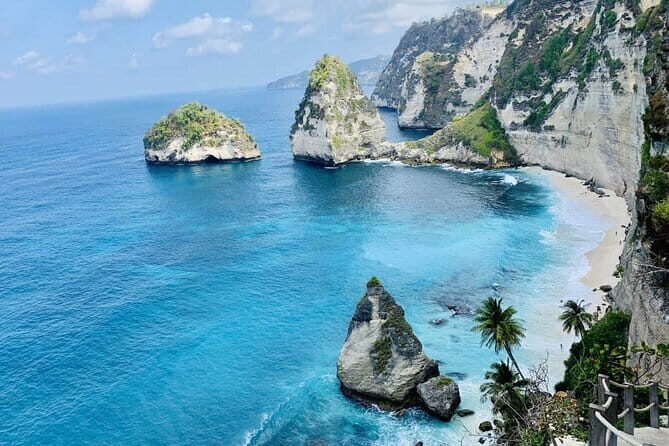
One day, a lot of Bali. This private day tour around Ubud strings together big-hitting sights—Batuan Temple, craft villages, Tegalalang Rice Terrace, Sacred Monkey Forest, and Blangsinga/Tegenungan Waterfall—while still giving you a schedule you can tweak. I like the private, customizable route and the practical extras like sarong use for temples, mineral water, and coffee or tea at the farm.
My second favorite is the Sacred Monkey Forest stop. You get about an hour there to watch macaques in their natural habitat—swinging through canopies, lounging along pathways, and generally doing macaque things. One real consideration: meals aren’t included, so plan for lunch on your own between stops.
Key things I’d circle before you go

- Hotel pickup in Ubud and south Bali means less hassle and more time sightseeing
- Temple-ready clothing help with a free sarong plus a clear cover-up guideline
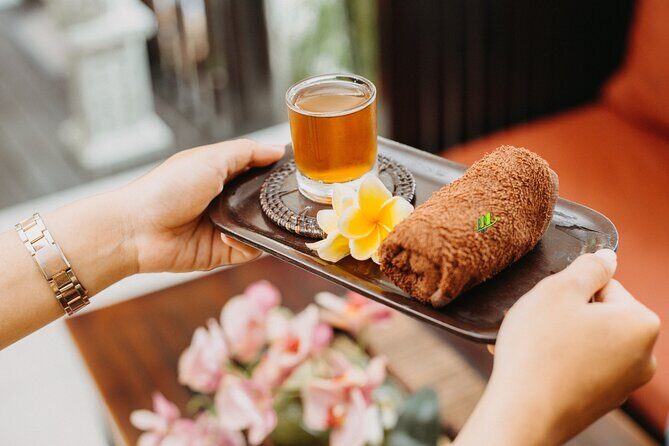
- Coffee farm education + tasting at Teba Sari Bali Agrotourism with coffee or tea included
- Top photo stops stay timed (rice terrace, waterfall, and Monkey Forest are each about an hour)
- Craft village time that doesn’t feel rushed with Tohpati offering art village viewing (admission free)
- A real driver-guide for context—some tours are adjusted to your interests so you’re not stuck with a rigid order
How the “all inclusive” part really feels on the ground

The tour’s price is $47 per person and it runs about 8 to 12 hours. It’s private, so it’s only your group in the car, not a mixed bus day. That privacy matters here, because you’re bouncing between temples, farmland, art villages, and a major animal attraction. You’ll want the flexibility.
Inclusions are mostly the practical stuff that keeps the day smooth:
- Coffee or tea at the coffee farm
- Mineral water
- Free sarong use for temple visits
- An experienced English-speaking driver/guide
- Round-trip transfers from hotels or rentals in Ubud and south Bali
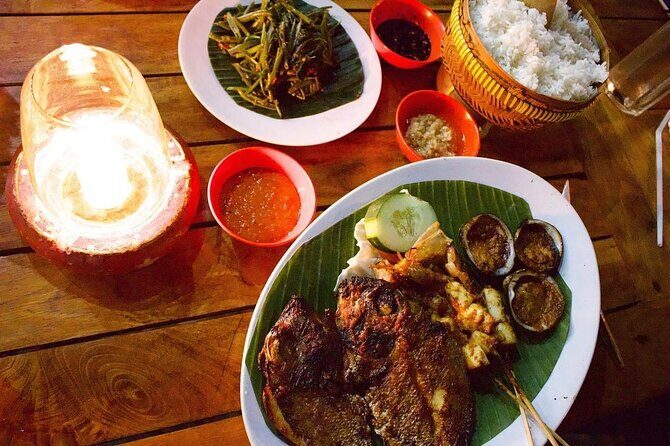
What’s not included is the stuff that can quietly add up when you’re budgeting: meals, alcohol, shopping, and any entrance fees at optional stops (the core listed stops do have their own ticket status, which I’ll break down below). So treat it as “all inclusive for logistics and key experiences,” not as a full meal package.
Pickup at 8:00 am and why timing matters in Ubud
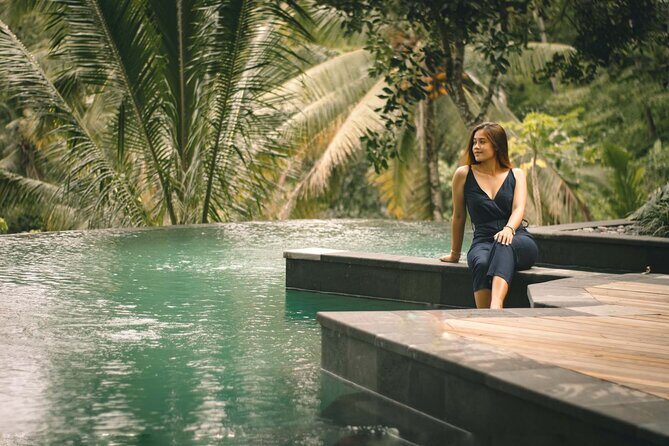
This tour starts at 8:00 am. That early start is your friend in Bali. You’re less likely to fight traffic when you’re heading from the south Bali area toward the Ubud region and the valley roads around the rice terraces.
Also, the stops are roughly set into comfortable blocks:
- Temple time: about 1 hour
- Craft village: about 1 hour
- Coffee farm: about 30 minutes
- Rice terrace: about 1 hour
- Monkey Forest: about 1 hour
- Waterfall: about 1 hour
In a normal day, it’s easy to feel like you’re always “on the way.” Here, you’re not. You get enough time at each stop to look around properly, grab photos, and still move on.
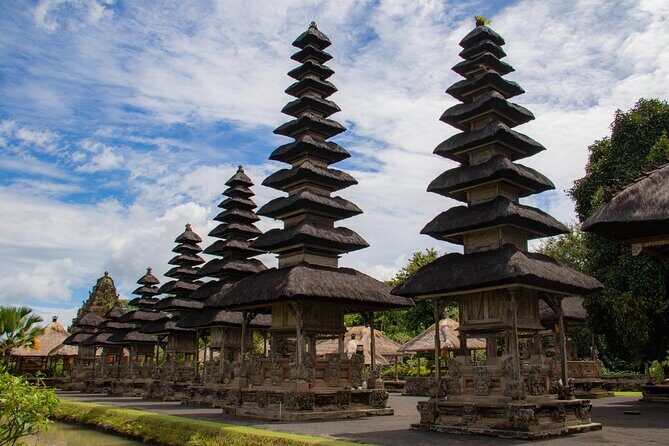
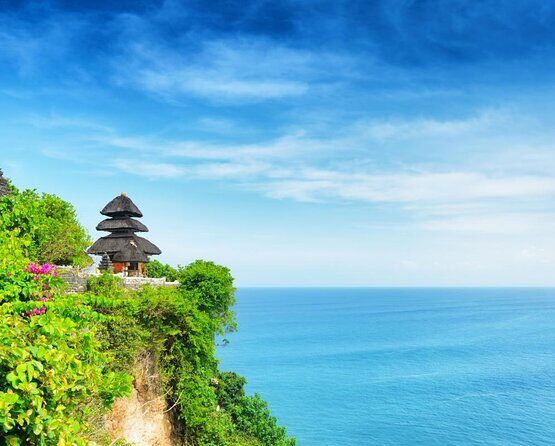
Puseh Batuan Temple: a focused stop where respect is part of the visit
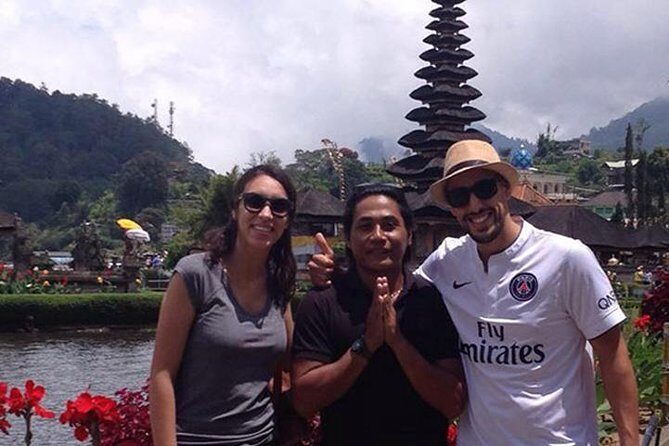
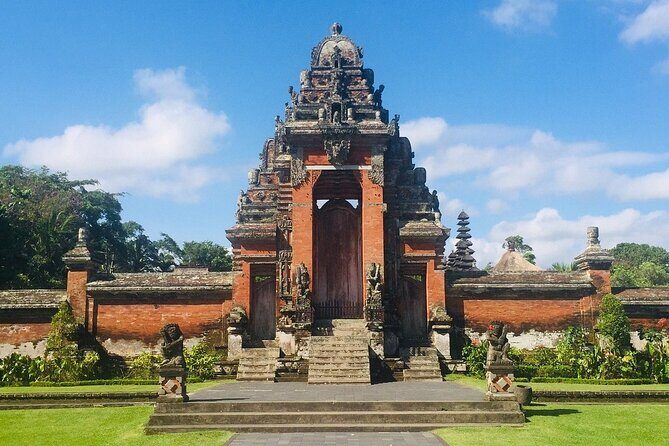
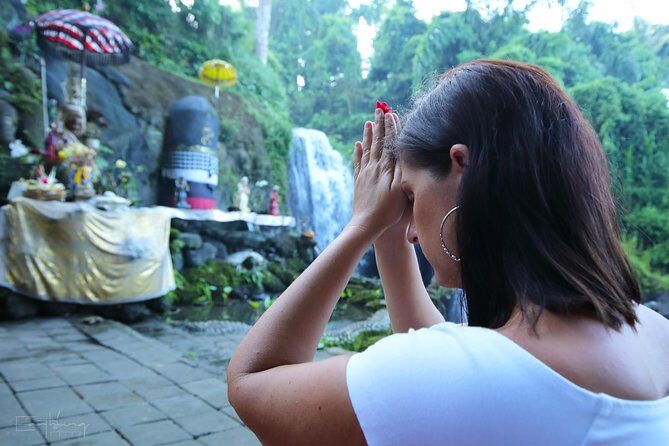
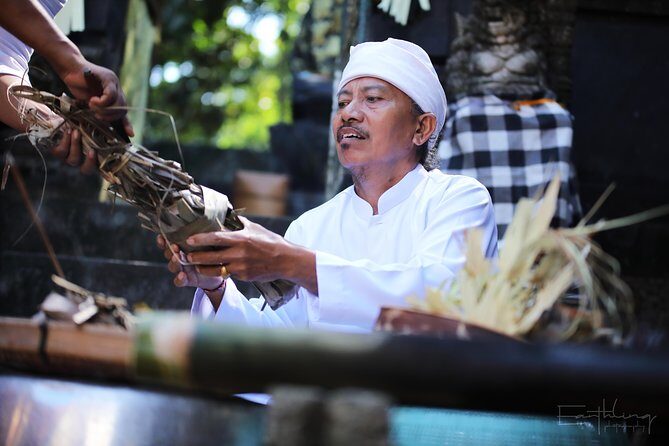
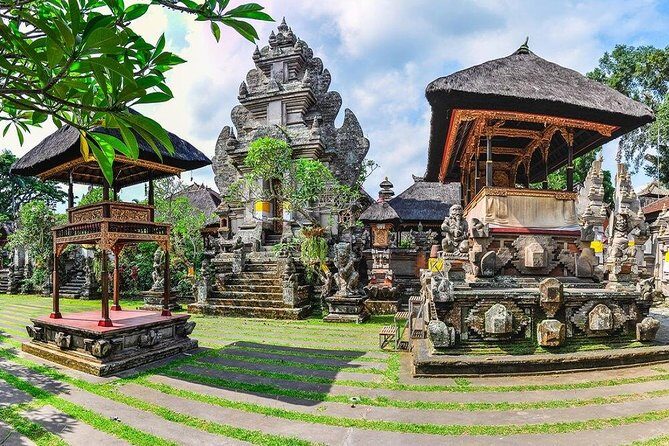
Your first stop is Puseh Batuan Temple in Batuan village. Expect about one hour here, and you’ll use the free sarong provided for temple entry. The tour also recommends casual clothing with semi- or fully-covered outfits to show respect at temples—so think light layers you can adjust easily.
Why this stop is worth it: Batuan has a reputation for temple architecture and Balinese village life that feels more grounded than the biggest tourist magnets. You’re not just snapping pictures from a roadside viewpoint; you’re stepping into a compound experience where the setting makes the culture make sense.
A small practical note: temples can mean rules about what you can wear and where you can walk. Follow the guidance on coverage and you’ll have a calmer, smoother visit.
Tohpati craft village: silver, batik, wood carving, and painting
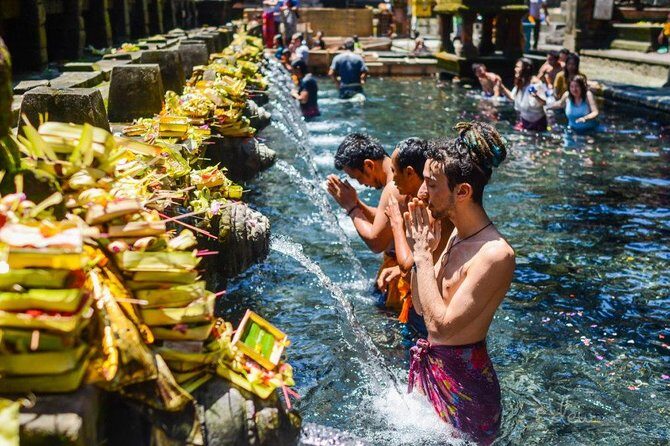
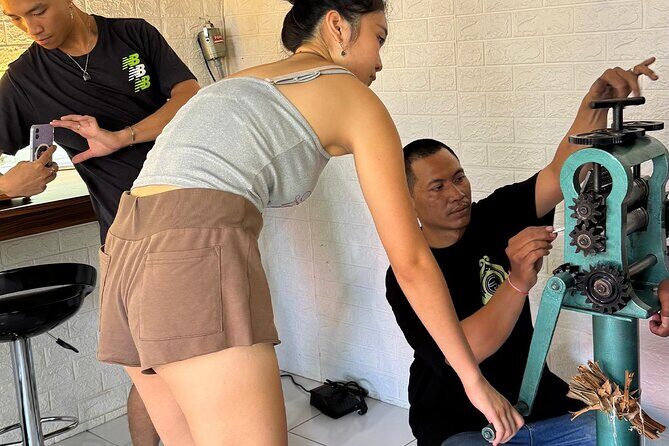
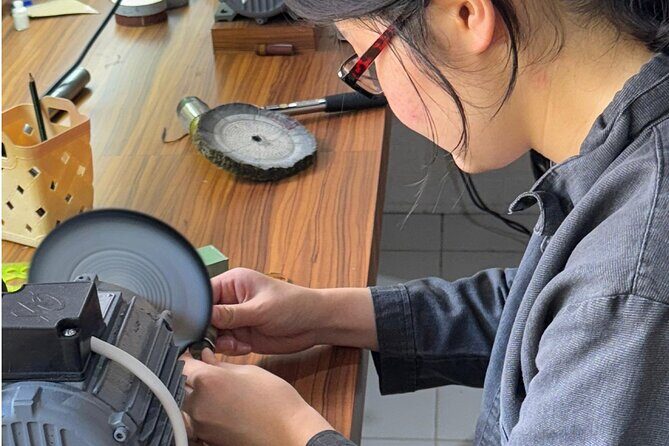
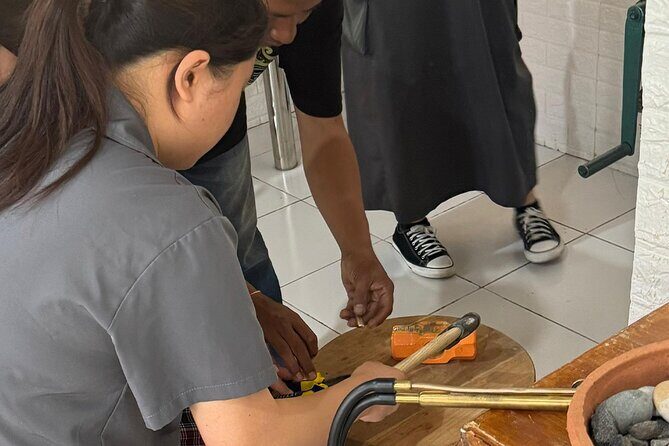
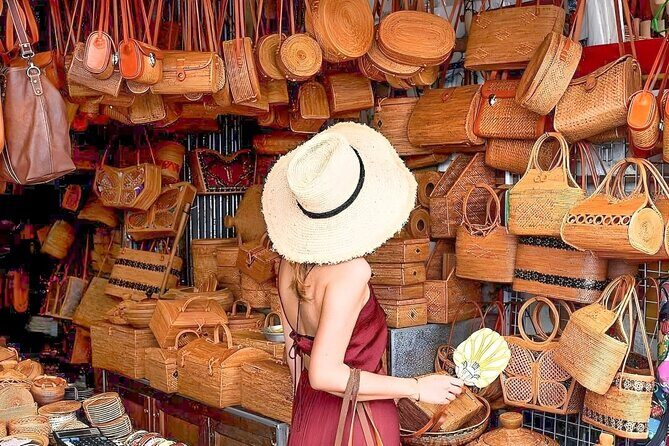
Next up is Tohpati Village, an art village area that focuses on traditional crafts. You’ll get about one hour here, and the admission is listed as free.
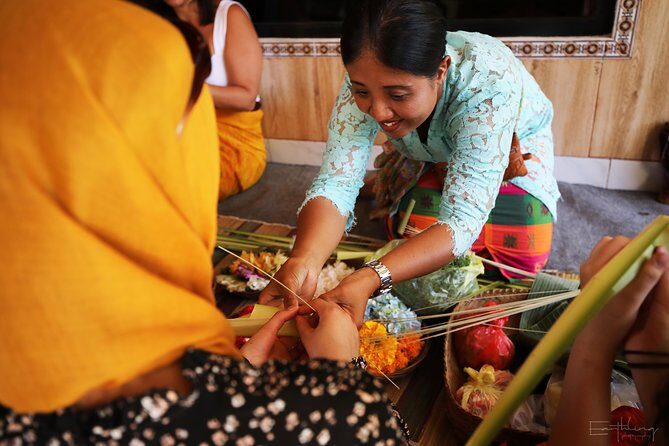
This is a good break from the heavier nature stops. Instead of chasing the view, you’re looking at process: artisans working in categories like silver smithing, batik weaving, wood carving, and painting. Even if you don’t buy, it helps you understand what you’re actually seeing when you spot similar art in Ubud shops later.
One gentle tip: when you have limited time, keep your questions simple. Ask what’s made locally, what takes the most work, and how long pieces usually take. You’ll get better answers than you would from browsing like a shopper.
Teba Sari Bali Agrotourism: coffee processing education plus tasting
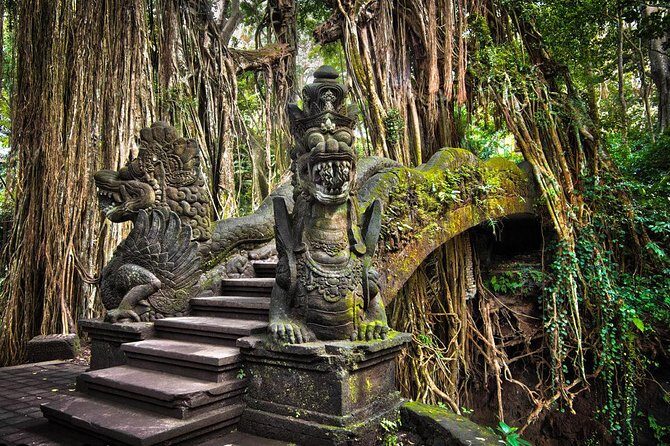
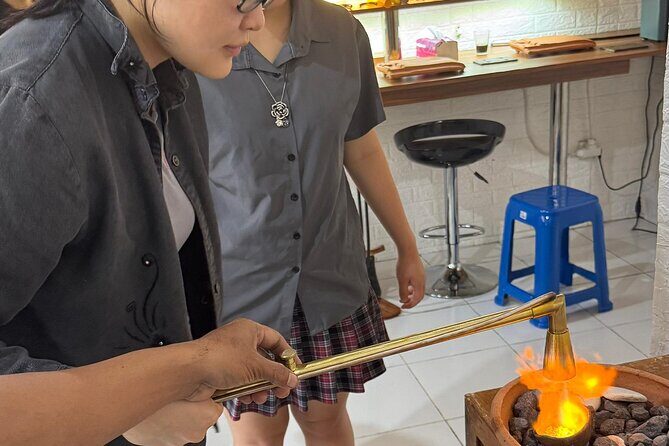
Your coffee stop is Teba Sari Bali Agrotourism. It’s about 30 minutes with free admission, and the tour includes coffee or tea plus coffee processing education and tasting.
This is the kind of stop that works in two ways:
- It breaks up the day so you’re not bouncing from temple to terrace to animals nonstop.
- It gives you something to talk about besides photos—how coffee moves from plant to brew, and what tasting actually means.
If you’re sensitive to strong flavors, ask for tea instead of coffee when you arrive—your inclusion covers coffee or tea, so you’re not forced into one.
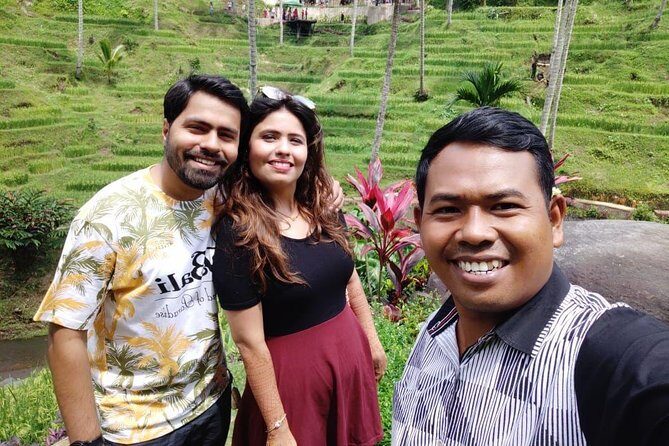
Tegalalang Rice Terrace: seeing the system, not just the view
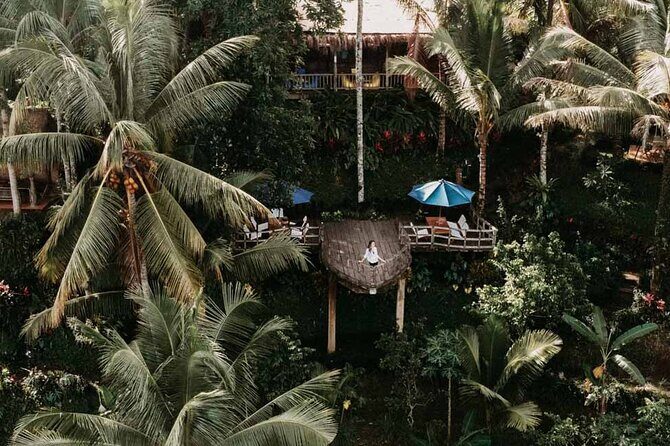
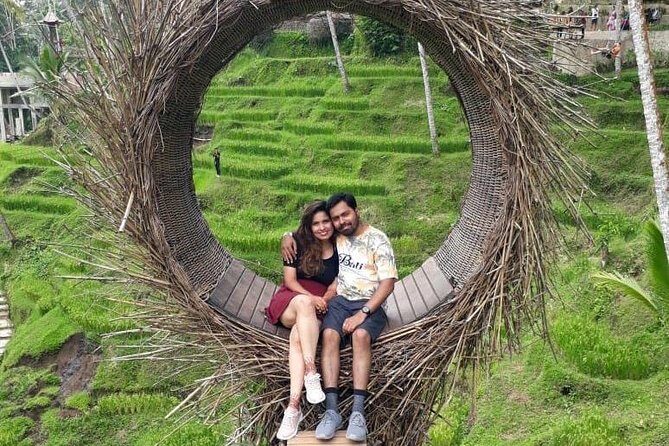
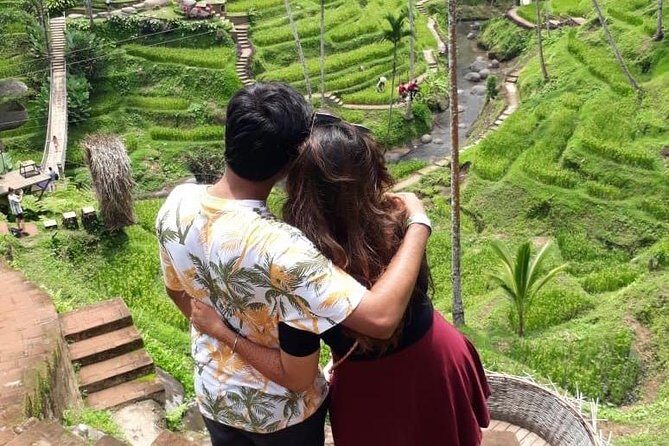
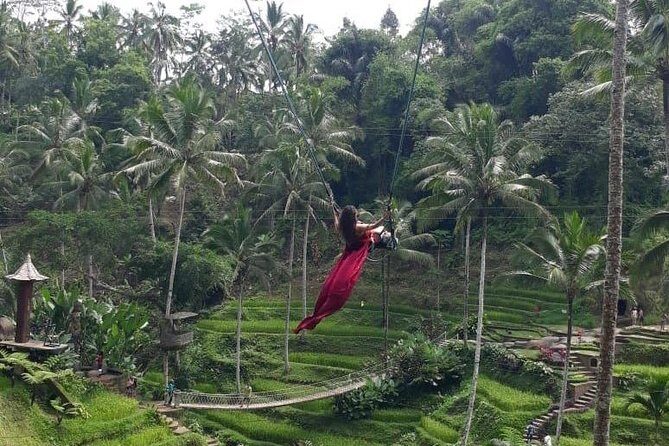
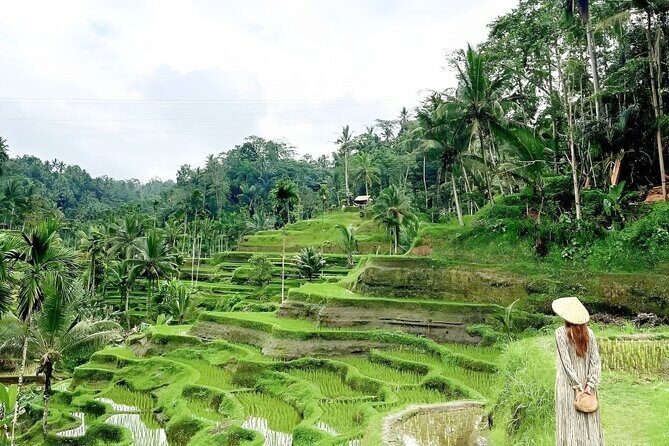
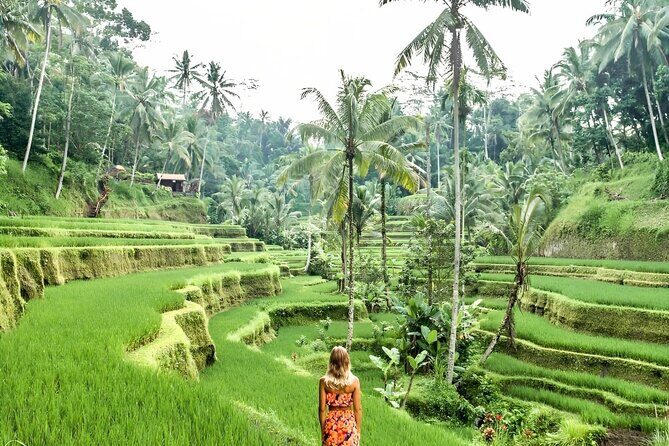
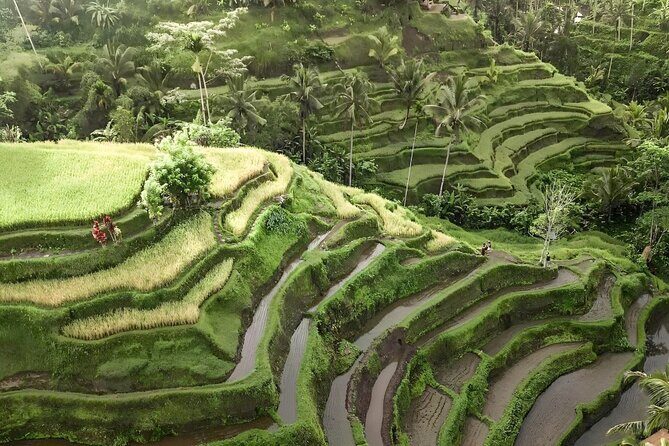
Then you head to Tegalalang Rice Terrace, one of the best-known rice areas in the region. You’ll get about one hour here, and admission is listed as included.
What I’d pay attention to is not only the famous “steps” of the terraces, but the logic behind them:
- how the fields sit on the hill bank
- how rice farming connects to water flow and hillside shaping
- what farmers are doing in the moment
The tour description mentions Balinese farmers at work, which is the difference between seeing scenery and understanding agriculture. Even if you’re not a plant nerd, it’s a real switch of pace.
Practical consideration: rice terraces can get busy. If your schedule allows, spend the first part walking to a calmer viewpoint, then come back to the busiest angles for photos once you know where you want your shots.
Sacred Monkey Forest Sanctuary: macaques for about an hour
Next is Sacred Monkey Forest Sanctuary. Admission is included, and your time here is about one hour.
This is the stop people often book for the kids—or for anyone who can’t resist watching animals do exactly what they do. The setting is described as a place with cool walkways and macaques swinging through canopies, lazing along pathways, and even feeding behaviors.
Two practical reasons this works well inside this itinerary:
- It’s placed after rice terraces, so your body and brain get a change of scenery.
- It’s a defined time block, so you’re not stuck there until you’re over it.
If you go expecting perfect calm, you might be surprised. Monkeys are unpredictable by nature. The best approach is to stay aware, keep moving at a relaxed pace, and enjoy the watching rather than trying to control the moment.
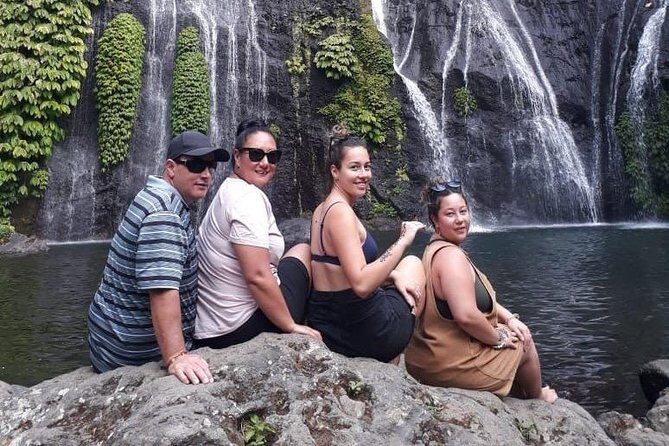
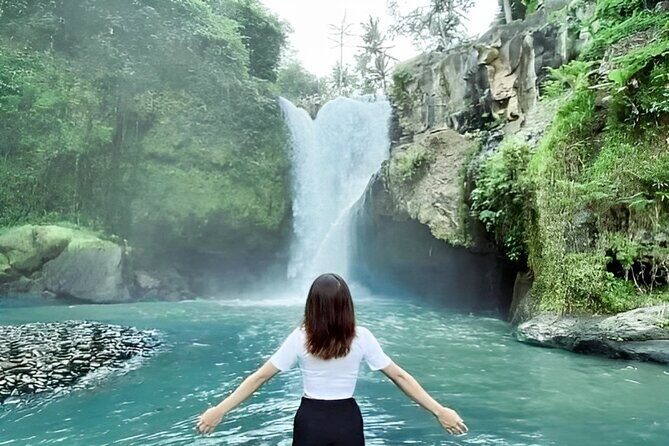
Blangsinga Waterfall (Tegenungan): a 25-meter photo stop with real payoff
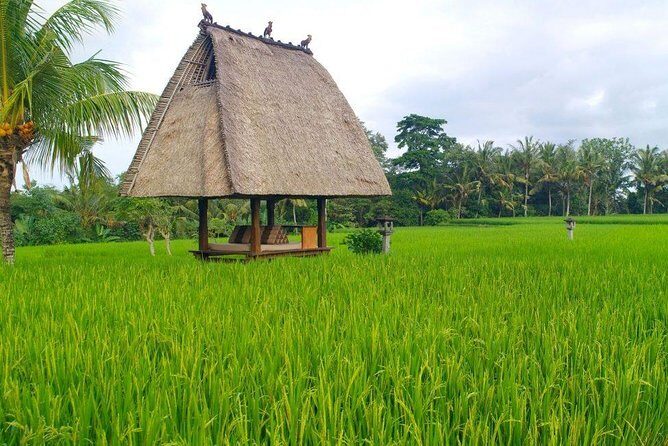
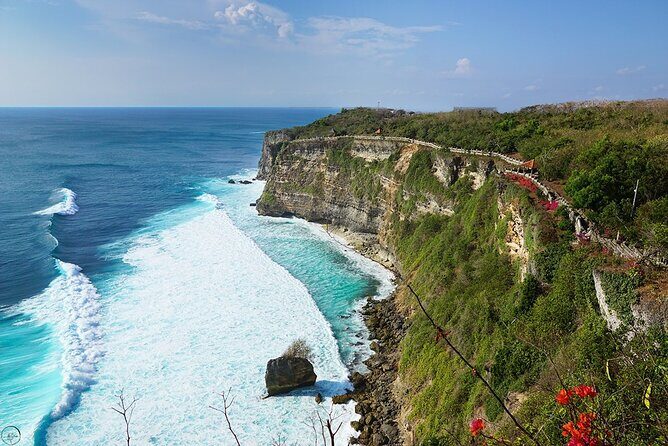
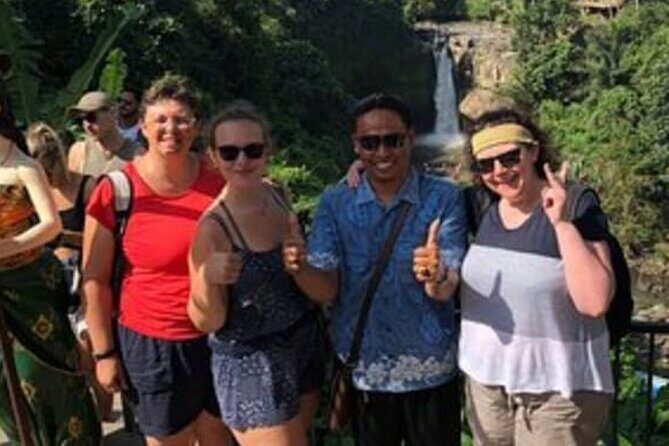
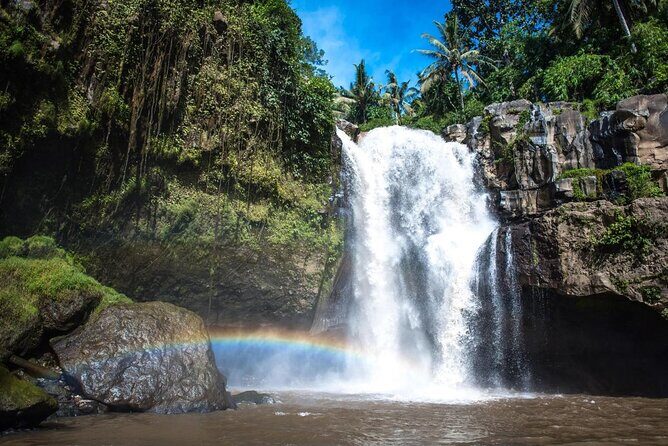
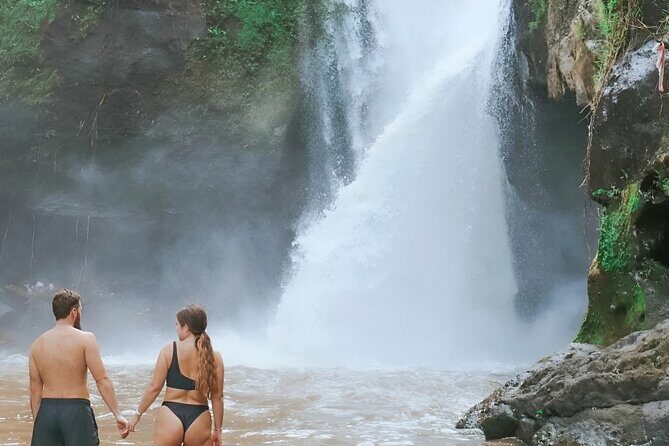
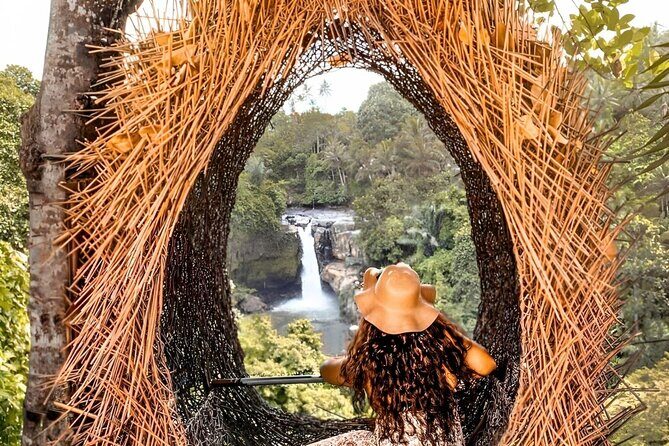
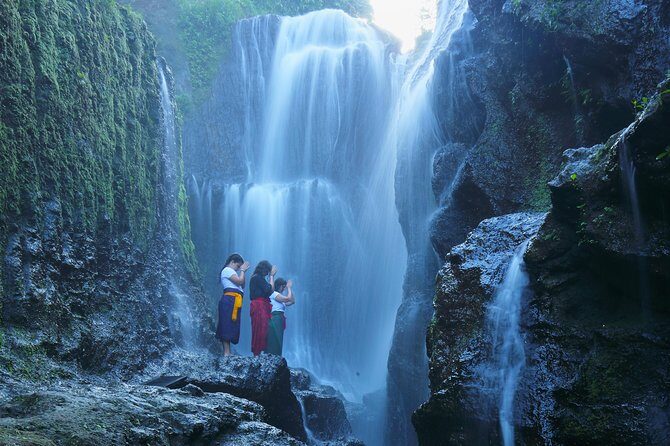
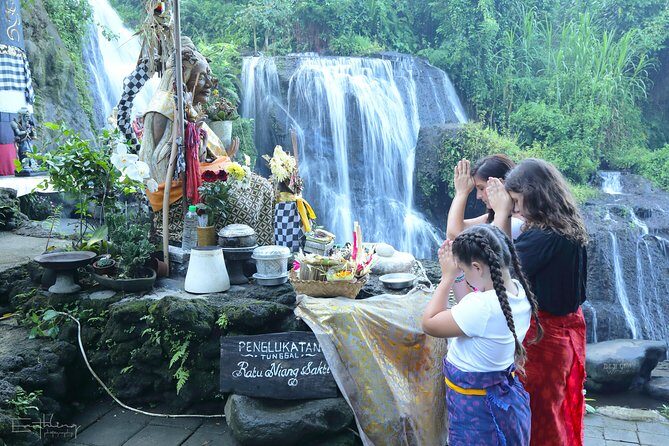
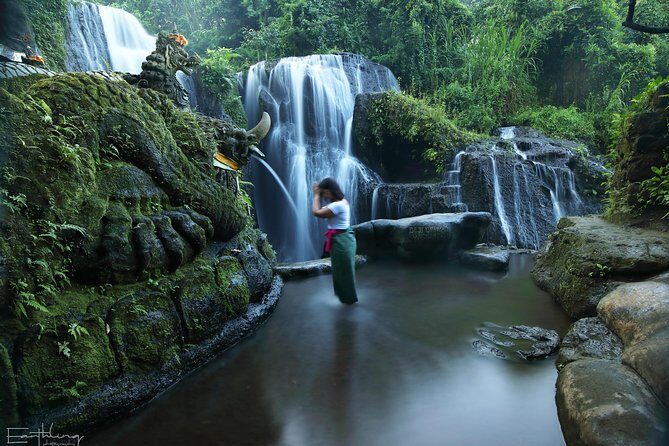
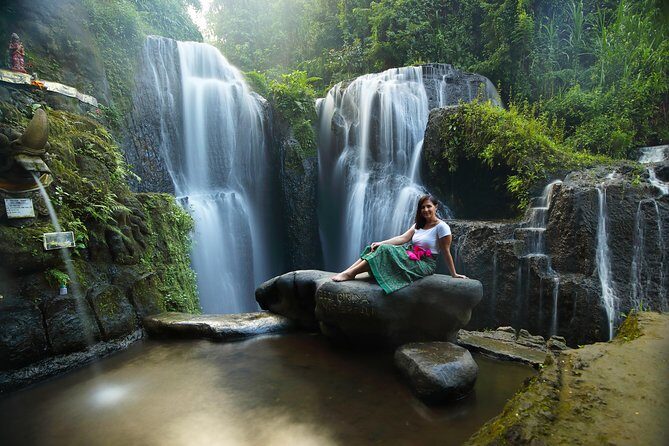
Your final major sightseeing moment is Blangsinga Waterfall, also called Tegenungan Waterfall, near Ubud. You’ll have about one hour, and admission is included.
It’s described as a 25 meter drop into the Petanu River, with fast water and strong photo potential. Waterfalls are one of those places where weather matters. If it’s been raining, you may see stronger flow; if it’s dry, you may get a different look. Either way, the setting gives you a satisfying end to a culture-and-nature day.
What to do with your time: don’t treat the waterfall like a quick checkmark. Spend a few minutes scanning angles, then settle in for photos and a slower look at the sound and spray. It’s the kind of stop that refreshes you for the drive back.
Private tour flexibility: why the driver matters more than the checklist
This tour is marketed as customizable, and that’s not just marketing fluff. Because you’re on a private schedule, your driver-guide can help adjust the order or time spent if you’re more interested in one theme than another.
In real-day terms, this tends to mean:
- less standing around
- more time where you actually care
- smoother transitions when the road or crowd situation changes
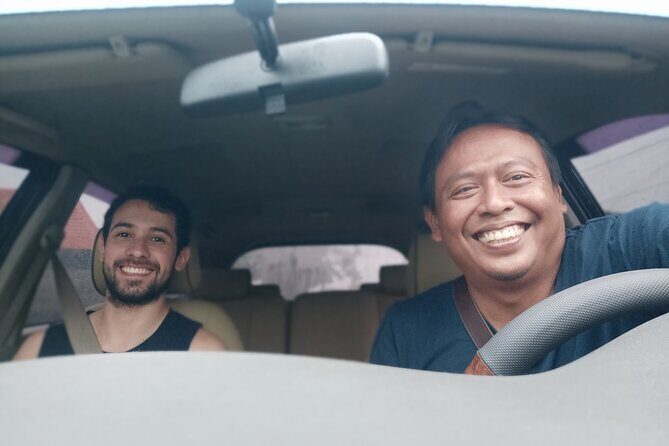
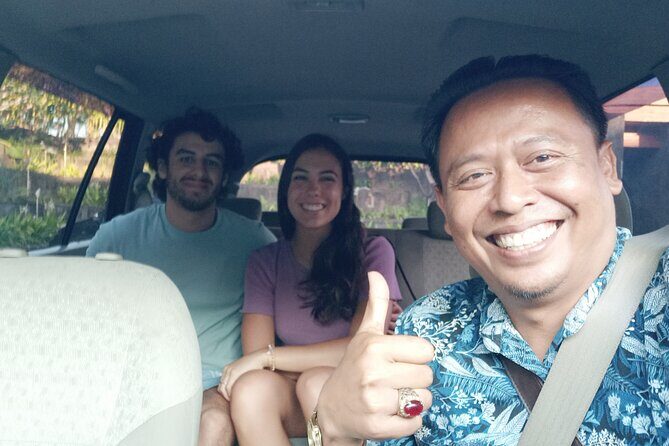
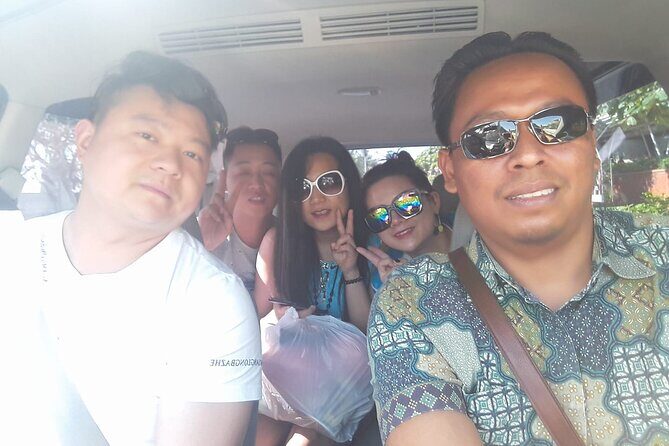
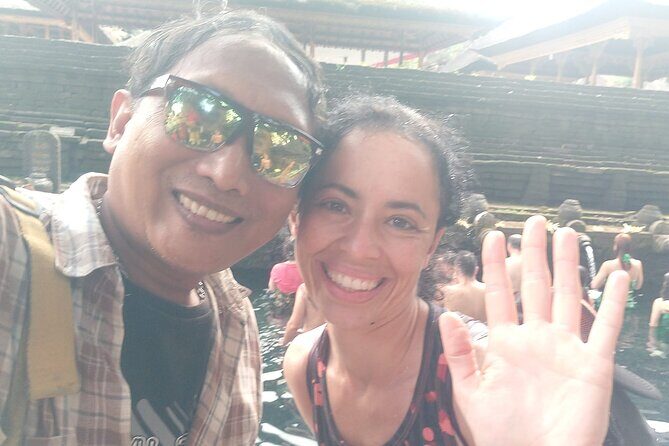
Some tours highlight drivers who share cultural context and modify the day to fit your needs—one guide called out by name, Suda, is described as helpful, safe, patient, and willing to adjust the itinerary. Another experience described adding a look at Ubud’s market and finishing with a souvenir stop based on requests.
That’s the advantage of private. You still hit the key stops, but you’re not trapped in a rigid flow.
English-speaking driver-guide: what you gain beyond transport
You’re not just paying for a car. The included English-speaking driver/guide is part of the value because it can turn the day from sightseeing into understanding.
Temple visits make more sense when someone can explain what you’re seeing, why a building or compound is arranged a certain way, and what to look for beyond the obvious photo angles. Craft villages also feel less like shopping and more like culture when you have a guide pointing out what’s being practiced and why.
It’s also the simplest safety and comfort upgrade in Bali: good communication plus local road knowledge, especially when you’re moving between different zones around Ubud.
Price and value: what $47 buys you in a day packed with tickets
At $47 per person, this tour is priced like a budget-friendly private option, not a luxury splurge. The best value is in the mix of included items and the fact that several major attractions are marked with admission as included.
Here’s what that means practically:
- You get hotel pickup and transfers (often the most annoying part to manage yourself)
- You get included sarong use and guidance on covering up for temples
- You get a coffee/tea inclusion at the agrotourism stop
- You get time at big-ticket attractions with admission included for the listed key sites (temple, rice terrace, monkey forest, waterfall)
The main thing that can affect your final cost is what you do outside inclusions: meals, shopping, and anything extra at the sites. If you pack a snack and plan to eat on your own, the trip stays close to that $47 figure.
What to wear, what to bring, and how to prep your day
The tour recommendation is clear: wear casual clothes, and plan for semi- or fully-covered outfits when visiting temples. A free sarong helps, but you’ll still want clothing that respects local rules and keeps you comfortable during walking and climbing.
Other helpful prep:
- Comfortable shoes for the terrace and sanctuary paths
- A light layer, since mornings and shaded areas can feel cooler
- Budget for lunch and any snacks you want (meals aren’t included)
You’ll have mineral water during the day, and coffee or tea at the farm, so you don’t need to bring everything just to survive the itinerary.
Who this tour suits best
This is a strong fit if you want:
- a first-time Bali day that mixes culture (temples), craft (Tohpati), and nature (terraces, waterfall)
- a family-friendly day, especially if your kids love animals—Monkey Forest is a highlight for many people
- travelers who prefer structure with flexibility, meaning set stops but with room for requests
- anyone who dislikes complicated logistics and wants a driver who can speak English
It may be less ideal if you’re hunting for long, slow nature hikes or if you only want one theme (like only temples or only beaches). This plan is a sampler platter—excellent for getting oriented, not for deep specialization.
Should you book this Ubud private tour?
If you want a smooth, efficient day that hits the recognizable highlights—rice terraces, a temple compound, Monkey Forest, and a 25-meter waterfall—and you also care about having a driver-guide who can explain things and tweak timing, this is a very reasonable choice for the price.
I’d book it if:
- you like having tickets handled and don’t want to research each stop
- you want a private day without the stress
- you’re okay planning meals on your own
I’d think twice if:
- you require meals to be included
- you’re extremely sensitive to animal unpredictability at Monkey Forest
- you hate weather-dependent days (this experience requires good weather; if conditions are poor, you’ll be offered a different date or a full refund)
FAQ
What time does the tour start?
The tour starts at 8:00 am.
How long is the private tour in Ubud?
The duration is about 8 to 12 hours.
Is hotel pickup included?
Yes. You get round-trip transfers from hotels and rentals in Ubud and south Bali.
What’s included in the price besides transportation?
You’ll have an experienced English-speaking driver/guide, coffee or tea at the coffee farm, complimentary mineral water, and free sarong use to enter temples.
Are meals included?
No. Meals are not included, and you’ll need to plan for lunch and snacks on your own.
What should I wear for temple visits?
Wear casual clothes, and plan to be semi- or fully covered as a sign of respect when visiting temples. A sarong is provided for temple entry.
Can I cancel if plans change or weather is bad?
You can cancel up to 24 hours in advance for a full refund. The experience requires good weather, and if it’s canceled due to poor weather, you’ll be offered a different date or a full refund.