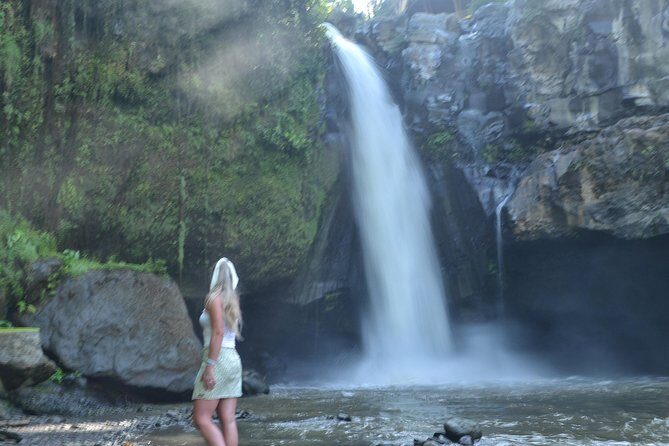
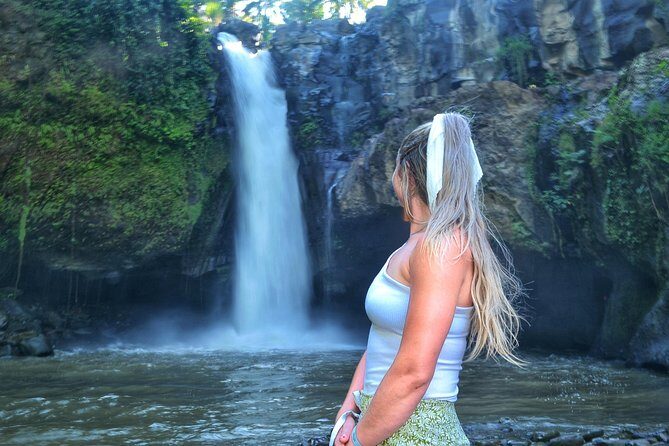
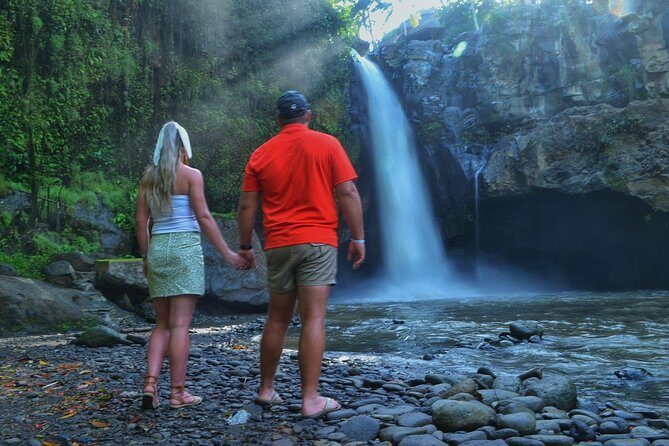
One day packs in Bali contrasts fast. You start with jungle energy at Tegenungan Waterfall, then shift into Ubud’s monkey-forest sanctuary, take a real lunch in the Ubud area, and end with the classic sea-rock mood of Tanah Lot at sunset. It’s a tight route that feels like you’re getting a highlight reel, but with enough time at each stop to actually enjoy the moment.
Two things I especially like: the day is run as a private tour, so your schedule and pace are more in your control than on big-group bus trips; and the timing is built for a proper sunset visit at Tanah Lot. One possible drawback: it’s a full 8 to 9 hours, so the “relax” factor is more limited, and you’ll want to be ready for steps and walking in multiple locations.
Key highlights
- Private, just-your-group format with pickup offered from Seminyak-area hotels
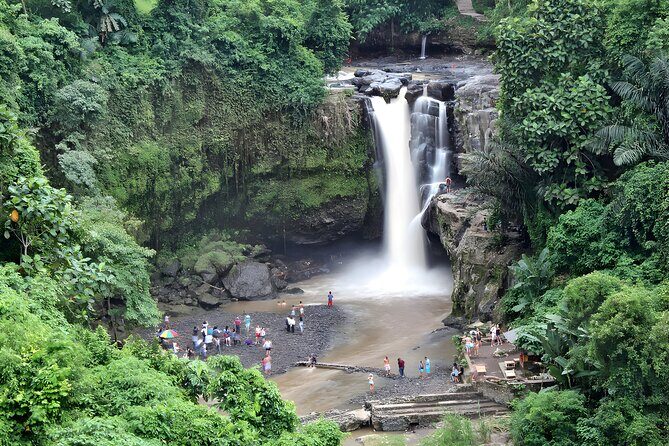
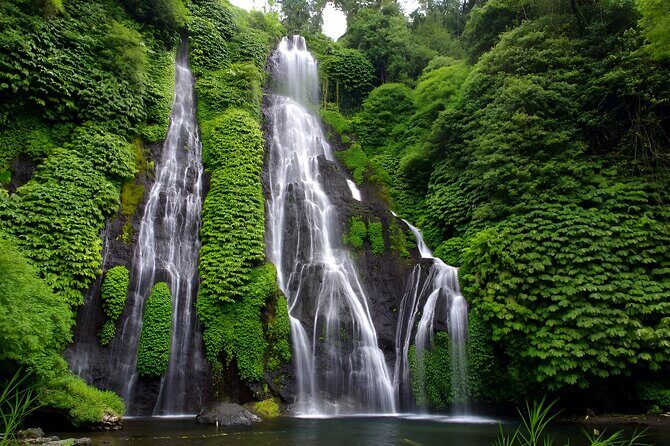
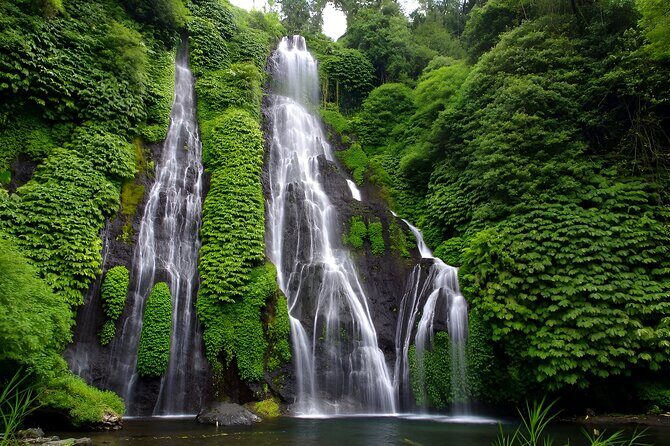
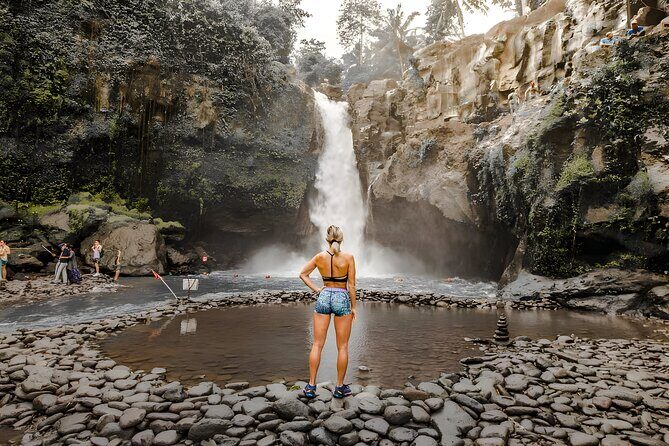
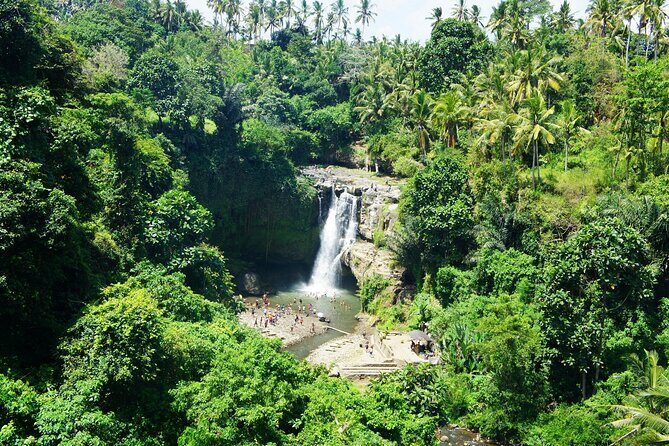
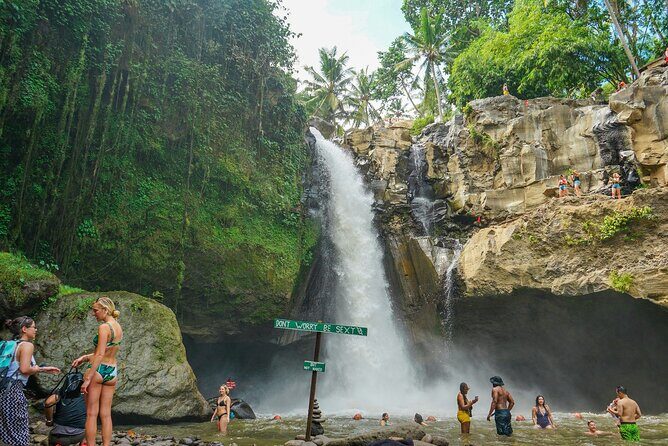
- Tegenungan Waterfall with a cool feel and a staircase path down from the stepping zone
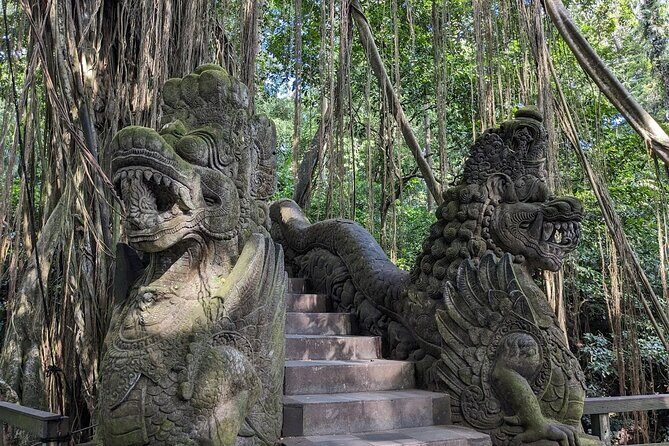
- Sacred Monkey Forest Sanctuary inside Ubud, a nature reserve temple complex in the city center
- Lunch in Ubud: set-menu Indonesian food, with vegetarian and non-vegetarian options
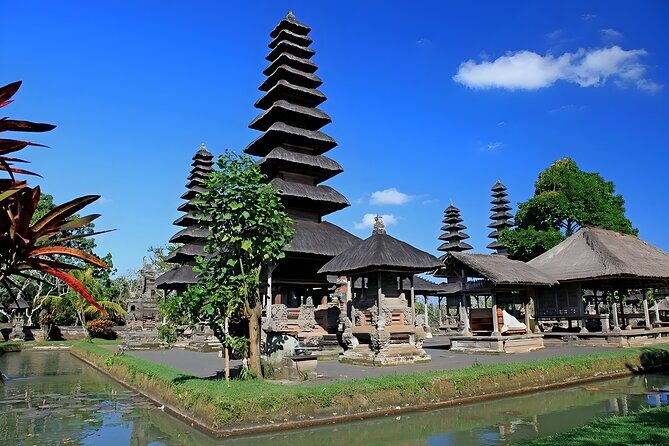
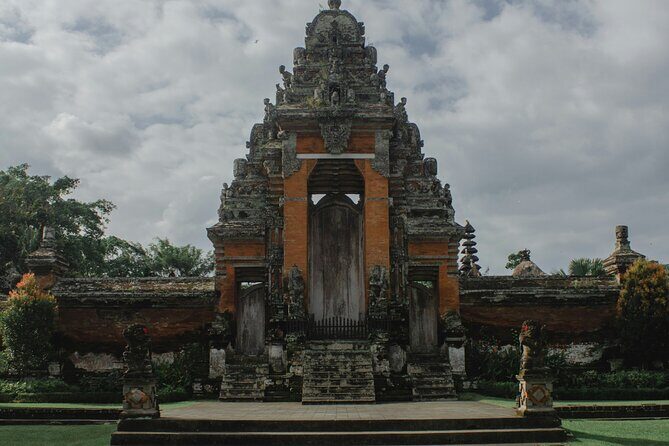
- Taman Ayun Temple in Mengwi District, with garden grounds and Balinese architecture
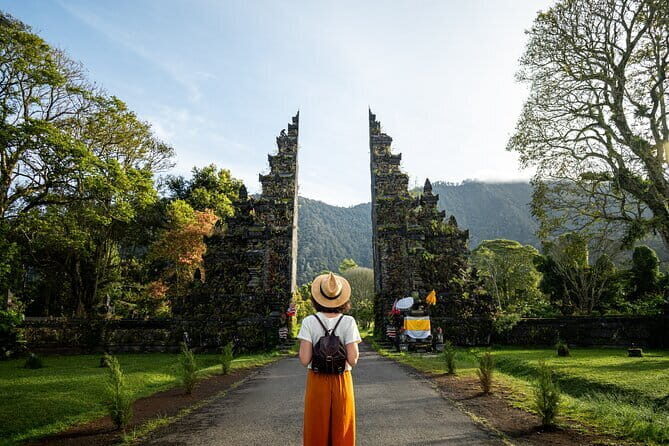
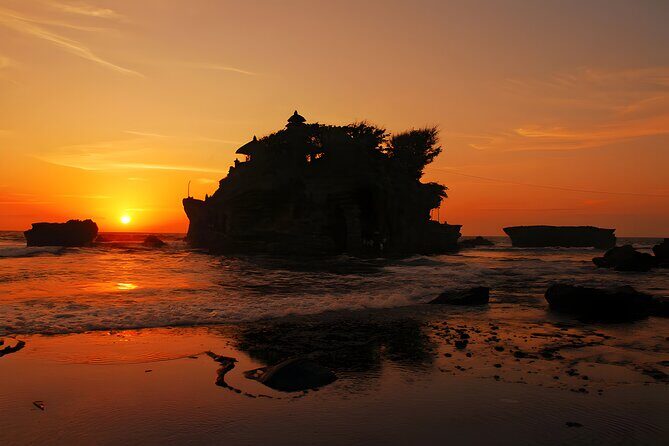
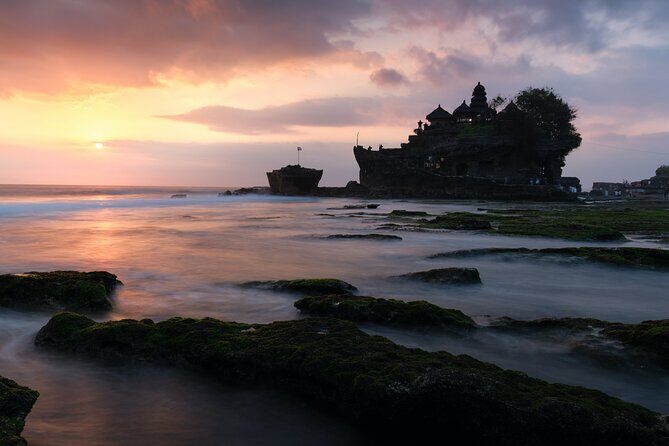
- Tanah Lot Temple at sunset, the rock temple by the sea for a memorable closing scene
A best-of Bali day from Seminyak to sunset at Tanah Lot
This is the kind of day trip that makes sense if you want real variety without constantly re-planning. Your route jumps between water, forest, temple gardens, and coastal sunset vibes. And because it’s a private tour with pickup, you’re not trying to figure out local transport between stops while your day is slipping away.
I like that the stops are spaced out enough to do more than “photo, move on.” You get around 2 hours at Tegenungan Waterfall and 2 hours at the Monkey Forest. Then there’s an hour for lunch, 1 hour at Taman Ayun, and another 2 hours at Tanah Lot. That adds up to a long day, but it’s a logical rhythm.
Also, the tour isn’t just temples for the sake of temples. It’s a full mix: nature first, then sanctuary/animal life, then a cultural pause, then sunset at the coast. If you’ve only got one day to see Ubud-area highlights, this gives you a strong layout.
Price and what your $70 per person really covers
At $70 per person, this tour lands in the “reasonable for private driver + multiple paid stops + lunch” category. The value comes from stacking several things into one package:
- Pickup offered (so you’re not hunting down rides or trains between far-apart spots)
- Admission tickets included for Tegenungan Waterfall, Sacred Monkey Forest, and Taman Ayun Temple
- Lunch included in Ubud as a set-menu Indonesian meal, with vegetarian available
- Mobile ticket (less paperwork hassle)
- Private tour so you’re not squeezed into a big-group pace
One more practical detail: Tanah Lot Temple admission is listed as free in the itinerary. So even though it’s a major headline stop, you’re not paying extra for the entry piece during that final visit.
When does $70 feel like a steal? If you’d otherwise pay for a private vehicle plus you’d still want to enter those temple/nature sites and have lunch sorted. When does it feel pricey? If you’re the type who prefers slow mornings, minimal driving, and just one “big” stop. But for a one-day sampler, the math usually works.
Morning start: how to set yourself up for an 9-hour day
The day begins at 9:00am. For me, that start time is a good trade: you get to Tegenungan before the day feels fully cooked, and you still have enough time to finish at Tanah Lot while the light is right.
Because the tour runs up to about 8 to 9 hours, it helps to treat it like a structured day, not a sightseeing “sprint.” Wear comfortable shoes. Plan for sun and heat. Bring a light layer for temple shade and airflow. And keep water handy—waterfalls are fun, but the Bali sun is still Bali sun.
One detail I’d pay attention to: your itinerary includes multiple entrances where admission tickets are included. That’s good. But it also means you’ll want to show up ready when the group reaches each stop, since the day is paced around those time windows.
Stop 1: Tegenungan Waterfall and the stair-step descent
Tegenungan Waterfall is described as one of the best waterfall spots around Ubud, and the vibe here is all about the scenery and that cooler atmosphere near the water. You’ll spend about 2 hours at the waterfall, and there’s a clear physical element to plan for: from the stepping zone, there are steps going down.
So here’s the reality check: you’re not just standing on flat ground. You’ll likely move along viewpoints and paths, and at least some of your time will involve stairs. If you know stairs drain your energy, this is the part to pace yourself.
What you can do to enjoy it more:
- Go at your own speed on the way down and back up.
- Take photos, sure, but also pause long enough to feel the sound and mist.
- Keep an eye on footing on any wet or uneven spots.
The big payoff is that this is one of the first “wow” moments of the day. If the schedule feels like it moves fast elsewhere, the waterfall sets the tone and makes the rest of the day feel worth it.
Stop 2: Sacred Monkey Forest Sanctuary in the middle of Ubud
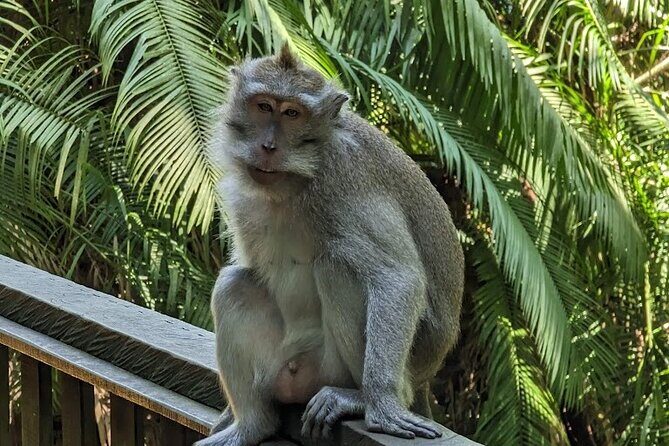
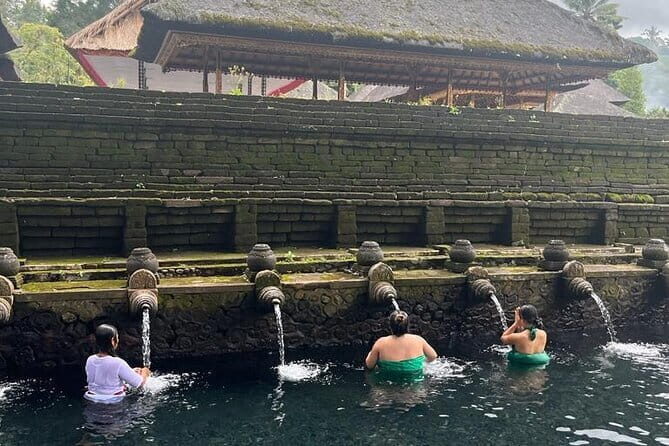
Next up is the Sacred Monkey Forest Sanctuary, also known as Ubud Wanara Wana. The key detail to know before you arrive is that it’s not just a forest with monkeys—it’s a nature reserve temple complex in the middle of the city center.
You’ll have about 2 hours here, which is a helpful time amount. It gives you room to wander, take in the temple-side atmosphere, and enjoy the “forest within town” feeling without feeling constantly rushed.
In practical terms, you should expect a place where monkeys are part of the environment. That’s the whole point of the sanctuary. Keep your items controlled and follow any posted guidance at the entrance and viewpoints. You don’t need to be paranoid; you just need basic common sense.
Drawback to consider: because it’s in the city center, it can feel busy compared to the more remote-feeling nature sites. If you want solitude above all, you may not get that. But if you want a cultural-nature mix inside Ubud, this is exactly the sort of stop that turns a travel day into a real experience.
Ubud lunch break: set-menu Indonesian food with vegetarian options
Lunch is in the Ubud area and is built as a set menu Indonesian meal. You’ll get about 1 hour here, and the itinerary notes that both vegetarian and non-vegetarian options are available.
This matters for two reasons:
- You’re not spending your hour searching for food or translating menus.
- You can eat without risking the rest of the day.
Because your time is limited, I’d suggest eating efficiently and getting right back into motion. Think of it as fuel and a reset—not a long culinary journey. If you love Indonesian flavors, you’ll still get a satisfying meal without making lunch the bottleneck.
If you’re vegetarian, this is a good sign: the tour explicitly states vegetarian food is available. That’s better than guessing once you arrive somewhere and having to negotiate your options on the fly.
Taman Ayun Temple: gardens, Balinese architecture, and a slower pace
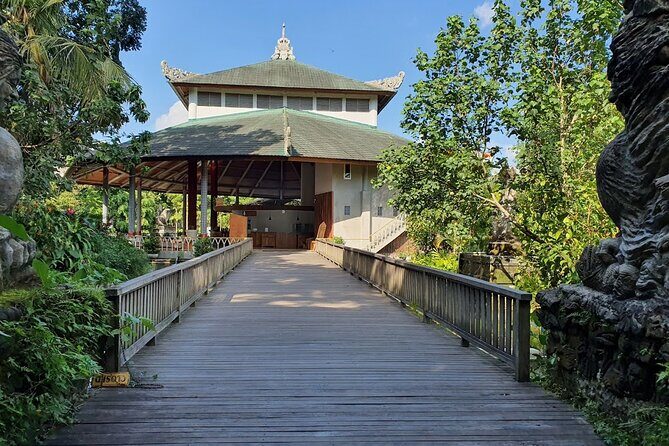
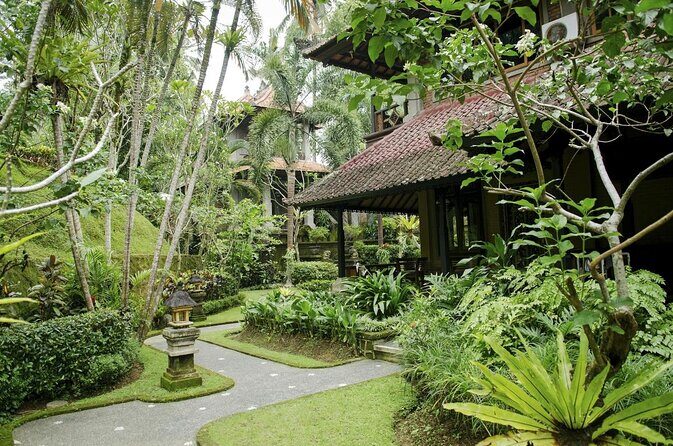
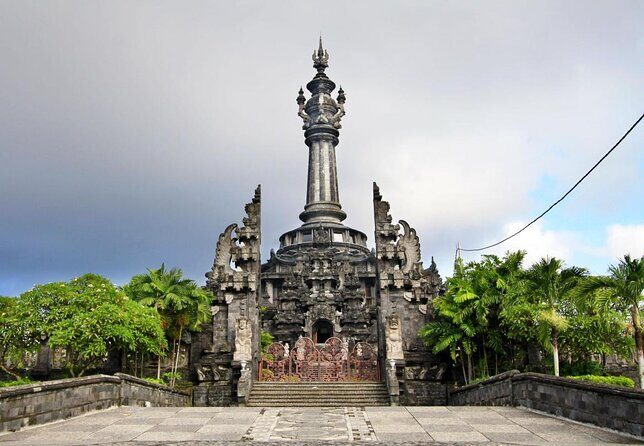
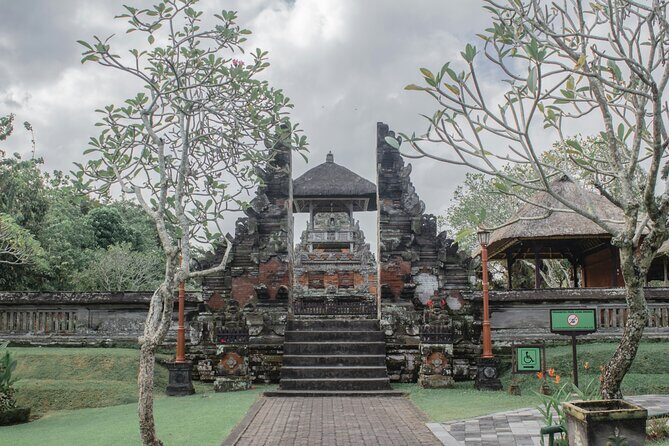
After lunch, the route heads to Taman Ayun Temple in Mengwi District, about 45 minutes from Denpasar Town. You’ll spend about 1 hour here, and the focus is on the garden setting plus Balinese architecture.
This stop works well in the day because it shifts you from “nature action” to “temple calm.” The grounds and architectural details can be a nice break after stairs and forest paths. It’s also a strong way to see that Bali temples aren’t only about a single rock or a single view—they’re also about designed garden spaces and built ceremonial areas.
What to watch for: one hour sounds short, but for a temple-and-gardens stop it can be just right if you move at a relaxed pace without getting stuck waiting for the perfect photo moment. If you’re the type who likes to read the atmosphere before you take pictures, use the first part of your hour to walk and look. Save your photo time for the later part.
Tanah Lot sunset: the sea-rock temple moment
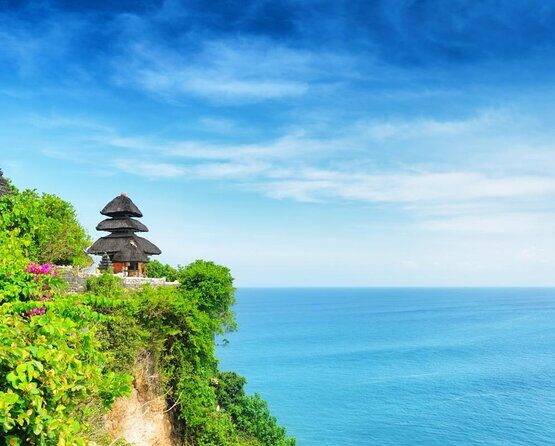
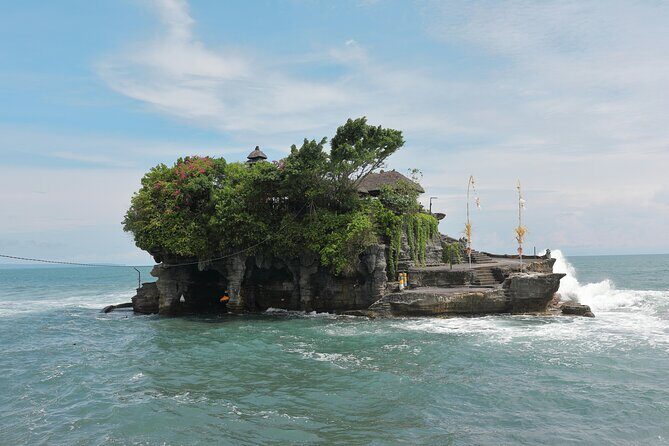
The final stop is Tanah Lot Temple, a Balinese Hindu temple on a rock in the middle of the sea. This is the stop that’s designed for the emotional payoff of the day. You’ll spend about 2 hours here, and the itinerary specifically calls out sunset as the key time for appreciating its beauty.
What makes Tanah Lot so compelling is the setting: the temple isn’t just a building. It’s a view. You’re seeing it with ocean surroundings and that late-day light that changes everything.
Timing tip: don’t treat sunset like an exact minute. Use your first part of the time to get your bearings. Then settle in closer to the peak light. With two hours on-site, you’re not stuck doing everything at once.
Also, because this is on a rock near the sea, plan for uneven ground and walking. Keep an eye on your step and don’t rush it. The goal is to enjoy the last moments of the day without turning the trip into a stress test.
Who this private tour is best for (and who should think twice)
This tour is a great fit if:
- You want Ubud highlights plus a Tanah Lot sunset in one day.
- You prefer a private driver to reduce hassle and keep your pace comfortable.
- You like a structured itinerary with enough time at each stop: waterfall, monkey forest, lunch, temple gardens, then sunset.
It may not be the best fit if:
- You hate packed days. This is 8 to 9 hours.
- You want total freedom to linger or skip stops. Even private tours run on a schedule.
- You get worn out by stairs and moving between viewpoints. Tegenungan includes steps down from the stepping zone.
A small bonus from real-world experiences: drivers can make or break a long day. Two names pop up in feedback from this tour experience—Naya, praised for being flexible and helpful, and Mr Oka, praised for being friendly and a safe driver. If your driver is strong, the day feels smoother even when the schedule is full.
The hidden value: comfort and flow, not just the checkmarks
Lots of Bali tours list stops. This one does that too. But the real value is the flow: you’re not switching between different transport arrangements, and your day’s paid entries and lunch are handled.
That’s why private format matters. A fixed day with a driver can feel calmer than you expect, even when the itinerary looks busy on paper. And the combination of included tickets and lunch removes two common sources of travel friction: payment delays and decision fatigue.
If you like authentic moments—waterfall air, temple gardens, a forest-with-monkeys pause, and a coastal sunset finish—this route delivers. You’re not just ticking boxes. You’re moving through different Bali moods in a single trip.
Should you book this tour?
Book it if you want a one-day plan that covers major Ubud-area highlights and ends with a sunset at Tanah Lot, with lunch and key admissions handled. At $70 per person, it’s a solid value when you factor in private pacing, pickup, and ticket-included stops.
Skip it if you want a slow, low-commitment day with lots of spare time. This is an efficient circuit, not a wandering afternoon.
My practical bottom line: if your goal is to see more than one “must-see” without the stress of planning, this is an easy yes.
FAQ
What time does the tour start, and how long is it?
It starts at 9:00am and lasts about 8 to 9 hours.
Is pickup offered from Seminyak?
Yes. Pickup is offered, and the tour runs from the Seminyak area.
Is this a private tour?
Yes. It’s a private tour/activity, and only your group participates.
What are the main stops during the day?
You visit Tegenungan Waterfall, Sacred Monkey Forest Sanctuary, lunch in the Ubud area, Taman Ayun Temple, and Tanah Lot Temple for sunset.
Is lunch included, and can I get a vegetarian option?
Yes. Lunch is included as a set-menu Indonesian meal, and vegetarian food is available.
Are entrance tickets included?
Admission tickets are included for Tegenungan Waterfall, Sacred Monkey Forest Sanctuary, and Taman Ayun Temple. Tanah Lot admission is listed as free.
How does the tour handle tickets—do I need to print anything?
You receive a mobile ticket.
Can I cancel and get a full refund?
Yes. You can cancel for a full refund if you cancel up to 24 hours in advance of the experience’s start time.
Is the tour suitable for most travelers?
The tour notes that most travelers can participate.