One day can hit Ubud’s best in one loop.
This private driver-guide plan links Celuk’s craft village, the classic Balinese carvings at Batuan Temple, the jungle roar of Tegenungan Waterfall, and the photo-famous rice terraces at Tegalalang. You also get dedicated time at Ubud Monkey Forest and a quick look around central Ubud, with guides like Oka, Sudi, and Gede often stepping in as driver, storyteller, and on-the-spot photo helper.
I love two things about this style of Ubud day. First, it saves you from hopping between far-flung sights with slow public transit. Second, the price already covers entry/admission fees for the main stops plus bottled water—so you’re not doing money math every time you arrive at a gate.
One consideration: it’s a full 8–9 hour push. You’ll do some walking at temples, terraces, and the Monkey Forest, and the schedule gets tighter if traffic runs hot—so pack water, wear grippy shoes, and keep your expectations flexible for short breaks.
Key things that make this Ubud day work

- Private transport solves Ubud’s sprawl: the headline sights sit outside the center.
- Celuk Village is a real craft stop: silver/gold work, wood carving, and painting options.
- Batuan Temple rewards slow looking with its classical Balinese-style carvings.
- Tegenungan + Tegalalang give you both waterfall power and terraced-rice views in one day.
- Monkey Forest is best with a guide mindset: rules, timing, and photo help matter.
- Central Ubud time is built in for the Art Market and Ubud Palace.
Why This Private Ubud Loop Makes Sense

Ubud is not one compact “walk everywhere” place. It’s a cluster of neighborhoods and countryside hits that spread out into rice valleys, temple grounds, and craft villages. A private setup matters because it keeps you moving efficiently without the stress of timing buses or squeezing into shared vans.
I also like that your day mixes big-name scenery with cultural stops. One minute you’re looking at temple details. Next minute you’re watching water crash over stone at Tegenungan. Then you’re back in rice-terrace country, where the view is the whole point.
The tone here is practical. You’re not just touring for a checklist. A good guide will help you spot what to notice—like how temple carvings tell a story, or why certain viewpoints at the rice terraces feel better for photos.
Your 8:30am Start and the 8–9 Hour Reality

You start at 8:30am, and the day runs about 8 to 9 hours. That means an early morning pickup from your hotel area, followed by a steady rhythm of driving and visiting.
The best part of the long day is variety. You get waterfall, terrace, temple, and a forest encounter—plus short breaks in central Ubud. The tradeoff is fatigue. By late afternoon, you’ll feel the walking and waiting, especially around popular photo stops and temple entrances.
If you’re the type who loves to linger, I’d still keep your pace reasonable. This tour is designed to fit multiple regions into one day, so you’ll want to choose where you stretch your time. A flexible guide can help you adjust, but it can’t cancel traffic or sudden weather.
Celuk Village: Crafts You Can Actually Shop With Your Eyes
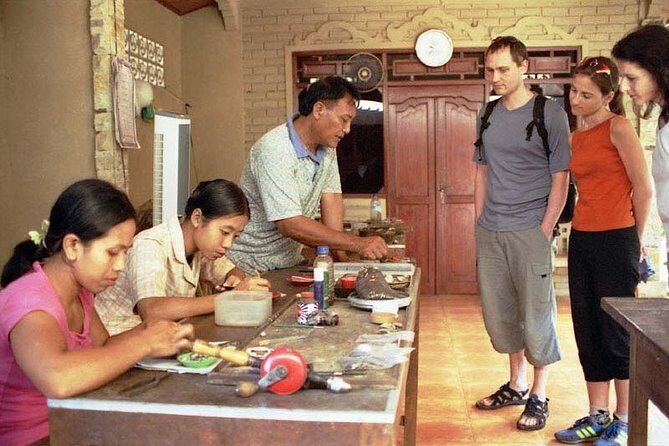
Celuk Village is the art village stop, where you can choose the kind of craft you want to see and buy. The focus options include silver/gold, wood carving, and painting.
This is a good first stop because you’re fresh, alert, and still thinking in “learning mode.” Temple and waterfall days can blur together, but craft villages add a different kind of context. You also get a full 1 hour here, which is enough time to look around without feeling rushed.
Practical tip: go in with a simple plan. If you love small items, check jewelry-making and metalwork. If you like texture, wood carving catches the light in a way flat souvenirs can’t. If you’re into art, painting stalls help you compare styles quickly.
Batuan Temple: Classic Balinese Carvings Up Close

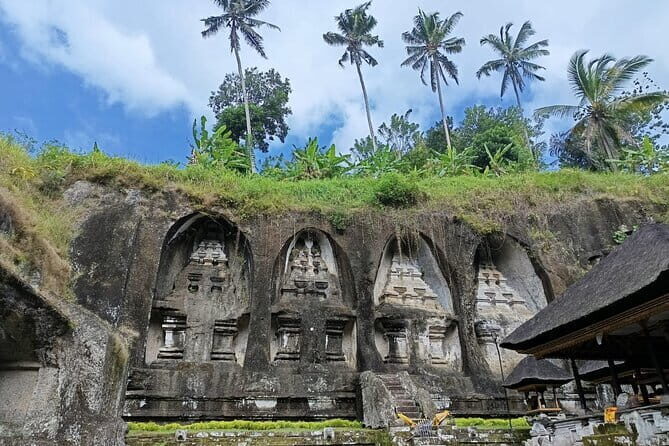
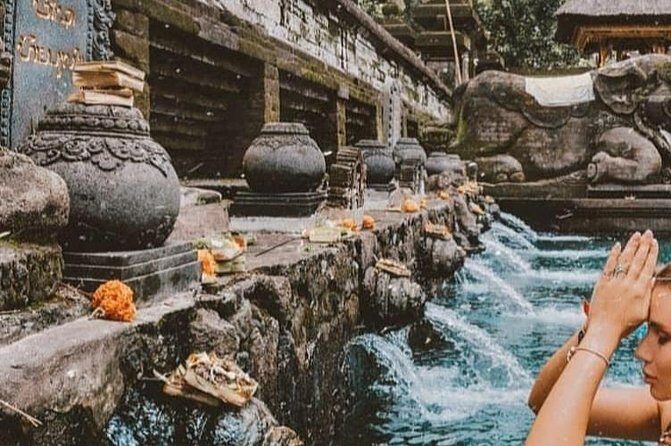
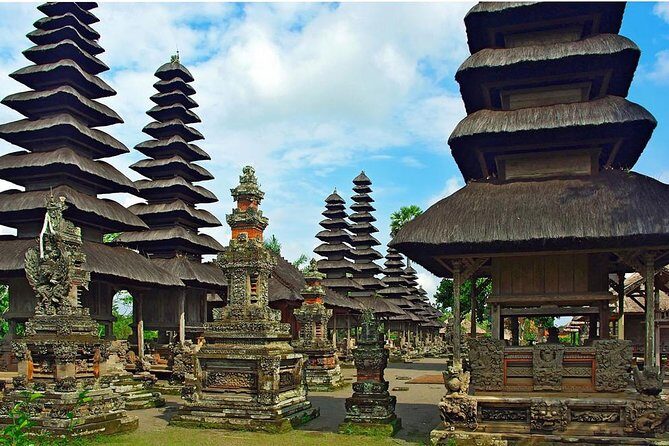
Batuan Temple (Pura Puseh Desa Batuan) is a traditional Hindu temple built in a classical Balinese style, known for elaborate carvings. You get 1 hour at this stop, including entry.
This is the stop that rewards slow attention. Instead of just snapping a few pictures, you’ll want to look at the layered carvings, the architectural details, and the way the temple complex feels lived-in rather than staged for tourists.
One smart way to enjoy it: use your guide’s explanations in the moment. Even if you only catch a few points, it changes your eye from tourist mode to observer mode. In a lot of Bali tours, the temple becomes background. Here, it can be the highlight.
Tegenungan Waterfall: Jungle Scenery With a Wet-Feet Risk

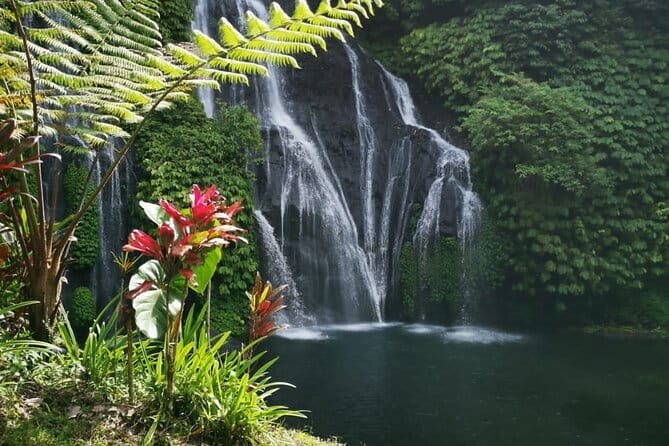
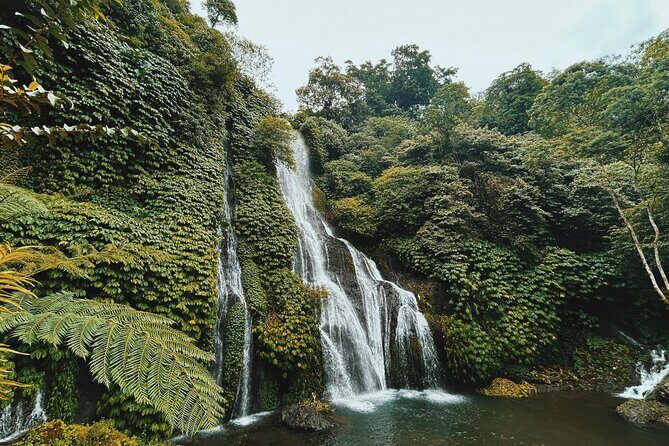
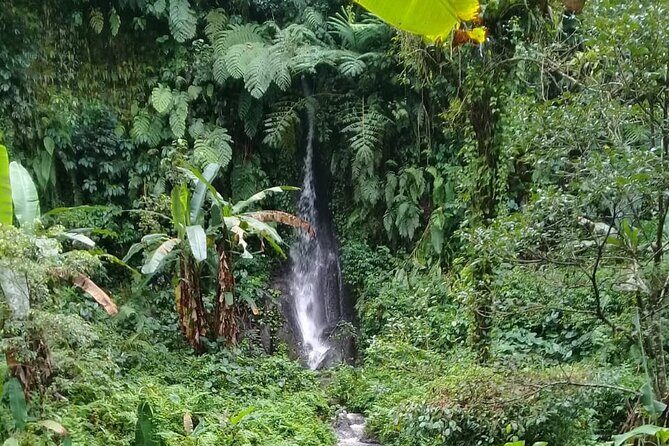
Tegenungan Waterfall is your 1 hour nature stop, built around the foaming water and lush surroundings. It’s a satisfying change from temples and shops, because the waterfall forces your attention to one thing: sound, motion, and that constant green backdrop.
This is also a stop where conditions matter. You may want quick-dry clothing or at least be ready for spray and wet steps. If you’re bringing sandals, consider shoes with grip. The point isn’t to “be tough.” It’s to keep your footing calm so you can enjoy the view.
Photo note: guides can help you time viewpoints, so you get the waterfall look without standing in the worst crowds for too long. Many of the stories I’ve heard from guides like Tegeg and Aris center on helping people get solid shots while you keep moving.
Tegalalang Rice Terrace: Terraces That Make Time Feel Different

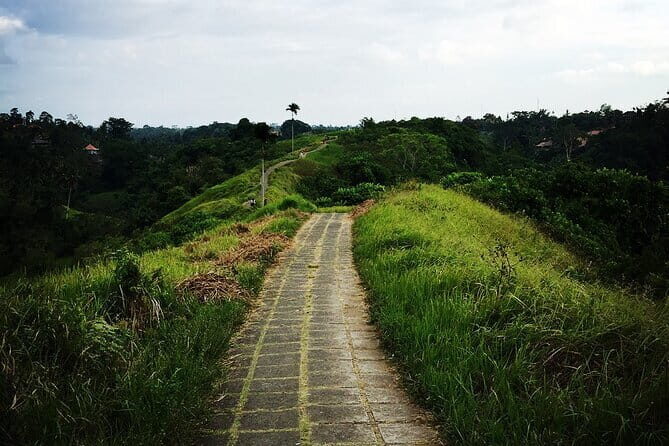
Tegalalang Rice Terrace is one of those places where the view grabs you by the brain. You get 1 hour here, and it’s a favorite for nature lovers because the terraced paddies are basically designed for looking.
What I like about pairing this with a waterfall stop is how different your senses get. At Tegenungan, you’re reacting to sound and mist. At Tegalalang, you’re reading the lines of the terraces—walking paths, levels of green, and the way the light hits leaves and water.
A helpful mindset: don’t rush. Even if you only explore the main viewpoints, giving yourself time helps you notice how the terrain folds. You can also shift your walking style: some spots are better from up a little higher, others feel best closer to the edges (where available).
Sacred Monkey Forest Sanctuary: A Fun Stop That Needs Common Sense

Ubud Monkey Forest Sanctuary is a protected reserve and temple complex sheltering hundreds of long-tailed Balinese macaques. You get 1 hour there, including entry.
This can be the most memorable part of the day, but it also needs the right expectations. The monkeys are curious and fast. They’re not a zoo exhibit you ignore. You’ll want to keep your personal space clean: hold onto bags, watch your pockets, and avoid sudden moves near them.
It’s also a stop where your guide’s job is more than explaining. A good guide acts like a buffer—helping you decide where to stand, keeping you safe, and guiding your photo timing. Many guide stories mention this “monkey first security guard” role, especially around Sudi and other guides who helped visitors manage encounters smoothly.
If you want the best photos, don’t just hunt for a monkey. Watch the rhythm: where monkeys tend to gather, when they pause, and which angles keep you from standing where they want to pass through.
Free Time in Ubud: Art Market and Ubud Palace Break the Day Up

The tour gives you 30 minutes in the Ubud center for the Art Market and 30 minutes for Ubud Palace. This is a nice design choice. After temples, waterfall, and terraces, a short city block gives you a reset—and a chance to buy small gifts without turning the whole day into shopping.
At the Art Market, you’ll find multiple buildings and a long street where vendors set up shop for the day. At Ubud Palace, you’re seeing the crafted royal compound that has been the home of Ubud’s royal family since the late 19th century.
In this slot, I recommend you keep your goals small. If you try to do everything—market, palace, photos, food—it’s easy to feel rushed. Better to decide: either shop for a couple items and enjoy the atmosphere, or focus on photos and architecture. The limited time keeps you from overthinking.
How the Included Fees Change the Value of This Tour
At $54.68 per person for about 8–9 hours, this is one of those tours that can actually feel fair—because several costs are baked in. Your price includes a private air-conditioned vehicle, entry/admission fees for the stops, bottled water, parking fees, and gas/petrol.
Food and drink are not included, and gratuities are optional. That’s normal. But the key value play is admissions. Since you’re paying for multiple attractions in one day, covering entry tickets inside the package reduces the chance you’ll get hit with surprise expenses late in the schedule.
Also, this kind of itinerary is hard to do efficiently on your own. Even if you could hire a driver, you’d still be coordinating stops, timing, and entrance logistics. Here, the structure does the heavy lifting, and your guide adds the context.
Pickup Areas and What You Should Expect From the Vehicle
Pickup is offered from a long list of areas: Sanur, Ubud, Kuta/Legian, Seminyak, Canggu, Jimbaran, Nusa Dua, Benoa & Denpasar. That range matters because it opens the tour to more than just travelers who stay right in central Ubud.
You’ll travel in a private, air-conditioned vehicle. For an 8–9 hour day, that comfort isn’t luxury—it’s sanity, especially when traffic can slow things down.
One more practical point: this is set up for your group only. So you’re not waiting on other schedules. That helps keep the day moving, even if you decide to take a little extra time in one place.
Guide Quality: Why Names Like Oka, Sudi, and Gede Matter
In Bali, the driver-guide is often the whole experience. With this tour style, guides can be more than a translator. They can act like a travel operator in real time.
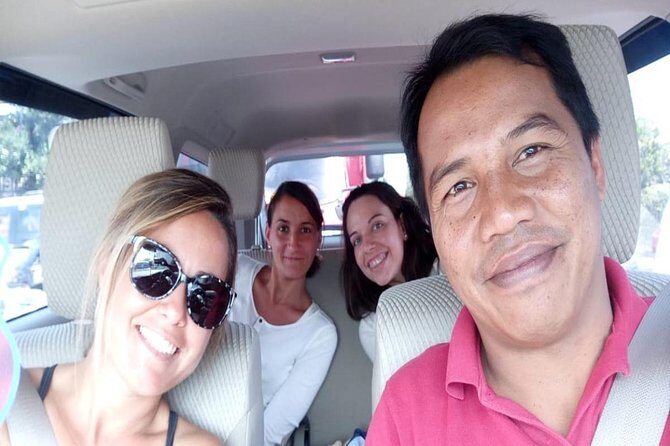
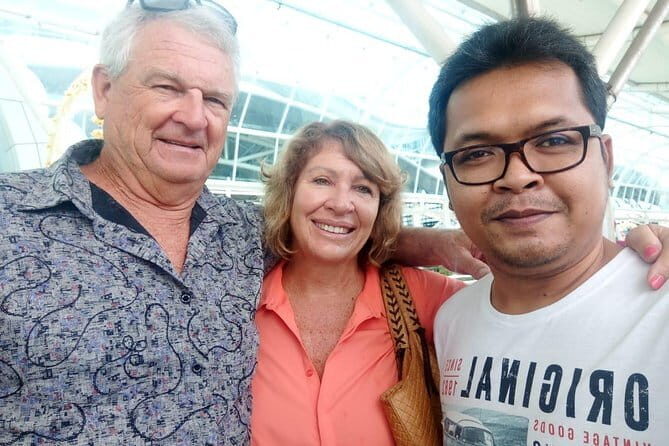
I’ve seen mentions of guides such as Oka, Sudi, Gede, Aris, Tegeg, Rio, Darma, and Rika—and the common thread is clear: they help pace the day, answer questions, and manage the photo-heavy moments so you spend energy on the sights rather than logistics.
The best guides also bring small extras that improve the day without making it weird. For example, help with rainy conditions, umbrellas, and fast photo setups show up in guide stories. And when the day is stuck in traffic, a guide who can keep you informed makes the time feel less wasted.
Small Drawbacks to Plan For (Without Killing the Fun)
Nothing is perfect, and the most realistic downsides are simple:
- You’re packing a lot into one day, so you may have to trade “wander time” for “see everything time.”
- The Monkey Forest and some temple areas can mean walking on uneven ground.
- Traffic can stretch your schedule. Some people handle this fine, others want slower pacing.
If you’re the type who hates schedule pressure, you can still enjoy this tour—just pick the places you want to linger. Use the free time in central Ubud to breathe. Then, if you want maximum value, treat the waterfall and terrace stops as your main “slow looking” moments.
Who Should Book This Ubud Day Tour
This is a strong match if you want:
- a one-day plan that hits the big Ubud sights,
- private transport and an English-speaking guide/driver,
- included entry fees and a full-day structure,
- a mix of culture, scenery, and a playful Monkey Forest stop.
It’s especially good for first-timers who don’t want to spend their vacation building an itinerary from scratch.
If you already know Ubud well and you want long, deep time in one area, you might prefer a slower, single-neighborhood plan. But if you’re in town briefly or you want the highlight loop with minimal hassle, this works.
Should You Book the Best of Ubud 1-Day Private Tour?
If your goal is to see Ubud’s essentials without the stress of arranging rides, this is an easy yes. The combination of private transport, admissions included, and a route that covers crafts, temple details, waterfall drama, rice-terrace views, Monkey Forest encounters, and quick central Ubud time is a solid way to spend a short visit.
Book it if you:
- want an organized day with a guide who can help with pacing and photos,
- appreciate cultural plus scenic stops,
- like the idea of spending 8–9 hours moving through different sides of Ubud.
Skip it if you hate schedule pressure, you’re not comfortable with walking uneven paths, or you want a slower day with fewer stops. For most people, though, it’s one of the best ways to get a lot of Ubud into one clean, efficient loop.
FAQ
How long is the Best of Ubud 1-Day Private Tour?
It runs about 8 to 9 hours.
What time does the tour start?
The start time is 8:30am.
Where does pickup happen?
Pickup is offered from Sanur, Ubud, Kuta/Legian, Seminyak, Canggu, Jimbaran, Nusa Dua, Benoa & Denpasar.
What’s included in the price?
The tour includes a private air-conditioned vehicle, pickup and drop-off, an English speaking guide (who also serves as a driver), entry/admission fees, bottled water, parking fees, and gas/petrol.
Are food and drinks included?
No. Food and drink are available for purchase.
If I cancel, do I get a refund?
Yes, free cancellation is available. You can cancel up to 24 hours in advance for a full refund, based on the experience’s local time.