
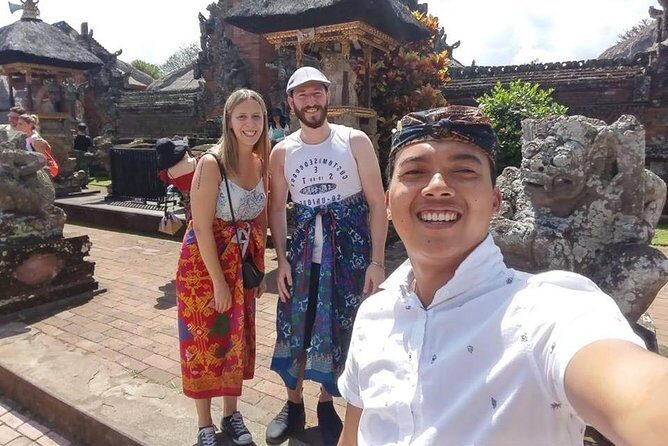
Review · Bali Waterfalls Tours
Day Trip: Ubud Monkey Forest, Rice Terrace, Temple and Waterfall
A Balinese culture day trip with real contrast. From Nusa Dua, you get door-to-door transport and a local guide who stitches together Ubud’s temples, crafts, and big scenery without you having to plan every turn. It’s a great format if you want the heart of Bali in one go, starting at 8:30 am.
I especially like that you’re not just seeing icons from the road. You’ll get time at both Tegallalang Rice Terrace and Tegenungan Waterfall, so the day balances classic views with something lively and scenic.
The only downside is it’s a packed 8-hour loop, and meals are not included, so hunger can sneak up fast between stops. Bring a simple plan for snacks and water, and you’ll be fine.
In This Review
- Key Things to Know Before You Go
- Price and Logistics: What $37 Buys You
- Starting at 8:30: The Door-to-Door Advantage
- Tegenungan Waterfall: A 15–20 Meter Break With Swim Potential
- Sacred Monkey Forest Sanctuary: Temples in the Middle of the Trees
- Tegallalang Rice Terrace: Classic Terracing in One Quick Hour
- Tirta Empul Temple: A Hindu Water Temple Experience
- Craft Village Time: Batik, Mas Wood Art, and Silver Making
- How the Day Stays Balanced (Even When It Feels Packed)
- What to Wear and Bring for Temples and the Waterfall
- Guide Quality: The Kindness Factor That Changes the Day
- Should You Book This Ubud Cultural Loop?
- FAQ
- What is the duration of the tour?
- What time does the tour start?
- How much does the tour cost?
- Is pickup and drop-off included?
- Are entrance fees included?
- What are the main stops on the itinerary?
- Can you swim at Tegenungan Waterfall?
- Is the tour private?
- What is the dress code?
- Can I cancel and get a full refund?
Key Things to Know Before You Go
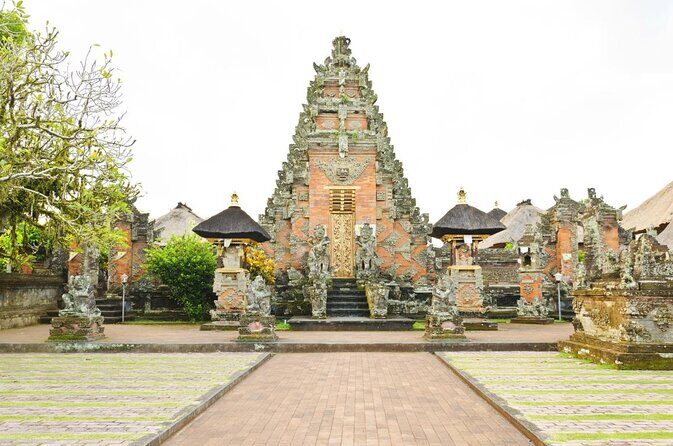
- Door-to-door pickup from many Bali areas, including Nusa Dua and nearby beaches
- Entrance fees included for every listed major stop on the route
- Two big “wow” scenery hits: Tegallalang rice terraces and Tegenungan waterfall
- Sacred Monkey Forest Sanctuary for temples, forest paths, and gray macaques
- Tirta Empul Temple with its distinctive water-temple setting
- Craft time beyond the sights: batik/weaving, Mas wood art, and silver making
Price and Logistics: What $37 Buys You
At $37 per person for an 8-hour day trip, this is priced in the value range—especially because the route includes entrance fees for the major stops. You’re also not expected to sort out tickets, transport, or timing. Pickup and drop-off are built in, which matters when you’re based around Nusa Dua and you want to reach Ubud without dealing with transfers.
You’ll ride in an air-conditioned vehicle with an English-speaking driver/guide setup. Also, you get mineral water, parking fees are covered, and you don’t have to worry about paying extra to get into the key sights listed on the itinerary.
One practical thing: meals cost extra. The tour may cover multiple “sit and stand” attractions, and there’s no built-in lunch included in the information you provided. So I treat this as a day where you plan a snack strategy, not a day where I assume I’ll be fed.
Other Ubud tours we've reviewed


Starting at 8:30: The Door-to-Door Advantage
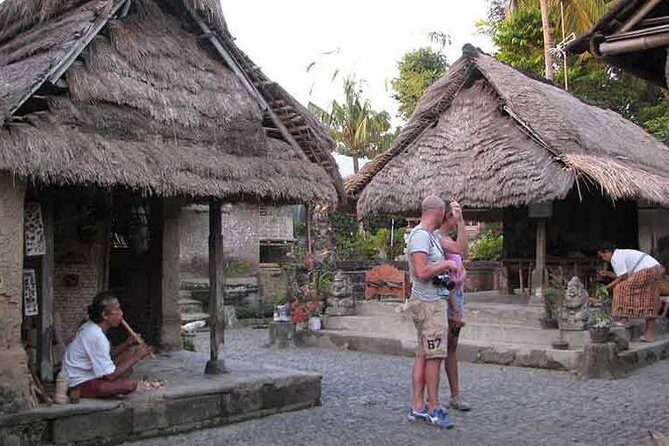
This tour starts at 8:30 am and is set up for convenience from a wide list of pickup areas: Seminyak, Legian, Kuta, Tuban, Jimbaran, Sanur, Tanah Lot, Ubud, Tanjung Benoa, Nusa Dua area, and Benoa Port. If you’re already in the southern part of Bali, that matters a lot.
Why door-to-door is such a big deal? It reduces the hassle of arranging your own ride from one side of the island to the other. It also helps you stay on schedule, which matters because the day includes multiple separate locations, each with its own entry and time on-site.
If you’re traveling with a group, you may benefit from group discounts, and the tour uses a mobile ticket, which tends to speed things up at entrances.
Tegenungan Waterfall: A 15–20 Meter Break With Swim Potential
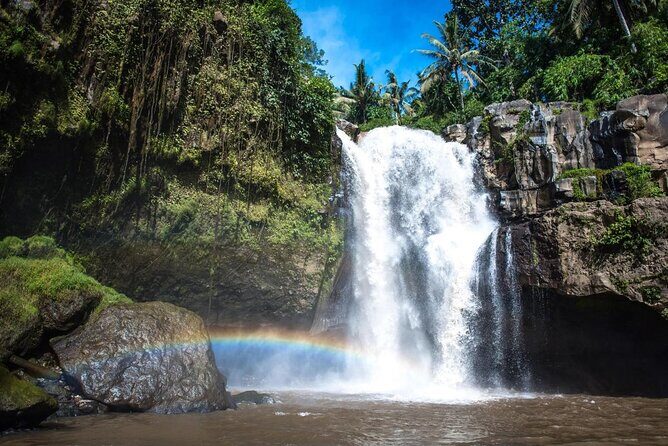
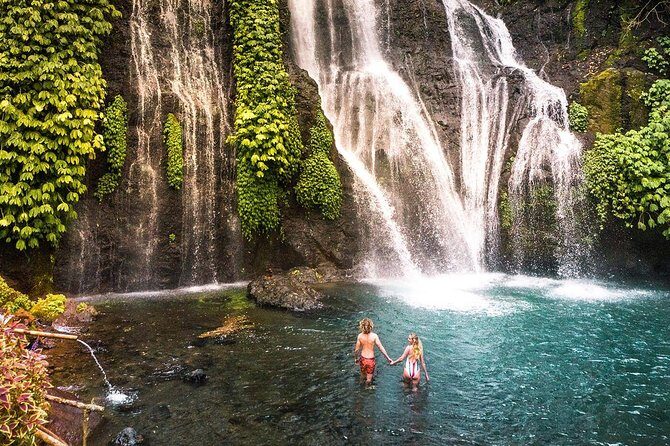
First stop is Tegenungan Waterfall, one of the more tourist-frequent waterfall areas with an estimated height of around 15–20 meters. The tour information notes that you can swim when water conditions are clear, which is a rare detail. Even if you don’t swim, it’s still a nice change of pace after a morning drive.
The practical reality is that “clear water” is the key phrase. If conditions don’t look right, you can still enjoy the waterfall area for photos and scenery. The allotted time is about 1 hour, so think of it as a snapshot stop: enough time to see it properly and take photos, but not a long hang.
One more thing: because the area includes nearby urban elements, it can feel a bit more crowded or less “wild” than more remote waterfalls. That doesn’t ruin it, but it helps you calibrate expectations. I like this kind of waterfall stop because it’s easy and scenic, and you still get to move on to calmer temple and garden moments.
Sacred Monkey Forest Sanctuary: Temples in the Middle of the Trees
Next up is Sacred Monkey Forest Sanctuary in Ubud, where gray macaques roam among Hindu temples in a forest setting. You’ll get about 2 hours here, which is a solid amount of time because the attraction is more than just “see monkeys.” It’s a walk through a temple environment with animals moving around the paths.
What I like about this stop is the contrast: the animals are part of the scene, but the temples are the reason the place exists. The sanctuary vibe makes it feel more cultural than purely animal-focused. You can slow down and notice the mix of nature, stone details, and temple spaces.
A possible consideration: monkey areas can get busy and unpredictable. The listing doesn’t describe rules, so I’d just use common sense—keep your hands free and stay aware while walking. You’ll enjoy it more if you treat the monkeys as wild neighbors, not pets.
Entrance is included, so you’re not paying extra once you arrive. That’s a small but real time-saver when you’re trying to keep the day flowing.
Tegallalang Rice Terrace: Classic Terracing in One Quick Hour
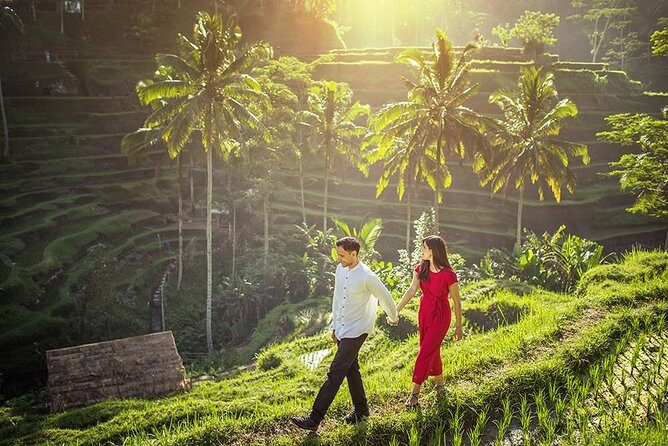
Tegallalang Rice Terrace is one of Bali’s best-known rice landscape scenes, and this stop is designed to give you a good look without turning the day into an all-day trek. You’ll spend about 1 hour here, and you’ll see traditional terraced planting that reflects how rice growing is handled on the island.
I like that the tour frames Tegallalang as part of Bali’s ancestral heritage and not just as a viewpoint. You can often notice how the terracing is shaped to manage water and farming over sloped ground. Even in a short visit, it helps you understand why these rice fields are photographed so often.
That one-hour time window can feel short if you want to wander slowly, take lots of pictures, and talk with locals. But it’s also the right length when the schedule includes temples and crafts afterward. For me, that’s the balance: a strong view stop that doesn’t crush your whole day.
If you’re sensitive to crowds, Tegallalang is popular. Come ready to share the view and move with the flow. You’ll still get the big scenery hits.
Other rice terrace tours we've reviewed
Tirta Empul Temple: A Hindu Water Temple Experience

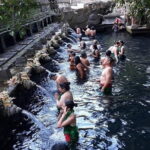
The tour then heads to Tirta Empul Temple (also written as Pura Tirta Empul), a Hindu Balinese water temple near Tampaksiring. This is described as a water temple with a petirtaan or bathing structure in the temple compound. You’ll spend about 1 hour at this stop, and admission is included.
What makes Tirta Empul meaningful is that it’s not just a pretty temple stop. Water temples in Bali connect to ritual life, and Tirta Empul is specifically known as a bathing structure within the compound. Even if you’re only watching, you’ll feel how the space functions as part of religious practice, not just a sightseeing backdrop.
A quick note for your planning: temple spaces generally ask for respectful behavior, and this tour lists a smart casual dress code. I’d treat that as your cue to keep clothing neat and modest enough to feel comfortable in sacred spaces.
This stop also works well as a pacing reset. After monkeys and rice terraces, Tirta Empul brings you back into a calmer rhythm—stone, water, and the slow movement of people in the compound.
Craft Village Time: Batik, Mas Wood Art, and Silver Making
After the temple and rice views, the tour shifts from nature and religion into hands-on culture. You’ll visit a craft area known for handicraft and handweaving batik, including a mention of Tohpati scenery. There’s also a stop in Mas village, described as a traditional Balinese village known for arts—especially wooden arts. Finally, the itinerary includes a place for the biggest silver crafting in Bali.
Even without exact timing for each of these craft stops, the intent is clear: this is not just “see Ubud.” You’ll also see what Ubud’s surrounding communities produce and sell. If you enjoy browsing markets and watching how things are made, these stops give you time to look more closely at materials and craftsmanship styles.
Why I think this part of the tour adds value: craft stops can become touristy if they’re rushed. But when they’re spread across different skills—batik weaving, carved wood in Mas, and silver crafting—you get a fuller picture of how art shows up in everyday Balinese life.
What to watch for: if your goal is buying, go in relaxed. If your goal is just seeing and learning, keep your energy for the moments that genuinely interest you and don’t feel pressured to buy anything just because you’re there.
How the Day Stays Balanced (Even When It Feels Packed)
The tour runs for about 8 hours, and it stacks five major experiences plus additional craft time. That’s why the order matters. You start with a waterfall, move into a forest sanctuary, then shift to rice terraces, temple ritual space, and end with crafts.
This sequence keeps the day from feeling repetitive. You’re not doing five temples in a row, and you’re not doing five “lookouts” in a row either. It’s also practical: each stop has an entrance ticket included, and each site has enough structure that the time on-site can feel productive even when it’s limited.
Where it can feel tight is between transitions. You’ll spend part of your day in transit, and then you’ll have limited time for lingering at each site. If you’re the type who loves to sit and absorb a place for an hour or two, this itinerary may feel like you’re moving faster than you’d like.
But if you want a strong sampler of Bali—waterfall, monkeys, rice terraces, water-temple culture, and craft villages—this is a solid way to get it.
What to Wear and Bring for Temples and the Waterfall
The stated dress code is smart casual, which is helpful because your day includes temples and sacred areas. I’d aim for clothing that feels comfortable for walking but also appropriate for temple compounds.
Since the waterfall stop notes possible swimming when water conditions are clear, it’s smart to think ahead:
- If you might swim, have swimwear ready and use a towel strategy
- Wear shoes you can walk in comfortably on uneven paths
- Bring a small bag you can keep secure if you’re near the monkeys
Also, the tour includes mineral water, but you may still want extra snacks since meals are not included. If you’re sensitive to hunger during travel days, pack a simple snack in advance so you’re not searching last-minute.
Guide Quality: The Kindness Factor That Changes the Day
One of the most praised parts of this experience is the guide team. The reviews are very clear on this point: guides are described as amazingly kind and helpful, and that human touch is what turns a checklist tour into a smoother day.
That matters more than it sounds. When you’re juggling multiple places—some with crowds, some with cultural spaces, some with craft browsing—having someone who’s responsive and genuinely helpful can help you feel less rushed and more confident about what to do next.
If you’re booking this expecting a friendly local voice and a guided flow from one stop to the next, this one delivers.
Should You Book This Ubud Cultural Loop?
Book it if you want an organized, value-priced culture-and-scenery sampler from the Nusa Dua area, with entrance fees included and door-to-door pickup. It’s a great fit for first-time Bali visitors or anyone who wants Ubud’s headline experiences—Monkey Forest, Tegallalang rice terraces, Tirta Empul, and Tegenungan Waterfall—in one day.
Skip it (or look for a slower alternative) if you hate tight schedules or you know you want lots of time to wander solo. Also, if you strongly prefer meals included, you’ll need to plan snacks yourself since meals are not part of the package.
If you can handle a full itinerary and you appreciate a kind guide keeping things moving, this is a sensible, good-value way to spend your day.
FAQ
What is the duration of the tour?
The tour duration is about 8 hours.
What time does the tour start?
The start time is 8:30 am.
How much does the tour cost?
It costs $37.00 per person.
Is pickup and drop-off included?
Yes. Hotel return transfer/pick-up and drop-off are included in the Nusa Dua area and many other areas listed.
Are entrance fees included?
Yes. Entrance fees are included for the listed stops.
What are the main stops on the itinerary?
You’ll visit Tegenungan Waterfall, Sacred Monkey Forest Sanctuary, Tegallalang Rice Terrace, Tirta Empul Temple, and craft-related stops including a batik/weaving village, Mas village, and a silver crafting place.
Can you swim at Tegenungan Waterfall?
You can swim when the water conditions are clear.
Is the tour private?
This is private in the sense that only your group participates.
What is the dress code?
The dress code is smart casual.
Can I cancel and get a full refund?
Yes. You can cancel up to 24 hours in advance for a full refund. If you cancel less than 24 hours before the start time, you won’t get a refund.
More Bali Waterfalls Tours


More Rice Terrace Tours
More Ubud Tours

More Bali tours we've reviewed








Bali Waterfalls Tours: how the alternatives stack up
 ★ 5.0
★ 5.0Best of Bali Waterfalls: Tibumana, Tukad Cepung and Tegenungan

The lists this tour appears in