
Electric Bike and Swing Package
One Bali day, zero taxi drama. This electric bike route turns Ubud-area countryside into an easy, hands-on ride, even on hillier bits. I also love the small-group feel and the way the day is built around real breaks—coffee, lunch, and photo stops. One heads-up: it’s about 8 hours, so if you hate long days or sitting for stretches, plan to take it slow.
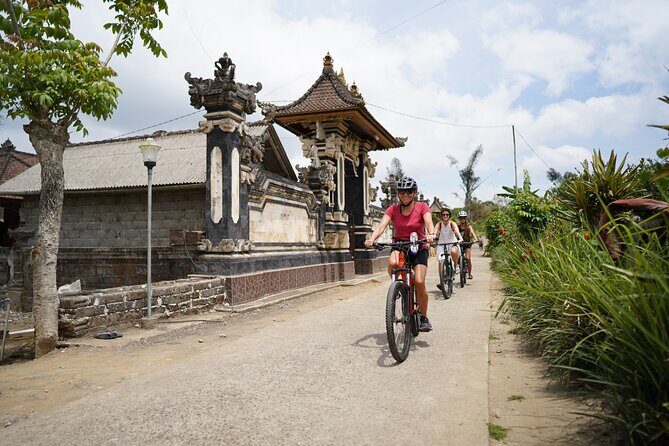
What makes this day special is the mix: countryside biking, cultural stops in Taro, and a clear explanation of Bali’s UNESCO-linked subak water system. You’ll also get hotel pickup and drop-off (Ubud and much of south Bali), plus a helmet and insurance, so you spend less time figuring things out and more time riding.
In This Review
- Key Highlights at a Glance
- Starting at Greenkubu: Breakfast, Coffee Break Energy, and Photo Time
- What to expect here
- A small consideration
- E-Biking Ubud to Kintamani: Hills Get Easier, Views Get Better
- Why this part is worth your time
- Who this suits best
- Taro Village: Real House Life, Temple Fronts, and Coffee Among Palms
- What makes Taro special on this route
- A practical tip
- Subak, Rice Fields, and Irrigation: The UNESCO Lesson You Can See
- What you’ll likely notice
- Consideration
- Tegallalang Finish and the Greenkubu Lunch Reset
- A good way to enjoy the lunch stop
- Guides and Safety: Why the Day Feels Smooth
- English and communication matter
- Price and Value: What $41 Buys You in a Full 8 Hours
- Who should feel especially good about the price
- A quick reality check
- Should You Book This E-Bike and Swing Day from Ubud?
- One important note about age
- FAQ
- How long is the Electric Bike and Swing package?
- Where does the tour take place?
- Is hotel pickup included?
- What’s included in the price?
- Do you need a certain fitness level?
- Is there a minimum age?
- Is the group size limited?
- What is the cancellation policy?
Key Highlights at a Glance
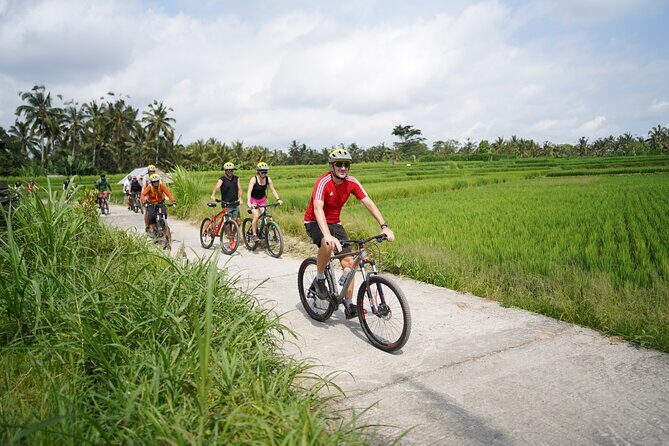
- Electric assist for hills: you get power when the road steepens, not just willpower.
- UNESCO-linked subak lessons: irrigation and rice farming explained as you ride.
- Taro village culture stops: home life, a temple front stop, and local coffee.
- Greenkubu meals and swing photos: breakfast, lunch, and a signature swing stop.
- Small group limit: maximum 15 people, which keeps the pace human.
Starting at Greenkubu: Breakfast, Coffee Break Energy, and Photo Time
Your day typically kicks off with breakfast at Greenkubu, before you mount the bikes. This matters more than you’d think. You’re going to do a lot of moving—start-stop riding, short transfers, and village walks—so a real breakfast helps you avoid the afternoon energy dip that can ruin a cycling day.
After breakfast, you’re set up with your bike and gear. You get a helmet and insurance as part of the package, and the guide handles bike basics on the route start. That bike intro is important if you haven’t used electric assist before. I like that you’re not left to guess the settings while everyone else is already rolling.
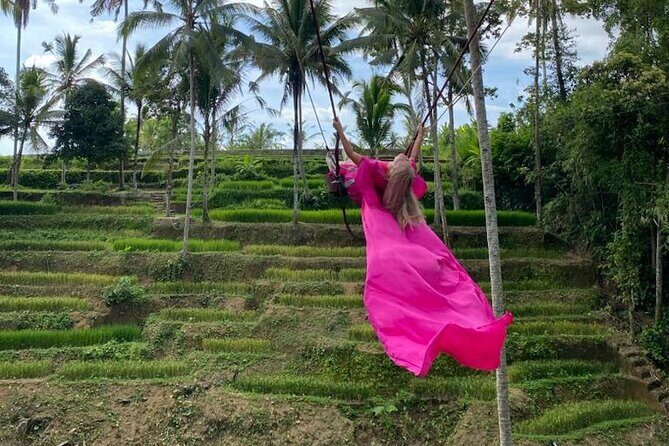
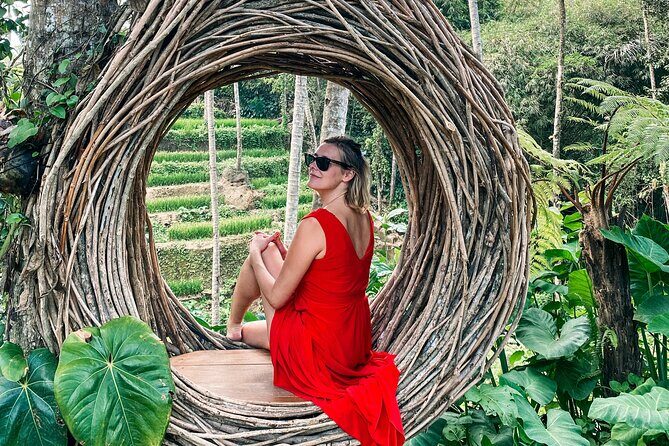
Greenkubu also ties into the photo side of the day. You’ll return later for lunch and another swing session, but the name alone hints what you’re in for: the Bali swing is the kind of stop people remember. Just don’t treat it like the whole point. The real value is how the swing fits into the ride—like a punctuation mark at the end of a full countryside segment.
What to expect here
- A breakfast stop around 45 minutes
- Setup time and guidance before the ride begins
- A place to get your bearings before countryside roads take over
A small consideration
If you’re the type who hates waiting around, ask your guide what the timing feels like once you’re there. The ride day includes multiple short stops, and you’ll want a sense of how long each one takes so you don’t feel rushed later.
E-Biking Ubud to Kintamani: Hills Get Easier, Views Get Better
This is the core of the tour: riding through the Ubud area and into the Kintamani countryside. The electric assist is the key difference maker. With it, you can focus on steering and enjoying the route instead of turning every hill into a workout you didn’t plan for.
Your riding starts in Abuan, Kintamani village. The guide gives you an explanation of the bikes and the route before you ride off, which is helpful if your group includes different experience levels. The goal here isn’t speed. It’s variety: different roads, different scenery, and the chance to stop and look without feeling like you’re holding up a motorbike tour.
A short Kintamani stop happens right near the start. It’s not long—about 15 minutes—but it’s a useful moment to see what the day feels like once you’re out of the first cluster of activity.
Why this part is worth your time
- Electric assist makes countryside cycling realistic for more people.
- You get movement without the “slog up the hill forever” problem.
- The ride format gives you chances to observe farms and irrigation rather than just driving past them.
Who this suits best
If you have moderate physical fitness, you’ll probably be comfortable. If you’re brand-new to cycling, the electric help can make a big difference, but it still involves longer stretches of riding and short walks at stops.
Taro Village: Real House Life, Temple Fronts, and Coffee Among Palms
Once you’re rolling, the tour shifts from riding scenery into village context. Your first Taro stop focuses on Balinese family life in an extended household. This isn’t just a quick photo point. You’ll spend about 45 minutes there, enough time to understand what you’re looking at—how people live in a compound, and how that structure supports daily life.
Next is a coffee break in a palm tree garden. It’s about 30 minutes, and it’s the kind of pause that keeps the day from turning into pure effort. Coffee here is also a cultural buffer. You’re on a bike, then suddenly you’re sitting, tasting, and resetting.
Then comes a temple-front stop in Taro, at Gunung Raung Temple. You’ll get around 30 minutes here. Temple visits on biking days work best when you have a guide pointing out what matters—where people focus their attention, what features mean, and how the place fits into the wider rhythm of the local area. This is also where a good English-speaking guide becomes more than “nice to have.” From the reviews, guides like Yoga have been praised for clear English, which can turn a quick temple stop into something you actually understand.
What makes Taro special on this route
- You learn about family compound life rather than only seeing monuments.
- The coffee stop breaks up the ride in a satisfying way.
- The temple-front visit adds meaning to the countryside you’re biking through.
A practical tip
Bring a light layer. Even if the sun is strong during the ride, temple and garden shade can cool things down fast.
Subak, Rice Fields, and Irrigation: The UNESCO Lesson You Can See
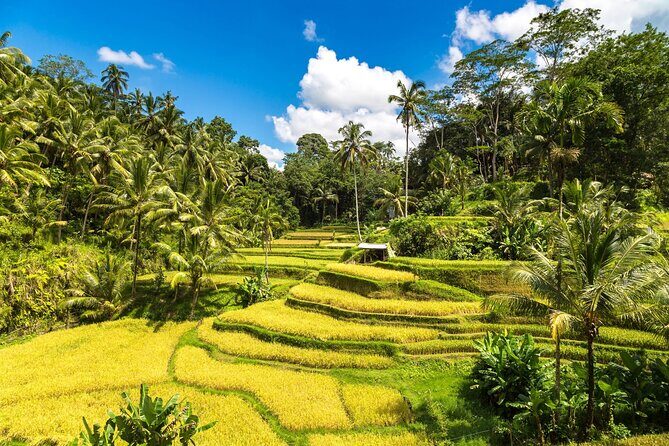
Here’s the educational heart of the day. You ride through Bresela rice fields and learn about the irrigation system of subak, which is tied to UNESCO world heritage status in Bali. The tour time for this segment is about 30 minutes.
This is one of those rare moments where a term you’ve heard online becomes real. Subak is not just a farming label. It’s a system of water management and community cooperation. When your guide explains it as you bike past rice fields, you start noticing the logic: water flow, timing, and why the fields look the way they do.
This stop also gives you a different angle on Bali. Instead of only focusing on temples and craft markets, you’re looking at how food and water systems shape daily life. That’s why people remember this kind of ride long after the swing photos fade from their camera roll.
What you’ll likely notice
- The pattern of fields and water movement
- How irrigation links multiple plots
- Why farming isn’t just individual work here—it’s coordinated
Consideration
Subak explanations rely on your guide’s pacing and your attention. If you tune out during the talk, you may miss why this stop matters. I recommend listening for one simple idea: how water is shared and scheduled.
Tegallalang Finish and the Greenkubu Lunch Reset
After the Bresela segment, the ride concludes in Tegallalang village. That stop is shorter—around 15 minutes—but it works well as a transition. You’ve done the main cultural and irrigation learning, and now you’re shifting into food and photo time.
Then you head back to Greenkubu Restaurant and Swing for lunch, with about 45 minutes for the meal. The lunch is Indonesian food, and the setting is part of the experience. One of the practical advantages of including lunch in the package is that you avoid the “where do we eat now” scramble, especially when the day is paced with multiple short stops.
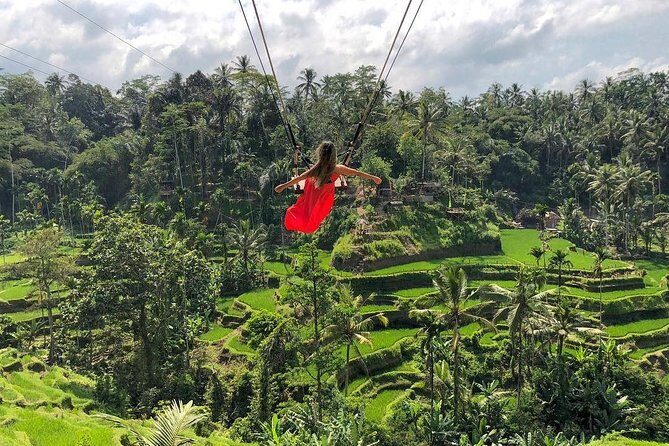
After lunch, you do the swing session again—about 45 minutes total for the swing time and photo opportunities. This is your chance for the classic Bali swing pictures in a more relaxed way, because you’re not rushing while hungry or tired.
A good way to enjoy the lunch stop
Eat when you’re hungry, not when you’re full. Then pace yourself before the swing session, because you’ll want enough energy for photos and movement around the venue.
Guides and Safety: Why the Day Feels Smooth
This tour works because the guide role is real, not just “someone holding a flag.” In the reviews, guides like Dalma, Yoga, Pendi, and Kadek are singled out for being professional, local, and genuinely helpful.
The most consistent praise isn’t just that they know Bali. It’s that they guide the day in a way that keeps it safe and enjoyable: checking you’re comfortable with the bike, helping with the route, and explaining the stops so you understand why you’re standing there.
Safety elements included with the package are straightforward:
- Helmet provided
- Insurance included
- Bike setup and route explanation before riding
If you’ve ever done a scooter day where the rules feel fuzzy, you’ll appreciate the clarity here. The electric bike still needs common sense, but the structure reduces the chaos.
English and communication matter
If you care about explanations, look for guide-style reviews. Yoga being praised for English that’s easier to follow is a good sign that the cultural stops won’t be a confusing blur.
Price and Value: What $41 Buys You in a Full 8 Hours
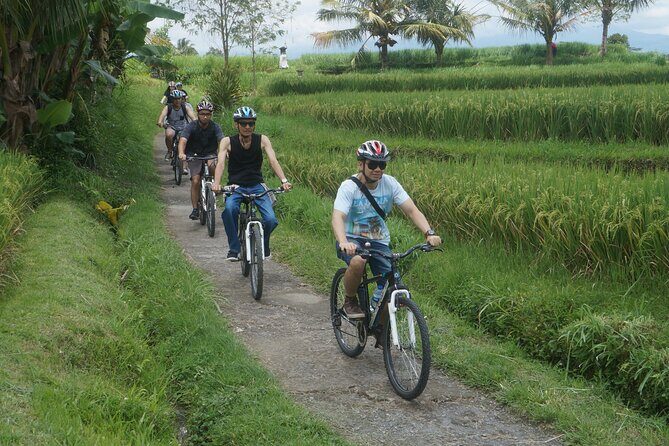
At $41 per person, this isn’t just an inexpensive activity. It’s a full-day bundle: biking, a guide, two meals (breakfast and lunch), coffee time, hotel pickup and drop-off, and the bike with helmet and insurance.
That combination is where the value shows up. You’re not paying separately for transport across multiple countryside stops. You’re also not piecing together food plans while trying to keep a group moving.
The ride day also stays small, with a maximum of 15 travelers. That size helps with pacing. You’re more likely to get personal attention at stops, especially when the guide is explaining something like subak irrigation.
Who should feel especially good about the price
- People staying in Ubud or south Bali who want pickup
- Food-included travelers who don’t want to hunt for lunch
- Visitors who want countryside and culture in one day
A quick reality check
This isn’t marketed as an extreme off-road adventure. It’s a guided e-bike route with cultural stops, not a technical mountain biking test.
Should You Book This E-Bike and Swing Day from Ubud?
Book it if you want a day that mixes countryside riding with explanations you can actually use. The electric assist makes the Kintamani route feel doable, and the subak stop gives you more than postcard scenery. Add in breakfast, lunch, and the signature Greenkubu swing, and you get a complete, low-stress package.
I’d think twice if you:
- Dislike long days (it’s about 8 hours)
- Struggle with sustained time on a bike, even with electric assist
- Want a super flexible, no-schedule experience (this day has a set rhythm with several stops)
One important note about age
The package lists a minimum age of 18. If you’re traveling with younger people, confirm directly with Greenbike Adventure before you assume it’s okay.
If you want one practical souvenir from Bali that isn’t just a photo, this tour leans that way: you’ll come home with images, sure, but also a clearer picture of how Bali’s rice irrigation system works—and why the countryside you rode through looks the way it does.
FAQ
How long is the Electric Bike and Swing package?
It’s listed as approximately 8 hours.
Where does the tour take place?
It’s in Ubud, Indonesia, with riding that reaches the Kintamani countryside and includes stops around Taro and Tegallalang.
Is hotel pickup included?
Yes. 2-way transfers are offered from hotels in Ubud and much of south Bali.
What’s included in the price?
You get breakfast and lunch, coffee during the day, a guide, your e-bike, helmet, and insurance.
Do you need a certain fitness level?
The tour asks for travelers with moderate physical fitness.
Is there a minimum age?
Yes, the minimum age is 18 years.
Is the group size limited?
Yes. The tour has a maximum of 15 travelers.
What is the cancellation policy?
You can cancel for a full refund if you cancel at least 24 hours in advance. If you cancel less than 24 hours before the start time, the amount paid is not refunded.
More Cycling Tours
More Tour Reviews




More Ubud Tours
Ubud Tours: how the alternatives stack up
 ★ 5.0
★ 5.0Ubud: Monkey Forest, Jungle Swing, Rice Terrace, and Water Temple
The lists this tour appears in