
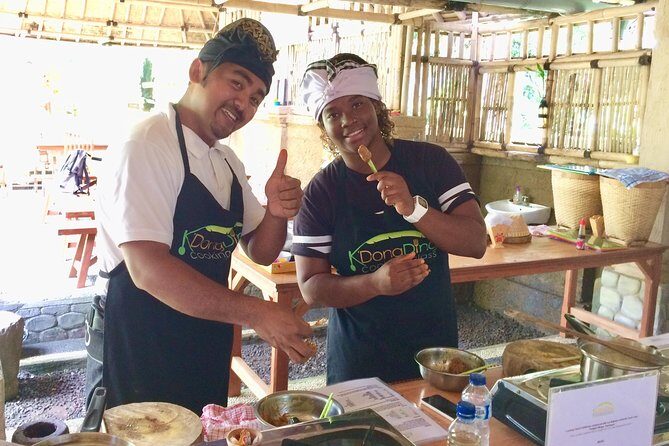
Exclusive Authentic Balinese Cooking Class at Family home
Your hands learn Bali faster than your phone.
This private class near Ubud starts with a real trip to Payangan Market, then moves into a family open-kitchen setup where you’re not watching from the sidelines. You’ll test spices, prep using traditional methods, and end with a meal you made yourself.
I especially love two things. First, the cooking is truly hands-on: chopping, pounding, grinding, grilling, and making the sauces/pastes that give Balinese dishes their bite. Second, you’re hosted in a real family compound house atmosphere, with an instructor like Nyoman Mahendra who guides you while you do the work.
One thing to consider: it’s a 6-hour session, so come ready to focus. Also, like many outdoor experiences, it’s weather-dependent and can be rescheduled or refunded if conditions get poor.
In This Review
- Key highlights worth knowing before you go
- Why Payangan Market Is the Real Start
- Inside a Balinese Compound House Kitchen
- The Hands-On Cooking: Stone Mortar, Wooden Blocks, and Sauce Work
- What You’ll Cook (and Why Those Dishes Make Sense)
- Morning Market Class vs Afternoon Session (Lunch vs Dinner)
- Price and Logistics: Does $75 Add Up?
- What to Expect from the Teaching (Even If You’re Not a Chef)
- Who Should Book This Class Near Ubud
- Should You Book This Balinese Cooking Class at a Family Home?
- FAQ
- How long is the Balinese cooking class?
- Do you offer hotel pickup and drop-off in the Ubud area?
- Where does the experience start and end?
- Does the class include lunch or dinner?
- Are vegetarian options available?
- How many people are in a booking?
- Is there an age limit?
- What should I bring?
- What happens if I cancel or the weather is poor?
Key highlights worth knowing before you go
- Payangan Market first: you’ll see and taste ingredients before cooking starts
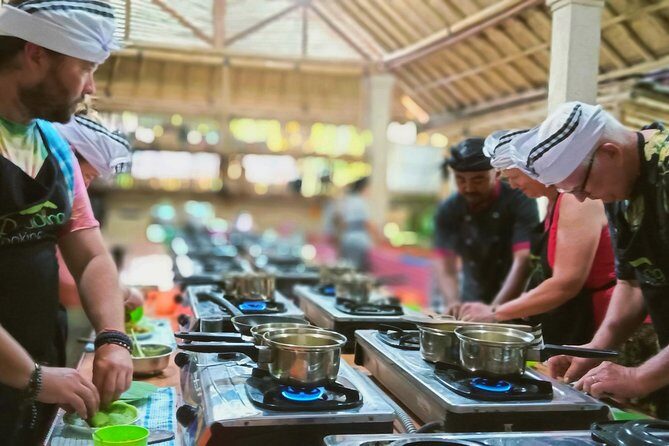
- Family compound setting: tour the grounds and cook in an open-air kitchen
- Traditional technique focus: stone mortar + wooden chopping block for paste and sauce prep
- Private format, up to 12 people: each person has a station and gets to cook
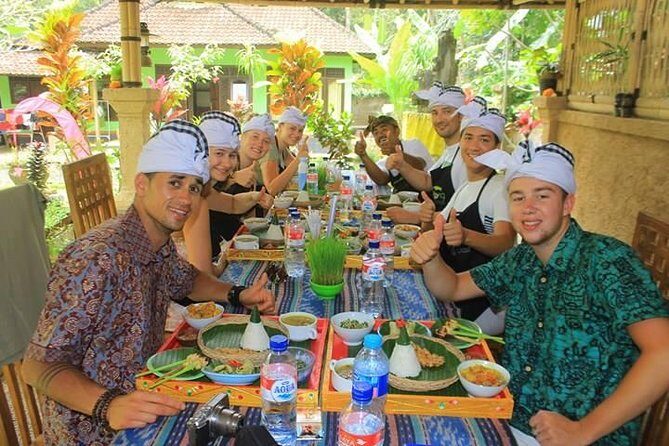
- You eat what you cook: lunch for morning classes, dinner for afternoon classes
Why Payangan Market Is the Real Start
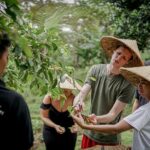
The best cooking classes don’t start with a stove. This one starts with food sourcing, at Payangan’s market area, so you understand what you’re buying before you’re cooking it. You get to see the kinds of produce, herbs, and spice ingredients that show up again and again in Balinese meals.
This first stop matters because it changes how you cook later. When you can point to the ingredients and understand their role, you stop treating recipes like a checklist and start treating them like local food science.
You’ll also learn what to look for—spices, vegetables, and the flavors people build into everyday dishes. Expect an energetic, practical guide-style explanation as you move through stalls and foods that you might never spot on a menu back home.
Inside a Balinese Compound House Kitchen
After the market, you head to a Balinese compound house where the vibe shifts from “buying ingredients” to “living like locals cook.” You’ll typically get a welcome drink—Bali coffee or tea—paired with Balinese cake, then transition into the kitchen space.
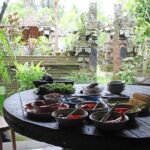
This is where the experience feels most authentic. The open kitchen format makes it clear how Balinese cooking works: lots of hands-on prep, shared workspace, and a rhythm built around paste-making and flavor layering. You also get time to tour parts of the property, and in some cases you might meet family-resident animals (one review mentioned a rescued monkey) and hear about bee honey kept on-site.
That family setting is not just charming—it’s useful. You’re more likely to ask questions and get straightforward answers about ingredients, flavor balance, and how dishes are traditionally prepared. It’s the kind of place where cooking isn’t a performance. It’s daily life.
The Hands-On Cooking: Stone Mortar, Wooden Blocks, and Sauce Work
Here’s what you’ll notice fast: this class treats paste and sauce preparation as the heart of Balinese cooking. You’ll test spice ingredients, then learn how Balinese spice preparations can be handled in two classic ways—chopped on a wooden chopping block or ground in a stone mortar—before they’re cooked into different pastes, sauces, and seasoning bases.
This is hands-on learning at its best. You’re not just mixing. You’re doing the physical steps that build texture and release flavor:
- Chopping: controlled cuts, good for herbs and aromatics
- Pounding/grinding: turning whole spices into a fragrant paste
- Cooking sauces/pastes: building depth rather than just heat
Your instructor (often named Nyoman Mahendra in the experience stories) keeps things guided without taking over every step. The goal is that you do the work yourself. Several people specifically praised how the teaching stayed friendly and informative, even for those without cooking experience.
Also, you’ll have cooking tools and ingredients provided, and every participant gets a station. That matters in a class of up to 12 people—you’re not standing around waiting for the one cutting board or the one wok.
What You’ll Cook (and Why Those Dishes Make Sense)
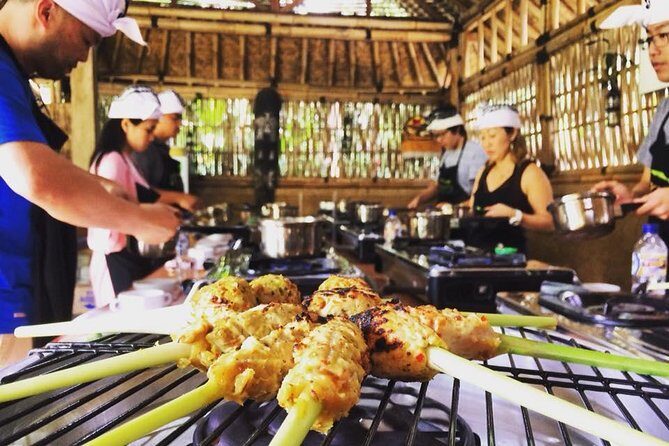
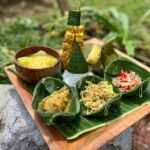
The dish list focuses on classic Balinese flavors rather than generic “international cooking.” You’ll learn to prepare items such as Jukut Urab (vegetarian), Sate Lilit Ayam (and a tofu option), Calon Be Siap With Chayote Soup (vegetarian/tofu option), Tahu Mesanten (vegetarian), and Dadar Gulung (vegetarian) ala kdongding.
A practical tip: these dishes are great for taking home because they represent techniques more than just one recipe. Urab-style dishes help you understand herb and vegetable seasoning. Sate lilit shows you how Balinese grilling gets tied to a spice base rather than plain meat seasoning. Tahu mesanten teaches sauce richness and how coconut-based flavor fits in.
For the chayote soup, there’s also special nutrition messaging included in the experience description, noting chayote’s low calories and fibrous profile, and that it may support weight loss efforts and digestion. I’d treat that as friendly info rather than medicine, but it does give context for why local ingredients are valued beyond taste.
If you’re vegetarian, the class is designed to handle it. Just tell them in advance, because vegetarian preparation has to be planned in the menu. When you do, you’re more likely to get a full set of dishes you can actually cook and eat confidently.
Morning Market Class vs Afternoon Session (Lunch vs Dinner)
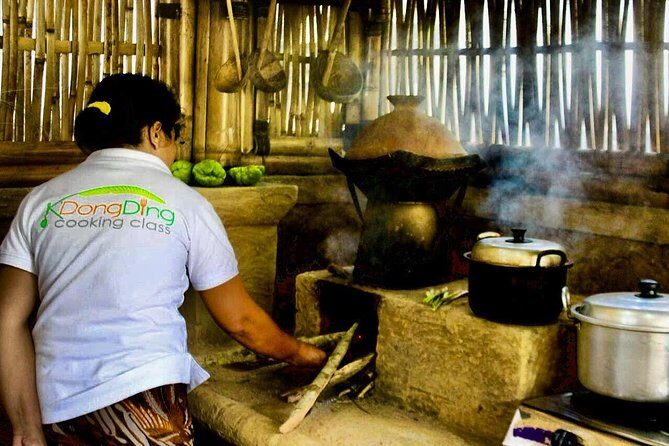
Timing changes the whole feel of the day. You can choose a morning class that includes a lunch built from the dishes you make, or an afternoon class that ends with dinner.
Morning classes are great if you like active mornings and want your whole day to feel productive. Lunch also gives you a satisfying payoff: you cook, you sit down, and you eat the same meal while your skills are still fresh in your head.
Afternoon classes are a nice option if you’ve already packed in temples and rice terraces earlier. Dinner feels like a complete end point to your day in Ubud, and it’s easier to keep the energy up because the session still ends with a meal you helped create.
In both cases, you’ll get snacks during the workshop and you’ll be able to refill water at the class for free. They also ask you to bring your own bottle water to reduce single-use plastic, which is a small habit shift worth making.
Price and Logistics: Does $75 Add Up?
At about $75 for roughly 6 hours, the value depends on what you’re comparing it to. If you’re thinking “I could book a cheaper cooking tour,” sure, you could. But most budget options trade away one of the big three: real market time, genuine hands-on prep, or a family/home setting.
This experience stacks the basics you actually want:
- Pickup and drop-off in the Ubud area (so you’re not stressing about transport)
- A private setup with a cap of 12 participants
- Station-by-station cooking, tools, and ingredients
- A recipe book and a cooking workshop certificate
The price also feels more reasonable when you factor in meals. Morning classes include lunch you cook yourself; afternoon classes include dinner you cook yourself. So you’re not just paying for instruction—you’re paying for a full culinary experience and food you’d otherwise buy.
One logistics note: the class car can fit up to 6 passengers. If your group is larger than 6, there’s an extra cost for guests 7 to 12. It’s still private, but you should plan for that if you’re traveling as a bigger group.
If you’re staying outside Ubud, there are extra transfer charges for areas like Sanur, Seminyak, Kuta, Legian, Nusa Dua, and Jimbaran. If you’re based in Ubud or Payangan, you’ll likely find the transport simpler thanks to the free pickup in those areas.
What to Expect from the Teaching (Even If You’re Not a Chef)
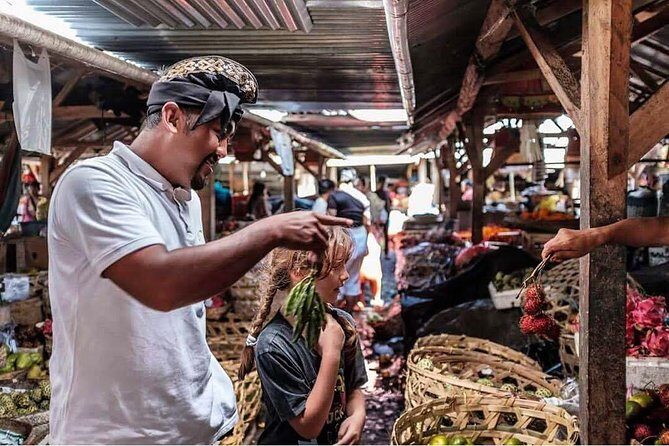
One reason people rate this class so highly is the teaching style. You’re guided step-by-step, with the instructor focusing on the “why” behind technique—especially paste and sauce preparation. But the pace is still yours. The class structure supports learning through doing, not memorizing.
You’ll practice real cooking actions like chopping, pounding, pestling, grilling, and feasting. That’s not just a marketing line; it’s exactly the sort of skill transfer you’ll use later when you cook at home and want flavors that taste like you did something more than open a jar.
If you like asking questions, this setup works well. The teaching includes explanations you can build on, and at least one instructor-led cooking story highlighted how you can quiz the chef about origins and Balinese cultural context around the foods.
Also, the atmosphere feels friendly. You’re not trapped in a classroom. You’re cooking in a working family home setting where the day’s goal is good food and good guidance.
Who Should Book This Class Near Ubud
This class is a great match if:
- You want a real Balinese cooking experience rather than a quick demo
- You care about technique—especially spice pastes and sauces
- You like market time and ingredient education
- You’re traveling with a friend or family group that wants private, practical instruction
It also suits vegetarians, as long as you tell the team ahead of time so they can prep a vegetarian menu properly. Minimum age is 12, and children must be accompanied by an adult, so it’s usually better as a family activity for older kids and teens.
If you hate being hands-on, or if you only want to watch and taste, this might not feel as satisfying. The point here is that you do. Even the best chef can’t teach you the feel of grinding spices without you actually gripping the tools.
Should You Book This Balinese Cooking Class at a Family Home?
If you’re spending time in Ubud and you want one activity that’s both memorable and useful after the trip, I’d book it. This is value-forward because you get market learning, a family-home setting, and a full meal built from your own cooking effort—plus a recipe book and certificate to keep the memory tangible.
Skip it only if you’re short on time, dislike active cooking, or you’re not comfortable with the idea that the class runs like a real kitchen workflow (not a padded, hands-off show). If you can show up curious and ready to work, you’ll leave with new skills, not just photos.
In short: for hands-on Balinese flavor learning with real local sourcing, this one is easy to recommend.
FAQ
How long is the Balinese cooking class?
It runs for about 6 hours.
Do you offer hotel pickup and drop-off in the Ubud area?
Yes. Free pickup transport in Ubud and Payangan area is provided, with round-trip transport included from Ubud hotels.
Where does the experience start and end?
It starts at Payangan Market (Unnamed Road, Melinggih, Kec. Payangan, Kabupaten Gianyar, Bali 80572, Indonesia) and ends back at the meeting point.
Does the class include lunch or dinner?
Morning classes include lunch, and afternoon classes include dinner. In both cases, the menu is made by you and then you eat it.
Are vegetarian options available?
Vegetarian meal options are available, but you need to let them know in advance so they can prepare it.
How many people are in a booking?
It’s private for your group, with a minimum of 1 person and a maximum of 12 people. If your party is more than 12, you should contact the provider for solutions.
Is there an age limit?
The minimum age is 12 years, and children must be accompanied by an adult.
What should I bring?
They request that you bring your own bottled water to help reduce single-use plastic.
What happens if I cancel or the weather is poor?
The experience is non-refundable and cannot be changed for any reason. If it’s canceled due to poor weather, you’ll be offered a different date or a full refund. If the minimum number of travelers isn’t met, you’ll be offered a different date/experience or a full refund.
More Tour Reviews






More Balinese Cooking Classes

More Ubud Tours
Ubud Tours: how the alternatives stack up


 ★ 5.0
★ 5.0Ubud: Monkey Forest, Jungle Swing, Rice Terrace, and Water Temple



The lists this tour appears in