
Review · Bali Waterfalls Tours
Famous Ubud villlage and Dance Tour with Rice Terrace And Waterfall Visit
One long day in Ubud can feel like a whole mini-trip. You’ll start early to catch the Sahadewa Barong Dance & Fire Dance at Batubulan, then sweep through creative stops around Ubud, ending with classic views at Tegalalang and Tegenungan waterfall. The schedule is packed, and lunch isn’t included, so you’ll want to plan for food on your own.
I really like how this tour is set up for convenience. Hotel pickup and drop-off keep the transport stress low, and the day includes all entry tickets, so you’re not bouncing around paying at each place. Still, because it runs about 8 to 10 hours, you’ll want comfortable shoes and a calm pace mindset.
Timing matters here. The day begins around 8:15–8:30 am and typically returns around 6 pm, with a mobile ticket and a guide/driver handling the route. One more note: the dress code is formal, so skip beachwear even if it’s hot.
In This Review
- Key highlights to know before you go
- Why this Ubud culture-and-nature loop makes sense
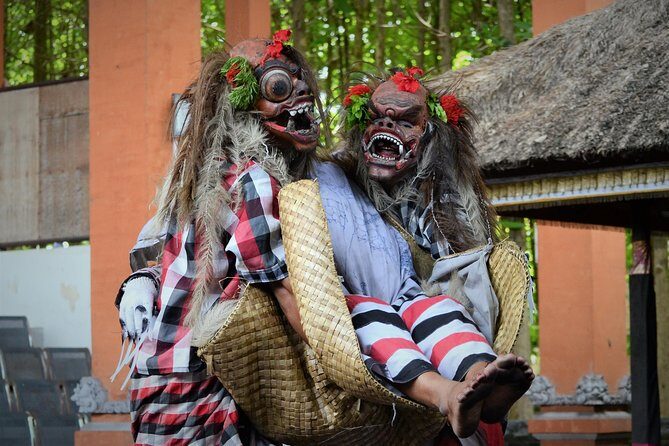
- The morning show: Batubulan Barong and Fire Dance
- Celuk Village: a quick look at Bali painting culture
- Dewa Putu Toris and the painter community stop
- Mas Village wood carving: Werochana stop
- Ubud Traditional Art Market and Ubud Palace area
- Tegalalang rice terrace: photos, shade, and real scenery
- Bali Pulina coffee plantation: the kopi luwak angle
- Tegenungan waterfall: what to expect at the end of the day
- Price and logistics: does $49.85 feel fair?
- Who should book this tour (and who might skip it)
- Should you book this Ubud tour?
- FAQ
- What time does the tour start, and when does it end?
- How much does the tour cost?
- Is hotel pickup and drop-off included?
- Are admission tickets included?
- Is lunch included in the price?
- Is the tour private?
- What is the dress code?
- Is there a vegetarian option?
- Can I cancel for free?
Key highlights to know before you go
- Batubulan Barong and Keris Fire Dance (9:30 to 10:30 am): a strong cultural performance in the middle of the morning.
- Celuk + Mas creative stops: you’ll see how painting and wood carving shape village identity.
- Ubud Traditional Art Market and Ubud Palace area: a simple way to browse local crafts and everyday goods.
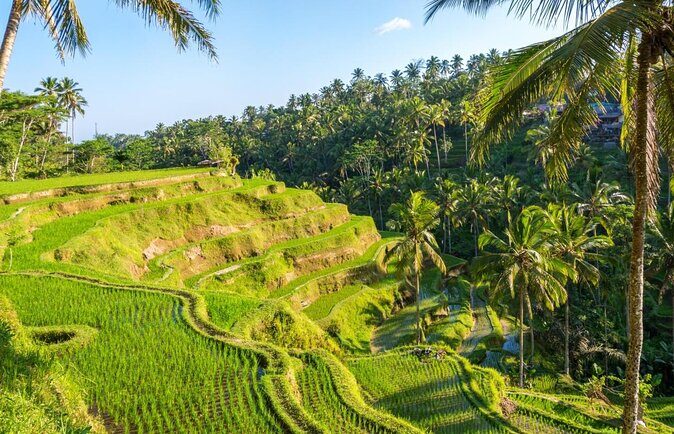
- Tegalalang rice terrace views: scenic layered rice landscapes with coconut trees and a river valley feel.
- Bali Pulina coffee plantation stop: quick look at kopi luwak and why it’s low-production and expensive.
- Tegenungan waterfall visit: nature scenery with built-up viewing access near the falls.
Why this Ubud culture-and-nature loop makes sense
Ubud is the kind of place where you can plan an entire week, but most of us don’t have that luxury. This tour is built for people who want variety without doing logistics all day: dance performance, art villages, a market and palace area, rice terraces, coffee, and a waterfall.
What makes the pacing work is that the main cultural show happens early, before the crowds and heat build up too much. Then you move through smaller stops—short enough to keep the day moving, but long enough to actually look around. If you’ve ever felt like Ubud turns into a blur of scooters and hurried photos, this format helps you slow down where it counts.
Also, this is a private setup for your group. That matters in Bali traffic. You’re not negotiating space with a bigger crowd plan, and your driver can adjust timing so you arrive for key moments.
The morning show: Batubulan Barong and Fire Dance
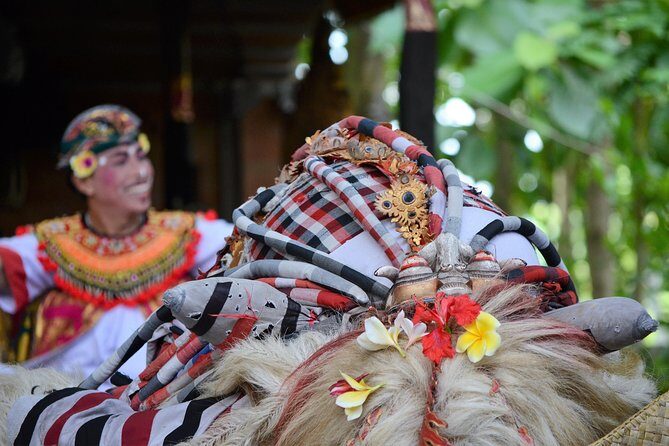
Your day centers on the Sahadewa Barong Dance & Fire Dance at Batubulan Village, scheduled from 9:30 am to 10:30 am. This is one of those performances that gives you cultural context fast. The Barong play represents an eternal fight between good and evil spirits, so it’s not just dancing for entertainment—it’s storytelling with meaning.
Here’s what I’d pay attention to as you watch:
- The drama is structured, not random. The energy builds and the action moves with the story.
- The Keris and fire elements are part of that symbolic contrast. Even if you don’t know the details beforehand, you’ll feel the intensity.
Practical note: because the show is timed, being punctual is a big deal. The value of a good driver/guide isn’t subtle here. In the feedback I saw, Komang G stood out for getting people to each event on time, and for handling the hectic driving rhythm without making the day stressful. That kind of reliability turns the morning from chaotic into smooth.
Celuk Village: a quick look at Bali painting culture
After the show, you head to Celuk Village, in the Sukawati district of Gianyar. This stop is short—about 20 minutes—but it’s designed to give you a targeted taste of Ubud’s broader art scene.
You’ll likely see how artists and workshops support a craft community day-to-day. Even if you only have a brief window, the main payoff is perspective: Celuk is known for artistic production, not just sightseeing.
If your goal is to buy something, this is the kind of stop where you can spot styles you like before you reach the larger market later. Think of it as a warm-up for browsing, so your eye gets trained early.
Dewa Putu Toris and the painter community stop
Next comes Dewa Putu Toris, presented as a painter’s community stop. It’s scheduled for about 15 minutes, and the entry here is listed as free.
Because the time is brief, you’ll get the most out of it if you go in with a simple intention:
- Look for recurring themes or a consistent style.
- Notice the tools and process more than trying to read every sign.
This is also one of the moments where a private guide can help you interpret what you’re seeing. The tour structure is built to keep you moving, but you still have time for a real look.
Mas Village wood carving: Werochana stop
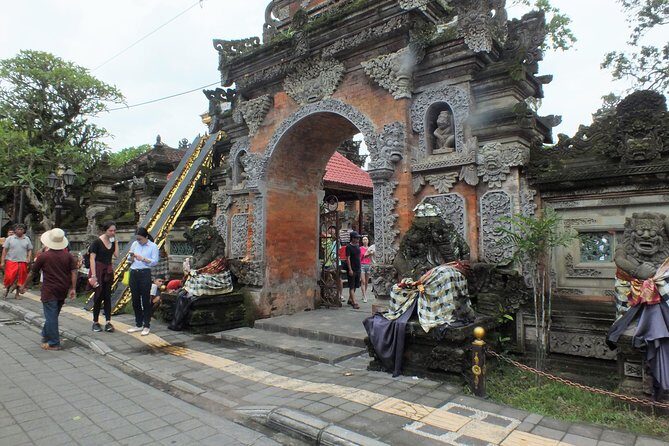
Then you shift to Mas Village, focused on wood carving, with a stop at Werochana Wood Carving. This is about 20 minutes and also listed as free entry.
Wood carving in Bali isn’t casual decoration—it’s craft identity. Even within a short stop, you can see the labor that goes into the final work: block-to-shape, fine detailing, and how pieces are finished.
A smart approach for this stop:
- Spend time finding the craftsmanship level you’re willing to pay for.
- If you plan to purchase later, take mental notes now: small differences in design can matter a lot.
Ubud Traditional Art Market and Ubud Palace area
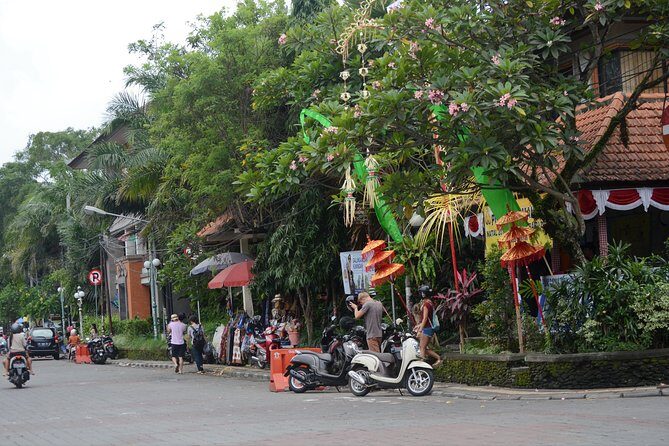
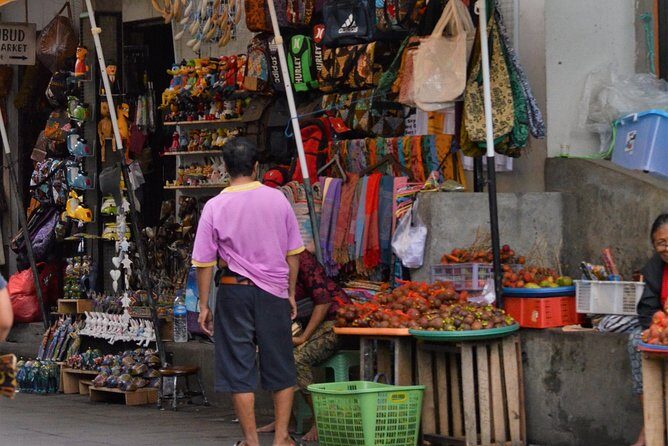
By the time you reach the Ubud Traditional Art Market and the Ubud Palace area, the day starts to feel more like local life than a checklist. This stop runs around 1 hour, and entry is included.
You’ll get two different market vibes in one visit:
- The traditional market side sells daily food and tends to open earlier.
- The arts market side focuses more on handicrafts.
This is where you’ll want to slow down slightly. Even if you aren’t shopping, the market helps you understand what people actually buy and use, not just what tourists like to photograph. It also sets up a smoother rice terrace and waterfall experience afterward, because you won’t be stuck trying to find snacks at random times.
One more practical point: since lunch isn’t included, the market can be your best bet for a quick meal or snack. Your guide may be able to help you time it, but your best move is to think ahead so you don’t end up hangry and rushed later.
Tegalalang rice terrace: photos, shade, and real scenery
Next up is Tegalalang Rice Terrace at Tegallalang Village. This stop is about 1 hour, with admission included. You’ll come for the layered views, but also because this place gives you texture: rice terraces, coconut trees, and a small river valley feel.
Why I like this kind of stop on a tour: it’s visual but not sterile. You’re not looking at one single viewpoint—you’ll see different angles as you walk around, and that helps make your photos look less repetitive.
Tips that keep things comfortable:
- Wear shoes with grip. Some paths can be uneven.
- Bring water and plan for sun. Even with cloud cover, the heat can move in fast.
- If you’re sensitive to crowds, aim for a slower pace and choose one main photo spot before you wander.
This is also a good moment to reset your energy before the coffee and waterfall segments.
Bali Pulina coffee plantation: the kopi luwak angle
The coffee stop is at Bali Pulina Coffee Plantation. It’s scheduled for about 20 minutes and includes admission.
The highlight here is kopi luwak, also described as civet coffee. The tour info explains why it costs more: it’s low-production, and the process involves the beans coming from coffee berries eaten by the Asian palm civet. That gives you a clear, simple explanation without turning it into a long lecture.
Reality check: 20 minutes is enough to understand the story and maybe taste, but it’s not enough to become a coffee expert. Treat this as a short educational pause in the middle of a busy day.
Also, if you know you’re not interested in coffee at all, you might want to use this time to take a break, use the restroom, and rehydrate. The tour still keeps you moving so you can get to Tegenungan.
Tegenungan waterfall: what to expect at the end of the day
Finally, you reach Tegenungan Waterfall, with about 30 minutes on site. Admission is included, and the focus is on the natural scenery: green trees and a classic waterfall setting.
There are also facilities near the falls, since the area has been developed for access and visitor viewing. That’s useful because you’re not just standing in one spot—you can usually find a vantage point.
Photo note: the waterfall can be great for quick shots, but it can also be slippery. Stay aware of where you step, and keep your phone secured if mist is in the air.
This stop works well as a closer because it’s a change of rhythm. After art, rice terraces, and coffee, nature gives your brain something different to process.
Price and logistics: does $49.85 feel fair?
At $49.85 per person, this tour is priced like a value bundle. You’re paying for a private driver/guide, hotel pickup and drop-off, parking, and all entry tickets, plus handling charges and taxes.
What’s not included is the obvious thing that can change your day: lunch and personal expenses. If you want the best value, plan to eat either before the market segment or during the market hour. When you do that, you avoid spending time and money later trying to locate food while you’re already on the clock.
For logistics, the big win is the driver’s timing. In the feedback, Komang G was specifically praised for staying on schedule and managing Bali driving stress. Another named team member, Yusand, appears in operator responses tied to positive experiences. The point is simple: when the driver is confident, you spend less energy worrying about routes and more energy enjoying stops.
One small bonus: the tour format can include flexibility on the way back. In one account, a driver even accommodated a quick supermarket stop to pick up groceries, which is a practical advantage if you’re staying somewhere with a kitchenette or you want snacks for later.
Who should book this tour (and who might skip it)
This is a great fit if you:
- Want culture + crafts + scenery in one day.
- Like structured timing, especially for performances like the 9:30 am dance show.
- Prefer pickup and drop-off so you don’t manage multiple taxis.
You might hesitate if you:
- Hate long days. This runs 8 to 10 hours.
- Need a big sit-down lunch every day. With lunch not included, you’ll want a backup plan.
Also, the dress code is formal. If you’re arriving straight from the beach, you’ll probably need a quick clothing change.
Should you book this Ubud tour?
I’d book it if you want a fast, focused taste of what makes Ubud special: a meaningful dance show, art-village craft stops, a real market moment, then nature payoff with rice terraces and Tegenungan waterfall. The inclusion of entry tickets and pickup makes it feel like a low-friction way to hit multiple highlights without turning your day into transportation homework.
I’d skip it only if you’re the type who wants free-form exploring with no fixed timing, or if you know you’ll struggle with the long, packed schedule. Otherwise, this one-day loop is a solid value—especially when you get a driver who keeps things on time, like Komang G, and the team’s overall attention to pacing shows up in the day.
FAQ
What time does the tour start, and when does it end?
The tour starts around 8:15–8:30 am (meeting point listed as 8:30 am) and you’ll return around 6 pm. Total duration is about 8 to 10 hours.
How much does the tour cost?
The price is $49.85 per person.
Is hotel pickup and drop-off included?
Yes. Hotel pickup and drop-off are included.
Are admission tickets included?
Yes. All entry tickets are included, along with taxes, fees, and handling charges.
Is lunch included in the price?
No. Lunch is not included, and you’ll also have personal expenses during the day.
Is the tour private?
Yes. It’s a private tour/activity, so only your group participates.
What is the dress code?
The dress code is listed as formal.
Is there a vegetarian option?
Yes. A vegetarian option is available if you advise at the time of booking.
Can I cancel for free?
Yes. Free cancellation is available up to 24 hours in advance of the experience start time for a full refund.
More Bali Waterfalls Tours



More Rice Terrace Tours



More Ubud Tours





Bali Waterfalls Tours: how the alternatives stack up
 ★ 5.0
★ 5.0Best of Bali Waterfalls: Tibumana, Tukad Cepung and Tegenungan


The lists this tour appears in