
Half Day Cycling Tour ( Manual Bike )
This half-day bike tour is popular for a reason: you get countryside views and local culture without needing technical cycling skills. The route mixes quiet village lanes, rice paddies, and a few cultural stops, then wraps up with lunch in a restaurant setting that feels made for lingering.
I love the setup. You’re not just dropped at a trailhead—round-trip pickup from your hotel (from the Ubud area) and return are included, plus helmets, water, and insurance come with the ride. I also love the pace: it’s designed so most of the cycling is gentle and fast to enjoy, with lots of photo stops built in.
One thing to consider: this is a manual bike tour, and the experience can run longer depending on where you’re staying and how the route flows with local traffic. If you expected electric bikes, double-check before you go.
In This Review
- Quick hits before you book
- The Morning Setup: Manual Bikes, Pickup, and What $33 Really Covers
- Getting to Abuan: Transfers, Timing, and the Abuan Village Start
- Why This Ride Feels Easy: Mostly Downhill, Real Roads, Smart Breaks
- Stop-by-Stop: Tegallalang Photos, Abuan House Visit, and Rice-Field Irrigation Views
- Tegallalang: Quick Coffee-Break Photo Time
- Bayung Gede (Abuan Start): Safety Brief and Helmet Check
- Abuan Village House Visit: Balinese Daily Life Up Close
- Taro Village Experience: Coffee Break in Palm-Garden Setting
- Bresela: Rice Growing and the Water Irrigation System
- Payangan Finish Point: A Quick Wrap Before Lunch
- Greenkubu Restaurant and Swing: Lunch Plus a Final Pause
- Lunch in the Rice-Field Mood: Why This Meal Works for the Whole Day
- Culture Stops That Feel Useful: Temples, Houses, and Village Life
- Safety and Weather Reality: Helmets, Raincoats, and Staying Alert
- Price and Value at $33: Why This Is One of the Better Deals in Ubud Cycling
- Who Should Book This Manual Bike Tour (and Who Might Not)
- Should You Book This Tour or Pass?
- FAQ
- How long is the cycling tour?
- Does the tour include pickup and drop-off?
- Are helmets and insurance included?
- What kind of bike is used?
- What’s included in the price?
- Is the tour suitable for beginners or families?
Quick hits before you book
- Mostly downhill riding makes the trip feel relaxed, even if you’re not a hardcore cyclist
- Helmets, water, and insurance included so you can focus on the views instead of logistics
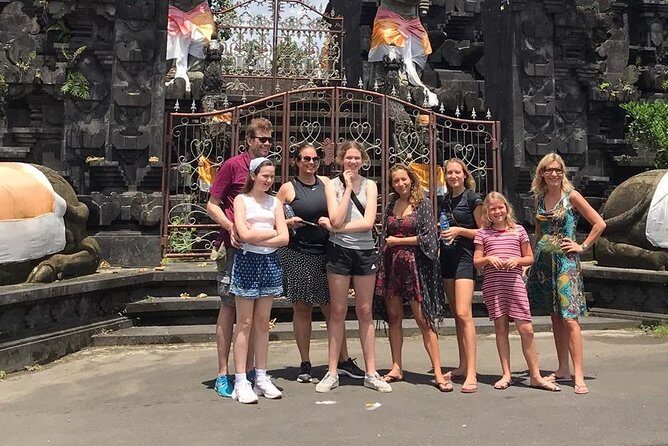
- Cultural stops include a Balinese house visit and temple time, not just scenery
- Tegallalang and rice-field areas give you that classic Bali “padi” photo moment
- Lunch at Greenkubu Restaurant is built into the day, not tacked on at the end
The Morning Setup: Manual Bikes, Pickup, and What $33 Really Covers
At $33 per person, you’re paying for more than the bike. You’re getting a full day plan that includes the bike and helmet, bottled water, snacks, insurance, and an air-conditioned vehicle that handles the transfers around the riding portion.
If you’re staying in Ubud, you’re in the sweet spot. The tour’s base is reached from your hotel with a shorter transfer. If you’re in Kuta, Seminyak, Legian, Sanur, or Nusa Dua, plan for about a 2-hour ride each way just to reach the starting area—meaning the overall day will feel less “half-day” in your body clock.
Group size is kept to a maximum of 20, so you should expect a real guide-led experience rather than a chaotic bike herd. And the start time is 7:00am, which matters: earlier light is better for photos, and you’ll beat some of the heat.
Getting to Abuan: Transfers, Timing, and the Abuan Village Start
Your cycle day begins with pickup from your hotel and a transfer toward the departure point in Abuan village (Kintamani area). Along the way, the guide sets expectations and does the practical briefing, including safety standards, water distribution, and helmet checks.
Timing varies based on where you’re staying and how the day’s route is adjusted, but it’s typically framed as a 7 to 8 hour experience. That sounds long for a “half-day” name, yet many people still book it because you’re not spending that time sitting in a car nonstop—you’re moving through village areas and taking planned stops.
A subtle but important detail: the ride is built around you being comfortable with rural roads and paths. Even when the big hills aren’t on your plate, you’re still cycling in a real working region where people walk and drive close to the road edges.
Why This Ride Feels Easy: Mostly Downhill, Real Roads, Smart Breaks
Here’s the vibe this tour is built on: you ride with the countryside rolling beneath you, and you get breaks at the spots that matter. One guide-led theme comes up again and again—about 99% downhill. That’s why even older riders and beginners often feel it’s manageable.
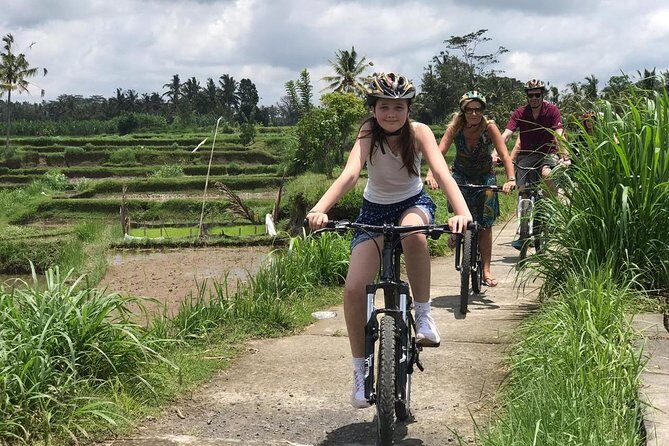
You’ll still use your brain at intersections and narrow sections. Some paths are off main roads, with local traffic and pedestrians moving through the same spaces. The trick is letting the guide manage the flow and staying alert when the road narrows or when you’re sharing space with walkers.
Expect stops that keep the ride fun instead of grindy:
- short photo moments where you can stop without rushing
- breaks for coffee or snacks
- cultural visits where you slow down on purpose
And yes—rain can happen. You may get raincoats if the weather turns, and many groups report they handled rainy conditions without turning the day into a cancellation.
Stop-by-Stop: Tegallalang Photos, Abuan House Visit, and Rice-Field Irrigation Views
The route is short on wasted time and long on variety. You’ll move from viewpoint stops to culture stops to rice paddies, and you’ll feel the changes in scenery across the morning.
Tegallalang: Quick Coffee-Break Photo Time
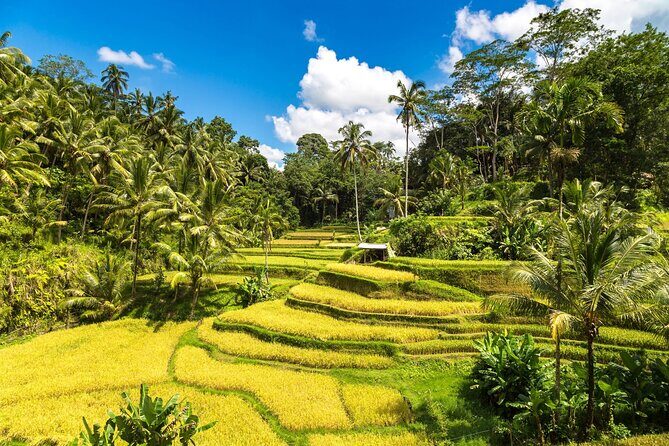
Your first stop is Tegallalang. It’s a short break—about 15 minutes—with a quick chance to take photos in the area around a coffee-break place. You’re not there for a long walk or a big museum-style experience. It’s more about grabbing the classic “padi terraces” view while the light is good.
If you’re the type who likes an efficient photo stop (and not a rushed one), you’ll like this part. If you want a deep dive into Tegallalang itself, you’d likely need a separate visit.
Bayung Gede (Abuan Start): Safety Brief and Helmet Check
Next you land in the Bayung Gede area, with your starting point in Abuan village. This is where the guide explains safety standards and gets everyone set with water and helmets.
This stop is about 30 minutes, and it does two jobs: it helps everyone feel confident before moving into the riding portion, and it gives the group time to settle after pickup.
Abuan Village House Visit: Balinese Daily Life Up Close
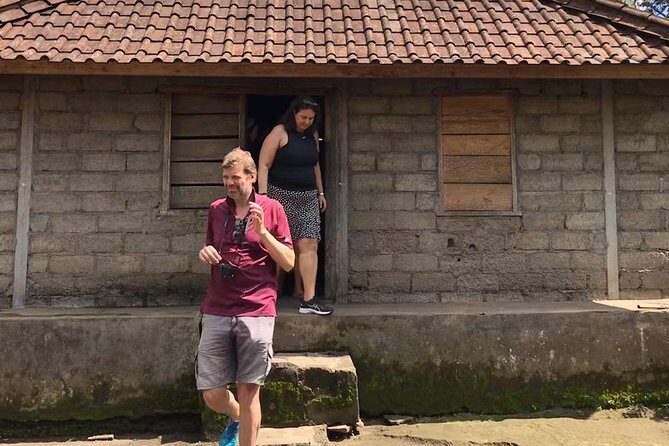
Then comes a longer cultural moment—still in the Bayung Gede area—with time to visit a Balinese house in Abuan village. You’ll spend about 45 minutes here, and this tends to be a highlight because you’re not just photographing a temple from a distance.
The value is in seeing how daily life is organized. You get context for the routines, family roles, and the way buildings and space connect to tradition. Even if you don’t speak the language, the experience can still feel real because you’re being shown the household, not performing for a camera.
Taro Village Experience: Coffee Break in Palm-Garden Setting
After that, you head to the Taro Village Experience area for a coffee break in a palm-tree garden setting. This one runs about 45 minutes and includes the admission for the stop.
Some tours in this region also tie this moment to coffee tasting and local snacks. In practical terms, it’s your energy reset before you push onward toward rice-field scenery.
Bresela: Rice Growing and the Water Irrigation System
One of the most satisfying portions is the stop at Bresela, focused on rice growing and water irrigation. You’ll have about 30 minutes to see the system in action and understand how the paddies stay productive.
This is where the tour feels educational without being overly academic. You’re watching a working landscape that depends on practical water management, not just pretty terraces.
Payangan Finish Point: A Quick Wrap Before Lunch
At Payangan, you reach a finish point near Klusa Payangan. This stop is short—about 15 minutes—and it acts like the day’s “transition” before the final meal.
It’s a good moment to catch your breath, check your photos, and mentally switch from riding mode to eating mode.
Greenkubu Restaurant and Swing: Lunch Plus a Final Pause
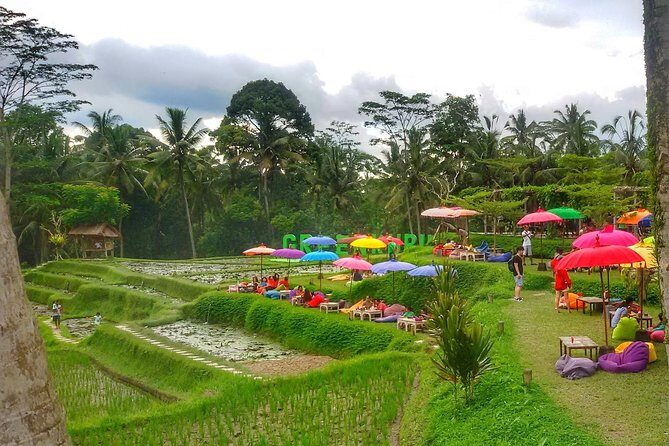
Lunch is in Greenkubu Restaurant and Swing and lasts about 1 hour with admission included. This is where you refuel after cycling, and it’s also where you get to slow down and take in the surroundings without the pressure of packing up and moving on.
The lunch is typically described as an Indonesian buffet style meal, which usually means you can build your plate based on what you actually want after a few hours of biking.
Lunch in the Rice-Field Mood: Why This Meal Works for the Whole Day
The included lunch isn’t just a box to tick. Because it sits at the right point in the schedule—after the riding portion—it gives you something most day tours miss: a meal that feels like part of the experience, not an afterthought.
You’ll also get snacks during the ride and bottled water, which helps prevent that late-morning crash. And because you’re moving through rural areas, having food and drinks already covered can make the day feel smoother.
A small but practical detail: the tour doesn’t include alcoholic beverages or soda/pop, so if that’s your usual travel ritual, plan to buy it separately.
Culture Stops That Feel Useful: Temples, Houses, and Village Life
What makes this tour stand out isn’t only scenery. It’s the way the day includes cultural contact points:
- a visit to a Balinese house in Abuan village
- time at village sites along the way, including temple-related stops
These aren’t framed as long lectures. Instead, you’re given time to look, ask questions, and notice how people live. Guides like Ben, Darma, Yoga, and others are repeatedly praised for explaining what you’re seeing and keeping things friendly and calm.
If you like tours where you come home with better context—how people farm, how family life works, how places of worship fit into daily routines—this one is made for you.
Safety and Weather Reality: Helmets, Raincoats, and Staying Alert
Safety is built into the basic plan: helmets are provided, water is available, and the guide does an upfront safety briefing. Insurance is included, which is one less thing to worry about while you’re riding.
But the real-world factor is that you’re riding on rural paths where locals are doing local things. Even if the ride is easy downhill, you’ll still need to stay focused around:
- pedestrians walking near the route
- places where the road narrows
- occasional mix of bikes, motorbikes, and foot traffic
A common praise point is how guides manage the ride and keep intersections safer, which is what you want. Another note from real-world feedback: routes can be adjusted, and if you’re counting on a very specific path, keep flexibility in mind.
Weather can also shift. If it rains, some groups report the team is prepared with raincoats, so you’re not stuck soaked and miserable.
Price and Value at $33: Why This Is One of the Better Deals in Ubud Cycling
At $33, you’re paying for a lot of included services:
- manual bicycle + helmet
- round-trip transfers (from Ubud area hotels)
- insurance
- bottled water and snacks
- included lunch
- stops with admissions covered along the route
That combination is the value. A lot of bike tours only include the bike and then expect you to figure out the rest. Here, you’re buying a structured day with food, safety gear, and guided access to culture and paddies.
One caution on value: if you’re outside Ubud and your transfer becomes a long round trip (about 2 hours each way from places like Sanur, Kuta, Seminyak, Legian, or Nusa Dua), the day can feel heavier. You may still find it worth it, but it’s less of a quick hop and more of a full morning-to-lunch commitment.
Who Should Book This Manual Bike Tour (and Who Might Not)
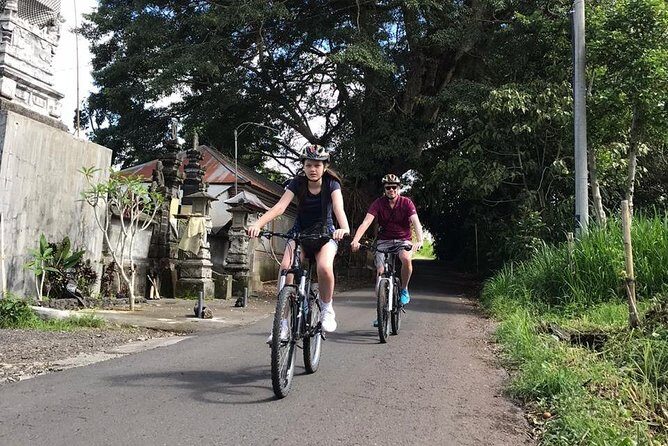
This is a great fit if you want:
- an easy-feeling ride built for most downhill cycling
- a guided day that includes real cultural contact, not only viewpoints
- included food and gear so your trip stays smooth
It also fits multigenerational groups. Multiple reviews mention riders who weren’t young racers. If you can handle a basic bike and stay attentive around village traffic, you can enjoy it.
You should pause before booking if:
- you expected electric bikes (this is a manual bike tour)
- you’re very strict about an exact route with zero changes
- you need a fully traffic-free bike path (this is rural, and you’ll share space)
In other words: it’s not a closed-course cycling event. It’s Bali on a bike, which is exactly why it’s memorable.
Should You Book This Tour or Pass?
If you’re staying in Ubud and you want a morning ride that mixes rice paddies, village culture, and real stops with guides who explain things, I’d book it. The value is strong because your helmet, insurance, transfers, and lunch aren’t add-ons.
I’d also book it if you like being active but don’t want to suffer uphill for bragging rights. The mostly downhill approach makes the day feel fun for a wide range of fitness levels.
If you’re traveling from far outside Ubud, do the math on time. The ride may still be enjoyable, but you’re paying in hours as well as money—so treat it as a full planned outing, not a quick side quest. And if you prefer a closed-road ride or electric assistance, confirm what you’re getting before you arrive.
FAQ
How long is the cycling tour?
The tour runs about 7 to 8 hours in total, starting at 7:00am.
Does the tour include pickup and drop-off?
Yes. Round-trip transfers from your hotel to the start area are included (with transfer time depending on where you’re staying).
Are helmets and insurance included?
Helmets are provided for all participants, and insurance is included in the tour package.
What kind of bike is used?
This is a manual bike tour, and you ride as part of a guided group through villages and rice paddies.
What’s included in the price?
Lunch, bottled water, helmets, air-conditioned vehicle, snacks, and insurance are included.
Is the tour suitable for beginners or families?
Most travelers can participate, and many people find the riding manageable because it’s largely downhill, but you should still expect rural paths and shared village traffic.
More Tours



More Tour Reviews


More Ubud Tours
Ubud Tours: how the alternatives stack up

 ★ 5.0
★ 5.0Ubud: Monkey Forest, Jungle Swing, Rice Terrace, and Water Temple

The lists this tour appears in