
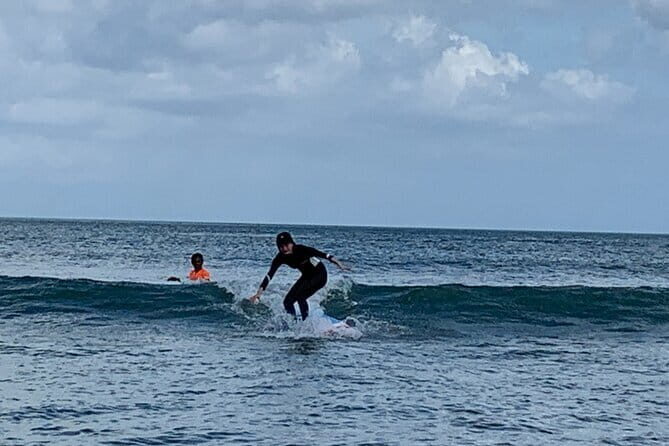
Kuta Beach Bali, 1 on 1 Surfing Lesson Orange Surf Bali
Learning to surf in Kuta is a real skill sprint. This 1 on 1 lesson at Orange Surf School Bali focuses on a safe, local-coach approach, with two structured water sessions so you spend less time guessing and more time riding.
What makes it especially appealing is the coaching style. I like how you start with shore technique first, then get in-the-water help when it counts, so beginners often feel steady fast. One possible drawback: there’s no hotel pickup, so you’ll need to get to the meeting point on your own.
In This Review
- Key things worth knowing before you go
- Kuta Beach is a smart place for your first wave
- The meeting point is simple, but plan your transport
- How the lesson timing really works (two sessions plus a break)
- Safety briefing: it’s not paperwork, it’s your setup
- Shore practice: get your stance before you chase waves
- First water session: controlled starts with close coaching
- The break time is where you improve (use it)
- Second water session: build confidence with a fresh round
- Gear and extras: what you actually get (and why it helps)
- 1-on-1 coaching: why the private format is the real value
- Price at $18.49: what you’re paying for
- Who this lesson fits best
- Weather and the ocean: plan to be flexible
- Should you book this surfing lesson in Kuta?
- FAQ
- How long is the surfing lesson in total?
- What happens during the lesson?
- Is this a private lesson or a group lesson?
- Where do I meet the instructor?
- What surf gear is included?
- Is a photo included?
- Do I get hotel pickup or drop-off?
- Is the tour dependent on weather?
- Can I cancel after booking?
- Is there anything to know about fitness or animals?
Key things worth knowing before you go
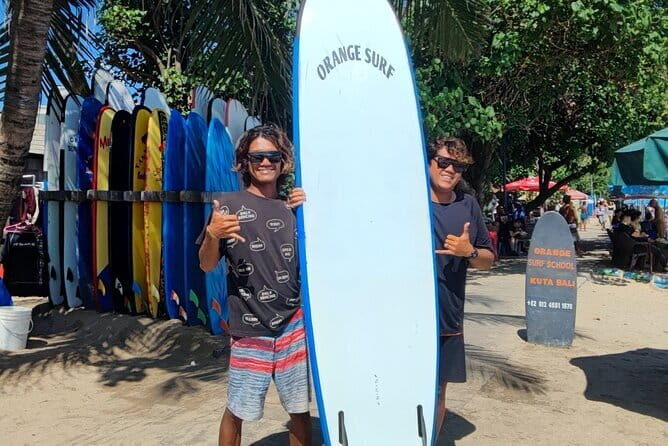
- Local instructors, built for Kuta: coaches who know the beach and teach in a friendly way.
- 2 lessons with a break: two separate sessions (about 45–50 minutes each) with time to reset.
- Safety briefing first: a clear start covering what to do and how to stay safe.
- Personal advice in a private setup: you get coaching tuned to your level and needs.
- Gear and extras are included: board, rash guard, zinc, and a photo.
- Japanese-speaking staff may be available: helpful if you want smoother communication.
Kuta Beach is a smart place for your first wave
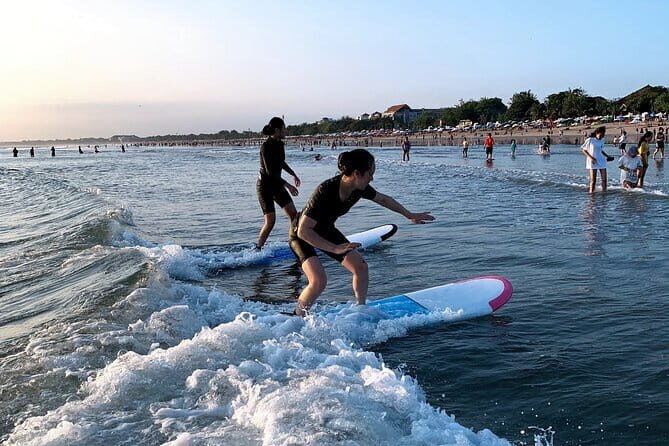
Kuta Beach is popular for a reason: it’s a straightforward setting for learning. The waves and the beach layout make it easier to practice basics like standing, balance, and timing without feeling like you’re dropped into a complicated surf spot on day one.
This lesson is built around that learning curve. You’re not just handed a board and told good luck. You get structured instruction that starts on land, then moves into the sea with your instructor.
Also, the setting is part of the value for you. When the location is learner-friendly, your time goes into skill-building instead of location-chasing or wasting energy figuring out where to stand.
The meeting point is simple, but plan your transport
The lesson starts at Orange Surf School Bali, Kuta (Badung Regency, Bali 80361), and it ends back at the same meeting point. You should be ready to make your own way there, because hotel pickup and drop-off aren’t included.
That’s not a deal-breaker, but it’s something to factor into your day. If you’re staying somewhere spread out from Kuta, give yourself extra buffer time so you don’t rush through arrival and miss the first safety portion.
On the plus side, the meeting point is described as near public transportation. So if you’re already planning to use local options during your Bali trip, this tour fits nicely into your normal rhythm.
How the lesson timing really works (two sessions plus a break)
Plan for about 2 hours total. Inside that window, the school runs it like a mini training program instead of one long free-for-all.
A typical schedule looks like this:
- Safety briefing (around 15 minutes)
- Surfing lesson #1 (about 45 minutes)
- Break time (about 10–15 minutes)
- Surfing lesson #2 (about 45 minutes)
That structure matters. You get a chance to reset between attempts, cool down, and listen with fresh attention for the second session. A lot of beginner sessions fail because everyone stays in the water too long and momentum turns into frustration.
With two separate lessons, you also get a natural “practice then apply” flow. First you learn and try. Then you come back with better balance and a clearer idea of what to correct.
Safety briefing: it’s not paperwork, it’s your setup

The first chunk is a safety briefing. You’ll be taught basic forms and techniques while you’re still on the shore—standing and balance—before you go into the sea.
That matters because surfing has a lot of small cause-and-effect moments. If you don’t understand how to hold your position, balance your weight, and react when things don’t go right, it gets hard fast. The school also notes they have insurance for emergency situations, which adds a layer of confidence for you.
This is a private lesson, too. So instead of generic advice, the instructor can tailor safety reminders to your level—especially if you’re a true beginner who needs simple, repeatable cues.
Shore practice: get your stance before you chase waves
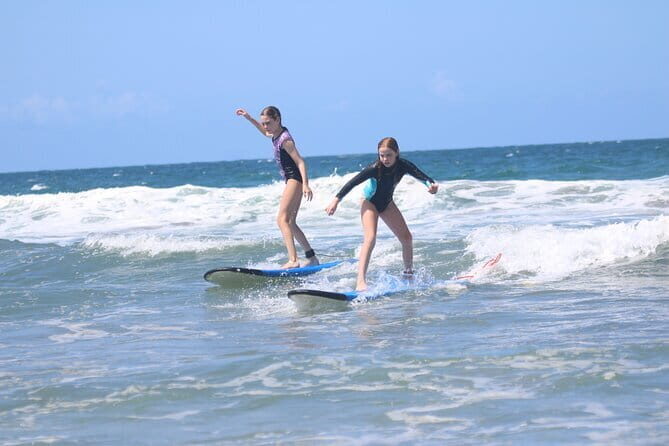
Before you’re in the water, you learn the fundamentals on the beach. Expect instruction on how to stand, how to balance on the board, and the basic technique needed to avoid wobbling your way into the foam.
A key detail here is that the school’s approach is designed so many students can stand on their first lesson. The idea is straightforward: learn the basics first, then apply them right away with guidance.
If you’re nervous, shore practice helps your brain feel in control. You can watch, copy, and ask questions before you’re dealing with ocean motion. It also helps you conserve energy. When you enter the water with a basic stance already in your head, you spend less time panicking and more time trying.
First water session: controlled starts with close coaching
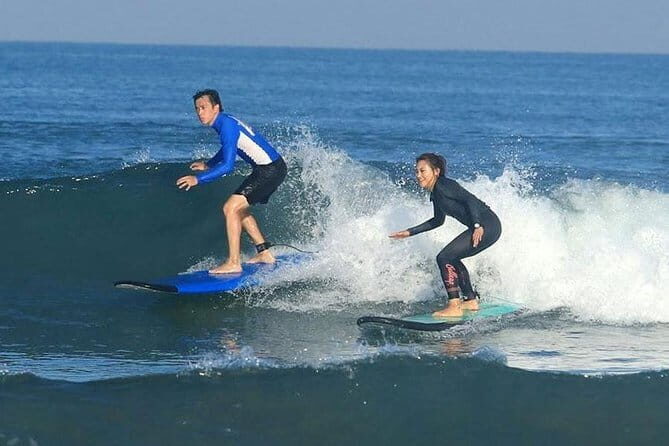
Once you head out, you’re doing a real surfing lesson, not just a “touch the board” experience. Your instructor stays with you and helps you start, which is a big reason beginners feel progress quickly.
You should expect hands-on coaching focused on the first real goal: balancing long enough to feel stable. From there, the instructor can guide what to adjust as you try to catch waves.
Because this is 1 on 1, the coach can focus on your timing and body position. That’s huge for learning. Two people can look like they’re doing the same move on land, but in the water their weight shift and board angle can be completely different. Private coaching catches that.
If you’re intermediate or above, the instructor may use a board to go with you toward the beach/wave area. Translation: they’re set up to support you beyond just “beginner form,” so you’re not stuck doing the same simple routine if you already know some basics.
The break time is where you improve (use it)
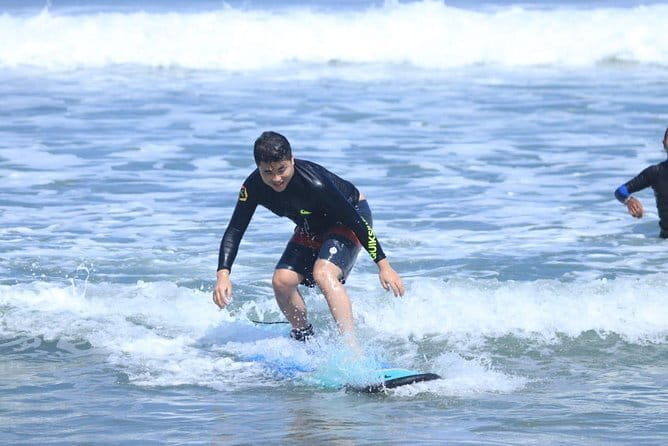
The session includes a break of about 10–15 minutes between the two water lessons. This is more valuable than it looks.
Use that time to:
- catch your breath and let your legs reset
- drink water and check sunscreen spots
- listen to any coaching hints for the second round
In surf lessons, a lot of improvement comes from tiny corrections. During the first session, you might stumble into one correct moment and then lose it. In the break, you can refocus on the cue the instructor repeats—so the second attempt lands better.
It also helps you avoid the classic beginner problem: staying in “survival mode” too long. With a reset built in, you come back with a better shot at turning skill into a smooth ride.
Second water session: build confidence with a fresh round
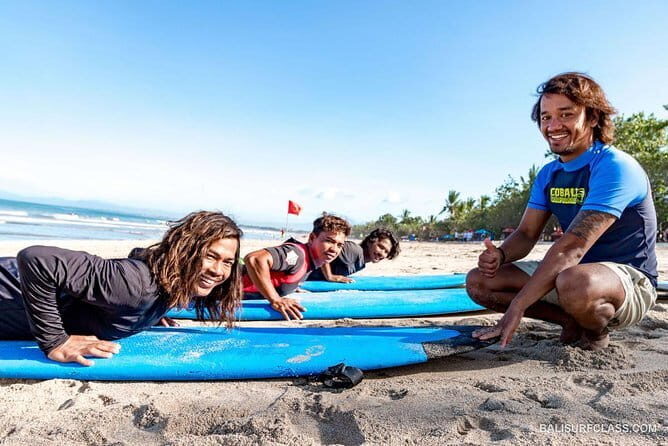
The second in-water lesson is where you try to transfer what you learned. You already practiced your stance on shore. You already got your first wave attempts. Now you get another focused round to improve balance and consistency.
This second session is also where you’ll likely feel the difference between generic surfing advice and real coaching. A private instructor can spot what’s happening with you specifically—like whether you’re standing too stiff, leaning the wrong way, or losing balance right at the start.
If you’re a beginner, your goal in the second session is usually confidence. If you’re intermediate, you’ll likely be working on smoother timing and more controlled attempts.
Either way, two sessions let you measure progress in the same day. That’s motivating because you can feel the improvement rather than waiting until later lessons.
Gear and extras: what you actually get (and why it helps)
Included in the price are surfing equipment and a few comfort add-ons:
- surfboard
- rash guard
- zinc (noted as included)
- photo
- chair
Having the rash guard included is practical. It helps with comfort in the water, and it saves you from having to buy or rent it separately. The zinc is also a big deal in Bali sun—surfing means you’re exposed for longer than you think, even if you’re mostly trying to pop up and adjust.
The surfboard is handled for you, which prevents one of the most common beginner headaches: showing up with the wrong board type or figuring out what size or style you need. If you’re intermediate, you might still want more board options in other contexts, but for learning, getting rolling fast matters.
And yes, a photo is included. After you’ve been in the water and focused on balance, having a memory you didn’t have to manage with your phone is genuinely useful.
1-on-1 coaching: why the private format is the real value
The best part is the one-on-one attention. In a shared group, you’re often stuck waiting your turn while others get coaching. Here, the instructor can spend the whole session adjusting to your pace.
That private format is especially helpful because surfing isn’t only about learning a move. It’s about learning your reactions:
- how you respond when the board shifts
- how you balance under wave pressure
- how quickly you can correct after a wobble
When the coach can watch you constantly, those corrections happen faster.
It also creates a calmer experience. You can ask questions without feeling like you’re interrupting the flow for other people. One review also highlighted that Japanese-speaking staff are available, which can make the entire experience less intimidating if you prefer instruction in your language.
Price at $18.49: what you’re paying for
At about $18.49 per person, this is an affordable option for a private lesson with equipment included. The math works better when you remember what’s bundled: board, rash guard, zinc, and a photo, plus two coached in-water attempts.
You’re not just buying access to a beach and a board. You’re paying for structured teaching time and safety coaching. That’s where the value lives.
The price also makes it easier to take a lesson even if you’re doing a short Bali stop. If you’re weighing this against multiple cheaper rentals with no coaching, the private lesson can actually feel like the smarter spend because it shortens your trial-and-error phase.
Who this lesson fits best
This is ideal for:
- first-time surfers who want basics taught step-by-step
- people who want attention focused on their balance and timing
- travelers who like a friendly, local teaching vibe
- anyone who appreciates a structured plan with two water tries
It also suits intermediate surfers who want coaching that goes beyond simple shoreline tips. The school notes that instructors can adapt instruction for intermediate levels, and that the instructor uses support tools (like a board for reaching the right area) during the lesson.
The main consideration: you should have a moderate physical fitness level. Surfing uses your legs and core in ways that can feel surprisingly demanding, even if you’re only trying to pop up a few times. If you’re recovering from an injury or dealing with mobility limitations, you’ll want to think carefully before booking.
Weather and the ocean: plan to be flexible
This experience requires good weather. If conditions aren’t right, you’ll be offered a different date or a full refund.
Surfing is weather-dependent, and Kuta’s conditions can shift. The school’s focus on safety and structured instruction makes it clear they won’t push you into risky conditions just to keep a schedule.
So treat your booking like a “best day wins” plan. If you’re in Bali for only a couple days, it’s still workable, but keep one buffer day in mind so a reschedule doesn’t mess up your whole trip.
Should you book this surfing lesson in Kuta?
If you want a beginner-friendly way to learn, I’d book it. The structure is tight—shore coaching first, then two coached water sessions with a break—so you’re not wandering around hoping for progress. Add included gear, a safety-first approach, and close coaching in the water, and it feels like strong value.
Book it if you:
- want private attention instead of a group format
- like clear instructions before you get into the ocean
- care about safety and instructor support
- appreciate the chance to communicate comfortably (Japanese-speaking staff may be available)
Skip or reconsider if you:
- can’t get to the meeting point on your own (since there’s no hotel pickup)
- don’t have a moderate fitness baseline for paddling and popping up
- need a fixed-time commitment regardless of weather
Overall, this is a practical, coach-led way to get your first surf wins in Kuta. You’ll likely leave with more confidence than you started—and a much better sense of what to practice next.
FAQ
How long is the surfing lesson in total?
It’s about 2 hours (approx.) from start to finish.
What happens during the lesson?
You’ll get a safety briefing and shore-based technique teaching first, then two in-water surfing lessons (about 45–50 minutes each) with a break in between.
Is this a private lesson or a group lesson?
This is private. Only your group participates.
Where do I meet the instructor?
You meet at Orange Surf School Bali, Kuta, Badung Regency, Bali 80361, Indonesia.
What surf gear is included?
The price includes a surfboard and a rash guard, plus zinc.
Is a photo included?
Yes, a photo is included.
Do I get hotel pickup or drop-off?
No. Hotel pickup and drop-back aren’t included, and the activity ends back at the meeting point.
Is the tour dependent on weather?
Yes. It requires good weather, and if it’s canceled due to poor weather you’ll be offered a different date or a full refund.
Can I cancel after booking?
Cancellation is free up to 24 hours in advance for a full refund.
Is there anything to know about fitness or animals?
You should have a moderate physical fitness level. Service animals are allowed.
More Tour Reviews





More Surf Lessons





More Kuta Tours
Kuta Tours: how the alternatives stack up
 ★ 5.0
★ 5.0Nusa Penida day trip: boat, 4 snorkeling, Manta rays & Land tour






The lists this tour appears in