Mount Ijen Crater Tour From Ubud Bali
Blue fire beats any postcard. This early-to-late night trip from Ubud brings you to Java for the crater trek, then times the return around dawn and sunrise glow. The big draw is the chance to see the crater’s famed blue fire flicker over the sulfur lake.
I like that the hotel pickup means you start with less stress and more rest before the long night drive. I also appreciate the hands-on feel of the local guide, plus the gear like a torch and gas mask.
The only real watch-out is stamina. The crater walk is steep and rocky, and you’re moving in the dark, so plan for a tiring night and pack warmth like a jumper/jacket.
In This Review
- Key things to know before you go
- Why the Ubud-to-Ijen plan can be worth the money
- The long night start: pickup, chauffeur comfort, and what to expect
- Ferry to Java and the handoffs that keep you moving
- Getting to the crater: the trek starts before you see much
- Blue fire at Mount Ijen: the moment you came for
- Sunrise timing and the return hike: when the night turns into daylight
- Your guide makes a real difference on Ijen
- What’s included (and what you’ll need to handle yourself)
- Documents and health checks: don’t show up empty-handed
- What to bring for a night hike and a cold-feeling dawn
- Who this tour fits best (and who should think twice)
- Should you book Mount Ijen from Ubud?
- FAQ
- How long is the Mount Ijen tour from Ubud?
- Where does the tour start and end?
- What’s included in the price?
- Is pickup included?
- Is lunch included?
- Do I need to bring documents?
- What should I pack for the tour?
- Is this a private tour?
Key things to know before you go
- Hotel pickup from Ubud keeps the journey organized, even if the drive takes hours.
- Gas mask and torch are included, so you aren’t hunting gear in the dark.
- Admission for the crater is included, which saves time at the start.
- Breakfast is included, but lunch is not, so plan your calories.
- A local guide focuses on safety on the descent, which matters on slippery sections.
- You’re chasing a timed moment: blue fire after dark, then sunrise shortly after.
Why the Ubud-to-Ijen plan can be worth the money
At $135 per person, this isn’t a cheap throw-together day trip. But you’re paying for a lot of heavy lifting: round-trip transport from Ubud, a long night drive, cross-water logistics to Java, a local guide at Ijen, and the entry ticket plus crater equipment.
In practice, that adds up to fewer headaches for you. You don’t have to coordinate separate legs at midnight. You also get the protective basics (mask and torch) without trying to guess what’s available locally.
It’s best value if it’s just you and one friend or partner, since the tour requires a minimum of 2 people. If you’re solo, you may want to ask about the setup before you book, because some operations can get complicated on multi-part transport.
The long night start: pickup, chauffeur comfort, and what to expect
Your day begins in Ubud in the early evening, with pickup handled via an air-conditioned vehicle. This is a simple win: you travel seated, not scrambling around for transit after dark.
This tour is built for people who want to rest at least a little before the hike. Multiple parts of the day are timed around night visibility and dawn, so you’ll feel the “start late, finish mid-afternoon” rhythm.
Here’s the thing I’d plan for: the drive can be long. One review described about 4 hours around traffic conditions, plus additional legs for cross-water movement. Either way, your goal is to arrive on Java feeling as fresh as possible—because the crater portion is the physical part.
Ferry to Java and the handoffs that keep you moving
A big part of this experience is the logistics between Bali and Java. Expect a boat crossing with staff guidance, and then a driver in Java who continues you onward.
In one of the clearest accounts, the transfer went like this: a driver handled Bali-side transport, then there was an escort across on the ferry to make sure you arrived safely, followed by a Java driver. Another review also mentioned support at the ferry stage.
Why this matters: at midnight, you don’t want uncertainty. Even if you like independent travel, Ijen has a way of punishing slow-moving plans. Having set handoffs reduces the chance you’re standing around in the wrong place.
Getting to the crater: the trek starts before you see much
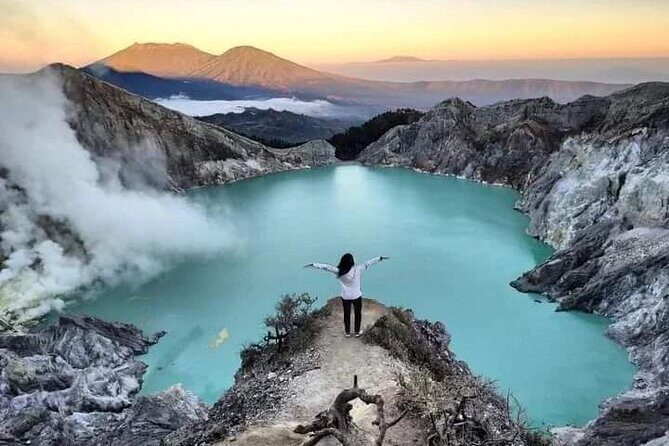
At Ijen, the crater hike is the main event, but it starts in darkness. You’ll be given a flashlight/torch and a gas mask. Those aren’t just “extras.” Sulfur gases can sting, and the ground gets tricky when you’re looking down with limited light.
A couple of people described the walk as challenging: steep sections, rocky footing, and slippery parts during the descent and return. One review also mentioned that the descent required patient, close help, with a guide literally supporting someone’s progress.
Translation for you: this is not an easy stroll. You should have moderate fitness. If you get winded climbing stairs, you’ll feel it here. If you don’t mind slow pacing and using hand support when offered, you’ll likely do fine.
Blue fire at Mount Ijen: the moment you came for
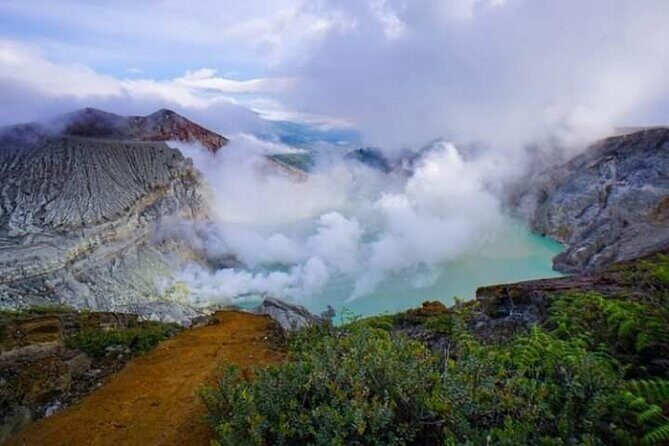
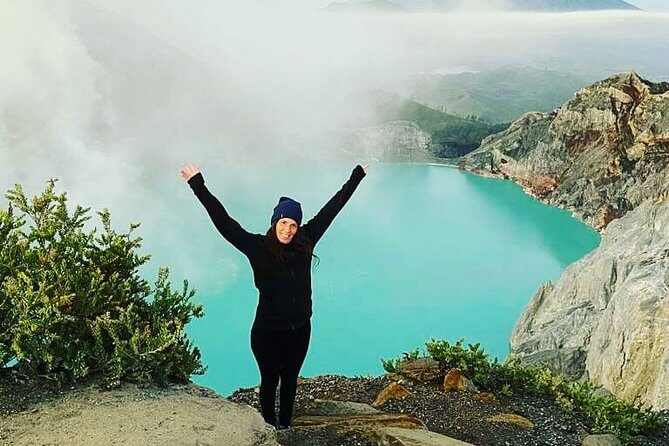
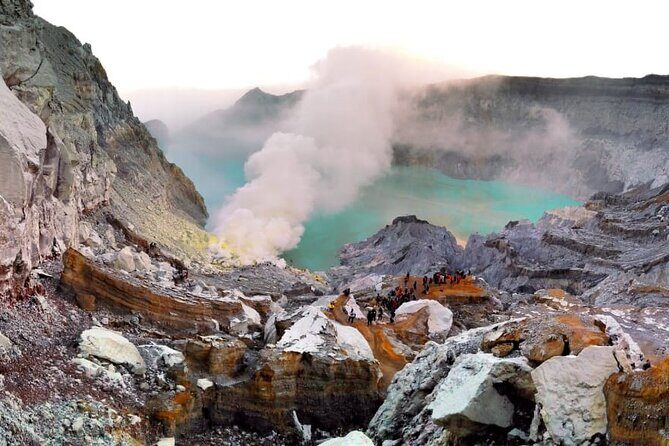
The blue fire is the headline. It’s described as spectacular and is the reason people treat this crater like a bucket-list quest. You’ll spend about an hour at the Blue Fire Ijen Crater stop, with the admission ticket included.
What I’d set your expectations to: blue fire can be intense, but it’s also dependent on conditions. One review said they didn’t see as much blue flame as hoped. That doesn’t mean it’s a letdown. It means Ijen is natural, not a theme park. You show up for the best odds, then you react to what the night gives you.
For photos, this is where the torch and timing matter. You’re near dark crater viewpoints and the flame color only makes sense against the right lighting. If you’re the type who shoots lots of pictures, this is a rare “keep shooting while you stand still” scene.
Sunrise timing and the return hike: when the night turns into daylight
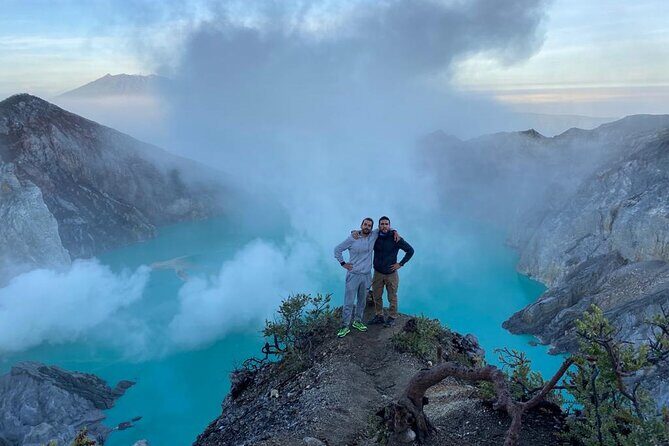
Sunrise is part of the design. People reported seeing sunrise roughly between 6 and 7 a.m., after an early start to the crater area around about 2 a.m. That means you’ll be waiting in the cold-ish dark first, then the light improves quickly.
This is also when you’ll feel the day shift. Once dawn hits, the crater edges and trekking route look different. Some people even mentioned that they could spot other volcanoes in the distance during the return.
The return is physical, and it’s not just “walking back.” One review called it rocky and slippery in places. Another said the trek is tiring, mainly because of the long total schedule and the fact you’re doing it with little sleep.
A practical mindset helps: treat the descent and return as a careful trek, not a race. Guides on this tour are there for a reason, and you should use the support they offer.
Your guide makes a real difference on Ijen
This kind of hike doesn’t run on bravery alone. It runs on guidance. The tour includes an experience local guide, and the difference shows up in small moments: pacing, safe footing tips, and calm help when you feel off-balance.
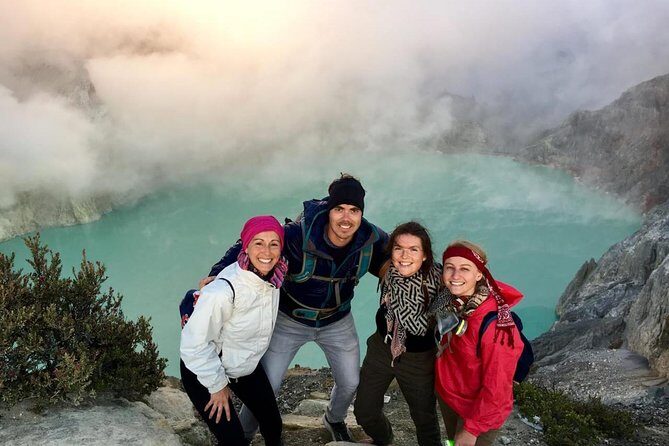
Names came up in reviews. Guides included Zai and Safi, with descriptions of support, patience, and good English. One review also mentioned the guide taking photos of the group, which is a nice bonus when your hands are busy with trekking gear.
On the transportation side, chauffeur names also showed up, like Komang and Dhe. That matters because you’re relying on drivers during long hours and cross-water transfers. If your drivers are attentive, the trip feels less like logistics and more like a plan.
What’s included (and what you’ll need to handle yourself)
Included items in this experience:
- Air-conditioned vehicle
- Gas mask and torch
- Breakfast
- All fees and taxes
- Round-trip transportation
- Local guide
- Admission ticket for the Ijen crater stop
Not included:
- Lunch
- Alcoholic beverages
So here’s my straightforward advice: eat smart on breakfast, and bring snacks for later. You’ll also want water, but the tour data only says a little snack is worth bringing, so use your own judgment about hydration.
Also, bring cash. The tour instructions specifically mention cash, and this kind of overnight route can involve small on-the-spot needs.
Documents and health checks: don’t show up empty-handed
This tour asks for paperwork. You need to bring a picture of your passport and a vaccine certificate.
There’s also a health requirement. Bring a healthy letter from your doctor or clinic. If you don’t have it, the instruction says you may pay about 50k IDR for a healthy check up in Java.
This part can feel bureaucratic, but it’s one of those “better to be ready” items. It’s easier to print, screenshot, or organize now than to figure it out at the start of a long night.
What to bring for a night hike and a cold-feeling dawn
You don’t want to underestimate temperature changes. Night walking plus early sunrise usually means you’ll feel cooler than you expect.
The tour suggests:
- Jumper/jacket
- Little snack
- Cash
I’d add the simple logic behind that list. You’ll be on your feet in the dark. Your hands may be busy, so keep your comfort gear light but real. A warm layer you can wear over your hiking clothes is usually the best move.
Who this tour fits best (and who should think twice)
This trip fits best if you:
- Want an organized, guided Ijen experience without coordinating each transport leg yourself
- Like the idea of chasing a specific timed moment: blue fire after dark, sunrise in the morning
- Have moderate physical fitness and can handle rocky, steep hiking in low light
It may not fit you as well if:
- You’re nervous about stairs, steep slopes, or uneven rocky ground
- You don’t handle little sleep or long, late-to-early schedules comfortably
- You’re expecting a casual walk with minimal effort
Also, remember it requires good weather. If conditions are poor, your date can change or you may get a full refund, so build flexibility into your Bali schedule.
Should you book Mount Ijen from Ubud?
I think this is a smart booking for the right kind of traveler. If you want blue fire, a guided crater experience, and you value having chauffeurs and staff handle the big logistics, it’s a strong choice.
Book it if:
- You can share the cost with at least one other person (minimum 2 applies)
- You’re okay with a long day and a challenging trek
- You’ll prepare documents and bring a warm layer
Skip or rethink if:
- You’re looking for a relaxed, low-effort outing
- You know steep, rocky, slippery walking is a problem for your body
- You hate night starts and want a more normal daily rhythm
If you’re on the fence, ask yourself one question: do you want less stress at midnight, or do you want to manage it yourself? This tour leans hard toward the first option—and that’s why people rate it so highly.
FAQ
How long is the Mount Ijen tour from Ubud?
It’s listed as 1 day, with the overall experience running from early evening pickup in Ubud to returning mid-afternoon.
Where does the tour start and end?
The tour starts in Ubud, Gianyar Regency, Bali, Indonesia. It ends back at the meeting point.
What’s included in the price?
The price includes air-conditioned vehicle transport, all fees and taxes, a gas mask and torch, breakfast, a local guide, and the admission ticket for the Ijen crater stop.
Is pickup included?
Yes, hotel pickup is offered.
Is lunch included?
No. Lunch is not included.
Do I need to bring documents?
Yes. You need to bring a picture of your passport and your vaccine certificate.
What should I pack for the tour?
You should bring a jumper or jacket, a little snack, and cash.
Is this a private tour?
It’s described as a private tour/activity, with only your group participating. A minimum booking of 2 people is required.