
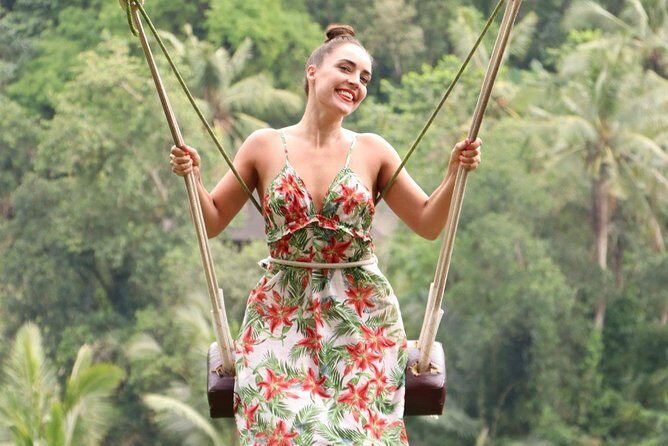
Review · Bali Waterfalls Tours
Private Bali swing, waterfall instagramable tour
Three Ubud photo stops, one smooth day.
This private Bali tour strings together Tegenungan Waterfall, the classic Tegalalang Rice Terraces, and a huge jungle swing—so you get both nature and that Instagram-style thrill without racing around on your own. With hotel pickup and an English-speaking driver, it’s built for people who want a plan that still lets you go at your own pace.
What I especially like is how practical the day feels: you get private transportation, bottled water, and a guide who helps you make sense of what you’re seeing (and when you’re trying to get the best photos). I also love the small cultural detail—when you visit a village temple, you’ll wear the provided sarong. Guides named Kadek, Dewa, and Ngurah Awan show up repeatedly in good experiences, with people praising their English and photo help.
One thing to keep in mind: these spots are popular, so the waterfall and swing can get crowded, and the swing area can feel pricey for extra activities. Also, while admissions are included, the tour notes that the actual play swing part isn’t included—so budget a little extra if you’re determined to ride as much as possible.
In This Review
- Key highlights to expect
- Why this Ubud combo works so well
- Pickup, timing, and how to plan your day
- Tegenungan Waterfall: photos, possible swimming, and the stair factor
- Tegalalang Rice Terraces: irrigation history you can actually see
- Aloha Ubud Swing: jungle views, crowd management, and ride costs
- Temple visit and sarong use: a simple cultural win
- What’s included vs what you’ll likely pay for
- Value check: is $48.72 per person a fair deal?
- Who should book this private swing and waterfall day
- Should you book it
- FAQ
- What does the tour cost?
- How long is the tour?
- What time does the tour start?
- Are admission tickets included?
- Is lunch included?
- Is the tour private?
Key highlights to expect
- Private tour, just your group: no mixing with strangers at the swing photo line
- Hotel pickup available: saves time and stress in Ubud
- Tegenungan Waterfall first: time for swimming and big falls photos (with stair reality)
- Tegalalang Rice Terraces at peak scenery: a Ubud classic tied to Balinese irrigation traditions
- Aloha Ubud Swing over dense jungle: that high-swing view is the main event
- Sarong included for temple time: a simple way to respect local rules
Why this Ubud combo works so well
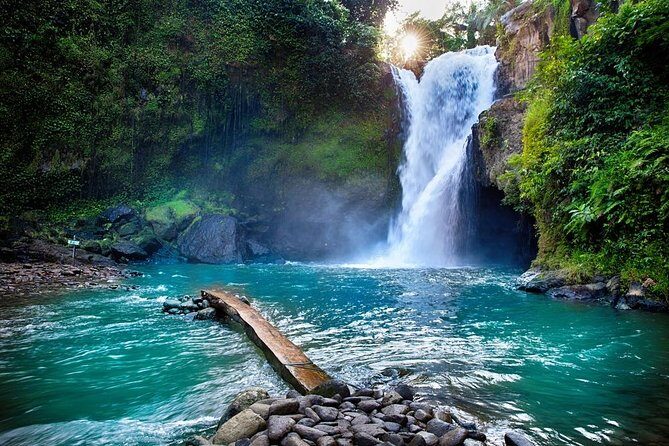
Ubud is the kind of place where you can easily spend a whole day driving between sights. This tour is smart because it packs the big visual hits into one route: dramatic waterfall scenery, iconic rice paddies, and an adrenaline swing with jungle views. Even better, you’re not stuck in a rigid script—private pacing means you can linger where the light is good or move on when crowds feel heavy.
You also get a day that balances “wow” with variety. Waterfalls are about movement and atmosphere. Rice terraces slow the day down with texture and pattern. The swing is pure thrill and photo setup. That mix is why the tour clicks for so many people.
Pickup, timing, and how to plan your day
The tour runs about 8 hours and starts at 8:30am. That early start matters in Ubud. You’ll spend more of your morning at the waterfall and terraces before the densest crowds hit, and you’ll have more flexibility if you want extra time at one stop.
This is private transportation, so you’re not sharing a van with other groups. You’ll also get English-speaking driver help, plus bottled water. Add a mobile ticket, and the day feels smoother from the first handoff to the last photo.
One planning tip: start thinking about footwear right away. With waterfalls, you often deal with uneven surfaces and steps, and with rice terraces, paths can be slippy after rain. If you show up in grippy shoes, you’ll feel steadier everywhere.
Tegenungan Waterfall: photos, possible swimming, and the stair factor
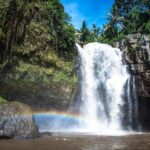
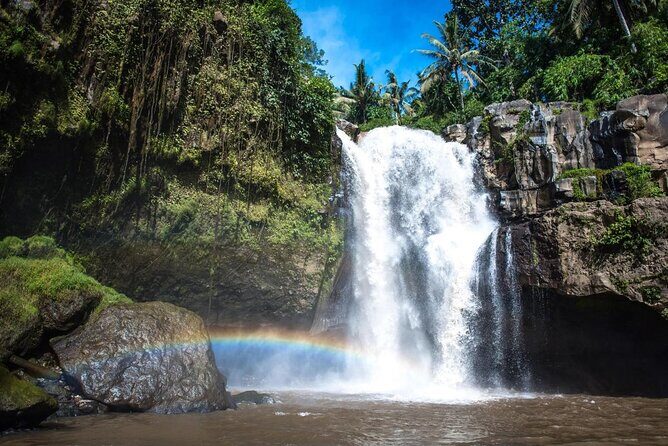
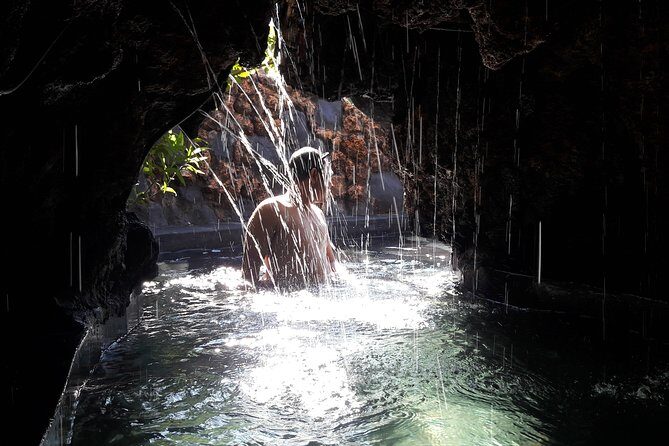
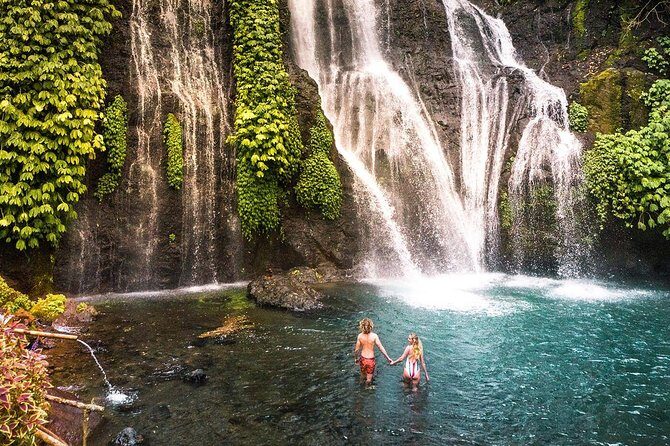
Tegenungan Waterfall is the first stop, and it’s described as a fun visit with nice conditions for swimming. It’s also the kind of place where your phone will immediately struggle to capture scale—so plan on a few minutes just watching the water drop and the light patterns form.
The practical part: you should expect getting down and back up to be a workout. One experience notes the climb down and up can be challenging, but the guide was helpful and made things easier. That’s a good sign: it means your driver will likely know how to keep you safe and moving at a comfortable pace.
Crowds are the other reality. Tegenungan is popular, so your best move is attitude and timing. If the area gets packed, shift your photo angle, move slightly to less congested viewpoints, and take short breaks instead of trying to “win” the crowd.
What to bring mentally:
- You’re there for big waterfall views
- You may want to plan for water conditions if you’re hoping to swim
- Wear shoes that handle wet stone and stairs
Tegalalang Rice Terraces: irrigation history you can actually see
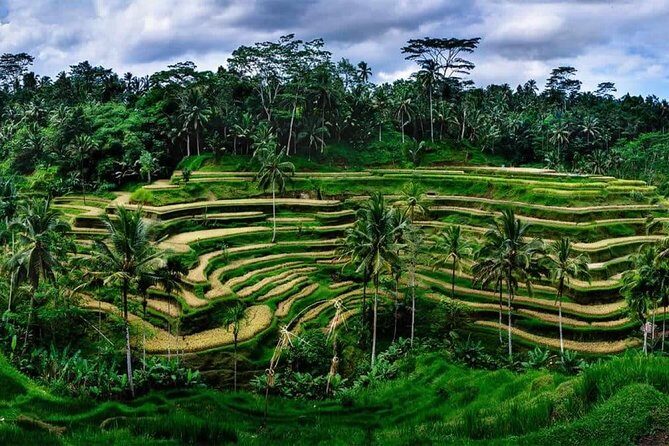
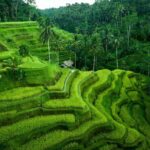
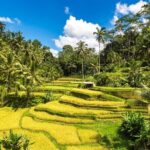
Next up is Tegalalang Rice Terrace, one of Ubud’s most famous rice paddy landscapes. What makes it more than a postcard is the reference to subak, the traditional Balinese cooperative irrigation system. You don’t need a lecture to appreciate it—you can see the way the terraces step down and how the irrigation shape the fields.
You’ll get about 1 hour here, and that’s enough time to walk at your own pace and find your own best angles. The key is balance. Rice terraces are photogenic, but people sometimes stop in the middle of paths to take pictures. Keep moving, step aside when needed, and you’ll get better shots with less stress.
This stop also has an easy rhythm built in. You can take photos from one viewpoint, then slowly move to another. If you go at a calm pace, the scenery shifts as you walk, and you’ll notice details in the irrigation and the terrace edges.
Practical note: terraces are outdoors. If weather turns, you’ll want to keep moving without rushing. You’ll still get the essence of the place even if the day isn’t perfect.
Aloha Ubud Swing: jungle views, crowd management, and ride costs
The final signature stop is Aloha Ubud Swing, set in a natural setting with views over dense tropical forest. This is the part that people really come for: the swing is positioned high enough to make you feel the height, and the jungle below gives you that dramatic “dang, that’s far” feeling.
You’ll spend about 1 hour here. That’s enough time for photos, getting positioned, and deciding how much you want to do. One helpful real-world note: the swing can also get crowded, and some people felt it was pricey—so go in with clear expectations. Your driver can help you work around peak moments by timing your turn-ups and keeping your day moving.
About costs: the tour includes admission tickets, but play swing is listed as not included. Translation: you may still pay on-site if you want certain ride options or extra add-ons. If you want to avoid surprises, think about this up front so the final price doesn’t shock you.
Photo strategy that usually helps:
- Aim for photos that include depth—jungle layers look better than just sky
- If lines are long, take “waiting” shots from nearby angles first
- Keep time tight so you’re not stuck spending your entire hour in one queue
Temple visit and sarong use: a simple cultural win
Even though the big visual stops are waterfall, terraces, and swing, this tour also includes time tied to village temple visits. The tour provides a sarong for that moment, which is exactly what you want on a day like this.
Why it matters: temple visiting is one of those “small detail, big respect” experiences. If you’re dressed appropriately and can cover up as required, you’ll feel more comfortable and visitors around you will be too. The fact that the sarong is provided removes friction—no scrambling for rentals or asking strangers for help.
Keep in mind that temple areas often have rules about behavior and movement. When you go in, slow down, follow your guide’s lead, and treat it like a place, not a background for a quick snapshot. Your photos usually look better when you act like you belong there.
What’s included vs what you’ll likely pay for
This tour includes several things that make it feel like a “real day out” instead of just a transfer:
- Private transportation
- Bottled water
- Sarong for temple visit
- English-speaking driver
- All fees and taxes
- Admission tickets for Tegenungan Waterfall, Tegalalang Rice Terrace, and Aloha Ubud Swing
- Mobile ticket
What’s not included:
- Lunch
- Personal expenses
- Play swing
So your budgeting reality is pretty simple. You’re likely to spend extra money only on food and any optional swing ride add-ons. If you’re the type who plans meals and keeps choices calm, the tour can land as good value.
One more practical point: since lunch isn’t included, you’ll want a plan for when hunger hits. The day is packed enough that waiting too long can put you in a hurry later. If you snack lightly between stops, you’ll enjoy the experience more.
Value check: is $48.72 per person a fair deal?
At $48.72 per person with a private driver and admissions included, this can be excellent value—especially in a place like Ubud where driving time adds up and where each major site can cost you separately.
The best part of the pricing isn’t just the number. It’s what you’re getting:
- Private transportation (so you’re not squeezed into other people’s schedules)
- Admissions included at three major attractions
- English-speaking driver support for navigation and photo timing
- All fees and taxes (no weird add-on surprises listed in the base price)
Where it can stop being a great deal is if you plan to spend heavily on swing extras or if lunch choices become expensive. But that’s not unique to this tour. It’s just how Ubud works: the “included” part covers the essentials, while the “optional” part is where you decide how intense you want the day to be.
If you want a low-stress day that hits the major stops without the hassle of planning routes and ticketing, this price can make a lot of sense.
Who should book this private swing and waterfall day
This is a great match if you want:
- A private day with no waiting on shared-group schedules
- A blend of nature and adrenaline: waterfall + rice terraces + swing
- A guide who can help with photos and timing (people mention guides like Kadek and Dewa for English and photo support)
- A schedule that’s flexible enough to go at your own pace
It might be less ideal if you hate crowds. Both Tegenungan and the swing area can be busy, and the swing experience is set up for photos, which means lines and on-site pricing pressure. If that frustrates you, consider arriving early in the day (this tour starts at 8:30am, which helps).
If you’re traveling as a couple, this format is also efficient. Private rides make the day feel like a tailored experience, not a checklist.
Should you book it
Book this tour if you want an easy, photo-focused Ubud day with hotel pickup, admissions handled, and a private driver keeping things smooth. I’d especially recommend it when you want the three biggest visuals in one go: Tegenungan Waterfall, Tegalalang Rice Terraces, and the Aloha Ubud Swing.
Skip or rethink if you’re extremely price-sensitive about extras, or if you’re not into crowds at popular photo sites. Also, check your expectations about the swing: play swing isn’t included, even though admissions are. If you’re going to ride a lot, factor that into your budget before you go.
FAQ
What does the tour cost?
The price is $48.72 per person.
How long is the tour?
It’s about 8 hours.
What time does the tour start?
The start time is 8:30am.
Are admission tickets included?
Yes. Admission tickets are included for Tegenungan Waterfall, Tegalalang Rice Terrace, and Aloha Ubud Swing.
Is lunch included?
No, lunch is not included.
Is the tour private?
Yes. It’s a private tour/activity and only your group will participate.
More Bali Swing Experiences




More Bali Waterfalls Tours



More Ubud Tours



Bali Waterfalls Tours: how the alternatives stack up
 ★ 5.0
★ 5.0Best of Bali Waterfalls: Tibumana, Tukad Cepung and Tegenungan

The lists this tour appears in