
Review · Bali Swing Experiences
Private Inclusive Tour: The Best Of Ubud With Jungle Swing
East Bali in one busy day. That’s what makes this private tour so fun: you’re mixing classic Bali photo stops with real cultural sites, then ending with the kind of silly scenery that turns into your best pictures.
I especially like two things. First, the private door-to-door pickup means you’re not herding with strangers or burning time figuring out transport. Second, the day is built around memorable visuals—water palaces, waterfall jungle, rice terraces, and that famous Gate of Heaven volcano backdrop.
One consideration: bring Indonesian cash for Lempuyang Temple entrance and food, even though the tour includes entrance tickets elsewhere. The cash part is easy to miss until you’re already there.
In This Review
- Key things I’d prioritize before you book
- How the private driver makes this day feel easier
- East Bali water gardens and Gate of Heaven volcano views
- Tibumana Waterfall: the jungle reset you’ll feel in your legs
- Celuk Village silverwork: seeing craft up close
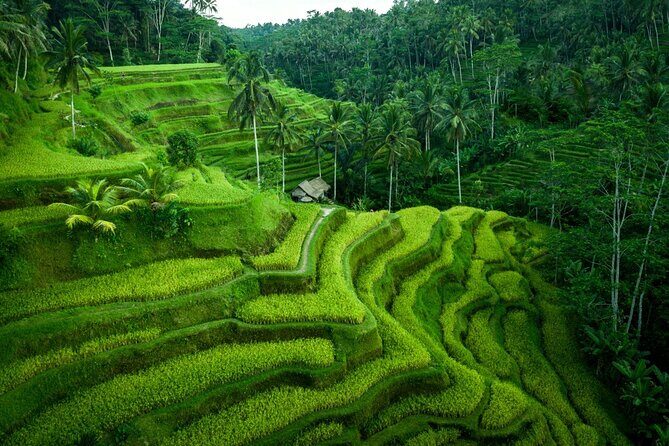
- Tegalalang Rice Terrace: farming views with a walking option
- Gunung Kawi Sebatu: rock-cut shrines and temple stillness
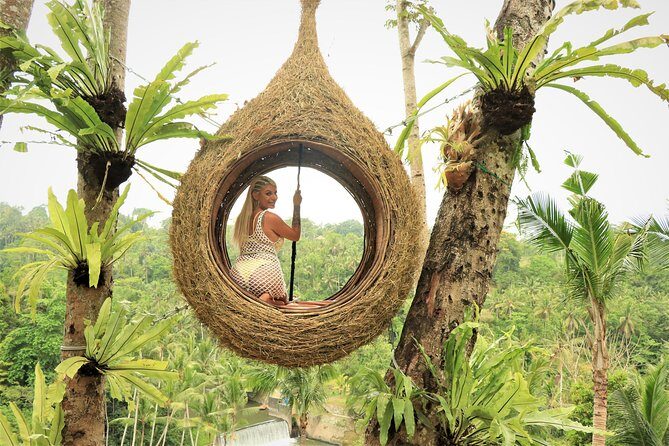
- d’Alas Swing in the jungle: the photo moment with a real fee included
- Ubud Palace and the Traditional Art Market: culture closer to daily life
- Price and value: what you’re really paying for at $53
- Weather, timing, and small practical tips that help
- Should you book this Ubud + jungle swing tour?
- FAQ
- What sites are included on this tour?
- Is this tour private?
- How long is the tour?
- Do I get hotel pickup and drop-off?
- What’s included in the price?
- What is not included?
- Do I need to bring Indonesian cash?
- Is the jungle swing fee included?
- Is it suitable for most travelers?
- What is the cancellation policy?
Key things I’d prioritize before you book
- Private, door-to-door convenience so your day stays focused on sights, not logistics
- Gate of Heaven-style volcano photos at Lempuyang Temple as a major visual anchor
- Jungle swing included (fee covered), so you don’t have to shop around on the spot
- Water garden + water palace variety (Tirta Gangga and Ujung) for a calm break from temple crowds
- Handicraft and farming stops (Celuk silverwork and Tegalalang rice terraces) that feel local, not staged
- A real mix of Ubud culture with Ubud Palace and the Traditional Art Market
How the private driver makes this day feel easier
This is a private tour, so it’s just your group with a professional driver. That changes the feel right away. You can take photos without asking permission every ten seconds, and you can stretch a stop if it’s clicking for you—or move on quickly if it’s not.
The total time is about 7 to 8 hours, which is long enough to feel like a mini-adventure but not so long that your brain turns off. Many stops are planned for around an hour each, so you get a taste of several different sides of Bali rather than one long, slow marathon.
Also, the “private” part matters for Ubud. The roads can be slow. With a driver handling route decisions, you spend your energy on what you came for: views, temples, and those wow-factor scenery moments.
East Bali water gardens and Gate of Heaven volcano views
The tour’s big selling point is the East Bali trio: Tirta Gangga Water Garden, Ujung Water Palace, and Lempuyang Temple’s Gate of Heaven.
Tirta Gangga is the kind of place that rewards a slow walk and quiet attention. You’re surrounded by calm pools and garden atmosphere, and it’s a nice counterbalance if your morning is already loud with camera energy. Ujung Water Palace is similarly about water, structure, and perspective—good for people who like photos that look composed instead of chaotic.
Then there’s Lempuyang Temple, known for that dramatic Gate of Heaven framing the volcano view. This is the stop where you’ll want to be ready for a photo workflow: take your time lining up the shot, step back, and reset your position for the next picture. It’s also the one spot where you should plan to have Indonesian cash on hand for entrance and food, since the tour notes this specifically for Lempuyang.
The payoff here is variety. You’re not just doing temples or just doing scenery. You’re collecting different Bali “moods” in one run: water calm, palace geometry, and volcanic drama.
Tibumana Waterfall: the jungle reset you’ll feel in your legs
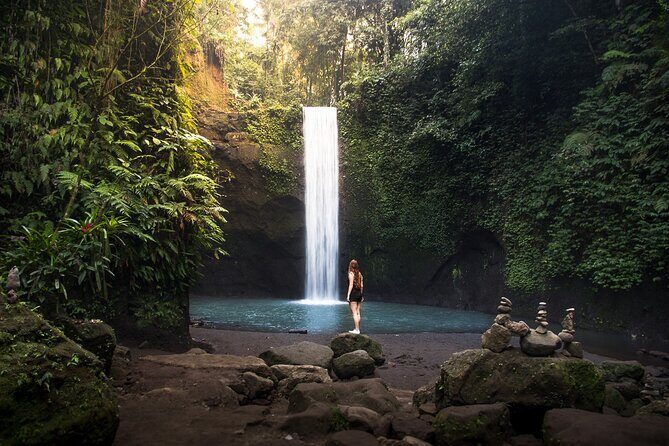
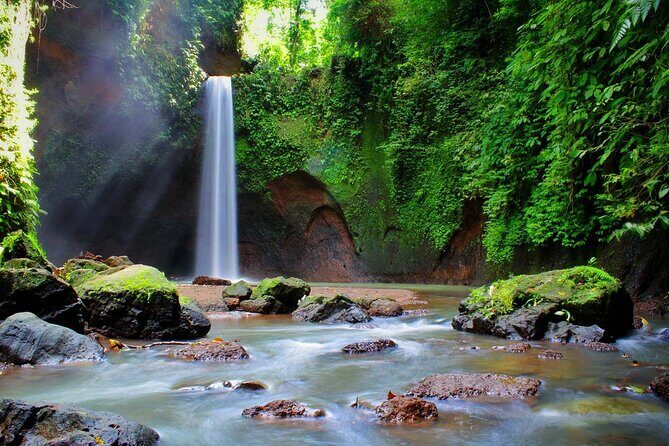
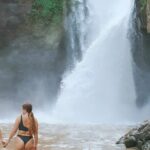
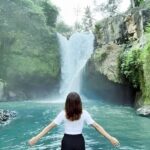
Starting with Tibumana Waterfall gives the day a natural rhythm. This waterfall is described as one of the closest and most impressive near Ubud, with a deep pool and a jungle setting. If you like nature breaks between cultural stops, this is a smart placement.
The best part is that it’s not just a viewpoint. You get the option to swim in the deep pool, which makes the waterfall feel like an experience instead of a quick photo stop. Even if you don’t swim, the air and the sound change when you move into a real waterfall environment.
Wear practical footwear. Slick rocks happen. Also, keep an eye on how long you actually want to hang around—waterfalls can turn into “just one more minute” traps.
Celuk Village silverwork: seeing craft up close
Celuk Village is a classic Bali craft stop, and it’s included as a way to slow down and watch traditional making. Here you’ll see silver smiths producing jewelry in a traditional way. That’s a different vibe than temples or rice terraces: it’s hands-on culture, not scenery.
What I like about this stop is that it gives you something to look for beyond one perfect picture. You can watch the process, notice design choices, and get a feel for why certain pieces look the way they do. If you’ve ever bought jewelry elsewhere and wondered where it came from, this kind of stop makes your shopping (if you do any) more grounded.
It’s also a good mid-day buffer. While later stops might involve more walking, a craft village feels more flexible—stay engaged, ask questions if you want, then move on when you’re ready.
Tegalalang Rice Terrace: farming views with a walking option
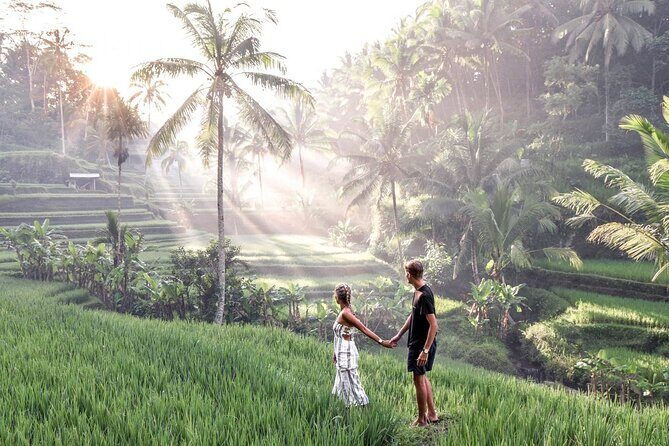
Tegalalang Rice Terrace is one of Bali’s best-known rice landscapes, and this stop is built for both views and walking. You’ll get panoramic scenery around the terraces, plus time to stroll through and meet local farmers.
This is where the tour leans into the everyday Bali stuff: agriculture, water, and land shaping life. The walking option is important. If all you do is stand at one angle, you miss how the terraces layer and how the paths connect the fields.
Plan for uneven ground. It’s outdoors, and you’ll be moving. Also, bring a mindset that says yes to slow looking—rice terraces are photo-friendly, but the more you take in, the more you’ll remember.
Gunung Kawi Sebatu: rock-cut shrines and temple stillness
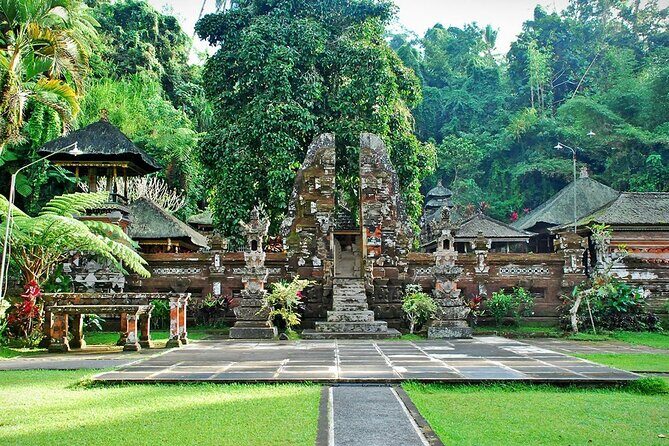
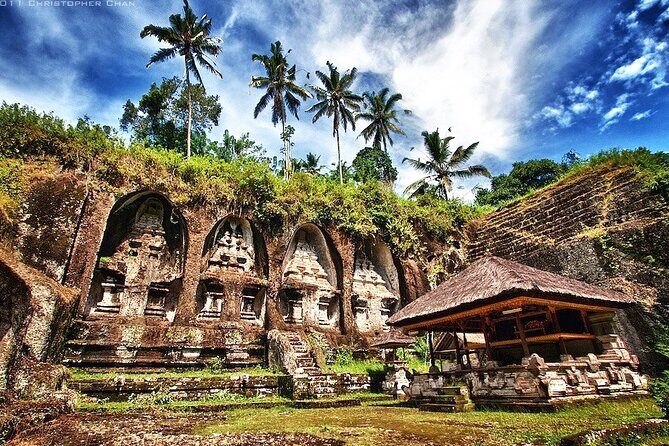
Gunung Kawi Sebatu is an older-feeling stop, described as an 11th-century temple and funerary complex with 10 rock-cut shrines dedicated to the Udayana dynasty. That matters because it gives the day a historical anchor without turning it into a lecture.
Even if you’re not an expert on Balinese temple details, this site is easier to appreciate when you understand what you’re looking at: the shrines are cut directly into rock, and the whole place feels shaped by ritual practice and careful design.
The main “drawback” for this kind of stop is simple: it can be less instantly dramatic than swing platforms or volcano gates. If you only want wow-factor photos, you might need to work a little harder to enjoy it. But if you like atmosphere, quiet structures, and places that feel lived-in, this is a strong one.
d’Alas Swing in the jungle: the photo moment with a real fee included

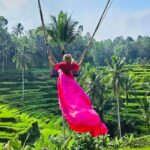
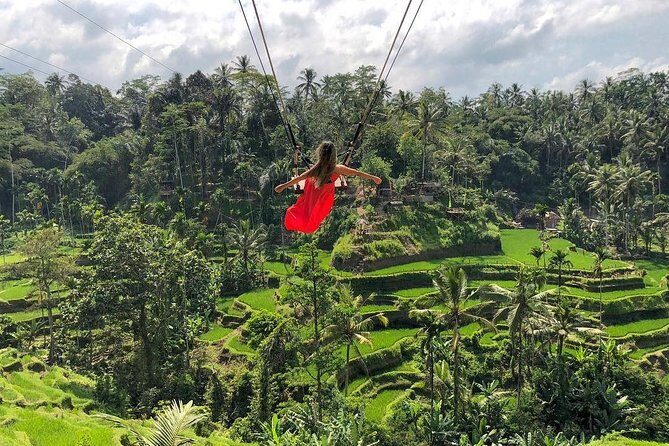
The d’Alas Swing stop is the fun, adrenaline-in-your-thighs part of the day. You’ll experience a jungle swing and take your best pictures for the memories. The tour also includes the jungle swing fee, which is a real value win—there’s no guessing how much it costs once you arrive.
Because you’re swinging in a natural setting, conditions matter: wind and weather can affect ride times and how comfortable it feels up there. Keep your expectations realistic—this is still a fun photo experience, not a technical extreme sport.
Also, treat it like a photo studio moment. If you’re planning lots of shots, rotate positions quickly and don’t burn all your time waiting for the perfect light. The swing is short; the best results come from being ready.
Ubud Palace and the Traditional Art Market: culture closer to daily life
After the “big scenery” stops, the day brings you back into Ubud culture with two distinct experiences.
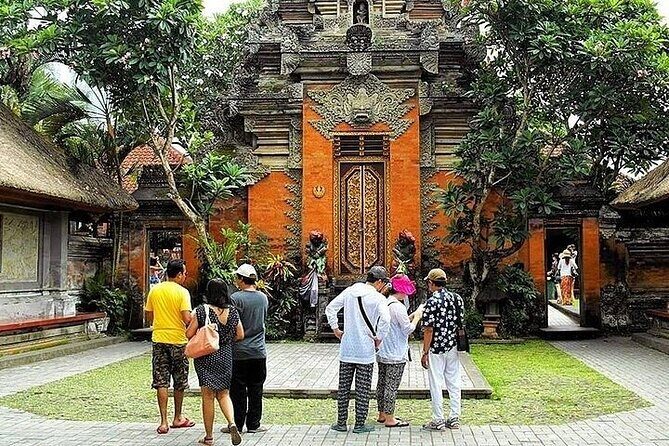
First is Ubud Palace, also called Puri Saren Agung, a historic building complex known for intricate stone carvings and courtyards. If you’re the kind of traveler who loves seeing the small details—stone work, symmetry, and the way buildings hold space—this stop will satisfy you.
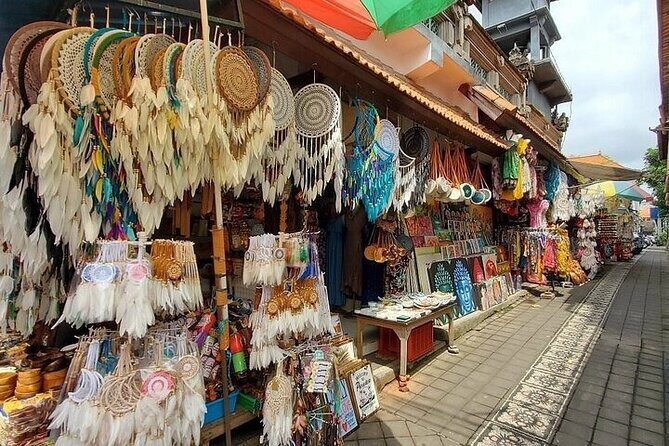
Then it’s the Ubud Traditional Art Market. This is one of those places where your photos are just part of it. You’re looking at how art and local commerce flow together. It’s also a smart final stop because it’s easy to browse at your own pace before you head back to your hotel.
If you want a souvenir that actually feels Bali-shaped, this market is where you’ll have the best chance of noticing local styles. Just remember: your time is limited, so focus on quality and design over impulse buying.
Price and value: what you’re really paying for at $53
At $53 per person, this tour has strong value if you like structure without high hassle. What makes it feel worth it is the bundle of included costs: all entrance tickets, bottled water, the private car, and the jungle swing fee.
Many Bali tours advertise “cheap” prices and then quietly stack up add-ons. Here, the essentials are covered, which lowers the risk that you’ll spend more than expected. The only clear gap is lunch, plus personal expenses.
If you’re deciding between doing this by yourself, the private driver is the difference-maker. The time saved on route planning, coordinating tickets, and negotiating stops is real—especially on a day packed with different kinds of locations.
Weather, timing, and small practical tips that help
This experience requires good weather. If weather is poor, you’ll be offered a different date or a full refund, so don’t lock yourself into rigid plans that day.
Also, be ready for the day to move across varied outdoor environments: waterfall areas, temple grounds, and terraces. That means you’ll want to dress for sun and occasional damp surfaces.
Two more practical notes from how the tour is described:
- Bring Indonesian money for Lempuyang Temple entrance and food.
- If your hotel pickup is outside the included Ubud and south Bali area, there can be an extra charge depending on where you’re staying.
Should you book this Ubud + jungle swing tour?
Book it if you want a single day that hits a wide range of Bali—waterfalls, craft culture, rice terraces, temple sites, and a jungle swing—with the comfort of private door-to-door transport. The included tickets and swing fee are the kind of details that protect your budget.
Skip it if you prefer slow travel with fewer stops, or if you only want one type of experience (all nature or all temples). This day is designed to be active and varied, not quiet and minimal.
If you’re traveling with friends or family and you want photos that cover multiple Bali “worlds,” this is a smart pick.
FAQ
What sites are included on this tour?
You’ll visit Tibumana Waterfall, Celuk Village, Tegalalang Rice Terrace, Gunung Kawi Sebatu Temple, d’Alas Swing, Ubud Palace, and the Ubud Traditional Art Market. The tour description also highlights Lempuyang Temple Gate of Heaven plus East Bali’s Tirta Gangga Water Garden and Ujung Water Palace.
Is this tour private?
Yes. It’s a private tour/activity with only your group participating.
How long is the tour?
It runs about 7 to 8 hours.
Do I get hotel pickup and drop-off?
Pickup and drop-off are offered from hotels in Ubud and much of south Bali. If your hotel is outside the included area, there may be an extra charge.
What’s included in the price?
Included are entrance tickets, bottled water, the jungle swing fee, and a private car with a driver or guide.
What is not included?
Lunch and personal expenses are not included.
Do I need to bring Indonesian cash?
For Lempuyang Temple, you’re advised to bring Indonesian money to pay entrance fees and food.
Is the jungle swing fee included?
Yes, the jungle swing fee is included.
Is it suitable for most travelers?
Most travelers can participate.
What is the cancellation policy?
You can cancel for a full refund up to 24 hours before the experience start time. It also requires good weather, and if it’s canceled due to weather, you’ll be offered a different date or a full refund.
More Bali Swing Experiences



More Kuta Tours





More Ubud Tours



Bali Swing Experiences: how the alternatives stack up
 ★ 5.0
★ 5.0Ubud: Monkey Forest, Jungle Swing, Rice Terrace, and Water Temple



The lists this tour appears in