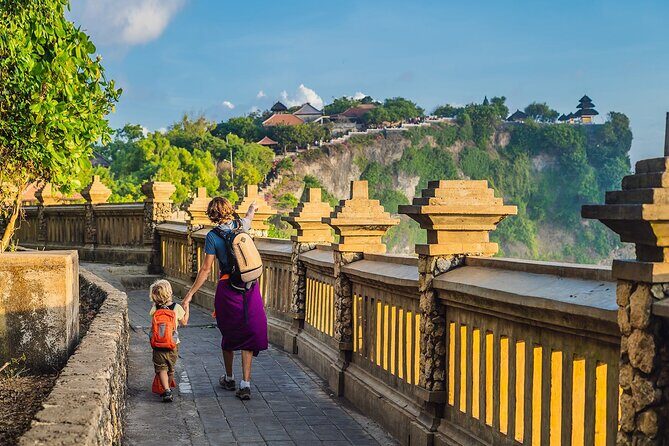
Private Tour: Half Day Uluwatu Tour
Sunsets at Uluwatu can feel instant. This half-day private tour lines up Uluwatu Temple for the golden-hour mood over the Indian Ocean, then keeps you moving toward Melasti Beach for Balinese performance culture. I love the way it strings together big, scenic payoff and cultural storytelling without turning your afternoon into a full-day marathon.
Two things I really like: first, the tour includes all entrance tickets plus bottled water, so you’re not hunting for add-ons mid-route. Second, the pace fits a private setup with a guide and an air-conditioned vehicle—exactly what you want when you’re squeezing Uluwatu into limited time.
One drawback to plan for: this experience requires good weather. If conditions are poor, your sunset timing can shift, and there’s a chance the provider will offer a different date or refund.
In This Review
- Key Highlights You’ll Actually Care About
- Cliff-Top Uluwatu Temple at Sunset Time
- Melasti Beach Area for Traditional Dance on the Way to the Main Event
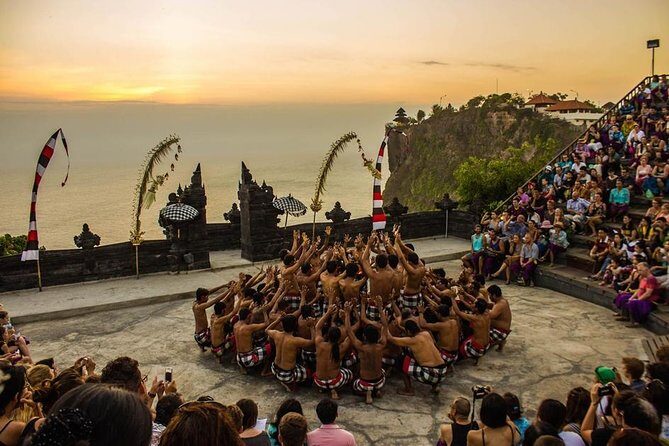
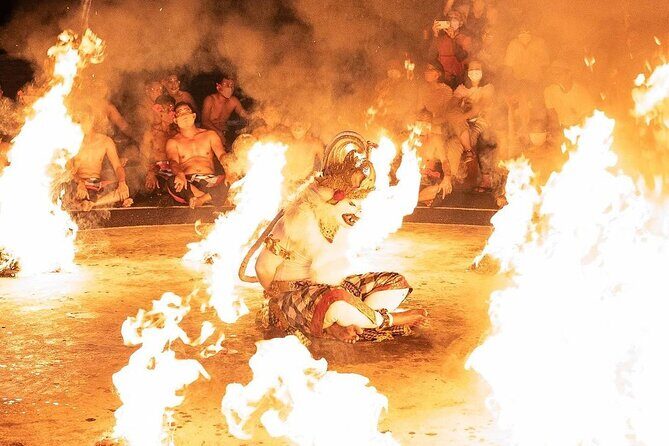
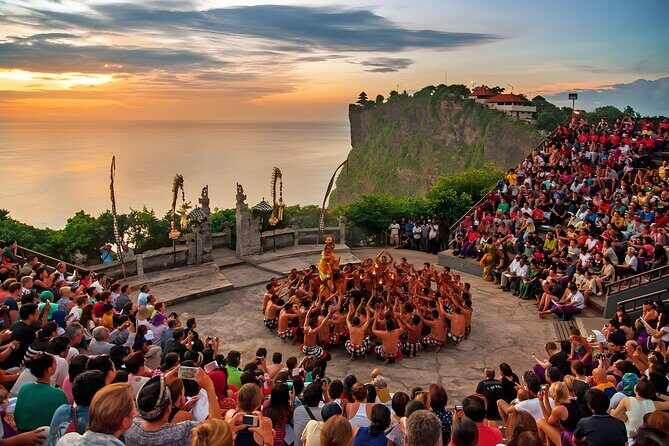
- Kecak and Fire Dance: Where the Afternoon Becomes a Story
- What Your Price Covers (And Why It’s Not Just a Cheap Ticket)
- Private Guide Benefits You’ll Notice Fast
- Timing Tips for the Sunset-Performance Combo
- Who This Tour Fits Best (And Who Might Skip It)
- Should You Book the Private Half Day Uluwatu Tour?
- FAQ
- How long is the half day Uluwatu tour?
- Is this tour private?
- Do I need to buy Uluwatu Temple entrance tickets separately?
- Is pickup included?
- What’s included besides tickets?
- Where does the kecak and fire dance happen?
- What happens if the weather is bad?
- What’s the cancellation policy?
Key Highlights You’ll Actually Care About
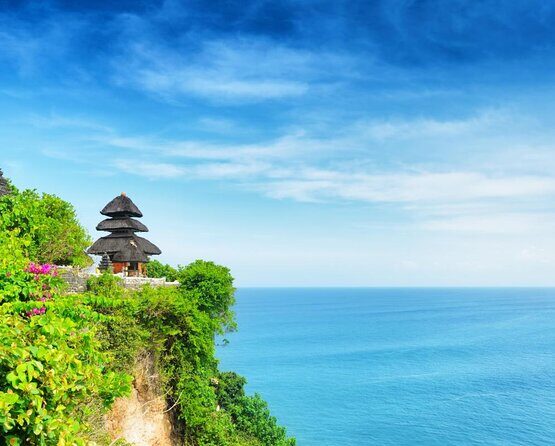
- Cliff-top Uluwatu views about 250 feet above the waves of the Indian Ocean
- Entrance tickets + bottled water included, which saves hassle and money
- Private pacing with only your group, plus pickup offered
- Melasti Beach area performances tied to traditional Balinese dance culture
- Kecak and fire dance staged as a main cultural moment for your afternoon
Cliff-Top Uluwatu Temple at Sunset Time
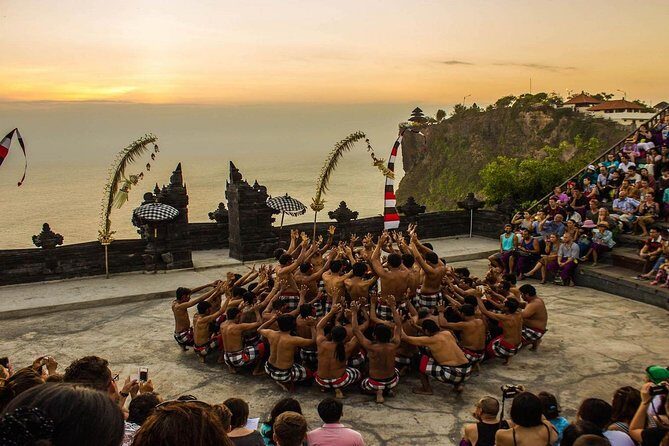
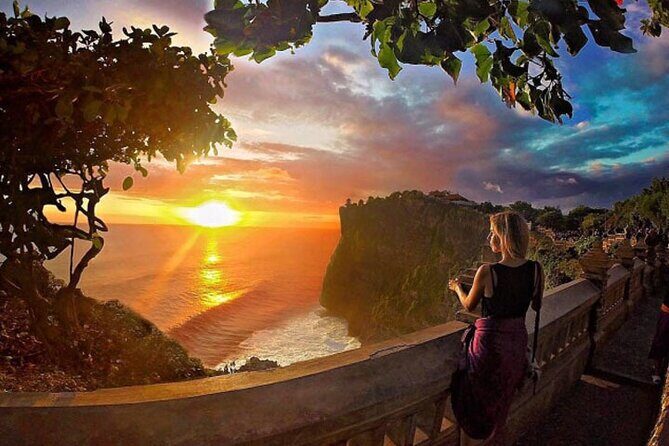
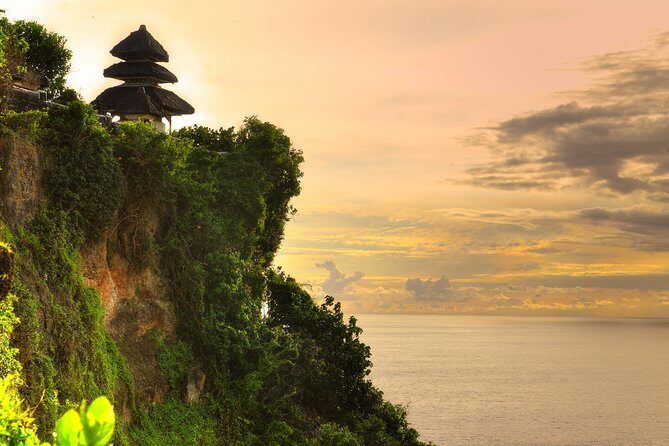
Uluwatu Temple is famous for a reason: it sits on a dramatic cliff edge, about 250 feet above the Indian Ocean. That elevation matters. It changes how the whole site feels—less like you’re just sightseeing, and more like you’re standing at a lookout where the horizon does the talking.
On this tour, you’ll spend about an hour at Uluwatu Temple with admission included. The timing is built for the golden hour, when the light softens the rock, and the ocean goes from flat to dramatic. If you like photos, you’ll get them. If you don’t, you’ll still enjoy the sheer “wow” factor of the setting. It’s the kind of place that makes people pause, even if they’ve seen plenty of temples before.
A smart move with Uluwatu is to treat the hour as both sightseeing and atmosphere. Don’t rush the first 15 minutes. Take a few minutes to orient yourself—where the view opens, where the temple structure frames the ocean, and where you can watch the sky shift. That way, when sunset starts turning the cliffs into warm tones, you’ll be ready instead of scrambling.
Also, keep in mind that a cliffside location usually means wind. Not dangerous—just something to dress for. A light layer helps even if the day is hot. And if you’re sensitive to heat, going early enough to enjoy the temple before the peak sunset crowd energy can make the whole hour feel more comfortable.
Melasti Beach Area for Traditional Dance on the Way to the Main Event
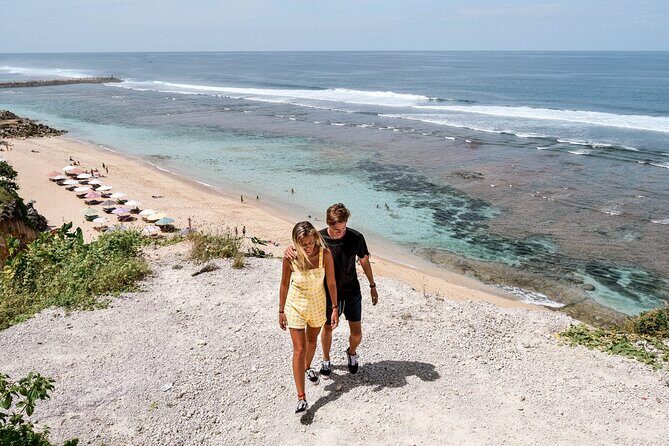
After Uluwatu, the tour heads to the Melasti Beach area in Ungasan. You’ll spend about an hour there, and part of that time is designed for a traditional Balinese dance experience.
This stop matters because it gives you cultural context before the biggest performance moment. Instead of jumping straight from temple scenery into a show with no setup, you’ll be surrounded by the setting where Balinese performing arts take center stage. It’s also a helpful rhythm: temple views first, beach culture next.
If you’re curious about what you’re watching, this tour specifically references the kecak tradition and notes its alternate description as the monkey chant dance. You’ll also learn it as part of a story-based performance (the material shared for the kecak fire dance is linked to Rayamaya). Even if you don’t know all the background, the structure is usually easy to follow: repeated vocal rhythms build intensity, the group performance holds attention, and then fire adds a visual cue that it’s moving into a more intense chapter.
One practical thing: don’t assume the schedule will feel like a museum timetable. With live performances and sunset timing, you’ll want to stay flexible. The tour format is designed to keep you there for the right moments, but the atmosphere is the real timetable.
Kecak and Fire Dance: Where the Afternoon Becomes a Story
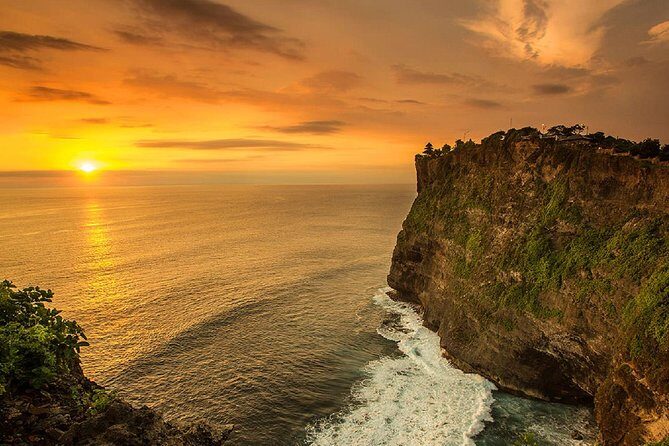
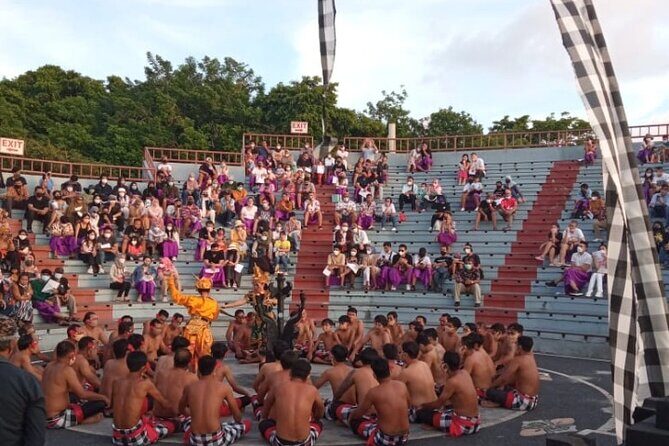
The tour’s final performance block is the kecak and fire dance session, also arranged at the Melasti Beach area. You’ll spend about an hour here, which is long enough to feel the performance arc but short enough that it doesn’t drag.
Why this part is a big deal: kecak performances are physical and communal. The sound is the engine. Instead of a small stage with a single performer, the energy spreads through a group formation. The fire component makes it feel even more striking, because the contrast between controlled ritual movement and the heat visuals grabs your attention instantly.
If you’re choosing this tour over doing Uluwatu on your own, this is the payoff. Temple scenery is gorgeous—but the cultural performance is what you’ll remember when your brain starts comparing Bali photos against other trips you’ve taken. This one gives you a moment that feels distinctly Balinese in both sound and spectacle.
A small consideration: fire dance can be intense for some people in terms of smoke and heat. The tour doesn’t add extra instructions beyond saying it’s a performance you’ll watch at the Melasti beach area, so you’ll want to judge it on your comfort level in the moment. If you’re planning for kids or anyone who gets overwhelmed by loud sound, pick your spot thoughtfully and be ready to step back a little if needed.
What Your Price Covers (And Why It’s Not Just a Cheap Ticket)
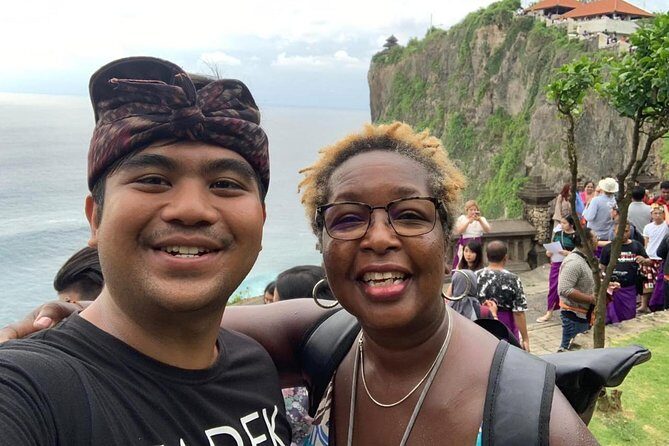
At $47.37 per person, this is priced like a solid mid-range half-day activity. The reason that matters is what’s included: entrance tickets, bottled water, an air-conditioned vehicle, and a driver or guide.
That combination is where the value shows up. In Bali, it’s common to see tours that advertise “low cost” but then hit you with entrance fees and add-on costs later. Here, the headline costs you’d otherwise budget for are already folded in. You’re also not stuck negotiating transport between Uluwatu and the next location—your A/C vehicle keeps you comfortable while you move from cliff views to beach performance areas.
Another value point: you’re doing it as a private tour. That usually means the guide can match the pace to your group and keep you from wasting time. Time is the real currency on a half-day. If you’re short on days, shaving down “getting there” friction and getting you into the key moments faster is worth more than the difference between a bargain group tour and a private setup.
A detail I appreciate for smooth travel: you’ll get a mobile ticket, and there are group discounts. If you’re traveling with friends or family, the private format can become even better value.
Private Guide Benefits You’ll Notice Fast
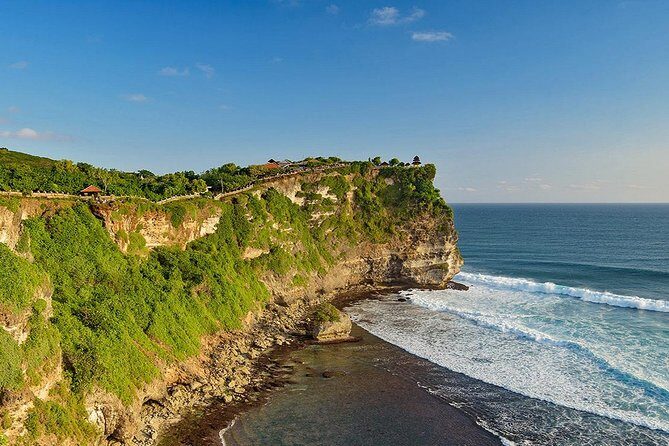
This is labeled as a private tour/activity, meaning only your group participates. That doesn’t sound thrilling on paper, but in real life it usually means fewer awkward waits and less “tour scramble” energy.
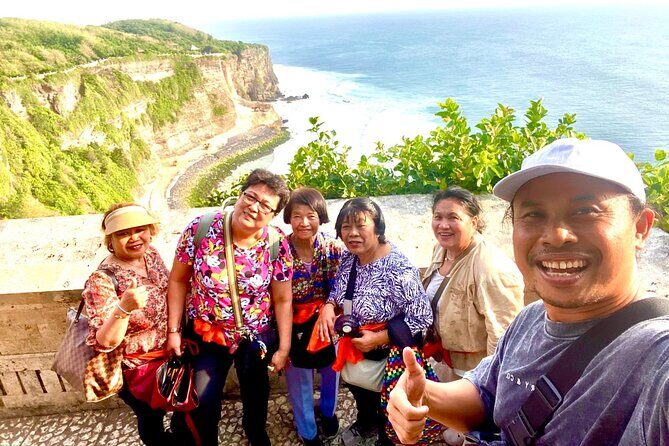
The tour includes a tour driver or guide, and the human factor comes through in real feedback. Guides such as Riko and Suar have been called out as friendly and knowledgeable, with a focus on making the experience enjoyable rather than just checking boxes. That matters because Uluwatu isn’t only a viewpoint. It’s also an active cultural site. A guide can help you understand what you’re seeing and where to focus your attention.
Also, with a private format, you can ask practical questions without feeling like you’re slowing down a larger group. Want a better spot for the sunset angle? Want help timing the transitions so you don’t feel rushed at the temple? That’s the kind of micro-adjustment that turns a standard tour into a smoother afternoon.
Finally, pickup is offered. Starting your day with less logistics stress is one of the most underrated tour benefits—especially when you’re heading between Jimbaran-area convenience and Uluwatu’s cliffside location.
Timing Tips for the Sunset-Performance Combo
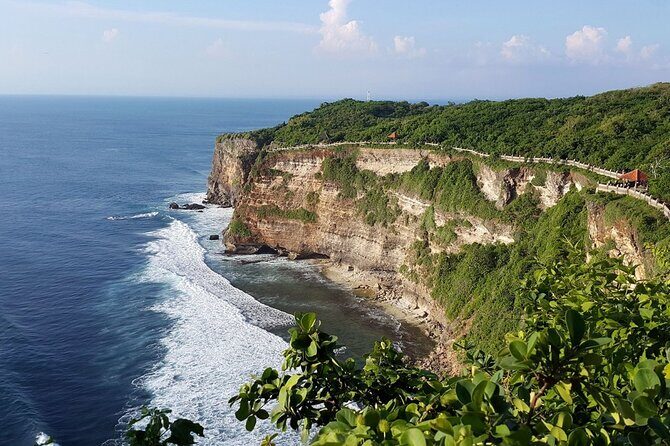
A half-day Uluwatu tour is a balancing act: you need enough time for Uluwatu Temple before sunset, but you also need to be at Melasti Beach for the kecak and fire dance on schedule.
Here’s how to make it work smoothly on your end:
- Keep your schedule buffer. Don’t plan another activity immediately after the tour ends.
- Bring something light for evening air. Cliffside areas can feel cooler once the sun drops.
- Stay mentally flexible. Live performance timing and sunset light can shift slightly based on conditions.
Also, remember that the tour uses the phrase golden hour and explicitly positions sunset at Uluwatu Temple. That means the temple stop is doing the heavy lifting for the main scenic moment. Treat that first stop like the anchor, and let the performances fall into place after.
Who This Tour Fits Best (And Who Might Skip It)
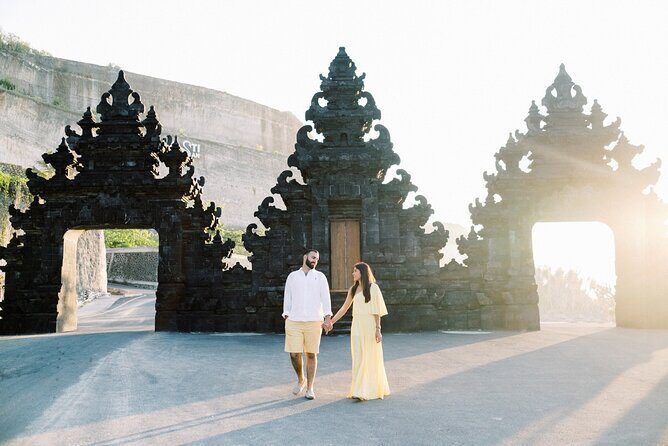
This half-day private Uluwatu tour is a great fit if you want:
- a cliff-top sunset experience without doing the driving and logistics yourself
- a blend of temple sightseeing and Balinese performance culture
- a private pace for a short schedule
It’s especially good for couples and small groups who want maximum “wow” per hour. If you’re staying in or around Jimbaran and you don’t want to burn a full day chasing south Bali highlights, this format is built for that.
You might consider skipping it if you strongly prefer total freedom with no scheduled performance blocks. Also, if you know you’ll be upset by weather-related changes, keep in mind that this experience requires good weather and can be adjusted or refunded if cancelled.
Should You Book the Private Half Day Uluwatu Tour?
If you want a short, high-impact South Bali afternoon, I’d book it. The biggest reasons are practical: entrance tickets and bottled water are included, and the day is structured around the two main pillars—Uluwatu Temple for sunset views and the Melasti Beach area for kecak and fire dance. That’s a lot of value packed into a 4 to 6 hour window, especially in a private format.
One last nudge: check your comfort with performances and fire, and dress for cooler cliffside evening air. If you do that, you’ll likely find this is the kind of tour that leaves you with both a stunning horizon memory and a culture-first story to talk about later.
FAQ
How long is the half day Uluwatu tour?
It runs about 4 to 6 hours total.
Is this tour private?
Yes. It’s a private tour/activity, so only your group participates.
Do I need to buy Uluwatu Temple entrance tickets separately?
No. All entrance tickets are included.
Is pickup included?
Pickup is offered.
What’s included besides tickets?
The tour includes bottled water and an air-conditioned vehicle with a tour driver or guide.
Where does the kecak and fire dance happen?
The kecak and fire dance are seen at the Melasti Beach area.
What happens if the weather is bad?
This experience requires good weather. If it’s cancelled due to poor weather, you’ll be offered a different date or a full refund.
What’s the cancellation policy?
You can cancel up to 24 hours in advance for a full refund.