Rural Charm of Bali Tour
Gulingan Village feels like a Bali timeout. This rural Ubud tour trades beaches for rice terraces, village life, and a real Balinese cooking lesson where you’ll see herbs and spices turned into dishes you can actually eat. I like that it includes a traditional lunch in the countryside, not just a quick snack. I also like that you get more than a show: there’s hands-on spice work and village activities on the way. One thing to plan for: the day can start early with pickup, and the schedule can feel a little tour-by-tour different depending on the guide and extra stops.
If you want Bali that feels lived-in, this is a solid way to get it. You’ll spend time in and around Batu Sepih/Kemenuh area, walking through farming areas tied to coffee, vanilla, and cloves. Then you’ll move into a traditional kitchen to learn how common Balinese flavors come together—plus you’ll leave with lunch made from your own spice-mixing efforts, not a generic meal.
In This Review
- Key Points to Know Before You Go
- Why Gulingan Village Feels Like a Real Countryside Detour
- Pickup Timing, Duration, and How to Schedule Your Day
- The Ride From Your Hotel: Convenient, But Know the Trade-Off
- Wandering Through Farming Country: Kites, Ponds, and Spice Plants
- The Traditional Market Stop: Why It Matters for the Cooking Class
- Inside the Kitchen: How the Spice Work Actually Goes
- Lunch in a Thatched Pavilion: Food Meets the Rice Fields
- The Guide Factor: Gus, Pushiness, and Keeping Control
- How Group Size Changes the Vibe
- Price and Value: Is $71.80 Worth It?
- Who This Tour Suits Best (and Who Should Skip It)
- The Practical Verdict: Should You Book Rural Gulingan Village?
- FAQ
- FAQ
- What time does the tour start, and how long will I be out?
- Is lunch included?
- Do you pick up from hotels? If so, where?
- Will I need to walk, and what should I wear?
- How big can the group get?
- Can I cancel and get a full refund?
Key Points to Know Before You Go
- Rural Gulingan Village setting with rice terraces and a quieter, countryside pace
- Cooking demo plus hands-on spice prep (you grind, mix, and help build flavor)
- Lunch included in a traditional pavilion setup among the fields
- Village-style activities can include kite flying, Gamelan, and pond fishing
- Hotel pickup is offered from major Ubud-area beach towns and you’ll be back the same day
Why Gulingan Village Feels Like a Real Countryside Detour
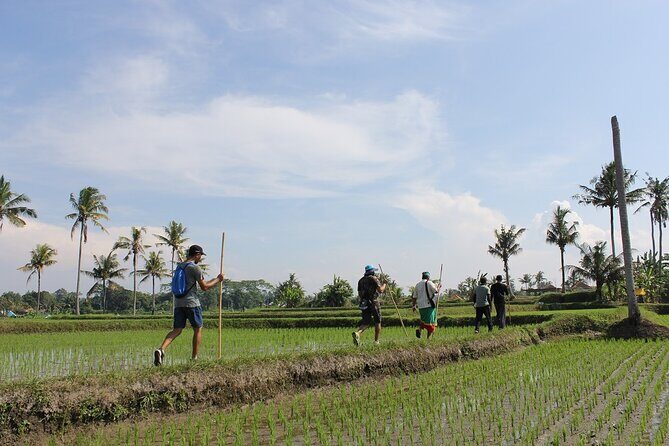
This tour is about contrast. Ubud has plenty to do, but it can still feel busy and curated. Here, you head into Bali’s interior to experience everyday rhythms: farms, ponds, and village routines that aren’t built for souvenir stops.
The best part is that the day connects food to place. You don’t just learn cooking in a classroom. You walk through farming areas linked to ingredients people actually use, then you watch (and help with) the spice process in a traditional kitchen. That chain—field to kitchen—makes the whole thing click.
I also appreciate that the cooking section is built around recognizable Balinese dishes. You’ll learn the kind of flavors behind Yellow Rice and fresh vegetable sides, plus a wrapped item called Tum Wrapping (spelling as shown in the tour materials). When you can tie the meal to the steps you saw, you’re more likely to remember it—and you’re more likely to recreate it later.
Pickup Timing, Duration, and How to Schedule Your Day
The tour starts at 9:00 am. If you’re using hotel pickup, you’ll be collected between 30 minutes and one hour before 9:00 am, and the exact time is confirmed by the operator.
Plan for a day that lasts about 4 to 6 hours total (most of the time outside depends on traffic and how the guide structures stops). This matters because Bali traffic can turn “half-day” into “why is it still driving?” if you stack other plans right after.
My practical advice: keep the rest of your day loose. If you have spa bookings or dinner reservations, schedule them at least a few hours later. You’ll come back with lunch in your stomach, and you might have some walking to loosen up.
The Ride From Your Hotel: Convenient, But Know the Trade-Off
You get pickup and drop-off from major hotels in Kuta, Seminyak, Sanur, Jimbaran, and the Nusa Dua area. That’s a big convenience if you don’t want to handle transport on your own.
The trade-off is simple: you’re traveling from coastal areas into the interior, and that adds time. Also, pickup is shared logistics, not a private charter. So even if the tour itself is 4–6 hours, your “door-to-door” time will be longer than you’d expect if you’re staying nearby Ubud.
If you’re coming from a different part of Bali than the pickup zones listed above, you might need to start from the meeting point instead. The meeting point is the Bali Budaya Cultural Village area (Jalan Raya Ir. Utami, Br. Batusepih – Kemenuh, Kemenuh, Sukawati, Gianyar Regency, Bali 80582).
Wandering Through Farming Country: Kites, Ponds, and Spice Plants
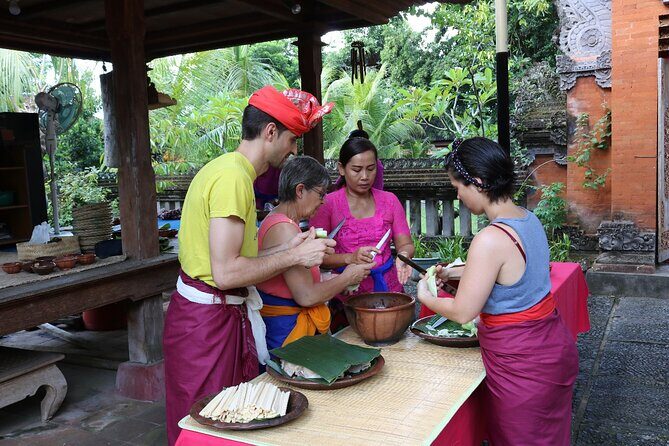
After pickup, you head into the island’s interior. The goal is to show you rural Bali away from beach crowds and souvenir lanes.
At the village side of the experience, you may get a chance to try a mix of activities, such as:
- flying a classic Balinese kite
- trying Gamelan (bamboo instruments used in ceremonies)
- going fishing in a local pond
- walking through fields connected to coffee, rice, cloves, and vanilla
This is the kind of section I like because it doesn’t feel like forced “check-the-box” sightseeing. You’re doing small, village-style activities that match the setting. It also explains why the later cooking makes sense. When you’ve walked past plants tied to spice and flavor, the cooking lesson stops being abstract.
One practical note: you will do some walking through rural areas and rice fields. That’s not a runway stroll. Bring good walking shoes, and expect uneven ground.
The Traditional Market Stop: Why It Matters for the Cooking Class
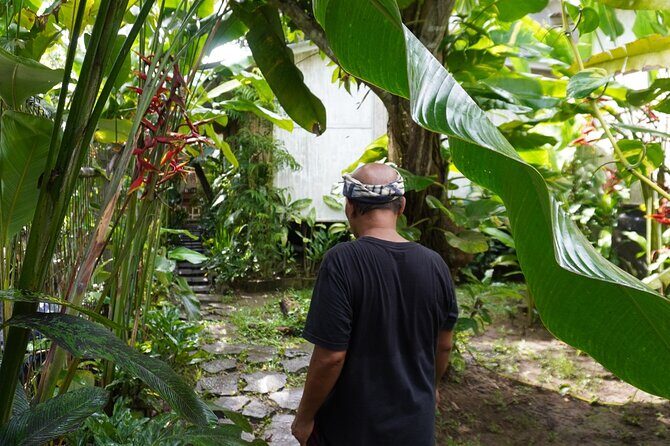
A highlight that makes this tour more than just a cooking show is the ingredient intro. The day includes a visit to a local traditional market where you can see fresh ingredients and spices up close.
This matters because Balinese cooking is built on flavor layers. Watching the chefs work is fun, but seeing ingredients first makes the technique stick. It also helps you understand what you’re eating at lunch, since you’ve already seen the raw components.
Don’t expect a long shopping spree. Think of it as a learning stop. You’ll be back in motion soon enough.
Inside the Kitchen: How the Spice Work Actually Goes
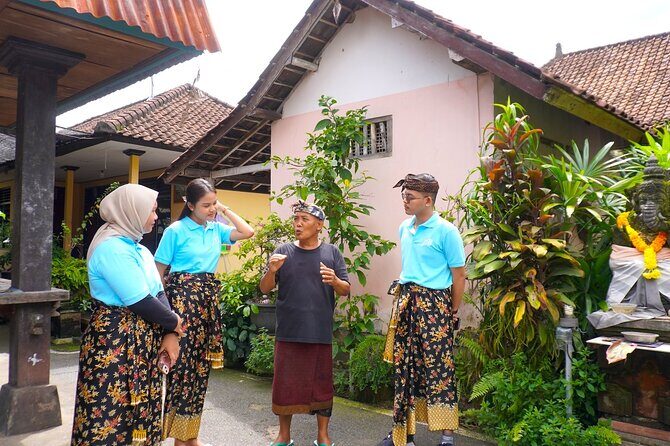
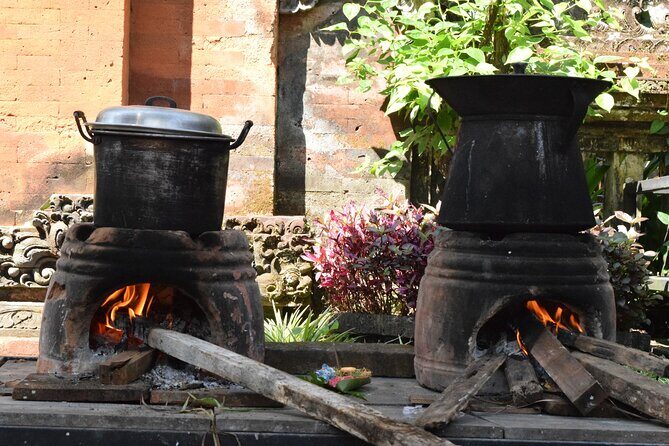
The cooking segment happens in a traditional kitchen in the village area. You’ll begin with a hands-on demonstration: grinding, mixing, and preparing the herbs and spices that shape Balinese dishes.
Here’s the honest expectation setting: most of the cooking is demonstrated by the hosts, but you do get chances to participate. Some days feel more hands-on than others, depending on group size and the flow of the class. You’re not just watching from the sidelines.
The dishes tied to the lesson include:
- Tum Wrapping
- Yellow Rice
- Fresh vegetables
You’ll learn how the spices and herbs combine into the flavors that make these meals work. The kitchen approach is simple in concept—ground ingredients, careful mixing, and traditional preparation—but it’s effective. And when lunch shows up, it’s not random. It’s the meal you helped build.
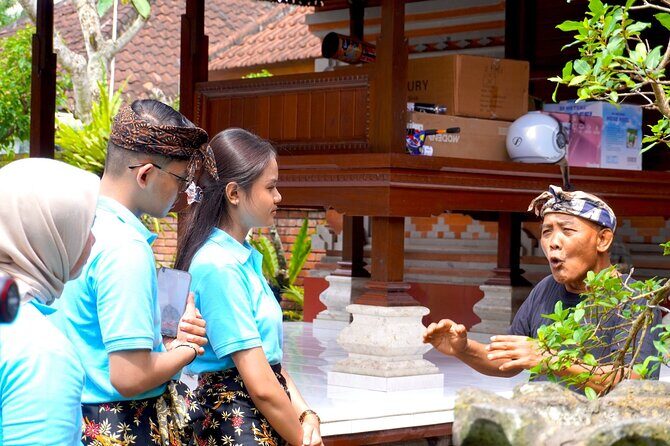
I also like that the class is paired with a guided explanation from an English-speaking licensed guide. If you’ve ever watched cooking demos that feel like theatre, this one has the practical “why” behind the method.
Lunch in a Thatched Pavilion: Food Meets the Rice Fields
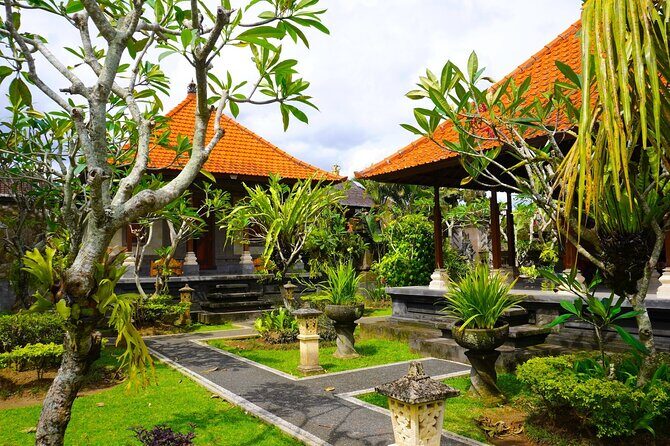
After the cooking demo, you eat lunch in a customary thatched pavilion setting among the countryside rice views.
In other words: you get both the meal and the setting. That’s not just for photos. Eating outdoors in this kind of setup changes the whole tone of the day. You’re not stuck at a restaurant counter; you’re tasting food in the same rural context where you learned it.
Based on the tour descriptions and the structure of the class, lunch is the payoff: you sit down after seeing ingredients, doing some spice prep, and watching traditional cooking methods. And yes—the cooking is often described as a standout part of the day. If you care about eating well in Bali, this is one of the more direct routes to that.
The Guide Factor: Gus, Pushiness, and Keeping Control
Guides can make or break a tour like this. The good ones are friendly, informative, and help you connect the dots between village life and what you eat.
In the feedback tied to this experience, a guide named Gus comes up positively for being great and enjoyable. That’s a good sign, because the day runs smoothly when your guide keeps the rhythm and doesn’t rush you.
Still, there’s a real consideration here. A few experiences note that a guide can be pushy about booking extra tours, or that you may get dragged into additional stops. One review also mentioned extra additions like a batik factory, an art gallery, and a coffee plantation.
My advice if you book: go in with a clear plan for your own time. If you’re not interested in add-ons, say so early and calmly. Most guides will still do their job, but you’ll avoid the “last-minute sales pitch” feeling.
How Group Size Changes the Vibe
The tour lists a maximum group size of up to 99 travelers, which is the official ceiling. In practice, the size can vary a lot.
Some experiences were described as very small, with only a couple of people in the group, which can make the cooking and Q&A feel personal. In a large group, the class will still run, but you might get fewer opportunities to step in during spice prep.
If you can choose, smaller groups are simply better for participation. But even in standard group size, the core value—spice lesson plus lunch—should still come through.
Price and Value: Is $71.80 Worth It?
At $71.80 per person, you’re paying for more than “watch cooking.” You’re getting:
- a traditional cooking demonstration
- lunch included
- a guided market/ingredients experience
- hotel pickup and drop-off from multiple areas
- an English-speaking licensed guide
- access to rural village activities and walking time in the interior
That’s why the cost can make sense. You’re paying for transport and a bundled cultural meal experience, not just a recipe show. In Bali, transport alone can eat a chunk of a day’s budget, and lunch on top of that usually costs extra.
The one value risk is the day can include extra stops depending on the route and guide. If that happens and you don’t care about add-ons, you might feel like time shifts away from the core village + cooking pieces. But if you stay focused on the lunch and cooking work, the package generally delivers.
Who This Tour Suits Best (and Who Should Skip It)
This is a good fit if you:
- want an Ubud rural day that doesn’t revolve around spas or temples
- care about food and want to understand spice technique, not just taste dishes
- enjoy short village activities like kite flying or pond fishing
- prefer guided learning with practical explanation in English
Consider skipping or choosing something else if:
- you strongly dislike early pickups
- you want a fully hands-on cooking class where you do most of the cooking yourself
- you don’t want any extra stops added during the day
If you’re traveling with kids, this can still work, but the walking through rice fields and the pacing of a shared group tour may feel like a lot. Wear shoes, bring water if allowed, and keep expectations realistic.
The Practical Verdict: Should You Book Rural Gulingan Village?
I’d book it if your idea of a great Bali day includes rural life, real ingredients, and lunch that isn’t an afterthought. The cooking lesson hits the core reason most people come to Bali food experiences: spices, technique, and a meal you can name and remember.
I’d also go in with one expectation check: you’ll participate in the spice work, but you’re not guaranteed to be the lead cook at every step. And be clear about add-ons if you don’t want them.
If you’re the type who likes quiet scenery, countryside activities, and eating what you helped make, this is a good value pick for your Ubud visit.
FAQ
FAQ
What time does the tour start, and how long will I be out?
The start time is 9:00 am. The experience runs about 4 to 6 hours (exact timing can vary with pickup and driving).
Is lunch included?
Yes. You’ll have lunch after the cooking demonstration, and it’s part of the included experience.
Do you pick up from hotels? If so, where?
Pickup and drop-off are available from major hotels in Kuta, Seminyak, Sanur, Jimbaran, and the Nusa Dua area.
Will I need to walk, and what should I wear?
Yes, there is some walking through rural villages and rice fields. Wear good walking shoes.
How big can the group get?
The tour lists a maximum group size of up to 99 travelers.
Can I cancel and get a full refund?
Yes. You can cancel for a full refund up to 24 hours before the experience’s start time.