Sacred Spring Experience – Ubud Tour
This is the Ubud day you can actually plan.
I like this tour because it strings together the big Ubud hits in a logical order, with an A/C pickup-and-drive setup that helps when Bali heat and traffic stack up. Two things I’m especially glad about: your guide (often Aji) handles navigation smoothly and seems to know exactly where to stand for great photos, and the stops are built around real experiences, like a guided walk through the Monkey Forest and the holy-spring ritual at Tirta Empul. The main drawback to consider is the pace: it’s an 8–10 hour day with multiple attractions, so if you want slow wandering and long sit-down breaks, you’ll need to manage your expectations.
The tour also helps first-timers get their bearings fast. You get one day, one guide, and a route that covers temples, rice terraces, and Bali’s coffee culture, plus guided time at key places. Admission is listed as included for most stops, so you’re not stuck doing constant on-the-spot ticket math.
Finally, it’s a private group experience (only your group), which can feel more relaxed than joining a larger tour bus. Still, the day includes walking and sightseeing at several different locations, so comfy shoes really matter—more than you might expect.
In This Review
- Key highlights worth your attention
- What You’re Really Buying With This Sacred Spring Ubud Tour
- Getting Started: Pickup, Group Comfort, and How the Day Flows
- Stop 1: Sacred Monkey Forest Sanctuary and the Guided Walking Part
- Stop 2: Tegalalang Rice Terrace and the Subak Irrigation System
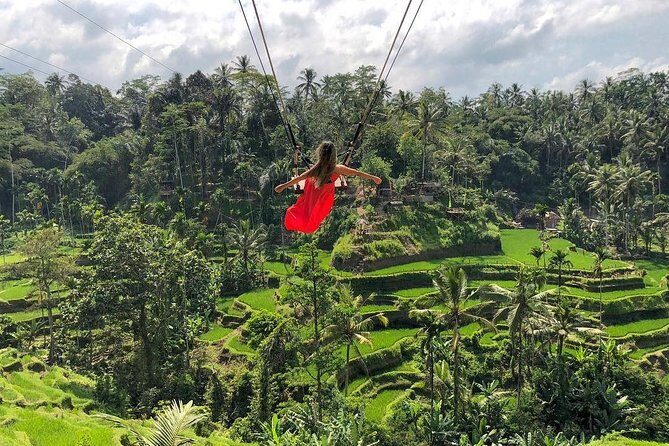
- Stop 3: Uma Ceking Resto and Swing Photos With Rice Terrace Views
- Stop 4: Tirta Empul Temple Holy Springs for Body Purification
- Stop 5: Cantik Agriculture Coffee Plantation and Luwak Tasting
- Price and Value: Is $96.51 Worth It?
- The Real MVP: Your Guide (Especially When It’s Aji)
- Who Should Book This Ubud Sacred Spring Circuit?
- Quick Must-Know Tips Before You Go
- Should You Book This Tour?
- FAQ
- FAQ
- How long is the Sacred Spring Experience Ubud Tour?
- Is pickup included?
- Is this a private tour?
- Which stops are included in the tour?
- Are admission tickets included?
- What is the Cantik Agriculture stop for?
- What if I need to cancel?
- How many reviews and what rating does it have?
- Is the tour suitable for most people?
Key highlights worth your attention

- A guide who’s also a photographer in practice: Aji is repeatedly praised for guiding angles and making photo moments easy.
- A smart Ubud route: Monkey Forest to rice terrace to swing to Tirta Empul to coffee, with driving between each stop.
- Guided time at the places that matter most: You get structured walking time rather than just being dropped off.
- Holy spring culture at Tirta Empul: You’ll see locals purify with the water-element bathing ritual at the temple fountains.
- Tegalalang’s irrigation lesson (Subak): The rice terrace stop isn’t only for photos—it’s tied to how Bali irrigates.
- Coffee + Luwak tasting at Cantik Agriculture: A free-listed final stop focused on Bali’s coffee story.
What You’re Really Buying With This Sacred Spring Ubud Tour

At $96.51 per person for an 8–10 hour day, you’re paying for three things that matter in Ubud: time, guidance, and convenience.
First, time. Ubud can be a traffic-and-heat puzzle. When you stack top attractions into one day with an air-conditioned car and pickup, you lose fewer hours to logistics and more hours to seeing. Second, guidance. A lot of Bali tours turn into a drive-by photo line. This one includes guided walking and structured time at major stops, which is where your day tends to feel richer. Third, convenience. Admissions are listed as included for several stops, and you’re not juggling multiple separate tickets all day.
Because this is private, it’s also easier to match the day to your group’s pace. You can ask questions, pause for photos, and take the route with less pressure than a big-group schedule.
The value question for you: if you want a high-hit day with local context (temples, rice irrigation, and sacred bathing), this format works. If you want a slow, artsy, stay-in-one-area vibe, you might feel rushed.
Getting Started: Pickup, Group Comfort, and How the Day Flows
The experience runs about 8–10 hours, and pickup is offered. That matters because Ubud mornings can start with a scramble—finding parking, arranging rides, and trying to beat the midday sun. A pickup-and-drive plan cuts that stress down to size.
You’ll also be in a private setup. Only your group participates, so you’re not squeezed into a shared rhythm with strangers. The price is per person, and group discounts are mentioned, which can make this a good deal if you’re traveling as a small group of friends or family.
A small practical tip: even if you’re taking most of the day seated in the car, plan for the non-car parts. Monkey Forest and temple areas involve walking on paths, plus time spent looking up and around for features and photo spots. Put your most comfortable shoes on, not your prettiest ones.
Stop 1: Sacred Monkey Forest Sanctuary and the Guided Walking Part
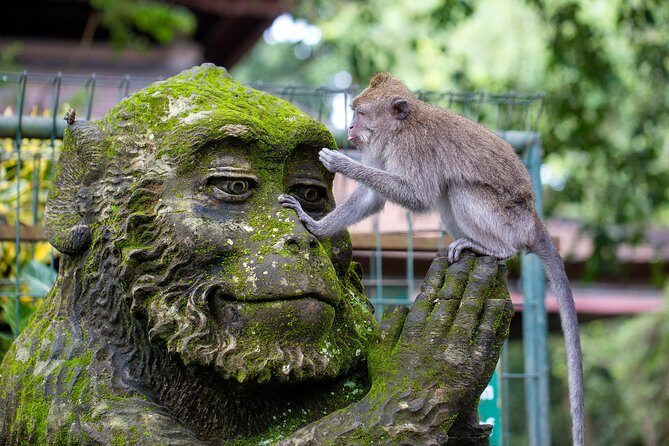
Your first major stop is the Sacred Monkey Forest Sanctuary, with a guided walking tour. This is where the day earns its attention. You’re not just seeing a “monkey place.” You’re stepping into the real habitat of long-tail macaques—nearly 900 of them are mentioned as part of the site experience—so the experience is about coexistence in a living forest environment.
The guided piece is the key. A guide can help you move through the grounds without turning the whole visit into a guess-and-search game. You’ll also get time to explore iconic features like the dragon bridge, the lush forest areas, a river canyon zone, and the monkeys temple area.
What to consider here:
- Expect monkeys. That sounds obvious, but it changes how you behave. Keep your hands close to your body, secure bags, and stay alert when you stop for photos.
- This is also a place where shade helps. It can still feel warm depending on the day, but you’re less likely to be baking if you’re moving through forest sections.
- The guided walking tour is listed as about 2 hours with an admission ticket included, so you’ll have enough time to enjoy it without rushing.
If you’re sensitive to wildlife or prefer controlled environments, this first stop may not match your comfort level. If you enjoy observing nature with a bit of respectful chaos, it’s one of the most memorable starts you can pick in Ubud.
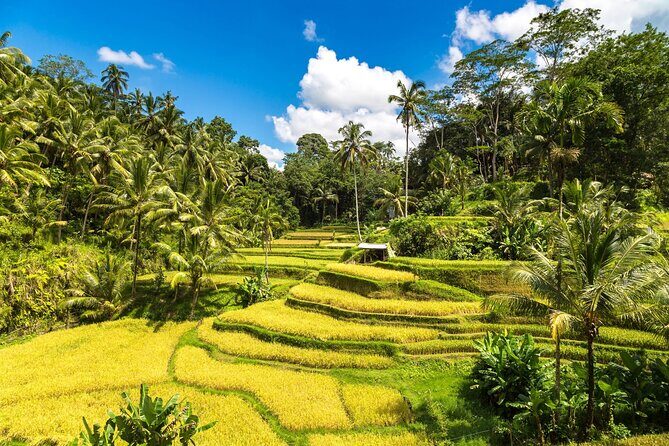
Stop 2: Tegalalang Rice Terrace and the Subak Irrigation System
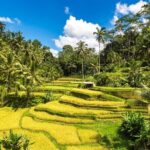
Next up is Tegalalang Rice Terrace, a cliffside view area sitting about 600 meters above sea level (as listed). It’s classic Ubud, and it’s classic for a reason: the terrace patterns are striking, and the location gives you strong “wow” perspectives.
Here’s what I like about this stop: it’s not only a photo stop. The experience is framed around Bali’s ancient irrigation system called Subak. That turns your visit into something you can understand, not just something you can snap.
You’ll have about 1 hour here, with admission ticket included. That time usually works because you’ll want:
- a couple of viewpoints for photos,
- time to walk along the terrace edges,
- and a moment to look at how irrigation connects across the levels.
Possible drawback: terrace viewpoints can be slippery or uneven. Keep your footing careful, especially if you’re wearing flip-flops or anything with weak grip. Also, this is one of the busier Ubud highlights, so you might need to be patient with crowds when you want the cleanest shot.
Stop 3: Uma Ceking Resto and Swing Photos With Rice Terrace Views

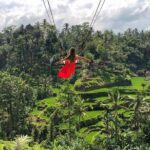
Then you move into Uma Ceking Resto and Swing. This is the part of the day where the vibe shifts from “nature and temples” to “playful Ubud photos.”
The stop is listed as about 2 hours, with admission ticket included. The swing experience focuses on the rice terrace view, and there’s also time for photos in a beautiful bird nest setting.
Here’s the practical way to think about it: swing attractions are mostly about the moment and the photos. If you go in expecting it to feel like a theme park ride, you’ll be fine. If you go in expecting a long lesson or quiet cultural setting, the swing stop will feel short and photo-driven.
A few things you can do to make it easier:
- Wear clothes that handle movement and shifting positions.
- If you’re photo-focused, tell your guide what kind of angles you like. Guides who are used to helping people get shots (like Aji, based on feedback) can make a big difference in how quickly you get the photo you want.
- Plan for photos taking time. The swing moment usually lasts briefly, but the setup and picture sequence can fill your 2-hour window.
Stop 4: Tirta Empul Temple Holy Springs for Body Purification
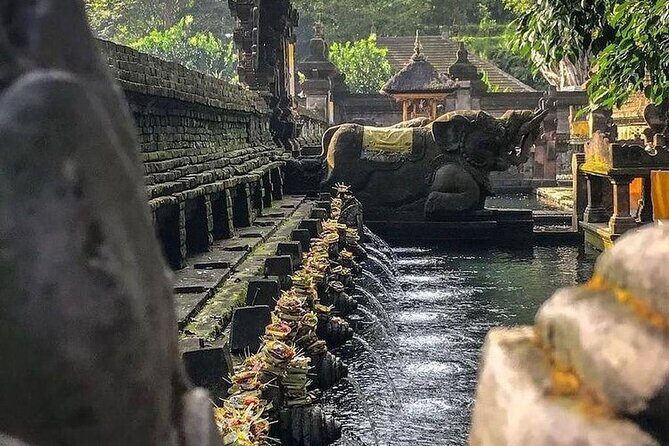
After the swing stop, the day gets more spiritual at Tirta Empul Temple. This is one of Bali’s best-known holy spring experiences, and it’s included as about 2 hours with an admission ticket.
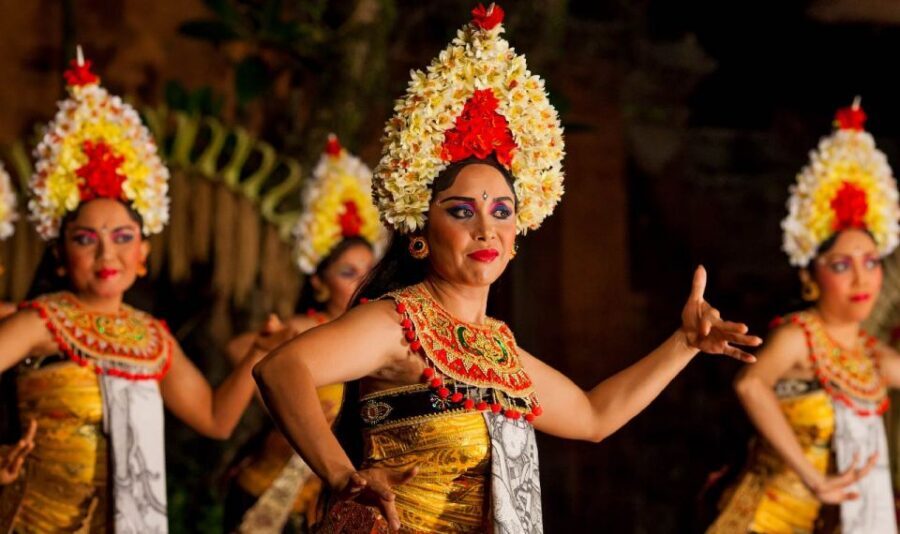
You’ll observe how local Hindu Balinese people purify their bodies through a spiritual bathing ceremony at holy spring fountains. The experience is connected to volcanic spring water and is tied to UNESCO recognition as a source of Ubud’s holy waters (as listed).
This is not a “spectator-only” attraction in spirit. It’s a working religious site, so your best approach is respectful observation and following any guidance from the temple area staff and your guide.
What to consider:
- You may get wet. Bring a small plan for what you’ll do with your belongings before you enter the bathing fountain areas.
- Be prepared for rules. Many temples have clear expectations around dress and conduct. If you’re not sure what’s required, your guide can help you understand what to do before you start.
- Photography can be sensitive. Pay attention to signage and people’s practices, and don’t treat the purification steps like a set for staged poses.
This stop is often where the tour becomes more meaningful, not just scenic. If you like cultural experiences that explain why the place matters, Tirta Empul does that.
Stop 5: Cantik Agriculture Coffee Plantation and Luwak Tasting
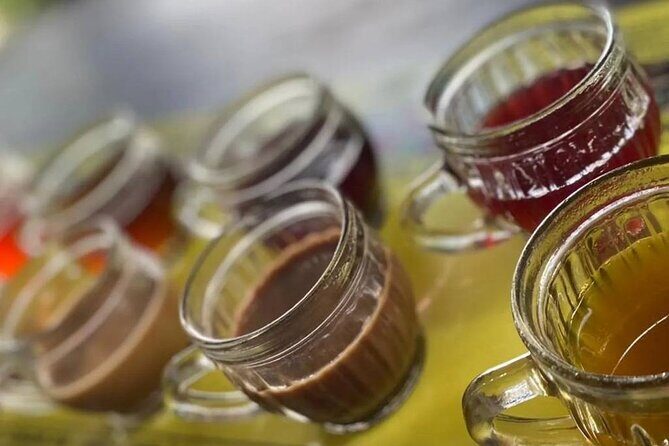
The final stop is Cantik Agriculture, focused on coffee culture. You’ll taste coffee connected to the famous bean called Luwak (also written Luwak in the listing). The stop is listed as about 1 hour, and the tasting/entry is shown as ticket-free.
The coffee story matters here because it’s part of why Bali has such a strong reputation for coffee tourism. You’ll learn the plantation context and then try the coffee, which is usually the point where the whole day’s flavors shift from “viewpoints and temples” to “something you can bring home in your taste memory.”
A practical note: coffee is not everyone’s thing. If you don’t drink coffee, it may still be interesting to watch and learn about how the bean is processed, but tasting may be less useful. The stop being shorter helps, and it’s a gentle wrap-up before returning.
Price and Value: Is $96.51 Worth It?
Let’s talk value plainly. At $96.51 per person, you’re paying for a private guide-and-driver format, plus admission inclusion at key stops.
Here’s why that can feel fair:
- Multiple major attractions across Ubud in one day means you’re not paying again for another separate transport plan.
- Admission tickets are listed as included for the Monkey Forest, Tegalalang Rice Terrace, Uma Ceking Swing, and Tirta Empul. That takes uncertainty out of your day.
- Cantik Agriculture is listed as ticket-free, which adds extra value in the day’s last hour.
What might make it feel pricey:
- If you only care about one or two of the highlights, bundling them all into one 8–10 hour schedule may not match your personal interests.
- The day’s structure means you’ll be spending more time moving and waiting at each stop than if you stayed in one neighborhood and traveled slowly.
For most first-timers, though, this is a strong “see the key stuff with guidance” deal. And if you get a guide like Aji—recognized for easy connection, humor, smooth navigation, and even a last-minute pit stop—that’s the kind of service you can’t easily DIY on your own.
The Real MVP: Your Guide (Especially When It’s Aji)
A big chunk of the tour experience here is the human part. Aji comes up again and again in feedback: he’s described as kind, funny, and easy to connect with. More importantly, he’s praised for navigation and for making photo moments easier—guiding people into positions and angles that produce consistently good results.
One review highlights a last-minute pit stop. That’s small, but it matters. It shows the day isn’t only a rigid checklist. It adapts to comfort and timing when needed.
Also, one thing I appreciate is that good guidance changes how you spend time at each location. If you know where to stand, how to frame, and how to move through the space without bumping into crowds in the wrong places, you end up spending more time enjoying and less time shuffling.
Who Should Book This Ubud Sacred Spring Circuit?
This tour fits best if you:
- are visiting Ubud for the first time and want a day that covers temple, rice terraces, and nature,
- like guided time so you don’t feel lost,
- want a private setup with an air-conditioned car,
- care about getting good photos without turning the whole trip into a photography project by yourself.
It may feel less ideal if you:
- want a slow, unstructured day with no hard schedule,
- dislike wildlife interactions (Monkey Forest is full of macaques),
- need a lot of long downtime between stops.
Quick Must-Know Tips Before You Go
A few simple things help you enjoy the full route:
- Pack comfy shoes for walking at Monkey Forest and along Tegalalang viewpoints.
- Bring a plan for sun and water. Even with AC in the car, you’ll be outdoors at multiple stops.
- For Tirta Empul, go in respectful and follow local temple guidance.
- If you want photos, tell your guide what you like—then let him guide you into positions. Feedback strongly suggests the photo help is part of the value.
- If you’re traveling with friends or family, consider booking as a group—group discounts are mentioned and private days usually feel better with familiar faces.
Should You Book This Tour?
If your goal is a high-quality first-time Ubud day with Sacred Monkey Forest, Tegalalang Rice Terrace, Ubud swing, and Tirta Empul all in one smooth plan, I’d say yes. You’re not only collecting landmarks; you’re getting guided context—Subak irrigation at Tegalalang and the holy spring purification ritual at Tirta Empul. Add in a guide like Aji, and the day tends to feel easier and more satisfying than a self-guided scramble.
If you only want one or two of these places, or you hate busy, all-day schedules, you may do better choosing a shorter, more focused tour. But for most first-timers who want to cover the core of Ubud without stress, this circuit is a solid bet.
FAQ
FAQ
How long is the Sacred Spring Experience Ubud Tour?
It runs about 8 to 10 hours.
Is pickup included?
Pickup is offered.
Is this a private tour?
Yes. It’s private, and only your group participates.
Which stops are included in the tour?
The tour includes Sacred Monkey Forest Sanctuary, Tegalalang Rice Terrace, Uma Ceking Resto and Swing, Tirta Empul Temple, and Cantik Agriculture.
Are admission tickets included?
Admission tickets are listed as included for the Monkey Forest, Tegalalang Rice Terrace, Uma Ceking Resto and Swing, and Tirta Empul Temple. Cantik Agriculture is listed as ticket-free.
What is the Cantik Agriculture stop for?
It’s a coffee plantation tasting experience tied to the Luwak coffee.
What if I need to cancel?
You can cancel for a full refund if you cancel at least 24 hours in advance.
How many reviews and what rating does it have?
It has a rating of 5 with 7 reviews.
Is the tour suitable for most people?
Most travelers can participate.