
Threads of Tradition Miniature Keliki Painting Workshops
Tiny paintings, big Balinese lessons.
In Ubud’s Keliki area, this 3-hour workshop teaches you traditional Balinese Keliki painting in a laid-back home-studio setting. You work with classic materials, learn the layered process, and pause for afternoon tea while you get to know the artists behind the style.
I especially love two things. First, you learn from Gusti and Kedek, and the pace is unhurried—no stress, no rushing, just step-by-step help. Second, you get hands-on practice with the multi-step layers using Chinese ink and acrylic paint, and that style clicks even if you’re not an artist.
One thing to consider: this is a studio-based art class, not a full-day sightseeing tour. If you’re expecting lots of stops and big photo moments, you’ll want to plan other activities around it.
In This Review
- Key things to know before you go
- Keliki Miniatures: What Makes This Balinese Painting Style Different
- Five Arts Studio in Keliki: Where the Class Happens
- The 3-Hour Flow: What You’ll Do Step by Step
- Gusti and Kedek: Two Instructors Who Keep It Friendly
- Working With Ink and Acrylic Layers Without Getting Lost
- Afternoon Tea at a Balinese Home Studio (Why It Matters)
- What You Create—and How to Turn It Into a Real Souvenir
- Price and Value: Is $29 Worth It?
- Who Should Book This Keliki Painting Workshop
- Practical Tips to Make Your Afternoon Go Smoothly
- Should You Book Threads of Tradition Miniature Keliki Painting?
- FAQ
- How long is the Keliki painting workshop?
- Where does the workshop start?
- What will I learn during the class?
- Do I need any prior art experience?
- Is afternoon tea included?
- What materials are used?
- Is vegetarian food available?
- What should I wear?
- Is alcohol included?
- Can I take my artwork home?
- What is the cancellation window?
Key things to know before you go
- Small-group feel (max 20) means you can ask questions and actually follow along
- Two instructors, Gusti and Kedek guide your first Keliki-style attempts
- Traditional materials and layered technique use Chinese ink plus acrylic paint
- Afternoon tea included so you’re not just painting for three hours straight
- Take-home artwork gives you a real souvenir you made yourself
Keliki Miniatures: What Makes This Balinese Painting Style Different
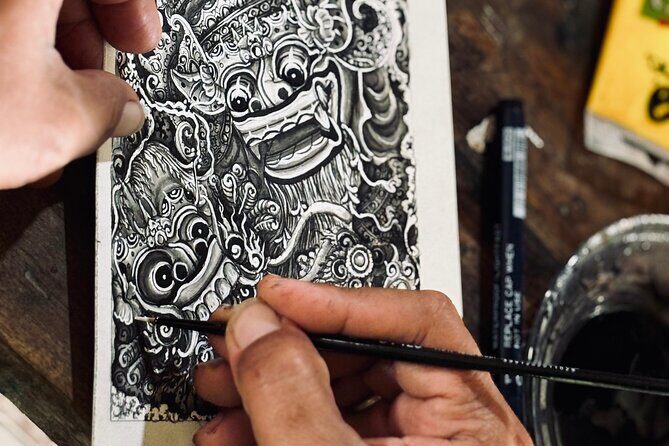
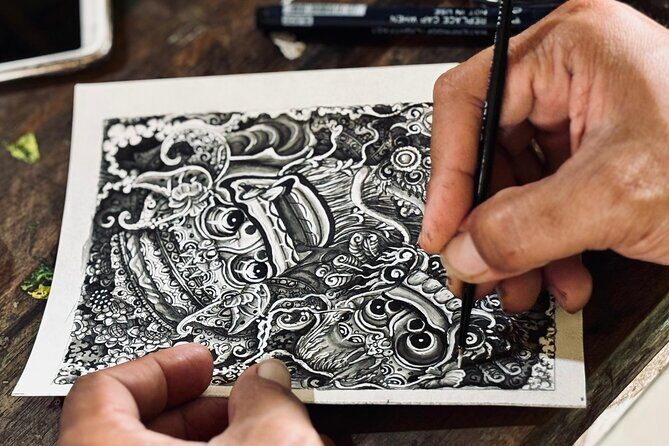
Keliki painting is a Balinese tradition that favors storytelling scenes—often village life and small, practical myths. The style is known for many careful steps, with details built gradually instead of one bold pass. That matters because the workshop isn’t just about drawing an image. It’s about learning the method behind the look.
You’ll also notice the focus on miniatures. The scale pushes you to slow down. Lines become deliberate. Shapes get placed with intent. If you’ve ever struggled with drawing because you want it perfect immediately, this format is oddly freeing—you learn how to build, correct, and keep going.
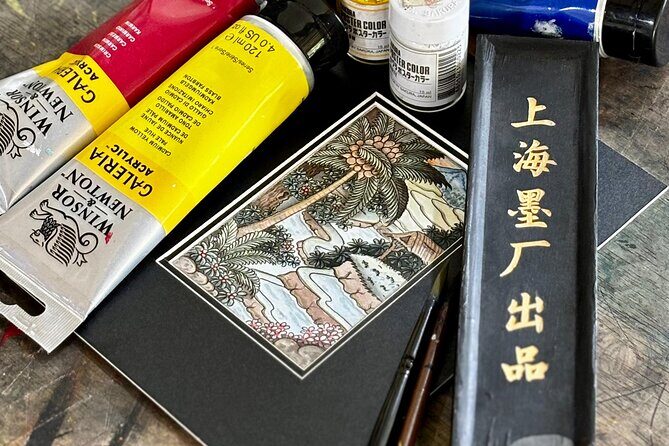
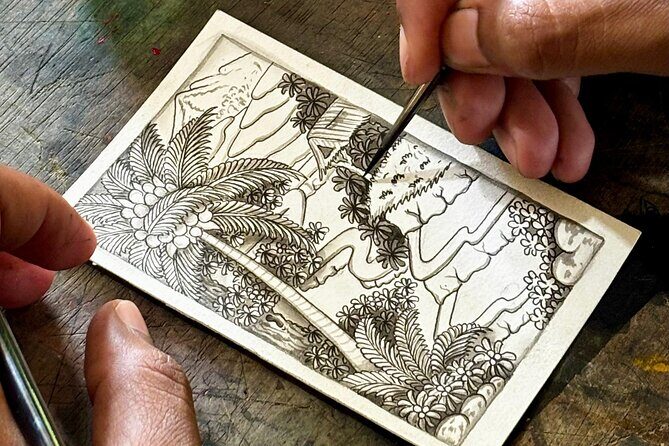
The workshop uses traditional materials, including Chinese ink and acrylic paint, and the process builds in layers. Even if you don’t master every nuance in three hours, the training gives you a clear workflow: outline, layer, refine, and finish.
Five Arts Studio in Keliki: Where the Class Happens
The experience centers at Five Arts Studio on Jl. Raya Keliki, in the Tegallalang (Gianyar) area. It’s a traditional Balinese house compound, which changes the feel from a typical classroom. Instead of fluorescent lights and a table row, you’re working in a space that’s clearly part of local life.
That also affects pacing. You’re not herded. You’re invited into the process. When you’re working with ink and paint, that calmer rhythm helps. It gives your hand time to catch up to your eyes.
You’ll start and end back at the same meeting point. So you’re not trying to solve logistics mid-class. When the workshop ends, you’re already where you need to be.
The 3-Hour Flow: What You’ll Do Step by Step
The session is about three hours. In that time, the goal is practical learning: you should come away with a clear sense of how Keliki painting is put together, plus a finished piece you can take home.
You’ll learn by doing, not by watching from a distance. The structure typically follows a pattern common to traditional art classes:
- you’re introduced to the style and key steps
- you practice the technique with guidance
- you build up layers, with the instructors checking your progress
- you finish your miniature and prepare to leave with it
Because this is designed for all skill levels, the instruction stays grounded. No prior painting experience is required. If you can follow directions and keep your attention on one step at a time, you’re in the right place.
Gusti and Kedek: Two Instructors Who Keep It Friendly
A big reason this workshop scores so well is the teaching style. Gusti and Kedek are personable and fun, and they explain in a way that makes you feel capable instead of overwhelmed.
The teaching also hits a sweet spot for beginners. You get enough structure to know what to do next, but you still have room to make choices—especially once you’re working on your own miniature.
The other subtle benefit of two instructors: you get faster feedback. When one person is explaining how a technique should look, the other can help adjust how you’re holding your tool or where you’re placing a detail. That’s the kind of attention that can make the difference between a confusing first attempt and a satisfying one.
Working With Ink and Acrylic Layers Without Getting Lost

Keliki’s look comes from layering. In this class, you’ll practice techniques using Chinese ink and acrylic paint, which is a classic pairing in many ink-based art traditions. Ink tends to set a crisp line. Acrylic helps you fill, deepen tones, and add color layers.
The multi-step approach means you’re not trying to do everything at once. You learn the logic of the layers: build detail in stages so each step can support the next. That’s also why the pace feels comfortable. You aren’t rushing through dry stages or skipping the steps that create depth.
Here’s what you can do to get the most out of the time:
- Focus on getting the first lines right, not making everything perfect
- Expect the middle stages to look unfinished at times
- Ask questions when you’re unsure about what comes next in the layering process
You’ll leave knowing the difference between simply copying a scene and actually understanding the steps.
Afternoon Tea at a Balinese Home Studio (Why It Matters)
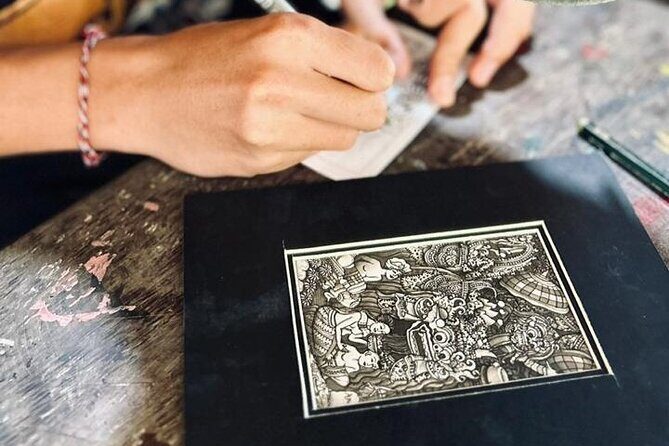
Yes, you’ll paint—but you’ll also get afternoon tea during your class. You’ll have snacks, coffee and/or tea, and mineral water included. That changes the whole experience from work-only to a social, human pace.
In a traditional house compound setting, tea time also gives you something underrated: conversation with local artists in an informal way. You’re not stuck in a scripted lecture. It feels like you’re visiting while still learning.
Tea breaks are practical here too. Ink and acrylic sessions can be tiring for your hands and eyes. A pause keeps you from pushing too hard and makes it easier to finish with a steadier outcome.
What You Create—and How to Turn It Into a Real Souvenir
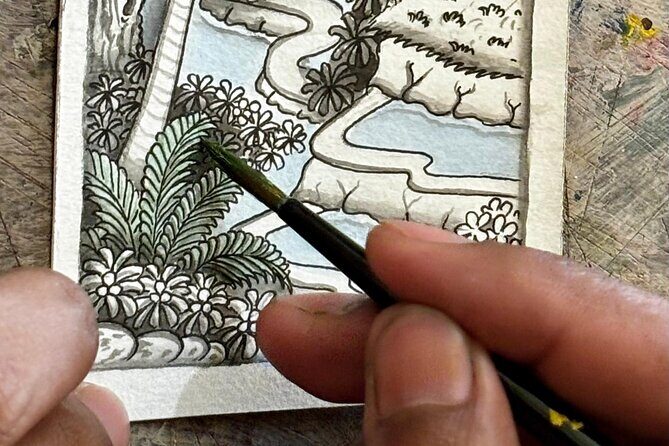
By the end, you’re set up to take home your artwork. That’s huge for value. A class that teaches you technique is great, but a class that results in something you can display later is even better.
Since this is a miniature Keliki-style workshop, your final piece is small enough to pack and show friends, but detailed enough to feel personal. The point isn’t just decoration—it’s evidence that you learned a real traditional method.
If you’re the type who likes “one good thing” from each trip, this will deliver. You’ll have an item that connects directly to a moment you did with your own hands, not just something you bought off a shelf.
Price and Value: Is $29 Worth It?
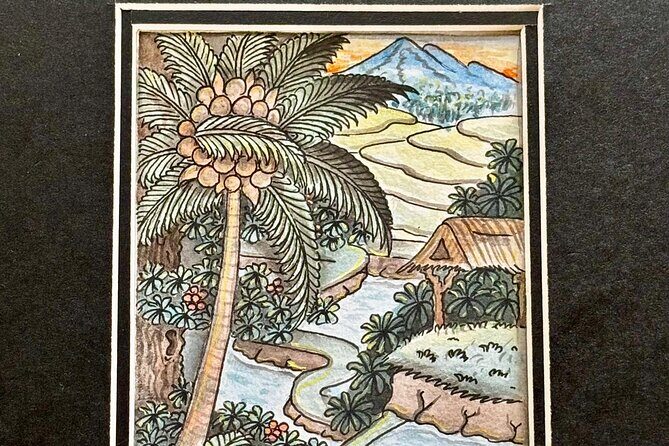
At $29 per person, this workshop is priced for people who want real culture without paying the premium of a long private tour. You’re getting a three-hour practical art lesson, instruction from two local artists, traditional materials used during the class, plus snacks and drinks.
Value here comes from three areas:
- Instruction quality: you’re not just handed paper and told to figure it out
- Technique focus: layering ink and acrylic means you learn an actual process
- Included refreshments: tea and snacks keep it comfortable and social
The class is also limited to a maximum of 20 travelers, which helps keep it from feeling too crowded. And it’s typically booked about 10 days in advance, so availability can tighten when dates are popular.
If you’re on a mid-budget trip and you want an experience that’s both useful and memorable, $29 for three hours with two artists is strong value.
Who Should Book This Keliki Painting Workshop
This workshop is a great fit if any of these sound like you:
- you want a hands-on Balinese art experience in the Keliki area near Ubud
- you’re curious about traditional painting techniques and how layering creates the look
- you want an activity that works even if you’ve never painted before
- you like small-group classes with friendly local instructors
It’s also ideal if you’re traveling with a partner or friend and want a shared creative project. The class structure supports both beginners and people who just want an easy, satisfying afternoon.
If you’re only interested in big temple tours or full-day excursions, you may feel the workshop is too focused. But if you like depth in one activity, you’ll probably leave happy.
Practical Tips to Make Your Afternoon Go Smoothly
A few details can help you have a smoother class:
Dress code is smart casual. You don’t need fancy clothes, but you should wear something you’re comfortable sitting and working in. If you’re worried about paint splatter, choose clothes you don’t mind getting a tiny bit of mess risk.
The workshop includes tea and snacks, and alcohol is not included (it’s available to purchase). So plan to hydrate and snack during class, but don’t count on a full meal afterward.
Lunch is not included. You can order local food if you want. Also, the start point is near public transportation, so you can likely fit it into your day without needing a complicated transfer plan.
Finally, because the class is unhurried and you work at your own pace, show up ready to slow down. The best results come when you focus on the next step, not when you try to finish faster than the paint and ink process allow.
Should You Book Threads of Tradition Miniature Keliki Painting?
If you want an authentic, hands-on Balinese art experience near Ubud, I’d book this. The best part isn’t just making something pretty—it’s learning a traditional Keliki technique with Gusti and Kedek in a calm setting. Add in tea, snacks, and the chance to take your piece home, and it feels like a satisfying afternoon with real substance.
You might skip it if you’re looking for a busy day of sightseeing or lots of different locations. This is intentionally focused. If you’re cool with that, it’s a great match for a thoughtful traveler.
FAQ
How long is the Keliki painting workshop?
It’s about 3 hours.
Where does the workshop start?
The meeting point is Five Arts Studio on Jl. Raya Keliki, Keliki, Kec. Tegallalang, Kabupaten Gianyar, Bali 80561, Indonesia.
What will I learn during the class?
You’ll learn the traditional Balinese Keliki painting style, including the techniques and process of drawing and painting in layers.
Do I need any prior art experience?
No. The workshop welcomes all levels, and no prior knowledge of painting is needed.
Is afternoon tea included?
Yes. Coffee and/or tea, snacks, and mineral water are included, and afternoon tea is part of the class.
What materials are used?
The class uses traditional materials, including Chinese ink and acrylic paint.
Is vegetarian food available?
A vegetarian option is available—advise the requirement at the time of booking.
What should I wear?
The dress code is smart casual.
Is alcohol included?
Alcohol is not included, though it’s available to purchase.
Can I take my artwork home?
Yes. Your finished artwork is intended to be taken home as a souvenir.
What is the cancellation window?
You can cancel up to 24 hours in advance for a full refund.
More Workshops & Classes





More Tour Reviews






More Ubud Tours
Ubud Tours: how the alternatives stack up

 ★ 5.0
★ 5.0Ubud: Monkey Forest, Jungle Swing, Rice Terrace, and Water Temple





The lists this tour appears in