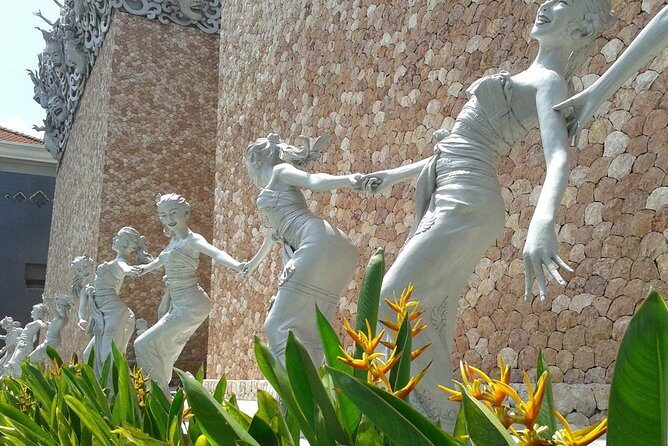
Ubud Cultural Day Tour: A Day for Balinese Cultural Experience
One day, seven big cultural stops. This Ubud Cultural Day Tour strings together Bali’s temples, art villages, rice terraces, and Goa Gajah in a way that feels like a guided walk through the island’s beliefs, not just a hit list. I especially like the Barong Dance story and how the Sacred Monkey Forest mixes conservation with Hindu temple life. The only catch: it’s a long day (about 9 to 12 hours), and lunch isn’t included, so you’ll need to plan for food and a bit of bus time.
I also like that the day runs with hotel pickup and drop-off and a guide who can explain what you’re seeing. In fact, one standout experience included guide Putu Mertayasa, described as prompt, friendly, and flexible when the itinerary needed to shift.
In This Review
- Key Things That Make This Tour Worth Your Time
- Ubud in a Single Day: What You’ll Actually Get
- Getting There from Seminyak: Pickup, Timing, and Why It Matters
- Barong Dance & Fire Dance: Good vs Evil, In Plain Human Terms
- Celuk Village and Craft Time: Browse Smart, Buy Only If It Feels Right
- Puseh Batuan Temple: Ramayana and Mahabharata Carvings Worth the Detour
- Sacred Monkey Forest Sanctuary: Conservation Meets Real Temple Life
- Ubud Palace: A Short Visit That Helps You Understand Local Culture
- Tegalalang Rice Terrace: The View Is the Main Event
- Goa Gajah (Elephant Cave): 9th-Century Stone and Demon-Relief Details
- The Bali Pulina Coffee Plantation Stop: Civet Coffee, Explained
- Price and Value: Does $75 Add Up in Real Life?
- Who Should Book This Ubud Cultural Day Tour
- Should You Book This One?
- FAQ
- What time does the tour start?
- How long is the Ubud Cultural Day Tour?
- Is pickup included from Seminyak?
- Is lunch included?
- Are admission tickets included for the stops?
- Is this tour private?
Key Things That Make This Tour Worth Your Time

- Barong Dance & Fire Dance: a clear good-versus-evil story you’ll understand as you watch
- Temple stops that aren’t just pretty: Batuan’s carvings and Goa Gajah’s 9th-century sanctuary feel purposeful
- Sacred Monkey Forest: a maintained site with a spiritual role, not just a zoo visit
- Art village time: Celuk-focused stops that work well even if you only want to browse
- Tegalalang Rice Terrace photos: short, efficient viewing time at one of Bali’s best-known viewpoints
Ubud in a Single Day: What You’ll Actually Get
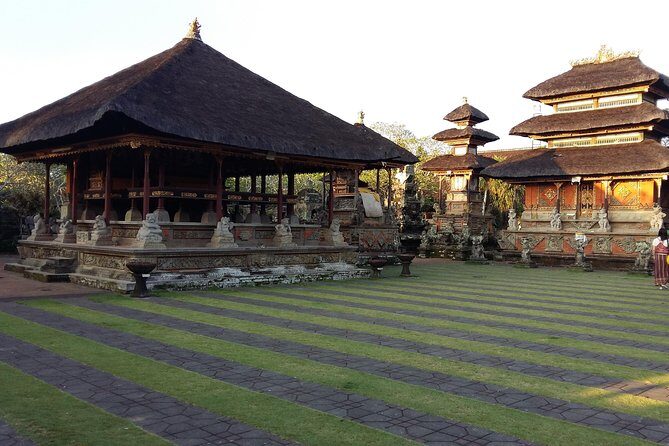
This tour is designed for people who want the Ubud area’s “big themes” in one go: religion (temples and ceremonies), art (craft villages), and landscape (rice terraces). The pacing is structured, with short stops at each major site so you don’t lose the day to backtracking.
What makes it work is the mix. You start with a performance tied to Balinese tradition. Then you move through temple culture, craft production, and agriculture, ending at a historic cave sanctuary. Even if you’re not chasing every detail, the flow makes the island feel connected.
And because you’re in a guided format, you’ll usually understand what you’re looking at faster than if you’re bouncing around on your own and hoping you guessed right.
Getting There from Seminyak: Pickup, Timing, and Why It Matters
The day starts at 8:00 am and can run 9 to 12 hours. Since you’re staying in Seminyak, that early pickup is a real advantage. You beat the worst of the day’s heat and crowds, and you’ll have a better chance of enjoying each stop without feeling constantly behind.
The tour includes hotel pickup and drop-off, plus a driver/guide. That matters on Bali. Traffic and routing can turn a “simple” day into a long one, so having a plan helps you spend more time at sights and less time negotiating scooters, parking, or confusion.
Practical tip: this is a long day. Bring comfortable shoes and drink water regularly. The tour includes bottled water, but you’ll still want your own habits for energy and hydration.
Barong Dance & Fire Dance: Good vs Evil, In Plain Human Terms
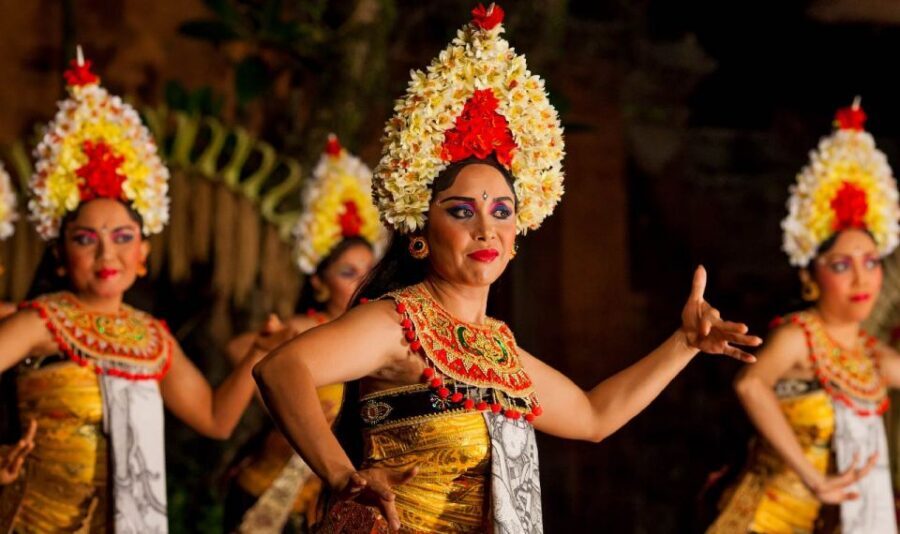
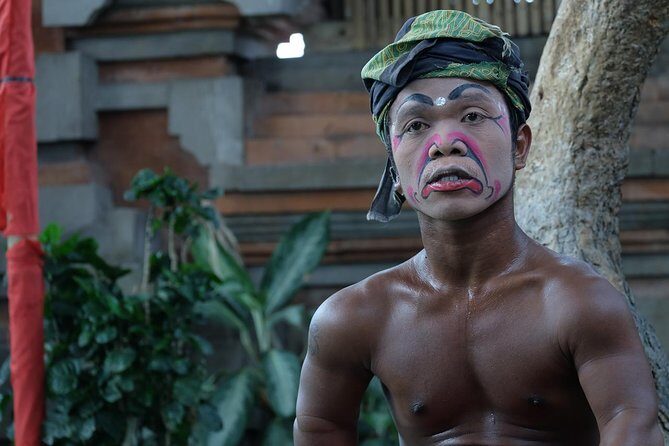
Your first cultural hit is the Sahadewa Barong Dance & Fire Dance, with admission included and about one hour on the program. The story is the classic battle of good (the Barong) against evil (Rangda, the witch figure). If you’ve seen Balinese performances before, you’ll recognize this structure. If you haven’t, the guide’s context is the difference between watching dancers and understanding symbolism.
Here’s why this stop is valuable: Balinese temple culture isn’t abstract. It shows up as story, movement, costume, and drama. The Barong figure comes in many forms, and the most common one is described as lion-like, with big eyes and a theatrical, almost mythic presence.
Also, the fire elements (listed as part of the dance) mean you’ll want to watch carefully with your own eyes, not through your phone screen the whole time. You’ll get better photos if you switch between filming and stepping back for a clean view.
Possible drawback: you’re committing early. If performances aren’t your thing, you might feel like you’re starting the day with a seated moment instead of temples or scenery. The payoff is that everything afterward makes more sense when you’ve seen the cultural story first.
Celuk Village and Craft Time: Browse Smart, Buy Only If It Feels Right
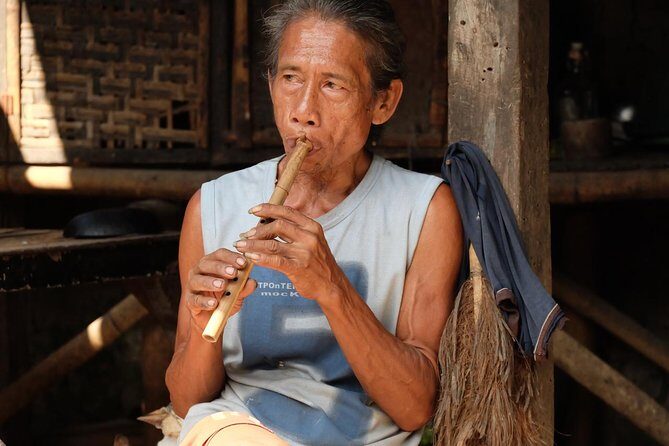
After the dance, you head to Celuk Village, with around one hour. This is the center of handicrafts and Balinese art made by local creative people, and you’ll find styles across related craft areas.
This is where your attitude matters. The best version of this stop is when you treat it like a window into how people make things, not as a shopping trap. If you don’t plan to buy, it helps to be clear with your guide so the day stays focused.
One practical note from real experiences: people found that if they didn’t want extra market stops, asking the driver/guide to avoid tourist-trap style pressure kept the day enjoyable. Since this tour includes art-focused villages, you can usually browse at your own pace and only buy if something genuinely fits your taste.
What to watch for:
- Ask how items are made if a workshop is running (even a quick explanation can turn a souvenir into a real story).
- Don’t rush. Crafting takes time, and the details matter.
- If you’re buying, compare items while you’re there. Small differences in finish and design can be huge.
Admission is listed as included for the stop, so you’re paying for time with access and local context.
Puseh Batuan Temple: Ramayana and Mahabharata Carvings Worth the Detour
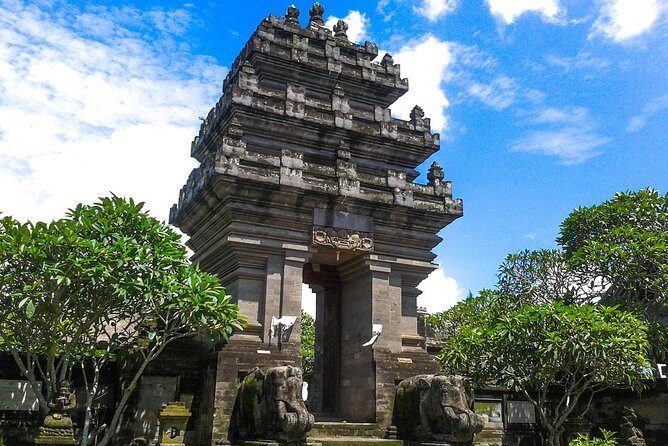
Next up is Puseh Batuan Temple, about 30 minutes, with admission included. This isn’t just a quick photo stop. The temple is described as an ancient site dating back to the 10th century, with attractive architecture and storytelling carvings along the walls.
One detail I love here: you can see scenes from the Ramayana and Mahabharata stories carved into the temple walls. That means you’re not just looking at a place of worship. You’re also reading the mythology through stone.
What can be tricky is time. Thirty minutes is enough for first impressions, but it’s not enough if you want to sit and study every relief. So go in with realistic expectations: look at the overall layout first, then focus on the most readable carvings.
Also, temples on Bali can involve rules about dress and behavior. The tour structure helps with that, but it’s still smart to come prepared with respectful clothing and a patient mindset.
Sacred Monkey Forest Sanctuary: Conservation Meets Real Temple Life
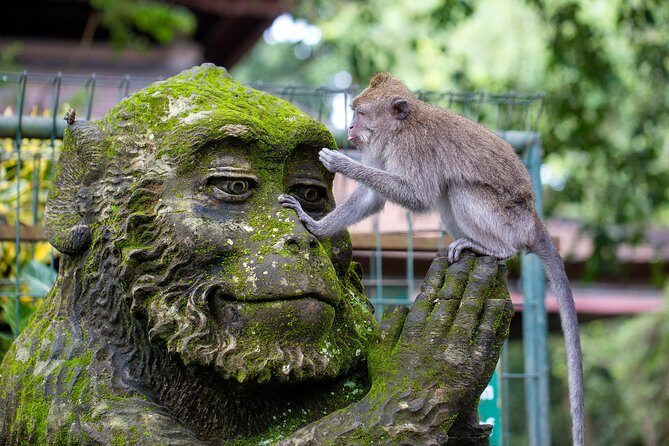
The Sacred Monkey Forest Sanctuary is listed for one hour and framed as a conservation site with over 500 sacred but friendly monkeys. It’s described as well maintained, and the local belief is that the monkey colony acts as a guardian of the Pura Dalem Temple, located inside the forest.
This stop is more interesting than the typical monkey encounter because of the connection to temple life and the idea of guardianship. You’ll still see monkeys acting like monkeys, but the context makes it feel less like a spectacle and more like part of a living cultural site.
Photo tip: bring your camera, but be ready for chaos. Monkeys are fast. They don’t care about your perfect shot schedule.
Possible drawback: if you dislike animals near you, this stop might be stressful. The forest is designed for visitors, but it’s still a sanctuary with real wildlife, so you can’t treat it like a quiet museum.
Ubud Palace: A Short Visit That Helps You Understand Local Culture
You’ll then reach Ubud Palace, about 30 minutes, with admission included. This is described as one of Bali’s famous royal family houses. It’s also tied to cultural show and conservation, with the royal family historically playing an important role in protecting and maintaining Balinese culture.
A palace stop can feel a little “touristy” on paper. The reason this one works better is that it’s connected to culture conservation, not just royal nostalgia. You’re visiting a site that still has a function in the broader cultural landscape.
Best way to use your time: don’t try to see everything. Instead, focus on what you learn from your guide—how the royal family historically influenced cultural continuity and why visitors see the place as both a heritage site and a cultural landmark.
Tegalalang Rice Terrace: The View Is the Main Event

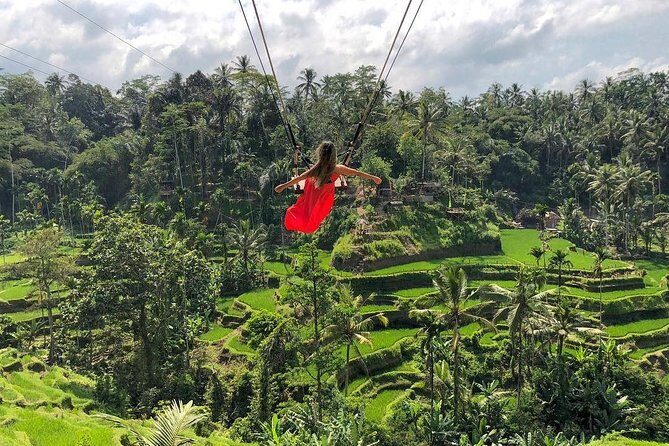
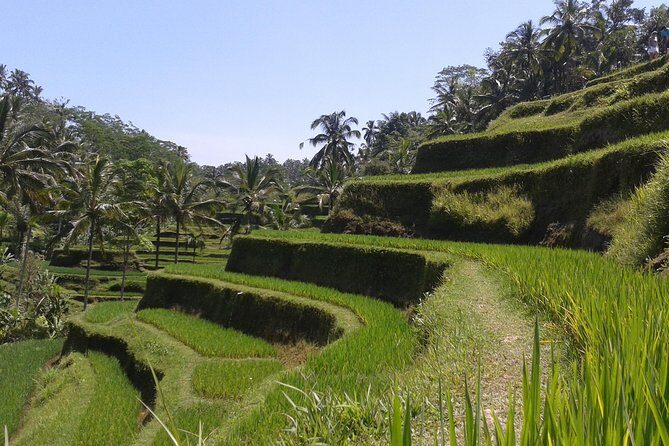
The tour includes Tegalalang Rice Terrace for about 30 minutes, admission included. This is one of the most famous rice landscapes near Ubud, and the time allotment is just long enough to enjoy the scenery and get photos without feeling stuck in place.
What makes it memorable is the combination of green vegetation along the river, the breeze, and the centuries of farming effort described in the way the terraces were built over time. You’ll notice how the layout creates levels and viewpoints, so even short stops can yield great sightlines.
How to get the most:
- Move slowly and don’t stand in one spot for too long.
- Take photos from multiple angles if there are paths nearby.
- If it’s hot, plan your viewing time. Shade matters.
Possible drawback: it’s a short stop. If you want long walks through the fields, you might find 30 minutes too brief. But for many people, it’s the right length to keep the day moving while still delivering a big scenic moment.
Goa Gajah (Elephant Cave): 9th-Century Stone and Demon-Relief Details
Next is Goa Gajah Temple, also called the Elephant Cave. You get about one hour here, with admission included.
The key facts are what make the stop feel historic. The sanctuary is described as built in the 9th century and served as a sanctuary. The façade includes relief carvings right at the entrance, including menacing creatures and demons carved into the rock. The main figure is mentioned as being carved on the interior/primary area, which helps explain why the site is more than a cave you walk past.
Even if you’re not a history buff, this is a strong sensory stop. Stone carvings and cave architecture make you slow down. There’s also a sense of mystery because you’re entering a space designed for sanctuary use, not just sightseeing.
Possible drawback: caves can be visually tough if lighting is low or if you get distracted by the group. To make it work, look first at the exterior reliefs, then go in and focus on one or two key carvings instead of trying to absorb everything at once.
The Bali Pulina Coffee Plantation Stop: Civet Coffee, Explained
The tour also includes a stop to learn how civet coffee is produced at the Bali Pulina Coffee Plantation. You’ll want to treat this as an explanation stop, not a tasting guarantee, because the tour data emphasizes the production process rather than specific sampling.
Why this is worth your time: civet coffee is one of those Bali items people hear about, but few know how it’s made. A guided explanation helps you separate marketing stories from the basic reality of production.
Keep your expectations grounded. This isn’t a coffee museum. It’s part of the day’s cultural and agricultural theme. If you’re a coffee person, great. If you’re not, the production explanation can still be interesting as a window into how local food products are turned into export goods.
Price and Value: Does $75 Add Up in Real Life?
At $75, you’re paying for a full-day structure with professional driver/guide, hotel pickup and drop-off, bottled water, and admission included for the listed stops. Lunch isn’t included, so you’ll need to budget that separately.
The value comes from two things:
1) Admissions and access for multiple sites rather than paying separately one-by-one.
2) Transportation and time efficiency from Seminyak. If you tried to DIY this same route, you’d still burn time coordinating drivers and tickets.
The long day also affects value. You’re paying for a day that keeps moving. If you love a fast, guided approach, $75 can feel like a bargain. If you hate crowds, prefer deep museums, or want hours of downtime between stops, you might prefer something less packed.
One more practical note: this is listed as a private tour/activity, meaning your group is the only group in your activity. That helps with flexibility. If you want extra time somewhere or you want to skip a shopping-heavy pause, a private format gives you leverage.
Who Should Book This Ubud Cultural Day Tour
This tour is a strong match if you want:
- A guided introduction to Balinese culture across temples, performances, and crafts
- Short, efficient stops that still cover major Ubud-area highlights
- A day that includes both photo moments and explanations you can understand fast
I’d be cautious if:
- You want a relaxed, slow day with long breaks
- You dislike animals, since the monkey sanctuary is a real part of the plan
- You’re sensitive to long sitting stretches early in the day
Should You Book This One?
If you’re planning a first visit to Ubud and you want a single day that covers the big cultural beats—Barong performance, sacred temples, monkey sanctuary context, rice terrace views, and Goa Gajah—this is an easy yes.
Book it if you like a guide who can talk through what you’re seeing and you’re okay with a packed schedule. Skip it if you’re traveling for total downtime or you’d rather spend half a day in one place than zip through several.
My final advice: tell your guide what you want and don’t want. If shopping pressure isn’t your style, say so early. If you’re there for photos, ask for timing that avoids the worst congestion. Done right, this day feels like Ubud’s culture in motion.
FAQ
What time does the tour start?
The tour start time is listed as 8:00 am.
How long is the Ubud Cultural Day Tour?
The duration is listed as about 9 to 12 hours.
Is pickup included from Seminyak?
Yes. Hotel pickup and drop-off are included.
Is lunch included?
No. Lunch is not included, though you’ll have a stop where you can purchase lunch.
Are admission tickets included for the stops?
Yes. The itinerary lists admission tickets included for each scheduled stop.
Is this tour private?
Yes. It’s described as private, so only your group participates.