Ubud Customized Full Day Tour – Visit Most favorite In Ubud
A full day, tailored to your pace.
This Ubud tour is interesting because it’s private and you pick the order and the mix, using an English-speaking local guide to connect the dots between temples, viewpoints, and nature. With hotel pickup and a comfortable private vehicle, you’re not stuck in a rigid bus schedule.
I especially like two things: first, the day is designed to feel flexible, with time built in for travel between stops and for lunch at a local restaurant. Second, the menu of sights fits what most first-timers come for: Tegalalang Rice Terrace, holy spring water at Tirta Empul, and waterfall time (often Kanto Lampo and Tibumana), with options like Monkey Forest, Ubud Central Market, or Jungle Swing.
One thing to consider: the big landmarks are part of the package, but entry tickets and lunch aren’t included, so your final cost will creep up. Also, the experience depends heavily on your guide; most people rave about theirs, but there’s at least one reported hiccup involving a missing guide and wasted time.
In This Review
- Key highlights at a glance
- A private Ubud day that you can actually shape
- Choosing Tegalalang, Tirta Empul, and waterfalls without feeling rushed
- Tegalalang Rice Terrace: the photo stop you can control
- Tirta Empul Temple: holy spring water and meaningful context
- Kanto Lampo and Tibumana waterfalls: two styles in one full day
- Monkey Forest, Ubud Central Market, and Jungle Swing add-ons
- The guides: Abdi, Mangkok, Gusti, Bram, and why English fluency matters
- Price and value: what $22.50 includes and what you’ll pay separately
- What the 10 hours usually feel like in Ubud
- Best for who: first-timers, couples, and older travelers with real needs
- Should you book this customized Ubud full-day tour?
- FAQ
- How long is the Ubud customized full-day tour?
- Is hotel pickup included?
- What’s included in the price?
- Are entry tickets included for the attractions?
- Is lunch included?
- Is this tour private or shared with other travelers?
- Can I cancel for a full refund?
Key highlights at a glance

- Private door-to-door pickup in a dedicated vehicle, so your day starts without the scramble
- Choose up to six activities so your itinerary matches what you actually want to see
- Rice terraces + Tirta Empul gives you both Bali’s farming scenery and a more spiritual stop
- Two waterfall options (often Kanto Lampo and Tibumana) for different feels in one day
- Guide personalities matter: Abdi, Mangkok, Gusti, and Bram are specifically praised for pacing and explanations
A private Ubud day that you can actually shape
This is built for people who don’t want a standard checklist tour. You’re on a private outing, and you only share the day with your group, which makes it easier to slow down, swap order, or spend a few extra minutes at the places you care about.
The core promise is simple: you’ll use a professional local guide to make history and context click, while still going at your pace. In practice, that means the guide’s job isn’t just driving you around; it’s helping you decide how to spend the day without feeling rushed.
The tour lasts about 10 hours, which is a real full-day block. The operator also notes that extra time covers travel between locations, and there’s a stop off for lunch at a local restaurant, so you’re not purely sprinting from point A to point B.
Choosing Tegalalang, Tirta Empul, and waterfalls without feeling rushed

The itinerary is flexible in the way that matters: instead of being trapped in one fixed route, you can structure the day around your interests. The most common core starts with Tegalalang Rice Terrace, then moves into Tirta Empul, and continues into waterfalls, with extra Ubud add-ons as options.
A big part of the value here is pacing. One review specifically praised how Abdi helped an older traveler (age 89) by assisting around flatter areas, which is exactly the kind of practical “we’ll work with your needs” mindset you want in a private tour.
Still, you should be ready for walking. Even when the time on paper is “one or two hours,” some stops involve paths and uneven ground. If you’re bringing someone with mobility limitations, ask your guide how they plan to handle it before you lock in the schedule.
Tegalalang Rice Terrace: the photo stop you can control
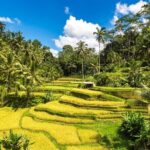
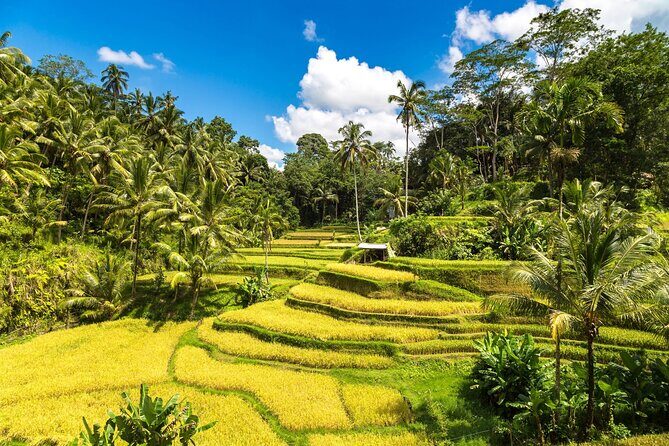
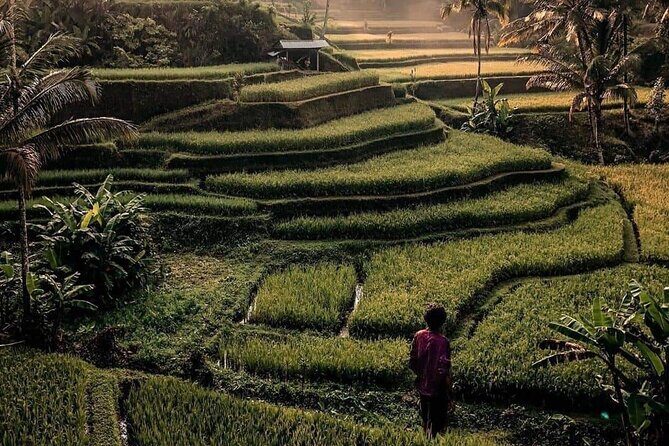
Tegalalang Rice Terrace is often the first “wow” moment in Ubud. On this tour, it’s allocated about 2 hours, which gives you time to look around, grab photos, and not just stand at the first viewpoint and leave.
What I like about including this stop in a customizable day is that you’re not forced to treat it like a theme park. With a private guide, you can spend more time scanning the terraces from different angles, or you can keep it shorter if you’d rather use time elsewhere.
A quick reality check: the rice terrace can feel touristy, and one person did note that it’s a more popular area. If you’re sensitive to crowds, aim to go in with the mindset that you’ll be photographing and walking a bit, then moving on rather than lingering too long.
Tirta Empul Temple: holy spring water and meaningful context
Tirta Empul Temple is scheduled for about 1 hour, and it’s the kind of place where a guide makes the visit better. The temple is known for its holy spring water, and the value of having a local guide is understanding what you’re seeing while you’re there.
This stop also matters because it slows the day down a little. Water-and-temple sites feel calmer than waterfall chasing, and the guide’s explanations help you connect the reason behind the rituals and layout instead of just ticking off a location.
You’ll also get time for personal photos. If you’re planning your own content, this is a good mid-day checkpoint where you can reset your brain and focus before heading into nature stops.
Kanto Lampo and Tibumana waterfalls: two styles in one full day
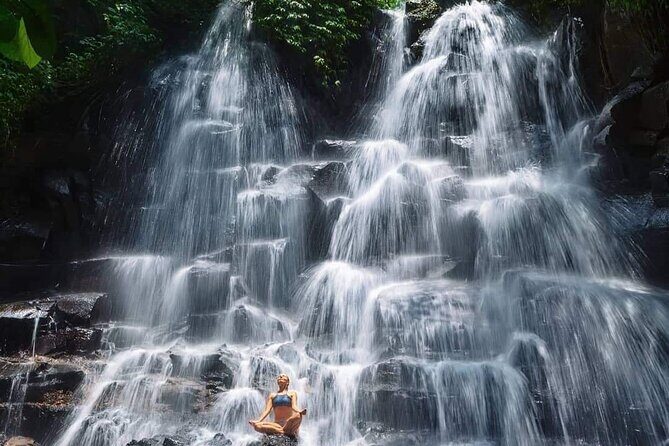
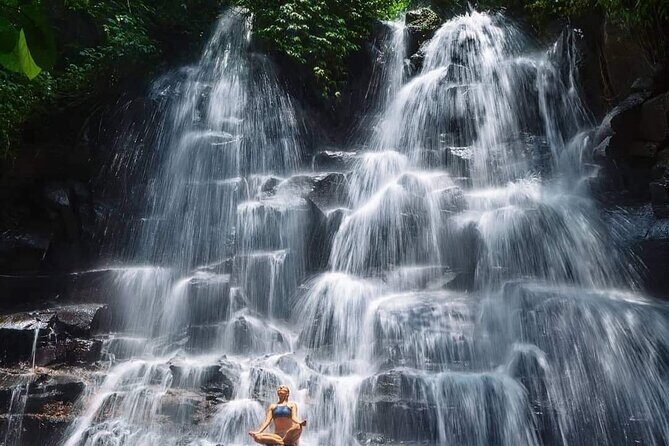
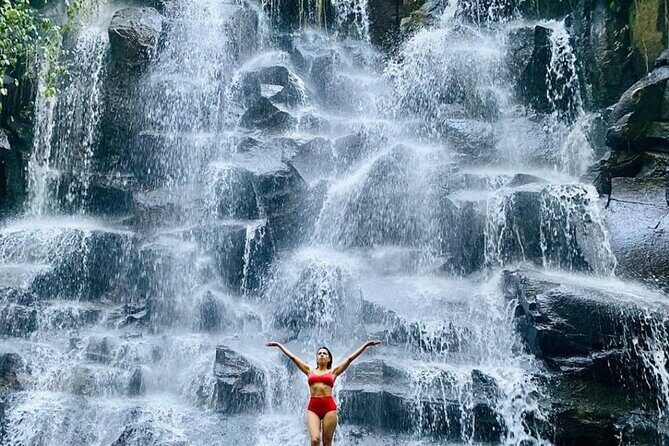
The tour includes waterfall time with two main options: Kanto Lampo Waterfall (about 2 hours) and Tibumana Waterfall (about 1 hour). The naming matters here because these stops are distinct experiences, not just two versions of the same “waterfall photo.”
Kanto Lampo is said to be named for the presence of Kanto Lampo trees in the area, and it’s described as having a recognizable waterfall shape. It’s also an easy stop to justify spending time on, because it’s visually memorable and works well even if you’re not trying to do anything extreme.
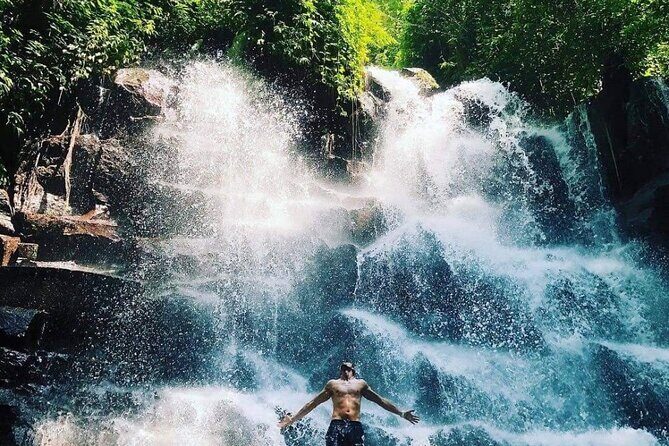
Tibumana is described as having two twin waterfalls and an estimated height. Even with a shorter time window, this stop gives you that “nature break” that makes the whole day feel like more than a sightseeing circuit.
A practical note: admission tickets aren’t included for these stops, so if you want to enter specific viewing areas, confirm what’s required. Your guide should help you figure out what you’re paying for, since you’re already handling other extras like lunch on your own.
Monkey Forest, Ubud Central Market, and Jungle Swing add-ons

Not everyone wants the same Ubud day. That’s why this tour’s add-ons are useful, especially if you want a mix of nature, shopping, and a little fun.
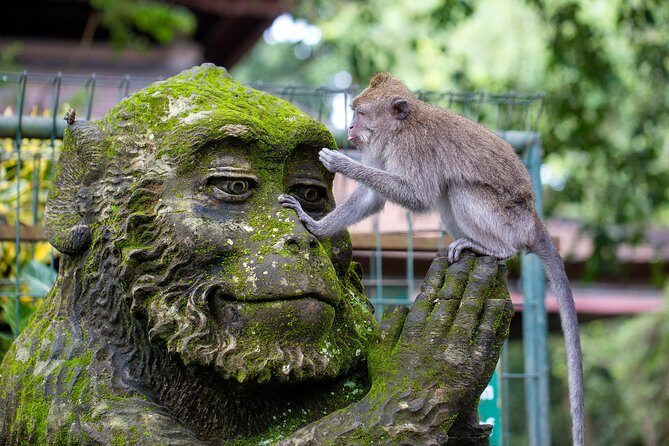
Monkey Forest is listed as a major Ubud attraction that many people don’t skip. If you’re balancing your itinerary, this is a good choice when you want something cultural and active without needing a long hike between stops.
Ubud Central Market is another flexible stop, and it’s described as a place for handicraft items and other essentials. It’s also located in the center of Ubud and close to other attractions, so it can work as a “reset” between bigger sights.
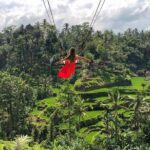
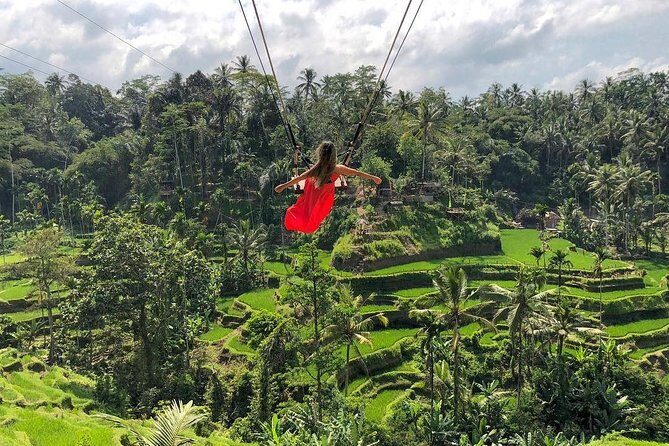
Then there’s Ubud Jungle Swing, described as one of the rides that gives a valuable experience. This is a great option if you want a more playful moment in your day, but remember: it’s an optional attraction in the overall customizable plan, so it can crowd out another sight if you’re not careful with time.
My advice: pick one “fun” stop (like Jungle Swing) and one “browse” stop (like the market). That keeps the day varied without turning it into three different kinds of waiting.
The guides: Abdi, Mangkok, Gusti, Bram, and why English fluency matters
This is where the tour can feel excellent or merely fine. When it works well, it’s because your guide is doing more than transporting you.
Abdi is praised for being helpful and informed, and one review called out how he supported an elderly traveler by helping her get around on flatter ground. That kind of practical attention is gold in a place where your schedule moves fast.
Mangkok is described as knowledgeable, communicative, professional, and fun, and the review emphasized crafting a day full of experiences while respecting the fact that each activity needs time to actually happen. This is the guide style that makes a “customized” tour feel real rather than theoretical.
Gusti gets two different kinds of praise: one review focused on fluent English and a safe, pleasant ride, while another highlighted Gusti recommending an alternative temple stop that turned out to be the best part of the day. If you like having your itinerary improved on the spot, that’s the energy you want.
Bram also shows up strongly. One person mentioned Bram pointing out details, and another described Bram helping them add a luwak coffee farm based on his advice. If you’re curious about local coffee culture, this is the kind of informed suggestion that can make a standard stop feel personal.
There is, however, a downside reported by one traveler: a case where the agency forgot to send a guide, causing nearly two hours of waiting at the hotel. If you’re booking late in the day’s schedule or with special language needs (one review mentioned a request for French), double-check expectations in advance so you’re not stuck hoping for the best.
Price and value: what $22.50 includes and what you’ll pay separately
At $22.50 per person, the price is hard to beat for a private, full-day Ubud plan. The catch is that this cost covers the experience framework, not every personal expense.
Included items are private transportation, parking fees, and bottled water. Pickup is also offered, which matters because starting centrally and reducing logistics time can be the difference between a good day and a half-day that feels like travel.
Not included: lunch and all entry tickets. That means your final total will depend on which sights you choose—especially if you add attractions with paid admission or rides like Jungle Swing.
Here’s how I’d judge value for your own trip: if you would otherwise pay for separate transfers and hunt down tickets on your own, this private structure often becomes a bargain. If you already planned to do only free areas and skip paid attractions, your money might be better spent on a shorter guided day or a different mix.
What the 10 hours usually feel like in Ubud
The schedule is built around travel time, not just the listed stops. You get allocated time at each location (rice terrace ~2 hours, Tirta Empul ~1 hour, Kanto Lampo ~2 hours, Tibumana ~1 hour), and the remaining time is meant for moving between places and lunch.
That’s useful because Ubud traffic and site spacing can steal hours if you plan poorly. With a private vehicle, you’re less likely to waste time waiting for other people, and your guide can also adjust order if one stop takes longer than expected.
If you tend to get tired quickly in long days, keep your “must-dos” tight: choose the best two or three core sights, then add only one or two extras like Monkey Forest or the market.
Best for who: first-timers, couples, and older travelers with real needs
This tour fits best when you want variety but still want control. It’s a strong choice for people visiting Ubud for the first time and want the famous highlights: rice terraces, Tirta Empul, and waterfalls, without turning the day into a stressful scavenger hunt.
It also makes sense for families or mixed-age groups because it’s private and can adjust. One review specifically praised support for an 89-year-old traveler, which is a reminder that a good guide pays attention to walking comfort and timing.
If you’re a hardcore “specialty guide” person—someone who wants every stop explained at a deep level with zero downtime—there’s one cautionary note. One traveler didn’t feel the guide was a specialty tour guide and didn’t enjoy the sites as much as they expected. To protect yourself, ask your guide what they’ll focus on during the day, and pick a guide style that matches your taste.
Should you book this customized Ubud full-day tour?
I’d book this if you want a private Ubud day with a plan you can actually shape, and you’re happy to pay separate entry fees and lunch. The stop mix is sensible for first-timers, and the guide names people praised—Abdi, Mangkok, Gusti, and Bram—hint that the best days are built around communication, pacing, and good on-the-fly suggestions.
I’d think twice if you’re very cost-sensitive and plan to skip most paid sites, because entry tickets can change the math. I’d also verify guide details if you have specific language requirements or tight timing, since at least one booking issue was reported involving a missing guide and lost time.
If your goal is a smooth, flexible Ubud highlights day—rice terraces, a temple stop, and waterfall nature—this is a strong-value option.
FAQ
How long is the Ubud customized full-day tour?
It’s listed at about 10 hours (approx.).
Is hotel pickup included?
Yes. The tour offers pickup, and it runs in a private vehicle.
What’s included in the price?
Included items are private transportation, parking fees, and bottled water.
Are entry tickets included for the attractions?
No. All entry tickets are not included.
Is lunch included?
No. Lunch is not included, though the tour notes there will be a stop off for lunch at a local restaurant.
Is this tour private or shared with other travelers?
It’s a private tour/activity. Only your group will participate.
Can I cancel for a full refund?
Yes, you can cancel up to 24 hours in advance for a full refund.