
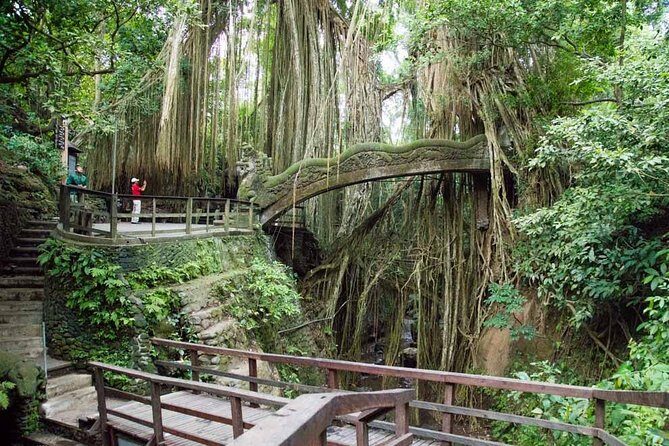
Ubud Sacred Monkey Forest & Art Village Tour
Wild monkeys and temples in one tidy route. This half-day tour in Ubud strings together Sacred Monkey Forest with artisan stops that feel more like you’re visiting craft neighborhoods than doing a checklist. You’ll see macaques and statues in a protected sanctuary, then move through Mas and Celuk for wood and silver work, finishing at the Ubud Traditional Art Market (Pasar Seni Ubud).
Two things I really like about this experience: the hassle-free round-trip hotel transfers from the Ubud area and south Bali, and the way guides bring context as you go, with examples like Kana and Dedy who explain history and keep you comfortable during the day. One drawback to keep in mind: the schedule is tight at about four hours, so it’s best if you’re okay with a fast pace rather than lingering everywhere.
In This Review
- Key highlights you should care about
- Sacred Monkey Forest sanctuary: temples, macaques, and why it feels different
- What to watch for
- Mas carving center: how to spot quality in Balinese wood carving
- What I’d look for (so you don’t buy blind)
- Celuk Village jewelry: silver work as a craft village experience
- Practical shopping reality
- Ubud Traditional Art Market (Pasar Seni Ubud): the best place for wearable souvenirs
- Why this stop is valuable
- The people part: what makes the tour feel smooth (Kana and Dedy examples)
- Price and logistics: is $71 good value for this mix?
- Timing that works: starting at 9:00 am and moving efficiently
- What this tour is best for (and who may prefer something else)
- Smart photo and browsing tips for macaques and crafts
- Should you book this Ubud Sacred Monkey Forest & Art Village Tour?
- FAQ
- How long is the Ubud Sacred Monkey Forest & Art Village Tour?
- What time does the tour start, and is there a set pickup time?
- Is hotel pickup included?
- What stops are included in the itinerary?
- What does the tour price include, and what does it not include?
- Do I need to pay for Monkey Forest admission?
Key highlights you should care about
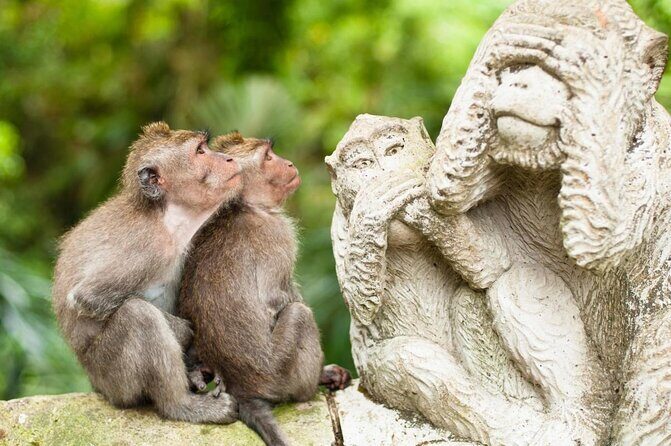
- Sacred Monkey Forest Sanctuary with temple stops: protected by local government and home to three old temples
- Macaques + photo-friendly statues: you’re guided to the best spots for close-up viewing
- Mas Village wood carving center: a full hour in a village focused on Balinese wood art
- Celuk Village crafts: see the traditional jewelry makers of Celuk as part of the run
- Pasar Seni Ubud near Puri Saren Royal Ubud Palace: a convenient place to browse scarves, woven bags, and more
- All-in transport value: air-conditioned private vehicle plus entrance to the Monkey Forest
Sacred Monkey Forest sanctuary: temples, macaques, and why it feels different
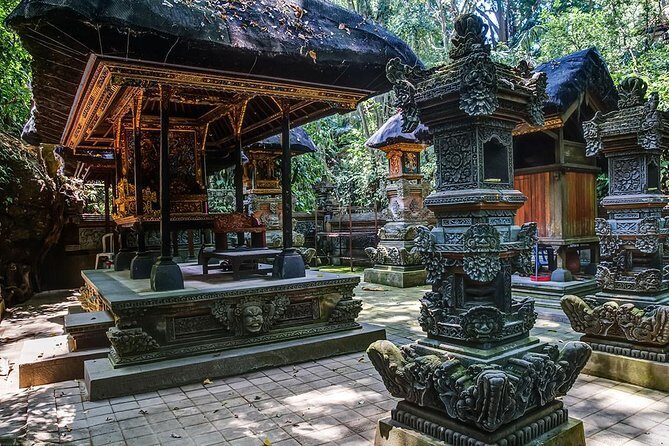
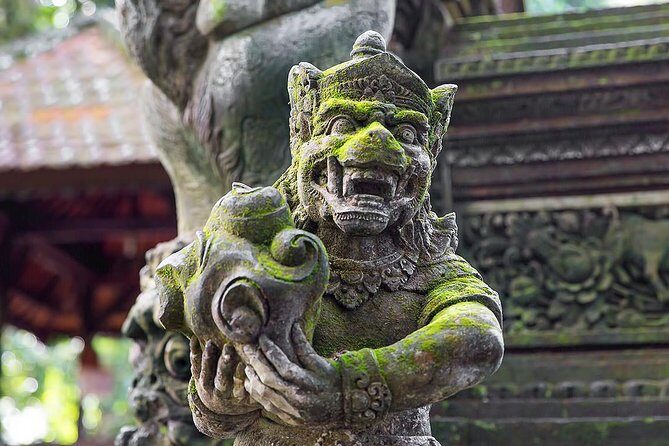
This tour’s first big payoff is that you start inside the Sacred Monkey Forest Sanctuary (Mandala Suci Wenara Wana). It’s not just a zoo-style experience. It’s a protected forest tied to Hindu practice, and the sanctuary includes three old temples built within the forest. That matters because it changes the mood. You’re not only watching macaques—you’re moving through a sacred space where statues and temple architecture sit alongside everyday wildlife.
You’ll typically spend about an hour here, and the focus is practical: capture photos of macaques and statues, and see how the temples fit into the forest setting. There’s also a convenient benefit built in—Monkey Forest admission is included, so you don’t have to hunt for tickets on the day.
What to watch for
Since the macaques are part of a living sanctuary, treat the space like a shared habitat. Keep small items secured and follow your guide’s cues on where to stand and when to move. It’s also smart to have your plan for photos before you get surrounded—people tend to pause mid-walk when the monkeys are close, then the line for the best angles gets cramped.
Mas carving center: how to spot quality in Balinese wood carving
After the forest, the day shifts to Mas Village, one of Bali’s traditional villages known for wood carving. This part is ideal if you like crafts but don’t want to spend hours hunting shop-to-shop on your own.
You’ll get about an hour in Mas, and the key takeaway is that this isn’t random souvenir shopping. It’s a wood-carving center in the Ubud sub district within Gianyar Regency. When a place is known for one craft, you often see a clearer range of styles—some pieces are more decorative, others look more traditional, and you can compare how different makers handle details.
What I’d look for (so you don’t buy blind)
Even if you’re not an expert, you can shop more confidently by checking:
- Carving detail: how crisp the edges look and whether small lines hold up
- Material feel: whether the wood seems dry and smooth (not rough or oddly finished)
- Design consistency: if the piece looks intentional rather than rushed
Because the tour gives you a dedicated chunk of time, you’re not forced into last-minute choices. Use the Mas stop to compare, not just to buy the first thing you see.
One small consideration: this stop can feel “shop-heavy.” That’s not a problem if you enjoy browsing. If you’re not into crafts, this is the part where you’ll want to keep your expectations realistic.
Celuk Village jewelry: silver work as a craft village experience
Next comes Celuk Village, another traditional craft area near Ubud in Gianyar Regency. Celuk is especially associated with jewelry makers, and this stop is built for people who like to see how a craft is made and sold at the source.
You’ll spend about an hour here as well. The description points to a mountain-culture rhythm similar to other traditional areas around Ubud, which helps explain why Celuk fits naturally into the same “craft villages” theme as Mas. It’s not just a stop for trinkets—it’s part of a broader picture of how communities specialize and keep skills alive.
Practical shopping reality
Expect you’ll be offered silver jewelry and related artisan items. If you want value, set a budget before you arrive. Craft villages are great, but they’re still markets—pricing can vary widely from piece to piece, and your best tool is comparison.
Also, use the guide’s presence. An English-speaking driver/guide can help you make sense of what you’re looking at and help you navigate without getting stuck in a hard sell.
Ubud Traditional Art Market (Pasar Seni Ubud): the best place for wearable souvenirs
Your final craft stop is the Ubud Art Market, locally called Pasar Seni Ubud. It’s located opposite the Puri Saren Royal Ubud Palace and is open daily. You’ll get about an hour here, which is the right amount of time for browsing without making the day drag.
This is where you can shift from artisan crafts to lighter buys: silk scarves, lightweight shirts, handmade woven bags, baskets or hats. If you’re shopping for gifts, this market is often easier to use than a single specialist shop, because you can cover more categories quickly.
Why this stop is valuable
By the time you reach the market, you’ve already seen wood and silver craft culture in Mas and Celuk. That means your shopping gets more informed. You can decide whether you want a statement piece (wood or jewelry) or smaller items that travel easily (scarves, woven goods).
A consideration: markets attract crowds at certain times, and Ubud is busy in general. Give yourself room to slow down if you’re trying to spot sizes and textures. With the half-day schedule, a little patience helps.
The people part: what makes the tour feel smooth (Kana and Dedy examples)
One of the strongest signals from guide experiences is the emphasis on explanation and comfort during the day. In at least one example, Kana greeted guests with a bottle of water and provided commentary the whole way, then escorted people through each stop. That kind of pacing matters in Ubud, where you can otherwise burn time figuring out what’s where and what to look for.
Another example: Dedy was described as personable, with a focus on making people feel safe and comfortable in the car. That’s not just nice service. It changes how you experience the stops—less stress means you actually notice the details, from temple structures inside the Monkey Forest to the design styles in village craft areas.
So when you book, you’re not only buying tickets. You’re buying a guide’s rhythm: pickup, orientation, and help making each stop work in the short time you have.
Price and logistics: is $71 good value for this mix?
At $71 for a roughly four-hour private tour, the value comes from the combination of transport + admissions + multiple distinct stops.
Here’s what’s included, and why it matters:
- Entrance to the Monkey Forest: you’re not paying extra just for the main attraction
- Air-conditioned vehicle + private transportation: you save the headache of moving between Ubud and craft villages on your own
- English-speaking driver/guide: helps you shop and photograph with less guesswork
- All fees and taxes: fewer surprise add-ons on the day
- Mobile ticket: usually means easier entry planning
What’s not included is also important: lunch and tips/gratuities are on you. If you’re someone who likes to sit down and eat without rushing, plan to grab lunch after. The tour is half-day, so you’re not meant to be fueled for a full day of wandering.
Is it the cheapest way to do Ubud? Not necessarily. But it can be a smart way to save time. If you have limited days, private transport and a tightly planned route are often the difference between enjoying the highlights and feeling like you’re just running from stop to stop.
Timing that works: starting at 9:00 am and moving efficiently
The tour starts around 9:00 am. That timing is useful because you’re likely to hit Ubud attractions while the day is still fresh. With about one hour per main stop, the schedule is built to keep energy up and avoid turning the day into an all-day crawl.
It’s also helpful that the route covers both “wow nature” and “hands-on craft” themes in one block:
1) Monkey Forest
2) Mas carving center
3) Celuk Village
4) Ubud Traditional Art Market
That mix is great for people who want photos and culture without spending most of the day in transit or trying to map out multiple separate experiences.
One consideration: if you’re the type who loves to linger at museums and shop for hours without interruption, you might feel nudged along. This tour is optimized for highlights within a short window.
What this tour is best for (and who may prefer something else)

I think this tour is a strong match if you:
- have limited time in Bali and want a concentrated Ubud experience
- like artisan shopping but want help moving efficiently between craft villages
- want a private day with an English-speaking guide rather than figuring it out solo
- enjoy wildlife photography but also want the cultural context (temples inside the forest)
You may want a different style of outing if you:
- dislike markets or shopping at set times
- want long, slow hours in one place rather than four distinct stops
- plan to spend extra time eating and relaxing between activities
This tour works best as a focused half-day.
Smart photo and browsing tips for macaques and crafts
The highlights focus on photos of macaques and statues. To make your pictures turn out better, think about two things: movement and mess.
- For macaques: keep your phone secure and be ready to step back when told. Don’t crowd the same spot over and over. Let your guide steer you toward the best angles.
- For crafts: handle pieces carefully, and ask questions before buying. If you’re comparing wood carving quality or silver craftsmanship, you’ll get better value by using the full hour in each village rather than rushing your decision.
If you’re bringing home gifts, keep in mind that the day includes market browsing at the end. That’s usually where smaller, easier-to-pack items happen, so save part of your budget for Pasar Seni Ubud.
Should you book this Ubud Sacred Monkey Forest & Art Village Tour?
If you want an organized half-day that hits wildlife, temples, and craft villages without stress, I’d say this is a solid booking. The included Monkey Forest admission, the private air-conditioned ride, and the stop-by-stop flow make the day efficient—especially if you’re staying in Jimbaran and don’t want to wrestle with transfers.
Skip it only if you know you hate structured timing or you’re not interested in artisan shopping. Otherwise, this is a practical way to see a surprising slice of Ubud: sacred forest first, then wood and silver craft culture, and finally a market that’s easy for gifts.
FAQ
How long is the Ubud Sacred Monkey Forest & Art Village Tour?
It runs for about 4 hours (approximately), with around 1 hour at each main stop.
What time does the tour start, and is there a set pickup time?
The start time is 9:00 am. Pickup is offered from the Ubud area and south Bali.
Is hotel pickup included?
Yes. The tour includes hassle-free round-trip hotel transfers from the south Bali and Ubud area.
What stops are included in the itinerary?
The tour includes Sacred Monkey Forest Sanctuary, Mas Carving Center (Mas Village), Celuk Village, and the Ubud Traditional Art Market (Pasar Seni Ubud).
What does the tour price include, and what does it not include?
Included: English-speaking driver/guide, air-conditioned vehicle, all fees and taxes, private transportation, and Monkey Forest entrance. Not included: lunch and tips/gratuities.
Do I need to pay for Monkey Forest admission?
No. Entrance to the Monkey Forest is included in the tour, while admission for the Mas and Celuk stops is listed as free and the Ubud Art Market stop is free as well.
More Monkey Forest Tours
More Jimbaran Bay Tours

More Ubud Tours



Monkey Forest Tours: how the alternatives stack up
 ★ 5.0
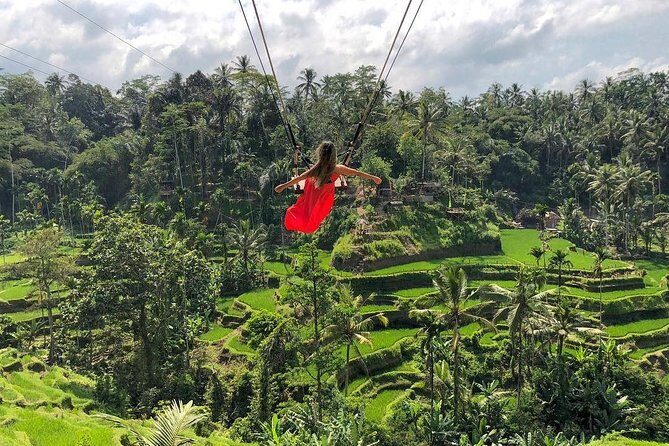
★ 5.0Ubud: Monkey Forest, Jungle Swing, Rice Terrace, and Water Temple






The lists this tour appears in