Well-Guided Local Textile Tour of Denpasar
Small streets, big fabric finds.
This 2-hour Denpasar textile walk is the kind of tour that makes you look at cloth differently. You’ll follow local routes on foot, see where people actually get their supplies, and get introduced to different Indonesian textile types beyond what you usually see in tourist shops. I especially like that the pace stays human and local, not rushed or lecture-y, and that Ayu and Ngurah guide you through real shopfronts, not staged displays.
Two things I like most: first, the guide focus. Ayu comes across as truly happy to tailor the stops to what you care about, and her English is easy to follow. Second, the range. You’ll move through spots known for batik (including Javanese hand-painted styles), modern batik, ikat, and endek weaving—plus everyday fabric options around Jalan Sulawesi. One thing to consider: you’re walking through markets and shop streets, so if you dislike shopping or don’t enjoy browsing, you may want to set expectations for a fabric-forward route.
In This Review
- Key Highlights You’ll Actually Feel in Your Shopping Bag
- A 2-Hour Denpasar Textile Walk That Doesn’t Feel Like a Museum
- Starting at Jalan Gajah Mada: Meeting Pak Rayyis and Getting Oriented
- Kumbasari Market: Where Traditional Batik, Ikat, and Weaving Are Sold
- Jalan Sulawesi: Affordable Everyday Batik Plus Fabric for Real Projects
- What the Guide Teaches You About Balinese and Indonesian Textile Culture
- Smart Shopping Tips for Denpasar Fabric Stops (So You Feel Confident)
- Price and Value: Is $25 Worth It?
- Logistics That Matter: Walking Route, Timing, and Small-Group Pace
- Who Should Book This Textile Tour (and Who Might Not)
- Should You Book This Denpasar Textile Walk?
- FAQ
- Where does the tour start?
- What time does the tour begin?
- How long is the tour?
- What is included in the experience?
- How much does it cost?
- How big is the group?
- Is there a mobile ticket?
- What if the weather is bad?
- Can I get a refund if I cancel?
Key Highlights You’ll Actually Feel in Your Shopping Bag
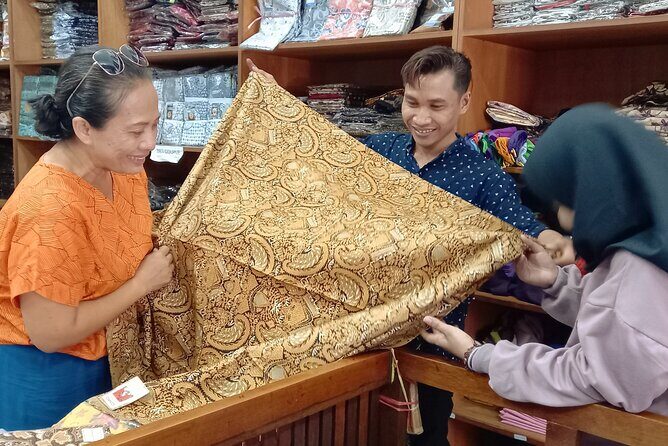
- Real local textile stops on foot, including market and fabric-specialty areas
- Flexible route with Ayu, adjusted to your fabric interests
- Batik, ikat, and endek weaving in one compact afternoon
- Kumbasari Market for traditional textile shops and browsing
- Jalan Sulawesi for affordable everyday batik plus modern materials
- A small group size of up to 10 travelers, so questions don’t get lost
A 2-Hour Denpasar Textile Walk That Doesn’t Feel Like a Museum
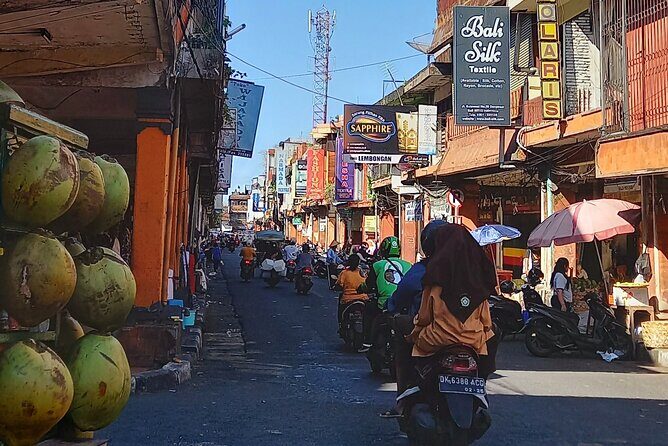
This tour is built around one simple idea: textiles matter here, and you learn fast by seeing them in the places they’re bought and sold. It’s set in central Denpasar, with a route that starts in the north area around Jalan Gajah Mada and then threads through key fabric areas like Kumbasari and Jalan Sulawesi.
At about 2 hours on foot, you’re not getting a massive, day-long shopping marathon. Instead, you get a concentrated look at how different textile styles show up in daily life and local commerce. That matters because the best way to understand batik or ikat is to compare what looks similar from far away, then spot the differences once you’re close to the fabric.
The small group size (maximum 10) also changes the feel. You’re more likely to ask a question, compare notes, and get practical guidance without being pushed along.
Starting at Jalan Gajah Mada: Meeting Pak Rayyis and Getting Oriented
Your meet-up is at Jl. Gajah Mada No. 1 in Denpasar Utara, starting at 2:00 pm. From there, the route begins with a meeting tied to the area’s textile collection—Pak Rayyis—so you’re not just wandering into stores blind.
This early stop is valuable because it sets your “pattern recognition.” When the guide points out differences between styles, you’ll later recognize what to look for when you’re staring at bolts of cloth. Even if you’re not an expert, you’ll come away with a clearer sense of what batik looks like across styles, and how ikat and endek weaving are distinct.
Also, this opening helps you shop smarter. If you know what you’re trying to buy (or what you want to avoid), you’ll spend your money with less stress later.
Kumbasari Market: Where Traditional Batik, Ikat, and Weaving Are Sold
Next comes Kumbasari Market, where you’ll visit two shops focused on traditional batik, ikat, and weaving. This is one of the stops that makes the tour feel grounded. Markets are where locals compare prices, touch samples, and look for the right weight or finish—not where everything is placed for a photo.
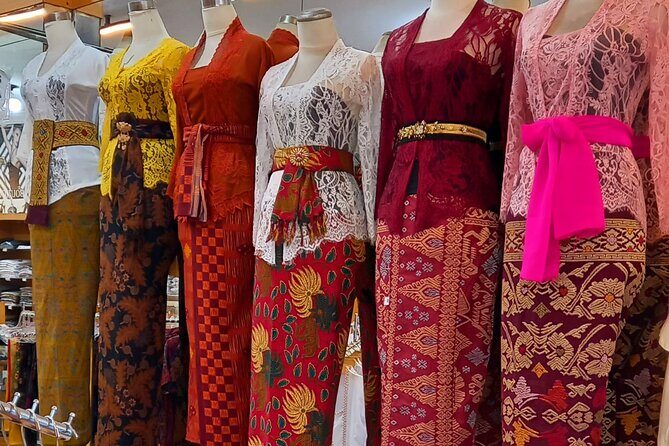
What I like about the Kumbasari portion is that it supports comparison. Batik, ikat, and woven fabrics can look related, but they aren’t the same process. Seeing them in shop after shop helps you understand the texture and visual clues right away—like how patterns repeat, how the color sits on the fabric, and how the fabric itself feels.
A small drawback to plan for: market browsing can be noisy and busy, and you may need a moment to slow down. If you’re easily overwhelmed by crowds, give yourself permission to pause and focus on one or two fabric types first.
Jalan Sulawesi: Affordable Everyday Batik Plus Fabric for Real Projects
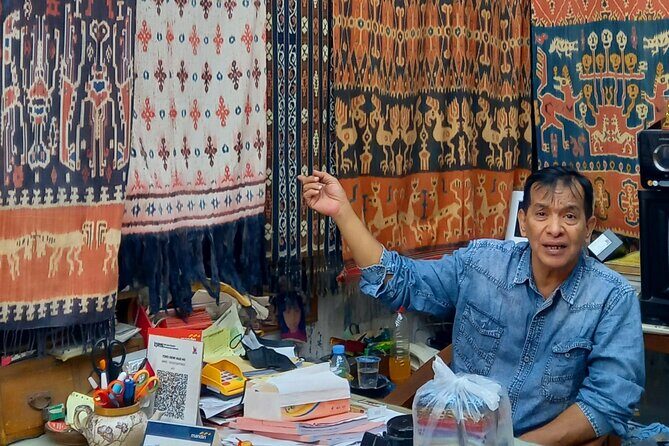
After the market, the walk moves to Jalan Sulawesi, known locally as a fabric haven. This is where the selection shifts toward variety you can use right away, not just textiles meant for display.
Here’s what you can expect to find:
- Print affordable everyday batik
- Modern fabrics like linen, brocade, cotton, lace
- Quilting materials
- Options for dressmaking
- Materials for interiors
- Silk and rayon
- A broad mix of other fabric types
This stop is practical. If you’re the kind of traveler who wants something you can actually bring home and use—clothes, a cushion cover, a shirt you’ll tailor, or a patchwork project—Jalan Sulawesi is a strong fit. Even if you’re only browsing, this is where you’ll start building ideas for what to buy.
One consideration: because the variety is huge, it can be easy to drift into random purchases. I recommend choosing a goal before you get here, like one item for yourself and one fabric for a gift. That keeps the shopping fun and prevents the “I bought everything” feeling.
What the Guide Teaches You About Balinese and Indonesian Textile Culture
This tour isn’t about memorizing facts. It’s about learning in context—what cloth means, why it shows up in daily life, and how different techniques create different results. You’ll get introduced to why textile is important not just in Bali, but across Indonesia.
In practical terms, the guide’s explanations help you stop treating cloth like a generic souvenir. Instead, you learn to pay attention to:
- How design differs between traditional batik styles and modern batik
- What to look for with ikat and woven textures like endek
- How to tell what’s meant for daily use versus more special-occasion fabric
And since Ayu can adjust the stops to your specific interests, you’re more likely to spend time where you care. That’s a big reason this tour earns top marks.
Smart Shopping Tips for Denpasar Fabric Stops (So You Feel Confident)
If you want to buy textiles, the guide includes guidance so you can get reasonable local prices and shop with more confidence. Since the tour is designed around local supply areas (not only tourist boutiques), you typically have better chances at fairer pricing—especially if you know what you’re looking for.
Here are a few tactics I think make a real difference:
- Pick your top two textile goals before you arrive (for example, one batik and one ikat, or one fabric for tailoring and one for gifts).
- Compare similar items side by side across stops. The same category can look different depending on thread, finish, and thickness.
- Ask questions about what you’re considering—especially if you’re buying for a specific use like sewing, quilting, or home décor.
- Don’t feel forced to buy at every stop. This route is short. You can always save your money for the best match later.
Also, because you’re walking between shops, you’re not stuck making one decision in a hurry. Take a breath, hold the fabric, and decide based on feel and design—not just on color in the store lights.
Price and Value: Is $25 Worth It?
At $25 per person for about 2 hours, this tour works best when you use it for its strengths: guidance + access to multiple textile-focused areas in one walk. The value jumps if you’re unsure what to look for, or if you want to avoid paying tourist-markup prices without losing the fun of browsing.
If you’re coming in already fluent in batik and weaving techniques and you only want one type of fabric, you might wonder if a guided walk is necessary. But the tour’s real payoff is the way a guide helps you narrow choices and avoid random spending in a high-selection environment.
Another detail that helps the value: the group cap is small (up to 10). That means you’re more likely to get individual questions answered while you’re comparing fabrics in the shops.
Logistics That Matter: Walking Route, Timing, and Small-Group Pace
The tour begins at 2:00 pm and runs about 2 hours. It’s set up to be easy to fit into an afternoon in Seminyak/Bali area—especially since the route is described as near public transportation, so you’re not locked into a complicated transfer.
You’ll also get a mobile ticket, which is convenient in practice. This matters in busy shopping areas where people are moving in and out of shops; you don’t want to be fumbling with paper.
The walking pace is another thing to plan for. This is a foot route through textile streets and market areas. If you don’t mind walking short distances and you’re comfortable standing in shop doorways while you look closely, you’ll be fine.
Who Should Book This Textile Tour (and Who Might Not)
This experience is a strong match for:
- Fabric lovers who enjoy seeing different techniques in person
- People who want more than one textile category in a single afternoon
- Travelers who enjoy shopping but want a guide’s help to shop smart
- Anyone who likes local routes and prefers small-group attention
It may be less ideal if:
- You strongly dislike shopping or hate markets
- You want a broad cultural sightseeing day rather than a fabric-focused route
- You’re planning around tight mobility limits, since it’s a walking tour
Should You Book This Denpasar Textile Walk?
I’d book it if you want a practical, local way to understand Indonesian textiles and you plan to buy at least one thing—or even just compare and decide what you’d buy later. The guide setup is the biggest reason: Ayu’s English is clear, she knows her material, and she’s willing to shift the stops to match your interests. With a small group and a short, walkable route through places like Kumbasari and Jalan Sulawesi, you get real value for your time.
Skip it only if you want a purely sightseeing experience with no shopping angle. This tour is built around fabric. If that’s your kind of travel, it’s hard to beat.
FAQ
Where does the tour start?
It starts at Jl. Gajah Mada No. 1, Dauh Puri Kangin, Kec. Denpasar Utara, Kota Denpasar, Bali 80232, Indonesia.
What time does the tour begin?
The start time is 2:00 pm.
How long is the tour?
It runs for about 2 hours.
What is included in the experience?
You’ll walk through central Denpasar to visit textile shops and areas, including Kumbasari Market and Jalan Sulawesi, with a focus on traditional and modern textiles such as batik, ikat, and woven fabrics.
How much does it cost?
The price is $25.00 per person.
How big is the group?
The tour has a maximum of 10 travelers.
Is there a mobile ticket?
Yes, the tour uses a mobile ticket.
What if the weather is bad?
The experience requires good weather. If it’s canceled due to poor weather, you’ll be offered a different date or a full refund.
Can I get a refund if I cancel?
Yes. You can cancel up to 24 hours in advance for a full refund.