ALL INCLUSIVE – Bali Gate Of Heaven Tour
Those sunrise gates are worth the alarm.
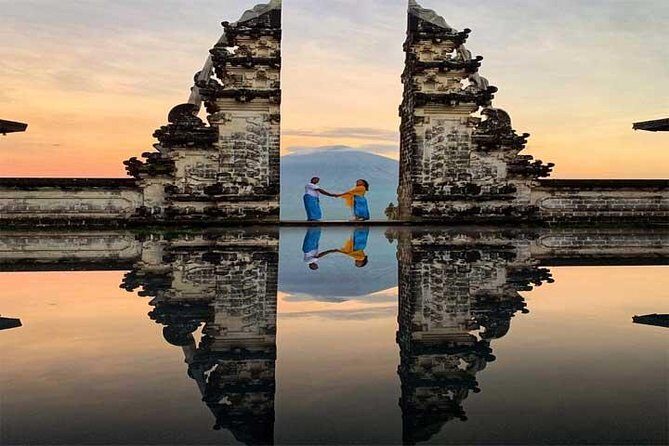
This Bali Gate of Heaven tour strings together three very different stops: Lempuyang Temple with Mount Agung in the background, Tirta Gangga with spring-fed ponds, and the tucked-away Tukad Cepung waterfall. It’s built for people who want big views without managing driving and tickets on their own.
I like the way this day is handled end-to-end. Hotel pickup and return means you don’t waste time figuring out routes, and you’ll have an English-speaking driver who can also help with photos and timing. In real-world examples, drivers like Nawe (who serenades the ride), Dewa (friendly and patient), and Putu (helpful with the pace) make the trip feel smoother.
The main thing to consider is the day is long and photo-focused in the best and worst ways. Expect 8 to 10 hours of moving, and the Lempuyang area can involve serious stair effort—one review even calls out roughly 200 steps down and back up if you go for the lower photo route.
In This Review
- Key things I’d plan for
- Ubud-to-Lempuyang: why the Gate of Heaven part starts so early
- The 8 to 10 hour pacing: pickup times, transitions, and how not to burn out
- Tirta Gangga: clear spring ponds and a water-temple atmosphere
- Tukad Cepung waterfall: the cliff-cave approach and why it feels special
- Traditional coffee making: the cultural stop at the end of a full day
- Price and value: what $75 gets you, and what it doesn’t
- Who should book this Gate of Heaven day trip (and who should skip)
- Tips to make photos smoother and the day easier
- FAQ
- How long is the Bali Gate of Heaven tour?
- What does the tour include, and is lunch included?
- Is this tour private?
- What stops are included besides Lempuyang Temple?
- What if the weather is bad?
- Is it physically challenging?
- Should you book this Bali Gate of Heaven tour?
Key things I’d plan for
- Private group with pickup and return, so the schedule stays focused on your party
- Lempuyang Temple timing that often means an early start to catch the best light at the Gate of Heaven
- Tirta Gangga ponds fed by springs, where you can see ornamental fish and the pond bottoms more clearly
- Tukad Cepung waterfall in a rock-cliff setting, accessed through a narrow, cave-like approach
- A traditional coffee stop built into the later part of the day
- Lunch not included, so you’ll want to budget for it on your own
Ubud-to-Lempuyang: why the Gate of Heaven part starts so early
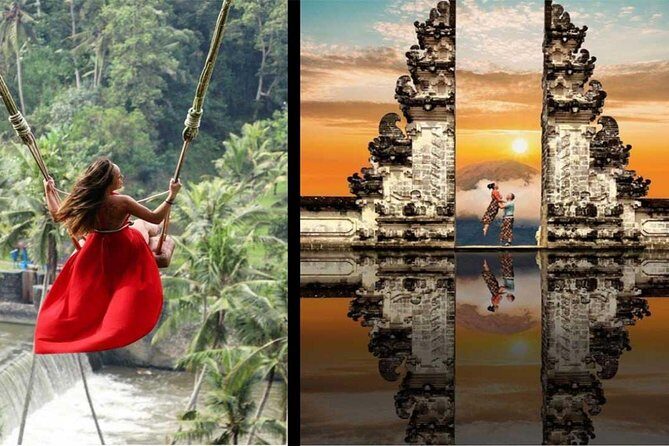
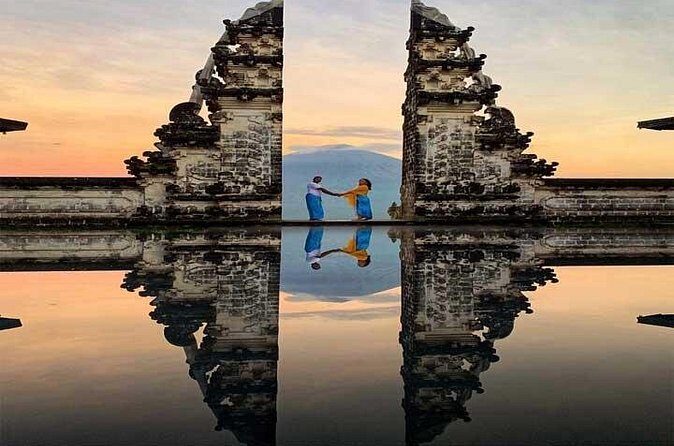
The Gate of Heaven at Lempuyang Temple is a Bali classic because of one simple thing: the shot lines up with Mount Agung in the distance. But the real experience is bigger than a single photo. When the light is right, the temple steps, the gates, and the long view feel almost choreographed—like the landscape is making space for your camera.
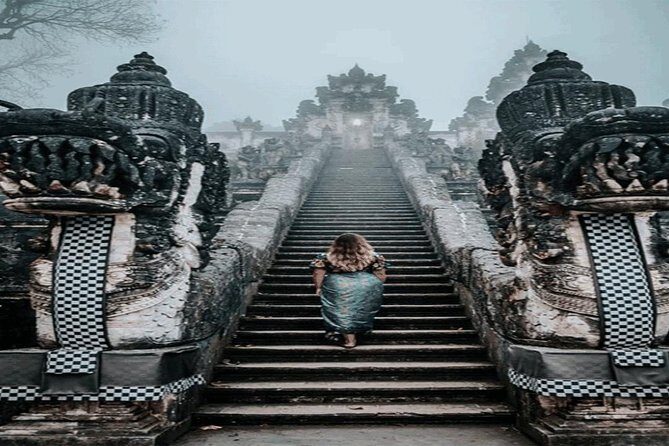
Here’s the practical truth: this place draws crowds. The upside is energy and people-watching (in a good way). The downside is you may spend extra time waiting for a clean angle, and you’ll likely see a lot of people rushing through the moment. I’d handle it like this: take your required photos, then slow down for a few minutes. Look around at the temple grounds, the stonework, and the sheer scale of the climb you just did.
Plan for effort. Even if the day is not sold as a hike, Lempuyang is stair-country. One review notes around 200 steps down and back up if you choose the tougher route for a lower viewpoint. If you have knee issues or you tire easily, you’ll want to pace yourself early and ask your driver what will be easiest for your group.
The 8 to 10 hour pacing: pickup times, transitions, and how not to burn out
This is a long day. That’s not a flaw—just a reality. You’ll be picked up from your hotel area, then you’ll move through three major sights plus lunch and a coffee-making stop before heading back.
A couple timing notes matter:
First, pickup depends on where your hotel is. Even when the schedule points to a morning departure, you should be ready for an early start in practice. One review describes leaving around 3:30 to catch sunrise lighting and reduce waiting time. If your tour plan allows an earlier pickup, it can be worth it for both photos and sanity.
Second, you should expect a lot of “in-between” time. Driving, stepping out, queuing for the best viewpoint, changing from one kind of scenery to another—those add up. The good news is you’re not doing it alone. With your driver (and a private setup for your group), you can usually move at a pace that fits your comfort level and photo goals.
If you want the day to feel fun instead of frantic, build a simple plan: hydrate on the ride, keep your camera gear minimal, and set a realistic expectation that at Lempuyang you may wait. One review even mentions waiting about three hours for photo time at the temple area. That’s the type of variation you can’t ignore.
Tirta Gangga: clear spring ponds and a water-temple atmosphere
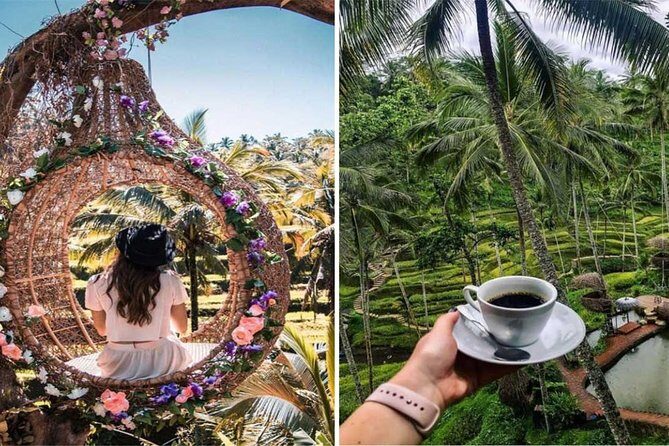
After Lempuyang, the day shifts into something calmer and more visual. Tirta Gangga is known for expansive water ponds and temple structures, with ornamental fish you can often see clearly thanks to very clear water. The key detail here is where that water comes from. It’s fed by springs, not processed water, and that tends to show in the clarity and coolness.
I like Tirta Gangga because it breaks the “stairs and crowds” rhythm. You get more time to wander slowly, look down into the ponds, and take in the composition—water reflecting structures, fish moving below, and the feeling that you’ve stepped into a real water palace setting instead of just another stop on a checklist.
What could be a drawback? It’s still a popular attraction, so busy times can happen. Also, water features mean you should watch your footing and wear shoes you trust. You don’t want your best pond moment to be interrupted by a slip on slick steps.
If you’re traveling as a photo-focused group, Tirta Gangga is also a great chance to take pictures that don’t require stair acrobatics. Think of it as your reset: calm water, easy wandering, and a different kind of Bali beauty.
Tukad Cepung waterfall: the cliff-cave approach and why it feels special
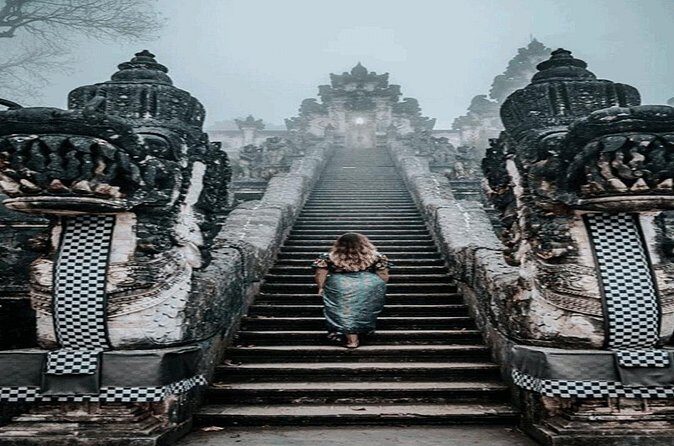
Then you reach Tukad Cepung, and this stop feels different fast. The waterfall is in a hidden location, surrounded by rock cliffs. The access is a little difficult, and the path is described like sneaking between cliffs that almost resemble a cave before you reach the falls.
That “almost cave” setting is the reason this place gets attention. Water drops in a rock corridor, and your perspective changes the moment you’re inside. Instead of a wide-open waterfall view, you get a framed look—like nature put the waterfall in a window and the rock walls are the curtains.
Practical advice: because you’re moving between tight rock spaces, go slowly and keep an eye on where your feet land. You might also get damp. Plan for humidity, and keep your camera secured so you’re not juggling gear at the exact wrong moment.
This is also a great stop if your group likes contrast. You’ve already done gates and ponds; now you’re in a rock-and-water world. The payoff tends to be worth it, especially if you manage your expectations about the approach being part of the experience.
Traditional coffee making: the cultural stop at the end of a full day

Later in the day, you’ll see the process of making coffee traditionally. It’s placed after the waterfall, which means it usually works as a wind-down moment—time to sit, look, and learn something simple while the energy of the day settles.
I’m not going to pretend coffee is the main reason people book this tour. The headline sites are the temples and waterfalls. But the coffee stop adds value in one practical way: it gives you an extra activity that’s not another long photo queue. It also helps fill the day so you’re not stuck only waiting for access at the previous stops.
One more reality check: even with a tour that includes entrance tickets, coffee experiences often involve chances to buy. The tour data doesn’t list pricing for coffee purchases, so treat it like a tasting or viewing moment rather than a guarantee of free product. If you want to stay in control of your budget, decide in advance if you’ll buy anything beyond what’s required.
Price and value: what $75 gets you, and what it doesn’t
At $75 per person, this tour can be a good value if you like the convenience of a driver and you don’t want to juggle tickets and timing between multiple attractions.
From what’s included, you typically get:
- Entry/admission for Lempuyang Temple
- All entrance tickets for the stops included on the route
- Pickup and return to your hotel
- An English-speaking driver
That bundle matters. In Bali, entrance fees add up, and the real cost is time. A paid driver saves you from trying to coordinate rides across temple zones, water attractions, and a waterfall with a more complicated approach.
But here’s the catch: lunch is not included. So when you evaluate total value, plan for at least one meal on your own. This is especially important on a long day that runs roughly 8 to 10 hours. Bring a little cash or plan a card-friendly lunch spot with your driver’s help.
Also, the tour is described as private—only your group participates. That’s valuable if you want a calmer schedule than a crowded shared shuttle.
If you’re traveling as a couple or small group, this price can feel like a fair trade: you pay for structure, then you get to spend your energy on sights instead of navigation.
Who should book this Gate of Heaven day trip (and who should skip)
This tour is best for you if you’re:
- An early-starter who wants the best light at Lempuyang
- A nature-and-views person who enjoys both temples and water scenes
- A group that would rather have one driver-led plan than DIY across Ubud-area sites
- Someone who values photo help and patience from the driver, especially if you’re working around crowds
It may be less ideal if:
- You struggle with stairs or long walks. Even if most people can participate, the Lempuyang area can include heavy stair effort.
- You hate waiting. At Lempuyang, photo time and access can create long pauses, including the kind of long wait some groups report.
- You want a slow, uncrowded day. This route is popular, and it moves through high-demand sites.
If you’re unsure, think of the day like this: it’s a packed highlights circuit. The beauty is real. The schedule is tight. Go in with eyes open and it’s usually a winner.
Tips to make photos smoother and the day easier
A few things make a big difference on this kind of tour:
First, plan your footwear. You’ll be dealing with stairs at Lempuyang and then uneven footing around a waterfall access route. Wear shoes with grip, not just style.
Second, treat your camera strategy like a mission. In one review, the Gate of Heaven experience is described as a bit sad when it becomes all about the Instagram shot. You can avoid that mood by setting a quick photo plan: get the main angle, then switch to slower observations.
Third, use your driver’s role. In past experiences, drivers like Dewa have helped by staying ready while you explore and returning when you’re done. If you want space—especially for photos—ask for that explicitly while you’re there.
Fourth, consider starting earlier if your schedule allows. One review suggests leaving around 3:30 rather than a later morning start to reduce waiting and to catch sunrise lighting. Even if you don’t go that early, an earlier departure often means a more relaxed flow.
Finally, bring water and a small snack mindset. Lunch isn’t included, and you may not want to gamble on finding the exact right meal at the exact right time when the schedule is packed.
FAQ
How long is the Bali Gate of Heaven tour?
It runs about 8 to 10 hours.
What does the tour include, and is lunch included?
The tour includes pickup and return, Lempuyang Temple entry, all entrance tickets, and an English-speaking driver. Lunch is not included.
Is this tour private?
Yes. It’s listed as a private tour/activity, meaning only your group participates.
What stops are included besides Lempuyang Temple?
You also visit Tirta Gangga and Tukad Cepung waterfall, plus you’ll see the process of making coffee traditionally.
What if the weather is bad?
The experience requires good weather. If it’s canceled due to poor weather, you’ll be offered a different date or a full refund.
Is it physically challenging?
Most travelers can participate, but there can be a lot of stair climbing at the Lempuyang area. One review specifically mentions a difficult option involving about 200 steps down and 200 up.
Should you book this Bali Gate of Heaven tour?
I’d book it if you want a structured day of highlights—Lempuyang’s iconic gate views, Tirta Gangga’s spring-fed water clarity, and Tukad Cepung’s cave-like waterfall feel—without driving or ticket planning. The $75 price makes sense when you factor in hotel pickup, English-speaking driver help, and entrance coverage, even though you’ll need to handle lunch on your own.
I’d skip or adjust if you dislike early mornings, hate waiting in peak photo spots, or you’re not comfortable with lots of stairs. If those are your issues, you’ll still see the beauty, but the day may feel more stressful than it needs to.
If you go in ready for a long, active day—and you lean on your driver when timing gets tricky—this tour tends to land as a very satisfying Bali day.