Bali Purification Ritual
A temple ritual you can feel in your skin.
The Bali Purification Ritual at Tirta Empul is one of the most direct ways to experience Balinese Hindu ceremony: you dress for the temple, make offerings, pray for permission, then follow a step-by-step cleansing in the holy springs. It’s not a museum moment. It’s physical, guided, and quietly intense.
I especially like the temple dress setup because it removes the guesswork. You don’t have to figure out what to wear or how to behave. I also like that the whole experience is built around doing things in the right order, with time for both the before-ritual praying and the after-ritual thanks.
One consideration: the purification ceremony isn’t possible for women during menstruation, since Bali temple rules don’t allow entry for that period. Also plan to bring a change of clothes and a towel, because you’ll end up wet.
In This Review
- Key things to know before you go
- The point of purification at Tirta Empul
- Your 5-hour window: how the timing really plays out
- Dressing for the ceremony: sarong, Hindu costume, and temple rules
- The before-ritual moment: offerings and praying for permission
- Inside the holy springs: what the 1 to 1.5 hours is like
- The after-ritual thanks and taking holy water home
- Lunch and why it’s included right after the ritual
- Price and value: why $65 can make sense
- Who should book this purification ritual
- Should you book the Bali Purification Ritual at Tirta Empul?
- FAQ
- How long is the Bali Purification Ritual at Tirta Empul?
- What time does hotel pickup happen?
- Is lunch included?
- What should I bring with me to the temple?
- Do I have to dress in temple costume?
- Can women participate during menstruation?
- What’s the group size?
- Is pickup and drop-off provided from hotels?
- What if the weather is bad or I need to cancel?
Key things to know before you go
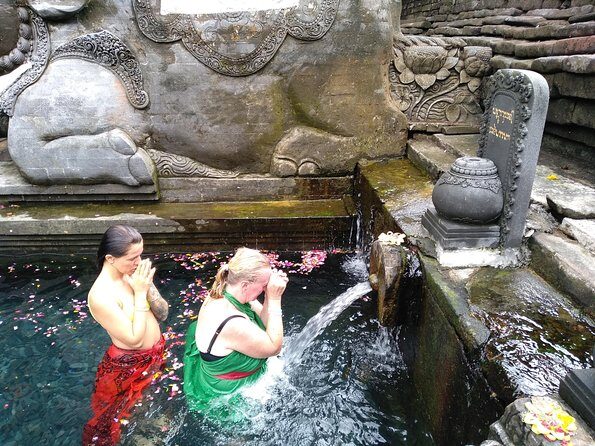
- Guided purification in the holy springs for about 1 to 1.5 hours, with step-by-step instructions
- Traditional dress plus sarong provided, so you can follow temple expectations fast
- Door-to-door pickup and drop-off with an air-conditioned vehicle, typically returning by about 1:00 pm if you start at 8:00 am
- Lunch is included, so you don’t have to hunt for food right after you’re done getting cleansed
- Good weather matters, since the experience requires it
The point of purification at Tirta Empul
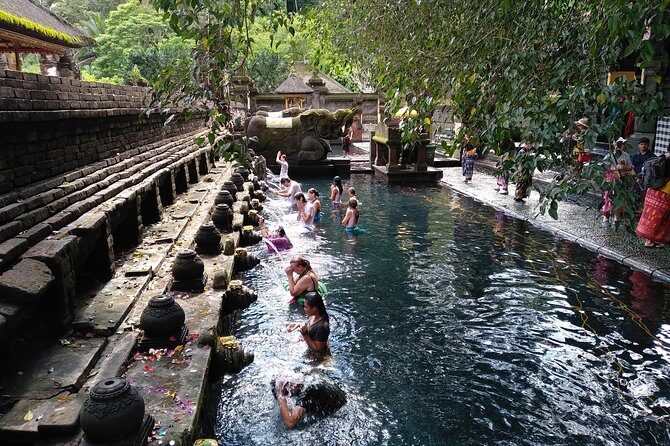
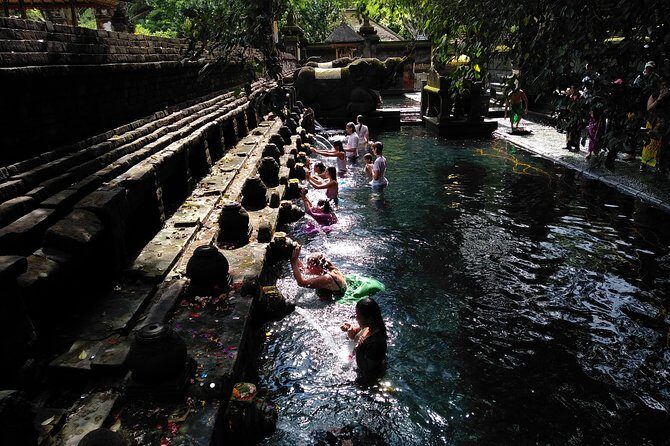
Tirta Empul is famous for its sacred springs, and the ritual isn’t just about taking a quick dip. The idea is to wash away negativity and reset your mindset through prayer, offerings, and a carefully guided sequence in the water. Even if you don’t know the language or the deeper meanings, the rhythm helps you participate with respect instead of just watching.
What makes this feel meaningful is that you’re not left to figure it out alone. You pray to ask permission first. Then you follow steps in the water. Then you do thanks-giving after. That structure matters because it turns a “cool photo stop” into an actual ceremony.
And yes, it can be intense. The emotions tend to show up when you’re standing in the sacred area doing exactly what you’re told, quietly paying attention, and feeling the water and water-washed ritual focus hit your body and attention at the same time.
Your 5-hour window: how the timing really plays out
This is an about 5-hour experience, and the schedule is designed around a hotel pickup and a calm return. Pickup is typically 8:00 am (other pickup times can be arranged like 9am, 11am, 1pm, 5pm, etc.), and you’ll generally be back at your hotel around 1:00 pm if you start at 8:00 am.
That timing is practical for a Bali day. You get a whole ritual plus lunch without losing your afternoon. It also means you can plan the rest of your day around a clear block rather than a vague “morning activity.”
One small pro tip: if you choose a later pickup time, think about light and comfort. The ritual requires good weather, and you’ll be in and around water, so you want enough daylight and time to change and dry off after.
Dressing for the ceremony: sarong, Hindu costume, and temple rules

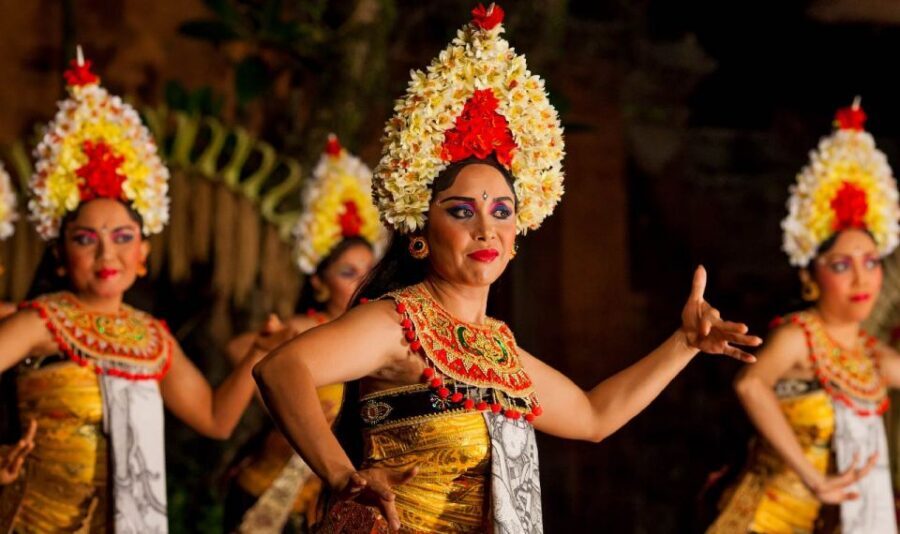
Before anything happens in the water, you’ll change into authentic Balinese Hindu costume, with a sarong prepared for you. This is not a casual “dress-up” moment. Temple rules in Bali are serious, and the dress helps you participate properly and respectfully.
Here’s what I’d plan for: you should wear something easy to remove and put back on. Since you’ll likely end up wet, you’ll want to think like a practical swimmer, not like a museum visitor.
The tour also asks you to bring changing clothes and a towel. Do not skip this. After purification, you change your wet dress, so having dry clothes ready makes everything smoother and less stressful.
One more important rule: women cannot participate during menstruation because entry to the temple isn’t allowed during that time.
The before-ritual moment: offerings and praying for permission
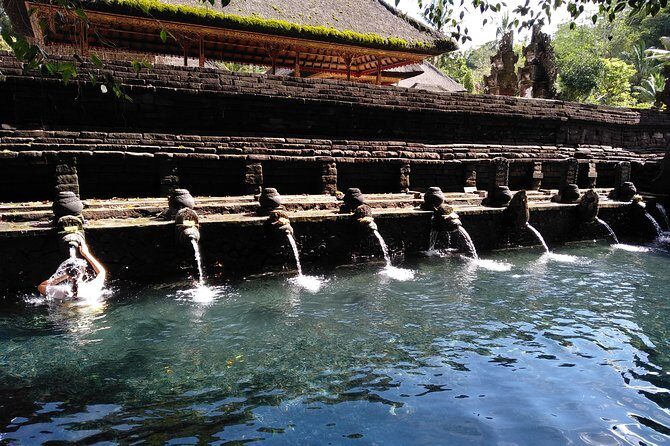
A big reason this tour works is that it starts with the “why,” not just the “when.” Before the purification, you pray to ask permission and blessing, and the guide prepares ritual offerings for you. You’ll also be shown what to do before you enter the springs, so you’re not left improvising.
This portion can feel a little formal at first. That’s normal. In Balinese Hindu ceremonies, doing the correct steps signals respect. The guide’s job is to keep you on the right path and make sure you follow the ritual process step by step.
If you’re the kind of person who worries about messing up, this is a relief. You’re given what you need—offerings prepared for you, and guidance on what happens next—so you can focus on being present rather than “performance.”
Inside the holy springs: what the 1 to 1.5 hours is like
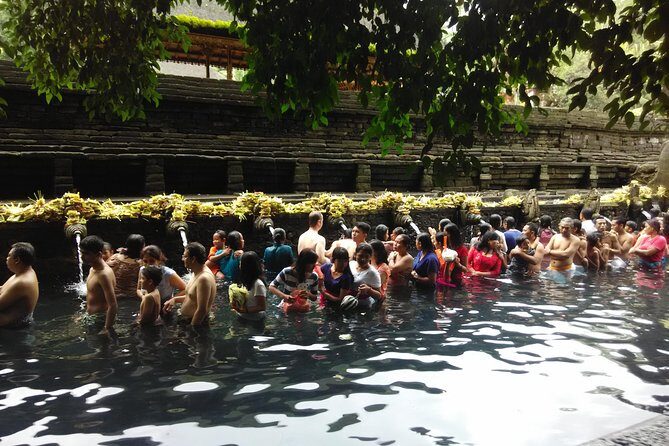
The purification processing runs about 1 to 1.5 hours. You enter the holy water, and you’ll be explained about the ritual process so you can follow step by step. The water is the centerpiece, but the ceremony doesn’t treat it as a random soak. It’s part of a sequence with a spiritual purpose.
What you’ll likely notice right away is how your body pays attention. Water changes temperature, movement, and breathing. That physical awareness tends to make the experience stick. And because you’re following instructions instead of guessing, you can keep your mind from drifting into distraction.
Also, you’re not just getting a “cleansing moment.” You’re doing an ordered ceremony. That matters because the tour is structured so the purification is followed by thanks-giving afterward, not ended abruptly.
If you’re sensitive to cold water, prepare mentally. Bring warm layers for after, and get your towel ready. Even if the water doesn’t feel freezing, you’ll still want to dry off quickly once you’re finished.
The after-ritual thanks and taking holy water home
When the purification is finished, you change your wet dress again, then you do another prayer: a thanks-giving because the gods blessed you. The guide may also offer the possibility of taking holy water to your place or home.
This part is quietly powerful because it completes the loop. You don’t just “do a ritual and leave.” You acknowledge the blessing and treat the ceremony as a relationship, not a transaction.
If you plan to bring holy water back, be mindful of container safety and handling. Keep it sealed and protected so you don’t end up with a travel mess. The goal is to carry the meaning home in a respectful, practical way.
Lunch and why it’s included right after the ritual
Lunch comes after the ritual and before you head back to your hotel. That’s a smart design choice. When people do ceremonies and then immediately scramble to find food, the whole day gets shaky. Here, you get a built-in meal so you can reset without pressure.
The lunch is described as Indonesian lunch, and bottled water is included. I like this because it keeps the pacing steady: you cleanse, you dry off and change, you pray thanks, and then you eat. It turns a spiritual experience into a complete half-day, rather than an interrupted one.
If you have dietary needs, you might want to check in with the provider when you book, since no detailed menu information is provided here.
Price and value: why $65 can make sense
At $65 per person, this isn’t a budget “grab-and-go” add-on. But it also isn’t just paying for a driver and a temple ticket. You’re paying for a bundle of things that usually cost time and stress on your own.
You get:
- hotel pickup and drop-off in an air-conditioned vehicle
- lunch
- bottled water
- sarong for temple and purification
- ritual offerings
- all fees and taxes
For many people, the value isn’t the math—it’s the smoothness. The guide handles the flow so you’re not standing there wondering what comes next. That matters in ceremonies, where doing things out of order can feel awkward.
Also, the group size caps at 25 travelers, so you’re not packed into a chaotic herd. Smaller groups can make instruction easier and help you feel like a participant, not a number.
Finally, the tour tends to be booked about 78 days in advance on average, which suggests demand. If you want a specific pickup time, booking early is a smart move.
Who should book this purification ritual
This tour is a great fit if you want a true Balinese Hindu ritual experience and you like structured guidance. It’s especially good for:
- first-time visitors who feel unsure about temple etiquette
- people who want the ceremony explained and timed correctly
- anyone spending their Bali days around Ubud and wants a meaningful half-day
- travelers who appreciate being given supplies (sarong, offerings) instead of bringing guesswork
It’s not a fit if you’re looking for a casual sightseeing walk with no rules. Temple purification is deliberate. You’ll follow steps, pray, and participate in the holy spring area.
And it’s not available for women during menstruation due to temple restrictions.
Should you book the Bali Purification Ritual at Tirta Empul?
Book it if you want an experience that feels like participation, not sightseeing. The best part is the guided step-by-step ritual, especially the way the ceremony includes both permission praying and thanks-giving, not just water time. Add the included lunch and door-to-door pickup, and it becomes a clean half-day with minimal logistical hassle.
Skip it if you’re uncomfortable with ritual structure, cold/wet conditions, or you need total flexibility around temple rules. Also, if your schedule makes it hard to bring a change of clothes and towel, plan better before you go.
If you’re curious about Balinese Hindu purification and want to do it respectfully, this is one of those tours that makes the culture feel real fast—because you’re not just looking. You’re doing.
FAQ
How long is the Bali Purification Ritual at Tirta Empul?
The experience runs about 5 hours (approximately), including pickup, the purification ceremony (about 1 to 1.5 hours), lunch, and the return transfer.
What time does hotel pickup happen?
Pickup typically starts at 8:00 am. Other pickup times are available, including 9am, 11am, 1pm, and 5pm, depending on what you choose when booking.
Is lunch included?
Yes. Lunch is included and is described as an Indonesian lunch. Bottled water is also included.
What should I bring with me to the temple?
Bring changing clothes and a towel. You will get wet during the purification and will change after.
Do I have to dress in temple costume?
You will change into a Balinese Hindu costume for the ritual, and sarongs are prepared for the temple and purification.
Can women participate during menstruation?
No. The tour states that it is not possible for women during menstruation because entry to the temple isn’t allowed in Bali during that time.
What’s the group size?
The tour/activity has a maximum of 25 travelers.
Is pickup and drop-off provided from hotels?
Yes. You get door-to-door round-trip hotel transfers, using an air-conditioned vehicle.
What if the weather is bad or I need to cancel?
The experience requires good weather. If it’s canceled due to poor weather, you’ll be offered a different date or a full refund. Cancellation is free up to 24 hours in advance for a full refund.