
Bali Cooking Class and Ubud Sightseeing Tour
One day, two big reasons to smile. This private Ubud outing mixes a real Balinese cooking class with classic sightseeing stops, without the big-group shuffle. I like that you start with ingredient shopping at Pejeng Market, so your lunch feels earned, not handed to you.
My other favorite part is the hands-on cooking setup at Canting Bali Cooking Class, where you make the menu yourself and then sit down to eat what you cooked. The one thing to consider: it’s about an 8-hour day, and the tour depends on good weather, so plan around that.
In This Review
- Key takeaways before you go
- Why this private Ubud day works so well
- Pejeng Market: start with ingredients, not just photos
- Canting Bali Cooking Class: learn, cook, and eat what you made
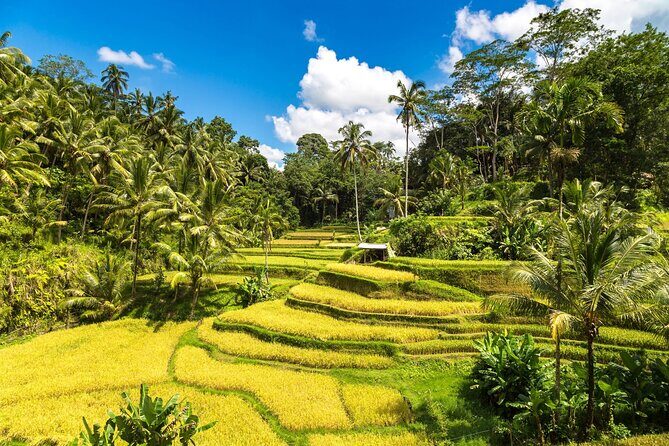
- Tegalalang Rice Terrace: a classic Ubud stop with time to reset
- Sacred Monkey Forest Sanctuary: cultural scenery after your meal
- Transportation and timing: air-conditioned comfort and a clean day plan
- Price ($46.80) and value: what you actually pay for
- Who this tour fits best
- Should you book this Bali Cooking Class and Ubud Sightseeing Tour?
- FAQ
- Where does the tour take place?
- How long is the Bali Cooking Class and Ubud Sightseeing Tour?
- What is the price per person?
- Is pickup and round-trip transportation included?
- Is this a private tour?
- Do you visit a market before cooking?
- Can I choose a vegetarian menu?
- What are the main stops during the tour?
- Do you provide a ticket on your phone?
- What if weather is bad?
- FAQ
- Can I cancel for a full refund?
- When does the no-refund period start?
- How early should I book if my schedule is fixed?
Key takeaways before you go
- Private feel: Only your group participates, with pickup and air-conditioned round-trip transportation.
- Market-to-meal flow: You collect cooking ingredients at Pejeng Market before you cook.
- Hands-on class at Canting Bali: You learn the menu and prepare it yourself for lunch.
- Vegetarian option available: Choose a vegetarian or non-vegetarian menu.
- Sightseeing built in: After lunch, you visit Tegalalang Rice Terrace and Sacred Monkey Forest Sanctuary.
Why this private Ubud day works so well
Ubud can be a lot of things in one trip: temples, markets, food, and those famous rice terraces. What I like about this tour is how it keeps the day practical. You get a smooth ride, a clear flow from market to cooking to sightseeing, and you avoid spending your time figuring out routes.
The “private” part matters more than it sounds. When it’s only your group, you’re not rushed by a larger schedule, and your guide can steer the day around your pace. That’s a big deal for food experiences, where timing and attention really affect how fun it feels.
One more smart touch: it’s designed as a full-day mix, but it doesn’t force you to treat every stop like a race. You can enjoy the cooking class, then shift into sightseeing mode at a comfortable rhythm.
Pejeng Market: start with ingredients, not just photos
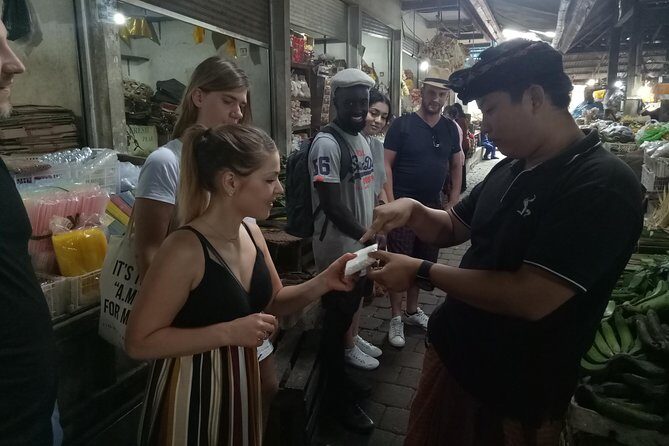
The tour begins with a pickup from your hotel area, then heads to Pejeng Market. This is the part that turns the cooking class into something more meaningful. Instead of only learning techniques in a classroom, you’re gathering ingredients first, with your guide.
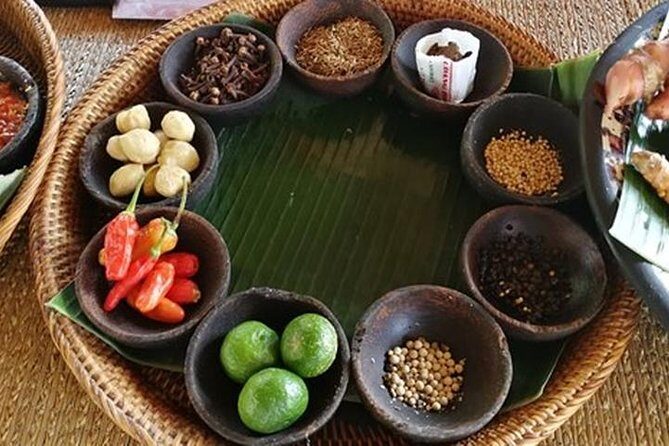
Here’s what that means for your experience. You’ll be paying attention to spices, produce, and the kinds of items that show up in Balinese cooking. And when it’s time to cook, those ingredients are no longer a blur. They have context. You know what you picked and why it likely belongs in the menu.
Practical note: markets can be busy and active. Wear comfortable shoes and keep your expectations flexible. The value is in the process, not in standing still and perfecting a shot.
Canting Bali Cooking Class: learn, cook, and eat what you made
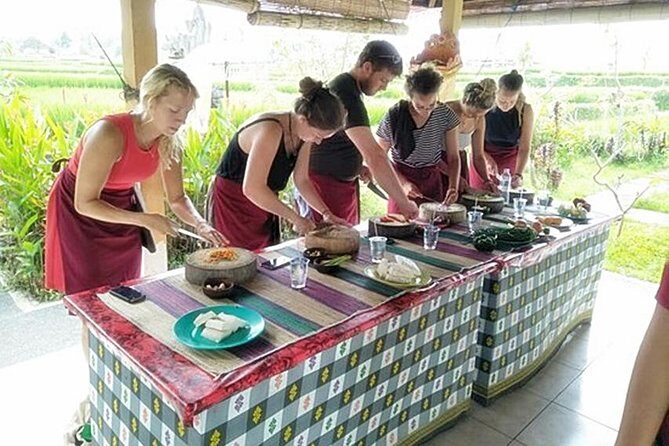
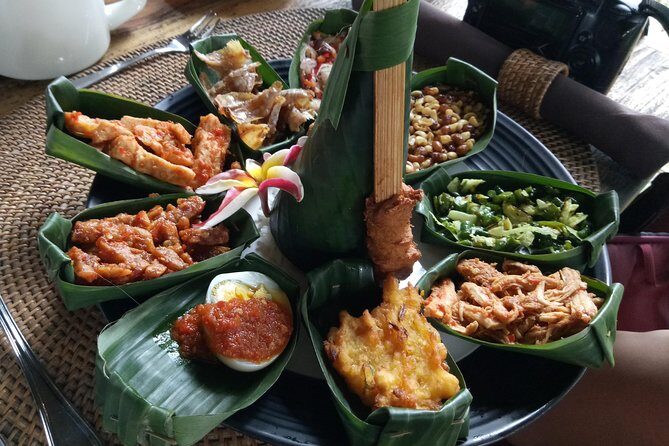
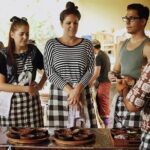
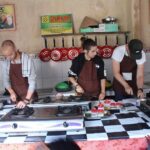
After the market stop, you go to Canting Bali Cooking Class. This is the centerpiece of the day. The format is hands-on: you’ll be guided through making a typical Balinese meal, and all menu items are prepared by you.
Two things I’d highlight if you’re deciding whether this is worth your time:
First, the class is structured around a menu choice. You can go vegetarian or non-vegetarian, so you’re not stuck with a one-size-fits-all meal. That matters in Bali, where many cooking classes focus heavily on meat or seafood by default.
Second, you don’t just taste. You savor a lunch you prepared yourself. That’s the difference between a cooking demo and a real class. Even if you only pick up a few techniques, the lunch part makes it feel complete.
The guide role also looks important here. Based on the strong overall rating and comments about the tour guides being interactive and informative, you’re likely to get a lesson that’s more than a script. You should expect Q and A, plus enough back-and-forth to make the class feel lively.
Tegalalang Rice Terrace: a classic Ubud stop with time to reset
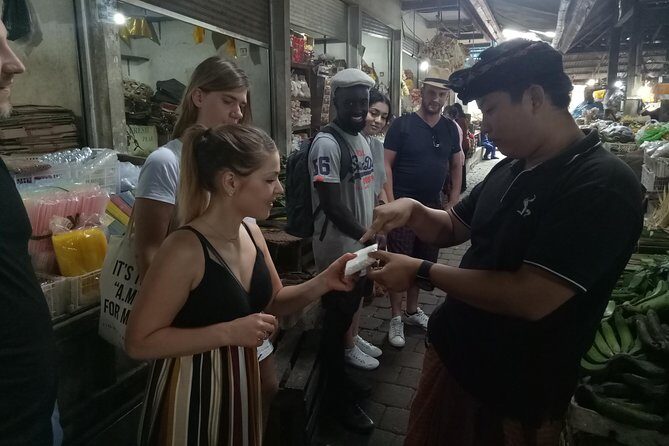
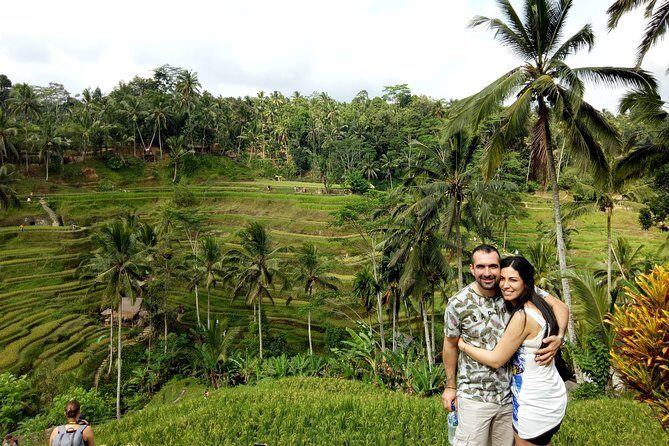
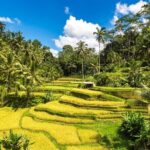
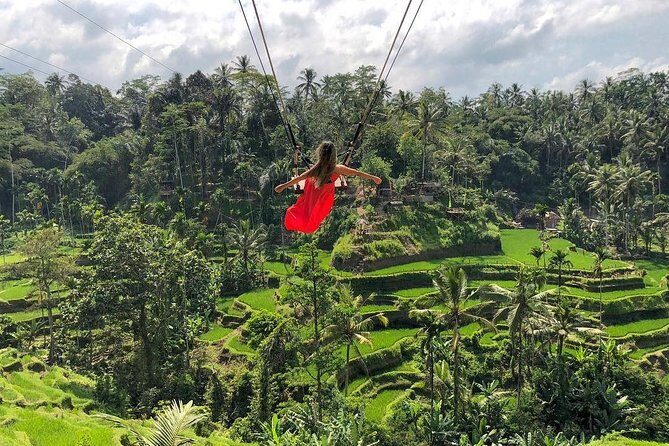
Once lunch is done, you head to Tegalalang Rice Terrace. This stop is a classic for a reason: the terraces are visually striking, and they help break up the day after the intensity of cooking.
I like pairing a food experience with a sightseeing stop like this. Cooking keeps your hands and attention busy. The terraces give you a chance to slow down, look around, and switch gears without needing to think about transportation or navigation.
What to be ready for: rice terrace areas often involve walking on uneven ground and changing elevations. You’ll be happier if you wear shoes that feel stable rather than fancy. Also, bring a light layer if you tend to get cold in the shade, since weather in Ubud can shift.
Even if you’ve seen rice terraces in photos before, seeing them in person tends to feel different. It’s one of those stops where your brain starts taking in the spacing, the steps, and the scale.
Sacred Monkey Forest Sanctuary: cultural scenery after your meal
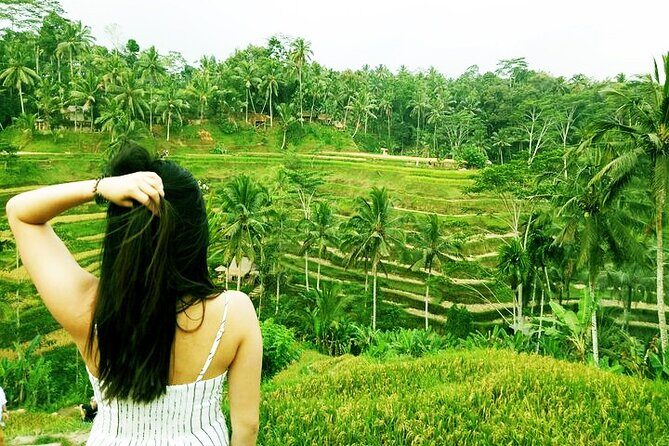
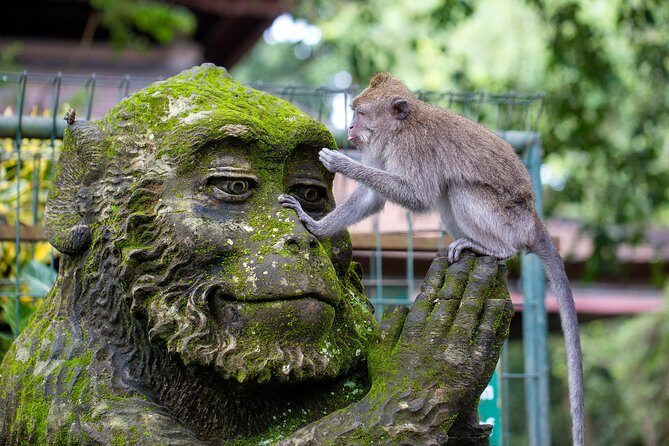
Next up is Sacred Monkey Forest Sanctuary. It’s one of the most popular Ubud attractions, and it fits neatly after lunch. By this point, you’ve already shopped, cooked, and eaten, so you’re not showing up hungry or rushed.
This stop is also a good reminder that Ubud isn’t only about food. It’s about nature-based culture, and the sanctuary setting makes the visit feel like more than just a viewpoint. Try to keep the pacing gentle. People often take longer here than they plan because the area is busy and you naturally slow down while looking around.
A practical tip: keep your phone and small items secure, especially if the area is active. I’m not saying to be paranoid, but it’s smart to treat this as an animal-inhabited sanctuary rather than a quiet garden.
Transportation and timing: air-conditioned comfort and a clean day plan
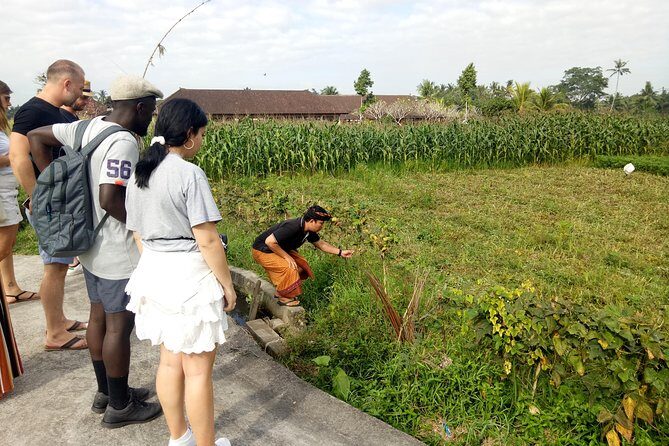
A key part of why this tour feels easy is the transport. You’ll travel in an air-conditioned car with a friendly driver, and you’ll get round-trip transportation back to your lodging. Pickup time is based on your hotel area, so the start should feel organized.
This matters in Ubud because locations can be scattered. Without a driver, you’d likely be spending energy negotiating logistics. With this format, your only job is to show up and follow the flow.
The tour runs about 8 hours. That means you should treat it as a real commitment, not a quick add-on. If you’re the type who likes a long dinner and a relaxed evening plan, you’ll probably be able to do that without feeling rushed.
Also, the day’s timing depends on the schedule of your pickup and the order of stops. You’ll want to be ready for a full-day rhythm: eat at the right time (lunch is part of the class), then switch to sightseeing without a long gap.
Price ($46.80) and value: what you actually pay for
At $46.80 per person, this tour sits in a mid-range price spot for Bali. The real question is what you get for that money, and here the value is pretty clear.
You’re paying for:
- market ingredient collection at the start
- a guided cooking class at Canting Bali
- lunch based on what you cooked
- air-conditioned round-trip transport
- visits to Tegalalang Rice Terrace and Sacred Monkey Forest Sanctuary
Many tours in Bali either focus on sightseeing (and food is optional) or focus on cooking (and sightseeing is light). This one links both, so you’re covering two interests in a single organized day.
A couple of added value clues from the tour details:
- Group discounts may be available, which can lower your cost if you’re booking with more people.
- It uses a mobile ticket, which reduces hassle once you arrive.
- It often gets booked about 70 days in advance, so if your dates are firm, reserving earlier can help.
Bottom line: the price makes sense if you want a true market-to-table cooking experience plus two major Ubud sights without arranging everything yourself.
Who this tour fits best

This is a great match if you want:
- a private day with your own group and less waiting around
- a hands-on cooking experience with a clear structure
- a vegetarian-friendly choice if that’s important to you
- classic Ubud sightseeing wrapped into the same itinerary
I’d especially recommend it for food lovers who don’t want a “watch me cook” session. If you’d rather learn by doing—buying ingredients, preparing dishes, and then eating the results—this format is built for you.
If you’re traveling solo, couples, or a small group, the private setup also helps. It reduces the friction that can come with sharing a schedule with strangers.
The only group I’d hesitate for is anyone who hates long days. At around 8 hours, you’ll want energy for a full stretch, including market time and two sightseeing stops.
Should you book this Bali Cooking Class and Ubud Sightseeing Tour?
If you like food that comes with context, this is an easy yes. The market ingredient start, the hands-on cooking class at Canting Bali, and the fact that you eat what you cooked is the core strength here. Add in Tegalalang Rice Terrace and Sacred Monkey Forest Sanctuary, and you get a complete Ubud day that’s still organized.
I’d book it if:
- you want a private tour feel
- you want a vegetarian option
- you prefer air-conditioned, round-trip transport
- you want one day that covers both cooking and key Ubud sights
I’d think twice if:
- you’re trying to keep your day short
- you don’t handle weather changes well, since the tour requires good weather
Also, consider the booking trend. With about 70 days average advance booking, reserving early is a smart move if your dates are fixed.
FAQ
Where does the tour take place?
The tour takes place in Ubud, Indonesia.
How long is the Bali Cooking Class and Ubud Sightseeing Tour?
It runs for about 8 hours.
What is the price per person?
The price is $46.80 per person.
Is pickup and round-trip transportation included?
Yes. Pickup is offered, and you get round-trip transportation in an air-conditioned car.
Is this a private tour?
Yes. It is a private tour/activity, and only your group will participate.
Do you visit a market before cooking?
Yes. The first stop is Pejeng Market, where you explore and collect ingredients for the cooking class.
Can I choose a vegetarian menu?
Yes. The cooking class offers a vegetarian option (vegetarian or non-vegetarian menu).
What are the main stops during the tour?
The tour includes: Pejeng Market, Canting Bali Cooking Class, Tegalalang Rice Terrace, and Sacred Monkey Forest Sanctuary.
Do you provide a ticket on your phone?
Yes. The tour includes a mobile ticket.
What if weather is bad?
This experience requires good weather. If it’s canceled due to poor weather, you’ll be offered a different date or a full refund.
FAQ
Can I cancel for a full refund?
Yes. You can cancel up to 24 hours in advance for a full refund.
When does the no-refund period start?
If you cancel less than 24 hours before the experience’s start time, the amount you paid will not be refunded.
How early should I book if my schedule is fixed?
The tour is often booked about 70 days in advance, so it’s wise to reserve early if your dates are set.
More Tour Reviews



More Balinese Cooking Classes
More Ubud Tours
Ubud Tours: how the alternatives stack up
 ★ 5.0
★ 5.0Ubud: Monkey Forest, Jungle Swing, Rice Terrace, and Water Temple

The lists this tour appears in