
Bali Half Day Photography Tour
Morning light does the heavy lifting. This half-day photo tour is built around that magic window, starting at 5:30 am so you can work with softer light over rice fields and toward Mt. Agung. You’ll move through real daily life in Ubud, from a traditional market portrait session to a water temple where purification may be happening, depending on the schedule.
What I like most is the combination of round-trip hotel transfer and practical photo coaching. You’re not just getting taken to pretty places; the guide approach focuses on framing, light, and how to make a camera or smartphone behave in unfamiliar locations.
The main thing to consider is simple: it’s an early start and you’ll be traveling and shooting continuously for about four hours, with no included breakfast. If you’re not a morning person, plan a quick snack from home—your day will feel much easier.
In This Review
- Key points to know before you go
- Why 5:30 AM in Ubud makes your photos better
- Pickup, max-4 groups, and what you’re paying for
- Sunrise with Mt. Agung and rice fields: what to expect
- Traditional market portraits: turning everyday life into strong photos
- Tirta Empul and purification: the hardest moment to fake
- Photography coaching that actually changes your results
- What to pack for a 4-hour sunrise-to-midday pace
- Who this tour is best for (and who should skip it)
- Should you book this Bali Half Day Photography Tour?
- FAQ
- What time does the Bali Half Day Photography Tour start?
- How long is the tour?
- Is hotel pickup included?
- What is included in the price?
- Is breakfast included?
- Can I cancel and get a full refund?
Key points to know before you go
- Tiny group size (max 4) means more direct feedback and less time waiting around.
- Early pickup and sunrise timing give you better light for Mt. Agung and rice-field scenes.
- Real-world subjects: local portraits at a traditional market, plus Tirta Empul purification (schedule dependent).
- You get taught, not just shown: framing and light advice for both cameras and smartphones.
- Transfers + an air-conditioned vehicle keep logistics easy during a busy morning.
Why 5:30 AM in Ubud makes your photos better
This tour starts at 5:30 am, and that’s not just a timing gimmick. Early light changes everything: it softens contrast, helps skin tones look natural, and makes details in temple stone, plants, and fabrics easier to read in your frame.
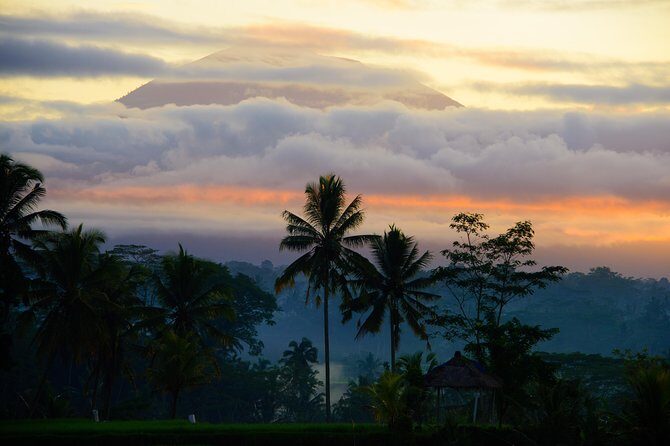
You’ll begin with sunrise-style shooting aimed at the view over Mt. Agung and the rice fields around Ubud. The photo value here is obvious: you’re not hunting for “the best angle” in harsh midday sun. Instead, you’re working with conditions that help your camera (or phone) capture depth and texture without everything looking flat.
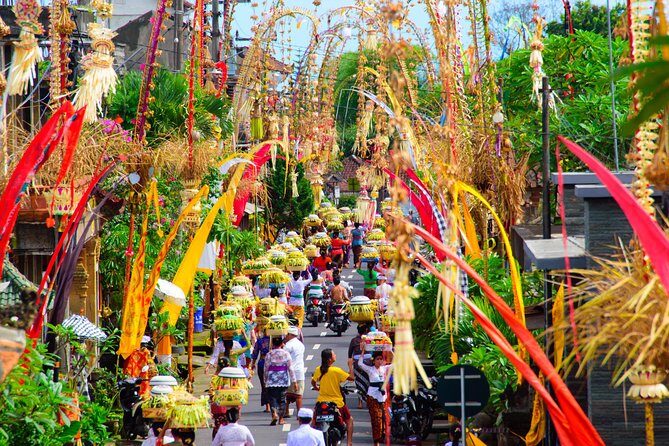
There’s also a second, quieter advantage. Morning in Ubud feels more human. You’re likely to see people and daily routines with a little more calm than later in the day. That matters for photography, because you’re trying to capture Balinese life, not just scenery.
Pickup, max-4 groups, and what you’re paying for
At $164.11 per person for about 4 hours, it’s a premium-feeling price—until you look at what’s included and what the small group changes.
You get round-trip transfers from Ubud-area hotels and an air-conditioned vehicle with parking fees covered. That removes the biggest friction factor for photography tours: transport. You’re not stitching together rides, negotiating stops, or losing light because your driver is stuck in traffic.
Then there’s the max of 4 travelers. In a large group, guidance turns into “follow the leader” and you shoot when you can. Here, the tour is designed so you can ask questions and get practical feedback. In past experiences, guides like Nyoman (and the operator David Metcalf Photography, including David Metcalf) have been praised for patient, professional teaching—especially around framing and how to use light.
One more detail that improves value: the tour runs like a “photo plan.” You’re moving from sunrise views to portrait practice to a temple moment. That’s different from a standard sightseeing loop where photography is an afterthought.
Sunrise with Mt. Agung and rice fields: what to expect
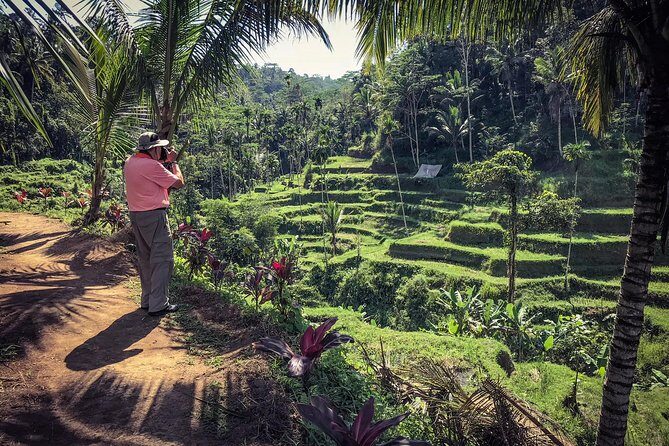
The first phase is focused on sunrise over Mt. Agung and the surrounding rice fields. Expect a structured approach: you’ll be guided to viewpoints, then coached on how to shoot the scene, not just how to stand and click.
Here’s what you should pay attention to during this part:
- Your framing choices. Rice terraces and mountain views can easily become “postcard wide shots.” The coaching approach you’ll get is meant to help you include foreground interest so your photos look more intentional.
- Timing discipline. Sunrise light moves fast. The guide’s job is to help you use the light while it lasts, instead of changing settings randomly.
- How your device handles contrast. If you’re using a smartphone, you’ll likely be prompted on simple adjustments so the brighter sky doesn’t wash out everything.
This is also where the tour’s early-morning logic really pays off. You get to practice before the day gets busy, and you’ll start building a visual rhythm you can carry into the market and temple.
Traditional market portraits: turning everyday life into strong photos
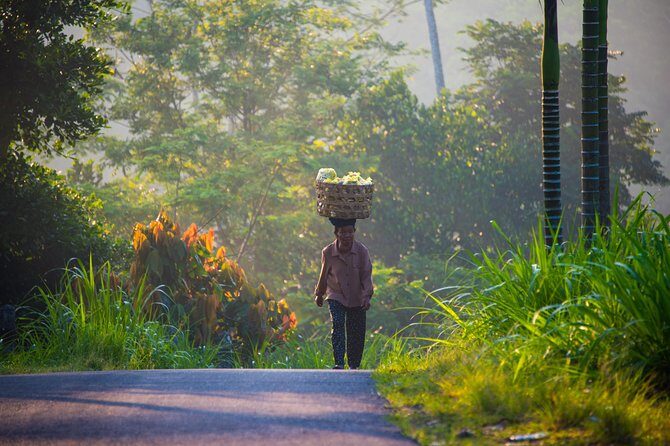
After the sunrise and rice-field phase, you head to a traditional market for local portrait photography. This is where the tour shifts from scenery to people—and that’s a meaningful change for your skills.
Portrait work can be intimidating, especially when you don’t know where to stand or how close to go. A guided market stop is valuable because it reduces the guesswork:
- You get pointed toward photo opportunities that are practical to approach.
- You get tips for framing and light, tailored to what you’re seeing right there.
- You also get a chance to observe how locals move through their morning routines, which helps your timing.
This part of the tour can also include small breaks for the basics. The tour notes that you can have small snacks and coffee at the market area, which is helpful since breakfast isn’t included. If you want your energy stable, bring what you can from your hotel (a breakfast box is specifically suggested), then keep your expectations realistic: the goal is shooting, not lingering.
One small practical note: since this is portrait-focused, be ready to slow down. You’re not trying to capture everything in one burst; you’re trying to get a few strong frames with good composition and natural light.
Tirta Empul and purification: the hardest moment to fake
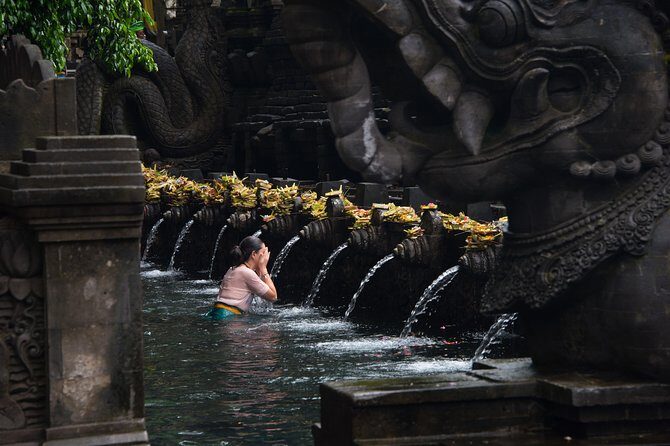
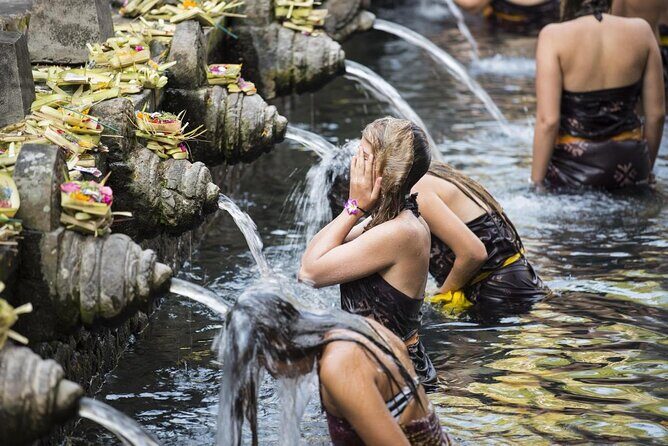
The final major stop is Tirta Empul Temple, a water temple where you may be able to photograph ceremony activity and locals doing purification. The key phrase here is schedule dependent: if ceremonies are happening, you’ll have access to that atmosphere. If not, you’ll still be in a temple environment where the visuals are meaningful.
This is a section where being respectful matters more than chasing the perfect shot. You’re photographing a religious space and people in a ritual context. A good guide helps you balance two things at once: getting your photo while not turning the moment into something rude or disruptive.
You’ll also get a defined window here—about one hour at the temple, with an admission ticket included. That structure helps, because temple visits can drag when you’re unprepared. With a photo schedule, you can move through the space with intention.
What’s the photo payoff?
- Texture and detail: temple surfaces, water elements, and the way people interact with ritual setups.
- Story potential: purification scenes naturally tell a narrative, which is harder to do when you’re just photographing landscapes.
- Emotional contrast: the energy of ceremony in motion can create images that feel alive rather than posed.
Photography coaching that actually changes your results
One of the most praised parts of this tour is the guide’s teaching style—especially patience and humor, plus real advice that sticks.
From the way the tour is described and how guides have been credited in past experiences, you should expect coaching around:
- Framing: how to position subjects, not just where to stand.
- Light: how to read shade and brightness so your images look controlled.
- Camera or smartphone settings: practical tips for whichever device you bring.
This matters because photography tours often fall into two camps: either they’re location-only (good views, limited instruction) or instruction-only (talks, little shooting). This one is trying to be in the middle. You’re shown places and taught what to do with them while you’re there.
A detail worth highlighting: the operator emphasizes choosing spots based on the best light depending on the time of year. That’s the difference between a generic list of photo points and a plan designed for real results.
What to pack for a 4-hour sunrise-to-midday pace
Because the tour is short but intense, you’ll want to travel light and smart.
Consider packing:
- A camera strap or a simple way to keep your gear secure during movement.
- Extra memory space and a charged battery (sunrise shooting can drain devices quickly).
- Lightweight layers. Early mornings in Ubud can feel cool compared with later in the day.
- Water and a small snack plan.
Breakfast is not included, but you can bring a breakfast box from your hotel. You’ll also visit the traditional market, where you can grab small snacks and coffee. The best approach is to do both: eat a little before you leave, then top up at the market. That way you can focus on shooting instead of fighting hunger.
Also, think about your footwear. You’ll be walking through temple and market areas, so comfortable shoes matter more than fancy ones.
Who this tour is best for (and who should skip it)
This half-day photo tour is ideal if you fit one of these profiles:
- You want Balinese life photos, not just generic sightseeing images.
- You like learning basics you can use on your next trip—especially framing and light.
- You want a tour with a small group where you can ask questions and get direct help.
- You’re traveling solo or as a pair and want your morning plan to feel structured.
It might be less ideal if you want a slow, relaxed cultural day with lots of free time. The 4-hour structure means you’ll be on the move, shooting at each stop rather than taking long breaks.
If you’re a total beginner and nervous about talking to people, the portrait-focused market segment could still work—but go in with a respectful mindset and let the guide lead the rhythm. The tour’s design is meant to make that kind of practice easier.
Should you book this Bali Half Day Photography Tour?
Book it if you want the best chance of strong photos with the least logistics pain. The hotel transfers, max-4 group, early timing, and temple access (with admission included) all support a value-focused morning plan.
Skip it if you hate early wake-ups or if you want a flexible day with lots of downtime. Also, if you’re only interested in shooting at famous temples and don’t care about portrait practice, you may find the market portion less relevant.
My practical take: this tour is a smart choice when you want results. You’ll leave with a stronger sense of how to build a shot—especially in tricky light—plus images that feel like they belong to Bali, not just to your camera roll.
FAQ
What time does the Bali Half Day Photography Tour start?
The start time is 5:30 am.
How long is the tour?
The tour lasts about 4 hours.
Is hotel pickup included?
Yes. Round-trip transfers from Ubud-area hotels are included.
What is included in the price?
The tour includes an air-conditioned vehicle, parking fees, and an admission ticket (including the temple entry). Mobile ticket is also mentioned.
Is breakfast included?
No. Breakfast is not included, but you can bring a breakfast box from your hotel. Small snacks and coffee may be available during the market visit.
Can I cancel and get a full refund?
Yes, you can cancel for free up to 24 hours before the experience’s start time for a full refund. If you cancel less than 24 hours before, you do not get a refund.
More Tours



More Tour Reviews
More Ubud Tours
Ubud Tours: how the alternatives stack up
 ★ 5.0
★ 5.0Ubud: Monkey Forest, Jungle Swing, Rice Terrace, and Water Temple
The lists this tour appears in