Bali Instagram Tour – Lempuyang Bali Gate of Heaven
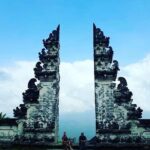
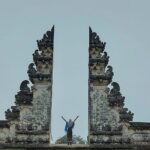
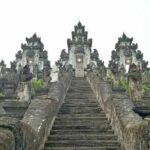
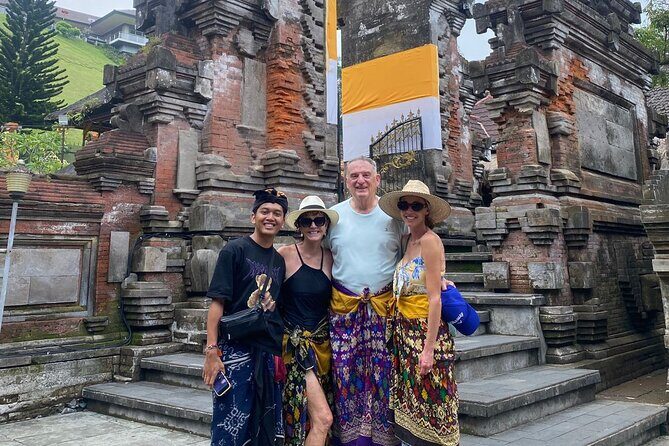
Gate of Heaven photos start here.
This private Bali Instagram tour is built around Lempuyang Temple, with a real focus on getting that iconic shot while still respecting the sacred space. I also love how the day pairs temple time with jaw-dropping nature stops like Tukad Cepung waterfall and the water palaces and rice terraces. One thing to consider: the day runs long (about 10–12 hours) and your best photos depend on weather and timing.
Two route options make it feel personal.
If you want the quieter, more East Bali feel, you’ll go toward the highlands first and then work through places like Tirta Gangga and Karangasem rice terraces. If you want more of the classic Bali sights around Ubud, you can stack Tegalalang rice terraces, Tegenungan Waterfall, and even Sacred Monkey Forest Sanctuary before heading to Lempuyang in the afternoon.
A private driver helps, but you still need to go in with the right mindset.
This is a big circuit, so expect a packed day, not a slow ramble. And while tickets for the main stops are included depending on your package, food and drinks are not, so plan for your own meals and hydration.
In This Review
- Key things to know before you go
- Why Lempuyang Temple and the Gate of Heaven are worth the long ride
- Two routes: East Bali morning vs Ubud afternoon for different Bali vibes
- Lempuyang Temple: photo timing, holy rules, and what you’ll actually do
- East Bali highlights: Tirta Gangga, Tukad Cepung, and Karangasem rice terraces
- Tirta Gangga water palace (about 30 minutes)
- Tukad Cepung waterfall (about 1 hour, only on Option 1)
- Karangasem rice terraces (about 30 minutes)
- Ubud route highlights: Tegalalang, Sacred Monkey Forest, Tegenungan, and craft shopping
- Tegalalang rice terraces (UNESCO-listed, time varies within the day)
- Sacred Monkey Forest Sanctuary (about 30 minutes, only on Option 2)
- Tegenungan Waterfall (about 30 minutes, only on Option 2)
- Ubud Arts and Handicraft village
- Private driver flow from Nusa Dua: what 10–12 hours feels like
- Tickets, food, and what you should budget for beyond the price
- Value check: is $69.69 a good deal for a private Bali temple day?
- Guide quality: how to make sure you get the best day
- Who should book this tour (and who might prefer something else)
- Should you book the Bali Instagram Tour: Lempuyang Gate of Heaven?
- FAQ
- How long is the Bali Instagram Tour to Lempuyang Temple?
- Where does the tour start and is pickup included?
- Is this tour private?
- What does the price include?
- Are admission tickets included for every stop?
- What are the two route options?
- Does the tour include food and drinks?
- Is Lempuyang Temple part of both tour options?
- What should I do if the weather isn’t good for photos?
- What is the cancellation policy?
Key things to know before you go
- Gate of Heaven at Lempuyang Temple is the centerpiece, with admission included and time built in for photos and temple viewing.
- Two different day routes let you choose more East Bali nature and palaces or a more Ubud-focused highlights loop.
- Weather matters for the volcanic backdrop and overall photo results, so go with flexible expectations.
- Your driver role is huge for flow, timing, and explanations—some guides are strongly praised for patience and photo help.
- Tickets are included for set stops depending on the option you pick, but you’ll still pay for meals, drinks, and anything optional.
Why Lempuyang Temple and the Gate of Heaven are worth the long ride
Lempuyang Temple is famous for a reason: that dramatic framing toward the volcano plus the holy atmosphere makes it feel like more than a photo stop. The temple sits in the highlands of Mount Lempuyang in East Bali, so you get those big, wide views that make the Gate of Heaven shots work. It’s also a place where people dress for respect and move carefully—worth leaning into rather than treating it like a drive-through viewpoint.
What I like is that the tour doesn’t just drop you at the gate. You get a solid visit window at Lempuyang (about 2 hours), and the rest of the day supports that main moment with other meaningful culture-and-nature stops rather than only tourist boxes. For many people, that combo is what makes the 10–12 hours feel justified.
The main catch? You’re trading comfort for impact. Expect a full day, and if clouds roll in or the timing is off, your photos may not look exactly like the social media version. You’re still going to see a stunning temple setting—just don’t bet your whole mood on perfect weather.
Still comparing? These are other Bali tours we've reviewed.


Two routes: East Bali morning vs Ubud afternoon for different Bali vibes
This tour works because it gives you two ways to experience the same big destination: Lempuyang in the morning on the East Bali route, or Lempuyang in the afternoon on the Ubud route.
Option 1: East Bali / more highlands nature.
You start with a morning pickup from your accommodation and go toward the highlands first for Pura Lempuyang. Then the day continues East Bali with Tirta Gangga, a classic water palace built in 1948, and a stop at Karangasem rice terraces. If you booked this option, you also get Tukad Cepung waterfall, known for being a more hidden-feeling waterfall you reach by walking along a river area with rock formations around you.
Option 2: Ubud / more classic Bali highlights.
You head toward Ubud first for UNESCO-listed Tegalalang rice terraces and then Tegenungan Waterfall. There’s also time for shopping at Ubud Arts and Handicraft villages. On this route, Sacred Monkey Forest Sanctuary is also part of the plan, so you’ll see gray macaques moving through a Hindu temple forest.
Which one is better?
- Choose the East Bali option if you want a more nature-and-palace pairing around the Lempuyang highlands.
- Choose the Ubud option if you want the most famous “Bali postcard” areas plus arts shopping, then finish at Lempuyang later.
Both options are private, and both include a driver to help you move efficiently across the day.
Lempuyang Temple: photo timing, holy rules, and what you’ll actually do
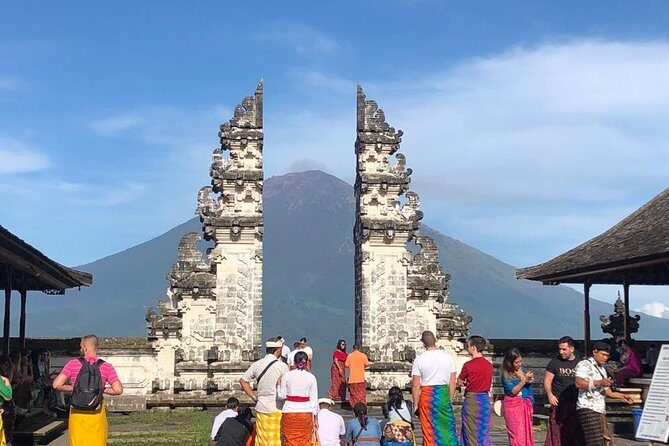
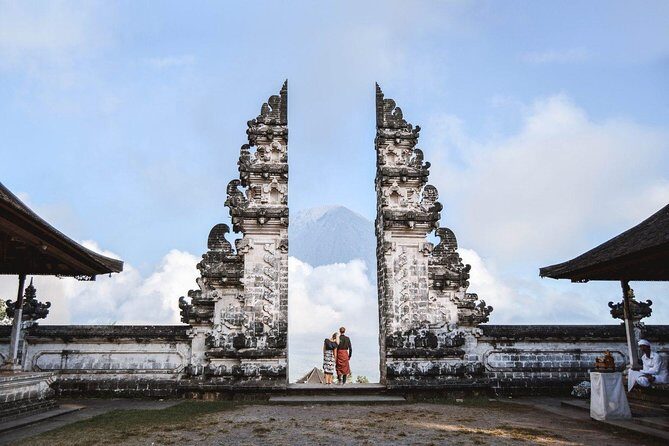
You’ll spend around 2 hours at Lempuyang Temple, and it’s the kind of place where the best shots come from patience and respect, not speed. The Gate of Heaven viewpoint is the big draw, but there’s also a lot to notice once you’re there: the mountain setting, the temple structures, and how people approach the site. Even if your main goal is an Instagram frame, give yourself time to slow down and take in the scale.
A practical tip: bring or plan for modest, temple-appropriate clothing. The tour includes the admission ticket, but it doesn’t replace the need to dress appropriately once you’re on site. If you’re unsure, ask your driver ahead of time during pickup so you’re not scrambling.
Also, remember that this is a working religious site. A guide who’s patient can help you get the shot you want without stressing out the people around you. Some guides on this route have been praised specifically for that mix of knowledge, patience, and even being helpful with photography—so it’s worth leaning on their guidance once you arrive.
East Bali highlights: Tirta Gangga, Tukad Cepung, and Karangasem rice terraces
On the East Bali route, the day flows from sacred highlands to water palace elegance to softer farming scenery.
Tirta Gangga water palace (about 30 minutes)
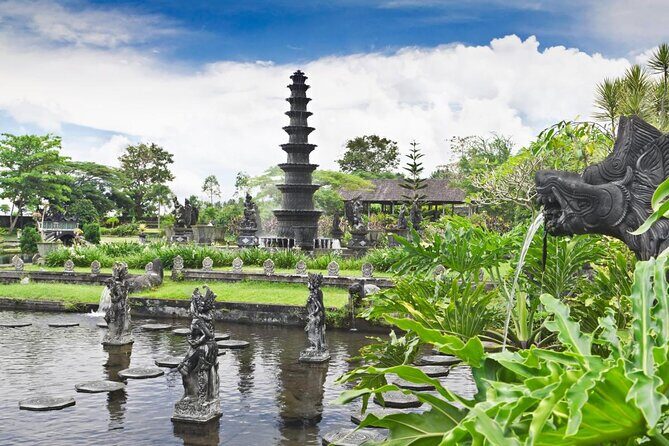
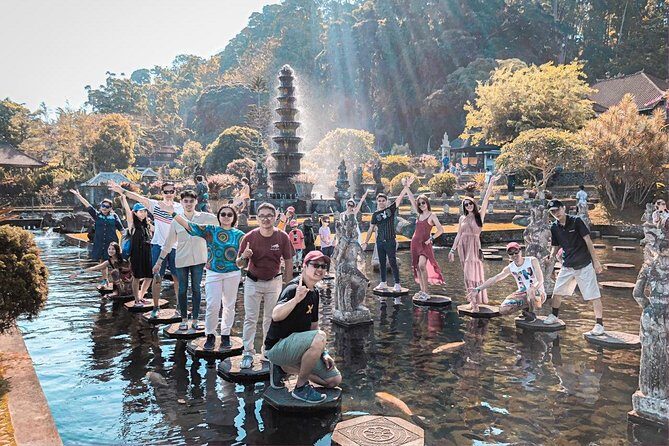
Tirta Gangga is a water palace built in 1948, surrounded by pools, fountains, lush gardens, and stone carvings and statues. In real life, it reads less like a set-piece and more like a lived-in beauty spot tied to the water theme that’s so important in Balinese culture. You’ll have about 30 minutes here, with the admission ticket included.
What to expect: lots of photo angles, reflective pool views, and a setting that’s easier to enjoy without constant uphill walking. It’s a good pacing break after Lempuyang’s highland climb.
Tukad Cepung waterfall (about 1 hour, only on Option 1)
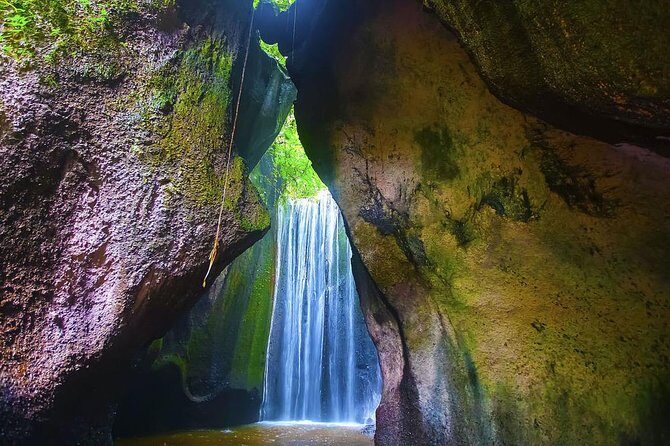
Tukad Cepung is described as Bali’s hidden-feeling waterfall, and the experience matches that. You explore on foot along a river path with high rock formations around you, and the water and light create that dramatic “found it by accident” vibe.
You’ll spend about 1 hour, and the admission ticket is included for this option. The main consideration is comfort and footing. If you go with grippy shoes and a calm pace, it’s a lot more enjoyable. If you show up in delicate footwear, you’ll spend the day thinking about your feet instead of the scenery.
Karangasem rice terraces (about 30 minutes)
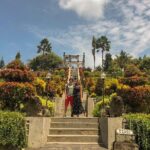
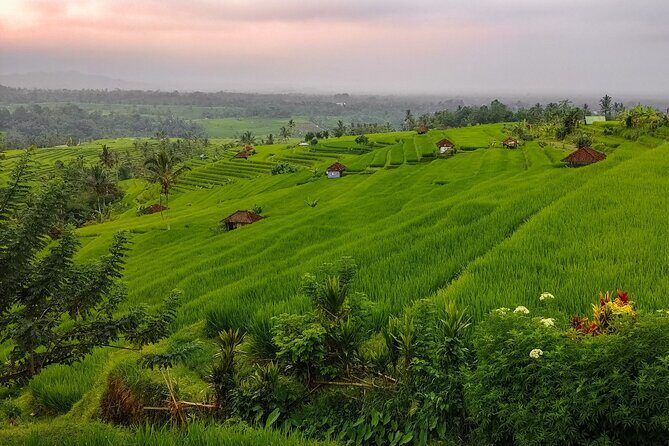
Then comes Karangasem rice terraces for about 30 minutes, with no admission ticket cost listed. If you like the classic terrace photos, this is the quick hit that rounds out East Bali’s agriculture side.
Don’t expect a long guided walk here—it’s more of a scenic stop than a full trek. Use it to reset, take a few photos, and refuel mentally for the ride back.
Ubud route highlights: Tegalalang, Sacred Monkey Forest, Tegenungan, and craft shopping
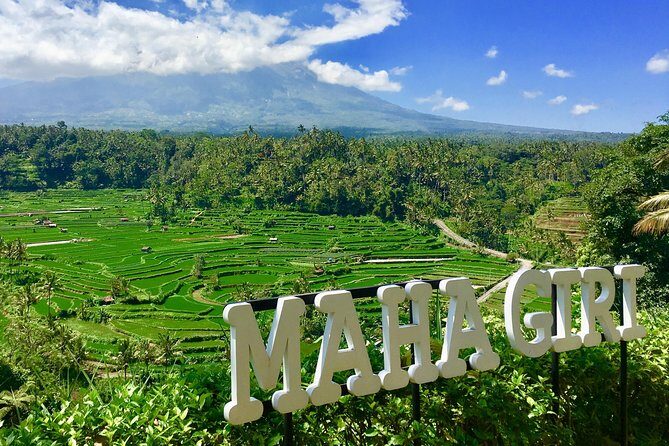
If you pick the Ubud-flavored route, the day leans more toward the famous Bali circuit: terraces, a big waterfall, a temple forest with animals, and then shopping time.
Tegalalang rice terraces (UNESCO-listed, time varies within the day)
You’ll visit Tegalalang Rice Terraces, noted as UNESCO-listed. This area is all about that stepped farming geometry. It’s also a place where your photos look good fast—so the best strategy is to take your shots, then give yourself a moment to watch how the farmers and visitors move through the space.
Sacred Monkey Forest Sanctuary (about 30 minutes, only on Option 2)
On this option, you also stop at Sacred Monkey Forest Sanctuary, where gray macaques roam among Hindu temples in a forest setting. Plan to be alert and respectful. Keep your things close and don’t treat the monkeys like props.
You’ll have about 30 minutes, and the admission ticket is included for this stop.
Tegenungan Waterfall (about 30 minutes, only on Option 2)
Next is Tegenungan Waterfall, with about 30 minutes on site and an included admission ticket. You can take a short walk to get closer to the waterfall, which is where the views really start working.
A simple reality check: waterfalls are best when the water flow is good and the lighting is decent. If the day is rainy, it can still be pretty—just expect different conditions and potentially slick ground.
Ubud Arts and Handicraft village
Finally, you get shopping time at Ubud Arts and Handicraft villages. This is your chance to pick up small souvenirs and gifts in one place rather than hunting across town. The tour doesn’t include food or drinks, so use the shopping stop as a chance to plan snacks and hydration.
Private driver flow from Nusa Dua: what 10–12 hours feels like
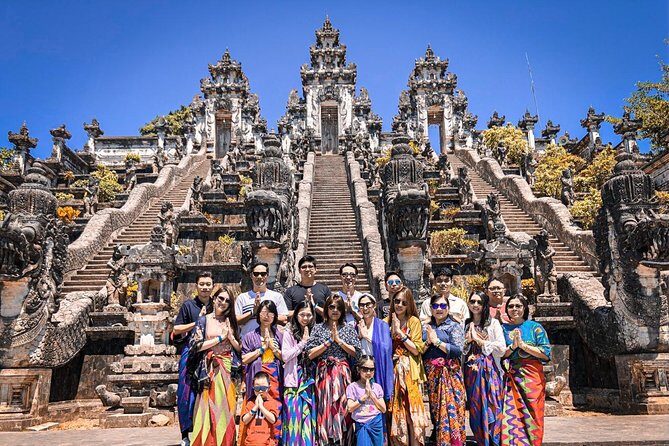
The tour starts with morning pickup from your Bali accommodation in the Nusa Dua area, and you return with drop-off shortly after the final stop. The stated duration is 10 to 12 hours, and that long window matters because it shapes your day.
Here’s what I’d plan for mentally:
- You’re doing multiple regions, not staying in one neighborhood.
- Transit time is real, especially with highland roads and popular photo spots.
- Your driver’s skill with timing can make the difference between a calm photo moment and standing around.
One more practical angle: this is a private tour, so it’s your group only. That means you can ask questions, set your pace at the temple areas, and keep stops from turning into a rushed relay. English speaking drivers are included, and the experience improves when the driver actually acts like a guide, explaining what you’re seeing and helping with smooth timing.
In the best cases, guides on this route have been praised for being charming, knowledgeable, patient, and even for being good at photography. Names that have come up include Cokd, Purna, Suparta (Wayan), and Ardi—and the common thread is that they don’t just drive. They connect the stops into a coherent day.
Tickets, food, and what you should budget for beyond the price
This tour includes hotel pickup and drop-off, private transportation, an English speaking driver, local tax, and admission tickets for the stops that match your booked option. There’s also a mobile ticket involved.
What’s not included is equally important: food and drinks. So even if the stops are ticketed, you should plan for lunch and snacks on your own. Bring water, especially because some parts of the day involve walking and outdoor conditions.
There’s also room for optional spending. That can be souvenir purchases, extra drinks, or any add-ons you decide to make on the day. If you want to keep costs tight, set a budget for shopping at the Ubud craft village and stick to it.
Value check: is $69.69 a good deal for a private Bali temple day?
At $69.69 per person with a private driver, the value depends on two things: whether you’ll actually use the whole day well, and how smoothly your guide handles timing and tickets.
You’re getting a full set of major stops tied together: Lempuyang Temple plus a mix of terraces, waterfalls, and Tirta Gangga (on the East Bali route) or Ubud highlights like Tegalalang and Tegenungan (on the Ubud route). Admission tickets are included for the listed stops that match your package, which helps control the “nickel-and-dime” feeling you can sometimes get on long temple days.
Where value can slip is communication. There’s at least one unhappy story tied to a driver who acted like he was just a driver and didn’t help with ticket issues. That doesn’t mean every day goes wrong, but it’s a reminder to be proactive: confirm what’s included for your option during pickup, and if anything seems off, ask your driver to clarify immediately rather than waiting.
If you like structured days, want someone to handle the driving, and you’re okay with a long day for a big set of sights, this price can feel fair.
Guide quality: how to make sure you get the best day
The experience can be either very smooth or oddly frustrating depending on your driver. The strong patterns from praised guides are clear: they show up on time, explain what you’re seeing, move at a pace that matches your group, and help with patience at the temple/photo moments.
Names that have been mentioned in positive experiences include Cokd, Purna, Suparta (Wayan), Ardi, and also a less positive example linked to Im Komang being described as not giving explanations and asking guests to buy their own tickets despite inclusion in the package. I’m not trying to scare you—just telling you what to watch for.
How you can stack the odds in your favor:
- Ask your driver at pickup what order you’ll follow for your option and how ticket handling works.
- Tell them what you care about most: Gate of Heaven photos, waterfall time, or terrace views.
- If the driver is quiet or hands-off, steer the day by asking simple questions as you go. A good guide will respond.
A private day is only as good as the person guiding it. With the right driver, it can feel like Bali made practical.
Who should book this tour (and who might prefer something else)
This works best for people who want a packed, photo-friendly day with a driver handling the logistics and ticketed sites already built in. If you’re staying in the Nusa Dua area and you want to hit East Bali and Ubud highlights without planning transport yourself, this is a sensible choice.
It’s also a good fit if you enjoy cultural sites but don’t want to read your way through every temple on your own. A patient guide who explains Balinese religion and traditions can turn a checklist day into something more meaningful.
Pick something else if:
- You hate long drives and want only one or two stops.
- You’re extremely weather-dependent on getting exactly the perfect volcanic backdrop for photos.
- You’d rather spend half a day exploring with fewer stops and more downtime.
Should you book the Bali Instagram Tour: Lempuyang Gate of Heaven?
I think you should book it if your priority is Lempuyang Temple plus a full circuit of Bali highlights—temple, water, terraces, and waterfalls—without the stress of driving and ticket coordination yourself. The value is strongest when you use the whole day, ask questions, and lean into the sacred and scenic side of the experience, not just the photo moment.
If you’re picky about tour quality, do one thing: confirm your option (East Bali or Ubud) before the day starts, and ask how ticket inclusion will be handled for each stop. With that small bit of clarity, you’ll get a long but rewarding day that feels like more than a photo run.
FAQ
How long is the Bali Instagram Tour to Lempuyang Temple?
The experience is listed as about 10 to 12 hours.
Where does the tour start and is pickup included?
Pickup is offered from your accommodation in the Bali area (including Nusa Dua), and hotel pickup and drop-off are included.
Is this tour private?
Yes. It’s a private tour/activity, and only your group will participate.
What does the price include?
The price includes private transportation, an English speaking driver, local tax, and hotel pickup and drop-off. Admission tickets are included for the stops that match the package you book.
Are admission tickets included for every stop?
Admission ticket inclusion depends on which package/option you booked.
What are the two route options?
You can choose an East Bali option (Lempuyang Temple, Tirta Gangga, Tukad Cepung, Karangasem rice terraces) or a Ubud option (Tegalalang rice terraces, Tegenungan Waterfall, Ubud arts and handicraft village, and Lempuyang Temple in the afternoon). The Ubud option also includes a stop at Sacred Monkey Forest Sanctuary.
Does the tour include food and drinks?
No. Food and drinks are not included.
Is Lempuyang Temple part of both tour options?
Yes. Both options include a stop at Lempuyang Temple.
What should I do if the weather isn’t good for photos?
The tour notes that the best photo results depend on the weather being supportive. If it’s cloudy, expect different results but still plan to enjoy the temple and scenery.
What is the cancellation policy?
You can cancel for a full refund up to 24 hours in advance of the experience start time. Free cancellation is available.