
Review · Tirta Empul Temple Tours
Besakih Temple Tour,Kehen Temple,Tirta Empul,Goa Gajah Temple
Bali can feel like one long road trip. This temple tour turns that travel time into a steady run of Hindu landmarks, from the Mother Temple complex to sacred spring purification. You also get a smooth rhythm: short stops at places like Kehen and Goa Gajah, then longer moments at Besakih and Tirta Empul.
What I like most is the private pickup and air-conditioned vehicle, so you’re not white-knuckling narrow roads with a car rental. I also like that you’ll see Tirta Empul’s spring ritual up close, and Besakih’s scale doesn’t need hype to make an impact.
One thing to think about: it’s a long day. Even with efficient driving, you’ll spend hours on the road, and some sites involve walking and stairs.
In This Review
- Key things to know before you go
- Temple Sprint with Private Driver: What the 10-Hour Day Really Feels Like
- Kehen Temple: Royal Bangli Ruins in a 30-Minute Window
- Besakih Temple: The Mother Temple on a Volcano Slope
- Tirta Empul: Watching Purification at the Sacred Springs
- Gunung Kawi Sebatu: Steps, Shrines, and Smart Footwear
- Goa Gajah (Elephant Cave): Carvings, Archaeology, and a 30-Minute Reset
- Price and Value: What $51.29 Really Buys
- How to Pack and Move Comfortably (Sarong, Shoes, Water)
- The Guide Factor: Clear Explanations and a Driver You’ll Remember
- Who This Temple Tour Suits Best (And Who Should Skip It)
- Should You Book This Temple-Packed Day?
- FAQ
- How long is the Besakih, Kehen, Tirta Empul, Gunung Kawi Sebatu, and Goa Gajah temple tour?
- What’s included in the tour price?
- Are entrance fees included for the temples?
- Do I get hotel pickup and drop-off?
- Is lunch included?
- Which temples are visited during the day?
- Will I need to walk or climb stairs?
- Do I need to bring a sarong?
- Can I cancel for free?
- What happens if the tour is canceled due to weather?
Key things to know before you go

- Private, English-speaking driver: you get explanations during the day, not just drop-offs.
- Temple entry fees are extra: your price covers transport, not tickets.
- A moderate fitness requirement: expect steps, especially near Gunung Kawi Sebatu.
- Tirta Empul’s purification ritual: it’s active, so plan for respectful viewing time.
- It’s a temple-heavy route: quick stops make sense, but you’ll feel “temple-fatigue” late in the day.
Temple Sprint with Private Driver: What the 10-Hour Day Really Feels Like
This is built for people who want real variety in one day. You’ll visit five major Hindu sites and two of them are the kind that make you slow down, because you’ll notice details. Still, the trade-off is time. The day runs about 10 hours, and a good chunk of that is driving between central and east Bali.
The upside of private transport is simple: you avoid the stress of figuring out timing on your own. Pickup is offered from Ubud and south Bali hotels, and you ride in an air-conditioned vehicle with bottled water. In at least one review, the driver’s timing and safety stood out, and the ride stayed comfortable and clean.
If you’re the type who hates rushing, you might feel pressure to keep moving. One reviewer even wished they cut the last two temples because the total day was long. That’s not a deal-breaker, but it’s a hint: if you love fewer stops with deeper pauses, consider a different pacing.
Kehen Temple: Royal Bangli Ruins in a 30-Minute Window
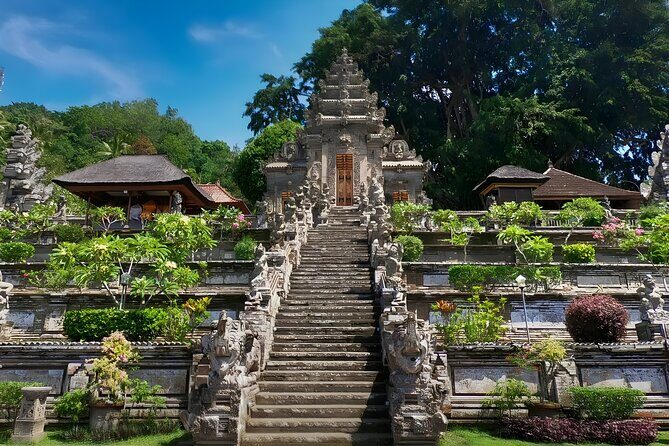
Kehen Temple is a great “warm-up stop.” You’ll only have about 30 minutes, which is ideal if you want something impressive without a full half-day commitment.
Kehen is known for its 11th-century roots and its connection to the Royal Kingdom of Bangli. Even in a short visit, the site’s layout gives you plenty to look at—layers, terraces, and ceremonial structures that feel built for processions. It’s also described as a popular tourist destination in Bali, so you can expect people around even when you’re not at peak hours.
Practical tip: because you’ll be moving on quickly, wear shoes you can trust on uneven stone. Kehen is not the kind of stop where you’ll want to stop mid-walk to hunt for your next step.
Besakih Temple: The Mother Temple on a Volcano Slope
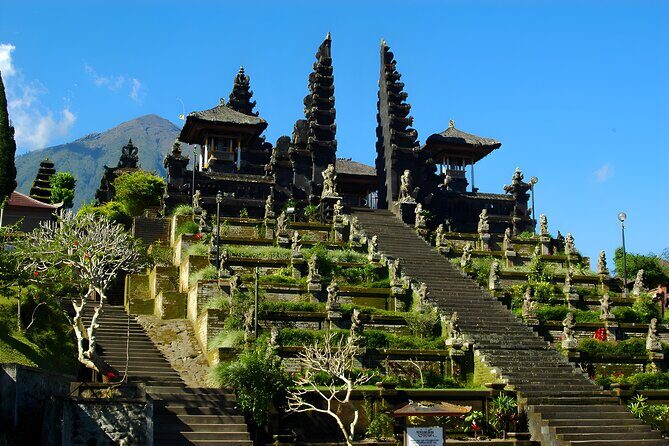
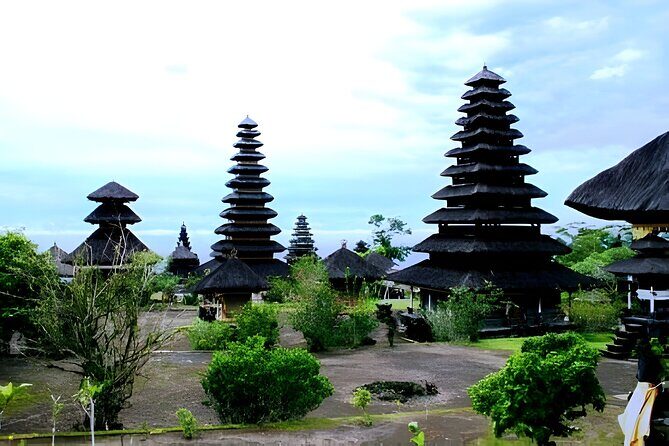
Then you hit Besakih Temple, the island’s most important temple complex. Plan for about 45 minutes here, and expect it to take more mental energy than Kehen because it’s bigger and busier in meaning.
Besakih is located in the village of Besakih in the Rendang Karangasem area. The complex centers on Penataran Besakih and includes 18 assistant temples (pura). That matters because it helps you understand what you’re seeing: it’s not one single building. It’s a whole ceremonial landscape.
The story people connect to Besakih is that it’s the Mother Temple, described as sitting on slopes of a volcano. Whether you focus on the geography or the religious role, you’ll feel how central it is. And since this tour is private, you’re more likely to get a clearer explanation than if you were wandering alone.
Drawback: 45 minutes can feel short if you like photographing details or watching ceremonies longer. But it’s usually enough time to get your bearings, walk the main areas you’ll be able to access, and still stay on schedule for the next stops.
Tirta Empul: Watching Purification at the Sacred Springs
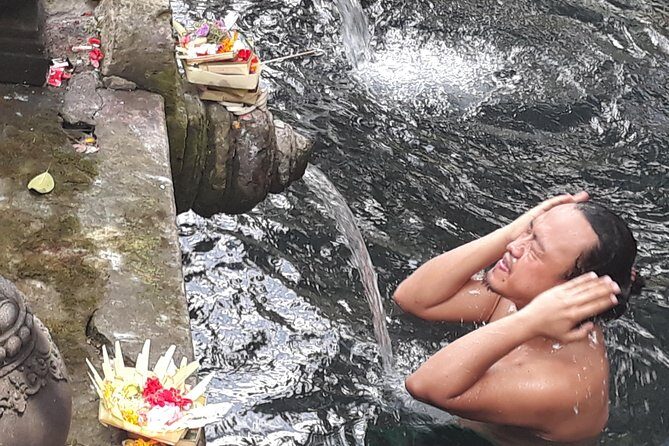
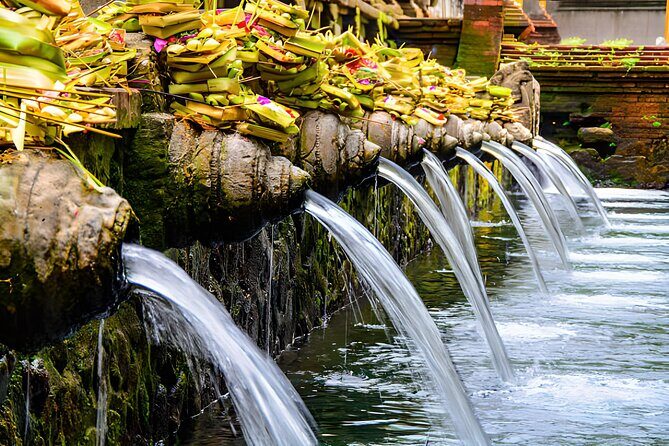
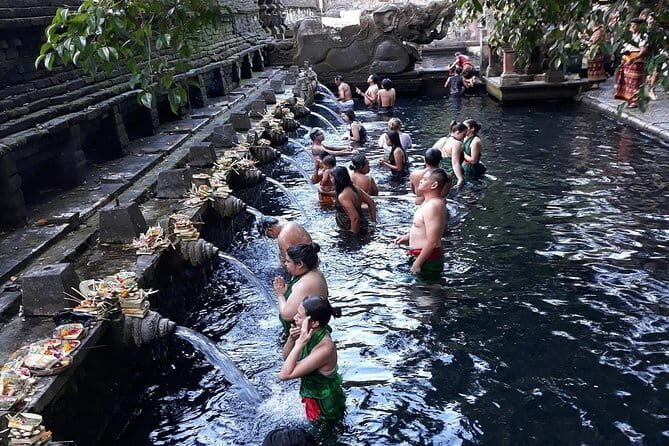
This is the star stop for many people, and it’s easy to see why. At Tirta Empul Temple, you’ll get about 45 minutes at a holy spring complex where worshippers purify themselves under the springs.
The site is in Manukaya, central Bali, and it’s tied to a traditional tale that contrasts good versus evil. Even if you don’t know the full story beforehand, the physical experience is clear: water ritual, movement through sacred basins, and people treating the process with real focus.
One practical advantage of having a driver: you can time your viewing so you’re not standing in the wrong place when people enter or exit ritual areas. Also, because it’s active, you’ll want to be respectful with your photos and your positioning.
What to watch for:
- People moving through the spring basins in a calm flow
- The way staff or participants keep order in the space
- The sensory contrast with the earlier stops, which are more about temples and ruins
If you’re hoping to see more than just a “pretty place,” Tirta Empul is where the day turns meaningful.
Gunung Kawi Sebatu: Steps, Shrines, and Smart Footwear
After Tirta Empul, you’ll go to Gunung Kawi Sebatu (often described as Mt. Kawi’s rocky temple). This stop is shorter on paper, about 30 minutes, but it has a bigger physical punch.
To reach the archaeological area, you walk down into the valley on hundreds of steps. You’ll then spend time looking at the shrines and rock features. This is the part of the day where your shoes matter most. If you slip, the whole tour mood changes fast.
One review advice was spot-on: wear comfortable shoes and bring a sarong as required for entering Hindu temples. Even if you think you’ll be wearing casual clothes only, plan for a sarong moment. It’s also useful if you want something that helps you stay comfortable during longer temple viewing.
Timing note: because you’re walking down and then back up, the trip can eat more minutes than you expect. If you feel your legs getting heavy, pause, hydrate, and take it one step at a time.
Goa Gajah (Elephant Cave): Carvings, Archaeology, and a 30-Minute Reset

The final temple stop is Goa Gajah, also called Elephant Cave. You’ll have about 30 minutes here.
Goa Gajah is an archaeological site with significant historical value. It’s located on the cool western edge of Bedulu Village, about six kilometers out of central Ubud. Even without a guide, that location detail helps: you get the sense you’re visiting something tucked into the area’s older layers, not just a staged tourist backdrop.
The cave is known for elaborate carvings, and the main experience is standing close enough to see the work and then taking in the whole site context. It’s a good counterbalance to the more active ritual you saw at Tirta Empul.
Because this is also a shorter stop, you’ll get the essentials. If you’re a slow walker, you may want to arrive ready to focus your attention quickly, like: carvings first, then overall layout.
Price and Value: What $51.29 Really Buys
At about $51.29 per person, this tour sits in the “good deal” range for Bali temple circuits—mainly because the price includes the parts people usually end up paying for separately: private transportation, an air-conditioned vehicle, bottled water, parking, and a professional English-speaking driver (plus petrol).
Here’s what’s not included: entrance fees, plus lunch and snacks. So your final daily cost depends on how much you pay for each site’s ticket and what you eat during breaks.
Still, the value is in logistics. Five temples in one day, without self-driving on crowded, narrow roads, is a lot easier when someone else handles the routing. For many people, that convenience is the real bargain.
Also, the tour includes a mobile ticket, and it’s private for your group. Group discounts can help too, especially if you’re traveling with friends who want the same plan.
How to Pack and Move Comfortably (Sarong, Shoes, Water)
You’ll enjoy this day more if you treat it like a walking day, not a sit-and-stare day.
Bring:
- Comfortable shoes you can walk on for steps and uneven surfaces
- A sarong, since temple entrance rules can require it (one review specifically called this out)
- A light layer if you run cool in the air-conditioned car
- Any personal snacks you like, because lunch isn’t included
During the day:
- Use the provided bottled water and take quick sips between stops
- Keep your phone battery ready. Many people want photos, and you’ll be moving fast enough that forgetting a charger can feel annoying
Small but important mindset shift: with a schedule like this, you’re not just collecting photos—you’re moving through different kinds of sacred spaces. When you dress and walk comfortably, you’ll actually notice the details.
The Guide Factor: Clear Explanations and a Driver You’ll Remember
The tour strength isn’t only the temples. It’s how the day is told.
One review highlighted a guide named Mr. Agus as helpful and fun to be with. Another review mentioned that temple history and significance were explained well, and that driver and site guides helped with pictures. That matters because temple visits can turn into a blur if you’re only looking at architecture without any context.
With an English-speaking driver, you’re more likely to understand what you’re seeing: why a place matters, what the layout implies, and what the rituals mean. You don’t need a degree in Hindu culture to appreciate it. Clear explanations make the experience feel more real and less like checking boxes.
Who This Temple Tour Suits Best (And Who Should Skip It)
This tour makes the most sense if you:
- Want five major temple stops in one day
- Prefer private pickup over self-driving
- Like learning through explanations while you see landmarks
- Can handle walking and stairs at a steady pace
You might not love it if you:
- Want a slow, uncrowded day where you linger for hours
- Have knee issues or find steep step-count routes difficult
- Get tired after long driving days and don’t want to feel “on the move” late in the day
If you’re unsure, be honest with yourself about the step-heavy portion at Gunung Kawi Sebatu. That’s the part that can make or break comfort.
Also, weather matters. The experience requires good weather, and if it gets canceled due to poor conditions, you should expect either a different date or a full refund.
Should You Book This Temple-Packed Day?
Book it if you want value and convenience: private transport, English support, and a full sweep of Bali’s Hindu temple experiences in one organized day. At this price point, the included logistics do a lot of the heavy lifting.
Skip it or choose a different plan if you’re chasing deep pacing or you know you struggle with long walking days. The route is efficient, but it’s still a long day with temples stacked close together.
If you book, do two things: wear your best walking shoes and bring a sarong for temple entry. That’s the small prep that protects your energy and lets you enjoy each stop instead of worrying about basics.
FAQ
How long is the Besakih, Kehen, Tirta Empul, Gunung Kawi Sebatu, and Goa Gajah temple tour?
It runs about 10 hours.
What’s included in the tour price?
Included are bottled water, an air-conditioned vehicle, private transportation, a professional English-speaking driver, petrol, and parking fees. Mobile tickets are also used.
Are entrance fees included for the temples?
No. Entrance fees are not included.
Do I get hotel pickup and drop-off?
Pickup is offered, including transfers from Ubud and south Bali hotels, with private round-trip transportation.
Is lunch included?
No. Lunch and snacks are not included.
Which temples are visited during the day?
You’ll visit Kehen Temple, Besakih Temple, Tirta Empul Temple, Gunung Kawi Sebatu Temple, and Goa Gajah Temple (Elephant Cave).
Will I need to walk or climb stairs?
Yes. The tour requires moderate physical fitness, and one stop involves walking down hundreds of steps.
Do I need to bring a sarong?
A sarong may be required for temple entrance. One review specifically advised bringing a sarong.
Can I cancel for free?
Yes. Free cancellation is allowed up to 24 hours in advance for a full refund.
What happens if the tour is canceled due to weather?
The experience requires good weather. If it’s canceled due to poor weather, you’ll be offered a different date or a full refund.
More Tour Reviews






More Kuta Tours
Tirta Empul Temple Tours: how the alternatives stack up




The lists this tour appears in