Your Bali route, minus the guesswork. This 5-day private-driver loop is built to cover Ubud, then fan out across the island so you see the north, east, west, south, and central highlights without bouncing between hotels. The plan also includes entrance fees, so you’re not doing constant ticket math mid-journey.
I like that the days are structured around specific regions, not just a random hit list. I also like the human factor—guides such as Agus and Irwan are repeatedly praised for smart timing and even using lesser-known roads to cut through traffic. One drawback to think about: with so many stops, the pace can feel full, and solo travelers may find the price less comfortable than it is for groups.
Key Takeaways at a Glance
- Entrance fees are included, so your day feels smoother from the first stop
- Private driver with pickup/drop-off from many south Bali and Ubud addresses
- Five regions in five days, so you’re not seeing only one corner of Bali
- Meals are covered with four restaurant lunches and a seafood dinner in Jimbaran
- Guides handle the flow, including photo help and small on-the-spot tweaks (when possible)
- A long day is part of the package, with many runs stretching into early evening
Price and What You Actually Get for $315
At $315 per person for about five days, this isn’t a “cheap taxi day.” But the value starts stacking up fast once you remember what’s included: entrance fees, a private driver, pickup/drop-off from many Ubud/south Bali locations, and meals. That’s a lot more than you typically get if you book a couple of separate activities and drive yourself.
Where the money feels well spent is the amount of coordination this removes. Bali traffic and distances can turn a “simple” plan into a late start and a rushed visit. With a driver in charge, you get a predictable 8:00 am start and a route that aims to keep you moving between zones efficiently.
The one caution is how you travel. In the reviews, a solo traveler noted it felt costly for one person. For couples or small groups, this kind of per-person pricing often feels more fair because the driver and vehicle costs are shared.
Private Driver Logistics: The Real Secret Is the Timing
This tour works because you’re not negotiating your day. You leave at 8:00 am, and the itinerary is designed to put you at the right places while there’s still daylight for photos and temple time. In feedback, drivers like Irwan and Agus are praised for knowing ways to get to destinations faster—and that matters a lot when you’re trying to cover north, east, west, south, and center.
It’s also a tour where the guide actively helps with the small stuff. One review mentions Surya (spelled a couple ways in feedback) adjusting the plan to match tastes and adding extras like helping with a great monkey photo moment and even buying bread for fish feeding. Another notes a guide helping take photos. That’s not a “must,” but it’s the kind of support that can make a good day feel effortless.
Finally, the tour is private: it’s just your group. That cuts down on waiting around for other schedules and lets your day feel more like your trip, not a bus tour.
Day 1: Ubud Core, Rice Terraces, and Volcano Views
Day 1 is the Bali “starter pack,” starting in Ubud and then rolling into the mountain scenery.
Sacred Monkey Forest Sanctuary (about 1 hour) is a classic for a reason. You’re close to the long-tailed macaques of Padangtegal. Go with the expectation that monkeys are bold and fast. If you’re hoping for photos, this is where guides can be genuinely useful—one review specifically mentions help with a photo opportunity involving the monkeys.
Next comes Ubud Palace (about 15 minutes). It’s short on time by design, so you can see the setting without spending your whole morning in one spot.
Then Ubud Traditional Art Market (about 1 hour) gives you your first real browse. If you want souvenirs—silver jewelry, batiks, wood carvings—this is the place to compare styles and prices while you’re still fresh.
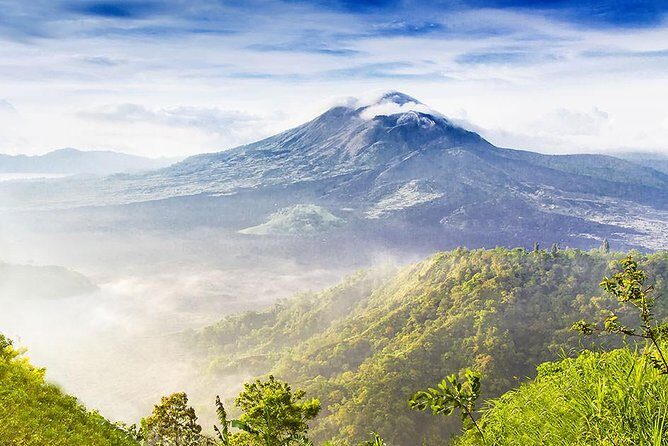
After Ubud, you head to Kintamani Highland (about 1 hour) for the volcanic mountain-and-cloud backdrop. You’ll then get a big scenery hit at Tegalalang Rice Terrace (about 30 minutes), where the slopes across the valley make for easy, fast photos.
The day ends with nature: Tegenungan Waterfall (about 30 minutes). It’s a good “stretch your legs” finale after hours of temples and viewpoints. The tradeoff is that it’s popular, so expect crowds and plan your timing accordingly.
Day 2: Bedugul Lakes, Jatiluwih Terraces, and Tanah Lot
Day 2 leans into north-and-west Bali, with a strong theme: cooler mountain air, big lake views, and iconic rice terraces.
You start at Taman Ayun Temple (about 30 minutes). It’s compact, and that’s helpful on a day that includes longer drives.
Then it’s to Leke Leke Waterfall (about 1 hour). This one is interesting because it’s described as hidden in a rock crevice. The payoff here is the sense of being in a greener pocket, not just standing in front of a waterfall on a wide promenade.
From there, you hit Ulun Danu Bratan Temple (about 1 hour), with the temple set beside Lake Bratan and hills in the background. It’s the kind of stop that’s best for photos at the start of your time there before it gets too busy.
Next is a more local-feeling break at Pasar Candi Kuning (about 30 minutes), a fruit and vegetable market in the Bedugul area. If you like snacks or want to see what locals actually buy up in the mountains, it’s a quick change of pace.
Then comes Jatiluwih Green Land / Jatiluwih Rice Terraces (about 1 hour). This is the “big view” rice terrace stop—wide angles, sweeping slopes, and a very photogenic sense of scale.
Finally, you close at Tanah Lot Temple (about 1 hour), perched on a rocky island by the sea. This is one of Bali’s more dramatic coastal temples and a strong way to end the day.
One practical consideration: Day 2 mixes waterfalls, temples, and terrace viewpoints. If you’re the type who wants to linger, your schedule won’t always let you. But if you want coverage, this day is built for it.
Day 3: Sekumpul Waterfalls, Wanagiri, and Handara Gate Photos
Day 3 is the “north coast to highlands” day—more dramatic scenery, and more walking.
You begin with Sekumpul Waterfall (about 3 hours). This is the heavy hitter. It’s described as a cluster of seven tall, misty waterfalls in one area, and in feedback it’s also mentioned as one of the best waterfall experiences in Bali. The hike to reach views can be a challenge; one review highlighted the climb out of the canyon as tough, so wear shoes that can handle uneven ground.
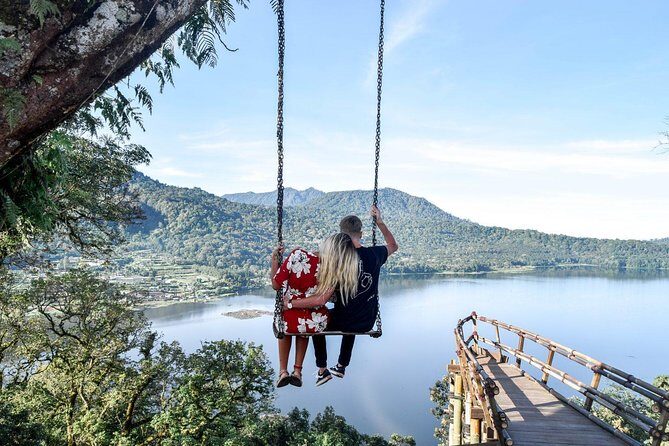
Next you head to Wanagiri Hidden Hills (about 1 hour), including the popular Bali Swing area nearby. This is very photo-friendly. The tradeoff is that it’s also an Instagram magnet, so you’ll likely be sharing the viewpoint.
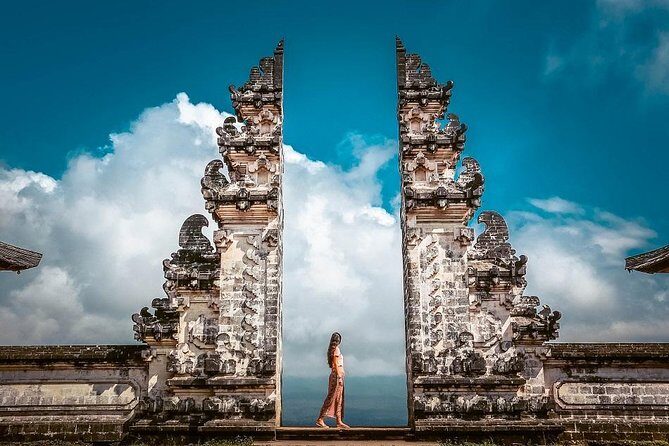
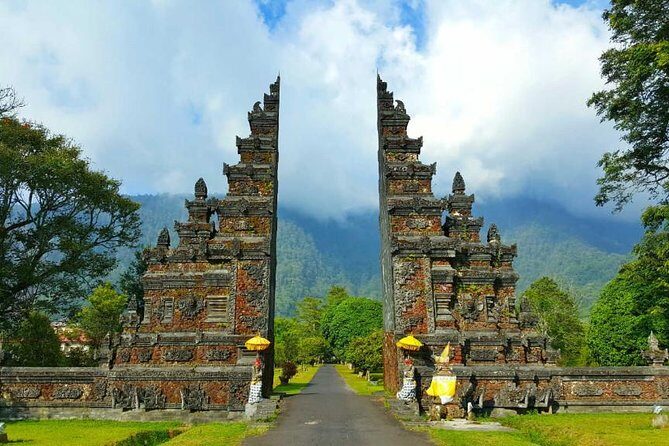
Then you go to Handara Iconic Gate (about 1 hour). It’s basically a Bali entry-card photo stop: the gate is the subject, and your best photos come when you’re ready to move quickly and wait your turn.
Stop 4 is Bayan Ancient Tree, also associated with Kayu Putih (about 30 minutes). This is the “fairy-tale tree” feeling stop—big, old, and memorable mainly because of its size and story vibe.
Day 3 is the day where you’ll feel most “on the move.” If you like waterfalls and photo landmarks more than long temple sittings, you’ll love this day. If you prefer quiet and slow, consider adding a break in your overall Bali schedule.
Day 4: Lempuyang Temple and East Bali Water Palace Fun
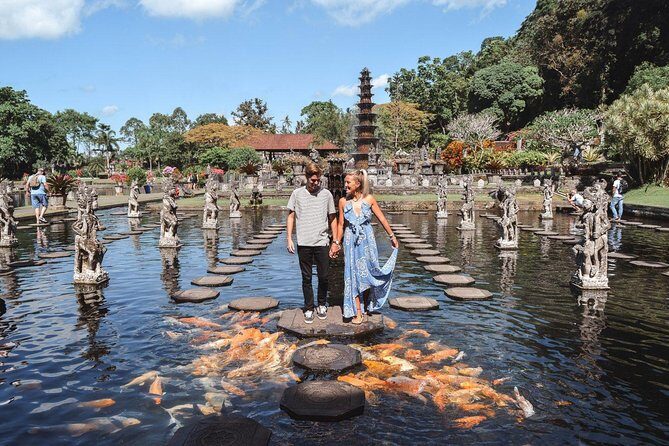
East Bali gives you temples, water gardens, and a beach option on the same day.
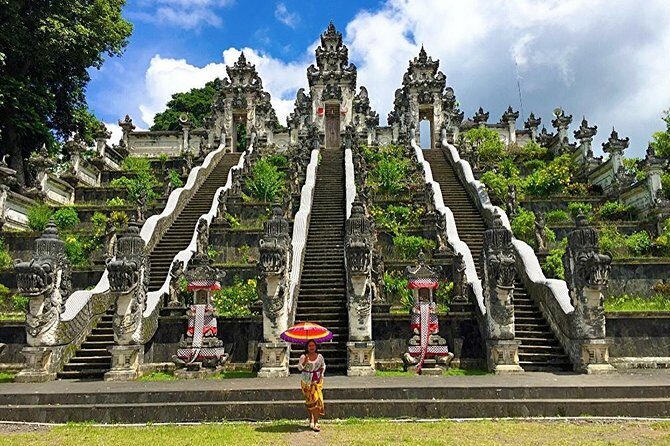
The day starts with Lempuyang Temple (about 2 hours). This is one of Bali’s oldest, highly regarded temples and is often compared to Besakih in importance. It’s also known for the view setup, but you’ll spend real time here, so build in patience for walking and queues.
Next is Tirta Gangga (about 1 hour), a water palace in rice fields around natural springs. The setting is the point—gardens, water basins, and that “royal garden” feeling.
Then you visit Ujung Water Palace (about 1 hour), another former palace area known as Ujung Park or Sukasada Park. It’s another stop where the structure and water layout make it easy to take your time and get different angles.
Finally, you finish at Virgin Beach (about 1 hour). This is a calmer beach option with ocean views. In reviews, it’s mentioned as part of a best-of-the-weekend style experience—so if you want one more “nature reset” before the final day in south Bali, this works.
Day 5: GWK Statue Views, Uluwatu Kecak, and Jimbaran Seafood
This is your south Bali day—the one that wraps Bali with iconic coastal temples and a sunset performance.
You start at Garuda Wisnu Kencana (GWK) Cultural Park (about 2 hours). The centerpiece is the Garuda Wisnu Kencana statue (listed at 121 meters), so expect it to dominate your photo time. If you like big scale landmarks, this stop gives you that “wow” feeling early.
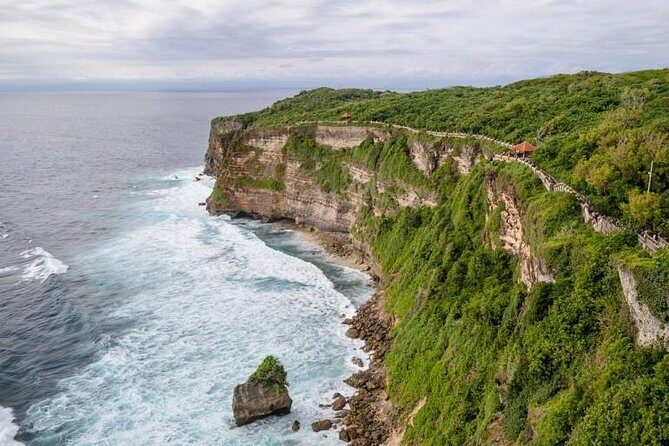
Next comes Uluwatu Temple (about 1 hour). This temple is tied to the holy figure Mpu Kuturan, dated to around 1039 AD. It also sets up the famous sunset mood in this part of Bali, and the temple setting is the real payoff.
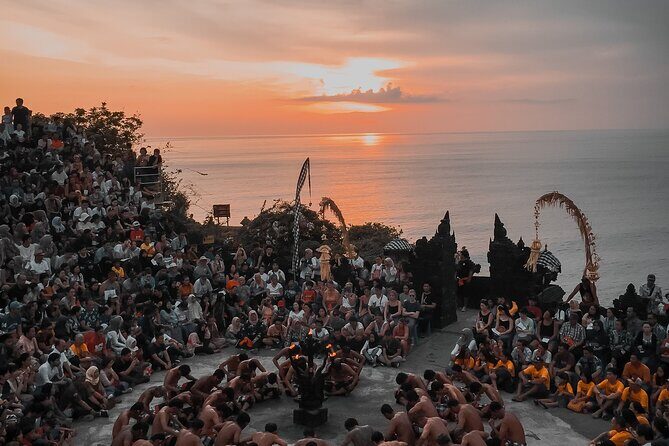
Then the evening highlight: Kecak and Fire Dance (about 1 hour). The performance is done by around 50 men using chant-like shouting of CHAK, telling a Ramayana story centered on Sri Rama’s journey. This is one of the most memorable ways to end the trip because it blends culture with sunset energy.
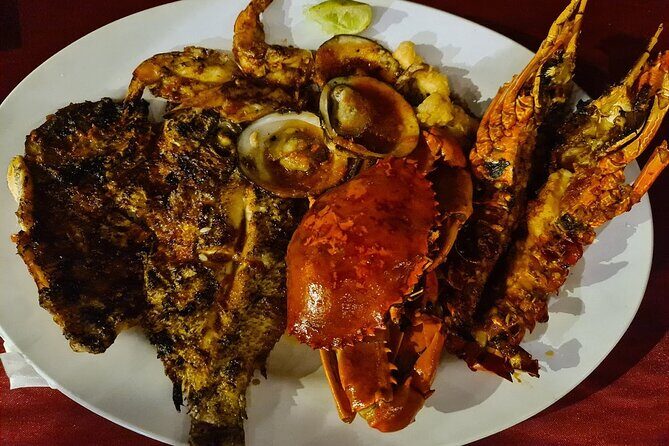
You finish with Jimbaran Bay (about 1 hour), where you’ll find local seafood cafes along the beach. It’s described like a night market: you choose seafood and enjoy it as part of the evening. Since the tour includes the seafood dinner, you’re not scrambling for dinner reservations after a long day.
What to Watch Out For: Pace, Photo Stops, and Solo Value
The biggest tradeoff with this tour is how much you fit in. It’s common for days to run until 6 or 7 pm in practice, and that long time on the move is part of the deal when you cover five regions.
Photo stops are also a factor. Handara Gate and the Wanagiri/Bali Swing area are built for pictures, and that can mean waiting for angles or sharing space. If you hate crowds, you’ll want to treat these as quick stops rather than “hangout” time.
Finally, consider your travel style. The reviews suggest the tour feels like a bargain when multiple people split the value. A solo traveler called it costly, even while being happy they booked. So if you’re traveling alone, think hard about whether you’d rather pay for fewer stops and more downtime.
Who This Tour Fits Best (and Who Should Skip It)
This is for you if:
- You want to see north, east, west, south, and central Bali in one structured plan
- You appreciate someone handling driving and entrance fees
- You like a packed itinerary with nature stops, temples, and a performance night
- You’re okay with longer days and moving often
You might choose something else if:
- You want a slow Bali vacation with fewer stops
- You dislike photo-centric landmarks and prefer quiet nature
- You’re traveling solo and the per-person price feels too high for your budget
One useful idea from feedback: guides can sometimes adjust the route to match your interests. One review mentions Surya organizing an extra half day to Nusa Penida. If you’re open to customizing, that’s the kind of flexibility you can ask about after you book.
Should You Book This 5-Day Bali Tour?
Book it if you want a clean, high-coverage Bali plan with entrance fees and meals handled, plus a private driver that keeps you moving between regions. The structure is practical: it reduces stress, sets a clear daily rhythm, and puts you at the key places—Ubud monkey and temple life, north waterfalls and lakes, east garden palaces, and south Bali temples plus Kecak and seafood.
Skip (or downshift) if you’re the type who needs breathing room. This isn’t a “one or two sights per day” tour. It’s a five-day circuit designed for people who want to see Bali’s range fast.
If you’re deciding between doing it yourself and this package, think about your tolerance for ticket lines, routing, and traffic. If you’d rather spend your energy on temples, waterfalls, and dinner by the sea, this is the kind of plan that makes Bali feel easy.
FAQ
How long is the Bali experience?
It runs for about 5 days, starting at 8:00 am.
Is pickup included?
Yes. Pickup is offered, and the tour includes collects and drops direct from most south Bali and Ubud addresses.
Are entrance fees included?
Yes. Entrance fees are included for the listed stops.
What meals are included?
You get four restaurant lunches and a seafood dinner in Jimbaran Bay.
Is this tour private?
Yes. It’s listed as a private tour/activity, with only your group participating.
Which parts of Bali does the itinerary cover?
The plan is organized to cover east, west, north, south, and central Bali, with a day for each main area.
What are some of the main highlights?
Key highlights include Ubud’s Sacred Monkey Forest, Uluwatu Temple and the Kecak and Fire Dance, plus Jimbaran Bay’s seafood dinner and major waterfall stops like Sekumpul.
Does the tour run every day in a row?
It’s set up so you could do it in 5 consecutive days, or you can take one or two breaks depending on your vacation length.
Can I cancel for a full refund?
Yes. There is free cancellation, and you can cancel up to 24 hours in advance of the experience start time for a full refund.
Is a mobile ticket provided?
Yes. The tour includes a mobile ticket.