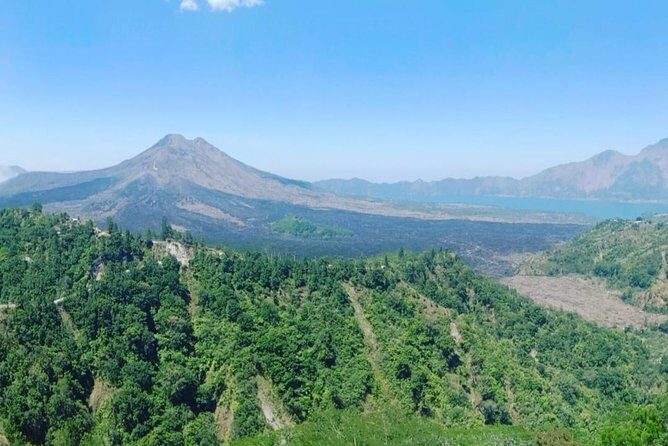
Cold at 2am, worth it. A Mt. Batur sunrise hike is one of Bali’s most dramatic early-morning rituals, with the sky turning pink while you look out over Bali and Lombok from the volcano summit. On this private-guided version, you also get a simple breakfast right near where the sun breaks the horizon, then a planned coffee stop after the trek.
What I like most is how the morning is built for real comfort in a brutal schedule: you’re picked up from the Ubud area very early, and you’re not left figuring out timing or trail decisions in the dark. I also love the way your guide can tailor the pace—when I see names like Tri, Ketut, Kedut, Johnny, and Kadek pop up in guide feedback, it usually lines up with careful pacing and a steady, safety-first approach on loose rock.
One thing to think about: this is not a relaxed stroll. Even with a private guide, you’re climbing in cold, early hours over uneven volcanic ground, and sunrise is time-sensitive—if you’re slower or stop a lot, you may feel rushed by the schedule. Also, pickup can be from designated points rather than directly at your door, especially on narrow streets at 1:30–2:30am.
Key Highlights You Should Know
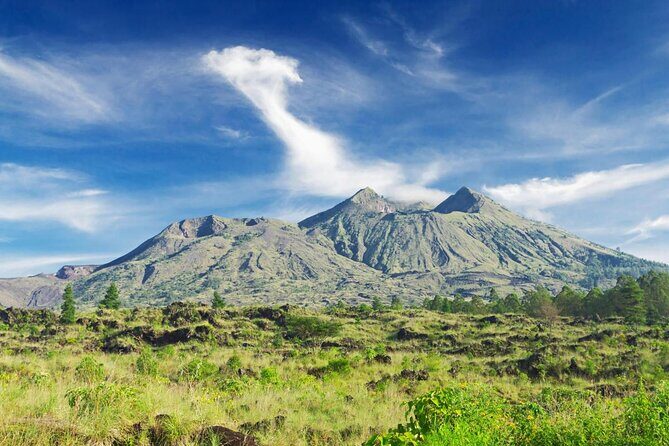
- Sunrise view over Bali and Lombok from the summit area
- Breakfast on the crater rim to keep you fueled before the descent
- Private guide pacing so you’re not stuck moving at someone else’s speed
- Early transfers from Ubud and south Bali to reduce the night-driving stress
- Coffee plantation stop after the hike as a built-in cultural bonus
Why Mt. Batur Sunrise Still Feels Special
If you want a Bali moment that feels both scenic and a little physical, Mt. Batur is hard to beat. The basic formula is simple: you climb in the dark, reach a sunrise point just in time, then watch the light spill across the islands. Even when weather adds clouds, you’re still getting that volcano-at-dawn feeling—cold air, steam rising from the landscape, and that slow shift from blackness to orange glow.
The private-guided setup matters because the hike rhythm is everything. A sunrise trek has two competing forces: you want enough time to enjoy the view, but you also need to be at the right place at the right moment. With a private group, you can usually move at a pace that fits your fitness and comfort level, instead of getting pulled along by a faster crowd.
Ubud Pickup in the Dark: Plan for Tight Streets and Fast Starts
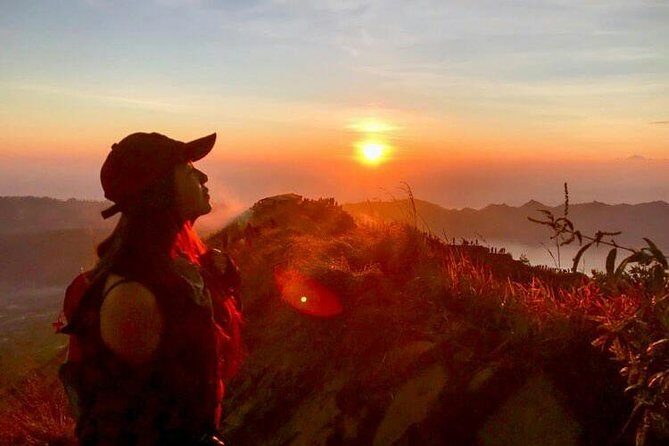
Most people underestimate the logistics of a sunrise climb. Your day starts extremely early. From the Ubud area, pickup typically falls between 1:30–2:30am, depending on where you’re staying. The mountain hike usually begins around 3:30am, so there’s not much slack time for delays.
One practical detail: pickup doesn’t always mean a right-at-the-door stop. The road network around Ubud includes narrow lanes, and at 2am the car you’re in may not be able to reach exactly where you are. In at least some cases, you may be asked to meet at a designated point instead of directly at your hotel entrance. If you want things smooth, confirm the pickup instructions clearly before the early morning.
Also bring the right mindset for these hours. You’re not just commuting—you’re prepping your body for a cold, dark hike. That’s why “simple and direct” transfers are the value here. You avoid the risk and stress of driving through the night yourself.
The Climb Itself: What the Early Trek Really Feels Like
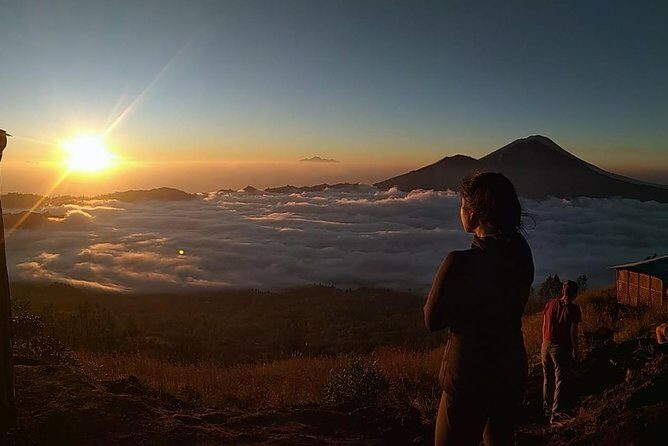
The climb is usually timed so you reach the sunrise area around 5:30am. The “not overly strenuous” wording you’ll see for this trek is true in the sense that it isn’t a technical rock climb—but it can still feel intense because volcanic terrain is loose and steep in stretches.
From the guidance and feedback around this experience, expect:
- Continuous uphill sections for around the first part of the hike
- Loose volcanic rock, especially noticeable during the descent later
- Cold air at the top while you wait for the sun
Many guides are careful with pacing, and you’ll often hear praise for guides like Tri and Kedut for keeping everyone safe and supported. Some guides also help with practical things like photo moments and balance when the footing gets slippery. One helpful tip that shows up repeatedly: wear shoes with solid grip, not just “cute sneakers.”
Bring water. Bring a small backup snack if you tend to get shaky without food. The included breakfast is planned for after you reach the sunrise viewpoint, not before the hike starts.
Sunrise Timing: Why 5:30am Matters More Than You Think
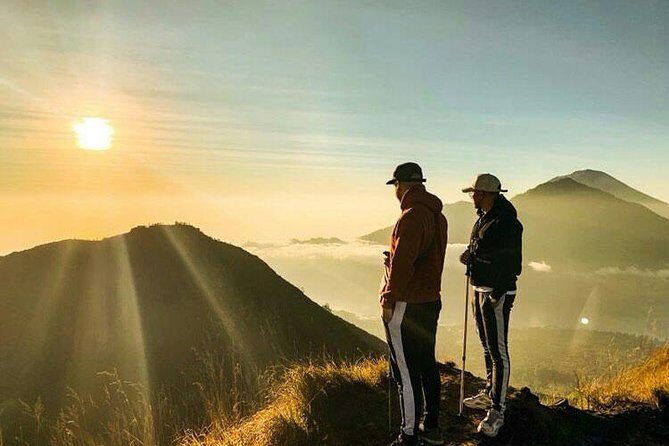
Sunrise itself is the headline. But the real magic is the timing window—getting to your viewpoint before the light breaks so you can see the sky change. The plan is designed so you arrive with enough time to watch the first rays spread across Bali and Lombok.
What can affect the view is weather. Clouds happen. You might see less of the distant horizon on some mornings, and at other times you get crystal clarity. Either way, you still get the core payoff: being on an active volcano in near-darkness, then watching a sunrise turn the whole scene from dramatic to unforgettable.
Peak season can also mean crowds at summit points. If you’re going for that “quiet moment” feeling, the private guide can help you find a better spot to watch. One guide was noted for choosing a less crowded viewing area, which matters a lot when dozens of groups are trying to photograph the same line of sky.
Breakfast on the Crater Rim: Fuel for the Descent
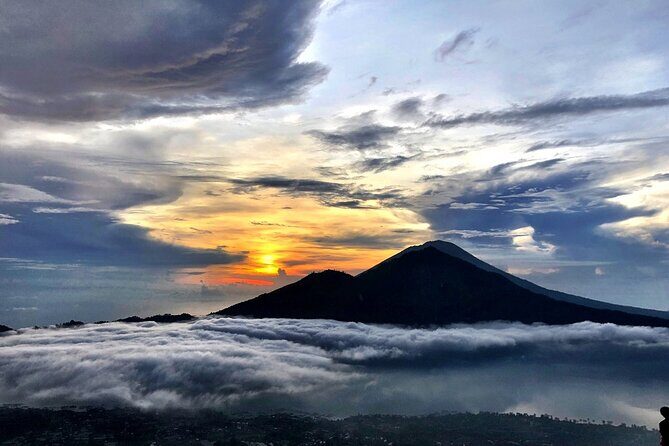
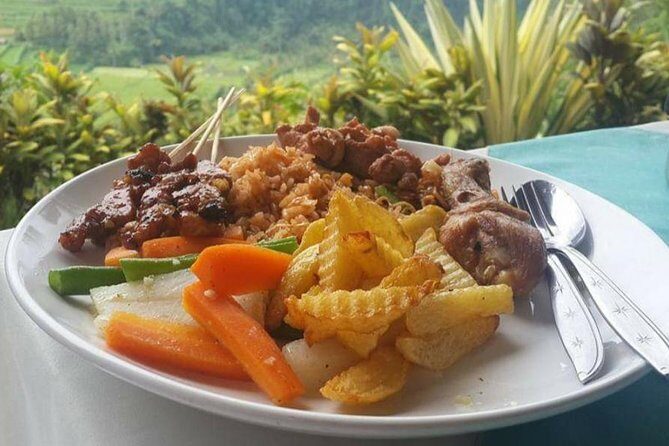
Once you reach the sunrise point, you get a simple mountain breakfast: a banana sandwich with egg. It’s basic, but that’s exactly what you want at this hour. You’re cold, you’ve worked hard, and you need something easy to eat before heading back down.
This breakfast stop is also where the experience becomes more than a hike. It’s your moment to reset—warm your hands, refuel, and then start the descent with steadier energy. If you’re the type who gets shaky on the way down, eating here makes a real difference.
The summit can be cold while you wait. Pack warm layers. Even if it’s hot in Ubud the night before, temperatures up top can surprise you. At least some mornings include torches being provided and a chance to rent a blanket from locals at the top, which can help if you forgot your warm layer. That’s not something to rely on, though—bring your own jacket.
Also: toilets. There can be a fee (for example, a 5K toilet fee was mentioned), so keep a little cash on hand.
Going Down: Loose Rock, Slow Steps, and a Safer Pace
The descent is where good shoes and good guidance pay off. Loose gravel and steep steps can make your knees and ankles feel it. This is also where a private guide shines, because you don’t need to match the group in front of you.
Some guides even lend hiking sticks when needed, which is a smart option if your legs tend to fatigue. If you’re prone to slipping, take smaller steps and don’t rush just because other hikers are moving faster.
A simple rule: treat the descent as part of the workout, not a victory lap. You’ll finish faster if you stay steady instead of repeatedly stopping after a slip.
Coffee Plantation Stop After the Hike (and Optional Hot Springs)
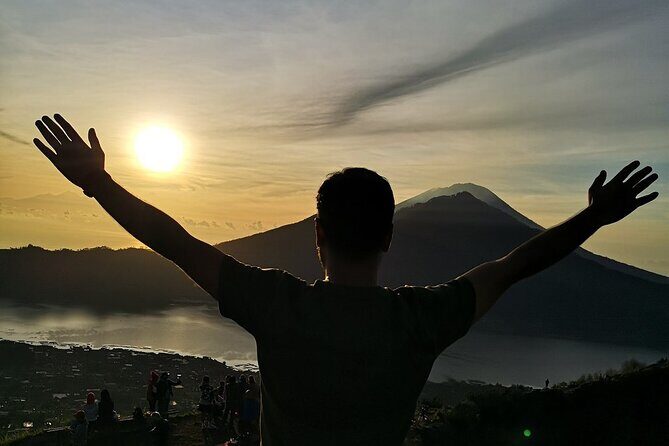
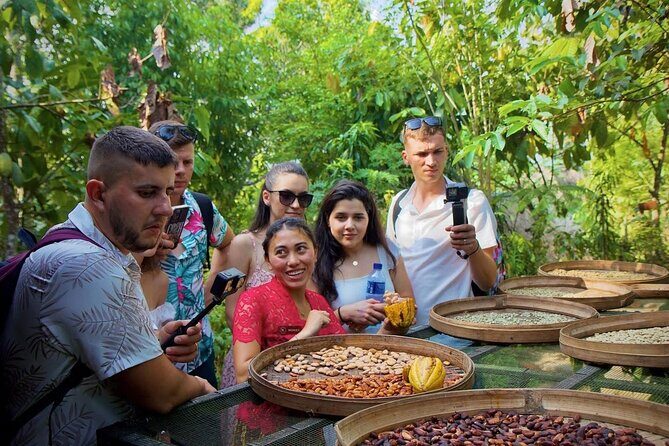
After the climb and descent, you head to a coffee plantation stop. This gives you a break from the volcano setting and adds a small local-culture layer to the morning. It’s the kind of stop that works well because you’ve already earned a sit-down break.
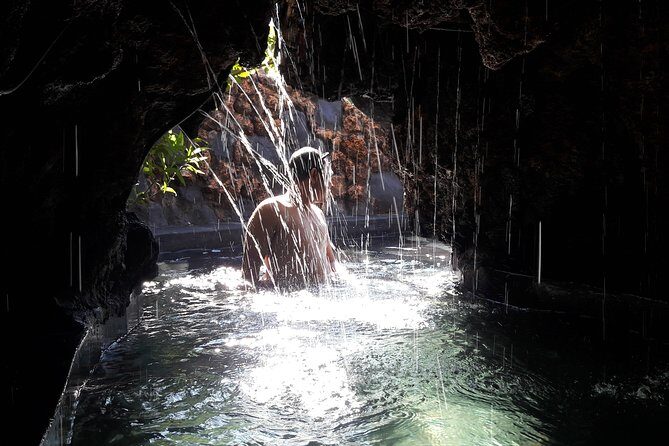
Hot springs are offered as an option on request and at your own expense. If you’re the type who wants to soak out the stiffness, ask when you book or ask your guide on the day. If you don’t want that extra stop, you can stick to the planned morning flow.
Private Guide vs Shared Group: What You Gain for the Money
This tour is sold as private with an upgrade option (minimum two people required). Even when it’s labeled private, remember the bigger truth: the mountain schedule is fixed. Sunrise doesn’t care about your travel style.
But private can still be a big upgrade because it changes how the hike feels:
- You can move at a pace that fits your fitness and energy
- Your guide can help you pause without feeling like you’re holding up the group
- You can ask for more photo stops or fewer, depending on your mood
When you see guide names like Muli or Johnny highlighted in feedback, the common thread is patient, clear guidance—especially on communication and timing. For anyone worried about managing the climb, that’s the value.
Now about price: at $42.86 per person, you’re not paying “Bali luxury prices.” You’re paying for a tightly managed early morning plan: guide-led hike, entrance fees, breakfast, and air-conditioned vehicle transfers. The best value is when you’d otherwise struggle with timing or don’t want to drive yourself at 2am.
That said, money only works if you understand what you’re buying. You’re buying an organized dawn hike, not a full-day resort experience. If your expectations are for a relaxed trip with lots of extras built in, this may feel simple.
Weather, Clothing, and What to Pack (So You Don’t Freeze or Limp)
This is one of those tours where packing correctly makes the day better, fast. Based on the practical guidance around this experience, I’d plan like this:
Bring:
- Warm clothes or a jacket for the summit waiting time
- Sunscreen and sun protection (you’ll still get sun after sunrise)
- Extra clothes (for after the cold hike)
- Hiking shoes with good grip
- Sun cream and a basic water plan
If you have a headlamp, bring it. Even if torches are provided in some cases, your own light makes you independent. If you don’t, follow your guide’s lead.
Also, don’t overpack with heavy items. You’ll feel it on steep sections. A small daypack is enough for layers, water, and a few essentials.
Crowds and Route Reality: What You Can Expect at Peak Times
Mt. Batur is popular, and it can get busy at the summit points. Even with a private tour, you still share the broader area with other groups. Peak tourist seasons mean it’s harder to find a perfectly empty horizon.
The upside is that a good guide can still make it feel personal. Some guides pick viewing areas that are less packed, and you’ll often get a better photo moment by listening to your guide and standing where they instruct you.
If you’re hoping for total silence, adjust your expectations. Sunrise hikes are social events, and the “energy” is part of the experience.
Is This Tour For You? A Quick Fit Check
You’ll likely love this if:
- You want a classic Bali signature that mixes scenery and effort
- You can handle an early wake-up and cold conditions
- You want a plan that removes night-driving stress
You should think twice if:
- You hate steep, rocky terrain
- You’re not comfortable being on your feet for a solid stretch in the dark
- You expect frequent stops and a slow stroll pace without any schedule pressure
One honest note from how this experience is described: it’s often intense enough that good fitness helps. Even when guides describe the hike as manageable, the terrain and the cold wait at the summit can make it feel harder than you expect.
Should You Book This Mt. Batur Sunrise Trek?
Book it if you want a well-structured, guide-led sunrise experience that gets you there safely and on time, without you managing complicated logistics. With private pacing, you can tailor the hike rhythm, and with the included crater-rim breakfast and coffee stop, the morning feels like more than just a workout.
Skip or reconsider if you’re looking for a laid-back day, or if you’re strongly sensitive to cold and early alarms. And if you’re worried about pickup accuracy, take a minute to confirm the exact meeting point and pickup process—especially for those ultra-early collection windows.
If you do book, do the boring stuff that pays off: warm layers, grippy shoes, and a steady pace. Sunrise on an active volcano is one of those rare travel experiences where preparation turns a hard morning into a lifelong memory.
FAQ
What time does pickup happen for the Mount Batur sunrise trek?
Pickup is typically between 1:30am and 2:30am for hikers departing from the Ubud area. If you’re taking a Jeep tour instead of hiking, pickup is more like 4am or thereabouts.
How long does the experience take?
The duration is listed at about 8 hours, and the full plan can run around 10 hours when transfers and the full morning flow are included.
When do we start climbing and where do we watch sunrise?
You typically start climbing around 3:30am, and you reach the sunrise point on the crater rim around 5:30am.
What’s included in the tour price?
Included are a local trekking guide, an air-conditioned vehicle, entrance fees (including Kintamani Village and the Mount Batur guide office), and breakfast (banana sandwich with egg). You also get the planned sunrise trek experience.
Is hot springs included?
No. Hot springs are not included, but they may be available on request at your own expense.
Is the coffee plantation stop included?
Yes, there is a coffee plantation stop after the trek as part of the morning plan.
Do I need a private tour upgrade to have a guide?
A guide is included with the trekking experience. The private tour upgrade is available so your group can set the pace, with the tour described as private for your group.
What should I bring for the sunrise hike?
Bring a jacket or warm clothes, sun cream, extra clothes, and hiking shoes. Cold conditions at the top are common.
Is there free cancellation?
Yes. Free cancellation is available if you cancel up to 24 hours in advance of the experience start time for a full refund.