Five waterfalls, one calm day in Ubud.
This private tour is built for people who don’t want a rushed circuit. You’ll move through rice terraces, a real water-purification ritual at Tirta Empul Temple, and waterfalls timed for that Bali “light through the cliffs” moment at Tukad Cepung.
I especially like the door-to-door pickup from Ubud and most of south Bali. And I love that entrance tickets are included, so you spend your time outside, not at ticket desks.
One consideration: this is a long 9.5-hour day with wet paths and uneven ground around waterfalls and temples. If you hate hills, stairs, or getting a little damp, wear grippy shoes and plan for a slower pace.
Key things to know before you go
- Private pacing: it’s only your group, so you’re not stuck with someone else’s agenda.
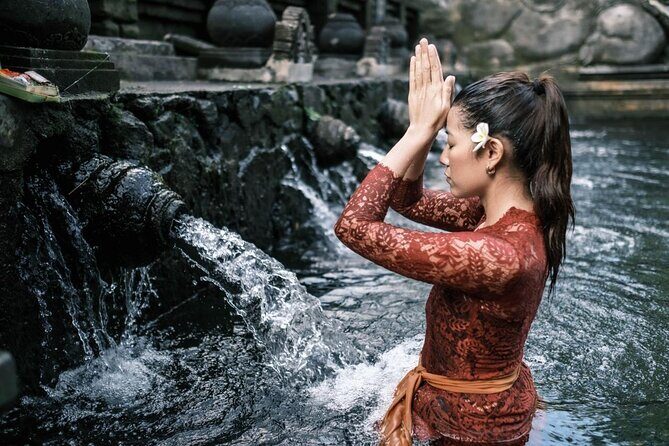
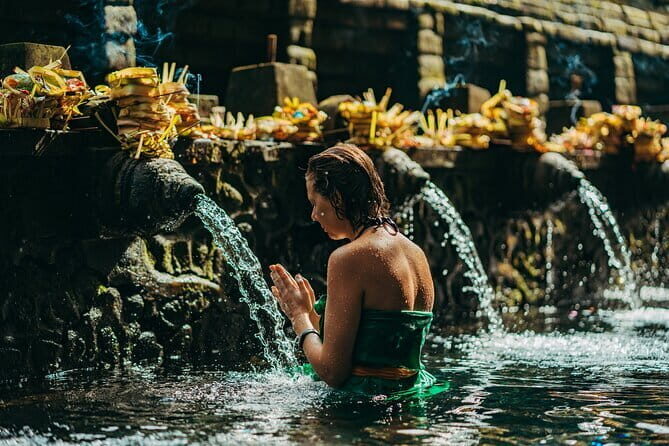
- Tirta Empul water blessing: you’ll join the purification ritual at the sacred spring site.
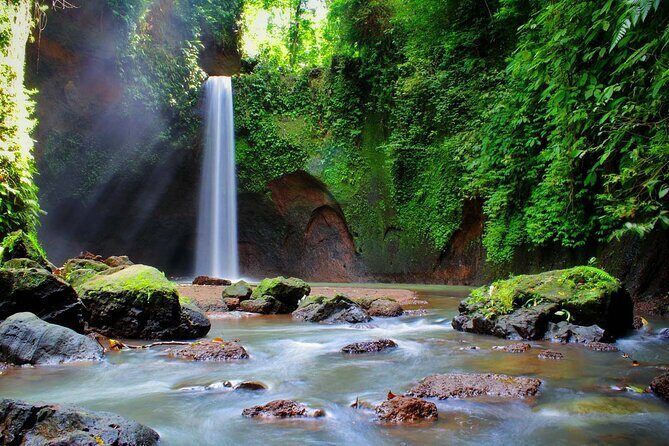
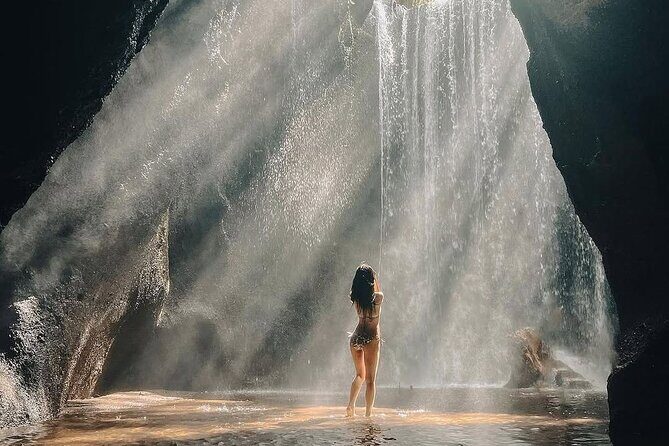
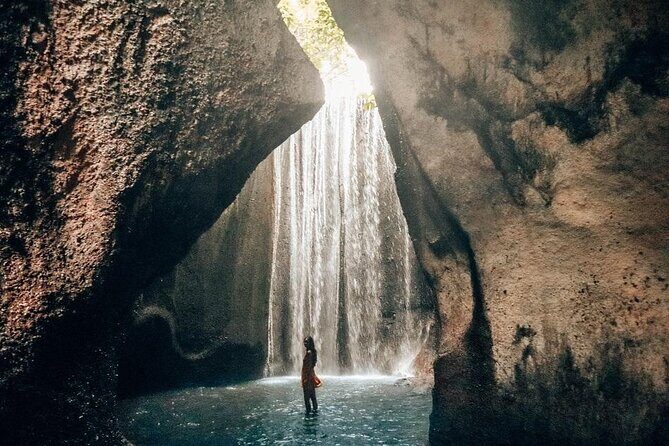
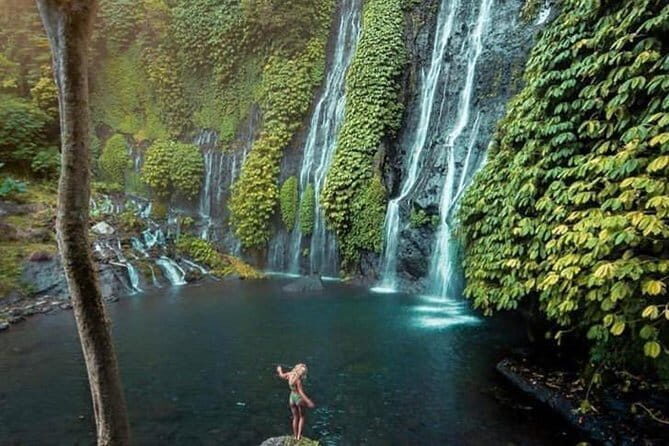
- Tukad Cepung light effect: sunlight filters through cliff openings—great for photos and quiet viewing.
- A full waterfall sweep: Kanto Lampo and Tibumana add variety beyond the headline stops.
- Tickets, water, parking included: guiding and entry fees are bundled, while lunch is on your own.
A private waterfall-and-temple day that doesn’t feel like a chore
In Bali, “seeing a lot” can turn into “rushing a lot.” This tour flips that. Because it’s private, your guide can set a realistic rhythm: time to pause for photos, time to step off the main flow when you want a quieter moment, and time to ask questions without feeling like you’re interrupting a packed schedule.
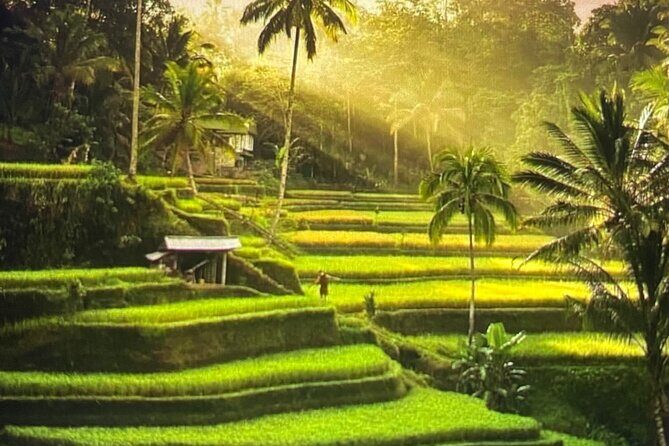
The big win is the combo of nature and spirituality in one loop. You start with traditional farming views at Tegalalang Rice Terrace, shift into a Hindu temple water-ritual at Tirta Empul, then spend the rest of the day with waterfalls—starting with Tukad Cepung’s signature sunbeam setting. It’s the kind of day where your phone gets used for photos, but you also end up paying attention to how locals relate to water and landscape.
Getting from place to place: pickup that saves your energy

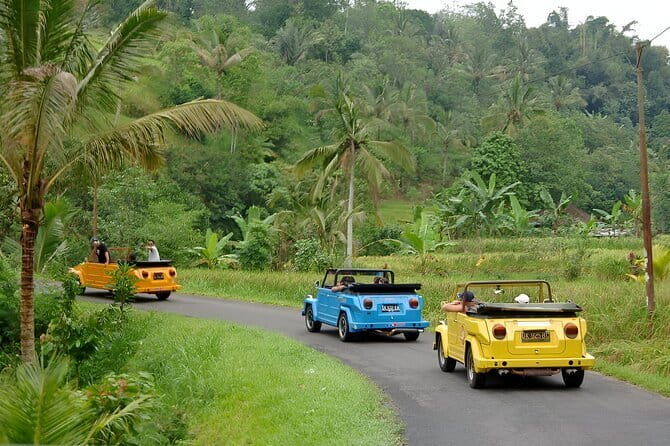
If you’re basing yourself in Ubud (or staying in parts of south Bali), the pickup and drop-off is a major convenience. You’re not self-driving between spots, which matters because waterfall days can turn slippery fast—and driving while watching weather and crowds is not the fun part.
The tour also includes parking and mineral water, so you’re not constantly budgeting time and energy for tiny logistics. From what I see in the way guides are described by name—Agung, Gus, Wayan, Made, and Mr. Gusti Tirta—service tends to be hands-on: helping with tickets, keeping things moving, and making the day feel comfortable rather than chaotic.
Tegalalang Rice Terrace: farming views and a slower stroll
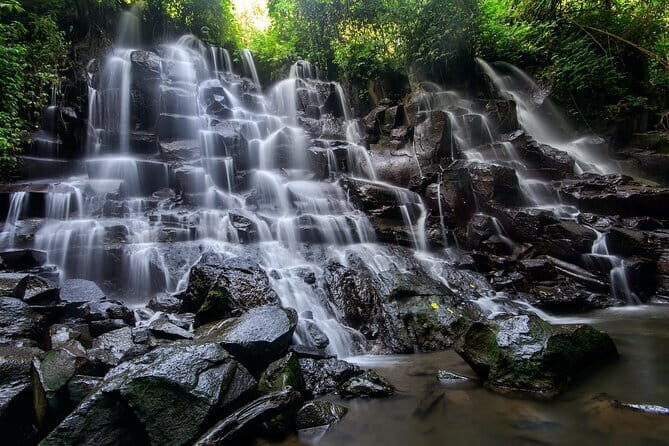
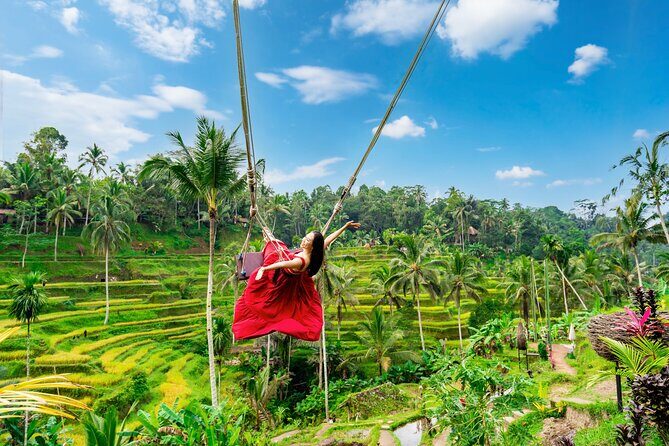
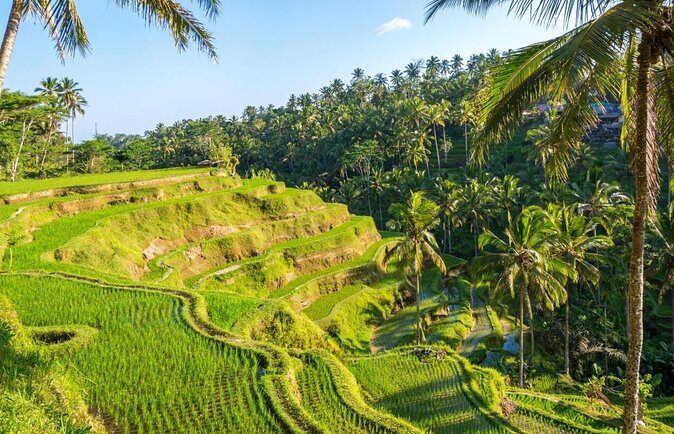
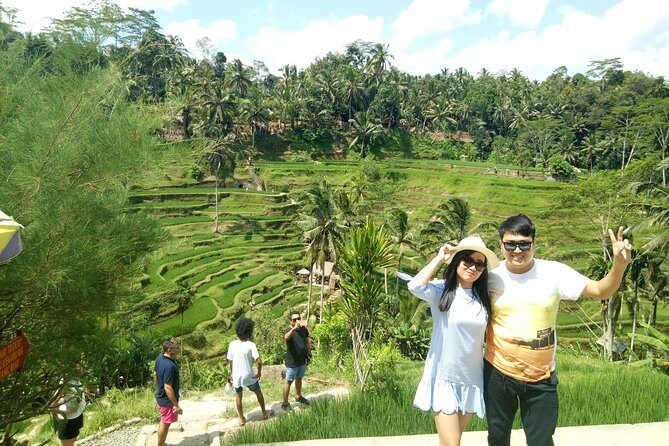
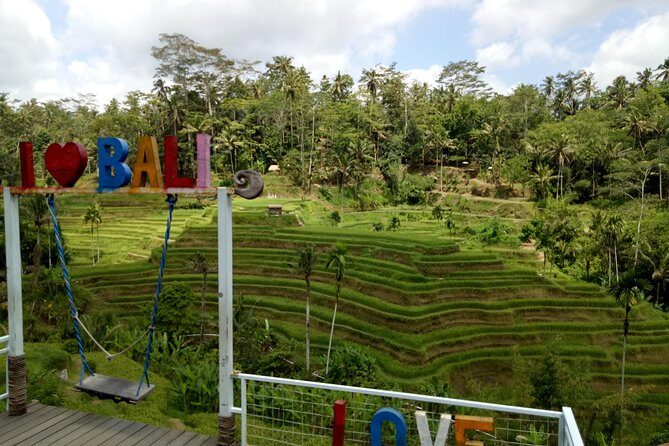
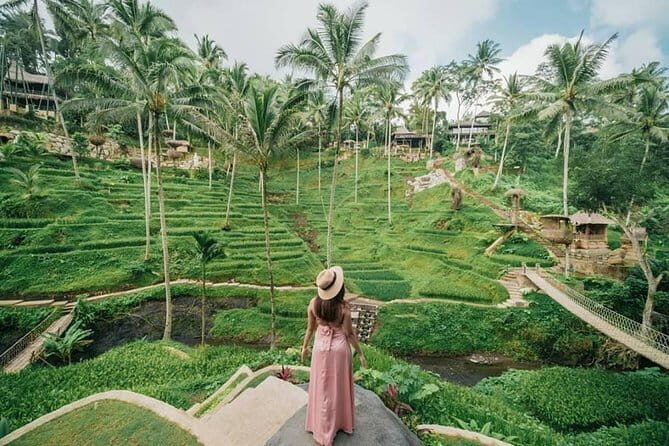
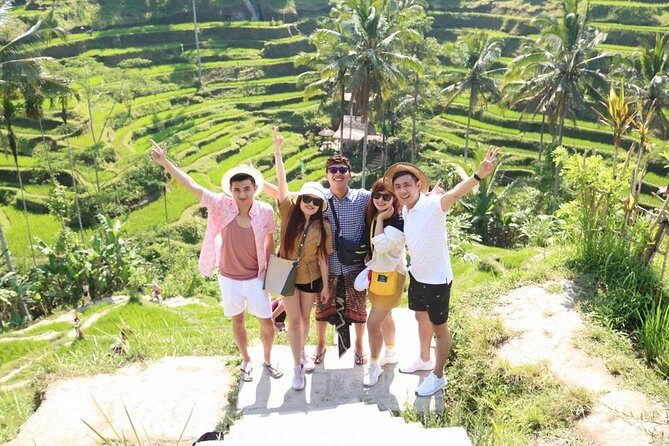
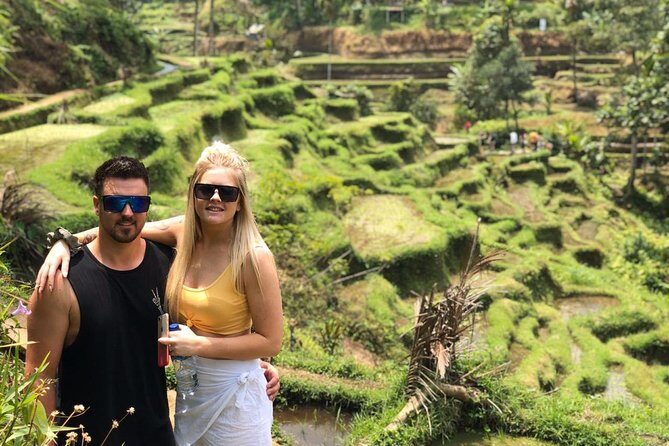
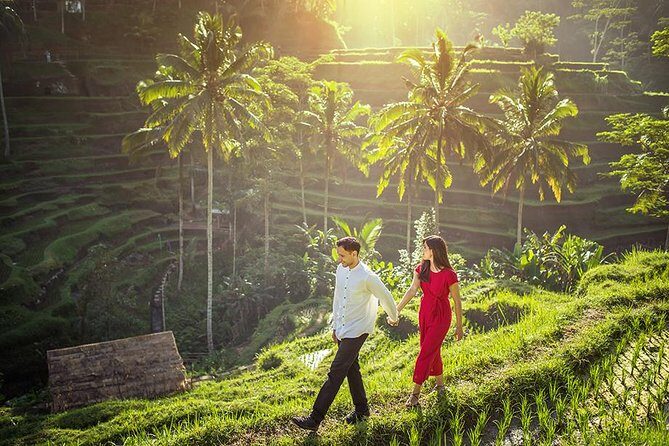
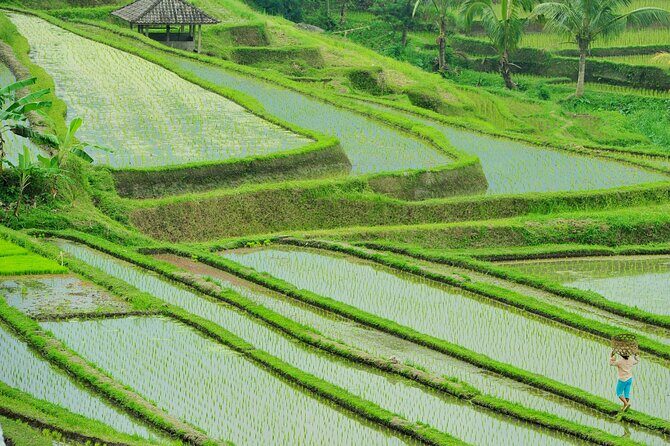
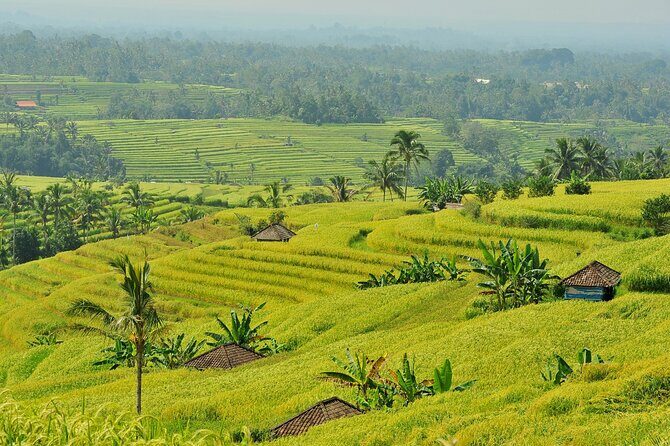
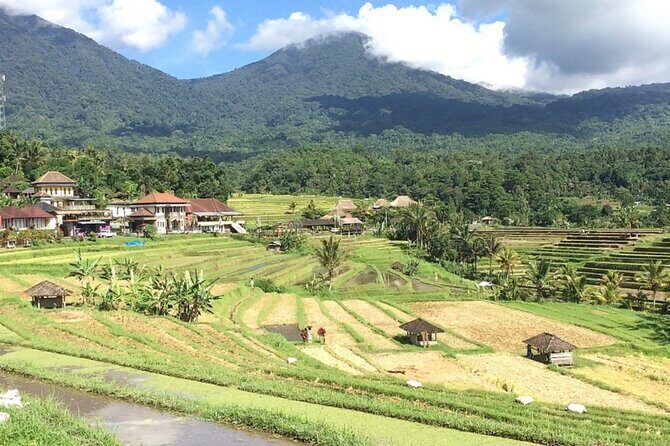
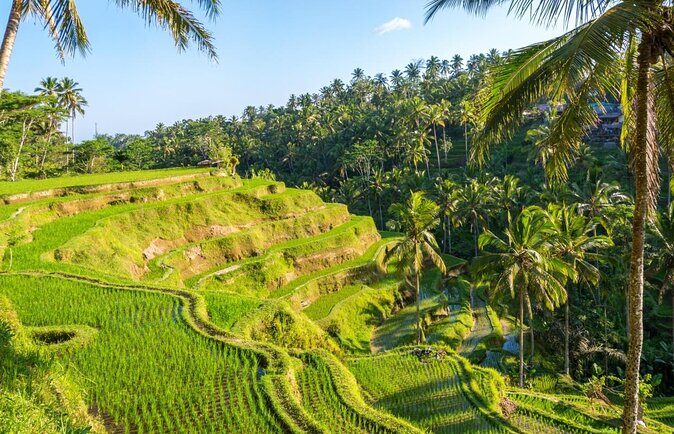
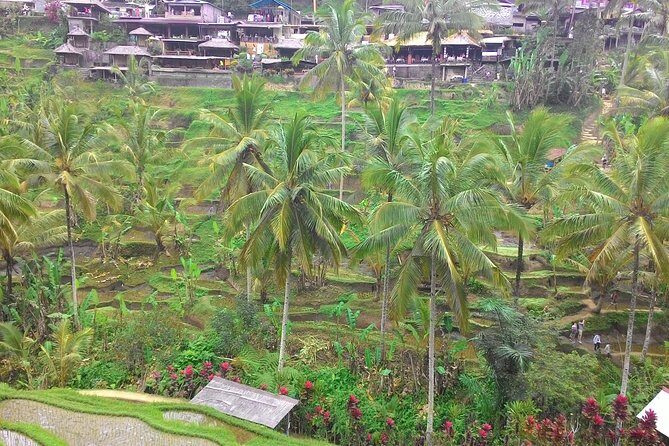
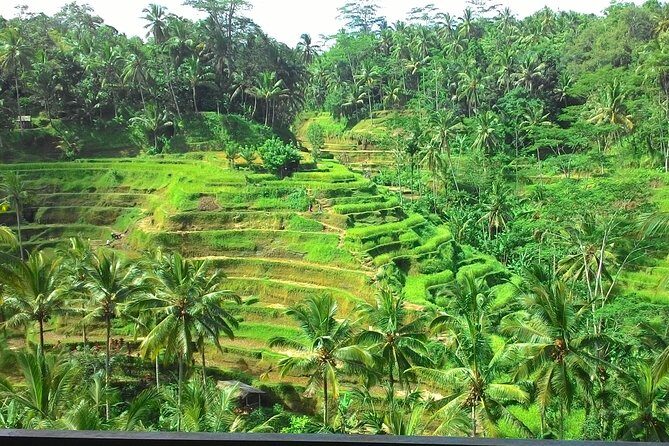
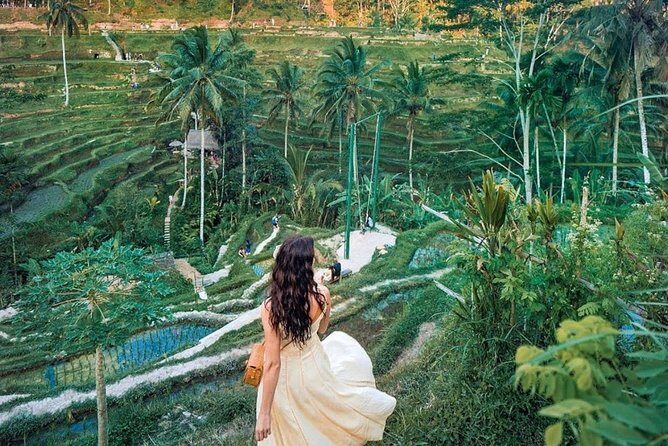
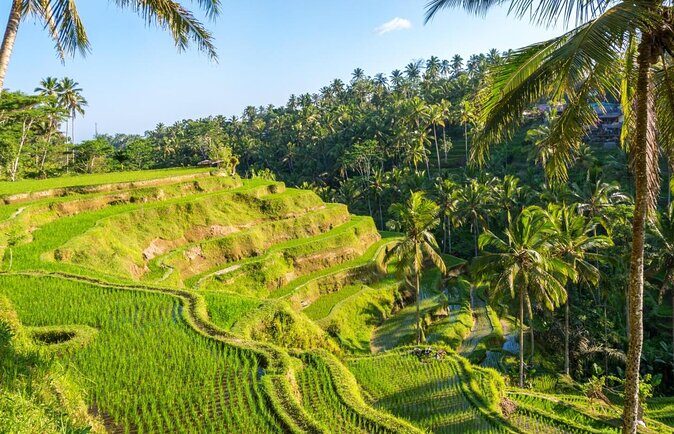
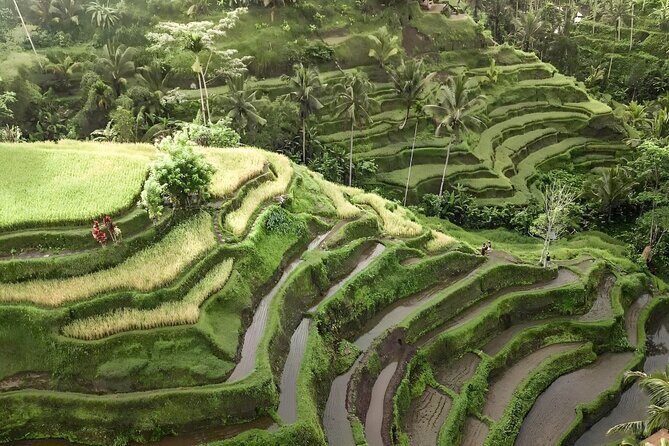
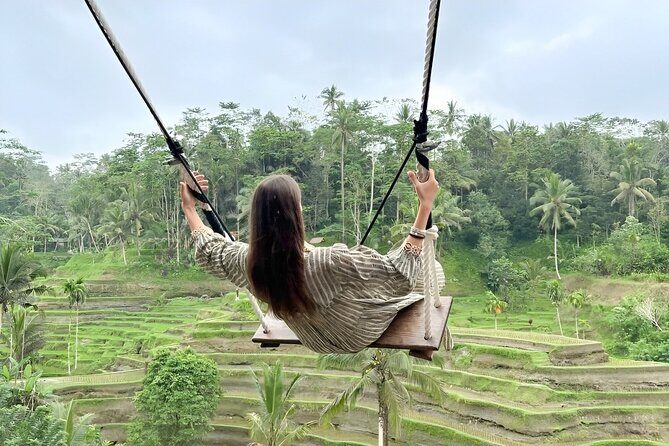
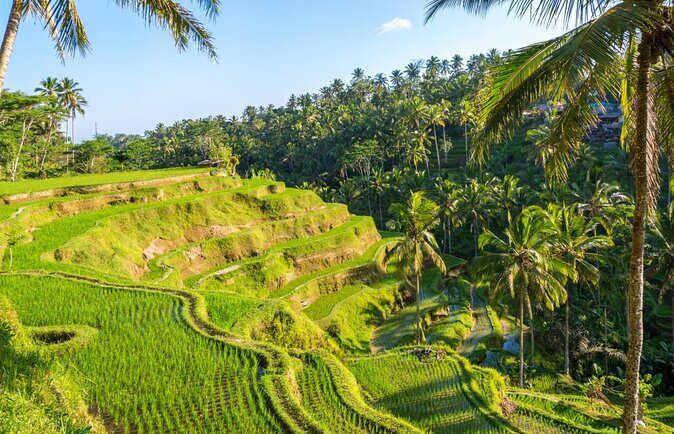
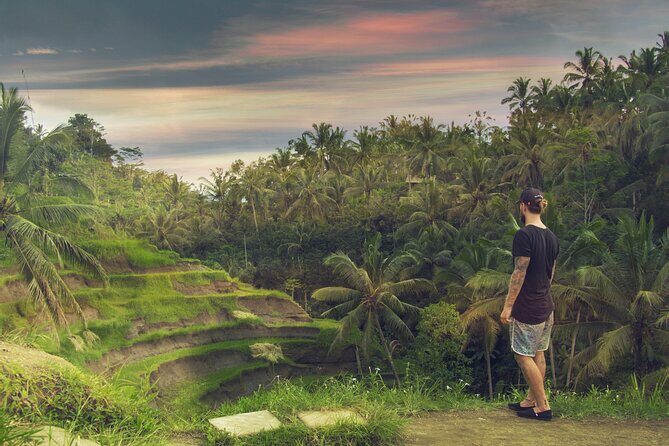
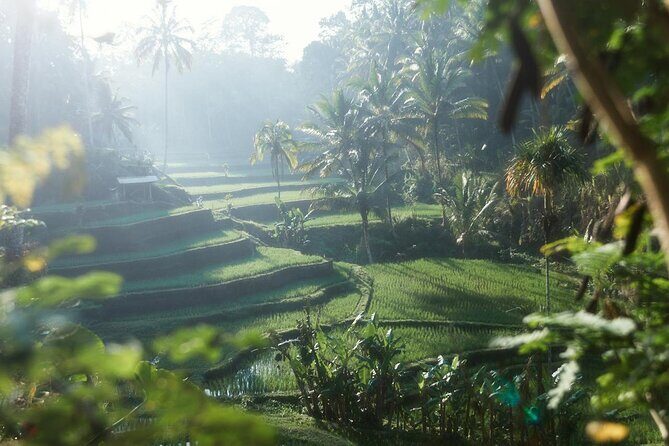
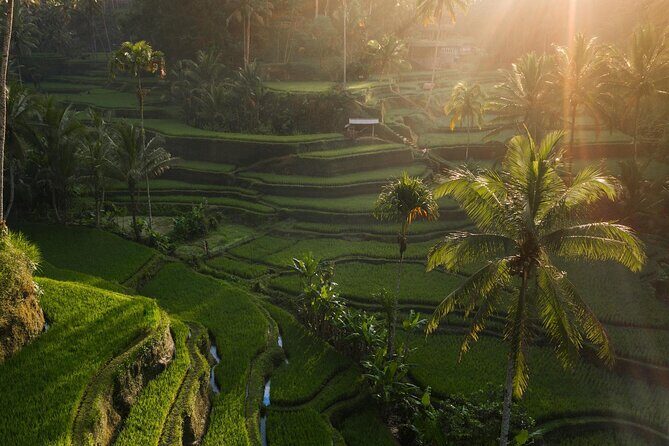
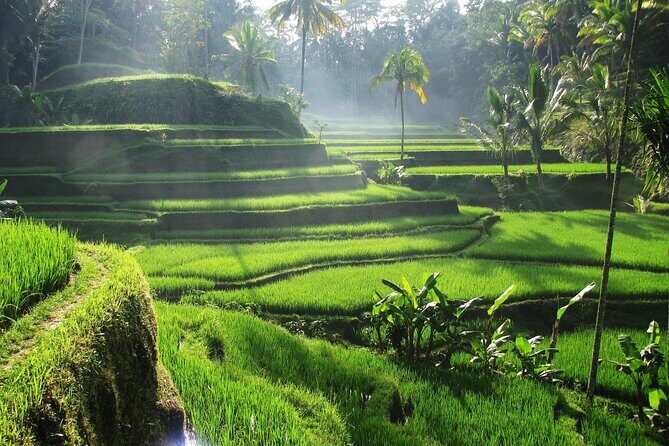
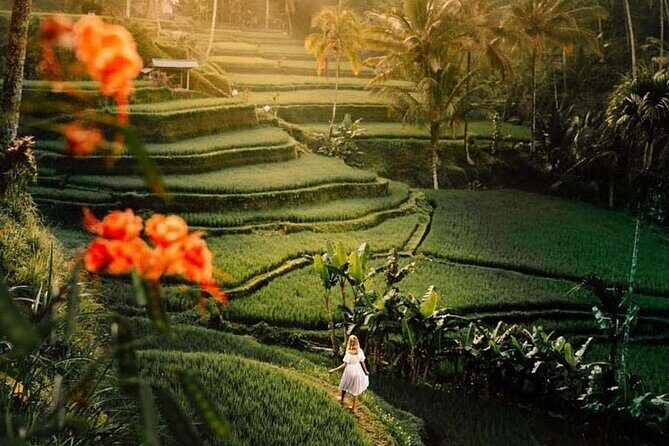
Tegalalang Rice Terrace is one of those places that looks Instagram-famous from a distance—then gets even better when you’re walking through it. Expect an hour to stroll through the emerald-green terraces, take in how water and land work together, and learn the basics of traditional Balinese farming.
Why this stop works in the middle of a waterfall tour: it gives you a dry, photogenic reset before you head toward the damp jungle conditions. You also get a sense of why water is such a big deal in Bali. Even when you’re not thinking about irrigation systems, you can feel the relationship between steps of farmland and the flow of life-giving water.
Practical tips:
- Go prepared for uneven footing. Terraces can be rickety under the best conditions.
- If you’re a photographer, arrive with patience for angle hunting—views here change quickly as you move.
Tirta Empul Temple: the water blessing ritual and its meaning
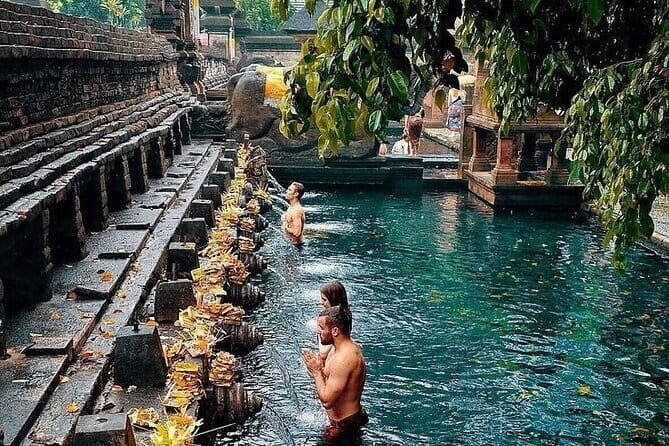
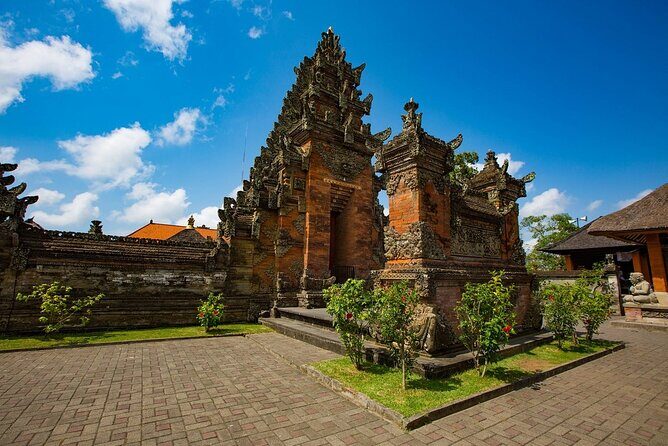
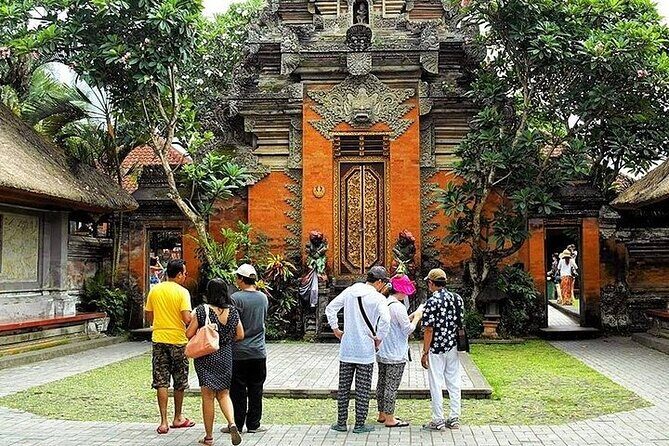
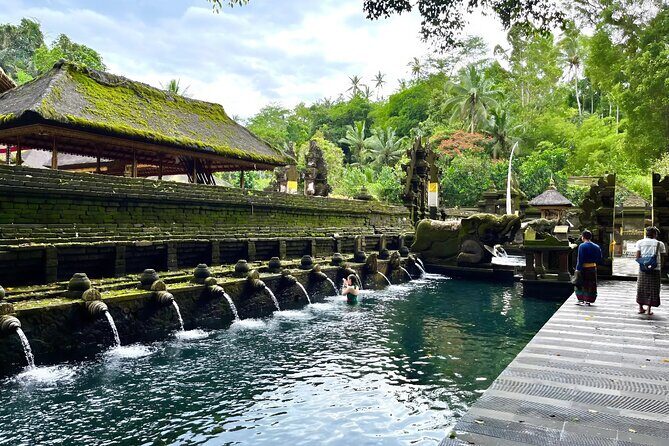
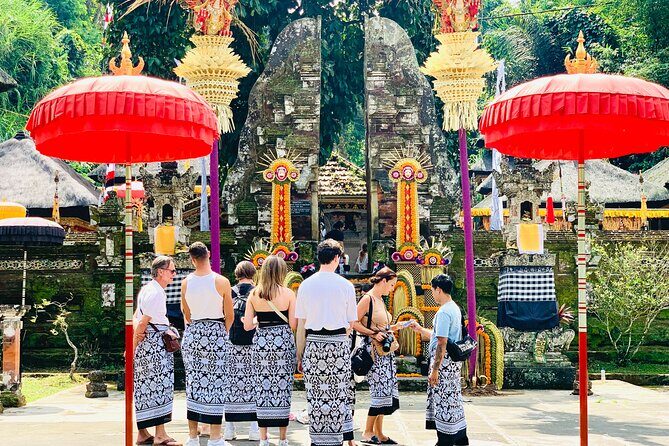
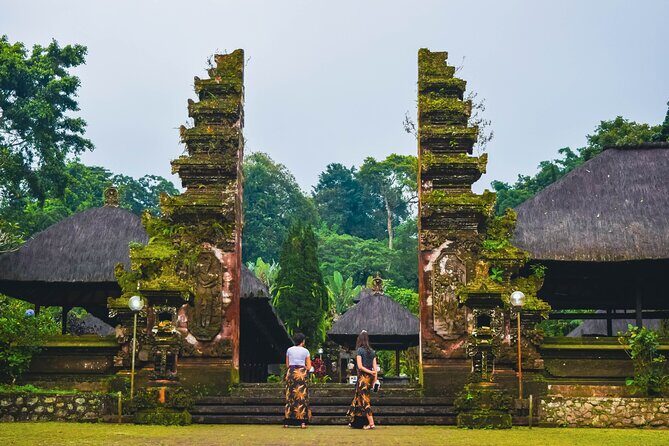
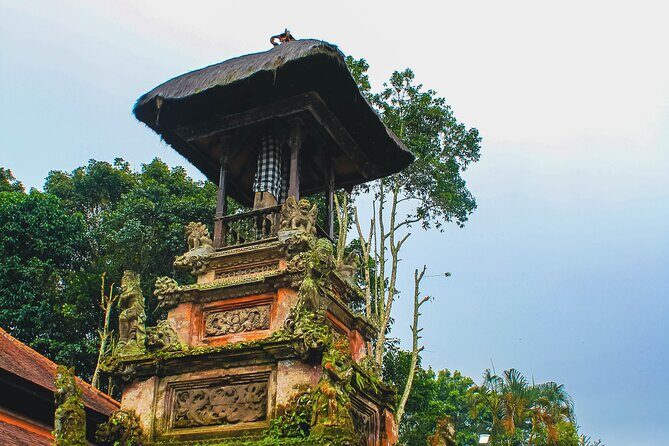
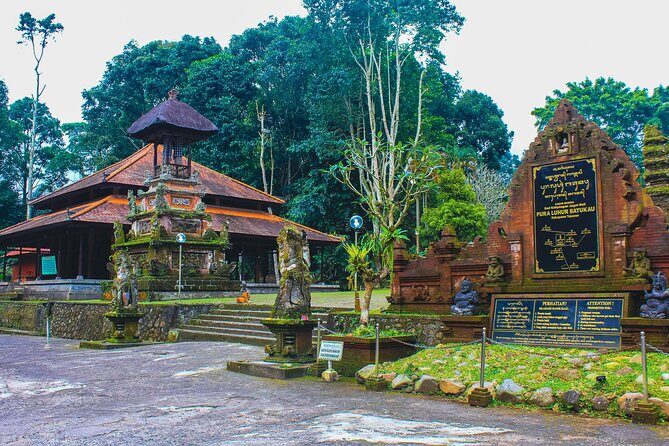
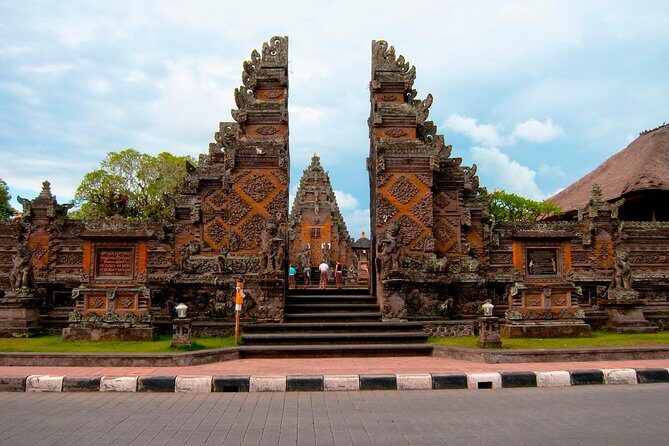
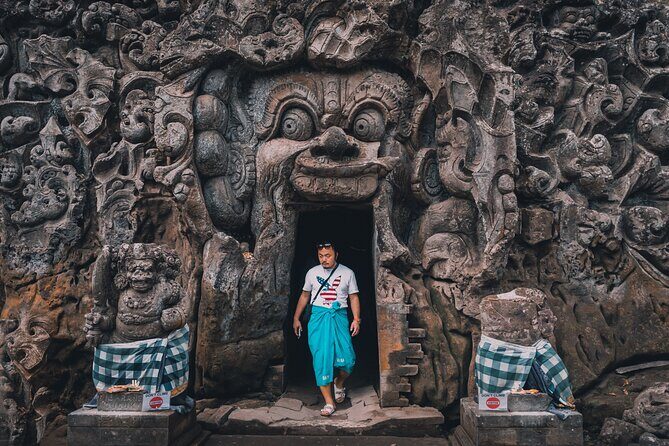
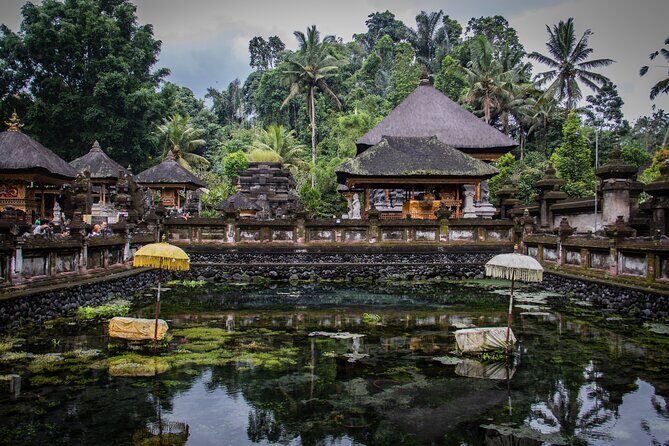
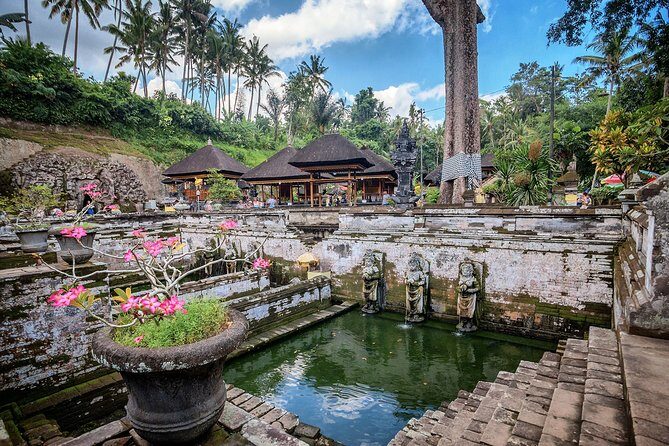
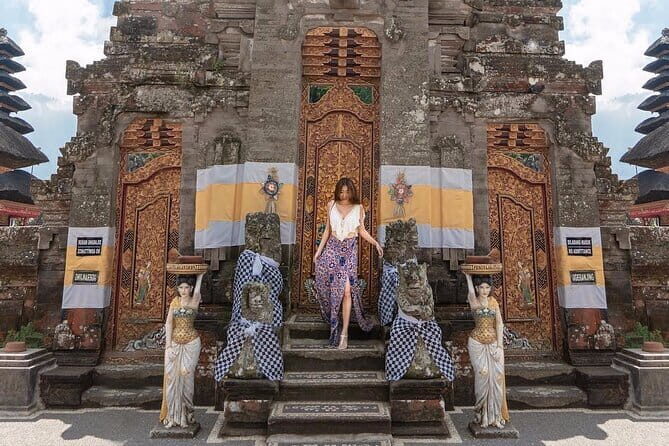
Tirta Empul Temple is where the day turns spiritual. You’ll spend about one hour participating in a purification ritual at this sacred Hindu water temple, known for its holy springs and intricate temple setting.
Even if you’re not religious, it’s worth approaching this stop with respect. The ritual is not just “something to watch.” It’s a lived practice tied to cleansing and sacred water. A private guide helps here because you’re more likely to understand what to do, when to follow, and how to move without turning the moment into a performance.
What I like about having a guide at Tirta Empul:
- You can ask basic questions on-site.
- You can follow the flow of the ritual more easily than if you were figuring it out alone.
- You’ll avoid that awkward feeling of not knowing where to stand or when to step in.
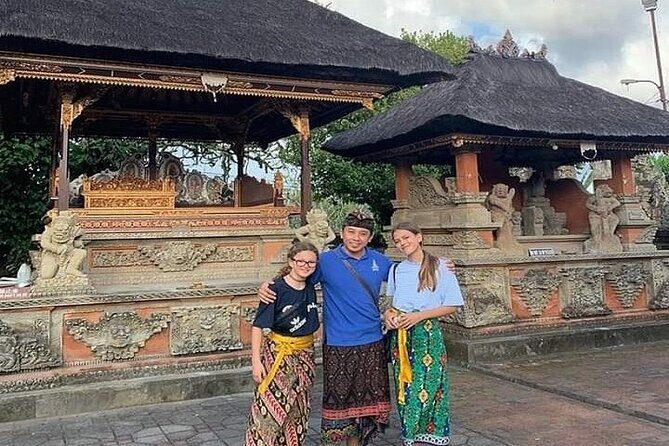
Dress and behavior matter. Plan on shoulders and knees covered for temple areas, and expect a quiet, focused atmosphere around the spring pools.
Tukad Cepung Waterfall: why the light effect is worth timing
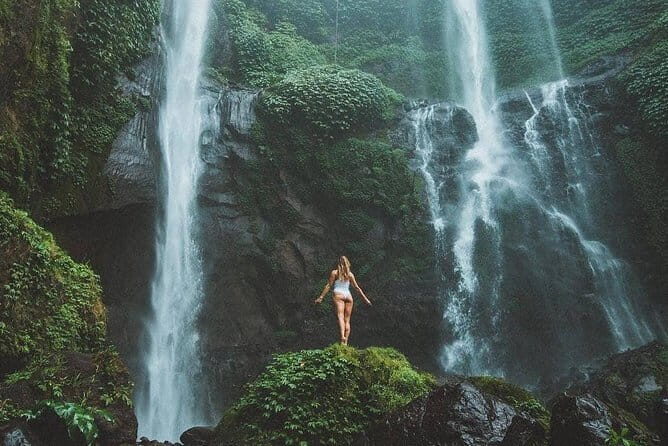
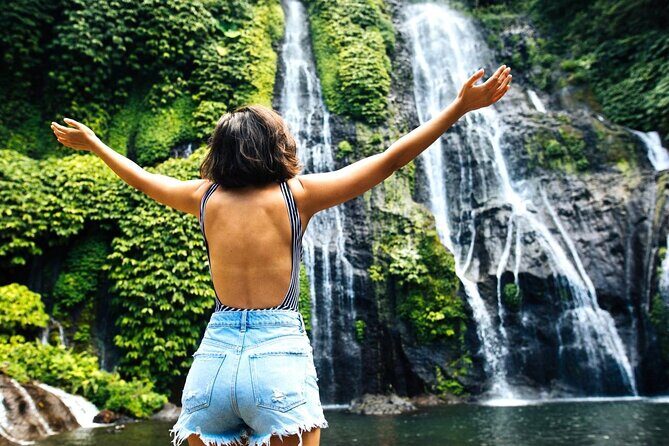
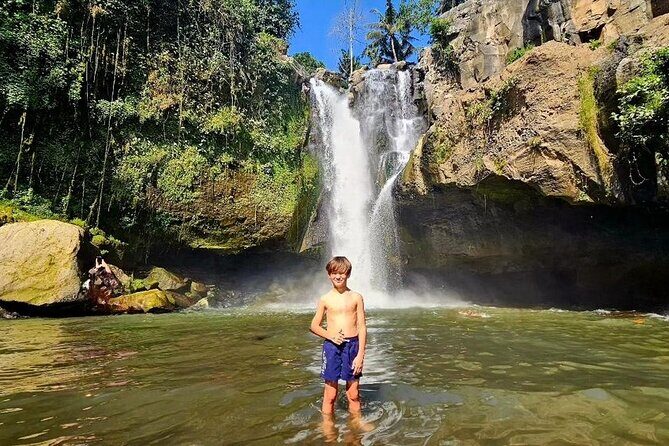
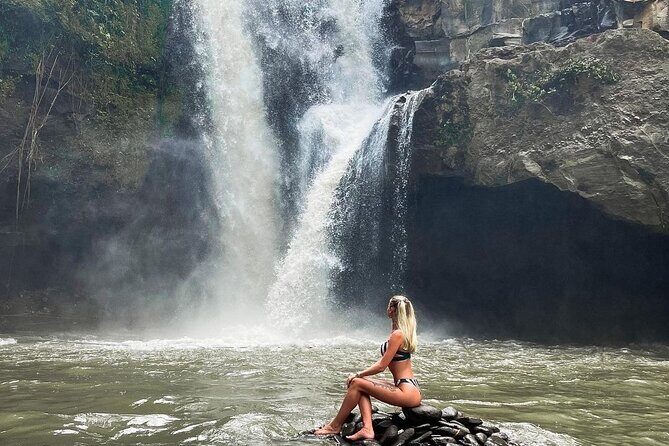
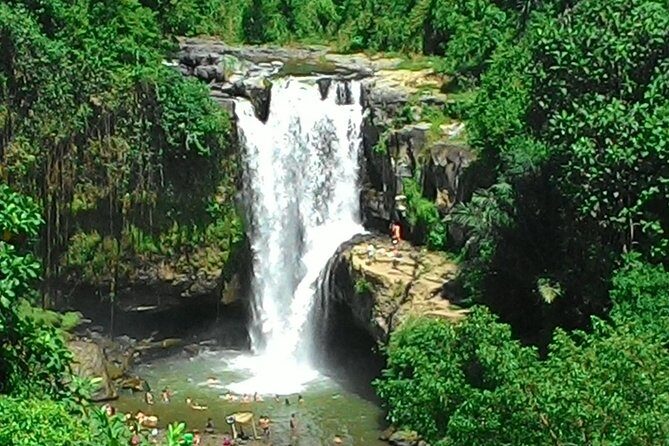
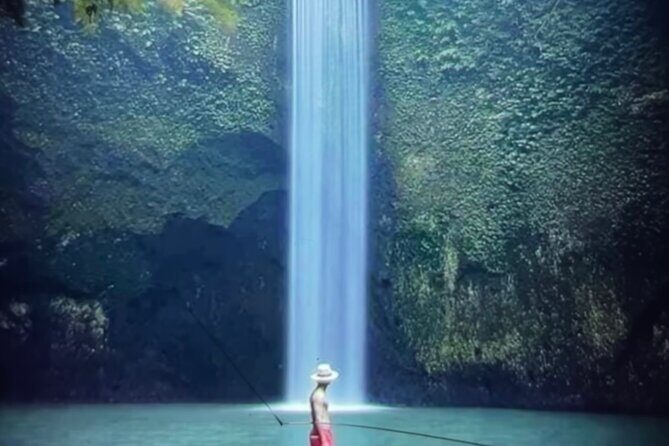
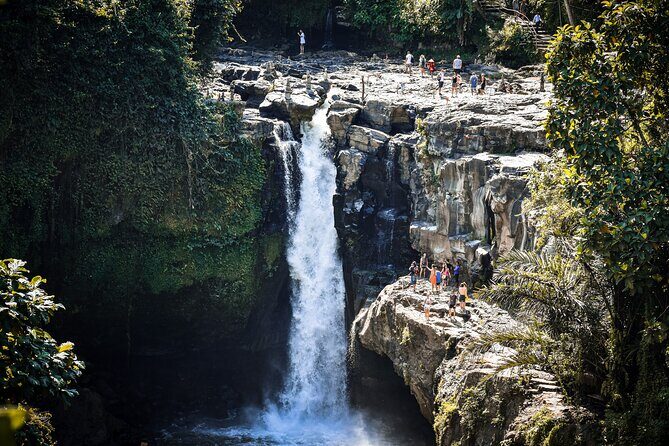
Then comes the waterfall stop most people talk about for the right reason: Tukad Cepung. You’ll have about one hour here, and the point isn’t just the waterfall—it’s the way sunlight floods through cliff openings, creating a dramatic atmosphere and strong photo opportunities.
This is a great contrast to the open-air rice terraces. At Tukad Cepung, the air feels cooler and the setting is more enclosed. The waterfall area can also be visually busy, so the trick is to slow down, find your best vantage point, and let the “light moment” happen. If you’re hoping for pictures that look different from standard waterfall shots, this is one of your best bets that day.
Practical tips:
- Expect getting a little wet. Even without bathing, spray can happen.
- Be ready for slippery patches. Take your time on the path in and out.
- Bring a camera that handles humidity or keep it covered. Condensation is real.
Kanto Lampo and Tibumana: two waterfalls, two moods
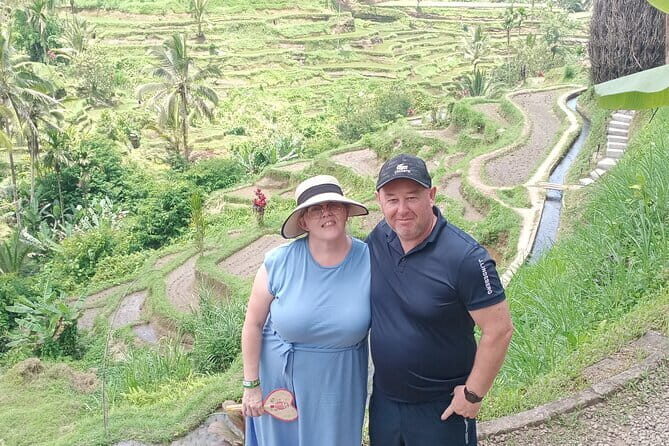
After Tukad Cepung, you continue to a pair of waterfalls that broaden the day beyond one signature scene.
Kanto Lampo Waterfall: closer to the cascade
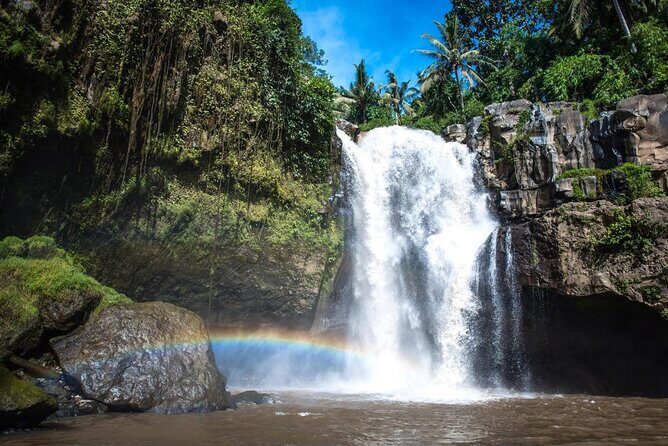
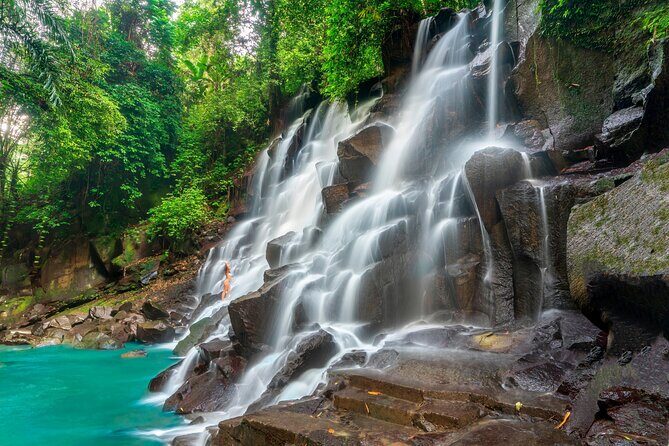
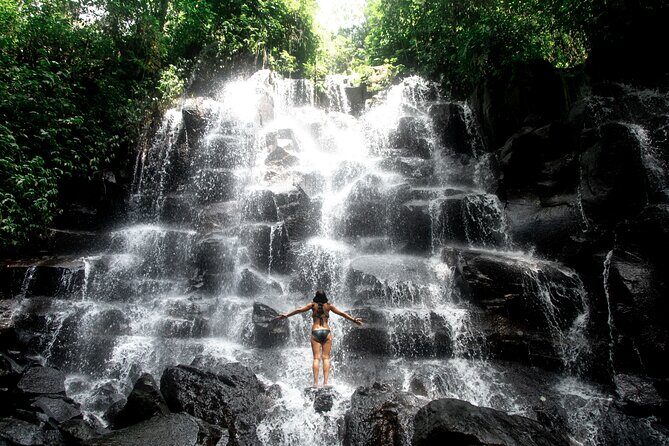
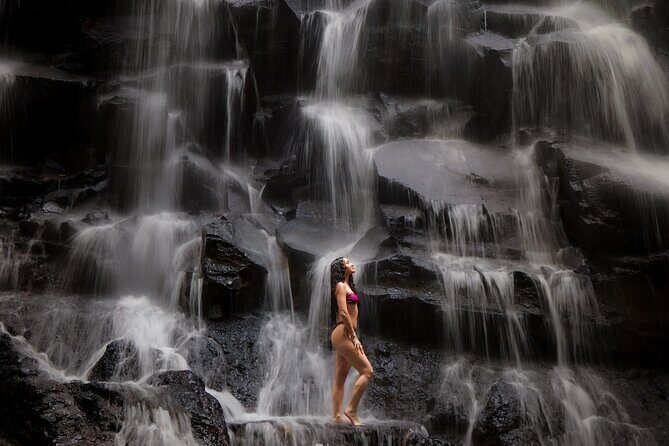
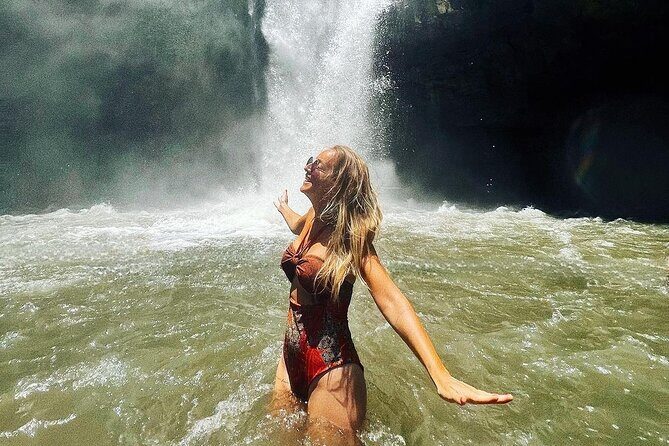
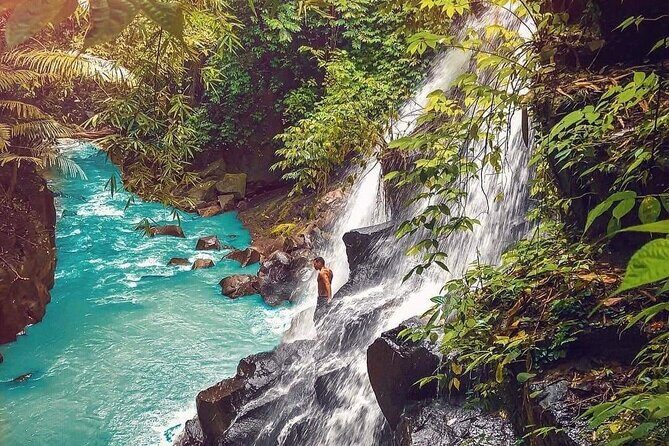
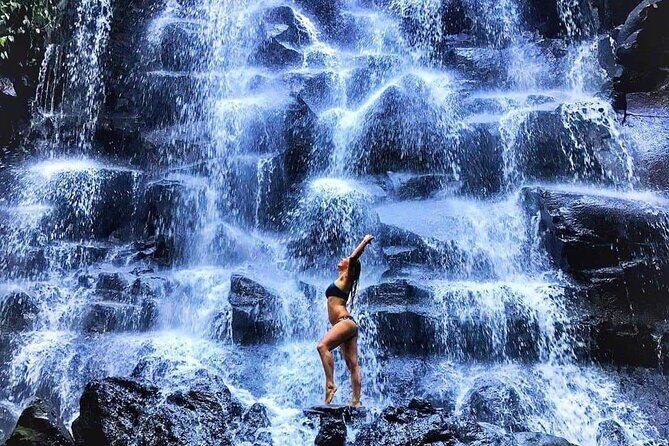
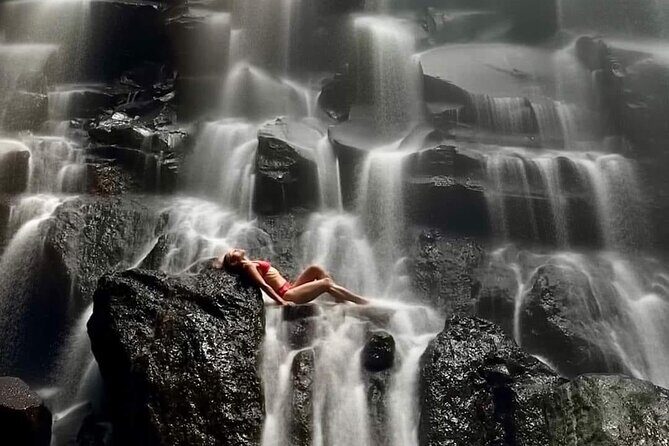
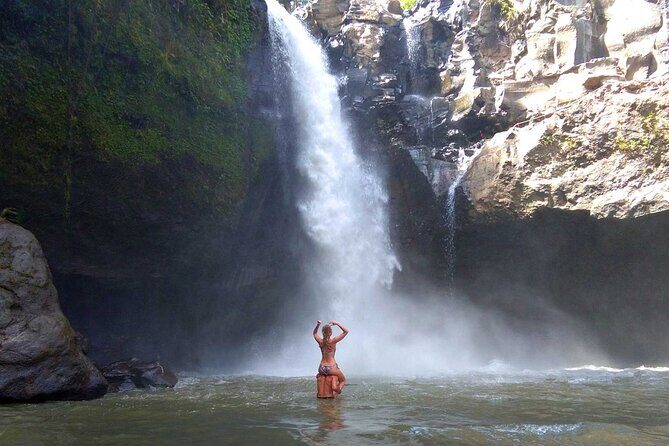
Kanto Lampo is the stop where you get that close-to-the-water feeling. You’ll spend about one hour exploring its natural charm and getting refreshed by the spray.
This one tends to feel more active than Tukad Cepung. You’ll have moving water plus the energy of people trying to frame the right shot. If you like waterfalls with texture and depth—water hitting rock, foam patterns, and that “I’m right here” vibe—Kanto Lampo is a good match.
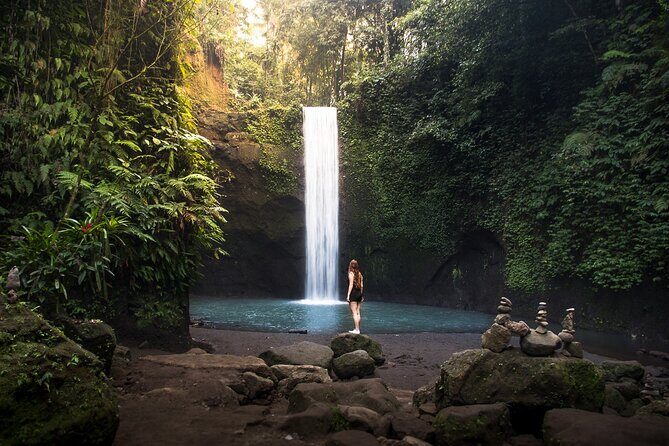
Tibumana Waterfall: calmer jungle time
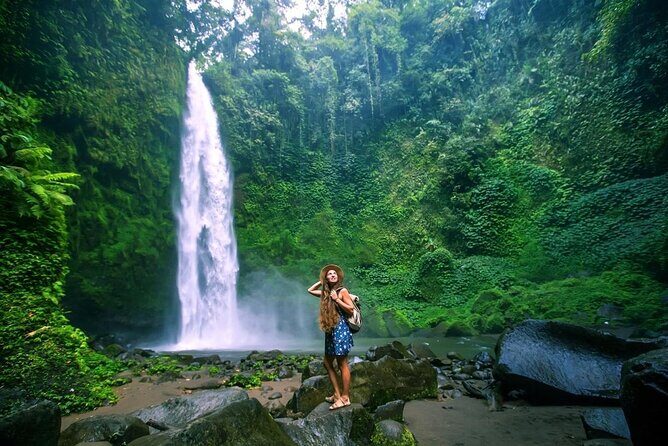
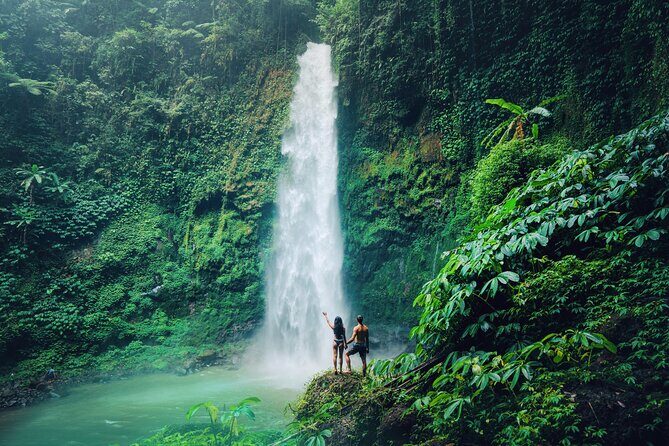
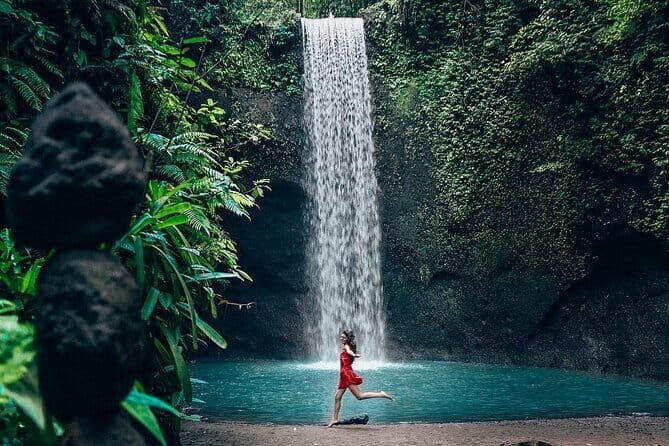
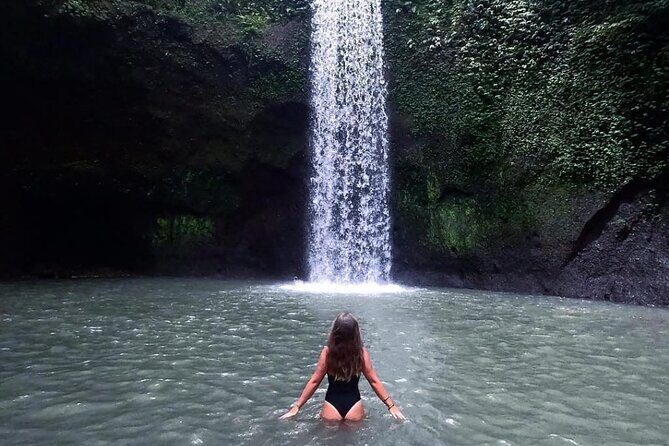
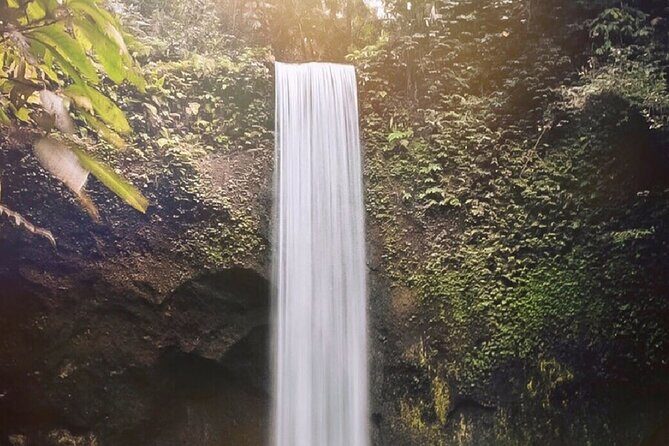
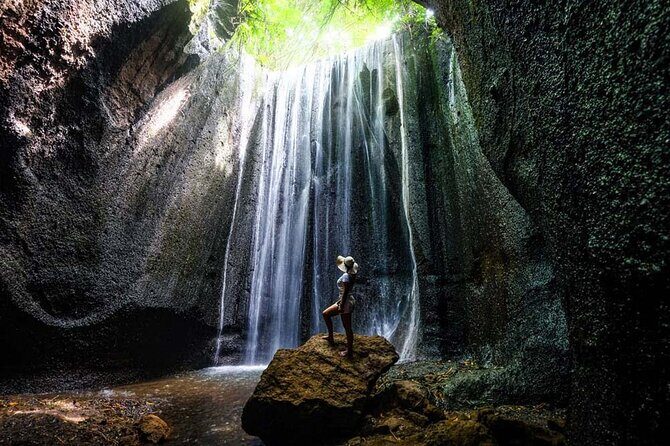
Next is Tibumana Waterfall, typically a quieter experience because it’s described as tucked into a lush jungle setting and a bit less famous than the headline stops. You’ll have around one hour to enjoy the tranquil atmosphere.
This is your decompression stop. After Kanto Lampo’s lively spray, Tibumana gives your eyes and ears a chance to settle. It’s a nice moment if you’re traveling with someone who doesn’t want every stop to feel like a photo mission.
Practical tips for both:
- Wear footwear you trust on uneven, damp surfaces.
- Keep a small towel or tissue handy for drying hands and camera touches.
- If you’re with a group, agree on meeting points in case you split for photo angles.
Guide quality and photo help: why it changes the day
A waterfall tour lives or dies by how the guide runs the timing. With this operator, the guide component shows up again and again in the way people describe named guides like Agung Balibuddy, Gus, Wayan, Made, and Mr. Gusti Tirta.
Here’s what that usually means in real life:
- You’re not left holding a ticket and guessing what to do next.
- The guide helps with entry flow, and you spend more time in the right place at the right moment.
- You get helpful cultural context, which makes temples feel less like scenery and more like a place with rules and meaning.
- Many guides will help with photos, especially if you tell them what you want (wide shots, people shots, or “sunbeam” waterfall framing).
That last part is underrated. If you’ve ever tried to take decent waterfall photos yourself—kneeling, holding a phone, aiming for a moving target—you know why having a second set of eyes helps.
Transport, pace, and comfort: what a 9.5-hour circuit really means
This is about 9 hours 30 minutes total, give or take based on traffic and weather. With five main stops and roughly an hour at each, the day is structured but not frantic.
The pace works best if you’re okay with:
- walking between viewpoints,
- stepping on wet surfaces,
- and adjusting your speed to temple rhythms and waterfall crowds.
If you want a day that feels effortless, private guiding helps. If you expect a “sit and be chauffeured” day, this won’t match that. You’ll be moving through sacred and natural spaces, and that movement is the point.
Price and value: what $33 covers (and what it doesn’t)
At $33, this tour is priced like a value play—especially because the essentials are included: pickup/drop-off, guiding, parking, mineral water, and all entrance tickets.
That bundled structure is what makes it feel like good value. In Bali, you can easily spend more than you expect on ticket fees alone, then add transportation and small extras that stack up. Here, most of the “gotchas” are handled.
What isn’t included is straightforward:
- Lunch is on you.
- Personal expenses are on you.
For most people, that’s not a deal-breaker. It just means you should plan where you’ll eat nearby after the tour, or bring a snack if you get hungry between stops.
Weather and comfort planning for Bali waterfall days
This experience requires good weather. If it’s canceled due to poor weather, you’ll be offered a different date or a full refund. That’s important because waterfall lighting, access paths, and safety can change quickly with heavy rain.
My advice if you’re booking:
- Build flexibility into your schedule for that day.
- Keep your footwear simple: grippy soles beat style every time.
- Bring a light layer for temple airflow and a small waterproof cover for your phone if you’ll be shooting video.
Also, because it’s a private tour, you’re not locked into a fixed group timing. Your guide can help you adjust within the tour structure while still honoring the order of the day.
Should you book this Ubud private tour?
Book it if you want a private day that mixes culture and nature without the stress of self-drive. The combination of Tegalalang rice terraces, a Tirta Empul water purification ritual, and multiple waterfalls—especially Tukad Cepung with its cliff-filtered light—makes the day feel varied, not repetitive.
Skip it or rethink it if you:
- dislike long days with uneven, damp ground,
- need a strictly seated itinerary,
- or have major mobility limitations around stairs and temple pathways.
If you’re traveling in a small group and you care about getting the timing right (for photos and for temple etiquette), this tour is a strong option for a calm, well-supported Bali day.
FAQ
FAQ
What are the stops on the tour?
The tour includes Tegalalang Rice Terrace, Tirta Empul Temple (for a purification ritual), Tukad Cepung Waterfall, Kanto Lampo Waterfall, and Tibumana Waterfall.
Is pickup and drop-off included?
Yes. Pickup and drop-off are included from addresses in Ubud and most of south Bali.
Are entrance tickets included?
Yes. All entrance tickets are included, and mineral water is provided.
Is lunch included?
No. Lunch isn’t included, so you’ll want to plan your meal separately.
How long is the tour?
It runs about 9 hours 30 minutes.
Is this tour private?
Yes. It’s a private tour/activity, and only your group participates.
What should I do if the weather is bad?
This experience requires good weather. If it’s canceled due to poor weather, you’ll be offered a different date or a full refund.
Is there a way to cancel for a refund?
Yes. You can cancel for a full refund if you cancel at least 24 hours in advance of the experience’s start time. If you cancel less than 24 hours before, the amount paid isn’t refunded.








.jpg)
.jpg)
.jpg)
.jpg)
.jpg)
.jpg)
.jpg)
.jpg)