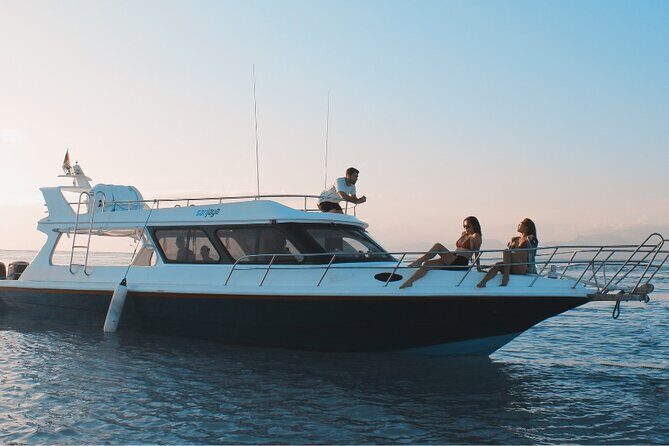
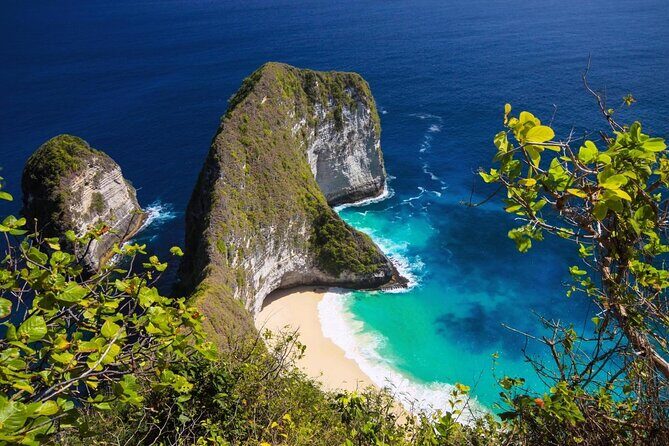
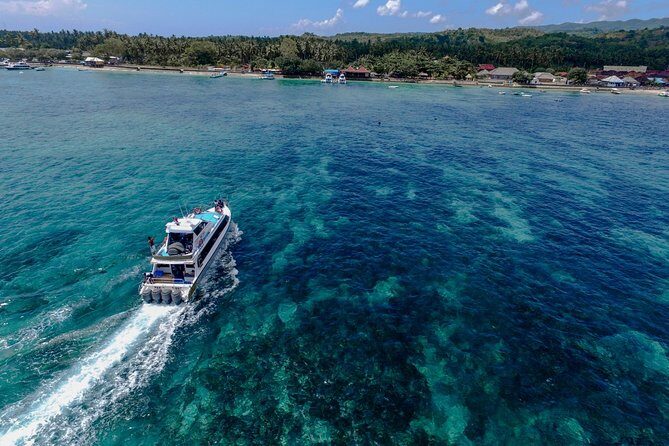
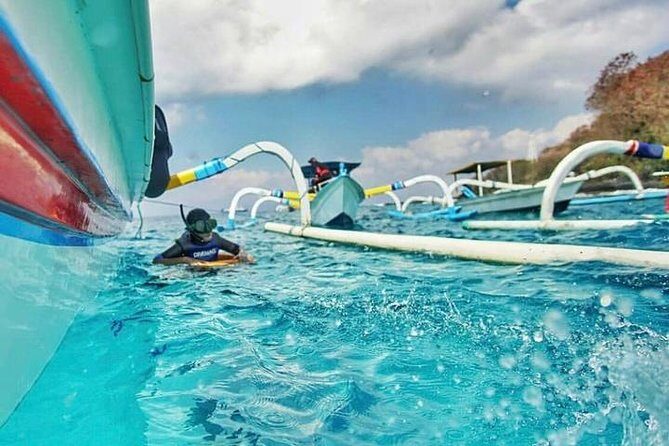
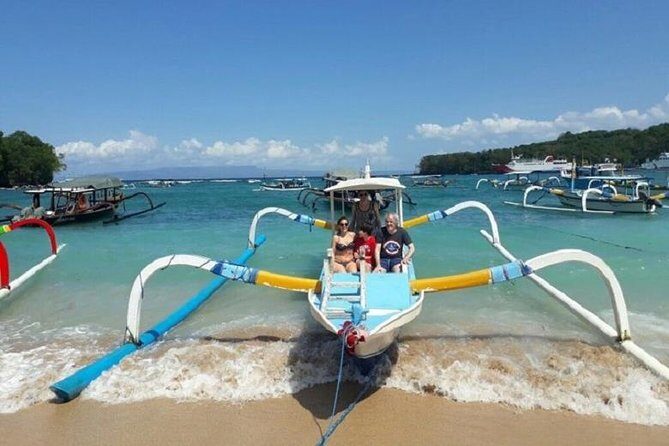
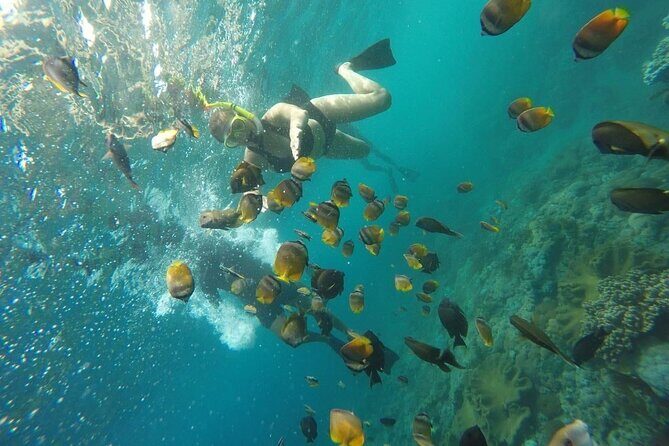
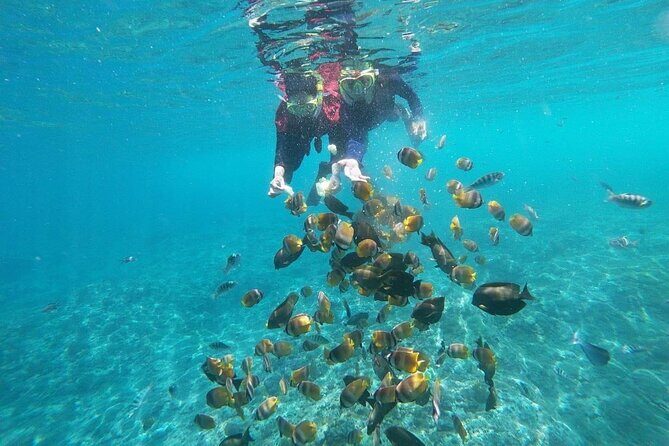
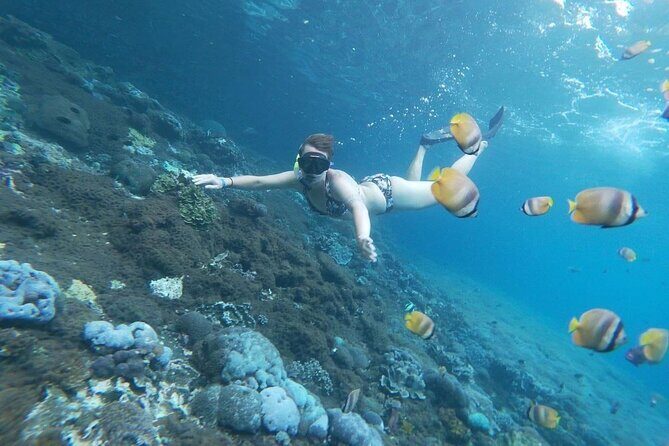
Manta rays, minus the usual chaos. This 4-hour Nusa Penida trip is built around an early start so you reach Manta Point before most Bali boats, then spend the rest of the time at two more reefy spots. I like that the team plans for real ocean conditions with a briefing on manta rules of interaction and safety, not just a quick shove-in-the-water routine. Two things I really liked are the small group size (max 12) and the included wetsuits/fins plus hot shower facilities after. One consideration: manta sightings aren’t guaranteed, and the sea can be choppy, so you’ll want to take that seriously if you’re not a confident open-water swimmer.
The route can also shift with weather and tides, which is common in Penida. Still, this feels like a well-run operator because you’re not left guessing: you meet at the freediving school, get outfitted, then go out with instructors in the water guides’ role. It’s not a casual “watch from the beach” day—this is hands-on snorkeling/plan-for-the-current time, and you’ll feel it in your arms and face after.
Key highlights to know before you go
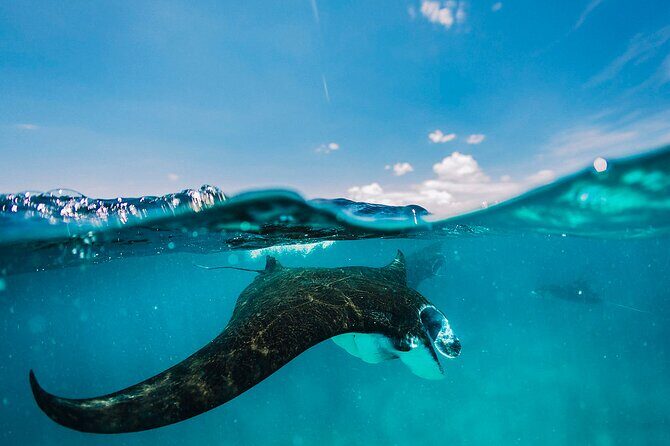
- Early manta timing to improve your chances of seeing rays before the busy surge
- Pro free-apnea instructors on the boat doing in-water guidance and safety checks
- 3 distinct reef stops: Manta Point, Toyapakeh Wall, then a relaxed drift at SD Point
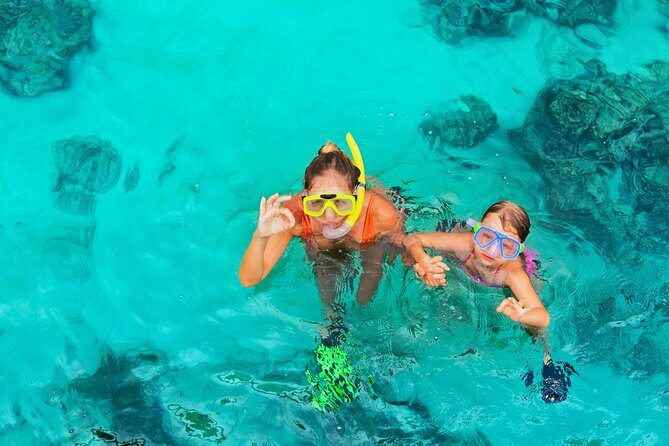
- Gear included (snorkeling or free-apnea equipment, wetsuit, and long fins if needed)
- Sea-sickness help included: light breakfast advice plus pills provided for the morning
- Hot shower + facilities waiting back at the school after you’re done
Early manta timing that really changes your odds
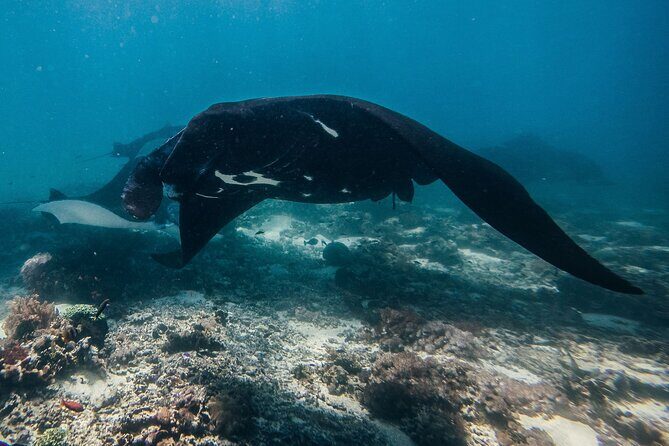
Manta Point is famous. That’s good news and bad news. Good, because the habitat is there. Bad, because too many boats can mean more time waiting under the surface and more crowded energy around the water.
This trip’s early start is the key detail. You don’t just “go to manta” and hope. You meet at 10:00 am, then head out so you’re in the water earlier than many other Bali departures. In practice, that’s what can turn a frustrating session into an easy one: less waiting, calmer surface conditions, and more time to actually share space with mantas instead of constantly relocating.
You also get a smart backup plan. The crew’s plan is to try Manta Point first, but if mantas aren’t there, they’ll try to find them at the other spots. That matters because Penida wildlife timing can be unpredictable, even with good planning.
One more thing I appreciate: the trip openly tells you that it’s wild nature. That sounds obvious, but it’s rare to see tours say it so clearly. It sets your expectations correctly before you’re on a boat in open ocean.
Meeting at Freedive Nusa: gear, briefing, and what you should bring
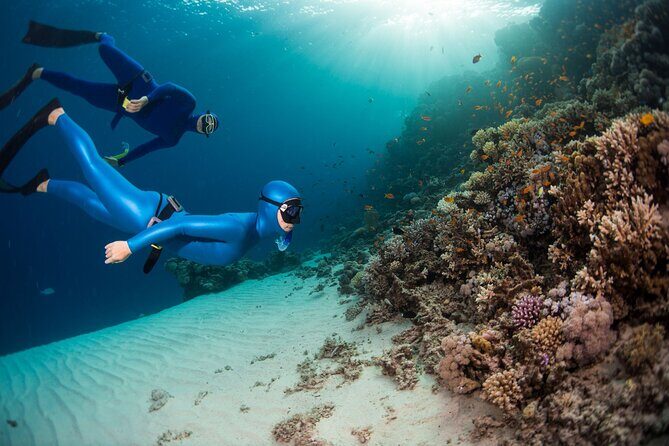
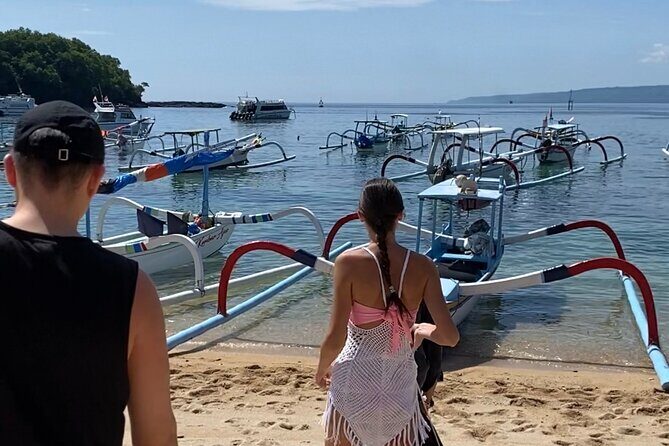
You meet at the freediving school location, Freedive Nusa, at the address listed in Nusa Penida (Jl. Ped – Buyuk No. Desa, Ped, Kec. Nusa Penida). Your start time is 10:00 am, and this matters because you’ll be building your day around the early manta window.
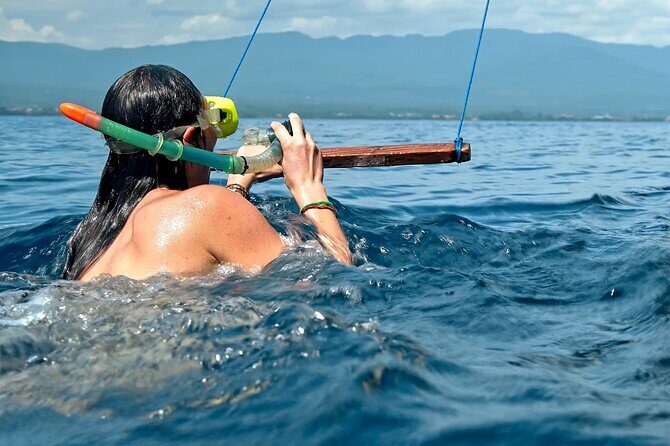
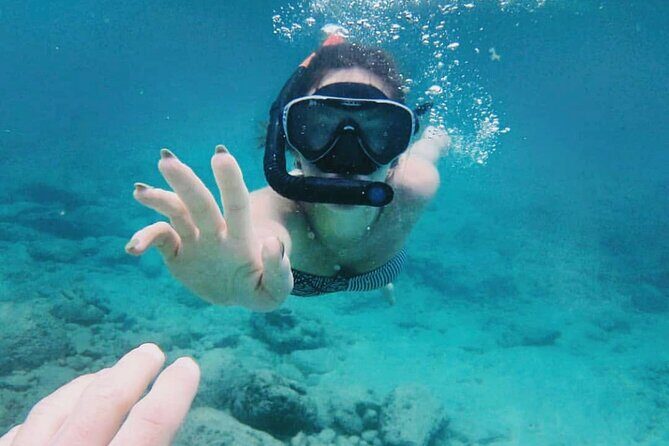
Then comes the part that most tours skim over: the equipment and the rules. You’ll get your snorkeling or free-apnea gear there, including wetsuits and long fins if needed. After that, you get a detailed briefing about mantas—especially how to interact—plus safety rules before you ever enter the water.
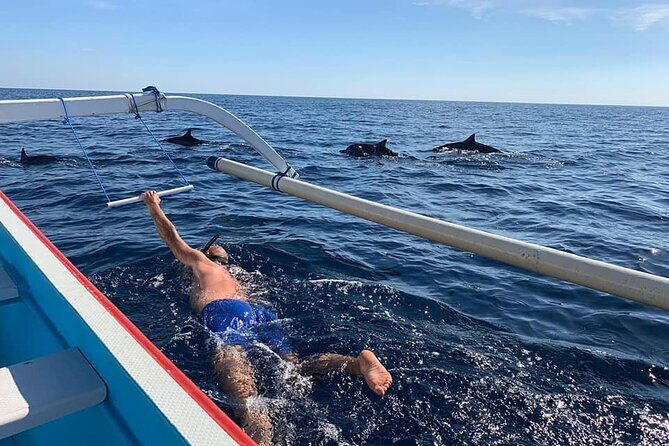
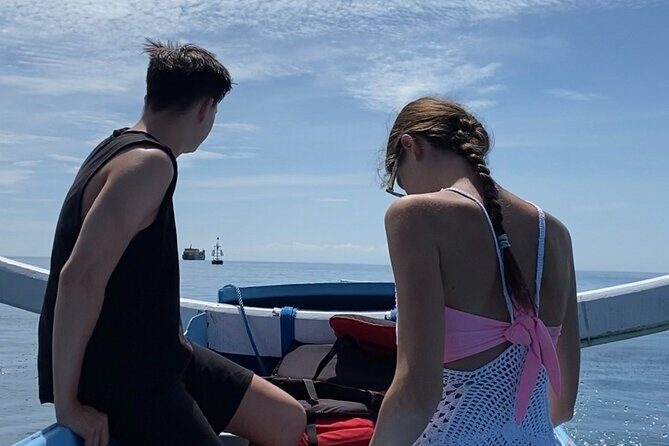
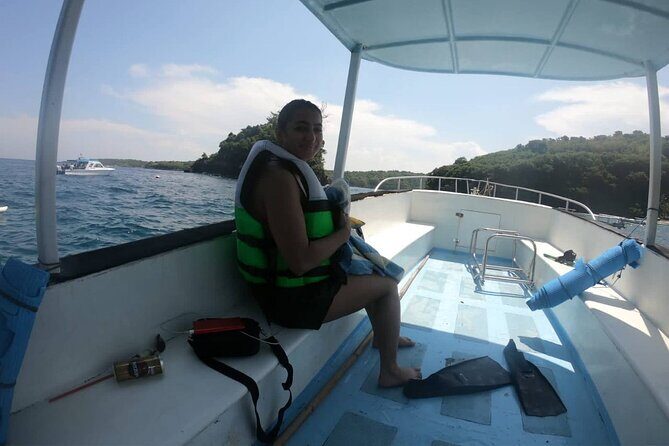
On the boat, you’ll have professional instructors as in-water guides. That staffing detail is a big deal when the ocean is moving and when animals show up unexpectedly. You want someone who can adjust your swim path and help with spacing fast.
What you should personally prepare:
- Eat a light breakfast in the morning (it’s specifically recommended for choppy conditions).
- Consider the provided seasickness pills early, not after you feel bad.
- Bring a mindset that you’ll be in open ocean. You must be confident swimming there.
After you’re finished, you can use the freediving school facilities, including a hot shower and other amenities, plus a place for you to store items using safety boxes.
Manta Point: how the crew improves your chances
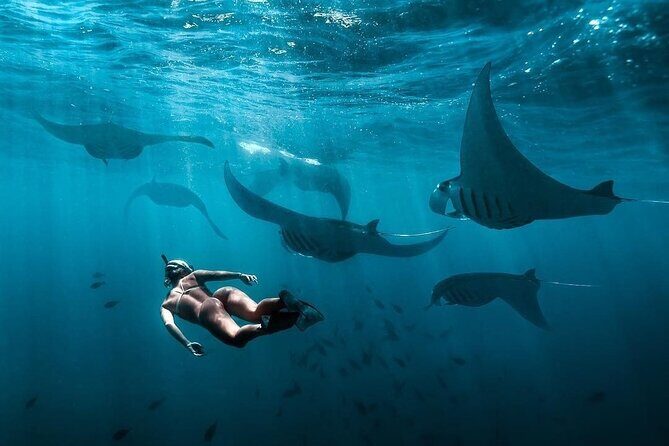
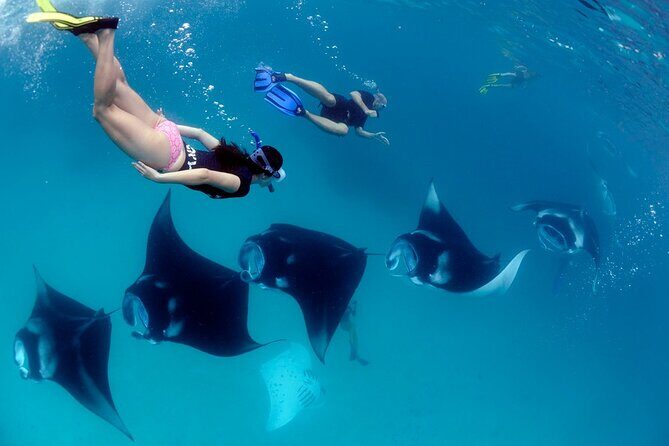
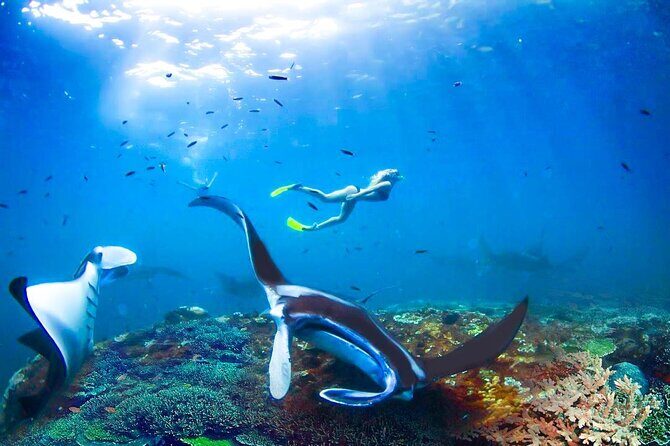
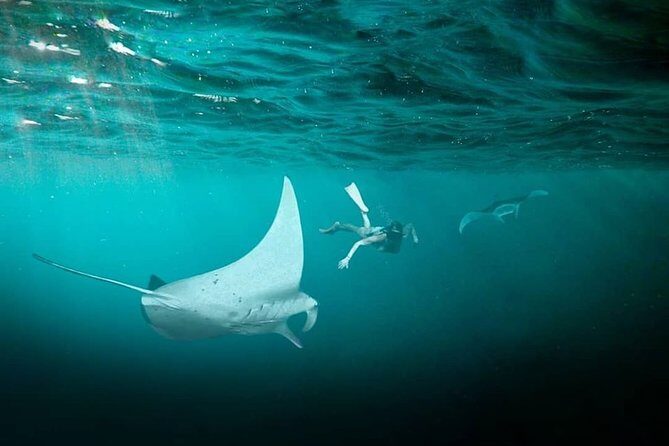
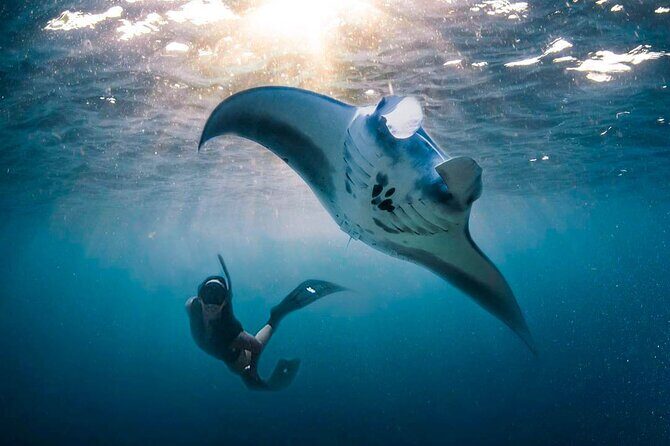
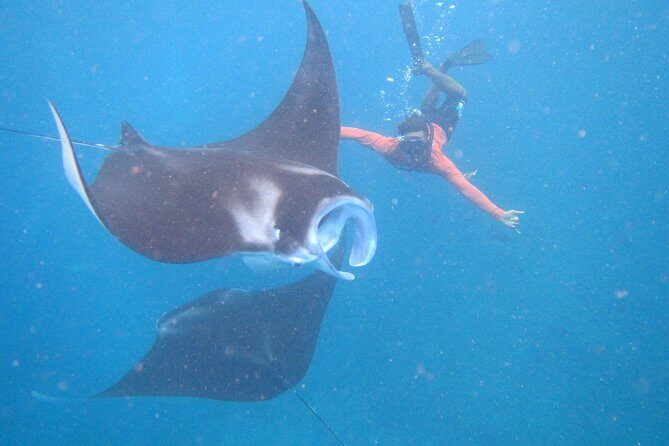
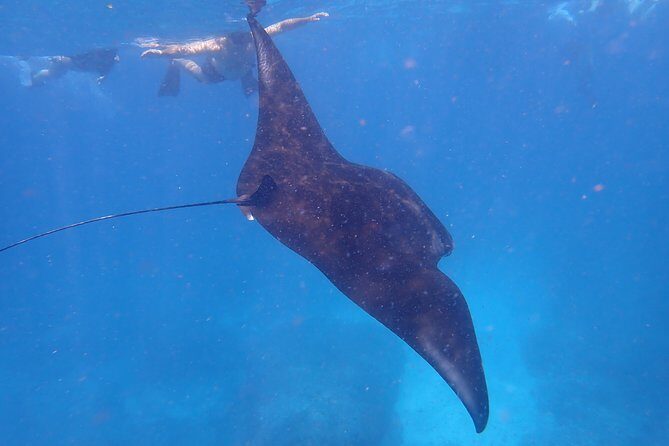
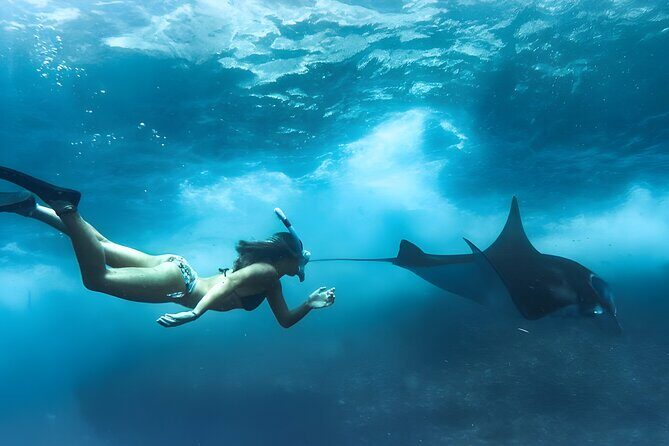
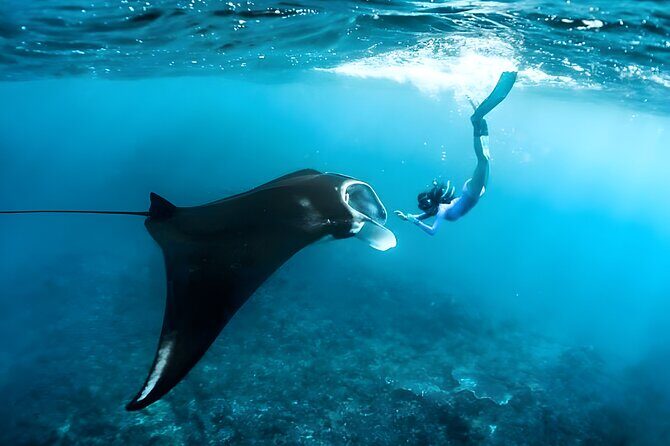
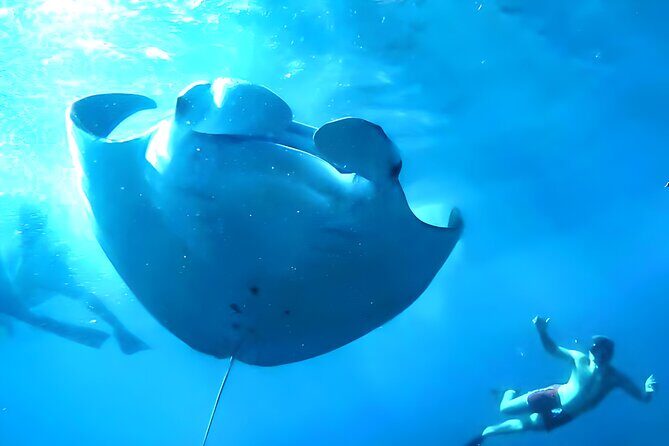
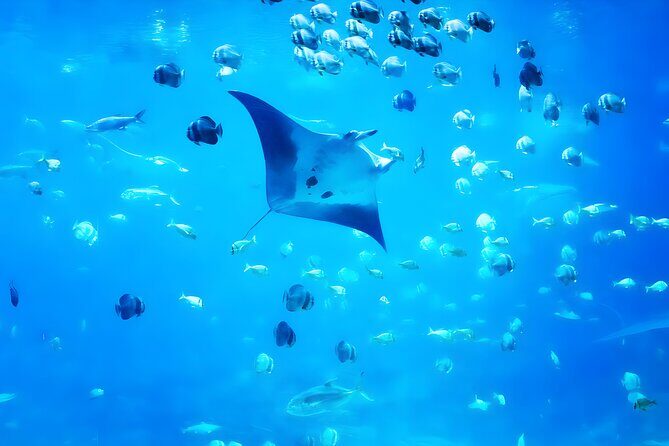
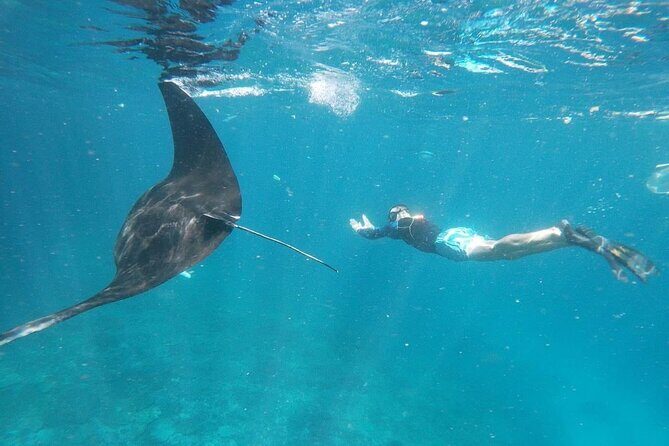
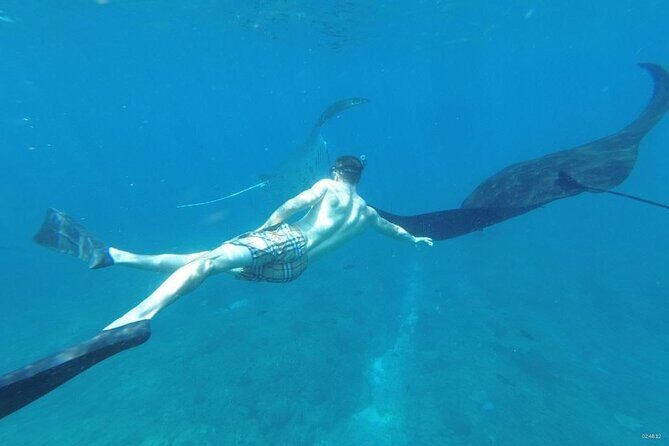
Manta Point is the headline. This tour keeps it simple: you swim there with the goal of manta rays first.
Here’s how the day is designed to work in your favor:
1) You arrive early, before the crowd peak.
2) You follow interaction rules explained in briefing.
3) You don’t waste time if the mantas aren’t present—your crew will attempt other spots.
The manta interaction rules aren’t just etiquette. They’re practical. If you’re too aggressive, too close, or moving in a chaotic way, you can spook wildlife and also create unsafe conditions in a tight water space. The briefing is there so you know what to do with your body and where to place yourself in the water column.
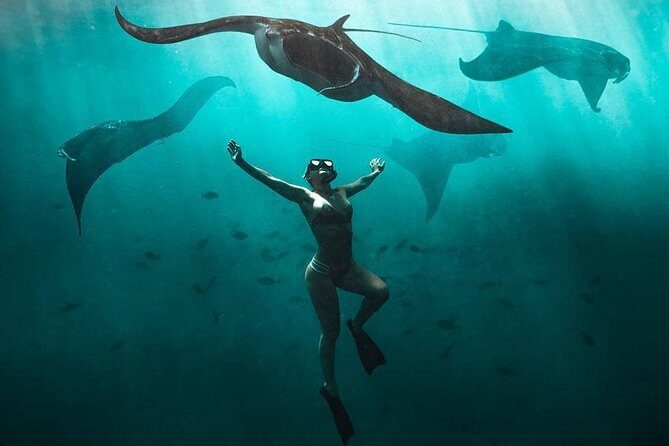
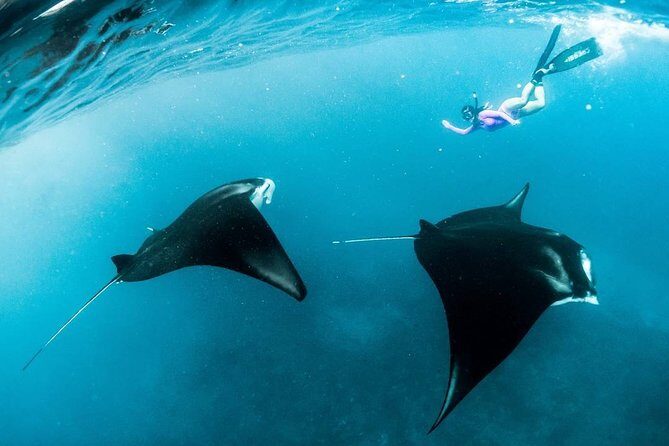
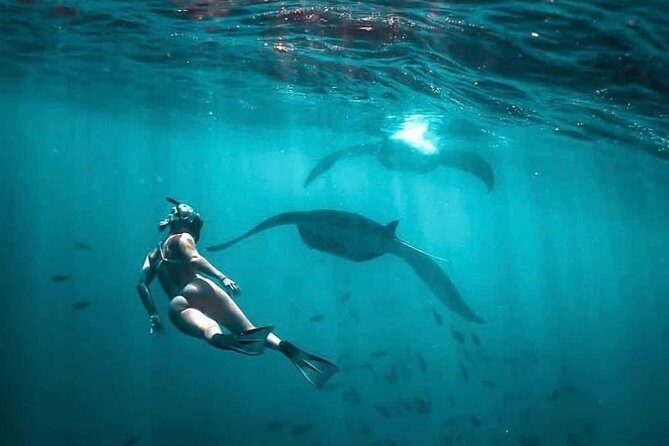
If mantas show up, you’ll want your brain to be calm and focused. The payoff is real: several guides in the reviews emphasize the quality of manta encounters, and at least one guest specifically called out seeing multiple mantas, including a rare black manta. That’s the kind of moment this trip is aimed at.
If mantas don’t show up at Manta Point, you still aren’t stuck with a “we failed” situation. The crew’s stated approach is to try to find them across the other stops. Still, remember the honest note: the operator can’t guarantee an encounter.
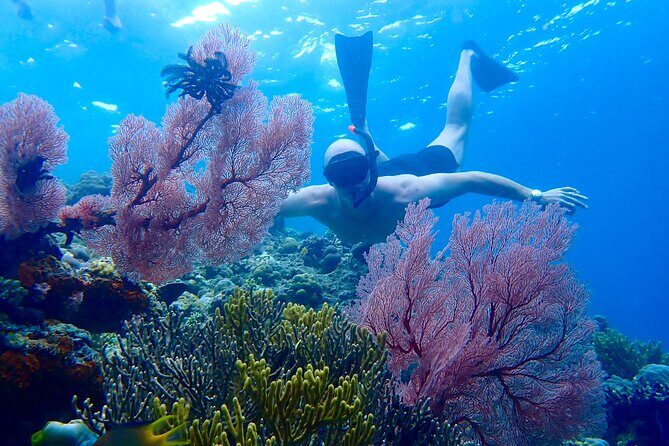
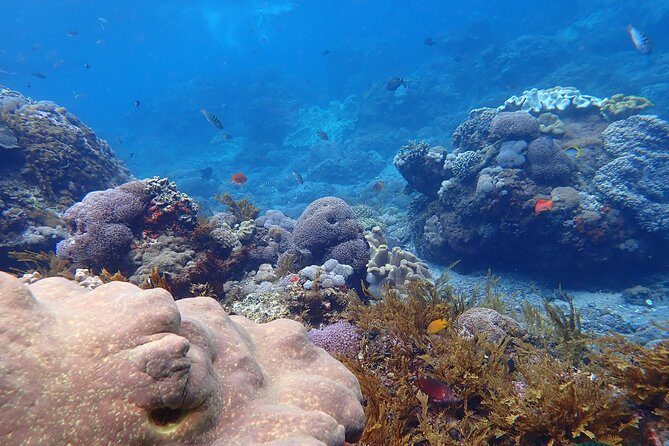
Toyapakeh Wall: coral gardens and colorful fish
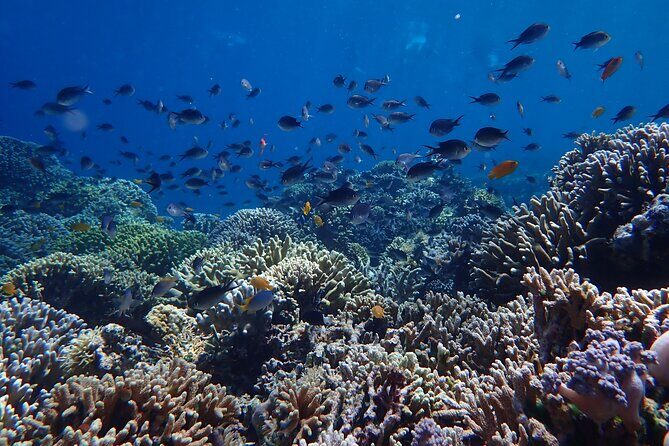
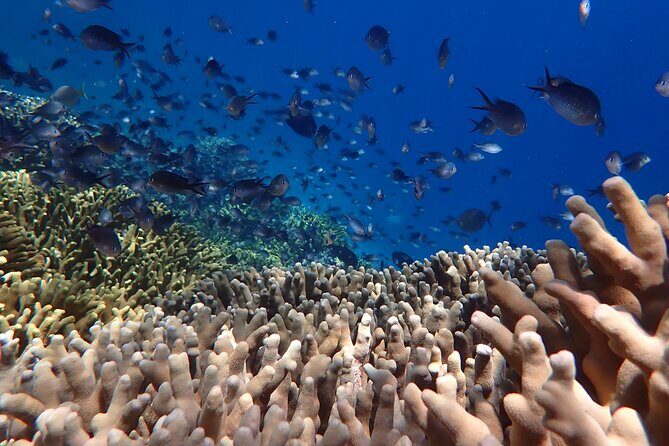
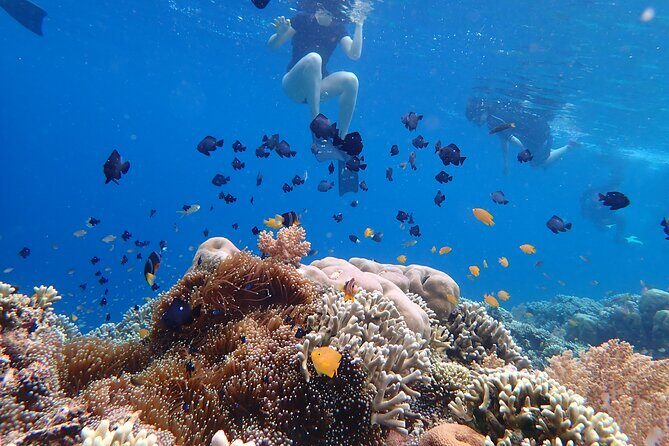
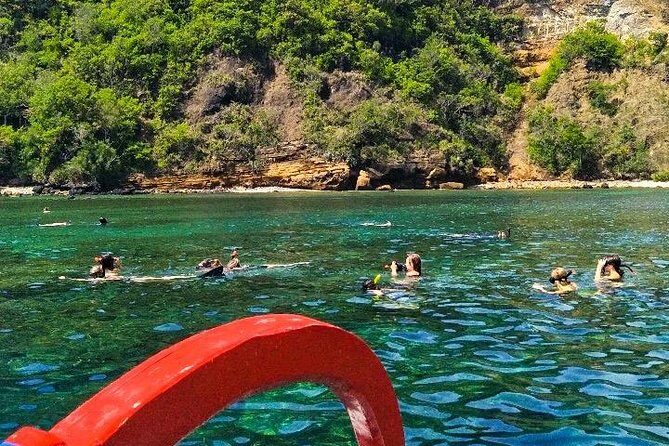
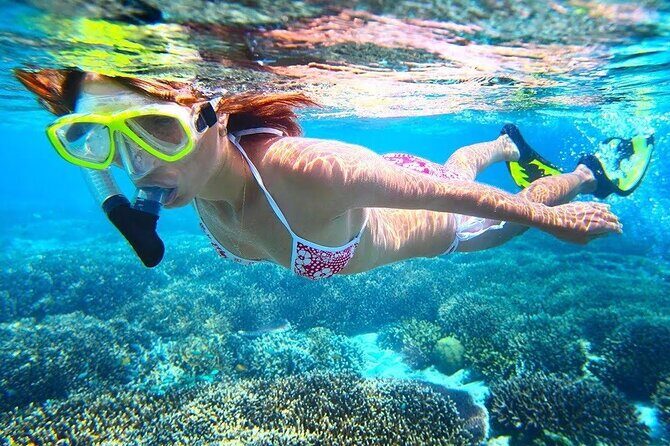
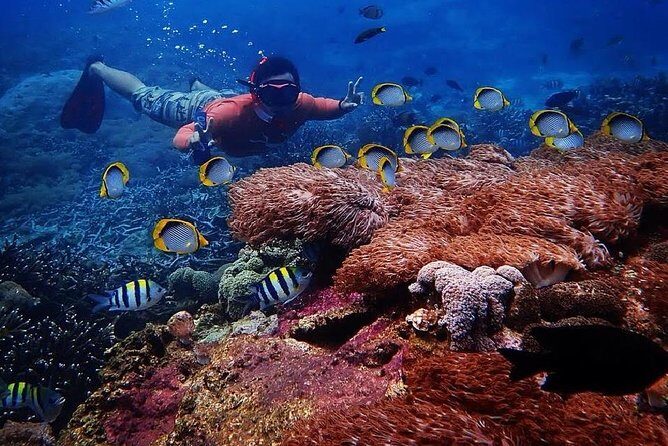
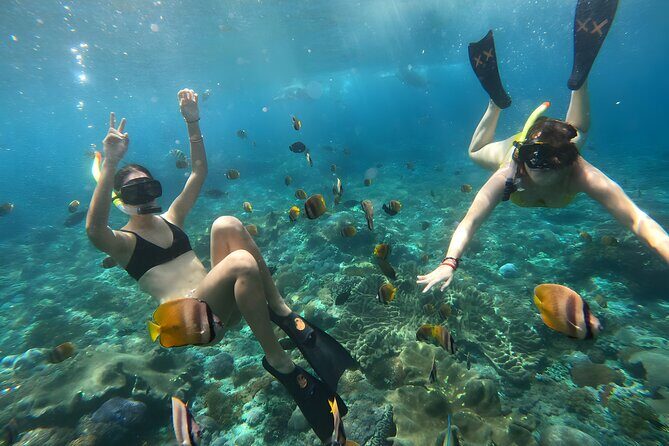
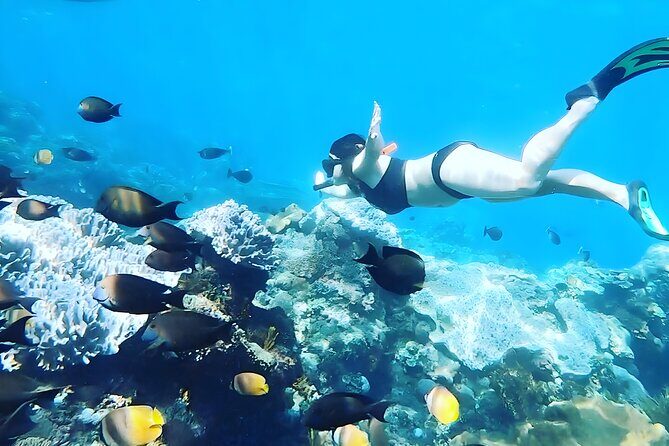
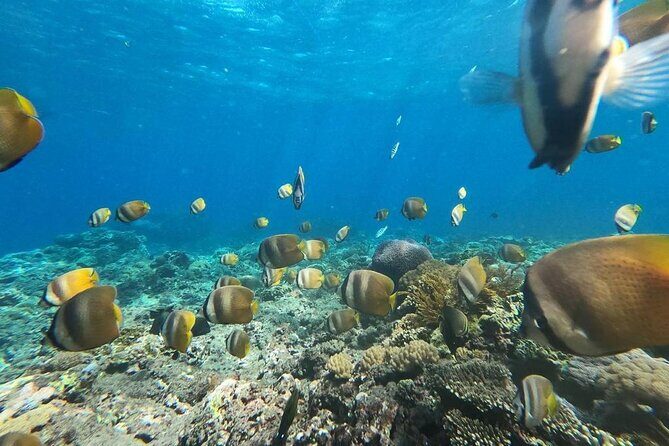
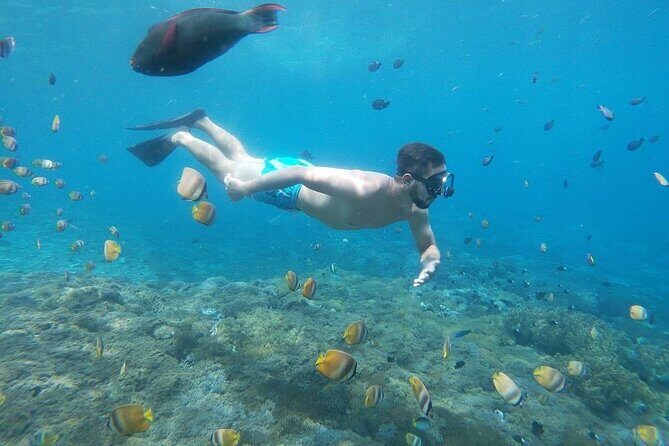
After Manta Point, you head to Toyapakeh Wall. This stop is a shift in vibe: instead of the dramatic, moving mantas, you get a reef-wall experience that’s all about structure, fish, and coral color.
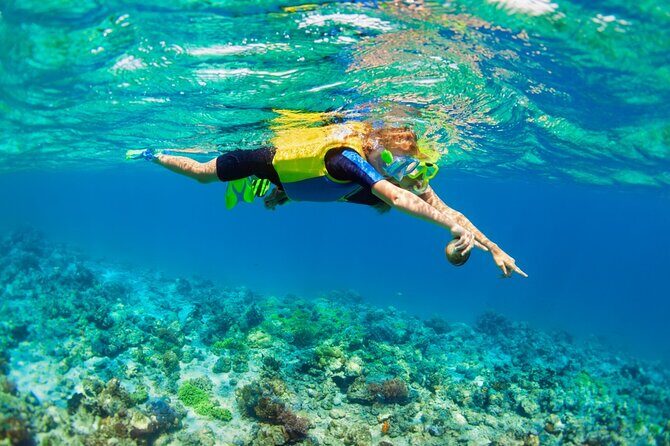
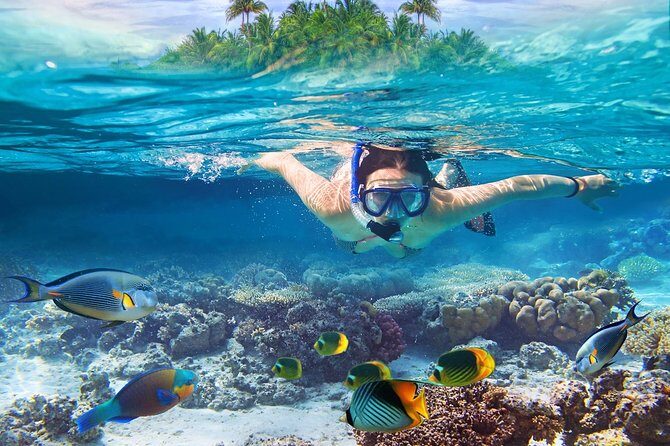
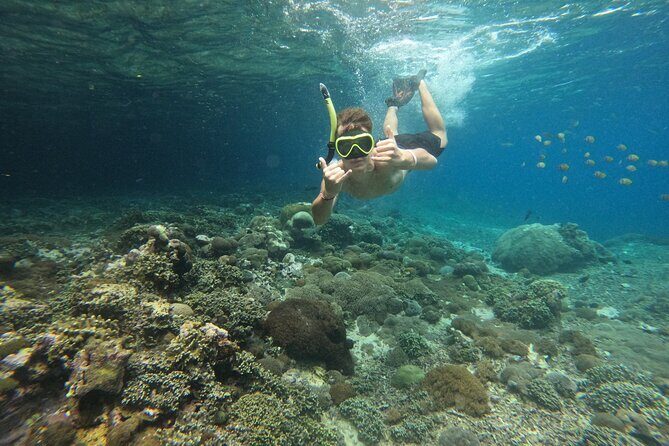
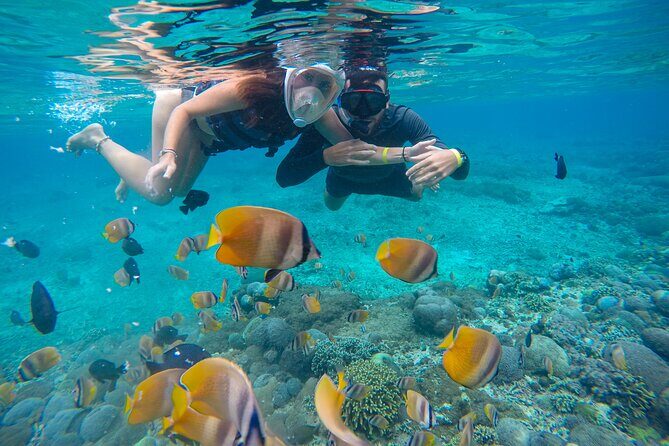
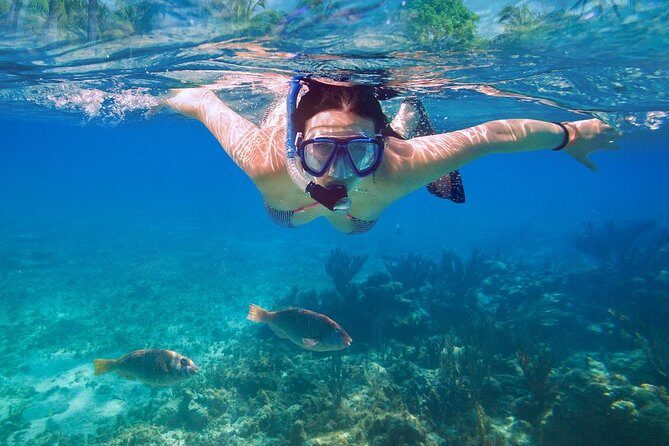
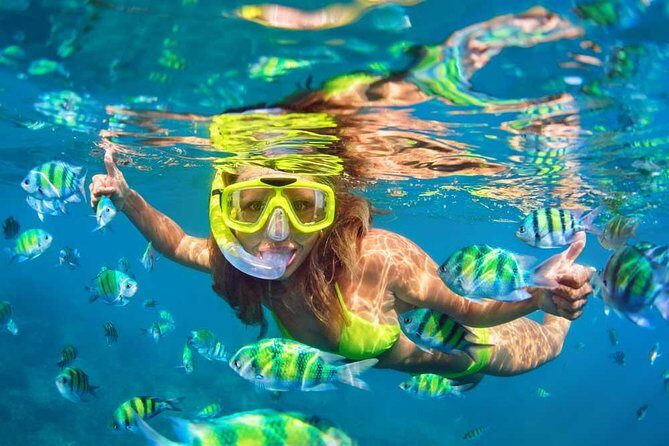
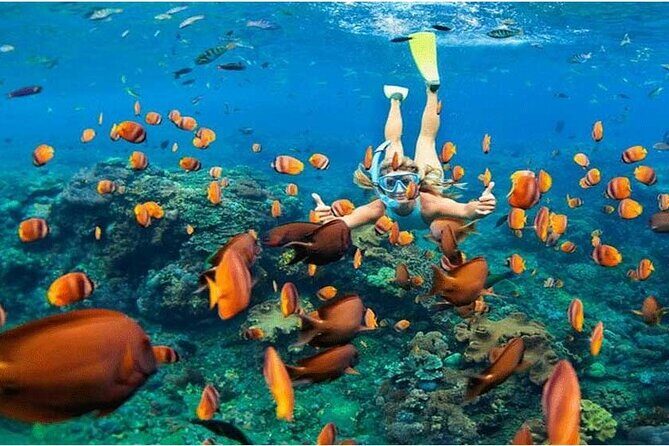
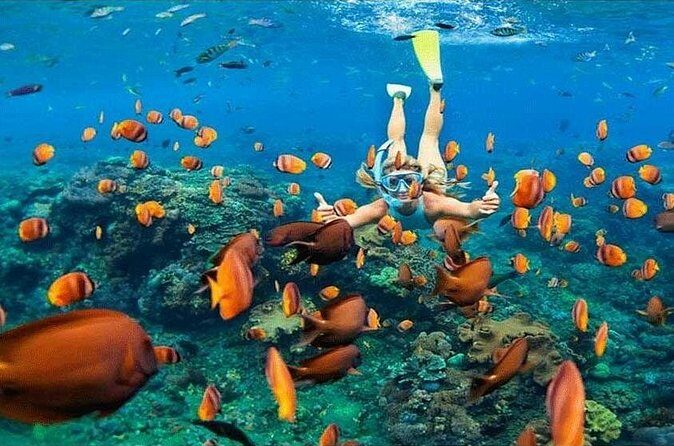
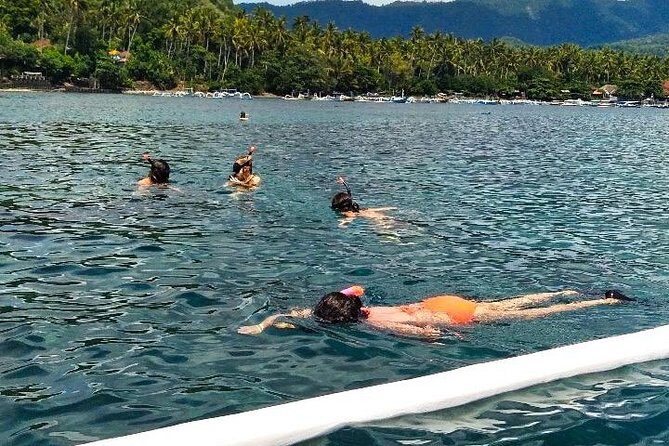
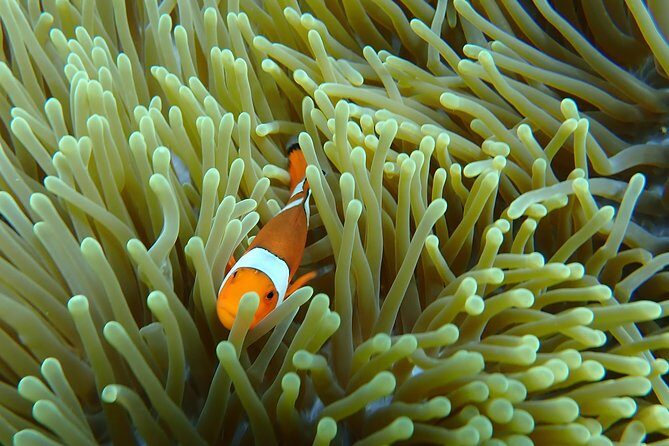
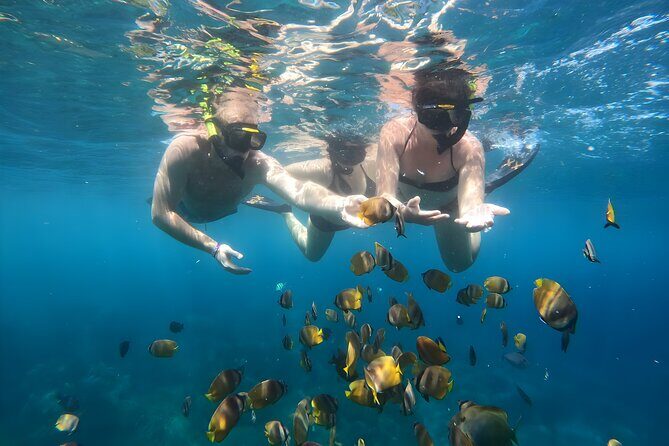
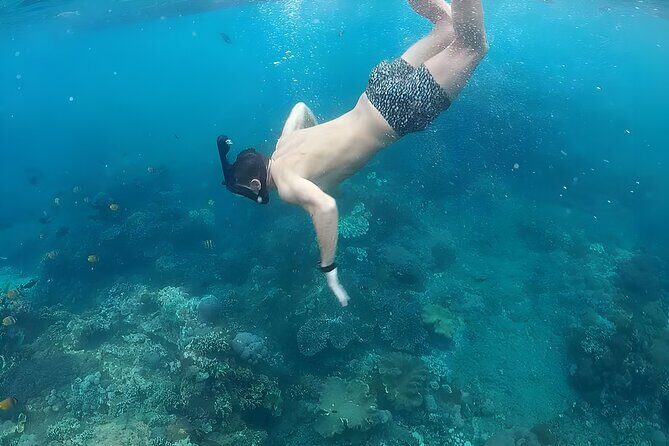
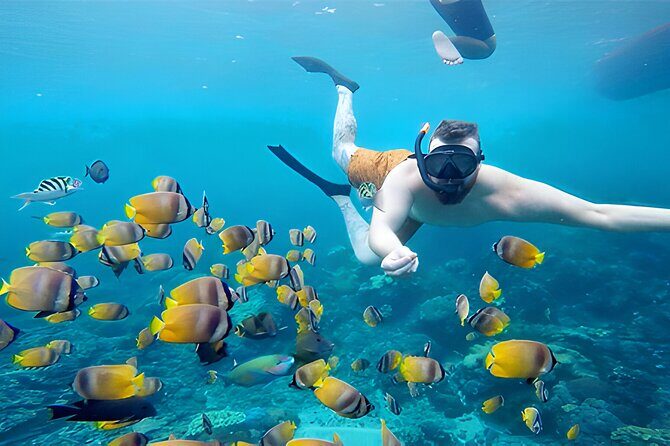
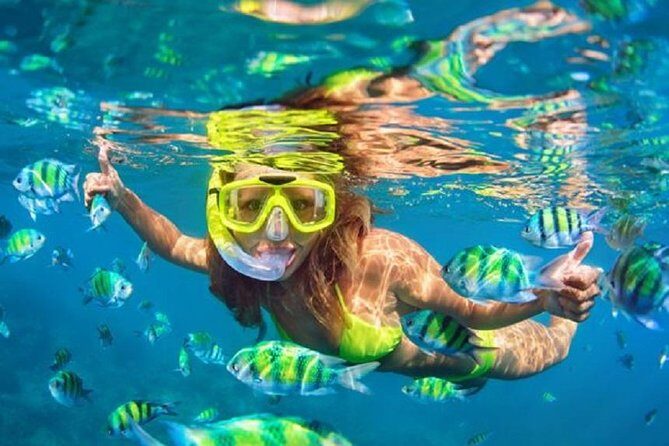
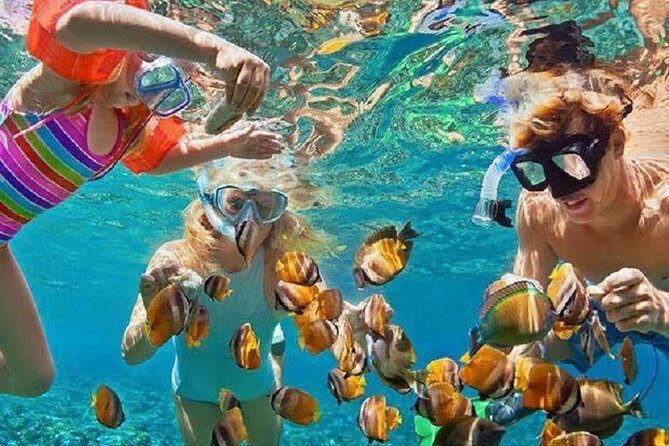
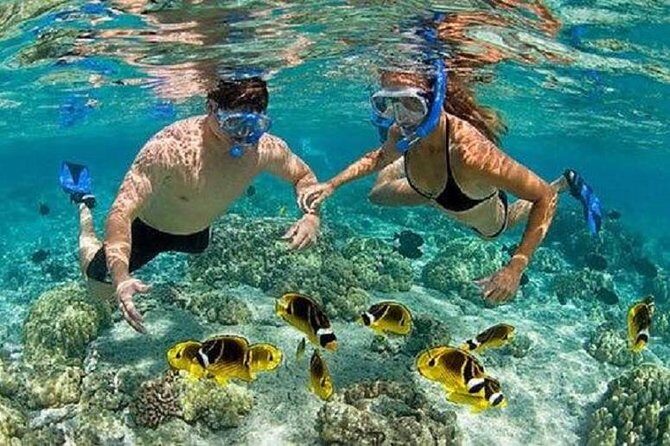
The description is very specific: shallow coral gardens and an underwater wall filled with tropical fish and colorful corals. That’s exactly the kind of snorkeling stop that keeps the day fun even on non-manta moments.
For you, this stop is useful because it balances the risk/reward of manta searching. Even if the manta window was short, Toyapakeh Wall gives you something more consistent: reef scenery and life that’s not reliant on a single animal timing.
A small practical note: with multiple stops, you’ll want to pace yourself. Save energy early if you can. Long swims in choppy water are tiring. Toyapakeh Wall is your “steady quality” moment—so treat it like that.
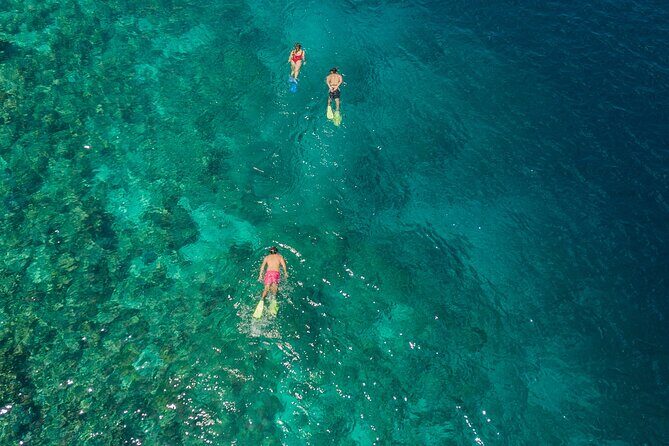
SD Point drift: relaxed reef time and turtle chances
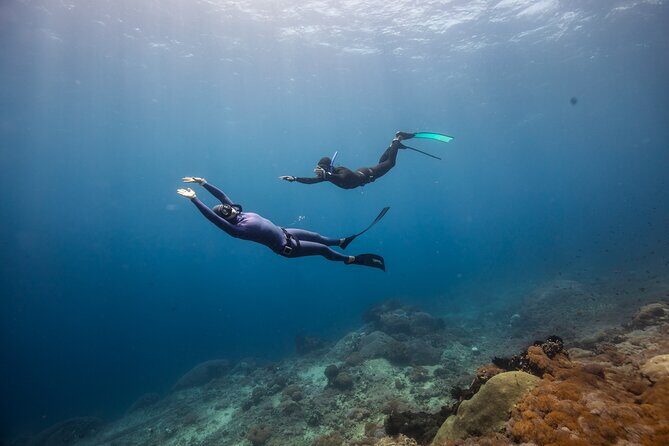
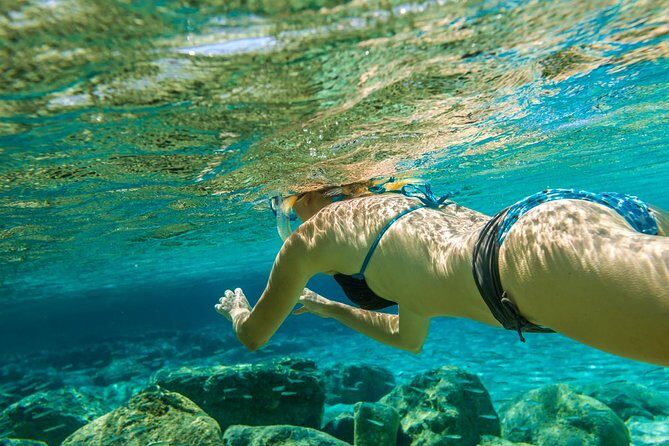
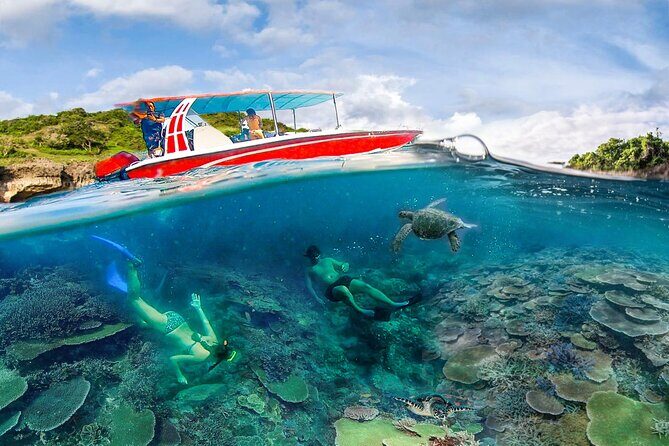
The last stop is SD Point, described as a relaxed drift along a shallow reef slope. This is the “breathe for a second” part of the itinerary.
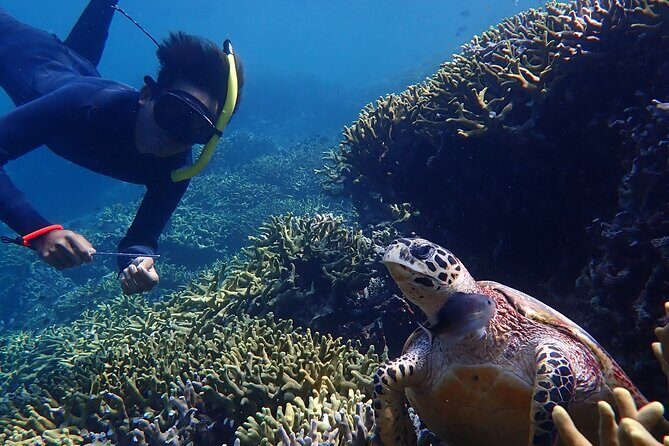
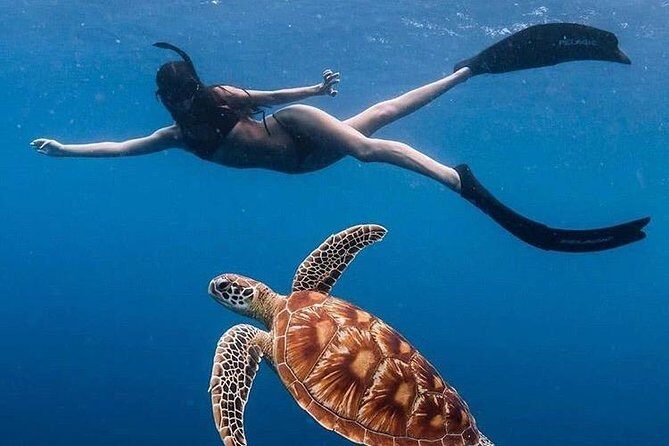
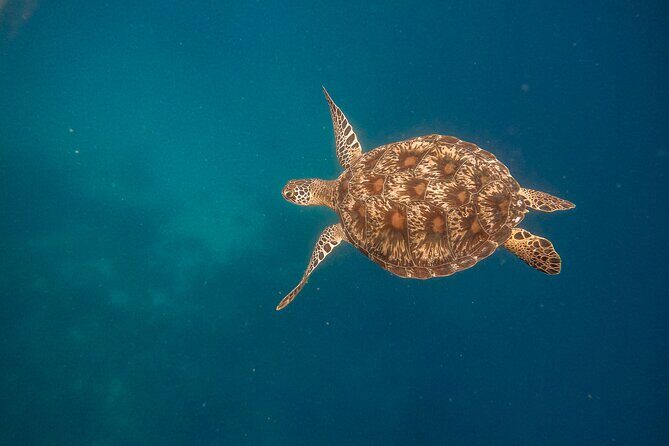
The big selling point here is the chance to see turtles. The word used is high chance, which is stronger than just “maybe,” though of course it’s still wildlife.
What I like about ending with a drift is that it’s often the least frantic feeling. You’re not constantly swimming hard against the current. You’re watching what the reef sends your way. If you’ve already had mantas, this stop becomes a replay in a calmer register. If you didn’t get mantas, this is still a strong reef wrap-up.
And since it’s shallow, it’s easier to keep an eye on your surroundings—coral, fish movement, and any turtle appearance that comes near the slope.
Choppy-water reality: seasickness, confidence, and safety basics
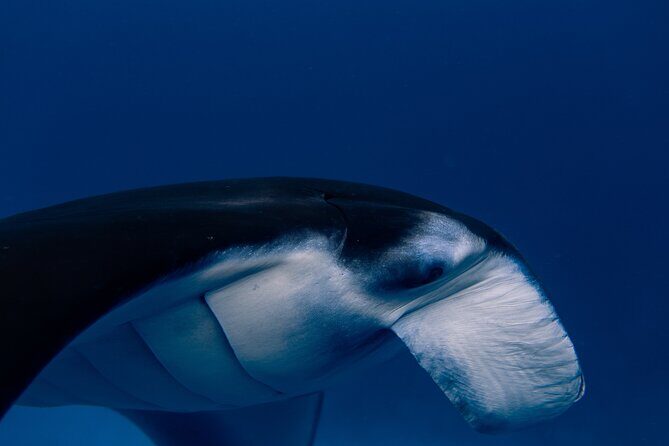
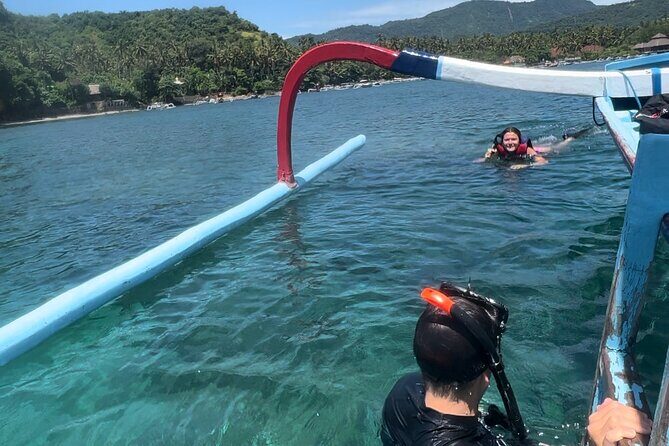
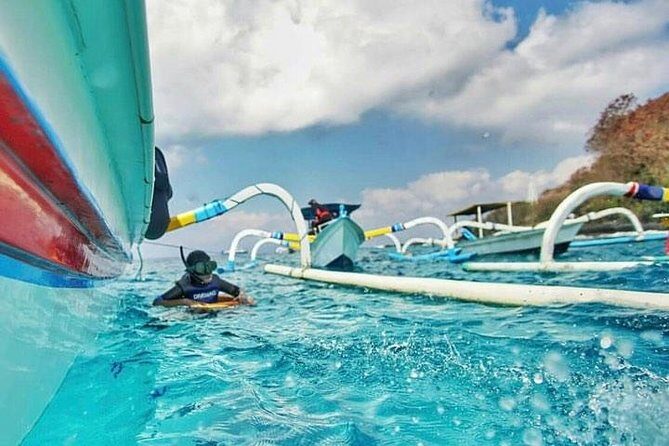
Penida weather can change fast. This tour specifically warns that the water might be very choppy. That’s not a minor detail. When waves stack up, snorkeling becomes more about timing and positioning than about staying in one perfect photo angle.
This trip addresses it in a practical way:
- You’re told to have a light breakfast
- You can take seasickness pills in the morning (they’re provided)
- You must be confident enough to swim in open ocean
If you’re someone who gets anxious with waves, don’t pretend you’ll “tough it out.” Choppy water can make it harder to breathe comfortably at the surface and can wear you down faster than expected.
Good safety details you should take advantage of:
- Your items can go into safety boxes
- You get a detailed briefing before entering the water
- There are professional instructors on the boat serving as in-water guides
Also, keep your expectations realistic. One guest report described feeling unsafe in strong waves and mentioned that the day should have been canceled. That’s a reminder to take operator caution seriously. If you arrive and the sea looks rough, ask directly what the plan is and whether conditions are within safety limits for your comfort level.
What you really get for $60 (and why it can be good value)
The price is $60 per person for about 4 hours. At face value, that seems straightforward. The value is in what’s included versus what you often pay separately elsewhere.
Included items that matter day-of:
- Snorkeling equipment and/or free-apnea equipment
- Wetsuits and long fins if needed
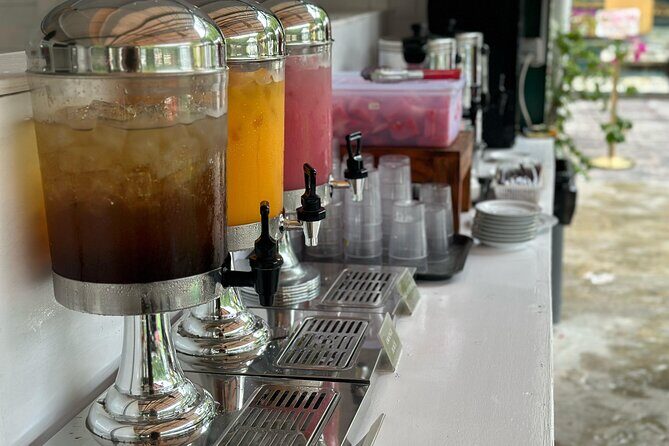
- Coffee and/or hot ginger tea
- Water refill
- Safety boxes
- Hot shower and facilities at the school
- Professional instruction and in-water guidance
- All fees and taxes
Those inclusions add up. If you’ve ever rented gear for snorkeling in Indonesia and then realized you still need a wetsuit and you still don’t get a shower, you know the hidden costs. Here, at least the main gear and comfort pieces are handled.
Two more value points that are easy to overlook:
- Small group size (max 12) can mean more attention when conditions turn tricky.
- The early manta timing is part of the product, not an optional bonus. That scheduling effort usually costs more than “standard hours,” and you can feel it if you end up in better water.
Price can feel “expensive” if you compare it to a cheaper manta ride without pro guidance and with fewer inclusions. But if you want better odds, better briefing, and better support in the water, $60 starts to look less random.
Logistics on Penida: the one thing to double-check
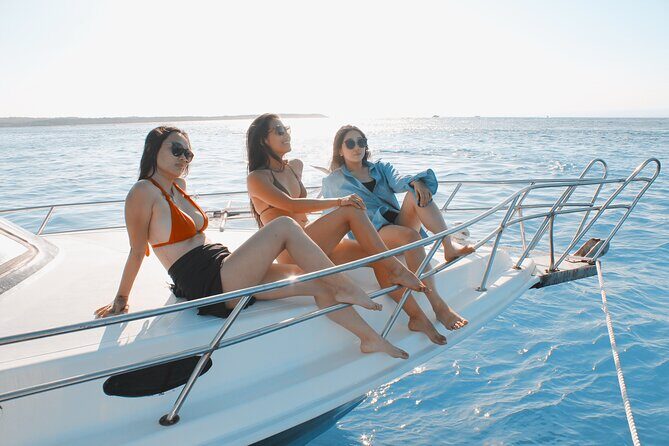
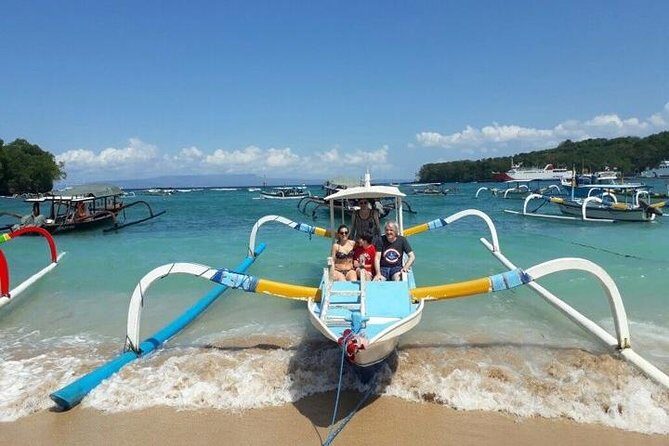
This is where your planning matters. The tour does not include transfers from Bali to Nusa Penida, and it also doesn’t include transportation to or from the meeting point.
Also, the route and meeting time might be adjusted based on weather conditions. That’s normal, but it’s still on you to keep your schedule flexible.
One real-world warning from a guest: booking through a third-party can lead to pickup confusion, like having to arrange your own transport to a gear pickup point away from the harbor. I can’t predict that will happen for everyone, but it’s worth preventing. If you’re booking through a reseller, confirm:
- where you pick up equipment
- when you meet the crew
- whether the operator has already lined up speedboat pickup from the school
That kind of check costs 2 minutes and saves a headache.
Who should book this manta snorkeling trip
This trip fits best if you want a structured manta-focused day but still want reef time if mantas are shy.
You’ll enjoy it most if:
- you’re comfortable swimming in open ocean
- you like having rules and guidance before you enter the water
- you want early timing to reduce crowds at Manta Point
- you want multiple snorkeling environments in one outing (manta, wall, then drift)
It may not suit you if:
- you get very seasick or feel anxious in choppy water
- you’re looking for a guaranteed manta “show”
- you don’t want to be active for a full few hours
Group size max 12 is a nice plus. It’s large enough to meet people, small enough that the instructors can stay on top of safety.
Should you book this Nusa Penida manta trip?
Yes, if your goal is manta rays with a plan, not just a ticket to an ocean roulette wheel. The early start to reach Manta Point before many boats is the biggest reason to choose this format, and the included wetsuits, gear, and briefing make it easier to show up ready.
I’d book with confidence if you’re the type who values clear safety rules and professional guidance once you’re in the water. And I’d lean toward booking only if you’ve got a flexible attitude about sea conditions and wildlife sightings.
If you’re very sensitive to rough water, don’t ignore the warning. This is open ocean snorkeling with possible chop, so your comfort level matters as much as your curiosity.
FAQ
What time does the trip start in Nusa Penida?
It starts at 10:00 am. You meet at Freedive Nusa (the freediving school) at the address listed for Ped, Nusa Penida.
How long is the experience?
The duration is about 4 hours.
What’s the itinerary and how many snorkeling spots are included?
You visit 3 spots: Manta Point, Toyapakeh Wall, and SD Point.
Are manta rays guaranteed on this trip?
No. The crew can’t guarantee you’ll encounter mantas, though they try Manta Point first and then attempt to find them in the other spots.
What gear is included?
You get snorkeling equipment use and/or free-diving equipment, plus wetsuits and long fins if needed.
What should I do if I get seasick?
The tour advises a light breakfast and recommends taking seasickness pills in the morning (pills are provided).
What’s not included in the price?
Transfers from Bali to Nusa Penida and transportation to or from the meeting point are not included.
What happens if weather conditions are bad?
The route and meeting time might change due to weather. If the experience is canceled because of poor weather, you’ll be offered a different date or a full refund.