One day in Bali, picked your way. This is a customizable culture route run with a private driver out of Seminyak, mixing monkeys, temple rituals, waterfalls, and seaside scenery—plus free Wi‑Fi so the day doesn’t feel cut off.
I especially love how you can shape the pace. The best parts are the A/C car with bottled water, and the driver-guide who adjusts the order when roads get slow.
The main drawback is simple: 8 to 10 hours goes fast. If you try to do everything, you’ll feel rushed, and some sites can be busy—Monkey Forest roads can get heavy.
Key things to know before you go
- Private driver, A/C, and bottled water make long hops less exhausting
- Free pickup from your hotel or the airport helps you start clean
- A choose-your-route menu includes Ubud, Tirta Empul, Uluwatu, Tanah Lot, and more
- Many stops involve steps and short walks, so wear grippy shoes
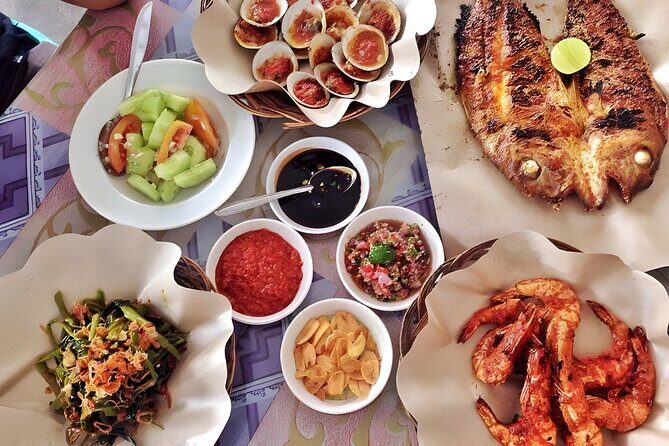
- Entrance tickets and lunch are not included, so budget a bit extra
A choose-your-route Bali day from Seminyak
This tour is built for short Bali trips. You’re not locked into one fixed circuit. Instead, you pick what fits your mood—Ubud for rice terraces and art, beach time around Nusa Dua and the southern coast, or temples for sunset and ritual vibes.
That flexibility matters because Bali geography is real. One wrong choice can turn a “quick stop” into a long drive. With a private driver, you can match the route to what you want most and still get back before the day collapses into traffic and fatigue.
If you’re starting in Seminyak, the biggest advantage is how quickly you can change scenery. You can go from street life and cafés to jungle paths with monkeys, then to temple courtyards, then to ocean viewpoints—without the hassle of figuring out routes on your own.
What $30 buys you (and what it doesn’t)
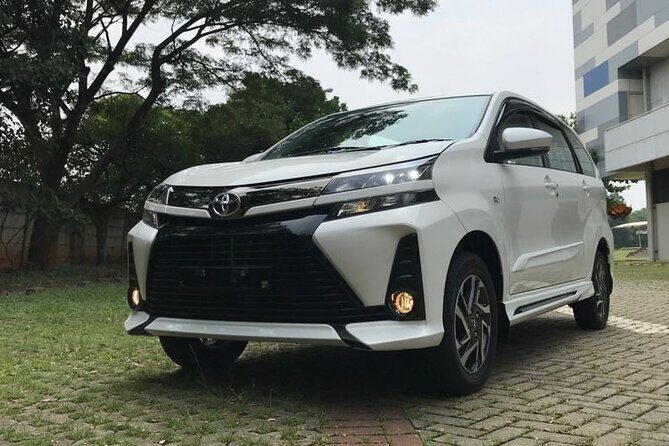
The price point is attractive because a lot of the costly “in-between” stuff is handled: private transportation, parking fees, fuel surcharge, and bottled water. In plain terms, you’re paying to move efficiently between places while staying comfortable in an A/C vehicle.
What you should plan for: lunch and entrance tickets are not included. Many of the stops are places where you’ll likely pay admission at the gate, and some attractions involve special platforms or paid viewpoints. Also, you’ll want some cash or card ready for the day’s small purchases—snacks, water refills, and anything you decide on the spot.
So the value is real if you treat it like a “driver-led greatest-hits sampler.” It’s less ideal if you want everything fully included with zero extra spending and no walking.
Why the driver-guide makes or breaks the day
In Bali, the difference between a good day and a great one is often the person behind the wheel.
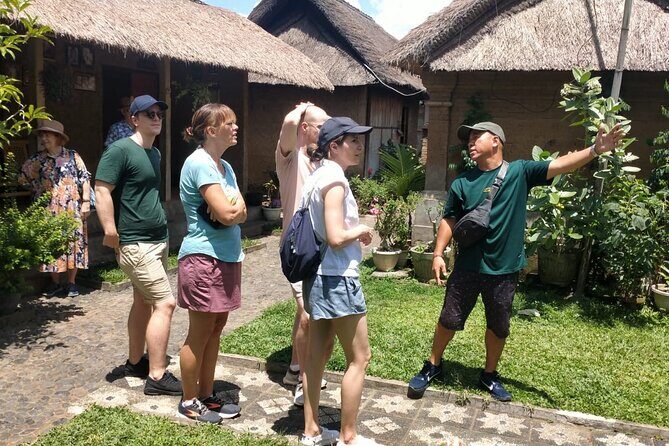
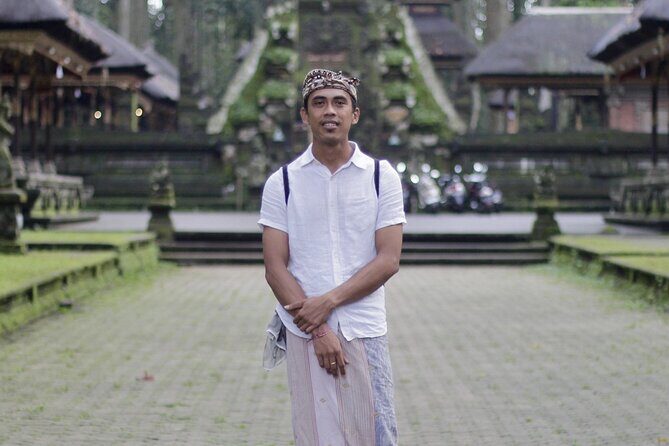
From the experience stories tied to this service, drivers like Putu, Yoga, Juliana, and Ketut show up with a few repeat strengths: punctual pickup, clear communication about what’s next, and flexibility when your schedule changes mid-day. People also note that drivers help with lunch recommendations and timing so you spend less time guessing and more time looking.
The other practical win is free Wi‑Fi in the car. It’s not just for socials. It helps you check messages, update plans with family, and keep your group aligned when you’re bouncing between multiple areas.
And yes, driving skills matter. Some stops sit in traffic-heavy zones. One Monkey Forest experience even mentions very safe, experienced driving—key when the roads are tight and scooters appear like they spawn from nowhere.
Monkey Forest and Ubud’s art world: the culture starter pack
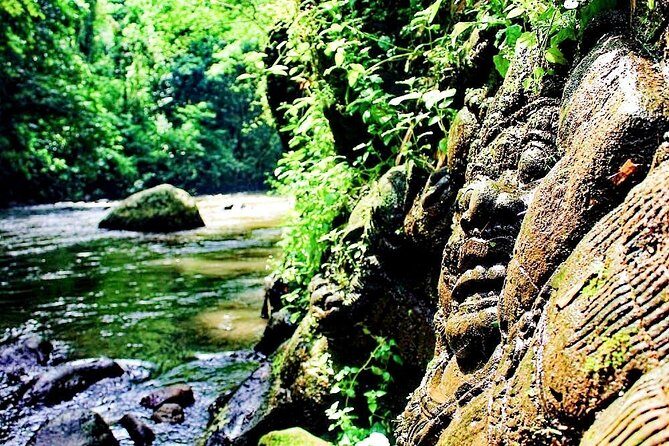
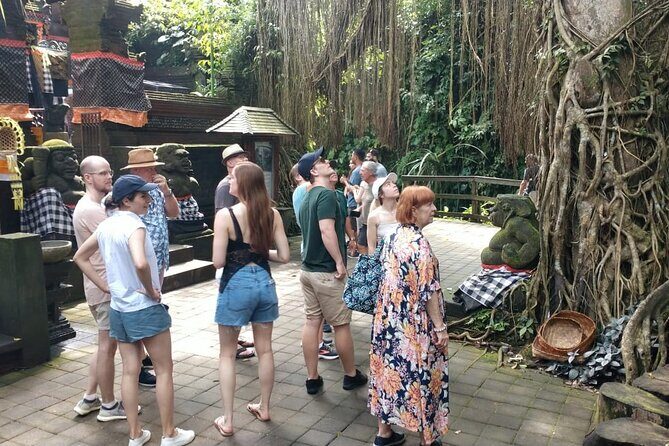
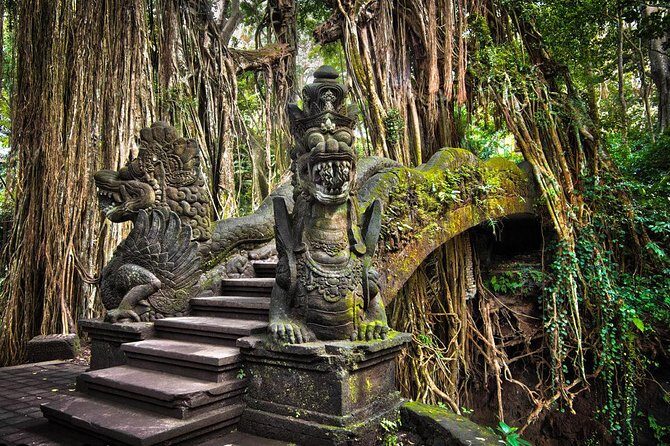
If your route leans into Ubud, you’ll likely start with Sacred Monkey Forest Sanctuary. This is a tropical rain forest with shady trees, temple structures inside, and a big monkey population—more than 700. The fun part is watching them act like tiny chaos agents: cheeky, quick, and always scanning for attention.
Practical notes:
- Go with your eyes up, not your phone down. Monkeys move fast.
- Expect crowds. This part of Bali often feels popular.
- Give yourself time. Even with a driver, the road approach can be slow.
Then comes the Ubud Traditional Art Market area. This is a good spot to slow down and browse: small farms and rice paddies around town, plus shops selling goods from regional artisans. If you want souvenirs that feel local instead of mass-produced, this is where you’ll start noticing craft styles.
The “culture” takeaway here is that Ubud isn’t just a backdrop. It’s a working landscape of small farms and creative neighborhoods. A driver who understands the flow helps you shop and visit without wasting time between detours.
Tegalalang rice terraces and Tirta Empul’s holy spring
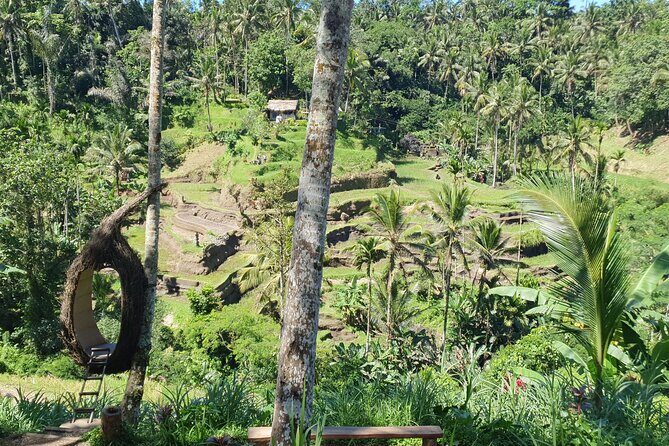
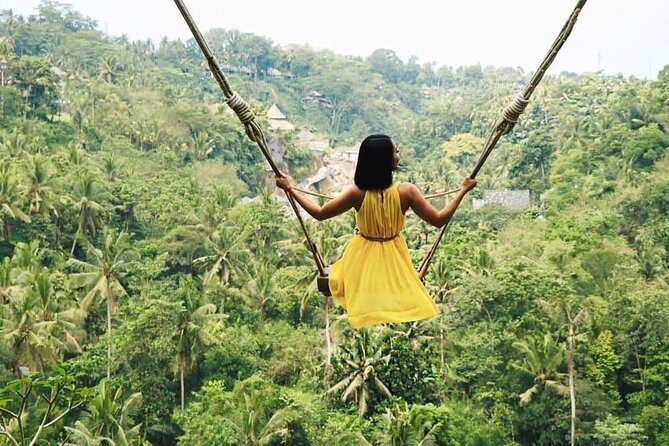
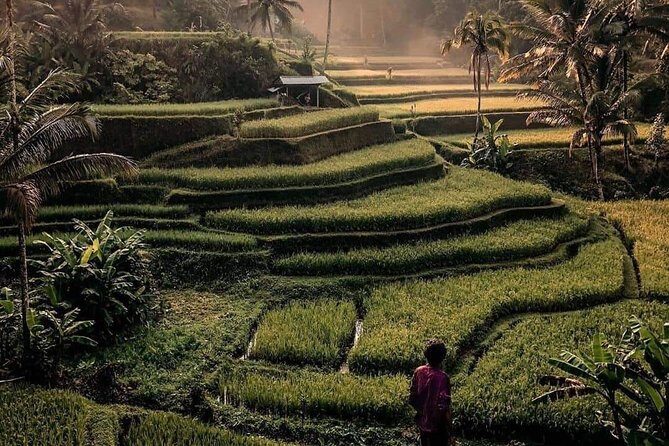
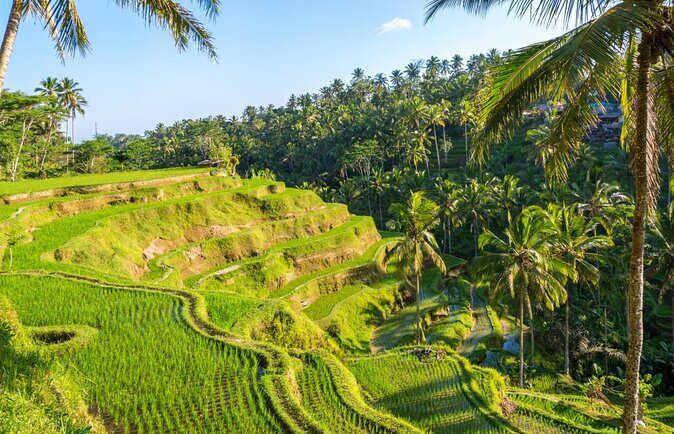
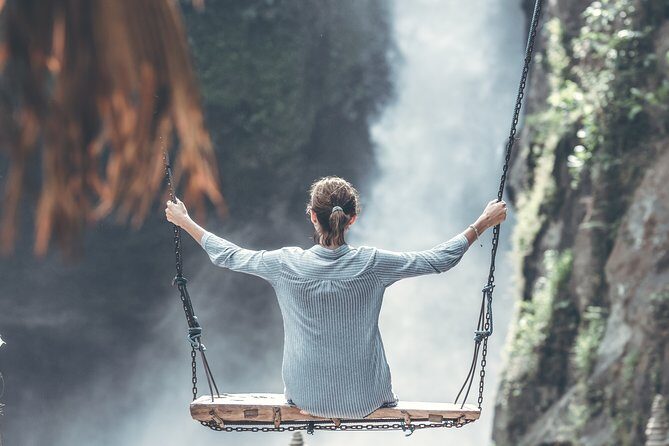
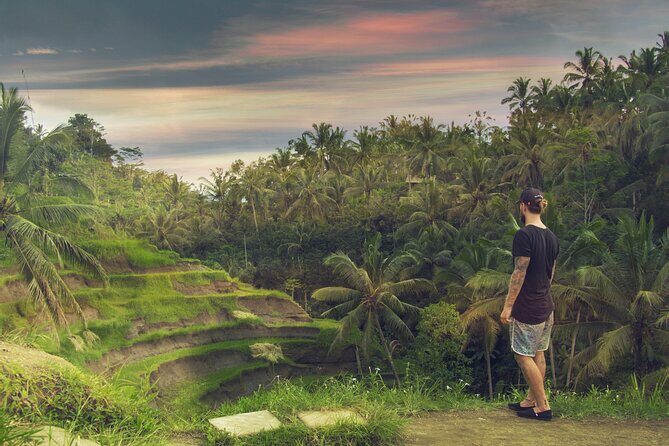
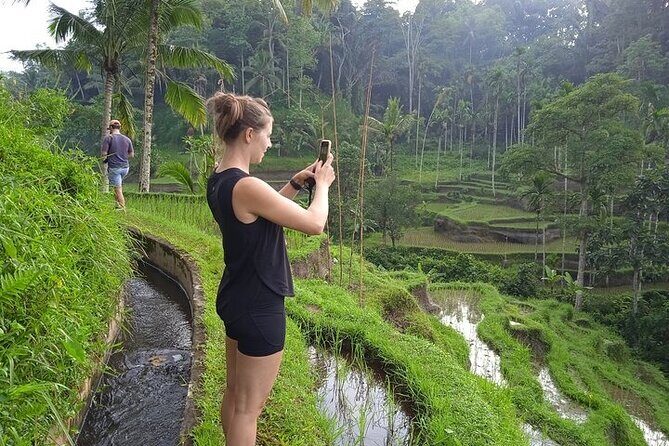
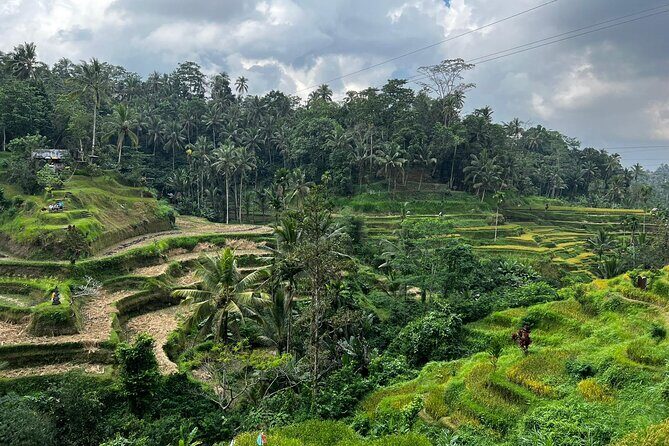
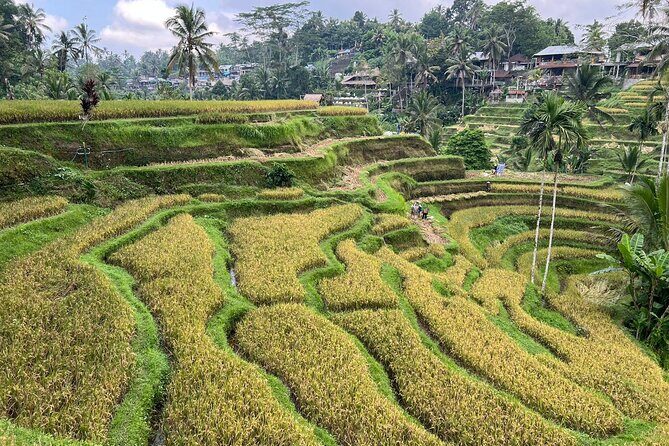
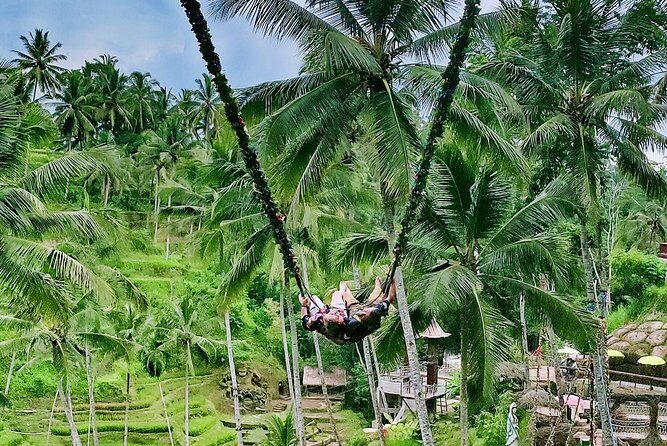
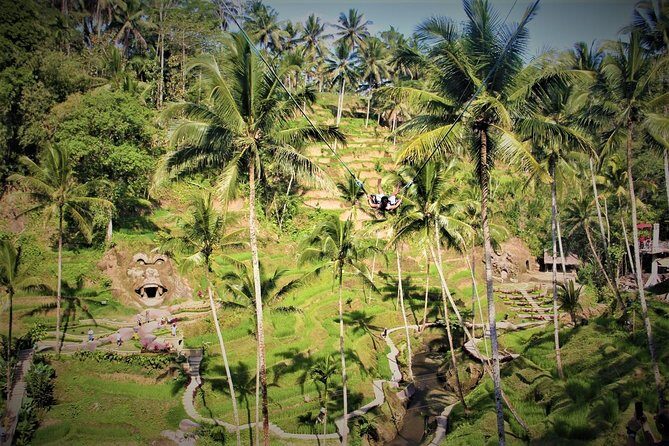
Next up in many Bali days: Tegalalang Rice Terrace. This area is known for dramatic green paddies and views that look great in daylight. One of the reasons it’s so popular is that there’s a swing option over the fields—very photogenic, and a bit of a production, so plan accordingly.
What I like about this stop is how it reframes “rice” as something living and engineered. Those terraces are not flat decor; they’re agricultural work shaping the valley.
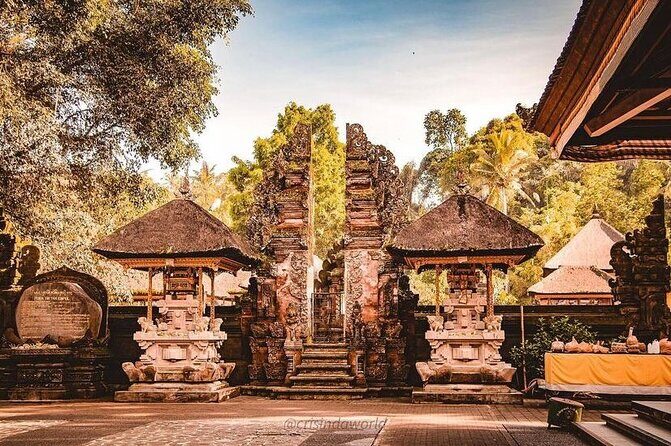
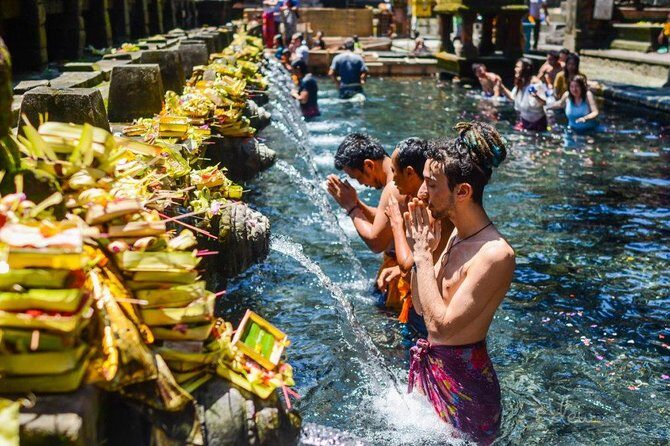
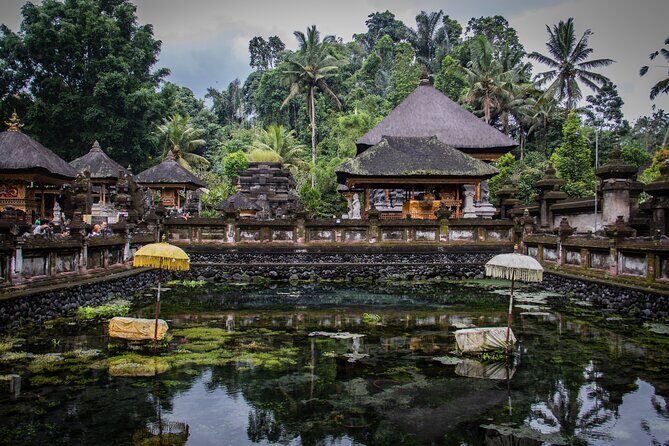
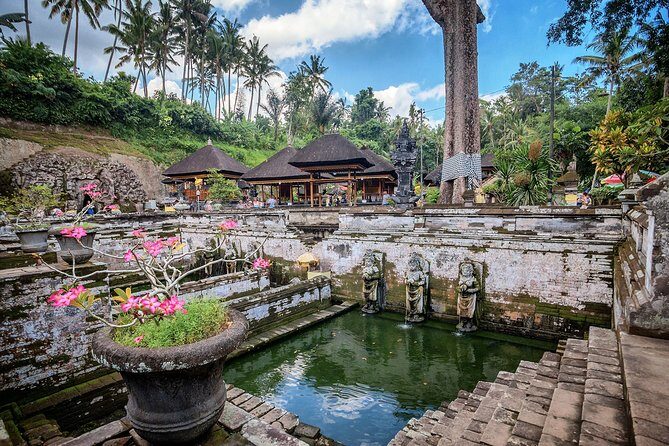
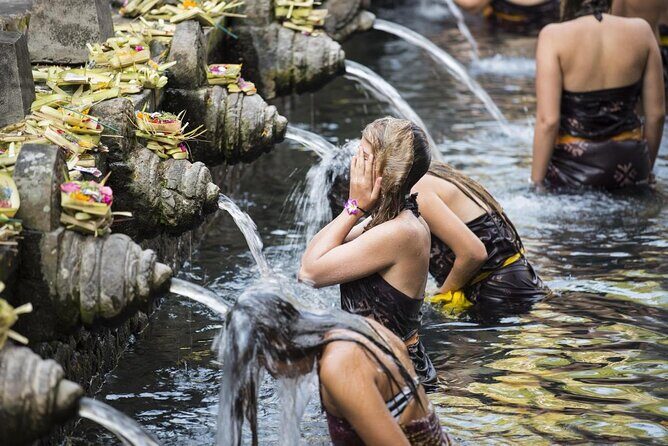
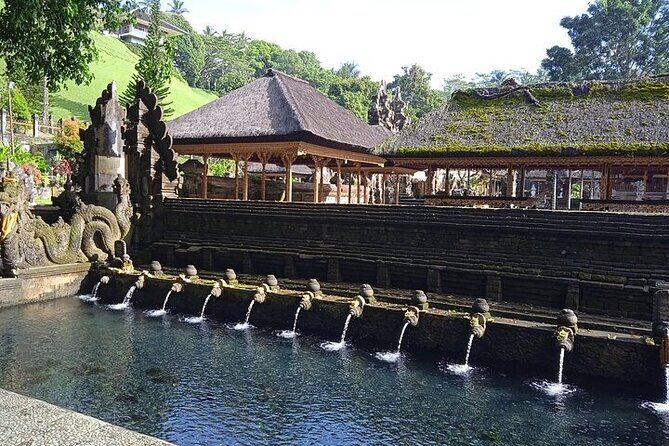
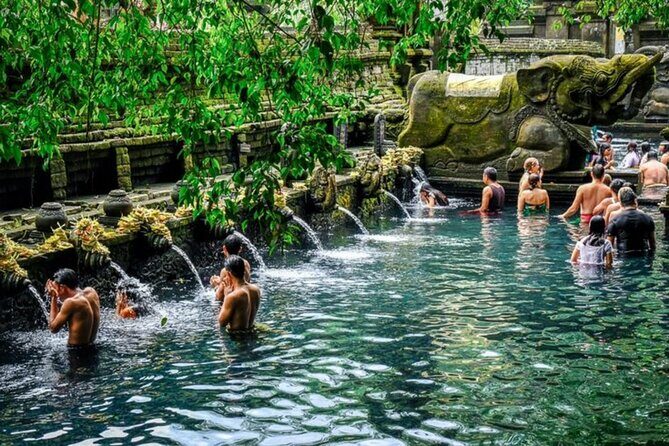
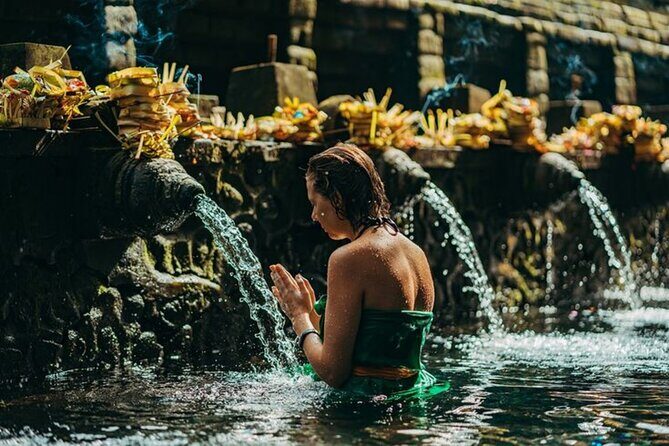
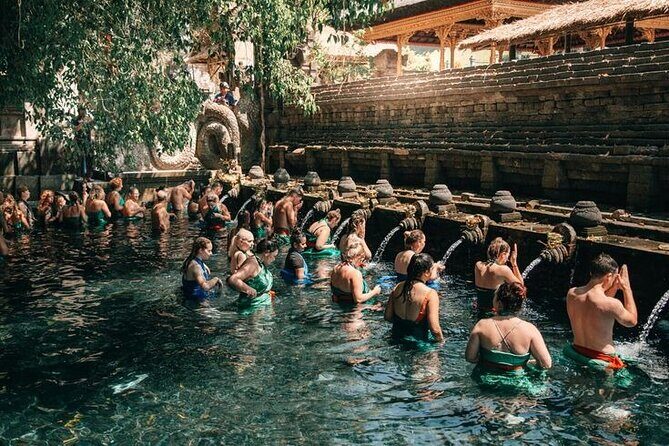
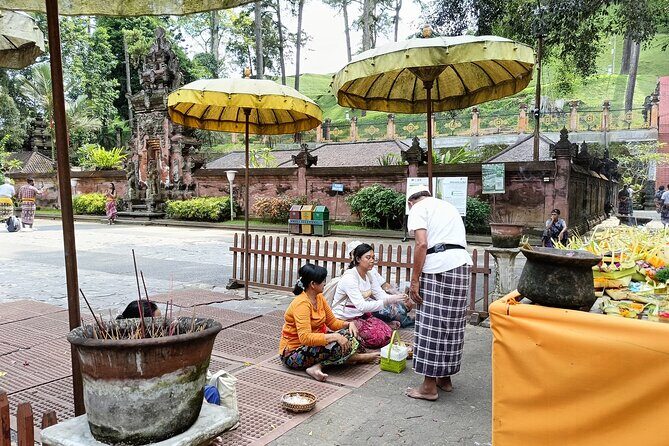
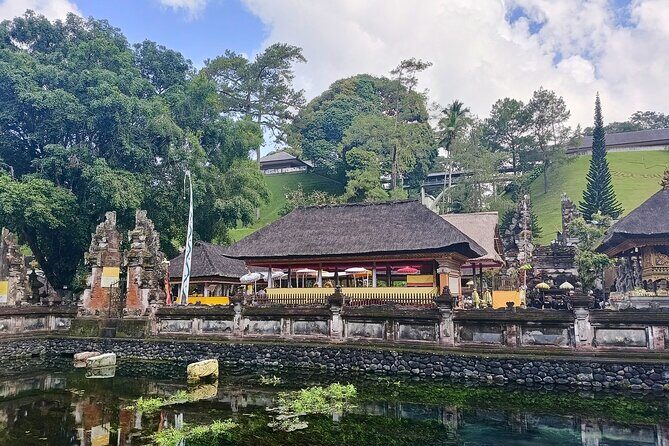
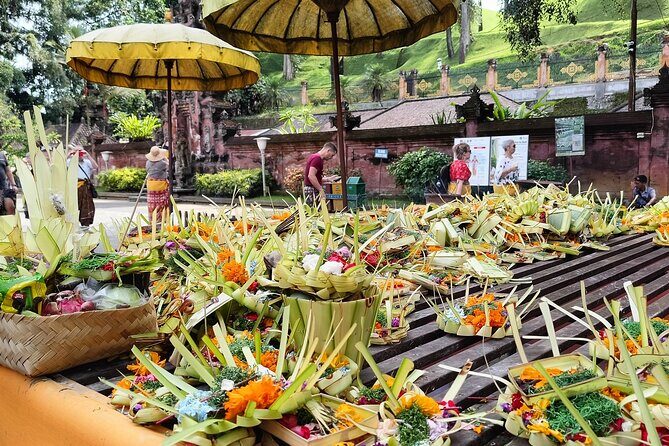
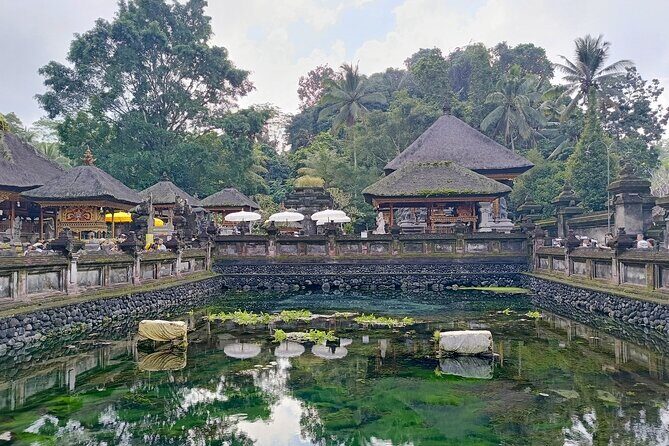
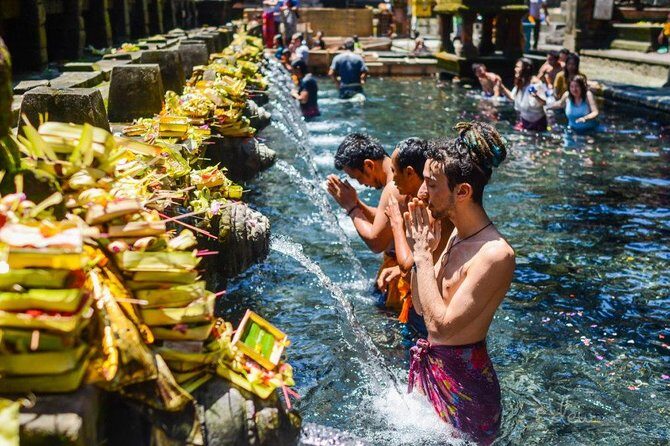
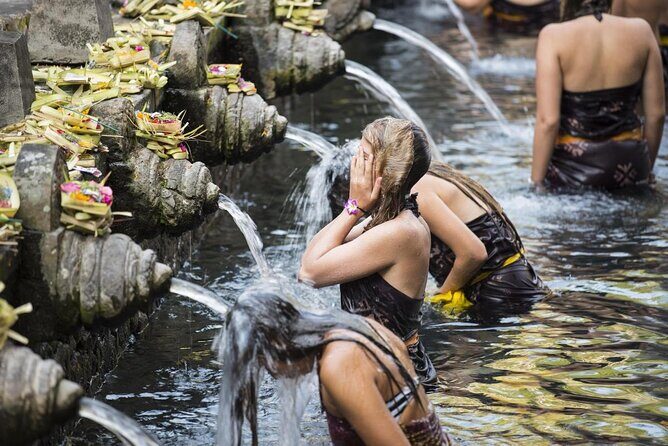
Then shift from scenery to ritual at Tirta Empul Temple. “Holy Spring” is more than a name here. The temple’s bathing structure is associated with purification rituals for Balinese Hindus, centered on holy spring water.
Expect a more respectful atmosphere than at the photo-heavy viewpoints. It’s a good place to see Bali’s spiritual side in action—especially if you’re curious about why certain water rituals matter culturally.
Waterfalls and jungle views: Tegenungan and the climb
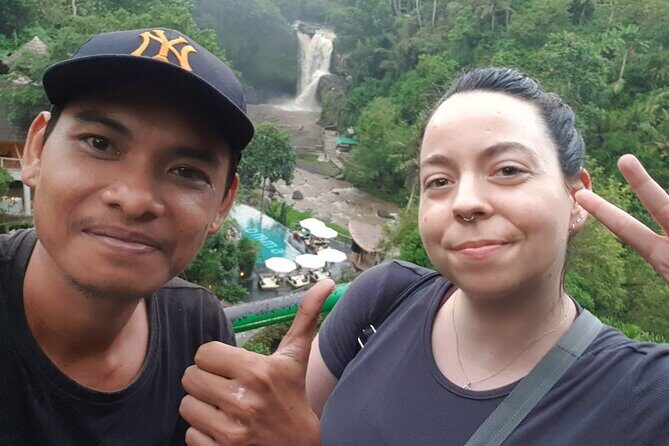
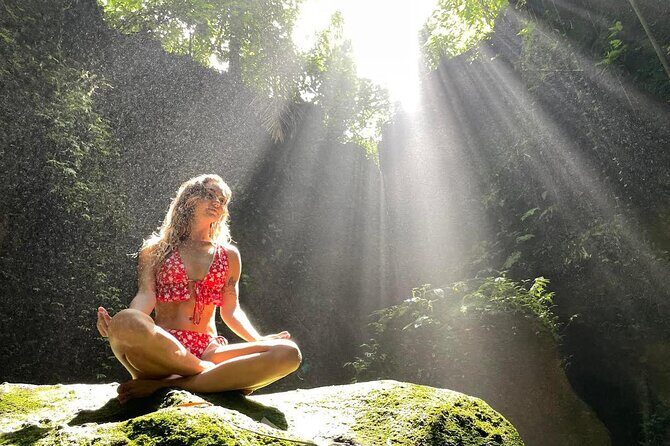
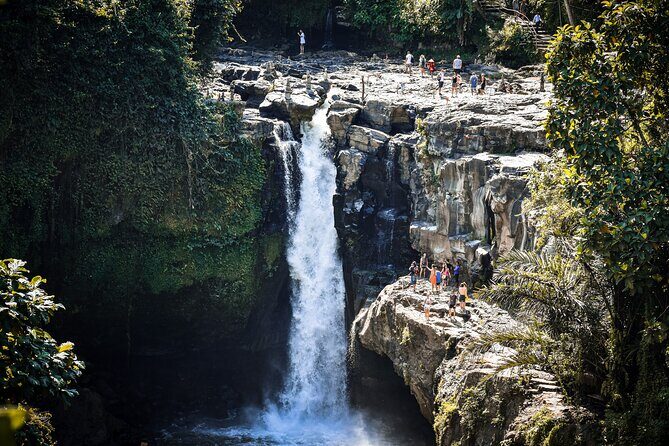
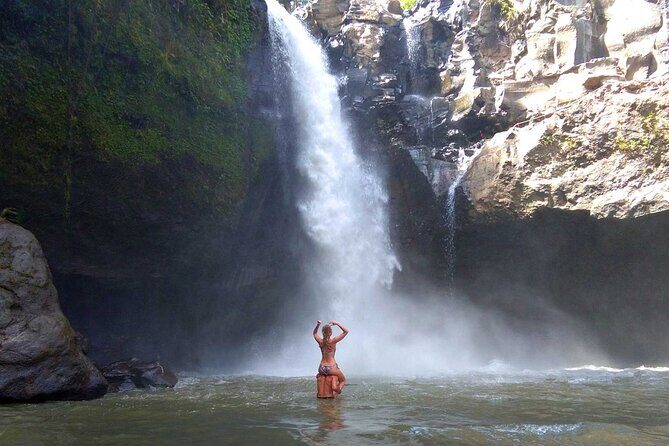
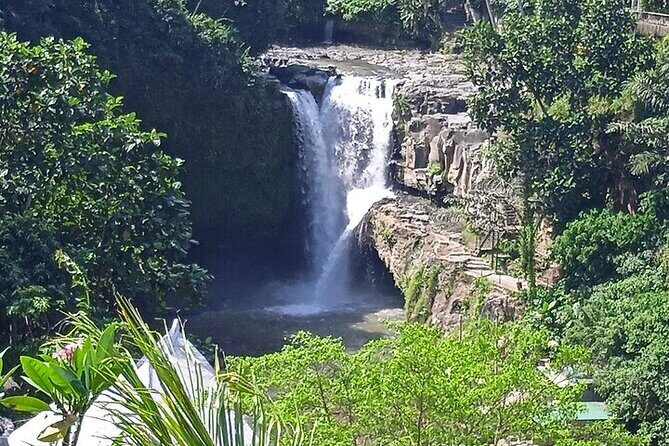
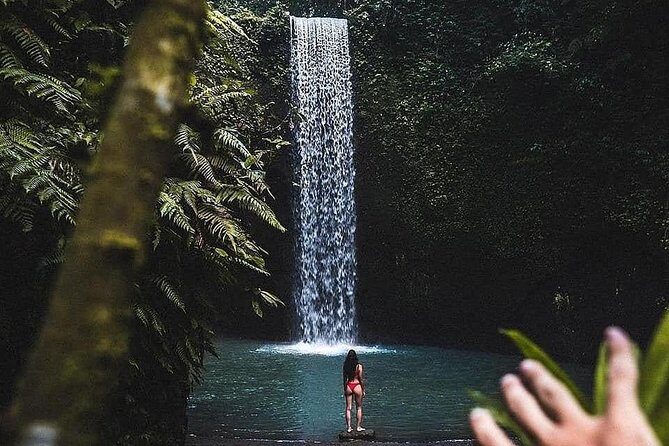
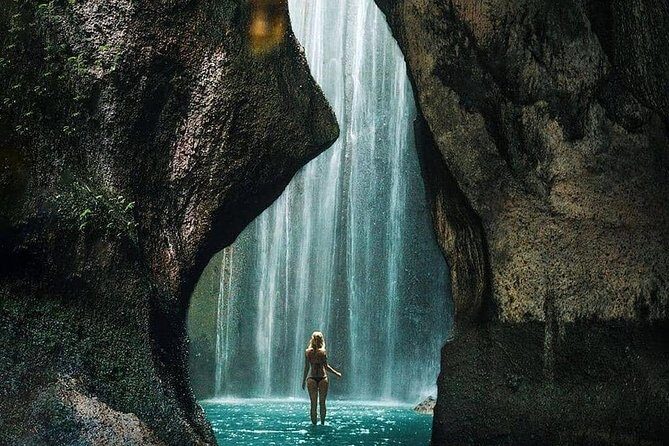
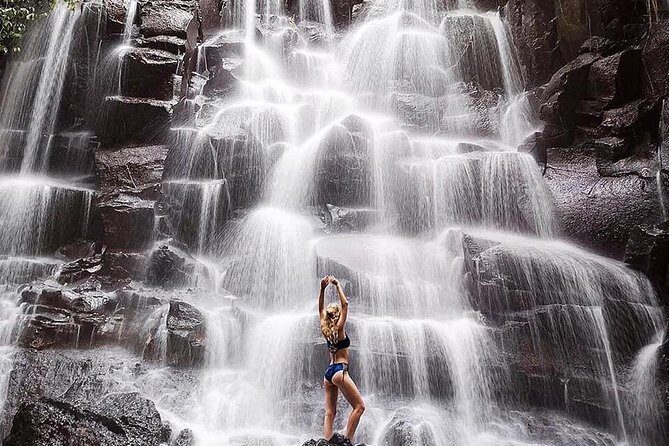
Tegenungan Waterfall is the kind of stop that feels like a reset button. You get a layered waterfall with multiple drops, a viewing point near the entrance, and stairs down to reach closer views. There’s also a climb back up, which can feel like “workout tourism” if you’re not used to it.
This is a stop where the weather matters. If it’s wet and slick, take your time on the steps. The upside is the lush look and the sound of the water, which changes the mood of the whole day.
If you’re someone who hates crowded viewpoint funnels, you might find the experience calmer than the most famous Instagram stops—though it can still get busy depending on the day. A flexible driver helps you time it better.
Beach time on Bali’s south coast: Nusa Dua, Water Blow, Dreamland, Padang Padang
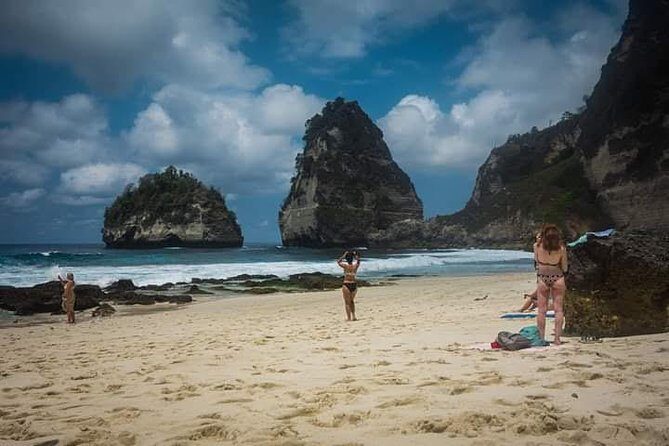
From Ubud and the temples, the route can swing toward the coast. Nusa Dua Beach is a classic “chill and swim” option: golden-white sand and blue water with an easy “slow down” vibe.
Then you might move to something more dramatic like Water Blow. This spot is created when the ocean waves surge through a narrowing crag under the cliff, shooting water up to about 30 meters high after strong currents. It’s the kind of spectacle that feels loud and alive, but you should treat it like a viewpoint stop rather than something to chase.
Two more coastal names often appear on south-coast routes:
- Pantai Dreamland, a coral beach with panoramic views and big waves
- Padang Padang Beach, famous in surf circles for high-quality surf and an annual Rip Curl surfing contest held in July–August
These beaches are best when you’re okay with salt air and sand logistics. They’re not museum stops; they’re “stand, look, walk a little, and enjoy” places.
And if you’re mixing beaches with temples the same day, keep expectations realistic. You don’t want to turn every stop into a sprint.
Uluwatu temple, Kecak fire dance, and the 6pm rhythm
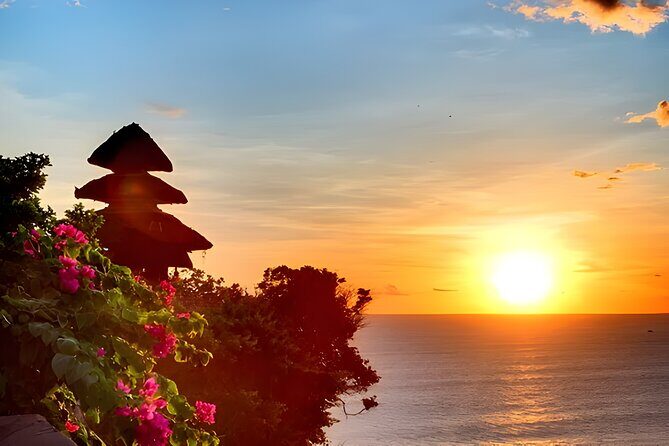
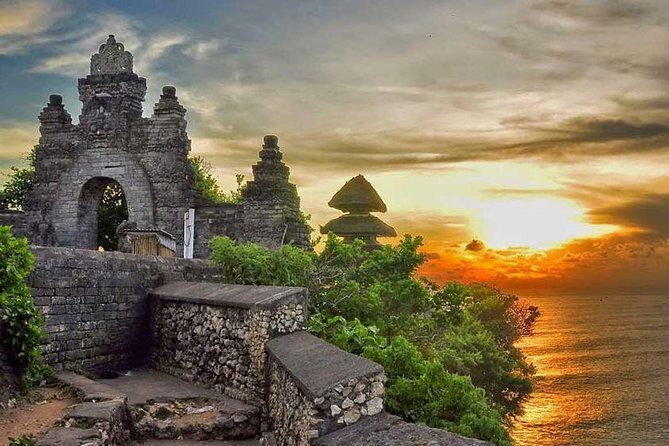
If there’s one time-based anchor on Bali days, it’s the Kecak and Fire Dance at Uluwatu. The show is performed daily at the temple at around 6pm on the cliff side, outdoors with sunset in the background.
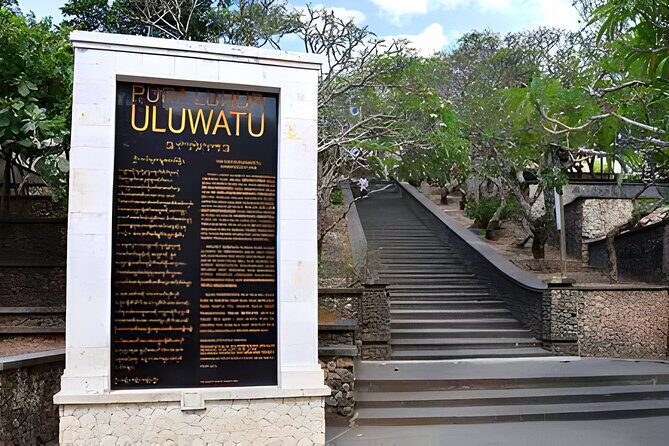
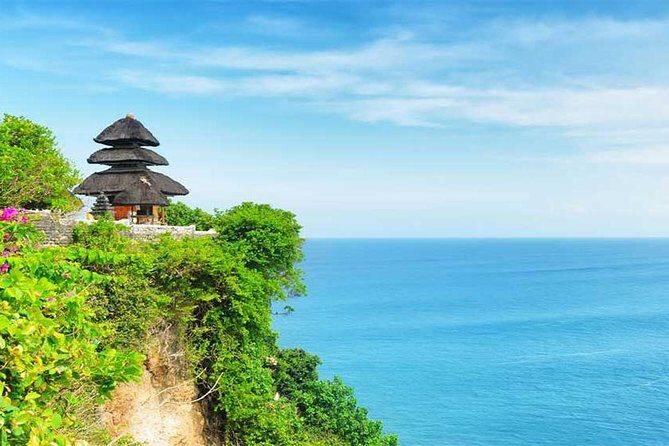
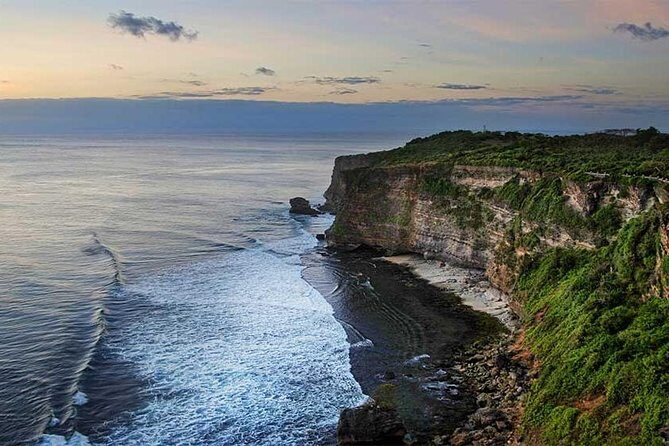
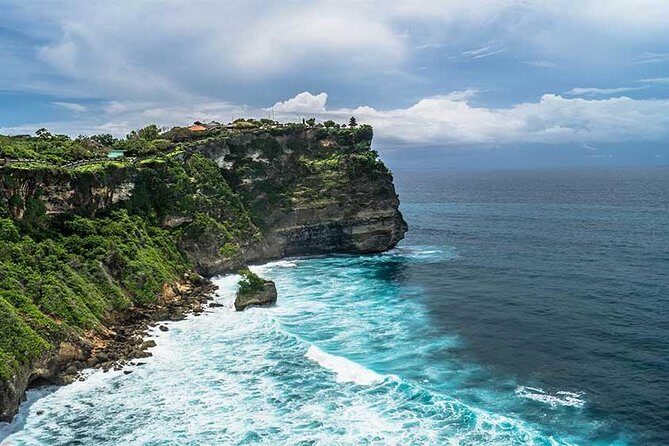
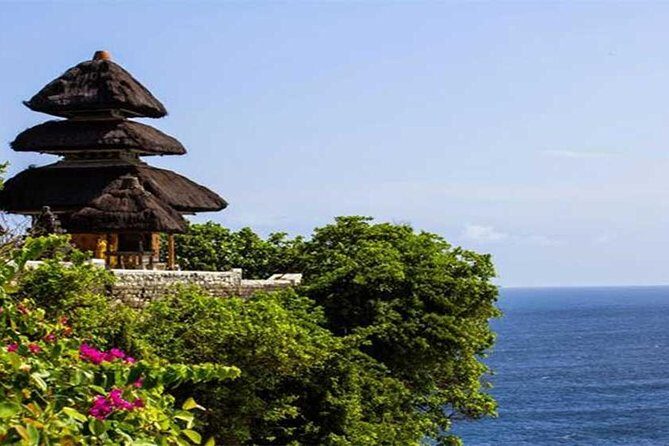
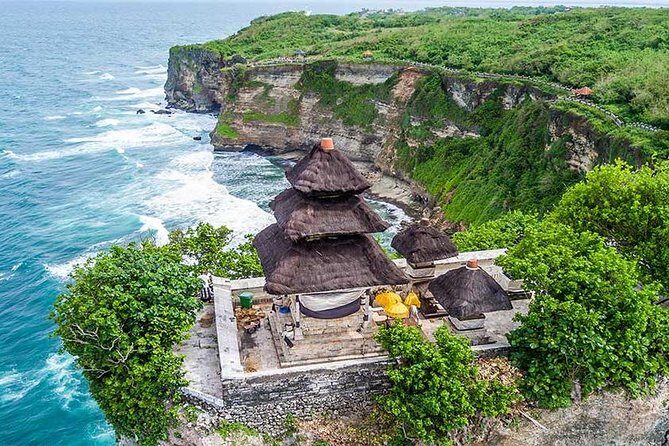
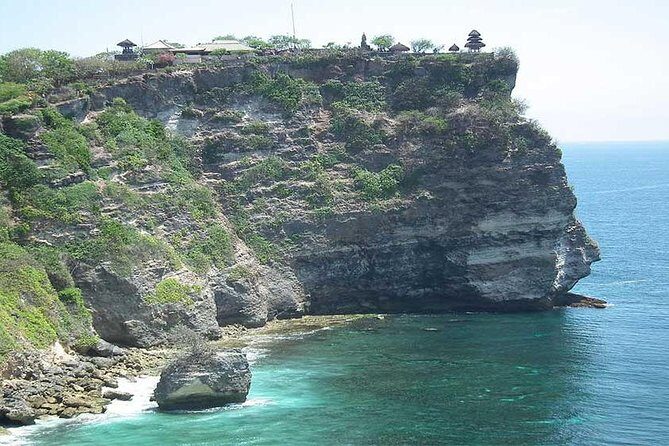
Before the dance, you’ll usually stop at Uluwatu Temple itself, built on the edge of a rocky cliff rising roughly 70 meters over the sea. It’s a stark, scenic setting and a place where the wind makes everything feel more dramatic.
This is one of the best “Bali in one evening” combinations because:
- you’re at a cliff temple location
- the show follows a daily schedule
- the timing naturally creates a sunset payoff
Plan for the practical stuff: bring a layer for the evening, and expect crowds as sunset nears. A smart driver can position you so you aren’t arriving at the loudest moment with no time to settle.
Big icons: Garuda Wisnu Kencana, Handara gate, Tanah Lot, and sunset energy
Some people want temples. Some people want statues. Garuda Wisnu Kencana (GWK) Cultural Park fits the statue crowd. The giant Lord Vishnu riding Garuda is described as about 120 meters high, making it a landmark you can’t ignore.
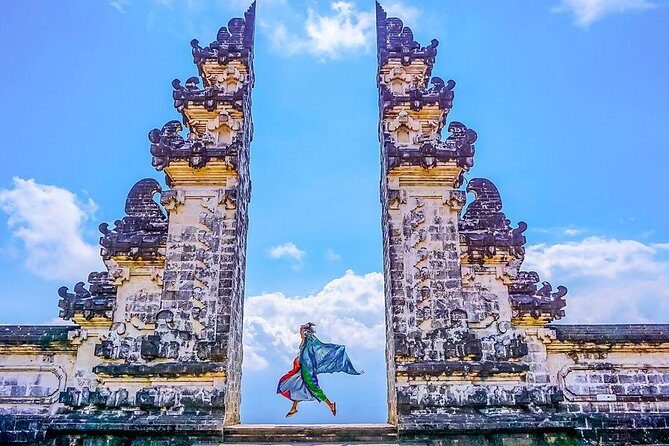
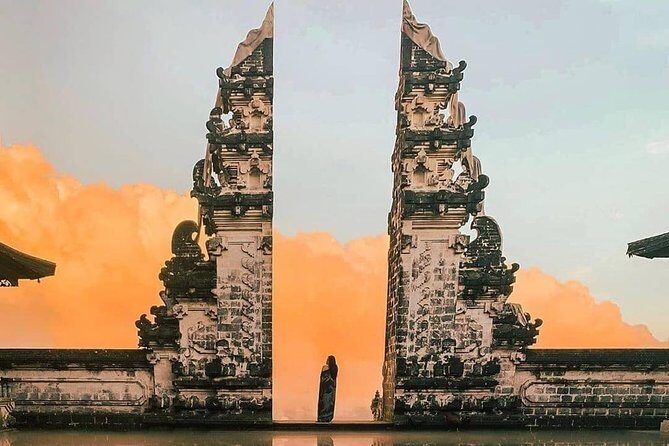
Then there are photo-focused but scenic stops like Handara Iconic Gate. It’s famous for pictures with a big traditional gate backdrop and green scenery behind it.
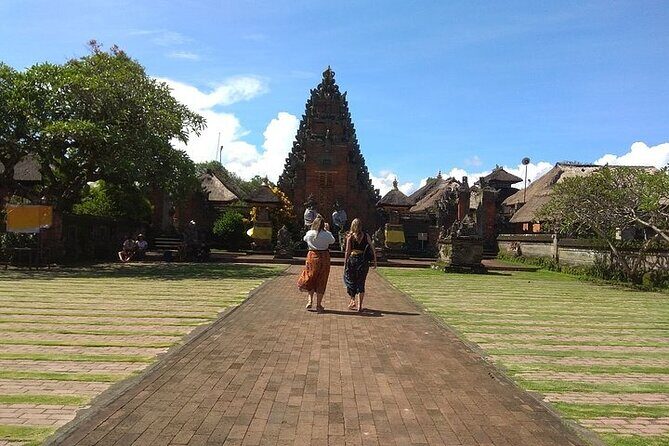
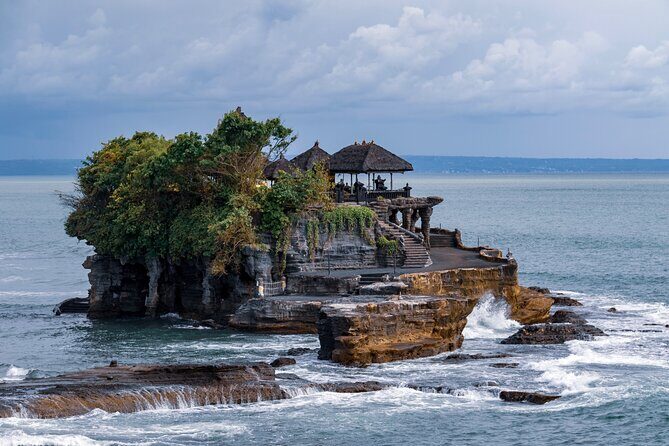
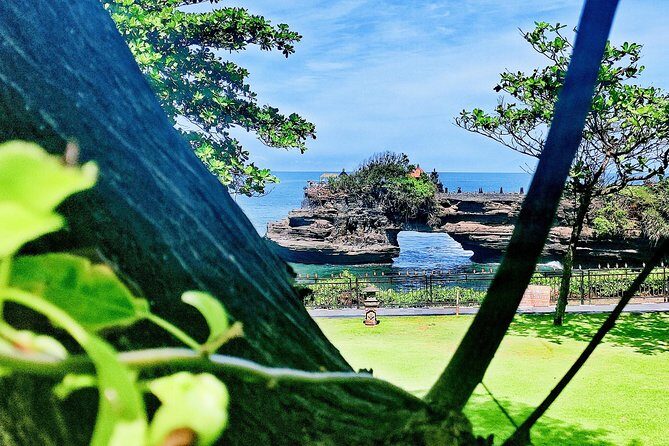
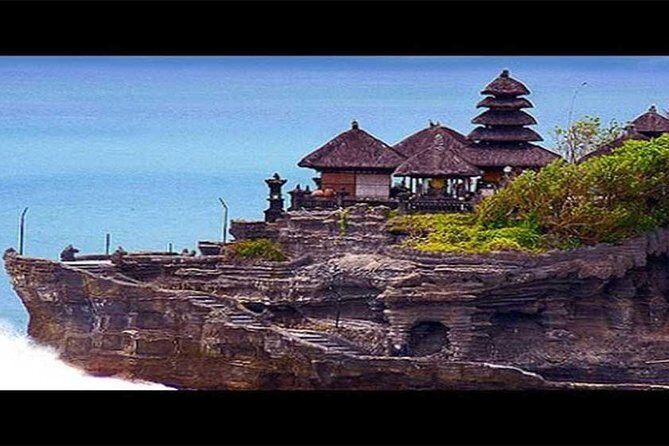
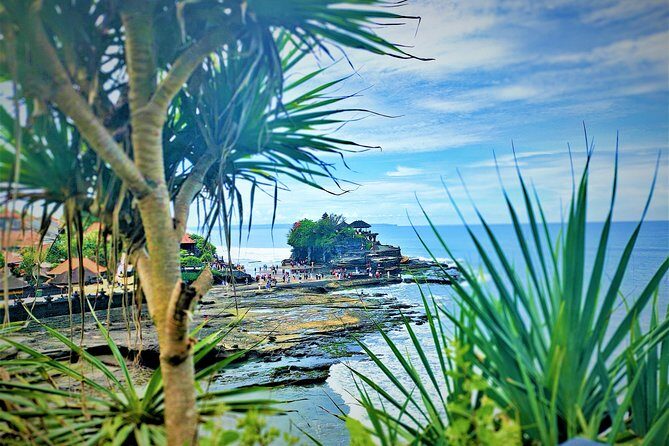
For a more iconic temple experience, Tanah Lot Temple is often the go-to. The temple sits on an offshore rock shaped over time by the ocean. If you plan it for late afternoon, you get that classic “island temple by the sea” mood.
If your day includes multiple of these, keep your eyes on the schedule. It’s easy to add one more stop and end up with a late finish. A driver who understands timing helps you prioritize without feeling like you’re skipping “the important one.”
UNESCO rice terraces and lake temples: Jatiluwih and Ulun Danu Beratan
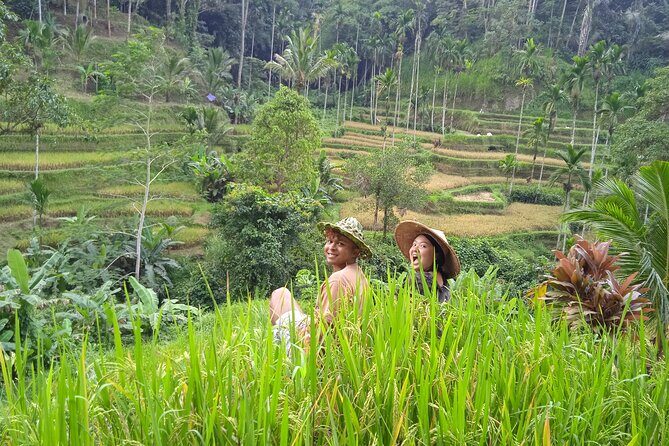
Jatiluwih Green Land is an area of terraced rice fields that follow the contours of the land, framed by Mount Batukaru and Mount Agung. It’s part of the UNESCO cultural heritage listing, which makes it a great pick if you want more than a quick photo stop.
The feel here is slower and more “walkable countryside” than the most concentrated viewpoints. If you’re trying to balance crowds with meaningful scenery, this type of site often hits the sweet spot.
Then there’s Ulun Danu Beratan Temple by Lake Bratan. It sits around 1239 meters elevation, and Lake Bratan comes from a volcanic eruption long ago. The temple setting by the water can feel like a reset from temple-on-a-cliff energy.
Both stops reward a calm pace. If you’re the type who tries to cram every location like a checklist, these are the ones that will make you feel rushed. Give them at least a proper look, even if your day stays packed.
East Bali water palaces and ridge walks: Tirta Gangga, Ujung, and Campuhan
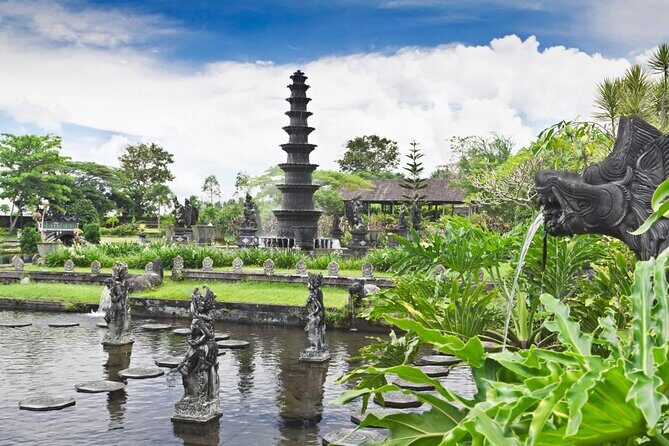
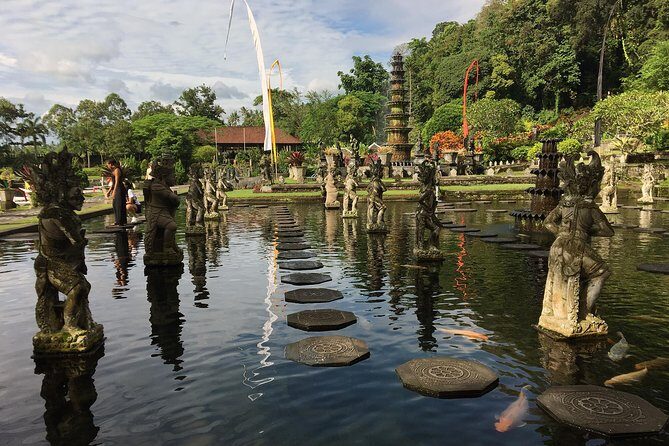
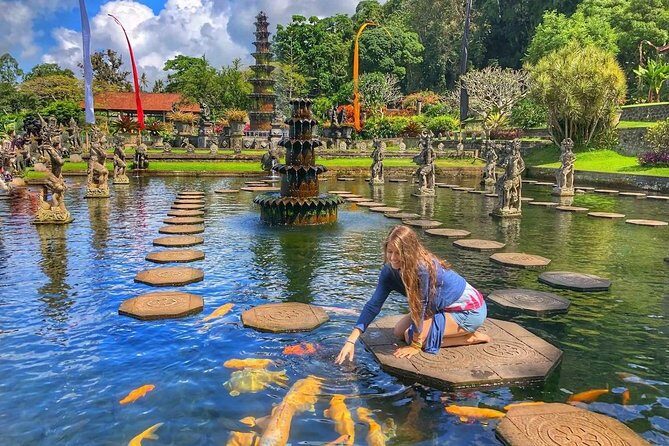
Not every Bali day has to be only beaches and temples. Some routes include Tirta Gangga, a water palace tied to Balinese reverence. It’s described as built in 1948 by the Raja of Karangasem. Expect water features and a garden-palace atmosphere.
Another stop you might see is Ujung Water Palace (also called Ujung Park). It’s a former palace with three large pools, and it’s noted as known by the Dutch East Indies era name Water palace. This area works well if you like peaceful spaces and “less performance, more place” sightseeing.
Back in Ubud, Campuhan Ridge Walk is a classic trek. It’s described as a well-known Ubud walk with sparse crowds and vistas that explain why people keep coming back. This is the kind of stop where you feel your shoulders drop because you’re not constantly navigating temple entry rules and souvenir lines.
If you want to balance your day, pair one “water palace” style stop with one “walkable ridge” moment. You’ll end up with a more human-feeling itinerary.
Big photo stops in Bali’s highlands: Wanagiri, Tamblingan & Buyan, and Lempuyang
Some routes reach into the highlands for viewpoints and gate photos.
Wanagiri Hidden Hills is listed as one of Bali’s best viewpoints, including swings over the lake and bird-nest style features. It’s one of the most Instagrammable spots mentioned in the plan details, so expect camera lines at peak times.
For twin-lake scenery, Tamblingan Lake is described as a panorama of Twin Lakes: Tamblingan and Buyan. It’s scenic but still a “look and breathe” kind of stop.
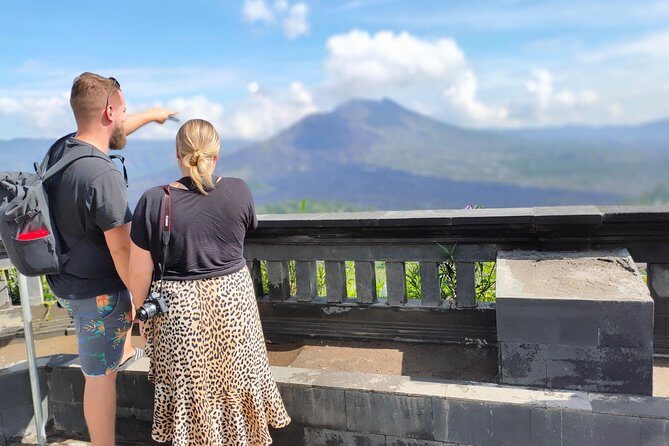
Then there’s Lempuyang Temple, located on the slope of Mount Lempuyang, with views of Mount Agung over the clouds. This one is as much about the atmosphere as the structure, so if the sky is clear, you’ll likely enjoy it more.
These are the stops that can reward good timing and weather. If conditions aren’t great, your driver can suggest what to prioritize so you don’t waste the whole day waiting in disappointment.
How to fit an 8–10 hour day without feeling wrecked
With this kind of menu, you’ll want to pick a smart theme. Here are three practical ways to avoid burnout:
- Pick one zone for depth: either Ubud (monkeys, art market, rice terrace) or the coast (Nusa Dua and south beaches) or temple-heavy south (Uluwatu and sunset show).
- Add one wildcard: something like Water Blow’s spectacle or Handara Gate’s photo setup.
- Keep stops to what you can enjoy in real time: many places are described as about an hour each, so the day adds up quickly when you consider driving between areas.
Also plan around the show time. If you’re doing the Uluwatu Kecak and Fire Dance, treat 6pm as a non-negotiable anchor.
Finally, wear shoes you don’t regret on stairs. Tegenungan’s steps and cliff-side temple approaches don’t forgive flip-flops.
Should you book this Bali driver route?
Yes, if you want maximum Bali variety in a short time and you’d rather spend your energy watching than planning. The value works best when you treat it like a guided route of experiences: temples for meaning, rice terraces for scenery, beaches for recovery.
I’d skip this approach if you’re trying to do a “see everything in every region” checklist. The drive times between far-flung areas can make an 8–10 hour day feel tight, especially when traffic shows up and crowds gather.
If you book, do one smart thing: tell your driver what matters most. Then let the route reflect that priority. That’s when this kind of day becomes more than a long car ride.
FAQ
Is this a private tour or a shared group?
It’s described as a private tour/activity, meaning only your group participates.
How long is the tour?
The duration is listed as approximately 8 to 10 hours.
Do I get picked up from my hotel or from the airport?
Yes. Free hotel pickup or airport pickup is included.
What’s included in the price?
Included items are bottled water, an air-conditioned vehicle, private transportation, fuel surcharge, parking fees, and free hotel pickup or airport.
What’s not included?
Lunch and entrance tickets are not included.
Is there Wi‑Fi during the tour?
Yes. The experience is noted as having Free WIFI.
Do temples and attractions include admission?
The plan notes indicate admission tickets are not included for the stops, so you should expect to pay for individual entrances as needed.
Does the tour depend on good weather?
Yes. It requires good weather. If canceled due to poor weather, you’ll be offered a different date or a full refund.
What is the cancellation window?
You can cancel up to 24 hours in advance of the experience for a full refund.













.jpg)
.jpg)
.jpg)
.jpg)
.jpg)
.jpg)
.jpg)
.jpg)