
From Ubud: Authentic Cooking Class Visit Traditional Market
Spices start at the market. This Ubud traditional market cooking class keeps you close to real Balinese flavors: you pick ingredients, make sauces and pastes, then eat the results. I especially like the hands-on market ingredient shopping and the payoff of cooking 5 dishes and 1 dessert. One thing to consider: if you have allergies or strict diets, you’ll want to flag them early, since you choose ingredients at the market and the class may need time to adjust.
One of the strongest signals from past groups is how smoothly it runs. Pickup is described as on time, and the chef experience can be big—Chef Ron has been called both informative and funny, which matters when you’re learning by doing. If you’re hoping for a totally hands-off meal, this format is more active than a restaurant dinner, but it’s a fun trade.
In This Review
- Key Highlights at a Glance
- Market-to-Kitchen Cooking in Ubud: What the Day Feels Like
- Traditional Market Stop in Ubud: Choosing Ingredients You Can Cook Later
- Celuk Village Artisan Visit: Batik, Carving, and Metalwork
- In the Kitchen: Sauces, Pastes, Sides, Mains, and a Real Meal
- Ingredients and Farm Tour: Understanding Where Food Starts
- Dietary Options: How to Handle Vegan and Allergies
- Pickup, Transport, and Where It Starts
- What You Actually Get Included (So You Can Price It Fairly)
- Who This Cooking Class Is Best For
- Practical Tips for Getting the Most From the Class
- Should You Book This Ubud Cooking Class?
- FAQ
- How long is the cooking class in Ubud?
- What is the price per person?
- Do I get pickup from my hotel?
- Is it a private tour or a group tour?
- Will I have an English-speaking guide?
- Do they accommodate vegans and allergies?
- What happens first: the market or cooking?
- How many dishes will I cook and eat?
- Is farm tour and an art village visit included?
- Do I get recipes to take home?
- What is the cancellation policy?
Key Highlights at a Glance
- Pick your ingredients at a traditional morning market before you cook
- Cook a full set of dishes: 5 savory items plus 1 dessert
- Learn core Balinese basics, from sauces and pastes to main courses and sides
- See Celuk Village artisan craft work, including batik, wood carving, and gold and silver smith skills
- Get a recipe booklet and PDF, so you can recreate the flavors later
- On-the-ground comfort, thanks to air-conditioned private transport and water plus snacks
Market-to-Kitchen Cooking in Ubud: What the Day Feels Like
This experience is built like a tight story: start with ingredients, move into technique, then end with a craft stop. The market part isn’t just sightseeing. It’s where you learn what you’re actually going to cook, so the kitchen lesson makes sense fast.
The class runs about 3 hours, and it’s listed as a cooking session of around 3.5 hours. In practice, that means you’ll be busy but not trapped all day. You’ll be transported, guided through ingredient selection, then you’ll work with your chef to make multiple dishes that you can sit down and enjoy.
The most useful mindset to have: treat this like a skills workshop, not a show. You’ll learn how sauces and pastes come together, and those building blocks are what make Balinese food taste like Balinese food. And because you’re cooking several dishes (not just one), you get repetition, which is how you remember what to do later.
Traditional Market Stop in Ubud: Choosing Ingredients You Can Cook Later
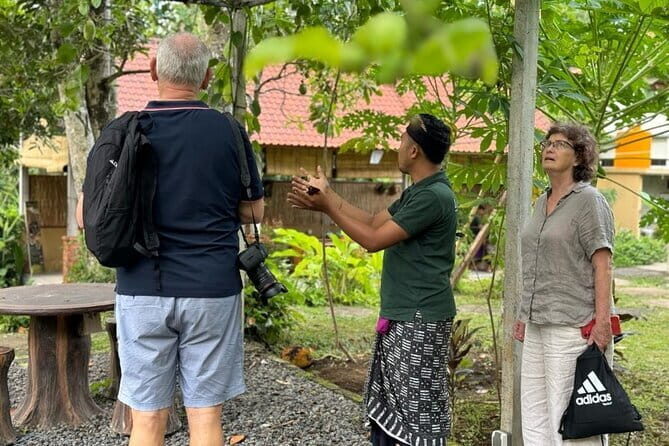
The traditional market visit is the heart of the learning. Before any pots hit the stove, you’ll walk the market and select items that can include meats, fish, exotic spices, poultry, and tropical fruits. That’s a wide range, and it matters because Balinese cooking uses lots of aromatics and flavors in layers.
You’ll also learn to recognize ingredients in a way that’s practical for cooking at home. Instead of reading a recipe and guessing, you come in with ingredients you’ve already picked up and talked about. Even if you don’t buy everything afterward, the names and roles of common items tend to stick once you’ve seen them in the market context.
For vegans and for people managing dietary restrictions, this is where planning matters most. The tour says dietary needs can be accommodated for dieters, vegans, and allergies if you request after booking or before. I’d treat that as a must-do, not a maybe. If your diet requires swaps, the class will need the right heads-up so the kitchen can match your ingredients and still cover the full set of dishes.
One more practical note: markets can be active and sensory-heavy. Expect strong aromas and lots of colors. That’s part of the value here. You’re not learning flavors from a brochure—you’re learning from the real ingredient sources.
Celuk Village Artisan Visit: Batik, Carving, and Metalwork
After the cooking, you’ll head to an art village area—Celuk Village is listed as the stop. This portion is lighter on food and heavier on craft. You’ll see local artisans working and get a look at traditional handicrafts like batik, wooden carving, and gold and silver smith skills.
Why it works after cooking: it gives you a fuller feel for the island beyond the stove. Food is cultural, but so are the visual arts, the tools, and the trades. A craft stop also breaks up the day so you’re not only in kitchen mode.
What to watch for here is how traditional methods are explained in person. You might find that the craft explanations connect to the same idea as cooking: quality comes from technique you repeat over time. And since this is included, you don’t have to add a separate entry ticket or arrange transport for it.
One consideration: this is still a guided stop, so you’ll likely have limited time to browse deeply like you would on your own. If you love crafts and could spend hours shopping, keep your energy for the market-to-art rhythm and decide what you want to buy while you’re there.
In the Kitchen: Sauces, Pastes, Sides, Mains, and a Real Meal
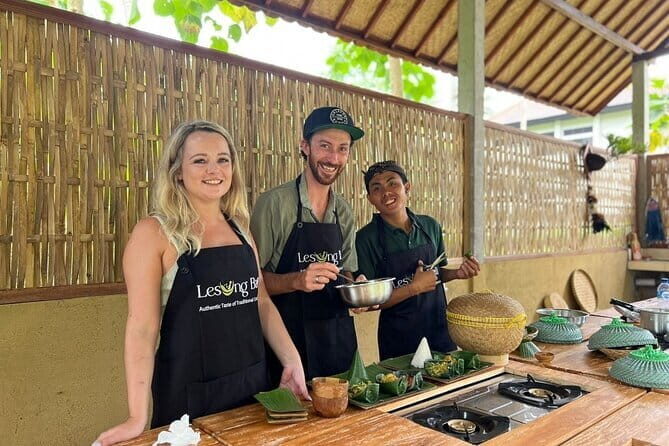
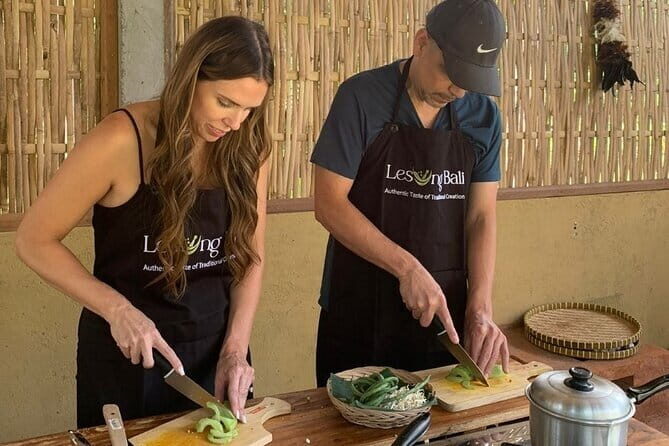
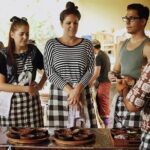
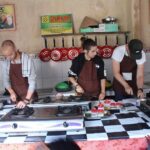
This class doesn’t revolve around one simple dish. You’ll learn “the art of making sauces and pastes,” plus side dishes and main courses. That’s the right structure if your goal is to improve your cooking, because it teaches you the flavor systems, not just the final plate.
You’ll cook 5 dishes and 1 dessert. That matters for value and for learning. One dish can be a fluke; a full set of dishes lets you practice ingredient combinations across different course types.
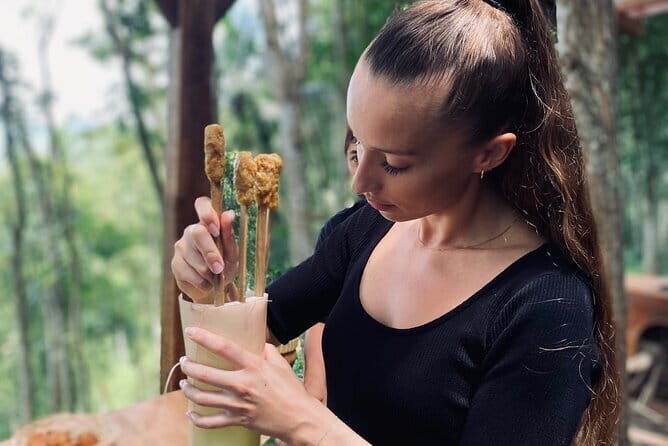
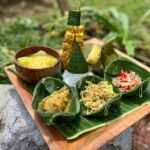
And then you eat what you cook. That’s not a minor detail. Eating your own food is part of the lesson loop: you taste what you made, you can compare it to what you expected, and you learn faster for next time.
If you’re someone who likes clear outcomes, this format gives you that. You finish with a meal, not just a recipe list. The class also includes welcome drink and snacks, plus mineral water, so you’re not just running on empty while you learn.
The chef’s teaching style can make or break a class. In one standout review, Chef Ron was described as informative and funny, which is a good sign. You want a chef who can explain and also keep the vibe comfortable while you chop, stir, and taste.
Ingredients and Farm Tour: Understanding Where Food Starts
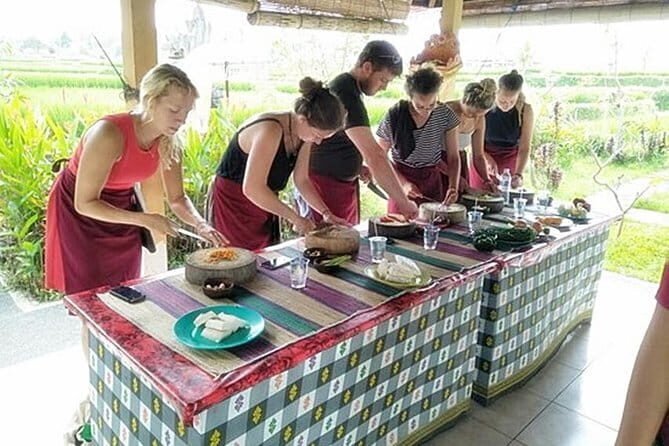
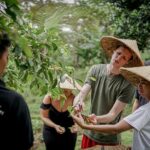
A farm tour is included in the experience. The details of what you’ll see aren’t spelled out in the provided information, so I’d expect a short, guided look rather than a full farm-day production.
Still, it’s a useful addition. Market-to-kitchen is great, but seeing the farm context can help you understand why certain ingredients taste the way they do. Even basic exposure can help you shop smarter later.
If you care about sourcing and you like connecting ingredients to the island’s growing reality, this extra stop is a plus. If you’re short on time and want only the cooking, it may feel like a small extra segment. But since it’s included and folded into the overall 3–3.5 hour flow, it doesn’t balloon into a long day.
Dietary Options: How to Handle Vegan and Allergies
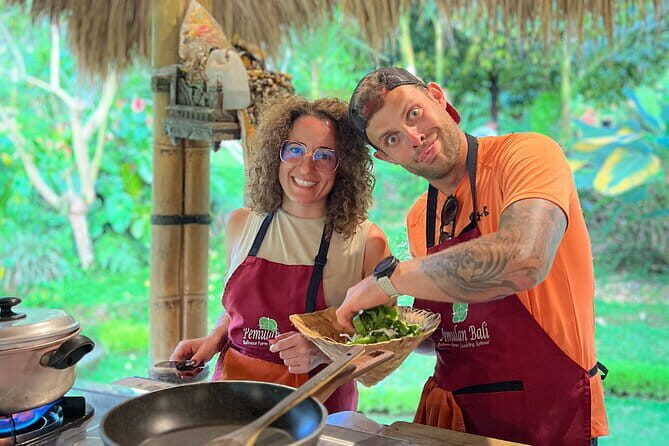
The tour explicitly says it can cater to dieters, vegans, and allergies. You’re asked to request those needs either after booking or before.
Here’s the practical takeaway: do it early enough that the kitchen can adjust both the ingredient choices and the dish list you’ll cook. Because the market stop is part of the experience, you may not be able to wing it at the last minute and expect a perfect match. Planning ahead is what makes the dietary accommodation feel smooth.
If you’re vegan or you have allergies, think about what success looks like for you:
- You want the same number of dishes cooked and eaten as much as possible
- You want the key flavors (like the sauces and pastes) adapted in a way you can enjoy
- You want the experience to stay social, not segregated or rushed
This class is designed for groups that include different food needs, so it’s a good option when you want a shared experience without turning it into a separate plan for every person.
Pickup, Transport, and Where It Starts
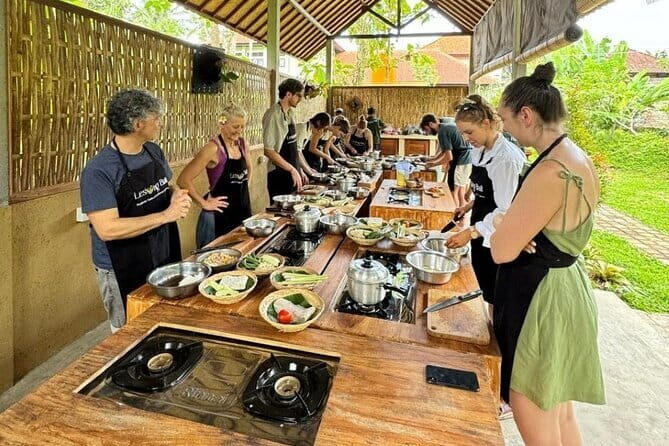
This is set up for comfort and ease. You get private transport with air conditioning and an English-speaking driver. Pickup is offered from multiple Bali areas including Ubud, Kuta, Seminyak, Canggu, Legian, Jimbaran, Nusa Dua, and Sanur.
Pickup matters more than people think with cooking classes. Traffic can eat your time, and a delayed arrival can throw off the market and kitchen schedule. The stronger review signals point to punctual pickup and friendly handling from the driver, which makes the whole day feel organized from the start.
The experience also offers group discounts and a mobile ticket. That’s the kind of practical setup that saves hassle once you’re already on vacation.
One consideration: it’s a private tour/activity where only your group participates. Private is great for comfort and pace, but it also means you’re relying on the tour’s schedule without swapping to a shared-class route if something changes. Still, the overall timing is short enough that it stays manageable.
What You Actually Get Included (So You Can Price It Fairly)
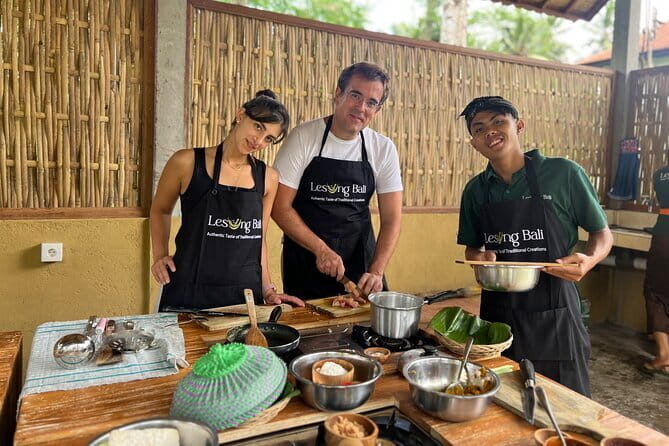
At $45 per person, the value depends on what you compare it to. If you’re used to paying for a restaurant meal, $45 is more than a dinner. If you compare it to paying for:
- a guided market ingredient selection
- a chef-led cooking lesson with multiple dishes
- transport from your area
- and a recipe booklet plus PDF
…then the pricing starts to look more fair. You’re buying instruction, ingredients, and the full experience, not just food.
Included items you should factor into the math:
- English-speaking driver
- mineral water
- private A/C transport
- cooking class (about 3–3.5 hours)
- traditional market visit
- welcome drink and snacks
- farm tour
- all ingredients and the food you cook
- a free recipe booklet and PDF recipe
- pickup service across many Bali areas
- cooking output: 5 dishes and 1 dessert
Not included is listed as other expenses, which likely means personal shopping or extras. If you want souvenirs from the artisan visit, budget for that separately.
Who This Cooking Class Is Best For
This one fits best when you want a hands-on cultural activity that still ends with a satisfying meal.
You’ll probably love it if:
- you like learning cooking by doing, not just watching
- you enjoy food markets and want to understand ingredients before cooking
- you want a fun activity for families, couples, or groups
- you want a recipe you can actually use later thanks to the booklet and PDF
It’s also a strong choice when not everyone eats the same way, because vegan and allergy requests are supported with advance notice.
If you’re traveling only for a quick taste and you don’t want to shop, chop, and cook at all, this format might feel like work. But if you can handle a hands-on lesson with spice and tasting, it’s a smart way to spend a half-morning/afternoon in Bali beyond temples and taxis.
Practical Tips for Getting the Most From the Class
You’ll learn faster if you show up ready to taste and ask. Don’t worry about being an expert. Cooking classes like this are built for beginners too.
A few practical moves:
- Use your market time to ask what each ingredient does in the dish
- If you have allergies or a vegan diet, confirm your needs before the day arrives
- Plan to eat what you cook. It’s part of the lesson, not a bonus
- If you’re shopping later, keep an eye on what ingredients you recognize from the market so you can recreate the flavors
Also, since you’ll visit an artisan village afterward, wear shoes that can handle walking. This isn’t a hike, but you’ll be on your feet across market, kitchen, and craft areas.
Should You Book This Ubud Cooking Class?
I’d book it if your goal is a real Balinese cooking lesson with a market start and a complete meal at the end. The combination of ingredient picking, sauce-and-paste technique, and 5 dishes plus dessert makes it feel like you go home with something more useful than photos.
Book it sooner rather than later if you can. It’s listed as commonly booked about 20 days in advance, which suggests demand. If you’re traveling in a busy season or with a tight schedule, locking in your time reduces stress.
Skip it only if you’re looking for a low-effort, purely observational activity. This is hands-on. The best experience comes when you’re ready to cook, taste, and learn as you go.
If that sounds like your kind of Bali day, this Ubud market-to-kitchen experience is a strong value at $45 per person, especially with pickup included and recipe materials you can keep.
FAQ
How long is the cooking class in Ubud?
The experience is listed at about 3 hours, and the cooking class portion is also listed as around 3.5 hours.
What is the price per person?
The price is $45.00 per person.
Do I get pickup from my hotel?
Yes. Pickup is offered from Ubud, Kuta, Seminyak, Canggu, Legian, Jimbaran, Nusa Dua, and Sanur.
Is it a private tour or a group tour?
It’s private in the sense that only your group participates.
Will I have an English-speaking guide?
You’ll have an English-speaking driver.
Do they accommodate vegans and allergies?
Yes. The tour says it can cater to dieters, vegans, and allergies if you request after booking or before.
What happens first: the market or cooking?
You start with a visit to the traditional market to pick ingredients, then you go to the kitchen to cook.
How many dishes will I cook and eat?
You’ll cook 5 dishes and 1 dessert, and you’ll eat what you cook.
Is farm tour and an art village visit included?
Yes. A farm tour is included, and you’ll also visit an art village area, specifically Celuk Village, to see traditional handicrafts.
Do I get recipes to take home?
Yes. You get a free recipe booklet and a PDF recipe.
What is the cancellation policy?
Free cancellation is available up to 24 hours in advance for a full refund. If you cancel less than 24 hours before the experience starts, there is no refund.
More Tour Reviews






More Balinese Cooking Classes

More Ubud Tours
Ubud Tours: how the alternatives stack up


 ★ 5.0
★ 5.0Ubud: Monkey Forest, Jungle Swing, Rice Terrace, and Water Temple



The lists this tour appears in