Bali Mason Adventure White Water Rafting

Bali Mason Adventure White Water Rafting - Getting there: pickup, meeting point, and timing that affects comfort

Rapids in Ubud, minus the stress. This Bali Mason Adventure outing is built around the Ayung River with a scenic ride through forest and real rapids, plus an organized flow from start to finish. I especially like the way guides such as Budi and Mura are described for clear instructions and upbeat energy when you’re getting your bearings.

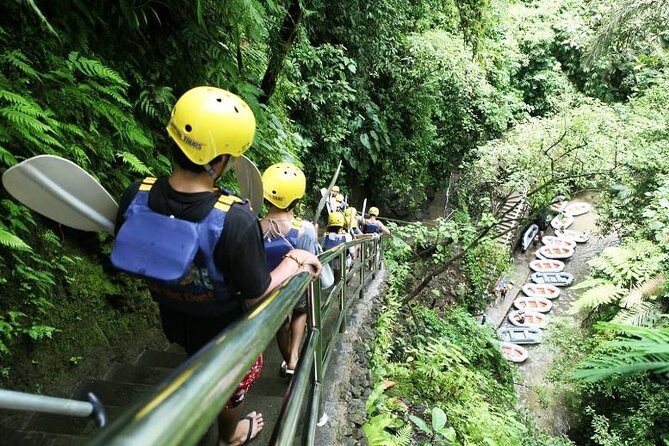
Two things make it feel like good value for your time: hotel transfer (in selected areas) so you’re not figuring out transport, and the included “drying off later” setup—buffet lunch, lockers, and hot shower facilities. One possible drawback to plan for up front: you should expect a lot of stairs, since you’ll go down to the water and then back up again.

Key things you’ll notice on this Ayung rafting trip
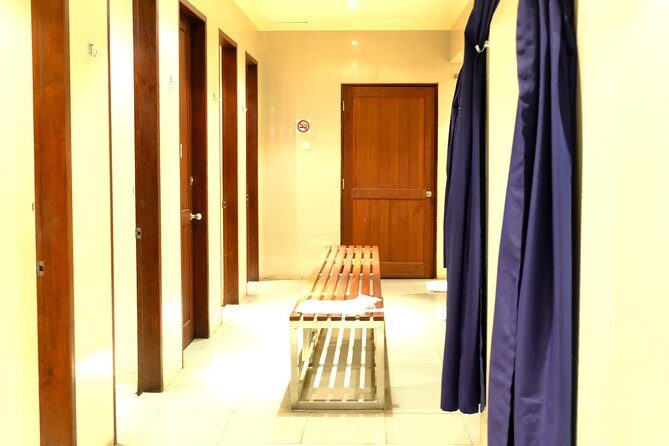
Bali Mason Adventure White Water Rafting - Key things you’ll notice on this Ayung rafting trip

  • Ayung River route length (about 9.6 km) with fun rapids and plenty of river scenery
  • About 4 hours total, but the paddling itself can be closer to ~2 hours depending on the flow
  • Small group size (max 15), which usually means less waiting and easier instruction
  • Included buffet lunch and hot shower so you’re not scrambling after you’re soaked
  • Professional safety gear and standard safety facilities paired with guided coaching for families and beginners
  • Family-friendly options with a family package and children welcomed

Ayung River rafting from Ubud: why this route is a solid pick
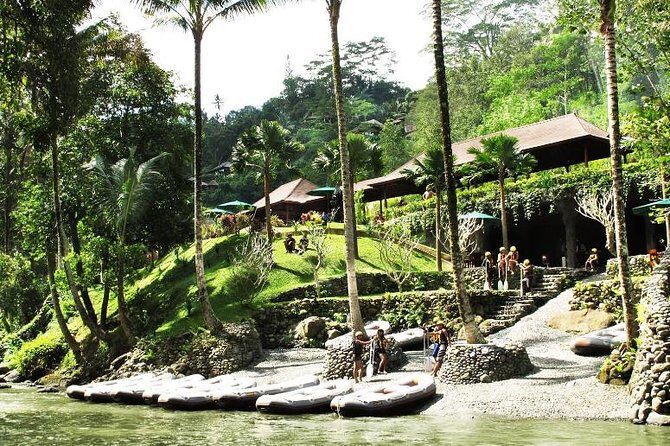
Bali Mason Adventure White Water Rafting - Ayung River rafting from Ubud: why this route is a solid pick
Ubud is a weirdly perfect base for rafting because you get the vibe of Bali’s inland valleys without needing to chase remote “only for experts” adventures. The Ayung River route is the core of this experience, with about 9.6 kilometers of paddling and a mix of scenery and action. The tour pitch makes a point of the calm, forest-feeling stretches too, which matters if you’re bringing kids or you just want something exciting without feeling constantly terrified.

What I like here is that the rafting isn’t sold as a hardcore endurance event. It’s framed as an adventure that’s guided, structured, and paced—so you can enjoy the water, not just survive it. And because the setup includes modern rafting equipment and “standard safety facilities,” you’re more likely to feel taken care of than dropped into chaos.

The other big reason this works: there are three package options—morning session, afternoon session, and a family package. That flexibility helps if you’re also trying to fit temple visits, rice terraces, or a beach day into a tight Bali schedule.

Price and value: what $75 actually buys you

At $75 per person, this is the kind of price that only feels fair if the “included” list is real—and here it is. Your booking includes hotel transfer, gourmet buffet lunch, rafting and safety equipment, security lockers, hot shower and change rooms, and insurance. In practical terms, you’re paying for a full half-day outing, not just a seat in a boat.

That matters because Bali rafting has hidden costs in the real world: transport to the river, time waiting around, and the “what now?” problem after you’re drenched. This tour wraps those pieces into the price, so you can plan the rest of your day with less guesswork. If you’re traveling light, the included shower/change-room setup is a big win too.

You should also check whether your hotel is in the selected areas for pickup. If you’re outside that zone, you might need to budget for getting to the start location on your own.

Getting there: pickup, meeting point, and timing that affects comfort
Bali Mason Adventure White Water Rafting - Getting there: pickup, meeting point, and timing that affects comfort
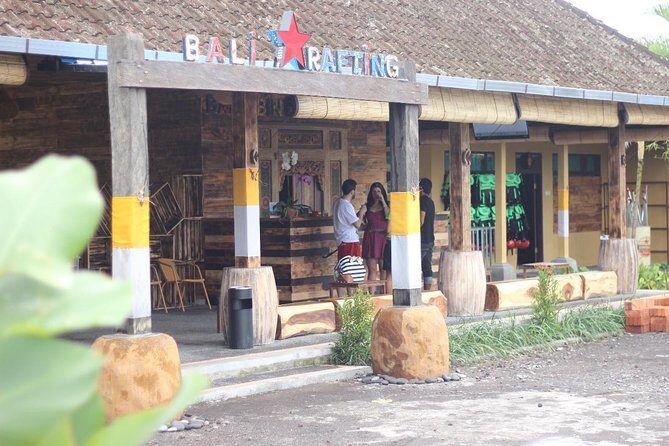
The activity is based out of Mason Adventure Rafting, Jl. Raya Kedewatan No. II, Kedewatan, Kecamatan Ubud, Kabupaten Gianyar, Bali 80571. The tour ends back at that same meeting point, which makes planning simpler: you’re not stuck figuring out new transport after you’re wet and tired.

If you’re using pickup, the tour notes that the exact pickup time is provided at least one day before the trip based on your address. Confirmation comes within 48 hours of booking, subject to availability, so you won’t always be able to finalize your schedule instantly. Also, the experience is near public transportation, which is useful if you decide to handle your own transport.

Here’s the key practical takeaway: this tour is “about 4 hours,” but that doesn’t mean you’re paddling the whole time. You’re also factoring in a start routine, stairs, changing, lunch, and the return. If your next plan is tight—like an evening show or a far dinner—give yourself a buffer.

The Ayung River ride: rapids, forest quiet, and how long you’ll be in the water
Bali Mason Adventure White Water Rafting - The Ayung River ride: rapids, forest quiet, and how long you’ll be in the water
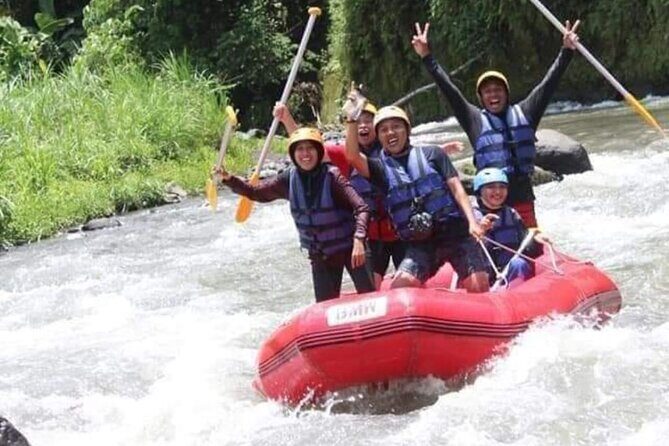
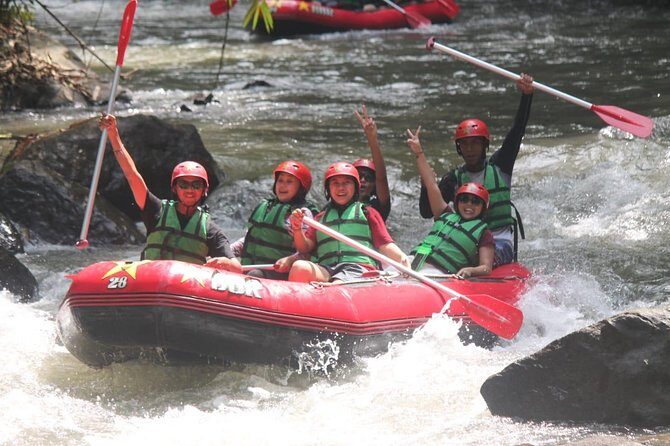
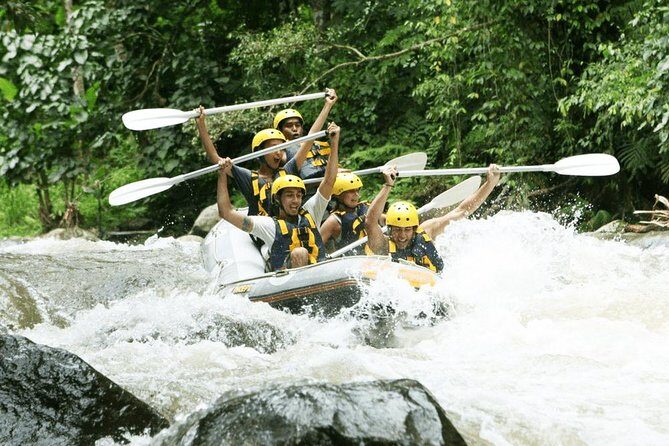
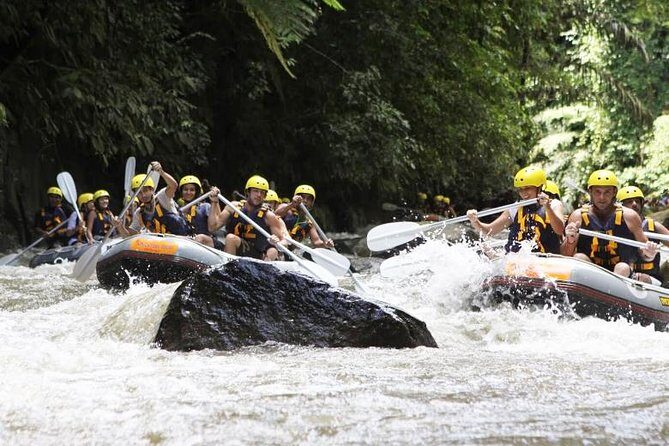
Ayung River is where the magic happens. The tour is built around a scenic rafting experience through the forest environment, with fun and adventurous rapids along the route. You’ll likely feel a mix of moments: the adrenaline sections where you lean into the paddling, and the calmer parts where you can actually look around.

Pacing is one of the smartest things to understand before you book. Even with a total duration of about 4 hours, the active rafting segment can feel closer to around two hours for some schedules. In other words, you’re not signing up for an all-day slog—you’re getting a real adventure window and then getting your day back.

For beginners, the structure matters. The operator positions the route as suitable for beginners and families, and the guided setup is the difference between rafting that feels like a fun day and rafting that feels like a wrestling match. For families, it’s also helpful that the company explicitly welcomes children and offers a family package.

Stop-by-stop flow: what happens before, during, and after you hit the river
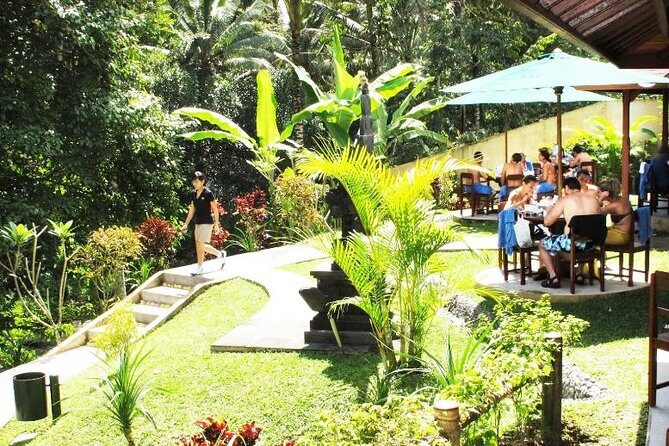
Bali Mason Adventure White Water Rafting - Stop-by-stop flow: what happens before, during, and after you hit the river
The experience is listed in two stops, but in real-life terms the flow is straightforward.

Stop 1: Ayung River rafting time

This is where you head out to the river and start the Ayung route. You’ll go through the standard rafting routine—get fitted, listen to instructions, and then board and paddle. The point of this stage is balance: you get enough action to feel the thrill, but you’re not left to figure out timing and teamwork on your own.

Stop 2: Mason Adventure base (gear, comfort, and lunch)

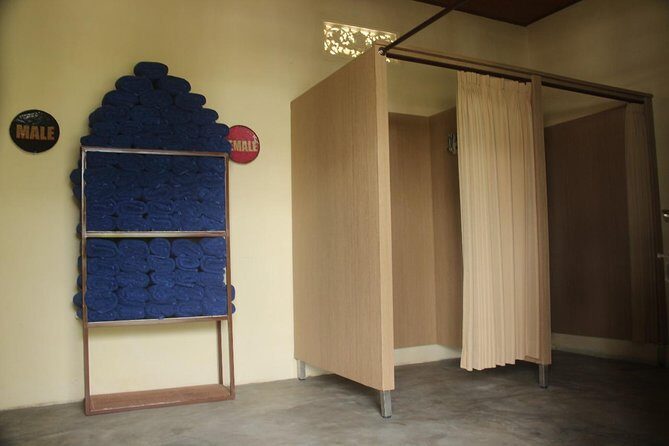
After you finish the river part, you return to the Mason Adventure area for the wrap-up. This is where the included comforts come into play: security lockers for your belongings, hot shower and change rooms, and the gourmet buffet lunch. That combo is genuinely valuable because the Ayung experience can leave you wet and sandy and slightly annoyed—no one wants to scramble for a shower after.

The stairs are worth calling out in the “after” part too. Expect a serious trek down and up. Some people note it can involve hundreds of steps total (one mention was around 600 steps down, plus more on the way back up). They also noted the steps aren’t slippery and are usable with handholds. Still, if stairs are hard for you, this is the moment to be realistic about your energy.

Lunch, showers, and the little comforts that make it feel complete
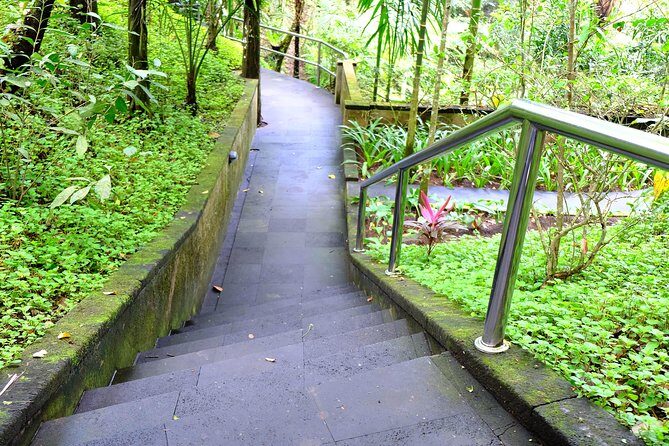
Bali Mason Adventure White Water Rafting - Lunch, showers, and the little comforts that make it feel complete
This is one of the better “value patterns” in Bali adventure tourism: the day includes the stuff you’ll want after you’ve been splashed for a while. You’re not just buying an adrenaline hit; you’re also getting the cleanup and fuel.

You get a buffet lunch described as gourmet, and you also get hot shower facilities plus change rooms. Some people mention added extras like shower gel and shampoo, along with towels. Even if you pack your own towel, having a provided option reduces friction when you’re traveling with limited space.

If you’re traveling with kids, this comfort layer matters even more. The faster you can change, warm up a bit, and eat something filling, the more likely everyone stays in a good mood for the rest of your day.

Safety and insurance: what’s included and what I’d double-check
Bali Mason Adventure White Water Rafting - Safety and insurance: what’s included and what I’d double-check
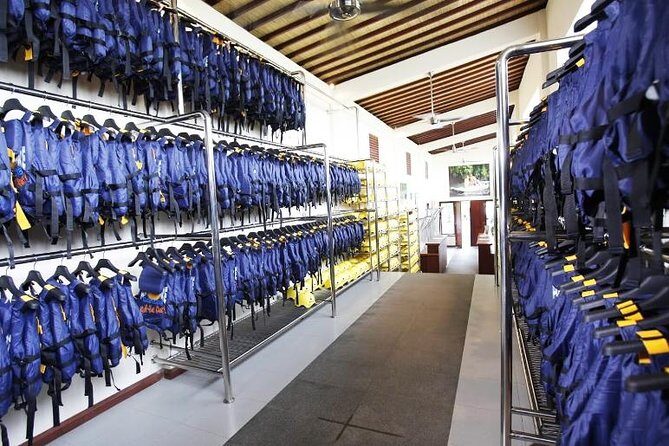
The tour includes safety equipment and insurance, and it positions itself around professional service and standard safety facilities. That combination is what you want: proper gear plus coverage that’s more than just marketing words.

That said, I still suggest you do two quick checks before you get in the raft:

  • Ask what the included insurance covers in plain language (accidents, medical help, and what procedures apply if something happens).
  • Look at the general state of the safety gear when they fit it to you (life vests should feel secure and appropriate to your size, and you should understand how straps work).

You don’t need to become a safety inspector. But a quick “show me what I should do” moment with the guide is reasonable, and it builds confidence right when you need it most.

Also, because the group size is capped at 15 travelers, you’re less likely to feel lost in a crowd. Smaller groups usually mean clearer instruction and smoother transitions.

Who this tour suits (and who should think twice)
Bali Mason Adventure White Water Rafting - Who this tour suits (and who should think twice)
This outing is built for a range of comfort levels, especially if you want something family-friendly.

Best fit

  • Families looking for an adventure activity with children welcomed and a family package option
  • Beginners who want guided coaching and a route with scenery as well as rapids
  • Teens who want a more active day than a typical sightseeing loop
  • People who value included basics: lunch, locker space, and shower access

Consideration if…

  • You’re not comfortable with stairs. The down-up step count can be significant, and it’s part of the practical experience, not an optional add-on.
  • You have a moderate physical fitness level at best. The tour explicitly asks for moderate fitness, so be honest with yourself about what you can handle on that day.

Practical tips so you enjoy it more (and feel less beat up)

Rafting days go better when you prep like it’s a water activity first, and an adventure second.

  • Wear or bring quick-dry clothes you don’t mind getting wet.
  • Bring footwear with grip for steps (and for the getting-to-the-boat moments). Avoid anything that slips easily.
  • Put your phone and valuables in the provided lockers and treat them like you won’t need them until after the trip.
  • If you’re prone to sunburn, bring sun protection. The trip includes outdoor river time, so you’ll want coverage.
  • Give yourself time before and after the raft day. You’ll move slower when you’re wet, and you’ll want a buffer for shower time and lunch.

Should you book Bali Mason Adventure White Water Rafting?

Book it if you want a structured, guided Ayung River rafting day from Ubud that includes the things that normally cost extra: transfer (in selected areas), buffet lunch, lockers, and hot showers. The route is built around scenery plus rapids, and the tour supports beginners and families with options across morning, afternoon, and family packages.

I’d think twice if stairs are a dealbreaker for you, or if you don’t want to do a full wet-and-change routine. And before you confirm, it’s smart to ask what the included insurance covers and how the safety gear is checked.

If you’re okay with a little stair work for a big payoff, this is one of those “worth it” Bali activities: you get motion, views in the river valley, and a smoother overall day than many solo DIY rafting attempts.

FAQ

Where does the Bali Mason Adventure rafting tour start?

The meeting point is Mason Adventure Rafting on Jl. Raya Kedewatan No. II, Kedewatan, Kecamatan Ubud, Kabupaten Gianyar, Bali 80571, Indonesia. The tour ends back at the same meeting point.

How much does the tour cost?

The price is $75.00 per person.

How long does the rafting experience take?

The duration is about 4 hours (approx.).

Is hotel pickup included?

Hotel transfer is included, but hotel pickup and drop off are available for selected areas. The exact pickup time is provided at least one day before the trip based on your pickup address.

What river will you raft?

This experience is on the Ayung route of the Ayung River.

How long is the Ayung River route?

The Ayung route is listed as 9.6 kilometers.

Does the tour offer different session options?

Yes. You can choose morning session, afternoon session, or a family package. Children are welcomed to join.

What’s included in the price?

Included: hotel transfer, gourmet buffet lunch, rafting and safety equipment, security lockers, hot shower and change rooms, and insurance.

What is not included?

Personal expenses are not included.

When will I receive confirmation after booking?

Confirmation is received within 48 hours of booking, subject to availability.

Is there a limit on group size?

Yes. The tour/activity has a maximum of 15 travelers.

Private Half-Day Tour: Denpasar City Trip

Private Half-Day Tour: Denpasar City Trip - Jagatnatha Temple (Pura Jagatnatha): a calm stop with big spiritual purpose

First, Denpasar doesn’t get the respect it deserves. This private half-day trip is a smart way to see Bali’s capital through the lens of temples, museums, and real daily shopping—without wasting your time hunting transport or ticket lines.

I especially like the door-to-door pickup that works from Seminyak and many other south Bali bases, plus the simple flow of four major stops. I also like that you’re not stuck in a huge bus herd because it’s set up as a private tour just for your group.

One thing to think about: it can get hot, and I’ve seen feedback that the air-conditioning may feel less strong in the back seats. If clear driver communication matters to you, keep an eye on your driver’s English level—one guide I encountered had excellent English (driver Nengah), but another was still working on it.

Key things to know before you go

Private Half-Day Tour: Denpasar City Trip - Key things to know before you go

  • Private-only vehicle: you and your group, not a shared scramble with strangers
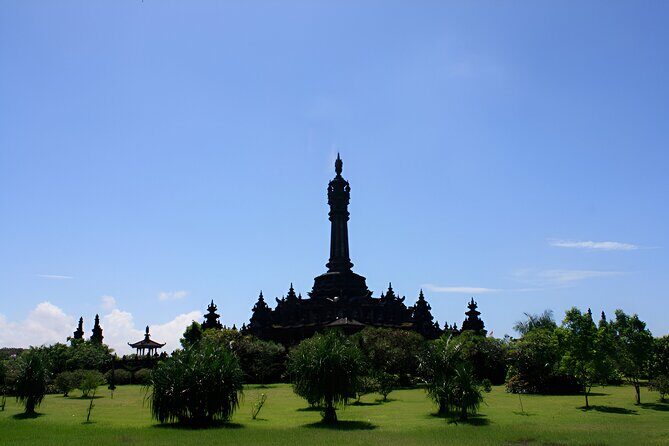
  • Four built-in stops: Bajra Sandhi Monument, Badung Market, Pura Jagatnatha, and the Bali Provincial State Museum
  • Market time built in: Badung Traditional Market is a daily-life target, not a quick photo stop
  • Tickets handled for you: entrance tickets are included for the listed sights
  • Dress code is simple: smart casual, and bring sunscreen and a camera

Denpasar from Seminyak: why this half-day feels efficient

Private Half-Day Tour: Denpasar City Trip - Denpasar from Seminyak: why this half-day feels efficient
If your Bali plan is mostly beach time and pretty temples, Denpasar can feel like a detour. That’s exactly why I like this tour: it gives you the capital in one organized morning-to-early-afternoon stretch, with local context you won’t get from a drive-by.

It’s also built for convenience. You get an air-conditioned car, a professional English-speaking driver, and pickup/drop-off straight to your hotel or villa in a long list of areas.

And yes, you really do get a “Bali beyond the beach” snapshot. The mix of a national-style monument, a major temple, a provincial museum, and Bali’s biggest market turns this into more than sightseeing—it’s a quick education in how the island’s past and daily life sit side-by-side.

Bajra Sandhi Monument: bell-shaped architecture with meaning

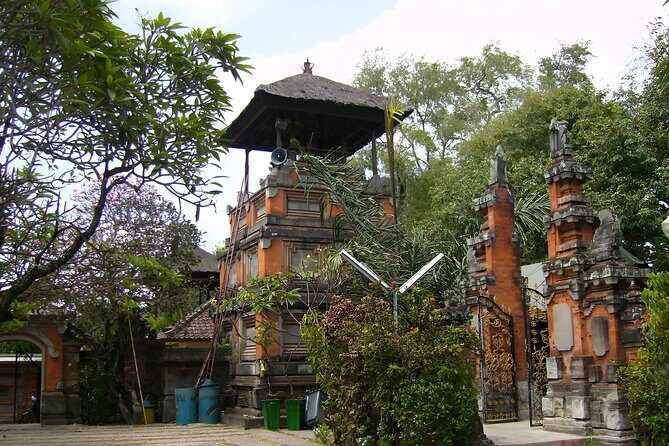
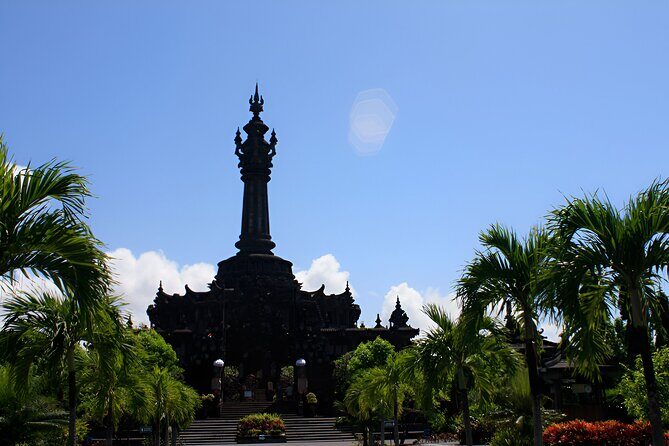
Your morning starts at the Bajra Sandhi Monument, a striking structure designed in the shape of a Bajra or Genta, a bell used by Hindu priests during ceremonies. It’s not just a pretty landmark; it’s tied to religious symbolism and cultural storytelling.

You’ll have about an hour here, which is plenty of time to look closely at the design and take photos without feeling rushed. The monument is described as a symbol of the bond between males and females, which gives you a clearer sense that these buildings often carry more meaning than “great views.”

Practical tip: go in with a quick mindset shift. Instead of trying to memorize details, focus on what the shape represents and how it connects to ceremony and identity.

Jagatnatha Temple (Pura Jagatnatha): a calm stop with big spiritual purpose

Private Half-Day Tour: Denpasar City Trip - Jagatnatha Temple (Pura Jagatnatha): a calm stop with big spiritual purpose
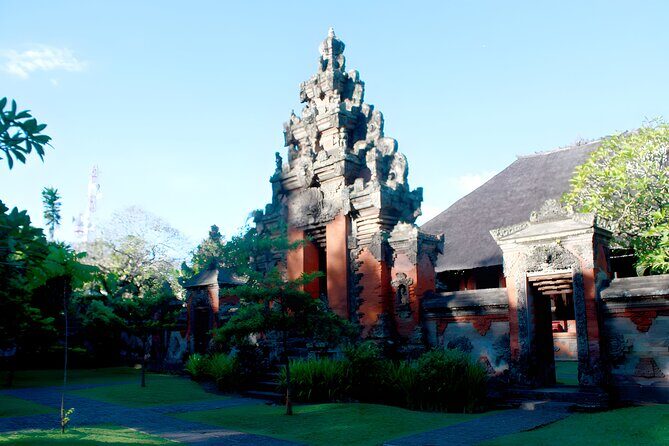
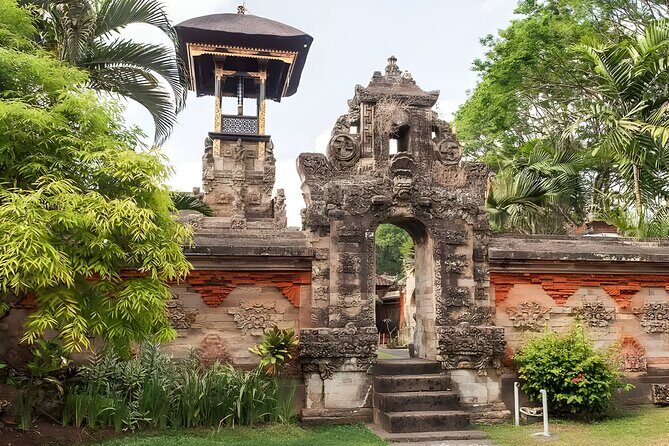
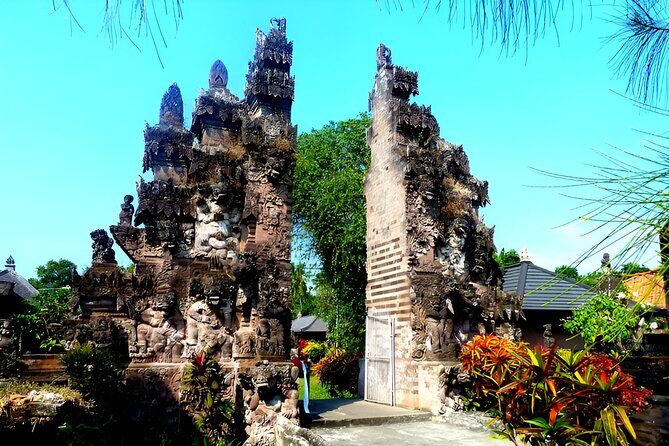
Next comes Pura Jagatnatha, built in 1953 and dedicated to the supreme god Sanghyang Widi Wasa. The name Jagatnatha links to the Sanskrit word jagat, meaning world, which makes the temple feel like it’s aiming at something larger than one specific community.

You’ll also get around an hour at this stop. It’s a good pace point in the tour because it’s less about “shopping time” and more about slowing down and observing how the temple space works—especially after the monument stop.

If you’re used to tourist-heavy temple circuits, this one can feel more grounded because it fits within a broader Denpasar day. Keep your expectations realistic: you’re not chasing fireworks, you’re getting a thoughtful cultural read.

Bali Provincial State Museum: a history break that’s not a theme park

Private Half-Day Tour: Denpasar City Trip - Bali Provincial State Museum: a history break that’s not a theme park
After temples and architecture, you’ll hit the Bali Provincial State Museum (Negeri Propinsi Bali), which officially opened for the public on 8 December 1932. It was originally named the Bali Museum and managed by the Bali Museum Foundation, then taken over by the provincial government on 17 August 1945.

That background matters because it explains why the museum is a provincial checkpoint, not just a collection for tourists. You’re getting a sense of how Bali has been organized, documented, and preserved at a governmental level.

Plan on the full hour. Even if you don’t read every label, the museum stop is useful for your overall understanding of what you’re seeing on the island. It also breaks up the heat cycle—indoors is an actual relief in Bali’s midday sun.

Badung Traditional Market: shopping for daily life at Bali’s biggest market

Private Half-Day Tour: Denpasar City Trip - Badung Traditional Market: shopping for daily life at Bali’s biggest market
This is the stop where the tour turns into something you can actively participate in. Badung Traditional Market is described as the biggest market in Bali and a place locals visit for daily needs. It’s open 24 hours, so even if you think of markets as morning-only, this one doesn’t follow that rule.

You’ll spend about an hour here. That’s enough time to browse, compare prices, and pick up practical items—especially if you treat it like a local errands stop instead of a souvenir hunt with tunnel vision.

A quick mindset tip: come with one or two categories in mind (like snacks, small household items, or everyday textiles) so you’re not overwhelmed. Market browsing can get intense fast, and having a plan keeps it fun instead of exhausting.

If you like eating where people actually eat, this market stop pairs well with lunch later. You’ll get a feel for what’s normal on the island, not just what’s packaged for tourists.

Hotel pickup, AC car, and heat management in a 6–7 hour day

Private Half-Day Tour: Denpasar City Trip - Hotel pickup, AC car, and heat management in a 6–7 hour day
Even though it’s called a half-day tour, the total time runs about 6 to 7 hours. That doesn’t mean it drags—it usually means you’re accounting for travel time, stop time, and lunch time in a practical way.

Pickup and drop-off are a big deal here. This tour offers service from hotels or villas in areas including Seminyak, Legian, Kuta, Canggu, Sanur, Denpasar, Nusa Dua, Jimbaran, Ubud, Tanjung Benoa, and Uluwatu. If you’re staying in the south and want a Denpasar day without extra logistics, this is built for you.

Now the one caution: heat. One piece of feedback pointed out that the car was comfortable at first, but the back seat AC didn’t cool as well later in the ride. If you can choose seating, I’d aim for the front or at least avoid the back corner seat on a very hot day.

Also, dress code is smart casual. Bring sunscreen and a camera, and plan on reapplying sunscreen once you’re out in the open.

Weather note: the experience depends on good weather, and if it gets canceled due to poor weather, you’ll be offered another date or a full refund. That’s worth keeping in mind if your schedule is tight.

Lunch as an option: how to get full value from the $55 price

Private Half-Day Tour: Denpasar City Trip - Lunch as an option: how to get full value from the $55 price
The price is $55.00 per person, and it includes a lot of the cost that usually adds up: air-conditioned private transport, all entrance tickets, petrol and parking fees, and hotel/villa pickup and drop-off. There’s also an Indonesian set menu lunch included if you select that option.

For me, the value case is simple: this tour reduces your decision load. You don’t have to figure out transport between sites, negotiate entry tickets, or arrange a lunch plan that fits the timing. You’re paying for a smooth, organized morning-to-afternoon arc.

If you’re deciding whether to add lunch, think about your day ahead. If you’re likely to be hungry later and want to keep momentum, selecting lunch is a smart move. If you prefer to choose your own food, you can treat the day as a two-part plan and use the market stop as your snack break.

Vegetarian option is available if you advise at booking. If dietary needs matter, send that note early so the lunch choice stays stress-free.

Driver quality: when English makes the difference

Private Half-Day Tour: Denpasar City Trip - Driver quality: when English makes the difference
The tour is guided by a professional English-speaking driver, but real life isn’t always perfect. One review reaction described a new driver with English that was hard to understand, which reduced the amount of verbal communication during the day.

On the flip side, I’ve seen strong results with drivers who are friendly and clearly comfortable with English—one named driver (Nengah) was described as knowledgeable and easy to understand, with safe driving and a good attitude.

If you want more conversation—about what you’re seeing, not just where you’re going—this is the part to prioritize. When you book, it’s reasonable to request clear communication, especially if you’re traveling solo or with older family members.

Who this Denpasar city trip suits best

This works well if you:

  • Want a private plan that doesn’t waste time coordinating groups
  • Are staying in Seminyak and south Bali and want a Denpasar snapshot
  • Like a mix of sacred sites, museums, and practical local shopping
  • Appreciate having entrance tickets included

It may be less ideal if:

  • You’re sensitive to heat and need strong, consistent cooling in the car
  • You only enjoy temple or market stops that are extremely short and photo-only

The good news: the pace is structured around four one-hour-style blocks, so you get variety without feeling like you’re trapped in one type of place.

Should you book this Denpasar City Trip?

Book it if you want an efficient, local-feeling half-day that connects Bali’s capital to both culture and daily life. The included tickets and door-to-door pickup do a lot of work for you, and the market stop makes it feel more like a real day in Denpasar than a checklist tour.

Skip or rethink if you’re not a fan of heat, you hate markets, or you rely heavily on fluent English narration. In that case, you might still go—but you should plan to keep expectations flexible and ask more questions during the stops.

If you want one Denpasar experience that’s practical and grounded, this is a strong choice.

FAQ

What’s the duration of the Denpasar City Trip?

It runs about 6 to 7 hours.

Is this tour private?

Yes. It’s a private tour, meaning only your group participates in the vehicle.

Where does pickup and drop-off work?

Pickup and drop-off are offered from hotels or villas in many areas, including Tanjung Benoa, Legian, Jimbaran, Sanur, Canggu, Nusa Dua, Kuta, Uluwatu, Ubud, Denpasar, and Seminyak.

What stops are included?

You visit Bajra Sandhi Monument, Badung Traditional Market (Badung Market), Pura Jagatnatha, and the Bali Provincial State Museum (Negeri Propinsi Bali).

Are entrance tickets included?

Yes. All entrance tickets are included.

Is lunch included?

Lunch is an Indonesian set menu and is included if you select the lunch option.

Can I request a vegetarian lunch?

Yes. A vegetarian option is available if you advise at booking.

What’s the dress code?

Smart casual.

What should I bring?

Bring sunscreen and a camera.

What happens if weather is poor?

The experience requires good weather. If it’s canceled due to poor weather, you’ll be offered a different date or a full refund.

Rafting & ATV Adventure Tour in Gianyar

Rafting & ATV Adventure Tour in Gianyar - Ayung River Rafting: Water Time on a Famous Ubud-Area River

Two adrenaline hits in one Bali day.

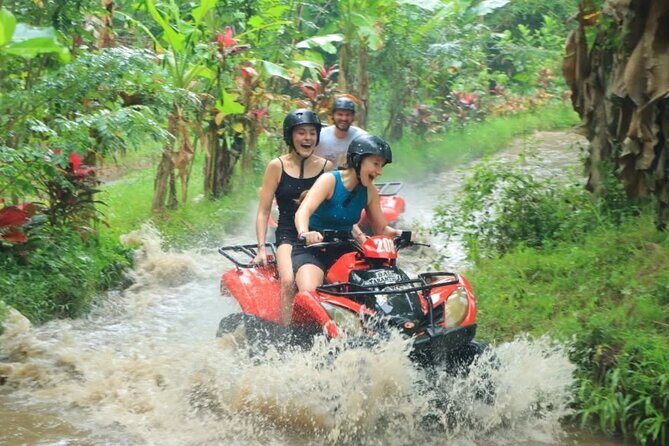
This combo tour mixes ATV forest tracks with Ayung River rafting in the Gianyar area, so you get both dry-land thrills and wet, foamy fun without changing plans all week. It’s also run in a straightforward way by Akila Bali Tours, with help from guides like Putu Dony.

I like the way the day stays family-friendly in tone while still feeling genuinely exciting. People talk about Dony’s English and planning, and the small group limit of up to 6 travelers helps the experience feel less chaotic and more personal.

One possible drawback: the activities are active, with a moderate physical fitness requirement, and you’ll be doing two main stretches of time (about 2 hours each) that demand focus, balance, and a willingness to get a bit uncomfortable.

Key Highlights Worth Your Time

  • Two action blocks: ATV riding and Ayung River rafting are each about 2 hours
  • Small-group feel: maximum 6 travelers, so you’re not lost in a crowd
  • Guide names you’ll hear often: Putu Dony and Dony are repeatedly praised for service and English
  • Simple logistics: pickup is offered and you get a mobile ticket
  • Real Bali variety: steep forest tracks plus a river route on the Ayung in Gianyar

Where the Day Begins in Gianyar-Style: Meet at KeepAll Bali Adventure

Your tour starts back at the meeting point: KeepAll Bali Adventure, at Jl. Puseh Natih, Singapadu Tengah, Kec. Sukawati, Kabupaten Gianyar, Bali 80582. The listing calls it an Ubud-based experience, but the key practical point is that this is centered in the Gianyar region—close enough to plan as a day outing, far enough to make the scenery feel like you actually left the town grid.

If you’re coming from Ubud, you’ll want to plan for transit time even with pickup. Pickup is offered, which helps a lot if you’re juggling kids, cameras, or you just don’t want to wrestle with scooters for one short window of adventure.

Also worth noting: it’s described as near public transportation. That’s handy if you decide to skip pickup or you’re meeting others.

ATV on Steep Forest Tracks: Fast Fun With a Learning Curve

The ATV portion is built around riding in Bali’s forest area with steep tracks. That matters because it’s not just a flat track-and-go experience. The “steep” part is what makes it feel like an adventure instead of a slow scenic drive.

From what you’re told ahead of time and what guides are praised for, the process includes clear instruction and support. In plain terms: if you can listen, follow directions, and keep your balance, you’ll be in good shape. The tour doesn’t position this as a long training session—it’s more like you get your bearings fast and then go ride.

Who this works best for

This part tends to suit:

  • people who like motion and control
  • families with kids old enough to follow safety instructions
  • anyone who wants their Bali day to feel active, not just sightseeing

The tradeoff

The “steep forest tracks” description signals that it’s not for anyone who wants a totally gentle pace. If you’re worried about balance, knee/ankle issues, or you hate unpredictable surfaces, you’ll want to judge carefully against the moderate physical fitness note.

Ayung River Rafting: Water Time on a Famous Ubud-Area River

Rafting & ATV Adventure Tour in Gianyar - Ayung River Rafting: Water Time on a Famous Ubud-Area River
After the ATV, the tour shifts to rafting on the Ayung River in Gianyar. This is a nice pairing because it changes your body situation fast: from throttle work and arm tension to grip-and-stance while moving with the raft.

The tour frames the rafting as around 2 hours, which is a sweet spot. You get enough time for the river to feel like a real route, with the sights changing as you go, without dragging the day into late-night exhaustion.

What to expect in feel

Even without getting technical about rapids, rafting on the Ayung typically means you should expect:

  • splashes and wet gear pressure (plan for it)
  • moments where you’ll need to brace and listen
  • a stronger sense of teamwork because the raft is moving as a unit

Why this pairing is smart

Doing rafting after ATV makes the day feel “complete.” You don’t just do thrill in one format. You get the dry crunch of trails, then the fresh reset of moving water. It’s a good way to keep a mixed group happy—especially if you have kids who want to do something that’s clearly fun, not just educational.

The 8-Hour Flow: How the Schedule Stays Manageable

The total duration is listed at about 8 hours. The tour is built as a two-main-activity combo, each around 2 hours. That leaves room in the middle for the less glamorous parts: getting geared up, briefing and transitions, and the drive time between sites.

Here’s why that matters for your planning:

  • An 8-hour day is long enough to feel like you did something real.
  • It’s short enough that you can still enjoy dinner later without feeling destroyed.
  • The small group limit helps the timeline feel tighter and smoother, since fewer people means less waiting.

The tour also includes pickup, if you opt in, and it ends back at the meeting point. That’s a practical detail that saves stress. You’re not hunting down a ride after you’re wet and sunburned.

$26.77 for ATV + Rafting: Why the Value Can Be Real

At $26.77 per person, this price is the big reason to look closely. It’s unusually low for a day that includes both ATV riding and rafting, especially with a provider operating in the Ubud/Gianyar area.

That doesn’t automatically mean it’s perfect value, but it does tell me something important: this tour is likely priced to be an accessible, high-demand option. And the consistent praise for service adds weight to that idea—people repeatedly highlight the guide and the smooth experience rather than complaining about delays or confusion.

How to judge the value before you book

Because the details of what’s included (gear, photos, meals, etc.) aren’t spelled out in what you provided, you should quickly check these points with Akila Bali Tours or the operator:

  • What’s included for each activity (safety gear, transport, any refreshments)
  • Any extra fees you might pay on arrival
  • Whether there are any age or height limits for the ATV

If the inclusions match what you expect, the price becomes a bargain. If you learn you’ll be paying add-ons you didn’t plan for, it may still be worth it, just not quite as cheap.

Guide Service Is the Difference Maker Here

The standout theme in the information you shared is how much the guides matter. Putu Dony, Dony, and similar mentions show up again and again, and the reasons are consistent: quick, friendly help; good communication in English; and good planning for the day.

This matters because ATV and rafting aren’t “set it and forget it.” You’re dealing with motion, wetness, and uneven terrain. A guide who explains what to do and what to expect helps you:

  • feel confident faster
  • avoid silly mistakes
  • enjoy the ride instead of worrying about the process

If you’re the type who gets anxious when you don’t understand the rules, this service angle is a big plus.

Comfort, Timing, and Fitness: Your Reality Check Before You Go

The tour calls for moderate physical fitness. That’s not a dramatic warning, but it is a real one. You’ll likely be:

  • getting on and off an ATV and maintaining control while riding
  • carrying yourself through wet conditions on the raft
  • staying focused for about 2 hours at a time per activity

So I’d frame it like this: if you can handle a few hours of active movement with short breaks, you’ll be fine. If you want a low-effort day, you might find it more intense than expected.

Also, because it’s rafting and ATV in one day, you’ll want to be practical with clothing and your personal items. Bring a plan for keeping your phone and wallet safe from splashes. Even if you’re careful, water finds gaps.

Should You Book This ATV + Ayung Rafting Combo?

Book it if you want a single, structured day that mixes two very different kinds of Bali fun—ATV forest riding plus Ayung River rafting—and you prefer a tour that’s small-group and guide-led. The repeated praise for Dony and Putu Dony-style service is exactly what you want when you’re doing two active activities back-to-back.

Skip or reconsider if you want a slow, easy day, or if moderate fitness is a stretch for you. Also take a close look at what’s included at this low price. Once you confirm gear and any add-ons, you’ll be able to judge value fast.

FAQ

How long is the ATV and rafting adventure tour?

The tour lasts about 8 hours.

Where is the tour meeting point?

The meeting point is KeepAll Bali Adventure, Jl. Puseh Natih, Singapadu Tengah, Kec. Sukawati, Kabupaten Gianyar, Bali 80582, Indonesia.

Is pickup available?

Yes, pickup is offered.

How long are the ATV and rafting parts?

Each activity is around 2 hours.

What’s the price per person?

The price is $26.77 per person.

Can I cancel for a refund?

Yes. You can cancel up to 24 hours in advance for a full refund. If you cancel less than 24 hours before the start time, you won’t get the refund.

The Best Fast Boat Transfer: Bali – Lombok – Gili Trawangan

The Best Fast Boat Transfer: Bali - Lombok - Gili Trawangan - Price and logistics: picking the right option (A, B, C, or D)

Getting to the Gilis can be painless.

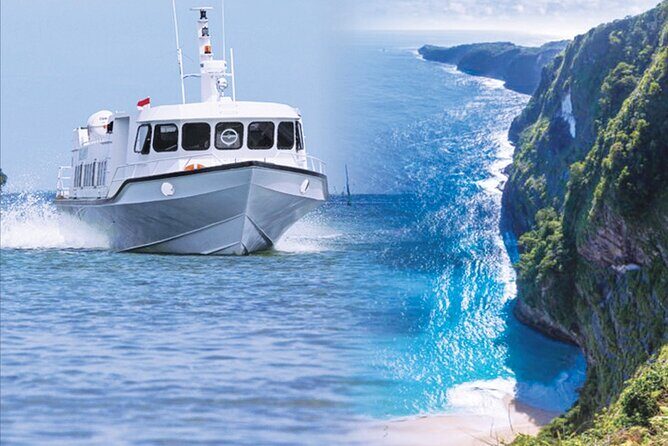
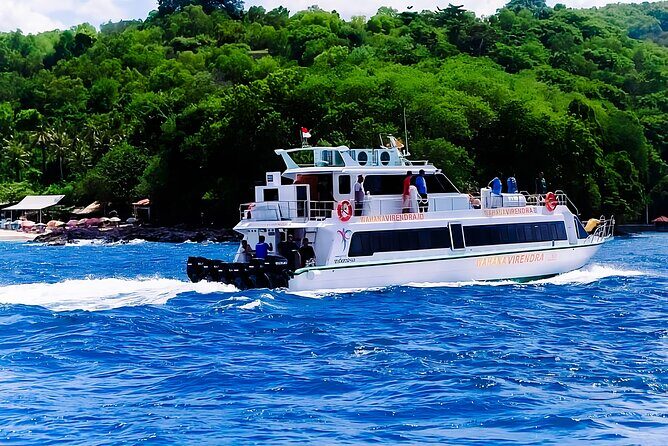
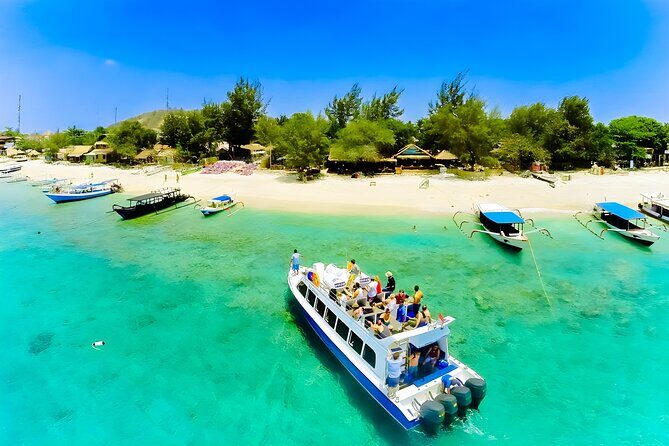
This fast-boat transfer from Bali to Lombok and the Gili islands trades slow cross-island travel for a high-speed ride, with options that can include hotel pickup so you don’t have to find a meeting point in Padangbai.

Two things I like right away: hotel/villa pickup and drop-off in selected Bali areas (for options A and B) and a straightforward route order that helps you plan your island day (Padangbai → Gili Trawangan → Gili Air → Bangsal Lombok). I also appreciate that the schedule is listed by operator, so you can choose your morning or afternoon departure.

One important consideration: if you book the ticket-only options, there is no hotel pickup, and you should expect some waiting and line-up time at the harbor. In at least one real-world situation, departure ended up later than the posted time, so build in buffer and keep your patience handy.

Key things to know before you go

The Best Fast Boat Transfer: Bali - Lombok - Gili Trawangan - Key things to know before you go

  • Pickup depends on your option: A and B include air-conditioned transport; C and D are ticket-only with meeting at Padangbai harbor.
  • There are multiple operators: Wijaya Perkasa and Wahana show different departure times from Padangbai.
  • Your boat stops matter: the route includes Gili Trawangan, Gili Air, and Bangsal Lombok, so your arrival island is tied to the order.
  • Plan for a harbor queue: loading can involve line-up time in the heat before you even get on the boat.
  • Watch out for motion sickness: you might have limited window views, which can make some people feel sick.
  • Weather can change everything: the ride requires good weather, and cancellations may shift dates or refunds.

Fast boats that cut Bali-to-Gilis travel time

The Best Fast Boat Transfer: Bali - Lombok - Gili Trawangan - Fast boats that cut Bali-to-Gilis travel time
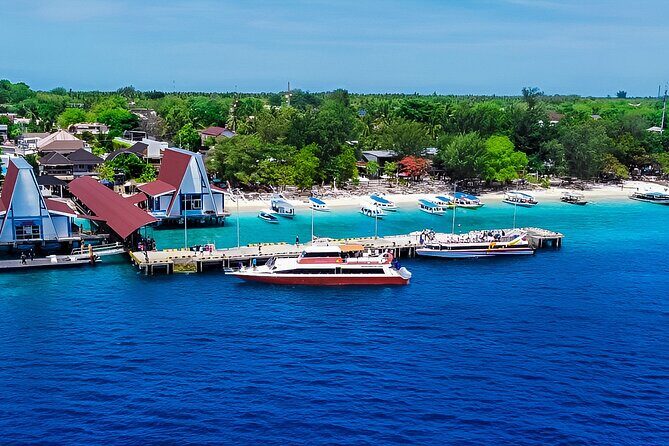
If your Bali itinerary is already packed, time matters. This transfer is built for exactly that: you trade a slower, longer crossing for a faster ride between Bali and the Gili area. The trip is listed at about 3 hours (approx.), which is the difference between losing half your day to transport and actually getting into island mode.

I also like that the experience is designed as a door-to-dock or dock-to-dock plan. When you choose the included transport options, you get an air-conditioned vehicle that handles the land leg, then you move straight onto the boat at Padangbai. It’s simple travel physics: less hassle at the harbor usually means more energy for the moment you land.

One more practical note: the boat can take up to 100 passengers. That’s not tiny, so expect a shared departure vibe—especially during peak morning slots—while still benefiting from the speed advantage.

Price and logistics: picking the right option (A, B, C, or D)

The Best Fast Boat Transfer: Bali - Lombok - Gili Trawangan - Price and logistics: picking the right option (A, B, C, or D)
This is where you can make or break your day. The service is sold in several formats, and the difference is huge:

  • Option A (Round Trip): private transport from Padang Bai port to the Gili stops (Gili Trawangan / Gili Air / Bangsal Lombok) and back to Padang Bai. It also includes hotel/villa pick-up and drop-off in selected Bali areas. Harbor tax is included for this option.
  • Option B (One Way): private transport either from your hotel to Padang Bai (then the boat to the Gili stops) or from the Gili/Lombok side back to Padang Bai and then to your hotel. Harbor tax is included.
  • Option C (Round Trip Tickets Only): you get the fast boat tickets, but you handle the land transport. Meeting point is Padangbai harbor.
  • Option D (One Way Tickets Only): same idea as C, but one direction only; again, meeting is Padangbai harbor.

Here’s the key takeaway: if you want hotel pickup, you need A or B. If you choose C or D, you’re showing up at Padangbai and doing your own check-in timing there. That mismatch is the kind of problem that snowballs—because if you assume pickup is included and it isn’t, you’ll lose time and stress yourself out.

The good news: the product details clearly separate pickup vs ticket-only. Still, I’d treat it like a checklist. Before you pay or confirm, verify which letter you booked and whether your Bali area is among the selected pickup zones (with the note that additional fees may apply for some areas).

Bali pickup areas and the land ride to Padangbai

The included land transport (options A and B) covers multiple Bali start points, including Canggu, Seminyak, and Kuta. That matters because it can save you from the “where’s the taxi stand” scramble and help you show up at the harbor with enough margin.

The vehicle is listed as air-conditioned, which is a real comfort upgrade in Bali’s heat. It also makes a difference for families or anyone who gets cranky when travel stretches out.

If your pickup isn’t included for your exact spot (because of where you’re staying), you’ll likely need to make your own way to Padangbai for check-in. The service also lists meeting points starting at Padangbai (and locations in Karangasem Regency), which is a hint that Padangbai is the main anchor for departures.

Choosing the best departure time: 09:30, 11:00, and 14:00

This transfer uses posted departure times, and they vary by operator and direction:

From Padangbai (Bali):

  • 09.30 am — Wijaya Perkasa Fastboat
  • 14.00 pm — Wahana Fastboat

From Gili/Lombok side:

  • 11.00 am — Wijaya Perkasa Fastboat

That’s all very workable, but I strongly suggest you treat these as target times, not an iron law. One real trip experience included a departure that ended up about an hour later than the posted schedule, so you’ll want buffer time either by planning a later activity or by not booking something super tight right after the landing.

If you’re trying to maximize your island time, the early 09:30 option tends to win on paper. If you’re coming from farther in Bali and you need a slower morning, the 14:00 departure might fit better—but it can also mean arriving later and tightening dinner plans.

Either way, don’t plan to stroll into the harbor at the last second. There can be line-up and waiting before boarding, and hot sun is not a great travel companion.

The boat route: Gili Trawangan to Gili Air to Bangsal Lombok

The Best Fast Boat Transfer: Bali - Lombok - Gili Trawangan - The boat route: Gili Trawangan to Gili Air to Bangsal Lombok
The route is listed as:

Padangbai – Gili Trawangan – Gili Air – Bangsal Lombok

That order is practical for planning because your arrival timing depends on where you’re headed. If you’re staying on Gili Trawangan, you’ll likely get off earlier in the chain. If you’re going to Gili Air, you need to be ready for the boat to keep moving and stop there after the Trawangan stop.

The service also notes a specific tip: if you plan to stay at Gili Air, you should stay on the boat while it stops at other ports before you. That advice sounds small, but it’s exactly the kind of detail that keeps you from stepping onto the wrong island at the wrong time.

On the Lombok side, the boat route includes Bangsal Lombok. Your next land connection depends on your chosen option, but it’s useful to know that you’re not landing somewhere random—you’re landing at the Lombok gateway area that boats use.

What the ride is like: coastal views, but also window issues

The transfer advertises coastal views as you sail. And yes, that’s one of the perks of using a fast boat instead of doing everything by land.

But there’s a trade-off you should plan around: some boats can be enclosed or designed in a way that limits clear outward viewing. One experience included a situation where the rider couldn’t see out the windows well and felt sick as a result. Even if you personally handle boats great, it’s smart to bring a backup plan.

My practical advice:

  • Bring motion-sickness meds if you’re even slightly prone.
  • Wear something comfortable and consider a light cover if you get overheated before loading.
  • If you can choose where you sit, aim for the area where you’ll have the best chance of looking outward (the goal is simple: reduce that trapped-in-a-window feeling).

Also, remember that the boat capacity is up to 100 passengers, so seating can be a little competitive. Show up early so you’re not scrambling the moment boarding starts.

Handling harbor time: lines, heat, and late departures

This is the part that can surprise people who expect “fast” to also mean “instant.” Even though the crossing is quick, harbor time can be slow.

One trip described having to line up in what felt like a cattle-call situation and then waiting in hot sun for about 45 minutes before even beginning loading. Another note said departure was about an hour later than expected.

You can’t control the sky or the logistics. What you can do is prepare:

  • Wear a hat, bring water, and use sunscreen.
  • Don’t schedule something important right before or right after the boat.
  • If you’re traveling with anyone who hates waiting, decide ahead of time how you’ll handle the delay without stress.

In other words: fast boat for the sea crossing, but still treat the harbor like a real stop, not a quick drive-through.

Luggage allowance and what to bring

The service states you’ll have a generous luggage allowance. That’s a comfort point because the Gili islands often tempt you into packing more than you intended.

Still, I’d pack with the reality of boarding in mind. You’ll want to bring what’s necessary for the island day and keep essentials easy to access, especially if boarding runs later than the posted time. If you’re bringing bags that are awkward to lift, keep them organized so you’re not hunting for the zipper in a crowd.

Also check whether you’re carrying anything that could be restricted or inconvenient on board. The data doesn’t list specific restrictions, so the best strategy is to assume standard ferry fast-boat common sense: keep valuables and documents close, and avoid turning every corner of your bag into a scavenger hunt.

Is it good value at about $19 per person?

At $19 per person, this is positioned as an affordable way to jump between Bali and the Gili islands without living in transit for hours.

Here’s the value math you should do:

  • If you pick A or B, you’re paying for a smoother end-to-end plan because hotel/villa transport and harbor tax are included (selected areas). That’s a big deal if your Bali hotel is far from Padangbai.
  • If you pick C or D, you’re paying mostly for the boat ticket. The boat price can still be a bargain, but only if you’re comfortable handling the land leg yourself.

So the “best value” depends on your starting point. If you can use included pickup, this transfer can be a great time-saver. If you need ticket-only and Padangbai is a pain from your hotel, your total cost (time + transport + stress) may shrink the deal.

One more angle: there are daily morning departures, and the boat route includes major Gili stops. That reduces the chance you’ll end up doing extra transfers just to reach the island you want.

Who this transfer suits best (and who should think twice)

This is a strong match if you want:

  • a high-speed connection between Bali and the Gili area
  • options that can include air-conditioned pickup and drop-off
  • a route that reaches Gili Trawangan, Gili Air, and Bangsal Lombok

It’s especially sensible for couples, small groups, or anyone who hates the admin of finding boats, meeting points, and schedules on their own.

It might not be your perfect fit if:

  • you’re sensitive to motion and know you react badly to boat rides
  • you strongly dislike waiting in hot queues before loading
  • you book ticket-only by accident and then have to scramble to Padangbai

The service also says it operates as a private tour/activity, with only your group participating. That doesn’t change the fact that the boat still carries up to 100 passengers, but it can reduce the chaos of coordinating across multiple unrelated groups for the land part.

Should you book this Bali–Lombok–Gili Trawangan fast boat transfer?

Yes, if you choose the right option and build in a buffer. This is one of the more practical ways to protect your island time, especially when your Bali hotel is in Canggu, Seminyak, or Kuta and you select pickup-included options (A or B).

Don’t book it on autopilot. Double-check:

  • whether you picked a plan with hotel pickup or ticket-only meeting at Padangbai harbor
  • the operator and departure time that fits your day
  • whether you need motion-sickness help, given limited window views on some boats

If you want speed with fewer moving parts, this transfer is a solid choice. If you want a zero-wait, perfectly punctual harbor experience, keep your expectations realistic and show up early.

FAQ

How long is the fast boat transfer?

The duration is listed as about 3 hours (approx.).

Which islands does the boat route include?

The boat route is Padangbai to Gili Trawangan, then Gili Air, and then Bangsal Lombok.

Where do ticket-only options meet?

For ticket-only options (C and D), the meeting point is at Padangbai harbor.

Does the transfer include hotel pickup?

Hotel/villa pickup and drop-off is included for options A and B (selected Bali areas). Ticket-only options (C and D) exclude hotel transport.

What Bali areas are pickup points?

Pickup areas listed include Canggu, Seminyak, and Kuta, with meeting points also associated with Padangbai and the Karangasem Regency area.

What are the departure times from Padangbai?

Departure times from Padangbai are 09.30 am (Wijaya Perkasa Fastboat) and 14.00 pm (Wahana Fastboat).

What is the departure time from the Gili/Lombok side?

From the Gili/Lombok side, the listed departure time is 11.00 am (Wijaya Perkasa Fastboat).

What happens if weather is poor?

The experience requires good weather. If it’s canceled due to poor weather, you’ll be offered a different date or a full refund.

Ubud ATV Ride through Jungle and Waterfalls

Ubud ATV Ride through Jungle and Waterfalls - Gear and safety: helmets, boots, and a quick confidence boost

Four wheels can feel like a time machine.

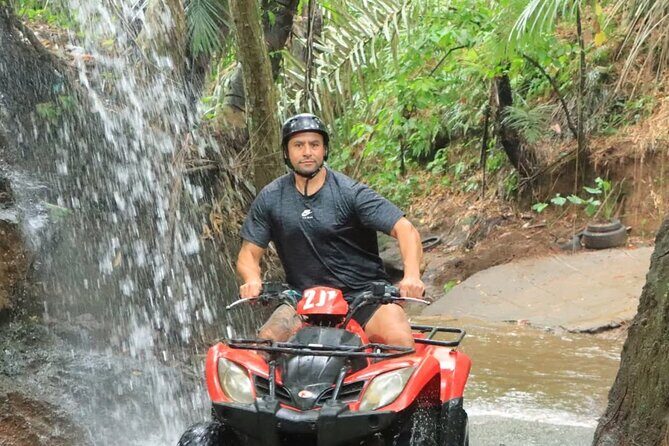
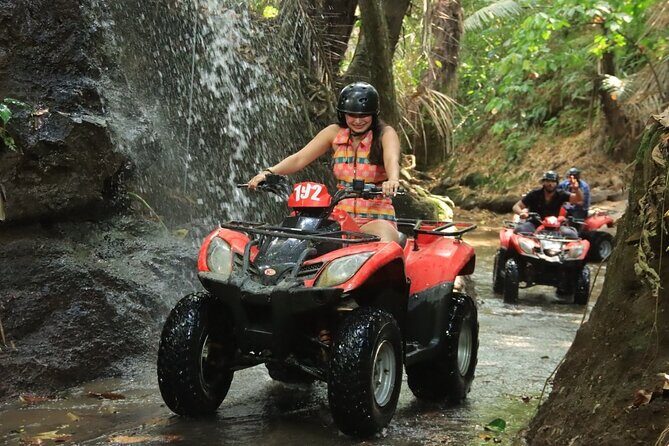
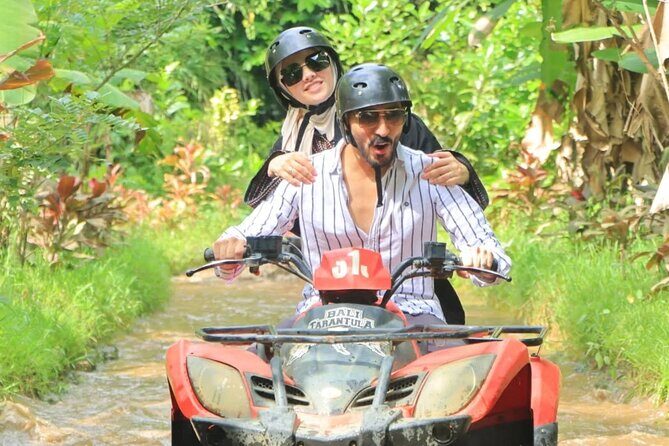
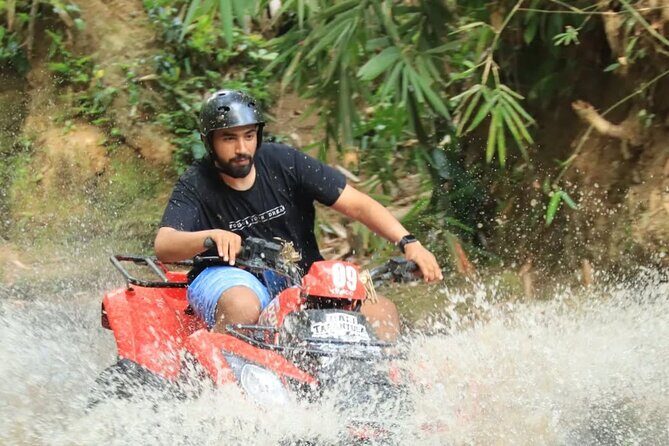
This Ubud ATV Ride through Jungle and Waterfalls takes you off the main routes into rural Bongkasa, where you’ll rumble past rice fields, bamboo, muddy trail sections, and into real cave/tunnel moments. The top thrill is the custom-built Tarantula Track, plus a waterfall you can ride through and get soaked in.

I love the way the experience turns into a full adventure, not just a quick loop—caves, a long dark tunnel, streams, and that ride-under-waterfall moment. I also really like that they set you up to ride with safety gear and a clear briefing (and even a practice run for first-timers), so it feels fun instead of stressful.

One thing to consider: you’ll leave wet and muddy, and only about half the 3 hours is actual riding. The rest is travel time between spots plus cleaning up.

Key things to know before you go

Ubud ATV Ride through Jungle and Waterfalls - Key things to know before you go

  • Tarantula Track thrills with twists, climbs, and dips built for quad bikes
  • Caves and a long tunnel that feels cinematic and makes great photo moments
  • Waterfall ride-through that soaks you for real
  • Beginner-friendly pacing with helmets, boots, and a safety briefing (often with a practice run)
  • Included shower and changing facilities plus a fresh towel and bottled water
  • Private activity so it’s just your group, not a mixed crowd

Bongkasa Jungle Power: Why this Ubud ATV route feels special

Ubud can get busy. This ATV run escapes that vibe. You’re based out of Bongkasa, which means you spend your time in working countryside and thick vegetation instead of constant roadside traffic. The terrain matters here: you’re not just bouncing on a paved path and calling it an adventure. You’ll move through muddy jungle tracks, pass natural streams, and ride where you’d never walk casually.

What I like most is the mix of “real Bali” and adrenaline. You’ll see bits of rural life from the ATV route—rice areas and traditional village surroundings—then you switch into pure off-road chaos as soon as the trail narrows. That change of scenery is part of the fun. It keeps the ride from feeling repetitive, and it makes stops like the waterfall feel earned.

There’s also a practical advantage. A countryside setting usually means the ride has room to breathe. You can keep a comfortable pace behind your guide without feeling like you’re threading a needle with other groups. Since it’s private activity, you’re not stuck riding at someone else’s speed, which helps a lot for beginners, couples, and families with teenagers.

The 3-hour reality: when you’ll actually be on the quad

Ubud ATV Ride through Jungle and Waterfalls - The 3-hour reality: when you’ll actually be on the quad
Plan for a 3-hour total experience. The timeline is split pretty clearly: about 1.5 hours on the ATVs, and the other 1.5 hours goes to travel between locations and getting cleaned up afterward.

That timing is worth knowing before you book, because it affects expectations. If you picture a full 3 hours of ripping through jungle, you’ll be surprised. If you picture a structured adventure—ride, rest stops, a few big set-piece moments, then clean-up—this works nicely.

The good news is that the pacing supports comfort. The ride sections are long enough to feel adrenaline, but you’re not endlessly exhausted. The breaks also give you a chance to swap out damp gear with dry layers if you bring them, and it keeps first-timers from panicking. The guides keep the flow moving so you spend your time on the trail, not waiting around.

Also note that pickup is offered. So in most cases you’ll be starting from Ubud, Gianyar Regency, Bali, and the tour ends back at the meeting point. That reduces friction if you’re staying in the Ubud area and don’t want to coordinate your own transport.

Gear and safety: helmets, boots, and a quick confidence boost

Ubud ATV Ride through Jungle and Waterfalls - Gear and safety: helmets, boots, and a quick confidence boost
This ATV tour includes full safety gear: helmet and boots, plus a safety briefing and guided tour. That’s not just a checkbox. On an off-road route with muddy sections, streams, caves, and a waterfall, good gear and good instruction can turn a “nervous” moment into “wow, I can do this.”

A key detail: this ride is designed to work for beginners and experienced riders. In practice, that usually means you’ll get a briefing that explains how to handle the quad bike—then you’ll get a chance to practice so your body learns the basics before the trail gets intense. That’s especially important if you haven’t driven an ATV before, because steering on uneven ground and controlling speed on wet sections are different from a simple parking-lot demo.

The quad bikes themselves are described as powerful and easy to handle. Combined with patient guidance, you’re more likely to enjoy the jungle instead of constantly thinking about control.

One more practical point: you’ll also have use of shower and changing facilities, plus a fresh towel and bottled water. It’s rare for “messy adventure” tours to include that kind of reset. Here, it means you can ride hard, then go back to being a person with dry clothes instead of smelling like wet earth for the rest of the night.

Riding the Tarantula Track: twists, climbs, and muddy joy

Ubud ATV Ride through Jungle and Waterfalls - Riding the Tarantula Track: twists, climbs, and muddy joy
The star of the show is the Tarantula Track—a custom course with twists, climbs, and dips made for quad bikes. Even if you’re new, the track structure helps. It gives you sections that ramp up gradually, instead of dumping you into the hardest terrain immediately.

Here’s what that means for your experience. You get the fun part of off-roading—fast changes in direction, short climbs where you feel the power, and dips that make you focus on balance—without it turning into a stressful survival mission. And because it’s guided, you’re not left guessing which line to take through muddy patches or wetter trail stretches.

You’ll also see how the route connects to nature. Before (and between) the track moments, you’ll ride through rice fields, bamboo forests, and jungle trails that can be slick. That scenery isn’t just for Instagram. The vegetation and ground texture affect how you feel on the bike: you slow down in thicker spots, and you get that satisfying “okay, I’ve got this” feeling when the trail opens.

If you’re an experienced rider, you still get satisfaction. The course has enough wild character—especially with those climbs and dips—to feel like more than a beginner circuit. Tandem riders also get a fun challenge, since coordinating throttle control with a partner adds a new layer to the ride.

Just keep one expectation straight: the route is muddy and wet. That’s part of why the waterfall is so good. If you’re the type who hates getting your hands dirty, this might test your patience.

Caves and the long tunnel moment

Ubud ATV Ride through Jungle and Waterfalls - Caves and the long tunnel moment
The route includes caves and a tunnel that adds a totally different mood. One of the big thrills is the long dark tunnel section—people often describe it as atmospheric and movie-like, which makes sense. When you go from bright jungle light into a dark, enclosed passage, your brain snaps into “special moment” mode.

From a rider perspective, tunnels and cave-like sections can do two things at once:

  • They force you to focus on control and speed.
  • They make the whole ride feel like a story instead of just movement.

You’ll also get plenty of opportunities for memorable photos here. Lighting changes fast in these spots, and the guided experience helps you time stops so you can capture the moment without stopping your whole group.

If you’re worried about feeling claustrophobic, it’s fair to think about it. The tunnel is described as long and dark, which suggests it’s not just a quick shortcut. But it’s also part of why the tour feels different from standard ATV “scenic rides.” If tunnels are your thing, this tour has them. If tunnels are not your thing, still know the ride is guided and paced to keep everyone safe.

The waterfall you ride through: how to handle the soak

Ubud ATV Ride through Jungle and Waterfalls - The waterfall you ride through: how to handle the soak
This is the moment people book for. The tour includes a waterfall stop where you can ride right through and get completely soaked. That means your clothing choice matters.

You’ll want to assume the water will hit you. Boots and helmets help, but you should still treat the rest of your outfit as expendable. Plan for wet hair, wet sleeves, and water that finds its way where you didn’t expect it.

The payoff is that the waterfall isn’t just a viewpoint. It’s active. You’re on the quad bike moving into the waterfall area, not standing dry and watching. That turns it into a physical memory—cold spray, muddy splatter, and the sudden burst of motion and sound. It’s also an easy way to feel like the ride is uniquely yours, because not every ATV experience has this kind of set piece.

If you want photos, this is where you’ll get them. Water makes everything look dramatic, and you’ll probably end up with more memorable shots than you’d get on a dry trail segment. For practical comfort afterward, the tour’s shower, changing facilities, and towel are a huge deal. They take the edge off the “soaked forever” problem.

Clean-up and comfort: why the end matters

Ubud ATV Ride through Jungle and Waterfalls - Clean-up and comfort: why the end matters
A lot of adventure tours end right after the action. This one does the smart thing: it includes clean-up time and facilities. You’ll get the use of shower and changing facilities, and you’ll receive a fresh towel after your ride. Bottled drinking water is also included.

That matters because ATV riding isn’t just wet—it’s wet plus mud plus jungle grit. Even if you don’t mind getting dirty, you’ll feel better once you can rinse off and change out of damp clothes. It’s also helpful for anyone who wants to go right back to dinner or evening plans after the tour.

The total tour length (3 hours) already includes this wrap-up period. So you’re not rushing to find a bathroom or improvising a quick rinse in a sink. Instead, you can plan to move through the day normally.

My advice: bring a small bag for anything you want to keep dry for the return. You don’t need fancy gear—just something you can seal.

Price vs value: is $39.55 a good deal?

Ubud ATV Ride through Jungle and Waterfalls - Price vs value: is $39.55 a good deal?
At $39.55 per person, this tour is priced for what you actually get: an included quad bike ride, safety gear, guided track time, and big set-piece moments (caves/tunnel and waterfall). It also includes shower and changing facilities, a fresh towel, and bottled water.

On Bali, quad bike experiences range widely in price and in what they include. What makes this one feel like value is the combination:

  • You’re not paying extra for safety gear.
  • You’re not paying extra for the clean-up.
  • You’re paying for time on a purpose-built track, plus natural features you can ride through.

There’s also the private-activity element. Only your group participates, which can lower the “chaos factor.” When guidance is more personal, beginners relax faster and experienced riders get more consistent pacing.

So, if you want an ATV day that feels like it has a beginning, a middle, and a satisfying finish, this price looks reasonable.

Who should book this Ubud ATV ride (and who should skip it)

This experience fits best if you want adventure, not just scenery. You’ll love it if you’re excited by muddy trails, jungle tunnels, and the wow factor of a waterfall ride-through.

It’s also a good match for:

  • Couples, especially if you choose tandem ATVs. Sharing the ride adds fun and teamwork, and the route is described as wild enough to feel exciting together.
  • Beginners, because the briefing and help during the practice phase can make first-time riding feel manageable.
  • Families with teenagers, if everyone is comfortable with helmets and getting soaked. The mud and splashing are part of the appeal, and guides can help keep groups together.

Skip it or rethink if:

  • You hate getting wet or muddy.
  • You want a mostly dry, relaxed sightseeing day.
  • You’re expecting the entire 3 hours to be constant high-speed riding. The ride time is about half, and the rest is part transport and part clean-up.

Should you book this Ubud ATV with jungle, caves, and waterfalls?

I think it’s a strong “yes” if you want a Bali day that feels active and memorable. The reason is simple: the ride has multiple big moments packed into one half-day-style block—Tarantula Track thrills, cave/tunnel atmosphere, and a waterfall ride-through that actually soaks you. Add in the safety setup and the included shower reset, and it becomes a practical adventure, not a messy inconvenience.

If you’re on the fence, decide based on your tolerance for water and mud. This isn’t a “walk away clean” experience. But if you can roll with that, you’re in for one of the more story-like ATV rides around Ubud.

FAQ

How long is the Ubud ATV ride?

The total duration is about 3 hours. About 1.5 hours are spent on the ATVs, with the other 1.5 hours used for traveling between locations and cleaning up after the ride.

Is pickup available?

Yes, pickup is offered, and the activity starts in Ubud, Gianyar Regency, Bali, Indonesia. It ends back at the meeting point.

What does the tour include?

It includes an ATV/quad bike (single or tandem), full safety gear (helmet and boots), a safety briefing and guided tour, ride through jungle trails, caves, and waterfalls, shower and changing facilities, a fresh towel after the ride, and bottled drinking water.

Do I need to print a ticket?

No. The tour uses a mobile ticket.

Is this a private tour?

Yes. Only your group participates.

Who is it suitable for?

Most travelers can participate, and it’s described as beginner-friendly with a safety briefing and guided help during the ride.

What is the cancellation policy?

Free cancellation is available up to 24 hours before the experience for a full refund. If you cancel less than 24 hours before the start time, the amount paid is not refunded.

Beji Guwang Hidden Canyon With Tukad Cepung Waterfalls

Beji Guwang Hidden Canyon With Tukad Cepung Waterfalls - Entering Beji Guwang Hidden Canyon in Sukawati

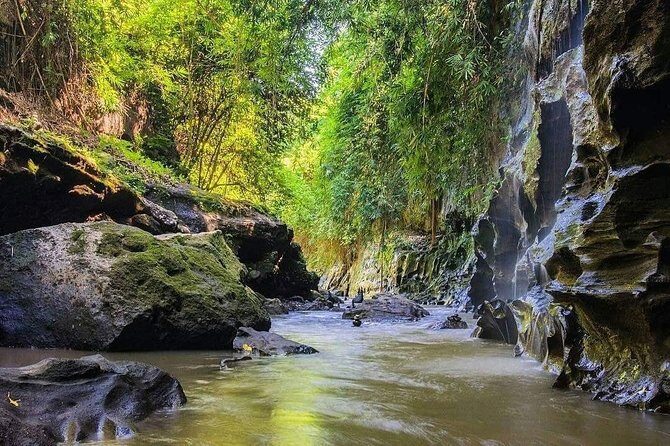
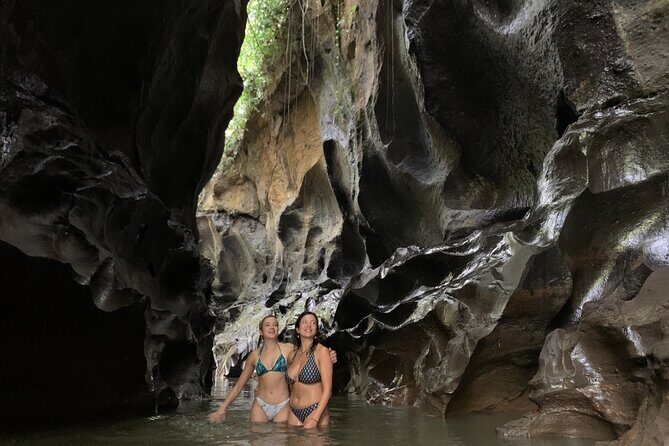
Water first, photos later. That’s the feel of this private full-day trip from Ubud into Bali’s east side, where you’ll hike through Beji Guwang Hidden Canyon with local guidance, then move on to the famous Tukad Cepung Waterfall.

I like how the tour is built around real movement. You’re not just watching a waterfall from one spot. You walk, step, and sometimes get your feet wet inside the canyon, guided by people who know how to pace you through the slippery bits.

The best part is the private setup: pickup by car, air-conditioning for the drive, and a guide who can adjust to your comfort level. The tradeoff is that this isn’t a sit-and-smile outing—on rainy days the river current can feel stronger, and the canyon section involves real footing.

What You’ll Actually Love (and What to Watch Out For)

Beji Guwang Hidden Canyon With Tukad Cepung Waterfalls - What You’ll Actually Love (and What to Watch Out For)
My favorite thing here is the combination: a canyon hike that feels tucked away, followed by the very photogenic Tukad Cepung. It’s a smart one-two punch for anyone who wants both adventure and that iconic Bali waterfall look.

I also like the practical inclusions. You get a waterproof bag, plus a towel and change-room/locker setup after the wet parts. The lunch stop is part of the day, not an afterthought, and it’s served between the two main sites.

One consideration: near the end of the canyon area, there’s a small animal attraction that one review described as sad and crowded (including monkeys chained for selfies). You can choose to skip it if you don’t want that side of the stop.

Key Points Before You Go

Beji Guwang Hidden Canyon With Tukad Cepung Waterfalls - Key Points Before You Go

  • Beji Guwang Canyon mixes hiking with water walking, with local guides keeping you safe on uneven sections.
  • Tukad Cepung is a stair walk: about 15 minutes from the parking area once you arrive.
  • A real private day: hotel pickup, private transport, and only your group.
  • You get gear for the wet parts: waterproof bag, plus towel, change room, and lockers.
  • Lunch is included and often served in a place with views toward rice fields.
  • Weather matters: rain can make canyon water movement harder, so go with sensible expectations.

Entering Beji Guwang Hidden Canyon in Sukawati

Beji Guwang Hidden Canyon With Tukad Cepung Waterfalls - Entering Beji Guwang Hidden Canyon in Sukawati
The day starts with pickup around 8:00 am from your hotel area (Ubud and nearby towns are covered). Then you head toward Sukawati for the main act: Beji Guwang Hidden Canyon.

Once you’re there, your canyon guide takes over. In one account, a guide named Ali was waiting for the group at the canyon entrance. Another guide named Wayan Jaya stood out for being helpful and informative, especially in how the route felt challenging but manageable.

What makes this canyon special is the texture of the hike. It’s not a dry trail. You’re walking along rock and shallow water sections, with moments where you’ll need balance and steady steps. That’s also why this is best for people who are comfortable with uneven footing and don’t mind getting a bit wet.

A small but helpful detail: there are practical tools for the after-effects. The tour includes a waterproof bag for your phone/bags, and you also have access to a towel plus change room and locker. Translation: you can plan to go through the wet canyon stretch and still end the day feeling human.

The Canyon Pace: How the Wet Walk Feels in Real Life

This canyon experience is described as adventurous and sometimes physically demanding. One key tip to take seriously: pay attention to rain. On wet days, the river current can get stronger, which makes the hike harder and requires extra care.

That doesn’t mean you should avoid rainy weather entirely. It means you should go with the right mindset. If it’s raining, go slower, trust your guide, and keep your footing simple—no hero moves.

Fitness level matters, but so does attitude. One review described the canyon as challenging enough for active people, including “oldies” who were still steady on their feet. In other words, you don’t need to be an athlete. You do need to be willing.

Also keep in mind: this is a guided route. Your guide handles how close you get to the water, how you move through narrow spots, and when you pause. Guides with a good safety rhythm make the difference between a fun adventure and a stressful one.

Lunch Between the Canyon and the Waterfall

After the canyon hike, you’ll head to lunch. This is one of those details that quietly adds value. You’re not racing from one stop to the next with a snack in your pocket.

Lunch is included, and it’s typically served at a local restaurant. One account called out Warung Legong as the lunch stop, with seats facing rice fields. That’s the kind of small visual reward that helps Bali feel real, not just staged.

You’ll also get a short buffer before moving to Tukad Cepung. That timing matters because the waterfall segment involves stairs and a walking approach.

Tukad Cepung Waterfall: Stairs, Angles, and Crowd Reality

After lunch, the transfer time is about one hour to Tukad Cepung Waterfall. When you arrive, it’s not a straight stroll. From the parking area, it takes around 15 minutes on foot, including numerous stairs.

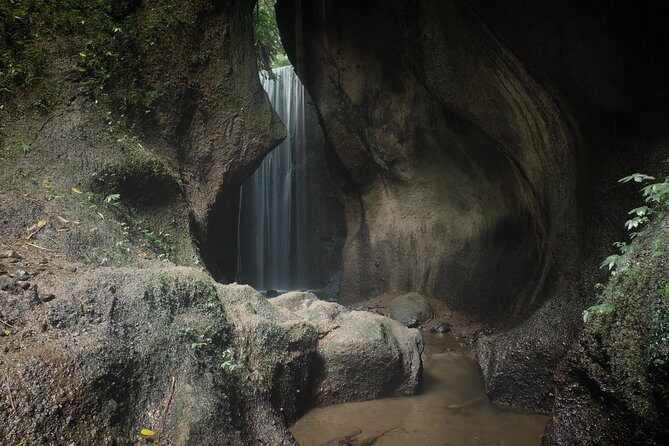
Tukad Cepung is one of Bali’s most photogenic waterfalls, and photos you’ve seen online make sense for a reason: the setting is dramatic, and the water view hits hard. But here’s the balanced take: at the waterfall itself, the area can feel more tourist-heavy than the canyon.

That’s why this trip works. You get the quieter-feeling, movement-based experience first in the canyon, then you shift to the more famous waterfall for the iconic picture moment.

If you care about photos, take your time on the approach path. The stair section is where you’ll spot the best sightlines and decide where you want to linger once you reach the waterfall area.

The Coffee Plantation Stop (and Why It Fits the Day)

After you finish at Tukad Cepung, the tour includes a stop at a coffee plantation before dropping you back to your accommodation area.

This doesn’t replace the main attractions, but it rounds out the day in a useful way. You’ll have something gentle at the end, after the stairs and the earlier canyon walking.

One review noted a stop at a silver place before arriving at the canyon. That kind of brief added stop can be part of the day’s rhythm on Bali private tours, so it’s worth expecting a bit of “shopping-style” pacing rather than nonstop hiking.

Private Transport That Makes the Route Easier

Beji Guwang Hidden Canyon With Tukad Cepung Waterfalls - Private Transport That Makes the Route Easier
This is a private tour, which means no shared minivan shuffle and no waiting around for strangers.

You’ll travel in comfort in a private vehicle, and there’s even mention of air-conditioning in at least one account. That matters in Bali, because the drives between spots can add up over a 10-hour day.

Also, the tour includes all fees and taxes. While the exact breakdown isn’t listed, that usually means you won’t be hit with surprise entry costs once you arrive—another quiet factor that keeps the day from turning chaotic.

Guides, Safety, and the Small Things That Help

Beji Guwang Hidden Canyon With Tukad Cepung Waterfalls - Guides, Safety, and the Small Things That Help
Local guidance is the real backbone of both parts of the itinerary.

On the canyon side, you’ll be accompanied by local experts who know how to guide you through tricky footing and water sections. Names that popped up in accounts include Ali and Wayan Jaya as canyon guides. On the driving side, a few drivers stood out by name, including Putu Micu and Putu Mika—both described as friendly and professional.

You also get a practical kit for the wet parts:

  • Waterproof bag
  • Towel
  • Change room and locker

Those inclusions are not “luxury.” They’re sanity savers. The canyon is where people get caught unprepared with damp clothes and bags. Here, you’re set up to handle it.

And if you’re worried about safety: the tone throughout is that guides focus on helping you move steadily. In rainy conditions, the current can strengthen, so the guide’s pace and route decisions become even more important.

Price and Value for a Full Private Day

At $55 per person for a 10-hour private tour with pickup, lunch, expert local guide time, and included canyon/waterfall support (waterproof bag, towel, lockers, change room), the value is pretty clear.

You’re basically buying four things:

  1. Transportation across multiple sites
  2. A local guide for the canyon portion
  3. Lunch included between the two big stops
  4. Practical gear for getting through wet areas comfortably

The only explicit thing not included is alcoholic beverages. Everything else that typically adds up on Bali activity days seems wrapped in.

If you’re the type who wants a day that feels flexible and personal, the private format is worth a lot. If you’re okay with big group tours and don’t care about comfort in transit, you might pay less elsewhere. But if you want fewer hassles and a smoother day, this price-to-effort ratio is strong.

The One Content Issue: Skip the Animal Attraction if You Want

Here’s the part that’s easy to miss until you’re standing near it: one account flagged a “zoo”-style stop at the end of the canyon hike. The description wasn’t flattering—animals in small cages and monkeys chained for selfies.

If this matters to you, don’t force it. You can choose to walk past that part of the route and keep your day focused on the canyon and waterfall, which are the actual reasons to book.

Who Should Book This Private Canyon and Waterfall Tour

This tour is a great fit if you:

  • Want a private day with hotel pickup and your own guide experience
  • Enjoy hiking that includes water walking and some stairs
  • Want both the Beji Guwang canyon challenge and the famous Tukad Cepung photo moment
  • Like having lunch built into the route so you’re not hungry or rushed

It’s less ideal if you:

  • Have limited mobility or you struggle with stairs
  • Hate getting wet or dislike slippery terrain
  • Are uncomfortable hiking when it’s rainy (since the current can be stronger)

If you’re somewhere in the middle, don’t overthink it. Just be honest about your comfort with uneven steps and wet rock.

Should You Book Beji Guwang Hidden Canyon and Tukad Cepung?

If your goal is a Bali day that feels active and real—canyon hiking followed by one of the most photographed waterfalls—then yes, this is worth your time.

Book it if you’ll enjoy moving through nature, appreciate local guidance, and can handle stairs. Skip it or reconsider if you know rainy conditions make you uneasy about strong currents, or if you’d rather avoid any animal attraction side stop.

In a sentence: this is a private, good-value day for people who want the fun kind of effort in Bali—water, steps, and a guide to help you do it safely.

FAQ

What time does the tour start?

The tour starts at 8:00 am.

How long is the tour?

It runs for about 10 hours.

Is pickup included?

Yes. Pickup is offered, with private transportation from your accommodation in Ubud and nearby towns.

What’s included for the wet canyon part?

You get a waterproof bag, plus a towel, change room, and locker.

Is lunch included?

Yes. Lunch is included, served between the canyon and the waterfall.

How long is the walk to Tukad Cepung Waterfall from the parking lot?

From the parking lot, it takes about 15 minutes on foot, and the route includes numerous stairs.

What should I know about weather and cancellation?

The tour requires good weather. If it’s canceled due to poor weather, you’ll be offered a different date or a full refund, and you can cancel up to 24 hours in advance for a full refund.

Full-Day Tour: White Water Rafting and Highlight of Ubud with All-inclusive

Full-Day Tour: White Water Rafting and Highlight of Ubud with All-inclusive - The raft-to-lunch rhythm (and why it’s better than you think)

Rafting and monkey forest in one day. This Ubud combo tour strings together the Ayung River white-water run and the Sacred Monkey Forest Sanctuary, with pickup and drop-off so you don’t burn hours figuring out transport. I especially like that rafting comes with safety equipment plus an English-speaking guide, and you still get a proper buffet lunch and shower back on land. One drawback to plan for: it’s a long day, about 8 hours, so you’ll want to travel light and expect an early start.

If you’re visiting Ubud for the first time (or you want something active that isn’t technical), this is a smart fit. It’s designed to work even if you’ve never rafted before, and the minimum age is 5, which makes it family-friendly. You can also request a vegetarian option, and the dress code is casual—meaning you can keep things simple.

Key things I’d mark on your Ubud checklist

Full-Day Tour: White Water Rafting and Highlight of Ubud with All-inclusive - Key things I’d mark on your Ubud checklist

  • Ayung River time on the water with international standard safety gear and an English-speaking guide
  • Lunch plus shower and changing rooms so you’re not stuck sweaty for the rest of the day
  • Sacred Monkey Forest Sanctuary visit with admission included (about 1 hour)
  • Hotel pickup and drop-off across a wide set of Bali areas, not just Ubud
  • Private tour for your group with a start time around 8:30 am

A full-day combo built for “see more, waste less”

Ubud can be a maze of short trips, long drives, and “wait, how do we get there?” moments. This tour is built to cut the hassle. You get picked up from a long list of nearby areas and brought to both activities in one day, which is a big deal if you’re only in town for a short stretch.

The combo also makes sense because it mixes two kinds of Ubud experiences: nature adventure and a cultural wildlife stop. The rafting portion is your adrenaline and river views moment. The Sacred Monkey Forest Sanctuary is calmer—temple spaces, greenery, and a chance to slow down after you’re done splashing around.

Ayung River rafting: what you’re actually signing up for

Full-Day Tour: White Water Rafting and Highlight of Ubud with All-inclusive - Ayung River rafting: what you’re actually signing up for
The rafting happens on the Ayung River, which is famous for scenic river passes and rapids that keep things fun. This isn’t described as something that needs advanced experience, and it’s explicitly set up as suitable even if it’s your first time. What you should expect is about 2 hours in the river, plus additional time for check-in, briefing, changing, and settling in before and after.

That “total stop is about 3 hours” vibe matters. It’s not just get on a raft and go for a quick spin. You’ll have a structured flow: arrive, get briefed, get outfitted, raft, then shift into lunch and refresh mode.

Also, you’re rafting in a group setting (it’s a guided rafting experience), so you’re not just responsible for your own safety. A professional river guide handles the driving-instructions part, and the safety equipment is included. That’s the big comfort factor for first-timers.

What makes the guide part valuable

The guide component isn’t just there for paperwork. The best part is how guides keep the day moving and add context while you’re on the water. In the feedback I saw, guides were active about pointing out features along the way—carvings and nature details—while still keeping everyone entertained and on track. In plain terms: you don’t want to spend two hours thinking, I hope I’m doing this right. You want someone to steer the energy.

The raft-to-lunch rhythm (and why it’s better than you think)

Full-Day Tour: White Water Rafting and Highlight of Ubud with All-inclusive - The raft-to-lunch rhythm (and why it’s better than you think)
A lot of tours in Bali are either “adventure only” or “temple only.” This one gives you the in-between stuff that makes the day feel whole. After rafting, you finish at the designated finish point, and then lunch is taken care of.

Here’s why that matters: rafting is physically tiring and messy. If lunch isn’t planned, you’ll end up hunting for food after you’ve already spent your energy. With this tour, lunch is a buffet, and it happens as part of the same flow—so you can refuel without the stress.

Then come the practical recovery details. Shower and changing facilities are included, and you’ll also have access to a towel and lockers. Bottled water, plus coffee or tea, rounds out the “I can reset my day” feel. There’s even a welcome drink, which sounds small, but it helps you transition from travel-mode into activity-mode.

Two quick considerations for you:

  • You’ll likely want comfortable clothes you don’t mind rinsing down. The tour provides shower and changing room facilities, which helps a lot, but you should still plan for a wet day.
  • Photos and video aren’t included. If you care about that kind of souvenir, check options before you go.

Sacred Monkey Forest Sanctuary: temples, nature reserve, and a 1-hour reset

Full-Day Tour: White Water Rafting and Highlight of Ubud with All-inclusive - Sacred Monkey Forest Sanctuary: temples, nature reserve, and a 1-hour reset
After the river, the pace changes. The Sacred Monkey Forest Sanctuary (official name: Balinese Mandala Suci Wenara Wana) is a Hindu temple complex and nature reserve in Ubud. Admission is included, and the visit runs about 1 hour.

This is a good amount of time for most people. Long enough to wander through temple areas and take in the setting, but not so long that you feel rushed or drained after rafting. It also works as a mental palate cleanser: you go from rapid-filled action to a quieter, more observational visit.

A smart way to approach this stop is to treat it as a short walk-through with your senses switched on. Look at the temple structures and the way the site holds nature and religious space together. Keep your expectations simple: this is about atmosphere and seeing the sanctuary up close, not checking every corner like a full-day ticket.

One small planning note: casual dress is the rule. Still, wear footwear that works for uneven ground—because it’s a sanctuary with paths, greenery, and regular outdoor walking.

How the itinerary stays comfortable for first-timers

Full-Day Tour: White Water Rafting and Highlight of Ubud with All-inclusive - How the itinerary stays comfortable for first-timers
This is where the tour earns its “works for many people” reputation. It doesn’t require rafting experience, and the minimum age is 5 years. That tells you the day is designed with broad participation in mind.

Also, it’s a private tour/activity, meaning only your group participates. That matters if you don’t love the idea of being shuffled around with strangers. It should give you smoother pacing with your guide and pickup flow, especially for families or groups that want predictability.

Still, be honest with yourself about timing. An 8-hour day in Ubud includes driving, check-in, rafting time (about 2 hours on the river), lunch, and then the sanctuary visit. If you’re prone to getting cranky when you’re traveling all day, build in a calm mindset: this is an active full-day plan, not a slow cultural stroll.

Price and value: why $58 can work if you hate logistics

Full-Day Tour: White Water Rafting and Highlight of Ubud with All-inclusive - Price and value: why $58 can work if you hate logistics
At $58 per person for a full-day combo, the value comes from the included pieces that usually cost extra when booked separately.

Here’s what you’re getting without additional line items:

  • Hotel pickup and drop-off across many Bali areas
  • Professional rafting guide and international standard safety equipment
  • Approx. 2 hours in the river plus admission ticket coverage
  • Buffet lunch
  • Shower, changing room facilities, and bath towel
  • Lockers and bottled water
  • Coffee or tea, plus a welcome drink
  • Entrance fees for the Sacred Monkey Forest Sanctuary
  • Round-trip private transfer and an English-speaking driver

If you tried to stitch this together on your own, the “transport + safety gear + guide + lunch + site admissions” part is exactly what adds up. You’d pay for each ingredient separately, and you’d still face coordination challenges like finding an operator that matches your timing.

So the best way to judge the cost is not the rafting ticket alone. It’s the whole day being handled for you: transportation, safety, meals, and the sanctuary entry bundled in.

One more detail that can affect value: group discounts are offered. If you’re traveling with multiple people, it may be worth asking about any discount rate when you book.

Where pickup matters (and how to use it smartly)

Full-Day Tour: White Water Rafting and Highlight of Ubud with All-inclusive - Where pickup matters (and how to use it smartly)
Pickup is offered from many parts of Bali, including Ubud as well as Canggu, Seminyak, Legian, Kuta, Tuban, Jimbaran, Sanur, Denpasar, Uluwatu, Tanjung Benoa, and Nusa Dua areas. That wide coverage is practical if you’re staying outside central Ubud.

Plan for the morning start. With a start time around 8:30 am, you’ll want to be ready earlier than you might for a late-morning attraction. If you’re coming from a farther area, the drive time can make you feel like the day is starting fast, so get a solid breakfast and keep your first stop gear simple.

Also, meeting points are near public transportation. That can be helpful if your hotel is awkward to reach or if you need an easy way to sync up.

What to bring so you don’t regret it later

Full-Day Tour: White Water Rafting and Highlight of Ubud with All-inclusive - What to bring so you don’t regret it later
The tour includes a towel, lockers, showers, and changing rooms, which covers a lot of the usual “what do I do with my stuff?” stress. You still want to think about the personal items you’ll need for comfort and convenience.

Pack around these needs:

  • Something you’re okay getting wet for the rafting portion
  • A change of clothes for after, so the shower and changing room facilities actually feel like a reset
  • Any personal essentials you’ll want after rafting (sunscreen, basic meds, sunglasses, etc.)
  • A casual outfit for the Monkey Forest Sanctuary stop

And remember: photos and video aren’t included. If souvenir photos matter to you, plan for alternatives at the time you book or confirm what’s available on-site.

Should you book this Ubud combo?

Book it if:

  • You want a first-timer-friendly Ubud day that mixes adventure and a major nature/culture stop
  • You’d rather have pickup, timing, lunch, and entrance fees handled than piece it together
  • Your group values practical comfort—showers, changing rooms, lockers, and a buffet lunch help a lot

Skip it or rethink it if:

  • You hate long days. Between the rafting, lunch flow, and the sanctuary visit, expect a full 8 hours.
  • You’re specifically looking for a more relaxed, slow sightseeing day with lots of free time to wander. This is structured by design.

If you want the simplest answer: this is a strong choice when you want to get out of the transport puzzle and still fit in two of Ubud’s most memorable experiences in one go.

FAQ

What time does the tour start?

The tour start time is 8:30 am.

How long is the full-day tour?

It runs about 8 hours (approximately).

Do you pick me up from my hotel?

Yes. Hotel pickup and drop-off are offered in multiple Bali areas, including Ubud and nearby regions like Canggu, Seminyak, Sanur, Denpasar, Uluwatu, and more.

How long do I spend rafting on the Ayung River?

You’ll have about 2 hours in the river rafting portion.

Is lunch included?

Yes. A buffet lunch is included, along with coffee and/or tea.

Is there a vegetarian option?

Yes. A vegetarian option is available—tell them when you book.

What is the minimum age to join?

The minimum age is 5 years.

Is free cancellation available?

Yes. You can cancel for a full refund up to 24 hours before the start time.

Ubud Best Tour

Ubud Best Tour - Tegenungan Waterfall: Swim Time and Why This Stop Works

One Ubud day, packed but not rushed. This private route blends waterfall time with sacred sites and classic Ubud scenery, all handled by your own driver/guide. I also like that the team behind Sindu Bali Driver (including drivers like Debi or Budi) can adjust the plan to your requests, which is a big quality-of-life win in a traffic-heavy place. The one thing to plan for is that several major stops have entrance fees you pay on top of the tour price.

You start at 8:30 am and you’ll be out for about 10 hours, so it’s a real day of moving around. Because the experience depends on conditions outside, it’s best to expect a weather-friendly schedule and bring a positive, flexible mindset.

Key Highlights Worth Blocking Time For

Ubud Best Tour - Key Highlights Worth Blocking Time For

  • Private air-conditioned transport for a group up to 4, with bottled water included
  • Flexible pacing through Ubud, with help to avoid timing problems and keep the day on track
  • Tegenungan Waterfall plus a chance to cool off with a swim
  • Monkey Forest Sanctuary paired with Ubud’s art market and temple stops
  • Coffee plantation with activities such as jungle swing, zip line, and bird net options
  • Two of Ubud’s biggest photo stops: Gunung Kawi Sebatu and Tegalalang Rice Terrace

Private Ubud Highlights in One Long Day

This is the kind of tour that makes Ubud feel manageable. Instead of picking just one or two sights, you get a whole mix of nature, culture, and scenic views in a single day, handled by someone local who knows how to sequence stops.

You’re traveling in a private vehicle with air conditioning, not hopping around with a crowd. That matters in Bali, where time lost to traffic or long waits can turn a “best day ever” into a “why did I rush.” The tour is set up for a full circuit, but the driver/guide can still shift the order a bit so you spend more time at the places you care about.

One more reason I like this format: it’s built around short, focused stops. Even when the day is long, you’re not stuck at one site for hours without a break from the heat and foot traffic.

Getting Going: 8:30 am Pickup and Your Chauffeur Setup

Ubud Best Tour - Getting Going: 8:30 am Pickup and Your Chauffeur Setup
Pickup is offered, and the start time is 8:30 am, which is smart. You’re out early enough to make the most of the morning and still get everything done before the day gets too punishing.

You travel with a driver/guide in a vehicle with air conditioning, plus bottled water is included. On a day that mixes temples, markets, and outdoor spots, that small comfort helps. You also get a mobile ticket, which keeps things simple once you’re on the move.

This tour is private for your group (up to 4 people). That’s a practical advantage if you:

  • want a slower tempo at sacred sites,
  • care more about photos and explanations than a checklist, or
  • have one person who needs more time walking.

Tegenungan Waterfall: Swim Time and Why This Stop Works

Ubud Best Tour - Tegenungan Waterfall: Swim Time and Why This Stop Works
Tegenungan Waterfall is your first major nature hit. It’s located in the Tegenungan Kemenuh area (Sukawati, Gianyar), and it’s known for being different from Bali’s more “standard” waterfall setups. The tour includes a full 1 hour here, with entry paid separately.

What makes this stop feel worth it on a tour like this is timing and purpose. You arrive early-ish, spend a focused chunk of time enjoying the scenery, and you get the built-in option to cool off with a swim. That turns the day from just looking into actually experiencing something.

Entrance fee isn’t included (IDR 30,000 per person), so budget for it. Also, remember this is an outdoor stop—if it’s rainy, you may need to be flexible about how the waterfall area feels and how long it stays comfortable.

My practical tip: treat Tegenungan as your “reset.” After this, you’ll be switching from water-and-views mode to temples and forests, so it’s nice to start clean, refreshed, and ready to walk.

Sacred Monkey Forest Sanctuary: Seeing Nature and Avoiding the Usual Mistakes

Ubud Best Tour - Sacred Monkey Forest Sanctuary: Seeing Nature and Avoiding the Usual Mistakes
Next up is the Sacred Monkey Forest Sanctuary, with about 2 hours on the grounds. Entrance is not included (IDR 120,000 per person).

This isn’t just a “see monkeys” stop. You’re walking through a small rainforest area in the heart of Ubud, where monkeys and other tropical animals live alongside the temple-like vibe that Bali is famous for. It feels like a mix of wildlife encounter and cultural space, depending on where you are at a given moment.

A few things I’d keep in mind:

  • Don’t act like the animals are props. Keep distance and follow signage.
  • Secure what you can (bags, hats, sunglasses). It’s a wildlife environment.
  • Wear something comfortable for uneven ground and shaded paths.

The reason I like pairing Monkey Forest with the rest of the day is mental pacing. You get a break from vehicle time and art-shopping time, and you end up in a calmer, greener pocket that still feels central to Ubud.

Ubud Traditional Art Market: The Fun in Browsing Locally

Ubud Best Tour - Ubud Traditional Art Market: The Fun in Browsing Locally
After the forest, you step into the Ubud Traditional Art Market area for about 1 hour. Entrance is listed as free for this stop.

This is the place to slow down and look rather than rush to a single purchase. Markets like this tend to be where you see daily life meet tourism commerce—artwork, crafts, and the kinds of goods that Ubud is known for. Even if you don’t buy much, it helps you understand the visual language of the area.

Here’s the practical angle: if you’re the type who enjoys bargaining, this kind of market is where you’ll get the most reps. If you’re not, treat it like a stroll—pick one thing you genuinely like, then move on.

Keep it to the allocated time. With temples and rice terraces later, you’ll want energy left for walking and photos.

Gunung Kawi Sebatu Temple: Water, Stone Walls, and Calm

Ubud Best Tour - Gunung Kawi Sebatu Temple: Water, Stone Walls, and Calm
Gunung Kawi Sebatu Temple is a Hindu water temple dedicated to Vishnu, and it’s surrounded on three sides by stone walls (with the fourth side opening more to the landscape). You get about 40 minutes here, and entry is not included (IDR 50,000 per person).

What I like about this stop is how it breaks up the day visually. After forest greenery and a shopping market, this feels like a quieter, more deliberate kind of Ubud. The “water temple” focus matters, too. It’s not just a viewpoint—it’s a place shaped around sacred water and ritual space.

A short visit is enough if your goal is atmosphere and photos without turning it into a long sit in the heat. If you’re someone who likes to read what you’re standing in front of, give yourself those 40 minutes and don’t sprint through. Your driver/guide can also explain what you’re looking at, which is where these sites become more meaningful than scenery.

Tegalalang Rice Terrace: The Classic View With a Clear Time Window

Ubud Best Tour - Tegalalang Rice Terrace: The Classic View With a Clear Time Window
Tegalalang Rice Terrace (also associated with Paku duwi) is one of the most famous terraced rice-field scenes around Ubud. You’ll get about 2 hours here, with entrance not included (IDR 25,000 per person).

This stop is the photo magnet. Terraced rice fields stretch out in a way that makes you stop even if you’re in “let’s get it done” mode. It’s scenic, but it’s also practical to visit with a schedule—because the day is structured around a longer overall route, you’re less likely to lose time searching for the right entrance or the best viewpoint.

My advice: use the first part of the visit to find your angle and let your eyes adjust to the depth of the terraces. Then spend the rest walking slowly enough that you actually notice the layers and the water management patterns—part of what makes rice terraces impressive.

If you’re doing activity add-ons later, don’t overexert yourself here. It’s easy to spend too long wandering when the view is that good.

Coffee Plantation Plus Activities: Where the Thrill Might Cost Extra

Ubud Best Tour - Coffee Plantation Plus Activities: Where the Thrill Might Cost Extra
The day also includes a coffee plantation stop, with options to try activities like jungle swing, zip line, and bird net. There’s also a coffee experience built into the plantation portion (the tour highlights a “rewarding coffee” style moment).

Two practical points here:

  • These thrill activities may come with their own costs since they’re not listed as included.
  • This is one of those parts of the day where you should decide your comfort level early, so you’re not rushed.

If you want a mix of calm and adrenaline, this is a great pairing. You’ll have seen temples and sacred spaces, walked through nature, and then you get an entertaining break that’s very “Bali adventure” without needing an entire separate day trip.

Price and Value: What $75 Actually Buys You

The price is $75.00 per group (up to 4 people). That’s the headline number, but the real value comes from what it includes: private air-conditioned transportation, a driver/guide, and bottled water.

To understand the day’s total cost, look at what’s not included. Entrance fees are separate for several major stops:

  • Tegenungan Waterfall: IDR 30,000 per person
  • Monkey Forest: IDR 120,000 per person
  • Gunung Kawi Sebatu: IDR 50,000 per person
  • Tegalalang Rice Terrace: IDR 25,000 per person

Add those together and the listed entrances total IDR 225,000 per person. That doesn’t include the coffee plantation experience cost details or any extra fees for jungle swing/zip line/bird net, and lunch is not included either.

So is it worth $75 for four? In most cases, yes—especially if you want a private day with transportation and guidance instead of piecing together multiple tickets and rides on your own. You’re paying for convenience and local handling: fewer delays, less navigating, and smoother transitions between culturally important sites and scenic outdoor stops.

If you’re traveling solo, the price is still structured as a group rate. In that case, I’d treat the tour price as mainly paying for privacy and scheduling help, then budget carefully for the entrance fees and any optional activities.

Your Guide and the Pace: Flexibility Is the Real Luxury

This tour is run by Sindu Bali Driver, and in feedback tied to this operation, I’ve seen named drivers like Debi and Budi. They’re described as kind, flexible, punctual, and focused on making the day work—like adjusting the program to requests and timing routes to avoid traffic trouble.

That matters more than people expect. Ubud’s roads can turn into a slow grind, especially when you show up at the wrong time at the wrong place. Having a driver who can rework the order (while still keeping the big stops covered) helps you feel like you’re sightseeing, not stuck in transport.

Also, the guide side isn’t just “drive and point.” The tour experience is described as including cultural explanations during the day. That’s the difference between looking at a temple and understanding why it’s shaped the way it is, or walking through a forest and knowing how the space functions beyond selfies.

One more small perk: at least one driver has been mentioned as being good at taking photos. If you want fewer awkward photo requests and more good results, that’s a legit advantage.

Who Should Book This Ubud Best Tour?

This works especially well if you:

  • want a private day with air-conditioned transport,
  • like mixing nature + temples + markets instead of choosing one theme,
  • care about learning bits of culture while you see the highlights,
  • want a driver who can help keep the day on time and adjust to your preferences.

It’s also a good match for couples and small groups who don’t want to manage tickets, routes, and timing alone.

If you prefer a super slow day with long stays at just one or two places, you might find the schedule full. But if you want variety and you’re okay with walking on and off for 10 hours, it’s a strong fit.

Should You Book the Ubud Best Tour?

I’d book it if you want one well-run day that hits the big Ubud themes: waterfall relaxation, Monkey Forest, sacred temple scenery, a real rice-terrace view, plus a coffee plantation break with activity options. The $75 per group price makes the day feel easier to justify, and private AC transport plus a guide is usually where the value starts.

You should think twice if your priority is only one or two sights. With multiple paid entrances and a non-included lunch, this tour rewards people who plan ahead and want the full sampler.

One final planning note: this kind of day tour is popular enough that it’s often booked about 49 days in advance. If your dates matter, don’t wait until the last week.

FAQ

What is the price of this Ubud tour?

It costs $75.00 per group (up to 4 people).

How long is the tour?

The tour lasts about 10 hours.

What time does it start, and is pickup included?

It starts at 8:30 am, and pickup is offered.

Is the transportation air-conditioned, and what else is included?

The tour includes private transportation, a driver/guide, air-conditioned vehicle, bottled water, and a mobile ticket.

Are entrance fees included?

No. Entrance fees are not included for Tegenungan Waterfall, Monkey Forest, Gunung Kawi Sebatu Temple, and Tegalalang Rice Terrace.

Is lunch included?

Lunch is not included.

What stops are included in the day?

The day includes Tegenungan Waterfall, Sacred Monkey Forest Sanctuary, Ubud Traditional Art Market, Gunung Kawi Sebatu Temple, and Tegalalang Rice Terrace, plus a coffee plantation portion with activities.

Is the tour dependent on weather?

Yes. The experience requires good weather; if it’s canceled due to poor weather, you’ll be offered a different date or a full refund.

Can I cancel for a full refund?

Yes. You can cancel up to 24 hours in advance for a full refund.

Bali Rural Village Bike

Bali Rural Village Bike - Village Temple Time: Why the Stops Matter (More Than the Photos)

A bike ride that feels like real Bali. I love the rice paddies and the way your guide turns village stops into clear, human stories instead of a quick photo stop. I also like the private tour pacing for a relaxed half-day that still feels like an adventure. One thing to double-check: lunch. The overview says Balinese lunch is included, but the details list lunch as not included, so confirm when you book.

What you do get for your $41 is practical and relevant: loaner bikes with helmets, bottled water, and the waterfall entrance/donation ticket. Past riders consistently highlight guides such as Ketut and Wayan for explaining ceremonies and what you’re seeing on the ground. You’ll also have a mobile ticket, which makes this day feel smoother than a lot of paper-chasing tours.

This is for riders with moderate physical fitness. Some routes are described as mostly downhill, but you should still expect country-road turns and time on the bike. Bring change clothes plus a towel—there’s a waterfall stop where swimming is possible.

Key things I think you’ll care about

  • Private, go-at-your-pace biking through quieter village roads near Ubud
  • Guides who explain ceremonies at temples, so stops make sense (often with Ketut/Wayan)
  • Tukad Cepung area waterfall visit with a chance to swim and take photos
  • Loaner bikes and helmets plus a water bottle for each person
  • Waterfall entrance and donation ticket included, so you’re not scrambling for cash on site
  • Lunch inclusion may vary, so it’s worth confirming before you go

Why This Ubud Rural Village Bike Day Feels Different

Bali Rural Village Bike - Why This Ubud Rural Village Bike Day Feels Different
Ubud has a lot of bike tours that turn into traffic, roundabouts, and hurried viewpoints. This one aims for the opposite: slower roads, village compounds, and moments that feel like you’re moving through someone’s day—not just a scenic postcard.

The biggest win is the guide. When the person steering you through temples and daily village life can explain what you’re seeing, your brain stays engaged. You’re not just pedaling; you’re learning why people do things the way they do, and what the symbols and ceremonies mean.

And because it’s private, you’re not forced into a speed run. If your group likes photos, you can linger. If you want to ask questions (and you will), your guide can give answers in real time.

Your Ride Setup: Bikes, Helmets, and How Hard It Really Is

You’ll be given loaner bicycles and a helmet, which takes a big unknown out of the day. You also get bottled water, so you’re not guessing when the next drink will happen.

How strenuous is it? The information you have points to a moderate level of fitness. One rider described the day as nearly all downhill and called it one of the least taxing bike tours they’d done. That doesn’t mean it’s a stroller ride—there are still turns, uneven surfaces, and the occasional pause to hop off and look around—but it’s not built like a mountain-bike training session.

A detail worth knowing: one review mentioned a brake issue on a participant’s bike. The practical takeaway is simple—right at the start, take 30 seconds to test the brakes and get your seat height comfortable.

Where the Day Starts: Tukad Cepung Parking Lot and the Route to Real Quiet Roads

Bali Rural Village Bike - Where the Day Starts: Tukad Cepung Parking Lot and the Route to Real Quiet Roads
The official start point is listed as central parking at Tukad Cepung waterfall (Tembuku area). The tour ends back at the same meeting point.

In real life, some groups also report pickup in Ubud around 8am, followed by about an hour drive to the start area. That means your day could feel like a mix of transfer time plus biking time, depending on the exact arrangement for your date.

Either way, treat the meeting point as your anchor. If pickup is offered, great. If it isn’t, you’ll still know exactly where to be.

Village Temple Time: Why the Stops Matter (More Than the Photos)

Bali Rural Village Bike - Village Temple Time: Why the Stops Matter (More Than the Photos)
This tour includes a stop at a village temple. The value isn’t only the view. It’s the explanation you get along the way—especially if your guide talks about ceremonies, religion, and the reasons behind what people are doing.

Several riders specifically praised guides like Ketut for explaining ceremonies so well that the experience felt meaningful, not just watch-and-go. That kind of guidance changes how you stand in front of a temple. Instead of thinking, Okay, pretty place, you start thinking, Here’s the purpose, here’s the rhythm of practice, and here’s why it matters to the community.

Depending on the day and route, the temple component may also connect to purification rituals—some reviews mention Tirta Empul as part of the program. If that’s included for your date, you’ll want to be ready for a temple environment where people treat the process seriously.

Architecture Learning at a Compound: Seeing Home, Not Just History

Bali Rural Village Bike - Architecture Learning at a Compound: Seeing Home, Not Just History
You’ll also stop at a compound to learn about Balinese architecture and local culture. This is one of those elements that can be easy to skim over on tours, but it’s often the thing that sticks afterward—because it makes the village feel specific, not generic.

Think of it as a chance to see how family life, belief, and building layout overlap in everyday structures. Even if you only catch part of the explanation, you’ll likely notice patterns in how the space is organized and why certain areas have their own roles.

One review even mentioned a stop connected to a priest or high priest living compound. That kind of detail typically means your guide can share practical context about how religious life shows up in the physical spaces around it.

The Waterfall Stop at Tukad Cepung: Swim-Ready, Photo-Ready

Bali Rural Village Bike - The Waterfall Stop at Tukad Cepung: Swim-Ready, Photo-Ready
The day wraps with a stop at a waterfall described as breath-taking, with time to take photos and relax. And yes—swimming is part of the fun if conditions allow.

Since the waterfall time is built into the value of the tour (waterfall entrance and donation ticket are included), you’re not likely to get yanked away after a five-minute look. This is more like, Go, enjoy, cool off, and then bike back.

What to bring for the waterfall is already spelled out for a reason:

  • a bath towel
  • change clothes
  • slippers
  • sunscreen and mosquito spray

Bring cash too, just in case something comes up that isn’t covered.

If you forget towel or spare clothes, you’ll still enjoy the moment—but your comfort after the swim will be the price you pay.

Lunch Question: What’s Actually Included (And What to Confirm)

Bali Rural Village Bike - Lunch Question: What’s Actually Included (And What to Confirm)
Here’s the only messy part of this tour info: lunch.

The overview says a Balinese lunch is included in the price, and multiple elements of the day point toward that being part of the intended experience. But the provided inclusion list also states lunch is not included.

So what should you do? Confirm directly with Bali Fascination Tour (or the booking platform) and ask one simple question: Is lunch included for my booking date, and if yes, what kind of meal is it?

This isn’t meant to scare you off. It’s just a smart move. If lunch is included, great. If it isn’t, you’ll know exactly what to plan for.

Price and Value: Is $41 Fair for This Kind of Day?

Bali Rural Village Bike - Price and Value: Is $41 Fair for This Kind of Day?
At about $41 per person for roughly 5 hours, this tour can feel like good value if you care about more than just biking between viewpoints.

Here’s what you’re paying for beyond the bike:

  • a guide who talks culture and ceremonies
  • helmets and bottled water
  • waterfall entrance/donation ticket
  • private pacing for your group

Even if you end up paying extra for lunch (depending on your date), the structure still stacks up. Many half-day tours elsewhere charge close to this amount just to get you to a couple landmarks with minimal explanation.

The real value is the mix of active (bike) plus slow (temple/village/compound) plus one memorable nature moment (waterfall).

Who This Tour Fits Best

Bali Rural Village Bike - Who This Tour Fits Best
This works well if you want a real day outdoors without going full endurance mode. The moderate fitness requirement makes it a fit for most active travelers who can ride for a few hours.

It’s also a good match for people who like cultural context—especially if you enjoy questions. The guide-led explanations are repeatedly what riders highlight.

It’s not the best fit if you need very flat, fully smooth surfaces the whole time. Also, it’s listed as not recommended for baby, so keep age needs in mind.

Practical Tips to Make Your Day Go Smoothly

Do these and you’ll enjoy the ride more:

  1. Bring water-friendly comfort. You’ll get bottled water, but you’ll still want sunscreen protection and a plan for getting sweaty in the heat.
  2. Use mosquito spray. The village roads and waterfall area can bring bugs, especially near vegetation.
  3. Wear slippers you’re happy to rinse off. You’ll have a waterfall stop where footwear matters.
  4. Test the brakes at the start. Quick safety check beats a mid-route surprise.
  5. Ask your guide one question per stop. It doesn’t need to be heavy. Even How does this ceremony work? can change your entire experience.
  6. Confirm lunch for your date. The info you have points to a possible mismatch, so settle it ahead of time.

And one more thing: bring a small mind-set shift. This isn’t a race. The best parts happen when you slow down just enough to listen.

Should You Book Bali Rural Village Bike?

I’d book it if you want a Ubud-area bike day that mixes rice paddies, village temple culture, and a waterfall stop with real time to cool off. The private format and guide-led explanations are the strongest reasons to choose it over the generic “ride and take pictures” options.

Skip it (or at least reconsider) if lunch being included is a hard requirement for you. With the info you’ve got, the lunch situation looks inconsistent, so you’ll want to confirm before you commit.

If you like active sightseeing with meaningful context—and you’re willing to do a little planning around what to bring—you’ll likely have a satisfying half-day that feels grounded in everyday Bali life.

FAQ

How long is the Bali Rural Village Bike tour?

It’s listed as about 5 hours.

Is this a private tour?

Yes. It’s a private tour/activity, meaning only your group participates.

Where does the tour start and end?

It starts at Central parkir waterfall tukad cepung, Jl. Tembuku, Tembuku, Kec. Tembuku, Kabupaten Bangli, Bali 80671, Indonesia. It ends back at the meeting point.

What’s included in the price?

Included items listed are bottled water (one mineral water per participant), a helmet, and the entrance fee/ticket for the waterfall and donation. Lunch is not listed as included in the provided details, even though the overview says Balinese lunch is included—so confirm for your booking.

Do I need moderate physical fitness?

Yes, it’s described as requiring moderate physical fitness.

What should I bring?

The tour asks you to bring change clothes, a bath towel, slippers, sunscreen, mosquito spray, and cash. It also notes it’s not recommended for baby.

Mount Batur Sunrise & Natural Hot Springs

Mount Batur Sunrise & Natural Hot Springs - Crater Rim Trek, Jungle Walk, and Monkey Sightings

That pre-dawn climb makes the whole day.

This Mount Batur sunrise tour from Ubud mixes a night volcano hike with real payoff: you reach the summit in time to watch the volcanic valley wake up, then you refuel with breakfast cooked over steam. Later you’ll trek through the area’s jungle and see local monkeys before soaking in 38°C natural hot springs—a very Bali way to turn early effort into a slow recovery.

I love two things most. First, the morning plan is simple and direct: hotel pickup gets you to the base, you climb while it’s still dark, and your guide helps you find a good photo spot without rushing you. Second, the breakfast isn’t a basic add-on—it’s made with volcanic steam, which makes it feel like you’re eating part of the mountain’s story, not just fueling up.

One consideration: this popular sunrise route can get very crowded, so you may feel like you’re moving in a line instead of gliding at your own pace. If you’re hoping for a quiet, wide-open experience, go in with the right expectations—your guide can still explain the area, but crowd flow is the real star of the show.

Key highlights

  • Volcanic-steam breakfast with bread, eggs, banana, coffee/tea, and hot chocolate
  • English-speaking guide who shares culture, history, and volcano context
  • Sunrise summit timing with help for the best vantage point and photos
  • Crater rim trek + valley jungle with a chance to meet local monkeys
  • Toya Bungkah natural hot springs at 38°C for post-hike recovery
  • Small-group feel with a maximum of 25 travelers

Night Start: What You’re Really Signing Up For

Mount Batur Sunrise & Natural Hot Springs - Night Start: What You’re Really Signing Up For
You’re picked up from your hotel by an air-conditioned vehicle, then transported straight to the volcano’s base. The main vibe here is that you’re not doing a relaxed morning walk—you’re starting bright and early, under stars, and you’ll still be moving when the rest of Ubud is asleep.

That “night hike” part matters more than it sounds. You’ll be relying on your guide for pacing and for navigating the group through the early stages, and you’ll feel the rhythm of sunrise trips: headlamps, layered clothing, quiet conversation, and a lot of people all aiming for the same first view. If you like structure and don’t mind being part of a crowd, you’ll probably find the flow manageable.

If you hate crowds, I’d still consider going, just with a plan for your mindset. One past participant specifically called out the sheer number of people and the way progress can become single-file. That doesn’t mean the experience is ruined—it just means the sunrise moment may arrive after some waiting and queueing.

Reaching the Summit for Sunrise (And Getting the Shot)

Once you meet your English-speaking guide at the base, you’ll get a quick overview of what’s ahead and time to ask questions. Mount Batur is part of the UNESCO Global Geopark Network, and it’s an active volcano—your guide uses that context to explain what you’re seeing, not just where you’re walking.

At the summit, you’re set up for the actual moment you came for: sunrise over the volcanic valley. Your guide will offer the best vantage point for photos and help you get a good angle. If you’re the kind of person who wants to sit and actually watch the sky shift color, you can—this trip doesn’t force constant motion at the top. The best plan is to do both: take your key photos, then give yourself a few minutes to look without a camera in your face.

Photo reality check: it’s popular, and when it’s popular, it’s crowded. That’s exactly why your guide’s positioning matters. With more people, you win by arriving in a good spot early and by using your guide to cut through the confusion of where to stand.

Volcanic-Steam Breakfast: A Meal That Feels Like a Bonus

Mount Batur Sunrise & Natural Hot Springs - Volcanic-Steam Breakfast: A Meal That Feels Like a Bonus
The breakfast is one of the most memorable parts because it’s not just food—it’s part of the volcano experience. You’ll be served items that include bread, eggs, banana, water, coffee or tea, plus hot chocolate. The standout detail is that it’s cooked over volcanic steam, which turns a typical trek breakfast into something you’ll talk about afterward.

I like this for two reasons. One, it’s fuel that actually makes sense for the next hiking section—carbs and protein, not just snacks. Two, the steam-cooked aspect is a real sense of place. Instead of eating in a random spot, you’re eating using the same geothermal energy you just trekked toward.

If you’re sensitive to timing, treat breakfast like a countdown: once you eat, you’re moving again. The group energy shifts from sunrise awe to practical recovery, and then the next section starts.

Crater Rim Trek, Jungle Walk, and Monkey Sightings

Mount Batur Sunrise & Natural Hot Springs - Crater Rim Trek, Jungle Walk, and Monkey Sightings
After breakfast, the trek continues around the crater and then back down. This is where the tour turns from “see the summit” into “spend time in the Batur area,” including a valley jungle stretch.

You should expect a bit of variety: open volcanic views during the crater area and more enclosed jungle moments as you head through the valley. The tour also includes a visit with local monkeys. I’m not going to promise specific monkey behavior—wildlife is wildlife—but you should come expecting you might see them up close during the walk.

This section is also where your fitness level shows. The tour is listed for people with moderate physical fitness. That’s a helpful guideline: you’re not in a casual stroll category, but it’s also not described as extreme mountaineering. Go at a steady pace, accept that you’ll be moving while other people are moving, and you’ll be fine.

Toya Bungkah Hot Springs at 38°C: Recovery Done Right

Mount Batur Sunrise & Natural Hot Springs - Toya Bungkah Hot Springs at 38°C: Recovery Done Right
When you reach Toya Bungkah, the day pivots from effort to relaxation. You’ll soak in natural hot springs described at about 38°C (99°F), which is a sweet spot for post-hike comfort. It’s warm enough to feel therapeutic after an early morning, but not so hot that you’ll feel stuck waiting for it to cool down.

The hot springs stop is also thoughtfully practical. Towels and juice are included, so you’re not scrambling for basics right as you finish the hike. And because you’re soaking after sunrise hiking, the contrast is part of the fun: one minute you’re chasing a horizon, the next you’re sinking into geothermal calm.

One more reality check: in peak sunrise season, you may share the hot springs with other groups too. That doesn’t erase the value—just don’t expect a private spa.

Price and Value: Why $17 Can Actually Make Sense

Mount Batur Sunrise & Natural Hot Springs - Price and Value: Why $17 Can Actually Make Sense
At about $17 per person, this tour is priced as a value pick for what you get: hotel pickup, an English-speaking guide, geothermal breakfast made with volcanic steam, a crater-area trek, jungle walking, and then natural hot springs with towels and juice.

Here’s how I think about the value. You’re paying for more than “transport to a volcano.” You’re paying for a guided route at night, a timed sunrise window, prepared meals, entry/tickets/fees, and a recovery stop that’s included rather than optional. Those are the pieces that usually add up when you plan solo.

What’s not included is a tip. That’s normal for Bali tours, and honestly, if you feel your guide earned it, that’s a respectful way to say thanks. If you don’t, you can still manage your day without stressing about it—just know it’s not built into the base price.

Who This Tour Fits Best (And Who Might Want Another Option)

Mount Batur Sunrise & Natural Hot Springs - Who This Tour Fits Best (And Who Might Want Another Option)
This is a great fit if you want a structured, early-morning adventure and you like the idea of stacking experiences in one day: sunrise, volcanic cooking, jungle walk, and hot springs. I’d also say it’s ideal if you don’t want to handle logistics alone. Pickup plus guided timing removes a lot of stress.

You’ll likely enjoy it most if you:

  • are comfortable with a moderate hike
  • like sunrise goals and early starts
  • want a mix of photos and downtime (summit view plus relaxing soak)

You might want to think twice if you hate crowds. The sunrise hike can involve very packed movement, and at times it can become line-like rather than carefree. If your main goal is solitude, you can still enjoy the experience, but you should adjust your expectations.

Also, if you’re looking for a deeply personal, one-on-one guide relationship, this is capped at 25 people, and the route is popular. You’ll get an English-speaking guide and explanations, but you’ll still be sharing the flow with everyone else.

Weather, Timing, and the UNESCO Geopark Context

Mount Batur Sunrise & Natural Hot Springs - Weather, Timing, and the UNESCO Geopark Context
This experience requires good weather. When conditions aren’t right, the tour is offered a different date or you can get a full refund—so you won’t be stuck with a wasted morning. For you, that means plan to be flexible. If your Bali days are tight and non-changeable, you’ll want to book with enough buffer.

Timing is the other key. You’re out for roughly 10 hours, but the day’s center is the pre-dawn climb and the sunrise itself. The rest—breakfast, crater trek, descent, and hot springs—moves around that core.

And then there’s the bigger context: Mount Batur sits within the UNESCO Global Geopark Network. Your guide’s job is to make the volcano feel more meaningful than a photo backdrop. Instead of just walking, you’ll get explanations tied to the active volcanic setting and the local culture/history of the area.

Should You Book This Mount Batur Sunrise + Hot Springs Tour?

Mount Batur Sunrise & Natural Hot Springs - Should You Book This Mount Batur Sunrise + Hot Springs Tour?
If you want a first-rate “Batur in one day” experience, I think this is an easy yes. The mix is strong: sunrise timing, volcanic-steam breakfast, a crater-focused trek, a jungle section with monkey possibilities, and a real geothermal soak at 38°C. For the money, it’s hard to beat.

Here’s the decision rule I’d use: book it if you’re excited by the sunrise mission and you’re okay sharing the trail. Consider passing or choosing a different style of trip if your top priority is quiet, empty viewpoints or a slow, unhurried pace. If you go in prepared for crowds, you’ll still get what matters—the view, the steam-cooked breakfast, and that warm hot-spring finish that makes the whole early start feel worth it.

FAQ

How long is the Mount Batur sunrise and hot springs tour?

It runs about 10 hours (approx.).

Do I get hotel pickup?

Yes. Pickup is offered, and you travel in an air-conditioned vehicle.

What breakfast is included?

Breakfast includes bread, eggs, banana, water, coffee and tea, and hot chocolate. It’s cooked over volcanic steam.

What is the hot springs temperature?

The natural hot springs are about 38°C (about 99°F).

Is the guide English-speaking?

Yes, the guide is English-speaking and explains the area’s culture and history.

What fitness level do I need?

The tour is for people with a moderate physical fitness level.

How big is the group?

The maximum is 25 travelers.

What happens if the weather is bad?

This experience requires good weather. If it’s canceled due to poor weather, you’ll be offered a different date or a full refund.

The Gates of Heaven Lempuyang Tours All Inclusive

The Gates of Heaven Lempuyang Tours All Inclusive - Lempuyang Temple Admission: More Than a Photo Background

That sunrise shot is worth the alarm.

This Bali day trip is built around the iconic Gate of Heaven at Lempuyang Temple, timed for early viewing and packed with photo-friendly moments. I especially like that the experience is run in a controlled way at the viewpoint: you get an assigned number system so people move through in an orderly flow rather than chaos. Plus, the whole itinerary is set up with a private, door-to-door car ride and set stops, so you’re not piecing together transport on your own.

The biggest consideration is simple: there’s no meal included. With a 4:00 am hotel pickup, you’ll want a plan for breakfast or snacks so the day doesn’t feel like a long wait on an empty stomach.

Key Highlights You’ll Feel in Real Life

The Gates of Heaven Lempuyang Tours All Inclusive - Key Highlights You’ll Feel in Real Life

  • 04:00 am pickup for that early light start from Seminyak/Kuta/Nusa Dua/Denpasar areas
  • Assigned number photo flow at Lempuyang, helping keep things organized when lots of people want the same shot
  • Admission tickets included for Lempuyang Temple and Tirta Gangga
  • Tirta Gangga in 1 hour with ponds, plants, and statues in a calm garden setting
  • Celuk Village includes a swing experience + free local coffee and tea
  • Snorkeling stop with blue water and many fish, with two snorkeling spot centers you can choose from

Gate of Heaven Lempuyang: How the Sunrise Stop Actually Works

The Gates of Heaven Lempuyang Tours All Inclusive - Gate of Heaven Lempuyang: How the Sunrise Stop Actually Works
Lempuyang Temple’s Gate of Heaven viewpoint is the star of this tour, and the timing matters more than you might think. The whole day is arranged around an early start, because the “big moment” is the sunrise-era look: soft light, dramatic temple steps, and the kind of photo angle that gets people lining up fast.

What I find practical—and worth paying attention to—is how the photo area is handled. You’ll receive a number when you arrive, and when it’s called you hand your photographer over to take your picture. It’s not just a nice idea on paper. That system helps prevent the usual crush of people rushing in every direction at once. If you’ve ever waited behind someone who refuses to move for a “just one more,” you’ll appreciate how much calmer this feels.

Also, this is a temple visit, not a quick roadside stop. You’ll enter the Lempuyang Temple area and spend time there before moving on. That’s good news if you want the experience to feel more grounded than just “arrive, snap, leave.”

The 4:00 AM Pickup: The Part You’ll Either Love or Resent

This tour starts early. Pickup is at 04:00 am from your hotel, and the drive to Lempuyang is about two hours from the Kuta, Seminyak, Nusa Dua, and Denpasar area.

Here’s the real tradeoff: you gain the best chance at early viewing light and a more organized flow at the viewpoint—but you give up sleep. If you’re traveling with someone who loves a slow morning, agree on the plan before you book. I’d also treat this like a “wake up and go” day: bring water, wear layers, and consider a light breakfast idea so you’re not only running on coffee later.

The tour includes bottled water and an air-conditioned vehicle, which is a lifesaver after an early start. If you’re sensitive to AC, bring something thin for the ride and keep your phone charged for the long day.

Lempuyang Temple Admission: More Than a Photo Background

The Gates of Heaven Lempuyang Tours All Inclusive - Lempuyang Temple Admission: More Than a Photo Background
The Lempuyang stop includes admission, and you’ll spend around 1 hour at the temple area.

What you should expect in that window:

  • Walking through the temple approach and entering the area
  • Taking in the views from the iconic Gate of Heaven location
  • Getting your photo handled through the numbered flow (so you’re not stuck trying to coordinate positioning yourself)

A key point: this is not an all-day temple wandering tour. It’s focused. If you’re the type who enjoys soaking in details slowly—smell the flowers, chat with caretakers, take your time reading plaques—this might feel a bit fast. On the other hand, if your main goal is the “must-do” Gate of Heaven view without turning your whole day into a marathon, the time is about right.

Tirta Gangga Water Palace: A Calm Change of Pace

The Gates of Heaven Lempuyang Tours All Inclusive - Tirta Gangga Water Palace: A Calm Change of Pace
After Lempuyang, you head to Tirta Gangga, the famous water palace area with garden scenery. This stop is also about 1 hour, and admission tickets are included.

This part of Bali is different in mood. Instead of sunrise crowds and the main viewpoint rush, Tirta Gangga is about gardens, ponds, and statues arranged into a pretty, serene layout. It’s the kind of place where you can pause, look at the water features, and reset your energy after the early climb and long morning.

The practical value here is pacing. Lempuyang uses your morning energy. Tirta Gangga gives you time to breathe and take photos that look more relaxed and “garden Bali,” not just “temple Bali in a hurry.”

One small consideration: because it’s timeboxed to about an hour, you’ll want to decide quickly what you want—wide garden views, pond detail shots, or a short walk for perspective.

The Snorkeling Stop: Blue Water and Fish, With Choices

The Gates of Heaven Lempuyang Tours All Inclusive - The Snorkeling Stop: Blue Water and Fish, With Choices
Between the major cultural stops, the itinerary includes a snorkeling place described as having blue sea water and many colors of fish. The important detail: there are 2 spot centers for snorkeling trips.

That tells me the day isn’t just a temple-and-coffee schedule. There’s a chance to add an ocean break and swap cameras for sea-time.

Two practical tips for this kind of stop:

  • Ask at the snorkeling spot how the snorkeling options work (since the tour data doesn’t spell out exactly what’s included versus what’s paid on-site)
  • Bring basics if you have them—something for sun protection and a change of clothes can make the ride back feel more comfortable

If you’re not sure about snorkeling, you can still treat it like a scenic stop. But the tour is clearly built to give you the option to go in.

Celuk Village: Swing Time and Free Coffee and Tea

The Gates of Heaven Lempuyang Tours All Inclusive - Celuk Village: Swing Time and Free Coffee and Tea
Next up is Celuk Village, with a short stop around 30 minutes. This is where the tone gets more playful.

You can do:

  • A swing experience in a jungle setting
  • A visit to a coffee plantation area

And there’s a clear perk: the tour serves free coffee and tea made by local people.

This is the kind of stop that works well when you want variety in one day. You go from temple sunrise photos to garden ponds, then to ocean water, and end with coffee-time and a fun activity.

If you don’t want the swing, you still get the plantation visit and free drink. But if heights aren’t your thing, decide early so you don’t lose time standing around.

Private Car Comfort: Why This Feels Easier Than DIY

The Gates of Heaven Lempuyang Tours All Inclusive - Private Car Comfort: Why This Feels Easier Than DIY
The tour is set up as private transportation with an air-conditioned vehicle, plus door-to-door pickup. It’s also a private activity where only your group participates, which matters on a day trip like this.

The value of private transport on Bali isn’t just comfort—it’s timing control. You’re not negotiating with multiple drivers, waiting for connections, or losing time because someone is stuck searching for the right entrance.

You also get:

  • All fees and taxes included (so you’re not surprised by add-ons at the counter)
  • Mobile ticket
  • Bottled water

And the reviews back up the “easy day” feeling through service. Guides including Sergio are highlighted for being fantastic and informative, and Wayan is mentioned as friendly and attentive—someone who made the day feel smooth rather than stressful.

Price and Value: Is $75 a Good Deal?

The Gates of Heaven Lempuyang Tours All Inclusive - Price and Value: Is $75 a Good Deal?
At $75 per person, this tour is priced to feel accessible, especially because several key pieces are included.

What you get included:

  • Private, air-conditioned transport with pickup
  • Admission tickets for Lempuyang Temple and Tirta Gangga
  • Free coffee and tea at Celuk Village
  • Bottled water
  • All fees and taxes

What you don’t get included:

  • Meal

So the value equation is pretty clear. If you were to DIY this—transport, temple fees, and organizing the stops—you’d likely end up spending a similar amount, but with more friction and more time wasted on logistics.

Also, this itinerary is long—about 10 hours—and it’s scheduled around the hardest part: the early sunrise run to Lempuyang. When a tour handles that timing and entrance flow for you, $75 starts to look pretty reasonable.

When This Tour Fits (and When It Doesn’t)

This is a strong pick if you:

  • Want the Gate of Heaven Lempuyang sunrise experience
  • Like an organized day with set stops and private transport
  • Want both spiritual sights (Lempuyang), scenic gardens (Tirta Gangga), and variety (Celuk coffee plus snorkeling)
  • Enjoy photo opportunities but also hate uncontrolled crowd pushing

It may not be your best match if you:

  • Really want meals included (the tour lists no meal)
  • Don’t want to start at 04:00 am
  • Prefer a slow, unhurried temple experience with lots of wandering (this day is designed to move)

Should You Book This Gates of Heaven Lempuyang Tour?

If your goal is the Gate of Heaven view with a calmer photo process and you want a complete day—temple, water palace gardens, coffee and swing time, plus a snorkeling option—then this is a solid booking.

I’d particularly recommend it to couples and small groups who care about convenience and hate “figure it out” stress on a tight schedule. The private car setup and included admissions reduce the hassle.

The only reason I’d tell you to pause is the meal situation. If you can handle breakfast/snacks on your own, you’re set for a memorable Bali morning that doesn’t fall apart into transportation headaches.

FAQ

What time is pickup for this tour?

Pickup starts at 04:00 am.

How long is the tour?

The duration is about 10 hours.

Where does the tour run from?

Pickup is offered from hotels in the Kuta, Seminyak, Nusa Dua, and Denpasar area.

Is the tour private?

Yes. It’s a private tour/activity, and only your group participates.

What are the main stops on the itinerary?

The tour includes stops at Lempuyang Temple (Gate of Heaven), Tirta Gangga, a snorkeling place, and Celuk Village.

Are admission tickets included?

Admission is included for Lempuyang Temple and Tirta Gangga. Celuk Village includes a free coffee and tea stop as part of that visit.

Is snorkeling included?

The itinerary includes a snorkeling stop with blue water and fish, and there are snorkeling spot centers, but the provided info doesn’t specify what snorkeling is covered versus paid on-site.

Is a meal included?

No meal is included.

What’s included in the price besides activities?

You get an air-conditioned vehicle, private transportation, all fees and taxes, and bottled water.

What if weather is bad or I need to cancel?

The experience requires good weather. If it’s canceled due to poor weather, you’ll be offered a different date or a full refund. You can cancel up to 24 hours in advance for a full refund.

Hire a Luxury Private Car in Bali with an English Speaking Driver

Hire a Luxury Private Car in Bali with an English Speaking Driver - Starting your day in Ubud: pickup, drop-off, and keeping it simple

Luxury car days in Bali feel… rare. This private hire gives you a first-class ride in an Alphard-style vehicle with a driver who can handle the details in English. It’s built for a smooth day of sightseeing or even business-style transport, with the flexibility to shape your route around what you actually want to do.

Two things I really like: the comfort factor (adjustable seating and swivel-seat options mean you can relax instead of just “endure” travel), and the practical inclusions like hotel pickup, bottled water, petrol, and parking fees. One drawback to keep in mind: entry tickets and food/drinks aren’t included, so you’ll still need a plan for admissions and meals during the 10-hour window.

In plain terms, you’re paying for time and comfort—not for a packed itinerary of attractions with tickets. If you want a premium day without constant logistics, this is a strong match.

Key highlights at a glance

Hire a Luxury Private Car in Bali with an English Speaking Driver - Key highlights at a glance

  • Alphard-style luxury comfort with adjustable seating and swivel options for easier group conversation
  • English-speaking private driver who can help you with questions and practical decisions on the day
  • Hotel pickup and drop-off included, plus parking and petrol fees
  • 10-hour private experience sized around your group only (not shared with strangers)
  • A common route anchor is Nusa Dua, with room to add your other requested stops
  • Bottled water included, and most small travel needs are handled by the driver and vehicle setup

Alphard comfort plus an English-speaking driver: what you’re really buying

Hire a Luxury Private Car in Bali with an English Speaking Driver - Alphard comfort plus an English-speaking driver: what you’re really buying
This is one of those Bali services where the headline matters less than the day-to-day feeling. The big promise here is comfort without stress. You get a deluxe, air-conditioned luxury car and a private driver who speaks English—so you’re not stuck playing phone-translation games when you want to ask simple questions like timing, best photo moments, or what’s realistic for the day.

The vehicle description points to an Alphard-type setup with adjustable seating. That matters more than you’d think with a group, because sitting “just facing forward” gets old fast. With options like swivel seats, it’s easier to talk, check where you’re going next, and keep the mood relaxed. For a 10-hour outing, that’s not a small perk.

Also, this service isn’t only sold as a tourist sightseeing solution. It’s positioned for events, conferences, or trade shows too. Translation: the company is thinking about “people management,” punctuality, and keeping transportation tidy—because that’s the real job when you’re busy or traveling with partners and clients.

Starting your day in Ubud: pickup, drop-off, and keeping it simple

Hire a Luxury Private Car in Bali with an English Speaking Driver - Starting your day in Ubud: pickup, drop-off, and keeping it simple
Since the experience is listed for Ubud, you should expect a start built around your lodging. The package includes hotel pickup and drop-off, which is exactly what you want if you don’t feel like negotiating taxis at the start of the day.

In practice, this kind of pickup changes the whole rhythm of a day trip. Instead of you coordinating transport, you’re simply ready when the driver arrives, then you’re rolling. When the car is already lined up, you lose fewer hours to “waiting and re-confirming.”

One more nice detail: bottled water is included. It’s small, but it keeps you from having to hunt for basics immediately after pickup—especially useful if your day begins with heat and you want to settle in right away.

The 10-hour plan: choosing stops with Nusa Dua as a practical anchor

The only explicitly stated stop is Nusa Dua, but the service is described as adaptable for “any event, conference, or trade show,” plus a private group transport setup. So here’s the practical way to think about it:

You book a 10-hour private driving window. Within that window, your driver takes you to your selected locations. Nusa Dua is specifically mentioned as a stop option, which tells you the route is meant to cover destinations beyond Ubud without you having to piece together transport on your own.

What you can do with this format:

  • If you want a relaxing beach-area outing, build your day around Nusa Dua and add a couple of additional stops that fit your interest.
  • If you’re mixing sightseeing with meetings or a set schedule, tell the driver what needs to happen and keep the rest flexible.
  • If your group has different priorities, the adjustable seating setup makes it easier to agree on stops mid-day.

The drawback? A 10-hour window is generous, but it’s not unlimited. If you pack too many far-apart stops and long admission breaks, you’ll feel the time squeeze. This isn’t a tour where someone else “fills the day” for you. It’s a transport service with structure, so it works best when you plan your stops with realism.

What the vehicle setup means for comfort (not just photos)

Hire a Luxury Private Car in Bali with an English Speaking Driver - What the vehicle setup means for comfort (not just photos)
“Luxury car” can mean anything. Here, the specifics help: the description emphasizes adjustable interior seating and comfort for private or commercial group needs. It even mentions passengers on swivel seats can face each other, which is a big deal for how groups experience travel.

If you’re traveling as a couple, this is about not feeling stiff or separated. If you’re traveling as a small group, it’s about easy conversation and fewer “turning around to talk” moments. If you’re working (or transporting business partners), it’s about having a space where you can talk without feeling cramped.

The car is also described as “deluxe” with a high degree of adjustability. That points to fewer compromises—more room to spread out slightly, and a layout that can handle different group needs (people traveling together but not necessarily thinking alike).

And yes, comfort still matters at the micro-level: the package includes air-conditioned transport, and your only required hydration item is bottled water. For Bali, that’s enough to reduce stress on a long day.

Driver quality: punctual, friendly, and built for questions

Hire a Luxury Private Car in Bali with an English Speaking Driver - Driver quality: punctual, friendly, and built for questions
In Bali, the driver is half the experience. This service’s driver praise is very consistent in the feedback: people call out punctuality, helpfulness, and the feeling of being in safe hands.

Names that show up repeatedly include Agung, Rio, and Dewa. Beyond the names, the themes are what matter: a spotless car, a friendly approach, and practical local knowledge. Some comments also mention that drivers were very informative—especially when it came to helping with leisure activities and local spots.

I’d take that as a signal for the kind of day this can be. When you hire an English-speaking driver, you’re not just buying directions. You’re buying someone who can answer follow-up questions without making you repeat yourself.

If you want to get the most value, do this:

  • Ask early about timing for your planned stops.
  • Tell the driver your vibe for the day (easy pace vs. maximum sites).
  • Use the car time to ask about what’s worth paying for in admissions versus what’s simply a place to walk around.

This is also why the service works for more than tourism. If you’re moving between locations for an event, you want someone who treats the schedule like it matters.

Costs and value: $124 per person and what you still pay for

Hire a Luxury Private Car in Bali with an English Speaking Driver - Costs and value: $124 per person and what you still pay for
The price is listed as $124.00 per person for an approximately 10-hour private car experience. It’s also noted as commonly booked about 41 days in advance, which tells me people treat it like a “real plan” rather than a last-minute add-on.

So is it good value? Here’s how I’d measure it:

You get included:

  • Hotel pickup and drop-off
  • Comfortable air-conditioned luxury car
  • Private English-speaking driver
  • Parking fees and petrol fees
  • Bottled water

You don’t get included:

  • Alcoholic beverages
  • Food and drinks generally
  • Entry tickets to the places you visit

Value shows up when your day is built around convenience. If you would otherwise spend time arranging transport, haggling, and managing multiple vehicles, paying for one private setup is often worth it. The biggest “money saver” here isn’t just cost—it’s fewer coordination headaches.

The other value driver is group comfort. If your group shares the same vehicle, the “per person” price is easier to swallow because you’re not multiplying transport costs. (Just remember: the package is still private to your group, so you’re not splitting with others.)

Budget tip: since entry tickets and meals aren’t included, you’ll want to set aside cash for admissions and lunch/snacks ahead of time. That way you don’t get to a ticket desk wondering if you should rush through.

Where this private car fits best (and where it doesn’t)

Hire a Luxury Private Car in Bali with an English Speaking Driver - Where this private car fits best (and where it doesn’t)
This experience is a good fit if you:

  • Want a premium, low-stress day with English-speaking communication
  • Prefer one vehicle and one driver rather than changing transport repeatedly
  • Have a group that would benefit from comfortable seating and easy conversation
  • Need transportation for a more formal day (events or business-style schedules)
  • Like the idea of starting from Ubud with a driver handling the practicalities

It may not be the best fit if you:

  • Want a fully hosted “guide-led tour” with included tickets and a fixed route. This service is transportation-focused, and you’ll cover entrances and food.
  • Plan to do a lot of paid attractions back-to-back. You’ll pay those fees on top, and the day can get expensive quickly if everyone wants different activities.
  • Think you’re booking an “itinerary tour.” You’re booking flexibility plus comfort, then building the day around your stops.

Small details that can make or break the day

Hire a Luxury Private Car in Bali with an English Speaking Driver - Small details that can make or break the day
Even with a luxury car, the experience is only as good as the day’s pacing. Since the stop list beyond Nusa Dua isn’t fixed in the details you have, your best strategy is to plan like this:

  • Pick your “must-do” stop first (Nusa Dua is a clear candidate here).
  • Add one or two additional stops that are realistic within a 10-hour window.
  • Decide in advance how long you want for lunch and photos so you don’t lose momentum.

Also, remember the package is private, and it’s your group only. That’s great for comfort and privacy, but it also means there’s no shared itinerary that automatically fills time. If you’re the person who likes structure, you’ll do best preparing a simple list of places you want to hit.

Should you book this private car hire in Bali?

I’d book it if you want a smooth, premium transportation day from Ubud with English-speaking help and real comfort in an Alphard-style vehicle. The included perks—pickup/drop-off, petrol/parking, and bottled water—make it feel practical, not just fancy.

I wouldn’t book it if you’re hoping tickets and meals are handled for you, or if you want a rigid guided tour with set stops. This is best as a flexible, private transport solution where you bring the priorities and the driver handles the “how” and “when.”

If your group values comfort, easy communication, and not dealing with day-of transport logistics, this is one of the cleaner ways to buy those benefits in Bali.

FAQ

How long is the private car experience?

The duration is approximately 10 hours.

Does the package include hotel pickup and drop-off?

Yes. Hotel pickup and drop-off are included.

Is the driver English-speaking?

Yes. You’ll have a private English speaking driver.

What’s included with the tour?

Included items are a comfortable air-conditioned luxury car, parking fees and petrol fees, bottled water, and the hotel pickup/drop-off.

What is not included?

Alcoholic beverages, all food and drinks, and entry tickets to the places you visit are not included.

Is there a cancellation option with a full refund?

Yes. You can cancel for a full refund if you cancel at least 24 hours in advance of the experience start time, and changes within 24 hours aren’t accepted.

Spiritual Purification and Local Healer Visit Tour (ALL INCLUDED)

Spiritual Purification and Local Healer Visit Tour (ALL INCLUDED) - Why This Tour Feels Different in Ubud

A cleansing ritual in Bali starts before the first stop.

This Ubud spiritual purification tour mixes a healer visit with classic sights: the holy spring at Gunung Kawi Sebatu and the famous Tegalalang Rice Terrace. It’s a short day by Bali standards, but it packs in very different kinds of meaning—spiritual, scenic, and cultural.

What I Like About This Tour

Spiritual Purification and Local Healer Visit Tour (ALL INCLUDED) - What I Like About This Tour
I like the hands-on focus of the local healer stop, where the session is built around reading and clearing your inner energy. You also get strong value from the included admission at key sites—especially the Gunung Kawi Sebatu purification part.

One Thing to Consider First

The experience notes a strong physical fitness level requirement. You’ll likely be standing, walking, and moving around temple areas, so plan for steps and uneven surfaces.

Key Things to Know Before You Go

Spiritual Purification and Local Healer Visit Tour (ALL INCLUDED) - Key Things to Know Before You Go

  • Local healer session in Ubud: A practitioner assesses your inner energy and works with touch to cleanse blockages.
  • Holy spring purification at Gunung Kawi Sebatu: You’ll take part in a ceremony using sacred waters, with admission included.
  • Tegalalang Rice Terrace stop: A full hour at one of Bali’s best-known viewpoints, with admission included.
  • Wood carving village pass-by: You’ll see traditional hand-carving methods and learn about different woods.
  • Private group format: It’s your group only, with pickup offered and a mobile ticket.

Why This Tour Feels Different in Ubud

Spiritual Purification and Local Healer Visit Tour (ALL INCLUDED) - Why This Tour Feels Different in Ubud
Ubud is full of “spiritual” marketing. This tour is different because it centers on a ritual with a specific purpose: cleansing your aura and addressing inner blockages. It’s not just a photo stop.

I also like the pacing. In 4 to 7 hours, you get a spiritual session, a temple purification, and then two very practical “see it with your own eyes” locations: Tegalalang and a wood-carving area. You leave with both a mindset shift and a memory reel.

And since you get pickup offered and the day uses multiple stops, it’s a low-effort way to cover ground without wrestling with buses or coordinating tuk-tuks all day.

Ubud Local Healer Visit: Aura Reading and Energy Cleansing

The tour’s first stop is Ubud for a visit with a local healer. The session is described as a spiritual journey of self-discovery, focused on the healer perceiving and analyzing your inner energy. He uses intuitive touch to cleanse your aura, aiming to release negative blockages that may hold you back.

What makes this stop interesting is that it’s framed as personal work, not a lecture. You’re not just hearing about beliefs—you’re in a real-time interaction where the healer responds to you. The goal is clarity, purpose, and a stronger sense of connection to the universe.

You should also know what you’re signing up for mentally. This kind of healing session can feel intense because it involves touch and attention on your inner state. If you’re uncomfortable with that, or you’re expecting a quick performance, you might find the slower, more personal pace tougher than you’d hoped.

Still, for people who enjoy Bali’s spiritual side in a respectful, curious way, this is the heart of the day.

Gunung Kawi Sebatu Holy Spring Temple: What the Purification Ceremony Includes

Spiritual Purification and Local Healer Visit Tour (ALL INCLUDED) - Gunung Kawi Sebatu Holy Spring Temple: What the Purification Ceremony Includes
After Ubud, you head to Gunung Kawi Sebatu Temple for the Holy Spring Temple purification. This part is explicitly built around sacred spring water, described as cleansing the body, mind, and soul.

You’ll spend about an hour here. That’s a helpful amount of time: enough to understand what’s going on, follow instructions during the ceremony, and then wander the temple grounds at an easy pace.

A practical detail: because it involves purification waters, bring a plan for getting a bit wet or damp. Wear clothing that you’re okay with for temple conditions, and consider sandals you can secure on uneven ground. The tour also lists a strong physical fitness level requirement, so assume there’s walking involved, and you’ll want comfortable footwear.

One more note: temple ceremonies follow their own rhythm. If you’re the type who gets antsy when things slow down, it’ll help to go with a patient, observant mood. This is one of those stops where you’ll get more out of it if you’re not rushing.

Admission is included for this stop, which is one reason the day’s price feels fair.

Tegalalang Rice Terrace: Classic Bali Views With Time to Walk

Next comes Tegalalang Rice Terrace for about an hour. This is one of the most iconic Bali scenes, built around the traditional Balinese irrigation system known as subak, used for centuries. You’ll get the chance to see how water management shapes the whole landscape.

This hour is valuable because you’re not just peeking from one angle. You can take time to enjoy viewpoints and also move along paths that give different perspectives.

The main drawback is simple: it’s a popular photo area. You’ll likely share space with other people around the best viewpoints, so don’t expect total quiet. But if you want those familiar terraced angles and want time to choose your own spots, the one-hour slot is a decent compromise.

Also, wear shoes that handle stone and dirt paths. The tour overall flags a physical fitness level, and rice terrace areas can mean stairs or uneven steps.

Admission is included here too, which helps keep the tour value strong.

Passing the Wood Carving Village: Hand Work, Real Craft Focus

Between major stops, you pass by a wood carving village in Bali. The tour notes that you can learn about different types of woods and see how carving is done by hand using manual processes to produce good-quality work.

This is a smart add-on because it shifts from spiritual and scenic to practical craft knowledge. You don’t need to buy anything to benefit. Even watching how artisans work can change how you look at the souvenirs afterward.

Here’s what to do to get the most out of this part:

  • Watch for how the wood grain affects carving choices.
  • Pay attention to tools and the time it takes—hand work always tells you something about quality.
  • If you do shop, ask yourself whether the piece looks consistent up close, not just pretty from a distance.

The caveat is that “pass by” suggests it may be shorter or more of a viewing-and-learning moment than a full workshop. If you’re hoping for a deep, hands-on class, you might find you want more time than this tour provides.

Still, it’s a good cultural stop that avoids being only a marketplace shuffle.

Pickup, Private Group Format, and How the Day Actually Runs

The tour offers pickup, and it’s listed as private, meaning only your group participates. That matters in Bali. You avoid the awkward, crowded feeling that can come with joining the wrong shared van late in the day.

You also get a mobile ticket, which makes entry smoother and saves you from chasing printed vouchers. Confirmation is received at booking, so you should know your plan ahead of time.

Total duration is listed as 4 to 7 hours, approximate. That range is wide on purpose—Bali timing can depend on traffic, ceremony pacing, and how long people choose to linger at viewpoints.

If you want a low-stress day, aim to be flexible with timing. If your schedule is tight later that evening, build buffer time. Temple and purification ceremonies can run at the pace that the ritual requires.

And since it’s near public transportation, you have a fallback option if you need to adjust plans, though pickup is part of the value here.

Price and Value: Is $46 a Good Deal?

At $46 for a half-day stretch, the price looks reasonable for what’s included. The healer visit is listed with an admission ticket free, and both Gunung Kawi Sebatu Temple and Tegalalang Rice Terrace have admission included.

So you’re basically paying for:

  • A guided day with multiple stops
  • Pickup offered
  • Admission fees for major attraction points
  • A spiritual healing session component
  • A cultural craft stop (wood carving village pass-by)

For Ubud, where solo drivers and tickets can add up quickly, this pricing often feels like it saves you time and hassle more than it “saves you money” in the abstract. The biggest value is that the day is already stitched together in a logical route—Ubud, then temple purification, then terraces, then craft culture—so you don’t spend your best energy sorting logistics.

One thing to watch: the experience requires a minimum number of travelers. If that minimum isn’t met, you may be offered a different date/experience or a full refund. The good news is that the cancellation is free up to 24 hours in advance for a full refund, so you can book with some confidence.
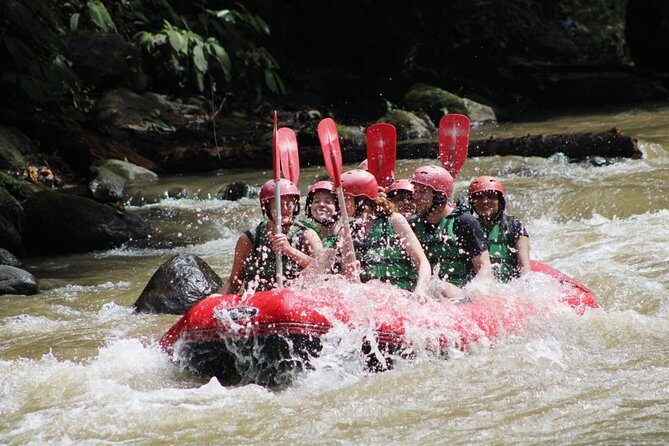
Who This Tour Is Best For (and Who Might Skip It)

This tour fits best if you:

  • Like Bali beyond beaches and want a real spiritual-focused day
  • Are curious about traditional healing beliefs and temple purification rituals
  • Want a guided route that combines meaning and scenery
  • Prefer a private setup where you’re not squeezed into a mixed group

It may not fit you as well if:

  • You want only relaxing sightseeing. This day includes a healing session and a purification ceremony.
  • You dislike activities involving physical movement and standing for extended periods. The listing’s strong physical fitness note is your clue.
  • You want a full, hands-on wood carving class. This stop is described as a pass-by learning moment.

Practical Tips to Make the Most of the Day

A spiritual day goes better with the right mindset. Treat the healer and the temple with respect, even if you don’t share the same beliefs. Ask questions if it’s welcomed, but also give the ritual room to unfold.

For comfort:

  • Wear clothing that fits temple norms and won’t be ruined if you get damp at the holy spring.
  • Bring a small towel or plan to air-dry after.
  • Choose footwear that handles steps and wet or uneven ground around temples and terraces.

If you’re sensitive to touch-based practices, consider that the healer session includes intuitive touch as part of the cleansing. It’s okay to set boundaries if you feel uneasy—your comfort should be part of any healing experience.

Should You Book This Spiritual Purification and Local Healer Tour?

If you want a short Ubud day that blends spiritual purification, a respected temple ceremony, and two classic Bali sights, this tour is a strong match. The price works because key admissions are included and the itinerary saves you from piecing together transportation and tickets on your own.

I’d book it if you’re curious, open-minded, and okay with a ritual-focused pace. I’d think twice if you’re expecting a laid-back, purely scenic outing, or if the idea of a touch-based healer session sounds uncomfortable.

If you fit the first group, you’ll likely leave with a calmer feeling and a memorable mix of Ubud culture and Bali’s spiritual traditions.

FAQ

How long is the Spiritual Purification and Local Healer Visit Tour?

The tour duration is listed as approximately 4 to 7 hours.

Where does the tour take place?

The experience is in Ubud, Indonesia, with stops that include Ubud, Gunung Kawi Sebatu Temple, and Tegalalang Rice Terrace.

Is pickup included?

Pickup is offered as part of the tour.

Are admission tickets included for the stops?

Admission is included for Gunung Kawi Sebatu Temple and Tegalalang Rice Terrace. The local healer visit is listed as admission ticket free.

Is this tour private?

Yes. It’s listed as a private tour/activity, so only your group participates.

What is the cancellation policy?

You can cancel for a full refund up to 24 hours in advance. If you cancel less than 24 hours before the start time, the amount paid is not refunded.

Purifications at Beji Griya Waterfalls

Purifications at Beji Griya Waterfalls - Price and what you get for $50 per person

A few hours at a waterfall temple can change your pace. This melukat purification in Ubud is built as a guided, step-by-step ceremony that uses holy water, springs, and the waterfall itself to focus on body and mind cleansing.

I especially like how smoothly the day is handled: private pickup and drop-off means you’re not figuring out routes while you’re trying to stay respectful and present. I also like that the ritual feels structured, with a priest leading the flow and supplies like a sarong and towel already sorted.

One thing to consider: you will get wet. The ceremony includes shower purifications in cave and pool settings, so plan for damp clothing and bring a practical mindset.

Key highlights you’ll notice fast

Purifications at Beji Griya Waterfalls - Key highlights you’ll notice fast

  • Priest-led melukat with guided steps so you’re not guessing what comes next
  • Holy water sequence: cave shower, springs, waterfall release, and pool purification
  • Two young coconuts included for the water blessing
  • Private transport with pickup and drop-off, keeping the day calm and simple
  • Included sarong, belt, locker, and towel so you can focus on the ritual
  • Coffee or tea healthy drink to settle you after the ceremony

Melukat Purification at Beji Griya: what this ritual is really about

Purifications at Beji Griya Waterfalls - Melukat Purification at Beji Griya: what this ritual is really about
In Bali, cleansing isn’t just a wash. The idea behind melukat is that the body and soul both collect “dirt” over time—stress, anxious thoughts, heavy emotions, and the everyday pressures that don’t just disappear when the workday ends. Melukat is often explained as self-purification for doing good, using holy water to help remove negative influence and restore a feeling of peace.

At Beji Griya Waterfall, the ceremony is framed as both spiritual and practical. You’re not only observing. You’re participating in a set of cleansing acts, in a place where nature does part of the job. Water is the star, but the goal is mental clarity: leaving with a lighter head and a calmer heart.

This also helps explain why the tour format matters. If you show up on your own, you can miss the order and the meaning. Here, the flow is organized around the ritual steps, and a priest supports the process. That’s where you feel the value beyond a quick photo stop.

Price and what you get for $50 per person

Purifications at Beji Griya Waterfalls - Price and what you get for $50 per person
At $50 per person, this isn’t a throwaway activity. The cost starts making sense because the price bundles the pieces that are usually hard to DIY well: private transportation, the purification ritual, the priest, and the setup items for you to participate respectfully.

Here’s what’s included that pulls its weight:

  • Private transportation plus pickup and drop-off
  • Purification ritual and offerings
  • Priest
  • Sarong, belt, locker, towel
  • Two young coconuts for the water blessing
  • Coffee and/or tea healthy drink

What’s not included is alcohol, which is pretty typical for a day centered on ritual and cleansing.

Is it “cheap”? No. But it’s also not overpriced if you compare it to the true costs of getting a car, finding the right timing, arranging a priest, and securing the required ritual materials. You’re paying for a guided experience that keeps you moving through the ceremony in the right way, without distraction.

One more practical angle: since this gets booked about 43 days in advance, popular days can fill up. If you’re traveling in peak season or on a tight schedule, plan ahead.

Private pickup and the 6-hour rhythm that keeps things easy

Purifications at Beji Griya Waterfalls - Private pickup and the 6-hour rhythm that keeps things easy
The whole experience runs about 6 hours. You’re not stuck out all day, and you’re not shoved from one rushed site to another. The tour is paced around the purification ceremony and the time needed to transition in and out of the water-based steps.
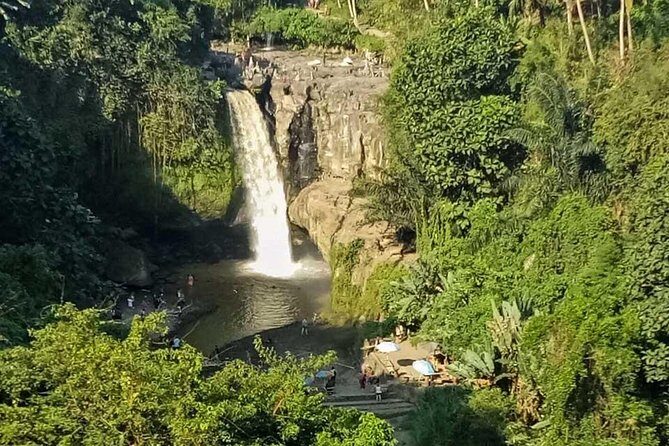
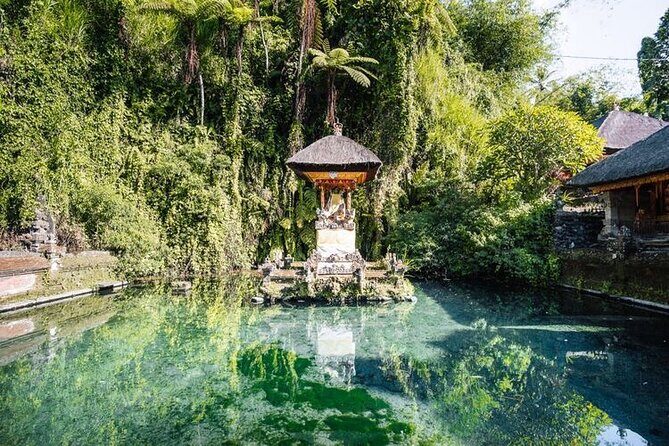
The pickup and drop-off are part of what makes the day feel smooth. When you’re doing a spiritual ritual, it helps to arrive with your head clear, not stressed about navigation or parking. You also don’t have to manage multiple transfers. This tour is set up for a private group (just your party), which usually means less chaos and more breathing room.
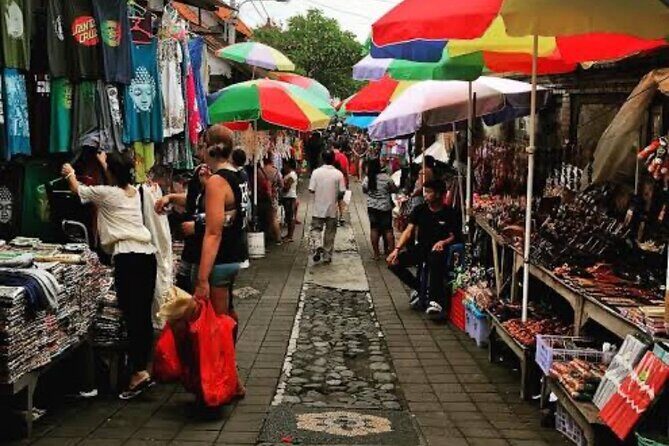
There’s also a clear “weather matters” reality here. Because the ceremony takes place in and around water, the experience needs good weather. If conditions are poor, you’re offered a different date or a full refund.

Beji Griya Park Waterfall Temple: the purification sequence in plain terms

Purifications at Beji Griya Waterfalls - Beji Griya Park Waterfall Temple: the purification sequence in plain terms
This is the heart of the day: Beji Griya Park Waterfall Temple and a multi-step melukat ceremony. The ritual is described as a sequence of purifications and emotional release, using both the cave environment and the open waterfall area.

You can think of it as four parts:

Purification in a hidden canyon cave shower

The first phase uses a shower setting in a hidden canyon in a cave. The physical contrast is immediate—cooler, enclosed, and more focused than an open-air shower. This kind of setting helps you “switch modes,” from sightseeing-brain to ceremony-brain.

Practically, expect close contact with water and a damp environment. Your sarong and towel support you here, and the priest and process guidance help you stay oriented.

Purification in the springs

Next comes purification in the springs. Springs tend to feel more grounded and natural, and this part is where many people shift from the novelty of a waterfall temple to the actual intention of cleansing.

This is also a good time to slow down mentally. If you’re prone to multitasking or checking your phone, try to resist. The value of the ritual is in being present for each step, not rushing past them.

Release emotions in the waterfall

Then you move to a moment described as release emotions in the waterfall. This is more than scenery. It’s part of how the ceremony frames mental clearing—using the waterfall as a physical symbol for letting go.

It’s worth going in with the right expectations: you’re not watching a performance. You’re participating in a symbolic action. If you treat it like a “see it once” attraction, it can feel shallow. If you treat it like a guided reset, it lands better.

Purification in a pool shower

Finally, there’s another shower in the pool, wrapping the sequence with a repeat of cleansing water and a sense of closure. The tour’s design here matters: it avoids the experience feeling like random dips in water. It’s structured to feel like beginning, middle, release, then finish.

After the ritual, it’s a good time to re-set your body temperature and let your mind catch up. That’s where the included coffee and/or tea healthy drink can feel like a simple reward.

Offerings, young coconuts, and the priest who keeps it correct

Purifications at Beji Griya Waterfalls - Offerings, young coconuts, and the priest who keeps it correct
A ritual like melukat is not just about water. It relies on correct flow and respect. That’s why this tour includes offerings and a priest.

You’ll also receive two young coconuts for the water blessing. This is one of those details that makes the experience feel more grounded than a casual visit. It turns the ceremony from a general “purification theme” into a specific ritual element that’s handled as part of the blessing.

If you’re the type who wants to understand what’s happening, lean into the guidance from the priest and the instructions from your tour team. Even if you don’t speak much of the local language, the structure is clear, and the supplies are arranged so you can participate without confusion.

What to expect on the ground: supplies, comfort, and behavior

Purifications at Beji Griya Waterfalls - What to expect on the ground: supplies, comfort, and behavior
This tour provides several key items that make participation easier: sarong, belt, locker, and towel. That’s a big deal because you don’t have to show up hunting for a rental or improvising what you’ll wear.

A practical way to prepare:

  • Wear something you can comfortably get wet.
  • Plan to keep a calm, respectful attitude because it’s a temple setting.
  • Expect damp clothing afterward, even if you dry off quickly.

You’ll also want to treat the ceremony area like a place you shouldn’t rush. The experience is designed to take a few hours, so there’s time to follow the sequence without panic.

One more comfort note: since the ritual includes cave and waterfall sections, your footing may feel different depending on conditions. You’ll be guided by the process and the environment, but it’s still smart to move carefully.

Why nature feels different when it’s tied to ritual

Purifications at Beji Griya Waterfalls - Why nature feels different when it’s tied to ritual
Waterfalls can be just scenery. Here, they feel functional because the day connects water to intention. The experience is framed as cleansing the mind and soul from daily saturations—stress, anxiety, emotional burdens—and even negative influence people believe can linger.

That belief system is part of why the ceremony exists in the first place. You’re not forced to “believe” in the supernatural to find value. Even if you approach it as a reflective reset, it can still work because it gives you:

  • A clear sequence to follow
  • A place that naturally slows you down
  • A physical action that helps you emotionally “let go”

This is also where the best-reviewed part of the day tends to shine. People talk about enjoying the whole arc, from pickup to blessing, and that matches the way the tour is built: it aims for a smooth, respectful rhythm rather than scattered stops.

Who this tour suits best (and who might choose differently)

Purifications at Beji Griya Waterfalls - Who this tour suits best (and who might choose differently)
This is a strong fit if you want a spiritual-nature experience in Ubud that isn’t just a viewpoint. It’s especially good for people who like guided structure and want their day handled end-to-end: transport, ritual materials, and priest-led steps.

It also fits well if you’re the sort of traveler who enjoys meaningful downtime. Even with just one main stop, the ceremony gives you a lot to focus on. You come out of it feeling like you did something real, not just checked a box.

You might consider skipping if you strongly dislike getting wet or you want a dry, minimal-contact outing. The core of this experience is water-based purification in multiple settings.

Should you book Purifications at Beji Griya Waterfalls?

Book it if you want a structured melukat purification with private pickup, a priest, and a clear four-part holy water sequence at a waterfall temple. The included supplies (sarong, belt, locker, towel), plus the two young coconuts and offerings, help you participate without extra hassle. At $50, the value is mainly in the guided correctness and the total setup, not in the view alone.

Skip it if you’re expecting a quick, photo-first stop or you can’t handle water exposure. Also keep your timing flexible since the experience depends on good weather.

If you’re in Ubud and you’re craving a calm, meaningful reset with real guidance, this is one of the easier “yes” choices.

FAQ

How long is the Purifications at Beji Griya Waterfalls experience?

It runs for about 6 hours (approx.).

What does the purification ceremony include at Beji Griya Park Waterfall Temple?

The ceremony includes purification in a hidden canyon cave shower, purification in the springs, releasing emotions in the waterfall, and another purification in a pool shower.

Is pickup and drop-off included?

Yes. Private transportation with pickup and drop-off is included.

What’s included in the price besides the ritual?

Inclusions include purification ritual, offerings, a priest, sarong, belt, locker, towel, two young coconuts for water blessing, and coffee and/or tea healthy drink.

Are alcoholic beverages included?

No. Alcoholic beverages are not included.

Is it a private experience?

Yes. It’s private for your group only.

What if the weather is bad?

The experience requires good weather. If it’s canceled due to poor weather, you’ll be offered a different date or a full refund.

All Inclusives Bali Private Tour Temples Palaces and Nature

All Inclusives Bali Private Tour Temples Palaces and Nature - Tirta Gangga Water Palace: koi ponds, fountains, and royal-garden calm

Some places feel made for photos.

This private East Bali route strings together big-name views and calmer breaks, starting at Lempuyang Temple with the Mount Agung framed “Gates of Heaven.” I like that you don’t just stop at sights, you get time to actually look and plan your photos. I also like that the experience is guided and photo-focused, with guides such as Willy and Desi helping you understand what you’re seeing and how to get the shots you want.

The only real downside is timing: Lempuyang can mean waiting, even with an early start, so you’ll want to be ready for crowds and bright morning conditions.

Key highlights worth your time

All Inclusives Bali Private Tour Temples Palaces and Nature - Key highlights worth your time

  • Early timing at Lempuyang Temple helps reduce picture waiting time
  • Guides like Willy and Desi focus on context and photography
  • Tirta Gangga Water Palace delivers royal gardens plus koi ponds and fountains
  • Mount Agung views at Lereng Agung Restaurant give you a scenic reset
  • Optional Lereng Agung Swing adds a rice-terrace aerial shot if you want it
  • Cantik Coffee Plantation finishes the day in quieter, greener surroundings

East Bali’s best photo-and-culture day plan (from Kuta)

All Inclusives Bali Private Tour Temples Palaces and Nature - East Bali’s best photo-and-culture day plan (from Kuta)
This is a 12-hour private tour that’s built like a full-day highlight reel, but paced with enough stops to feel intentional. You’ll start in East Bali with one of Bali’s most recognizable temple views, then move into a royal water garden, eat with Mount Agung in sight, and end with coffee/cacao on a calmer stretch of greenery.

Because it’s private, you’re not stuck in a crowded group shuffle. You move as a unit, and that matters when you’re trying to coordinate angles, timing, and photo breaks. It’s also described as “All Inclusives,” but the practical reality is: you’ll want to budget for personal purchases (drinks, snacks, and any optional add-ons), while key site admissions are included for the listed stops.

At $113 per person, the value comes from the combination: multiple major sights, admission ticket coverage for the included attractions, and a pickup-based day that covers a lot of ground without you driving.

Lempuyang Temple and the Gates of Heaven: the early photo strategy

Lempuyang Temple is one of Bali’s oldest and most sacred temples, perched on Mount Lempuyang. The famous setup is the “Gates of Heaven,” designed so Mount Agung shows up in the background frame. It’s iconic for a reason: the view looks almost staged, but it’s real, and the angle is what makes it.

Here’s why timing matters. If you go later, you can spend more time waiting for your turn to get the framing right. The tour specifically recommends going early to lessen wait time for photos, and that’s exactly the kind of small scheduling win that improves the whole day. One of the strongest notes from real experiences is that the early timing helps you get the shots you came for without losing your morning momentum.

You’ll spend about 2 hours here, which is enough to:

  • walk around and settle into the right viewpoint
  • take multiple tries at the “frame” photo
  • regroup before the next drive

Practical consideration: mornings can be bright and the steps/surfaces can be uneven, so wear shoes you can trust on temple ground.

Tirta Gangga Water Palace: koi ponds, fountains, and royal-garden calm

All Inclusives Bali Private Tour Temples Palaces and Nature - Tirta Gangga Water Palace: koi ponds, fountains, and royal-garden calm
Next up is Tirta Gangga, a former royal water palace in East Bali. This stop is all about visual quiet: stone carvings, elegant gardens, and koi-filled ponds with fountains that create reflective moments.

What makes Tirta Gangga work so well on a day like this is contrast. Lempuyang is dramatic and high-visibility. Tirta Gangga is slower, more garden-like, and much easier to photograph without sprinting between viewpoints. You get around 2 hours here, which is a good chunk of time for taking your pictures and just enjoying how the water interacts with light.

Admission is included for this stop, so you’re not left figuring out ticket logistics while you’re trying to enjoy the place. It’s also a family-friendly kind of attraction: there’s plenty to look at without being strenuous, as long as you’re comfortable walking on pathways.

Lereng Agung Restaurant: where the lunch break turns into a viewpoint

All Inclusives Bali Private Tour Temples Palaces and Nature - Lereng Agung Restaurant: where the lunch break turns into a viewpoint
After temple and palace, you’ll hit Ristorante Lereng Agung (Lereng Agung Restaurant). This is scheduled as a scenic meal stop with sweeping views of Mount Agung, Bali’s highest and sacred mountain.

This matters more than it sounds. Midday can drain your energy, especially when you’re climbing for viewpoints earlier. A restaurant break with a proper view gives you a mental reset, and it keeps the day from turning into a nonstop “get the photo, move on” circuit.

You’ll have about 2 hours at this stop. That time window is useful because you can eat at a comfortable pace and still have minutes to linger for photos if the light is good. If you’re also considering the optional swing activity nearby (more on that below), the restaurant stop is a natural moment to decide whether you want to add it.

One note: the tour data lists “Admission Ticket Included” at this stop, but the practical focus here is the meal and the view. Either way, you’re spending this time eating and taking in scenery in a Mount Agung setting.

Optional Lereng Agung Swing over rice terraces: worth it if you want the aerial shot

All Inclusives Bali Private Tour Temples Palaces and Nature - Optional Lereng Agung Swing over rice terraces: worth it if you want the aerial shot
The tour overview includes optional activity at Lereng Agung Swing, where you can soar above rice terraces. If you’re into photography, this is the kind of shot that gives you height and scale that temples don’t.

The key consideration is that swing time can add pressure to your schedule if you’re the type who likes to take things slow. If you really want the swing, ask your guide early in the day about timing so it doesn’t interfere with your Lempuyang photo goals.

Also, be honest about how you feel with heights. This is an adrenaline option, not a requirement. If it’s not your thing, you can still enjoy the rest of the day on the same route.

Cantik Coffee Plantation: a quiet finish with coffee and cacao

All Inclusives Bali Private Tour Temples Palaces and Nature - Cantik Coffee Plantation: a quiet finish with coffee and cacao
The final stop is Cantik Coffee Plantation, described as a tranquil escape surrounded by rice fields and tropical greenery. This part of the tour is less about famous landmarks and more about calm, plus learning.

You’ll get a traditional-style introduction to Balinese coffee and cacao production while strolling through the grounds. It’s a nice way to close the day because it shifts you out of “photo competition mode” and into a slower pace.

You’ll spend about 2 hours here, which is long enough to walk, listen, and pick up a few details if you enjoy food and drink stories. Admission is listed as included for this stop as well, so you’re not forced to do extra ticket steps before you even start learning.

Private tour logistics that actually affect your day

All Inclusives Bali Private Tour Temples Palaces and Nature - Private tour logistics that actually affect your day
This is a private tour/activity, meaning only your group participates. That changes the vibe: you’re not waiting for a slow walker to catch up, and your guide can help with pacing and photo placement for your own shots.

A few practical pieces from the tour details:

  • Pickup is offered (you start from Kuta area)
  • you receive a mobile ticket
  • it’s near public transportation, which can matter if you need a backup plan
  • there are group discounts, which is worth asking about if you’re traveling with friends or family

The day is about 12 hours, so treat it like a real excursion day, not a casual half-tour. Bring patience for driving time between stops, and plan your footwear for temple steps plus outdoor paths at the gardens and plantation.

On the “how far ahead” question: the tour is noted as commonly booked about 39 days in advance. If you’re traveling during a busy time, booking earlier helps you lock in a preferred day.

Price and value: what $113 buys you in East Bali

All Inclusives Bali Private Tour Temples Palaces and Nature - Price and value: what $113 buys you in East Bali
Let’s talk value in plain terms. At $113 per person for a 12-hour private day, you’re paying for:

  • transport with pickup
  • a structured, multi-stop route
  • admission ticket coverage for the listed attractions
  • a guided experience that’s explicitly supportive of photography

If you were to do this on your own with separate tickets, your cost might look close on paper, but the time savings is the real driver. This tour handles sequencing (temple, palace, meal, swing option, coffee plantation) so you don’t burn your day figuring out how to connect everything efficiently.

Also, the guide support seems to be a major differentiator. One of the clearest praised points is that guides Willy and Desi offered context and were helpful photographers, actively working to get the photos people want. That’s the kind of service you feel on the ground, not something you notice only in a brochure.

Who this tour fits best (and who should skip it)

This tour fits best if you want a day that mixes culture + big photo icons + a calm ending. It’s a strong choice for people who:

  • want the Gates of Heaven viewpoint without the headache of planning
  • enjoy photography and appreciate guidance on getting the shot
  • like having a planned meal break with Mount Agung views
  • want a private day where your group sets the pace

It’s less ideal if you dislike waiting at famous photo spots or you want a very relaxed, unstructured itinerary. The plan is busy by design, and it helps if you go in knowing you’ll be moving through several distinct locations in one long day.

Should you book this East Bali private tour?

I’d book it if your top priority is getting to Lempuyang’s Gates of Heaven with a real strategy, then seeing Tirta Gangga and finishing with coffee/cacao at Cantik Coffee Plantation. The combination is efficient, and the guide-photo focus you’ll get (including help from guides like Willy and Desi) is the kind of advantage that often turns a good tour into a memorable day.

I wouldn’t book it if you hate full-day schedules or you’re only interested in one landmark. In that case, you might prefer a shorter plan focused just on Lempuyang or just on Tirta Gangga.

If your schedule allows it, aim for the early timing. That’s one of the most practical ways to protect your photo time and keep the day feeling fun instead of rushed.

FAQ

How long is the tour?

The tour is listed as 12 hours (approx.).

How much does it cost?

The price is $113.00 per person.

Is pickup included?

Yes, pickup is offered.

Is this tour private?

Yes. It’s a private tour/activity, and only your group will participate.

What are the main stops?

The tour includes stops at Lempuyang Temple, Tirta Gangga, Ristorante Lereng Agung, and a Coffee Plantation (Cantik Coffee Plantation).

Are admission tickets included?

Admission tickets are listed as included for the stops where tickets are typically required, including Lempuyang Temple and Tirta Gangga (and the Coffee Plantation stop is also marked with admission included).

Is there an optional activity for swings?

Yes. The overview mentions optional activities at Lereng Agung Swing.

What should I know about tickets?

You’ll receive a mobile ticket.

Is it easy to participate in this tour?

The tour information states that most travelers can participate.

Can I get a full refund if I cancel?

You can cancel for a full refund up to 24 hours in advance of the experience start time.