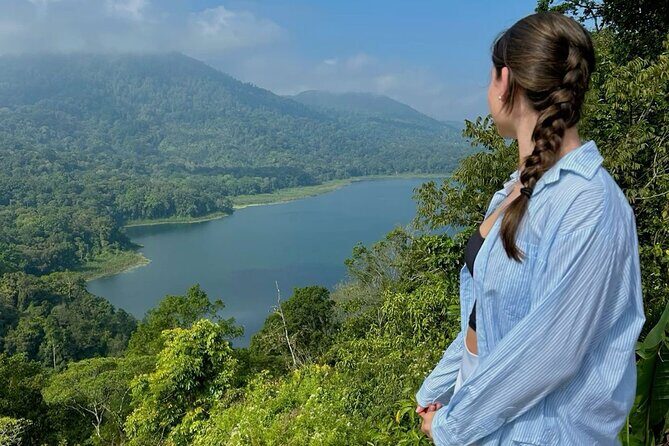
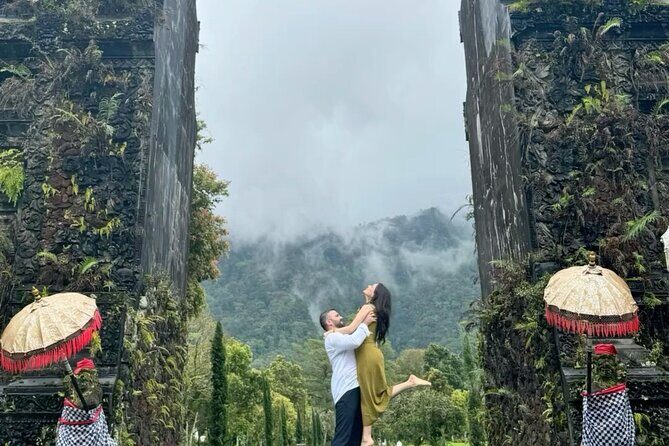
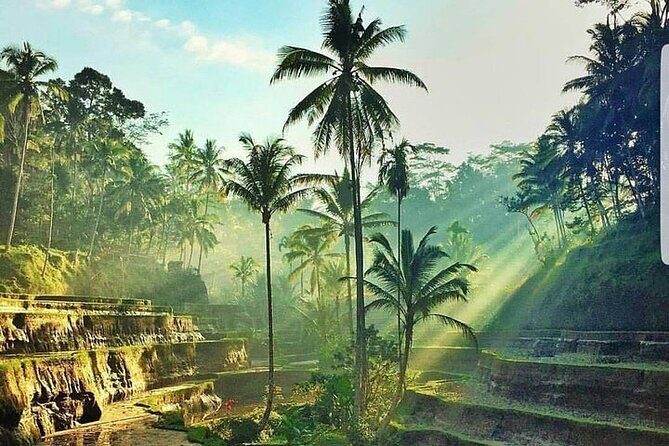
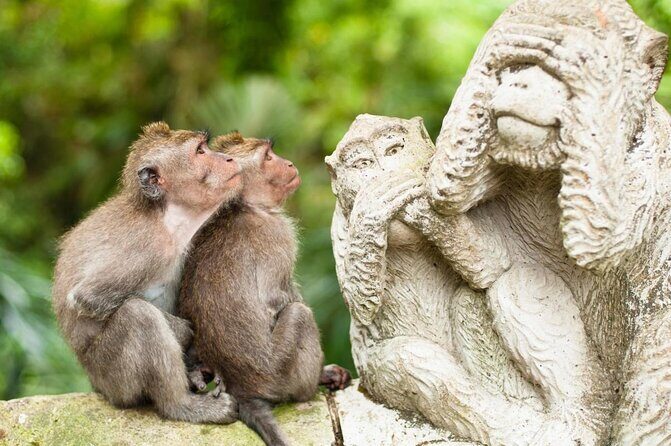
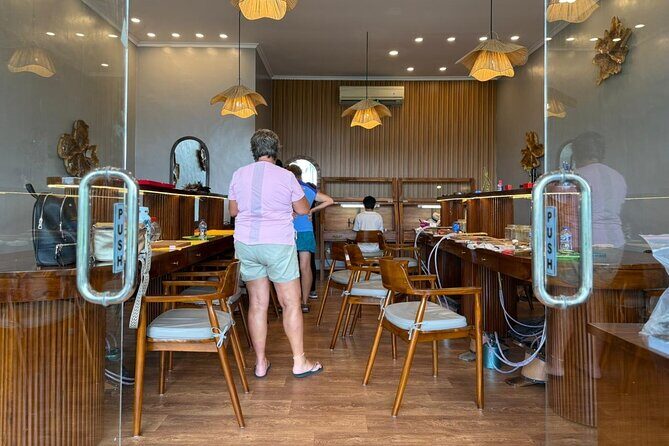
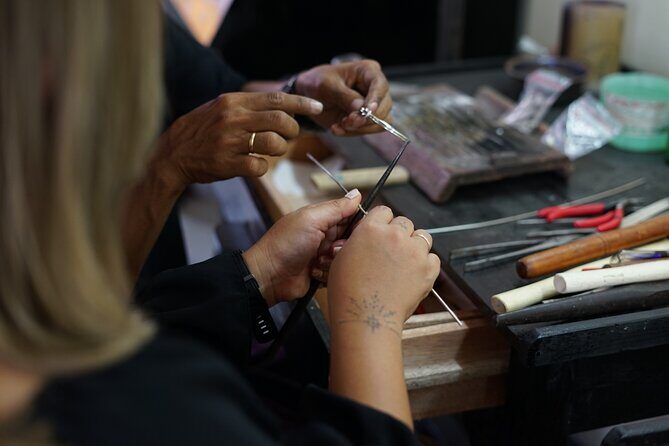
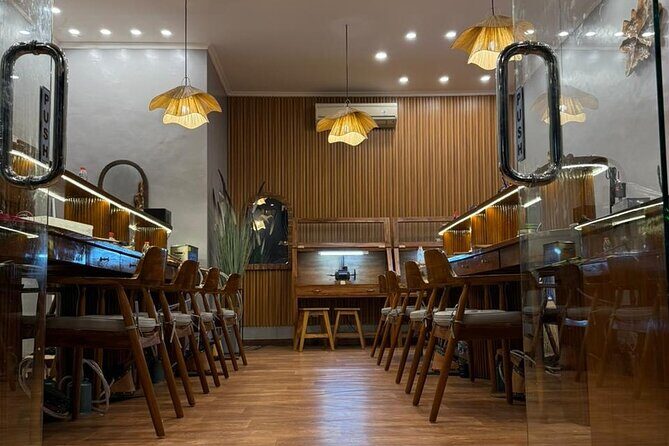
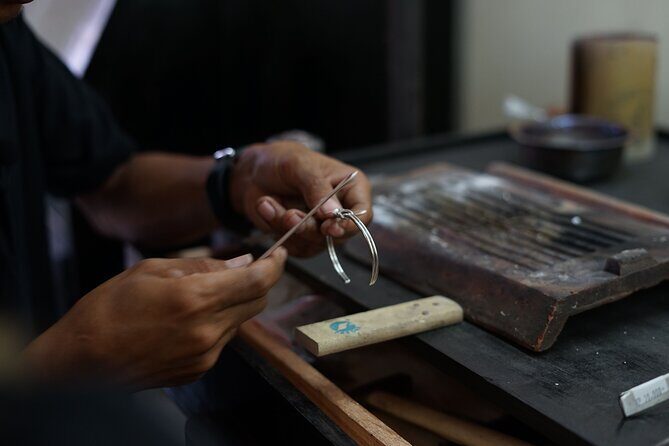
A ceremony, a spring, and a reset. This Ubud experience pairs a traditional balian healer with a holy-water purification at Pura Mengening, so you get both spiritual context and specific, hands-on steps. I like the structure—about an hour with the healer, then about an hour at the temple pools—and I like that the price includes transport and entry fees. One real consideration: Mengening Temple involves stairs, so if you have mobility limits, plan carefully.
The appeal here is balance. You’re not just looking at temples from the outside; you’re guided through making offerings and doing self-cleaning in cool, clear spring water, at a site described as less crowded than other purification temples in the area. And when your driver-guide is on point (one recent group had a guide named Tude), the whole day feels smooth and understandable rather than mysterious or confusing.
Key things to know before you go
- Two focused stops: shamanic healing in Ubud, then melukat purification at Pura Mengening
- Less-crowded purification: Mengening Temple is promoted as quieter than alternatives nearby
- Real temple ritual basics: you’ll make offerings and bathe in the sacred spring pool
- Included entry and transport: private transportation plus tickets and bottled water
- Stairs are part of the deal: the temple route can be challenging for some people
Healing with a balian in Ubud: what that first hour really is
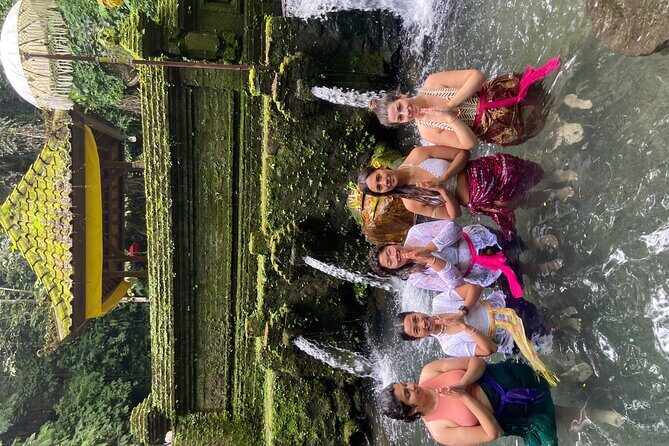
The day starts in Ubud with a shamanic healing session led by a traditional healer, known as a balian. This form of healing is rooted in Balinese spiritual belief, mixing elements of animism and Hindu influence with traditional medicinal ideas. In plain terms, it’s a cultural way of addressing imbalance—sometimes mental, sometimes physical—using ritual, prayer, and healing practices tied to the spirit world.
What’s likely to happen in that first stop is a guided ritual format. The description of the process points to a few common elements: prayers and ceremony, possible herbal remedies, and the use of symbolic tools like talismans or crystals. Some healers may also use trance-like states through chanting or meditation, but you should think of that as something the balian may do rather than a guaranteed script for everyone.
Also note the pacing. This stop is about an hour, and the admission ticket is listed as free for this part. That matters because it helps set expectations: you’re not committing to a day-long healing ceremony with no breaks. It’s a concentrated introduction that can feel powerful precisely because it stays focused.
From a practical standpoint, your biggest job is to show up with an open mind and a calm body. If you’re unsure what to do, this tour is set up with transportation and guidance, and the experience is designed so you aren’t stuck trying to figure out the logistics alone. If you’ve ever worried about whether you’re doing a ritual the right way, that’s the value of having a local helper with you.
Pura Mengening and the melukat pools: holy water, cool springs, and offerings
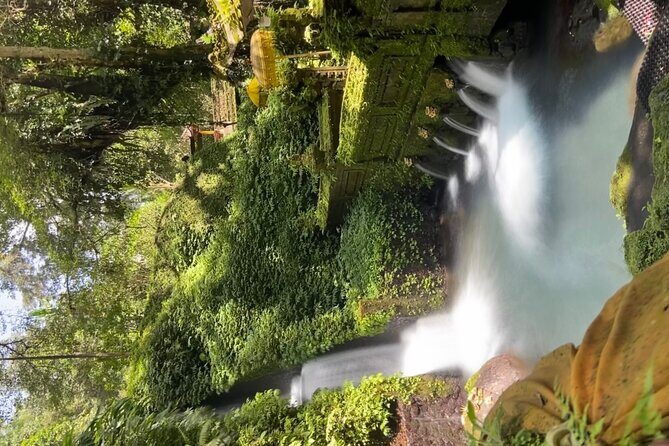
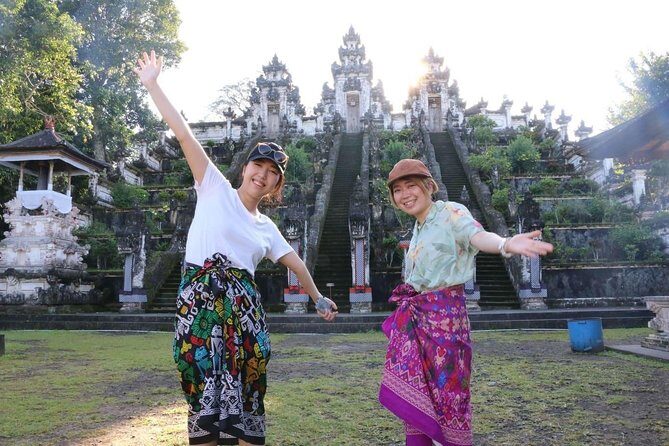
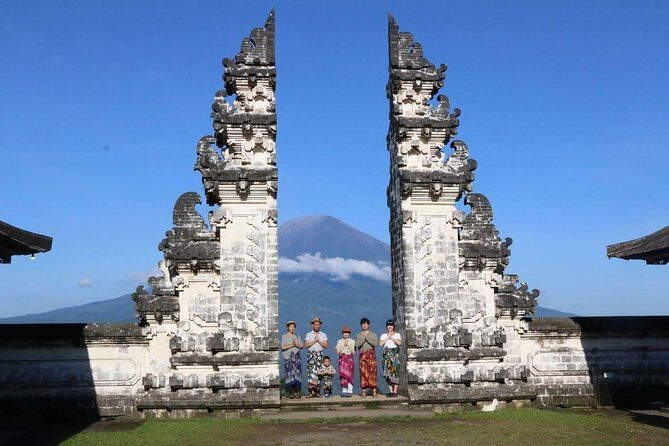
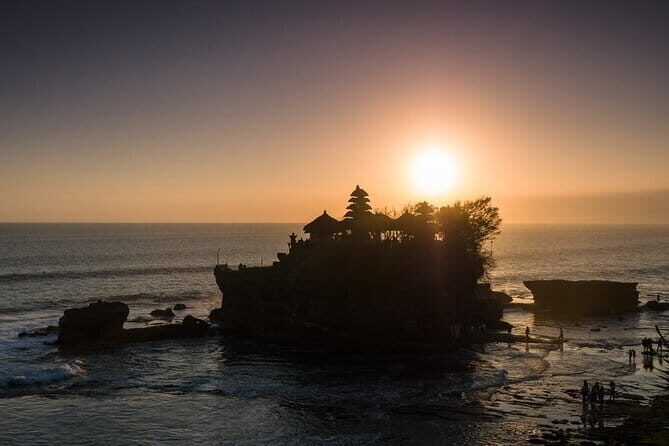
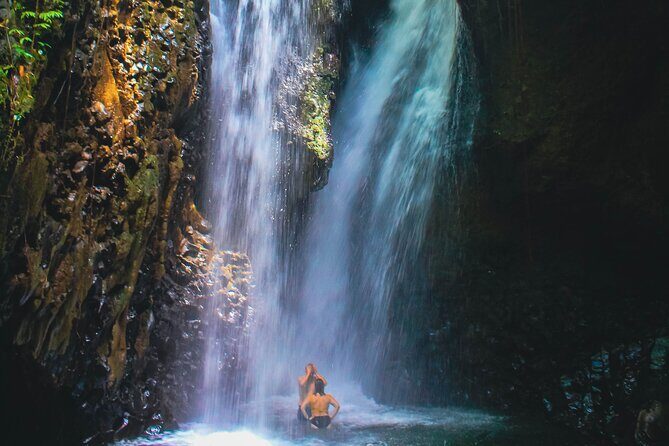
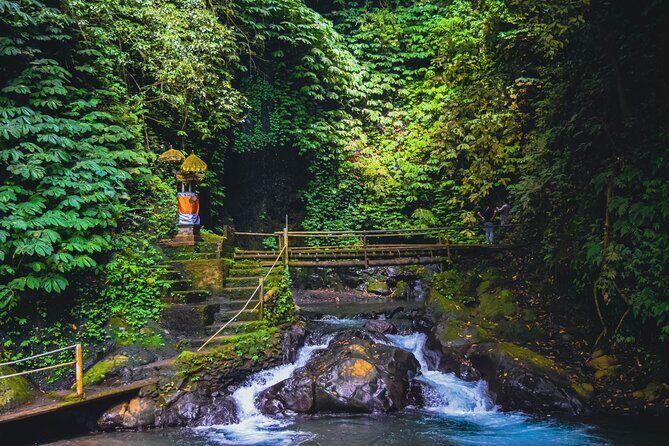
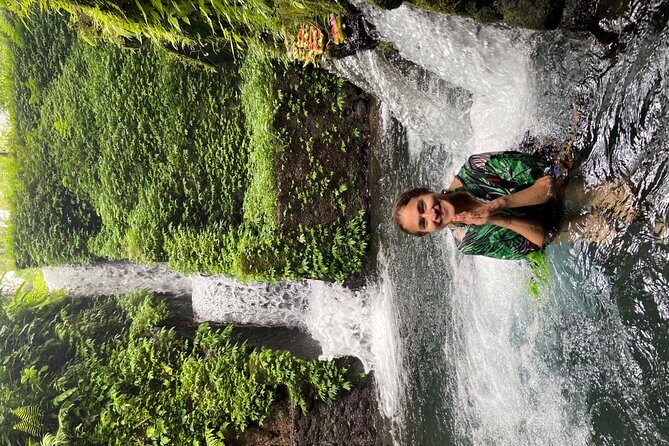
After Ubud, the day moves to Pura Mengening (also spelled Pura Mengening), in the village of Saraseda, Tampaksiring, Gianyar regency. This temple is described as having natural scenery and a notably cool atmosphere—something you’ll appreciate once you’re standing near the spring pools.
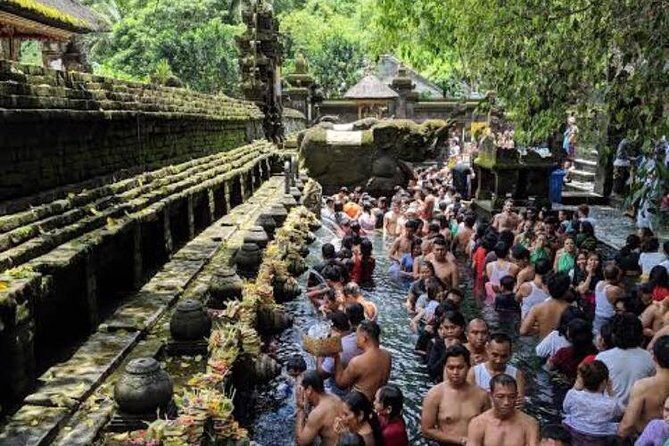
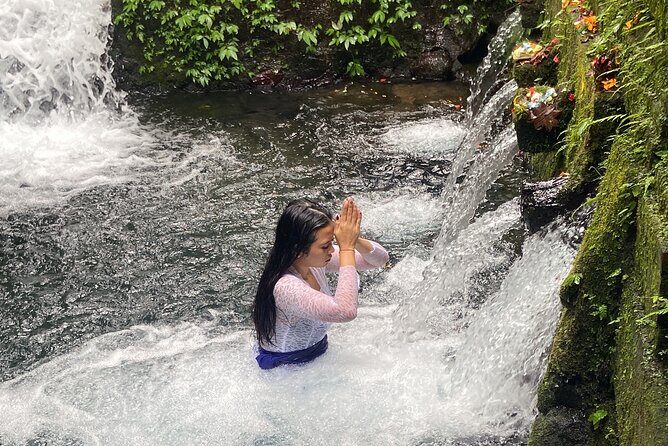
Here’s the core purpose: melukat. That’s the self-cleaning ritual using holy water, and it’s also the place where people request tirtha, meaning holy water used for Hindu ceremonies. In other words, this isn’t just a tourist photo stop. The temple is operating as a living spiritual site.
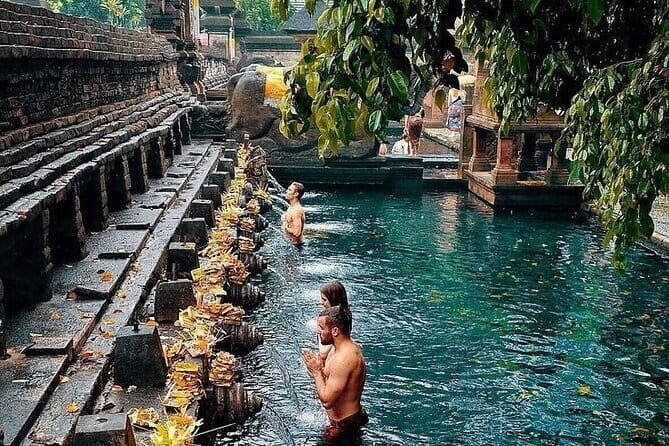
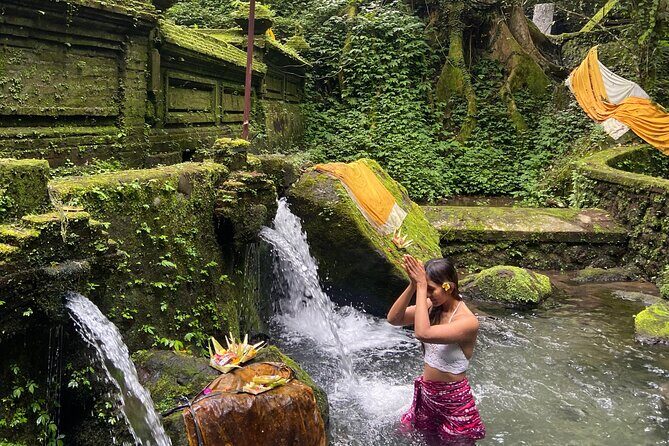
Inside the purification area, there’s a pool for self-cleaning, split into two sections: one for women’s bathing and one separate pool for men. The water is described as cool and clear. It’s also tied to history, with springs said to have existed since the 11th century.
Before you enter the bath pool, you’re expected to present canang and incense, then bathe and pray for coolness—physically and spiritually. That’s the rhythm to keep in your mind: offering first, then water, then a short prayer moment.
One subtle but important detail: canang and incense are mentioned as expected items. The tour description doesn’t say they’re provided, so don’t assume they’re included. If you want to avoid awkwardness, ask in advance what you need to bring for offerings, or whether your guide provides them as part of your ritual setup.
Another plus for your peace of mind: Mengening Temple is promoted as less crowded than other purification temples in the area. If you’re sensitive to crowds or noise, that quiet factor can make a big difference in how meaningful the bathing portion feels.
The stair reality at Mengening Temple (and how to plan for it)
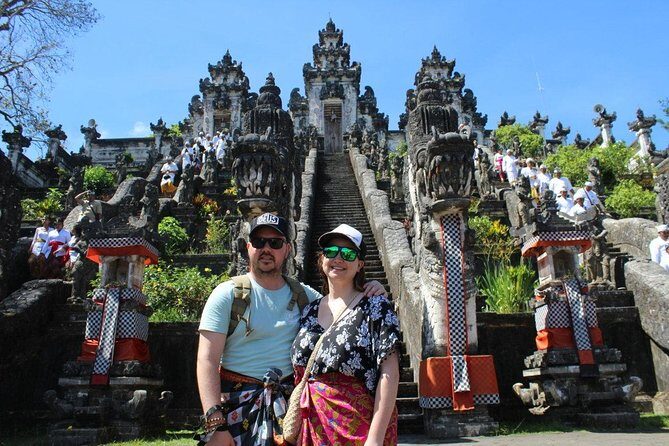
One review highlighted a tough point: the second part of the experience involved a lot of stairs up and down, which was extremely difficult for an older person with a slight disability. That’s not a small footnote. It’s a real factor you should take seriously.
So here’s what I’d do if I were planning your day:
- Wear shoes with good grip. Even if it looks dry, temple areas can be slick near water.
- Move slowly and plan extra time for footing.
- If you have any mobility concerns, consider whether you can handle repeated stair sections.
The good news is that the tour includes private transportation, bottled water, and a guide/driver who should help keep the day organized. But transportation doesn’t erase the fact that you still have to walk those steps once you’re at the temple.
If you’re deciding between this and another purification option, ask yourself a simple question: can you comfortably manage stairs in a cool, temple-like environment where you’ll be going up and down at least a few times? If the answer is uncertain, it’s worth reaching out to the operator before booking.
Price and value: why $50 can make sense for this kind of morning
At $50 per person, this isn’t a “cheap add-on,” but it also isn’t a luxury spa price. The value comes from what’s included: private transportation, bottled water, entrance fees/tickets, and a structured two-stop experience.
For many people, the biggest cost isn’t just the price tag—it’s the hassle factor. If you tried to piece this together on your own, you’d be paying for transport anyway, and you’d also need to find the right place for the melukat and learn what’s expected at the pools. This tour wraps those pieces together with a local-style approach and tickets already handled.
There’s also a practical timing angle. The tour starts at 8:30 am, when Ubud is often less busy and the day can feel calmer. That makes it easier to stay focused through the ritual steps rather than spending the morning stuck in traffic or searching for the right entrance.
What’s not included is lunch. So you’ll want a plan for food either before you go (if you can manage it) or after you finish around mid-day. Bringing a snack might help if you tend to get hungry, but don’t treat the day as a full “breakfast-to-dinner” package.
A smooth 8:30 a.m. start in Ubud: the day’s rhythm
This experience begins at 8:30 am in Ubud, and it ends back at the meeting point. Duration is listed broadly—about 1 to 10 hours—which likely reflects how long the healing process and bathing preparation take for each group.
The timing is part of why this works. Starting early keeps the temple visit from feeling rushed, and it gives you a better chance of enjoying the cool temple setting. It also helps if your group wants the rest of the day open afterward for Ubud wandering, cafés, or a slower sunset plan.
Also, this is set up as a private tour/activity for your group only. That means you’re not getting pulled around behind strangers, and it can make ritual-based experiences feel more respectful. If you want to ask questions, take your time, or simply keep a quieter pace, private format helps.
If your group is the type that likes clear communication, you’ll probably appreciate how the guide/driver can keep things comfortable and understandable. One group specifically noted that their driver-guide, Tude, was conversational and very informative, and made sure they knew exactly what they were doing.
Respectful etiquette for offerings and temple bathing
This is one of those days where showing respect matters as much as showing up. The ceremony isn’t complicated, but it is serious to the people who use the site.
Here’s what you can do to keep things respectful and low-stress:
- Treat the melukat pool as a ritual space, not a sightseeing platform.
- Expect separation between women’s and men’s bathing pools and follow the directions you’re given.
- Be ready to present canang and incense before bathing, then pray for coolness as described.
Because the offering steps are explicitly mentioned, don’t come in assuming you can improvise. If you’re unsure about what canang is or how incense is used here, ask your guide before you start the temple portion. The goal is to participate without turning it into a performance for your own curiosity.
Also remember: you’re dealing with cool spring water. Dress with practicality in mind—something you can change into and out of without turning your day into a wardrobe disaster.
Who should book this shamanic healing and purification ceremony?
This tour fits best if you want a structured, spiritual experience in Ubud that includes real participation. It’s also a good choice if you prefer fewer crowds and you like the idea of combining two different parts of Balinese tradition: a balian healing session and a holy-water melukat at a spring temple.
Book it if:
- You’re interested in Balinese spirituality and want a guided way to participate.
- Your group values a private setup and clear guidance through the ritual steps.
- You’d rather do one well-planned morning than piece together multiple stops on your own.
Be cautious if:
- You have difficulty with stairs or frequent up-and-down walking. Mengening Temple can involve a lot of steps.
- You’re expecting a relaxed, minimal-walking “easy” day. It’s more active than it sounds.
- You want lunch included. You’ll need to handle food separately.
One more thought: this experience is promoted for “most travelers,” but “most” doesn’t mean “all.” I’d treat it as a moderate activity level due to the temple steps and the physical realities of bathing.
Should you book Ubud Shamanic Healing and Purification Ceremony?
If your goal is a morning that feels culturally grounded—half spiritual healing, half holy-water purification—and you’re okay with stairs, I think it’s a strong booking. The combination of private transport, included entry, and a clear two-stop flow makes it good value for the type of access you’re seeking. The high rating (4.9) and the fact that 97% recommend it also suggest most people leave feeling the day delivered what they came for.
But make your call based on your body and your expectations. If stairs are a deal-breaker, look for an alternative with less walking. If you can handle steps and you want to take part respectfully, this is the kind of Ubud experience that can stick with you because you’re not just watching—you’re participating in the ritual at the spring itself.
FAQ
Where is the tour located?
It takes place in Ubud, Bali, with the healing session in Ubud and the purification blessing at Pura Mengening in Tampaksiring (Gianyar regency).
How much does it cost?
The price is $50.00 per person.
How long is the experience?
Duration is listed as approximately 1 to 10 hours, depending on how the day’s activities go.
What time does the tour start?
The start time is 8:30 am.
Is this a private tour?
Yes. It’s described as private, with only your group participating.
Is pickup included?
Pickup is offered, and transportation is included as private transportation.
What is included in the price?
The tour includes private transportation, bottled water, and entrance fees/tickets.
What isn’t included?
Lunch is not included.
What happens at Pura Mengening?
It’s a place for melukat (self-cleaning with holy water) and for requesting tirtha (holy water for ceremonies). The pool area includes a bath pool divided into women’s and men’s sections, and you’re expected to present canang and incense before bathing and prayer.
Does the tour depend on weather?
Yes. The experience requires good weather. If it’s canceled due to poor weather, you’ll be offered a different date or a full refund.