Want a souvenir you can actually wear?
This Ubud silver class sends you out to a real silversmith village, where you shape and finish your own Balinese silver jewelry. I like that you get 7 grams of silver included, so the class feels grounded in a tangible result. I also like the close coaching style, with staff guiding the tiny steps so beginners can make something that looks intentional, not accidental. One consideration: the workshop is a bit of a drive from central Ubud, and being rural means you should expect bugs and plan for pickup if you don’t want the hassle.
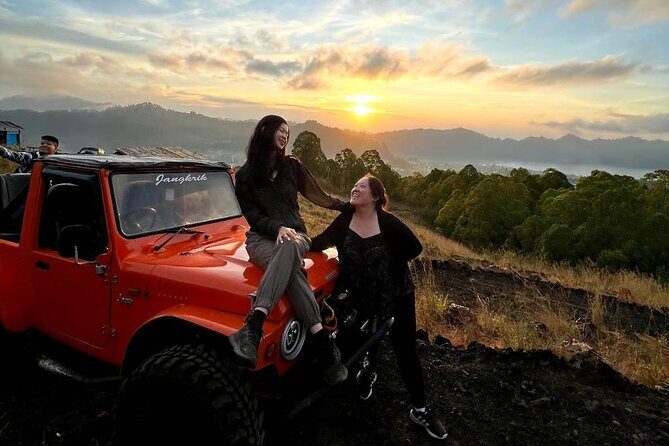
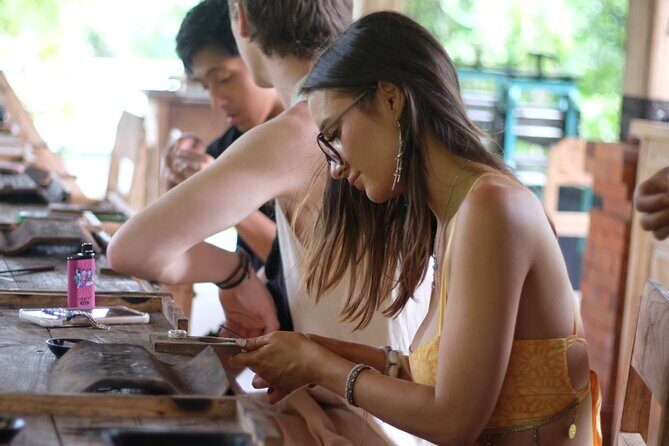
You’ll start with tea or coffee and snacks, pick (or sketch) a design, and then work through metalwork tasks like hammering, soldering, engraving, and cutting. The standard class runs about 3 hours, and it caps at 20 people, so it doesn’t feel like a factory line. If you want to turn it into a full day, you can add options like cooking, ATV time, village visits, sightseeing, or a retro Volkswagen Safari.
Key points to know before you go
- 7g of silver is included, with help to turn that amount into your best-looking piece
- Guided design building: sketch your idea or start from a sample
- Small group size (up to 20 travelers) means you’re not shouting over the process
- Multiple metalwork techniques are part of the experience, from soldering to engraving
- Helpful staff names come up often, including instructors like Aldi, WaWan, and Pepi
- Rural setting details: it’s charming, but bring bug spray as a backup
Ubud Silver Class at Delodsema: What you’re making
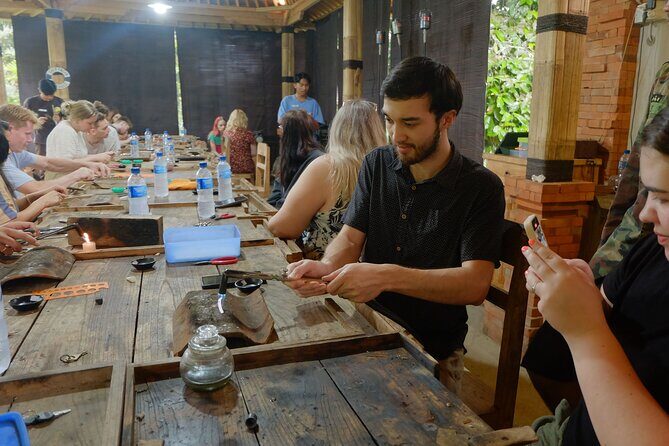
This is a Balinese silver jewelry making workshop experience centered around a village setting near Ubud, specifically at GBE Silver Class in Delodsema (Taro area, Tegallalang). The core idea is simple: you’re not watching a demonstration. You’re working with a silversmith to build your own piece step by step, then taking it home.
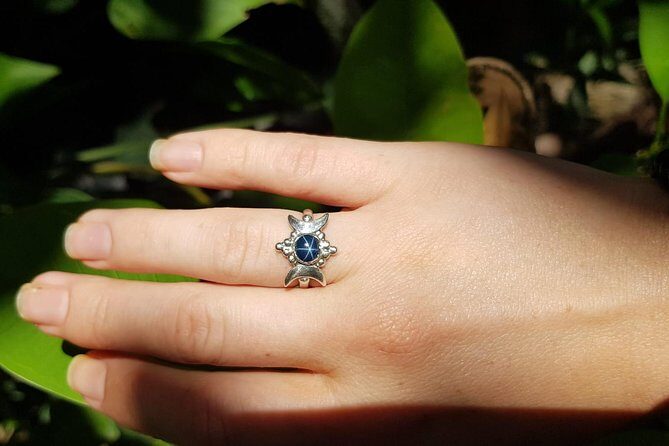
Most people do a ring, but you can usually expect options like a pendant, bangle, or earrings, depending on what you choose and how much silver you use. What matters is that the workshop structure helps you make a design that fits the time and materials. Even if your idea is ambitious, the instructor team will steer you toward what’s realistically possible with the silver provided.
And there’s a practical Balinese-craft angle here. Silver jewelry making is described as an age-old craft that supports local rural life and working skill. You’re in the place where the craft is practiced, not a staged “tour showroom.” That context makes the finished jewelry feel more meaningful.
Price and value: Why $36.66 feels fair here
At $36.66 per person, this class sits in the sweet spot for hands-on Bali activities that end with a real object. You’re not just paying for instruction. You’re paying for materials and skilled help.
Here’s the value math that matters:
- You get 7 grams of silver (included). That’s not a token amount. It’s enough for a solid ring or a smaller piece, and you can sometimes make more than one item if time and metal allow.
- You get an experienced local instructor who guides your design and the hands-on techniques. The staff focus on details, and that shows in how well the ring shape and finish work out.
- If you want to add stones or use extra silver, there are costs: gemstones cost extra, and additional silver runs at 80k per gram.
So the price makes sense if you plan your design within the included silver and you’re okay with optional extras being optional (especially stones). If you show up already thinking you want heavy gemstone work or multiple large pieces, you’ll likely add on the extra materials fee.
Getting there from Ubud: pickup, timing, and the drive you should expect
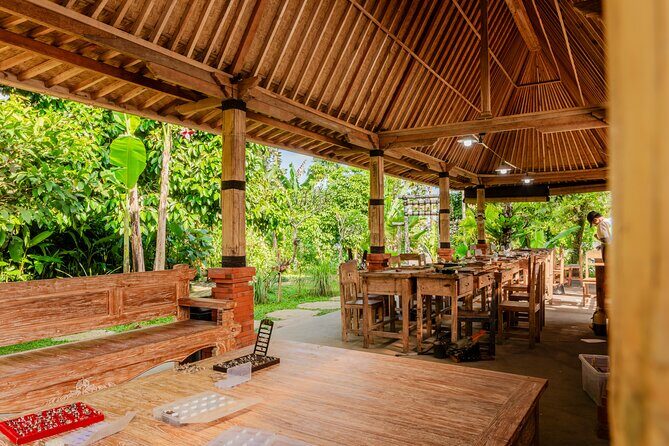
The class starts in Delodsema (Taro/Tegallalang area), with the meeting point listed at GBE Silver Class, Jl. Taman Gajah, Taro, Kec. Tegallalang, Gianyar, Bali.
If you book with pickup in the Ubud area, you’re collected and driven to the workshop. If you’re staying outside Ubud, pickup may cost more. The drive is part of the experience vibe: it’s scenic and it keeps the workshop from feeling like it’s right on a main tourist strip.
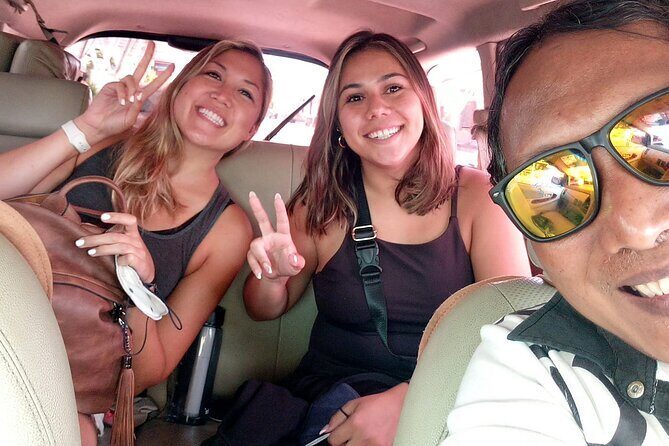
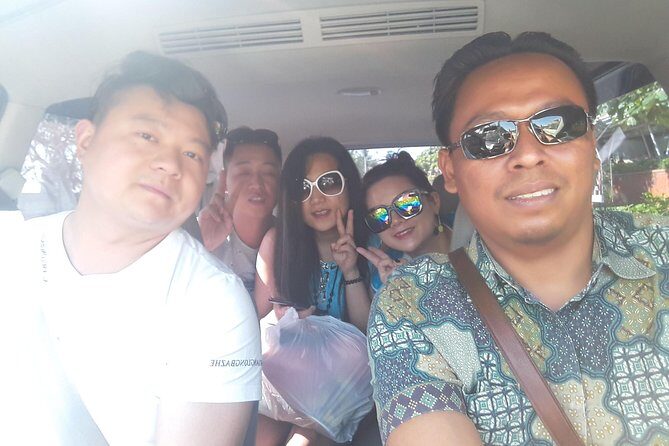
In real-life terms, I’d strongly consider pickup if you’re not comfortable with local transport. Several people note that it’s a drive that’s worth doing, and the easiest way to get there without stress is to let the service handle the car and timing. Some people also mention drivers by name, like Olen or Budi, and that friendly, knowledgeable transport can set the tone before you even start metalwork.
Class length is about 3 hours, so build your day with a clear block of time. If you plan to stack add-ons (ATV, cooking class, village visit), you’ll want to book them so the travel gaps don’t eat your morning.
Inside the workshop: tea, snacks, and picking your design
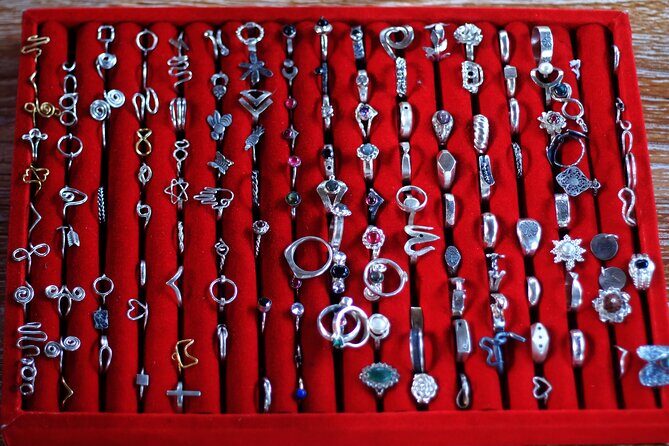
When you arrive, you’re greeted with a welcome drink—tea or coffee—plus Balinese snacks. Then the workshop gets practical fast: you’ll look at sample jewelry pieces for inspiration, and your instructor helps you choose what you’re going to make.
You basically have two paths:
- Bring an idea: if you already have a design in mind, your teacher helps you sketch it out and translate it into a metalworking plan.
- Start from a sample: if you don’t have a concept yet, you’ll build from a reference piece you like.
This is one of the most valuable parts for first-timers. Silverwork has steps that are hard to “wing” in your head. Having someone translate your idea into workable proportions and a process you can actually follow is the difference between a cool memory and a wearable ring you’re proud of.
Also, you’ll likely work in a small group format with staff close by. People describe the help as detailed and patient, especially for those with no experience. The workshop team isn’t rushing you; the process is hands-on, and they guide you through the steps.
From sketch to shine: the techniques you’ll learn
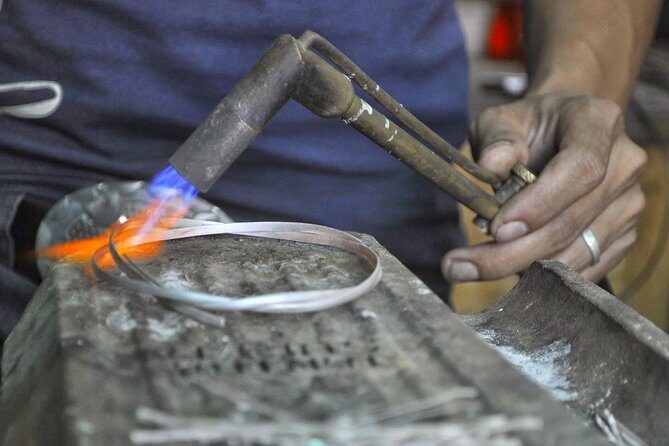
The teaching focus is on techniques that shape, refine, and finish your piece. During the class, you’ll use methods including:
- Hammering to shape the metal
- Soldering to join parts (when your design needs it)
- Engraving and cutting for details and final form
Even if you’ve never touched jewelry tools before, the experience is set up so you’re not overwhelmed. You’re coached through each step, and the staff help you avoid common mistakes that affect how a ring sits or how evenly a piece finishes.
A pattern I see in the best feedback: people praise the instructors for being careful about the small things that matter, like ring fit and getting the final look right. The staff guidance is described as detail-oriented and patient, with plenty of time spent on getting the piece to match reference designs.
If you’re worried you’ll make something too complicated, don’t be. The workshop helps you adjust. When someone wants a bigger design, you’ll get guidance on whether it’s too ambitious for the silver and time you have. That honesty is good, because it protects the end result.
Making more than one piece: using the 7 grams wisely
The class package includes 7 grams of silver. That amount is the built-in limiter, and how you handle it affects your final outcome.
You can make multiple jewelry pieces if you have enough time and silver left. In some cases, people end up making more than one item because the workflow and remaining metal make it possible. In other cases, you’ll focus on one standout piece, especially if you choose a ring design that needs careful shaping and finishing.
Here’s the practical advice I’d give you:
- If you want one jewelry item you’ll wear often, prioritize a design you can finish cleanly within the included silver.
- If you’re open to experimentation, ask your instructor how close you are to the point where you’ll have silver left for a second piece.
This is also where the workshop’s coaching matters. The team helps you implement your design using the techniques above, but they also help you manage materials so your jewelry doesn’t end up looking “half done” just because you tried to do everything.
Optional add-ons: turning your jewelry class into a full Ubud day
This experience can be paired with other activities, either before or after the silver class, depending on your booking choices. Options mentioned include:
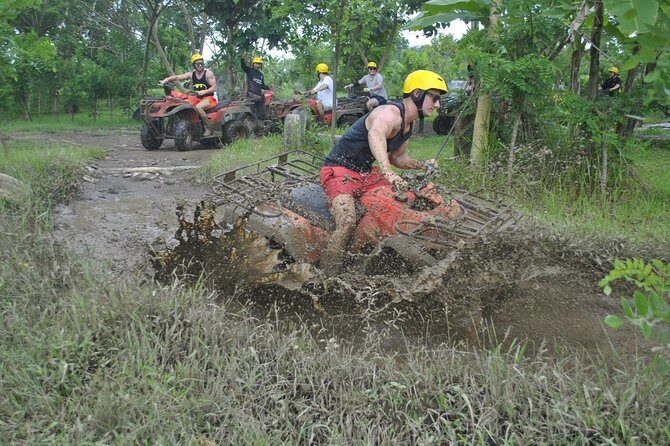
- ATV or quad bike tour
- Cooking class
- Village visit
- Sightseeing tour
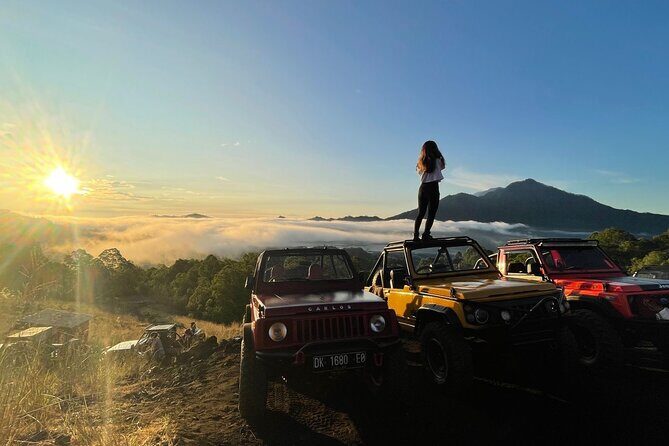
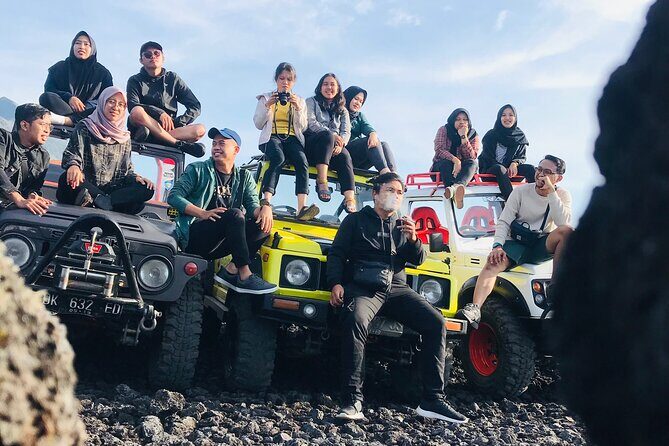
- Retro Volkswagen Safari
If you want a balanced day, my favorite pairings are the ones that don’t overload you. Silverwork is detailed and requires focus, so it pairs better with one more structured activity than with a full list of high-energy plans.
People also describe combining the class with a farm cooking experience as a highlight of their Bali trip, because it gives you both creativity and local food without turning the day into travel fatigue.
If you’re booking add-ons, think about pacing:
- Choose one “big” activity plus the jewelry class.
- Leave a little buffer for transport time.
- Don’t plan a second hands-on workshop right after unless you know the timing works for your schedule.
What to bring, what to expect, and who this class fits best
This workshop is described as suitable for most travelers. It’s aimed at beginners as long as you’re willing to slow down and follow instructions. The “hard part” is not the skill. It’s patience: shaping metal takes time, and it’s easy to move too fast if you’re thinking ahead.
Before you go, keep these points in mind:
- Out of town means bugs: since it’s in a rural area, you should expect mosquitoes. Some people note bug spray is available, but I’d still bring your own as a backup.
- Bring a clear idea or a flexible mind: if you come with a design, you’ll get help sketching it. If you don’t, sample-based guidance works well too.
- Plan for optional costs: gemstones and extra silver cost extra. If you’re set on stone work or larger designs, ask early what the material plan is.
- Wear comfy clothes: workshop activities can involve fine metal work and some mess. Wear something you don’t mind spending time in.
Who should book this?
- You want a genuine Bali craft souvenir that’s wearable, not just a photo prop.
- You enjoy making things and learning processes with your hands.
- You’re traveling with a partner or friends and want an activity that’s fun but still produces something lasting.
Who might skip?
- If you hate small details or you’re short on time, you might find the process slower than expected.
- If you only want a quick purchase experience with zero effort, this isn’t that kind of class.
Should you book this Ubud silver jewelry making class
Book it if you want a hands-on Ubud-area activity where you leave with real silver jewelry, coached through the steps like hammering, soldering, engraving, and cutting. The included 7 grams of silver and the patient, detail-focused instruction make it a strong value, especially compared with buying a mass-produced souvenir.
Don’t book it yet (or be extra clear about your design) if you’re aiming for heavy gemstone work or big multi-piece sets, because the extra materials can add cost quickly. Also, if you’re sensitive to bugs or you dislike longer drives, arrange pickup and pack accordingly.
If you want one practical move to make before you go: think about what you’ll actually wear back home. A ring is the obvious winner for daily use. Then design within the silver you’re given, and let the instructor refine your plan. That’s where this class delivers its best results.
FAQ
Where does the Ubud Silver Class meet and start?
The class starts at GBE Silver Class, Delodsema, Jl. Taman Gajah, Taro, Kec. Tegallalang, Kabupaten Gianyar, Bali 80561, Indonesia.
How long is the silver jewelry making class?
It runs about 3 hours (approx.).
What is included in the price?
You get a welcome drink, 7 grams of silver, an experienced instructor/local expert, and guidance to help you make multiple jewelry items as long as the silver is enough.
Can I choose my own jewelry design?
Yes. You can bring your own idea and the teacher helps sketch it out, or you can start from jewelry samples and build your design from what you like.
Is pickup from Ubud included?
Pickup is offered for the Ubud area, and extra charges apply for pickup from elsewhere.
Is extra silver or gemstones available?
Yes. If you want to use gemstones or need more silver, there is an additional charge. Extra silver is listed at 80k/gram.
Will I make only one piece of jewelry?
You can make multiple pieces if there’s time and enough silver left, but your final number depends on your design and the material.
How big is the group?
This activity has a maximum of 20 travelers.
Can I combine the class with other activities?
Yes. Optional add-ons include ATV/quad bike, a cooking class, a village visit, a sightseeing tour, and a retro Volkswagen Safari. These may happen before or after the silversmithing class.
Is there a cancellation policy for refunds?
Free cancellation is available up to 24 hours in advance for a full refund.









































.jpg)
.jpg)
.jpg)
.jpg)
.jpg)
.jpg)
.jpg)
.jpg)