

Best Day Tour – #1 Ubud Top Attraction
One Ubud day can feel like five.
This private full-day tour strings together temples, craft villages, rice terraces, and a famous waterfall in a smooth route, with an English-speaking driver to translate what you’re seeing and why it matters in Bali’s Hindu culture. I especially like the comfort factor: you ride in an air-conditioned private vehicle with bottled water. I also like how the day balances hands-on culture (gold and batik) with big-name nature (Tegalalang and Tegenungan). The one thing to consider is that there are several paid-included stops and you do spend time walking and waiting in popular areas, so the pace may feel a bit busy if you want a slower, longer nature hike.
If this is your first Bali trip, this is the kind of day that helps you get your bearings fast. You’ll hit the best-known Ubud area sights like Sacred Monkey Forest Sanctuary, Tegalalang Rice Terrace, and a waterfall visit, then layer in deeper context at a near-1000-year-old temple complex and older Hindu teaching sites. A possible drawback: there are no meals included, so you’ll want to plan for your own lunch/snacks, especially if your group gets hungry between stops.
In This Review
- Key Points I’d Plan Around
- A Private Ubud Day Without the Map Stress
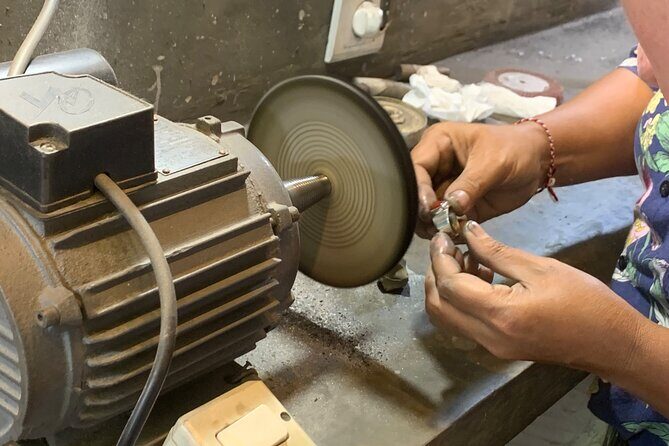
- Celuk and Tohpati: Gold-Silver Craft and Batik Painting Time
- Batuan Temple Sites: Near-1000-Year-Old Hindu Heritage
- Sacred Monkey Forest Sanctuary: Temples Plus 1,200 Monkeys
- Tegalalang Rice Terrace and the Subak Irrigation System
- Tegenungan Waterfall: A Famous Drop With an Option to Go Closer
- Price and What You Actually Get for $38
- Timing, Pace, and What to Bring for 8–10 Hours
- Who Should Book This Ubud Highlights Day
- FAQ
- FAQ
- How long is the private full-day tour?
- Is hotel pickup included?
- Are admissions included, and are there any free entry stops?
- What are the main places you’ll visit in one day?
- Will I have an English-speaking guide or driver?
- Do you include meals during the tour?
- Can I cancel for a full refund?
- Should You Book This Full-Day Ubud Tour?
Key Points I’d Plan Around
- Private car, air-conditioned, with bottled water so your day doesn’t turn into a heat marathon
- English-speaking driver who tells stories about Hindu culture and what you’re looking at
- Artisan stops in Celuk and Tohpati where gold/silver work and batik painting are the focus
- Sacred Monkey Forest Sanctuary with entry included and a lot of monkeys to watch from temple paths
- Tegalalang Rice Terrace + Subak irrigation context so you see more than just the postcard view
- Tegenungan Waterfall with a simple viewpoint and the option for a short walk closer
A Private Ubud Day Without the Map Stress
This is a full-day plan designed to cut down on the usual Bali headache: figuring out routes, timing, parking, and hopping between sights that are famous but spread out. You’re in a private vehicle with air conditioning, and that matters in the middle of the day when the sun is high and foot traffic gets thick.
What makes the day work is the mix of stops. It’s not just a checklist. The schedule includes artisan villages (Celuk and Tohpati), a major old temple site at Batuan, a spiritual landmark at Sacred Monkey Forest, rice terraces built around local water management, and a well-known waterfall. Your driver adds context as you go, so the day feels like a story instead of a series of entrances.
In real-world experience, drivers named Nyoman and Gede show up in the conversation for exactly this reason. They’re praised for safe driving, friendly conversation, and adjusting the route for what you want to do, including shopping for souvenirs when requested. Since this is only your group, you’re not stuck with a large herd’s pace.
Other Ubud tours we've reviewed


Celuk and Tohpati: Gold-Silver Craft and Batik Painting Time
The day starts with two culture-forward stops that are short on purpose. Celuk Village and Tohpati Village are both about making things. Celuk is known for gold and silver smithing, and Tohpati is known for batik.
Why these work on a first Ubud day:
You get a behind-the-scenes feel for Bali’s crafts without needing a long workshop day. Each stop is about 30 minutes, so you can look, learn the basics, and decide if you want to buy something before the tour moves on.
What to expect at Celuk:
You’ll be in the middle of the gold and silver craft world, seeing how the arts are made and what goes into the finished pieces. Since the admission here is listed as free, the focus stays on what you do during your time there: watching, asking questions, and checking out items you might want later.
What to expect at Tohpati:
Batik is where patterns meet tradition. The stop is also about 30 minutes, with free admission. Even if you’re not buying, you’ll likely enjoy seeing how the painting style and process connect to local identity.
A practical note:
Because these are quick stops, it’s worth setting expectations early with your driver. If you want souvenirs, say so before you arrive. The itinerary can flex around your interests, and the driver can help you avoid rushing through the parts you care about.
Batuan Temple Sites: Near-1000-Year-Old Hindu Heritage
Next up is a temple complex with serious age behind it: Pura Desa and Pura Puseh Batuan. The site is described as founded in the year 944 saka, which corresponds to 1020 AD, making it nearly 1000 years old.
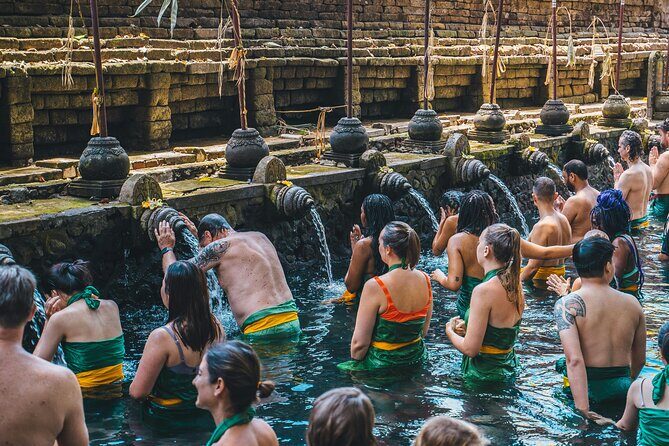
This stop is a big reason the tour feels more meaningful than a pure sightseeing circuit. Sacred sites in Bali aren’t just scenery. They connect to how people live Hindu traditions day to day, and this location ties into the idea of Tri Kahyangan or Tri Murti taught by Mpu Kuturan around the 10th century.
What I like about adding a deep-time temple stop after artisan villages:
You shift from making craft objects to understanding why spiritual practice matters to the community that made the crafts in the first place. It also gives your legs a break from constant walking around crowds, since the time at this stop is about 1 hour and framed around temple viewing.
What to consider:
Temple areas often involve rules about dress and behavior. The tour includes admission fees here, so you’re not hunting for tickets. Just expect a slower, respectful pace during the visit rather than the quick look-and-go style you might get at a market.
Sacred Monkey Forest Sanctuary: Temples Plus 1,200 Monkeys
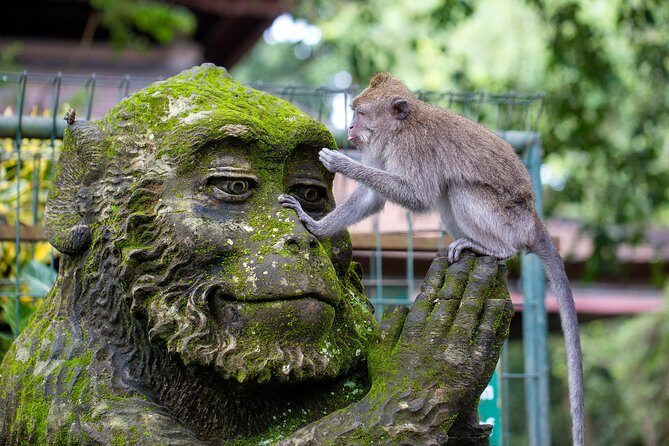
Then it’s off to Sacred Monkey Forest Sanctuary, one of Bali’s most famous spots for a reason. You’ll be in an area home to over 1,200 monkeys, and you’ll walk alongside them while seeing elaborate temples within the sanctuary.
This is a great stop if you like mixing nature with culture. The sanctuary isn’t just animals in the trees. It’s also a cluster of temple structures, so you get a two-for-one experience: wildlife and worship sites in the same walk.
Expect about 1 hour here with admission included. That’s usually enough time to:
- get a good look at the temple areas
- see how the sanctuary paths flow through the forest
- watch monkeys at different spots without feeling rushed
What to watch out for:
The biggest practical consideration is monkey behavior. If you’re bringing anything tempting (food, dangling items, easy-to-grab accessories), it can become a problem fast. Keep your attention on your belongings, and follow your driver’s lead for how to handle the area safely.
If you’re traveling with kids or multigenerational family members, this can still work well because the route is structured and your driver can keep the day on track.
Tegalalang Rice Terrace and the Subak Irrigation System
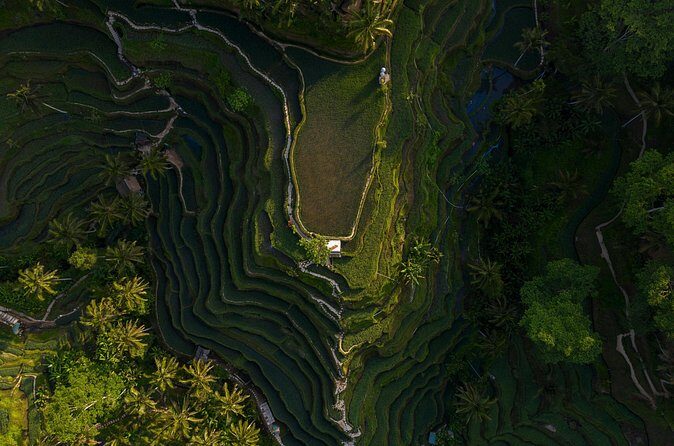
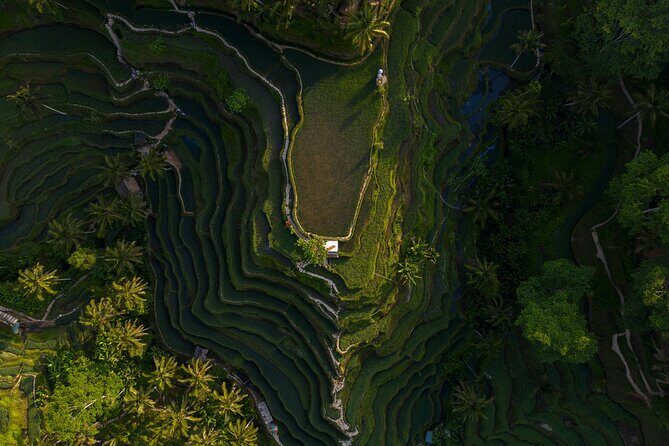
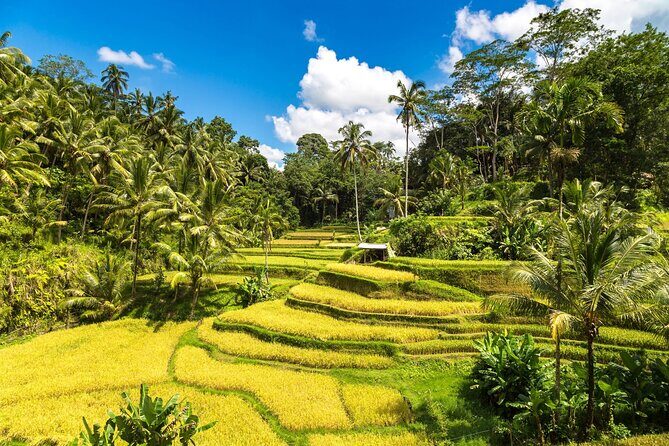
Next comes the classic Ubud photo spot: Tegalalang Rice Terrace. It’s described as one of the best rice terraces in Bali, located in the north Ubud area, with about 1 hour of time.
The key difference here is that you’re not just seeing terraces. You’re also learning about the traditional irrigation system called Subak. That matters because rice terraces in Bali are more than scenery. They’re tied to water management and local agriculture traditions that have long shaped village life.
Why this stop is valuable even if you’ve seen rice terraces before:
The Subak context helps you read what you’re looking at. Instead of just “green steps,” you can understand how water is shared and used, and why the terraces exist in the first place.
What to consider:
Rice terrace areas can be visually busy, and it’s easy to lose time chasing the perfect shot. Having a one-hour block with included admission helps keep it efficient. It’s also a good spot to take a few minutes simply looking across the terraces rather than moving every ten seconds.



Tegenungan Waterfall: A Famous Drop With an Option to Go Closer
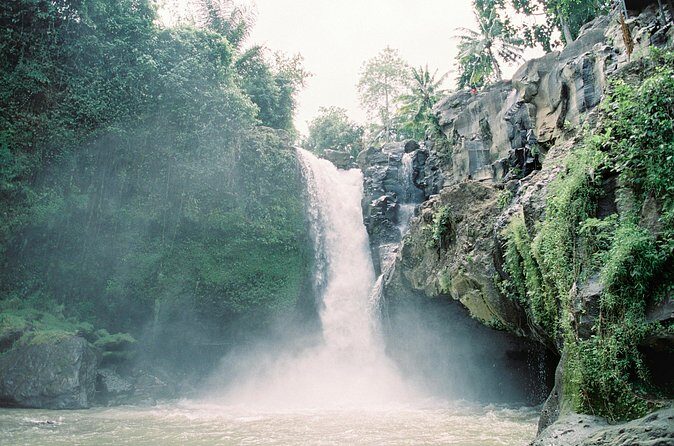
To round out the nature side of the day, the tour includes Tegenungan Waterfall. It’s known for its green surroundings, and you can take a short walk to get closer to the waterfall or view it from the top hill.
You’ll spend about 1 hour here, with admission included. This is the kind of stop that balances effort and payoff. If you want a bit of movement, you can go closer. If you’d rather keep it easy, you can stay at a viewing point.
Practical note:
Waterfall areas can be slippery or crowded depending on the day. Wear shoes you trust, and keep an eye on your footing. Also remember there are no meals included, so if you’re hungry after this stop, you’ll be planning food on your own.
Price and What You Actually Get for $38
At $38 per person, this tour is priced like a true value day, mainly because several costs are handled for you.
Here’s what’s included:
- air-conditioned private transportation
- bottled water
- an English-speaking driver
- admission fees (with some stops listed as free, but key sites covered)
What’s not included:
- meals
- personal expenses
When you think about value in Bali, admission fees add up quickly, especially when you’re doing temples, sanctuaries, and major attraction stops in one day. The $38 price works best for you if you want:
- a driver who can explain what you see
- a route that covers multiple highlights without ticket hunting
- the comfort of AC and bottled water when you’re moving between Ubud area spots
Since the tour is private for your group, you’re not paying as if you were just buying a ticket for one entrance and hoping the rest works out. The transportation and driver component is a big part of the value.
Timing, Pace, and What to Bring for 8–10 Hours
The day runs about 8 to 10 hours. That’s long enough to cover a lot, but short enough that you’re not stuck feeling trapped all day.
The stop timings are built to keep the variety high:
- Celuk Village: about 30 minutes
- Tohpati Village: about 30 minutes
- Batuan temple site: about 1 hour
- Monkey Forest sanctuary: about 1 hour
- Tegalalang Rice Terrace: about 1 hour
- Tegenungan Waterfall: about 1 hour
No meals are included, so you should plan to eat during the drive or after a stop. If you don’t want to lose time, decide what your group considers a good lunch in advance and tell your driver what you prefer (simple, quick, vegetarian, and so on), since the driver can guide you.
What to bring:
- comfortable walking shoes for terraces and waterfall areas
- light rain protection if weather turns (Bali can shift quickly)
- swimwear if your group enjoys water spots, since you’re at a waterfall
- small spending money if you want crafts or souvenirs, since that kind of shopping can be part of the day
One more practical point from how people describe the experience: the day can feel flexible. Drivers like Nyoman and Gede are praised for building a plan that fits what you want to do, including shopping.
Who Should Book This Ubud Highlights Day
This tour is a good fit if you:
- want a first-time Ubud highlights day with comfort and context
- care about both culture (temples, Hindu context, artisan villages) and nature (rice terraces, waterfall)
- prefer a private group day over coordinating multiple taxis
- like the idea of an English-speaking driver who can explain what you’re seeing
It’s especially useful for families. You can keep everyone together, and the structured stops reduce decision fatigue for parents and grandparents.
Who might consider another option:
If you want a totally slow, unstructured day with lots of independent wandering, the fixed stop blocks may feel a bit scheduled. Also, since meals aren’t included, if your group expects lunch to be provided, plan to budget for it.
FAQ
FAQ
How long is the private full-day tour?
It’s listed as about 8 to 10 hours.
Is hotel pickup included?
Pickup is offered, and the tour uses private transportation.
Are admissions included, and are there any free entry stops?
Admission fees are included. Celuk Village and Tohpati Village are listed as free admission, while other sites in the day are listed with admission included.
What are the main places you’ll visit in one day?
You’ll visit Celuk Village, Tohpati Village, Pura Puseh Desa Batuan, Sacred Monkey Forest Sanctuary, Tegalalang Rice Terrace, and Tegenungan Waterfall.
Will I have an English-speaking guide or driver?
Yes. The tour includes an English-speaking driver.
Do you include meals during the tour?
No. Meals are not included, so you’ll need to plan for lunch and snacks yourself.
Can I cancel for a full refund?
You can cancel for a full refund if you cancel at least 24 hours in advance of the start time.
Should You Book This Full-Day Ubud Tour?
If you want an efficient, comfortable Ubud day that mixes Hindu culture with big outdoor highlights, I think this is a smart booking. The value is strong because private air-conditioned transport plus included admissions are handled for you, and your driver’s explanations make the stops feel connected rather than random.
Book it if your priorities are Temples, Monkey Forest, Tegalalang rice terraces with Subak context, and a well-known waterfall, and if you’re okay handling meals on your own. Skip it only if you’re chasing a slower, more independent pace with minimal structure, since this day is designed to fit a lot in one long block.
More Tours

More Tour Reviews
More Ubud Tours


More Bali tours we've reviewed








Ubud Tours: how the alternatives stack up
 ★ 5.0
★ 5.0Ubud: Monkey Forest, Jungle Swing, Rice Terrace, and Water Temple
The lists this tour appears in