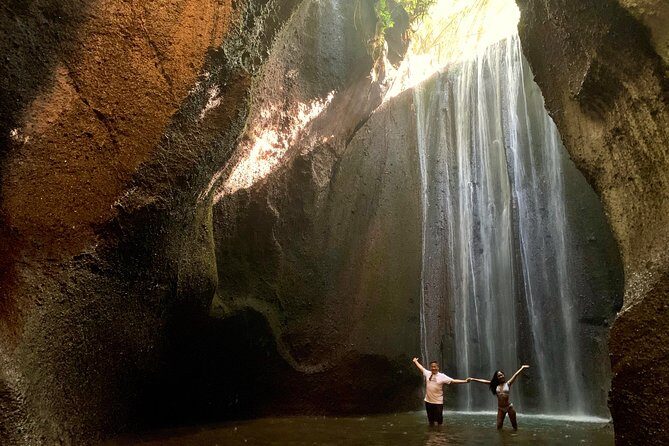
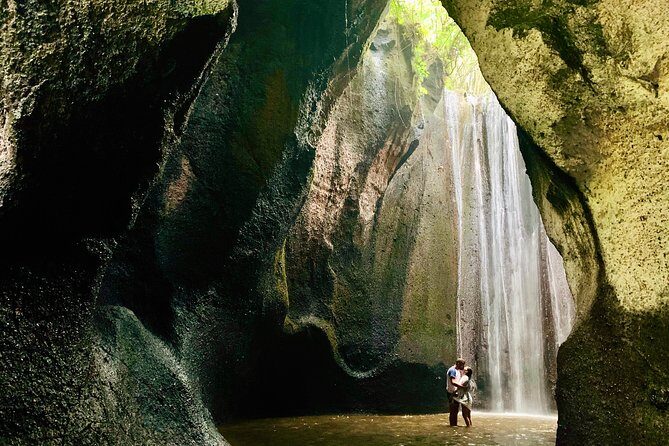
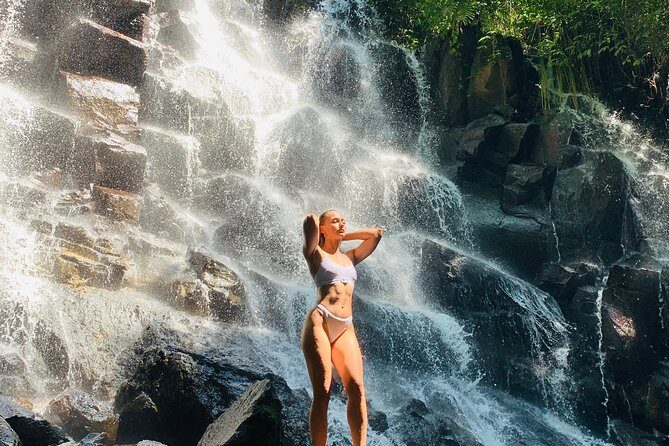
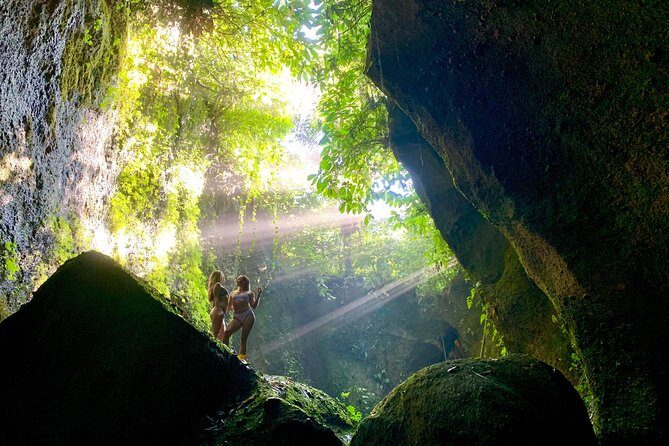
Bali ATV Rafting And Ubud Waterfall Private Tour

Bali ATV Rafting And Ubud Waterfall Private Tour - Seminyak pickup and the value of a driver who stays on task

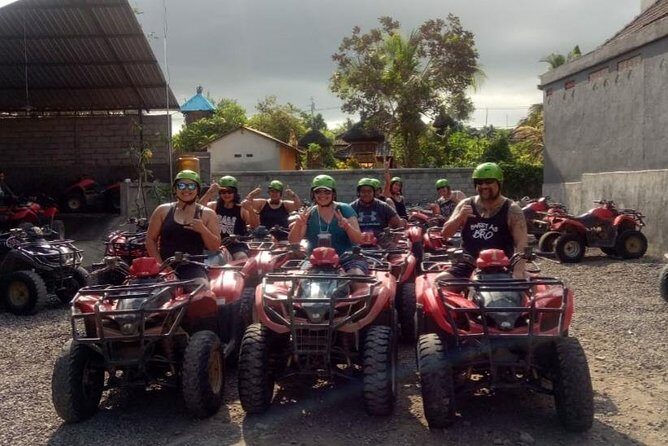
Four stops, one packed Bali rhythm. This private combo ties together ATV riding, Ayung River rafting, and a classic photo moment at Tegenungan Waterfall, with pickup from your door and guides who keep the day moving. You’re also set up to eat well along the way, so you’re not hunting for food between activities.

Two things I like here: first, the private driver/guide approach that reduces the usual scramble of getting from one attraction to the next. Second, the way the activities are handled with real instruction and safety—especially on the rafting side, where you get proper gear and a guided run on mellow Grade II–III water.

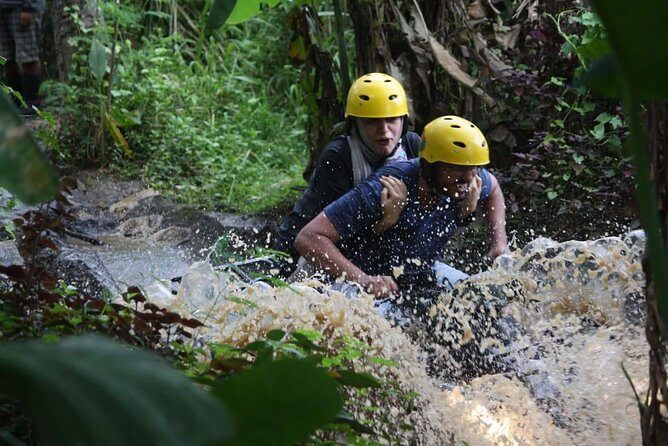
One consideration: this day is physical and a bit soggy. Rafting typically means you’ll get drenched (and at one of the start/finish points you’ll use stairs to reach the river), so plan for wet clothes, waterproof phone moments, and comfortable footwear.

Key highlights at a glance
Bali ATV Rafting And Ubud Waterfall Private Tour - Key highlights at a glance

  • Private transfers from your door so you’re not coordinating taxis between stops
  • Ayung River rafting (Grade II–III) with professional guide support and full safety equipment
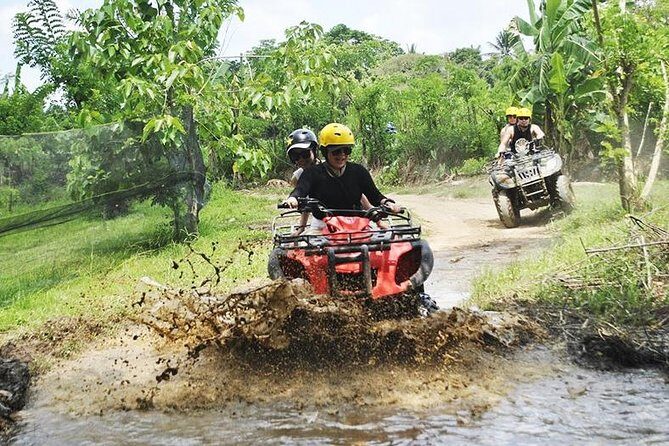
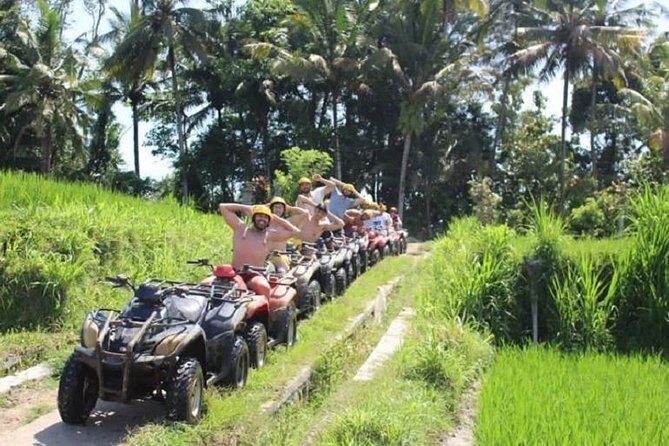
  • ATV ride through rural routes that can include rice-field views plus muddy forest/jungle tracks
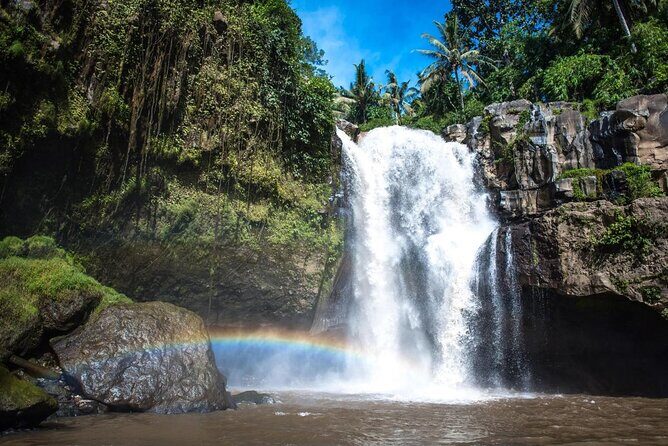
  • Tegenungan Waterfall photo stop with a guide to help you nail the angles
  • Meals included: breakfast, lunch, plus water, so you stay fueled for the full 8 hours

How the day is built: ATV, rafting, waterfall, and coffee time
Bali ATV Rafting And Ubud Waterfall Private Tour - How the day is built: ATV, rafting, waterfall, and coffee time
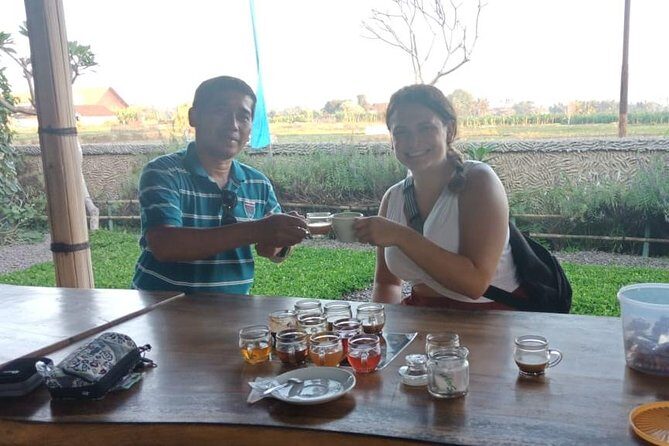
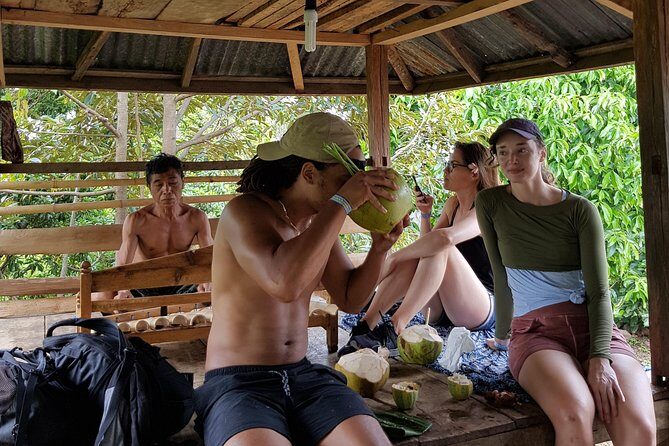
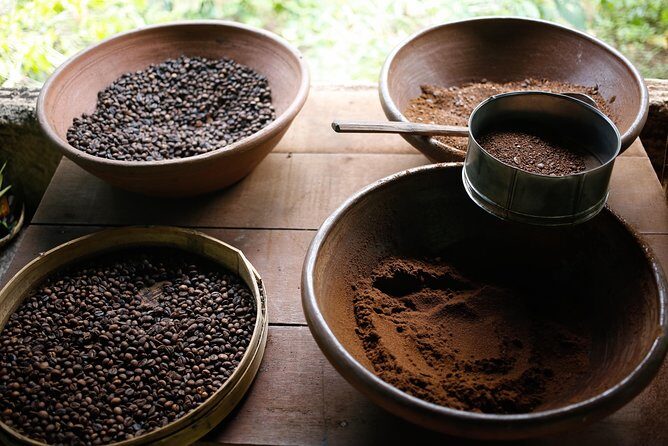
This tour is designed for people who want multiple Bali “checkmarks” without living on the road all day. The concept is simple: you start with adrenaline on an ATV, switch gears to water thrills on the Ayung River, then finish with Tegenungan Waterfall for views and photos. There’s also a plantation stop for coffee or tea, which is a nice change of pace after the dust and water.

The smart part is that the day is paced as a combo. You’re not just doing one highlight; you’re moving through environments—rural tracks, river gorge energy, and then a lush waterfall scene. If you’re short on time in Bali (or you hate choosing between adventure and photos), this structure makes a lot of sense.

Because it’s private, you should expect your schedule to feel tighter. That can be a good thing: less waiting, more doing. Just remember you’re signing up for a full half-day-plus workout: riding, rafting, walking, and climbing a set of stairs at the river access points.

Seminyak pickup and the value of a driver who stays on task
Bali ATV Rafting And Ubud Waterfall Private Tour - Seminyak pickup and the value of a driver who stays on task
The logistics are handled with pickup offered and a private driver/guide approach. In plain terms, you show up, and the day runs. One of the best practical details from the experience reports: drivers like Wayan tend to be prompt and can stay with you from the beginning to the end, which reduces that constant “Where do we go next?” stress.

There’s also lockable storage at the rafting centre mentioned in feedback. That’s a small thing, but it matters. When you’re bouncing between an ATV and a rafting stop, you need a place for your phone, wallet, and dry clothes—without dragging everything around.

One more thing I appreciate: the day is paced so you’re not constantly standing around. For a private combo, that efficiency is part of the value. You’re paying for time-saving, not just activity admission.

ATV through rice-field scenery (and yes, expect mud)

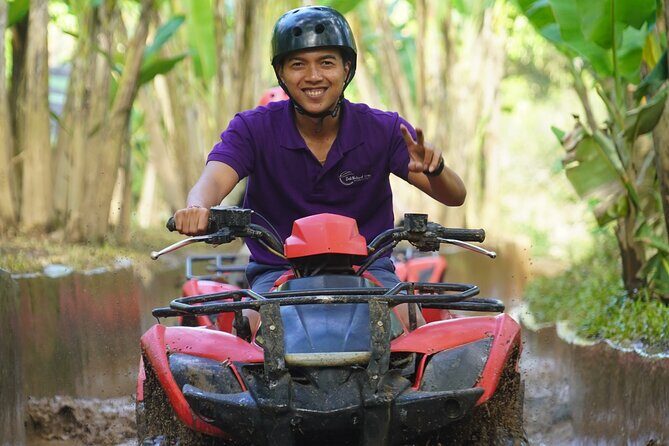
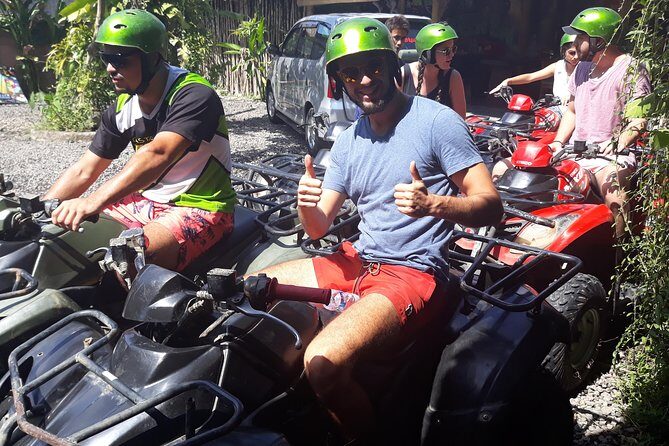
The ATV portion happens first at Ride Bali Adventure, and the riding style is geared toward fun and ease. You get automatic gear acceleration, which helps if you’re new to ATVs. Instead of focusing on driving mechanics, you can focus on steering through the route—mud, trees, and rural paths.

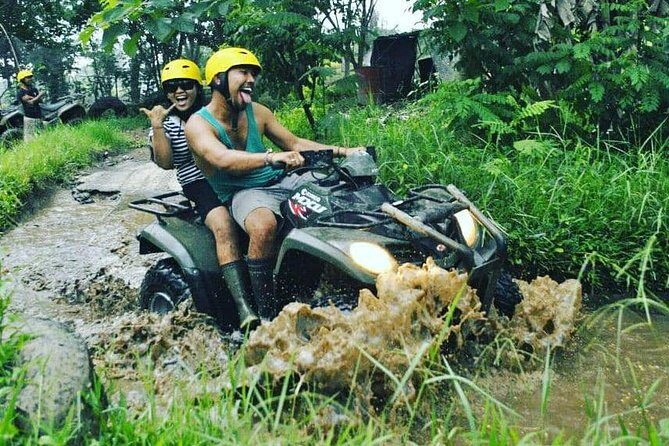
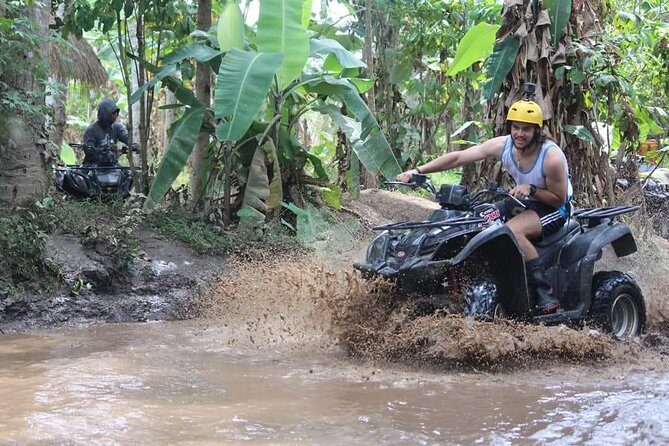
Based on the tour description, you’re not only riding in a single straight line. The route can include muddy stretches and forest/jungle-style tracks, with rural Balinese villa scenery mentioned as part of the overall route experience. You’ll also see the kind of green scenery that makes Bali feel like Bali, with rice-field views referenced as part of the ATV experience.

Important reality check: this is not a “polite” ride. ATVs in Bali can get messy fast. Wear clothes you’re okay replacing in your memory (not literally, but you get the idea). One experience note also mentions that the ATV format can be tandem (one ATV for two people) for certain bookings, with the option of requesting a single ride depending on the tour setup you choose. If ATV driving is the main event for you, it’s worth clarifying your ride preference before you go.

Ayung River rafting: mellow Grade II–III thrills with safety gear
Bali ATV Rafting And Ubud Waterfall Private Tour - Ayung River rafting: mellow Grade II–III thrills with safety gear
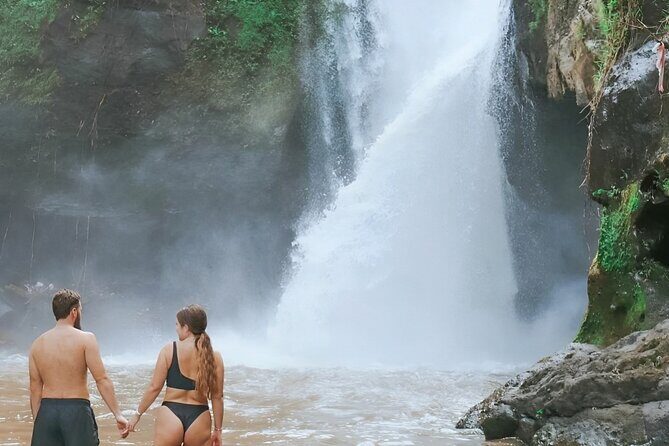
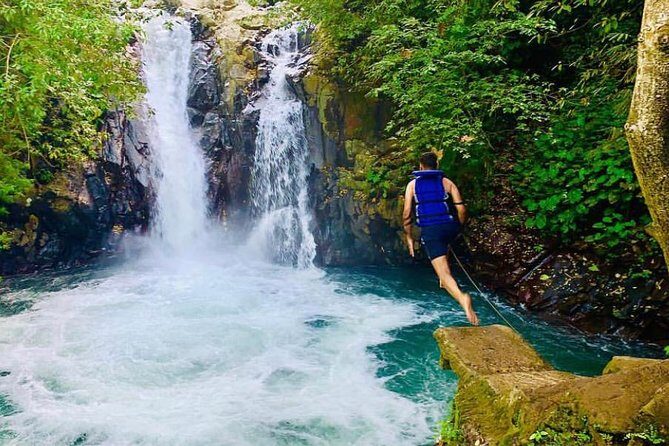
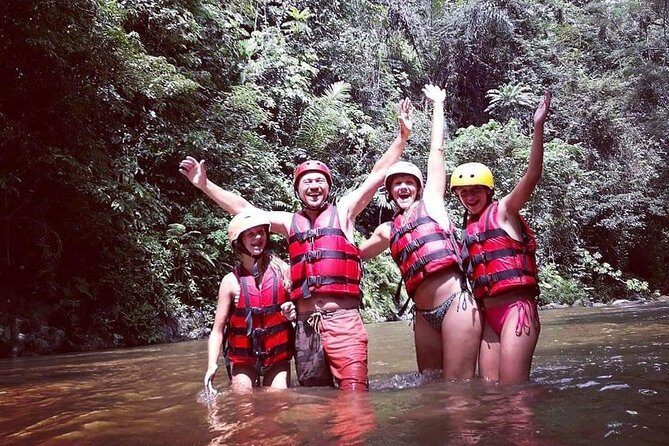
Next comes the Ayung River rafting, rated mellow Grade II–III. That’s the sweet spot for many first-time rafters: enough current to feel exciting, but generally not the kind of brutal technical rapids that intimidate people who just want a fun splash.

You’ll go with a friendly guide and full rafting gear, and the experience is supported by professionals. That matters because river days are partly about the fun and partly about staying calm when the water is moving faster than your brain expects.

Two practical things stand out from the feedback:

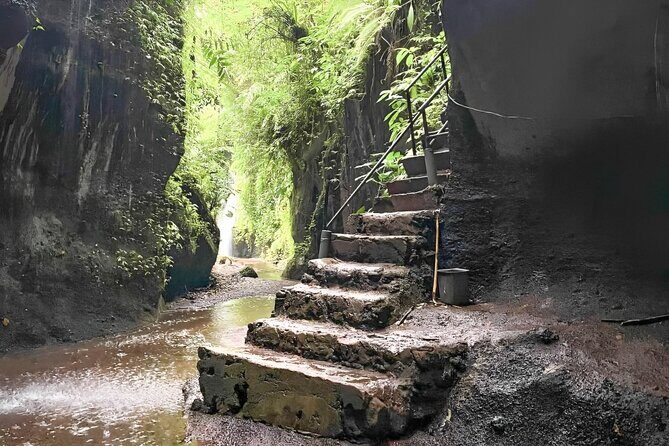
  1. The rafting experience involves stairs. At least one tour report notes you have to pass stairs to get down to the river at the start point, and again at the finish point to return to the main road. This is easy for some people and a deal-breaker for others—so consider your comfort level with stairs.
  2. Plan for wet clothes. One report specifically says they wished they’d brought extra clothes. If rafting comes first (as it does in this combo order), you’ll likely be drenched early, which can make the rest of the day less comfortable if you’re unprepared.

One more nice touch: lunch is included at the finish point and is described as an Indonesian meal. That’s a big advantage over DIY rafting days where you finish soaked and then try to figure out food fast.

Tegenungan Waterfall: the classic view stop, with a guide for photos
Bali ATV Rafting And Ubud Waterfall Private Tour - Tegenungan Waterfall: the classic view stop, with a guide for photos
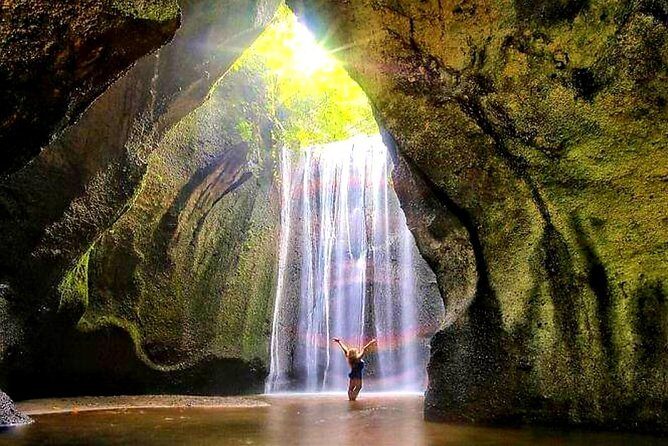
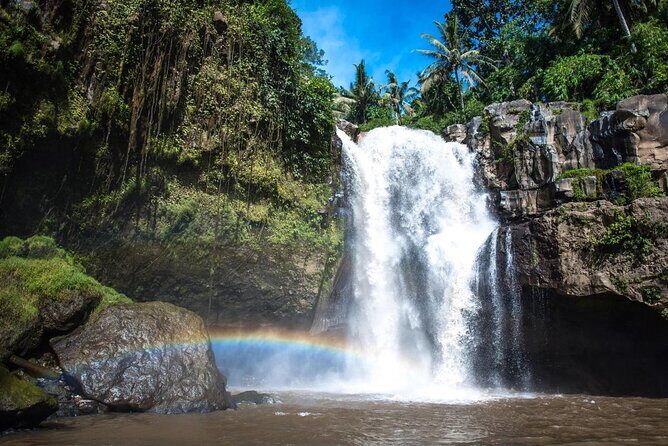
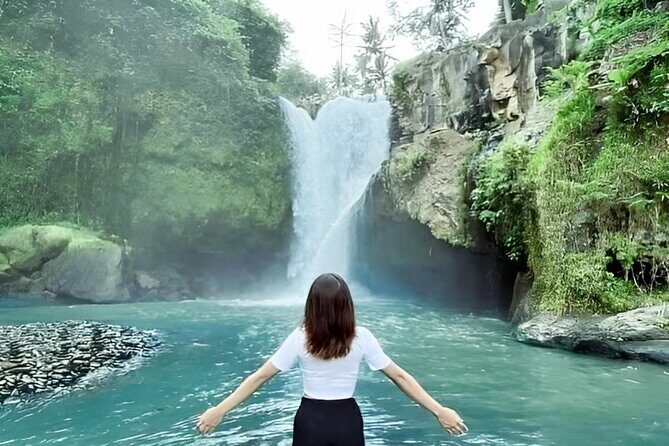
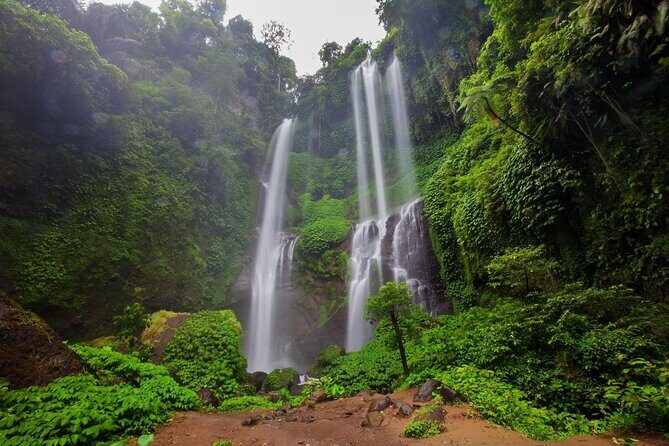
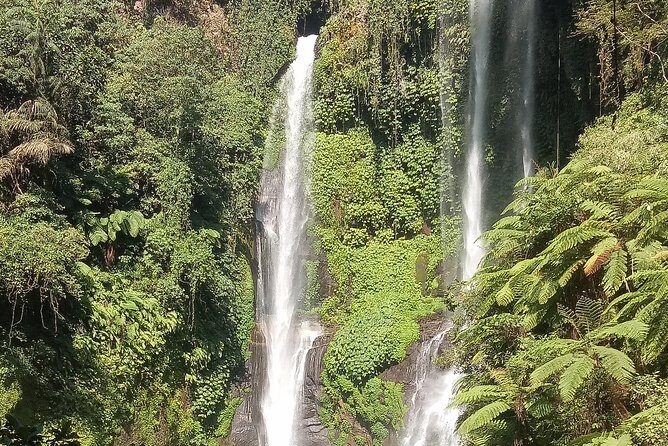
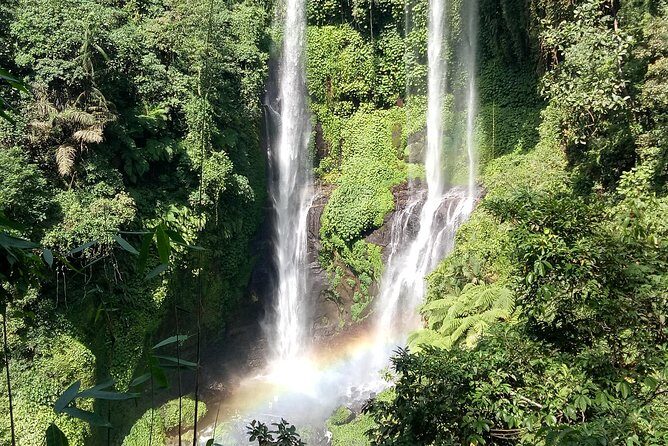
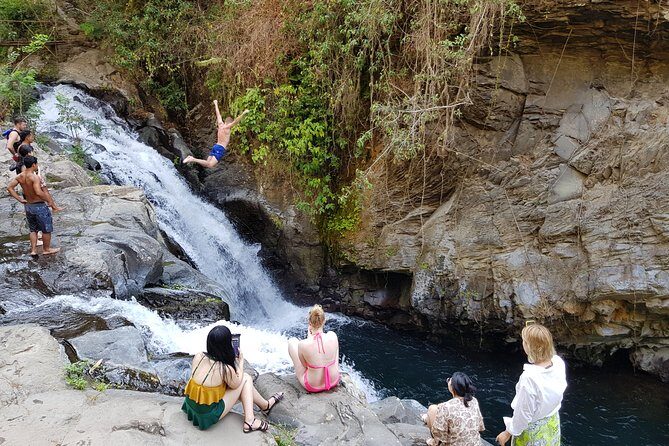
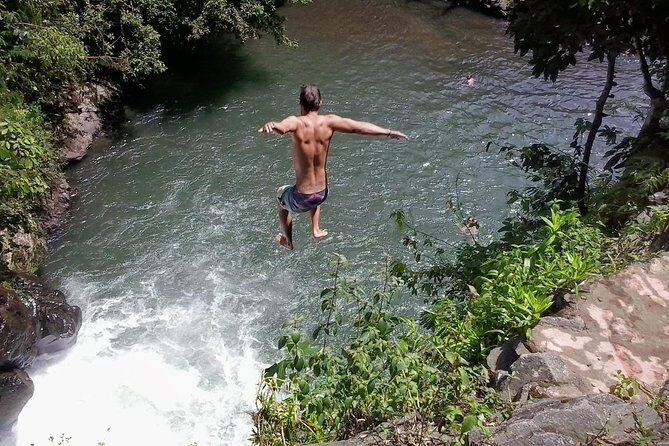
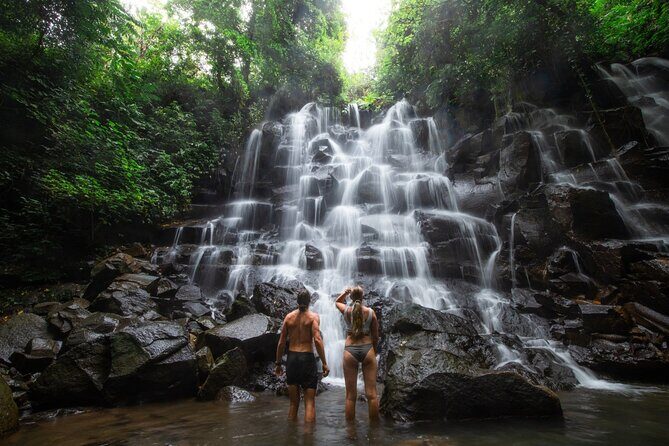
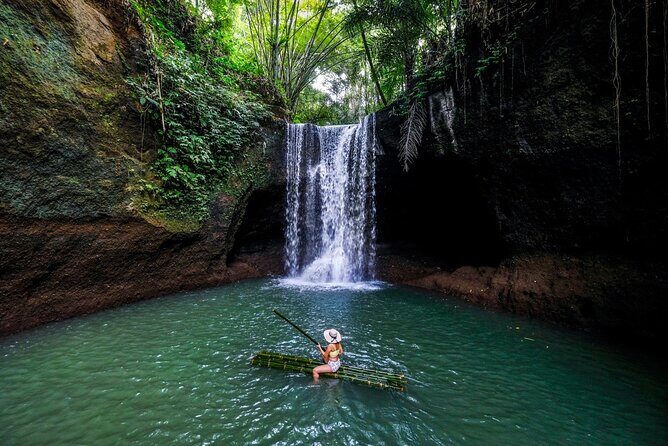
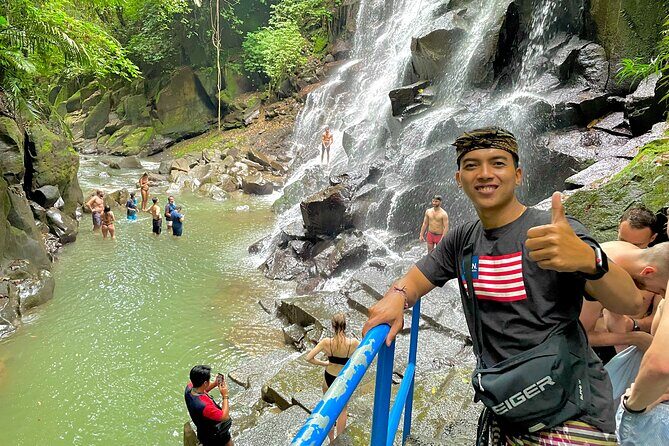
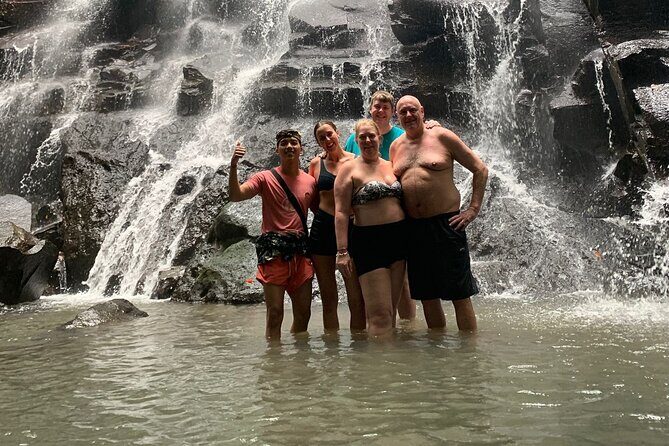
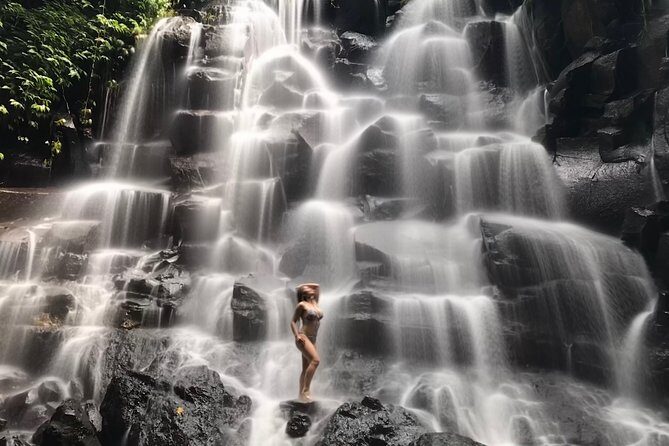
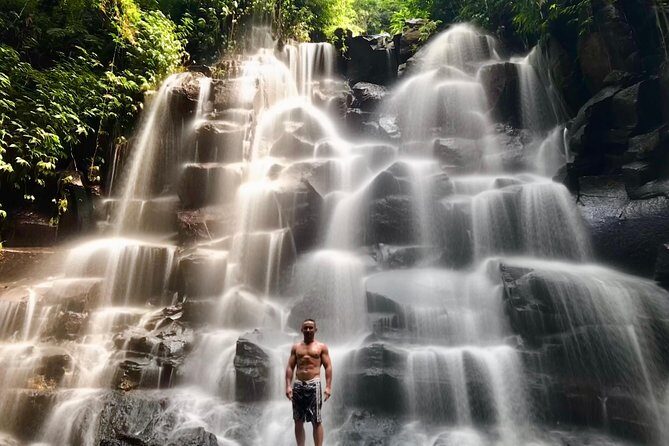
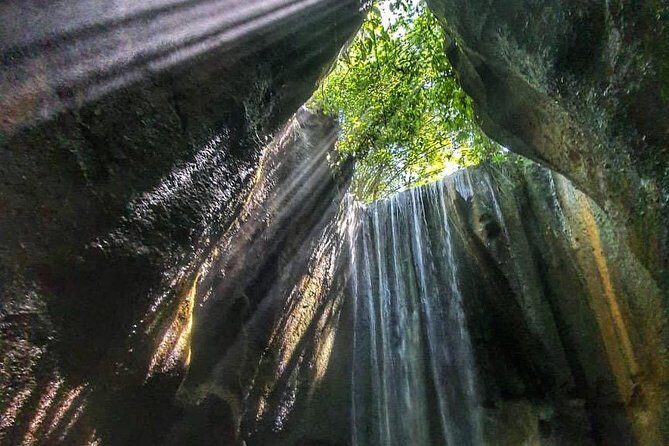
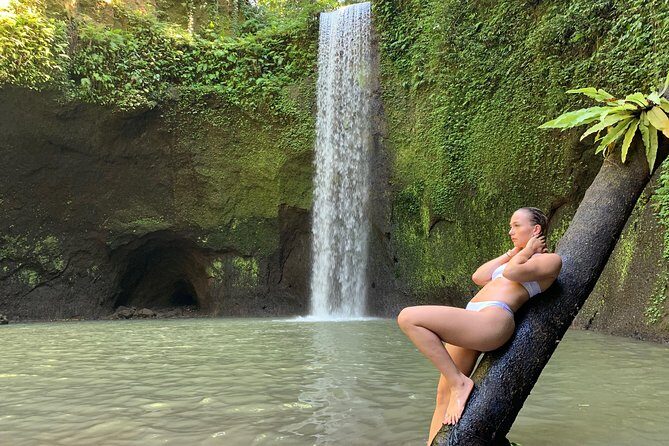
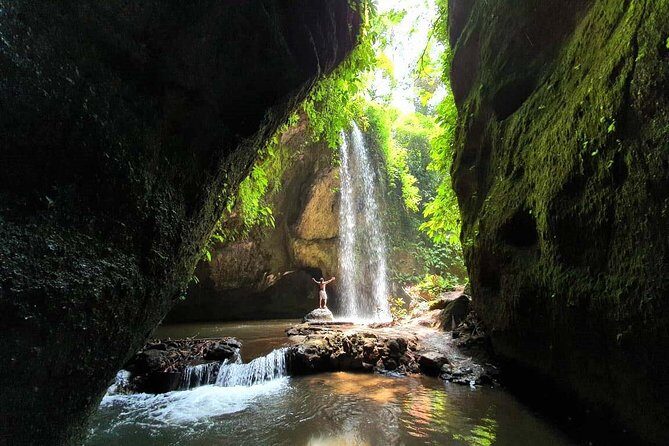
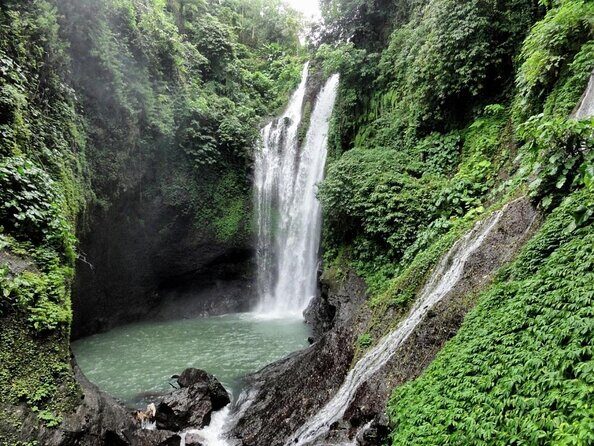
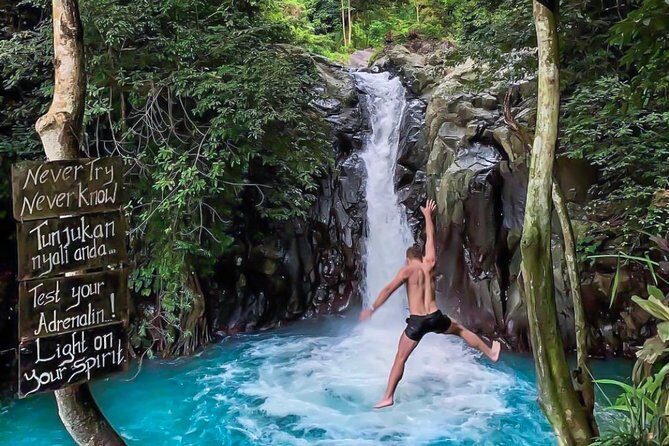
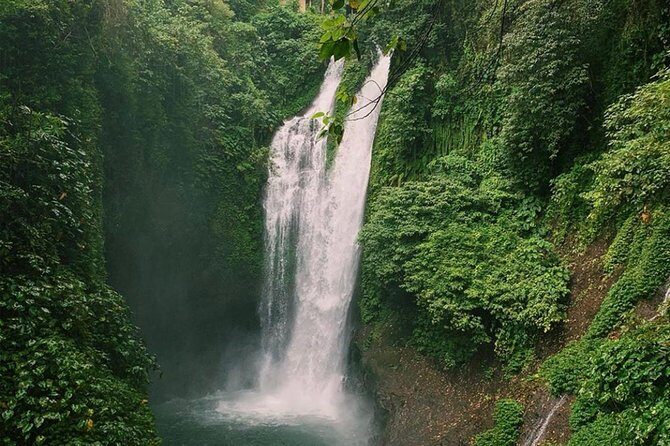
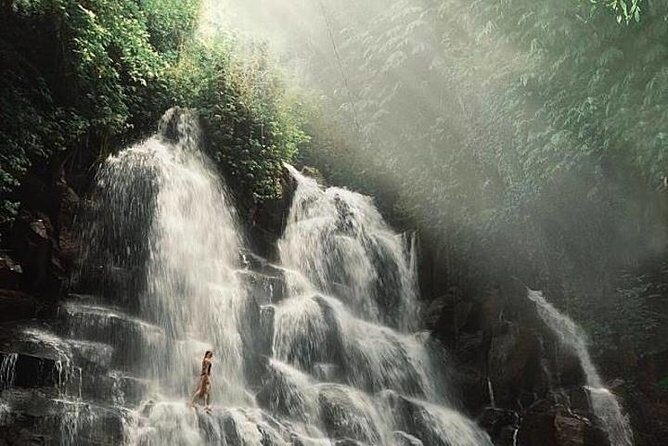
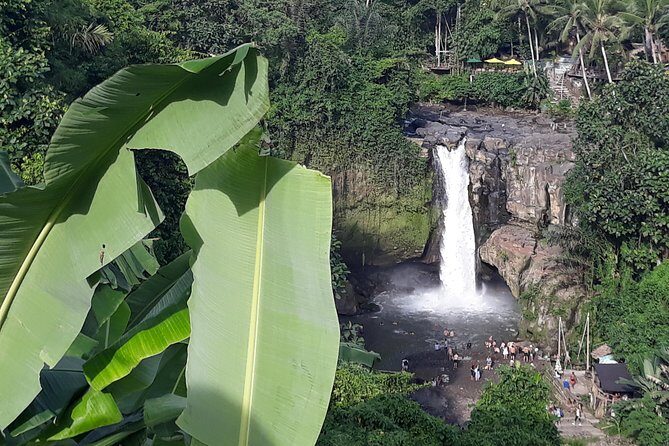
After the river, you’ll head to Tegenungan Waterfall, described as a beautiful green scenery waterfall on the Petanu River, south of Ubud. This is the “pause and look up” part of the day: you catch views, take photos, and reset your energy.

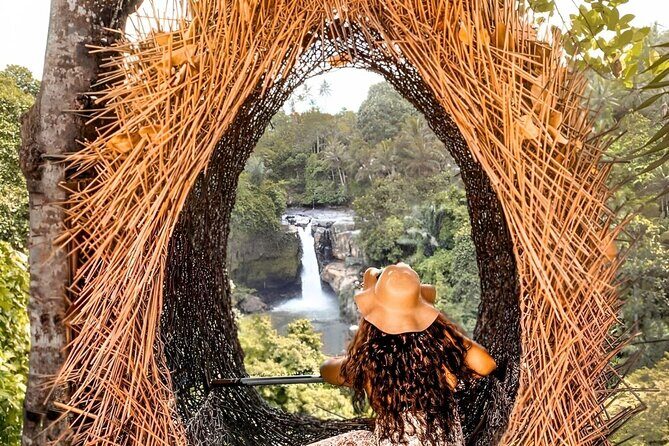
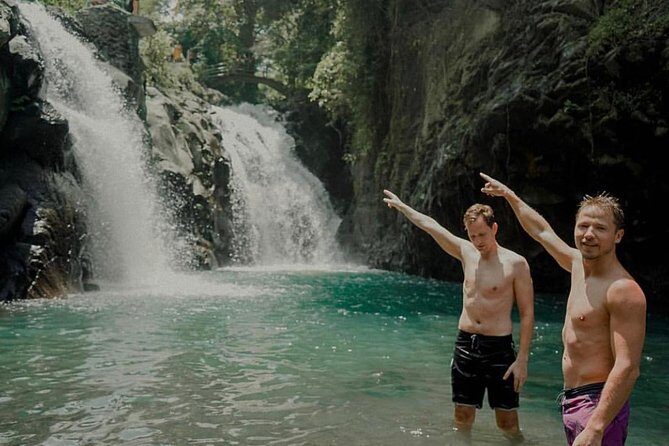
What I like about this stop is the added help for images. The tour includes a friendly professional guide who can help you capture good angles for social media. That doesn’t mean you’ll get perfect photos without trying—it just means you won’t be wandering around guessing where the best viewpoints are.

As with many popular waterfall spots in Bali, there’s also a physical side. Even though the waterfall itself isn’t described in terms of stairs in the tour info, the overall day clearly includes stair navigation at the rafting points. So keep your legs happy and don’t plan anything serious right after.

Expect the waterfall stop to be a concentrated photo and viewing window rather than a long hike. You’ll want to bring any smartphone “rain plan” you have for the day, but if you’ve already accepted that rafting means wet, this part should feel like a welcome breath.

Meals and water: why included food makes the adventure smoother
Bali ATV Rafting And Ubud Waterfall Private Tour - Meals and water: why included food makes the adventure smoother
You don’t need a breakfast box for this day. The tour description says breakfast, lunch, and water are included. That’s the kind of detail that can quietly improve your entire experience.

Here’s why it matters: when you do one activity at a time, food becomes an extra decision. With this combo, food is scheduled into the flow. You eat before you’re exhausted and before you’re too wet to be patient about finding a meal.

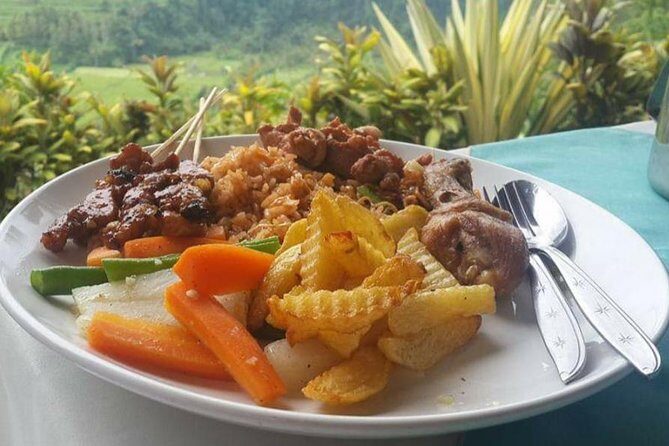
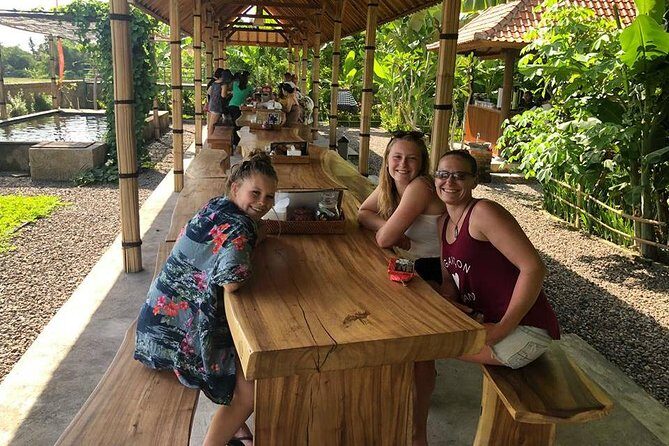
Lunch is described as an Indonesian meal at the end of the rafting (so you’re fueled exactly when you need it). Then you get back to movement with waterfall time, and a coffee or tea stop on a plantation is mentioned as part of the overall experience.

Even if you’re a picky eater, included meals generally reduce the chance you end up paying more than you planned or eating something that doesn’t sit well after physical activity. It’s a small cost-saver that adds up.

What to pack so you don’t spend the day uncomfortable
Bali ATV Rafting And Ubud Waterfall Private Tour - What to pack so you don’t spend the day uncomfortable
This is a “bring the right clothes” tour. You can’t avoid getting wet at least once, and you’ll likely be dealing with stairs and walking between stops.

My packing list for this kind of Bali combo would be:

  • A change of clothes (one set for after rafting)
  • A waterproof phone pouch or dry bag for your phone
  • Quick-dry sandals or shoes with grip (river mud is a real thing)
  • A towel you don’t mind using (or at least a small one)
  • Sunscreen and a hat (ATV rides tend to be exposed)
  • Cash or a card only if you know you’ll need it; otherwise, rely on included meals

One feedback note specifically wished the guide had mentioned extra clothes ahead of time. That’s the kind of note that tells me you should plan proactively, not wait for reminders.

Price and value: $63.87 for a private, multi-stop day
Bali ATV Rafting And Ubud Waterfall Private Tour - Price and value: $63.87 for a private, multi-stop day
At $63.87 per person, the value mostly comes from what’s bundled: you’re getting three main admission-style experiences (ATV, rafting, waterfall entry) plus meals and water, and you’re also getting private transfers.

If you priced this out separately—ATV, rafting, waterfall entrance, then transportation between each—your total would often climb quickly. The combo structure keeps costs under control while giving you the convenience of one plan and one driver.

Also consider the time efficiency. The tour runs about 8 hours, which is a real full-day commitment in Bali traffic. Paying for door-to-door pickup can easily save you time and coordination stress, especially if you’re staying in Seminyak and doing activities near Ubud areas.

The only “value hit” risk is if you don’t like wet activities or stairs. If you can’t handle drenched clothes or you’re uncomfortable with stair access to the river, then this tour’s packed schedule may feel less worth it for you—even at a good price.

Who this tour fits best (and who might want something else)

This combo makes sense if you want a high-energy day that checks off multiple Bali experiences in one go. It’s especially good for couples or small groups who like having their own driver and don’t want to manage details all day.

You’ll likely enjoy it if:

  • you like the idea of ATV + rafting in the same day
  • you’re comfortable getting wet and moving around afterward
  • you want guided help, not self-guided chaos

You might rethink it if:

  • stairs are a problem for you (the river access includes stair steps)
  • you’re very sensitive to getting drenched
  • you want a slow, relaxed sightseeing pace rather than an 8-hour activity run

Should you book Bali ATV and Ayung River rafting with Tegenungan Waterfall?

I’d book this tour if you want a full, practical adventure day with private transfers, included meals, and guided support that reduces the usual friction. The rafting setup on the Ayung River (Grade II–III) is a good match for people who want excitement without going full survival mode, and the ATV adds variety and Bali scenery right away.

I’d hesitate only if you have limited stamina for stairs or you absolutely hate the idea of being wet for hours. This is not a “dry and tidy” day.

If you do book, do yourself a favor: pack a change of clothes and plan for the wet factor early. Also, if ATV driving is important to you, clarify whether you’re getting tandem ATVs or a single ride setup.

FAQ

What’s included in the Bali ATV, rafting, and waterfall private tour?

The tour includes pickup, rafting with a guide and full safety equipment, the ATV experience, a visit to Tegenungan Waterfall with a guide, and access tickets. It also includes breakfast, lunch, and water.

How long is the tour?

The tour duration is about 8 hours.

Is pickup available from Seminyak?

Yes. Pickup is offered, and the tour is described as having private transfers direct from your door.

Is the rafting experience beginner-friendly?

The rafting is described as mellow Grade II–III on the Ayung River, with a professional guide and full safety equipment.

Does the tour include a waterfall visit?

Yes. You’ll visit Tegenungan Waterfall and have help from a professional guide for the viewing and photo moment.

What meal and drink options are provided?

The tour includes breakfast and lunch, plus water. Coffee or tea on a plantation is also mentioned as part of the experience.

What happens if the weather is bad?

The experience requires good weather. If it’s canceled due to poor weather, you’ll be offered a different date or a full refund.

Is the ATV ride tandem or single?

One reported setup described the ATV as tandem (one ATV ride for two people). The response also indicated a single ride option may be available depending on how you book.

What’s the cancellation window?

Free cancellation is available. You can cancel up to 24 hours in advance for a full refund. If you cancel less than 24 hours before, the amount paid isn’t refunded.
Tukad Cepung Besakih Lempuyang Temple Best of East Bali Tour

Tukad Cepung Besakih Lempuyang Temple Best of East Bali Tour - Besakih Temple (Pura Penataran Agung): Bali’s Mother Temple Energy

This is an East Bali day with serious wow power. It strings together waterfalls, temples, and views of Mount Agung in a format that’s easy to manage: an air-conditioned car, a guide doing the driving logistics, and stop times that let you enjoy each place instead of sprinting across Bali.

I especially like how the itinerary leans into the dramatic stuff you can’t easily DIY: Tukad Cepung’s cave waterfall and Lempuyang’s Gate of Heaven. And the guide support matters—people I noticed mentioning guides like Ketut, Jana, Nyoman, and Dee often talk about clear explanations, smooth pacing, and schedule tweaks when plans get messy. One thing to plan for: this is a long day with lots of steps, some wet walking, and waiting for the best photo spot at Lempuyang.

Key highlights worth your attention

  • Tukad Cepung Waterfall in a cave: you only really experience it when you go close (it’s not visible from far away)
  • Besakih Temple’s scale and importance: Bali’s main Hindu complex, with layers of shrines
  • Lunch with a Mount Agung–area view: buffet style at Lereng Agung near the volcano
  • Tirta Gangga’s royal-water vibe: palace history plus calming pools and the koi-garden feel
  • Lempuyang’s Gate of Heaven timing: a line system helps, but expect waiting and big-photo energy

How the Best of East Bali Loop Works for a 9-Hour Day

Tukad Cepung Besakih Lempuyang Temple Best of East Bali Tour - How the Best of East Bali Loop Works for a 9-Hour Day
This tour is designed around one simple goal: see East Bali’s most memorable icons without spending your energy on directions, ticket lines, or figuring out driver timing. Pickup is offered from lots of common bases (Seminyak, Kuta, Nusa Dua, Jimbaran, Canggu, Sanur, Ubud, Gianyar, and East Bali). You ride in a private air-conditioned car, and you get a professional English-speaking guide to keep the day organized.

At the same time, you should expect a reality check. Even if the estimate says about 7–8 hours including driving, the day still moves like a full loop. You’re hopping between sites that sit in different parts of the island, and roads can be narrow and windy. One smart move: pack like you’ll be walking, climbing, and occasionally getting splashed.

On top of that, guides seem to personalize the pace. In rain or schedule disruptions, Dee-style problem solving shows up: the itinerary can be adjusted so you still get a great day rather than forcing you into blocked areas.

Tukad Cepung Waterfall: The Cave Trick That Makes It Special

Tukad Cepung Besakih Lempuyang Temple Best of East Bali Tour - Tukad Cepung Waterfall: The Cave Trick That Makes It Special
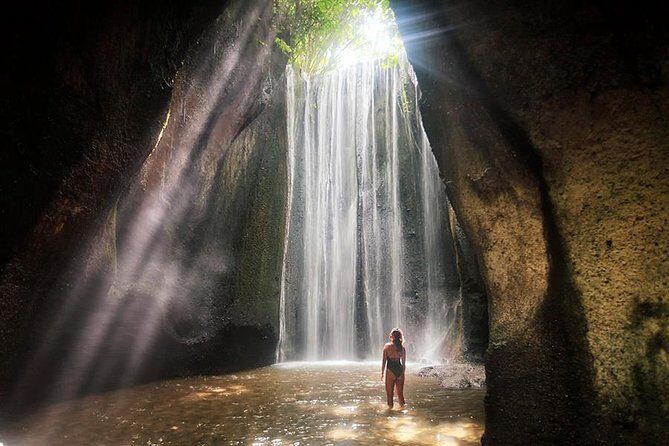
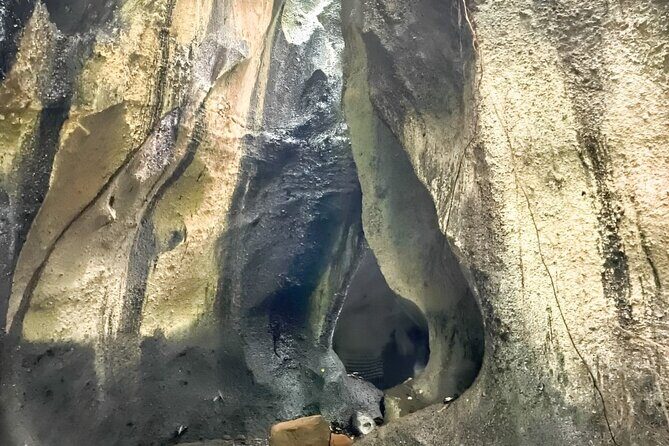
Tukad Cepung Waterfall is famous in Bali for a reason: it doesn’t look like much until you’re right there. The waterfall sits inside a cave, and you generally can’t see it from a distance. The first wow moment hits when you get close enough that the water becomes the focus—plus that cave setting changes the sound and the light.

This stop is also physical, in a very honest way. Plan for steep steps down and wading/walking through shallow water on stones to reach the viewing point. Wear shoes that can handle wet ground—hiking sandals or something with grip tends to be the safer bet. And yes, bring or expect to need something like a towel afterward; getting soaked is part of the experience.

The best timing is when you arrive earlier rather than later. People who went early described it as quieter and more peaceful, which makes the waterfall feel less like a highlight stop and more like a moment.

Main takeaway: Tukad Cepung is one of those places where the magic comes from getting a little dirty and going past the easy view. If you’re okay with wet steps, you’ll love it.

Besakih Temple (Pura Penataran Agung): Bali’s Mother Temple Energy

Tukad Cepung Besakih Lempuyang Temple Best of East Bali Tour - Besakih Temple (Pura Penataran Agung): Bali’s Mother Temple Energy
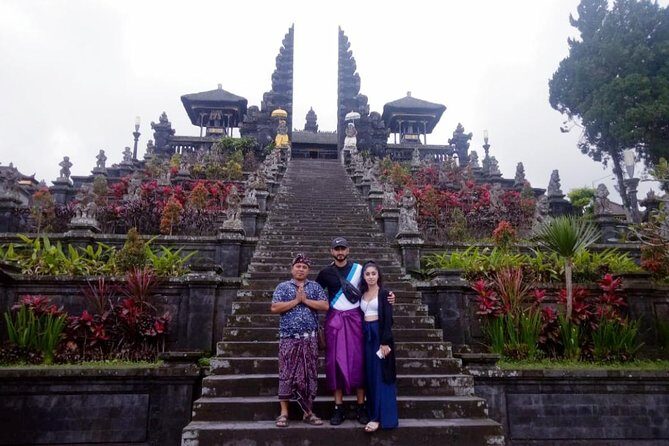
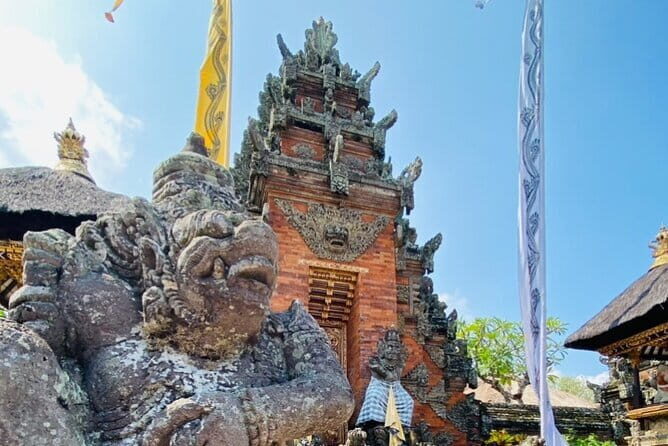
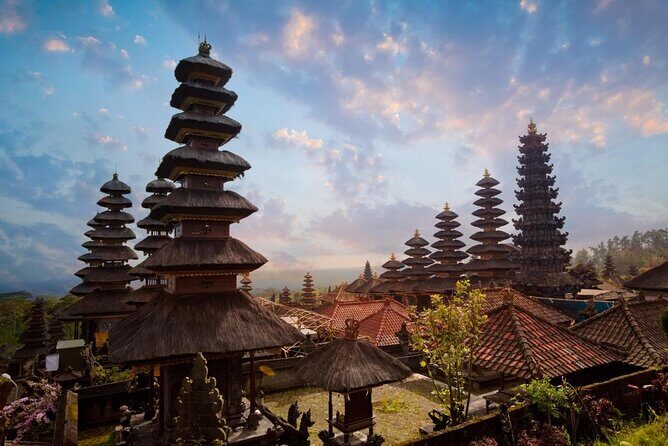
Besakih is Bali’s main Hindu place of worship, known as Pura Penataran Agung and tied to the island’s religious tradition going back centuries. It’s not one single shrine you rush through. It’s a complex—built up over time—so your visit feels more like moving through layers of sacred space than checking off a single photo spot.

This stop tends to work well with a guide. A good guide helps you understand what you’re seeing and how the site functions, especially when you’re walking around areas that feel busy. And the temple has a practical impact on your timing too: Besakih can involve local guide activity or crowd pressure in certain areas, which can change the vibe of your visit.

One balancing act to keep in mind: you’ll want enough time to appreciate the scale, but you don’t want to lose control of your schedule. The tour structure helps because your guide can keep the day moving after you’ve had time to absorb the complex.

Main takeaway: If you’re the kind of traveler who likes depth over quick snapshots, Besakih is a strong reason to choose an organized East Bali day.

Mount Agung Lunch at Lereng Agung: The Break That Actually Matters

Tukad Cepung Besakih Lempuyang Temple Best of East Bali Tour - Mount Agung Lunch at Lereng Agung: The Break That Actually Matters
After temples, you get a lunch stop near Mount Agung: Lereng Agung, described as being at the bottom of Agung Volcano. The practical win here is a buffet meal with typical Indonesian options, plus a view that feels like a reset from the earlier walking.

This is also where heat and fatigue show up. A lunch break isn’t just food—it’s where you refuel before the next two temple-and-photo stops. If you’re not used to Bali’s sun, you’ll appreciate having this built in.

One thing to calibrate: lunch can feel a bit more tourist-friendly than you might expect. It’s still a solid stop for the price and the location, but if you’re hunting for the most local meal possible, you might prefer to treat lunch as fuel rather than a food experience.

Main takeaway: This lunch is more about timing and energy than food drama—exactly what you want mid-tour.

Tirta Gangga (Tirta Gangga Park): Royal Palace Calm and Koi Garden Atmosphere

Tukad Cepung Besakih Lempuyang Temple Best of East Bali Tour - Tirta Gangga (Tirta Gangga Park): Royal Palace Calm and Koi Garden Atmosphere
Next up is Tirta Gangga, described as a former royal palace in eastern Bali. It’s tied to the Karangasem royal family and was built in 1946 by Anak Agung Ketut Anglurah. The vibe here is quieter than temple complexes: more open space, water features, and the kind of strolling you can do slowly.

In practice, what most people latch onto is the beauty of the water setting—often talked about alongside the koi garden feel. This stop is a good counterbalance to the earlier cave waterfall and the later photo-focused gate trek.

Is it the absolute highlight for everyone? Not necessarily. Some people find it charming but less gripping than the waterfall or Gate of Heaven moment. Still, it’s a worthwhile stop if you want a calmer pace and something visually different from temple stone.

Main takeaway: Tirta Gangga is a nice breath in the middle of a busy day—and it’s easy to enjoy without rushing.

Lempuyang Temple and the Gate of Heaven: Waiting, Steps, and Photo Timing

Tukad Cepung Besakih Lempuyang Temple Best of East Bali Tour - Lempuyang Temple and the Gate of Heaven: Waiting, Steps, and Photo Timing
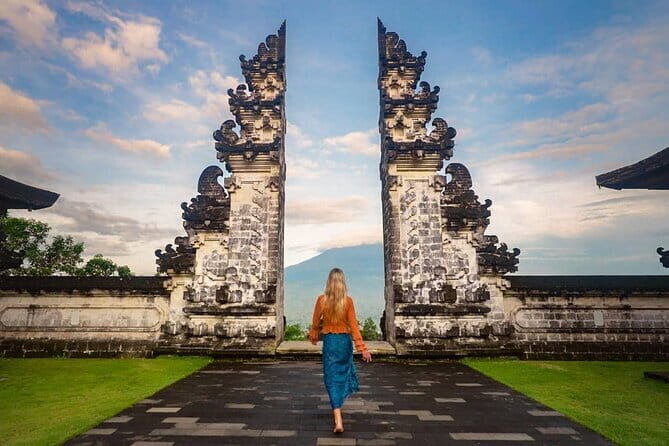
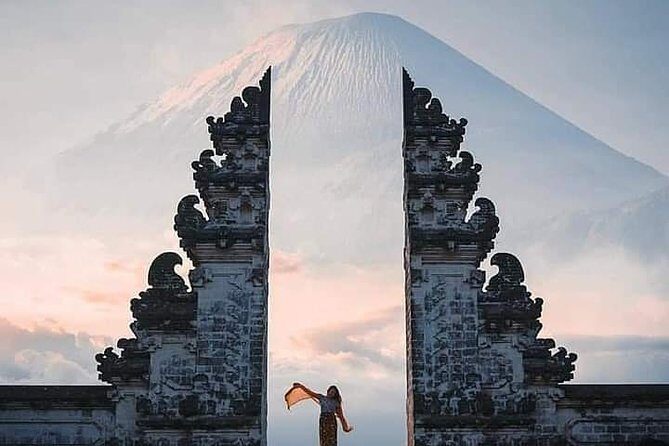
Lempuyang Temple is the reason many people book this entire East Bali route. It’s famous for the Gate of Heaven framing, where you look toward the big backdrop of Agung Volcano and across toward Selat Bali Ocean. The view from the gate is the big event—so your day ends with the kind of payoff that makes the earlier driving feel worth it.

But you need to accept the trade-offs. First: waiting. People describe the queue process as being more organized than you’d expect, including a number system and seating under a roof while you wait. Still, you’re not strolling into a quick photo—you’re waiting for your turn, and the wait can feel long depending on timing.

Second: getting to and around the temple area can be physical. One itinerary detail that came up for some visitors: a short moped ride without a helmet (or a steep walk) to reach temple areas. Since rules can vary by current local restrictions, treat this as a “be prepared” note. If you’re cautious about that ride, ask your guide what the safest option looks like that day.

Third: Lempuyang isn’t just the gate photo. People who stayed to explore said the trek through the temple grounds helped make it more than a single Instagram moment.

And in case you’re wondering: this stop often gets slotted to maximize timing. Some guides start earlier (even with sunrise-style photo priorities) to reduce waiting pressure. If your guide like Nyoman or Jana is running the day efficiently, you’ll feel it here.

Main takeaway: Lempuyang is worth it for the view, but only if you’re okay with waiting and handling some walking and steps.

Price and Logistics From Seminyak: Why This Is Such Good Value

Tukad Cepung Besakih Lempuyang Temple Best of East Bali Tour - Price and Logistics From Seminyak: Why This Is Such Good Value
The price listed for this tour is $43.34 per person, which is a big reason it sells. Here’s what you’re getting for that money, in plain terms:

  • Private air-conditioned transport and a guide handling the driving and timing
  • Entrance tickets covered via a premium all-inclusive tour voucher
  • Mineral water
  • Insurance
  • Pickup and drop-off offered across multiple popular Bali areas

Then there are the costs you might still pay:

  • Lunch is not included and is an additional personal expense (around $6 per person noted)
  • Depending on your choices, there may be additional entrance-ticket payments noted in the tour details (the listing mentions about $25 per person in certain cases)

So the value equation is pretty clear: for a full day, you’re paying less than many single-site tours, and most of your “work” is offloaded to the guide and driver. The biggest variable becomes the day’s physical demands and crowd realities at Lempuyang.

Also: watch for the “free, but voucher” kind of pricing. If everything is truly included on your voucher, great. If not, your guide should explain what you need to pay at the site.

Main takeaway: At this price point, you’re buying convenience plus major sites. The trade-off is that the day is busy, and you may still pay for lunch.

What It’s Like With Different Guides (and How That Changes Your Day)

Tukad Cepung Besakih Lempuyang Temple Best of East Bali Tour - What It’s Like With Different Guides (and How That Changes Your Day)
Even when the itinerary is the same, the guide can make or break the experience. The reviews tied to this tour name several guides, and the themes repeat.

  • Ketut is described as friendly, able to adjust the schedule, and helpful with advice
  • Nyoman is praised for explaining customs and finding a balance between guiding and giving space
  • Jana gets credit for knowledge of the area and an upbeat, engaging style
  • Dee is noted for adapting when heavy rains made bridges inaccessible
  • Kadek Sunetra is singled out for explanation and making the day enjoyable
  • Wayan is mentioned for good explanations at the temples

There’s also one cautionary note: English proficiency can vary by guide. The listing says the guide is English-speaking, and many experiences sound smooth, but if clear communication is a must for you, it’s worth choosing a time slot where you can request extra support in advance if the operator allows it.

Main takeaway: If you connect with your guide, this day flows. If you don’t, you can still see the sights, but you’ll miss some context.

Best Things to Bring (So You Don’t Hate Daylight)

Tukad Cepung Besakih Lempuyang Temple Best of East Bali Tour - Best Things to Bring (So You Don’t Hate Daylight)
This tour involves cave steps, wet stone walking, sun exposure, temple wandering, and some waiting for the gate photo. So pack like you’re going to be active.

Practical items that repeatedly make sense:

  • Hiking sandals or grippy footwear for Tukad Cepung’s stone-wading area
  • Flip-flops or an extra dry pair for after the waterfall
  • A camera (this day is built for photos)
  • Towel if you want to avoid a long, damp ride home
  • Nausea meds if you’re sensitive to winding roads and long drives (narrows and curves get mentioned)

Also, keep your expectations realistic: your lunch and drinks are separate from entrance ticket value, and you’ll likely want water and breaks at natural pauses.

Should You Book This Best of East Bali Tour?

If you want a single day that covers major East Bali icons—Tukad Cepung, Besakih, Mount Agung lunch views, Tirta Gangga, and Lempuyang—this is a strong option, especially at $43.34. I’d book it if you like temples, don’t mind walking stairs, and you’re excited for a dramatic waterfall-and-gate photo combo.

I would hesitate if you:

  • hate waiting for photos (Lempuyang involves line time)
  • get grumpy about wet footing and steep steps
  • need very high-confidence English from the first minute (it can vary by guide)
  • prefer a relaxed pace with fewer transfers

If you’re middle-of-the-road on activity and you want value plus structure, this tour is the kind of day that helps you see more of Bali without turning your trip into a navigation project.

FAQ

How long is the Tukad Cepung Besakih Lempuyang Best of East Bali Tour?

The duration is about 9 hours. The experience also notes an estimate of about 7–8 hours including travel time from your hotel.

Where does pickup and drop-off happen?

Pickup and drop-off are offered in areas including Ubud, Seminyak, Kuta, Nusa Dua, Jimbaran, Canggu, Sanur, Gianyar, and East Bali.

What attractions are included in the itinerary?

The tour includes Tukad Cepung Waterfall, Besakih Temple, a Mount Agung area lunch stop at Lereng Agung, Tirta Gangga Park, and Lempuyang Temple.

Is lunch included in the tour price?

Lunch is not included. It’s listed as an additional personal expense at a local restaurant, about $6.00 per person.

Are entrance tickets included?

Entrance tickets are included on the premium all-inclusive tour voucher. The tour also notes that special private guided-only pay entrance tickets if visiting all attraction, about $25 per person.

Does the tour provide an English-speaking guide and transportation?

Yes. You get private transportation in an air-conditioned vehicle and a professional English-speaking guide, plus mineral water and insurance.

What’s the cancellation policy?

Free cancellation is available up to 24 hours in advance for a full refund. If you cancel less than 24 hours before the start time, the amount paid is not refunded. The experience also requires good weather; if it’s canceled due to poor weather, you’ll be offered a different date or a full refund.

Bali Tour : Tegenungan – Tukad Cepung – Kanto Lampo – Tibumana Waterfall

Bali Tour : Tegenungan - Tukad Cepung - Kanto Lampo - Tibumana Waterfall - Door-to-Door Transport, Wi‑Fi, and a Driver Who Sets the Pace

One good day can beat weeks of bouncing around. This private Bali waterfall circuit strings together four of the area’s most photographed falls, with a driver/guide who helps you move safely and efficiently.

What I like most is the combo of door-to-door transfers and a relaxed, flexible feel at each stop. You also get onboard free Wi‑Fi, which is genuinely handy when you want to share photos on the move without hunting for signal.

One thing to keep in mind: this kind of circuit depends on the day’s conditions. The route also needs good weather, and if you’re picky about exact stops (especially Tegenungan), it’s smart to confirm the plan with your driver at the start.

Key highlights worth caring about

Bali Tour : Tegenungan - Tukad Cepung - Kanto Lampo - Tibumana Waterfall - Key highlights worth caring about

  • Four waterfalls in one outing so you’re not spending half your day in traffic
  • Free Wi‑Fi in the car to post and share as you go
  • English-speaking driver/guide who can handle timing and photos
  • Private door-to-door service in an air-conditioned car (no self-driving stress)
  • Entrance tickets are optional if you choose the upgrade
  • About 8–10 hours total, with roughly an hour at each waterfall

Why This Ubud Waterfall Route Makes Sense

Bali Tour : Tegenungan - Tukad Cepung - Kanto Lampo - Tibumana Waterfall - Why This Ubud Waterfall Route Makes Sense
If you’re basing yourself around Kuta but want the Ubud waterfall classics, this is an efficient way to do it. You get a full day that’s built around four separate sites, and the main benefit is simple: you’re not stitching together rides, parking, and directions between stops.

I also like how the four waterfalls feel different from each other. You go from a cliff-and-cave style approach (Tukad Cepung) to a more classic “lowland flow” look (Kanto Lampo), then to a twin-waterfall vibe (Tibumana), and finally to Tegenungan’s bigger, more energetic scene. That variety makes the long day feel worth it instead of repetitive.

The tour is priced as a budget-friendly group-style activity, but the experience is private for your group. That’s the best match for couples, friends, and small families who want control without the hassle of driving.

Door-to-Door Transport, Wi‑Fi, and a Driver Who Sets the Pace

Bali Tour : Tegenungan - Tukad Cepung - Kanto Lampo - Tibumana Waterfall - Door-to-Door Transport, Wi‑Fi, and a Driver Who Sets the Pace
The logistics are half the battle in Bali. This tour includes a private, comfortable air-conditioned car and pickup/round-trip transfers from hotels in Ubud and much of south Bali. Instead of wrestling with routes and signage, you’re handed the wheel of planning.

A big practical win: the driver/guide speaks English and gives you personalized insights as you go. The goal isn’t a lecture. It’s help with timing, where to stand for photos, and how to handle each waterfall’s terrain safely.

Then there’s the onboard free Wi‑Fi. It’s not “nice to have” in a touristy way—it’s useful. You can share photos immediately, and you can message friends or coordinate plans without paying roaming charges or relying on sketchy data.

One more small but real comfort factor: bottled mineral water is included. When your day involves wet spots, sun, and a few stairs or uneven ground, that matters more than you’d think.

Stop 1: Tukad Cepung and Its Cliff-Cave Waterfall Feel

Tukad Cepung is the one that surprises people the first time they see it. The waterfall sits in an area surrounded by huge rock cliffs, and getting there means slipping between cliffs that can feel like a natural corridor before you reach the falls.

That “almost cave” approach is the point. It changes how the whole scene looks. Instead of wide-open waterfall views, you get more framing, more contrast, and that signature “light effects” reputation this place has.

What to watch for (and how you’ll enjoy it more):

  • The path can involve narrow, uneven sections. Wear shoes with grip rather than flimsy flip-flops.
  • Go slower near the cliff passage. It’s easy to rush when you’re excited for photos.
  • Bring a quick camera plan: you’ll want pictures from a few different angles, but give yourself time to step back and look before shooting.

Expect about an hour here. Even though the schedule is structured, the pace is often flexible enough to let you linger if conditions are good and you’re not holding up the group.

Stop 2: Kanto Lampo’s Natural Drop from the Lowlands

Bali Tour : Tegenungan - Tukad Cepung - Kanto Lampo - Tibumana Waterfall - Stop 2: Kanto Lampo’s Natural Drop from the Lowlands
Kanto Lampo gives you a different waterfall mood. This one is described as a natural formation, and the standout detail is that it comes from the lowlands—not the typical highland hill-and-forest drip you might expect elsewhere.

Visually, that tends to translate into a more “immediately present” waterfall feel. You’re not always looking up at an enormous vertical drop; you’re more focused on the scene around the fall, the rock textures, and the way water moves through the area.

How to make this stop work for you:

  • If you care about photos, plan for a few minutes of searching for the best angle instead of snapping from the first spot you reach.
  • If you’re here mainly to swim, know that not every waterfall area is equally swim-friendly. Tegenungan is specifically known for swimming, so treat Kanto Lampo more as a viewpoint/waterfall moment.

Expect about an hour. It’s enough time to see it properly, take photos, and move on without feeling rushed.

Stop 3: Tibumana’s Twin Waterfall Look (And When It Changes)

Bali Tour : Tegenungan - Tukad Cepung - Kanto Lampo - Tibumana Waterfall - Stop 3: Tibumana’s Twin Waterfall Look (And When It Changes)
Tibumana is where the tour gets visually interesting. The waterfall is known for its twin look—two side-by-side falls that create a “twin waterfall” effect.

Here’s the nuance that matters: when the river flow above is small, then you might see only one main flow. So the experience can shift depending on water conditions.

That’s not a downside. It’s part of what keeps Tibumana feeling alive instead of like a static postcard. If your goal is the classic twin look, arrive with the expectation that nature can adjust the show.

Practical advice for enjoyment:

  • Don’t just aim for one “perfect” photo. Take a minute to look around and see how the water is behaving that day.
  • If you’re traveling in rainy-season conditions, expect the area to feel slick. Wear grippy footwear.

Like the others, you’ll have about an hour here, which is long enough to soak up the view and still keep the day moving.

Stop 4: Tegenungan Waterfall for Photos, Swimming, and Big Water Energy

Bali Tour : Tegenungan - Tukad Cepung - Kanto Lampo - Tibumana Waterfall - Stop 4: Tegenungan Waterfall for Photos, Swimming, and Big Water Energy
Tegenungan is the headline-style waterfall on this route. It’s roughly 25 meters tall and has heavy water, which is exactly why it’s so popular for pictures—and for swimming too.

This is also the stop where you feel the crowd energy more than at some of the more tucked-away falls. If you’re the type who likes people-watching and lively atmosphere, Tegenungan can deliver. If you prefer quiet nature moments, you may want to spend your time at the best viewpoints and avoid hovering in the busiest areas for too long.

To get the most out of Tegenungan:

  • Bring swimwear if that’s your plan. The tour description specifically calls out swimming as a popular activity here.
  • Bring a towel or quick-dry option if you can—between the water and the car ride, you’ll appreciate it.
  • If photos are your focus, plan to arrive ready to reposition. The falls are photogenic, but you’ll get better results from a couple different spots.

This stop, too, typically fits into about an hour. In practice, the pacing can feel unhurried because the driver can let you spend time as you want.

What to Bring for a Smooth Wet Day

Bali Tour : Tegenungan - Tukad Cepung - Kanto Lampo - Tibumana Waterfall - What to Bring for a Smooth Wet Day
This is a waterfall day, so your “packing list” should be simple and practical. The tour includes bottled water and Wi‑Fi, but it won’t provide swim or comfort items.

I recommend:

  • Grippy shoes (or water-friendly sandals with good traction)
  • Swimwear if you want to try Tegenungan
  • A small towel or quick-dry cloth
  • A waterproof phone pouch or dry bag for your electronics
  • Sun protection (hat/sunscreen), since you’ll be out for hours
  • A change of clothes for the ride back

If you’re sensitive to motion or long car time, bring a light layer anyway. It’s a private air-conditioned car, and the temperature can vary.

Also, do yourself a favor: set your expectations for time. Each stop is scheduled for about an hour, but the driver can often help adjust the flow so you don’t feel rushed.

Pacing, Weather, and the One Thing to Confirm

Bali Tour : Tegenungan - Tukad Cepung - Kanto Lampo - Tibumana Waterfall - Pacing, Weather, and the One Thing to Confirm
This experience requires good weather. That’s not just a policy line—it’s because waterfall roads and paths become less pleasant (and sometimes more dangerous) when conditions are rough.

The other practical consideration is exact stop alignment. This tour is branded around Tegenungan, and the itinerary includes it as the final stop. Still, with any waterfall circuit, plans can vary with conditions and logistics. If Tegenungan is your must-see, confirm it at pickup and make sure you know the plan before you start driving.

For pacing, here’s what usually makes the day feel good:

  • You’re not stuck doing long stretches with nothing to see.
  • You get about an hour at each stop.
  • The driver/guide can help you take pictures and manage timing so you’re not constantly sprinting.

At the end, what you remember isn’t the driving. It’s the different “styles” of waterfalls—light-and-cliff at Tukad Cepung, natural rock-and-flow at Kanto Lampo, twin-form at Tibumana, and big-water energy at Tegenungan.

Price and Value: Is $25 Worth It?

The price is $25 per person, and that’s what makes this tour stand out for many first-time Bali visitors. For a day covering four major waterfall stops—plus private air-conditioned transport, bottled water, an English-speaking driver/guide, onboard Wi‑Fi, and included insurance—this is a solid value deal.

Two value notes that matter:

  1. Entrance fees are optional. That means your final cost can shift depending on the option you select. If you prefer fewer surprises, choose the version that includes entrance tickets.
  2. You’re paying for not driving yourself. If you’ve tried Bali traffic, you already know that time and stress are real costs. The private driver/guide is part of what you’re buying.

Compared with piecing together taxis or scooters all day, you’re buying convenience plus a smoother route. And since the tour is often booked about 13 days in advance, it’s not a “wait and see” activity unless you’re flexible with timing.

Who This Tour Is Best For

This is a strong fit if you:

  • Want a fast, organized way to see multiple Ubud-area waterfalls
  • Prefer private transport over self-driving
  • Care about photos but don’t want to spend your day figuring out logistics
  • Like the idea of a driver/guide who can share helpful context as you go

It’s also a good choice for groups that want separate time at each stop. The tour is designed so you can typically take your time and not feel dragged forward.

If you hate crowds and you’re sensitive to social energy at popular sites, consider spending your time at Tegenungan strategically—arrive ready, take your shots, then enjoy the rest.

Should You Book This Bali Waterfall Tour?

I’d book it if your goal is a high-value waterfall day with minimal hassle. Four waterfalls in about 8–10 hours, private door-to-door transport, free Wi‑Fi, and an English-speaking driver/guide is a smart setup—especially if you’re not trying to self-drive.

Before you go, do one simple thing: double-check that Tegenungan is included on your specific day with your driver at pickup, since the tour is advertised for it and it’s often the main reason people book this route.

If you want a practical Bali win—good variety, manageable timing, and less stress—this one is worth your time.

FAQ

How long is the Bali waterfall tour?

It runs about 8 to 10 hours in total, with roughly 1 hour at each waterfall stop.

What waterfalls are included?

The route includes Tukad Cepung Waterfall, Kanto Lampo Waterfall, Tibumana Waterfall, and Tegenungan Waterfall.

Is pickup and drop-off included?

Yes. The tour offers 2-way transfers from hotels in Ubud and much of south Bali.

Is this tour private?

Yes. It’s private, meaning only your group participates.

Is Wi‑Fi included during the tour?

Yes. Free onboard Wi‑Fi is included.

Are entrance tickets included?

Entrance tickets are listed as optional. The tour may be booked with or without entrance fees, depending on the option you choose.

What’s included in the tour price?

Included items are a private comfortable air-conditioned car, an English-speaking driver/guide, bottle mineral water, free Wi‑Fi, optional entrance ticket coverage, and insurance.

What is not included?

Meals and any other personal expenses are not included.

What if the weather is bad?

The experience requires good weather. If it’s canceled due to poor weather, you’ll be offered a different date or a full refund.

What is the cancellation policy?

You can cancel for a full refund up to 24 hours before the experience’s start time.

All Inclusive Sekumpul Waterfall Trekking , Handara Gate & Temple

All Inclusive Sekumpul Waterfall Trekking , Handara Gate & Temple - The Sekumpul waterfall hike: what to expect and how to be comfortable

Three stops, one gorgeous north Bali day. This all-in-one outing takes you from the southern heat to Bali’s cooler highlands, with a guided hike to Sekumpul Waterfall, plus Handara Gate photo time and the lakeside Ulun Danu Beratan Temple.

I like how this tour handles the annoying parts for you: pickup, transport, parking, and entrance tickets are wrapped into one plan. I also really value having a local guide during the Sekumpul trek, because the route can be slick and you’ll want someone who knows where to step and how to help with good photo angles.

One thing to plan for is the physical side. Sekumpul is listed as suitable for moderate physical fitness, so wear grippy shoes and be ready for an active 3-hour hike (plus bring insect repellent, and a towel/extra clothes if you want to swim).

Key things to know before you go

All Inclusive Sekumpul Waterfall Trekking , Handara Gate & Temple - Key things to know before you go

  • Handara Gate photo session built into the schedule: stop is about 30 minutes with admission included.
  • Guided Sekumpul trek for safety and direction: you get a local guide specifically for exploring the falls area.
  • Two iconic north Bali viewpoints in one day: Sekumpul’s waterfall scenery plus Ulun Danu Beratan by Lake Bratan.
  • Included lunch and drinks help you avoid decision fatigue: you’ll get a lunch at a local warung, plus bottled water and coconut water.
  • Most south Bali hotels get pickup: you skip self-drive stress and taxi back-and-forth.
  • Weather matters: the experience requires good weather, so be ready to shift dates if conditions are poor.

From South Bali chaos to cool highland air

This tour is built like a proper day plan: you start at 8:00 am and return after roughly 8 to 10 hours. That timing matters because Sekumpul and the temple are both in north Bali’s Bedugul area, where the air can feel cooler and the scenery changes fast once you leave the south behind.

What you’re really buying here is less driving anxiety and more time doing the fun parts. The package includes a private car with petrol and parking fees, plus a tour driver/guide to handle the logistics, so you’re not stuck negotiating routes, hunting parking, or calculating which scooter risks are worth it.

There’s also a nice “value stacking” effect. Admission tickets are included, and the day includes lunch and drinks, so you’re not piecing together a dozen small purchases while you’re already tired from the road.

Handara Iconic Gate: a fast photo stop that still feels worth it

All Inclusive Sekumpul Waterfall Trekking , Handara Gate & Temple - Handara Iconic Gate: a fast photo stop that still feels worth it
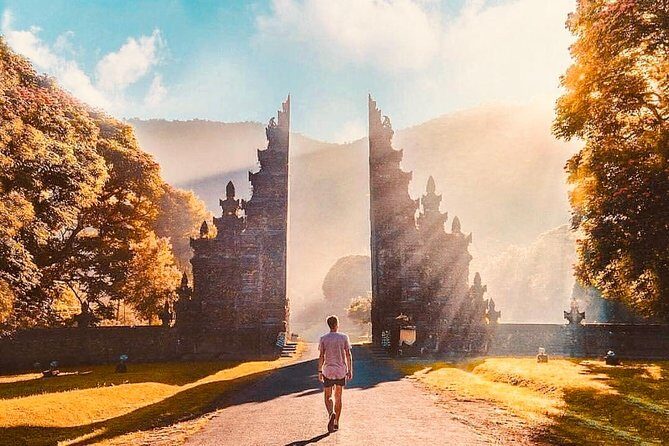
Your first real scene is Handara Iconic Gate. The tour gives you about 30 minutes, including admission, which is just enough time to get your bearings, walk to the key viewpoints, and capture a few solid shots without turning it into a half-day detour.

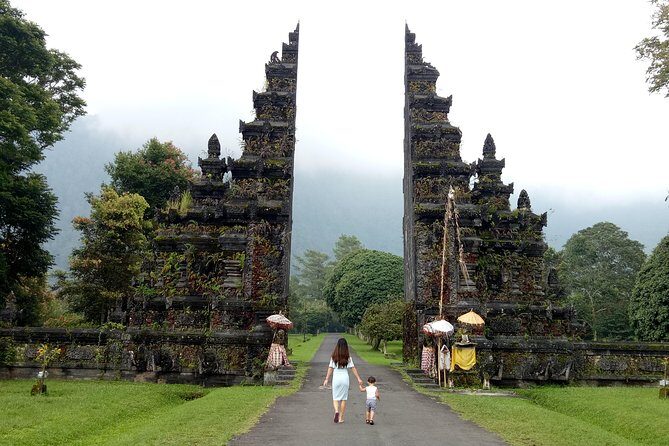
Handara is famous for its gate-and-pond setting and that popular Instagram-style viewpoint. Even if you don’t chase photos all day, this stop works because it’s a reset: you arrive in the highlands zone, stretch your legs, and get a scenic “Bali postcard” moment before you go full hike-and-temple.

A practical tip: in that kind of spot, light can change quickly. Aim to arrive, take your first wide shots, then circle a bit if you want closer angles. Also, keep an eye on your shoe choice—Sekumpul is coming later, so you don’t want to waste the day in footwear that’s hard to walk in.

The Sekumpul waterfall hike: what to expect and how to be comfortable

All Inclusive Sekumpul Waterfall Trekking , Handara Gate & Temple - The Sekumpul waterfall hike: what to expect and how to be comfortable
This is the heart of the day: Sekumpul Waterfall with about 3 hours of time, and you’ll be guided by a local guide. The area is in a lush, green jungle setting, and that’s exactly why the trek feels different from most “quick photo” waterfalls. You’re not just looking at water—you’re walking through the environment that creates it.

Here’s what I’d focus on before you go:

  • Wear comfortable, grippy shoes. The guide can help you navigate, but footwear is still on you.
  • Bring insect repellent. You’ll thank yourself once the trek starts moving through vegetated areas.
  • Be ready for a moderate hike. This isn’t marketed as a long strenuous trek, but it does require a decent fitness level.
  • Bring a towel and extra clothes if you might swim. The instructions explicitly suggest this, so treat swimming as optional—but plan for it if the moment looks good.

What makes having a local guide matter is pacing and safety. The experience is built so the guide is with you step-by-step during the waterfall trek, which helps when paths get slick or crowded and when you want to avoid wandering off the easiest routes.

And yes, bring your camera plans: Sekumpul is a “framing game.” Waterfalls look great from different levels, and a guide who knows where people can stand (without risking safety) makes the difference between a couple decent photos and a set you’ll actually keep.

Ulun Danu Beratan Temple: a water temple with mountain-lake views

After the hike, you switch gears to a more cultural scene: Ulun Danu Beratan Temple (also known as Pura Bratan). You get about 45 minutes, with admission included, and it sits on the shores of Lake Bratan near the mountains around Bedugul.

This temple is a Shaivite water temple, and it was built in 1633. That date matters because it helps you understand why the setting feels so purposeful—this is a temple designed around water, worship, and the landscape it sits in.

What you’ll likely enjoy most is the lake-and-mountain viewpoint feel. Even if you’re not a temple expert, you get a classic Bali “pause” moment after a physical morning. The temple stop also helps you balance the day: instead of only moving between photo spots and waterfalls, you get a place where you can slow down, absorb the scenery, and watch how people approach the site respectfully.

Dress code basics are usually the unglamorous part of temples anywhere in Bali, so go in with sensible coverage and comfortable layers. The day already includes walking time, so don’t dress like you’re on a beach runway.

Lunch at a local warung, plus water that actually keeps you going

This package includes lunch at a local warung in the waterfall area. It’s a straightforward included meal—meaning you shouldn’t expect fine-dining energy. Think of it as refueling so you can keep enjoying the rest of the day without hunting for food while you’re tired.

The tour also includes bottled water and coconut water, which is genuinely useful. After a hike, hydration is not a “nice to have.” It’s the difference between enjoying temple views versus feeling sluggish and cranky.

A balanced expectation check: lunch is included and it’s convenient, but some people may find the exact place a little average compared with the scenery and the rest of the day. If you’re picky about food, keep your mindset on “fuel,” and consider packing a small snack you can manage alongside what’s provided.

Transportation, timing, and the value behind the price

All Inclusive Sekumpul Waterfall Trekking , Handara Gate & Temple - Transportation, timing, and the value behind the price
The price is $68.67 per person, and it’s an all-in package with pickup, tickets, lunch, and key drinks included. That’s important because Bali can be expensive when you start adding entrance fees, taxis, and food separately. Here, those costs are bundled so you can budget with more confidence.

You’re also looking at a tour that’s typically booked about 19 days in advance. That doesn’t mean you must book early, but it’s a signal it’s a popular structure: people want the north Bali combo in one day without the stress of self-driving.

One more value detail: the experience is described as private, meaning only your group participates. That matters if you want fewer interruptions, easier photo pacing, and a smoother flow during the hike and temple stop.

And the driver/guide component is not just for driving. The day benefits from someone who can keep things moving and explain what you’re seeing. In the feedback I saw, a driver named Okta is specifically called out as friendly and professional, with explanations that made the day feel more connected than a pure transport service.

Who this tour fits best (and who should choose differently)

All Inclusive Sekumpul Waterfall Trekking , Handara Gate & Temple - Who this tour fits best (and who should choose differently)
This is a great match if you want:

  • One organized day that combines a major waterfall hike, a famous photo gate, and a lakeside temple
  • Stress-free logistics (pickup and drop-off from most south Bali hotels, plus parking included)
  • A guided experience at Sekumpul rather than a solo wander

It’s also a decent fit for people with moderate physical fitness. There’s a minimum age of 10 years old, so families traveling with older kids may find the timing workable—though the hike still demands real attention and good footwear.

If you’re someone who strongly dislikes walking on uneven ground, or you’re not comfortable with a guided hike duration of about 3 hours, you might find this day too active. You could still visit Handara and Ulun Danu Beratan, but you’d likely want a different pacing plan focused less on the trekking portion.

Should you book All Inclusive Sekumpul Waterfall + Handara + Beratan?

All Inclusive Sekumpul Waterfall Trekking , Handara Gate & Temple - Should you book All Inclusive Sekumpul Waterfall + Handara + Beratan?
I’d book this if you want the north Bali highlights without the driving headache. The included entrance tickets, lunch, and hydration help make it feel like a true all-in-one day, and the local guide at Sekumpul is the kind of detail that pays off when paths get tricky.

I’d think twice if you want a super low-key day. The Sekumpul trek is the centerpiece, and it comes with real walking time, insect risk, and footwear needs. For the right fitness level and comfort with a hike, this is a strong value way to get Handara photos, Sekumpul waterfall scenery, and Ulun Danu Beratan in one tight plan.

FAQ

What time does the tour start?

The tour starts at 8:00 am.

How long should I plan for?

Plan for about 8 to 10 hours total.

What are the main stops on this experience?

You visit Handara Iconic Gate, hike at Sekumpul Waterfall, and see Ulun Danu Beratan Temple.

Are entrance tickets included?

Yes. All entrance tickets are included.

Do I get hotel pickup and drop-off?

Pickup is offered, and it’s designed to drop off to most south Bali hotels.

What should I bring for the Sekumpul Waterfall hike?

Bring insect repellent and comfortable shoes. You’re also advised to bring a towel and extra clothes if you want to swim at the waterfall.

What happens if the weather is bad?

The experience requires good weather. If it’s canceled due to poor weather, you’ll be offered a different date or a full refund.

Ubud Full-Day Private Tour: Waterfall, Temple, Rice Terrace.

Ubud Full-Day Private Tour: Waterfall, Temple, Rice Terrace. - Pickup in Seminyak and a private ride that saves your energy

A Ubud day that feels personal and easy. This private tour strings together waterfall, temple, monkey forest, rice terraces, and an art market with hotel pickup and a private air-conditioned car just for your group. The only real catch: lunch isn’t included, so you’ll want to plan a simple way to eat while you’re out.

What makes it work well is the human touch. On past outings, guides like Debatur and Putri (Bali Karma Journey Tour) focus on keeping the day calm, taking good photos, and making sure you’re not stuck figuring things out on your own.

You’ll also start early enough to get a good chunk of your sights done—pickup at 8:30 am—and you’ll have bottled water along the way. With tickets handled and a mobile ticket, you can spend your energy on the actual Ubud stuff: temples, terraces, and those wow views that make the trip worth it.

Key things I’d actually plan around

Ubud Full-Day Private Tour: Waterfall, Temple, Rice Terrace. - Key things I’d actually plan around

  • Hotel pickup + private AC transport keeps you comfortable and saves navigation time.
  • Kanto Lampo Waterfall includes ticket time and a chance to swim in the water (bring water-friendly shoes).
  • Sacred Monkey Forest Sanctuary is guided for an easier walk-through.
  • Tegalalang Rice Terrace comes with a guide who explains the different rice kinds grown there.
  • Ubud Art Market gives you a focused look at traditional shops without turning it into a shopping marathon.
  • Tickets and fees included means you’re not constantly paying small add-ons mid-day.

Why this Ubud day works better than hopping around solo

Ubud Full-Day Private Tour: Waterfall, Temple, Rice Terrace. - Why this Ubud day works better than hopping around solo
Ubud can be a lot. It’s not just the sights—it’s the logistics: traffic, heat, tickets, and the mental overhead of coordinating rides and entry points. This private format fixes most of that by building the day around one vehicle and one guide, so you’re not constantly switching plans.

I especially like that the tour feels paced for real travel, not a checklist sprint. You get structured time at each stop (about an hour at the waterfall, temple, monkey forest, rice terraces, and the art market), and that rhythm makes the full day more doable. After you’ve done a few hours of walking and admiring, you’ll be glad you have a dedicated ride waiting.

The tour also includes the stuff that usually annoys people on DIY days: entrance tickets, all fees and taxes, and even bottled water. That doesn’t sound glamorous, but it’s the difference between a relaxing outing and a day spent counting small expenses.

Pickup in Seminyak and a private ride that saves your energy

Ubud Full-Day Private Tour: Waterfall, Temple, Rice Terrace. - Pickup in Seminyak and a private ride that saves your energy
This experience starts at 8:30 am, with pickup offered from your location area (the tour is listed in Seminyak). That matters more than it sounds, because Ubud traffic and heat can turn a simple sightseeing plan into an exhausting endurance test.

You’ll travel in a private, air-conditioned vehicle. Even if you’re fine in the heat, you’ll feel the payoff once you’re back in the car between stops—especially during the middle of the day when sun hits hardest. Plus, with mineral water bottle provided, you’re not hunting for drinks every hour.

One more practical note: this is a mobile ticket experience. That usually means less paper fuss and fewer last-minute problems at entrances, which helps when you’re trying to keep your schedule smooth.

Kanto Lampo Waterfall: swim time and a strong photo payoff

Ubud Full-Day Private Tour: Waterfall, Temple, Rice Terrace. - Kanto Lampo Waterfall: swim time and a strong photo payoff
Your day begins at Kanto Lampo Waterfall. You get about an hour here, with an admission ticket included. The highlight for many people is the chance to enjoy the waterfall and swim in the water while taking in the surrounding views.

If you plan to swim, treat this part like a mini water hike. Wear footwear that can handle slick steps, and keep an eye on where you place your feet. Waterfalls are great, but they can be slippery, and you’ll want to stay focused instead of rushing.

Even if you don’t swim, this stop is worth it for the scenery and the feeling of being in the middle of something natural rather than just watching it from a distance. It’s also a strong early-day anchor: you start with a big visual moment, then you move into temples and culture afterward.

Batuan Temple: a calm cultural stop with scenic views

Ubud Full-Day Private Tour: Waterfall, Temple, Rice Terrace. - Batuan Temple: a calm cultural stop with scenic views
Next up is Batuan Temple, with about an hour on-site and ticket included. This is a more grounded, cultural pause than the waterfall. The focus here is exploring the beauty of Bali through the temple experience, with time for you to look around and take in the setting.

Batuan is often the kind of place where a guide makes a difference. Not because you need to memorize anything, but because you’ll usually get clearer context for what you’re seeing, and that makes photos look less random. With a guide escorting you through the visit, you’re more likely to notice details you’d otherwise miss.

The tour description also hints at a broader sense of the area—views and the mix of culture and daily life that makes Bali feel specific rather than generic. If you’re the type who likes stopping to watch how things are used, this is a good match.

Sacred Monkey Forest Sanctuary: guided pacing and easier exploring

Ubud Full-Day Private Tour: Waterfall, Temple, Rice Terrace. - Sacred Monkey Forest Sanctuary: guided pacing and easier exploring
After the temple, you’ll visit Sacred Monkey Forest Sanctuary for about an hour, with admission included. You’ll be escorted by your guide as you look around the forest.

This is a stop where you’ll want structure. Even if you’re comfortable walking, the sanctuary’s layout can feel like a maze of paths once you’re inside. A guide keeps you from wandering in circles and helps you spend your time where the walking is actually worth it.

One thing I like about having a guide here is the pacing. The tour gives you a defined amount of time, so you can enjoy the atmosphere without letting it swallow your whole afternoon. If you’re sensitive to crowds or chaos, an organized visit with a schedule helps a lot.

If you’re bringing a camera, this is also a place where good guidance helps you get shots without always running after the moment. In the feedback tied to this tour, Debatur and the team are praised for taking good pictures and videos while you’re moving through the day.

Tegalalang Rice Terrace: learning how the fields work

Ubud Full-Day Private Tour: Waterfall, Temple, Rice Terrace. - Tegalalang Rice Terrace: learning how the fields work
Then comes Tegalalang Rice Terrace, again about an hour with ticket included. This is where the view usually steals the show. But the bigger value is that you’re escorted by your guide and you’ll hear explanations about many kinds of rice in the location.

That’s the difference between standing on a viewpoint and understanding what you’re actually looking at. Even a simple explanation—like what grows here and how it’s used—adds meaning to the photo. You’ll also likely walk to angles where the terraced design reads clearly.

This stop is one of the best places to slow down, because the terraces are naturally photogenic and they invite a bit of wandering. Still, you’ll have a set time window, so you can enjoy the walk without worrying about the day getting too late.

Practical tip: if you’re prone to sweating, bring sunscreen and keep water handy. You’ll have bottled water, but rice terraces mean you’ll be outside for at least part of your hour.

Ubud Art Market: browse traditional shops with a plan

Ubud Full-Day Private Tour: Waterfall, Temple, Rice Terrace. - Ubud Art Market: browse traditional shops with a plan
Ubud Art Market rounds out the day’s shopping component. You’ll have about an hour here, and the ticket/fees for the tour are included, so this is more about you choosing what to look at than negotiating every step.

This is the kind of stop that can either feel fun or feel tiring, depending on how you handle it. With limited time, you’ll get more out of it if you go in with a loose goal: maybe you want a small souvenir, maybe you’re just curious about local crafts, maybe you want gifts that don’t look like they came from a hotel shop shelf.

The tour description frames it as traditional shops in Ubud, and that’s exactly what you should look for: wood carvings, handmade items, and local craft styles. If you like photographing textures—painted detail, weaving patterns, carved faces—this can be a surprisingly rewarding hour.

The pass-by moments (like Ubud Palace) that add context

Ubud Full-Day Private Tour: Waterfall, Temple, Rice Terrace. - The pass-by moments (like Ubud Palace) that add context
In addition to the main stops, the tour includes pass-by sights around Ubud, including Ubud Palace from the central area. Even if these aren’t long stays, a quick look can help you connect the dots between the temple, the forest, and the everyday Ubud vibe.

Think of these pass-by moments as scene-setting. They help you understand where you are when you step out of the vehicle, so the day doesn’t feel like disconnected pieces. You’ll get that sense of place, plus some extra photo opportunities along the route.

Price and value: why $55.01 can make sense

At $55.01 per person for an approximately 10-hour private day, the value comes from what’s included. You’re paying for:

  • Private transportation (with air conditioning)
  • Hotel pickup and a dedicated schedule
  • Mineral water bottle
  • All fees and taxes
  • Entrance tickets for each listed stop

A lot of DIY costs add up fast: ride-hailing repeatedly, separate ticket lines, and the small entry fees that can feel minor until you total them. Here, the structure is doing the heavy lifting.

The other value is time and comfort. The day runs long enough that the private car isn’t a luxury—it’s what makes it sustainable. If you’ve tried Ubud day trips with shared transport, you know how often you lose time to waiting. This private format helps you keep the momentum.

The one drawback to plan around: no lunch included

Lunch not being included is the main consideration I’d put on your prep list. It’s not a dealbreaker, but you don’t want to show up hungry with only bottled water as your plan.

Because the day includes several outdoor stops, I recommend you bring a small snack for the ride or plan a quick meal strategy based on what’s closest when you wrap up the art market. If you’re someone who gets hangry after a couple hours of sun, you’ll want to treat this as part of your planning, not an afterthought.

Who this tour fits best (and who should rethink it)

This is a great fit if you want a private Ubud day with one guide and one vehicle, and you care about convenience as much as the sights. It’s also a good match if you like photos and prefer that your day is managed by someone who can help with timing and angles—based on how the guides and drivers are described.

You should consider a different option if you want total freedom to linger indefinitely at one place or if you hate the idea of a full 10-hour day. Also, if you’re not comfortable with the idea of swimming at a waterfall, you may still enjoy Kanto Lampo, but you might prefer a tour that spends more time strictly on viewpoints.

That said, the tour’s structure makes it easier to keep your energy stable, since each stop has a defined time window and you’re not walking from place to place between destinations.

Booking checklist: make the day smoother

Before you go, think about these simple items:

  • Bring sunscreen and a hat. You’ll be outside at multiple stops.
  • If you plan to swim at the waterfall, pack water-friendly footwear.
  • Plan a snack or quick meal for the hours when lunch isn’t provided.
  • Keep your mobile ticket accessible on your phone.

And if you’re booking around the idea of rain: some guide-led days still work out even when conditions change. The key is to stay flexible and follow the guide’s cues on what’s safe and comfortable at each stop.

Should you book this Ubud Full-Day Private Tour?

If your priority is a smooth, private day that covers the main Ubud hits—waterfall, temple, monkey forest, rice terraces, and an art market—this is a strong choice. The included tickets, private air-conditioned transport, and bottled water remove a lot of friction, which is exactly what you want on a long day.

I’d book it if you like the idea of learning a bit as you go. The rice terrace stop with guide explanations, the temple visit with cultural context, and the guided pacing through the monkey forest are the kind of small supports that turn scattered sightseeing into a coherent day.

I’d hesitate only if you absolutely need lunch included or you don’t want a full 10-hour schedule. Otherwise, it’s hard to beat the value of a private, organized Ubud day at this price—especially when the guides (including Debatur and Putri) are praised for friendly, helpful service and for making the day feel more like exploring with someone you trust than following a rigid script.

FAQ

What time does the tour start?

The tour starts at 8:30 am.

How long is the Ubud private tour?

It runs for about 10 hours.

Is lunch included?

No. Lunch is not included.

Does the tour include hotel pickup and air-conditioned transportation?

Yes. Pickup is offered, and you’ll ride in a private air-conditioned vehicle.

Are entrance tickets included for the attractions?

Yes. Entrance tickets are included for the listed stops, and the tour includes all fees and taxes.

Is this tour private?

Yes. It’s a private tour/activity, and only your group participates.

Trunyan Cemetery, Hot Spring, Penglipuran Village, and Waterfall Tour

Trunyan Cemetery, Hot Spring, Penglipuran Village, and Waterfall Tour - Batur Natural Hot Springs: Minerals, reset time, and nature all around

A dark ritual, then a hot soak.

This is the kind of Bali day that mixes animist culture with volcanic nature, and I’m drawn to how the route starts with a boat ride on Lake Batur before you step into Trunyan’s unusual cemetery traditions.

Another big plus is how the tour stays easy to manage. You get hotel pickup from main tourist areas and the stops are organized so you’re not hunting for tickets all day.

One thing to consider: it’s a long day (about 10 hours) and Trunyan Cemetery is emotionally intense, so go in with the right mindset.

Key things to know before you go

  • Lake Batur boat ride: a scenic transition from Ubud-style life into Bali Aga territory
  • Taru Menyan Tree tradition: Trunyan’s cemetery practice is the core cultural moment
  • Batur Natural Hot Springs time: a full, break-like hour to reset
  • Penglipuran Village stop: an easy cultural contrast after the more intense cemetery visit
  • Tibumana Waterfall duration: about an hour to see the falls without rushing
  • Guide attention (Mur): fluent English explanations and a safety-first approach

How the 10-hour Trunyan–Hot Springs–Penglipuran Loop Works from Ubud

Trunyan Cemetery, Hot Spring, Penglipuran Village, and Waterfall Tour - How the 10-hour Trunyan–Hot Springs–Penglipuran Loop Works from Ubud
This tour runs from around 8:00 am and typically clocks in at about 10 hours total. It’s designed as a full-day circuit: you’ll move from one distinct place to the next, with admission covered along the way.

You’ll be picked up from hotels in Bali’s main tourist areas (so you’re not left trying to coordinate your own transport). This matters because the route involves multiple areas and a boat crossing, and those add up fast when you’re doing it solo.

The tour also has a private setup, meaning it’s only your group. Even if it feels “private” in practice, it’s still a shared-day itinerary with scheduled stops, so expect a steady pace rather than long, slow wandering.

Trunyan Cemetery and the Taru Menyan Tree: Bali Aga life and death rituals

Trunyan Cemetery, Hot Spring, Penglipuran Village, and Waterfall Tour - Trunyan Cemetery and the Taru Menyan Tree: Bali Aga life and death rituals
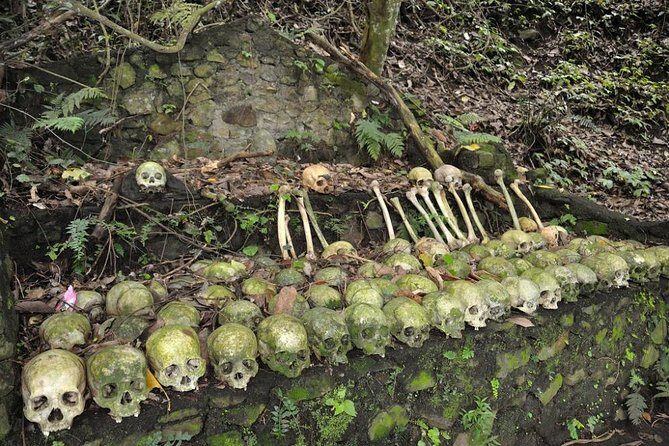
The morning’s headline stop is Trunyan Cemetery in Trunyan Village, home to the Bali Aga community. The big reason this place is famous is the cemetery tradition: the dead are placed under the Taru Menyan Tree instead of being buried in the usual way.

This isn’t a “quick look and move on” stop. You’ll want to spend the full about 30 minutes given for the area, because the power here is in understanding what you’re seeing: a living community belief system around death and the body’s place in the world.

A practical note: you’ll be walking and viewing in an environment that’s part nature, part ritual space. If you’re the type who gets uncomfortable around death-related sites, you can still go, but you’ll enjoy it more if you approach it with respect and calm curiosity.

Batur Natural Hot Springs: Minerals, reset time, and nature all around

Trunyan Cemetery, Hot Spring, Penglipuran Village, and Waterfall Tour - Batur Natural Hot Springs: Minerals, reset time, and nature all around
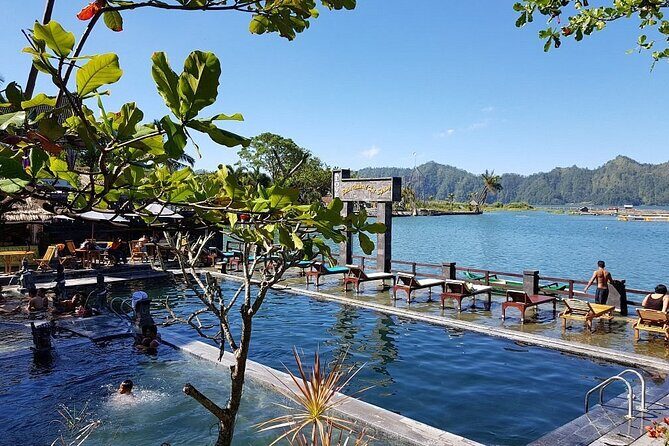
After Trunyan, the day shifts gears from culture to recovery. You’ll head to Batur Natural Hot Spring, with about one hour of time here.

For decades, soaking in Batur hot springs has been seen as good for skin, largely due to high mineral content. Even if you don’t take the skin-care claims literally, you’ll probably feel the point of this stop: it’s a much-needed reset after a morning that asks you to focus.

Since this is described as a natural hot spring surrounded by nature, plan for a calmer vibe than the cultural stops. Think of it as your chance to breathe, rehydrate, and get your feet back under you before the next two sights.

One consideration: hot springs are best enjoyed with sensible water behavior—keep it simple, don’t rush, and pay attention to any on-site guidance so you don’t end up more tired than when you arrived.

Penglipuran Village: Traditional community life you can actually picture

Trunyan Cemetery, Hot Spring, Penglipuran Village, and Waterfall Tour - Penglipuran Village: Traditional community life you can actually picture
Next up is Penglipuran Village, known as a traditional village in Bangli Regency. This stop is about one hour, which is enough time to get oriented, stroll through the village atmosphere, and notice how people live in an organized, heritage-minded way.

Penglipuran stands out because of its community structure—its reputation is tied directly to the way people maintain their traditional society. For me, that means this stop works best when you treat it like a cultural window rather than a checklist photo mission.

Also, the timing helps. You’ve already had the cemetery’s heavy context and the hot spring’s quiet recovery. Penglipuran is a smoother, more everyday-feeling change, so it’s a good place to let your brain rest a little while still seeing real Balinese village life.

Tibumana Waterfall: A short walk to a 5-meter drop near Ubud

Trunyan Cemetery, Hot Spring, Penglipuran Village, and Waterfall Tour - Tibumana Waterfall: A short walk to a 5-meter drop near Ubud
The last big nature stop is Tibumana Waterfall, located near Ubud in the village of Apuan. The waterfall is about 5 meters high, and it’s scheduled for about one hour.

Here’s the detail I’d plan around: during the rainy season, there can be a second stream. That’s a nice heads-up because it means your experience may vary with weather, and that’s normal for Bali waterfalls.

This stop is valuable because Tibumana feels close enough to Ubud to be practical, but it still lands you in a more natural setting. If you’ve been mostly in temples and streets, this is a chance for a reset with sights and sounds.

Practical thought: waterfalls can mean slippery paths. You don’t need to be fearless; just wear shoes you can trust and move with patience.

Guide Mur, English explanations, and safety that actually matters

Trunyan Cemetery, Hot Spring, Penglipuran Village, and Waterfall Tour - Guide Mur, English explanations, and safety that actually matters
A tour can show you places. A guide makes it make sense. In the feedback around this experience, the guide named Mur stands out for fluent English and clear cultural explanations.

What I like about that for your trip: when the itinerary includes something as specific as Taru Menyan and Bali Aga traditions, you really don’t want vague commentary. With Mur’s explanations and a focus on safety, the whole day feels more coherent—less like a drive-by photo run, more like a guided understanding.

Safety came up in the sense that the guide put it first. That’s important on a day that includes boat travel, walking in natural areas, and a hot spring stop. You want someone who keeps an eye on timing and group management so you’re not stressed.

Price and value: why $87 feels fair for this bundle

Trunyan Cemetery, Hot Spring, Penglipuran Village, and Waterfall Tour - Price and value: why $87 feels fair for this bundle
The price is $87 per person, and it’s typically booked about 30 days in advance on average. For a day that combines four major stops plus a boat ride and entry admissions, the value comes from the packaging.

Here’s what you’re getting for that price based on the tour setup:

  • Pickup offered from main tourist areas
  • A boat ride across Lake Batur included in the experience flow
  • All entry fees/admission tickets included for the stops
  • A private-style group setup (only your group participates)
  • A mobile ticket for simpler check-in

If you tried to DIY this, you’d spend real time coordinating transport, booking separate tickets, and lining up a boat crossing. This tour reduces friction by handling those pieces, and that’s where the price starts to look reasonable.

Group discounts are also mentioned, so if you’re traveling with friends or family, it may get even better. The key is to compare value by effort saved, not just by the ticket line.

When this tour fits best (and when you should adjust your expectations)

Trunyan Cemetery, Hot Spring, Penglipuran Village, and Waterfall Tour - When this tour fits best (and when you should adjust your expectations)
This is a great fit if you want culture and nature in one day and you like guided context. The cemetery and Penglipuran provide the cultural side, while Batur hot springs and Tibumana bring the nature and scenery.

It’s especially suited to travelers who enjoy learning details, not just seeing locations. The Trunyan tradition is not something you’ll fully grasp without explanation, and a strong guide matters here.

If you hate long car time or you dislike being around death-related sites, you might find this challenging. The day is about 10 hours, and Trunyan Cemetery is emotionally heavy even if you treat it with respect.

Should you book the Trunyan Cemetery, Hot Spring, Penglipuran, and Tibumana Tour?

I’d book it if you want a well-organized day that connects Bali’s spiritual traditions to its natural beauty, without making you plan every ticket and transfer. The combination of Lake Batur, the Taru Menyan cemetery tradition, Batur Natural Hot Springs, Penglipuran Village, and Tibumana Waterfall creates a full slice of Bali that feels intentional rather than random.

I’d pause before booking if you’re sensitive to cemetery settings or if a 10-hour schedule feels too much. In that case, consider shortening your plans or picking only the nature stops.

FAQ

What time does the tour start?

The tour starts at 8:00 am.

How long is the tour?

The duration is approximately 10 hours.

Where does the tour take place?

It’s in Bali, with pickup and activities around Ubud.

Is pickup included?

Yes, pickup is offered from hotels in main tourist areas.

Is this tour private?

It’s described as private, meaning only your group participates.

What major stops are included?

You’ll visit Trunyan Cemetery, Batur Natural Hot Spring, Penglipuran Village, and Tibumana Waterfall.

Is there a boat ride?

Yes, the experience includes a boat ride across Lake Batur.

Are entry fees included?

Yes, admission tickets/entry fees are included for the stops.

How long do you spend at each stop?

Approximate stop times are: Trunyan Cemetery 30 minutes, Batur Natural Hot Spring 1 hour, Penglipuran Village 1 hour, and Tibumana Waterfall 1 hour.

What is the cancellation policy?

Free cancellation is available up to 24 hours before the experience’s start time for a full refund.

What should I do if I want to be sure of a spot?

The tour notes that it’s often booked about 30 days in advance on average, so booking earlier is a smart move. You’ll also receive confirmation at the time of booking.

Bali Quad Bike Adventure – Monkey Forest- and Waterfall

ATV chaos in a good way is hard to beat. This Bali quad bike adventure mixes adrenaline riding with easy culture stops: the Sacred Monkey Forest Sanctuary, a classic waterfall, and a coffee-and-tea farm visit. I especially love how the ride is guided for real beginners (you get a safety practice first) and how the whole day runs with pickup and drop-off, so you’re not juggling taxis. One thing to consider: the track can get very muddy and wet, so you should plan to leave the day in clothes you don’t mind washing.

You’ll spend about two hours on the ATV, then reset with a shower and towels before a buffet lunch. After that, you’ll move through the coffee farm experience, monkey forest, and finally Tegenungan waterfall for those big postcard photos.

Key Things You Should Know Before You Go

  • Guided practice first: you learn the basics on-site before you ride.
  • Muddy, wet tracks are part of the fun: dress for splashes and grime.
  • Shower + towels after riding: you can feel human again before lunch.
  • Lunch with rice-field views: it’s included and feels like a reward, not a stopover.
  • Monkey Forest and Tegenungan on the same day: less planning, more seeing.
  • Friendly drivers and photo help: guides like Maha, Adi, Sudana, and Made show up in real experiences.

Pickup to ATV: how the Ubud logistics really feel

Bali Quad Bike Adventure - Monkey Forest- and Waterfall - Pickup to ATV: how the Ubud logistics really feel
Most days in Ubud can start with a small headache: where to meet, who knows the address, and how you time everything. This one is built to remove those worries. You get a driver who meets you at your hotel lobby and brings you in an air-conditioned car to the ATV site, with private round-trip transfer included from Ubud and most south Bali areas.

Your day is long enough (around 8 hours) that comfort matters. The car rides help you arrive with less stress, and you’re not spending your precious vacation time negotiating transport between stops. It also means your ATV ride, lunch, and sightseeing stay in a workable rhythm.

The ATV ride: rice fields, jungle edges, rivers, and villages

Bali Quad Bike Adventure - Monkey Forest- and Waterfall - The ATV ride: rice fields, jungle edges, rivers, and villages
The heart of the day is the all-terrain ATV ride, and it’s not just a short “one loop and done.” You’ll ride for about two hours on a track that runs through rice fields, jungle areas, river crossings, and local villages. The route is designed so you don’t feel stuck going in circles; you keep moving and the scenery changes often.

This is the part where you’ll feel the “Bali adventure” vibe: the bumpy track, the tight turns, and the way water and mud make everything slick. In a lot of places, that’s a problem. Here, it’s part of what makes the ride memorable, as long as you accept you’ll get dirty.

You also get brief stops along the way for photos. That matters, because good photos on a moving ATV route usually require either luck or a guide who knows when to slow down. If you’re hoping for group shots, this structure helps.

Safety on a quad bike: what you should expect before you start

Bali Quad Bike Adventure - Monkey Forest- and Waterfall - Safety on a quad bike: what you should expect before you start
ATV driving scares people for one reason: you don’t want to be thrown onto a bike before you understand it. This tour handles that with a safety briefing and training practice at the start. You’re given proper safety equipment, and the guide shows you how to handle the ATV before leading you onto the main track.

It’s also described as suitable for both beginners and more experienced riders. That doesn’t mean everyone will feel equally confident right away, but it does mean you’re not starting from zero. One small but important practical point: the gear and ride conditions work best when you dress correctly, because the track can get very wet and muddy.

If you’re lucky, you might get a guide who talks you through things calmly. Names that have come up in real experiences include Maha, Adi, Sudana, and Made. (Even if your guide isn’t one of those, the approach is the same: get you ready, then guide you.)

Mud, water, and what to wear so you’re comfortable

Bali Quad Bike Adventure - Monkey Forest- and Waterfall - Mud, water, and what to wear so you’re comfortable
Let’s be real: you’re riding through real terrain. If you show up in clothes you can’t wash, you’re going to have a bad time after. Several experiences point out how wet the ride can be, and one very practical takeaway is to wear something you can tolerate getting stained and soaked.

Here’s how I’d prepare:

  • Wear clothes you’re okay tossing in the wash right away.
  • Bring closed-toe shoes with grip. Sandals won’t love the terrain.
  • If you have a waterproof phone pouch, use it during the ride stops.
  • Bring a change of clothes for after the ATV portion.

The good news is you’re not stuck in soaked clothes all afternoon. There are shower facilities included after the ride, and towels are part of what you get. That setup can make a huge difference in how you enjoy the rest of the day.

Shower, buffet lunch, and a break that doesn’t feel rushed

Bali Quad Bike Adventure - Monkey Forest- and Waterfall - Shower, buffet lunch, and a break that doesn’t feel rushed
After the ATV riding, you’ll have access to shower facilities. This is one of the best “quality of life” features on a wet adventure day, especially if you plan to keep exploring after lunch. Having towels provided means you can focus on your next stop, not hunting for basic amenities.

Then comes an Indonesian buffet lunch. It’s included, and you eat at a restaurant with rice-field views. That sounds simple, but it’s a big part of the overall feel: you’re not just refueling, you’re sitting down in the Bali countryside vibe before the next cultural and sightseeing stops.

If you’re the type who gets hangry during tours, this lunch timing helps. It also gives you a chance to dry off your gear a bit and reset your energy before the monkey forest and waterfall.

Coffee and tea farm: what this stop adds to the day

Bali Quad Bike Adventure - Monkey Forest- and Waterfall - Coffee and tea farm: what this stop adds to the day
After lunch, you’ll visit a traditional coffee plantation to learn how coffee and tea are made in Bali. This isn’t a hard-sell stop; it’s built as a cultural add-on that slows the day down just enough after the ATV excitement.

Why it’s worth it: the ATV ride is all action, and you might otherwise spend the rest of the day only chasing sights. The coffee farm stop adds context—how the plants are processed, how coffee and tea production works, and how it connects to daily life.

This is also a stop that can work even if you’re not a coffee superfan. You’re learning a craft process and getting a feel for the local agriculture theme that shows up across Ubud.

Sacred Monkey Forest Sanctuary: temples, paths, and that monkey chaos

Bali Quad Bike Adventure - Monkey Forest- and Waterfall - Sacred Monkey Forest Sanctuary: temples, paths, and that monkey chaos
Next up is the Sacred Monkey Forest Sanctuary, described as both a nature reserve and a temple complex. This is a major Ubud hit for good reason: it’s a mix of shaded paths, temple structures, and constant monkey activity.

To enjoy it, you’ll want to keep your expectations realistic. This is a living place with animals doing their thing, and you’ll see them up close. In some experiences, guides have helped with fun photo moments—one guide even got a monkey selfie included in someone’s highlight.

Practical tip: keep your phone secure and avoid trying to feed or coax monkeys. You’ll get better photos when you’re patient and let them come to you instead of trying to chase the action.

Tegenungan waterfall: the final payoff for photos and tired legs

Bali Quad Bike Adventure - Monkey Forest- and Waterfall - Tegenungan waterfall: the final payoff for photos and tired legs
To close the loop, you head to Tegenungan waterfall. This stop is known for lush greenery and a classic view of the falls, which makes it a strong photo destination. After a full day—ATV, lunch, coffee farm, monkey forest—this is the “wind down” stop where your energy finally turns back into camera time.

It also helps that it’s last. You’re less likely to feel rushed because you’re not trying to cram another major attraction after this. Plan to take your time at the viewpoint areas and let your eyes adjust from the green, shaded paths of the monkey forest to the bright open waterfall view.

Price and value: is $54 a fair deal for this mix?

Bali Quad Bike Adventure - Monkey Forest- and Waterfall - Price and value: is $54 a fair deal for this mix?
At about $54 per person, the value comes from how many pieces are bundled together:

  • Two-way private transfers from Ubud and most south Bali areas
  • ATV guide support plus safety equipment and training
  • Lunch (buffet) and welcome drink
  • Shower facilities with towels
  • Entry visits to Monkey Forest and the waterfall
  • Coffee plantation visit and insurance

That’s a lot packed into one day. In Bali, the cost of transport and separate tickets can add up fast. Here, the math works best if you want the whole itinerary and don’t want to coordinate everything yourself.

Is it a “cheap thrill” option? Not exactly, but it’s a fair price for a full-day experience with real riding time (two hours) plus multiple major stops. If you only care about the ATV and none of the sightseeing, you might compare alternatives. But if you want a complete Ubud day, this is built for that.

Who should book this ATV + Monkey Forest + waterfall day

This tour makes the most sense if you:

  • Want an action-filled day without complicated logistics
  • Like guided experiences that still leave room for photos
  • Don’t mind getting wet and muddy during the ATV portion
  • Want to see more than one major attraction in Ubud (monkeys + waterfall + coffee farm)

It’s also a solid choice for first-time ATV riders because the start includes practice and safety guidance. On the other hand, if you’re extremely sensitive to getting dirty, you’ll need a serious clothing plan. Also, if you hate crowded animal areas, Monkey Forest might feel like a lot.

Should you book Bali Quad Bike Adventure – Monkey Forest and Waterfall?

I’d book it if you’re planning a first (or second) Bali trip to Ubud and you want a day that feels like Bali in three different moods: adventure, nature/temple, and a big waterfall finish. The combination of ATV time, shower reset, lunch, and included visits makes it easy to justify the price.

Skip it (or choose a different format) if you:

  • Can’t handle wet, muddy terrain even with a shower afterward
  • Want a more relaxed, slower pace with fewer stops
  • Only want one attraction and don’t care about the coffee farm or Monkey Forest

For the right traveler, this is the kind of day you remember for the right reasons: you ride hard, you eat well, you see iconic places, and you don’t waste the hours in traffic.

FAQ

How long is the ATV quad bike and sightseeing experience?

It runs for about 8 hours (approx.).

What’s included in the price?

You get private English-speaking driver transfers, insurance, an Indonesian buffet lunch, an ATV quad bike guide, shower facilities, and visits to the Monkey Forest and the waterfall.

Do they pick me up from my hotel in Ubud?

Yes. Pickup is offered, and the tour includes two-way private transfers from Ubud and most south Bali areas.

Is this experience private or group-based?

It’s listed as a private tour/activity, meaning only your group participates.

Is the ATV ride suitable for beginners?

Yes. There’s a safety briefing and practice before the trip starts, and it’s described as safe and suitable for both beginners and professionals.

How long do I ride the ATV?

You’ll ride for about 2 hours on all-terrain vehicles.

Are towels provided for the shower?

Yes. Shower facilities are included, and towels are included as part of the post-ride reset.

What happens after the ATV ride?

You shower, then enjoy an Indonesian buffet lunch. After that, you visit a coffee plantation, then the Monkey Forest, and finish at Tegenungan waterfall.

Are photos and souvenirs included?

No. Photos and souvenirs are not included.

What is the cancellation policy?

Free cancellation is available up to 24 hours in advance for a full refund. If you cancel less than 24 hours before the start time, you won’t receive a refund.

Cliff Jumping and Sliding at Aling Aling Waterfall

Cliff Jumping and Sliding at Aling Aling Waterfall - Price and Value: What $64 Really Buys You in Ubud

Cold water, big views, clear rules.

This is one of those north Bali days where the morning walk actually matters. You go from rice-terrace scenery and a taste of local fruit at a Balinese home to a blue-water swim at Sambangan Secret Garden, and then finish with guided sliding and cliff jumping at Aling-Aling Waterfall. I especially like that you’re not just thrown into the falls—you’re given a life jacket and a guide who keeps the experience fun and controlled.

The main thing to consider is that this isn’t a lazy sightseeing cruise. You’ll handle slippery stairs and you should feel comfortable swimming in moving water, even though the tour is designed to be safer than free-jumping on your own.

The Quick Hits: What Makes This Aling-Aling Water Day Worth It

Cliff Jumping and Sliding at Aling Aling Waterfall - The Quick Hits: What Makes This Aling-Aling Water Day Worth It

  • Guided safety gear includes a life jacket, which changes the whole vibe vs. jumping solo.
  • Two water moments: a swim at Sambangan Secret Garden and then sliding/jumping at Aling-Aling and nearby drops.
  • A cultural stop, not just selfies: you’ll visit a local family’s home for fruit and a bit of everyday context.
  • Snack-and-drink fuel along the way (snacks, bottled water, hot drinks, coffee/tea, and young coconut water).
  • Your guide matters: one guide (Gade) even helped recover a lost phone from the water after it went in.

North Bali Morning Flow: How the 3 Hours Usually Land

Cliff Jumping and Sliding at Aling Aling Waterfall - North Bali Morning Flow: How the 3 Hours Usually Land
The timing is built for an active morning, not a long, drawn-out tour. Plan on about 3 hours of total time, and expect the day to feel like a steady rhythm: trek, cultural fruit stop, swim, then the main event at the waterfall area.

You’ll meet at Aling Aling’s office in Sambangan around 9:00 am, with the trek starting shortly after. By about 10:00 am, you’re at the swimming area, and the sliding/jumping part typically happens later in the late-morning window, before you wrap back up at the meeting point.

That structure is a real plus for value. You’re not paying for “waiting around in paradise.” You’re paying for a guided route that keeps you moving, fed, and properly set up for the water segments.

Price and Value: What $64 Really Buys You in Ubud

Cliff Jumping and Sliding at Aling Aling Waterfall - Price and Value: What $64 Really Buys You in Ubud
At $64, this doesn’t feel like a bargain gimmick—it feels like a bundled day of logistics, safety, and small comforts. The big reason: several items that often cost extra elsewhere are included.

Included on this tour:

  • snacks and bottled water
  • hot drinks, coffee/tea, and young coconut water
  • a life jacket for the water activity
  • all fees and taxes

Not included:

  • lunch
  • private transportation (you’ll need to handle getting to the start point)

So if you’re comparing this to paying separately for guide support, safety gear, and guided trekking time, $64 starts to make sense. You’re essentially buying a morning plan that strings together cultural context + two water experiences with the gear you need to do it safely.

The one value catch: you’ll still need to plan your meals around it since lunch isn’t included. If you’re hungry after the tour, grab something nearby in Ubud or along the way.

Start at Aling-Aling Office: What to Expect Before You Move

The tour begins at the Aling-Aling Waterfall meeting spot in Sambangan. Even before you reach the water, you’ll feel the difference between this and a DIY adventure: you’re starting with a team that knows the route and the timing.

Because the experience involves stairs and water movement, I like that the structure gives you a clear “do this next” progression. Your body isn’t guessing. You’ll be trekking, then taking the swim break, then transitioning to the waterfall watersport section.

That matters for comfort. When you’re heading into cliff jumping and sliding, nerves spike fast. Having a guide and a schedule keeps that adrenaline in a good place.

Cengana Rice Fields and a Balinese Home Fruit Stop

One of the best surprises about this type of tour is how quickly the morning shifts from scenery to people. Before you reach the swimming spot, you’ll trek through rice field territory and stop for a visit to a Balinese compound.

You’ll get to try local fruit during the visit. This is the kind of stop that adds meaning without hijacking your day. You’re not trapped there for an hour of scripted performance. It’s more like a real, grounded moment of daily life—enough to make the rest of the day feel less like an action-only package.

Practical tip: wear something you can move in. Even though it’s described as moderate fitness, you still want clothing that dries fast and doesn’t fight you on stairs.

Sambangan Secret Garden: Blue Lagoon Swim in Real Conditions

The swim stop at Sambangan Secret Garden is usually the mid-morning highlight. You’ll be in the blue water for swimming, and you’ll likely be moving through a setup that expects swimmers to manage current and entry/exit with care.

This is where your comfort level matters. The tour is designed to feel safer than free-for-all cliff jumping, but you still need to be able to swim while water is moving. A key detail: you’re provided with a life jacket, which takes some stress out of the equation and helps you focus on enjoying the water.

One small story underlines why this guide support is so valuable: a reviewer shared that their phone was lost in the water, and guide Gade helped locate it quickly, spending time underwater to recover it. That’s not just impressive—it signals how seriously guides handle the practical realities of the water environment.

What I’d watch for: if the day feels windy or the water seems rougher than expected, take it slow. The goal is to enjoy the swim, not prove anything.

Aling-Aling Waterfall: Sliding, Cliff Jumping, and the Nearby Drops

Cliff Jumping and Sliding at Aling Aling Waterfall - Aling-Aling Waterfall: Sliding, Cliff Jumping, and the Nearby Drops
This is the main event: sliding and cliff jumping at Aling-Aling Waterfall. The big safety note here isn’t fearmongering—it’s common sense. Water flow changes by season, and there can be hidden rocks. That’s why the tour emphasizes a guide and life jacket support rather than letting you jump freestyle.

The experience is also described as having multiple nearby waterfalls in the area, including Kroya Waterfall, Kembar Waterfall, and Pucuk Waterfall. Even if you don’t spend the whole time at each one, it gives the area more variety than a single-drop stunt.

What the day feels like here:

  • you’ll transition from swimming to the waterfall watersport zone
  • you’ll follow a guided progression (not random jumping)
  • you’ll be moving through sections that involve climbing and descending—some of it can be slippery

If you’re the type who likes clear coaching, this part will click. You’ll know what’s happening and when to move.

If you’re the type who hates heights, you’ll still be okay as long as you listen to the guide. The sliding part can be a more approachable step than the jump, but I can’t promise which option you’ll attempt—just that the guide will manage the activity safely.

Safety That Actually Helps: Why Guides Beat DIY Here

Cliff Jumping and Sliding at Aling Aling Waterfall - Safety That Actually Helps: Why Guides Beat DIY Here
Let’s talk safety in the practical way it deserves. With cliff jumping, the danger isn’t theoretical. Variations in water flow and submerged hazards are real risks, especially when you try it without local guidance.

This tour’s safety approach is built on two things the day does for you:

  • a guide who knows the conditions and where you should go
  • a life jacket to support buoyancy and comfort in moving water

Those elements let you have fun without turning the day into a gamble.

And yes—guides also handle the unglamorous moments: keeping you oriented, managing where people stand, and helping with real-world problems. The phone recovery story with Gade is the clearest example from what I’ve been able to learn about how guides show up under pressure.

If you’re thinking about doing a similar activity on your own: don’t. Pay for the guidance. In places like this, safety is part of the experience value, not an added extra.

What to Bring (and What to Wear) for Stairs and Water Play

Cliff Jumping and Sliding at Aling Aling Waterfall - What to Bring (and What to Wear) for Stairs and Water Play
You don’t need a lot of gear, but you do need the right mindset and clothing.

Wear:

  • quick-dry clothes or swimwear under comfortable outer layers
  • footwear you can trust on stairs (something with grip helps a lot)

Bring if you have it:

  • a waterproof bag or dry pouch for your phone and keys
  • a towel or something quick-drying for afterward
  • sunscreen (water days still burn, and you may be outside during the trek)

A note on expectations: you’ll likely climb lots of stairs, and some sections can be slippery. If you’re already comfortable in that kind of terrain, you’ll enjoy the tour more because you won’t be fighting your footing every minute.

And don’t overlook the mental checklist: you should feel okay swimming in water with a current. The life jacket helps, but it won’t magically erase the sensation of moving water.

Who This Tour Suits Best (and Who Should Skip It)

This is best for you if:

  • you want an active north Bali morning, not a slow drive-and-look day
  • you’re interested in cliff jumping and sliding with safety support
  • you’re comfortable swimming in moving water
  • you don’t mind climbing stairs on a warm day

It might not be the best fit if:

  • you have a strong fear of heights or getting into deep water
  • you aren’t comfortable swimming with a current, even with a life jacket
  • your body doesn’t like stairs and uneven, wet surfaces

Fitness level is described as moderate. That’s the sweet spot: you don’t need to be an athlete, but you do need basic stamina and balance.

Booking Smart: Getting the Most From This $64 Morning

Because it’s a private tour/activity for your group, you can get a more personal pace. That matters on active days. If you’re feeling cautious, your guide can help you choose how to approach the water sections.

Also, you should plan around weather. The tour is described as requiring good weather. If conditions aren’t right, you should expect the experience to be offered on a different date or refunded if it can’t run.

My practical advice:

  • If you’re going for the waterfall watersports, try to keep this morning flexible in your schedule.
  • Eat something before you start if you tend to get hungry early. Lunch isn’t included, and you’ll be burning energy during the trek and swim.

Should You Book This Aling-Aling Sliding and Jumping Tour?

I’d book it if you want a real north Bali action day that still includes culture and snacks—not just a stunt. The combination is what sells it: rice-terrace trek + fruit at a Balinese home + Sambangan Secret Garden swim + guided sliding and cliff jumping at Aling-Aling, all with life jacket support.

Skip it if you’re uneasy with stairs or moving-water swimming. Even with safety measures, this is still a physical, water-focused experience.

If you do book, go with a calm attitude: listen to your guide, take the stairs seriously, and treat the water like part of a guided plan—not a dare. That’s the recipe for a great day and the kind of safety story you’ll be glad you had.

FAQ

How long is the Cliff Jumping and Sliding at Aling Aling Waterfall experience?

It’s about 3 hours.

Where do I meet for the tour?

You meet at the Aling Aling office area in Sambangan, Kec. Sukasada, Kabupaten Buleleng, Bali 81161, Indonesia.

What time does the tour start?

You meet around 9:00 am, and the day’s activities move along shortly after. Swimming is scheduled around 10:00 am.

How much does the tour cost?

The price is $64.

What’s included in the ticket?

Included items are snacks, bottled water, life jacket, all fees and taxes, and drinks such as coffee/tea and young coconut water.

Is lunch included?

No, lunch is not included.

Is transportation included?

No. Private transportation is not included.

What should my fitness level be?

You should have a moderate physical fitness level, since there are hikes and climbing stairs.

What happens if the weather is bad?

The experience requires good weather. If it’s canceled due to poor weather, you’ll be offered a different date or a full refund.

Gunung Kawi Rice Terrace Swing And Waterfall Private Guided Tour

Rain, monkeys, and rice views in one day. This private guided Ubud-style route is designed for efficient stops, with AC pickup from Nusa Dua and onboard Wi‑Fi so you can stay connected between photo breaks.

I like how it mixes Balinese culture and scenery without turning the day into a blur. Temple time (Gunung Kawi Sebatu) and a coffee/tea pause at Tampaksiring give you real rhythm, and you also get built-in chances to shoot photos at Tegalalang Rice Terrace and Happy Swing Bali.

One thing to keep your eye on: the cost can split depending on what you add. Swing rides and lunch may come as extras on the day, and there’s also a note about possible entrance add-on fees (around $18 per person) if certain private-guided entries apply.

Key things to know before you go

Gunung Kawi Rice Terrace Swing And Waterfall Private Guided Tour - Key things to know before you go

  • Private, English-speaking guide with a plan that stays flexible for your group
  • AC transport + onboard Wi‑Fi, handy on a 10-hour day
  • Multiple “big photo” stops: Tegalalang, Tegenungan, and Happy Swing Bali
  • Culture stops that aren’t just scenic (Gunung Kawi Sebatu Temple, Tampaksiring)
  • Included comfort items: mineral water, snacks, and coffee or tea at a rest area
  • Swing is optional and may work like an add-on when you arrive

How this 10-hour Ubud-style day works without wasting your energy

Gunung Kawi Rice Terrace Swing And Waterfall Private Guided Tour - How this 10-hour Ubud-style day works without wasting your energy
This is a full, active day—about 10 hours—built around some of the most popular (and very photogenic) places in the Ubud area. What makes it worth your time is the flow: you’re not just “driving past things.” You get time on the ground, plus a guide who helps you make sense of what you’re seeing and where to stand for the best photos.

Because it’s private, you’re not stuck waiting for a big group to shuffle down a path. You can move at a realistic pace: take pictures, cool off, learn the basics, then move on. That matters in Bali, where heat and crowds can quietly drain your mood.

The practical plus: you’ll have an AC vehicle, mineral water, and at least a snack plus coffee/tea at a rest stop. That’s the difference between enjoying a long day and feeling like you’re surviving it.

Sacred Monkey Forest Sanctuary and the Campuhan river bridge vibe

Gunung Kawi Rice Terrace Swing And Waterfall Private Guided Tour - Sacred Monkey Forest Sanctuary and the Campuhan river bridge vibe
Your day often starts at Sacred Monkey Forest Sanctuary in Ubud. This is the kind of place where you’ll want your camera ready—temples, bridges, greenery, and yes, monkeys. The guide helps you focus on the “must-sees” and points you toward good angles for photos, including the scenic bridge area around the Campuhan river.

A quick reality check: monkey forests are active. Stay aware of where you walk and keep your belongings secure. If you’re doing photos, keep one hand on your items and don’t get too close to animals for the sake of a perfect shot.

Why you’ll like this stop: it gives you an immediate Bali feel—temples, paths, and the classic Ubud atmosphere—before the day gets more waterfall-and-terrace heavy.

Possible downside: it can be busy and hot, so if you’re heat-sensitive, plan to take short breaks and drink the provided water early rather than waiting until you’re tired.

Happy Swing Bali: the Instagram spot, the swing add-on, and what to confirm

Gunung Kawi Rice Terrace Swing And Waterfall Private Guided Tour - Happy Swing Bali: the Instagram spot, the swing add-on, and what to confirm
Next is Happy Swing Bali, a famous photo stop with a swing area and options to do more than just look. The vibe here is playful: bird-nest style photo spots, and even complimentary dress to wear linked to the swing activities.

Here’s the key point: swing rides are typically treated like an optional add-on. You may be able to choose to participate when you arrive, rather than having every part of the swing experience automatically included. One review noted that the swing wasn’t fully accessible in their moment, so it’s smart to ask the guide (right away) what’s included with your package and what you can realistically do during your time there.

Practical tip: if you care about riding the swing itself (not just standing near it), clarify:

  • whether you’ll have time to go through the full swing area
  • whether any extra ticket or activity fee applies
  • how long you’ll actually have on-site

Why it’s still worth a stop: even if you skip the ride, it’s one of the easiest “Bali in a frame” moments on the route.

Tegalalang Rice Terrace: views first, then food and photos

Gunung Kawi Rice Terrace Swing And Waterfall Private Guided Tour - Tegalalang Rice Terrace: views first, then food and photos
Then you head to Tegalalang Rice Terrace, one of the most famous rice terraces in north Ubud. Expect lush, rolling views and a jungle-side perspective that’s perfect for wide shots and close-ups.

This is also where the day starts to feel more “slower and scenic.” The terrace stop is about an hour, which is enough time to:

  • walk to a good viewpoint
  • take photos without sprinting
  • reset with a break

You’ll also be offered a lunch stop linked to Balinese food at a local restaurant. The tricky part is that lunch is flagged as an additional personal expense (estimated around $4 per person) even though the tour description talks about enjoying a Balinese lunch. So treat lunch as a “check what’s included” situation.

Best use of your time here: go for the wide views early, then circle back for detail photos once you’re not rushing. Terraces are all about angles, and you’ll get better shots when you’re calm.

Gunung Kawi Sebatu Temple: a hot, spiritual stop with strong photo potential

Gunung Kawi Rice Terrace Swing And Waterfall Private Guided Tour - Gunung Kawi Sebatu Temple: a hot, spiritual stop with strong photo potential
In north Ubud, you’ll visit Gunung Kawi Sebatu Temple, described as having historical roots reaching back to around the 9th century, tied to Rsi Markandya and a journey toward Mount Agung. It’s not just a backdrop; the guide explains the story and what makes this place sacred.

The day is often warm here, so you’ll likely feel that mix of heat and stone as soon as you arrive. That’s normal in this part of Bali. Wear breathable clothes, keep water handy, and don’t plan to do “long wandering” beyond what you can comfortably handle in the time allotted.

Why I rate this stop highly: it gives you cultural grounding. You’re not only collecting photos—you’re learning what a temple site means and why locals care for it.

Possible drawback: if you’re not into temples or guided explanation, you might find the hour a little more “thinking” than “walking.” But for most people, it’s exactly the right balance after the photo-heavy swing and terrace.

Tampaksiring coffee and the flower field photo pause

Gunung Kawi Rice Terrace Swing And Waterfall Private Guided Tour - Tampaksiring coffee and the flower field photo pause
Next up is Tampaksiring, where you get a complimentary coffee and tea time. It’s a shorter stop—around 40 minutes—but it plays an important role: it breaks up the intensity of rice terraces and waterfalls with something calmer.

There’s also mention of taking great pictures in a flower field, with variants such as mary gold and rose. Even if you only spend a few minutes at the flower area, it’s a nice change from stone, swings, and steep paths.

Why it’s a good mid-day reset: coffee/tea plus a scenic pause helps you recharge before Tegenungan Waterfall. It also keeps the schedule from feeling like constant sightseeing.

Tegenungan Waterfall: the classic splash, timed for photos

Gunung Kawi Rice Terrace Swing And Waterfall Private Guided Tour - Tegenungan Waterfall: the classic splash, timed for photos
Your final big nature stop is Tegenungan Waterfall. The focus here is simple: views, tropical splash, and a green setting that makes photos pop.

The stop is about an hour, which is realistic. Waterfalls are fun, but they’re also unpredictable—wet ground, slippery surfaces, and crowds can change the pace quickly. Wear practical footwear, expect some dampness, and plan your photos so you’re not constantly moving when the footing isn’t ideal.

How your guide helps: a friendly guide can help you capture better pictures and choose spots where you can enjoy the waterfall without fighting the worst angles.

What to watch for: water makes surfaces slippery. Take your time getting in and out, and keep your phone and bag managed.

Price and value: what’s included, what might cost extra

Gunung Kawi Rice Terrace Swing And Waterfall Private Guided Tour - Price and value: what’s included, what might cost extra
At $22.67 per person, this tour can be good value if you actually use what’s included. Here’s what you should count on, based on the package details:

  • Professional English-speaking tour guide
  • AC vehicle transport and pickup offered
  • Mineral water, plus snack and coffee or tea at a rest area
  • Onboard Wi‑Fi between stops
  • Entrance tickets described as included (premium all inclusive)
  • Insurance
  • Mobile ticket

Now the “watch this” part. Two items are flagged as potential extra costs:

  • Lunch is listed as an additional personal expense (about $4 per person), even though the day is described as including Balinese lunch.
  • There’s also a note about special private guided only entrance fees that can be around $18 per person if additional entrance charges apply.

So how do you handle it without stress? Treat it like this:

  • If your day includes all sites without surprises, you may pay only your tour price.
  • If your package ends up charging some entries separately, expect lunch and swing/entry add-ons to be the likely places where extra money shows up.

Also remember: there’s mention of group discounts, but the experience is private—only your group participates. If you’re traveling with friends or family, that can still make it cheaper per person depending on how the operator structures your booking.

Transport comfort and the Wi‑Fi perk you’ll actually appreciate

A lot of Bali tours fail at the simple part: getting you from one place to the next comfortably. This one lists air-conditioned vehicle transport, which matters when you’re out in Ubud heat for hours.

Then there’s the bonus that sounds small but helps: onboard Wi‑Fi. On a day with multiple photo stops, you’ll want quick updates, maps, and sending shots to friends. Wi‑Fi doesn’t fix traffic, but it makes downtime less annoying.

If you’re sensitive to long drives or you need breaks to stay comfortable, I’d focus on how early the day starts (not provided here) and whether your guide builds in small pauses. The included snack and water help, but your body will still have preferences.

Photo tips that work specifically for this route

You’re moving between swing, terraces, temples, coffee flower fields, and a waterfall. That’s a lot of lighting changes in one day, so you’ll get better results with a simple strategy:

  • Start photoing wide first at Tegalalang, then go detail later.
  • Ask your guide where to stand for temple shots so you don’t waste time walking in the wrong direction.
  • At Happy Swing Bali, decide quickly whether you’re doing the swing experience. If you are, confirm timing and access on arrival so you don’t end up stuck at the edges.
  • For Tegenungan Waterfall, plan your shots so you’re not rushing—wet spots and crowds slow you down fast.

If you’re a “shoot first, ask later” person, a private guide can make the day smoother by guiding you toward the right angles and timing.

Who should book this tour, and who might not love it

This tour is a strong fit if you want:

  • a one-day overview of north Ubud highlights
  • a private experience with English guidance
  • multiple photo-driven stops with culture mixed in
  • comfort basics like AC transport, water, and snacks

It may be less ideal if:

  • you hate any chance of extra on-the-day fees (lunch and possible entrance add-ons are mentioned)
  • you want a “no surprises, fully included swing experience” plan without needing to pay for anything else
  • you prefer a relaxed day with fewer stops and less walking

One more note based on real-world experience with operators: pacing matters. One review mentioned an issue mid-day where the driver seemed tired while driving, which is understandably unsettling. If anything feels off—timing, comfort, or safety—flag it right away through your guide.

Should you book this Gunung Kawi Rice Terrace Swing And Waterfall tour?

If you’re coming to Bali for the highlights and want a guide to handle the details while you focus on photos and culture, this is a solid choice for the price. The strongest value is the mix: temple + terraces + waterfall, plus the comfort extras (AC, water, snack, coffee/tea, Wi‑Fi) that keep a 10-hour day manageable.

I’d book if you go in with two expectations:

1) swing is optional and may behave like an add-on when you arrive

2) lunch and possibly some entry charges can show up depending on how your package is applied

If you want, tell me your travel dates and whether you care more about the swing ride or the waterfall. I can help you decide what to prioritize so the day feels worth every hour.

FAQ

How long is the tour?

The duration is approximately 10 hours.

Is pickup offered from Nusa Dua?

Yes. Pickup is offered, and you’ll be transported in an air-conditioned vehicle.

Is the tour private?

Yes. It’s a private tour/activity, and only your group will participate.

Are entrance tickets included?

Entrance tickets are listed as included in the premium all-inclusive package, but there is also a note that special private-guided entrance fees may apply if visiting all attractions (up to about $18 per person).

What stops are included on the route?

Key stops include Sacred Monkey Forest Sanctuary, Happy Swing Bali, Tegalalang Rice Terrace, Gunung Kawi Sebatu Temple, Tampaksiring, and Tegenungan Waterfall.

Is Wi‑Fi included?

Yes. There is onboard Wi‑Fi to help you stay connected between stops.

What about lunch—does it cost extra?

Lunch is listed as an additional personal expense (estimated around $4 per person), even though the tour description mentions enjoying Balinese lunch.

Is the swing activity included?

Happy Swing Bali is part of the tour, and the swing experience is described as optional—something you can choose to participate in upon arrival.

What’s included for food and drinks?

You’ll receive a mineral water bottle, plus a snack and coffee or tea at a rest area.

What is the cancellation policy?

Free cancellation is available up to 24 hours in advance for a full refund.

Blue Lagoon Snorkeling and Lunch – Kanto Lampo – Suwat Waterfall – All inclusive

Blue Lagoon Snorkeling and Lunch - Kanto Lampo - Suwat Waterfall - All inclusive - Starting from Ubud: how the transfers shape the day

Snorkel reefs and waterfalls in one tight day. What makes this tour fun is the two-part water time: snorkeling at two Padangbai spots plus waterfall stops right after lunch. I like that it’s run as a smooth, guided day—boat transfer, gear, a specialist snorkeling guide, and even shower/changing facilities after the water. I also love the waterfall pairing, with both Kanto Lampo and the less-visited Suwat Waterfall in the same route. The one thing to consider is that the snorkeling conditions can include jellyfish, so plan for that with longer swimwear if you’re a bit cautious.

This is built for people who don’t want to wrestle with directions or parking. Pickup and drop-off from your hotel in Ubud keeps the day simple, and the pace stays focused: about 9 hours total, with roughly 1 hour snorkel time at each of the two locations. The local team name-checks often include guides like Alit (also seen as Gus Alit) and drivers such as Komang and Kadek, so you know the human factor is part of the appeal—friendly, attentive, and helpful with getting you moving comfortably.

Key highlights that make this day worth it

Blue Lagoon Snorkeling and Lunch - Kanto Lampo - Suwat Waterfall - All inclusive - Key highlights that make this day worth it

  • Two snorkeling spots in Padangbai: Blue Lagoon plus Tanjung Jepun for different views of fish and reef life
  • All the practical snorkeling extras: boat transfer, gear, specialist guide, plus shower and changing room afterward
  • Lunch included (Topi Inn, Padangbai): an Indonesian meal you don’t have to hunt for mid-day
  • Two waterfall photo stops: Kanto Lampo and Suwat (the quieter-feeling option)
  • Hotel transfers from Ubud: no self-driving stress, just a day plan that runs

Price and logistics: why $48 can make sense

Blue Lagoon Snorkeling and Lunch - Kanto Lampo - Suwat Waterfall - All inclusive - Price and logistics: why $48 can make sense
At $48 per person, this tour is one of those Bali values that works best when you add up what you’d otherwise pay separately. You’re not just buying “a snorkeling stop.” You’re getting boat transfer to two sites, snorkeling equipment, an English-speaking driver, entrance fees, and hotel pickup/drop-off from Ubud. Lunch is included too, at Topi Inn in Padangbai.

When a day is packaged like this, you gain two real things: less decision fatigue and less wasted time. Instead of arranging transport to Padangbai, figuring out where to park, and booking a separate lunch stop, you get a timed sequence. That matters on a day that also includes two waterfalls, where you’ll want energy for photos and walking.

This one is also run as a private tour (just your group), which tends to keep the schedule from turning into herding. Total duration is about 9 hours, so it’s long enough to feel like you did something, but not so long that you’re fried by dinner.

Starting from Ubud: how the transfers shape the day

Blue Lagoon Snorkeling and Lunch - Kanto Lampo - Suwat Waterfall - All inclusive - Starting from Ubud: how the transfers shape the day
The day begins with hotel pickup and drop-off in Ubud. That’s a big deal here. Blue Lagoon snorkeling happens in Padangbai, which is not right next door to Ubud. If you try to DIY it, you’ll spend your effort on transport timing, traffic, and directions—effort that could go into enjoying the water.

With the driver handling logistics, you can focus on the schedule. One advantage of having an English-speaking driver is that you’ll get real-time guidance when you arrive at snorkeling and when you move between waterfall stops.

Also, this is sold as private transportation, so you’re not squeezed into a bus schedule. You’re more likely to keep a comfortable pace—especially useful when the day includes both sandals-and-reef time and uneven, photo-hunt time at waterfalls.

Padangbai snorkeling: two sites, one reefy mission

Blue Lagoon Snorkeling and Lunch - Kanto Lampo - Suwat Waterfall - All inclusive - Padangbai snorkeling: two sites, one reefy mission
The snorkeling portion is the heart of the day, and it’s set up smartly: you get to see two different spots from a traditional boat, not just one “park here and float” location.

Stop 1: Blue Lagoon Beach (Padangbai)

Your first snorkeling area is Blue Lagoon Beach. The water area has a sandy bottom, and it’s known for a coral reef zone and tropical fish viewing. That combination is what you want for first-time or casual snorkelers: sandy shallows make it easier to orient, while the reef attracts the fish life.

You’ll get a local explanation on how to snorkel before you go out—plus time to get comfortable. Then you hop on the boat for the snorkeling spots.

Stop 2: Tanjung Jepun

The second snorkeling site is Tanjung Jepun. The point of doing two sites is variety. You see different angles, different reef sections, and often a slightly different mix of marine life. The tour format keeps it simple: boat transfer, then about 1 hour per spot.

Time in the water: how long you’ll actually snorkel

You get about 2 hours of snorkeling total across the two locations (with roughly 1 hour at each spot). That’s a good length for most people because it gives you time to settle in, look around, and take photos—without dragging on so long that your attention slips.

Gear and comfort: what’s included (and what to watch)

Snorkeling is more than the fish—you need gear that fits and a plan that keeps you from feeling frantic. Here you’re covered with:

  • Snorkeling equipment
  • A specialist local guide
  • Shower facilities and a changing room after you’re done

I’d still bring one extra mindset: treat the equipment as “works, but check fit.” If you’re picky about how your mask seals or how the snorkel sits, bring your own mask if you have one. One note from the experience community: on some days, the snorkeling kit may feel basic, and you’ll want to adjust quickly so your focus stays on the reef, not the gear.

Jellyfish reality check (and a simple fix)

One practical warning from past experiences: jellyfish can be present on the day you go. If that worries you, wear longer swimwear (rash-guard style tops or longer bottoms). It doesn’t ruin the snorkeling—just helps you feel more relaxed when you’re floating and scanning the water.

Lunch at Topi Inn: fueling up before the waterfalls

Blue Lagoon Snorkeling and Lunch - Kanto Lampo - Suwat Waterfall - All inclusive - Lunch at Topi Inn: fueling up before the waterfalls
After snorkeling, you’ll rinse off and change—because wet hair plus waterfall humidity can make you feel like a damp mop. Then you get Indonesian lunch at Topi Inn in Padangbai.

This lunch stop is valuable because it keeps your day structured. You’re not trying to find something fast with snorkel-sand on your feet. It also prevents the classic Bali problem: you end up skipping food, then you’re cranky during the waterfall walks and photo stops.

Expect a straightforward meal at a local restaurant—enough to recharge for the next leg: Kanto Lampo and Suwat Waterfall.

Kanto Lampo Waterfall: the classic photo stop

Blue Lagoon Snorkeling and Lunch - Kanto Lampo - Suwat Waterfall - All inclusive - Kanto Lampo Waterfall: the classic photo stop
Kanto Lampo is the waterfall you’ll usually picture when someone says Bali waterfall photos. It’s known for its striking look and the strong “wow” effect when you arrive.

In a day like this, Kanto Lampo often plays the role of your main visual hit. The driver also helps with positioning for photos, which matters because waterfalls mean uneven ground, slippery areas, and lots of angles.

Practical tip: wear footwear you trust. You’ll likely be moving around to get the best views, and waterfall paths aren’t designed for flip-flops.

Suwat Waterfall: the calmer, less-visited alternative

Blue Lagoon Snorkeling and Lunch - Kanto Lampo - Suwat Waterfall - All inclusive - Suwat Waterfall: the calmer, less-visited alternative
Then you go to Suwat Waterfall. The standout here is that it’s described as less-visited, which can make the experience feel more relaxed. If you’re the type who likes photos without the constant crowd pressure, this second stop can feel like breathing room.

Suwat also gives you variety. With two different waterfalls back-to-back, you’re not stuck seeing just one type of cascade. It also makes the day feel like more than a snorkel trip with a quick bonus—because you get two distinct “water sights” instead of repeating the same look twice.

The guide factor: why names like Alit, Komang, and Kadek show up

Blue Lagoon Snorkeling and Lunch - Kanto Lampo - Suwat Waterfall - All inclusive - The guide factor: why names like Alit, Komang, and Kadek show up
A day like this works or fails based on the people running it. The local team names you’ll commonly see tied to great experiences include Alit (often written as Gus Alit), plus drivers like Komang and Kadek.

What I’d take from that (without overthinking it): you want someone who handles:

  • timing (so you’re not waiting around too long),
  • safety (especially at water entry and exit),
  • and photo help (because waterfalls are hard to frame while walking carefully).

This kind of attention is exactly why people rate the experience highly—snorkeling runs smoothly, and the waterfalls get the time they deserve instead of feeling rushed.

What to bring for a better day

Blue Lagoon Snorkeling and Lunch - Kanto Lampo - Suwat Waterfall - All inclusive - What to bring for a better day
You’ll be dealing with both ocean water and waterfall humidity. Pack like this:

  • Longer swimwear if you want to be jellyfish-ready
  • A towel or quick-dry layer (even though you’ll have shower facilities)
  • Water-friendly footwear you can walk in
  • Reef-safe sunscreen (if you use it)
  • Dry bag or zip pouch for phone/money

If you have a favorite mask, bringing it is worth considering. Even when gear is included, a familiar mask can help you focus on fish instead of fiddling with fit.

Who this tour is best for (and who should skip)

This trip is ideal if you want:

  • a one-day snorkeling + waterfall combo,
  • guided help in the water,
  • and no self-driving in Bali.

It also fits people who want an easy structure: pickup, two snorkeling blocks, lunch, then two waterfalls, then back to your hotel.

It might be less ideal if:

  • you only care about hardcore snorkeling for long hours (this is about two hours total in the water),
  • you’re extremely gear-sensitive (bring your own mask if that’s you),
  • or you hate any chance of jellyfish (you can reduce discomfort with longer swimwear, but conditions aren’t guaranteed).

Should you book Blue Lagoon + Kanto Lampo + Suwat?

If you’re planning a Bali trip and you want a day that hits the big icons—snorkeling in Padangbai + two waterfalls—this is a strong choice. The value comes from the package: boat + gear + guide + shower, plus lunch and entrance fees, all tied together with hotel transfers.

I’d book it if you like guided structure and you want to spend your time in the water and at the waterfalls instead of running errands. I’d think twice and come prepared if jellyfish bother you or if you’re very picky about snorkeling gear.

FAQ

What’s the starting point for this tour?

It operates as a day trip from Ubud, with hotel pickup and drop-off included.

How long does the tour take?

The duration is about 9 hours.

Where do you go snorkeling?

Snorkeling is in Padangbai, at two different spots: Blue Lagoon Beach and Tanjung Jepun.

How long do you snorkel at each location?

You have about 1 hour at each spot (roughly 2 hours total snorkeling).

What snorkeling equipment is provided?

You get all snorkeling equipment, along with a specialist local snorkeling guide and boat transfers to the sites.

Do you get a shower and changing room?

Yes. There are shower facilities and a changing room after snorkeling.

Is lunch included, and where is it served?

Yes. Lunch is included as an Indonesian meal at Topi Inn restaurant in Padangbai.

Which waterfalls are visited?

You visit Kanto Lampo Waterfall and Suwat Waterfall.

Is the entrance fee included?

Yes. Entrance fees are included.

Is this a private tour?

Yes. It’s listed as a private tour/activity, meaning only your group participates.

Ubud Tour With Monkey Forest, Rice Terrace, Waterfall, Temple

Monkeys first, then rice terraces, then temples. That’s the rhythm of this Ubud loop. You get a private plan that stacks big sights into one day, with the comfort of an air-conditioned car and the convenience of round-trip hotel pickup. Two things I really like: the way the stops fit together (nature, art, worship, then a waterfall), and the fact your English-speaking driver can explain what you’re actually looking at, not just drive you from sign to sign.

One thing to consider: it’s a long day (about 8 to 10 hours), so the waterfall time is short, and you’ll want to be realistic about how much temple-and-monkey time you can handle with heat, traffic, and travel time.

Key points to know before you go

Ubud Tour With Monkey Forest, Rice Terrace, Waterfall, Temple - Key points to know before you go

  • Private, hotel-based convenience: pickup and drop-off mean less hassle and more sightseeing time
  • Big-name Ubud highlights in one loop: Monkey Forest, Tegalalang, Tirta Empul, and Ulu Petanu
  • Short stops with strong scenery: you’ll get views and photos, but not a slow wander day
  • Admissions are mostly on you: several major sites list tickets as not included (Mas Carving Center is free)
  • Waterfall prep matters: you’ll want to manage the wet/dry-clothes situation yourself
  • English-speaking driver with context: guides like Made, Radek, Raza, Tony, and Ib Kumara Bawa are named in people’s experiences for being communicative and flexible

How this Ubud day tour really feels

Ubud Tour With Monkey Forest, Rice Terrace, Waterfall, Temple - How this Ubud day tour really feels
This is a classic “Ubud highlights” day, but with one practical advantage: you don’t have to stitch together multiple taxis and figure out routes on your own. The tour is built as a smooth hopscotch—forest → craft village → rice terraces → holy spring temple → a waterfall—so your day keeps moving instead of stalling in transit.

The private setup also changes your pace. You’re not balancing a group that wants to linger while someone else is already asking about the next stop. Your driver can also help you make small adjustments when the day needs it, like when timing and traffic don’t match a perfect calendar.

And yes, Ubud is photogenic. But the better part is what you learn while you’re there. You’ll get context for things like Balinese offerings, purification rituals at Tirta Empul, and why Monkey Forest feels more like a lived-in religious landscape than a simple zoo.

Entering Sacred Monkey Forest Sanctuary (700 long-tailed macaques)

Ubud Tour With Monkey Forest, Rice Terrace, Waterfall, Temple - Entering Sacred Monkey Forest Sanctuary (700 long-tailed macaques)
Your first major stop is Sacred Monkey Forest Sanctuary. This isn’t a quick “see a monkey, move on” stop—at least in theory. You get about an hour to walk the well-maintained pathways.

The standout detail here is the scale and variety of what surrounds the monkeys. The forest is home to over 700 long-tailed macaque monkeys, and the pathways don’t just lead you past animals. You’ll also find ancient temples, old banyan trees, and serene streams.

What to expect, practically:

  • Expect close-up monkey behavior. They’re curious and fast, and they’ll treat your pockets like a snack bar.
  • The hour goes quickly if you stop often for photos and also try to read the vibe of the temples and trees.
  • If you’re nervous around monkeys, you’ll still likely enjoy the forest atmosphere, but you’ll want to keep a firm handle on anything you’re carrying.

One more thing: some people love this stop because it feels spontaneous and lively. Others just want the view and the temples. Either way, it’s a great opener because it grabs your attention before you move into the more structured sites later.

Mas Carving Center: wood, jewelry, and art village energy

Ubud Tour With Monkey Forest, Rice Terrace, Waterfall, Temple - Mas Carving Center: wood, jewelry, and art village energy
Next up is Mas Carving Center—an art village stop that acts like a palate cleanser after Monkey Forest.

This portion is about crafts, not temples. The emphasis is on seeing wood carving in good quality, plus gold & silver jewellery and painting. The admission here is listed as free, which is nice because it keeps your costs under control when other major attractions require tickets.

What I like about this stop is that it’s not only about buying stuff. Even if you don’t plan to shop, it helps you understand why Ubud has such a strong arts identity. You also get a chance to use this time to regroup before you hit Tegalalang’s big photo views and Tirta Empul’s ritual focus.

A practical note: like many craft centers, this can come with sales pressure. If you’re not in a shopping mood, just treat it like a gallery stop. Look, ask a couple questions, and move on when you’re done.

Tegalalang Rice Terrace: views that earn your camera time

Ubud Tour With Monkey Forest, Rice Terrace, Waterfall, Temple - Tegalalang Rice Terrace: views that earn your camera time
Then comes Tegalalang Rice Terrace, one of the most recognizable rice terrace areas near Ubud.

You get about an hour here, and the whole point is the panoramic look. The terraces create layers of green (and in many seasons, the color looks extra strong under the Bali light), and the views are wide enough that you’ll want to spend time just watching where the paths and ridges lead.

This is also the stop where you’ll likely do the most photos. The itinerary note calls out great photograph opportunities, and that’s exactly what you’ll find—especially if you’re standing at viewpoints that overlook the terraces rather than looking only at one patch of them.

Admission is not included for this stop, so factor that into your total day cost. The value check for me: if rice terraces are your thing, this is worth paying to enter because you’re paying for access to those viewpoints and walking areas rather than just seeing them from a roadside look.

Tirta Empul Temple: holy spring purification at the center of the ritual

Ubud Tour With Monkey Forest, Rice Terrace, Waterfall, Temple - Tirta Empul Temple: holy spring purification at the center of the ritual
From scenic terraces, you shift into something more spiritual at Tirta Empul Temple.

This place is famous for its holy spring water, and the reason the site matters is clear: Balinese Hindus go there for ritual purification. You’ll spend about an hour exploring the temple and taking in what’s happening around the spring area.

What makes Tirta Empul stand out is that it’s not just a pretty temple building. The spring water is the whole story. If you’ve never seen a Hindu purification ritual, this is one of the more meaningful ways to understand how religion plays out in daily practice.

Practical considerations:

  • Expect a respectful atmosphere. Keep your voice down and be mindful of where people are performing the ritual.
  • Admission is not included, so again, add tickets to your mental budget.
  • This stop can feel slower than Monkey Forest because you’re observing a ritual and reading the space, not chasing motion.

If you like cultural context, this is one of the best stops to have your driver/guide explain what you’re seeing—especially the idea of purification and why water matters in the ritual.

Ulu Petanu Waterfall: the water gets the spotlight

Ubud Tour With Monkey Forest, Rice Terrace, Waterfall, Temple - Ulu Petanu Waterfall: the water gets the spotlight
Finally, you head to Ulu Petanu Waterfall, a waterfall near Ubud that the itinerary frames as “hidden,” with crystal-clear water.

You get about 45 minutes, which is short but typical for a waterfall stop when the day is packed. The note also says you can get into the water, so this isn’t just a photo platform. You’re supposed to experience it.

What to know before you go in:

  • Bring a plan for wet clothes. The tour does not include a towel or a dry change of clothes.
  • Since you’re only there for 45 minutes, don’t overthink. If you want to swim, do it early enough that you’re not rushing at the end.
  • Admission is listed as not included, so treat that as a cost line you’ll cover.

Why this stop is still worth it even with limited time: a good waterfall break helps your day feel less like a checklist. It’s the moment where you can feel the place instead of just seeing it.

Timing and logistics: why 8–10 hours can feel both perfect and long

Ubud Tour With Monkey Forest, Rice Terrace, Waterfall, Temple - Timing and logistics: why 8–10 hours can feel both perfect and long
The tour runs 8 to 10 hours, with the remaining time allotted for transportation. That’s the honest reality of Ubud sightseeing: even when stops are close-ish, traffic and winding roads make the schedule flex.

In your day, expect:

  • The first half to be energetic: Monkey Forest plus craft shopping.
  • The mid part to be scenic and photo-heavy: rice terraces.
  • The later part to become more reflective and spiritual: Tirta Empul.
  • The last moment to be physical and wet: the waterfall.

One thing I appreciate is the air-conditioned car. It matters more than you’d think when you’re dealing with sun, humidity, and the stop-and-go tempo of Bali roads.

Also, the tour includes parking fees and uses an air-conditioned vehicle, which is a small detail, but it reduces the random “surprise extras” that can pop up on less organized days.

Cost and value: what $30.89 buys you (and what it doesn’t)

Ubud Tour With Monkey Forest, Rice Terrace, Waterfall, Temple - Cost and value: what $30.89 buys you (and what it doesn’t)
At $30.89 per person, this tour is priced like a smart budget day—especially because it includes:

  • private tour with an English-speaking driver
  • air-conditioned vehicle
  • parking fees
  • pickup and drop-off from your hotel

The part to watch is what’s not included: multiple stops list admission tickets not included. Mas Carving Center is free, which helps, but Monkey Forest, Tegalalang Rice Terrace, Tirta Empul Temple, and Ulu Petanu Waterfall all have ticket costs you’ll handle separately.

So the value story depends on how you travel. If you’d rather pay for a driver and let someone manage the route, this can be a good deal even after adding tickets. If you’re comfortable hiring your own car for the day and dealing with navigation and parking yourself, you might find cheaper options. But for many people, the convenience is the entire point—less hassle, fewer coordination headaches, and a full day organized around local stops.

My take: this is a great value if you want variety in one shot, and you’re okay with a schedule that’s efficient rather than slow.

Guides and the difference between a drive and a day

This is where the personal touch shows up. People’s experiences include guides like Made, who’s mentioned for adding lots of interesting additional information and teaching about Balinese traditions. Other names come up too: Radek for being first rate, Raza for excellent English and friendly, chatty guidance, and Tony for being very nice.

Even when someone feels the price was too high, the driver itself often still gets positive comments. That tells you something important: the quality of the day isn’t only the itinerary. It’s how well your driver communicates and whether they can adjust the day to how you’re feeling.

If you like learning while you travel, this tour fits that style. You’re not only looking; you’re getting explanations as you go.

What to bring so the day stays comfortable

This tour isn’t difficult, but you’ll want to pack smart because a couple items are not provided.

Bring:

  • swim-ready clothes for the waterfall, if you plan to get in
  • a dry change of clothes and/or a small towel solution (the tour doesn’t include towel or change dry clothes)
  • cash or a card for admission tickets at Monkey Forest, Tegalalang, Tirta Empul, and Ulu Petanu
  • water and snacks only if you personally prefer it, since food is available to purchase but not included

If you’re the type who runs hot, the air-conditioned car helps, but you’ll still spend time outdoors. Sun protection is your friend here.

Who this tour suits best (and who might want a different plan)

This tour is best for you if:

  • you want a one-day sampler of major Ubud hits
  • you prefer private transport so you can move efficiently
  • you like having a driver who explains culture and history, not just the road
  • you’re okay with a full schedule rather than a slow wandering day

It may not be the best fit if:

  • you’re chasing an unhurried day with long stays at each site
  • you want only one or two major sights and hate ticket line items
  • you’re traveling with very small kids and your patience for a long day is limited (even though the trip is private and flexible, travel time still adds up)

Should you book this Ubud tour?

I’d book it if you want a clean, organized way to see Monkey Forest, rice terraces, Tirta Empul, and a waterfall in one day without juggling transport. The combination makes sense: nature first, crafts next, big scenery in the middle, a meaningful temple ritual, then a wet finish.

I’d think twice if you’re price-sensitive about admissions and prefer to keep ticket costs minimal, or if you’d rather spend more time at just one or two places. Also, if you don’t plan to get into the waterfall, you may feel the last stop is too short.

If your goal is variety plus convenience, this tour is a strong bet. Just pack for the wet-and-dry reality, and budget for site tickets.

FAQ

What’s included in the tour price?

You get a private tour with an English-speaking driver, an air-conditioned vehicle, and parking fees. Hotel pickup and drop-off are included.

Are admission tickets included for the main attractions?

Admission tickets are not included for several stops: Sacred Monkey Forest Sanctuary, Tegalalang Rice Terrace, Tirta Empul Temple, and Ulu Petanu Waterfall. Mas Carving Center is free.

How long is the tour, and how is the time used?

The tour is about 8 to 10 hours. The remaining time is allotted for transportation between stops, while each listed stop has its own time window (roughly 45 minutes to 1 hour).

Is this a shared group tour?

No. It’s private, meaning only your group participates.

Is food included?

No. Food is available to purchase, but it’s not included in the tour.

Do I need to bring a towel or dry clothes?

Yes, plan to bring your own. Towel and change dry clothes are not included, and you may want them for the waterfall stop where you can get into the water.

Bali Waterfalls in One Day: Tukad Cepung, 2 Hidden Waterfall, Kanto Lampo

Bali Waterfalls in One Day: Tukad Cepung, 2 Hidden Waterfall, Kanto Lampo - Tukad Cepung Waterfall: Why 7:00 am is the real attraction

Waking up early pays off here. This one-day Bali waterfalls run is built around timing, from Tukad Cepung in the canyon (morning light) to Kanto Lampo’s rock-step cascades. The day moves fast, but it stays human-sized, with a small group and a guide who chats while you go.

I love the way the tour helps you avoid the usual photo-line pressure. The morning start gives you a better chance at softer light at Tukad Cepung, and the quieter stops (especially Jehem) make the day feel like a real nature break, not a photo sprint. One catch: entrance fees and meals are on you, so your $44 base price is only part of the final cost.

Key highlights to know before you go

Bali Waterfalls in One Day: Tukad Cepung, 2 Hidden Waterfall, Kanto Lampo - Key highlights to know before you go

  • Morning timing at Tukad Cepung for those light-and-water effects without as many people
  • Two ticketed photo stops (Tukad Cepung and Kanto Lampo) plus two no-ticket village-style falls
  • Small group max of 10 for a more personal day and easier conversation
  • Hotel pickup and drop-off in Ubud with an air-conditioned vehicle
  • Jehem lets you swim in a natural pool area (bring your plan for wet time)

Ubud Waterfalls in One Day: How the pace really works

Bali Waterfalls in One Day: Tukad Cepung, 2 Hidden Waterfall, Kanto Lampo - Ubud Waterfalls in One Day: How the pace really works
This is a short, action-packed day in the best sense. You start at 7:00 am, which sounds early until you realize Bali waterfalls often get slammed once the sun climbs and the tour buses line up. The upside is simple: you see more, you wait less, and the photos have better light.

You’re in an air-conditioned vehicle with a driver who also acts as your guide. That matters. Instead of just being shipped from one waterfall to another, you get context—Balinese culture, daily life, and practical tips that help you understand what you’re looking at. In different runs of this tour, guides like Alex, Joe, Putu Anom, Wayan Subur, and Ray have been singled out for being friendly, accommodating, and easy to talk with.

The group is capped at 10 people, which keeps things from feeling like a parade. Expect a mix of photo time, walking time, and a bit of village atmosphere between the big sights. You’ll be outdoors a lot, so plan for sun, mist, and slippery ground. The tour runs about 6 to 7 hours, so you’re unlikely to want a long morning lie-in even if you’re on vacation mode.

Tukad Cepung Waterfall: Why 7:00 am is the real attraction

Bali Waterfalls in One Day: Tukad Cepung, 2 Hidden Waterfall, Kanto Lampo - Tukad Cepung Waterfall: Why 7:00 am is the real attraction
Tukad Cepung is the reason this tour starts early. This waterfall sits inside a canyon-like setting, and the main magic is the way light filters in during the morning. When timing works, you get that dramatic light effect on the falls, without spending your day stuck behind a crowd.

You’ll spend about one hour here. The walk inside feels like you’re entering a natural room made of stone, with water doing the talking. It’s not just the waterfall—it’s the canyon walls and the way everything frames the scene. If you care about photography, this stop is built for you. If you just want something beautiful and atmospheric, it’s still a win.

Entrance fees apply at Tukad Cepung, so treat that as part of your budget plan. Also, this is a waterfall setting where footing matters. Even if your shoes are fine for a city day, you may want footwear with grip and socks you don’t mind getting damp.

This is one of those stops where having a guide who cares about timing pays off. The tour’s promise here is basically: show up early, enjoy the canyon atmosphere before the busiest surge, and don’t waste your time waiting.

Tembuku’s waterfall stop: A quieter break with village energy

Bali Waterfalls in One Day: Tukad Cepung, 2 Hidden Waterfall, Kanto Lampo - Tembuku’s waterfall stop: A quieter break with village energy
After the canyon, the day shifts into something more relaxed: Tembuku. This stop is about 1 hour 30 minutes, and it’s listed as free for admission. That’s a nice perk because it means your budget goes a little farther—especially when the ticket stops are still ahead of you.

Tembuku is described as a hidden, village-based waterfall discovered through the tour team. The feel is different from the headline spots. Instead of only chasing big photo angles, you get more time to slow down, notice the surroundings, and enjoy a calmer waterfall moment.

One practical thing you’ll likely appreciate: there’s less of that urgent, everyone-at-once energy you can get at the most famous sites. In similar days run by guides like Joe, Ray, and others, the route often includes small village moments where you can chat with people and pick up simple snacks or fruit along the way. Even if it’s just walking past a local stall, those touches make the day feel local rather than staged.

Wear something comfortable for uneven ground. Bring a small towel if you think you’ll feel like a drenched raccoon by the end. And if you’re the type who likes to ask questions, this is where your guide’s culture talk can really connect with what you’re seeing.

Kanto Lampo Waterfall: The rock-step photo spot (with a crowd reality check)

Bali Waterfalls in One Day: Tukad Cepung, 2 Hidden Waterfall, Kanto Lampo - Kanto Lampo Waterfall: The rock-step photo spot (with a crowd reality check)
Next up is Kanto Lampo. If Tukad Cepung is the canyon drama, Kanto Lampo is the rock-step show. This waterfall is known for its side-view cascades—big rocks, water spilling in stages, and that layered look that photographs well.

You’ll spend about one hour here. Entrance fees also apply, so again, plan on paying for this stop. It’s one of the more anticipated waterfall areas in Bali right now, which means crowds are part of the deal—even on a well-timed tour.

Here’s the balanced take: you can reduce the worst of the crowd pressure with timing, but Kanto Lampo is still popular. That said, people keep coming back because the waterfall’s shape is genuinely photogenic. When you find the right angle along the rocks, the cascades pop.

This is also a good stop to turn on your “walk and look” mode. Instead of standing in one spot, do a slow sweep—watch how the water lines up with different rock faces. A guide who’s used to the area can help you choose spots for photos that look good without you constantly climbing where you shouldn’t.

Jehem Waterfall: Peaceful water, natural pool time, and a swim option

Bali Waterfalls in One Day: Tukad Cepung, 2 Hidden Waterfall, Kanto Lampo - Jehem Waterfall: Peaceful water, natural pool time, and a swim option
Jehem is where this day can feel like it turns from sightseeing into a reset. It’s peaceful, it has a natural source water flow, and it forms a natural pool area. The tour time here is about 1 hour 30 minutes, and admission is listed as free.

Most importantly, Jehem includes a chance to swim. If the weather is kind and you’re comfortable getting wet, it’s one of the few moments in a waterfall day where you can actually relax in the water instead of only watching it rush by.

In the best versions of this tour, the final stop can feel quieter than the earlier photo-heavy sites. Guides often aim timing to avoid the most crowded moments, and that can make Jehem feel like your reward. Even if you’re not swimming, it’s a great place to sit, let your shoulders drop, and enjoy the sound of water without chasing an ideal photo angle.

Bring what you need for wet time, because you’ll likely end up damp. If you’re planning to do more after the tour, consider carrying a change of clothes and a way to keep your phone protected.

Price and value: What $44 covers (and what you should budget for)

Bali Waterfalls in One Day: Tukad Cepung, 2 Hidden Waterfall, Kanto Lampo - Price and value: What $44 covers (and what you should budget for)
The base price is $44 per person and the value is strongest because key logistics are included. You get air-conditioned transport, mineral water, and a driver as guide, plus two-way transfers from your Ubud hotel. You also get a mobile ticket.

In practice, that means you’re paying for convenience and time. You’re not spending your morning figuring out scooter routes, parking, or how to string together four waterfalls efficiently. With Bali traffic and waterfall locations spread out, that convenience adds up fast.

What’s not included: entrance fees and meals. Admission is not included for all stops—some stops are free, and others require tickets. Entrance fees are listed as on personal account, and the two ticketed photo stops (Tukad Cepung and Kanto Lampo) are the ones that usually take the biggest bite out of your budget. You’ll also need to handle lunch on your own.

This is the part you should plan for before you go. Bring some cash or have a clear payment plan for entrance fees. If you’re picky about meals, decide in advance if you want a proper sit-down lunch or a flexible stop that fits the day’s pace. In some runs with certain guides, you might get help finding good local eats, and one person even mentioned a duck lunch stop. That kind of guidance isn’t guaranteed for every schedule, but it’s a good sign that your guide will usually help you eat well.

So is it worth it? For me, the “yes” comes from reduced stress. You’re buying a guided day that prioritizes timing and keeps the group small.

Small details that make the day better: photos, talks, and timing

Bali Waterfalls in One Day: Tukad Cepung, 2 Hidden Waterfall, Kanto Lampo - Small details that make the day better: photos, talks, and timing
A big reason this tour performs so well is guide style. People frequently point to guides being kind and accommodating, with real conversation about Balinese life. Some guides are also known for helping with photos at each waterfall. That matters more than you’d think, because the angles at waterfalls can be tricky, and it’s easy to miss the best perspective when you’re just trying to stay dry.

Examples from different runs include Alex, Joe, and Ray being praised for friendliness, cultural sharing, and useful photo help. Putu Anom and Wayan Subur have been noted for answering questions and making the day feel comfortable. When the guide is engaged, you spend less time “doing tourism” and more time actually enjoying the place.

Also, the day’s success depends on timing. The tour’s approach is basically: arrive at key moments early enough that you get the view before the biggest rush. That’s why Tukad Cepung is so important, and it’s why the quieter waterfall stops can feel much more enjoyable than the busy headline locations.

If you want your photo results to look better, do two simple things before you leave:

  • Charge your phone/camera the night before.
  • Bring a dry bag or waterproof phone sleeve so water mist doesn’t ruin your batteries.

Who should book this Bali waterfall loop—and who should skip it

Bali Waterfalls in One Day: Tukad Cepung, 2 Hidden Waterfall, Kanto Lampo - Who should book this Bali waterfall loop—and who should skip it
This tour is a great fit if you want a structured day without renting your own transport. It also works well if you like photos but don’t want to be surrounded by constant lines and bus crowds.

It’s especially worth it if you:

  • Like early mornings when the payoff is real (morning light at Tukad Cepung)
  • Want both famous and quieter waterfall experiences
  • Prefer small-group days, max 10, instead of large bus chaos
  • Are comfortable with some walking on uneven, wet ground

It might not be ideal if you:

  • Hate early starts and prefer slow mornings
  • Want a long, unhurried hangout at just one waterfall
  • Don’t want any extra spending on entrance fees and meals during the day

If you’re coming from Ubud and you only have one day to chase waterfalls, this route is a smart way to cover a lot without feeling like you’re sprinting alone.

Should you book? My take on the call

If you’re choosing between doing Bali waterfalls independently or with a group, I’d lean toward booking this one-day tour. The combination of hotel transfers, a small group size, and a day built around timing is the real advantage. You get the dramatic canyon feel at Tukad Cepung, the iconic rock-step look at Kanto Lampo, and the calmer, more local-feeling moments at Tembuku and Jehem.

Just go in with a clear budget mindset: entrance fees and meals are on you, so set aside a little extra cash. Pack for wet ground, and plan for an outdoors day that’s active enough to feel rewarding.

If that sounds like your style of Bali day, this is a strong pick.

FAQ

What time does the tour start?

The tour start time is 7:00 am.

How long is the Bali Waterfalls in One Day experience?

It runs about 6 to 7 hours.

How many people are in the group?

This experience has a maximum of 10 travelers.

What’s included in the price?

You get an air-conditioned vehicle, a driver as guide, mineral water, and Ubud hotel transfers (two-way). You also receive a mobile ticket.

Are entrance fees and meals included?

Entrance fees are not included and are on your personal account. Meals on tour are also not included.

Can I swim at Jehem?

Yes. Jehem is described as having natural source water flowing into a natural pool, and you can swim there.

All Inclusive : Jumping Sliding at Aling- Aling Waterfall – Handara Gate – Lunch

All Inclusive : Jumping Sliding at Aling- Aling Waterfall - Handara Gate - Lunch - The waterfall circuit: Aling-Aling plus Kroya, Kembar, and Pucuk

Waterfall time with gear on is a win. This action-packed Bali outing turns the famous jumping and sliding at Aling-Aling (with other sliding spots in the plan) into a day you can actually take part in, not just watch. I like that you’re set up with the right equipment and a local guide focused on getting you through the jumps and slides safely.

I also like the practical side: a private, air-conditioned vehicle, English-speaking driver, bottled water, and pickup/drop-off across many hotel areas. The one thing to think about is the length and nerve factor. It runs about 8 to 10 hours, and some options feel steep or scary even if you can choose how big a jump you want to attempt.

Key highlights worth your attention

All Inclusive : Jumping Sliding at Aling- Aling Waterfall - Handara Gate - Lunch - Key highlights worth your attention

  • Aling-Aling’s main 35-meter waterfall with slide-and-jump choices
  • All entry tickets and jumping/sliding equipment included
  • A coffee plantation stop built into the day
  • Handara Iconic Gate as a quick, scenic 30-minute break
  • On-the-ground support that people praised for safety and good English
  • Long-day comfort basics: bottled water, lunch, private AC transport

Aling-Aling sliding at 35 meters: the main event

If you want a Bali day with real momentum, this is it. The centerpiece is Aling-Aling Waterfall, where a big 35-meter fall feeds the swimming area below. What makes it different from a standard waterfall stop is that you’re not just looking. You’re wearing the sliding gear, following your local guide, and timing your moves with the water flow and your confidence level.

The best part is that the day gives you a range of intensity. The plan is built around sliding experiences at multiple waterfalls in the region, with Aling-Aling as the anchor. At Aling-Aling, the first section can feel more manageable, then later options can get steeper. In other words, you can treat it like a skills day. Try one thing first, then decide if you want more adrenaline.

A smart way to think about it: come in with a game plan, but don’t force it. If you’re unsure at the start, you can still enjoy the natural setting, the water, and the thrill without turning the whole afternoon into a test of bravery.

Private AC pickup and the wide drop-off net

All Inclusive : Jumping Sliding at Aling- Aling Waterfall - Handara Gate - Lunch - Private AC pickup and the wide drop-off net
Bali traffic can turn a “quick tour” into a long slog. This one helps by using a private car with good air conditioning and an English-speaking driver. That matters, because your day is packed: you’re out most of the day and you’re bouncing between waterfalls, a viewpoint gate, and a coffee stop.

Pickup and drop-off are offered for many areas. You can request pickup from various hotel zones around Bali, including areas tied to places like Sanur, Seminyak, Nusa Dua, Denpasar, and other well-known hotel/landmark clusters. If you’re staying anywhere in that spread, you’ll likely find this easier than trying to arrange taxis and separate tickets by yourself.

Also note the day is designed as a private experience, meaning your group travels together instead of being mixed into a big bus crowd. That often makes a big difference on an activity day where timing at the waterfall matters.

The waterfall circuit: Aling-Aling plus Kroya, Kembar, and Pucuk

All Inclusive : Jumping Sliding at Aling- Aling Waterfall - Handara Gate - Lunch - The waterfall circuit: Aling-Aling plus Kroya, Kembar, and Pucuk
The overall concept is a multi-waterfall sliding day. The plan is aimed at people who want water fun with a little variety, not just one stop. Along with Aling-Aling, the tour is set up around other waterfalls known for sliding experiences in the area, including Kroya, Kembar, and Pucuk.

Here’s how that helps you as a decision-maker. If one spot feels too intense, you still have other opportunities in the day. If one section is thrilling but tiring, the different locations can break up the physical effort and keep the momentum going.

One practical consideration: waterfall days are water days. Even with gear, you’ll want to think about comfort and mobility. Wear footwear you’re okay getting wet, and bring the mindset that you’ll spend the day moving around uneven terrain and climbing steps. If you’re coming with an elderly parent or someone who needs extra patience, it can still work, but your guide’s pacing becomes crucial.

Handara Iconic Gate: the 30-minute photo and view reset

All Inclusive : Jumping Sliding at Aling- Aling Waterfall - Handara Gate - Lunch - Handara Iconic Gate: the 30-minute photo and view reset
Between water, you get a breather at Handara Iconic Gate. This stop is short—about 30 minutes—but it’s built for a reason: a classic Bali viewpoint with a framed-gate look and green hill scenery in the background.

Think of it as your daylight reset. After hours of water activity, dry breaks are welcome. You’ll also have a moment to gather your thoughts for the next sliding section: check what you feel like doing, drink some water, and avoid rushing the rest of the day.

If you’re traveling with family or mixed ages, this kind of shorter stop is often a win. Not everyone wants to be climbing rocks for hours, and the gate stop gives options for quick photos and a calm pause.

Coffee plantation stop: what learning the coffee can add

All Inclusive : Jumping Sliding at Aling- Aling Waterfall - Handara Gate - Lunch - Coffee plantation stop: what learning the coffee can add
The tour includes a stop at a coffee plantation where you learn more about coffee. The plan doesn’t give a specific lecture topic in the details, but the key point is that it’s not just a drive-by. You get some context about how coffee is grown and processed, which can make your later coffee order taste a little more meaningful.

How to make this part worth your time: ask questions while you’re there. Even simple ones—how different beans are handled, or what makes a coffee taste different—help you connect the scenery to something you can actually take home.

If you’re not into coffee, it’s still a useful break from constant movement. Your energy matters for the afternoon waterfalls.

Lunch plus bottled water: small things that keep the day from falling apart

All Inclusive : Jumping Sliding at Aling- Aling Waterfall - Handara Gate - Lunch - Lunch plus bottled water: small things that keep the day from falling apart
A full sliding day needs fuel. This tour includes an Indonesian lunch served a la carte, plus bottled water. That sounds simple, but it’s the kind of setup that keeps the day enjoyable instead of stressful.

When you’re active in cold(ish) water and sun, you lose track of hunger until it hits. Having lunch planned prevents the classic problem of spending your best energy wandering for food. You can eat, rest briefly, and get back to the water without scrambling.

Bring a little strategy to lunch time:

  • Eat before you feel starving.
  • Don’t overdo heavy, greasy food if you’re heading back to water soon.
  • Drink water so you’re not running on fumes for the later stops.

Safety and guidance: where the best moments come from

All Inclusive : Jumping Sliding at Aling- Aling Waterfall - Handara Gate - Lunch - Safety and guidance: where the best moments come from
Waterfall sliding depends on setup and coaching. The tour includes a private local guide specifically for the jumping/sliding portion, and that’s a big deal. In recent feedback, people highlighted guidance that made them feel safe and comfortable, with good communication and clear support.

Names showed up in the positive experiences, including guide Lux and drivers Maha, Esa, Desy, and Yudik. The common thread wasn’t just friendliness—it was the feeling that someone had your back while you’re standing on the edge thinking, ok, this is high.

This matters most when you reach the steeper options. Even if you’re excited, your body will notice height. A good guide helps you decide what’s worth trying and how to do it without panic. And if you decide not to jump, you’re not treated like a letdown. You’re still part of the day.

My practical advice: start with one confident action, not three reckless ones. Build up as you learn the rhythm of the water and your own comfort.

Value check: why around $64 can add up well

All Inclusive : Jumping Sliding at Aling- Aling Waterfall - Handara Gate - Lunch - Value check: why around $64 can add up well
At $64 per person, this isn’t just a ride to a waterfall. You’re paying for a full activity package: entry tickets, jumping/sliding equipment, a local guide, private air-conditioned transport, and lunch. Add bottled water and insurance coverage, and it becomes easier to see the value.

If you tried to piece this together alone—transport, tickets, gear rental, and a guide—you’d likely spend more time and money. You’d also spend more mental energy. For an action day, that’s not a small cost.

This tour also shows a bit of demand. It’s commonly booked around two to three weeks ahead on average. If you’re traveling in busier seasons or you have a tight schedule, booking early helps you lock in the day you want.

Also note the tour is described as something most people can participate in. That doesn’t mean it’s for everyone at full intensity. It means you’re likely able to join with the right guidance and willingness to choose your comfort level.

Who should book this jumping and sliding day in Bali

This is a good fit if you:

  • Want water activity beyond “look at waterfall” tourism
  • Like clear structure and guidance for a physical activity
  • Travel with family or friends and want a mix of adrenaline and scenic stops

It’s also a smart pick if you hate logistical chores. The private AC vehicle, English-speaking driver, and included lunch take the edge off planning.

You might want to think twice if:

  • You’re uncomfortable with heights or steep, slippery areas
  • You’re short on time and don’t want an 8–10 hour day
  • You want a gentle, slow-paced sightseeing day with minimal physical movement

Should you book this Bali waterfall sliding tour?

If your ideal Bali day includes real action—sliding, jumping into water, and a local guide handling the safety and timing—then yes, I’d book it. The included gear and tickets alone make it feel like a complete package, and the lunch plus coffee stop keep the day from being all adrenaline all the time.

If you’re more of a spectator, you can still enjoy the scenery and the vibe, but this one is built around participation. Go in ready to try one or two things, and let the rest be optional.

FAQ

How long does the jumping and sliding tour take?

The tour runs about 8 to 10 hours.

Is hotel pickup and drop-off included?

Yes. Pickup and drop-off are available from many hotel areas around Bali, including options like Sanur, Seminyak, Nusa Dua, and Denpasar areas.

What’s included for the waterfall sliding?

The price includes the entry ticket for jumping and sliding, all jumping/sliding equipment, and a private local guide for the activity.

Do you stop at Handara Gate during the day?

Yes. There is a Handara Iconic Gate stop with about 30 minutes allocated for it.

Is lunch included?

Yes. The tour includes an Indonesian lunch (a la carte) and bottled water.

Does the tour include an English-speaking guide or driver?

You’ll have an English-speaking driver, and there is also a private local guide for the jumping/sliding part.

What is the cancellation policy?

Free cancellation is available up to 24 hours in advance for a full refund. Changes within 24 hours of the start time aren’t accepted, and cancellations less than 24 hours before the experience start time aren’t refunded.

Mount Batur Sunrise Hike and Hidden Waterfall

Mount Batur Sunrise Hike and Hidden Waterfall - Pickup timing from Ubud: the secret to a smoother start

Sunrise on Mt. Batur comes with a workout. This trip strings together a volcano summit sunrise plus a waterfall swim afterward, so the early alarm actually pays off. I especially like the small comforts: a simple breakfast on the mountain with bottled water, and the fact that you’re not left to find transport in the dark. One consideration: the climb is steep and uneven near the top, so you’ll want decent stamina and good hiking shoes.

If you’re starting from Ubud, you’ll be picked up very early (around 2:30am in the Ubud area), then guided up for sunrise and brought back the same day. Expect about 10 hours total, with a choice between Kanto Lampo and Tibumana for your morning dip.

Key things to know before you go

Mount Batur Sunrise Hike and Hidden Waterfall - Key things to know before you go

  • Start time is brutal (1:30am), but pickup timing varies by where you’re staying
  • Breakfast + bottled water are included on the mountain, so you’re not climbing hungry
  • Choose your waterfall: Kanto Lampo or Tibumana (pick one)
  • Moderate fitness is the baseline and the final stretch can feel steep
  • It’s private: your group only, so you won’t get mixed up with other treks

Why the Mt. Batur sunrise hike feels like a Bali reset

Mount Batur Sunrise Hike and Hidden Waterfall - Why the Mt. Batur sunrise hike feels like a Bali reset
Mt. Batur is one of those places where the payoff comes early. You’re climbing in darkness, guided by headlamps and the promise of light breaking over Bali. Then the summit moment hits: wide sky, long shadows, and that volcano-from-close-up feeling that’s hard to recreate anywhere else on the island.

What I like is that the experience isn’t just standing around. You hike up to earn the view, enjoy sunrise and a simple meal at the top, and then you cool off later with a waterfall swim. It’s a full arc—effort, reward, and relief—rather than a quick photo stop.

Also, the sunrise experience can still be memorable even when conditions aren’t perfect. On cloudy mornings, the view may be softer, but you still get the main drama: the changing light, the misty slopes, and the sense that you’re watching weather and land interact up close.

Pickup timing from Ubud: the secret to a smoother start

Mount Batur Sunrise Hike and Hidden Waterfall - Pickup timing from Ubud: the secret to a smoother start
This tour runs on a tight clock. The listed start time is 1:30am, but your actual pickup depends on your area.

Here’s the important part for Ubud: if you’re in Ubud or the Kintamani area, pickup is around 2:30am. If you’re in areas like Sanur or Denpasar, it’s about 2:00am, and for some destinations it can be 1:30am.

That early pickup is more than logistics. It means you skip the part where you’d otherwise try to navigate Ubud at night. You get collected and later dropped back at your villa or hotel, so you can focus on the hike instead of figuring out transport in the dark.

One more detail that matters: this is a private tour/activity. Only your group participates, which usually makes the pacing feel more controlled than big group setups.

Hiking Mt. Batur: steep, uneven, and totally doable with the right prep

Mount Batur Sunrise Hike and Hidden Waterfall - Hiking Mt. Batur: steep, uneven, and totally doable with the right prep
The hike is described as moderately difficult, and the route is not a smooth trail. Terrain can be uneven and steep, especially toward the top. In practice, that means you should plan for frequent careful steps, a steady rhythm, and breaks when your guide recommends them.

A good sign of how the trek runs is the presence of experienced guides. On this tour, guide names you might be matched with include Agum, Kam, Wayan, Gede, Buana, and others. While you can’t count on a specific person, I like that the tour consistently attracts guides who emphasize patience—helping people at their own pace rather than pushing everyone through the same speed.

Here’s the consideration you should take seriously: if you’re someone who struggles with steep climbs, this can feel tough. Not impossible—just demanding. And there’s also the reality of shared roads and activity around the base area. Even when the trek itself is well-managed, you might notice motorcycles or jeeps passing nearby during parts of the day, along with engine fumes. If you’re sensitive to that, it’s smart to keep breathing comfort in mind and tell your guide if anything feels uncomfortable.

Sunrise on the summit: what you’re really paying for

Mount Batur Sunrise Hike and Hidden Waterfall - Sunrise on the summit: what you’re really paying for
The goal is sunrise from Mt. Batur’s summit, and that’s not a casual “maybe we’ll catch it” plan. You start extremely early so you’re not arriving after the show has already ended.
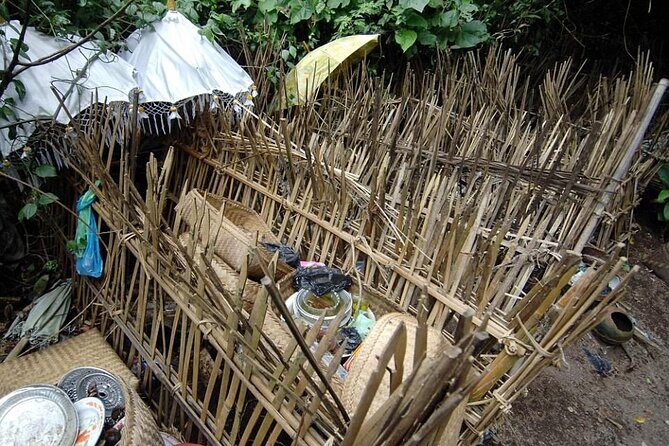
Once you get up there, you’ll also get a simple breakfast on top and bottled water. This is one of the best value points in the whole day. You’re doing physical work in cold-ish early morning air, and having food waiting means you don’t have to scramble for snacks mid-climb.

On some mornings the sunrise can look dramatic even with cloud cover. The experience becomes more about contrast—light pushing through haze, outlines of the volcano slopes, and that sense of the island waking up below you. It’s not just a scenic viewpoint. It’s a moment with timing, and the guide-led schedule is what protects that timing.

The breakfast moment that actually helps the hike

Mount Batur Sunrise Hike and Hidden Waterfall - The breakfast moment that actually helps the hike
A lot of sunrise tours stop short at “arrive, take photos, leave.” Here, the breakfast is part of the rhythm.

You’ll eat at the summit and then head down. That matters because it shifts your day from frantic energy to steady recovery. You’re fueling before the descent, and you’re already hydrated with bottled water included.
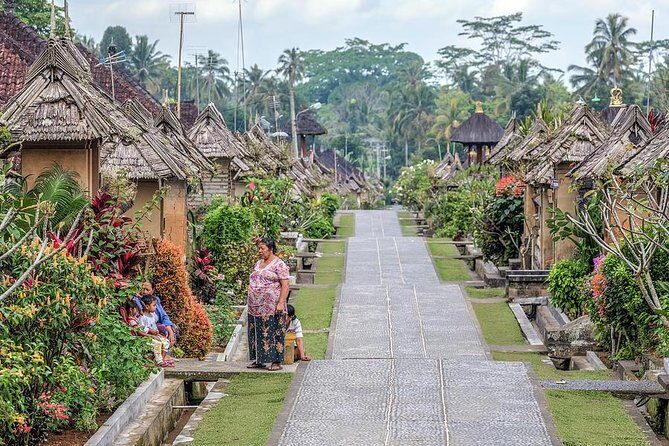
Also, you’re not guessing what to eat. The tour provides a simple breakfast, which keeps the day from turning into a scavenger hunt.

One practical tip: even if sunrise sounds like a warm-weather event, bring warm clothes anyway. Early mornings on volcano treks can feel colder than you expect, and the “cold start” is part of what makes the sunrise so worth it.

Waterfall time: Kanto Lampo or Tibumana

Mount Batur Sunrise Hike and Hidden Waterfall - Waterfall time: Kanto Lampo or Tibumana
After the summit, you switch gears from altitude to jungle chill. You visit either Kanto Lampo Waterfall or Tibumana Waterfall (you choose one).

Both are known for their scenic settings and for being good places to cool off. The day is timed so you’re not trying to swim at midday heat. It’s a calmer, more pleasant water break after the hike.

What to expect at the waterfall stop:

  • You’ll see a panorama view from the area around the falls.
  • You get time to enjoy the scene and take a dip.
  • The day stays focused—no long wandering required.
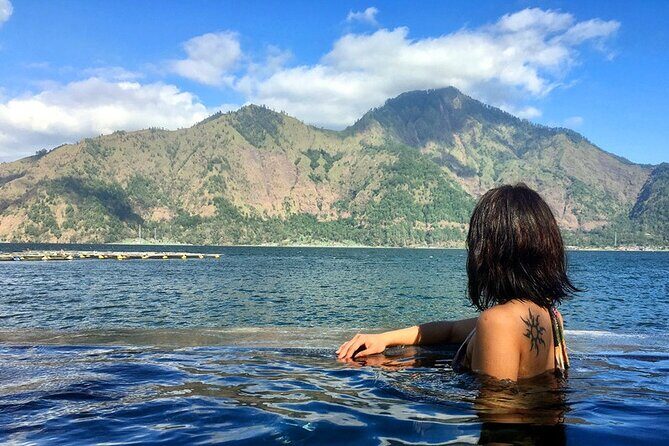
Here’s the consideration: waterfall surfaces can be slippery, and you’ll likely be moving around uneven ground. If you’re serious about comfort, plan on footwear with grip and take your time stepping near the water.
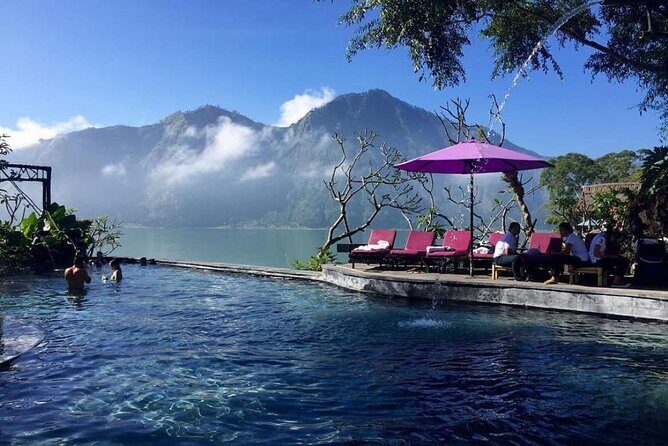
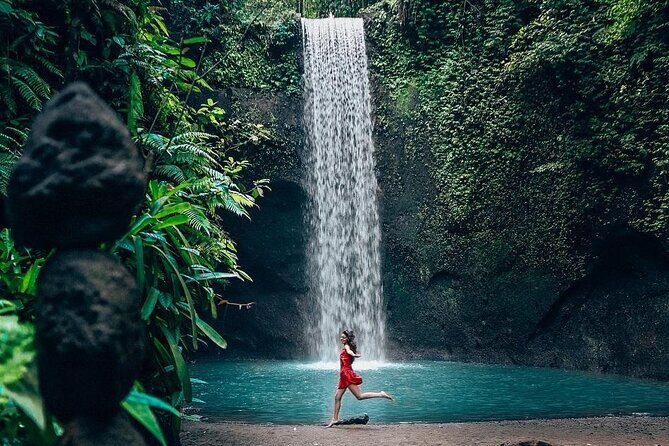
Choosing between the two is your main decision. If you want a more famous-feeling, photo-friendly stop, Kanto Lampo is a common pick. If you want a slightly quieter vibe, Tibumana often appeals to people who like a calmer feel. (Pick what matches your mood: energy for photos, or relaxed cooling.)

Driver and guide quality: why it shows up in the details

Mount Batur Sunrise Hike and Hidden Waterfall - Driver and guide quality: why it shows up in the details
In Bali, the best experiences often come down to how the day is run, not only where you go. This tour includes a driver/guide, plus hotel pickup and drop-off, and you feel that organization from the start.

The tour’s rhythm depends on punctual pickups and clear communication. Guides and drivers associated with this experience have been praised for being safe on the road and very clear about timing. Names you may encounter in some bookings include Rapa, Supredi, Rapa again, Jesen, Nova, JRo, and others.

Even if you don’t meet the same guide, what matters is the pattern: you want someone who gets you to each stop without drama and keeps the hike moving at a pace that doesn’t leave people gasping.

Price and value: is $62.83 fair for a sunrise hike plus swim?

Mount Batur Sunrise Hike and Hidden Waterfall - Price and value: is $62.83 fair for a sunrise hike plus swim?
At $62.83 per person, you’re paying for more than a “walk in the mountains.” Your money covers:

  • Hotel pickup and drop-off
  • A driver/guide
  • Breakfast
  • Bottled water
  • The guided climb up to the summit area
  • A waterfall visit with time to swim

When you break it down, you’re essentially bundling transport from Ubud at very early hours with guiding, food at altitude, and a second activity stop the same day. That kind of package is where the value usually shows up.

Also, this isn’t an ultra-long itinerary—about 10 hours—so you’re getting a full day without it turning into a marathon travel shuffle across the island.

One more thing: this type of trip is often booked well ahead. The average booking window here is around 14 days in advance, which makes sense because sunrise slots fill up. If your dates are fixed, booking earlier helps.

Who should book this Mt. Batur + waterfall tour

This is a good fit if you:

  • Want a real sunrise experience with a summit hike
  • Have moderate physical fitness and can handle steep, uneven ground
  • Like day plans that end with a reward (breakfast up top, dip at a waterfall)
  • Don’t want to manage transport in the dark from Ubud

It’s not ideal if you:

  • Are uncomfortable with steep ascents and uneven trail sections
  • Prefer a fully flat, leisurely hike
  • Have very limited mobility or need a gentle pace throughout

Also, if crowds bother you, it can be a mixed situation. There can be many groups active in the same general window around sunrise. Even with a private tour setup, you may still see other trekking teams in the wider area.

Practical packing list for a 2:30am Ubud pickup

You’ll thank yourself for packing with the early start in mind. You’ll want:

  • Warm clothes for the cold early morning
  • Hiking shoes with grip for uneven, steep sections
  • A small layer you can remove later once you’re warmed up by climbing
  • Any personal comfort items you like for long early starts

And remember: the tour already includes bottled water and breakfast, so you don’t need to carry a heavy food load for the climb.

If you’re someone who gets cold easily, treat warmth as a priority. The sunrise payoff is worth it, but only if you can physically enjoy the moment instead of shivering through it.

Should you book this Mt. Batur Sunrise Hike and Hidden Waterfall Tour?

Book it if you want one of Bali’s most meaningful “start early, feel lucky you did” days: sunrise from a volcano summit, then a swim and panorama at a jungle waterfall. The included breakfast and bottled water, plus pickup/drop-off from your hotel, make it a strong value choice for a tight 10-hour day.

Hold off or choose a different option if you know steep uneven hikes don’t work for you, or if you’re sensitive to early-morning discomfort. Also, if you strongly dislike the idea of being near active roads during parts of the morning, plan for that reality and consider how you’d feel in those conditions.

If you can handle the physical side and embrace the early alarm, this tour is the kind of day plan that actually earns its reputation.

FAQ

What time does the tour start?

The listed start time is 1:30am.

What are the pickup times from Ubud?

Pickup depends on where you’re staying. For Ubud (and the Kintamani area), pickup is around 2:30am.

How long is the tour?

The duration is about 10 hours.

Is this a private tour?

Yes. It’s private, meaning only your group participates.

What waterfall options do I have?

You choose one: Kanto Lampo Waterfall or Tibumana Waterfall.

What’s included in the price?

Included items are bottled water, breakfast, a driver/guide, and hotel pickup and drop-off.

Is the hike difficult?

It’s considered moderately difficult, and it involves steep, uneven terrain, especially toward the top. Good hiking shoes help a lot.

Do I need warm clothes?

Yes. You should bring warm clothes and use hiking shoes.

Does the tour run in bad weather?

It operates in all weather conditions and you should dress appropriately. If it’s canceled due to poor weather, you’ll be offered a different date or a full refund.

What fitness level do I need?

The tour notes that travelers should have a moderate physical fitness level.

Bali ATV Quad Bike with Monkey Forest and Tegenungan Waterfall

Bali ATV Quad Bike with Monkey Forest and Tegenungan Waterfall - ATV quad biking near Ubud: muddy fun with safety gear and clear guidance

A quad bike day in Ubud is pure energy. You get off-road ATV time plus two Bali nature stops, all run with a professional guide and full equipment. What I like most is that the route is built for first-timers (easy to handle, with safety gear sorted), and you end the day clean-ish thanks to shower facilities and towels. The one thing to plan around is that Tegenungan can feel busy, and some areas near the viewpoint can look a bit messy.

This is also one of those tours where the logistics matter. You’re picked up in many Bali areas for a round trip, you get a welcome drink and set-menu lunch, and the day is paced so you’re not spending hours stuck in transit. Guides I saw praised by name include Bayu, Aris, Adi, Kadek, and Candra, and that matters because it usually means you’ll get clear directions, plus a friendly face at every stop.

Key things you’ll notice right away

Bali ATV Quad Bike with Monkey Forest and Tegenungan Waterfall - Key things you’ll notice right away

  • About 2 hours riding on a classic ATV/quad bike, not just a quick photo lap
  • Solo or tandem ride options, with age rules that keep it workable for families
  • Pickup and return transport offered across a wide range of Bali neighborhoods
  • Sangeh Monkey Forest combines gray macaques with Hindu temple scenery
  • Tegenungan Waterfall gives the big waterfall moments, with a crowd factor
  • Shower + towels + set-menu lunch so you’re not going back to dinner soaked in mud

The real appeal: a full day built around action and easy pacing

Bali ATV Quad Bike with Monkey Forest and Tegenungan Waterfall - The real appeal: a full day built around action and easy pacing
This tour is basically three chapters: ATV adventure, then two nature and culture stops. The trick is that it doesn’t treat the “adventure” as the only event. You also get lunch, showers, and the kind of guided timing that helps you enjoy the day instead of chasing logistics.

I also like that it’s a private group setup. That doesn’t mean it’s silent and serious—it just means your time isn’t shared with a bunch of strangers from other parts of Bali. In practice, it makes it easier to follow the guide and keep the ride moving.

ATV quad biking near Ubud: muddy fun with safety gear and clear guidance

Bali ATV Quad Bike with Monkey Forest and Tegenungan Waterfall - ATV quad biking near Ubud: muddy fun with safety gear and clear guidance
The main event is your quad bike ride from the ATV base near Ubud. Expect gearing up first, then a guided route that can include rice field scenery, bamboo-style jungle sections, muddy track turns, and even more adventurous bits like creek-bed stretches, a tunnel-style passage, and water crossing moments. Several people highlight that it can get rough in places, but that’s part of the fun if you like a bit of real terrain instead of a smooth track.

Ride setup: solo, share, and tandem rules

You can choose to ride solo or share a quad bike with a friend. If you’re doing tandem, keep the age rules in mind: the minimum age for a single ride is 12, and children aged 9–11 must ride with an adult present and tandem. There’s also a tandem logistics rule: you need to book in an even number for tandem rides (2, 4, 6, and so on). If you’re a group, this is one of those details you should double-check early so you don’t end up scrambling on arrival.

How long you’ll feel it

You’re looking at about 2 hours of quad riding within an overall day around 8 hours. One practical consideration: your scheduled time can feel like it starts when you leave the transfer vehicle at the ATV station, not the moment the engine begins. If you’re the type who measures fun in minutes, plan to enjoy the whole setup time too: checks, gear, and getting your route instructions.

What you’ll get (and what you should bring)

The tour includes safety equipment, insurance coverage, shower facilities, clean towels, and a set-menu lunch afterward. That’s the backbone. Based on what people said, the track is often mud-forward, so bring a change of clothes for after the ride even if you’re counting on the shower.

Also, the guides and support teams running the quad experience are often described as organized and helpful when it comes to operating the bikes safely and confidently. Names that came up include Marty and Denny Kirun, along with guides such as Bayu, Aris, and Adi. Having a guide who talks you through it can make the difference between anxious and excited.

Tegenungan Waterfall: big views, but go in with your eyes open

Bali ATV Quad Bike with Monkey Forest and Tegenungan Waterfall - Tegenungan Waterfall: big views, but go in with your eyes open
Tegenungan Waterfall is one of Bali’s most popular waterfalls, and it’s not far from the Denpasar-side “capital” area. On this tour, it’s a focused stop of about 1 hour, and admission is included.

Here’s the balanced take: the waterfall scenery delivers the classic “yes, this is why people come” look. But it can be crowded, and some areas can look less cared-for than you’d expect—trash was specifically mentioned by one of the experiences shared. That doesn’t mean you should skip it. It just means you should treat it as a photo-and-view stop, not a quiet nature sanctuary.

A smart move from the day’s guidance theme: go earlier in the day when possible. Even if you can’t control the schedule perfectly, starting your day at a calmer waterfall hour usually helps your experience a lot.

Sangeh Monkey Forest: gray macaques plus Hindu temples

Bali ATV Quad Bike with Monkey Forest and Tegenungan Waterfall - Sangeh Monkey Forest: gray macaques plus Hindu temples
Next up is Sangeh Sacred Monkey Forest, another stop that’s built for an easy visit window—about 1 hour—with admission included. This one’s a mix of temple scenery and wildlife you can see up close: gray macaques moving through the forest paths and around the Hindu temple setting.

People who did this stop describe the monkeys as friendly in the sense that you can watch them confidently in their environment, with a sense of interaction and curiosity. The key practical point is to follow the guide’s pace and rules for being near wildlife. Keep your belongings secure and don’t treat the area like a petting zoo. If you do that, this tends to feel like a fun nature stop with culture baked in.

If you care about variety, Sangeh is a good counterbalance to the ATV day. One minute you’re bouncing through mud; the next minute you’re walking shaded paths with temple details and monkeys threading through the background.

Shower, towels, lunch: the unglamorous part that actually makes the day enjoyable

Bali ATV Quad Bike with Monkey Forest and Tegenungan Waterfall - Shower, towels, lunch: the unglamorous part that actually makes the day enjoyable
ATV tours can be exhausting in the worst way—if you’re still sticky and sweaty when it’s time to head to dinner. This one includes shower facilities plus clean bath towels, and it’s a big deal for value. After the ride, you’re not forced into “hope this restaurant has cold water” mode.

You also get a welcome drink and a set-menu lunch. The lunch is described as an Indonesian-style meal, and since it’s included, you avoid the common pitfall of ATV days where food becomes an extra expense and an extra search. If you’re traveling with other people, having a predictable meal time is also a stress reducer.

There’s also an equipment-handling setup praised for being organized, with mention of lockable storage for belongings. You’ll still want to keep your phone protected, but it’s reassuring when the process is clearly handled.

Price and logistics: why $41 can work if you use what’s included

Bali ATV Quad Bike with Monkey Forest and Tegenungan Waterfall - Price and logistics: why $41 can work if you use what’s included
At $41 per person, this tour can be great value because it bundles more than a “ride only” experience. You’re paying for:

  • round trip hotel pickup/drop-off in many Bali areas (Ubud, Seminyak, Legian, Kuta, Tuban, Uluwatu, Canggu, Tanah Lot, Jimbaran, Sanur, Tanjung Benoa, Nusa Dua area)
  • a private driver and professional quad guide
  • safety gear and insurance coverage
  • ATV ride time plus admission tickets at stops
  • shower facilities, towels, and a set-menu lunch

The biggest hidden value is the transportation coverage. If you’re staying in a listed area and choose the pickup option, you’re buying time back. No long, messy ride planning. No wondering how to connect bus schedules between Ubud and waterfall stops.

One more thing: this tour tends to get booked fairly ahead of time (on average about 19 days). If you’re traveling during busy weeks or you want a specific pickup time, it’s smart to book early rather than hope.

Who should book this ATV + Monkey Forest + Tegenungan combo?

Bali ATV Quad Bike with Monkey Forest and Tegenungan Waterfall - Who should book this ATV + Monkey Forest + Tegenungan combo?
This tour fits best if you want a hands-on Bali day. If you like active excursions and don’t mind getting muddy, it’s a strong match. It’s also set up for first-timers: easy maneuverability plus a guide and full equipment means you’re not expected to arrive with prior ATV experience.

Families and groups

For families, the age limits matter. Single rides require a minimum age of 12, and kids aged 9–11 can go tandem if an adult is present. There’s also a minimum group size of 2 people per booking, and tandem setups require even-number bookings. If you’re part of a bigger group, that’s usually manageable—just organize your ride pairings early.

For friend groups and couples, this tour works because you can ride solo or share, and the flow between ATV, monkeys, and waterfall keeps the day from feeling repetitive.

People who might find it less ideal

If you’re hoping for a calm, low-crowd nature experience at Tegenungan, you may be disappointed. It’s popular and can feel tourist-heavy, and cleanliness was a concern for at least one account. In that case, you may still enjoy the day, but set expectations: take in the waterfall, then move on.

Practical tips to make the day smoother

Bali ATV Quad Bike with Monkey Forest and Tegenungan Waterfall - Practical tips to make the day smoother

  • Wear clothes you’re okay replacing mentally. The quad ride can leave you muddy, even if the shower helps after.
  • Bring a dry bag for phone and wallet, especially if you dislike worrying about splashes or water crossings.
  • Plan your day around early energy. A slightly earlier approach can help with waterfall crowds.
  • Keep your valuables minimal so you’re not constantly thinking about storage during gear-up and rides.
  • Follow the guide closely at Sangeh. Monkeys are part of the experience, but respectful distance keeps it fun.

Final call: should you book this Bali ATV quad bike day?

If your ideal Bali day is active + scenic + guided, I’d book it. The blend is the strength: quad biking with real terrain, a cultural wildlife stop at Sangeh, and the big-name waterfall moment at Tegenungan. The value is also solid because you’re getting transportation, safety gear, entrance admissions, lunch, and shower facilities in the same package.

I’d think twice only if your top priority is a quiet, untouched waterfall environment. Tegenungan is popular, and messiness can happen around busy viewpoints. If that’s not your dealbreaker, this tour is a fun way to tick off a classic Ubud adventure day without getting tangled in planning.

FAQ

FAQ

How long is the Bali ATV quad bike tour with Monkey Forest and Tegenungan Waterfall?

The tour is approximately 8 hours total, including around 2 hours of quad riding.

Is hotel pickup and drop-off included?

Return pickup/drop-off is included for select areas. It’s offered when you choose the option with pick up; otherwise hotel pick up is not included.

Can I ride solo or do I need to ride with someone?

You can choose to ride solo or share with a friend.

What are the age requirements for riding?

The minimum age is 12 for a single ride. Children age 9–11 must have an adult present/ride tandem.

Do I need experience to ride an ATV?

No prior experience is required, since you get a guide and full equipment.

What’s included with the ATV experience?

Safety equipment, a professional quad tour guide, insurance coverage, welcome drink, shower facilities, clean towels, and a set-menu lunch are included.

Which stops are part of the day?

You’ll visit ATV Bali Quad for the ride, Tegenungan Waterfall, and Sangeh Monkey Forest.

Does it operate as a private tour?

Yes. It’s a private tour/activity, meaning only your group participates.