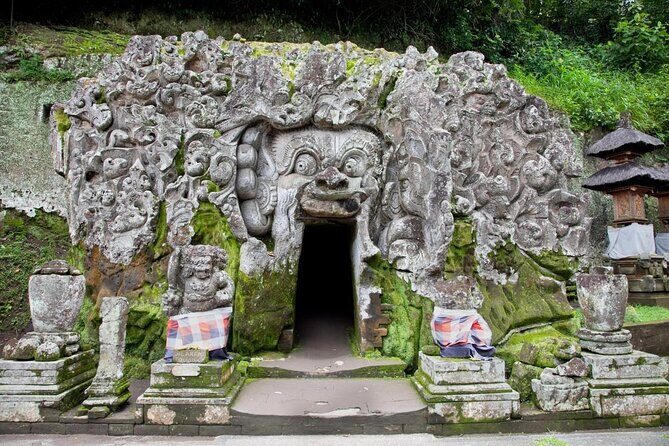
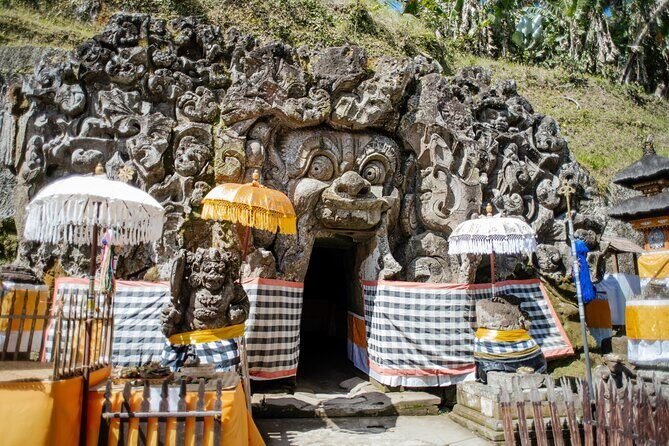
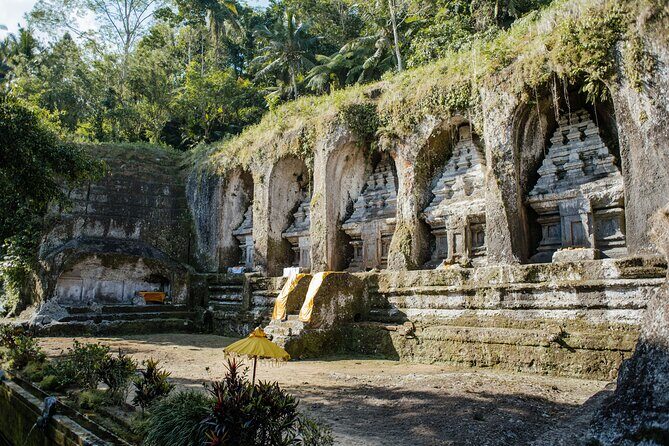
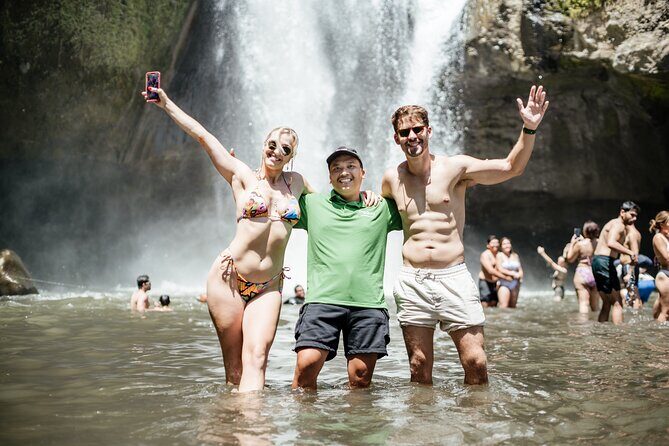
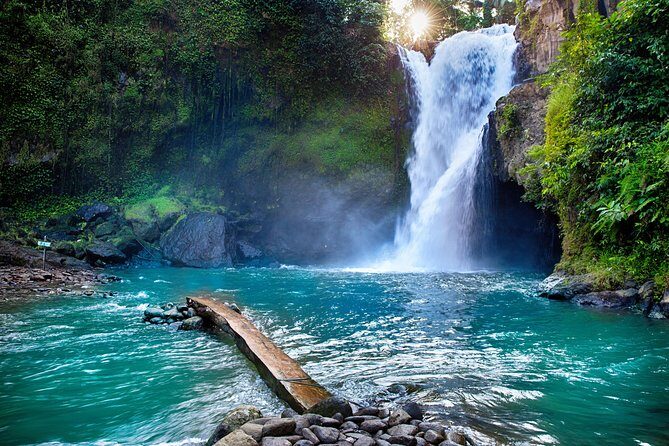
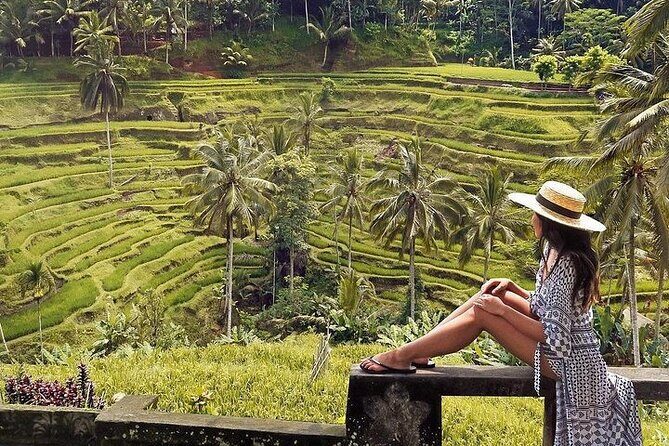
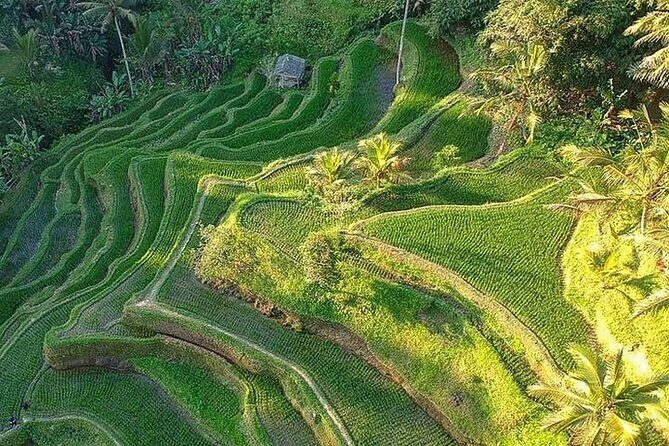
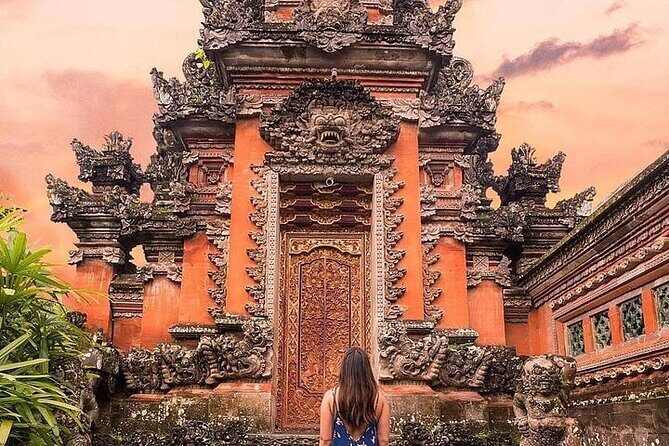
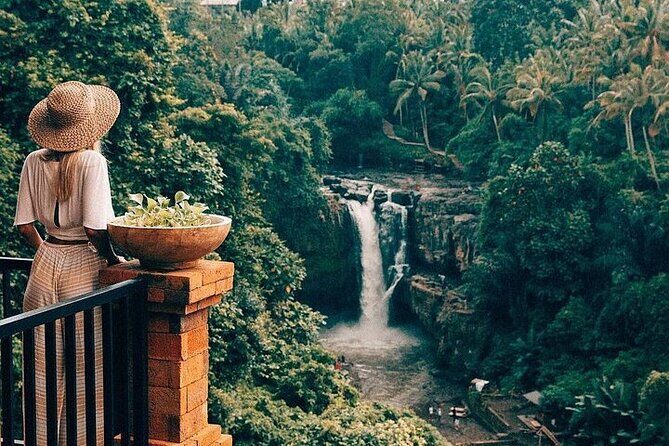
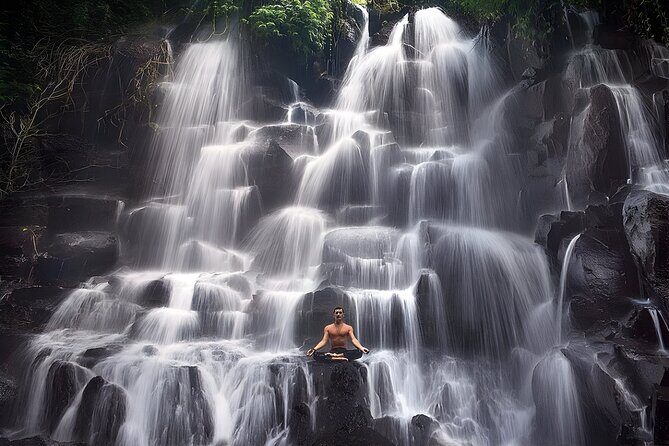
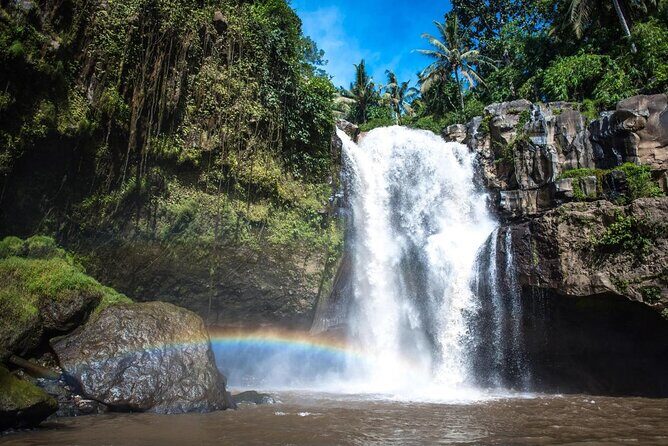
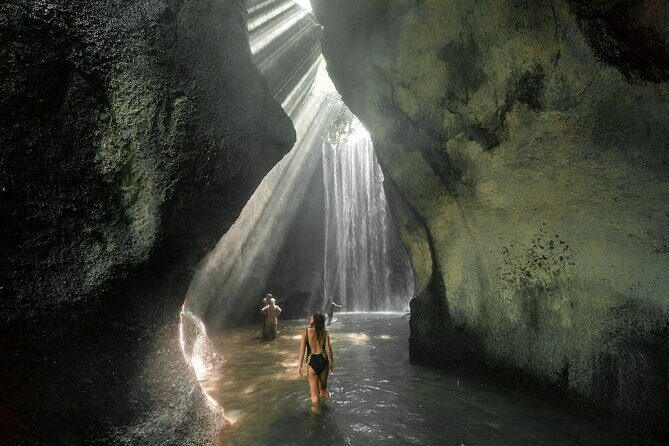
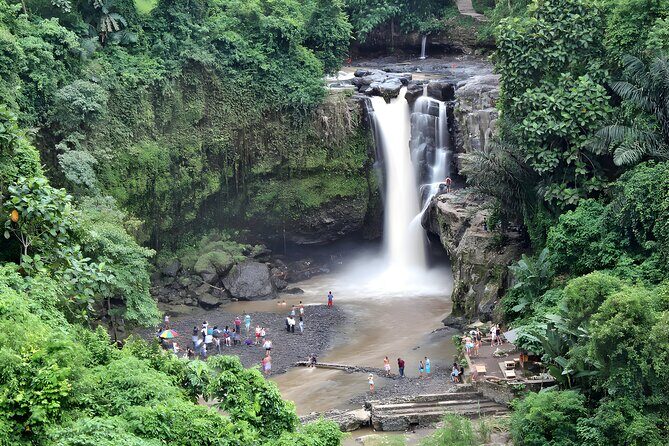
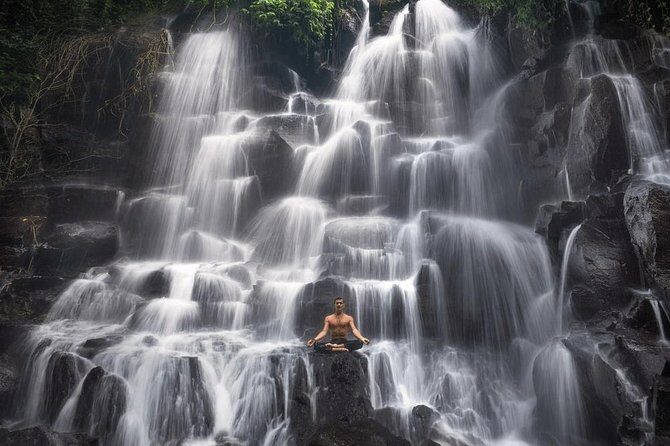
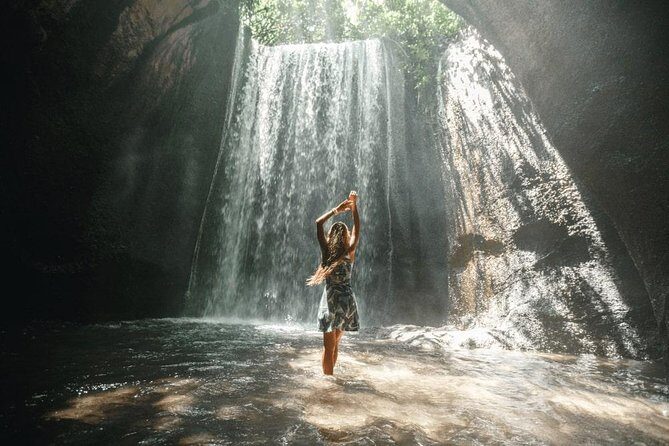
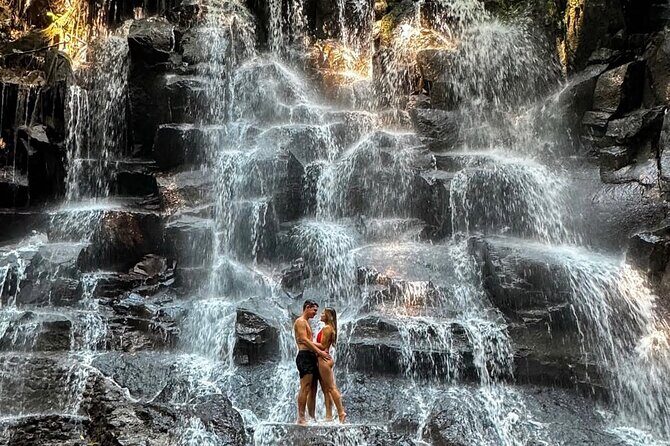
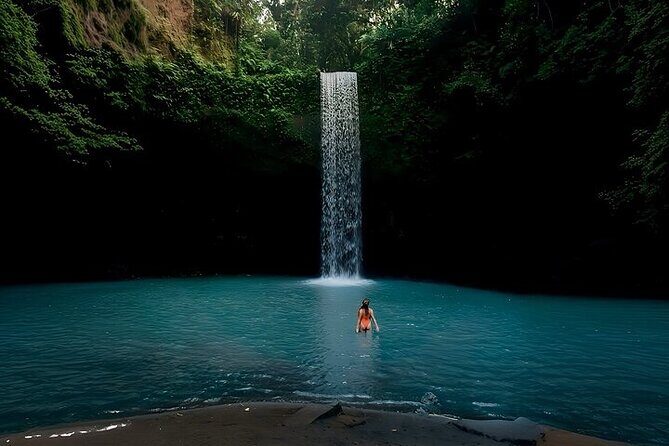
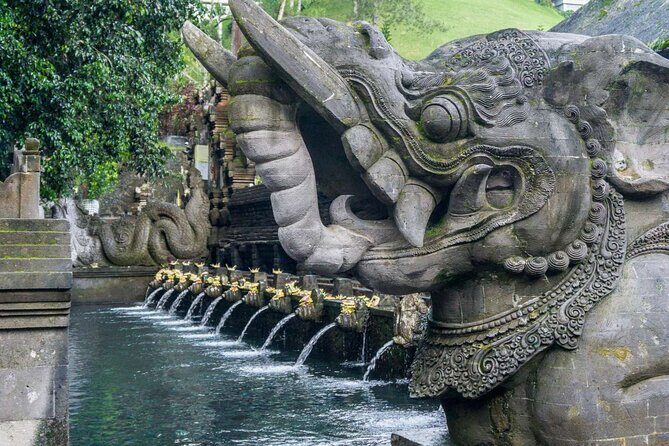
Two waterfalls. One mind reset.
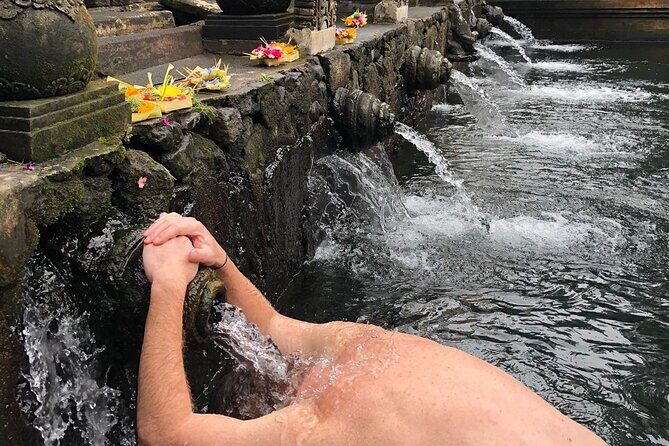
At Beji Griya Waterfall near Ubud, a temple-led purification turns a short nature outing into a full ritual sequence: prayer, two water baths, and a closing blessing. You’re not just looking at water. You’re taking part in a structured ceremony with local priests and offerings, in a setting that feels quiet and personal even though it’s popular.
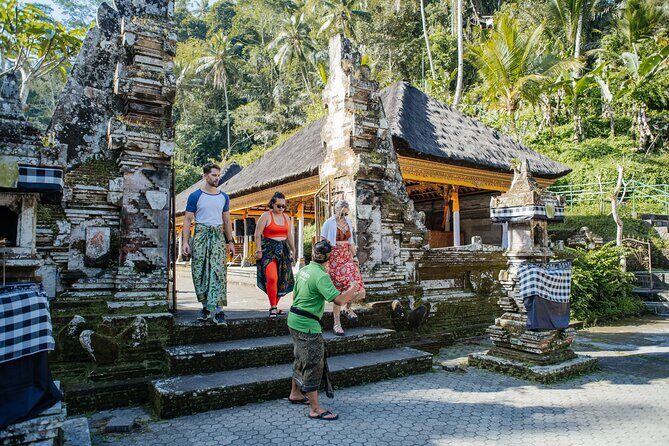
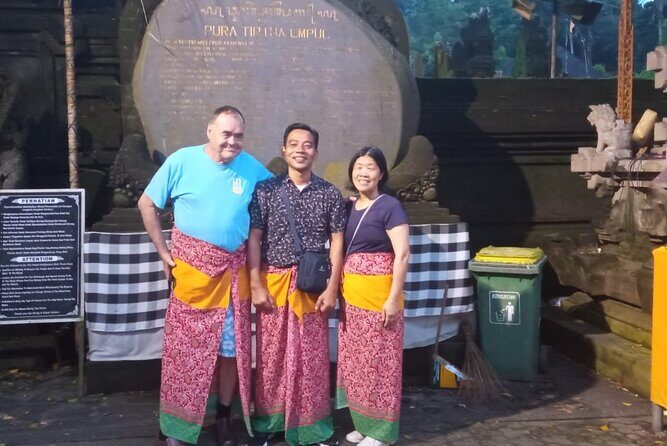
What I like most is the clarity. You get guided steps, incense offerings, and a special sash/cloth, so you know what’s expected instead of guessing in wet confusion. I also appreciate the private hotel pickup and drop-off plus a guide staying with you the whole time, which makes the whole day simpler. One consideration: the experience can feel a bit commercial at the site, and you might get pressured to buy extras if you do not want them.
Key things to know before you go
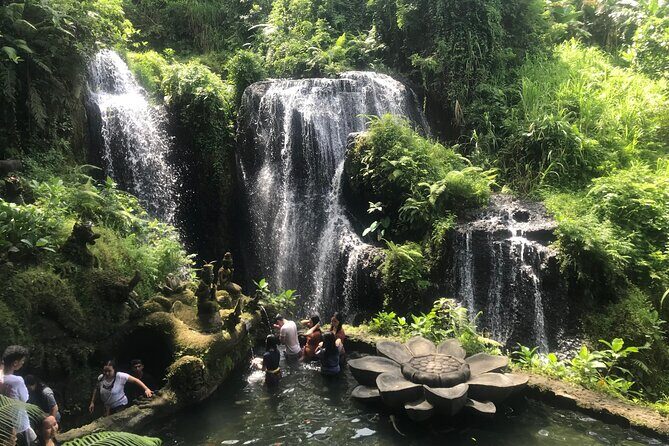
- Priest-led ceremony steps, from prayer and meditation to a final coconut-water blessing
- Two waterfall moments with different intentions: cleansing the body first, then your aura
- A guide who walks you through it, plus offerings and a cloth sash included
- Hotel pickup makes it easy, with the waterfall stop handled for you
- Plan for cold water and wet clothes, and bring what you need to change fast
A real ritual, not just a photo stop at Beji Griya Waterfall
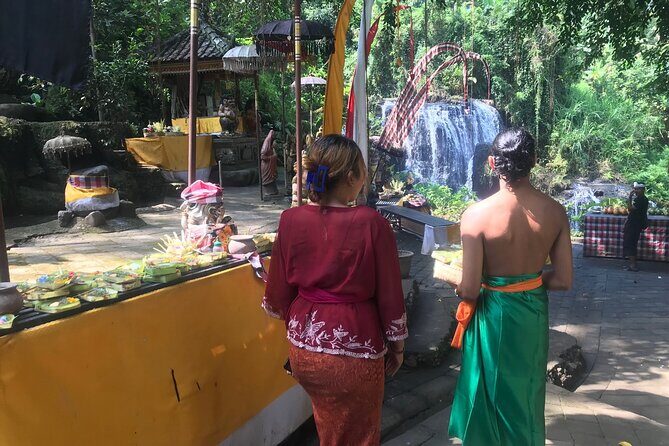
This is the kind of Bali activity that changes the rhythm of your day. Instead of a random waterfall visit, you follow a set flow led by a local priest and a guide. It’s part spiritual practice, part controlled performance, and part nature experience.
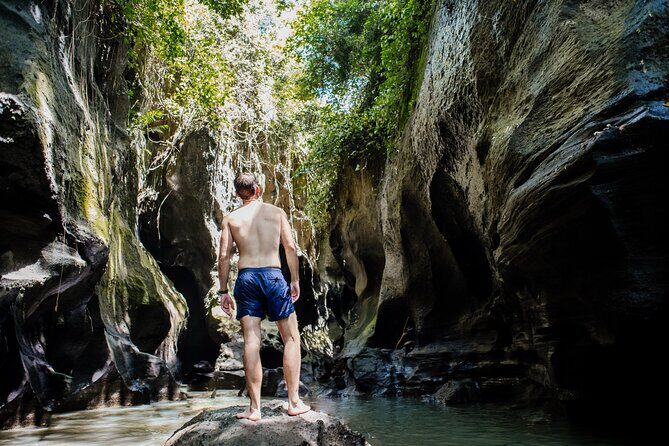
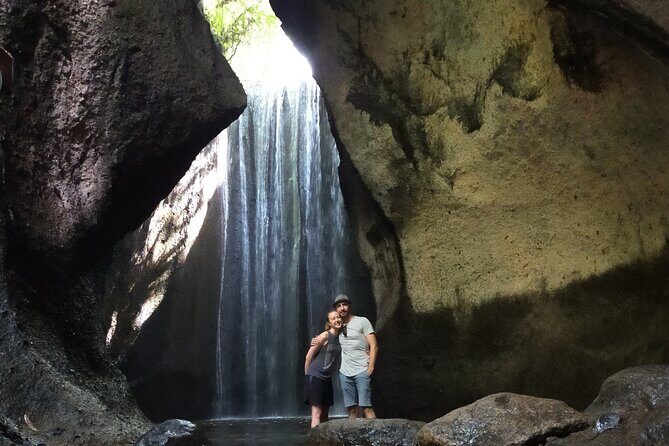
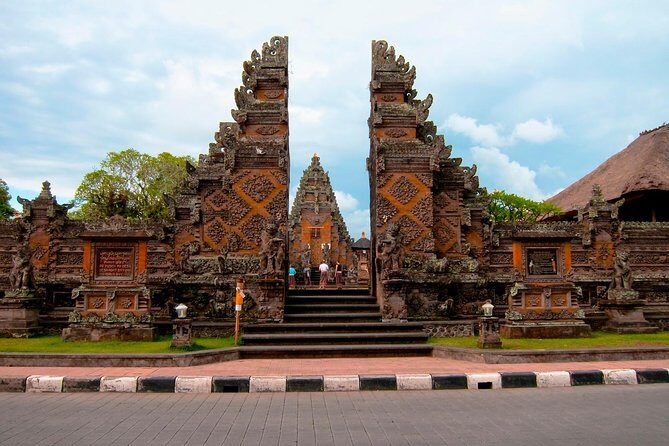
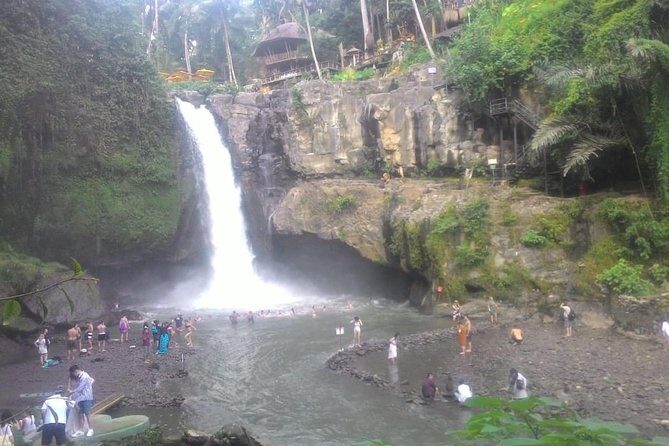
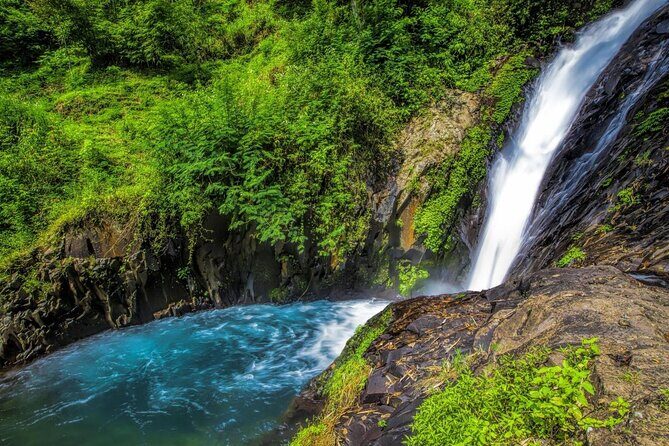
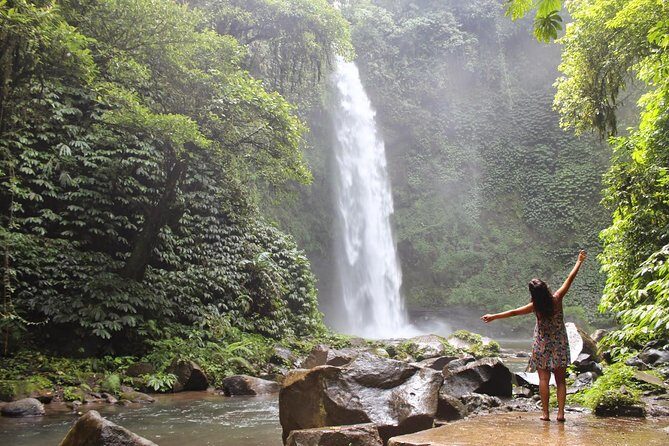
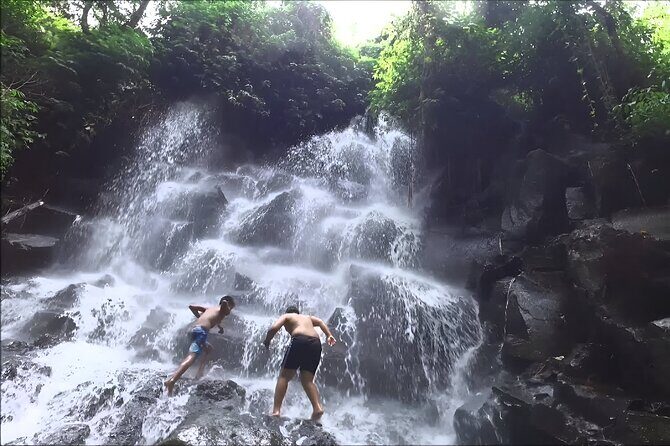
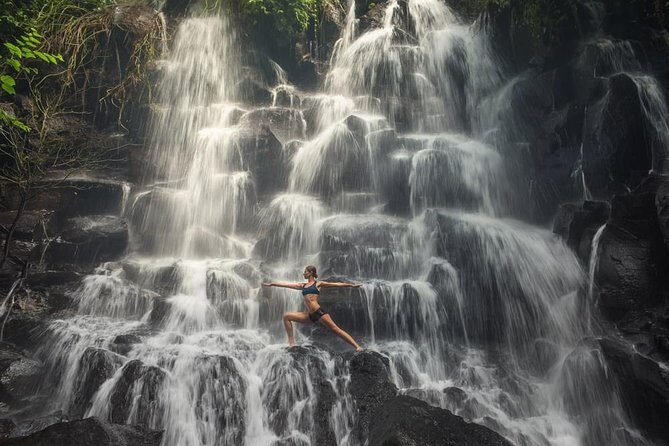
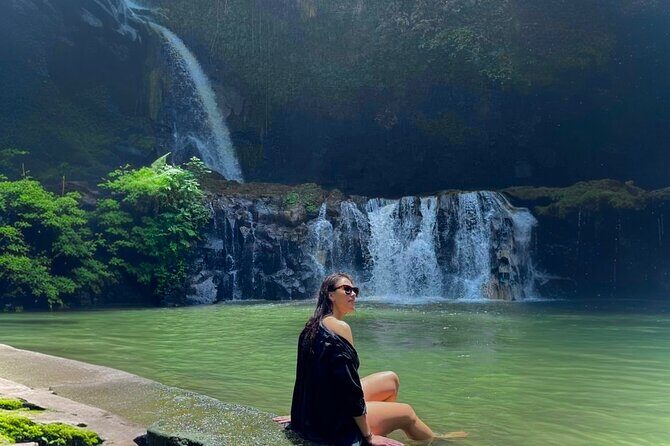
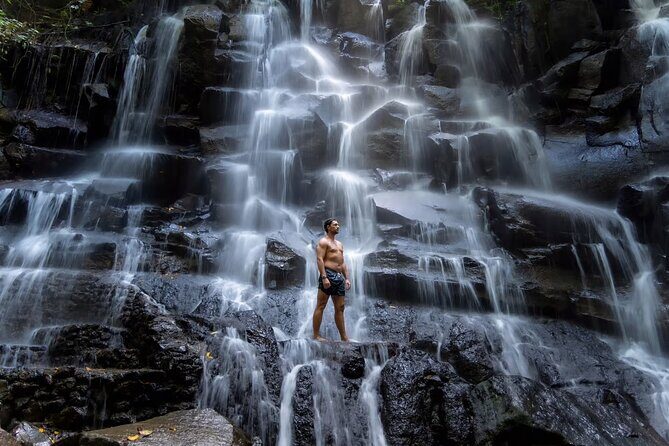
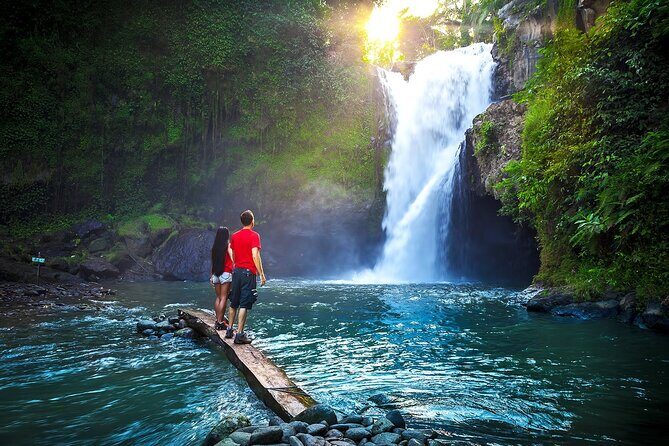
The setting matters. Beji Griya Waterfall is framed by stone, narrow paths, and the sound of water that keeps building as you go. That physical environment makes the ceremony feel more grounded. You’re moving through the space in a deliberate way, and the water moments feel like punctuation marks rather than a single splash-and-go.
It’s also good value for the structure you get. At $59 per person, you’re paying for transport, admission, a guide, and all the ritual items like incense sticks and the cloth you’ll wear during the process. Food and drinks are not included, but that’s normal for short tours like this. The cost mostly covers the “do it properly” parts.
The ceremony flow: what happens from prayer to coconut blessing
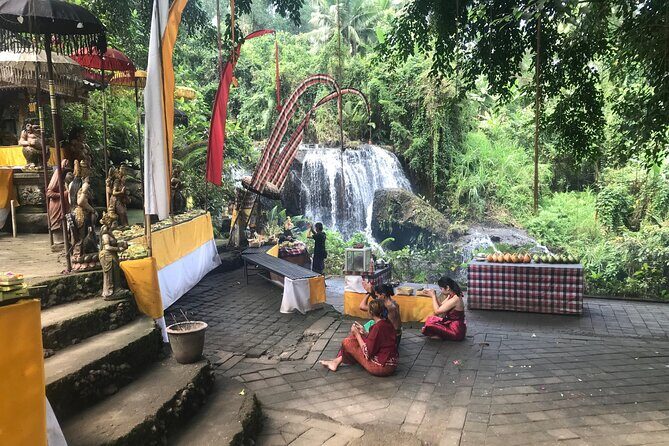
Here’s the sequence you should expect, in plain language. This matters because the ritual is the main event.
First, you start with meditation/prayer led by a temple priest. This sets the tone. You’re guided into the mindset of cleansing and release rather than treating it like a scenic walk.
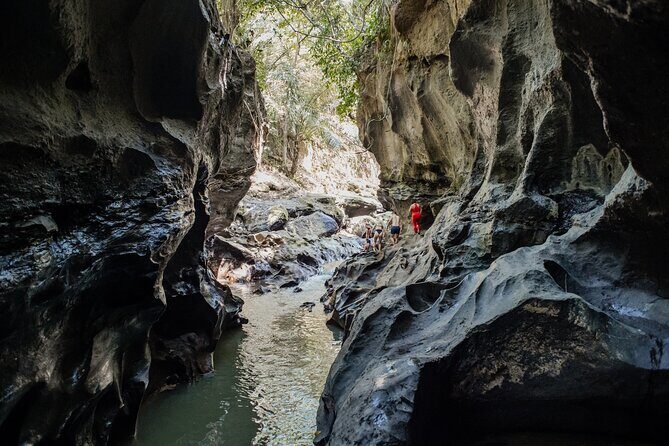
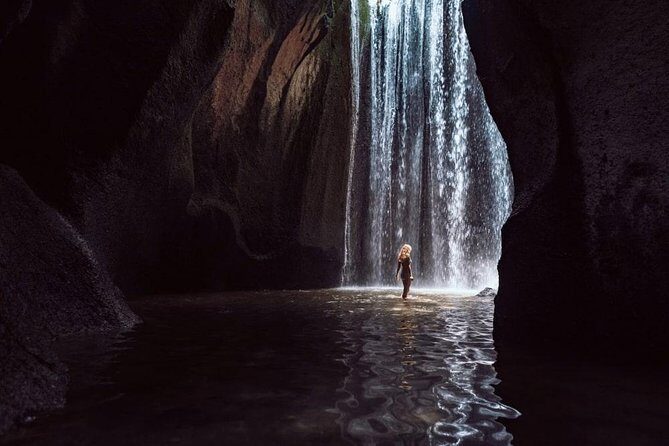
Next, you do the first holy bath. Before you even reach the water, you walk through a narrow canyon area. This is not a wide, easy stroll. It’s more like careful footing through a constrained route, then stepping into the cleansing moment. The purpose is described as balancing your health, so it’s treated as your first reset.
Then comes the second holy bath, at a small well. This one is framed around cleansing your aura, with the intention of attracting happiness and luck. Even if you’re not thinking in those terms, the ceremony gives you something to “do” with your attention. It’s not just water. It’s attention on purpose.
After that, there’s a release moment at the first waterfall. You’re guided to scream/cry as loud as you can to release anxiety, tension, and sadness. It sounds theatrical until you’re there, but it’s clearly part of the design: a physical emotional exhale in front of moving water.
At the second waterfall, the tone shifts. You’re asked to smile and laugh as loud as you can to express happiness. This contrast is one of the most memorable aspects of the whole ritual, because it moves from release to expression instead of ending in silence.
Finally, you receive the last blessing from the priest using holy water taken from green and yellow coconut water. That closing moment is your capstone. It’s also why the tour feels complete when it’s over instead of stopping mid-ceremony.
The walk and timing: why you should plan a “wet but comfortable” day
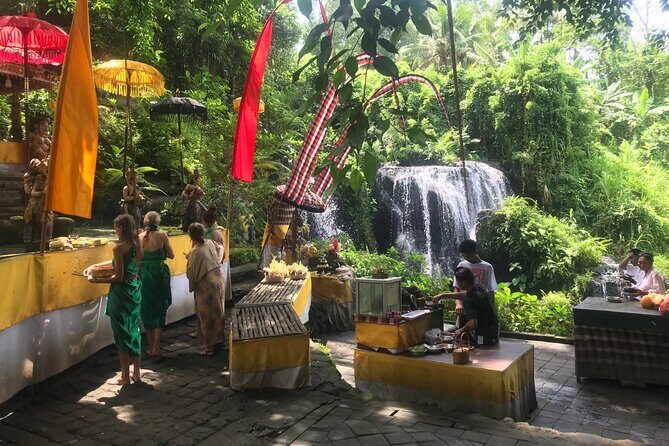
The tour is designed to be paced. You’ll typically spend about 2 hours at the waterfall, and the overall day from pickup to drop-off is around 5 hours depending on where you’re staying and traffic.
Transfer time usually runs 30 minutes to 1 hour each way. In Ubud, that can swing based on road congestion. It’s smart to treat this like a half-day outing, not a quick errand.
What you feel most during the process is the mix of standing, walking, and getting into water. The path to the first bath includes that narrow canyon section, so you want footwear you’re confident in. The tour advises light, comfortable clothing and a swimsuit, plus a change of clothes. That’s not overkill. It’s the difference between enjoying the ceremony and spending the next hour shivering awkwardly.
Also plan for time to cool down after. The ritual includes cold sensations and wet gear. One review specifically called out that the water felt cold, which is exactly what most people experience in waterfall baths in Bali.
What’s included for $59, and what costs extra
Here’s the value picture, without the marketing fluff.
Included:
- Private hotel pick-up and drop-off
- Local authorized guide who stays with you and explains each step
- Parking fees
- Admission ticket(s)
- Offerings for the holy bath, including incense sticks
- Special sash/cloth for the ceremony
Not included:
- Food and drinks
- Other personal expenses
For most people, the biggest “extra” is simply staying fueled. Bring snacks and water. The tour advises water bottle and snacks, which makes sense because you’ll want energy for the walking and the emotional release parts.
If you’re someone who hates sudden costs, this tour is good because the ceremony items are built in. You shouldn’t need to bring your own incense or worry about finding the right cloth. You do still need to bring what you wear and what you’ll change into after.
Your guide and driver: what good service looks like here
This isn’t one of those tours where the staff disappears after arrival. The structure includes a guide accompanying you through the entire purification steps.
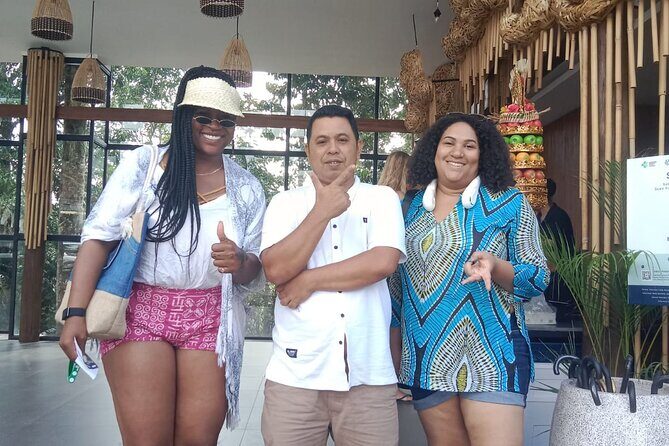
You’ll also have pickup and transport arranged by Bali Yowana Tour. Reviews mention driver Vito for being on time, helpful, friendly, and knowledgeable. Another named guide, Pandu, is also praised for walking guests through the experience and even capturing moments with a phone during the ceremony.
Even if you don’t get those exact people, the consistent idea is the same: you want someone who can explain what’s happening before you’re wet, not after. This matters because the ritual involves actions like screaming/crying and laughing/smiling. If you’re unclear on what to do, the whole experience can feel awkward. A good guide keeps it respectful and simple.
Photography: beautiful results, but keep the vibe respectful
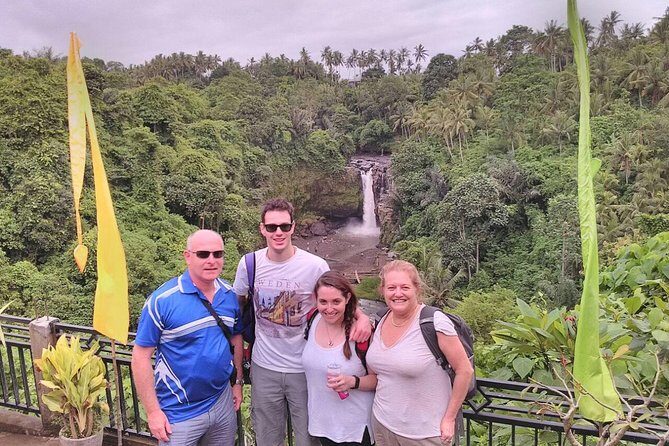
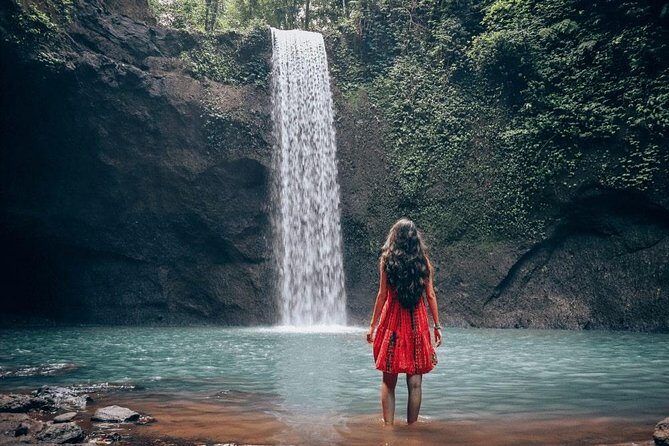
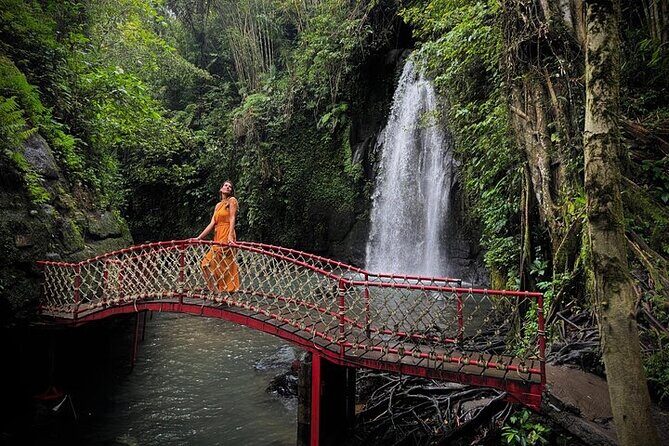
You’ll likely want photos. The site is visually photogenic, and people highlight it as a strong spot for pictures.
But do it with the ceremony in mind. The ritual is not a background for your camera. If you can, frame shots that include the ceremony moments without blocking others. If the priest or guide is instructing you, pause and follow first.
A practical tip: bring your camera, but also bring common sense about getting it wet. The tour advises a swimsuit and change of clothes, so you should assume you’ll be close to splashes. If you have a phone, a simple waterproof case can reduce stress.
What to wear and pack: my practical checklist
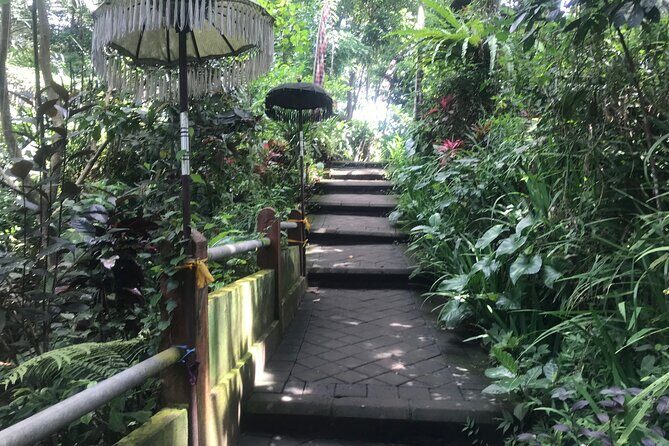
The tour gives smart packing advice, and I’d follow it closely.
Wear/bring:
- Light, comfortable clothing
- Swimsuit
- Change of clothes
- Sunscreen
- Sunglasses
- Cap or hat
- Water bottle
- Snacks
- Camera
- Some petty cash
Why this list matters:
- Comfort helps during the walk through the narrow areas.
- A cap and sunscreen matter because you’ll be outside for a while.
- Change of clothes keeps you comfortable after the cold water.
- Snacks prevent you from ending the ceremony cranky and hungry.
Who should book, and who should skip the holy bath
This is one of those tours where the fit is personal. You’ll enjoy it most if you like structured experiences and you don’t mind being emotionally expressive during the ritual.
Good fit if you:
- Want a spiritual, priest-led experience rather than a casual waterfall stop
- Prefer clear steps guided by a local host
- Are comfortable doing staged emotional release (scream/cry) and joy expression (smile/laugh) when prompted
Skip or reconsider if:
- You are a woman who is on period. The tour policy says women on menstruation are not allowed to do the holy bath for safety reasons.
- You’re outside the age range: minimum age 10, maximum 60.
- You dislike cold water and wet clothing situations. The water can feel cold once you’re in.
Also think about your physical comfort. The route includes walking through a narrow canyon area. The tour isn’t described as technical climbing, but it does sound more confined than a wide trail.
Timing and planning in Ubud: make it easy on yourself
On average, this activity is booked about 34 days in advance, which tells me it’s not a “wait until tomorrow” kind of plan if you want to lock in your preferred slot.
Plan for a half day:
- Pickup from your hotel
- Transfer to the waterfall (30 minutes to 1 hour)
- Ceremony time at the site (around 2 hours)
- Return to your hotel (30 minutes to 1 hour)
And don’t schedule anything important right after. You’ll be wet, possibly cold, and you’ll want time to shower and reset.
Also note it’s a private activity for your group only. That’s a big quality-of-life factor if you’re traveling with friends or family who want their own pace and space.
The main drawback: when a sacred site feels a bit commercial
One theme that comes up is that parts of the visit can feel somewhat commercial. That doesn’t mean the purification itself is fake. It means the surrounding area may include people trying to sell extras or packages.
Here’s how to protect your experience:
- Decide in advance whether you want to buy anything beyond what’s included.
- If you don’t, be polite but firm.
- Keep your attention on the ceremony steps and your guide’s instructions.
If you treat the sales angle like background noise and focus on the ritual, the experience can still feel powerful and well organized.
So, should you book Purification Holy Bath at Beji Griya Waterfall?
I think you should book it if you want something more than a waterfall. This is a guided purification sequence with a priest, two water moments tied to different intentions, and a closing blessing with coconut water. You’re not paying just for scenery. You’re paying for a process.
I’d skip it if:
- You want a quiet, low-effort nature walk
- You dislike cold water or getting wet for a while
- You’re not comfortable with the expressive parts of the ritual (scream/cry, smile/laugh)
If you do book, go prepared. Wear what you can get wet in, bring a swimsuit and change of clothes, and expect about 5 hours total from pickup to drop-off. Done right, it’s the kind of Bali experience you remember for how it made you act, not just how it looked.
FAQ
How long does the purification holy bath take?
The activity is about 3 to 4 hours, and the time from hotel pickup to drop-off is around 5 hours depending on your location and traffic.
Do I get hotel pickup and drop-off?
Yes. The tour includes private hotel pick-up and drop-off by Bali Yowana Tour.
What does the ceremony include?
You can expect prayer/meditation with a temple priest, a first holy bath in a canyon area, a second holy bath at a small well, a release moment at the first waterfall, a happiness expression at the second waterfall, and a final blessing using holy water from green and yellow coconut water. Incense and a special cloth/sash are included.
What is included in the $59 price?
The price includes private pickup and drop-off, an authorized local guide, parking fees, admission tickets, offerings (including incense sticks), and the special sash/cloth. Food and drinks are not included.
Who can participate, and who can’t?
The minimum age is 10 and the maximum is 60. Women on period/menstruation are not allowed to do the holy bath for safety reasons.
What should I bring?
Bring light comfortable clothing, a swimsuit, a change of clothes, sunscreen, sunglasses, a cap or hat, a water bottle, snacks, a camera, and some petty cash.
Is there free cancellation?
Yes. You can cancel up to 24 hours in advance for a full refund. If you cancel within 24 hours, the amount paid is not refunded.