Ubud Waterfall Swing And Spring Temple Private Guided Tour

Ubud Waterfall Swing And Spring Temple Private Guided Tour - Price and value: what $25 really buys (and what to budget)

A day in Ubud with built-in photo stops.

This private guided loop is a smart way to see a lot of Bali inland without feeling rushed. I like that you get hotel pickup and drop-off plus a private, air-conditioned car, so the day feels organized from the start. The other reason this works is the mix of classic sights and fun add-ons—Tegenungan Waterfall, Ubud’s Monkey Forest, and Happy Swing Bali are all on the schedule.

The main catch: entrance fees and lunch are not always wrapped into the final total. If your booking option charges sites separately, budget around $18 per person for entrances, and expect to pay for lunch on your own.

Key highlights at a glance
Ubud Waterfall Swing And Spring Temple Private Guided Tour - Key highlights at a glance

  • Private driver with hotel pickup and drop-off in South, Middle, East, West, and North Bali
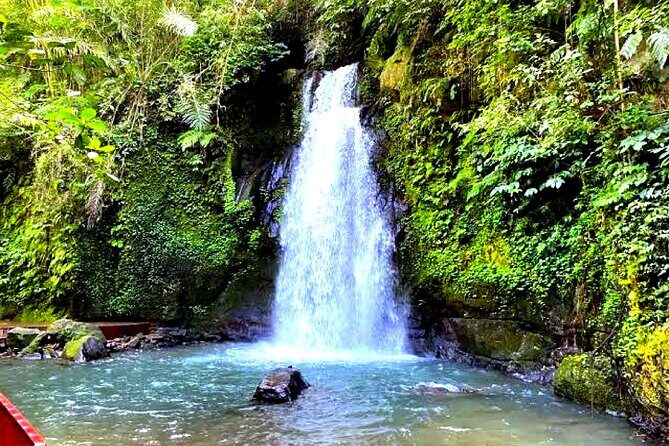
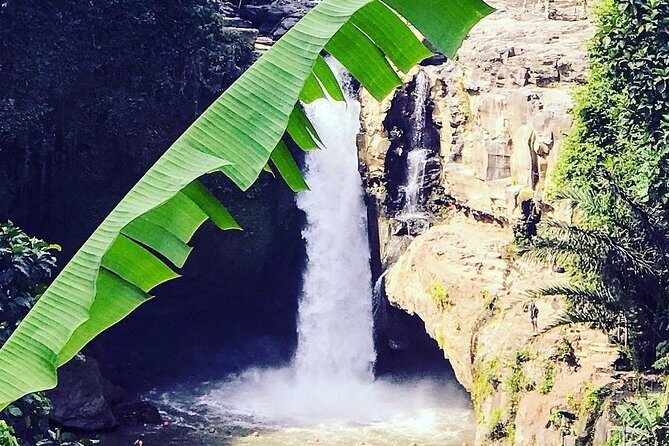
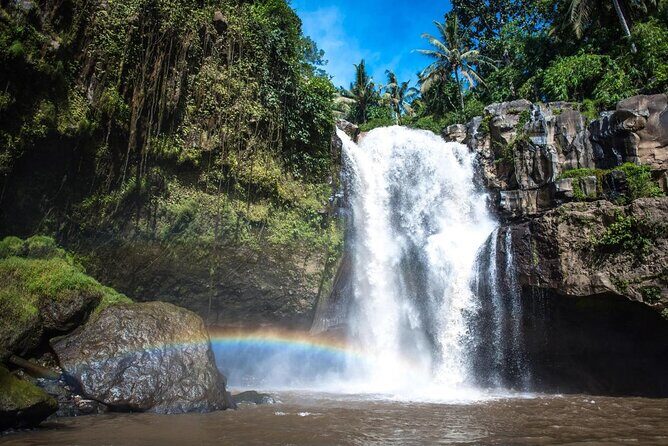
  • Tegenungan Waterfall + cooling time with easy photo spots
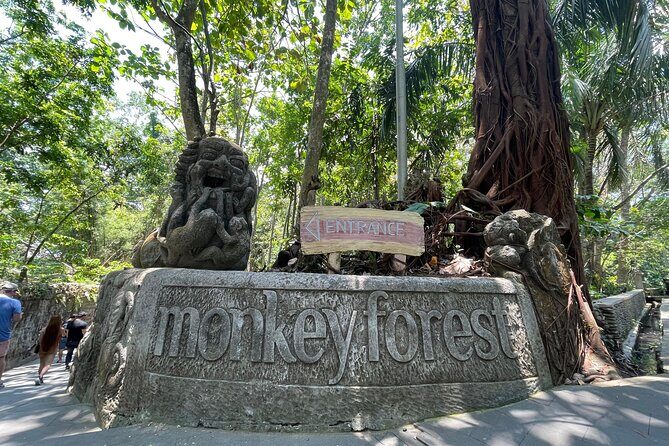
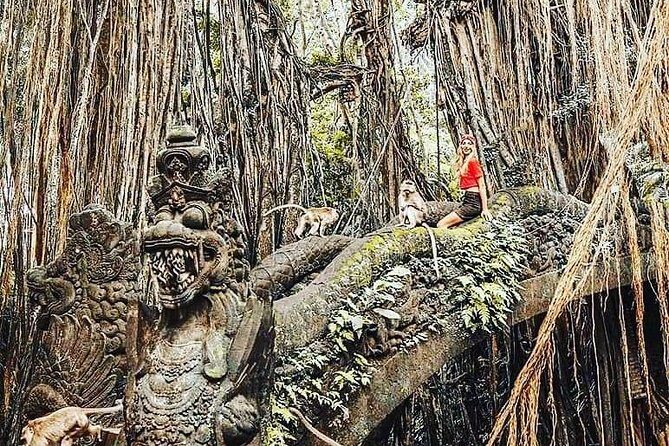
  • Monkey Forest sanctuary in Ubud city center for close-up wildlife moments
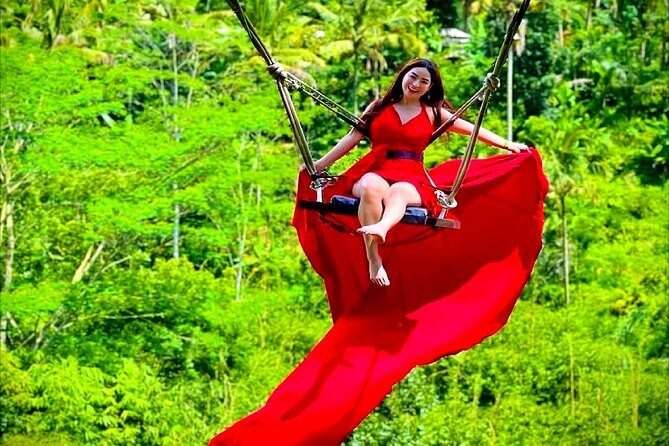
  • Happy Swing Bali with a professional guide handling the swing setup
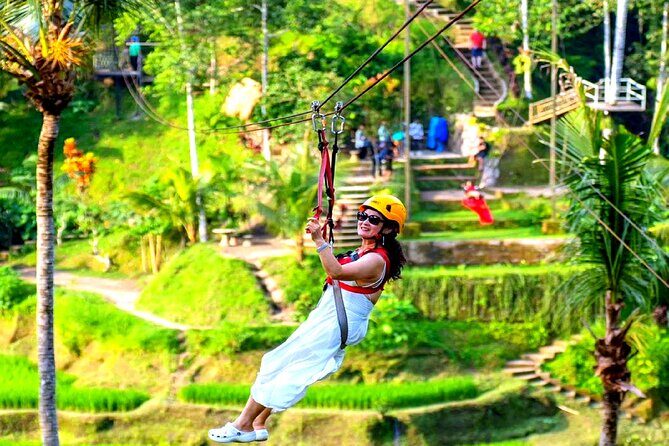
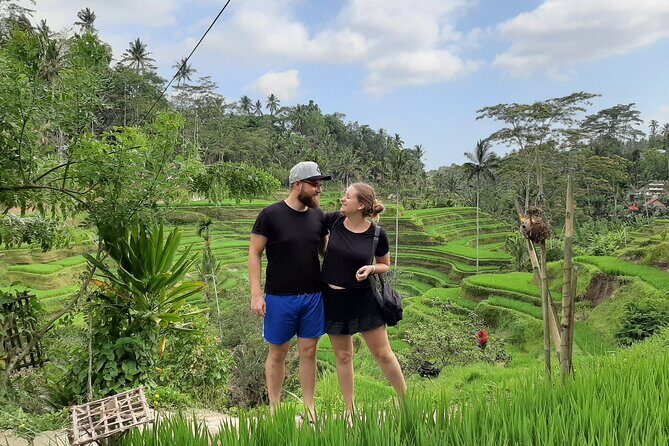
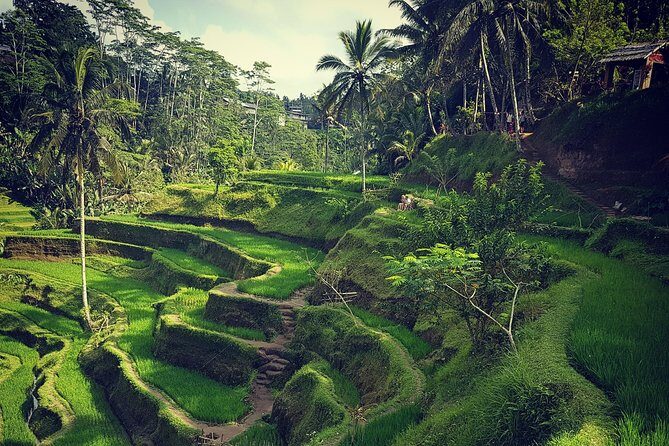
  • Tegalalang Rice Terrace viewpoint time plus a guided trek path
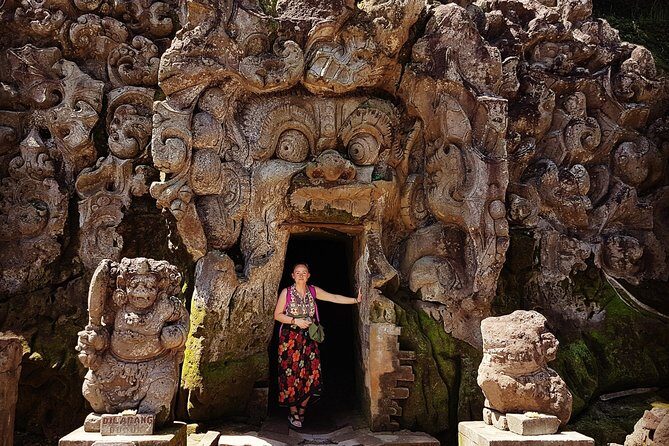
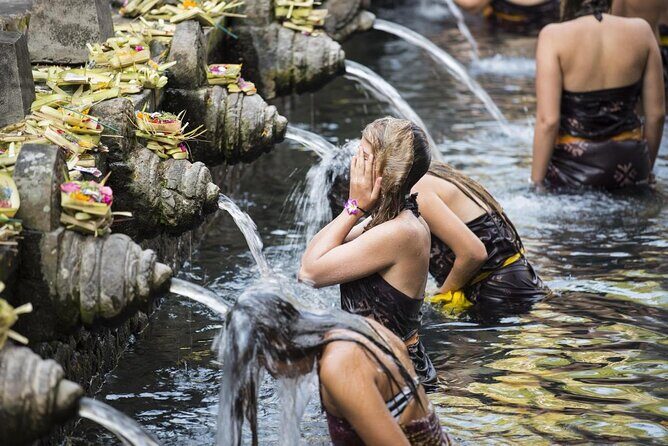
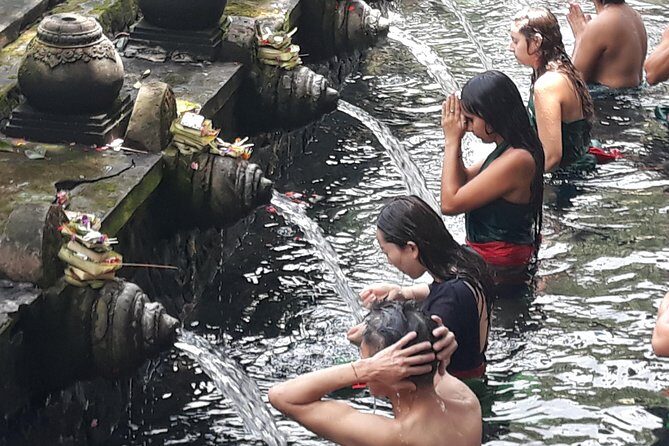
  • Tirta Empul Temple to see Melukat spring-water ritual practices

Why this Ubud private tour feels easier than a hop-on day
Ubud Waterfall Swing And Spring Temple Private Guided Tour - Why this Ubud private tour feels easier than a hop-on day
Ubud can be a “yes, we’ll see everything” kind of place—right up until traffic, entry lines, and unclear meeting points pile up. This tour is built to avoid that. You’re in a private vehicle with an English-speaking tour guide/driver, and the route is designed around full-day sequencing: waterfall, town wildlife, swing activity, rice terraces, temple ritual, then a village tea break.

I also like the pacing of the stops. You’re not just driving past places—you get about an hour at each big stop. That adds up to a full day (about 10 hours), but it keeps your time from turning into a blur of quick glances.

One more practical win: you get snacks and bottled water. That matters on Bali days, where heat and humidity can sneak up on you. Also, since it’s private, the guide can adapt when you want photos longer, or when you want to avoid the most crowded moments.

Price and value: what $25 really buys (and what to budget)

Ubud Waterfall Swing And Spring Temple Private Guided Tour - Price and value: what $25 really buys (and what to budget)
At $25 per person, this is priced for travelers who want structure without paying for a “super expensive” private package. The value comes from the private vehicle, the guide/driver time, and the fact that the big stops are already stitched into one route.

Here’s how to think about the costs:

  • Included in the tour price: pickup/drop-off, private air-conditioned transportation, English-speaking guide/driver, bottled water, insurance, and entrance tickets on a Premium All Inclusive Ticket option.
  • May cost extra: entrance tickets if your booking is on the private-guided option where you pay for attractions you choose to visit (the listing suggests about $18 per person for entrances when paying separately).
  • Lunch: not included; the estimate is about $4 per person at local restaurants.

My advice: confirm which ticket option you’re selecting before you go. If you see Premium All Inclusive listed on your booking, you’re likely covered for entry. If entrances are marked as separate on your itinerary, treat the $18 figure as a realistic planning number rather than a surprise.

Stop 1: Tegenungan Waterfall and the “stage” photo moment
Ubud Waterfall Swing And Spring Temple Private Guided Tour - Stop 1: Tegenungan Waterfall and the “stage” photo moment
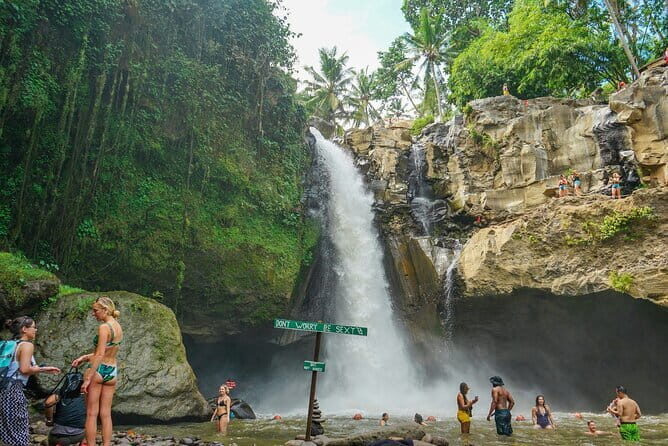
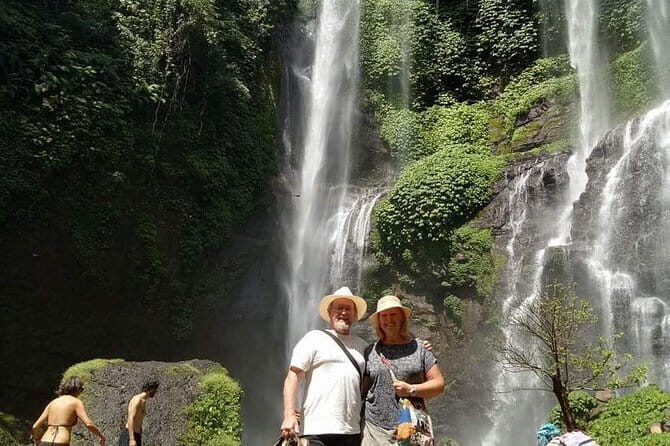
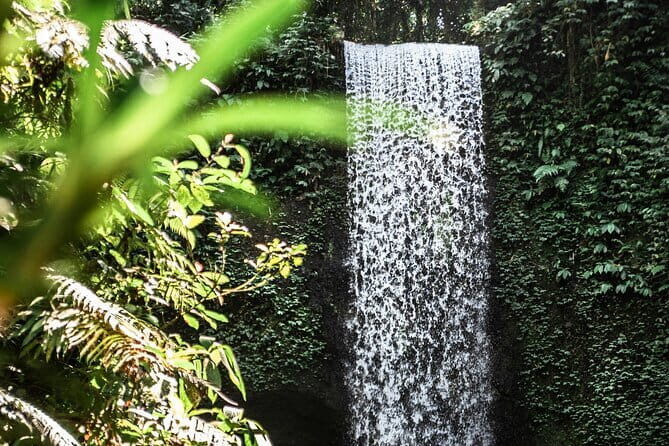
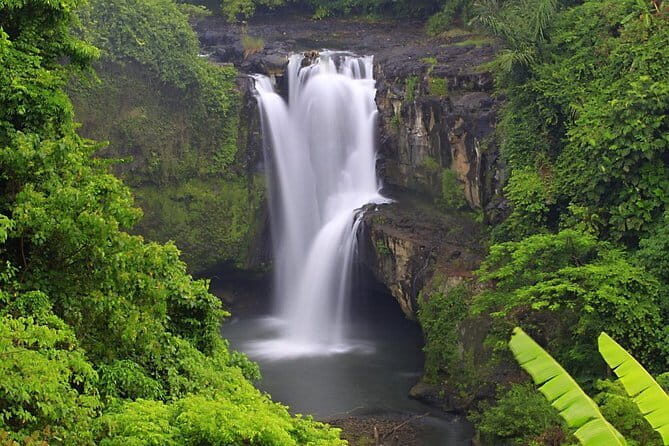
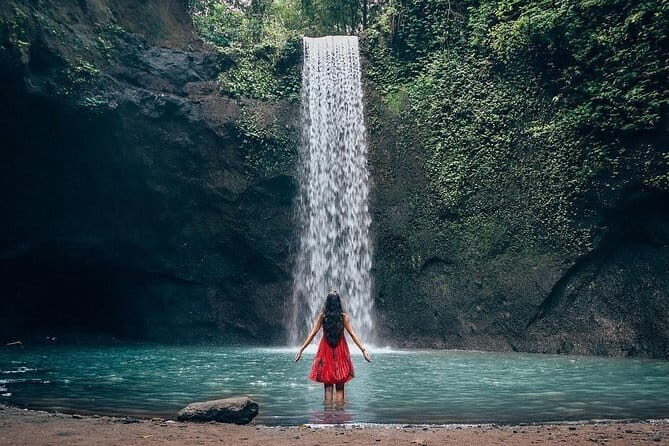
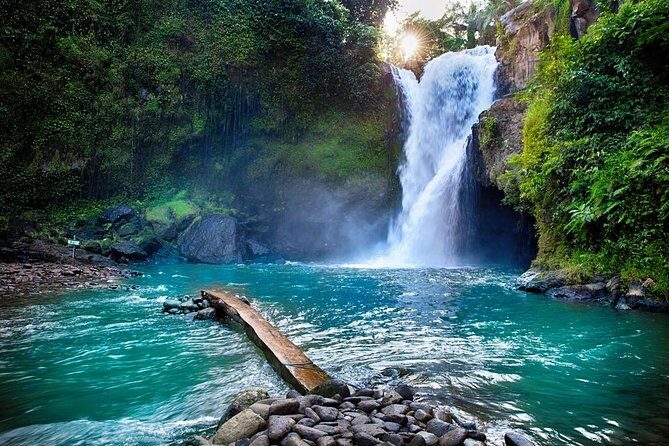
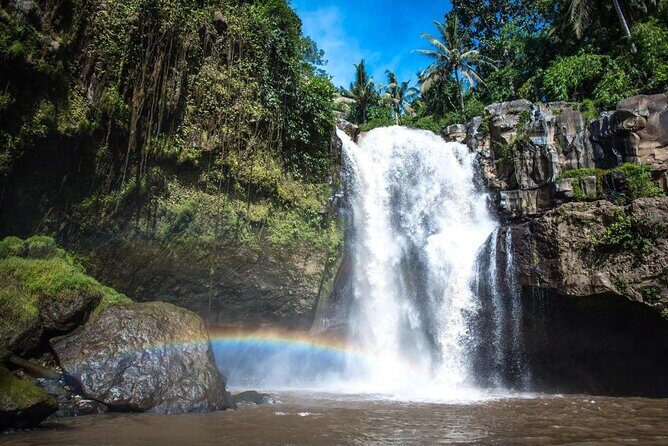
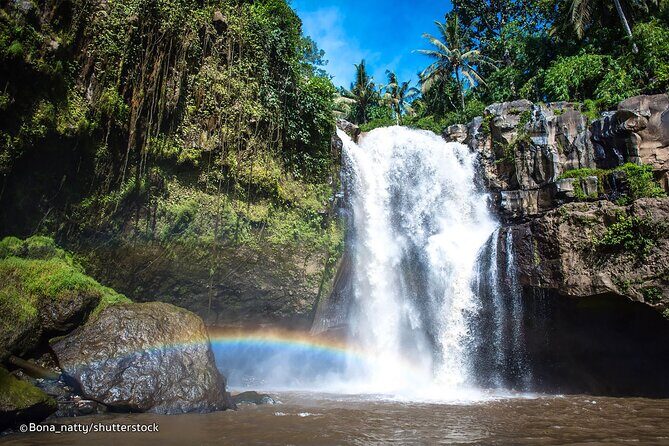
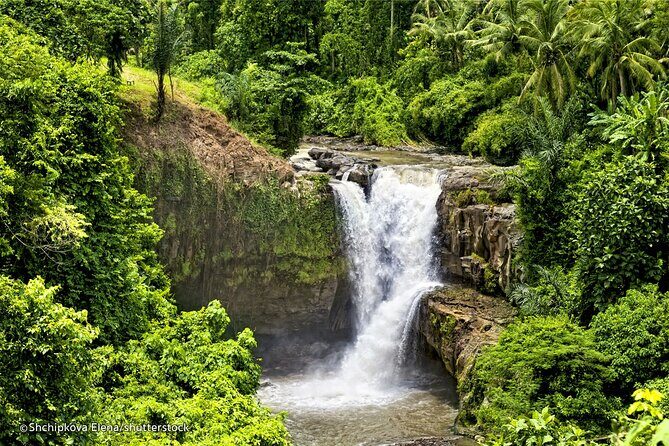
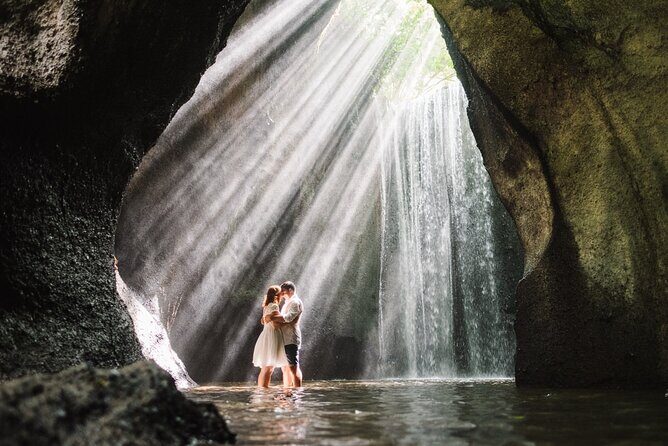
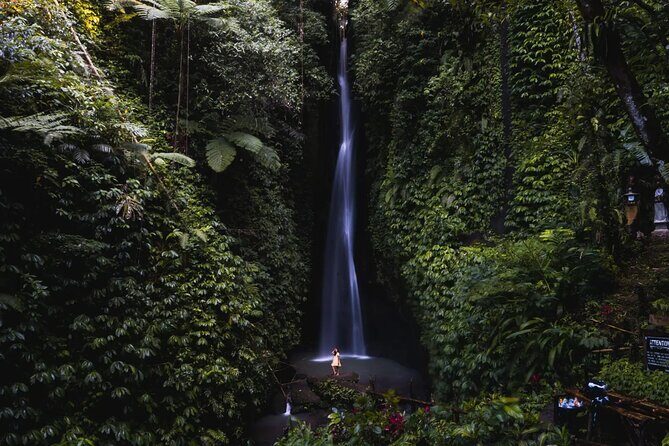
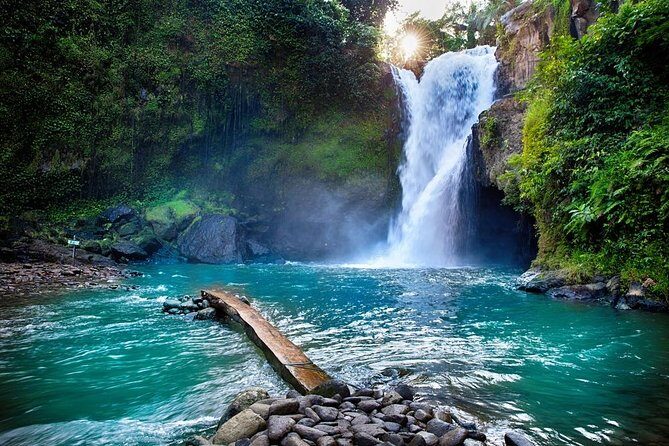
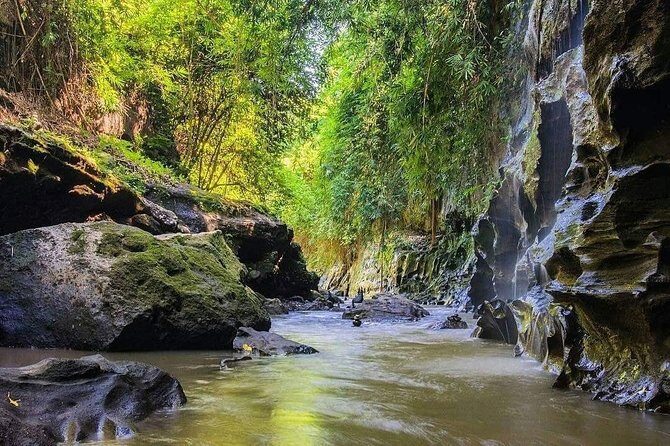
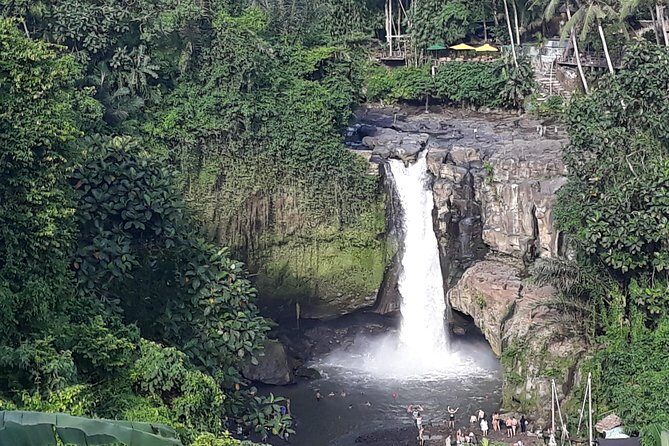
Tegenungan Waterfall is one of the most popular waterfall spots near Ubud, and the tour leans into that. You’ll arrive with time to take in the views, do photos from the best points, and cool off in the waterfall pools if conditions allow.

What makes this stop practical is the way it’s framed for real-world travel: you’re not trekking for hours to reach it. You get about an hour, which is enough for photos and a swim-like reset without losing the whole day to one location.

Two small tips that help here:

  • Wear water-friendly footwear or sandals you can grip well—wet rocks happen fast.
  • Bring a dry bag if you have one. You’ll want your phone and camera safe once you get near the pool areas.

Stop 2: Sacred Monkey Forest Sanctuary in Ubud
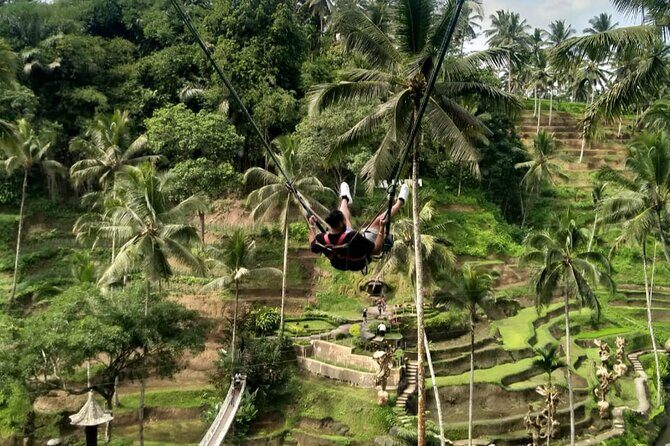
Ubud Waterfall Swing And Spring Temple Private Guided Tour - Stop 2: Sacred Monkey Forest Sanctuary in Ubud
Next comes the Sacred Monkey Forest Sanctuary, right in the heart of Ubud. This is where the day gets lively. You’ll see tropical monkeys playing around their habitat, and the setting is very close to town energy—walkable, photogenic, and full of quick surprises.

This is also the stop where your guide’s timing can matter. A private guide can help you move calmly, watch where you step, and keep your attention on what’s in front of you rather than on rules you didn’t know to ask about.

My straightforward take: if you dislike close-up animals or you get stressed around them, this stop could feel like too much. But if you’re curious and comfortable keeping your hands to yourself (and letting monkeys be monkeys), it’s a fun Ubud “only-here” experience.

Stop 3: Happy Swing Bali (with a guide handling the setup)

Ubud Waterfall Swing And Spring Temple Private Guided Tour - Stop 3: Happy Swing Bali (with a guide handling the setup)
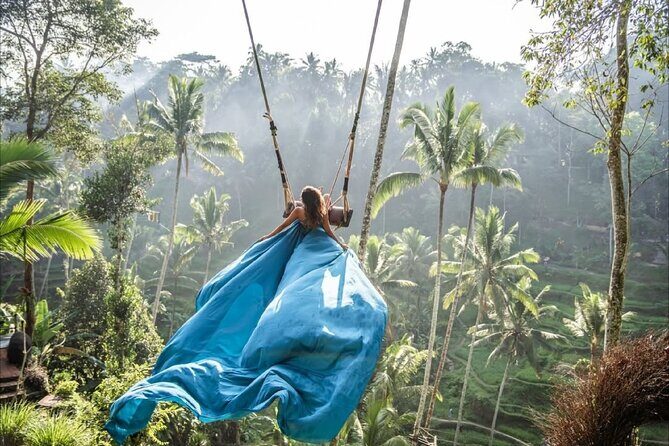
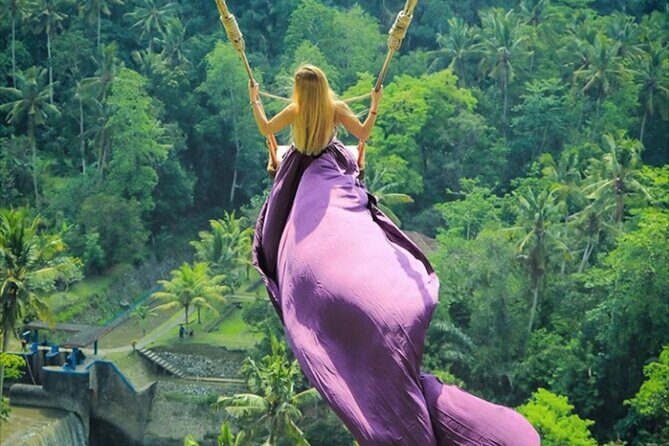
If you want one activity in Ubud that feels clearly made for the vacation camera, Happy Swing Bali is it. The key detail is that you don’t just show up and hope for the best. You get a professional guide to help with the swing experience, so you’re not standing around guessing how it works.

You’ll get about an hour for this stop. That sounds short, but it’s usually enough time to:

  • try one or two swing setups,
  • take photos without rushing,
  • and move on before the afternoon heat gets heavy.

One consideration: swing time depends on crowd levels and weather. If it looks chaotic, ask your guide to help you pick the best moment. In a private tour, you can actually do that instead of waiting in a line that doesn’t move.

Stop 4: Tegalalang Rice Terrace viewpoint + guided trek path
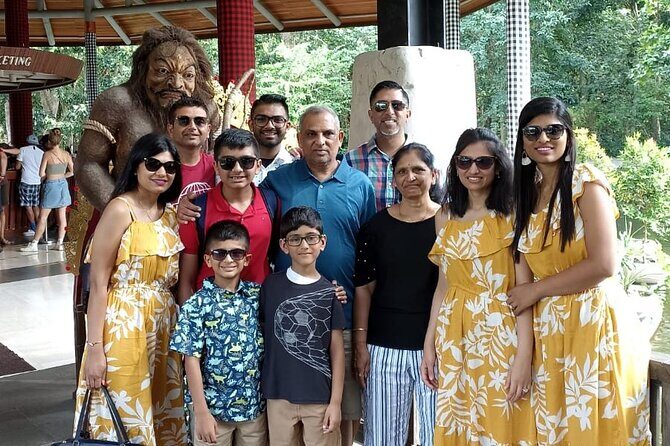
Ubud Waterfall Swing And Spring Temple Private Guided Tour - Stop 4: Tegalalang Rice Terrace viewpoint + guided trek path
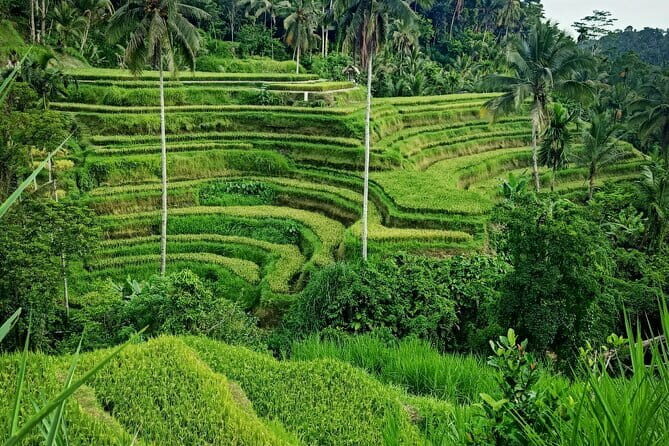
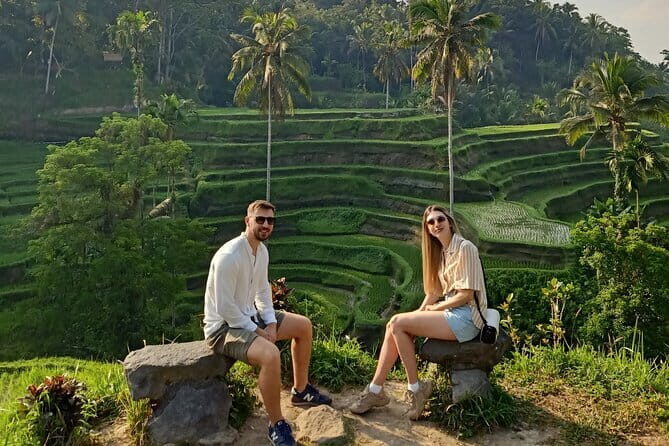
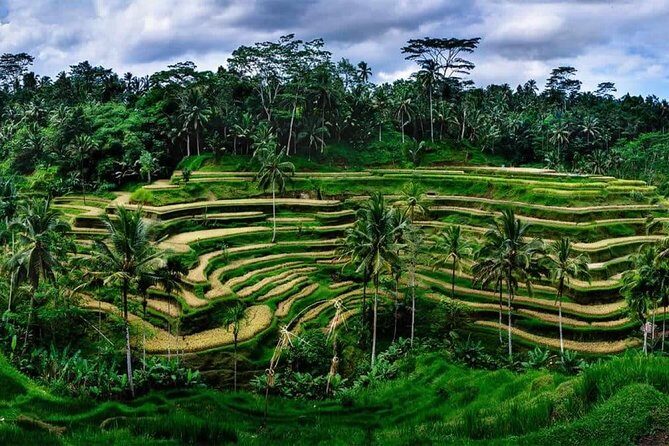
Tegalalang Rice Terrace is the classic Bali inland view—layered terraces, wide angles, and a lot of photo opportunities. You’ll spend about an hour at this stop, including viewpoint time and a walk along a special trekking path guided by a professional.

Here’s why that trek detail matters: the rice terraces can look simple from a distance, but getting to the good angles usually means knowing where to step. A guide helps you move through the area without wasting time on wrong turns.

About lunch: the tour schedule mentions having lunch with Indonesian, but the tour’s cost notes say lunch is an extra personal expense. So plan to either:

  • eat at a local spot your guide recommends during the terrace portion, or
  • keep it simple and grab a meal break where you can.

Either way, use the lunch window as your reset. Drink your water, cool down, and decide if you want to linger for extra terrace photos after the guided walk.

Stop 5: Tirta Empul Temple and the Melukat ritual
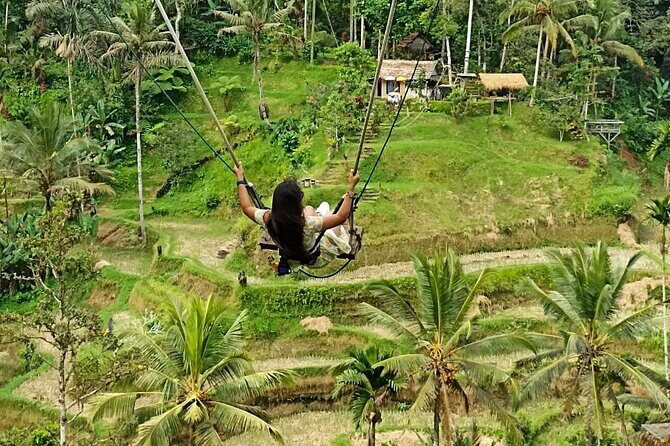
Ubud Waterfall Swing And Spring Temple Private Guided Tour - Stop 5: Tirta Empul Temple and the Melukat ritual
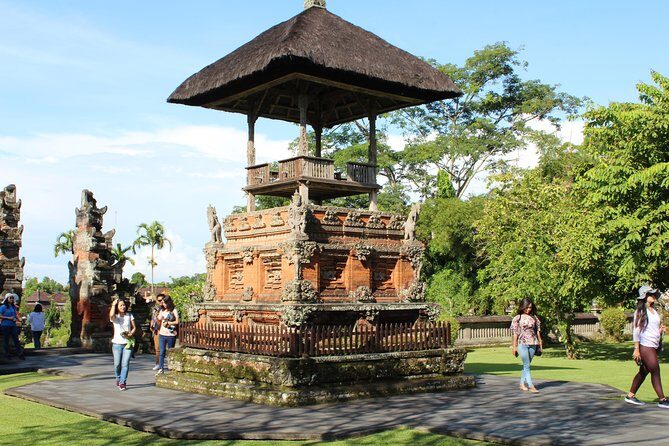
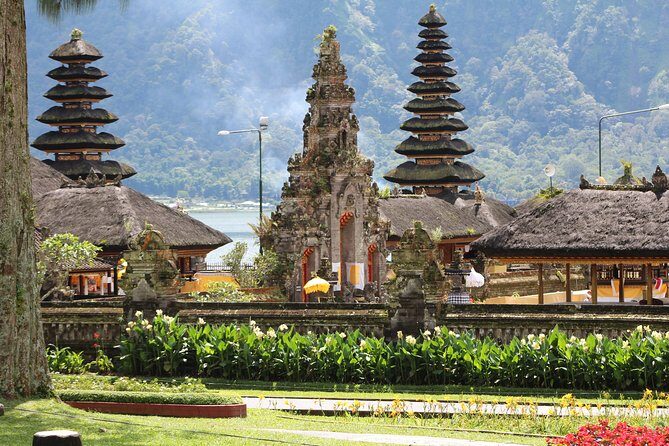
Now the day turns more spiritual and cultural. Tirta Empul Temple is famous for its spring water, which plays a key role in Hindu religious practices. You’ll learn how locals perform Melukat, a blessing ritual intended to remove negative energy or unwanted spiritual influences.

This stop is about understanding what you’re seeing—not treating it like a quick photo stop. You’ll have about an hour, which gives you time to observe calmly and ask questions, especially about what the water rituals mean.

A couple practical pointers:

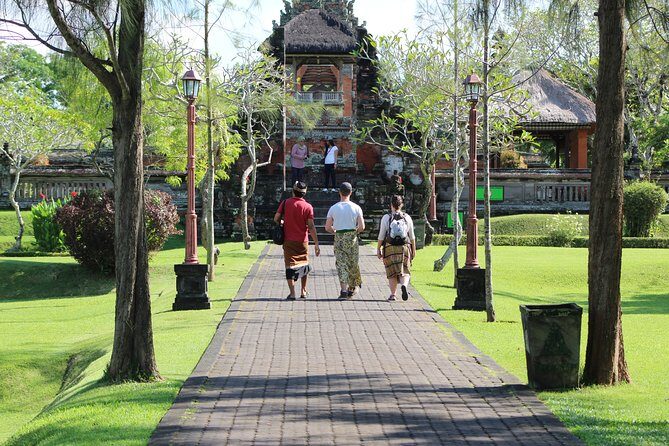
  • Dress and behavior matter in temples. Stick to smart casual and follow your guide’s instructions.
  • If you’re unsure about participating in water rituals, you don’t have to. Watching respectfully is still part of the experience.

Stop 6: Tampaksiring village tea break and local garden walk
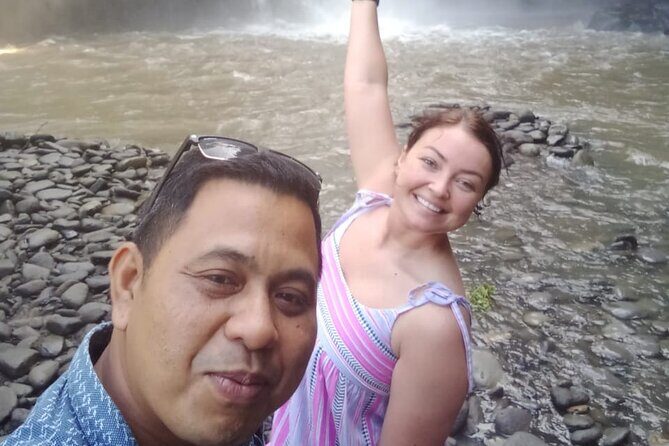
Ubud Waterfall Swing And Spring Temple Private Guided Tour - Stop 6: Tampaksiring village tea break and local garden walk
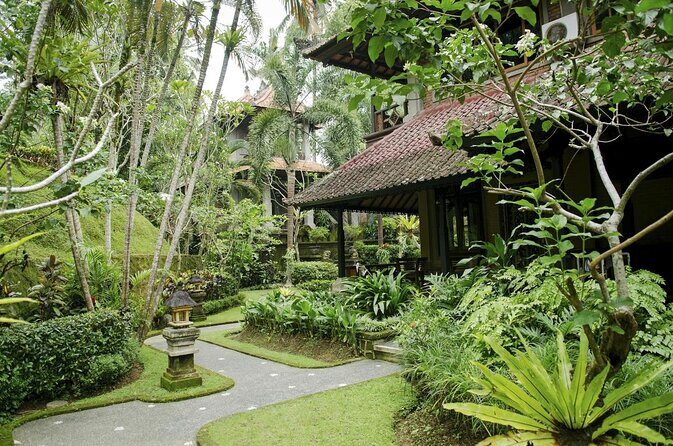
The final stop is Tampaksiring, a Balinese village area where you can slow down. You’ll enjoy welcome tea, then walk through a local garden and interact with people in the community. The day ends with a softer, more local feel after the more structured sightseeing stops.

This is a good “wrap-up” choice because it balances your day. After waterfalls, swings, monkeys, and terraces, the tea-and-garden portion helps you come down from the adrenaline level of a full itinerary.

It’s also a nice place to ask your guide questions about daily life in Bali, especially because this part of the day is less about landmarks and more about how people live.

Transport comfort and the reality of Bali roads

The tour runs in a private air-conditioned vehicle with an experienced driver. That’s a big plus for a 10-hour day. You’re not bouncing around in a crowded van, and you can generally adjust your comfort needs—restroom breaks, slower pacing, and time for photos—through your guide.

Still, one honest note: Bali roads can be rough, and driving styles vary. One helpful detail from past experiences is that drivers do the job well, but road conditions can affect how smooth the ride feels. The tour shouldn’t be your “I want the smoothest ride ever” day. It’s your “I want maximum sights with less hassle” day.

If you’re sensitive to bumpy roads, bring motion-sickness basics just in case, and sit toward the front when possible.

Guide impact: the names I’d remember if I were you

A private tour lives or dies by the guide’s energy and judgment. This one has a strong reputation for guides who are prompt, friendly, and ready to adapt. Names you may see connected with this experience include Nyoman, Kadek Nanda, Kutet, Ketut Ari, and Wayan Wirawan.

Across those examples, the themes are consistent:

  • arriving on time,
  • checking what you want from the day,
  • sharing helpful context instead of just reciting facts,
  • and adjusting pacing to avoid peak periods and heavy traffic when possible.

So when you book, you’re not just hiring a driver. You’re buying someone’s local rhythm for how to make a long day feel manageable.

Who this tour is best for

This is a great fit if you:

  • want a private day instead of a crowded schedule,
  • like combining nature stops with cultural sites,
  • want photo-friendly activities like Happy Swing Bali,
  • and appreciate a guide who can explain what you’re seeing.

It also works well for solo travelers who want safety and comfort without taking on the whole planning burden.

You might consider another option if you:

  • hate the idea of being around monkeys,
  • want a slower, more relaxed day with fewer stops,
  • or want every cost fully included with zero extra budgeting.

Should you book this Ubud Waterfall Swing and Temple private tour?

If your ideal Ubud day is structured, full, and photo-friendly—this is a strong choice. At $25 per person, the biggest value comes from private transport, a guide who can shape the day, and time at headline stops rather than just passing through.

Just go in with one smart mindset: confirm what your booking includes for entrance tickets, and plan for lunch as an extra. Do that, and you’ll spend the day focused on the fun parts—Tegenungan Waterfall moments, the monkey forest chaos (in a good way), the swing experience, and the spring-water temple rituals—without the stress of juggling everything yourself.

FAQ

How long is the Ubud Waterfall Swing and Spring Temple private tour?

The tour runs for about 10 hours (approx.).

Does the tour include pickup and drop-off?

Yes. The experience includes hotel pickup and drop-off, and pickup/drop-off is offered across South, Middle, East, West, and North Bali.

Are entrance fees included in the price?

Entrance fees are included on a Premium All Inclusive Ticket. If your booking option requires you to pay entrances separately for attractions you visit, the listing suggests budgeting about $18 per person for entrances.

Is lunch included?

No. Lunch is not included and you’ll pay for it at local restaurants. The estimate given is about $4 per person.

What’s included for snacks and drinks?

You’ll get snacks and bottled water, and the tour also includes mineral water.

Can I cancel and get a full refund?

Yes. You can cancel up to 24 hours in advance for a full refund. If you cancel less than 24 hours before the start time, the amount you paid won’t be refunded.

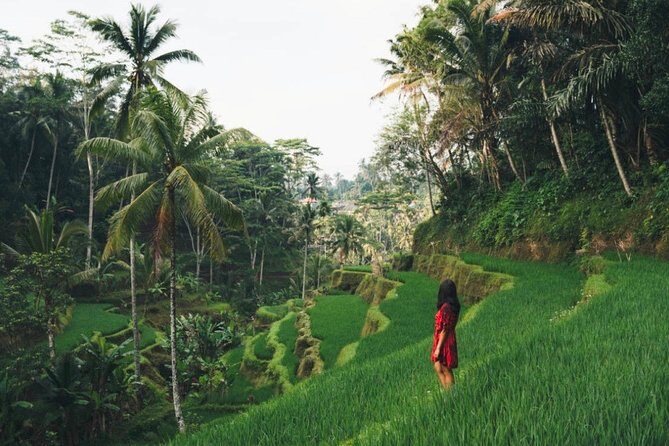
Bali Highlights : Nature, Waterfall, Rice Terraces and Volcano

Bali Highlights : Nature, Waterfall, Rice Terraces and Volcano - Mount Batur in Kintamani and Batuan Temple: volcano views and carved stone

Bali’s highlights, chained into one day. This route strings together waterfalls, famous rice terraces, volcano viewpoints, temple stops, and a stretch of Bali coast from your base around Kuta.

I like that pickup and an air-conditioned vehicle mean you spend less time wrangling logistics and more time looking around. I also like the way the day mixes nature and culture, plus your guide helps with practical details and photo angles.

The big consideration is pace. It’s an 8 to 10 hour highlight hop, lunch isn’t included, and at least two early nature stops list admission as not included.

Key things I’d bookmark before you go

Bali Highlights : Nature, Waterfall, Rice Terraces and Volcano - Key things I’d bookmark before you go

  • Air-conditioned pickup from Kuta, Seminyak, Ubud, Nusa Dua, Sanur, Jimbaran, Canggu, Legian, Denpasar, and Benoa Harbor
  • Mount Batur + Batuan Temple tickets included (depending on package rules, plus stop-by-stop notes)
  • Tegenungan Waterfall and Tegalalang Rice Terrace are nature-heavy and very scenic, but admission is listed as not included there
  • Sarong provided for temple visits, so you don’t scramble for one at the last minute
  • Celuk Village and Mas wood carving give you craft time, not just photo time
  • Jungle swing over the Ayung River is great for photos, but it’s listed as personal expense

The route and timing in an 8 to 10 hour highlight hop

This is the kind of Bali day that’s designed to work like a greatest-hits playlist: you get multiple stops without having to plan each one. You’re in an air-conditioned vehicle with hotel pickup and drop-off, so the day starts clean and stays organized.

The trade-off is that the clock matters. With an estimated 8 to 10 hours, you should expect quick transitions and enough time for photos, a short walk, and a look around at each stop.

One more detail that shapes the experience: it’s described as a private tour/activity, meaning only your group participates. That usually makes the day feel calmer than a big bus tour, and it helps if you want a little extra time at a viewpoint or a craft shop.

Tegenungan Waterfall and Tegalalang Rice Terrace: nature you can feel

You start with Tegenungan Waterfall, set in green tropical jungle. The experience here is simple: you can take in the view from the viewing platform, and the setting also supports going down toward the water if you want that closer feel. The admission note for this stop says the ticket is not included, so budget for it if your package doesn’t cover it.

Practical tip: plan for slippery spots. Waterfall areas often mean uneven steps, wet rock, and sudden mud patches. Closed shoes and quick-dry clothes make the walk way less stressful.

Next comes Tegalalang Rice Terrace, one of Bali’s most photographed rice scenes. You’ll get a stroll through the paddies and get to see day-to-day farming rhythms up close, which is where the visit feels more real than a staged photo stop. Like Tegenungan, the entry note here says admission ticket not included, so check what your booking includes.

I like this pairing because it gives you two different kinds of greenery. The waterfall is lush and vertical—sound, mist, and movement. The rice terrace is quieter and horizontal—patterned fields, small paths, and long view lines for photos.

Mount Batur in Kintamani and Batuan Temple: volcano views and carved stone

Bali Highlights : Nature, Waterfall, Rice Terraces and Volcano - Mount Batur in Kintamani and Batuan Temple: volcano views and carved stone
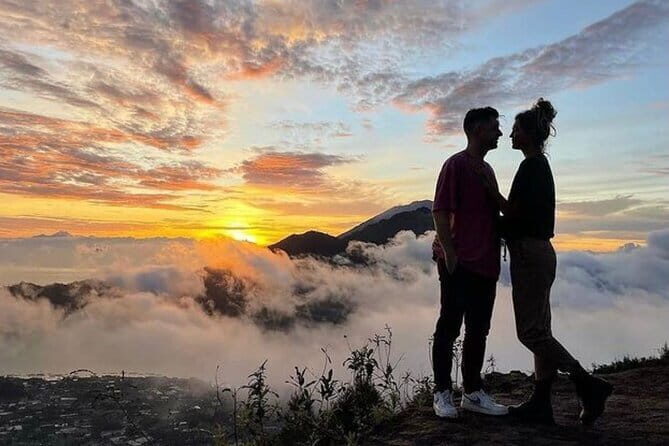
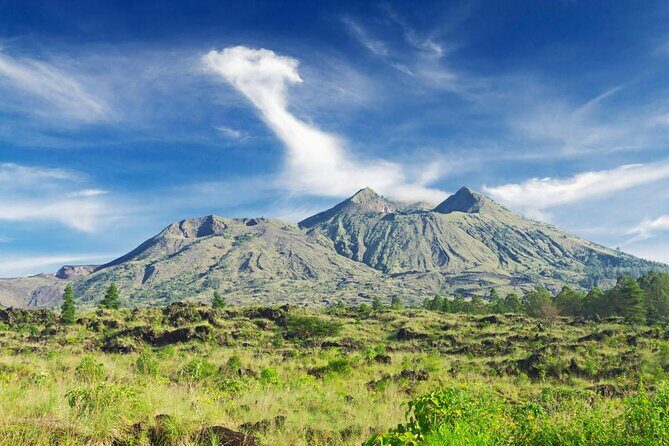
Then the mood shifts from water and rice to a big, dramatic volcano viewpoint at Mount Batur in the Kintamani highland. From here you’re meant to enjoy the view over Mount Batur and the valley below. This is also one of the clearer “sit and take it in” moments on the route, with about an hour set aside.

Lunch can be served here, but it’s listed as own cost. That’s a good thing to plan for early in the day, because once you’re in the highland area, you’ll want to decide whether you’ll eat there or manage your own timing.

After that, you head to Batuan Temple, a serious stop for anyone who likes temples more for stonework than postcard vibes. This one is described as founded in 944 saka (1020 AD), and the point isn’t just age—it’s the ornate carvings and decorative ornaments across its shrines. Admission for Batuan Temple is listed as included, and you’ll also be provided a sarong for entering temple areas.

If you’re temple-phobic, don’t worry. This is the kind of visit where you can keep it simple: take your time reading the details in the carvings, notice the structure, and enjoy the fact that the place is set for looking closely.

Celuk Village, Mas wood carving, and temple sarongs: Balinese craft with context

Balinese craft is where the day gets hands-on in a way photos can’t. First up is Celuk Village, known for producing high-grade gold and silver handicrafts, especially jewelry. Admission is listed as included for this stop, which is helpful because it lets you actually slow down and look rather than feel like every minute has a ticket clock attached.

What I like about Celuk is the direct connection between place and product. Instead of shopping as an afterthought, you see the craft focus, which makes any purchase decisions feel more grounded.

Then you get Mas village, the center of Bali wood carving. Even if you don’t buy, it’s worth watching how craft work shows up in everyday objects. This is another stop where the best experience is slow looking—shapes, textures, and the way designs turn from idea into wood.

Temple time can also feel more comfortable thanks to the sarong included in the tour. That little detail matters because it removes a common hassle: getting the right clothing right before you enter.

Ubud Palace and Pasar Ubud: royal heritage meets shopping walks

Ubud’s cultural core is part of this route, and two stops anchor it: Ubud Palace (officially Puri Saren Agung) and Pasar Ubud.
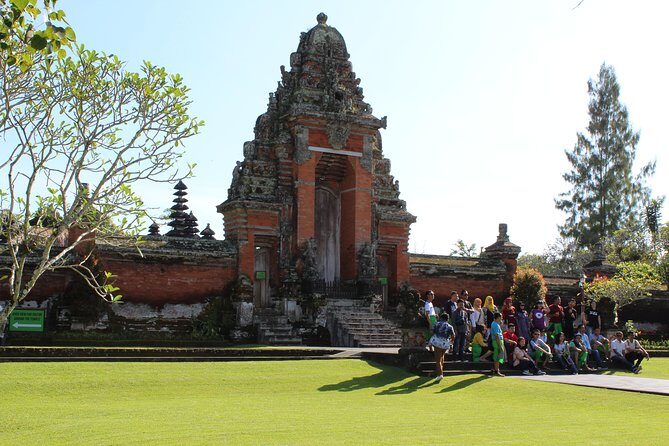
The palace is described as the historical residence of the royal family of Ubud, part of a complex of historical buildings. What makes it interesting is that it’s not just scenery—it’s a sense of how power and tradition used to organize life in the area.

Then you cross to Pasar Ubud, located opposite the palace and open daily. The market is where you’ll find paintings, silk scarves, lightweight shirts, handmade woven bags, and more. I like giving yourself some time here because the market browsing is a different skill than photography. You’re looking for texture, material, and what feels right in your hands.

One small planning thought: expect the market to be active and focused on sales. If you want to buy, go with a calm pace and check items carefully. If you don’t plan to buy, still treat it like a cultural stop—look at how people display goods and how the market layout shapes the flow of the day.

Jungle swing over the Ayung River and other photo stops

This is the fun, slightly chaotic section of the day. You’ll have the option to ride an incredible swing that soars over dense jungle of palm trees and the Ayung River. The key detail here is cost: the swing is listed as personal expense, not included.

This is the part where I’d manage expectations. You’ll get classic “tall, dramatic, hold-your-breath” photos, but you’ll also want to treat it like an activity with safety checks. Wear clothes you can move in, skip anything that’s hard to secure, and keep your phone and camera handled carefully.

There are also additional photo-friendly stops on the program list, including temple views and cliff or canyon-style viewpoints described as giving unforgettable impressions and pictures. The upside is that Bali does photo ops well. The drawback is that with a packed schedule, it’s smart to pick your priorities—do you want one big swing photo, or more time at quieter spots?

Beaches after Ubud: Kuta, Nusa Dua, Seminyak, Tanjung Benoa, and Canggu

The day then swings from inland to coast, and you’ll see a stretch of well-known beach zones. Kuta Beach is specifically mentioned as a highlight, with blue water and golden-white sand. From there, the route list also calls out other beach favorites: Pandawa Beach, Padang Padang Beach, and Geger Beach in Nusa Dua, each described as white sand and clear, inviting water.

Two beach details worth noting from the route descriptions:

  • Padang Padang Beach is described as a small sandy bay, with an easy walk down where you may meet a lot of monkeys.
  • One cliffside beach is described as having clear blue water, corals, and an amazing view from the cliff (name not specified in the notes).

If you’re heading to the beach as a sit-and-sun option, bring simple beach basics. If you’re going mainly for views and walking, keep footwear grippy and expect crowds to vary.

The program also includes Tanjung Benoa, described as a place for water sports with shallow waters and colorful fishing boats on the sand. There’s also a temple stop here: Pura Blanjong, built from coral with inscriptions dating from the 10th century. Even if you’re not a temple person, it’s a neat way to see how places connect to both sea and history.

Then there’s Canggu, including a coastal stretch starting from Berawa to the village of Cemagi, plus mention of black sand beach views linked with the volcano area. The route list also includes Finns Beach Club on Berawa Beach, described as a chic hangout with a freeform infinity pool and a bamboo structure. This is the kind of stop where you can grab a breather and enjoy a different Bali vibe than Ubud’s craft and temples.

Value check: what $37.23 buys (and what to budget for)
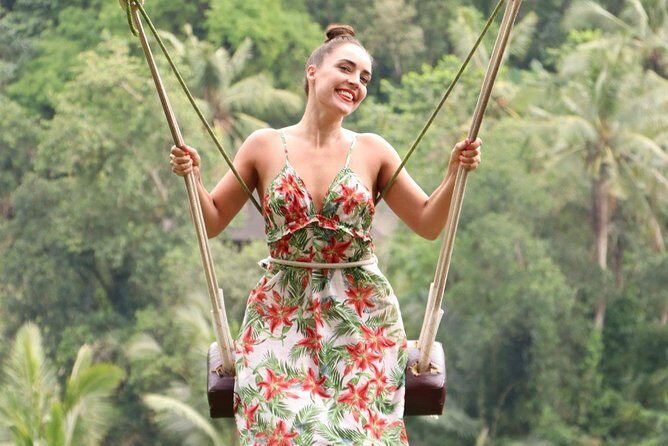
At $37.23 per person, this tour is positioned as strong value mainly because you get organization baked in. You’re paying for hotel pickup and drop-off, private air-conditioned transportation, and temple-ready support with a sarong included. That kind of convenience saves your time and reduces decision fatigue.

The other big value driver is ticketing. The tour states entrance tickets are included depending on the package you book, and the stop details add more clarity:

  • Mount Batur entry is listed as included.
  • Batuan Temple and Celuk Village entries are listed as included.
  • Tegenungan Waterfall and Tegalalang Rice Terrace say admission tickets are not included.

So for budgeting, I’d plan as if you’ll have a few add-ons. You’ll definitely need money for lunch since it’s not included. You might also pay entry fees at the early nature stops if your package doesn’t cover them. And if you want the jungle swing, treat it as extra cost because it’s listed as personal expense.

This is also where the short day matters. With an 8 to 10 hour schedule, you’re buying access to many highlights, not deep time in one place. If that’s your travel style, you’ll feel like the day moves at a good rhythm. If you hate rushing, you might find it slightly intense.

Should you book Bali Highlights? A quick decision

Book it if you want a single day that covers nature (waterfall and rice), volcano views, temples and craft, and then lands you at Bali beach zones like Kuta, Nusa Dua, Seminyak area, and Canggu. It’s a practical pick when you don’t want to coordinate separate tickets and transport on your own.

Skip it or rethink your expectations if you’re picky about long stays or you hate paying for multiple separate entries and add-ons. With the packed timing, you’ll want to arrive ready to go, comfortable with quick transitions, and okay with keeping lunch and some activities as extra planning.

FAQ

How long is the Bali Highlights tour?

It runs about 8 to 10 hours.

Is hotel pickup offered, and where are pick ups free?

Yes. Hotel pickup and drop-off are included, and free pickup areas listed include Kuta, Seminyak, Ubud, Nusa Dua, Sanur, Jimbaran, Canggu, Legian, Denpasar, and Benoa Harbor.

Is this a private tour?

Yes. It’s described as a private tour/activity, meaning only your group will participate.

What major stops are included?

The program includes Tegenungan Waterfall, Tegalalang Rice Terrace, Mount Batur (Kintamani), Batuan Temple, and Celuk Village, plus additional Ubud, craft, and beach stops listed in the itinerary.

Are entrance tickets included?

Entrance tickets depend on the package, and the itinerary notes indicate some stops are not included (like Tegenungan Waterfall and Tegalalang Rice Terrace) while others are included (like Mount Batur, Batuan Temple, and Celuk Village).

Is lunch included?

No. Lunch is not included. Lunch can be served at Mount Batur, but it’s listed as own cost.

Do I need to bring a sarong for temples?

No. A sarong for entering Balinese temples is included.

Do I get a mobile ticket, and when do I receive confirmation?

A mobile ticket is included, and confirmation will be received at the time of booking.

Can I cancel for free?

Yes. Free cancellation is offered, and you can cancel up to 24 hours in advance for a full refund.

Full Day Private Tour All Inclusive Hidden Gems Bali Waterfall

Full Day Private Tour All Inclusive Hidden Gems Bali Waterfall - How the 8-Hour Day Moves (Starting 8:00 am)

Waterfalls can feel totally different with the right route. This full-day private tour strings together several Bali falls in one smooth 8-hour plan, starting with the newer-feeling Tukad Cepung and ending at the dramatic Kanto Lampo. You’ll get pickup, admission for each stop, and lunch, so you spend less time budgeting and more time enjoying the water and the views.

I especially like how the day mixes styles of waterfalls. Tukad Cepung’s setting creates that twinkling effect when light hits the water, and you can see why it gets photographers excited. I also love the human side: guides like Darma (and other excellent driver-guides you may be assigned) handle the pacing and make the stops feel safe and welcoming, even when stairs and wet paths are involved.

One thing to consider: you’ll want moderate physical fitness. Some viewpoints involve walking on uneven ground, and in the wet season, surfaces can be slick. Also, if a waterfall is closed on the day, your driver may suggest an alternative, so be ready to roll with plan B.

Key highlights you’ll actually care about

Full Day Private Tour All Inclusive Hidden Gems Bali Waterfall - Key highlights you’ll actually care about

  • All-inclusive time: pickup, lunch, and admission tickets for each waterfall stop are included
  • Private by design: it’s just your group, not a mixed crowd bus shuffle
  • Multiple waterfall styles: cave-like light at Tukad Cepung, cliff-flow views at Tibumana, and stone-step cascades at Kanto Lampo
  • Driver skills matter: guides such as Darma and others are praised for route planning, safety, and helping with photo moments
  • Real-world flexibility: when a stop is closed, the plan can pivot (coffee plantation suggestions do happen)
  • Good for rainy season photos: access can still work in wet months, with the right timing and guidance

Private Waterfall Circuit from Seminyak: What You’re Buying for $60

Full Day Private Tour All Inclusive Hidden Gems Bali Waterfall - Private Waterfall Circuit from Seminyak: What You’re Buying for $60
This tour is built for travelers who want a full waterfall day without turning it into a logistics project. For $60 per person, you’re not just paying for a car. You’re paying for a setup that typically includes pickup, a driver-guide who manages the order of stops, admission for the waterfalls, and an Indonesian lunch break.

That’s the value: in Bali, the hidden cost of a waterfall day is often your time—driving around, paying for separate entries, and negotiating where to go next. Here, the flow is handled for you, and you can focus on the main event: walking to the water and taking it all in.

Also, it’s a private tour/activity. That means you’re not stuck with strangers moving at a different pace. If your group wants more time at one spot, or wants slower photo moments, the schedule can usually bend a bit.

How the 8-Hour Day Moves (Starting 8:00 am)

Full Day Private Tour All Inclusive Hidden Gems Bali Waterfall - How the 8-Hour Day Moves (Starting 8:00 am)
The tour starts at 8:00 am, with pickup offered. The total time is about 8 hours, and the pacing is designed around multiple waterfall stops, each with roughly 2 hours to enjoy the area.

In practice, that works well if you want variety. You’re not just hitting one famous waterfall and calling it a day. You’re moving from one visual style to another, so the day stays interesting instead of repeating the same scene four times.

The catch is timing. You’ll spend a good chunk of the day on the road. If you hate long car rides, this won’t feel short. But if you like seeing more than one part of Bali in a single day, the structure makes sense.

Stop 1: Tukad Cepung Waterfall and the Twinkling Light Effect

Your day begins at Tukad Cepung Waterfall in Tembuku sub-district, Bangli province. It’s described as a standout waterfall site and one that was introduced only a few years ago, so the feel is less like an old, overbuilt tourist stage and more like a newer nature moment.

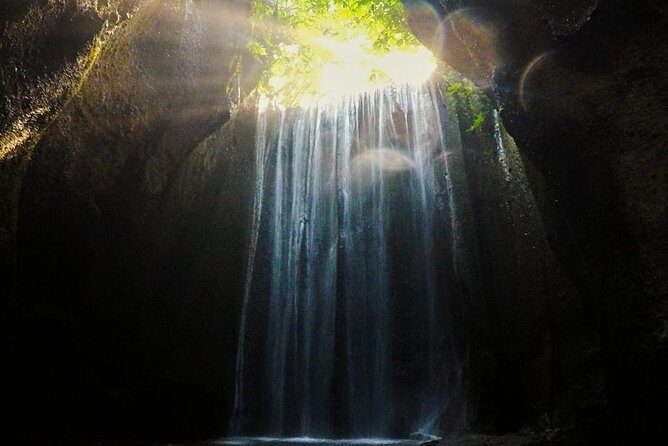
The main reason people get excited is the way the waterfall interacts with light. The water can look like it’s twinkling when exposed to light, which comes from the setting and how daylight reaches the water. It’s also commonly approached as a “come closer” waterfall—something you’ll want to walk toward and experience from the right angles.

What to expect for your body and time: about 2 hours here gives you room to move around without feeling rushed. But be mindful—this kind of waterfall area often means slippery rock and steps. Plan on careful footing, even if you arrive in dry weather.

Stop 2: Tegenungan Waterfall in the Ubud Area (Famous for a Reason)

Full Day Private Tour All Inclusive Hidden Gems Bali Waterfall - Stop 2: Tegenungan Waterfall in the Ubud Area (Famous for a Reason)
Next is Tegenungan Waterfall, located in the Tegenungan area in the Ubud region (Tegenungan Kemenuh town, Sukawati district, Gianyar). This one is popular, and for good reason: it’s known as a classic Bali waterfall stop in many itineraries.

Tegenungan is usually the kind of place where you can get the big waterfall look quickly. If you’re the type of traveler who wants at least one well-known, easy-to-navigate waterfall moment, this stop delivers.

A practical note: because it’s famous, it can also mean more people in the area. That’s where a good driver-guide helps. With route timing and guidance, you can still enjoy it without it turning into a frustrating crowd slog.

Stop 3: Tibumana Waterfall and Its Tilted-In Cliff Feel

Full Day Private Tour All Inclusive Hidden Gems Bali Waterfall - Stop 3: Tibumana Waterfall and Its Tilted-In Cliff Feel
Then you head to Tibumana Waterfall in Apuan Village, Bangli Regency. This stop is described as somewhat hidden and rarely known, which changes the vibe. Instead of chasing the most obvious crowd magnet, you’re going for a more natural feel.

The standout detail here is how the water flows along cliffs that are not straight—they’re described as tilted inward. That creates an effect that can feel like a cave shape, because the cliff angles pull your eyes toward the falling water.

This is a great stop if you like waterfalls that look sculpted by the terrain, not just waterfalls that drop from one point. And again, you get about 2 hours, so it’s not just a quick photo stop. It’s time to slow down, reposition, and actually look at the way water moves through the rock.

As with all waterfall days, bring a mindset for wet surfaces. Even when you can still move around, you’ll want to go slow and steady.

Stop 4: Kanto Lampo Waterfall and Its Uneven Stone-Step Fall

Full Day Private Tour All Inclusive Hidden Gems Bali Waterfall - Stop 4: Kanto Lampo Waterfall and Its Uneven Stone-Step Fall
The final waterfall is Kanto Lampo Waterfall in Beng Village, Gianyar. This is a different style again. The water here is described as very clear, and the falling water passes through rocks that look tilted and uneven—like a rough set of stone steps.

This stop has a visual rhythm. If you enjoy seeing how water channels across stone, it’s one of the more interesting waterfalls on the list. It’s also a good “wrap-up” waterfall because the terrain gives you more ways to frame the scene.

You’ll spend about 2 hours here, which is enough time to find a comfortable spot, take photos, and still have energy left for the ride back.

Lunch Break: Indonesian Food to Reset Your Day

Full Day Private Tour All Inclusive Hidden Gems Bali Waterfall - Lunch Break: Indonesian Food to Reset Your Day
Between waterfalls, you’ll have lunch with Indonesian food. The tour doesn’t position lunch as a generic filler stop—it’s part of the all-inclusive package.

In fact, one of the most repeated positives from guides on this type of day is the quality of the buffet-style meal. If you want a practical reason to book rather than self-organize: feeding yourself between waterfall stops is where a day can quietly get expensive and stressful.

I’d treat lunch as your energy checkpoint. You’re likely to walk on uneven ground, maybe get wet, and keep moving. Eating a proper Indonesian meal helps you enjoy the last stop instead of dragging through it.

What Makes the Tour Feel Smooth: The Driver-Guide

Full Day Private Tour All Inclusive Hidden Gems Bali Waterfall - What Makes the Tour Feel Smooth: The Driver-Guide
This is the part that can make a $60 tour feel like a bargain or a chore.

Across the named drivers and guides you might be assigned—people like Darma, Oka, Naya, Heri, and Harry—the common praise points are clear: good route planning, friendliness, and making the whole day feel safe. One guide was especially highlighted for being very fluent in Japanese, which can matter if language comfort helps your group relax and enjoy the moment.

I also like that the guides don’t just drive. They help with the day in small but meaningful ways: making sure you reach the waterfalls efficiently, assisting with photo moments, and supporting travelers who need a hand on steep steps or tricky areas.

If you want the day to feel personal, not robotic, this is where it happens. A good driver-guide can also handle the small curveballs that Bali naturally throws at you.

Rain Season Reality (and the Plan B That Keeps the Day Fun)

Bali’s wet season can change waterfall access. The good news is that the tour is structured for real conditions. You can still get access and take photos in rainy periods, as long as you’re using the right guidance and timing.

And if one waterfall ends up being closed, the day doesn’t automatically collapse. In one example, the guide suggested a coffee plantation as an alternative when access wasn’t possible. That’s exactly the kind of practical flexibility that keeps an 8-hour day from turning into wasted time.

For you, the takeaway is simple: wear shoes that grip, go slowly on wet rock, and keep a flexible attitude. The scenery is still there—sometimes you just swap the route moment.

Who This Tour Fits Best (and Who Should Think Twice)

This tour is a strong match if you want:

  • A private waterfall day from Seminyak without arranging separate tickets
  • A mix of waterfall types: light-focused, cliff-flow, cave-like angles, and stone-step falls
  • A driver-guide who handles pacing and safety so you can focus on photos and walking

It may be less ideal if:

  • You hate longer drives and prefer one close-by site per day
  • Your group struggles with moderate uneven surfaces and steep steps
  • You need a totally rigid itinerary with no possibility of swaps if a stop is closed

Should You Book This Bali Waterfall Day?

I’d book it if your goal is a well-run, all-inclusive waterfall circuit that feels organized from pickup to lunch to the final falls. The price makes sense when you factor in admissions, lunch, and the private driving and guidance. You’re also getting a route with four distinct waterfall styles instead of repeating one look all day.

If you’re traveling with family, the guide support can be a big deal, especially if someone needs help on steps or you want the day to feel calm and guided. And if you care about getting to waterfalls efficiently, a strong driver-guide is the difference between a good day and an annoying one.

My final advice: bring sensible shoes, expect wet rock at least sometimes, and treat this like an active sightseeing day, not a lazy stroll. Do that, and you’ll come away with a set of waterfall memories that actually vary.

FAQ

What time does the tour start?

The start time is 8:00 am.

Where does the tour run from?

The tour is based in Seminyak, Indonesia, and pickup is offered.

How long is the tour?

It runs for about 8 hours (approx.).

Is this tour private?

Yes. It’s a private tour/activity, and only your group participates.

What waterfalls are included?

The tour includes Tukad Cepung Waterfall, Tegenungan Waterfall, Tibumana Waterfall, and Kanto Lampo Waterfall.

Are admission tickets included?

Yes. Admission Ticket Included is listed for each waterfall stop.

Is lunch included?

Yes. Lunch with Indonesian food is included.

What is the price?

The price is $60.00 per person.

Is there a physical fitness requirement?

Yes. Travelers should have moderate physical fitness level, since the day involves walking around waterfall areas.

Is cancellation free?

Yes. There is free cancellation up to 24 hours in advance of the experience start time for a full refund.

Rafting Swing Monkey Forest And Waterfall Tour All Inclusive

Rafting Swing Monkey Forest And Waterfall Tour All Inclusive - Ayung River rafting from Payangan Village: the main event

A packed Bali day can be stressful. This one is built to feel like a win: Ayung River rafting plus famous Ubud sights, all in a single loop with door-to-door help. You’ll get an active start, then shift to photo-friendly stops and end with a waterfall moment.

What I like most is how the day flows from one “wow” to the next without dragging. I also love that the plan includes guided time at the key stops, so you’re not guessing what to look for. One thing to consider: the written details about what’s included versus what you may need to pay can read a bit inconsistent, so I’d confirm the exact inclusions before you go—especially around entry fees, lunch, and any dinner timing.

Key highlights I’d circle before booking

Rafting Swing Monkey Forest And Waterfall Tour All Inclusive - Key highlights I’d circle before booking

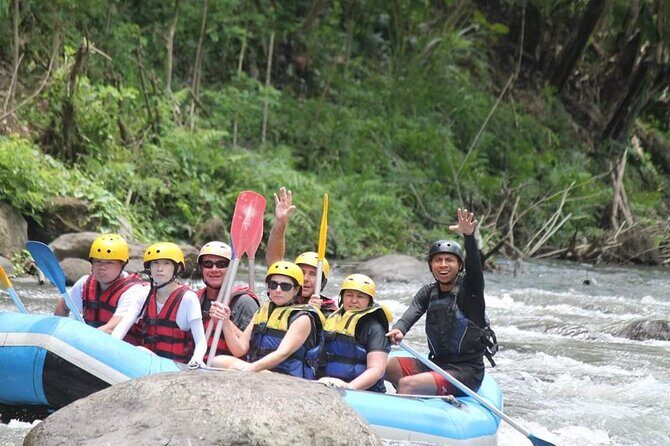
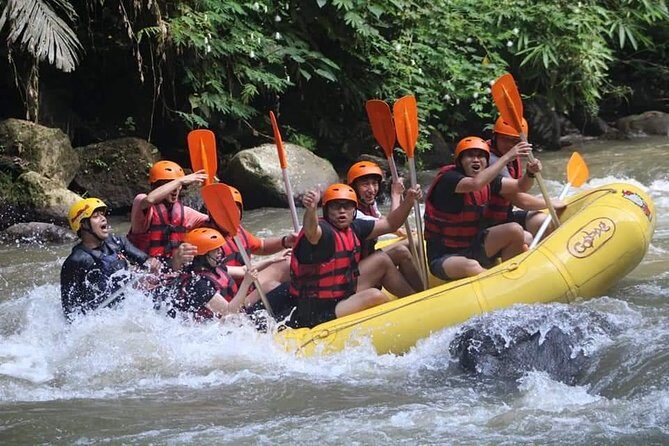
  • Ayung River rafting with a professional guide starting near Payangan Village and running past rice paddies
  • Happy Swing Bali with complimentary outfits for photos and a guide to keep it smooth
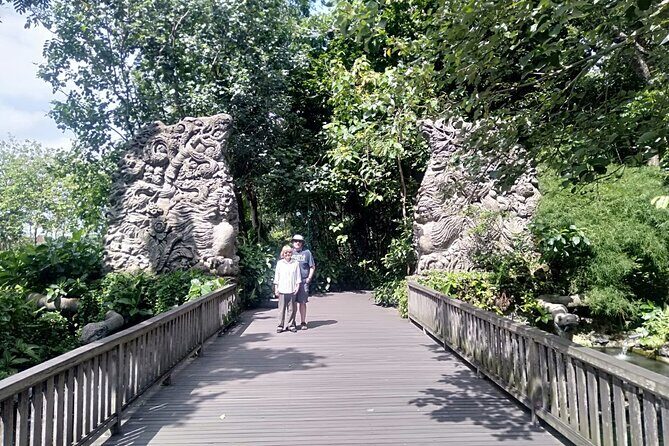
  • Sacred Monkey Forest Sanctuary with long-tail monkeys, wooden bridges, and old statues
  • Tegenungan Waterfall with a top viewpoint and the option to head down toward the river area
  • Private-group feel, plus door-to-door pickup offered from Seminyak

A 7-hour Seminyak-to-Ubud day that actually stays fun

Rafting Swing Monkey Forest And Waterfall Tour All Inclusive - A 7-hour Seminyak-to-Ubud day that actually stays fun
This is the kind of day trip I recommend when you want Bali’s “greatest hits” but you don’t want to spend your holiday figuring out transport. Based around Ubud-area highlights, it runs about 7 hours and strings together four major experiences: Ayung River rafting, Bali Swing, Monkey Forest, and Tegenungan Waterfall.

Even better, it’s set up as a private tour/activity, so it’s just your group. That matters more than people think. Fewer people means easier pacing, less waiting around, and more time at each stop to take photos and actually enjoy what you’re seeing.

If you’re celebrating something—like a birthday—having a guide who knows how to manage the day can make it feel extra personal. One guest specifically praised Ketut Dampar Bagus for going above and beyond, being friendly, and keeping things running smoothly.

Ayung River rafting from Payangan Village: the main event

Rafting Swing Monkey Forest And Waterfall Tour All Inclusive - Ayung River rafting from Payangan Village: the main event
Your day starts with white-water rafting on the Ayung River with a guide. The run begins from Payangan Village, and the description emphasizes the approach: passing rice padi fields and heading down to the river side. That little lead-in is more than scenery. It sets expectations that you’re rafting in a real working landscape, not just a man-made “attraction river.”

The rafting block is listed as 2 hours, and that time includes the on-river guidance from a professional instructor/guide. For most people, that’s the sweet spot: enough time to feel like you did something athletic and exciting, but not so long that your energy collapses before the rest of the day.

What to expect in practical terms

  • You’ll be outdoors for a chunk of time and you should assume you’ll get wet (even if it’s not full “soaked through” for everyone).
  • You’ll want a quick-dry plan for clothes and something secure for your phone/camera.
  • Since a guide is involved, you don’t need rafting experience to join, but you should be ready to listen and follow instructions.

A realistic drawback

Rafting days move fast. If you’re hoping for a very relaxed pace from minute one, you might find the schedule brisk—especially once you add photos and transfers afterward.

Happy Swing Bali: how the photo moment fits into a full day

After rafting, you jump into Happy Swing Bali for about 1 hour. The big draw here is the iconic swing photo setup, but the way it’s described is useful: you get a dress as a complimentary option to use, and there’s a friendly guide accompanying you through the best spots for photos.

This matters because Bali Swing can easily turn into chaos—people rushing, staff scrambling, and you spending the hour thinking about your camera instead of the view. A guide and a structured time slot usually means you spend less energy negotiating the moment and more time creating decent photos without turning it into a production.

My practical take

Treat it like a photo session with a short activity attached. You’ll get the most out of it if you:

  • Go easy on expectations about having “perfect” poses—weather and lighting can shift.
  • Plan to wear something comfortable underneath the dress so changing isn’t stressful.
  • Bring patience. Swing time always has a small waiting rhythm.

Possible consideration

If you’re not interested in photos or you’re easily frustrated by waiting for your turn, you may not love the swing stop as much. It’s the most “Instagram-forward” part of the day.

Sacred Monkey Forest Sanctuary: wooden bridges, statues, and long-tail monkeys

Next comes Sacred Monkey Forest Sanctuary, also about 1 hour. This is a different kind of experience—less adrenaline, more wandering. The highlights in the description focus on what you’ll actually be doing: seeing long tail monkeys, using wooden bridges for great viewpoints and photos, and spotting old ancient statues.

You’ll also walk toward a valley area with a friendly guide. That’s a clue that you’re not just passing through one corridor and leaving. You’ll likely get a small route that helps you cover the best areas without getting stuck in the wrong direction.

What I love about Monkey Forest on a day like this

Coming after rafting and swing, it’s a great reset. Your body cools down mentally. You can slow your pace, look around, and enjoy the natural feel of the forest path rather than rushing for the next photo.

One thing to watch

Monkey areas demand basic common sense. Keep your belongings secure, don’t tease, and treat it like wildlife, not pets. The guide presence helps, but your behavior still sets the tone.

Tegenungan Waterfall: best viewpoint, plus the option to go down

Then it’s on to Tegenungan Waterfall, listed for about 1 hour. The description calls it one of the most popular waterfall spots in the south of Ubud and specifically points you to the best picture viewpoint. There’s also an option mentioned to go down to the river side so you can get closer and explore the green area near the water.

This stop is where you’ll feel the day shift again—movement slows, but the scenery becomes the focus. A viewpoint first is smart. If the walk down is slippery or you’re tired after rafting, you still get the payoff without forcing it.

Practical advice from real-world logic

  • If you want the “go down” option, wear shoes with grip and expect wet rock.
  • Bring a waterproof plan for your phone. Even if you stay dry, spray can find you.
  • Go early if you can influence timing—popular waterfall areas can get crowded.

Potential drawback

The “option to go down” can be a deciding factor. If you don’t want any extra steps or uneven ground, stick with the viewpoint and enjoy it from there.

What all-inclusive really means here: transfers, tickets, lunch, and confirmation

Rafting Swing Monkey Forest And Waterfall Tour All Inclusive - What all-inclusive really means here: transfers, tickets, lunch, and confirmation
The tour name says all inclusive, but the details you’re given include some mixed messages. Here’s what the information points to:

  • Door-to-door transfers are offered, and the wording describes transport support.
  • The itinerary lists admission tickets included for each stop: rafting, swing, Monkey Forest, and Tegenungan Waterfall.
  • The overview also mentions a white-water rafting trip on the Ayung River that includes an Indonesian buffet lunch.
  • At the same time, the overview text states that entry, dinner, and rafting fees are excluded.

So how should you read this as a traveler? With caution, but not panic. It likely means that some versions of the description refer to different packages, or some costs are bundled while others aren’t. The safest move is to confirm exactly what’s covered for your booking: what tickets you won’t have to pay at the sites, whether lunch is included with rafting, and whether there’s any dinner expectation.

My value-minded way to judge it

At $54 per person for a day that includes multiple major attractions and guided time, this can be a strong deal if the tickets and lunch are truly included. But if you end up paying extra at several stops, the value gets less impressive quickly. One short confirmation email to the provider can save you from surprise costs later.

Private group touring: why it feels smoother

Because it’s described as a private tour/activity (only your group participates), your day tends to be easier to manage. Instead of being absorbed into a large group schedule, you’re more likely to:

  • get a clearer sense of the day’s flow,
  • spend more time where you want to linger (like the Monkey Forest bridges),
  • and have a guide who can adjust the pace.

This is also where the best reviews get interesting. One guest raved about Ketut Dampar Bagus for being friendly, knowledgeable, and going above and beyond during a husband’s birthday trip. That’s not about fancy promises—it’s about the fundamentals: communication, timing, and attitude. Those are exactly what you want on a day packed with transfers.

If you’re the type who likes structure, this private setup fits. If you prefer “wander on your own,” you may still enjoy it, but you’ll probably want more time at each stop than the standard schedule provides.

Timing and pacing: how the 4 stops likely feel in real life

Rafting Swing Monkey Forest And Waterfall Tour All Inclusive - Timing and pacing: how the 4 stops likely feel in real life
On paper, the key experiences add up to:

  • 2 hours rafting
  • 1 hour Bali Swing
  • 1 hour Monkey Forest
  • 1 hour Tegenungan Waterfall

That’s about 5 hours of activity time, then you add transfers and buffer. In real life, that buffer is what keeps a day from turning into a sprint. Door-to-door pickup helps a lot, especially if you’re starting in Seminyak and heading to the Ubud-area attractions.

Still, it’s not a slow travel day. You’re stacking big moments. If you hate rushing, plan to go with the mindset of a highlight reel rather than a deep, unhurried tour.

Packing and comfort tips that will actually help

Even without “special gear” details in the info, a day like this needs basic readiness. I’d pack with wet + photos + walking in mind.

Bring

  • A small waterproof pouch or dry bag for your phone
  • Quick-dry clothes for after rafting
  • Shoes with grip if you might go down at Tegenungan
  • A refillable water bottle (bottled water availability can vary)
  • Sunglasses and sunscreen

Wear

  • Something comfortable you don’t mind getting wet
  • Layers you can adapt if you feel chilly after water time

If you do plan to use the complimentary dress at Bali Swing, think about what you’ll wear underneath so you’re not dealing with awkward adjustments in a rush.

Who this tour suits best

This fits you if you want:

  • a single-day plan that hits multiple Ubud-area highlights,
  • guided time (rafting, swing, Monkey Forest),
  • and a private-group feel so the day isn’t chaotic.

It’s especially good for people who are short on time in Bali and want to avoid multiple separate bookings. It can also work well for a celebration—guides who manage the day well can make it feel more thoughtful, not just transactional.

If you’re the kind of traveler who prefers one place for half a day and calls it a day, this might feel too packed. For those folks, a more relaxed itinerary with fewer stops usually wins.

Final verdict: should you book this rafting + swing + Monkey Forest day?

Yes—if you confirm what’s included and you’re comfortable with an active, photo-friendly day.

At $54 per person, this has the ingredients of good value: guided rafting time, major Ubud sights, and admission-ticket coverage listed for each stop. The private-group setup also helps the day feel less rushed, and the standout guide mention (Ketut Dampar Bagus) is a strong signal that the human side matters here.

But I’d do one quick check before committing: clarify whether lunch is included, and whether any entry or additional fees could show up at the sites. Once you have that pinned down, this tour is a solid way to taste a lot of Bali in one clean, well-timed run.

FAQ

Is pickup included?

Pickup is offered, with door-to-door transfers mentioned as part of the experience.

How long is the tour?

The duration is listed as approximately 7 hours.

What stops are included during the day?

The plan includes rafting at Ayung River (starting from near Payangan Village), Happy Swing Bali, Sacred Monkey Forest Sanctuary, and Tegenungan Waterfall.

Are tickets included?

Admission tickets are listed as included for each of the stops in the provided schedule.

Is lunch included with rafting?

An Indonesian buffet lunch is mentioned as included with the rafting portion.

Is this a private tour?

Yes. Only your group will participate.

What is the price?

The price is listed as $54.00 per person.

What is the cancellation policy?

Free cancellation is available up to 24 hours in advance for a full refund. If you cancel less than 24 hours before the experience’s start time, there is no refund.

Bali Rainforest Hiking With Canoeing And Waterfall Adventure

Bali Rainforest Hiking With Canoeing And Waterfall Adventure - Rainforest hiking: what you gain beyond exercise

Four wild nature stops in one day. This rainforest hike in the Tamblingan area is built around big scenery: you start at Twin Lake View where you can see Tamblingan and Buyan lakes together, then the day rolls into trekking, canoe time, the Ulun Danu Tamblingan Temple, and a Banyumala waterfall choice.

I really like the way this tour treats the guide as the main event. Names like Dharma, Komang, and Eddy show up in real feedback for a reason: you get practical, on-the-ground explanations of Balinese culture and what you’re actually walking past. I also like the food rhythm, with Balinese coffee and snacks during the canoe transition plus a proper Balinese lunch after the water stop.

One thing to plan for: this is active. It’s a good match for moderate physical fitness, because there’s trekking on uneven ground and canoeing as part of the flow.

Key highlights you’ll feel fast

Bali Rainforest Hiking With Canoeing And Waterfall Adventure - Key highlights you’ll feel fast

  • Small group pace (max 15 travelers): less waiting, more time to ask questions and stop for photos.
  • Twin Lake View photo start: Tamblingan and Buyan lakes in one frame before you start walking.
  • Trek-to-canoe transition: after trekking, a canoe team picks you up with snacks and coffee.
  • Ulun Danu Tamblingan Temple viewpoint: a calm, scenic pause that breaks up the action.
  • Banyumala Waterfall choice: you can pick which waterfall you want to visit in the Banyumala/Banyuwana area.
  • Safety basics included: life jacket and a medical box are part of the package.

Twin Lake View to trekking: how the day sets the tone

Bali Rainforest Hiking With Canoeing And Waterfall Adventure - Twin Lake View to trekking: how the day sets the tone
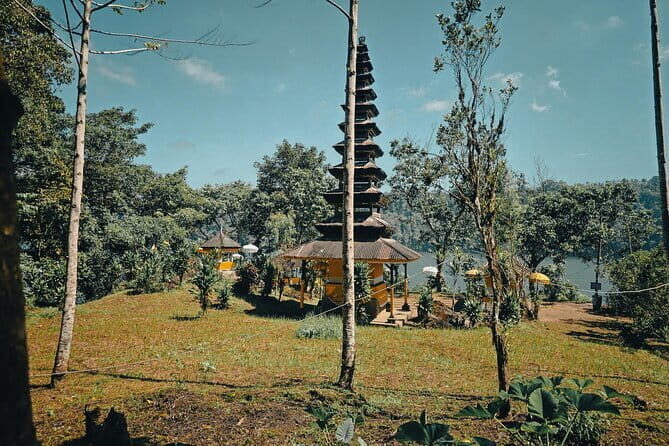
The best tours don’t start with a lecture. They start with a view and a plan. Here, your day kicks off at the Twin Lake View area (Titik Pandang Danau Kembar Wanagiri, Sukasada, Pancasari Sukasada, Gobleg, Kec. Banjar, Kabupaten Buleleng, Bali 81118). If you’re coming from Ubud, you’ll likely appreciate the fact that the drive is handled for you with an air-conditioned vehicle and pickup availability.

Before you even put on your shoes, you get a quick briefing and a chance to take photos with Tamblingan Lake and Buyan Lake in the same sightline. That matters, because the rest of the day is a sequence of moving parts—trekking, canoeing, temples, waterfall time—so it helps to get your bearings early.

This is also one of those moments where the guide can shape the whole experience. When the day starts with a clear rundown of what you’ll do next, you tend to enjoy the actual activity more and stress less about timing. With a group capped at 15, it’s usually easier to keep that pace without herding people.

Rainforest hiking: what you gain beyond exercise

Bali Rainforest Hiking With Canoeing And Waterfall Adventure - Rainforest hiking: what you gain beyond exercise
The trekking part is the heart of the morning. You head from the meeting point down toward the trekking area, with your trekking guide accompanying you along the way. The focus is on seeing the rainforest up close, not just checking a box.

What you’ll get out of the hike is the slow attention. Guides like Dharma have a reputation for pointing out what’s around you and tying it back to Balinese life and local culture. That sort of narration changes a rainforest walk from scenery into understanding. You’ll also be moving through different types of vegetation, so it doesn’t feel like one long, identical stretch.

A practical note: trekking down can be harder on your knees than trekking up, especially if the ground is slick. The tour calls for moderate physical fitness, so you don’t need to be an athlete. But you should be comfortable with uneven footing and being on your feet for part of the route.

If you’re traveling with kids or teens, the bigger issue is not stamina alone. It’s how they handle steady walking on natural ground. Families can enjoy this day, but it’s still an active outing, so choose this only if everyone can manage the trek portion without constant stops.

The canoe pickup: why the snack and coffee moment is smart

Bali Rainforest Hiking With Canoeing And Waterfall Adventure - The canoe pickup: why the snack and coffee moment is smart
After the trek, the tour shifts gears. The canoe team picks you up, and there’s a pause built into the transition. You can enjoy traditional Balinese coffee and snacks while you reset before the next activity.

I like this structure because it keeps the day from feeling like a straight sprint. You’ve been walking in a humid, shaded environment, then you switch to canoe time. That “small break” can be the difference between a fun day and a day where everyone starts getting cranky.

Canoeing also changes your viewpoint. Instead of watching the jungle through leaves and ground-level angles, you get a smoother, water-based perspective. The tour includes a life jacket and a medical box, which is a reassuring safety baseline when you’re doing water activity as part of a larger day.

You should still dress like you’re heading into nature, not a show. Wear clothing that you don’t mind getting a little dusty, and bring layers if you tend to run cold. The tour includes bottled water, which helps a lot once you’re past the initial coffee-and-snack moment.

Ulun Danu Tamblingan Temple: a calm stop with real atmosphere

Bali Rainforest Hiking With Canoeing And Waterfall Adventure - Ulun Danu Tamblingan Temple: a calm stop with real atmosphere
Then you arrive at Ulun Danu Tamblingan Temple. This is one of those places where the day’s energy drops. Even if you’re not a temple expert, you’ll feel why it’s part of the route. It gives you a scenic reset before the final push toward the waterfall.

The tour gives you time to enjoy the view at the temple, not just a quick photo sprint. That matters because you’re coming from trekking and canoeing. A calm stop keeps the experience balanced, and it also lets you observe without rushing.

From a cultural perspective, the guides in this region tend to explain what you’re seeing in context. Feedback highlights guides such as Dharma for teaching Balinese culture and tradition in an approachable way. So this isn’t just a scenic detour—it’s usually where the day turns from physical adventure into cultural understanding.

Banyumala/Banyuwana waterfall choice: how to think about it

Bali Rainforest Hiking With Canoeing And Waterfall Adventure - Banyumala/Banyuwana waterfall choice: how to think about it
After the temple stop, you move to the Banyumala waterfall area. Here’s a nice detail: you have the option to choose the waterfall that you want to visit at Banyuwana Waterfall (spelling varies in descriptions, but it’s the same Banyumala/Banyuwana region).

That choice can be useful in real life. Different waterfalls can match different comfort levels with walking, stairs, spray, and time at the site. If one option looks too intense for your group, you can often pick another. The tour stays flexible enough to support that.

What I like is that the day doesn’t force one single waterfall as a hard requirement. It gives you a little agency. Also, because the tour is structured in a loop from lakes to temple to water, the waterfall stop feels like a payoff instead of a random last-minute add-on.

The day ends with a rest and lunch after the water activity, so you’re not just racing to the waterfall and then leaving immediately. You can take photos, linger, and settle back into the calm side of the day.

Lunch after the action: where the value really shows

Bali Rainforest Hiking With Canoeing And Waterfall Adventure - Lunch after the action: where the value really shows
Lunch is included, and it’s described as an authentic Balinese lunch. The tour also says they can accommodate dietary restrictions like vegetarian, vegan, and gluten-free. If you have specific needs, you’ll want to note them during booking so the kitchen can plan.

One thing I’d watch for is expectations. This is not a fancy, plated restaurant lunch where you’re guaranteed a long seated service. It’s more like a local meal as part of the tour rhythm. That can actually be a win. When food is chosen to match the setting, you tend to get something more real than a generic tourist buffet.

You’ll also have access to bottled water. Add in the coffee and snacks earlier, and the tour takes care of a big chunk of your day’s fuel.

If you’re someone who likes taking photos, you’ll probably enjoy the day’s timing. There are scenic moments before you start and again at the temple. Then lunch gives you a place to rest before heading back to the meeting point.

Price and value: $68 for a whole active day

Bali Rainforest Hiking With Canoeing And Waterfall Adventure - Price and value: $68 for a whole active day
At $68 for about 4.5 hours, this is priced like an activity package rather than a single attraction. What makes it feel like value is that you’re not paying only for a guide. You’re paying for the combined day: air-conditioned transportation, trekking support, canoe activity with life jackets, and meals (coffee/snack plus lunch).

The included items list matters:

  • Air-conditioned vehicle
  • Life jacket and medical box
  • All fees and taxes
  • Traditional Balinese coffee and/or tea
  • Snacks
  • Bottled water
  • Lunch with dietary accommodations

And the only clear things not included are tipping and personal expenses. If you’re trying to keep your Bali spending under control, this kind of “food + gear + guided activity” bundle usually works better than buying everything separately.

Also, the group limit of 15 helps the experience stay manageable. Smaller groups can make a day like this feel less chaotic, even if you’re sharing the route with other people.

What to expect with timing and group energy

Bali Rainforest Hiking With Canoeing And Waterfall Adventure - What to expect with timing and group energy
Because the tour runs roughly 4 hours 30 minutes, you’re not in for an all-day slog. You should still expect a real outdoor schedule: walking, canoeing, temple time, then the waterfall stop and lunch.

The group energy can make or break a hike. Here, capped group size and guided pacing help. Pickup is offered, and the tour returns you back to the meeting point at the end, so you aren’t left figuring out transport once you’re tired.

One more practical point: the tour is near public transportation, and service animals are allowed. If you’re coordinating with a travel partner who uses mobility support or you’re traveling with a companion animal, that’s useful information to have ahead of time.

Who should book this tour (and who should consider a calmer option)

This is a good fit if you want a single day that includes nature, culture, and water without needing multiple bookings. It’s especially appealing if you like learning from guides who focus on how people live and why places matter.

It’s also a decent choice for families with children if they can handle moderate trekking. One useful clue from feedback: a group with sons aged 14 and 15 had a positive experience with the trekking, canoeing, and lunch. That suggests the day can work for older kids who can manage outdoor time.

It may be less ideal if your idea of a vacation is mostly sitting and scenic overlooks. There’s active walking and canoeing here. If your fitness is low or you don’t enjoy uneven ground, you might feel more comfortable choosing a lighter tour and saving the rainforest hike for a day when you’re feeling fresh.

Final verdict: should you book Bali Rainforest Hiking with Canoeing and Waterfall?

If you want a day that feels like Bali beyond rice-field postcards, this hits a smart mix. The day starts with big lake views, then you get rainforest trekking with guide-led explanation, a canoe segment with Balinese coffee and snacks, a temple viewpoint at Ulun Danu Tamblingan Temple, and then a Banyumala waterfall stop with a choice built in. The included lunch and bottled water keep you going without extra stops.

Book this if:

  • You like active, guided nature time
  • You want temple context, not just photos
  • You value included meals and basic safety gear

Skip it (or consider something gentler) if:

  • You’re not comfortable with moderate trekking
  • You prefer minimal walking and no canoe component

Overall, this tour makes sense for people who want a packed but well-paced half-day—where food, scenery, and local storytelling are built into the schedule instead of added on at the end.

FAQ

Where does the tour start?

The tour starts at Titik Pandang Danau Kembar Wanagiri Sukasada Pancasari Sukasada, Gobleg, Kec. Banjar, Kabupaten Buleleng, Bali 81118, Indonesia.

How long is the Bali Rainforest Hiking With Canoeing And Waterfall Adventure tour?

It lasts about 4 hours 30 minutes (approx.).

What food and drinks are included?

You get traditional Balinese coffee and/or tea, snacks, bottled water, and an authentic Balinese lunch.

Can the lunch accommodate dietary restrictions?

Yes. The tour says they can accommodate dietary restrictions such as vegetarian, vegan, and gluten-free. You should indicate your needs at booking.

What fitness level do I need?

The tour is for travelers with a moderate physical fitness level.

Is free cancellation available?

Yes. Free cancellation is available up to 24 hours in advance for a full refund. Canceling less than 24 hours before the start time is not refunded.

Experience ATV Ubud Gorilla Cave and Waterfall with Lunch

Mud, cave, and a waterfall in one ride. What makes this adventure fun is the mix: you ride through Payangan jungle and bamboo areas, take on real river and mud sections, then drive into Gorilla Cave before ending at a waterfall. I especially like the hands-on feel of the route, plus the included meal at Cretya Sunset so the day doesn’t end with you hunting for food.

One thing to plan for: the trail involves splashes, mud, and uneven ground, so you need moderate physical fitness and you should expect to get wet and dirty in a very satisfying, ATV-way.

Key things to know before you go

Experience ATV Ubud Gorilla Cave and Waterfall with Lunch - Key things to know before you go

  • Gorilla Cave drive: You ride through the cave, not just around it.
  • 8 km of mixed terrain: Jungle tracks plus river and mud sections.
  • Waterfall break: A refreshing stop and easy photo moment.
  • Lunch at Cretya Sunset: Included Indonesian food after the ride.
  • Small group size: Maximum 15 people keeps things from feeling rushed.
  • Safety gear and basics included: Briefing, equipment, towels, and lockers are part of the package.

Why Payangan’s Jungle ATV Feels Like More Than a Quick Thrill

Experience ATV Ubud Gorilla Cave and Waterfall with Lunch - Why Payangan’s Jungle ATV Feels Like More Than a Quick Thrill
Ubud-area tours often go big on scenery and light on motion. This one is the opposite. You spend your time on an ATV tackling a designed course, and the scenery keeps changing as you move from forest paths to more challenging wet sections. It’s a great way to experience Bali’s natural texture, not just its views from a roadside pull-off.

I also like the way the tour is built for mixed experience levels. There’s a shuttle from Payangan to the ATV start area, then you begin with a briefing and training tracks before you go deeper into the route. That matters if you’re a total beginner, because it helps you build basic control before things get muddy.

At $35 per person for about 1 hour 30 minutes total, the value is strongest when you want one package that includes riding, stops, and food. You’re not piecing together separate transport plus separate activities. And with a 5.0 average rating from 9 reviews, this is one of those deals that people seem to feel good about.

Entering Gorilla Cave: The Moment You’ll Remember

Experience ATV Ubud Gorilla Cave and Waterfall with Lunch - Entering Gorilla Cave: The Moment You’ll Remember
The star feature is the Gorilla Cave portion. Driving through a cave on an ATV feels unusual because it changes how you read the path. Outside, you can focus on light, trees, and the route ahead. Inside, everything gets dimmer and the terrain becomes the focus. It turns the adventure into something more memorable than a scenic ride that just happens to pass a landmark.

The course is designed to include bamboo forest and jungle sections before the cave, so you’re not thrown into the highlight immediately. That pacing helps the ride feel like a story: you warm up, you build confidence, then the cave shows up like a plot twist.

Practical takeaway: if you bring a phone, plan on securing it well. Your hands will be busy controlling the ATV, and you may get spray from earlier wet sections. It’s not a “keep everything clean” activity.

River and Mud Tracks: Where the Fun Gets Real

Experience ATV Ubud Gorilla Cave and Waterfall with Lunch - River and Mud Tracks: Where the Fun Gets Real
After the cave experience, the route shifts into river and mud tracks. This is the part that turns the ride from “exciting” into “I can’t believe this is happening.” You’ll hit uneven ground and watery stretches, and the ATV course is long enough—an 8 km track—that it doesn’t feel like a short loop.

This is also why you should bring the right expectations. Mud and water mean:

  • Your clothes will get messy
  • Your shoes/boots can end up heavier than when you started
  • You’ll want to avoid anything you can’t get dirty

The good news is that the package includes essentials like towels and access to lockers. That’s the kind of practical detail that makes the experience feel “put together,” not just wild.

The Waterfall Stop: Photos, Breathing Space, and a Quick Reset

Experience ATV Ubud Gorilla Cave and Waterfall with Lunch - The Waterfall Stop: Photos, Breathing Space, and a Quick Reset
Between the cave and the final stretch, you’ll make time for a waterfall stop. It functions as a reset after wet, bumpy terrain. In that moment, you get a chance to stand still, look around, and take photos without the constant motion of driving.

This stop also helps the day make sense. Without the waterfall, the ride would be a nonstop adrenaline session. With it, you get a balance: thrill, then a beautiful pause.

Tip: bring something quick-dry for the rest of the day after your ride. Even with towels, you’ll likely be damp around the edges.

ATVs, Safety Briefing, and What the “Beginner-Friendly” Means

Experience ATV Ubud Gorilla Cave and Waterfall with Lunch - ATVs, Safety Briefing, and What the “Beginner-Friendly” Means
This tour emphasizes safety, with a briefing before you head out and safety equipment included. They also provide training tracks at the start, which is a big clue about how they expect most people to ride.

“Beginner-friendly” here doesn’t mean easy terrain. It means you’re taught how to handle the ATV before reaching the more challenging parts like water and mud. That’s why the timing stays tight but not rushed: you get enough riding time—about 60 to 90 minutes on the track—while still getting guidance.

One more practical point: the ride is built for a range of riders, but you still need moderate fitness. Think: staying steady on a moving ATV, handling bumpy ground, and coping with getting wet. If you have mobility issues that affect your ability to sit and brace yourself, this might be more uncomfortable than it sounds on paper.

Lunch at Cretya Sunset: Why It’s Part of the Value

Experience ATV Ubud Gorilla Cave and Waterfall with Lunch - Lunch at Cretya Sunset: Why It’s Part of the Value
After the ride, you’ll eat at Cretya Sunset, with included Indonesian food. This matters because a lot of “adventure” tours tack on lunch that’s either too late, too small, or not worth the extra search time. Here, lunch is part of the package, so your day stays simple.

From a value perspective, this is one of the best parts: you’re paying for the whole arc. You ride through jungle, cave, and muddy tracks, then you’re fed without needing to negotiate a separate plan after you’re already tired and probably a little damp.

If you’re the type who likes straightforward local food after an active morning or afternoon, you’ll likely appreciate that the meal is designed as a proper finish rather than a token snack.

Getting There from Payangan: Simple Logistics That Don’t Waste Time

Experience ATV Ubud Gorilla Cave and Waterfall with Lunch - Getting There from Payangan: Simple Logistics That Don’t Waste Time
The experience starts in Payangan, Gianyar Regency, Bali, and ends back at the meeting point. Pickup is offered, and there’s also a shuttle from the registration area to the ATV start point.

This setup is useful because Bali traffic and short distances can still eat time. By bundling pickup and shuttling into the activity flow, you spend more time on the course and less time figuring out transport on your own.

Also note the tour uses a mobile ticket, and you’ll receive confirmation at booking time. That cuts down on last-minute back-and-forth, which you’ll appreciate if your Bali schedule is packed.

Timing: 1.5 Hours Total That Still Feels Like an Adventure

Experience ATV Ubud Gorilla Cave and Waterfall with Lunch - Timing: 1.5 Hours Total That Still Feels Like an Adventure
The whole experience runs about 1 hour 30 minutes. Within that, you get around 60–90 minutes of actual riding on the 8 km route. That timing is a sweet spot for most people.

Too short usually means you never get into the real rhythm. Too long can turn the day into fatigue, especially when you’re dealing with wet ground. Here, the ride length gives you enough time for the big moments—cave, water, mud, waterfall—without dragging on.

If you’re building a day around Ubud, this is also easier to schedule than all-day tours. You can do this and still keep room for a meal, a massage, or a sunset walk.

Price and Value: Is $35 Worth It in Ubud?

At $35 per person, the value comes from three things you’d otherwise pay for separately:

  • ATV riding plus guide and safety basics
  • Major included stops (Gorilla Cave and a waterfall)
  • A proper included lunch at Cretya Sunset

You’re not only paying for fun. You’re paying for a guided setup that takes you through a course that includes wet and tricky terrain. If you’ve ever tried to DIY something similar, you’ll know the hidden costs: transport, hiring someone to guide you safely, and the time it takes to find a route that’s actually rideable.

This price also feels more reasonable because the group size is capped at 15 travelers. Smaller groups tend to mean less waiting, less crowding at photo stops, and a smoother flow overall.

Who This ATV Adventure Is Best For

This experience fits best if you want active nature time with a clear structure and included food.

You’ll be a good match if you:

  • Like a mix of forest riding and a challenge like mud and river sections
  • Want a unique stop, especially the chance to ride through Gorilla Cave
  • Prefer a guided, safety-minded experience instead of DIY driving
  • Are comfortable with getting wet and muddy, then cooling off afterward

You might want to rethink if you’re sensitive to getting dirty, or if you have issues with moderate physical fitness. Also, you can’t bring alcohol or come in drunk. This is one of those tours where following safety rules is part of getting the best experience.

Should You Book the Gorilla Cave ATV and Waterfall with Lunch?

I’d book this if your ideal Bali day includes real movement—ATV time with jungle variety, a cave that feels out of the ordinary, and a waterfall stop that gives you a break. The included Cretya Sunset lunch, plus towels and lockers, makes it feel like more of a complete outing than a bare-bones activity.

It’s not the best pick if you want a clean, calm nature walk. It’s muddy, wet, and physical in the fun way.

If you’re flexible on weather, you’ll be in good shape too, because the experience requires good conditions. If it’s canceled due to poor weather, you’ll be offered another date or a full refund, so you’re not stuck.

FAQ

Is pickup available for this ATV tour in Ubud?

Pickup is offered, and the activity starts in Payangan, Gianyar Regency, Bali, with the tour ending back at the meeting point.

How long is the ATV experience?

The total experience is about 1 hour 30 minutes. The ride itself lasts around 60 to 90 minutes.

How much does it cost?

The price is $35.00 per person.

What’s included besides the ATV ride?

You get safety equipment, a briefing and training tracks, towels and lockers, and a meal with Indonesian food at Cretya Sunset.

Where does the tour start and end?

It starts at Payangan, Gianyar Regency, Bali, Indonesia and ends back at the meeting point.

Is the Gorilla Cave part of the ride?

Yes. You will explore the Gorilla Cave as part of the ATV route.

Will you stop at a waterfall?

Yes. The route includes a waterfall stop after the main ride sections.

How long is the ATV track?

The track length is listed as 8 km.

How many people are in the group?

The tour has a maximum of 15 travelers.

What should I know about fitness and alcohol?

The tour asks for moderate physical fitness. Alcohol is not allowed, and you should not come drunk.

What happens if the tour is canceled for weather?

The experience requires good weather. If it’s canceled due to poor weather, you’ll be offered a different date or a full refund.

If you want, tell me what day you’re going and whether you’re a first-time ATV rider—I can suggest what to wear so the mud phase doesn’t ruin the rest of your afternoon.

Bali Lempuyang Temple, Waterfall with Rice Terrace Tour

Bali Lempuyang Temple, Waterfall with Rice Terrace Tour - Stop 2: Tirta Gangga water palace and its 1948-era design

Five stops, one very photogenic day.

This tour strings together Bali’s best-known sights in a smooth route: Lempuyang’s Heaven Gate, Tirta Gangga’s water palace, a swing viewpoint with Mount Agung behind you, and the cave waterfall at Tukad Cepung. I love how the day is guided end-to-end by a fluent English pro who explains what you’re seeing, and I love the bonus tea and coffee tasting plus the UNESCO rice irrigation lesson. One thing to plan for: it’s a long 10-hour day with plenty of walking and steps in the heat, so bring good shoes and expect to slow down at the stair-heavy stops.

What also stands out is the way the day is built around photos without turning into a rush-factory. The guide factor is big here—feedback highlights guides like Gusty, Ade, and Komang for being punctual, great at taking pictures, and making you feel comfortable the whole time. If you’re the kind of traveler who likes understanding a place, not just collecting pictures, this format usually clicks.

Key highlights at a glance

Bali Lempuyang Temple, Waterfall with Rice Terrace Tour - Key highlights at a glance

  • Heaven Gate at Lempuyang: The classic framed view people travel for, done with time built in
  • Tirta Gangga water palace: Dutch-era and Balinese style mixed in one scenic stop
  • Lereng Agung swing: Wide rice-field views plus Mount Agung in the background
  • Tukad Cepung waterfall: A dramatic waterfall you reach through a canyon-like cave walk
  • Tegalalang + UNESCO Subak: Learn the irrigation system that keeps rice paddies alive
  • Tea and coffee tasting in Tampaksiring: A calm mid/late-day break to reset

A private Ubud day with pickup and a fluent English guide

Bali Lempuyang Temple, Waterfall with Rice Terrace Tour - A private Ubud day with pickup and a fluent English guide
This is a private tour, meaning it’s just you and your group in the car. That matters in Bali, where timing can make or break your day—having a guide who handles the flow helps you spend less energy figuring things out and more energy enjoying the sights.

The tour runs about 10 hours, with hotel pickup and private transfer included. Entrance tickets are also included for the temple and key attractions, plus parking fees. You’ll have bottled water during the day, and there’s free tea and coffee at the final stop—small perks that add up when you’re out for the better part of a day.

One more practical detail: the tour uses mobile tickets and the pace is designed around specific photo points and walking segments. If you’re traveling with anyone who gets overwhelmed by chaotic group tours, this format tends to feel calmer.

Stop 1: Lempuyang Temple and the Heaven Gate photo setup

Lempuyang Temple is famous for its view—the “Heaven Gate” framing that shows up in countless photos. You’ll spend about 2 hours here, and admission is included, so you can focus on what matters: the walkways, the temple atmosphere, and getting your photos without treating it like a quick drive-by.

What I like about this stop is that it isn’t only about the picture. With a fluent English guide, you get context for why this place is iconic in Balinese religious life, and you also learn how to time your photo moments around the architecture and viewpoints.

A possible consideration: Lempuyang is the kind of attraction where you should plan for uneven steps and a slower pace. Even if you’re fit, you’ll feel the altitude and the walking, so wear shoes you can trust and bring sunscreen.

Stop 2: Tirta Gangga water palace and its 1948-era design

Bali Lempuyang Temple, Waterfall with Rice Terrace Tour - Stop 2: Tirta Gangga water palace and its 1948-era design
Next comes Tirta Gangga, a water palace associated with the Karangasem Kingdom Regency. It’s often described as a favorite photo spot, and you’ll get about 1.5 hours there.

This stop is special because it mixes influences. The palace is described as being built around 1948 with Dutch, Balinese, and Chinese architectural concepts working together. Translation: it doesn’t feel like a single-style “theme park.” It feels like a layered place that shows how different cultures and local design meet in Bali.

You’ll also get a chance to slow down near the pools and garden-like layout. This is a nice contrast after Lempuyang, because the mood changes from temple views and stairs to water features and calmer walking paths.

Stop 3: Lereng Agung swing photos with Mount Agung in frame

Bali Lempuyang Temple, Waterfall with Rice Terrace Tour - Stop 3: Lereng Agung swing photos with Mount Agung in frame
After Tirta Gangga, you head to Ristorante Lereng Agung. This is where the adrenaline swing comes in—the stop designed for that wide background shot.

You’ll have about 1.5 hours here, including time to do the swing and get photos with the rice fields and Mount Agung in the background. If your group is split—some want photos, some want scenery—this place usually satisfies both, because the viewpoint is broad and the setting is open.

A small caution: the swing is fun, but it’s also something you should treat carefully. Go at your own comfort level, listen to your guide, and don’t rush. The best results come from calm positioning and timing, not from speed.

Stop 4: Tukad Cepung waterfall inside the cave canyon

Bali Lempuyang Temple, Waterfall with Rice Terrace Tour - Stop 4: Tukad Cepung waterfall inside the cave canyon
Then the day turns dramatic with Tukad Cepung Waterfall. This one is famous for the way you walk into a canyon-like area and see the waterfall coming through a cave opening.

You’ll spend around 2 hours total, and admission is included. The walk-in approach is part of the experience—your first glimpse is often the payoff. The cave setting changes how light hits the waterfall, and that’s why photos here often look so striking.

A practical consideration: this stop can involve damp or slippery surfaces. Wear shoes with good grip and move slowly on the approach. You’re doing a lot of walking in one day already, so this is also a good place to keep your energy steady instead of sprinting for the first angle.

Stop 5: Tegalalang rice terraces and the UNESCO Subak irrigation lesson

Bali Lempuyang Temple, Waterfall with Rice Terrace Tour - Stop 5: Tegalalang rice terraces and the UNESCO Subak irrigation lesson
Now you reach Tegalalang Rice Terrace, where the experience becomes more than scenery. You’ll spend about 2 hours here and see the rice paddies with local work happening around irrigation.

The big educational angle is the Subak irrigation system. Subak is described as a rice irrigation method in Bali, and this tour highlights it as part of the UNESCO-listed water irrigation heritage. In plain terms: you’re not just looking at pretty terraces. You’re seeing how people manage water so rice can grow.

I love that this stop is paired with guidance. With an English-speaking guide, you can connect what you see—channels, water flow, and maintenance—with why it matters culturally. It’s a rare chance to understand how the landscape stays working, not just scenic.

If you’re someone who gets bored by “look at the view” stops, this is usually where the day clicks. The terrace plus the irrigation context gives you something to take home besides photos.

Stop 6: Tampaksiring tea and coffee tasting break

Bali Lempuyang Temple, Waterfall with Rice Terrace Tour - Stop 6: Tampaksiring tea and coffee tasting break
To close the loop, you’ll visit Tampaksiring for relaxation and refreshments. This stop is about 1 hour, and tea and coffee are free.

What’s fun here is the variety. The tour includes tea and coffee tasting with options like curcuma tea, ginger tea, rice tea, and avocado coffee. After temples, caves, and walking-heavy terraces, this is a smart reset. You get to sit, cool down, and switch from “photo mode” to “conversation mode.”

This final stop also makes the whole day feel balanced. You’re not ending with another strenuous walk. You’re ending with something sensory and calm.

Price and value: what $67 buys you for a 10-hour route

Bali Lempuyang Temple, Waterfall with Rice Terrace Tour - Price and value: what $67 buys you for a 10-hour route
At $67 per person, this tour is priced like a mid-range full-day experience in Bali—especially because you’re getting a private setup and entrance fees included for the major stops.

Here’s where the value comes from:

  • Private transport + pickup saves time and stress in Ubud
  • Live fluent English guide means you’re not just navigating sights blindly
  • Entrance tickets included reduces surprise costs
  • Parking fees and bottled water keep the day simple
  • The day includes photo-focused time, not only a checklist

Also, it’s booked about 32 days in advance on average, which usually signals that the route is in demand. If you want a specific date, it’s smart to reserve early so you’re not gambling on availability.

One note: personal expenses aren’t included, so budget for any extras you choose to buy on your own. But for the core day plan, the pricing feels straightforward.

What to pack so the day feels fun, not exhausting

Even the best-guided tour becomes less enjoyable if you’re uncomfortable. For a route like this, I’d plan for these basics:

  • Comfortable, grippy shoes for temple steps and the waterfall area
  • Sunscreen and a hat for long outdoor segments
  • A refillable water bottle (you’ll get bottled water during the tour, but having more can help)
  • Light layers for comfort in case your day swings between sun and shaded cave areas

If you’re doing the swing at Lereng Agung, wear something you feel stable in. And bring a small towel or wipes if you tend to get damp easily—Tukad Cepung can involve wet, cave-adjacent conditions.

Who this tour is best for

This tour is a strong fit if you want:

  • Iconic Bali photos that still come with explanations
  • A single-day route that covers temples, water palace views, a cave waterfall, and rice terraces
  • A guide who helps with timing and takes good photos of your group

It’s also a good option if you like structured days. The route is built as a sequence, so you’re not jumping randomly between places.

The bigger drawback is also the biggest one: the day is long. If you’re traveling with someone who can’t handle a lot of walking or stepping, you might want a shorter route or a more relaxed itinerary.

Should you book this Bali Lempuyang Temple, waterfall, and rice terrace tour?

I’d book it if you’re here for a “greatest hits” day and you care about the meaning behind the scenes, not just the camera angles. The biggest reason: you get a guided connection across very different sites—Heaven Gate, Tirta Gangga, a swing viewpoint, a cave waterfall, and UNESCO-linked irrigation—without feeling like you’re hopping around alone.

Skip (or adjust) if you know you’ll struggle with heat, long walking segments, or a 10-hour schedule. This route isn’t built for a slow, sleepy pace. It’s built for a full day of seeing and understanding.

If you do book, pick footwear first, then plan your energy. You’ll get the most out of the day when you’re comfortable enough to enjoy the quiet moments—especially at Tirta Gangga, and when you’re learning how Subak irrigation keeps the rice terraces alive.

FAQ

FAQ

How long is the tour?

The tour runs about 10 hours.

What is the price per person?

The price is $67.00 per person.

Is hotel pickup included?

Yes, private hotel transfer (pickup) is included.

Are entrance tickets included?

Yes. Entrance tickets are included for the key stops on the route.

Is this tour private or group-based?

It’s a private tour. Only your group participates.

Does the tour include tea and coffee?

Yes. You’ll enjoy tea and coffee tasting, including options like curcuma tea, ginger tea, rice tea, and avocado coffee.

Can I cancel for a full refund?

Yes—free cancellation is offered if you cancel up to 24 hours in advance for a full refund.

Bali Ubud Zipline Jungle Swing and Waterfall Tour

Bali Ubud Zipline Jungle Swing and Waterfall Tour - Tegalalang Rice Terrace: a scenic stop with context

One ride and you’re hooked. This is a full-on Ubud jungle day that mixes zipline flying, a Tarzan-style jungle swing, and a real waterfall visit with a chance to hike down (and possibly cool off at the natural pool). I especially like how the day is built around action, not just sightseeing, and how the waterfall stop gives you a payoff you can actually feel. One thing to weigh: the zipline has strict weight limits, so if you fall outside 40–100 kg / 220 lbs, you may not be able to do the main thrill.

I also like that the pacing is practical. Your driver picks you up from your hotel, keeps things moving, and you’ll be guided through each activity with a professional team (I heard great things about guides like Adhe). It’s also a private tour, meaning it’s only your group, not a giant mix of strangers with different vibes.

Key highlights you’ll care about

Bali Ubud Zipline Jungle Swing and Waterfall Tour - Key highlights you’ll care about

  • Zipline + jungle swing in the same day, with gear included so you’re not hunting for anything
  • Tegalalang Rice Terrace as a quick, scenic stop that makes the jungle setting feel real
  • Coffee plantation optional, so you can choose the slower, more educational break
  • Waterfall access plus a hike to the base, where the mist and sound actually change the mood
  • Private group setup with hotel pickup and drop-off for a smoother day

Ubud jungle adrenaline: what you’re signing up for

This isn’t the kind of Ubud tour where you slowly drift from one viewpoint to another. It’s a “do stuff” day, with your schedule shaped around three big moments: flying over the greenery, swinging over the jungle, and getting close to the waterfall.

The fun is in the contrast. You start with terraces and wide green views, then switch into tight jungle action. Finally you end at the waterfall where the sound gets louder and the air turns cooler and misty. If you like being active and don’t mind a bit of noise, humidity, and physical movement, you’ll get your money’s worth fast.

Hotel pickup and the private-tour feel

Bali Ubud Zipline Jungle Swing and Waterfall Tour - Hotel pickup and the private-tour feel
The day starts simply: your driver comes to pick you up at your hotel. That matters in Ubud because roads and traffic can mess with your plans if you’re trying to DIY. Having pickup and drop-off included makes the schedule feel anchored.

This is also described as a private tour/activity. In practice, that usually means you won’t be squeezed into a crowded shared vehicle, and your timing is easier to manage. You’ll also get a mobile ticket, which is handy if you don’t want to deal with paper.

One more practical note: your tour includes a professional driver guide. That tends to help with things like pacing (when to go, when to take a breath), and it can improve the quality of the day beyond just transporting you.

Tegalalang Rice Terrace: a scenic stop with context

Bali Ubud Zipline Jungle Swing and Waterfall Tour - Tegalalang Rice Terrace: a scenic stop with context
Your first stop is Tegalalang Rice Terrace. Even if you’re short on time, this is a smart early add-on because it frames what you’re about to do: you’re not just jumping around in “a jungle.” You’re in the same Ubud region where the slopes are carved for farming, and those rice terraces are part of the view.

The upside here is mindset. A quick rice-terrace moment helps you feel the place before you’re strapped in and flying. The mild drawback is time: it’s not described as a long guided trek here, so set expectations for a photo-and-move kind of stop.

Uma Ceking Resto zipline: the main thrill run

Bali Ubud Zipline Jungle Swing and Waterfall Tour - Uma Ceking Resto zipline: the main thrill run
Next up is zipline at Uma Ceking Resto and Swing. This is where the adrenaline starts, and where the tour does something you’ll care about: zipline equipment is included. That reduces friction, because you won’t be waiting around or dealing with unclear rental details.

There are also clear constraints. The maximum weight for the zipline is listed as 100 kg / 220 lbs, and the minimum is 40 kg. That’s important. If you’re within the limits, you can focus on the ride instead of worrying whether you’ll be turned away at the last second.

What to expect physically: you’ll likely be moving through the activity area, getting briefed, and then getting harnessed. Bring a calm head. Heights and speed can be a lot, but ziplining is also one of those activities where once you’re clipped in, your job is mostly to follow instructions and enjoy the view.

Satria Swing jungle swing: Tarzan energy, real jungle views

Bali Ubud Zipline Jungle Swing and Waterfall Tour - Satria Swing jungle swing: Tarzan energy, real jungle views
After zipline comes Jungle Swing at Satria Swing. This is the Tarzan-style part: you’re swinging with jungle all around you and the terrain dropping away beneath you.

Why this feels so different from ziplining: a zipline gives you one smooth glide line. A swing has a more dynamic, pendulum kind of motion, so your body feels the change in direction and speed. If you enjoyed ziplining and want more “hands-on” thrill, this is the logical second act.

The tour doesn’t list a weight limit for the swing, but it does say most travelers can participate. The most responsible way to plan is to check the zipline limits carefully and then ask your operator about fit for the swing if you’re close to the boundaries.

Coffee plantation (optional): a smart pause if you want it

Bali Ubud Zipline Jungle Swing and Waterfall Tour - Coffee plantation (optional): a smart pause if you want it
The tour includes an optional coffee plantation stop. This isn’t required for the main thrills, which is a big deal because it lets you choose your style of day.

If you’re a coffee person, this can be a nice break from the harness-and-heat pace. It’s also a good moment to slow down, sit for a bit, and refuel with something warm or sweet (just remember you may be paying for extras yourself since personal expenses aren’t included).

If you’re not into it, you can treat this as a flexible slot: use it for shade, rest, and water, or skip it if that’s offered when you’re there. Either way, optional stops can help you make the day match your energy level.

Waterfall time: hike down, then decide your level of daring

Bali Ubud Zipline Jungle Swing and Waterfall Tour - Waterfall time: hike down, then decide your level of daring
Your final big segment is visiting the waterfall place. As you approach, the tour description leans heavily on what you’ll feel: the sound of the water grows louder, air fills with mist, and you get that tropical-scent vibe.

There are two choices at the base:

1) You can hike down to the base and enjoy the cool water on your skin.

2) If you’re feeling adventurous, you can take a dip in the natural pool at the base.

Even if swimming isn’t your plan, the hike down is the whole point. Up above, it can look impressive. At the base, it’s immersive in a literal way: mist, noise, and the physical sensation of being close to the flow.

Practical consideration: the tour notes that towels are not included. That means if you want to dry off after the hike or a dip, you’ll need to plan for it (pack a small towel or bring a change of clothes). Also, entrance ticket to the waterfall is included, which helps keep the day from turning into “pay extra here” frustration.

How long it really takes (and why that flexibility matters)

Bali Ubud Zipline Jungle Swing and Waterfall Tour - How long it really takes (and why that flexibility matters)
The tour is listed at about 6 hours. In one set of notes, the experience lasted around 4–5 hours, with the option to stay longer or do more if you ask your tour guide.

That difference is common with active tours. Timing can shift with the group’s pace, how long you linger at the waterfall, and how quickly you move through the zipline and swing setup. So if you’re building your Bali day plan, give yourself some buffer before and after.

Also note: you’ll likely be outside much of the time, moving between stops. Wear shoes you can handle on uneven ground, and keep your phone secured for the waterfall area.

Price and value: is $51.72 fair for this day?

At $51.72 per person, the value comes down to what’s included versus what usually costs extra in Ubud.

Included in your price:

  • Hotel pickup and drop-off
  • Zipline
  • Jungle Swing
  • Waterfall entrance ticket
  • Professional driver guide
  • Use of zipline equipment

Not included:

  • Tips
  • Personal expenses
  • Towels

For most people, the biggest value driver is that you’re not paying separately for core thrill activities and the waterfall ticket. You also get the transportation piece solved. If you tried to piece this together yourself—finding operators for zipline, swing, and waterfall access—costs and hassle would add up quickly.

So the price feels fair if you’re actually doing both main thrill activities. If the zipline isn’t possible for you due to the 40–100 kg limit, then the value changes, because zipline is a core included feature.

Who should book this (and who might think twice)

This works best for you if:

  • You want an action-heavy Ubud day, not a slow temple crawl
  • You like adrenaline activities with clear structure and included equipment
  • You’re comfortable with heights and with short bursts of physical effort (harnessing, climbing down to the waterfall base)

You might think twice if:

  • You’re sensitive to heights or intense motion (zipline and swing are not gentle)
  • You’re outside the zipline weight range of 40–100 kg
  • You don’t want to deal with water-activity conditions (mist, humidity, and the fact that towels aren’t included)

It’s also a solid fit if you enjoy local guidance. One standout theme from feedback was how much better the experience felt with an excellent driver/guide who could add extra value—like practical market tips and a more exciting, well-handled day flow.

Should you book this Ubud zipline swing and waterfall day?

Yes, I’d book it if you want a one-day hit of Ubud nature with real thrills attached. The package makes sense because the big costs are already handled: pickup, equipment, zipline, swing, and the waterfall entrance. And the waterfall hike is the kind of payoff that doesn’t feel “just like a picture.”

I’d hold off or confirm details first if you’re close to the zipline weight limits or you’re planning to do the natural pool dip but don’t want to pack a towel/change of clothes. In other words: the tour delivers most when you’re ready to be active and a little damp.

If you’re the type who likes clear, guided adrenaline with a scenic start and a misty finish, this is a good match.

FAQ

How long is the Bali Ubud Zipline Jungle Swing and Waterfall Tour?

It’s listed at about 6 hours.

Is hotel pickup and drop-off included?

Yes, pickup and drop-off from your hotel are included.

What activities are included in the tour?

Zipline, jungle swing, and a waterfall visit (including the waterfall entrance ticket) are included.

Is the coffee plantation stop included?

The coffee plantation is optional.

Are zipline equipment and waterfall tickets included?

Yes. Zipline equipment is included, and the waterfall entrance ticket is included.

What are the zipline weight limits?

The minimum weight for the zipline is 40 kg, and the maximum is 100 kg (220 lbs).

Is this tour private?

Yes. It’s described as private, with only your group participating.

What should I bring for the waterfall?

Towels aren’t included, and the tour notes personal expenses aren’t included, so plan to bring what you need if you plan to get wet.

How much does the tour cost?

The price is listed as $51.72 per person.

What’s the cancellation policy?

Cancellation is free up to 24 hours in advance for a full refund. If you cancel less than 24 hours before the experience starts, it isn’t refundable.

Mount Batur Sunrise Trekking and Hidden Waterfall

Mount Batur Sunrise Trekking and Hidden Waterfall - The 2:00am start: pickup, trekking gear, and how the hike fits together

Sunrise on Mt. Batur is a shock of color. What makes this outing worth your early alarm is the full arc: a flashlight-guided climb to watch first light, then a summit breakfast while the caldera wakes up, followed by Tukad Cepung’s famous cave waterfall. You’re also not stuck wandering on your own—your guide sets the pace and helps you time photos and viewpoints.

One thing to keep in mind: the start is 2:00am, and this experience is weather-dependent, so a cloudy morning can reduce the drama of the sunrise.

Key things that make this tour a smart morning plan

Mount Batur Sunrise Trekking and Hidden Waterfall - Key things that make this tour a smart morning plan

  • 2:00am departure window means you’re hiking in the dark for sunrise, not just sightseeing at sunrise time.
  • Flashlight and trekking poles included so you’re less likely to feel sketchy on early volcanic footing.
  • Breakfast at the summit turns a climb into a reward, not just a view sprint.
  • A different descent route helps break up the effort and keeps the day feeling like a journey.
  • Tukad Cepung waterfall in a cave gives you the sunbeam effect when light hits the opening just right.

Mt. Batur sunrise: the view you came for, in the right order

Mount Batur Sunrise Trekking and Hidden Waterfall - Mt. Batur sunrise: the view you came for, in the right order
Mt. Batur is one of those places where timing matters more than hype. The tour is built around catching sunrise from the volcanic rim, then sticking around long enough to enjoy breakfast and crater scenery before you head down. If you’ve been to Bali’s temples and beaches already, this feels like a different side of the island—cooler air, darker paths, and that slow shift from black sky to day.

The vibe is also practical. You’re not just dropped off at a viewpoint. You hike with a guide, get help with the early route, then spend a solid block of time at the top before the waterfall stop. It’s a “morning mission” that stays structured.

The 2:00am start: pickup, trekking gear, and how the hike fits together

Mount Batur Sunrise Trekking and Hidden Waterfall - The 2:00am start: pickup, trekking gear, and how the hike fits together
The day kicks off with pickup as early as 2:00am. The tour offers early pickup from Seminyak, Kuta, Nusa Dua, Jimbaran, Sanur, and Ubud, so you can start without wrestling taxis at night. You’ll be traveling as a private group (only your group participates), which usually helps the experience feel calmer and more tailored.

On the climb, you get flashlight and trekking poles. That matters because the first part is dark, and the footing can be uneven. Trekking poles also make a difference on volcanic steps—your knees will thank you later.

Your guide stays with you on the path by flashlight, and the pace is something you can lean on. Some guides are extra focused on helping you avoid unnecessary crowds and finding better angles; I’d expect that kind of attention from a good team. In past departures, people have highlighted guides like Putu for making sure they reached the top safely and comfortably, and drivers like Nawe for being punctual.

Summit breakfast: why this tour’s pacing feels smart

Mount Batur Sunrise Trekking and Hidden Waterfall - Summit breakfast: why this tour’s pacing feels smart
Most sunrise hikes treat food like an afterthought. This one doesn’t. After you reach the summit area, you watch the sky shift from dark into orange-yellow light, then you eat breakfast at the top while the volcano is still in “early day” mode.

The breakfast spread is simple but real and travel-friendly: banana sandwich, hard-boiled egg, seasonal fruits, and tea or coffee. It’s the kind of meal that keeps you from feeling shaky halfway down. It also means you’re not sprinting off as soon as the photos are done.

There’s also a bit of time to walk around the crater rim for views and pictures. One highlight that stands out is getting time on the rim for Instagram-worthy angles, including a west-side viewpoint noted as a great spot for photos. If you care about pictures, you’ll likely appreciate this pause rather than doing a quick look-and-go.

Crater views and the “rim walk” moment

Once sunrise is underway, the mountain stops being just a climb and becomes a panorama. The rim area gives you that classic Mt. Batur feeling—ancient volcanic terrain stretching out under a brightening sky. You’re high enough to see the sea and the direction the light is coming from, which is a big part of why the sunrise feels so dramatic.

You’ll also have time to enjoy the surrounding crater area before you start heading down. The tour’s design keeps you up top long enough to shift from “moving fast” into “actually looking.” That small change in tempo is often what separates a good hike from a rushed one.

Descending by a different route: less repetition, better flow

After breakfast and rim time, you head back down toward the parking area. A key detail here is that you come down by a different route than the one you climbed. That helps avoid repeating the exact same footing sequence, and it keeps the day from feeling like a checklist of stair steps.

Practically, descent is where trekking poles shine. Even if you’re fit, volcanic slopes can get slippery or uneven. When your guide adjusts pace and route, you’re less likely to feel like you’re managing the climb alone.

If you’re traveling with someone who’s not as confident on uneven ground, this kind of support can make the difference between a stressful day and a memorable one. People have specifically mentioned guides matching the hike to their skills and helping with route choices to avoid the thickest crowds.

Tukad Cepung Waterfall: the cave makes it feel like a special effect

Mount Batur Sunrise Trekking and Hidden Waterfall - Tukad Cepung Waterfall: the cave makes it feel like a special effect
Once the volcano part is done, you switch settings to water and shade: Tukad Cepung Waterfall. This waterfall sits inside a cave system, and what makes it famous is the way sunlight beams through the top opening and lights up the cave interior.

The tour includes admission and about 1 hour at the waterfall area. You’ll have time to take photos, but the key is timing. The best light is typically around 10:00am, when more sun rays can reach the cave entrance and create that iconic look. If you love photography, you’ll likely find the cave ceiling and sunbeam effect more interesting than a standard waterfall viewpoint.

The waterfall stop also benefits from the earlier start. By the time you’re there, the morning’s light has built up, which gives the cave beams a better chance of showing.

Value check: what $65 buys you (and what it doesn’t)

Mount Batur Sunrise Trekking and Hidden Waterfall - Value check: what $65 buys you (and what it doesn’t)
At $65 per person, the value is strong if you compare it to paying separately for a driver, guides, entry fees, and your own gear. This package includes:

  • Private transportation
  • Breakfast (the specific items are listed above)
  • Trekking poles and flashlight
  • All fees and taxes

That last part matters. Hidden costs can turn a cheap booking into an expensive morning fast. Here, the structure is straightforward: you’re buying a guided sunrise trek plus the waterfall visit with core expenses covered.

What’s not included is also clearly spelled out: personal expenses and gear like jackets and shoes. That doesn’t mean you’re left unprepared, but you’ll want to bring sensible footwear for rocky paths and something warm enough for early morning cold.

Who this tour is best for (and who should rethink it)

Mount Batur Sunrise Trekking and Hidden Waterfall - Who this tour is best for (and who should rethink it)
This experience is best for you if:

  • You want a structured sunrise plan with a guide and built-in pacing.
  • You like photos but also want time to actually enjoy the climb and breakfast, not just snap and run.
  • You can handle an early start. 2:00am is not a polite suggestion—it’s the schedule.

The physical requirement is moderate fitness. People in their mid-twenties have reported being able to handle the climb in about 2 hours (with breaks) and still catch the full sunrise, but that doesn’t mean it’s effortless. If you’re dealing with injuries, expect to plan carefully with your guide.

It also fits couples really well, since the tour is private and the day is all about shared early-morning awe. But families can sometimes manage it too if everyone is comfortable hiking at night and walking on uneven surfaces.

Practical tips to make the sunrise better, not harder

A great sunrise day is mostly about being ready for the realities of early mountain weather and dark trails. Based on how the tour is run, here’s what helps:

  • Wear shoes with grip. The itinerary includes climbing and descending volcanic terrain, and trekking poles are included, but your feet still need traction.
  • Bring warm layers. Early pickup and flashlight hiking mean it can feel cold before sunrise. Jacket is not included.
  • Keep your expectations realistic if clouds move in. This tour requires good weather, and the sunrise experience can be reduced when conditions are poor.
  • Charge your phone/camera before pickup. You’ll want photos during sunrise, at the rim, and at Tukad Cepung’s cave waterfall.

Should you book this Mt. Batur + Tukad Cepung combo?

If you’re doing only one volcano sunrise outing in Bali, this is a strong choice because it bundles the big events into one smooth morning: sunrise hike with gear, summit breakfast, then a cave waterfall with a different kind of wow-factor.

Book it if you:

  • want a private feel with pickup coverage across several areas
  • like the idea of breakfast at the summit instead of rushing away
  • can handle a 2:00am wake-up

Pass or switch dates if:

  • you’re sensitive to cold mornings and very dark hiking
  • you’re hoping for a “set it and forget it” sunrise regardless of weather
  • you’re not comfortable on uneven paths

Overall, this tour makes the day efficient without feeling rushed, and the two headline moments (sunrise from the caldera rim, then a sunbeam waterfall) connect nicely.

FAQ

What time does the Mt. Batur sunrise trek start?

The start time is 2:00am.

How long is the tour from start to finish?

It runs about 8 to 10 hours total.

Where do you get picked up?

Pickup is offered from Seminyak, Kuta, Nusa Dua, Jimbaran, Sanur, and Ubud.

What’s included for the hike up Mt. Batur?

You get flashlight and trekking poles, plus breakfast at the summit.

What is included in the summit breakfast?

Breakfast includes banana sandwich, hard-boiled egg, seasonal fruits, and tea or coffee.

How long do you spend at Tukad Cepung Waterfall?

You’ll have about 1 hour at Tukad Cepung Waterfall, with admission included.

What happens if the weather is bad?

This experience requires good weather. If it’s canceled due to poor weather, you’ll be offered a different date or a full refund.

Three Main spot Bali Waterfall with Swing

Three Main spot Bali Waterfall with Swing - The Day at a Glance: What You Actually Get

Three waterfalls in one full-day run.

What makes this tour fun is the “do it all” flow: you get guided walks to three very different waterfalls (Tegenungan, Tibumana, Tukad Cepung) and tight logistics that pull you out of Ubud’s area hassle. I also like that pickup can come from multiple beach towns (Sanur, Kuta, Canggu, Legian, Jimbaran, Nusa Dua), so you’re not stuck organizing rides for each stop. The one catch: the Ubud Jungle Swing costs extra, and lunch isn’t included—so plan around both.

In about 8 hours, you’ll move around Bali with a private vehicle, take in the big views, and get bottled water along the way. Expect short, focused time at each waterfall (about an hour each), plus an optional 1-hour swing session. If you’re serious about swimming at Tegenungan, pack swimwear—this spot is described as nice for it.

Key Things I’d Pay Attention To

Three Main spot Bali Waterfall with Swing - Key Things I’d Pay Attention To

  • Three waterfall styles in one day: Tegenungan for classic access and swimming, Tibumana for a quieter feel, Tukad Cepung for its unusual setting.
  • Pickup range is wide: Sanur, Kuta, Canggu, Legian, Jimbaran, and Nusa Dua are covered.
  • You’re paying for entry, not just driving: waterfall entrance/admission is included in the tour cost.
  • The swing is the main extra cost: Ubud Jungle Swing fees are IDR350,000 per person (not included).
  • It’s built for small groups: only your group participates, not a big free-for-all.

Why This Ubud Waterfall Day Works So Well

Three Main spot Bali Waterfall with Swing - Why This Ubud Waterfall Day Works So Well
Bali has waterfalls, sure. But doing three of them in one day usually turns into the classic vacation math problem: travel time vs. actual time at the waterfall.

This tour solves that by bundling the day around guided, on-foot visits to three specific sites, with private transport arranged from multiple areas. Instead of you hunting down tickets, negotiating local rides, and timing everything like a part-time project manager, you get a driver and a guide who keep the day moving.

Two things really help the experience feel smooth:

  • The schedule is straightforward: each waterfall gets around one hour, which is long enough to see it properly and still keep momentum.
  • The guide-led component matters. You’re not only looking at water drops—you’re walking through the area with context and guidance, and it shows up in the way guides are described in standout experiences (people name guides like Dewa and Awan as caring, clear, and well connected).

One practical downside to keep in mind: this is a full day. Between driving and walking, you’re not lounging. You’re collecting views, photos, and a little muscle, then doing it again.

The Day at a Glance: What You Actually Get

Three Main spot Bali Waterfall with Swing - The Day at a Glance: What You Actually Get
You’re paying $46 per person for a full-day, roughly 8-hour outing built around:

  • Hotel pickup (from the listed areas)
  • Private transportation
  • Entrance fees for the waterfalls
  • Bottled water
  • Guided walking time at three waterfalls
  • Optional Ubud Jungle Swing (extra cost)

The swing is the only big “choose your own adventure” moment. Everything else is fixed by the plan: Tegenungan, Tibumana, and Tukad Cepung.

Also note: there’s a mobile ticket option, which is handy when you’re bouncing between stops and don’t want to juggle paper.

If you care about value, the math is pretty good for this kind of day trip. Your ticket covers transport plus the waterfall entry costs. What’s not covered is lunch and personal expenses, and the swing activity itself.

Pickup Around Bali: Big Convenience, Real Time Saved

Pickup is offered from:

Sanur, Kuta, Canggu, Legian, Jimbaran, and Nusa Dua.

That list is a big deal. On Bali trips, Ubud can be a pain if you’re staying in the more spread-out coastal areas. Having pickup reduces the number of separate trips you have to arrange, and it also keeps your day from turning into “one attraction, one ride, one headache.”

The tour also runs with a private vehicle, not a shared shuttle. That means fewer stops for strangers and less time spent waiting around.

From the way guides are described, the handoff tends to be smooth. People specifically mention drivers and guides like Norman (for punctual pickup from Nusa Dua), plus English-speaking guides such as Dewa and Awan, who explain cultural and religious points of interest on the way. If you like learning while you ride, that helps make the drive feel like part of the experience rather than a chore.

Stop 1: Tegenungan Waterfall and the I’m-Here-For-Swimming Vibe

Tegenungan Waterfall is a classic Bali visit: sharp drops along the Petanu River area, and it’s framed as a place that’s fun to visit and nice for swimming.

You get about 1 hour here, and the tour includes admission. That time block is important. You’ll have enough minutes to:

  • Walk in, take photos from the best angles you can find
  • Cool off if swimming is your thing
  • Soak up the “active waterfall” atmosphere, where the location is set up for visitors

What I’d plan for:

  • Bring something you can swim in (or at least change into). Since the tour description specifically points to swimming as a highlight, you’ll feel better if you show up ready.
  • Expect it to be lively compared to quieter options on the list. This is the one people tend to treat as the easy, fun opener.

Potential consideration: because Tegenungan is popular, it’s not the best choice if you’re chasing total solitude. Still, it’s an ideal first stop because it gives you an immediate payoff early in the day.

Stop 2: Tibumana Waterfall for a Quieter, Local-Feel Break

Three Main spot Bali Waterfall with Swing - Stop 2: Tibumana Waterfall for a Quieter, Local-Feel Break
Tibumana is described as a beautiful hidden paradise, and it’s also positioned as less touristic than nearby alternatives. It’s visited mainly by locals and sits about a short drive from the more famous Reng Reng waterfall area.

You get about 1 hour here, with admission included.

This stop is valuable for one simple reason: variety. If you only visit the most famous falls, your trip can start to blur into “water, rocks, photos.” Tibumana’s quieter reputation makes it feel more like a place locals actually use—somewhere to slow down, look around, and enjoy the water without the same crowd pressure.

Practical tip from the way the area is framed: Tibumana is just up the river from Reng Reng, and it’s accessed by a short drive off the main road. That kind of access usually means shorter chaos and a calmer walk once you arrive.

What to expect in real time:

  • A calmer atmosphere
  • Focused viewing time (since you’re only there an hour, you’ll want to choose your photo spots early)
  • A good chance to recharge your legs before the more unique final stop

If you’re the type who likes a “popular first, quieter second” pacing, Tibumana hits the sweet spot.

Stop 3: Tukad Cepung Waterfall’s Unusual Setting (Bring Your Eyes, Not Just Your Phone)

Three Main spot Bali Waterfall with Swing - Stop 3: Tukad Cepung Waterfall’s Unusual Setting (Bring Your Eyes, Not Just Your Phone)
Tukad Cepung is the one that tends to feel different. It’s described as having a rare view you shouldn’t miss, and it’s located about 30 kilometres northwest of Ubud.

You get about 1 hour here, and entrance is included.

Here’s why this stop matters even if you’ve seen waterfalls before: the experience is shaped by how the waterfall is framed in its environment. Instead of the “wide open drop” look, Tukad Cepung is noted for a special viewpoint—one that’s hard to get from regular waterfall brag photos alone.

What I’d do during your hour:

  • Arrive ready to look in different directions. These kinds of waterfalls often reward angle changes more than you’d expect.
  • Keep your camera powered and be patient. Unique light and sight lines can take a minute to line up.
  • Take a slow walk and don’t rush the best vantage point. A big part of the payoff is waiting for the view to click.

Potential consideration: this is the stop where people often want the perfect shot. That can mean more time spent standing still. If you’re already tired by hour three, decide early whether you’re going for photos or pure relaxation.

Ubud Jungle Swing: The Extra You’ll Either Love or Skip

Three Main spot Bali Waterfall with Swing - Ubud Jungle Swing: The Extra You’ll Either Love or Skip
After the waterfalls, you can add the Ubud Jungle Swing. This is scheduled for about 1 hour, and it’s not included in the base price.

The swing activity fee is IDR350,000 per person.

The point of this add-on isn’t quiet nature time. It’s adrenaline with a jungle backdrop and the chance to swing high enough to get that classic aerial view. The tour description also notes you can try single and tandem swings.

My take on the value:

  • If you want a memorable “Bali activity” moment and you’re okay paying extra, this is the most “event-like” part of the day.
  • If you already have plenty of waterfall photos, the swing gives you a totally different kind of image and memory.

Practical considerations before you go:

  • Bring cash or ensure you can pay the IDR fee for the swing.
  • Wear shoes that can handle uneven ground when you walk to the swing area.
  • If you’re sensitive to heights, decide early. You’ll save yourself stress if you know your comfort level at the start.

How the Guides Change the Quality of the Day

This tour is more than a checklist. It’s shaped by the guide’s role during the walks and on the ride between stops.

Names that show up in standout experiences include Dewa and Awan, along with drivers like Norman and Oka. The common thread in those accounts is pretty clear:

  • Strong communication (people mention English ability)
  • A respectful, caring attitude
  • Good route knowledge and driving skill
  • Cultural and religious context during transit, not just silent transportation

Even if you’re not a “history buff,” I recommend paying attention to what the guide says on the way. Those explanations often help you understand why certain places feel sacred or important, which makes your photos better too—because you’re not just photographing water, you’re understanding the surroundings.

What’s Included vs. Not: Avoid the Surprise Feeling

Included:

  • Bottled water
  • Private transportation
  • Entrance fee (waterfall admissions are included)

Not included:

  • Lunch
  • Personal expenses
  • Ubud Jungle Swing fees (IDR350,000 per person)

So the real planning move is lunch. You can either eat on the way (if there’s time) or budget for a meal during the day. Since the schedule is about one hour per waterfall plus transport, you don’t want to assume a full restaurant stop is guaranteed.

Also, personal expenses can creep up fast in Bali: snacks, extra drinks, and small purchases. Decide your comfort level before you go.

Pricing and Booking: Is $46 a Smart Deal?

At $46 per person, the price lands in the “good value if you’re doing all three stops” zone.

Why it feels fair:

  • You’re paying for private transport out to Ubud and between sites.
  • Waterfall entry/admission is included.
  • You’re not building the plan yourself.

The main reason you might feel it’s not enough value is if you skip the swing and also don’t eat lunch (which is your choice, not a cost issue). But even then, the day still covers the three waterfalls with guidance and admissions included.

Booking timing also matters. This is commonly booked about 15 days in advance, which suggests it’s popular enough that you shouldn’t wait until the last minute if your dates are fixed.

Who This Tour Best Fits

This tour is a strong fit if:

  • You want to see multiple waterfalls without turning your day into transportation logistics
  • You like guided walks and cultural context, not just photo stops
  • You’re staying outside Ubud and need pickup and a planned route
  • Your group wants to travel as one unit (it’s only your group)

It might be less ideal if:

  • You hate full-day outings and prefer slow, neighborhood travel
  • You’re only interested in one waterfall and would rather focus on one area deeply
  • You don’t want extra costs—because the swing fee is separate and lunch isn’t included

Should You Book Three Main Bali Waterfalls with Swing?

I’d book it if you want a confident, well-paced Bali “waterfall day” with entry fees handled and pickup covered from your side of the island. It’s especially worth it when your time is limited and you still want variety: Tegenungan for the fun and swim-friendly feel, Tibumana for a calmer vibe, and Tukad Cepung for that unusual, sightline-focused moment.

I’d skip or rethink if you’re not into crowds at Tegenungan, don’t care about the swing add-on, or you want a gentler pace with lots of free time.

If you’re the kind of traveler who likes hitting big highlights efficiently, this is the kind of day that makes your Bali trip feel full without feeling chaotic.

Private Tour: Bali Temples, Hidden Waterfall and Handara Gate

Private Tour: Bali Temples, Hidden Waterfall and Handara Gate - Price and Logistics: What $64.70 Covers (and What It Doesn’t)

One day in Bali can feel endless. This small-group trip strings together classic temples, an actual waterfall hike, and the photo-famous Handara Gate without making you plan a thing. I especially liked how the day is built around big visual moments in the right order, and how guides like Agus or Wayan Suardika tend to keep the pace friendly and give you room to wander. A key thing to weigh: temple access can be limited, and Handara Gate often means waiting in line for your turn at the best angles.

You’ll start in the Kuta area with hotel pickup and a drive south and inland, then rotate through royal, lakeside, and coastal Hindu sites. Then the day turns into a nature break at Leke Leke, where you trade temple steps for a downhill walk and a swim-ready shallow pool. For food, you get a built-in break window at Bedugul, but lunch is on your own.

Price-wise, $64.70 per person can be good value if you want transport, parking, and a guide all day. Biggest consideration: the “hidden waterfall” portion takes real effort, and the long day can feel like a lot of stops even though each one is planned for about an hour.

Key Things to Know Before You Go

Private Tour: Bali Temples, Hidden Waterfall and Handara Gate - Key Things to Know Before You Go

  • Small-group feel: limited to six people, so you’re not stuck with a huge bus crowd.
  • Punctual guides: guides like Agus and Wayan Suardika are often praised for on-time pickup and smooth pacing.
  • Leke Leke is walk-first: expect a downhill hike (about 10–20 minutes) and the same uphill return.
  • Handara Gate needs patience: plan on a 30–90 minute queue for photos.
  • Lunch isn’t included: you can stop in the Bedugul area, but you’ll pay for meals yourself.
  • Temple entry may vary: you might not be able to enter every temple area, depending on rules at the moment.

Bali in One Day, From Kuta: Temples Plus a Waterfall Hike

Private Tour: Bali Temples, Hidden Waterfall and Handara Gate - Bali in One Day, From Kuta: Temples Plus a Waterfall Hike
This is the kind of day trip that makes sense if you’re short on time but want variety. You get the Hindu temple architecture Bali does so well: layered gates, carved stone, and those carefully arranged courtyards where everything has a purpose. Then you get the contrast—cool green forest and a waterfall you reach by walking down, not by strolling through a gift shop.

The pacing is also practical. Each stop is roughly about an hour, with travel between them shaped by where you’re staying and traffic. The day is long, around 8 to 10 hours, but it’s not one of those tours where every stop is a frantic 15-minute sprint.

One real upside is that this tour is private in the sense that it’s only your group, and it stays small. With a max of six people, your guide can manage timing better, and you’re less likely to feel squeezed for photos.

Price and Logistics: What $64.70 Covers (and What It Doesn’t)

Private Tour: Bali Temples, Hidden Waterfall and Handara Gate - Price and Logistics: What $64.70 Covers (and What It Doesn’t)
At $64.70 per person, you’re mainly paying for three big things:

  • Air-conditioned transport
  • Hotel pickup and drop-off (selected hotels)
  • A driver/guide all day, plus parking and fuel surcharges

That’s the value equation. If you tried to piece this together alone—car, petrol, parking, and guide time—it would likely cost more than one bundled price.

What’s not included is typical for Bali day trips: lunch and snacks are on you. So I recommend you treat the day like this: snacks in your bag for the transitions, and then use Bedugul as your chance to eat somewhere convenient.

Also bring a water bottle and plan your clothing for heat. You’ll be outside for most of the tour, and the waterfall section adds dampness and sweat to the mix.

Pickup to First Stop: Settling In Without Wasting Time

Private Tour: Bali Temples, Hidden Waterfall and Handara Gate - Pickup to First Stop: Settling In Without Wasting Time
The day begins with pickup from your Kuta-area hotel. Transfer time to the first destination can vary based on where you’re staying and traffic, but you should expect a warm-up drive before the first major photo moment.

It helps that the tour is led by Bali Yowana Tour, and guides are often praised for being on time. In practice, that means you spend less time waiting at the curb and more time seeing things while light and crowds are still manageable.

A small-group vehicle also changes the vibe. You’re not doing a slow rolling photo tour from the window while everyone else wants the driver’s attention. You can ask quick questions, adjust timing if needed, and keep the day feeling human-sized.

Taman Ayun Temple: The Royal Temple Garden Approach

Private Tour: Bali Temples, Hidden Waterfall and Handara Gate - Taman Ayun Temple: The Royal Temple Garden Approach
Taman Ayun is where the tour shows its temple side in a polished, scenic way. You enter through a bridge that leads into a richly decorated temple compound in a lush garden setting. This is the kind of stop where you can slow down, look up at carvings, and notice how Bali temples are arranged for both beauty and ceremony.

You’ll have about an hour here. That’s enough time to:

  • walk the main areas at a calm pace
  • take photos without feeling rushed
  • watch how visitors move through the space

One detail to keep in mind: you’ll need to dress respectfully, since you’re entering active religious sites. Light, comfortable clothing helps, but bring a plan for covering shoulders or knees if needed.

Bedugul Break: Where You Can Recharge and Eat

Private Tour: Bali Temples, Hidden Waterfall and Handara Gate - Bedugul Break: Where You Can Recharge and Eat
Between the temple stops, you get a breather in the Bedugul area. If you need a snack or a full meal, you can tell the driver/guide to stop. The exact restaurant or coffee shop choice is yours in the nearby area, and lunch is at your own expense.

This stop is important because it prevents the day from turning into one long temple chain. Bali traffic and humidity can stack up fast. A proper pause gives you energy for the lakeside shrine views and the later waterfall hike.

I treat this part like a “don’t skip it” moment. Even if you’re not starving, grab water and something small, then use the time to reset.

Ulun Danu Bratan: Lakeside Temple Views You’ll Actually Remember

Private Tour: Bali Temples, Hidden Waterfall and Handara Gate - Ulun Danu Bratan: Lakeside Temple Views You’ll Actually Remember
Ulun Danu Bratan is one of Bali’s iconic scenes. The temple sits along a lake, with highland mountains in the background, so your photos tend to look more cinematic than most temple stops. It’s not just a structure. It’s the setting that does the work.

You’ll spend around an hour here, which lets you get your bearings without rushing. The key is to time your photo walk a bit. If the light is harsh when you arrive, give it a few minutes and reposition. The lake and mountains can change the mood quickly.

This stop also makes the itinerary feel balanced. After Taman Ayun’s garden-temple vibe, Ulun Danu Bratan gives you open water and dramatic scenery.

Tanah Lot: Coastal Atmosphere and the Reality of Temple Access

Private Tour: Bali Temples, Hidden Waterfall and Handara Gate - Tanah Lot: Coastal Atmosphere and the Reality of Temple Access
Tanah Lot is a must-see name in Bali. The famous coastal feel is the draw, and it’s a strong place for wide views and sunset-style atmosphere, even on a daytime schedule.

Here’s the practical part: you may not be able to enter every temple area. In other words, plan on viewing from the permitted zones rather than expecting full access everywhere. That doesn’t make it a bad stop. It just means you should set expectations: photos, viewpoints, and coastal atmosphere matter more here than inside-the-temple experiences.

If you care about getting close for images, arrive with flexible timing. Crowds and access rules can shift. Also wear grippy footwear if the ground looks slick near the waterfront.

Leke Leke Waterfall: The Walk-Down, Swim-Friendly Pause

Private Tour: Bali Temples, Hidden Waterfall and Handara Gate - Leke Leke Waterfall: The Walk-Down, Swim-Friendly Pause
Then you get the “hidden waterfall” portion, and this is where the tour earns its second half reputation. Leke Leke comes with a shallow pool and pristine water surrounded by lush forest. But it’s not a flat stroll.

Access involves a downhill hike, roughly 10 to 20 minutes, and you’ll do the same uphill on the way back. That means you should pack like you’re doing a mini workout. Slip-resistant shoes help a lot, especially if it’s damp under the trees.

What you should do on arrival:

  • give yourself a few minutes to catch your breath
  • check the footing before you step into the pool areas
  • bring a towel and change of clothes (yes, even if you think you’ll just dip briefly)

This part is also a good mental reset. After temples and travel, the sound of water and the green shade can feel like a real break, not just a scheduled stop.

Handara Gate: The Instagram Queue and How to Make It Worth It

Handara Gate is a carved resort gate that’s now famous for photos. You’ll drive to the Handara golf course area and spend around an hour, which sounds generous until you factor in the line.

Plan on waiting in a queue, often around 30 to 90 minutes, to get a turn at the best angles. This is the kind of stop where your mindset matters. If you treat it like a quick drive-by, it can feel annoying. If you treat it like a photo session with a plan, it becomes painless.

A smart tactic: once you’re in the queue, don’t fight the crowd. Pick a simple pose goal and stick to it. Then use the extra time to take side photos of the gate and the surrounding view before your turn.

If you want a calm experience, wear light clothes, bring water, and keep your patience ready.

Transport Comfort and Small-Group Handling

One reason these tours work is the daily logistics: air-conditioned minivan, parking handled, and pickup/drop-off so you don’t spend your day navigating scooters and traffic. For many people coming from Kuta, that alone is a relief.

With a max group size of six, you typically get a more personal flow. Guides can pause when you need a moment, and you’re less likely to feel like your schedule is controlled by a massive crowd.

Still, the “private” part doesn’t always mean you’ll be inside each building with your guide. At some sites, you may get guidance at the entrance and then explore on your own within permitted areas. That’s not unusual on temple and heritage sites where entry rules and ceremonies can change.

Value Check: Is This Tour Worth Booking?

At $64.70 per person, the value is strongest if you want:

  • one guided day that covers multiple well-known temple stops
  • round-trip hotel transport
  • access to Leke Leke waterfall with organized timing

You’re also getting a guide who can explain what you’re seeing. In past experiences, guides like Agus and Wayan Suardika have been praised for arriving on time, speaking clear English, and handling questions without making the day feel stiff.

Where the value can dip is when expectations focus on temple entry. If you want to go inside every temple building like a museum visit, this may not match your ideal. Some temple areas may be view-only depending on what’s allowed at the time.

The other value tradeoff is the line at Handara Gate. If you hate waiting for photos, plan to keep it short and accept a less-than-perfect photo angle.

Who This Tour Fits Best (and Who Should Skip)

This tour is a great fit if you:

  • want South Bali highlights in one day
  • like temples but also want a nature break
  • don’t mind a real walk at the waterfall
  • prefer small groups with a guide handling the driving

You might want to skip or adjust your expectations if you:

  • want zero queue time and zero walking
  • care mainly about entering temple buildings, not viewpoints and courtyards
  • are sensitive to long days with multiple stops

If you’re traveling with older family members, I’d pay extra attention to the waterfall hike. The uphill return is the part that can wear people down.

Should You Book This Tour?

I’d book it if you’re after a smooth, guided South Bali day that mixes temples, lake scenery, coastal atmosphere, and Leke Leke’s waterfall swim. The price is reasonable for transport plus a guide, and the small-group size makes the day feel more relaxed than big-bus tours.

I’d think twice if your ideal day is slow and temple-deep with plenty of indoor time. Also, be honest about the Handara Gate line. That wait is part of the experience now.

If you pack well—grippy shoes for the waterfall, a towel, and snacks for the gaps—you’ll end the day tired in a good way.

FAQ

How long is the Bali Temples, Hidden Waterfall and Handara Gate tour?

The tour runs about 8 to 10 hours, depending on your hotel location and traffic.

Is hotel pickup and drop-off included?

Yes. Hotel pickup and drop-off are included for selected hotels.

What is the group size?

This is a small-group experience limited to up to six people.

Does the tour include tickets for the temples and waterfall?

Taman Ayun Temple has admission included, and Leke Leke Waterfall and Ulun Danu Beratan also have admission included. The Handara Gate stop is listed with admission included as well.

How much walking is involved at Leke Leke Waterfall?

You need to walk downhill to reach Leke Leke (about 10 to 20 minutes) and then walk back uphill for a similar amount of time. Slip-resistant footwear is advised.

How long should I expect to wait at Handara Gate for photos?

Handara Gate is popular, and you may need to queue for around 30 to 90 minutes to take pictures.

Is lunch included?

No. Lunch and other food/drinks are not included, though you can request time to eat during the Bedugul stop.

What if I need to cancel?

You can cancel for a full refund up to 24 hours before the experience starts.

Private Bali swing, waterfall instagramable tour

Private Bali swing, waterfall instagramable tour - Tegenungan Waterfall: photos, possible swimming, and the stair factor

Three Ubud photo stops, one smooth day.

This private Bali tour strings together Tegenungan Waterfall, the classic Tegalalang Rice Terraces, and a huge jungle swing—so you get both nature and that Instagram-style thrill without racing around on your own. With hotel pickup and an English-speaking driver, it’s built for people who want a plan that still lets you go at your own pace.

What I especially like is how practical the day feels: you get private transportation, bottled water, and a guide who helps you make sense of what you’re seeing (and when you’re trying to get the best photos). I also love the small cultural detail—when you visit a village temple, you’ll wear the provided sarong. Guides named Kadek, Dewa, and Ngurah Awan show up repeatedly in good experiences, with people praising their English and photo help.

One thing to keep in mind: these spots are popular, so the waterfall and swing can get crowded, and the swing area can feel pricey for extra activities. Also, while admissions are included, the tour notes that the actual play swing part isn’t included—so budget a little extra if you’re determined to ride as much as possible.

Key highlights to expect

  • Private tour, just your group: no mixing with strangers at the swing photo line
  • Hotel pickup available: saves time and stress in Ubud
  • Tegenungan Waterfall first: time for swimming and big falls photos (with stair reality)
  • Tegalalang Rice Terraces at peak scenery: a Ubud classic tied to Balinese irrigation traditions
  • Aloha Ubud Swing over dense jungle: that high-swing view is the main event
  • Sarong included for temple time: a simple way to respect local rules

Why this Ubud combo works so well

Private Bali swing, waterfall instagramable tour - Why this Ubud combo works so well
Ubud is the kind of place where you can easily spend a whole day driving between sights. This tour is smart because it packs the big visual hits into one route: dramatic waterfall scenery, iconic rice paddies, and an adrenaline swing with jungle views. Even better, you’re not stuck in a rigid script—private pacing means you can linger where the light is good or move on when crowds feel heavy.

You also get a day that balances “wow” with variety. Waterfalls are about movement and atmosphere. Rice terraces slow the day down with texture and pattern. The swing is pure thrill and photo setup. That mix is why the tour clicks for so many people.

Pickup, timing, and how to plan your day

Private Bali swing, waterfall instagramable tour - Pickup, timing, and how to plan your day
The tour runs about 8 hours and starts at 8:30am. That early start matters in Ubud. You’ll spend more of your morning at the waterfall and terraces before the densest crowds hit, and you’ll have more flexibility if you want extra time at one stop.

This is private transportation, so you’re not sharing a van with other groups. You’ll also get English-speaking driver help, plus bottled water. Add a mobile ticket, and the day feels smoother from the first handoff to the last photo.

One planning tip: start thinking about footwear right away. With waterfalls, you often deal with uneven surfaces and steps, and with rice terraces, paths can be slippy after rain. If you show up in grippy shoes, you’ll feel steadier everywhere.

Tegenungan Waterfall: photos, possible swimming, and the stair factor

Private Bali swing, waterfall instagramable tour - Tegenungan Waterfall: photos, possible swimming, and the stair factor
Tegenungan Waterfall is the first stop, and it’s described as a fun visit with nice conditions for swimming. It’s also the kind of place where your phone will immediately struggle to capture scale—so plan on a few minutes just watching the water drop and the light patterns form.

The practical part: you should expect getting down and back up to be a workout. One experience notes the climb down and up can be challenging, but the guide was helpful and made things easier. That’s a good sign: it means your driver will likely know how to keep you safe and moving at a comfortable pace.

Crowds are the other reality. Tegenungan is popular, so your best move is attitude and timing. If the area gets packed, shift your photo angle, move slightly to less congested viewpoints, and take short breaks instead of trying to “win” the crowd.

What to bring mentally:

  • You’re there for big waterfall views
  • You may want to plan for water conditions if you’re hoping to swim
  • Wear shoes that handle wet stone and stairs

Tegalalang Rice Terraces: irrigation history you can actually see

Next up is Tegalalang Rice Terrace, one of Ubud’s most famous rice paddy landscapes. What makes it more than a postcard is the reference to subak, the traditional Balinese cooperative irrigation system. You don’t need a lecture to appreciate it—you can see the way the terraces step down and how the irrigation shape the fields.

You’ll get about 1 hour here, and that’s enough time to walk at your own pace and find your own best angles. The key is balance. Rice terraces are photogenic, but people sometimes stop in the middle of paths to take pictures. Keep moving, step aside when needed, and you’ll get better shots with less stress.

This stop also has an easy rhythm built in. You can take photos from one viewpoint, then slowly move to another. If you go at a calm pace, the scenery shifts as you walk, and you’ll notice details in the irrigation and the terrace edges.

Practical note: terraces are outdoors. If weather turns, you’ll want to keep moving without rushing. You’ll still get the essence of the place even if the day isn’t perfect.

Aloha Ubud Swing: jungle views, crowd management, and ride costs

The final signature stop is Aloha Ubud Swing, set in a natural setting with views over dense tropical forest. This is the part that people really come for: the swing is positioned high enough to make you feel the height, and the jungle below gives you that dramatic “dang, that’s far” feeling.

You’ll spend about 1 hour here. That’s enough time for photos, getting positioned, and deciding how much you want to do. One helpful real-world note: the swing can also get crowded, and some people felt it was pricey—so go in with clear expectations. Your driver can help you work around peak moments by timing your turn-ups and keeping your day moving.

About costs: the tour includes admission tickets, but play swing is listed as not included. Translation: you may still pay on-site if you want certain ride options or extra add-ons. If you want to avoid surprises, think about this up front so the final price doesn’t shock you.

Photo strategy that usually helps:

  • Aim for photos that include depth—jungle layers look better than just sky
  • If lines are long, take “waiting” shots from nearby angles first
  • Keep time tight so you’re not stuck spending your entire hour in one queue

Temple visit and sarong use: a simple cultural win

Even though the big visual stops are waterfall, terraces, and swing, this tour also includes time tied to village temple visits. The tour provides a sarong for that moment, which is exactly what you want on a day like this.

Why it matters: temple visiting is one of those “small detail, big respect” experiences. If you’re dressed appropriately and can cover up as required, you’ll feel more comfortable and visitors around you will be too. The fact that the sarong is provided removes friction—no scrambling for rentals or asking strangers for help.

Keep in mind that temple areas often have rules about behavior and movement. When you go in, slow down, follow your guide’s lead, and treat it like a place, not a background for a quick snapshot. Your photos usually look better when you act like you belong there.

What’s included vs what you’ll likely pay for

This tour includes several things that make it feel like a “real day out” instead of just a transfer:

  • Private transportation
  • Bottled water
  • Sarong for temple visit
  • English-speaking driver
  • All fees and taxes
  • Admission tickets for Tegenungan Waterfall, Tegalalang Rice Terrace, and Aloha Ubud Swing
  • Mobile ticket

What’s not included:

  • Lunch
  • Personal expenses
  • Play swing

So your budgeting reality is pretty simple. You’re likely to spend extra money only on food and any optional swing ride add-ons. If you’re the type who plans meals and keeps choices calm, the tour can land as good value.

One more practical point: since lunch isn’t included, you’ll want a plan for when hunger hits. The day is packed enough that waiting too long can put you in a hurry later. If you snack lightly between stops, you’ll enjoy the experience more.

Value check: is $48.72 per person a fair deal?

At $48.72 per person with a private driver and admissions included, this can be excellent value—especially in a place like Ubud where driving time adds up and where each major site can cost you separately.

The best part of the pricing isn’t just the number. It’s what you’re getting:

  • Private transportation (so you’re not squeezed into other people’s schedules)
  • Admissions included at three major attractions
  • English-speaking driver support for navigation and photo timing
  • All fees and taxes (no weird add-on surprises listed in the base price)

Where it can stop being a great deal is if you plan to spend heavily on swing extras or if lunch choices become expensive. But that’s not unique to this tour. It’s just how Ubud works: the “included” part covers the essentials, while the “optional” part is where you decide how intense you want the day to be.

If you want a low-stress day that hits the major stops without the hassle of planning routes and ticketing, this price can make a lot of sense.

Who should book this private swing and waterfall day

This is a great match if you want:

  • A private day with no waiting on shared-group schedules
  • A blend of nature and adrenaline: waterfall + rice terraces + swing
  • A guide who can help with photos and timing (people mention guides like Kadek and Dewa for English and photo support)
  • A schedule that’s flexible enough to go at your own pace

It might be less ideal if you hate crowds. Both Tegenungan and the swing area can be busy, and the swing experience is set up for photos, which means lines and on-site pricing pressure. If that frustrates you, consider arriving early in the day (this tour starts at 8:30am, which helps).

If you’re traveling as a couple, this format is also efficient. Private rides make the day feel like a tailored experience, not a checklist.

Should you book it

Book this tour if you want an easy, photo-focused Ubud day with hotel pickup, admissions handled, and a private driver keeping things smooth. I’d especially recommend it when you want the three biggest visuals in one go: Tegenungan Waterfall, Tegalalang Rice Terraces, and the Aloha Ubud Swing.

Skip or rethink if you’re extremely price-sensitive about extras, or if you’re not into crowds at popular photo sites. Also, check your expectations about the swing: play swing isn’t included, even though admissions are. If you’re going to ride a lot, factor that into your budget before you go.

FAQ

What does the tour cost?

The price is $48.72 per person.

How long is the tour?

It’s about 8 hours.

What time does the tour start?

The start time is 8:30am.

Are admission tickets included?

Yes. Admission tickets are included for Tegenungan Waterfall, Tegalalang Rice Terrace, and Aloha Ubud Swing.

Is lunch included?

No, lunch is not included.

Is the tour private?

Yes. It’s a private tour/activity and only your group will participate.

Bali Private Tour: Lempuyang Gate of heaven-Tirta gangga-Tukad Cepung

Bali Private Tour: Lempuyang Gate of heaven-Tirta gangga-Tukad Cepung - Lempuyang Temple Gate of Heaven: the Mount Agung photo moment

This private Bali photo day strings together some of the island’s most sought-after sights, with Ubud pickup and hotel drop-off so you can spend your energy on photos instead of logistics. The big draw is the combination: Lempuyang’s famed gate, the royal pools of Tirta Gangga, Tegalalang Rice Terrace, and the cave-like drama of Tukad Cepung Waterfall—four stops packed into about 5 hours.

I love two things about it right away. First, you get door-to-door pickup plus bottled/mineral water, and the ride has air conditioning to cool down between hot stops. Second, the tour is private, so you can move at the pace of your group while still aiming to beat the usual Instagram crowds with early departure options.

One drawback to keep in mind: timing can be tight. One reported issue was finishing about 90 minutes later than the listed ending time, so it’s smart to plan your day so you’re not rushing to a hard reservation right after.

Quick reasons to book

Bali Private Tour: Lempuyang Gate of heaven-Tirta gangga-Tukad Cepung - Quick reasons to book

  • Private door-to-door from Ubud so you don’t wrestle with transfers
  • All entrance tickets included for the main photo stops
  • Early departure options to help you dodge peak lineups at Lempuyang
  • Cool comfort between sites with bottled/mineral water and air-conditioned transport
  • A mix of Bali icons: temple gate views, spring-fed pools, rice terrace views, and a cave waterfall

How a Private Photo Day Out of Ubud Really Plays

Bali Private Tour: Lempuyang Gate of heaven-Tirta gangga-Tukad Cepung - How a Private Photo Day Out of Ubud Really Plays
Think of this as a photo-focused sprint with comfort built in. You’re not trying to “figure it out” between places; you’re meeting your driver and guide, hopping into a car with AC, and working through four high-demand stops while you’re still fresh.

The private format matters. With only your group, you’re less likely to get stuck waiting for a big cluster of people at each viewpoint. That makes a difference at Lempuyang Temple, where the crowds and setup can slow you down. It also helps at Tukad Cepung, where footing and lighting can affect how long you’ll want to linger for the best angles.

The tour also uses mobile tickets, which is a small convenience that adds up when you’re moving quickly. You won’t be hunting for paper after a hot ride.

One more practical note: the itinerary mixes “easy enough” stops with places that can be physically challenging simply because they’re popular and require walking on uneven ground. If you’re the type who hates being rushed, you may need to manage expectations with the fixed “about 5 hours” rhythm.

Lempuyang Temple Gate of Heaven: the Mount Agung photo moment

Bali Private Tour: Lempuyang Gate of heaven-Tirta gangga-Tukad Cepung - Lempuyang Temple Gate of Heaven: the Mount Agung photo moment
Lempuyang Temple—often called the Gate of Heaven—is the headline stop. The classic photo is the ancient gate at Pura Lempang framed against the panorama of Mount Agung, and that’s exactly why it’s on nearly every Bali bucket list.

What you should expect when you go after the gate:

  • A more cinematic viewpoint once you reach the main photo area.
  • Lots of visual competition—so timing and positioning matter.
  • A setting where you’ll want to bring your patience as well as your camera.

The remote mountainside location is the catch. Getting there on your own can be tricky, which is why a private setup is so valuable here. You’re paying for the knowledge of how to get in smoothly, plus someone coordinating your sequence so you’re not losing time between viewpoints.

Photo tip that’s not glamorous but works: when you’re waiting, don’t just stare at the gate. Watch the light and the crowd flow. If the mountain view is partly obscured at one angle, try the next position your guide suggests. Small changes can mean a noticeably different look.

Tirta Gangga Water Palace: spring-fed pools and fish-view calm

Bali Private Tour: Lempuyang Gate of heaven-Tirta gangga-Tukad Cepung - Tirta Gangga Water Palace: spring-fed pools and fish-view calm
Next up is Tirta Gangga, a water palace that used to be the royal palace of East Bali. This is the stop where the day shifts from “get the iconic shot” to “slow down and enjoy the vibe.”

Here’s what makes Tirta Gangga feel special:

  • The water pool has ornamental fish you can see clearly.
  • There’s a temple structure rising to the right side of the scene.
  • The water is described as very clear and cool because it comes from springs, not processed water.

That detail matters. When the water is genuinely clear, your photos pick up more texture—fish shapes, reflections, and the way light moves across the surface. It also tends to feel cooler underfoot compared to other hotter, drier spots around Bali, which is a nice break in a tight schedule.

A helpful mindset: treat Tirta Gangga like a breather between major photo stops. It’s not just a background; it’s the main subject. Take a few minutes to walk the area so you’re not only shooting from one spot.

Possible drawback: this stop can still draw crowds because it’s photogenic and easy to appreciate once you’re there. If you’re aiming for calm photos, you’ll be glad the tour sequence is designed to manage timing rather than leaving it to chance.

Tegalalang Rice Terrace: the classic Bali view stop

Then the day moves to Tegalalang Rice Terrace, another of the big Instagram-era hits. You’re getting the iconic Bali “green steps” look—what you came for when you booked a tour that explicitly targets top photo locations.

What I like about including a rice-terrace stop in a packed itinerary is the contrast it creates. After temple stone and water pools, you get a different kind of Bali beauty: layered views and wide angles that work well for both phone and camera.

What to watch for:

  • It can be hot and exposed, even if the terrace is visually shaded by trees and structures.
  • You’ll likely walk a bit on uneven ground to get better angles.
  • If you’re sensitive to crowds, pick your time and positioning carefully.

The good news: because you’re on a private tour, you’re not trapped in a big group line waiting for the same viewpoint. Your guide can help you time your photos and move on when you’ve gotten what you need.

Tukad Cepung Waterfall: a cave-like waterfall with real atmosphere

The final dramatic stop is Tukad Cepung Waterfall. The key description here is that it’s a cave-like waterfall with a hidden feel. That kind of location is part of the magic: you’re not just standing beside a waterfall—you’re moving into a space where light, shade, and the framing of the rock walls matter.

The good part of the “hidden and difficult access” label is also the reason it’s worth the effort. When a waterfall is tucked away, it often feels less like a theme park and more like you found something with a bit of work behind it.

Practical things to plan for:

  • You’ll want footwear suited to damp, uneven surfaces.
  • Expect a different lighting situation than outdoors.
  • Give yourself time to settle your stance before you shoot, because you may be positioned in a narrow viewing area.

One reported concern was about footwear suitability at the waterfall. That’s worth taking seriously. Even if the route sounds manageable on paper, you don’t want slippery surprises when you’re trying to get photos at the right spot.

This is also where being on a private tour can help: you can focus on the viewing spots you care about instead of rushing through because a larger group needs to move on.

Price and logistics: is $70 per person actually good value?

At $70 per person for an about 5-hour private tour, the value comes from what’s bundled—not just the destinations. You’re getting:

  • Hotel pickup and drop-off
  • All entrance tickets
  • Mineral water
  • Air-conditioned transport
  • A mobile ticket setup

If you tried to cobble this together yourself—transport, tickets, timing, and trying to manage the Lempuyang crowds—you’d likely spend a lot more time coordinating than you want to on a holiday. In a place like Bali, time is money, and it’s also energy.

The “no lunch” part matters too. You may find it easy to grab something on your own, but if you hate dealing with food logistics mid-day, plan ahead. Bringing your own snack can also help you avoid feeling drained before the last stop, when photos and walking can be tiring.

One more value detail: the tour mentions group discounts. If you’re traveling with friends, it can lower your overall cost and keep the schedule as private as possible (meaning you’re still not mixed into a big random crowd group).

Comfort, timing, and crowd pressure at four big hotspots

Bali Private Tour: Lempuyang Gate of heaven-Tirta gangga-Tukad Cepung - Comfort, timing, and crowd pressure at four big hotspots
This day is built around high-demand places, which means crowd pressure is always part of the story. The tour’s pitch includes early departure options to help you beat the Instagram line at Lempuyang, and that’s not a small detail. At Lempuyang, getting to the photo gate earlier can mean more calm for positioning and less time waiting in a packed area.

Between stops, you’ll feel the benefit of included water and air-conditioned transport. Bali heat doesn’t care how determined you are, and cooling down between sites keeps the day from turning into a sweat marathon.

Timing is the one “watch it” factor. There’s at least one report of returning about 90 minutes later than listed. That doesn’t mean it will happen to you, but it does mean you should avoid booking something rigid right after your tour ends. I’d treat the listed end time as a target, not a guarantee.

If you want to reduce stress: confirm your pickup time the day before and be ready a few minutes early. Also, keep your phone charged since mobile tickets and quick coordination depend on it.

Who this tour suits best (and who should think twice)

This fits best if:

  • You want a private Bali photo route without the hassle of hiring separate transport to each place
  • You care about major Instagram stops and want a guided sequence
  • You’d rather pay for tickets and coordination than spend your time researching logistics

It might be less ideal if:

  • You have a very strict schedule and can’t handle possible delays
  • You hate walking on uneven ground at waterfalls and temple areas
  • You expect lunch to be included (it’s not)

Also, if you’re mainly interested in one location and don’t care about the others, the value equation changes. This tour is built for people who want the full “greatest hits” day.

Tips that make the biggest difference on the ground

A few small choices will help you enjoy the day more:

  • Bring footwear for damp spots. Tukad Cepung can be tricky underfoot.
  • Pack a light layer even if it’s hot. Temples and shaded areas can feel cooler.
  • Use the morning for Lempuyang. Early helps you get better time at the gate.
  • Keep expectations realistic about how much you’ll see in about 5 hours. It’s a packed day.

If you’re lucky, your guides might make the experience feel smoother. One documented tour featured Coco with co-guide Ebbon, and the tone was welcoming and fun. Even without knowing who you’ll get, a good guide can do a lot of invisible work: timing, pacing, and helping you land the shot without unnecessary fuss.

Should you book this Lempuyang–Tirta Gangga–Tukad Cepung private tour?

If you’re aiming to hit four top Bali Instagram spots in one day—especially Lempuyang Gate of Heaven—and you want the convenience of pickup, AC transport, entrance tickets, and water, this is a solid value. The main reason to hesitate is the day’s intensity and the possibility of timing slipping beyond the listed end time, so don’t pair it with a hard deadline.

If you can travel with flexible timing and you’re ready for some walking (plus smart footwear), you’ll likely love how the day moves: temple drama, spring-fed calm, terrace views, then a cave-like finale at the waterfall.

FAQ

What places are included in this Bali private tour from Ubud?

The tour covers Lempuyang Temple (Gate of Heaven), Tirta Gangga Water Palace, Tegalalang Rice Terrace, and Tukad Cepung Waterfall.

How long is the tour?

It runs for about 5 hours.

What is the price per person?

The price is listed as $70.00 per person.

Does the tour include hotel pickup and drop-off?

Yes. Pickup and drop-off from your hotel are included.

Are entrance tickets included?

Yes. All entrance tickets are included.

Is lunch included?

No. Lunch is not included.

What about drinks during the tour?

Mineral water is included, and bottled water is mentioned as part of the experience comforts.

Is this tour private or shared with other groups?

It’s private. Only your group participates.

Is the tour affected by weather?

Yes. The experience requires good weather. If it’s canceled due to poor weather, you’ll be offered a different date or a full refund, and you can cancel up to 24 hours in advance for a full refund.

Beji Guwang Hidden Canyon With Tukad Cepung Waterfalls

Beji Guwang Hidden Canyon With Tukad Cepung Waterfalls - Entering Beji Guwang Hidden Canyon in Sukawati

Water first, photos later. That’s the feel of this private full-day trip from Ubud into Bali’s east side, where you’ll hike through Beji Guwang Hidden Canyon with local guidance, then move on to the famous Tukad Cepung Waterfall.

I like how the tour is built around real movement. You’re not just watching a waterfall from one spot. You walk, step, and sometimes get your feet wet inside the canyon, guided by people who know how to pace you through the slippery bits.

The best part is the private setup: pickup by car, air-conditioning for the drive, and a guide who can adjust to your comfort level. The tradeoff is that this isn’t a sit-and-smile outing—on rainy days the river current can feel stronger, and the canyon section involves real footing.

What You’ll Actually Love (and What to Watch Out For)

Beji Guwang Hidden Canyon With Tukad Cepung Waterfalls - What You’ll Actually Love (and What to Watch Out For)
My favorite thing here is the combination: a canyon hike that feels tucked away, followed by the very photogenic Tukad Cepung. It’s a smart one-two punch for anyone who wants both adventure and that iconic Bali waterfall look.

I also like the practical inclusions. You get a waterproof bag, plus a towel and change-room/locker setup after the wet parts. The lunch stop is part of the day, not an afterthought, and it’s served between the two main sites.

One consideration: near the end of the canyon area, there’s a small animal attraction that one review described as sad and crowded (including monkeys chained for selfies). You can choose to skip it if you don’t want that side of the stop.

Key Points Before You Go

Beji Guwang Hidden Canyon With Tukad Cepung Waterfalls - Key Points Before You Go

  • Beji Guwang Canyon mixes hiking with water walking, with local guides keeping you safe on uneven sections.
  • Tukad Cepung is a stair walk: about 15 minutes from the parking area once you arrive.
  • A real private day: hotel pickup, private transport, and only your group.
  • You get gear for the wet parts: waterproof bag, plus towel, change room, and lockers.
  • Lunch is included and often served in a place with views toward rice fields.
  • Weather matters: rain can make canyon water movement harder, so go with sensible expectations.

Entering Beji Guwang Hidden Canyon in Sukawati

Beji Guwang Hidden Canyon With Tukad Cepung Waterfalls - Entering Beji Guwang Hidden Canyon in Sukawati
The day starts with pickup around 8:00 am from your hotel area (Ubud and nearby towns are covered). Then you head toward Sukawati for the main act: Beji Guwang Hidden Canyon.

Once you’re there, your canyon guide takes over. In one account, a guide named Ali was waiting for the group at the canyon entrance. Another guide named Wayan Jaya stood out for being helpful and informative, especially in how the route felt challenging but manageable.

What makes this canyon special is the texture of the hike. It’s not a dry trail. You’re walking along rock and shallow water sections, with moments where you’ll need balance and steady steps. That’s also why this is best for people who are comfortable with uneven footing and don’t mind getting a bit wet.

A small but helpful detail: there are practical tools for the after-effects. The tour includes a waterproof bag for your phone/bags, and you also have access to a towel plus change room and locker. Translation: you can plan to go through the wet canyon stretch and still end the day feeling human.

The Canyon Pace: How the Wet Walk Feels in Real Life

This canyon experience is described as adventurous and sometimes physically demanding. One key tip to take seriously: pay attention to rain. On wet days, the river current can get stronger, which makes the hike harder and requires extra care.

That doesn’t mean you should avoid rainy weather entirely. It means you should go with the right mindset. If it’s raining, go slower, trust your guide, and keep your footing simple—no hero moves.

Fitness level matters, but so does attitude. One review described the canyon as challenging enough for active people, including “oldies” who were still steady on their feet. In other words, you don’t need to be an athlete. You do need to be willing.

Also keep in mind: this is a guided route. Your guide handles how close you get to the water, how you move through narrow spots, and when you pause. Guides with a good safety rhythm make the difference between a fun adventure and a stressful one.

Lunch Between the Canyon and the Waterfall

After the canyon hike, you’ll head to lunch. This is one of those details that quietly adds value. You’re not racing from one stop to the next with a snack in your pocket.

Lunch is included, and it’s typically served at a local restaurant. One account called out Warung Legong as the lunch stop, with seats facing rice fields. That’s the kind of small visual reward that helps Bali feel real, not just staged.

You’ll also get a short buffer before moving to Tukad Cepung. That timing matters because the waterfall segment involves stairs and a walking approach.

Tukad Cepung Waterfall: Stairs, Angles, and Crowd Reality

After lunch, the transfer time is about one hour to Tukad Cepung Waterfall. When you arrive, it’s not a straight stroll. From the parking area, it takes around 15 minutes on foot, including numerous stairs.

Tukad Cepung is one of Bali’s most photogenic waterfalls, and photos you’ve seen online make sense for a reason: the setting is dramatic, and the water view hits hard. But here’s the balanced take: at the waterfall itself, the area can feel more tourist-heavy than the canyon.

That’s why this trip works. You get the quieter-feeling, movement-based experience first in the canyon, then you shift to the more famous waterfall for the iconic picture moment.

If you care about photos, take your time on the approach path. The stair section is where you’ll spot the best sightlines and decide where you want to linger once you reach the waterfall area.

The Coffee Plantation Stop (and Why It Fits the Day)

After you finish at Tukad Cepung, the tour includes a stop at a coffee plantation before dropping you back to your accommodation area.

This doesn’t replace the main attractions, but it rounds out the day in a useful way. You’ll have something gentle at the end, after the stairs and the earlier canyon walking.

One review noted a stop at a silver place before arriving at the canyon. That kind of brief added stop can be part of the day’s rhythm on Bali private tours, so it’s worth expecting a bit of “shopping-style” pacing rather than nonstop hiking.

Private Transport That Makes the Route Easier

Beji Guwang Hidden Canyon With Tukad Cepung Waterfalls - Private Transport That Makes the Route Easier
This is a private tour, which means no shared minivan shuffle and no waiting around for strangers.

You’ll travel in comfort in a private vehicle, and there’s even mention of air-conditioning in at least one account. That matters in Bali, because the drives between spots can add up over a 10-hour day.

Also, the tour includes all fees and taxes. While the exact breakdown isn’t listed, that usually means you won’t be hit with surprise entry costs once you arrive—another quiet factor that keeps the day from turning chaotic.

Guides, Safety, and the Small Things That Help

Beji Guwang Hidden Canyon With Tukad Cepung Waterfalls - Guides, Safety, and the Small Things That Help
Local guidance is the real backbone of both parts of the itinerary.

On the canyon side, you’ll be accompanied by local experts who know how to guide you through tricky footing and water sections. Names that popped up in accounts include Ali and Wayan Jaya as canyon guides. On the driving side, a few drivers stood out by name, including Putu Micu and Putu Mika—both described as friendly and professional.

You also get a practical kit for the wet parts:

  • Waterproof bag
  • Towel
  • Change room and locker

Those inclusions are not “luxury.” They’re sanity savers. The canyon is where people get caught unprepared with damp clothes and bags. Here, you’re set up to handle it.

And if you’re worried about safety: the tone throughout is that guides focus on helping you move steadily. In rainy conditions, the current can strengthen, so the guide’s pace and route decisions become even more important.

Price and Value for a Full Private Day

At $55 per person for a 10-hour private tour with pickup, lunch, expert local guide time, and included canyon/waterfall support (waterproof bag, towel, lockers, change room), the value is pretty clear.

You’re basically buying four things:

  1. Transportation across multiple sites
  2. A local guide for the canyon portion
  3. Lunch included between the two big stops
  4. Practical gear for getting through wet areas comfortably

The only explicit thing not included is alcoholic beverages. Everything else that typically adds up on Bali activity days seems wrapped in.

If you’re the type who wants a day that feels flexible and personal, the private format is worth a lot. If you’re okay with big group tours and don’t care about comfort in transit, you might pay less elsewhere. But if you want fewer hassles and a smoother day, this price-to-effort ratio is strong.

The One Content Issue: Skip the Animal Attraction if You Want

Here’s the part that’s easy to miss until you’re standing near it: one account flagged a “zoo”-style stop at the end of the canyon hike. The description wasn’t flattering—animals in small cages and monkeys chained for selfies.

If this matters to you, don’t force it. You can choose to walk past that part of the route and keep your day focused on the canyon and waterfall, which are the actual reasons to book.

Who Should Book This Private Canyon and Waterfall Tour

This tour is a great fit if you:

  • Want a private day with hotel pickup and your own guide experience
  • Enjoy hiking that includes water walking and some stairs
  • Want both the Beji Guwang canyon challenge and the famous Tukad Cepung photo moment
  • Like having lunch built into the route so you’re not hungry or rushed

It’s less ideal if you:

  • Have limited mobility or you struggle with stairs
  • Hate getting wet or dislike slippery terrain
  • Are uncomfortable hiking when it’s rainy (since the current can be stronger)

If you’re somewhere in the middle, don’t overthink it. Just be honest about your comfort with uneven steps and wet rock.

Should You Book Beji Guwang Hidden Canyon and Tukad Cepung?

If your goal is a Bali day that feels active and real—canyon hiking followed by one of the most photographed waterfalls—then yes, this is worth your time.

Book it if you’ll enjoy moving through nature, appreciate local guidance, and can handle stairs. Skip it or reconsider if you know rainy conditions make you uneasy about strong currents, or if you’d rather avoid any animal attraction side stop.

In a sentence: this is a private, good-value day for people who want the fun kind of effort in Bali—water, steps, and a guide to help you do it safely.

FAQ

What time does the tour start?

The tour starts at 8:00 am.

How long is the tour?

It runs for about 10 hours.

Is pickup included?

Yes. Pickup is offered, with private transportation from your accommodation in Ubud and nearby towns.

What’s included for the wet canyon part?

You get a waterproof bag, plus a towel, change room, and locker.

Is lunch included?

Yes. Lunch is included, served between the canyon and the waterfall.

How long is the walk to Tukad Cepung Waterfall from the parking lot?

From the parking lot, it takes about 15 minutes on foot, and the route includes numerous stairs.

What should I know about weather and cancellation?

The tour requires good weather. If it’s canceled due to poor weather, you’ll be offered a different date or a full refund, and you can cancel up to 24 hours in advance for a full refund.

Ubud iconic waterfall and temple tours

Ubud iconic waterfall and temple tours - The 8:00 am start: timing, comfort, and what to expect

Monkey forest to waterfall, in one day.

This Ubud tour strings together some of Bali’s most photographed stops, with a side helping of real local rhythm. You’ll start with the Sacred Monkey Forest Sanctuary, then head to Tegalalang Rice Terrace for classic views and hands-on moments, before finishing at Elephant Cave heritage and the Tegenungan Waterfall area for swimming time if conditions allow.

What I like most is how practical the pacing is for a full day: each stop gets enough time to actually enjoy it, not just rush through. I also like that you travel in comfort with private, air-conditioned transportation and bottled water, which matters in Ubud heat and traffic. The only real drawback is money and flexibility: admission fees and lunch aren’t included, and there’s also a moderate fitness expectation since some parts involve walking and optional activities.

Key highlights at a glance

Ubud iconic waterfall and temple tours - Key highlights at a glance

  • Private tour with pickup so you’re not sharing a cramped ride
  • Air-conditioned vehicle + bottled water keeps the day from feeling like a marathon
  • Four iconic stops: Monkey Forest, Tegalalang, Elephant Cave, Tegenungan Waterfall
  • Time for optional activities at the rice terraces and a possible swim at the waterfall
  • Admission not included at every stop, so budget extra beyond the tour price

Why this Ubud day hits the big icons

Ubud iconic waterfall and temple tours - Why this Ubud day hits the big icons
If you want a simple way to experience key parts of Bali culture around Ubud, this route is built for that. You get a mix of nature, sacred spaces, and the kind of everyday sights that define the island: monkeys in a sanctuary, working-looking rice terraces, a cave-temple setting, and a major waterfall.

The nice part is the flow. This isn’t just a list of landmarks. The stops also “change your body” during the day: a shaded forest, then open terrace walking, then cave steps and temple ruins, then a cooling waterfall break. You’ll still be on the go, but the variety helps keep it interesting.

Also, this is a private tour, meaning it’s easier to keep a steady rhythm. No waiting for a group to argue about photos. No losing time to someone who missed the last turn. If you’re the type who likes to move at a human pace, that matters.

The 8:00 am start: timing, comfort, and what to expect

Ubud iconic waterfall and temple tours - The 8:00 am start: timing, comfort, and what to expect
The tour starts at 8:00 am, which is smart in Ubud. Early mornings usually feel calmer and the day’s heat hasn’t fully kicked in. You’ll spend about 8 to 10 hours total, so think of it as a full day out, not a quick half-day.

You’re in an air-conditioned vehicle, and you get two bottles of 600ml water. That’s a small thing that adds up. In Bali, you’ll often sweat through the ride before you even reach the first stop—water helps you stay focused on the sights instead of trying to survive the temperature.

One practical reality: drives between Ubud-area sights can take time because traffic is a thing. The good news is you’re not doing this on a scooter in stop-and-go conditions. If you’re sensitive to long commutes, choose private transport and let someone else handle the road math.

Stop 1: Sacred Monkey Forest Sanctuary for a shaded, sacred start

Your morning begins at the Sacred Monkey Forest Sanctuary. This is the iconic forest setting with many monkeys—the kind of place you’ll recognize from photos, but it feels different in person. The atmosphere is part nature walk, part sanctuary, and part people watching.

What makes this stop worth your time is the contrast. You’re starting in a green, shaded area right away, so you get a breather before you move into the hotter terrace and waterfall portions later. It also sets the cultural tone: this isn’t just a zoo stop. You’re moving through a sacred space where the wildlife is part of the environment.

The tour allots about 1 hour here, but remember the admission ticket isn’t included. Plan for you to pay on arrival (and keep a little extra budget for that). Also keep your expectations realistic: you’re in a place with live animals, so you’ll enjoy it best if you stay patient and let the moment happen rather than trying to control it.

Stop 2: Tegalalang Rice Terrace and optional swing, trekking, tea, and coffee

Next up: Tegalalang Rice Terrace, about 1 hour 30 minutes. This is where the day becomes scenic and active. You’ll get classic views of the rice terraces, plus opportunities to walk/trek, try a swing, and sample tea and coffee.

This is also where “moderate fitness” comes into play. Even if you’re not a serious hiker, terrace paths can be uneven, and there’s some walking involved—especially if you take a trekking route instead of staying only on the main viewpoint. If you want photos from different angles, you’ll be moving more than you think.

The tea and coffee testing aspect is a nice touch for a day like this. It’s not only about looking. It’s a chance to slow down, ask a few questions, and taste something locally produced. Just keep in mind that this is still a tourist area, so costs may be extra once you’re there. Your main job is to go in with curiosity and a willingness to taste at your own pace.

Stop 3: Elephant Cave for 11th-century heritage vibes

Ubud iconic waterfall and temple tours - Stop 3: Elephant Cave for 11th-century heritage vibes
After the terraces, you’ll head to Elephant Cave, a spot centered on an 11th-century heritage setting with a historical temple. Expect a more grounded, older-feeling atmosphere compared with the open terraces and the bright waterfall area later.

This is scheduled for about 1 hour. That’s enough time to see the major parts and understand why it’s considered an important cultural site, without letting the day drag. It also helps balance the energy: caves can be cooler and the walking is different—less sun, more stone.

As with every stop, admission is not included, so plan to pay your ticket onsite. Also, cave environments can mean uneven ground and steps. If you’re comfortable with that, you’ll likely find it easy. If you’re dealing with mobility limitations, this part could be the most annoying segment of the day.

Stop 4: Tegenungan Waterfall with a chance to swim

Ubud iconic waterfall and temple tours - Stop 4: Tegenungan Waterfall with a chance to swim
The final big nature hit is Tegenungan Waterfall, with about 1 hour 30 minutes allotted. This is the stop people come for: the water, the views, and the idea of getting cooled off.

You also get an opportunity to swim, but treat that as weather-and-conditions dependent. If the water is strong or conditions aren’t right, you might not have a good swimming moment. Still, even without swimming, the time here is a reset button for the whole day.

Since this is late-day in the itinerary, it’s also where your energy matters most. You’ve already done a forest walk and terrace time. So don’t try to do everything. Pick a good viewing spot, take photos at a relaxed pace, and if swimming works for you, go in thoughtfully. This is one of those places where rushing usually just makes the experience feel stressful.

Price and value: what you get for $47 (and what costs extra)

At $47, this tour is positioned as a value-focused way to see multiple Ubud icons in one day. The biggest value pieces that are actually included are:

  • Private transportation in an air-conditioned vehicle
  • Bottled water (2 x 600ml)
  • The guided day structure with pickup and set time at each stop

What isn’t included is equally important:

  • All admission tickets
  • Lunch

So the real price you’ll pay is tour price plus onsite entry fees and meals. If you’re the kind of traveler who usually pays for entrance tickets anyway, this can still feel like a solid deal because you’re not paying separately for transport time between four locations. But if you tend to skip paid attractions or you want to keep strict control over costs, this is where you’ll want to plan.

Also, private transport can be a bargain compared to paying for individual taxis between stops. With a single day route, you’re buying convenience. In Ubud, convenience is often worth it.

Private guide energy: punctual, friendly, and good English

A big part of how this day feels comes down to the guide. In Suka Bali Tours feedback, names like Kadek and Made show up with clear themes: punctuality, friendly attitude, and strong English. The point isn’t just language. It’s that a good guide helps you understand what you’re looking at and keeps the day moving without chaos.

You’ll also benefit from a guide who understands local timing and can adjust when roads or crowds behave unpredictably. One detail that stands out in the feedback style is how guides are described as helpful for the whole holiday, not only for the booked route. That can mean extra suggestions if you want to stack another trip later, like a volcano-related outing or water activities.

None of that guarantees your guide’s exact personality, of course. But it’s a good sign that the provider has a focus on communication and reliability, which is exactly what you want on a day with four separate stops.

Who this tour fits best (and who should reconsider)

This tour suits you if you want:

  • A single-day route through the Ubud-area highlights
  • Private comfort with pickup and air conditioning
  • Enough time at each stop to enjoy it, not just check boxes
  • Optional activity energy at Tegalalang (trekking/swing) and a possible swim at Tegenungan

It may be less ideal if:

  • You dislike paying separate admission fees for multiple sites
  • You need long sitting breaks—this is still a “go, go, go” schedule
  • You’re not comfortable with some walking and moderate fitness requirements, especially on terraces and in cave areas

Practical tips for making the day smoother

Bring a realistic mindset: you’re doing four icons, and each one has its own rhythm. Here’s how to make it feel easier:

  • Wear shoes you trust on uneven paths (terraces and cave areas can be slippery).
  • Expect to pay admissions onsite at each stop—keep that budget in mind from the start.
  • Treat the waterfall swim as a bonus, not a guaranteed plan.
  • Keep your pace calm at the rice terrace so the optional trekking doesn’t steal your energy for the waterfall.

And if you’re the type who likes photos, plan to do them in short bursts. Then enjoy the place without framing every moment. Your day will feel longer and better that way.

Should you book this Ubud iconic waterfall and temple tour?

I’d book this if you want a focused Ubud sampler that combines monkey forest, rice terraces, Elephant Cave heritage, and Tegenungan Waterfall in one organized private day. The included air-conditioned transport and water make the schedule feel manageable, and the time at each stop is long enough to actually experience the place rather than speed-run it.

I’d think twice if you’re trying to keep the trip ultra-low-cost, because admissions and lunch will add on. Also, if you hate walking and steps, the “moderate fitness” note is your warning label.

If the weather is good, this is a strong way to get a lot of Bali flavor without overthinking logistics. And if you’re going to spend one full day in Ubud, this itinerary is a practical choice for seeing the island’s iconic faces in a single sweep.

FAQ

What time does the tour start?

It starts at 8:00 am.

How long is the tour?

The duration is approximately 8 to 10 hours.

Is pickup included?

Yes. Pickup is offered, and the tour uses private transportation.

Are admission tickets included?

No. All admission tickets are not included for the stops.

Is lunch included?

No. Lunch is not included.

Can I swim at the waterfall?

You’ll have an opportunity to swim at Tegenungan Waterfall.

What kind of physical fitness do I need?

You should have moderate physical fitness, since the day includes walking and activity options.

What’s included in the price?

The price includes private transportation, an air-conditioned vehicle, and bottled water (2 bottles of 600ml).