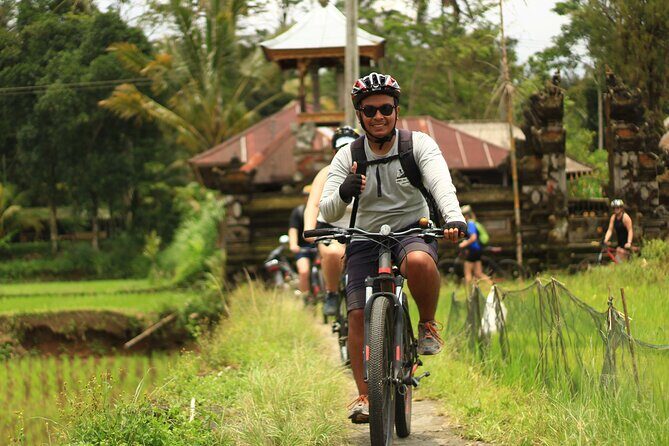
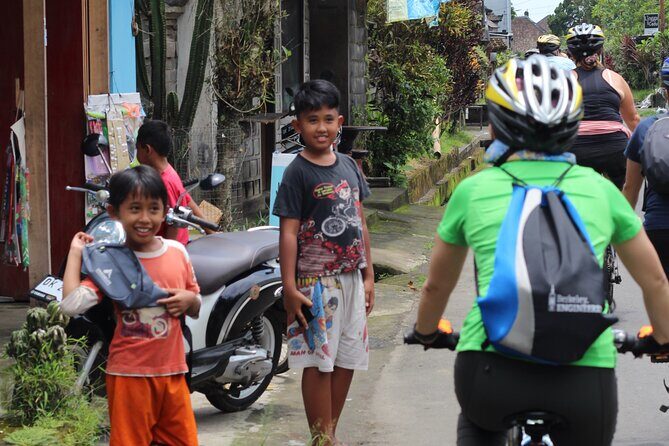
Ubud by bike is a shortcut to the real rhythm of Bali. You’ll pedal past Ubud Monkey Forest, then roll into quiet country lanes and rice fields where the day feels slower. I love that the route mixes town streets with out-of-the-way villages, and I love the frequent chances to stop for photos and refreshments. One thing to consider: there are some uphill stretches, so pick this if you’re comfortable getting a little breathless.
This is a small-group half-day ride (max 8), timed for a morning start. You’ll get all cycling equipment, young coconut water, bottled water, and snacks, and your guide keeps the route human and story-focused as you go.
Key Things That Make This Ride Worth Your Time
- Monkey Forest photo moment without the hassle of changing plans for a full visit
- Mostly downhill feel, with short climbs to wake your legs up
- Young coconut water + snacks built into the experience
- Village stops that you’d likely miss on your own
- 15 km typical distance over a 2.5–3 hour morning pace
- Max 8 riders for more attention and easier stopping for photos
Why Cycling Beats Walking in Ubud’s Back Lanes
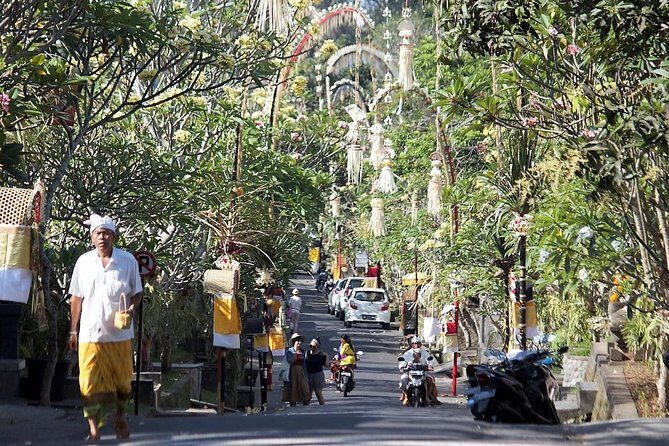
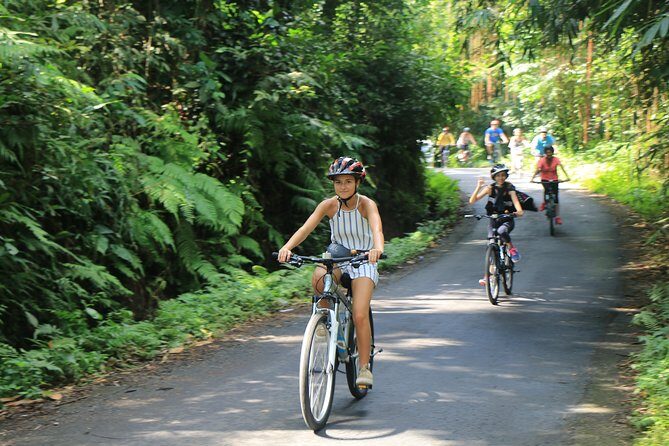
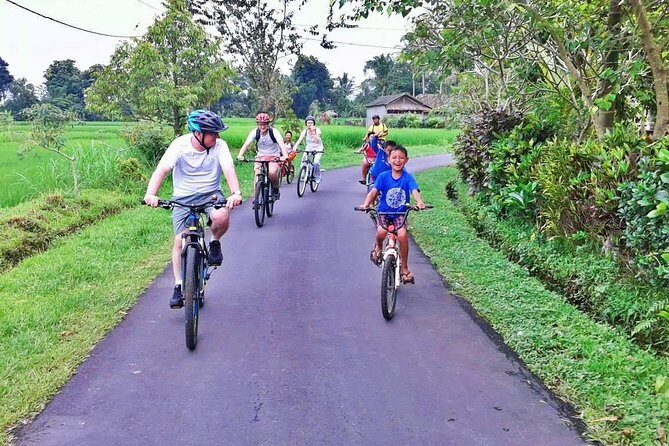
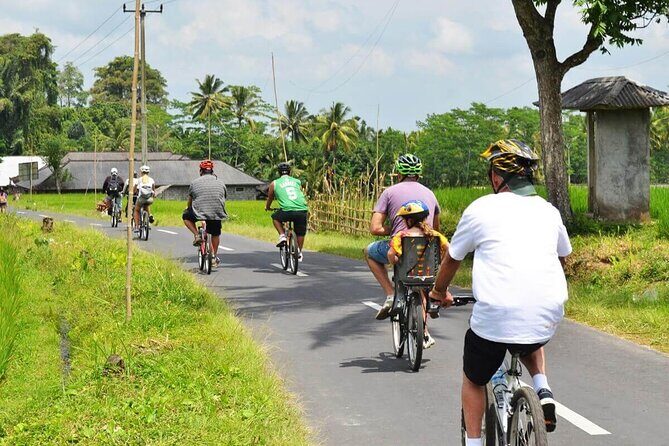
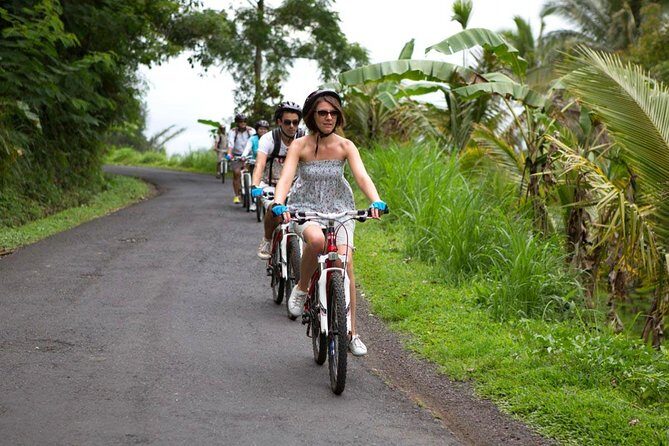
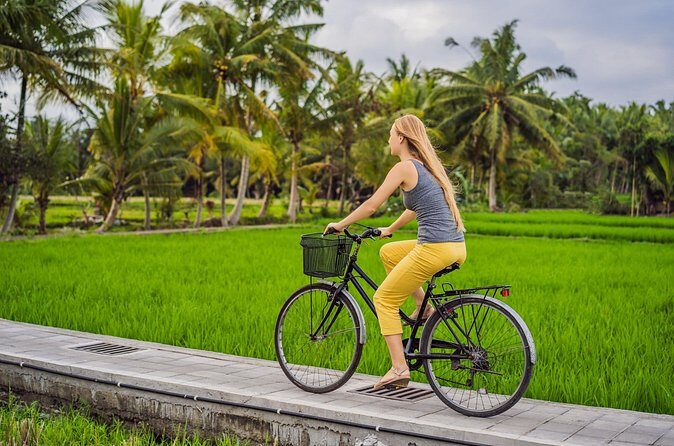
Ubud can be a loud place in the middle of the day. Cycling is different. You move fast enough to see more, but slow enough to notice details: small offerings by the roadside, families working in the fields, and the way roads narrow into lanes that don’t feel like tourist routes.
This tour is built around quiet country riding, plus short connectors that get you to the good stuff. You’ll get the classic Ubud sights, but you’ll also see everyday Bali from the seat of a bike, not from a sidewalk.
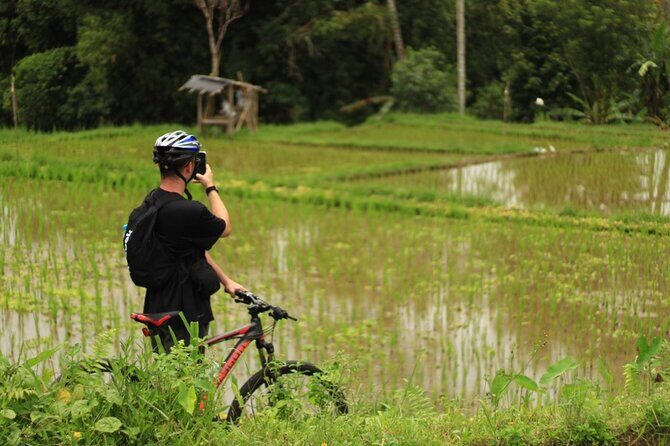
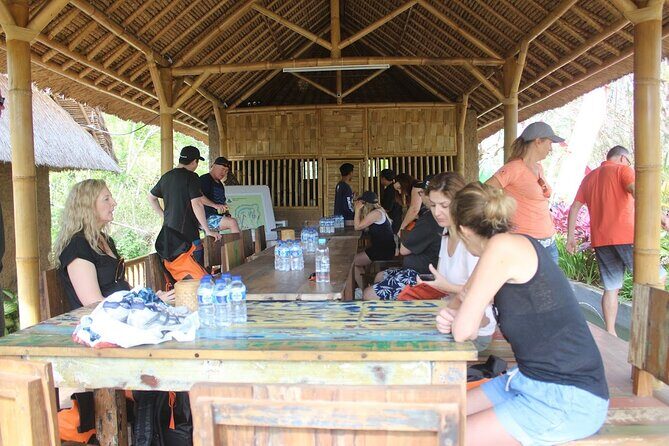
If you like breaks as much as you like movement, you’re in luck. There are regular pauses for refreshments and photo stops, so you don’t feel rushed through the best angles.
Price and Value: What $30.55 Buys You (and What It Doesn’t)
At about $30.55 per person, this half-day bike tour is priced like a strong activity add-on: not too pricey for what’s included, and not so bare-bones that you have to pay again for basics.
What’s included is the part that usually costs extra on your own:
- guided bike tour
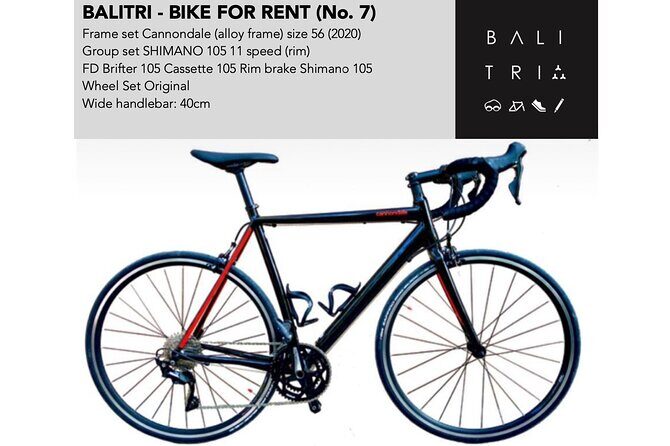
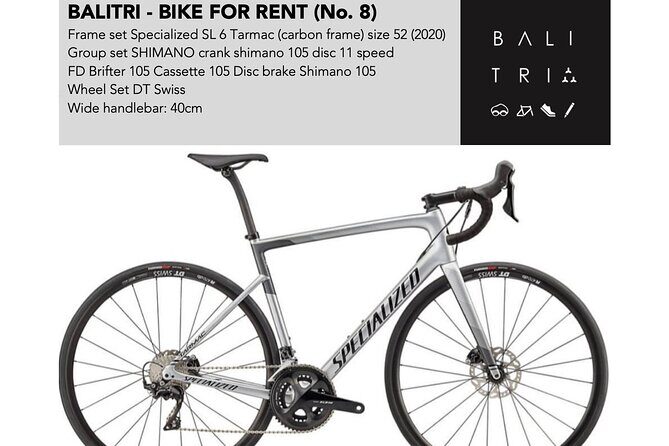
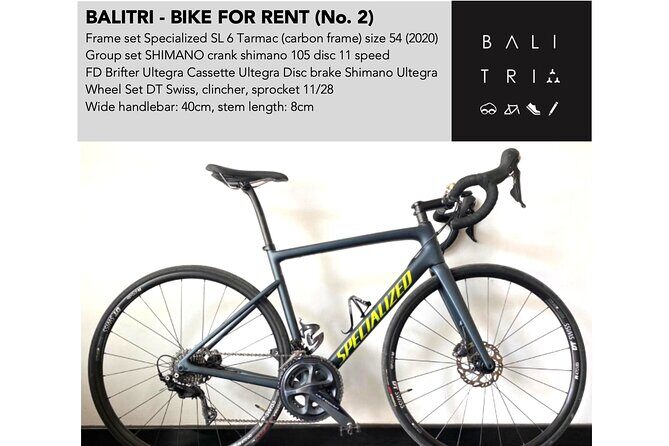
- all cycling equipment
- young coconut water
- ample bottled water
- snacks
What’s not included matters too. There’s no lunch, and there’s no pick-up or drop-off to your hotel. So I’d plan a light breakfast, then eat a real meal after you’re back.
You’re also riding with a max of 8 people, which usually means fewer delays and more flexibility when you want to stop for pictures.
Meeting at Peliatan Soccer Field: The Easy Start
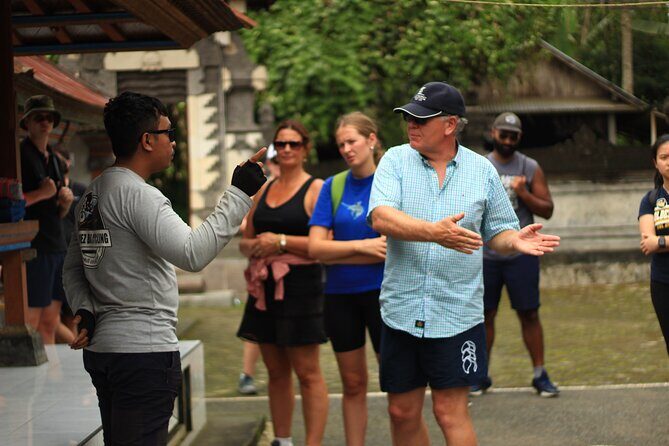
Your morning begins at the SSB Garuda Peliatan Soccer Field in Peliatan (Ubud). The start time is 9:00 am. When you arrive, you’ll stretch, adjust the bike, and get a safety briefing.
This matters more than it sounds. A bike that fits you makes the whole ride more comfortable, especially when the route shifts from flat lanes to short climbs. It also helps you conserve energy for the sections where you’ll feel the road change.
This tour ends back at the same meeting point, so you don’t have to worry about being dropped somewhere unfamiliar.
Riding Sukma Street and Catching the Monkey Forest Moment

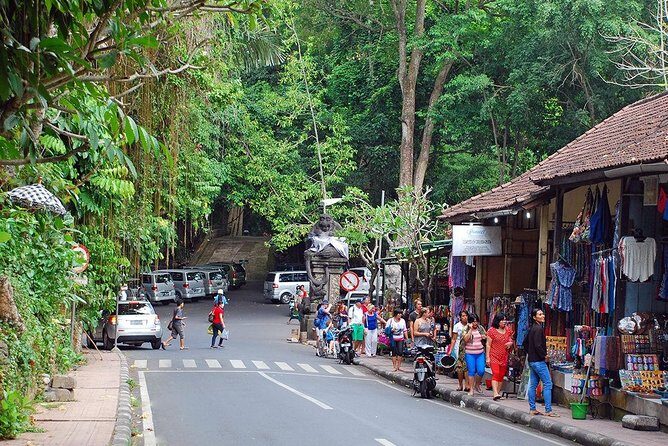
Once the ride starts, you’re cycling through Sukma Street, then you pass by the famous Ubud Monkey Forest around 10:00. You’re not sent into a long attraction visit here. Instead, it’s a smooth “see it, photograph it, and keep moving” kind of stop.
In real terms, that’s a good compromise. You get a major Ubud landmark without losing half your morning to lines, ticket stress, or walking heat. And because you’re riding, you see how the city feeds into the countryside.
From the way the ride is described, you’ll also experience contrast: some road segments feel busier than the back lanes, then the route eases into quieter lanes and green paths. That change of pace is one of the best parts of biking here.
Abangan Paddies and Junjungan Fields: Coconut, Breeze, and Short Climbing
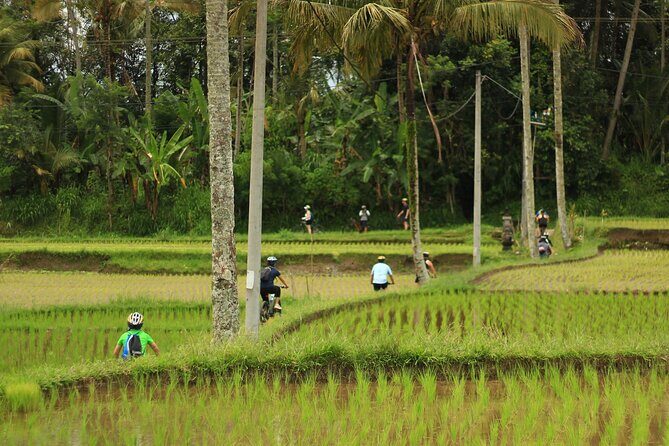
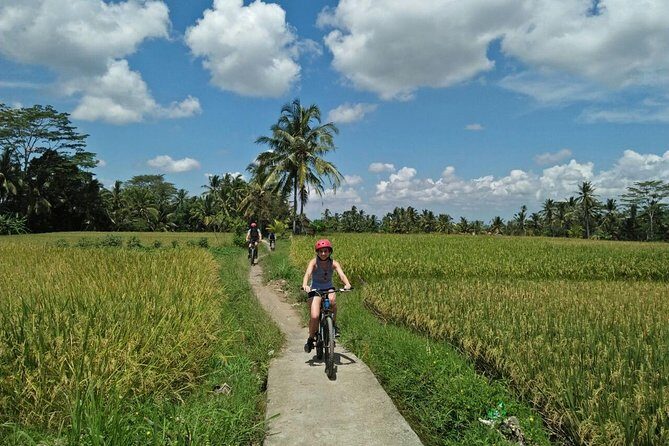
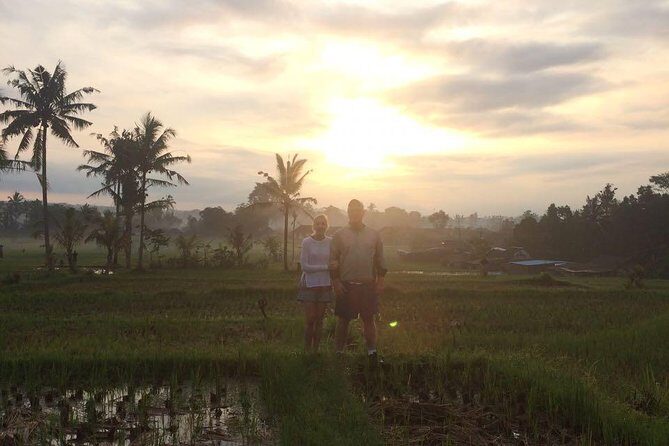
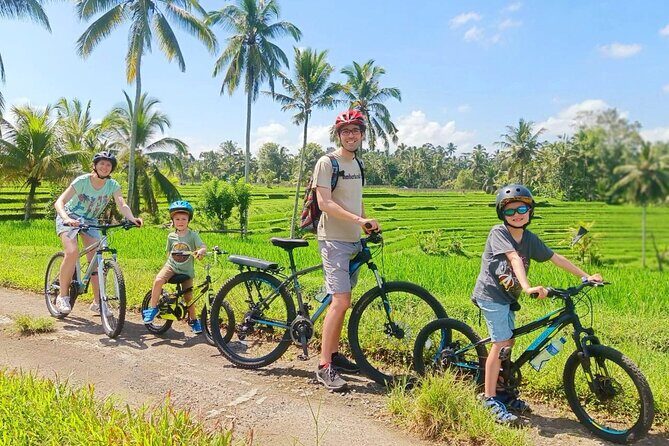
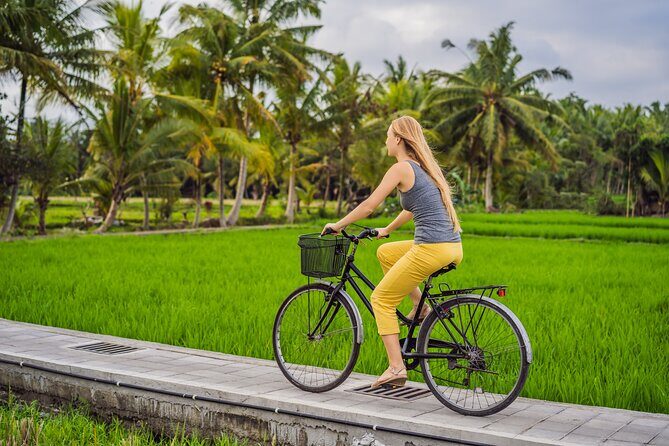
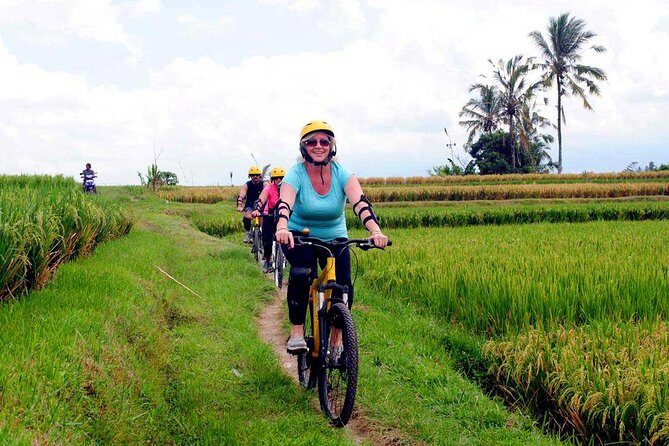
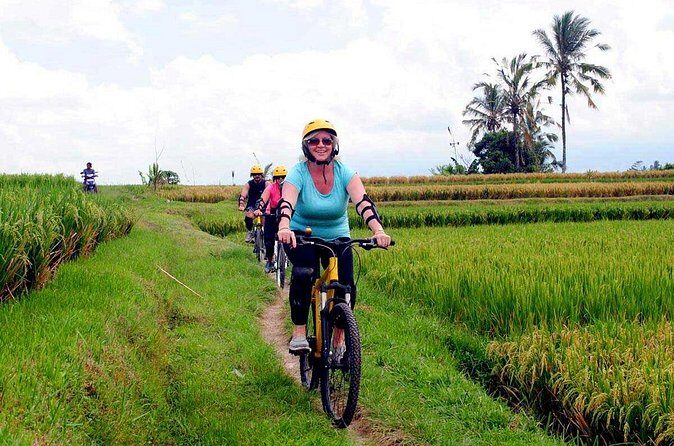
Around late morning, the route leans hard into rice country. You’ll pedal through Abangan paddy fields, with pauses to enjoy the view and take a cold refresh. Young coconut juice is part of the included break, and it’s the kind of stop that makes the ride feel like more than exercise.
Then you continue into the wider Junjungan paddy areas. Expect a lot of momentum here—mostly downhill, so you can relax your shoulders and let the bike do the work. One review even described the uphill parts as short stretches (around 50 meters max). That’s not “flat,” but it also doesn’t sound like a grinding endurance test.
If you’re planning what to wear and how to pace yourself, think like this:
- Wear light active clothing
- Use your breaks
- Don’t sprint early downhill—save energy for the few climbs
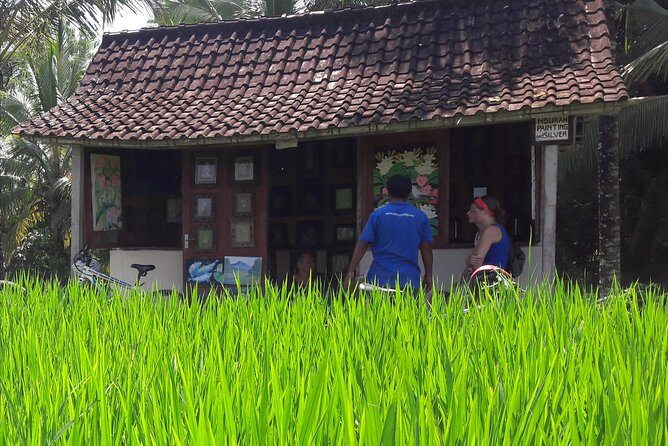
You’ll also have an optional chance to visit traditional Balinese painters during the ride. If you’re into crafts and the working process behind art, it’s worth saying yes. If you’d rather just keep moving, you can stay with the group and enjoy the fields and villages.
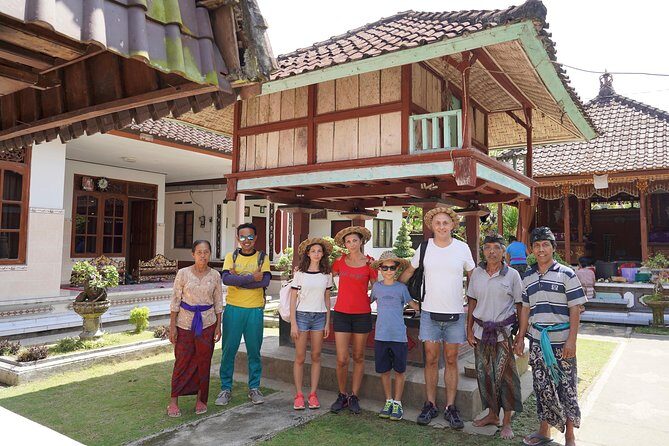
The Village Side of Ubud: Jembawan and Local Life Up Close
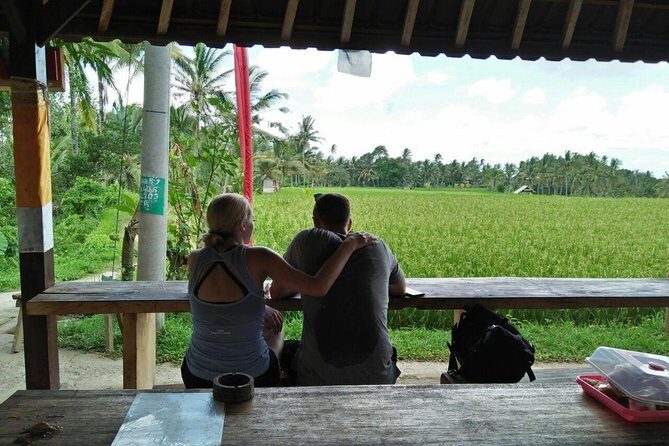
After the paddies, the route continues through the village area of Jembawan, and then you head back toward central Ubud for the return ride.
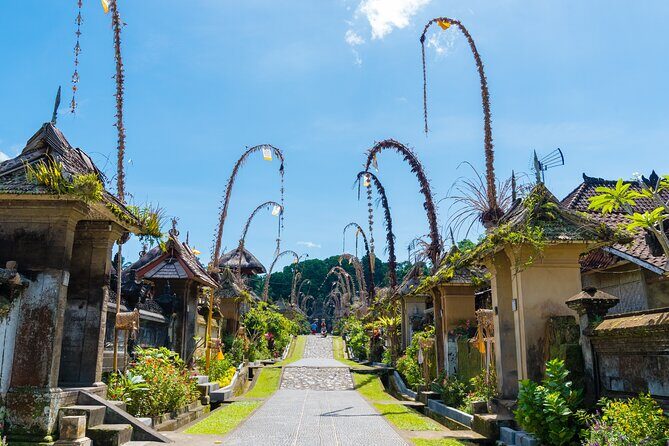
This is where the “eco culture” part becomes practical. Instead of seeing Bali only as scenery, you’re traveling through lived-in neighborhoods: small roads, local spaces, and the kind of sights you’d struggle to find on your own without knowing where to turn.
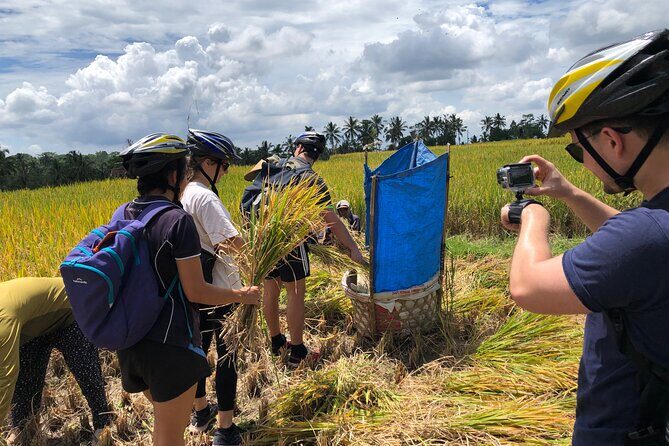
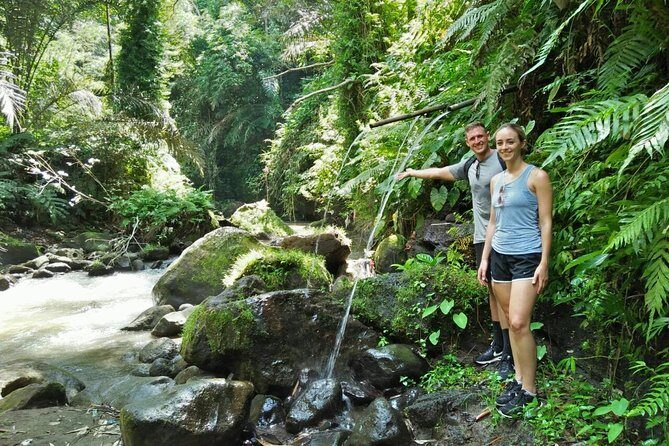
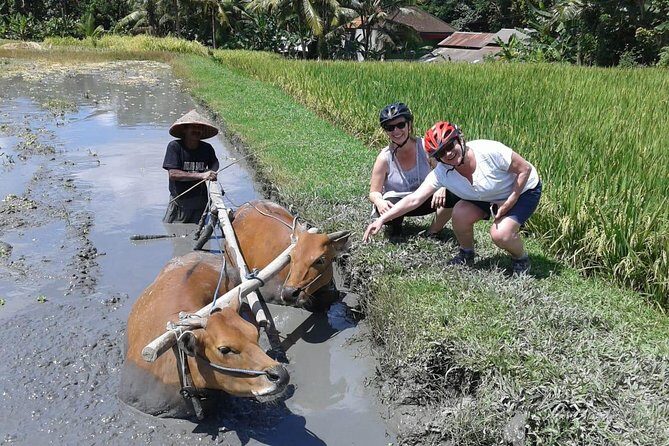
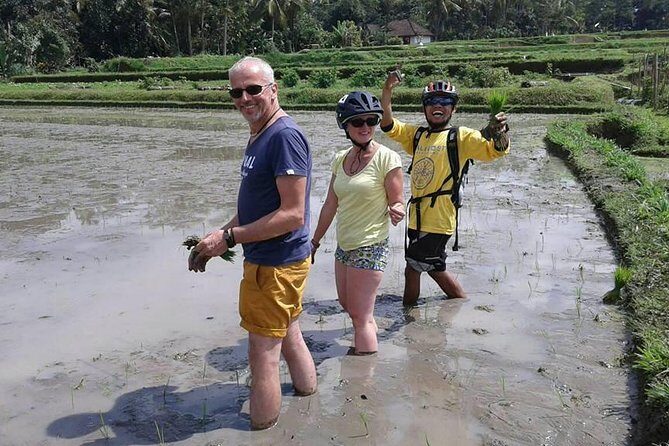
Some riders describe stops that include looking at temples and rice-field work up close, even getting a brief chance to help with simple field tasks when conditions allow. That kind of interaction can make the whole morning feel more personal—less like a sightseeing checklist, more like time spent in the rhythm of rural life.
The best advice: be flexible. If the guide offers an opportunity to see, taste, or learn something small along the way, take it. The meaningful moments here aren’t the big-ticket attractions—they’re the small stops that match how the area actually functions.
Guide Moment: How Mudita, Gustu, and Kadek Set the Tone
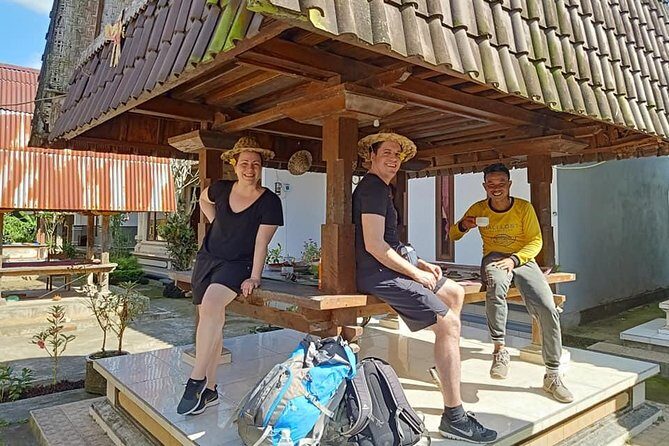
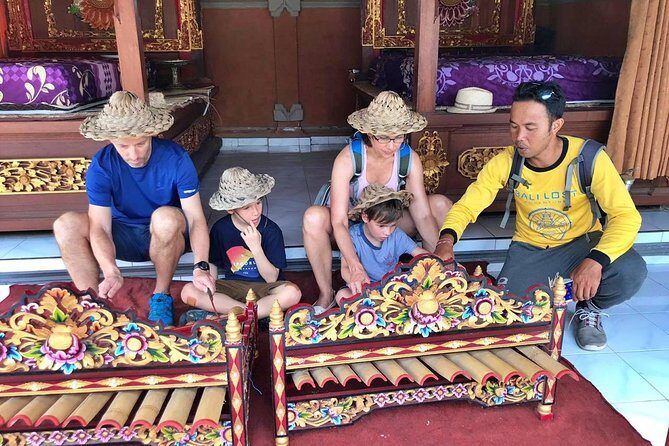
A bike tour lives or dies on the guide. In this case, several named guides show up in people’s stories, including Mudita, Gustu, and Kadek. The common thread is simple: they know how to keep things moving without turning the ride into a lecture.
You’ll hear commentary about places you see and Bali heritage while still having time to breathe and look around. The vibe isn’t stiff. One rider described the guide as funny and kind, and another mentioned being able to take breaks whenever needed.
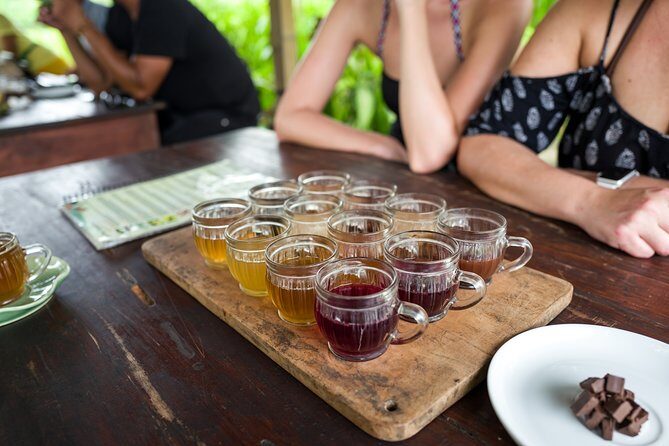
You may also get local food and fruit. Some riders mention trying unusual tropical fruits, including one described as having snake-skin on the outside. Even if you’re picky, I’d treat that as part of the point: you’re riding through local agriculture and daily life, so tasting what’s grown nearby makes sense.
If you’re the type who asks questions—about temples, farming, or everyday routines—this is a good tour for that. And if you’re more “quiet rider,” the guide still seems to set a friendly pace.
How Fit Do You Need to Be for This 2.5–3 Hour Ride
The tour info asks for strong physical fitness, and I agree with the caution. This isn’t a casual spin in a bike park. You’ll cover about 15 km over roughly 2.5 to 3 hours.
That said, multiple descriptions point to an easier rhythm than you might expect. The ride can feel almost like cruising downhill for stretches, with short climbs when the route needs to change elevation.
Your best strategy is to ride at a steady effort:
- Use the downhill to recover
- Take the included coconut and water stops seriously
- Don’t be shy about slowing down on the short uphills
Also, the tour isn’t positioned for young kids. It’s not recommended for children under 10. For most families, that means this works better as a couple or adult group activity, or for older teens who are genuinely comfortable on a bike.
What to Wear and Bring for Comfort and Safety
This is a sun-and-sweat kind of morning activity, even with breaks. The dress code is active wear (short and tee shirt) plus sport shoes.
Bring what the tour recommends:
- a hat/cap
- sunscreen
- your usual basics for staying comfortable outdoors
Even though bottled water and snacks are included, sunscreen and a hat are non-negotiable. Ubud mornings can still hit hard once you’re riding between paddies and lanes where there’s less shade.
Timing That Works: A Morning Ride You Can Actually Fit
Starting at 9:00 am makes this a smart half-day choice. You’ll be done by late morning or early afternoon, which keeps your day flexible.
Because there’s no lunch included, plan a proper meal after the ride. Think of this as a morning activity that gets you moving, gives you culture and nature on bikes, and leaves you time to explore the rest of Ubud without rushing.
And since your ticket is mobile, you’re not juggling paper in the heat.
Should You Book This Ubud Eco Culture Cycling Exploration?
Book it if you want a morning that’s more than looking. This tour is a great fit when you like:
- rural lanes and rice paddies as part of your sightseeing
- frequent stops for photos and breaks
- a small group pace with a guide who actually talks through what you’re seeing
- the chance to try local fruit and learn how daily life connects to the scenery
Skip it (or reconsider your expectations) if:
- you need a flat, easy ride with no uphill moments
- you want hotel pick-up and drop-off
- you’re counting on lunch being included
If you want a practical Ubud experience that feels closer to where people live, this bike route is one of the better ways to spend 2.5–3 hours—efficient, scenic, and tuned for getting off the most predictable paths.




































.jpg)
.jpg)
.jpg)
.jpg)
.jpg)
.jpg)
.jpg)
.jpg)