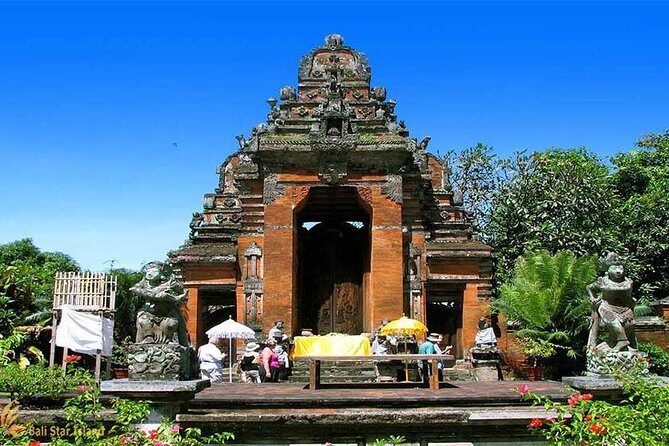
Bali Driver and Tour Package

Bali Driver and Tour Package - Agus the English-speaking co-pilot: safe, patient, and helpful

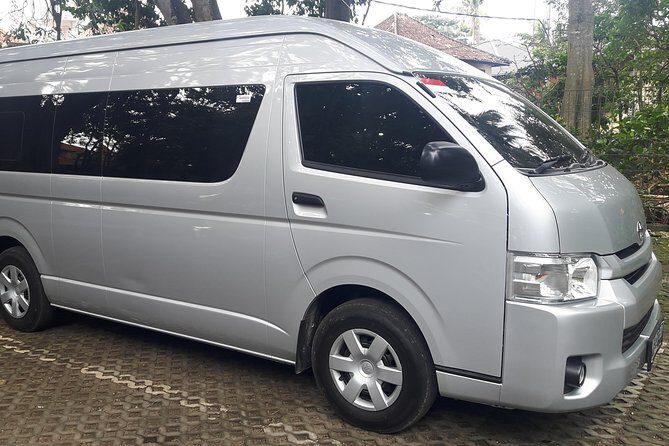
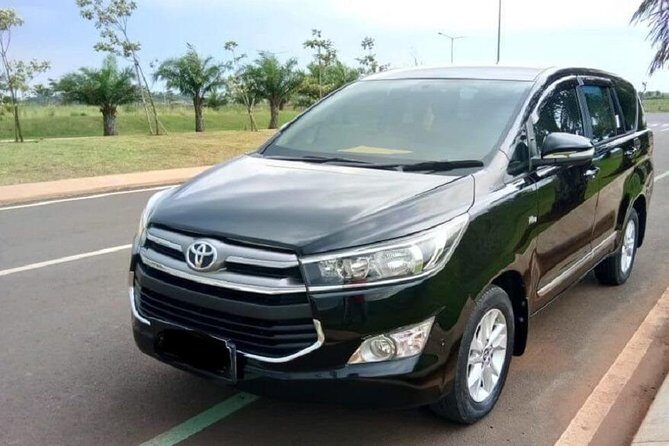
A great driver can make Bali feel easy. This Bali Driver and Tour Package is built for a low-stress day in Kuta, with an English-speaking driver (often Agus) and safe transport that keeps you moving. I like the way it pairs clear local driving with real flexibility, so your day doesn’t feel like a rigid bus schedule.

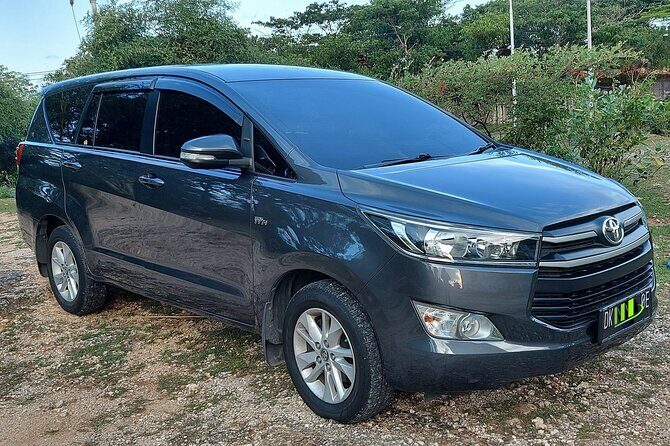
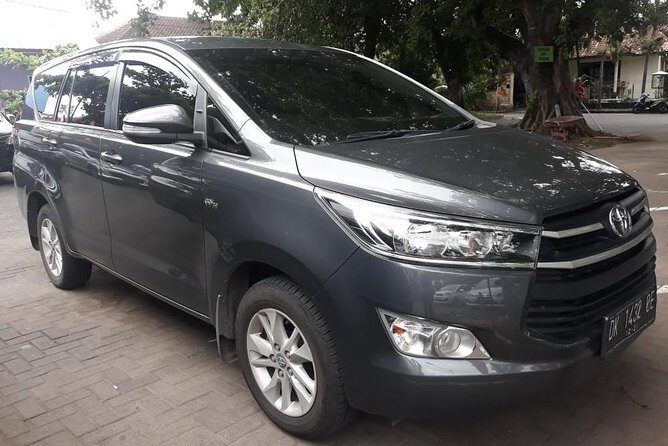
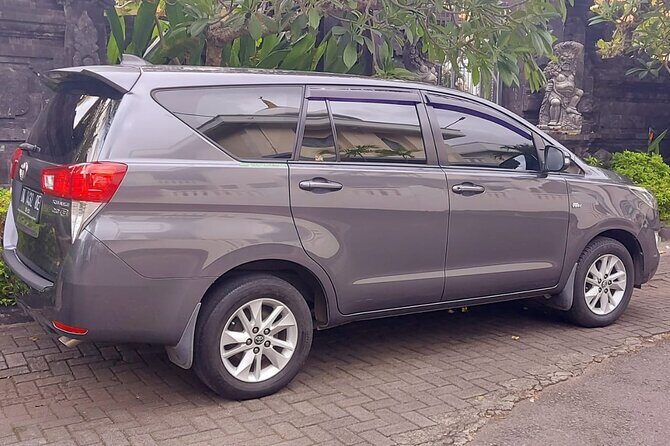
Two things I especially like: the clean, comfortable A/C vehicle (including cold water from a cooler in the car), and the friendly, patient style of Agus that’s made for real-life travel hiccups. One drawback to consider: the group limit is small (up to 6 people including the driver) and it’s without suitcases, so if you’re traveling with luggage, double-check before you book.

Key highlights at a glance
Bali Driver and Tour Package - Key highlights at a glance

  • Private group setup (max 6 including driver) keeps the day calm and focused
  • English-speaking driver (Agus/Gus) helps you plan and keep the itinerary realistic
  • A/C vehicle plus cold water cooler makes hours in the car feel less exhausting
  • Airport-delay friendly service (waiting and timing adjustments are part of the experience)
  • Flexible day use works for transfers and also for sightseeing you choose
  • Small-group comfort is the point, so plan for light packing

Why a private 10-hour driver in Kuta is worth the money
Bali Driver and Tour Package - Why a private 10-hour driver in Kuta is worth the money
For $32 and roughly 10 hours of transport, the value is mostly about not wasting your energy. Bali traffic, parking, and directions can turn a simple plan into a stressful one fast. With a private driver, you’re paying for someone to handle the driving piece while you focus on where you want to go and what you want to see.

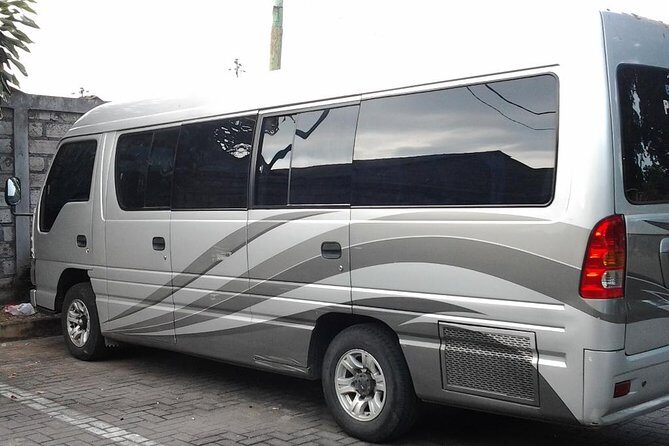
What makes this option especially practical is the setup for a small group. It’s private, and the vehicle is meant for a limited headcount (max 6 including the driver). That matters because cramped transport is the quickest way to ruin a “relaxing” day. Here, the goal is space and comfort over a packed tour vibe.

Also, this is the kind of service you can use in multiple ways. If you’re in Kuta and you want a simple day with a clear plan, it’s a great fit. If you need a careful logistics day (airport, hotel changes, timing around flight delays), a private driver is often the smoothest option.

8:00am start, and getting back where you started

The day begins at 8:00am. That early start is useful in Bali for one main reason: it gives you time to see things before traffic and heat take over the day. When you’re paying for a full 10-hour block, starting on time helps you actually use the hours.

Your tour ends back at the meeting point. That loop is underrated. You don’t have to think about how to get back across town later, and you’re not hunting for transport at the end of a long day. It’s also easier if your hotel or the place you’re starting from is already organized in your brain.

The meeting area is also described as near public transportation, which usually means you’re not stuck in the middle of nowhere if you need backup plans.

Agus the English-speaking co-pilot: safe, patient, and helpful
Bali Driver and Tour Package - Agus the English-speaking co-pilot: safe, patient, and helpful
A big part of the appeal here is the driver personality and communication style. Multiple comments highlight Agus (sometimes called Gus) as friendly, patient, and helpful with planning. You can feel the difference between a driver who just drives and one who actively reduces friction.

From the way Agus handles things, you can expect:

  • Safe driving that doesn’t feel rushed
  • On-time pickup habits, plus smart adjustments if timing changes
  • Real help with itinerary flow, especially when you’re trying to decide what makes sense for the day

One theme that pops up is airport timing. In real travel life, flights delay. What you want is not only someone who waits, but someone who can keep your plan from turning into chaos. Agus’s patience showed up in cases like delayed arrivals and last-day logistics, including helping coordinate pickups when plans shift.

If you value conversation, that’s a bonus. Some people mention that the ride feels more like a guided day with local warmth than a silent taxi experience. Either way, you’re still in charge of what you do; the driver’s job is to make it easier.

The car comfort checklist: A/C, cleanliness, and cold water
Bali Driver and Tour Package - The car comfort checklist: A/C, cleanliness, and cold water
Let’s talk about what matters after the first hour in the car: comfort. The package includes an air-conditioned vehicle, and reviews consistently point to the car being clean and spacious.

There’s also a small but memorable detail: a cooler with water that doesn’t run out during the ride. In Bali heat, that’s not just a nice gesture. It helps you stay comfortable and keeps you from spending time and money hunting for drinks during tight sightseeing windows.

The vehicle setup is also aligned with the small-group approach. Maximum group size is limited (again, including the driver), and the experience is described as without suitcases, which helps keep the space usable for people rather than luggage piles.

Turning 10 hours into a smart Bali route (without rushing)
Bali Driver and Tour Package - Turning 10 hours into a smart Bali route (without rushing)
Because this is a driver-and-tour style service, your day’s shape depends on what you choose. The best way to think about it is as a “you pick the stops, the driver makes it work” format.

Here’s how I’d structure a strong 10-hour day so it feels good instead of like a checklist:

Start with one anchor stop

Pick one main goal early. It could be a cultural visit, a beach area, a market experience, or something close to your hotel base. The point is to get a win early, before you’re dealing with fatigue and traffic.

Plan a second stop that’s close, not random

In Bali, the map can look simple, but time adds up quickly. Your second location should relate to your first—same side of the island area, similar direction, or at least a route that doesn’t force long backtracking.

Build in breathing room

Even with a strong driver, you need pauses. Traffic happens. Parking happens. Lines happen. A driver who plans well will help you avoid scheduling too tightly, especially around midday heat.

Use the ride time

This is a good day to ask questions in the car: where to go next, when to leave, and what to watch out for based on conditions that day. Agus is described as helpful with recommendations and itinerary planning, so it’s worth using that.

End with something easy

Save your last stop for something you can enjoy without stressing over time. Then you’ll arrive back at the meeting point feeling like you had a day, not like you survived it.

If your plan includes airport transfers or a hotel change, the same logic applies: choose the order that reduces backtracking and protects your schedule.

Common use cases: airport pickup, Seminyak hops, and last-day logistics
Bali Driver and Tour Package - Common use cases: airport pickup, Seminyak hops, and last-day logistics
This kind of service shines when your day isn’t just sightseeing. It works well for:

  • Airport pickup to an apartment or hotel
  • Point-to-point driving (a clean transfer day)
  • A day trip feel without the tour bus hassle
  • Last-day planning when you need to reorganize before flying

The flexibility shows up in how it’s been used, including airport arrivals and rides to places like Seminyak. People also highlight that having the driver’s contact and a clear pickup routine helps once you land.

One practical warning: the experience is described as without suitcases. That doesn’t mean the day is impossible if you have luggage, but it does mean the setup may not be ideal. If you’re bringing bags, you’ll want to communicate your situation ahead of time so the vehicle space matches your needs.

Price and what’s extra: how $32 stays budget-friendly
Bali Driver and Tour Package - Price and what’s extra: how $32 stays budget-friendly
At $32 for about 10 hours, the headline price is eye-catching. The real value comes from what’s included: an air-conditioned vehicle and private transportation for your group size.

What’s not included is also clear: all fees and taxes. Since those can cover things like entrance tickets or other day costs tied to where you go, you should treat the $32 as the transport base. Your total day budget will rise if you add paid sites, paid activities, or any extra costs that pop up based on your route.

The best way to make this package truly cost-effective is to plan a day where transport is your biggest need and attractions are your choice—not your requirement. If you’re using the car mainly to link a handful of worthwhile stops, you get strong value for money.

And one more small reality check: you’re booking a private experience, so it’s typically a better deal when you have enough people to share the cost and still fit comfortably.

Weather matters too. The experience is described as requiring good weather. If weather cancels the plan, you’re offered a different date or a full refund, which reduces the risk if you’re booking around uncertain conditions.

Who this tour fits best (and who should skip it)
Bali Driver and Tour Package - Who this tour fits best (and who should skip it)
This package is a strong match if you:

  • Want a private Bali driver in the Kuta area
  • Prefer a 10-hour flexible plan instead of a fixed schedule
  • Like the idea of an English-speaking driver who can help with timing and recommendations
  • Are traveling as a small group (up to 6 including the driver)

It may not be the best match if you:

  • Have a lot of luggage, since the setup is described as without suitcases
  • Want a big, organized group tour with lots of structured stops
  • Plan to cram in too many far-apart destinations with no buffer time

Should you book Bali Driver and Tour Package?

Book it if you want an easy, personal way to spend a full morning-to-evening block in Bali without dealing with taxi haggling or navigation stress. The combination of A/C comfort, a clean vehicle feel, and Agus’s friendly, safety-first approach is exactly what makes a private day work.

Skip or re-check the fit if your day depends on traveling with suitcases or if you’re expecting a fully scripted tour with set attractions. This is more of a reliable transport-and-planning setup than a strict itinerary machine.

If you’re in Kuta and you want a smooth Bali day with smart timing, this is the kind of booking that saves energy for the fun parts.

FAQ

What is the duration of the Bali Driver and Tour Package?

The tour lasts about 10 hours.

Where does the tour start and end?

It starts in Bali, Indonesia, and ends back at the meeting point.

What time does the tour start?

The start time is 8:00am.

Is pickup offered?

Yes, pickup is offered.

How many people can be in the group?

The maximum is 6 people, including the driver.

What’s included in the price?

An air-conditioned vehicle is included.

What is not included?

All fees and taxes are not included.

Can I cancel and get a refund?

Free cancellation is available. You can cancel up to 24 hours in advance for a full refund, but cancellations made less than 24 hours before the start time are not refunded. If it’s canceled due to poor weather, you’ll be offered a different date or a full refund.

Airport Bali Transfers – Bali Airport Taxi

A smooth arrival in Bali starts before you even leave the airport. This private Bali airport transfer lines up a direct ride from arrivals to areas like Kuta, Canggu, Seminyak, Ubud, and others, with a chauffeur who greets you outside holding a sign with your name. It’s built for the moment after a long flight when everything feels loud, pushy, and overpriced.

Two things I like a lot: you get a private, no-waiting ride (so you’re not stuck waiting on other travelers), and the name-sign greeting is meant to prevent the usual confusion outside arrivals. One consideration: highway toll fees are not included, and a small number of experiences point to occasional pickup-sign confusion, so you’ll want to plan to be ready and clearly identify your pickup spot.

If you want your Bali trip to begin with less stress and more momentum, this kind of transfer is a solid fit. Just don’t assume the cost is all-inclusive.

Key Highlights at a Glance

Airport Bali Transfers - Bali Airport Taxi - Key Highlights at a Glance

  • Name-sign greeting outside arrivals helps you get moving fast instead of hunting.
  • Private transportation for only your group means no shared van shuffle.
  • A/C vehicle plus bottled water keeps the first hour comfortable.
  • Covers many popular bases including Kuta, Legian, Seminyak, Canggu, Jimbaran, Nusa Dua, and Ubud.
  • Tolls are extra, so factor that into the final total.

Bali Airport to Kuta and Beyond: What This Private Transfer Actually Does

Airport Bali Transfers - Bali Airport Taxi - Bali Airport to Kuta and Beyond: What This Private Transfer Actually Does
This is a straightforward service: you prebook a private airport taxi and then ride straight from Bali airport to your vacation area. The big idea is simple. Bali arrivals can be sensory overload, with a wall of touts and high sticker prices that are designed to pressure you right when you’re tired. Prebooking lets you skip that whole performance and head to your destination directly.

The ride is also designed around time. Since it’s private, you avoid the common headache of shared transfers that wait for other people, or route around to multiple hotels first. Your chauffeur is the one driver in your story, not one driver in a parade.

There’s also a practical comfort factor. The included vehicle is air-conditioned, and you’re given bottled water. That might sound like a minor perk, but in Bali heat it changes how you feel walking out of arrivals. You’re not sweating through your first decisions.

One more detail that matters: the service covers multiple Bali neighborhoods and areas. Your confirmation is tied to your chosen drop-off base, which can make it easier to match your airport arrival with your hotel location.

Price, Time, and the Value of Prepaid Peace of Mind

Airport Bali Transfers - Bali Airport Taxi - Price, Time, and the Value of Prepaid Peace of Mind
At $15.00 per person, this is positioned as an affordable way to get from the airport to where you’ll actually be living for the trip. It’s also commonly booked about 8 days in advance, which makes sense. Most of the stress around airport transfers comes from last-minute decisions, not the ride itself.

The time range is listed as about 1 to 4 hours. That wide range is normal on Bali because your destination could be closer to Kuta or farther toward places like Ubud. The key is that you should treat this as a planning window rather than a promise. If your flight is delayed or traffic builds, build extra cushion into your first day.

Value-wise, you’re paying for three things:

  • Reduced risk compared with walking to random taxis
  • Reduced time compared with shared shuttles
  • Reduced mental load after a long flight

Yes, you still pay local travel costs, like highway toll fees, which are explicitly not included. But the base price covers a lot of the operational pieces you’d otherwise have to negotiate or figure out.

Also note that the service lists group discounts. If you’re arriving with friends or family, this can be a good way to keep costs down while still staying private.

Finding Your Driver Outside Arrivals: Name Signs and Common Snags

Airport Bali Transfers - Bali Airport Taxi - Finding Your Driver Outside Arrivals: Name Signs and Common Snags
The concept here is strong: you’ll be met outside arrivals holding a sign with your name. That’s exactly what you want when you’re staring at hundreds of signs and trying to match one face to one booking.

However, one recurring lesson from real-world pickup experiences is that signage can be harder to spot than it should be, especially if you’re rushing or your flight arrival area is crowded. So here’s what I’d do, to stack the odds in your favor:

  • Before you go through arrivals, pull up the booking details on your phone so you can quickly confirm the name spelling.
  • Look for the pickup sign area early, not at the very last second.
  • If you don’t see your sign quickly, don’t wander randomly. Get a calm second check, then contact the provider using the app info you were given.

One review specifically pointed out trouble finding a name among many signs and the absence of a clearly marked branding cue. Another described a driver who sent a message ahead of time and handled a late flight and heavy traffic with patience. Those two stories are basically the same message in opposite directions: good communication and clear identification can make this feel effortless, while vague meetup details can create stress.

If you want the ride to feel like a true private transfer, the biggest factor isn’t the car. It’s your ability to find your pickup point quickly and verify you’re with the right driver.

What’s Included in the Ride (and What’s Not)

Airport Bali Transfers - Bali Airport Taxi - What’s Included in the Ride (and What’s Not)
This transfer is built around a comfort-and-coverage package.

Included:

  • Bottled water
  • Air-conditioned vehicle
  • Private transportation
  • Fuel surcharge
  • Parking fees

Not included:

  • Alcoholic beverages
  • Lunch
  • Highway toll fees

That toll note is important. If you’re the type who hates surprise add-ons, you should budget a bit extra for tolls in your travel math. Everything else is handled in the base price.

It’s also good to remember that this is transportation, not a guided tour. You’re not signing up for museum stops or cultural context along the way. The value comes from getting you to your base with comfort, cleanliness, and fewer hassles.

Drop-Off Areas on Bali: Kuta, Legian, Seminyak, Canggu, Jimbaran, Nusa Dua, Uluwatu, Ubud

Airport Bali Transfers - Bali Airport Taxi - Drop-Off Areas on Bali: Kuta, Legian, Seminyak, Canggu, Jimbaran, Nusa Dua, Uluwatu, Ubud
Think of this as a set of destination choices. Your “itinerary” is really your transfer route decision based on where your hotel is. The service covers a list of Bali areas, meaning your ride ends where you want to sleep, eat, and start exploring.

Kuta: the beach-and-party first stop

Kuta is one of the main drop-off bases. It’s described as having a five-mile stretch of clean sand, a magnet for surfers and sunbathers. When the sun goes down, the vibe shifts into nightlife mode.

Logistics tip: Kuta is typically one of the easier areas to reach from the airport compared with more inland options, but traffic can still swing your arrival time. Either way, landing here can help you get your bearings fast because there are lots of things around you once you arrive.

Legian: close by, different feel

Legian is also included as a destination option. Since your transfer is private, you don’t have to worry about getting dropped at a random point. The real win is arriving in Legian already sorted, rather than negotiating transport after you’re tired.

Practical note: before you book, confirm your hotel address is clear in the app so the chauffeur isn’t forced into guesswork at drop-off.

Seminyak: your comfortable base option

Seminyak is on the list too. Like the other covered areas, your ride is built to deliver you directly to your destination zone, using an A/C vehicle and direct transfer style.

If you’re arriving with a group, private transfers are especially useful here. You keep everyone together without the shared-ride delays.

Canggu: arriving on your schedule

Canggu is another covered stop. The transfer approach stays the same: you prebook, you get a name-sign pickup, and you ride to where you’re staying.

Canggu can be popular, so it’s worth having your hotel pickup instructions ready. Even small confusion at drop-off can waste time at the end of a long travel day.

Jimbaran and Nusa Dua: south-coast arrival zones

Both Jimbaran and Nusa Dua are included destinations. The practical point is that you’re choosing your end location in advance, so you can match your airport arrival with your first meal plan, beach time, or hotel check-in.

Tolls still aren’t included, so if your hotel is on the far side of town, that may affect the final total. Plan for it.

Uluwatu: for the more dramatic side of Bali

Uluwatu appears in the destinations list for this transfer. Since this service is about getting you from airport to base, the main difference with farther areas is time. The ride length is listed as up to 4 hours, so Uluwatu is exactly the kind of place where you should budget extra flexibility.

Ubud: inland, longer day potential

Ubud is one of the included areas. The transfer duration is listed broadly (1 to 4 hours), so Ubud is an example of where you should expect the ride to take more time than a closer beach district.

If you’re landing and then immediately moving into a new base, a private transfer is still the right logic. You’ll arrive ready to settle in without hunting for transportation after you’ve already been traveling.

For Whom This Works Best (and Who Might Think Twice)

Airport Bali Transfers - Bali Airport Taxi - For Whom This Works Best (and Who Might Think Twice)
This is a strong pick for people who want the simplest possible start:

  • Solo travelers who don’t want to risk confusion at arrivals
  • Couples who want a calm, direct arrival
  • Groups who want private control and no waiting
  • Anyone who hates arguing about prices right after landing

One solo traveler experience also mentioned help getting a SIM card from the chauffeur. That’s not listed as an official service, so I wouldn’t treat it as guaranteed. But it’s a sign that some chauffeurs go beyond the bare minimum when needed.

Who might hesitate?

If you’re flying into Bali and you’re prone to last-minute plans, you may feel stressed if you’re not ready when the pickup moment arrives. Since the success of the transfer depends on quick identification outside arrivals, you’ll do best if you stay calm, keep your phone ready, and confirm your pickup details.

The Big Risk: Pickup Confusion (Fixable With Good Prep)

Airport Bali Transfers - Bali Airport Taxi - The Big Risk: Pickup Confusion (Fixable With Good Prep)
No service is perfect. A small set of experiences included problems like a driver not arriving on time and a pickup-contact number not working, plus another about difficulty spotting the pickup sign among many. In both cases, the emotional punch was the same: it’s unnerving to start a vacation with uncertainty.

Here’s the prevention approach I’d use:

  • Arrive to the pickup area early enough that you can search without rushing.
  • Keep the provider’s contact info accessible in your phone.
  • Screenshot your pickup name details and destination so you can show them quickly if there’s any mismatch.

If something goes wrong, the good news is that at least one issue was resolved through a refund after the problem was flagged. Still, you shouldn’t plan on needing that. The point is to reduce the chance of needing it.

Should You Book This Bali Airport Taxi?

Airport Bali Transfers - Bali Airport Taxi - Should You Book This Bali Airport Taxi?
Yes, you should book it if your top priorities are comfort, privacy, and a predictable start. At $15 per person with A/C, bottled water, and direct transfer to major Bali bases, the value makes sense. You’re paying to avoid post-flight chaos and price negotiation.

Skip it or think twice if:

  • You’re okay handling airport logistics on your own
  • Your arrival plan is extremely flexible and you don’t want to coordinate pickup timing
  • You strongly dislike the idea that highway toll fees can add cost later

If you like clean, simple decision-making for Day 1, this transfer fits. Add a little preparation around the pickup sign and you’ll likely end up with the kind of first hour that lets you enjoy Bali instead of wrestling with it.

FAQ

Where does this airport transfer start?

The pickup starts at Tuban, Kuta, Badung Regency, Bali, Indonesia.

What areas does the transfer cover?

It covers Ubud, Kuta, Canggu, Legian, Seminyak, Jimbaran, and Nusa Dua.

How long does the transfer take?

The duration is listed as about 1 to 4 hours.

Is this a private transfer?

Yes. It’s private transportation, and only your group participates.

What’s included in the price?

Included items are bottled water, an air-conditioned vehicle, private transportation, a fuel surcharge, and parking fees.

Are highway toll fees included?

No. Highway toll fees are not included.

How flexible is cancellation?

Cancellation is free up to 24 hours in advance for a full refund.

Private Tour: Campuhan Ridge Walk, Ubud Rice Terrace & Ubud Palace

Private Tour: Campuhan Ridge Walk, Ubud Rice Terrace & Ubud Palace - Ceking Rice Terrace: terraced-paddy views without the detour pain

Morning air fixes your attitude. This private Ubud route mixes an easy Campuhan Ridge Walk with classic sights like Ubud Palace, so you get nature views and Balinese culture in one smooth day.

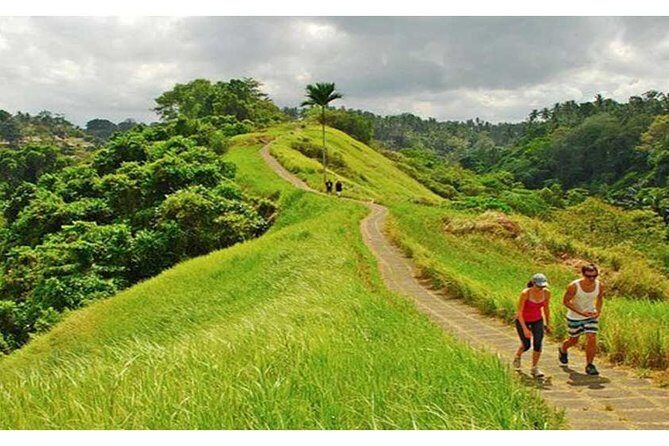
I love how the walk is low-pressure: it’s often done in about a 1 km stretch, known for jogging and even pre-wedding photo sessions, with the trail feeding out toward the Campuhan Valley. I also like the convenience of an English-speaking driver in an air-conditioned vehicle, with entrance tickets taken care of so your day doesn’t turn into a ticket scavenger hunt.

One possible drawback: the schedule is tight. Each major stop is about an hour, and meals aren’t included, so you’ll want comfy shoes and a plan for lunch and water.

Key highlights worth your attention

Private Tour: Campuhan Ridge Walk, Ubud Rice Terrace & Ubud Palace - Key highlights worth your attention

  • Campuhan Ridge Walk starts right from a concrete path, with signage that helps you find the route fast
  • A short, scenic hike (often ~1 km) with access to the longer 9 km ridge experience if you want more
  • Ceking Rice Terrace delivers the classic terraced-field look in a way that fits a day trip
  • Ubud Palace is built around Balinese arts, including a dance-performance stage backdrop with ornate gates
  • Ubud Art Market (Pasar Seni Ubud) has free admission, making it a good place to browse without extra ticket costs
  • Hotel pickup + drop-off and tickets included makes this feel like good value for a full highlights day

Campuhan Ridge Walk: Bukit Cinta’s quick path to the Campuhan Valley

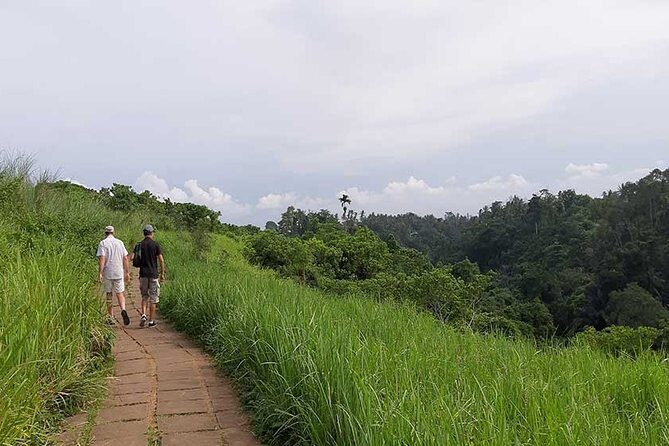
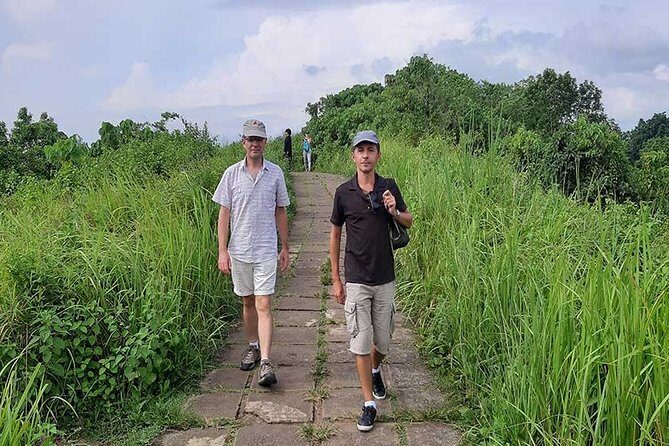
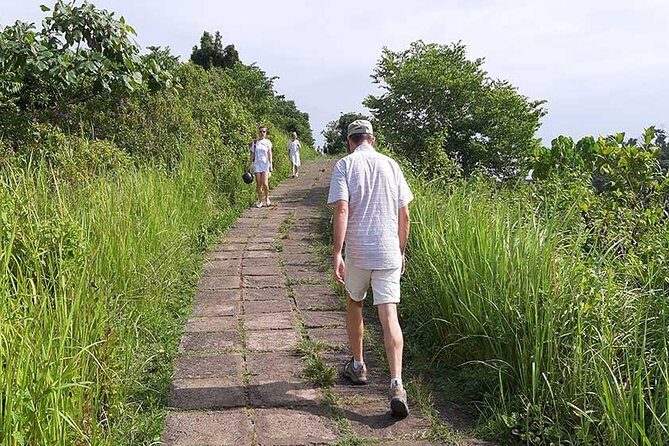
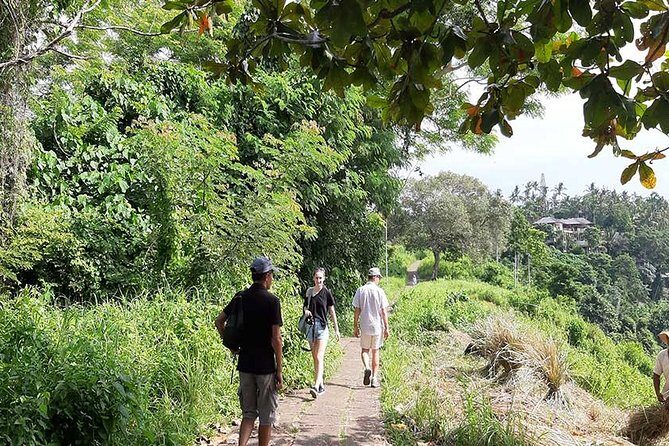
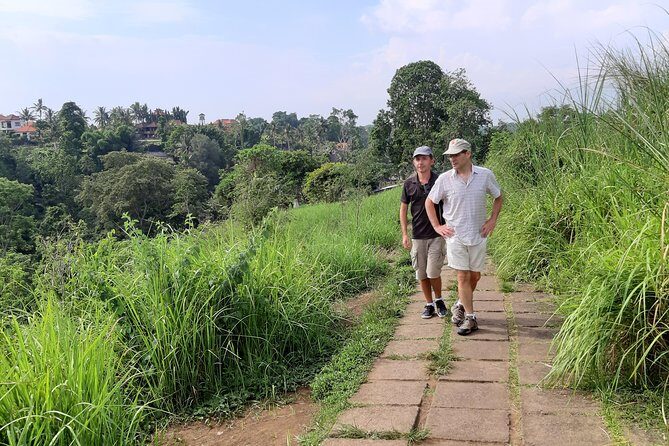
Campuhan Ridge Walk is famous for a simple reason: it gets you out of the town rhythm fast. You leave the main road feel and step onto a concrete path down from the street, with arrow-style signage that points you toward the hill area. From there, the air cools and the view opens into the Campuhan Valley vibe, lined with dense tropical greenery.

The walk is often done as a shorter ~1 km outing. In practice, that means it works even if you’re not hunting for a “serious hike” day. It’s also a popular spot for morning jogging, and you’ll sometimes see couples posing for pre-wedding photos. If you’re a photo person, this is one of the easier places in Ubud to get scenic shots without committing an entire day to trekking.

There’s also a longer ridge track route that reaches around 9 km, so the same area can scale with your energy. If you feel good, you can stretch your time on the trail. If you don’t, you can keep it short and still come away satisfied with the views.

What I’d do if you’re coming in the morning: start calmly, walk a bit, then slow down for photos whenever the valley view appears. The trail is straightforward, so you don’t need to “figure it out” with constant map checks. Just bring water and something to protect you from sun or light rain, since Central Bali weather can change quickly.

The 8:00 am rhythm: why mornings make Ubud feel easier

Private Tour: Campuhan Ridge Walk, Ubud Rice Terrace & Ubud Palace - The 8:00 am rhythm: why mornings make Ubud feel easier
This tour starts at 8:00 am, and that timing matters more than it sounds. You’ll get the ridge walk before the day gets crowded, and the air tends to feel fresher in the early hours. Reviews also emphasize how people like this area for walking in the morning, and it’s a spot that works both before sunset and during daytime breaks.

The schedule is built for a steady flow: ridge walk first, then rice terraces, then palace and the art market. That sequencing is smart. You’re moving from nature to culture, instead of trying to hunt for “quiet views” after you’ve already been in busy shopping zones.

You’re also protecting your time. The total tour duration is about 8 hours, which is enough to see the highlights without losing half your day to transport delays. Still, remember each stop is about an hour, so treat it like a curated sampler, not an all-day hangout.

Ceking Rice Terrace: terraced-paddy views without the detour pain

Private Tour: Campuhan Ridge Walk, Ubud Rice Terrace & Ubud Palace - Ceking Rice Terrace: terraced-paddy views without the detour pain
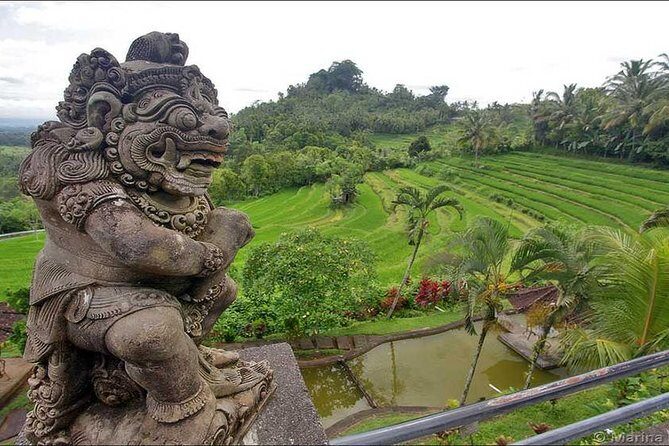
After the ridge, you’ll head to Ceking Rice Terrace, one of Ubud’s well-known terrace areas. The big draw is the classic look of terraced rice fields: step-like layers that give you depth and structure for photos, plus that unmistakable Central Bali green feel.

The tour keeps this stop to about 1 hour, which is plenty if you go in with a simple game plan. If you want wide valley shots, prioritize viewpoint angles early. If you want close-up texture photos of the terrace edges, scan for paths where you can get near enough to capture the pattern without spending too long walking around.

Entrance is included for this stop, so you’re not losing time at the counter. A practical tip: wear shoes that handle wet paths. Rice terraces can mean damp ground and slick edges in parts of the area, especially if it rained earlier.

Also, don’t expect a “quiet countryside” feeling for long. This is a top Ubud sight, so there will be other visitors around. The good news is that the view holds up even with crowds—everyone is there for the terraces, and you can still find great angles.

Ubud Palace: where Balinese arts meet ornate gates

Private Tour: Campuhan Ridge Walk, Ubud Rice Terrace & Ubud Palace - Ubud Palace: where Balinese arts meet ornate gates
Next is Ubud Palace (Puri Saren Agung), a key stop if you’re into Balinese arts. The palace is best known among people who love Balinese dance and related performances, since it’s one of the main sites where you can view traditional dance.

What makes the palace area especially interesting is the stage setup. The performance area has an architectural backdrop with angkul-angkul—traditional gates—and guardian-statue details. Even if you’re not focused on dance specifically, those ornate details give the palace a visual identity that feels distinctly Balinese rather than just “another temple.”

Your time here is about 1 hour, so aim to use it for two things: first, get your bearings around the palace grounds, then focus on the areas tied to the performance stage backdrop. If a dance performance is happening, you’ll know it when you’re there. If not, you can still appreciate the space and the architecture that supports the arts.

Entrance ticket is included, so again, you can spend your time inside the experience instead of standing in a line.

Ubud Traditional Art Market (Pasar Seni Ubud) for practical Bali browsing

Private Tour: Campuhan Ridge Walk, Ubud Rice Terrace & Ubud Palace - Ubud Traditional Art Market (Pasar Seni Ubud) for practical Bali browsing
The last stop is the Ubud Traditional Art Market, locally known as Pasar Seni Ubud. This is the place to browse for souvenirs that feel more handmade than generic tourist trinkets.

The market is known for items like silk scarves, lightweight shirts, statues, kites, handmade woven bags, baskets, and hats. If you’re the type who likes to pick up gifts on the spot, this is a good final stop because you’re already in the center of Ubud and you can match your purchases to what you saw earlier (nature prints, woven textures, and craft-style souvenirs).

Admission is free for this stop, so you’re not paying extra to spend time browsing. Your time here is about 1 hour, which is enough to walk the main lanes, compare a few stalls, and grab something you’ll actually use.

Price and logistics: why this $25 day can be a good deal

Private Tour: Campuhan Ridge Walk, Ubud Rice Terrace & Ubud Palace - Price and logistics: why this $25 day can be a good deal
The headline price is $25, for an approximately 8-hour private tour that includes hotel pickup and drop-off, an air-conditioned vehicle, and entrance tickets for the attractions (with the art market having free admission). In many parts of Bali, transport and tickets alone can eat up a big chunk of your day-trip budget, especially if you try to stitch stops together yourself.

So what are you really paying for here? Three big things:

1) Less hassle (pickup, private vehicle, and ticket handling)
2) Less coordination (a driver who can speak English as your guide)
3) Time efficiency (a full highlights route with limited “dead time”)

What’s not included is also clear: meals and any personal optional expenses, plus guide tipping. That’s common, but it’s worth planning for so you don’t end up spending the day hungry or scrambling for lunch at the last minute.

If you’re cost-conscious, this tour makes the most sense when you want to hit multiple Ubud staples in a single outing and you value having someone handle the logistics.

Your driver-guide experience: the English level and photo help matter

Private Tour: Campuhan Ridge Walk, Ubud Rice Terrace & Ubud Palace - Your driver-guide experience: the English level and photo help matter
Even with a set itinerary, your guide can make the day feel smooth—or stop-and-start. The strong theme from the service side is that drivers arrive on time, speak English well, and can explain Ubud in a way that makes the stops feel less like checkpoints.

Names that show up in positive feedback include Donat, Putu, Nyoman, Ketut, and Gede. The common thread is helpful communication and a friendly approach. Some guides also help with photos while you’re at the viewpoint or during the walk, which is a big quality-of-life perk if you’re traveling with family and want everyone in the shots.

A practical way to get more from this setup: ask your driver to point out the quick way to start the ridge walk and to share one or two cultural notes tied to what you’re seeing at the palace. Small context turns a quick hour stop into something you’ll remember later.

Who this private tour fits best (and who might want something else)

Private Tour: Campuhan Ridge Walk, Ubud Rice Terrace & Ubud Palace - Who this private tour fits best (and who might want something else)
This tour is a strong match if you:

  • Want a morning nature walk that doesn’t require extreme fitness
  • Prefer private transport with hotel pickup and drop-off
  • Like a “highlights” day: ridge walk, rice terrace, palace, and a craft market
  • Want an English-speaking driver-guide to handle the route and ticket needs

It may be less ideal if you:

  • Want long, slow time at one location (each stop is about an hour)
  • Need meals included in the price (meals aren’t part of the package)
  • Plan to do the full longer ridge track (the schedule is designed around a shorter walk experience)

The good middle ground is this: if you want a clean overview of Ubud’s top sights without the planning headache, this day plan does that job.

Should you book this Campuhan + Ubud Palace + Market tour?

I’d book it if you’re the kind of traveler who wants a smart mix of fresh air and iconic Ubud culture, starting with a short ridge walk and ending with a practical shopping browse. The included pickup, AC transport, and admission tickets make it feel efficient and good value for a one-day highlights circuit.

Skip it if you’re chasing a deep, slow exploration day. With about 8 hours total and roughly 1 hour per stop, you’ll need to be okay with seeing a lot without lingering forever.

If you want to pack in the best of Ubud with minimal stress, this private tour setup is a solid way to do it.

FAQ

What time does the tour start?

The start time is 8:00 am.

How long is the tour?

It runs for about 8 hours.

Is hotel pickup and drop-off included?

Yes. Pickup from your hotel and back to your hotel is included.

Is this a private tour or a shared group tour?

This is a private tour/activity. Only your group participates.

Are entrance fees included?

Yes. Entrance tickets are included for the attractions listed, and the Ubud Traditional Art Market has free admission.

Does the tour include meals?

No. Meal fees and personal optional expenses are not included.

Do I need to tip the guide?

Guide tipping is not included, so you’ll want to plan for it if you choose to tip.

Is free cancellation available?

Yes, you can cancel for a full refund if you cancel at least 24 hours before the experience’s start time.

Do they provide a mobile ticket?

The tour includes a mobile ticket.

Premium White Water Rafting and Jungle Buggies in Bali

Premium White Water Rafting and Jungle Buggies in Bali - The Ayung River: Class II–III rapids done with a guide

Rafting plus jungle buggies makes a great Bali mix. You start at Mason Adventures, get set up for Ayung River rafting, then switch gears to drive a buggy along a jungle trail at a pace that fits you. The big draw is Class II–III rapids with a professional guide, so the fun stays high without feeling chaotic.

I especially like that the whole day is built like a smooth, no-stress package: air-conditioned hotel pickup and drop-off, gear handling, and a real meal. You also get practical extras like electronic lockers, a helmet, and even shower access after the water. The one thing to plan for is the stair workout getting down to (and back up from) the river, which can be intense.

If you like doing two activities in one go and you are comfortable with moderate exertion, this is a solid-value day out from Kuta.

Key points you should know before you go

Premium White Water Rafting and Jungle Buggies in Bali - Key points you should know before you go

  • Ayung River Class II–III rafting with a guide, aimed at safe thrill rather than pure chaos
  • Big stair climb to reach the water and get back, so pack for sore legs
  • Built-in comfort: lockers, towel, helmet, and a shower after rafting
  • Jungle buggy driving on a trail at your speed, not a full-on race
  • Lunch and chocolate tasting are timed into the flow of the day
  • Small group size (max 12) keeps things more manageable

Price and logistics from Kuta: what $43 really buys

For around $43, you’re not just paying for two activities. You’re also paying for the stuff that usually becomes annoying on DIY days: transport, gear coordination, and keeping the day on track. You’ll be picked up in an air-conditioned minivan and returned to your hotel, which matters in Bali heat and traffic.

This is also a tour that runs like a single operation. You go from rafting registration into changing and storage, then straight into a guided river experience, and later you’re transitioned to the jungle buggy portion. That reduces the time you spend figuring things out and increases the time you spend actually moving.

It’s also capped at 12 travelers, so the day should feel organized rather than like a conveyor belt. One more practical note: the tour requires a moderate physical fitness level and a minimum age of 18, so it’s aimed at adults who can handle steps and getting wet.

Mason Adventures: rafting check-in, lockers, and the stair reality

Premium White Water Rafting and Jungle Buggies in Bali - Mason Adventures: rafting check-in, lockers, and the stair reality
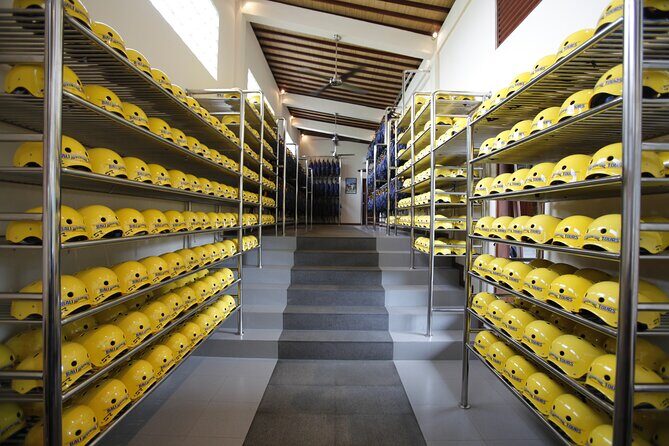
Your day begins at Mason Adventures, where you check in and handle the logistics. There’s time for storing belongings in an electronic locker, plus changing facilities. After the rafting, you’ll have access to a shower and a towel, which is a big deal when you’re dripping river water and still want to enjoy the rest of the day.

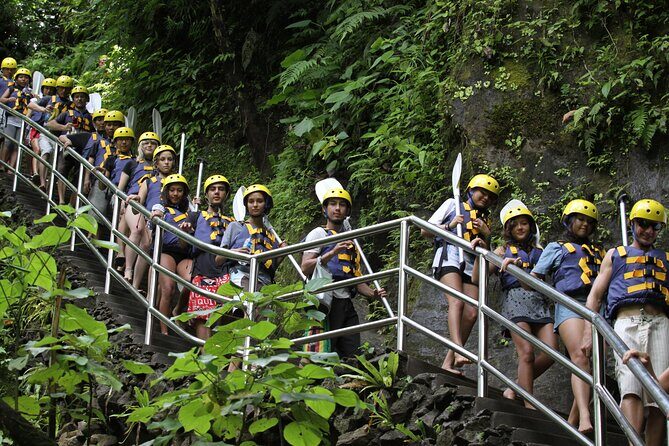
Then comes the part people wish they’d been told clearly: getting to the river. Plan on a serious stair descent and a tough climb back up. The range I’ve seen is roughly 600 down and 400 up, with some reports closer to 700 steps. Even if the guide keeps things moving, your legs will feel it.

So here’s the practical play: wear footwear you can walk in on uneven ground, keep your phone protected, and treat the stairs like part of the activity, not an unexpected hurdle. If you’re nursing an injury, this is where you may want to rethink the plan.

The Ayung River: Class II–III rapids done with a guide

Premium White Water Rafting and Jungle Buggies in Bali - The Ayung River: Class II–III rapids done with a guide
Once you’re on the water, the main event is Ayung River rafting. This stretch is rated Class II–III, which typically means you’ll get a mix of rolling waves and some real rapids, but still under control with proper guidance and safety procedures.

You’ll be using a helmet, and you’ll have a professional guide with your group. That guidance is the value here. It’s what turns a potentially messy experience into a safe, guided ride where you can focus on the moment—spray in your face, whoosh of current, and the laugh that comes from realizing you’re actually doing it.

Also, don’t expect a calm float. The point is movement and water action. If your river experience expectations are more like a lazy resort ride, this one will feel more physical and louder. If you want a thrill without going into extreme white-water territory, Class II–III is a sweet spot for many visitors.

After the raft: lunch, shower time, and why you’ll care

Premium White Water Rafting and Jungle Buggies in Bali - After the raft: lunch, shower time, and why you’ll care
After rafting, you’ll be taken care of on the land side too. Lunch is included, which keeps the day from turning into a hungry scramble. You’re not just wet and sweaty; you’re also trying to recover and reset.

The shower and towel access is one of those details that sounds minor until you’re living it. Getting clean makes the rest of your Bali day feel normal again. You also avoid the uncomfortable mix of damp clothes plus jungle buggy dust later.

One more smart move: bring a change of clothes. Even with showers, you’ll want something dry and comfortable for the next part. If you pack like you’re going from beach to steps, the day feels easier.

Mason Jungle Buggies: driving the trail at your pace

Premium White Water Rafting and Jungle Buggies in Bali - Mason Jungle Buggies: driving the trail at your pace
After rafting, the tour shifts to Mason Jungle Buggies. You’ll drive a buggy along a jungle trail with a pace that matches your experience level. This part is less about white-water adrenaline and more about control, attention, and enjoying the scenery as the vehicle moves through the greenery.

You’re not supposed to be doing a track-style race. The idea is guided driving, so you don’t spend your mental energy worrying about where to go. That’s helpful if you’re new to off-road driving or if you’d rather focus on the experience than on navigation.

That said, there’s one thing to check before you commit your confidence to the buggy. Some accounts have mentioned uncertainty around insurance wording for vehicle damage and also described mechanical noises that didn’t inspire trust. The tour lists insurance as included, so the best move is to ask a clear question on the day: how damage coverage works for the buggy during your ride. It’s not about paranoia—it’s about knowing the rules before the engine is running.

Chocolate tasting and the Koko Bambu stop

Premium White Water Rafting and Jungle Buggies in Bali - Chocolate tasting and the Koko Bambu stop
Between driving and eating time, you’ll hit a couple of stops that make the day feel more than two separate activities. At the buggy stage, the schedule includes a visit to Mason Chocolate showroom for a chocolate tasting. It’s a fun palate break that also adds a local touch, since chocolate in Bali is a common, easy-to-enjoy souvenir theme.

You’ll also stop at Koko Bambu Restaurant as part of the buggy segment timing. Lunch is already included overall, but this gives you a sense that the day is planned with meals and downtime built into it rather than squeezed into gaps.

Even if you don’t buy anything, these stops help the day breathe. After wet rafting and dirt-road buggy driving, a pause matters.

What to bring for a comfortable, low-drama day

Premium White Water Rafting and Jungle Buggies in Bali - What to bring for a comfortable, low-drama day
Bali heat plus wet gear can be a weird combo, so pack like you’re doing both water sports and muddy driving.

Bring:

  • Sunglasses (water glare is real)
  • Hat (sun between activities can be strong)
  • Sunblock
  • Change of clothes for after rafting
  • Simple sandals or water-friendly footwear you don’t mind getting scuffed

The tour doesn’t include beverages, so if you’re the type who gets thirsty fast, plan to buy water on-site. Also note that souvenir photos and video may be available for purchase, but they’re not included.

If you’re prone to stiff legs, consider light stretching before the stairs. It’s not a miracle cure, but it can take the edge off.

Who this Bali combo tour suits best

Premium White Water Rafting and Jungle Buggies in Bali - Who this Bali combo tour suits best
This is a good fit if you want:

  • A high-energy, action-heavy day without planning everything yourself
  • The thrill of rafting without aiming for extreme levels
  • Jungle buggy driving that feels guided rather than guesswork
  • A tour that includes pickup, lockers, helmet use, shower, and lunch

It may not be the best fit if:

  • You have mobility issues or you hate steep stair climbs
  • You’re very sensitive to mechanical sounds or prefer to thoroughly understand damage responsibility beforehand
  • You’re expecting a relaxed sightseeing-only day

Minimum age is 18, and the day is set up for adults who can handle moderate exertion.

Should you book this tour?

I’d book it if your idea of a great Bali day is action plus convenience. The Ayung River Class II–III rafting is the anchor, and the jungle buggy is the fun second act that keeps you busy after you get cleaned up and fed.

Skip it—or at least ask more questions—if stairs would be a deal-breaker for you. And if you’re the kind of traveler who likes clarity before driving anything, confirm the buggy damage/insurance terms on the day, since that’s one area where people have had different experiences.

If you line up your expectations—wet, loud, sweaty, then showered and fed—you’ll likely feel like this was good value for a packed 5-hour adventure out of Kuta.

FAQ

How long is the rafting and jungle buggy tour?

It runs for about 5 hours.

Is hotel pickup and drop-off included?

Yes. You get hotel pickup and drop-off by air-conditioned minivan.

What rapids do you raft on?

You raft the Ayung River with Class II–III rapids, guided with a professional team.

Does the tour include lunch and showers?

Yes. Lunch is included, and there are facilities for changing plus a shower and towel after rafting.

Is there a minimum age and what fitness level do I need?

The minimum age is 18. You should have moderate physical fitness since you’ll do significant steps to get to the river.

Can I cancel and get a refund?

Yes. You can cancel for a full refund up to 24 hours in advance. If you cancel less than 24 hours before, the amount paid is not refunded.

Mount Batur Sunrise Trekking With Guide & Breakfast

Mount Batur Sunrise Trekking With Guide & Breakfast - The trek up (04:00–06:15): What you’re signing up for

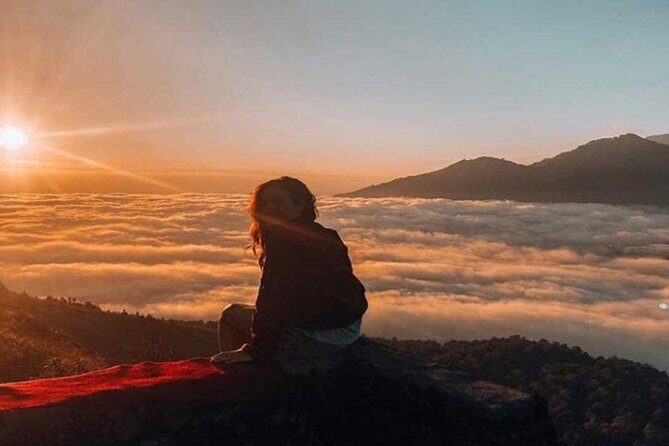
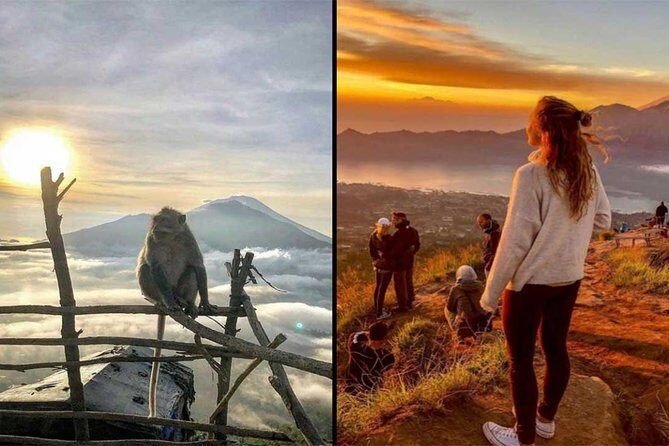
Sunrise climbs feel like movie scenes. This Mount Batur trek is built around a sunrise summit arrival and a simple crater breakfast ritual with a local guide. What I like most is seeing the morning sky from the crater area, helped by guides such as Eka and Komang who keep the pace sensible. I also like the breakfast idea at the top—eggs and banana as part of the morning rhythm, not just something tacked on later.

One drawback to plan for: the summit can be busy, so expect a crowd when the sun breaks through. Pickup also happens early—around 2:00–3:00 AM, depending on where you’re staying—so bring patience and warm layers for the start.

Key things to know before you go

Mount Batur Sunrise Trekking With Guide & Breakfast - Key things to know before you go

  • 02:00–03:00 pickup: Timing depends on your hotel location, then you’re moving toward the trailhead.
  • 04:00 trek start: You hike in the dark, which makes headlamps or a light plan important.
  • 06:15 summit arrival: You’re there for the sunrise from the crater view.
  • Breakfast at the summit: Eggs and bananas are prepared as part of the experience.
  • 09:00 finish at Toya Bungkah: You’re not trapped on the mountain all day.
  • 11:30 coffee plantation stop: A cultural pause before returning to your hotel.

Mount Batur Sunrise: The short window that makes the whole day worth it

This is a sunrise trek with a clean schedule. You get a fast, focused morning experience—then you’re back down to regular life by late morning and early afternoon.

The biggest appeal is that the effort is concentrated. You start climbing around 04:00, then you’re aiming for the summit around 06:15. That means you’re not hiking for hours “just to hike.” You’re hiking for one moment: sunrise from Mount Batur’s crater area.

Pickup in the dark: Air-conditioned comfort and real timing

Mount Batur Sunrise Trekking With Guide & Breakfast - Pickup in the dark: Air-conditioned comfort and real timing
Your day starts before most people’s alarms. Pickup is listed at 02:00–03:00 AM, and it depends on your hotel location. That early departure matters because you’re trying to be at the trail at the right time—not just “sometime in the morning.”

I also like that transportation is air-conditioned. Even if the day is cold and dark early on, a comfortable ride helps you arrive less rattled and more ready to move. One practical point: this is the kind of tour where you’ll be glad you’re packed the night before.

The tour is also described as private, meaning only your group participates. In plain terms, you’re less likely to end up stuck waiting on extra strangers before you start moving.

The trek up (04:00–06:15): What you’re signing up for

Mount Batur Sunrise Trekking With Guide & Breakfast - The trek up (04:00–06:15): What you’re signing up for
You begin trekking at 04:00 AM and reach the summit crater area around 06:15 AM. That’s roughly a couple hours of uphill hiking, done early and usually in low light.

The tour calls for moderate physical fitness. That’s a good sign because it suggests the route isn’t meant for total beginners who want a flat walk—but it’s also not described as an extreme mountaineering mission. If you can handle a steady uphill climb for a short stretch, you’re in the right zone.

This is where a strong guide makes a real difference. In past experiences with this company, guides like Komang and Eka are praised for being attentive and patient—especially when someone needs a slower pace or extra reassurance. If it’s your first mountain trek, this kind of support can be the difference between worried and confident.

Summit at 06:15: Crowds, cold air, and the first slice of light

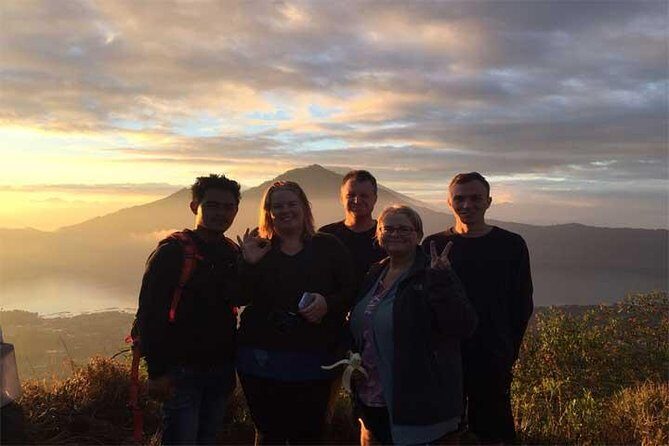
Arrival at the summit crater is around 06:15 AM, right when the viewing experience starts to click into place. The sunrise here is the headline moment: you’re high enough to see the morning unfold, and you’re at the right spot for that dramatic shift from dark to daylight.

Now the consideration: the summit can be crowded. That doesn’t ruin it, but it changes the vibe. You may be standing near others for photos, and you’ll want to move carefully on uneven steps in early light.

If you hate standing in lines, treat the “crowded moment” as part of the deal. Come with a flexible mindset. Your best photos might come from timing—waiting a minute after the first people react, or stepping a few paces to find your own angle.

Breakfast at the summit: More than calories

Mount Batur Sunrise Trekking With Guide & Breakfast - Breakfast at the summit: More than calories
Breakfast is one of the most charming parts of this tour. It’s scheduled for the summit experience while you’re enjoying the sunrise view. The setup described includes boiling eggs and making bananas part of the morning ritual.

I like this because it turns a hard effort into a reward you can actually taste. It’s not only scenic—it’s a small, practical cooking moment in a surprising place. One reason people remember it is that it feels local and hands-on, guided by someone who’s done it many times.

You’ll likely also appreciate the warmth factor. Even when you’re excited, early morning air can feel chilly at altitude. Hot drinks like tea and coffee are mentioned in experiences with this trekking team, which fits perfectly with the idea of waking up properly at the top.

Descent to Toya Bungkah (08:00–09:00): Where the day gets easier

You begin your descent around 08:00 AM and reach Toya Bungkah Village around 09:00 AM. This is a key part of why the tour feels efficient.

The climb is the hard part. The descent is still hiking, but the pace usually feels more manageable because you’re moving away from the steepest sections. And the finish point matters: landing at Toya Bungkah means you’re not ending your day in the middle of nowhere.

Also, by finishing around 09:00, you’re positioned to do other Bali plans later. This is the kind of tour that doesn’t steal your entire day.

The 11:30 coffee plantation stop: A cultural break before the return ride

After the trek, there’s a stop at a Balinese coffee plantation around 11:30 AM. This is a lighter interlude that keeps the day from feeling like nonstop effort.

This pause can be worth it even if you’re not a die-hard coffee person. It gives you a different angle on the island—how coffee is grown and how locals talk about it. And if lunch isn’t included (it isn’t), this stop can be a convenient time to grab food if you want it.

Some experiences with this team also mention additional relaxation on the way back, like hot spring time. That’s not listed as a fixed part of the core plan here, so treat it as a possible bonus depending on what’s scheduled that day.

Price and value: Is $35 fair for a sunrise trek?

Mount Batur Sunrise Trekking With Guide & Breakfast - Price and value: Is $35 fair for a sunrise trek?
The price is $35.00 per person, with an approximate 10-hour duration. That’s quite reasonable for a sunrise trek that includes transportation, a local guide, an entrance ticket, and breakfast.

Here’s what you’re getting for the money:

  • Air-conditioned vehicle for the pickup and return
  • Local guide
  • Entrance ticket
  • Breakfast associated with the summit sunrise experience

Lunch is not included. That means you should plan on spending extra if you get hungry later in the morning after the plantation stop.

So is it a good value? For most people, yes—because the included pieces add up fast. You’re not just paying for a view; you’re paying for early logistics, guided climbing support, and food at the summit timing that makes the whole sunrise plan work.

If you’re comparing tours, also check how your tour handles crowding and guide support. The consistent praise for guides like Gede and Sana (for attentiveness and help with photos) suggests this provider places real effort into the “human” part of the experience, not only the schedule.

Best fit: Who should book Mount Batur at sunrise?

This trek fits best if you:

  • want a bucket-list sunrise with a structured plan
  • can manage early mornings and a moderate uphill walk
  • like having a guide explain what you’re seeing (the tour includes a local guide for that reason)
  • prefer a tour that gets you back by early afternoon

It also works well for first-timers who worry about making it to the top. Guides are praised for being patient and checking in to make sure everyone is okay, especially for people who aren’t used to mountain climbs.

Where it may not fit as well: if you hate early starts, or if you want a totally quiet, uncrowded summit experience. The sunrise spot is popular, and you’ll be sharing it.

Practical notes that can save your morning

Bring layers for early hours. Even if the day warms up, the first climb and summit wait can feel cold.

Wear shoes with grip for uneven ground. You’re hiking in the dark at the start, then stepping around in rocky conditions near sunrise.

Plan for a crowd at the summit. Not a dealbreaker, just a reality, so keep your expectations flexible.

And for food: breakfast is included, but lunch is not. If you have a sensitive stomach or specific eating needs, consider how you’ll handle that gap between breakfast and whatever you choose later.

Should you book this Mount Batur Sunrise Trek?

I think you should book it if you want a clear, well-timed sunrise plan with real local support and a breakfast reward at the summit. The schedule is tight but not confusing, and the value stacks up because transportation, guide, entrance, and breakfast are included.

Skip it or reconsider if early-morning crowds and dark hiking stress you out. If you’re the type who needs comfort first, you might feel impatient during the pre-dawn wake-up and the busier summit period.

If you’re on the fence, decide this way: are you excited enough about sunrise to tolerate a packed viewing moment and an early start? If yes, this trek is a strong match.

FAQ

What time is pickup for Mount Batur sunrise trekking?

Pickup is typically between 02:00 and 03:00 AM, depending on your hotel location.

When do we start trekking?

The trek begins around 04:00 AM.

How long is the experience?

The duration is approximately 10 hours.

Where do we arrive after the descent?

You arrive at Toya Bungkah Village around 09:00 AM, which is listed as the finish point.

Is breakfast included?

Yes. Breakfast is included and is enjoyed at the summit as described in the experience.

What is included in the tour price?

The tour includes an air-conditioned vehicle, breakfast, an entrance ticket, and a local guide.

Is lunch included?

No. Lunch is not included.

What fitness level do I need?

You should have a moderate physical fitness level.

Is this tour private?

Yes. It’s described as private, and only your group will participate.

What if I need to cancel?

You can cancel up to 24 hours in advance for a full refund.

Ngurah Rai International Airport Private Arrival Transfer

Ngurah Rai International Airport Private Arrival Transfer - Timing: How Long the Ride Usually Takes

Bali starts with a name sign. That detail matters at Ngurah Rai, where you want to be sure your driver finds you fast after customs. I like that this is a private, air-conditioned arrival transfer that gets you off the airport stress quickly, with a driver who meets you right in the arrivals area.

I also like the simple handoff: you book with your details, then show your voucher after you land.

The driver experience is the real win here. Many arrivals go smoothly because your driver is waiting with a clear name sign and good communication, so you can get your bearings fast. I also appreciate the patience factor for real travel situations, like delayed flights.

One consideration: this is not a generic, walk-out-and-guess transfer. You need to provide the flight number and arrival time, plus the correct hotel area category, or the pickup can fail. Also, the service doesn’t run between 00:01am and 06:00am.

Key points to know before you book

  • Name-sign meeting at arrivals makes pickup feel calm, even if you’re tired
  • Air-conditioned private vehicle for a door-to-hotel drop
  • Five drop-off areas (A–E) cover most popular bases in South Bali and beyond
  • Time varies by area, with clear estimates for places like Uluwatu, Nusa Dua, and Denpasar
  • Driver timing matters with flight data so double-check your details
  • Flight delays are handled, since the driver is set to wait for your arrival window

Meeting Your Driver at Ngurah Rai International Airport

Ngurah Rai International Airport Private Arrival Transfer - Meeting Your Driver at Ngurah Rai International Airport
Ngurah Rai International Airport (Denpasar International Airport) can feel like a maze on arrival night—bags, lines, exits, and a lot of people trying to get somewhere. This transfer is built to remove the guesswork: you meet a professional driver after you land, and you show your voucher to confirm the pickup.

The biggest practical comfort is the name sign. If you can spot it, your stress drops instantly. If you cannot, go to the information booth inside the airport and ask them to call your driver. That tactic works well during periods when pick-up zones can feel less obvious, including when the airport is undergoing changes.

A small reality check: on some arrivals, your phone connectivity can be limited before you clear customs and sort out SIM cards. If you’re relying on mobile data to hunt for a driver, plan for that. Have your voucher ready on your phone, and keep a screenshot of your booking details in case the signal takes a hit.

Pickup Zones Across South Bali (Areas A–E)

Ngurah Rai International Airport Private Arrival Transfer - Pickup Zones Across South Bali (Areas A–E)
This transfer is straightforward once you pick the right drop zone. You choose an area category when booking, and the service then drives you to the matching hotel area. The drop zones are grouped like this:

  • Area A (Central Kuta / Kuta Beach / Legian / Tuban)

Covers the core Kuta–Legian strip and nearby roads like Sunset Road and Tuban.

  • Area B (Sanur / Jimbaran / Tanjung Benoa / Nusa Dua / Seminyak)

This is for the south-eastern and southern resort belt, plus Seminyak.

  • Area C (Uluwatu / Padang-Padang / Ungasan / Pecatu / Kerobokan / Umalas / Denpasar city)

A mixed zone that includes Uluwatu-area cliffs and also heads inland toward Denpasar and the Kerobokan–Umalas neighborhoods.

  • Area D (Echo Beach / Batu Belig / Canggu (Munggu) / Tanah Lot)

For the west-coast vibe: Echo Beach, Batu Belig, and Canggu/Munggu.

  • Area E (Ubud and nearby villages: Mas, Andong, Sebali, Kedewatan, Singapadu, Batu Bulan, Keramas beach, Sukawati)

This is the one that turns your arrival transfer into a longer ride inland. It can be very convenient if you booked a hotel in the Ubud region.

If you’re unsure which area matches your hotel, contact customer service before you land. It’s worth it. A wrong category can mean extra time or an awkward drop attempt that you didn’t plan for.

Timing: How Long the Ride Usually Takes

Ngurah Rai International Airport Private Arrival Transfer - Timing: How Long the Ride Usually Takes
The full duration is listed as about 2 hours, but real time depends on where you’re going and traffic. Here are the time estimates provided:

  • Airport → Nusa Dua area: about 40 minutes (around 15 km)
  • Airport → Uluwatu area: about 45 minutes (around 18 km)
  • Airport → Jimbaran and Legian: about 25 minutes
  • Airport → Seminyak / Kerobokan / Sanur: about 30 to 50 minutes
  • Airport → Denpasar city (daytime): about 1 hour

Two things to keep in mind. First, those are estimates, not guarantees. Second, if your flight is delayed, your driver is typically prepared to wait—people have had delayed flights and still found their driver ready on arrival.

For you, that means the transfer can still feel efficient even when travel runs behind schedule. Just don’t treat it like a surprise. Your pickup timing is tied to your arrival details.

What’s Included in the $13.34 Per Person Value

Ngurah Rai International Airport Private Arrival Transfer - What’s Included in the $13.34 Per Person Value
At $13.34 per person, this is priced to feel accessible, especially because it’s a private vehicle. The included items matter more than they sound:

  • One-way private transfer
  • Transport by private vehicle
  • Experienced driver
  • Airport parking fee
  • Airport exit/entrance fees

So you’re not paying extra once you’re in the car. You’re also not dealing with meter math or bargaining in the terminal. If you’re traveling alone, it can still be reasonable compared to paying for the convenience of a direct door-to-door ride without hunting for a taxi after a long flight.

If you’re traveling as a pair or group, this can become even better. The listing mentions group discounts, which generally makes private transfers a practical choice when you split cost.

Private Transfer Logic: When It’s Worth It

Ngurah Rai International Airport Private Arrival Transfer - Private Transfer Logic: When It’s Worth It
I like private arrival transfers when two things are true: you have luggage, and you want minimal decision-making right after landing. That’s exactly why this service fits well.

With a private ride, you get:

  • A direct hop to your hotel area instead of moving between desks and lines
  • A driver who’s focused on pickup, not selling add-ons
  • A smoother transition from airport to Bali life

Also, this is set up as a private tour/activity, meaning only your group rides. That’s ideal for couples, solo travelers who hate chaos, and families who just want one job done well: get to the hotel.

One more practical thought: Bali can be slow around popular zones during certain times. If your hotel is in Kuta, Legian, Seminyak, or Uluwatu, the route is usually short enough that the private convenience still feels like a win. If you’re going farther, like Ubud (Area E), you’re paying for comfort and certainty more than speed.

The One Thing to Watch: Flight and Hotel Details

Ngurah Rai International Airport Private Arrival Transfer - The One Thing to Watch: Flight and Hotel Details
Here’s the part that can turn a smooth arrival into a headache: the pickup depends on your provided information. You should update and provide:

  • Flight number
  • Arrival time
  • Correct Bali hotel details

If you didn’t provide a flight schedule, the service states the guest won’t be picked up. That doesn’t mean you’ll be stranded in practice, but it does mean you should treat this as a “send the right info” service, not a “hope for the best” service.

Also, the service doesn’t run between 00:01am and 06:00am. If your flight lands in that window, you’ll need another plan.

If you have extra luggage, inform the driver or customer service during booking. The car choice isn’t specified here, so this is your chance to prevent a squeeze.

And about hotel areas: the booking uses these lettered categories. If your hotel sits on the edge of two neighborhoods, double-check the area category. You’ll be happier when the drop-off matches your plan.

Driver Communication and Airport Reality

Ngurah Rai International Airport Private Arrival Transfer - Driver Communication and Airport Reality
From what I’d look for in any arrival pickup, this service scores well on communication. Drivers are described as friendly with good English, and the name-sign meeting is consistently helpful—especially when the pickup areas are divided.

The airport environment is the wildcard. Delayed baggage, crowded exits, and changes in the pick-up setup can make it harder to find your driver quickly. The trick is to keep it simple:

  • Have your voucher ready
  • If you can’t find your driver, use the airport information booth to call them
  • Don’t wander for too long before asking for help

That approach keeps your arrival calm. And when flights run late, the service is designed for that as well, with drivers waiting patiently for delayed arrivals.

Who This Transfer Fits Best (And Who Might Skip It)

Ngurah Rai International Airport Private Arrival Transfer - Who This Transfer Fits Best (And Who Might Skip It)
This is a great match if you:

  • Want one clear plan after a flight
  • Stay in Kuta, Legian, Seminyak, Jimbaran, Sanur, Nusa Dua, Uluwatu, Canggu area (Munggu/Echo Beach), or Ubud
  • Have luggage and prefer a direct door-to-hotel drop
  • Value a driver who can actually communicate

You might consider other options if:

  • Your arrival time lands in the 00:01am–06:00am blackout window
  • You don’t want to share flight and hotel details ahead of time
  • You’re staying somewhere outside the area categories and can’t confirm the match

Should You Book This Ngurah Rai Private Arrival Transfer?

Ngurah Rai International Airport Private Arrival Transfer - Should You Book This Ngurah Rai Private Arrival Transfer?
I’d book this if you want arrival-day convenience that doesn’t cost a fortune. The price is low enough to feel fair, and the included airport fees and parking make it less likely you’ll face surprise add-ons.

Book it with confidence if:

  • Your flight details are easy and you can submit them correctly
  • Your hotel fits clearly into Area A, B, C, D, or E
  • You like the idea of meeting a driver holding a sign and heading straight to your room

Hold off or choose a different plan if:

  • You’re arriving during the midnight to 6am window
  • You’re uncertain about the correct drop zone category and don’t have time to verify it

If you do book, save yourself stress with two quick steps: confirm your area category matches your hotel, and keep your flight info accessible. Then you can focus on the fun part—getting to Bali without the arrival scramble.

FAQ

Where does this transfer drop you off?

It offers drop-offs for several Bali areas using five categories: Area A (Central Kuta/Kuta/Legian/Tuban), Area B (Sanur/Jimbaran/Tanjung Benoa/Nusa Dua/Seminyak), Area C (Uluwatu/Padang-Padang/Ungasan/Pecatu/Kerobokan/Umalas/Denpasar city), Area D (Echo Beach/Batu Belig/Munggu/Tanah Lot), and Area E (Ubud and nearby villages, plus Keramas beach and Sukawati).

What do I need to show the driver?

You’ll show your voucher when you land.

How long is the transfer?

The duration is listed as about 2 hours, with area-specific estimates such as roughly 40 minutes to Nusa Dua and about 45 minutes to Uluwatu, depending on traffic.

Is the transfer really private?

Yes. It is a private tour/activity, so only your group participates.

What’s included in the price?

Included items are the one-way private transfer, private vehicle transport, an experienced driver, airport parking fee, and airport exit/entrance fees.

Do I need to send my flight details?

Yes. You should update and provide your flight number and arrival time, and provide correct hotel details, because pickup depends on having the flight schedule.

Is pickup available at any time of night?

No. The service is unavailable between 00:01am and 06:00am.

How flexible is cancellation?

You can cancel for a full refund if you cancel at least 24 hours before the experience start time.

Tour: Besakih Temple-Kintamani Volcano-Water temple&Rice Terrace

Tour: Besakih Temple-Kintamani Volcano-Water temple&Rice Terrace - Besakih Temple: Bali’s Mother Temple on the Mount Agung Slopes

Besakih + volcano + sacred water in one day? That combo is the reason this tour works. You get a single driver, a planned route, and enough time at each place to feel like you saw the real Bali rather than just collecting stamps.

I like private transport with good AC because it makes the long drives tolerable, and I also like that entrance tickets are included so you can focus on the sites instead of hunting for payments and hours. One caution: like most Bali day trips, the schedule can get shaken by serious rain, and there’s at least one reported case where Besakih access led to a substitute stop.

Key Takeaways Before You Book

Tour: Besakih Temple-Kintamani Volcano-Water temple&Rice Terrace - Key Takeaways Before You Book

  • Private, English-speaking driver: You’re not stuck in a slow-moving group shuffle.
  • Entrance fees included: You pay one price and get into the key sights.
  • Jambul Hill + rice terrace views: You get multiple photo angles, not just one flat viewpoint.
  • Sacred water at Tirta Empul: A ritual site with a clear sense of purpose, not just scenery.
  • Klungkung’s Kertha Gosa: A heritage stop that goes beyond temples.
  • Past guide experiences: Names like Wayan Balik, Komang Arya, Nyoman, and Ketut show up in strong feedback.

A Private Driver Makes North Bali Feel Doable

Tour: Besakih Temple-Kintamani Volcano-Water temple&Rice Terrace - A Private Driver Makes North Bali Feel Doable
This is one of those routes that can eat an entire day if you try to DIY it. With hotel pickup and a car that’s built for comfort, you start at 8:00 am and you’re already moving before the crowds fully kick in.

What I like for you is the pacing logic: each major stop is given a real chunk of time (around 1 to 1.5 hours). That’s long enough to wander, take photos, and pause for small moments—without feeling like you’re being herded.

Besakih Temple: Bali’s Mother Temple on the Mount Agung Slopes

Tour: Besakih Temple-Kintamani Volcano-Water temple&Rice Terrace - Besakih Temple: Bali’s Mother Temple on the Mount Agung Slopes
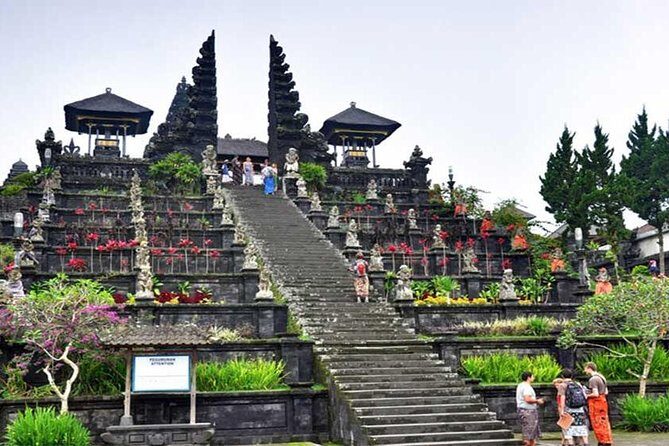
Besakih is Bali’s “mother temple,” a huge complex set on the south-western slopes of Mount Agung. It’s not one gate-and-yard place. Think of a dense network of clan temples and shrines—at least 86 mentioned for the wider complex—with frequent ceremonies throughout the year.

Why it’s worth your time: Besakih feels alive because it’s not built for staged tourism. You’ll be walking through an active religious landscape where the scale is the point. The setting on the mountain also adds drama—especially when light hits the stone and you can see the layered layout of shrines.

Practical consideration: this is a temple complex, so plan for modest clothing and respectful behavior. Also, if weather turns ugly, mountain areas can get slippery fast, and you may lose time if pathways are closed or visibility drops.

Kintamani and Mount Batur: Big Caldera Views, No Tech Needed

Tour: Besakih Temple-Kintamani Volcano-Water temple&Rice Terrace - Kintamani and Mount Batur: Big Caldera Views, No Tech Needed
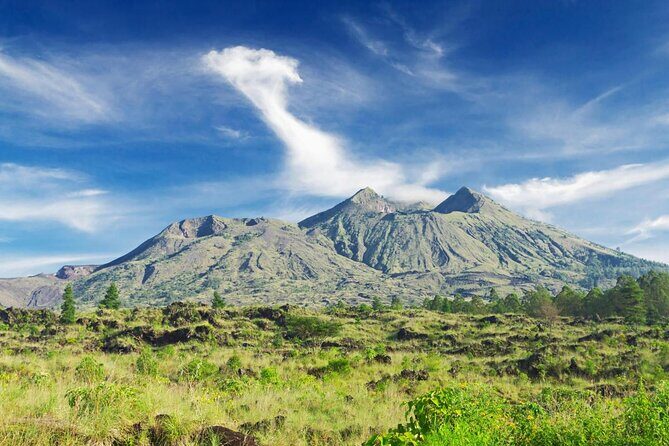
After Besakih, you head to Kintamani Volcano Park, where the focus is Mount Batur and the surrounding caldera. The key draw is the view: a wide, volcanic bowl with a lake-like caldera feature below and ridgelines that make the whole scene feel oversized.

This is a good stop if you want a payoff that doesn’t require a hike. Even with limited time, you can still get the “wow, I’m really seeing Bali’s geology” effect from the viewpoints and pullouts.

Real talk: visibility is the whole game here. If the sky is hazy or rain clouds sit low, the scenery won’t hit the same. You can’t control weather, but you can control how you show up—pack a light layer and be ready for fast changes in conditions.

Tirta Empul: Holy Spring Water and Purification Rituals

Tour: Besakih Temple-Kintamani Volcano-Water temple&Rice Terrace - Tirta Empul: Holy Spring Water and Purification Rituals
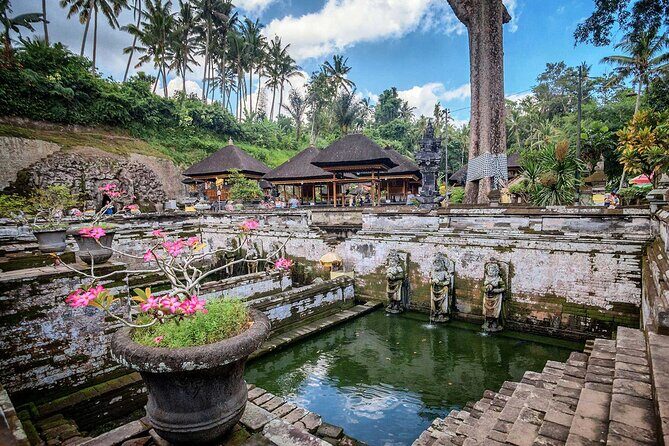
Tirta Empul means Holy Spring, and that’s exactly what’s special about it. The temple compound includes a petirtaan, a bathing structure where Balinese Hindus come for ritual purification. The spring water flows into the pond area, and people use it as part of their devotional routine.

What I’d tell you to expect: this is less about taking photos for the gram and more about witnessing a tradition with purpose. You’ll see people moving through the purification steps, and the whole place has a calm, focused energy.

A practical note: plan your time so you’re not rushing. Even if your visit is only around an hour and a half, you’ll want a few minutes to watch what’s happening before you start exploring around the site.

Jambul Hill and Tegalalang Rice Terraces: Classic Bali Views, Better From Above

Tour: Besakih Temple-Kintamani Volcano-Water temple&Rice Terrace - Jambul Hill and Tegalalang Rice Terraces: Classic Bali Views, Better From Above
The tour includes rice terrace time, and you get more than one way to see it. Tegalalang Rice Terrace is the iconic one that looks exactly like the photos you’ve already seen online—lush green terraces stacked across the slopes.

The extra value is that you’re not limited to a single viewpoint. The tour also references capturing terrace landscapes from the top of Jambul Hill, which is the kind of difference that turns a simple visit into a set of photos with depth.

How to make the most of it:

  • Go slow at the viewpoints. The best angles usually come after a few minutes of walking.
  • Bring something for sun protection. This area can feel bright and hot depending on cloud cover.
  • If you like composition, look for the way terraces curve with the hillside rather than only shooting straight down.

Semarapura (Klungkung): Kertha Gosa Adds Heritage With Local Atmosphere

Tour: Besakih Temple-Kintamani Volcano-Water temple&Rice Terrace - Semarapura (Klungkung): Kertha Gosa Adds Heritage With Local Atmosphere
Semarapura, in Klungkung, is where the tour leans into heritage beyond temples. You’ll see Kertha Gosa—once associated with a center of justice—plus the surrounding areas in the Klungkung complex.

This part matters because it balances the day. After climbing to temple grounds and volcanic viewpoints, Kertha Gosa offers something calmer and more architectural. It’s also a good contrast to the open-air landscapes of Kintamani and rice terraces.

In the feedback, Taman Kerta Gosa gets praised for its atmosphere and the beauty of the grounds, so if you like history you can actually feel through the setting, this is your stretch of the day.

Edelweis Garden Windmill Photos: A Fun Stop That Works

Tour: Besakih Temple-Kintamani Volcano-Water temple&Rice Terrace - Edelweis Garden Windmill Photos: A Fun Stop That Works
The tour also includes a photo spot tied to Edelweis Garden on the hillside. The selling point in the description is a windmill viewpoint area, and the mood from past visitor experiences is basically: colorful flowers, cool weather feeling, and a different kind of scenery compared to temples and terraces.

I think this stop is smart for two reasons. One, it gives you a break from religious sites and drives. Two, it’s a quick way to get “Bali variety” without turning the day into a marathon of minor stops.

Keep expectations realistic: it’s best treated as a scenic photo opportunity, not as the main event of the tour. That said, it can be a genuinely pleasant palate cleanser.

Price and Value: Why $132 Can Feel Fair Here

Tour: Besakih Temple-Kintamani Volcano-Water temple&Rice Terrace - Price and Value: Why $132 Can Feel Fair Here
At $132 for about 10 hours, the value depends on how you’d otherwise plan the day. Here, you’re getting:

  • hotel pickup and return
  • a private car with good AC
  • an English-speaking driver who guides as you go
  • entrance tickets for each attraction

If you’d normally hire a driver and pay temple fees separately, the math usually gets messy. This package simplifies that. The big cost saver is time: you’re not coordinating multiple tickets, timing, and separate transport legs.

The other value piece is flexibility. A private car means you can pause for photos and bathroom breaks without arguing with a schedule designed for other people.

Guides Matter: The Human Side of This Tour

A big chunk of the positive feedback centers on driver quality. Names that show up include Wayan Balik, Komang Arya, Nyoman, and Ketut—often described as friendly, patient, responsible, and fluent in English.

That matters more than you might think. In Bali, good guidance affects everything from where you stand for photos to how you handle temple etiquette without feeling awkward. Even if the route is set, the experience is still shaped by how your driver explains what you’re seeing.

If English is important to you (it is for most people), look for confirmation that your driver can speak English as part of the package. This tour is marketed that way, and the pattern in feedback suggests it’s usually delivered.

Weather and Schedule: The One Thing You Can’t Ignore

Rain in Bali is common. Severe rain is less common, but it’s not theoretical. One reported experience described how access to Besakih was limited after severe rain the night before, leading to a substitute stop that felt much smaller and disappointing compared with the expected temple visit.

So here’s the practical takeaway for you: go into this day with the mindset that conditions can change. If you’re traveling during a rainy stretch, build emotional buffer. Your driver and timing will still do their best, but mountain regions are more sensitive to downpours.

Also, pack for wet ground and humidity. Even if it doesn’t rain, temple and terrace areas can be slick or muddy.

Who This Tour Suits Best

I’d point you toward this tour if:

  • you want a private day that covers multiple major sights
  • you’re short on time and don’t want to plan roads, ticketing, and logistics
  • you like a mix of temples, views, and rice terrace scenery
  • you care about a driver who can explain things in English (not just drive)

It might not be the best fit if:

  • you’re very sensitive to long drives and want only one or two stops
  • you’re expecting a hiking-heavy adventure (this is more about visiting and viewing)
  • your schedule can’t handle minor changes due to weather

Should You Book This Tour?

If you want a full, satisfying Bali sampler that doesn’t require you to micromanage transport, this is the kind of day trip that usually makes sense. The included entrance tickets and private AC car reduce friction, and the mix of Besakih, Kintamani, Tirta Empul, rice terraces, and Klungkung’s Kertha Gosa gives you variety without chaos.

My only “don’t-book-yet” moment is weather sensitivity. If you’re visiting during a stormy period and Besakih is your absolute must-see, consider having a Plan B mindset.

FAQ

What time does the tour start?

The tour starts at 8:00 am.

Is pickup from my hotel included?

Yes. Pickup from your hotel and back to your hotel is included.

Is this a private tour?

Yes. It’s described as a private tour/activity, meaning only your group participates.

Are entrance fees included?

Yes. Entrance tickets for each attraction are included.

Is food included?

Meals are not included. You’ll need to pay for meals and personal expenses separately.

Does the driver speak English?

Yes. The package includes a driver who can speak English as your guide.

Is there free cancellation?

Yes. Free cancellation is offered if you cancel up to 24 hours in advance for a full refund.

Private Tour : Bali Best Waterfalls, Temples and Monkey Forest

Private Tour : Bali Best Waterfalls, Temples and Monkey Forest - Tukad Cepung Waterfall: The Cave Waterfall Moment

A Bali day that moves at your speed.

This private tour strings together two standout waterfalls and major temple/nature stops, with hotel pickup so you don’t waste time figuring out meeting points. I also like that it’s designed for day-in-nature vibes, not a rushed sprint. One consideration: getting to the waterfalls can involve a river-stream walk, and the tour asks for moderate fitness and the right clothes.

You’ll ride in an air-conditioned minivan with a driver/guide from Bali Yowana Tour, and the guide experience really matters here. In the feedback, guides like Dewa, Vito, Ayuni, and Yogi come through with humor, local context, and even itinerary tweaks when plans need adjusting.

Key Highlights You’ll Feel Immediately

Private Tour : Bali Best Waterfalls, Temples and Monkey Forest - Key Highlights You’ll Feel Immediately

  • Pickup + drop-off from selected hotels means less logistics and more time outside
  • Tukad Cepung Waterfall inside a cave where light can hit the cliffs when weather cooperates
  • Tibumana Waterfall with a jungle-trail feel plus a cooling swim option
  • Elephant Cave Temple expectations check: it’s not an elephant house, it’s a temple site
  • Sangeh Monkey Forest sanctuary with Balinese long-tailed monkeys and strong conservation ties
  • Private car flexibility: you can customize within the same region, and you can ask for lunch/snack breaks near Ubud

Private Bali, 8–9 Hours: How the Whole Loop Works

Private Tour : Bali Best Waterfalls, Temples and Monkey Forest - Private Bali, 8–9 Hours: How the Whole Loop Works
This is a private, full-day style tour (about 8 to 9 hours) in the Kuta area, operating with Bali Yowana Tour. You stay with your own group in the car the whole time, which is a big deal in Bali. It means you’re not waiting for other people, and you can tell your guide what pace you want.

The route is built around a very practical idea: pack in two waterfalls, then add temple and monkey-forest time without constantly bouncing between far-apart corners of the island. You also get an air-conditioned minivan, plus parking fees covered. That keeps the day smoother and easier to predict, even if traffic stretches the schedule a bit.

Timing-wise, there’s transfer time to consider before you even reach the first area stop. For example, the transfer estimate to the Tembuku village area is roughly:

  • Ubud/Sanur: 45 minutes to 1 hour
  • Kuta: about 1 hour 30 minutes (based on hotel location and traffic)

So if you’re starting in Kuta, plan for a real chunk of drive time before the waterfalls start delivering the pay-off.

Tembuku Village Stop: A Ticket-Free Reset Before Nature

The day’s first stop is Tembuku (ticket free), with transfer time varying by where your hotel is. This part of the itinerary is basically your warm-up: you’re getting oriented and getting out of the heavier tourist rhythm.

Since the tour doesn’t require paid admission here, you can treat it as a timing buffer. If you need a quick break, a bathroom stop, or a moment to hydrate before heading to the waterfalls, this is the kind of stop that makes the later walking feel easier.

The practical win: it helps spread the day so you’re not jumping straight from the road into wet cave steps without any adjustment time.

Tukad Cepung Waterfall: The Cave Waterfall Moment

Private Tour : Bali Best Waterfalls, Temples and Monkey Forest - Tukad Cepung Waterfall: The Cave Waterfall Moment
Tukad Cepung is the waterfall you’ll remember because it’s inside a cave. That single detail changes everything. Instead of chasing a waterfall from a wide viewing platform, you’re moving through a setting where the waterfall feels tucked into the landscape, with light and shadows doing a lot of the work.

The tour description points out that this waterfall’s flow is gentler than the typical “dramatic drop to a river” picture. You’ll see water that gently flows into cliff areas rather than blasting straight down into the stream like some of Bali’s more open waterfalls.

Then there’s the light factor. If the weather permits, you can witness sun light falling into the cave and illuminating the scene. No guarantee, but it’s exactly the kind of natural element that makes Tukad Cepung special when conditions line up.

What to watch for

  • You’ll likely be wearing shorts and moving carefully around uneven cave terrain.
  • The tour advises moderate fitness, and it’s set up like a real walk, not a drive-by selfie spot.

Why it’s worth it

This is one of the rare waterfall experiences in Bali where you don’t just “see water,” you experience light, cave air, and that enclosed hush.

Tibumana Waterfall: Jungle Trail Feel and a Swim Break

Private Tour : Bali Best Waterfalls, Temples and Monkey Forest - Tibumana Waterfall: Jungle Trail Feel and a Swim Break
Tibumana is the other half of the waterfall story, and it leans into the paradise fantasy: a jungle-trail walk, a hidden-feeling waterfall, and the option to cool off with a swim.

The description is clear: when you picture hiking through jungle trails to find a waterfall, that image is essentially what Tibumana delivers. Expect a walk from the entrance road into the Tibumana area.

The itinerary lists Tibumana for about 1 hour 30 minutes total. That gives enough time to:

  • get to the waterfall,
  • take photos without feeling totally rushed,
  • and decide whether you actually want the water break.

Practical note about the walk

The tour specifically advises wearing shorts because you’ll walk through a river stream to access the waterfalls. That means water and wet feet are part of the deal. The “bring a change of clothes” advice isn’t optional fluff; it’s there because you’ll likely get damp on the way in and out.

What I’d do if I were planning your day

Pack your swimsuit and keep it accessible. Bring towels/something to dry off. If you don’t want to swim, you’ll still want to be comfortable changing and staying warm afterward.

Ubud Recharge Stop: Lunch Flexibility Without Forcing a Restaurant

Private Tour : Bali Best Waterfalls, Temples and Monkey Forest - Ubud Recharge Stop: Lunch Flexibility Without Forcing a Restaurant
After waterfalls, you get an Ubud stop to recharge. Admission is free here, and the tour also gives you control over breaks.

You can notify the driver/guide anytime to stop for lunch or a snack. There are restaurants nearby where you can choose on your own, and lunch is at your own expense.

This matters because Bali lunch options vary wildly by budget and mood. With your own private guide, you can ask for something practical—simple, quick, air-conditioned, whatever keeps your energy steady for the next stops.

Expect about 1 hour here. It’s long enough to eat without turning the day into a long, expensive detour, but short enough that you don’t lose the magic of the later temple/monkey time.

Elephant Cave Temple: What the Name Really Means

Private Tour : Bali Best Waterfalls, Temples and Monkey Forest - Elephant Cave Temple: What the Name Really Means
Elephant Cave is one of those attraction names that can trick your expectations. The tour description warns you about a common misunderstanding: the name doesn’t mean a gigantic dwelling full of elephants.

Once you step into the site, you’ll understand it as an ancient temple experience. The “Elephant Cave Temple” label is more about the association with the site than about elephants wandering around to pose for photos.

You’ll spend about 1 hour here, with admission included. In a place like this, the value is usually less about one single photo angle and more about moving through the temple atmosphere, reading the guided context, and understanding why it’s important to locals.

A key part of this experience is the guide commentary. In the feedback, guides like Dewa and Yogi were praised for being funny while still delivering real knowledge. That combination helps temple sites feel alive instead of like a checklist.

Sangeh Monkey Forest: Sanctuary Energy and Real Close Encounters

Private Tour : Bali Best Waterfalls, Temples and Monkey Forest - Sangeh Monkey Forest: Sanctuary Energy and Real Close Encounters
Sangeh Monkey Forest is a sanctuary and natural habitat for Balinese long-tailed monkeys—described as thousands. That word choice matters. This isn’t a zoo-style show with scheduled performances. It’s an ecosystem with humans visiting inside it.

The local perspective is also part of the story: the monkey forest is viewed as spiritually, economically, educationally, and conservation-wise important. That framing helps you approach the visit more respectfully—less “free entertainment,” more “shared space.”

The itinerary allocates about 1 hour for this stop, with admission included.

What to expect

  • Monkeys can be bold. They’re curious, fast, and very interested in anything you bring that looks like food or something shiny.
  • The experience works best when you follow your guide’s instructions and keep valuables handled.

Why having a guide helps

One piece of feedback highlighted that having a guide bring you to the monkeys made the experience feel more manageable and enjoyable. A good guide also helps you avoid spending an hour arguing with a monkey over a snack—an argument you will lose.

Price and Value: Does $55 Make Sense for This Day?

Private Tour : Bali Best Waterfalls, Temples and Monkey Forest - Price and Value: Does $55 Make Sense for This Day?
At $55 per person, this tour is priced to be realistic for a full-day private experience that includes a lot of what usually adds up.

Here’s what you’re getting:

  • Driver/guide
  • Air-conditioned minivan
  • Hotel pickup and drop-off (selected hotels)
  • Parking fees
  • Admission included for Tukad Cepung, Tibumana, Elephant Cave, and Sangeh Monkey Forest
  • Lunch is the only major item explicitly not included

Where value really shows is in the combination. If you tried to do this yourself, you’d be juggling transport, timing, and multiple separate admissions. Even if you’re a strong planner, you’d still lose time and add stress. With a private car, you’re buying day efficiency plus local navigation.

One small caution from the feedback: there was an issue where one party expected a minivan and found the vehicle less comfortable for 4 adults. The operator’s response said they drive a minivan setup (5+1 seats). Still, it’s worth asking about vehicle comfort when you book, especially if your group includes tall people or you have specific comfort needs.

Guides Matter: Dewa, Vito, Ayuni, and Yogi’s Common Thread

The guides in the feedback share a pattern: they’re not only driving. They’re interpreting Bali in a way that makes the day easier to understand and more fun to experience.

  • Dewa was described as funny, down to earth, and full of knowledge.
  • Vito was praised as professional and friendly, especially for an easy day around Ubud.
  • Ayuni was highlighted as a lovely host and driver, with the ability to adjust the itinerary to preferences.
  • Yogi was noted for being knowledgeable and especially considerate of an 80-year-old traveler with a handicap.

That last point matters because this tour has a moderate-fitness requirement and includes river-stream walking to access waterfalls. If mobility is limited, don’t assume it’s automatically a perfect fit. Do ask your guide directly about what parts are optional and what pace you can manage.

What to Pack and Wear for Waterfalls (So You Don’t Have a Wet-Day Crisis)

This is the part that makes or breaks the day. The tour advises:

  • Wear shorts
  • Wear light, comfortable clothing
  • Bring a change of clothes
  • Pack a towel, sunscreen, sunglasses, and a cap/hat
  • Bring a water bottle and snacks
  • Bring a swimsuit and a camera
  • Carry some petty cash

The reason is straightforward: you’ll walk through a river stream to access the waterfalls. Even if you skip swimming, you’ll still deal with wet terrain and changing conditions.

If you want an easy day, treat this like a day at the water plus temple time afterward. Dress to get damp early, then plan to look human again by the later stops.

Who This Tour Fits Best (and Who Should Rethink)

This tour is a strong match if you want:

  • A private day that feels like you’re choosing the pace
  • Two memorable waterfalls in one outing
  • Temple and monkey-forest time without complicated planning
  • A guide who can explain what you’re seeing while keeping things light

You might want to rethink (or at least ask a lot of questions before booking) if:

  • You can’t manage moderate fitness demands
  • You have mobility limits that make river-stream walking tough
  • Your main goal is lounging and minimal walking—this day includes real movement

The good news is that private format usually gives you more chances to adjust. The itinerary explicitly allows customization within the same region, and you can inform the guide ahead of time if you’d like changes (with any additional fees covered by you if they apply).

Should You Book This Bali Private Tour?

If you want a well-paced Bali day that covers waterfalls, a temple site, and a monkey sanctuary without turning your schedule into a transportation puzzle, this tour is a smart pick. The $55 price works especially well because admissions for the main sights are included, and you’re paying for a guide plus air-conditioned transport.

I’d book this if you like nature stops and don’t mind a little wet, a little walking, and a lot of photo opportunities—especially at Tukad Cepung’s cave setting.

I’d hesitate if your comfort needs are strict or you expect an easy, flat route with minimal movement. In that case, ask your guide how the river-stream access works for your situation before you commit.

FAQ

What’s included in the tour?

The tour includes a driver/guide, hotel pickup and drop-off (selected hotels), transport by air-conditioned minivan, and parking fees. Admission is included for Tukad Cepung Waterfall, Tibumana Waterfall, Elephant Cave, and Sangeh Monkey Forest. Lunch is not included.

How long is the tour?

The duration is about 8 to 9 hours.

Is this tour really private?

Yes. It’s a private tour, meaning only your group participates in the car.

Do I need to pay for entrance fees at every stop?

No. Tembuku and Ubud are listed as ticket free, while Tukad Cepung, Tibumana, Elephant Cave, and Sangeh Monkey Forest include admission.

Can the itinerary be customized?

Yes. You can customize as long as the locations are in the same region. Let the provider know in advance if you want changes, and any additional fees would be paid by you.

What should I wear and bring for the waterfalls?

Wear shorts and light, comfortable clothing. Bring a change of clothes, towels, sunscreen, sunglasses, a cap or hat, a water bottle, snacks, a swimsuit, a camera, and some petty cash.

Is the tour physically demanding?

It asks for moderate physical fitness level. Access to the waterfalls involves walking through a river stream, so plan for some uneven and wet terrain.

PADI Open Water Course

PADI Open Water Course - Kuta on the booking page, but Sanur starts the day: logistics that matter

Three days, one big step toward certified scuba. I like that this PADI Open Water Course targets 18m certification and teaches the skills you’ll need for safe, independent scuba in open water. I also like the small group size (max 3) and the hotel pickup that keeps things organized in busy Bali. One thing to consider: you’ll need a clear health check, and flying close to your first day isn’t recommended.

You’ll do the full course rhythm over three days: knowledge development, pool training, then four open-water sessions split between Padang Bai and Tulamben. Instructors can make or break the experience, and Neptune’s team has a strong reputation for patient teaching, including names like Gede Ariawan, Muli, Julian, Sia, and guide Agus, with extra support for skills like buoyancy control.

This is also a comfort-and-logistics win: included lunch, snacks, coffee/tea, bottled water, and air-conditioned minivan transport. Still, souvenir photos cost extra, so if you want a full photo set, plan to purchase them separately.

Key things that make this PADI Open Water Course work

PADI Open Water Course - Key things that make this PADI Open Water Course work

  • Max 3 travelers keeps the training feeling personal
  • Hotel pickup and air-conditioned transport reduces Bali hassle
  • Four open-water sessions give you real confidence, not just a certificate
  • Padang Bai + Tulamben means you train in more than one setting
  • Instructor support for buoyancy control shows up in real feedback
  • Inclusions cover the day-to-day basics (meals, water, transport)

Why this certification feels like a real foundation, not just paperwork

The PADI Open Water Course is the “starter kit” that many divers rely on for their entire scuba life. The goal here is straightforward: once you’re certified, you’re trained and assessed to dive safely to a maximum depth of 18m. That matters because the course isn’t just about getting through checklists. It’s about learning how to manage yourself underwater with safe habits you can carry forward.

I like how the structure matches that promise. You don’t jump straight into open water without preparation. You build the background first, then you practice in a controlled environment, and only after that you move to open water with guided supervision. If you’re a nervous starter, that step-by-step flow is the difference between feeling rushed and feeling ready.

Also, the course is set up for normal people, not only strong swimmers. The minimum age is 10, and the course notes say most travelers can participate. That doesn’t mean it’s casual, but it does suggest you’ll get support appropriate to beginners who are learning the basics from scratch.

Kuta on the booking page, but Sanur starts the day: logistics that matter

PADI Open Water Course - Kuta on the booking page, but Sanur starts the day: logistics that matter
The course is listed with Kuta, Indonesia as the location. In practice, the meeting point is at Neptune Scuba Diving Bali, located in Sanur Kauh (Denpasar Selatan). So even if you’re staying closer to Kuta, your day usually begins with pickup and then transport by air-conditioned minivan.

This is worth paying attention to because Bali traffic can be the real boss of your schedule. When a tour includes pickup and drop-off, you lose less time wrangling taxis and trying to match unclear arrival times. In plain terms: you get fewer moving parts on your first training day.

Neptune also runs during a wide daily window (7:00 AM to 6:00 PM). That’s helpful if your plans are flexible or you need to coordinate with travel days. And the activity ends back at the meeting point, which makes your last-day timing easier to plan.

One more practical detail: the tour mentions it’s near public transportation. That’s a small safety net if you ever need to adjust your timing.

Three days, three phases: what each part is really doing

This course uses three main phases over three days: knowledge development, pool training, then open-water sessions. If you’ve never seen a certification course like this, it helps to understand what each phase accomplishes for you.

Phase 1: Knowledge development

This part is where you learn the information you’ll need for the rest of the course. The practical value is simple: it gives you the why behind what you’ll do later. When you understand the concepts, skills training makes more sense. Without it, you’re just memorizing steps.

For many first-timers, this is also where online preparation can help. One reviewer mentioned doing theory online in advance using the PADI website. If you can do that before you arrive, you often save time and reduce stress once you’re in Bali.

Phase 2: Pool training

Pool training is where your brain stops working only from book knowledge and starts working from muscle memory. It’s also where instructors can spot issues early. One review specifically mentions help with buoyancy control, which is exactly the kind of skill that benefits from guided correction in a calmer setting.

Pool work is also usually where you build comfort: breathing rhythm, how equipment feels, and how you move with less panic. If you’re worried about being too slow or too awkward, this is where you’ll get the coaching to catch up at a pace that makes sense.

Phase 3: Four open-water sessions in two areas

After the classroom and pool phases, you move to open water. The course includes four open-water sessions across Padang Bai and Tulamben. Splitting the training across locations can help you feel less like you’re “performing” in only one environment. You learn to adapt your control to changing conditions, while staying within your training boundaries and under professional guidance.

Even if you’re eager to get to the fun part, the open-water phase is the one that will stick with you most. It’s where you learn to translate what you practiced into real water, with real variables.

Padang Bai and Tulamben: how changing locations can build confidence

The course uses Padang Bai and Tulamben for the four open-water sessions. I like this approach because it reduces the feeling that your certification depends on one single day, one single spot, or one single set of conditions.

Padang Bai is often chosen for training because it’s connected to established diving routines. Tulamben is also a common training area, and the key benefit for you as a student is consistency in what you’re doing, even while the setting changes.

What this means for you: you’ll practice staying calm and controlled while the environment shifts. That’s the real reason people feel more confident after training across more than one place.

The Neptune team: patient coaching and attention to details

A certification course is basically a skills course with a lot of nerves. What you want is instruction that’s calm, clear, and willing to repeat things without making you feel small.

Neptune’s feedback highlights patient, professional coaching from instructors and guides. Specific names that show up include:

  • Gede Ariawan as an instructor
  • Muli as an instructor who helped with buoyancy control
  • Julian as an instructor during an Open Water Course
  • Sia as part of the instructor team
  • Agus as a guide

The common thread in the reviews is the support style. People describe instructors as kind, personal, passionate, and very patient—especially for students who were new to scuba or who weren’t confident swimmers. That matters because the first underwater experience can feel like a lot: you’re managing equipment, breathing, and staying oriented.

Also, this course has a maximum of 3 travelers. That small group size is more than a number. It usually means you get more direct attention during the steps where mistakes happen. If you’ve ever tried to learn something technical in a big group, you already know what that can feel like.

Price in context: is $530 good value here?

At $530.00 per person, this course is positioned as a full, packaged PADI Open Water training experience. Here’s what that price covers based on what’s included:

  • all taxes, fees, and handling charges
  • bottled water
  • lunch
  • coffee and/or tea
  • snacks
  • driver/guide and a professional guide
  • hotel pickup and drop-off
  • transport by air-conditioned minivan
  • a mobile ticket

What’s not included: souvenir photos (available to purchase).

So how do you judge value? By looking at what you’re avoiding. Without a package, you’d be paying separately for transport, meals, guides, and probably dealing with more scheduling friction. This course price bundles those everyday costs so your main variable becomes your training schedule and your own health readiness.

Also, it’s being booked about 11 days in advance on average. That’s a sign the course fills up or is popular among short-stay divers. If you’re traveling in high season or you want specific days, booking earlier tends to be the smarter move.

What to know before you go: health, timing, and real-world constraints

This course comes with standard safety notes, and you should read them seriously.

You’ll be required to complete a health questionnaire prior to diving. Some pre-existing medical conditions may prevent you from participating, including asthma and heart conditions. The course also notes that respiratory and circulatory systems must be in good health, and all body air spaces must be normal and healthy.

The course also lists situations to avoid: a current cold or congestion, epilepsy, severe medical problems, or being under the influence of alcohol or drugs. If any of these apply to you, talk to your doctor before you book. When it says consult your doctor, that’s not just legal language. It can save you from a disappointing situation.

Timing matters too. Diving within 18 hours of flying is not recommended. If you’re coming from far away, plan a cushion day if you can. If not, at least understand that the course may not fit right after a long flight.

Where you meet, and when you should plan to arrive

You’ll start at Neptune Scuba Diving Bali at Jl. Suka Merta, Sanur Kauh, Denpasar Selatan, Kota Denpasar, Bali 80228. The activity ends back at the meeting point.

Opening hours are 7:00 AM to 6:00 PM. So even if your day runs a bit differently depending on training flow, there’s a wide operating window.

Confirmation happens at booking time, and you’ll receive confirmation details then. Since it’s a small-group course (max 3 travelers), arriving on time matters more than with larger tours.

Should you book this PADI Open Water Course in Bali?

Yes, if you want a structured certification with real training time, a small group, and an operation that emphasizes patient instruction. The four open-water sessions in Padang Bai and Tulamben plus pool training is a strong setup if you’re new or if you want confidence building rather than rushing.

Think twice if:

  • you’re unsure about your health clearance and you don’t have time for a doctor’s consult
  • you’re flying in and out with tight timing and you can’t follow the 18-hour guidance
  • you’re expecting the full photo package included (souvenir photos cost extra)

If you’re the kind of person who likes clear steps—learn, practice, then apply—you’ll probably like this course format. And if you appreciate hands-on feedback like buoyancy control coaching, this one has the kind of instructor support that helps you move from anxious to competent.

In Bali, the Open Water Course is a lot of effort for a short trip. This one is priced and organized in a way that tries to remove friction. If you’re going to do it, do it with a team that runs it smoothly.

FAQ

How long is the PADI Open Water Course in Bali?

It runs for 3 days (approx.) and includes knowledge development, pool training, and four open-water sessions.

What depth will I be certified to?

The course is designed for certification to a maximum depth of 18m.

Where does the course start?

The meeting point is Neptune Scuba Diving Bali, Jl. Suka Merta, Sanur Kauh, Denpasar Selatan, Kota Denpasar, Bali 80228, Indonesia.

Is pickup and drop-off included?

Yes. Hotel pickup and drop-off are included.

What’s included in the $530 price?

The price includes taxes and fees, bottled water, lunch, coffee and/or tea, snacks, a driver/guide and professional guide, and air-conditioned minivan transport, plus a mobile ticket.

What is not included?

Souvenir photos are not included, but they are available to purchase.

Is there a minimum age requirement?

Yes. The minimum age is 10 years.

Do I need a health questionnaire?

Yes. All participants must complete a health questionnaire prior to diving. Some medical conditions (such as asthma or heart conditions) and situations like current cold or congestion may prevent you from participating.

Can I cancel for free?

Yes. You can cancel for free up to 24 hours in advance for a full refund. If you cancel less than 24 hours before the start time, the amount paid will not be refunded.

Fun Dive Nusa Penida Bali – For Certified Divers

Fun Dive Nusa Penida Bali - For Certified Divers - The three sites: Manta Point, Crystal Bay, and SD (Sekolar Dasar)

Penida water can be serious, in the best way. This 9-hour outing is built for certified scuba divers who want three different underwater sites, with an emphasis on safety and local expertise. I like the way the operator plans around conditions, including possible swaps if Manta Point is too rough.

Two things that stand out right away: you get a focused plan for three underwater sessions, and the staff attention sounds consistently top-notch from guide to captain. The one thing to consider: strong currents are part of the deal here, so the minimum requirements aren’t “nice to have,” they’re the whole point.

Key trip considerations before you commit

If you’re motion-sickness prone, the Manta Point part can be an issue. It can involve swell, and they may not be able to go there at all, so you should be ready for that reality and plan accordingly.

Key Points at a Glance

Fun Dive Nusa Penida Bali - For Certified Divers - Key Points at a Glance

  • Three underwater sessions in one day, usually including Manta Point, Crystal Bay, and SD (Sekolar Dasar)
  • Small group size up to 10 travelers, which usually means more hands-on attention
  • Current and experience requirements: 30+ logged dives, Advanced Open Water, and recent diving within 6 months
  • Manta Point can be weather/swell dependent, with an on-the-day alternative site if conditions are unsafe
  • Crystal Bay is often a standout, especially around mola mola season

A 9-hour Penida plan that actually fits real diving conditions

Fun Dive Nusa Penida Bali - For Certified Divers - A 9-hour Penida plan that actually fits real diving conditions
This trip is scheduled for a long, full morning—pickup around 6:30–7:00 AM, then back to the Sanur base around 3:00 PM. The timing matters on Penida, where sea conditions can change fast, and where most of the good sites are out on the right coastlines.

What I like is that this is not sold as a casual “see what happens” day. It’s framed as an experienced outing, with clear expectations about currents, drift conditions, and recent training.

The price is $278.28 per person, and you’re not just paying for boat time. You’re paying for a whole package: pickup + transport, lunch, towels, bottled water, welcome drinks, and the equipment use—plus insurance coverage.

Getting from Sanur to the first site: the clock and the commute

You’ll start with pickup around 6:30–7:00 AM. From there, it’s a short ~5-minute ride to the boat boarding area, then a ~45-minute high-speed boat ride to the first site.

That commute is a big part of why the day feels organized. You’re not stuck wondering when you’ll leave or where you’ll end up—everything runs on a schedule so you can actually fit three underwater sessions into the daylight.

Also, the operator notes a comfortable setup on the boat: you’ll find it easier to prep gear and stay out of the sun when you need a quick reset between water entries.

The three sites: Manta Point, Crystal Bay, and SD (Sekolar Dasar)

Fun Dive Nusa Penida Bali - For Certified Divers - The three sites: Manta Point, Crystal Bay, and SD (Sekolar Dasar)
This is where the day earns its reputation. Penida has lots of variety, and the itinerary leans into that with three different styles of underwater experience.

Manta Point: high odds, plus swell reality

Manta Point is famous for mantas, and the plan aims at giving you a very high chance of seeing them. If you’re lucky, you might also spot reef octopus on the limestone rocks, and bamboo sharks cruising the edges.

But the operator is upfront: Manta Point can experience swell, and it’s not always possible depending on surface conditions. If conditions are unsafe, they’ll choose an alternative site the day-of, and no refunds are offered if Manta Point isn’t included.

Practical tip: if you get seasick easily, bring what you need before you ever reach the boat. Waiting to feel it mid-ride can wreck your whole morning.

Crystal Bay: clear water and mola mola season

Crystal Bay is known for superb corals and clear water, which is exactly what you want when visibility cooperates. It’s described as a favorite all year, with extra promise during mola mola season.

Even if you don’t see mola mola, this kind of site is often rewarding for the “everyday magic” underwater divers love—steady terrain, coral detail, and a vibe that tends to feel less chaotic than some drift-heavy areas.

SD (Sekolar Dasar): a drift-style route along Penida’s north coast

SD is short for Sekolar Dasar, named after a village school on the coast. It’s described as one of the most popular drift-style routes on Penida’s northern side, with a reef path that runs along the coastline.

Drift-style sites can be amazing, but they also explain the strict experience rules. You’ll want to be comfortable with current, buoyancy, and reading the pace of the swim rather than trying to force an approach.

Currents are why the requirements exist (and why you’ll be glad they’re strict)

Nusa Penida can experience strong currents, and this operator requires a minimum experience level for everyone. That’s not gatekeeping for fun—it’s risk control.

Here’s what they require:

  • At least 30 logged dives
  • Minimum Advanced Open Water certification
  • Experience in deep and drift conditions
  • You must have dived within the last 6 months

If you match this, the trip should feel challenging in a good way—like you’re actually using your training. If you don’t match it, you’ll likely find the day stressful even if you’re physically fit.

One more subtle point: drift and current tolerance aren’t just about staying calm underwater. They’re also about gear confidence, team communication, and knowing how to manage yourself at different depths without getting rushed.

Manta Point vs. your stomach: what to expect when swell shows up

Fun Dive Nusa Penida Bali - For Certified Divers - Manta Point vs. your stomach: what to expect when swell shows up
Manta Point can be rougher at the surface. The operator specifically notes that small children and people sensitive to motion sickness may experience seasickness at this site.

The other reality check is timing: due to surface conditions, it’s not always possible to visit Manta Point. If it’s unsafe, you’ll do an alternative site instead.

If you care about mantas a lot, this matters. You can’t plan your whole trip around a guarantee. The smart move is to treat Manta Point as the top target, with Crystal Bay and SD as the consistent backbone of the day.

What you get for $278.28: value beyond the boat ride

Fun Dive Nusa Penida Bali - For Certified Divers - What you get for $278.28: value beyond the boat ride
For this price, you’re getting more than a ticket to Penida. The included items are practical and day-of friendly:

  • Insurance coverage
  • Towels
  • Air-conditioned vehicle and bottled water
  • Coffee and/or tea plus a welcome drink at the dive base
  • Lunch
  • Scuba equipment use

What’s not included is also clearly stated: private guide and private transportation.

So the value question becomes: are you paying for overhead and logistics, or only for a quick service? In this case, the package covers a lot of the “things that quietly make a day smoother,” especially transport comfort and meal timing.

Also, the group cap matters. A maximum of 10 travelers tends to reduce waiting and makes it easier for guides to keep track of everyone as conditions shift.

Boat comfort, lunch timing, and why the schedule feels disciplined

Fun Dive Nusa Penida Bali - For Certified Divers - Boat comfort, lunch timing, and why the schedule feels disciplined
Lunch happens between the underwater sessions, and you’ll return to the Sanur base around 3:00 PM. That matters because it keeps energy steady and reduces the common problem of “hangry + underfed” divers by the last site.

The trip includes a short transport hop to the boat and a relatively quick run to the first location. That usually means less idle time sitting around in the heat and more time focused on briefing, gear checks, and water entry.

One review detail I’d treat as a good sign: people described a comfortable boat with shade and a solid setup for dive gear. That’s not glamorous, but it helps. When you’re doing three water sessions in one day, comfort between entries is part of the safety plan.

The human factor: staff attention and guides who set you up for safety

Fun Dive Nusa Penida Bali - For Certified Divers - The human factor: staff attention and guides who set you up for safety
The best trips are run by people who keep the day calm. Reviews for this operator’s staff emphasize professionalism and attentiveness, plus real patience—especially when someone is returning after time away.

You might meet guides like David or Guna, and you could also see names such as Pierre, Wayan, Dayat, Brandy, or Rendi in the mix. I’m not saying which exact guide you’ll get, but the pattern is clear: the team is invested in instruction, safety, and keeping divers comfortable.

That “small-group support” shows up in one example where the day involved a guide and a boat captain in a smaller setup, which tends to improve the quality of briefings and the speed of adjustments if conditions change.

If you’re the type who wants clear communication and checklists, this style should suit you.

Underwater photography is supported, not treated as an afterthought

If you like taking photos, this trip can work well for you. One review specifically highlighted that the team supported underwater photography and kept the experience organized enough for people to focus on capturing what they came for.

Practical expectation: a drift-style route can be tough for cameras if you try to shoot while moving too fast. The real win is having a guide mindset—clear cues, calm pacing, and safety-first positioning—so you can shoot without turning the day into a chaotic scramble.

If you’re serious about photos, use the briefings to plan your approach before you’re in the water.

Who should book this Penida trip—and who should skip it

This is best for:

  • Certified divers who match the experience requirements
  • People comfortable with deep and drift conditions
  • Divers who want three different site styles in one long day
  • Anyone excited about mantas, corals, and the chance to see big pelagics during season

It’s not the right fit if:

  • You’re new to drift or current-heavy sites
  • You’re out of practice diving within the last 6 months
  • Motion sickness could ruin your day, especially if Manta Point becomes part of the plan
  • You’re hoping for a totally flexible, no-rules outing

Should you book Fun-style Penida 3-session scuba outing with Blue Season Bali?

If you’re an experienced diver and you want a well-run day that prioritizes safety, I think this is a smart booking. The combination of three planned sites, the small cap of 10, and the operator’s focus on experienced conditions makes it feel built for people who actually want to get good underwater time.

Book it if you want a clear structure and you can handle currents without drama. Don’t book it if you don’t meet the logged-dive and recent-practice standards—or if seasickness is a big risk for you and you’re especially fixated on doing Manta Point no matter what.

FAQ

What time do you get picked up, and how long does the trip last?

Pickup is typically around 6:30–7:00 AM, and the full day runs about 9 hours. You’ll return to the Sanur dive school around 3:00 PM.

How many underwater sessions are included?

The trip includes three underwater sessions at Nusa Penida.

Which sites do you visit?

The usual targets include Manta Point, Crystal Bay, and SD (Sekolar Dasar). If conditions are unsafe, the operator may choose an alternative site on the day.

What are the experience and certification requirements?

You need at least 30 logged dives, Advanced Open Water certification (minimum), experience in deep and drift conditions, and you must have dived within the last 6 months.

Is Manta Point guaranteed?

No. Manta Point can involve swell, and it may not be possible depending on surface conditions. If it can’t be done safely, an alternative site will be selected, and no refunds are given for trips that do not include Manta Point.

Can this trip make people seasick?

It can. The operator notes that Manta Point may experience swell, and small children and people sensitive to motion sickness may experience seasickness.

What’s included in the price?

Included items are scuba equipment use, towels, bottled water, lunch, coffee and/or tea with a welcome drink at the dive center, and insurance coverage. You also get air-conditioned vehicle transport.

What’s the cancellation policy if the weather changes?

You can cancel up to 24 hours in advance for a full refund. If the trip is canceled due to poor weather, you’ll be offered a different date or a full refund.

Full Day Private Guided Tour in Bali

Full Day Private Guided Tour in Bali - Comfort and Timing From Kuta

A full Ubud day, neatly guided.

This private experience links Bali’s culture and nature in one long circuit, with an English-speaking guide in an air-conditioned vehicle and hotel pickup/drop-off from Kuta. You’ll hit major Ubud-area landmarks like Batuan Temple, Tegenungan Waterfall, the Sacred Monkey Forest Sanctuary, and Tegalalang Rice Terrace, plus a traditional performance.

I particularly like the craft stop at Yanyan Gold & Silver Smith, because it’s hands-on and grounded in real village making—not just a quick photo stop. I also like the way the day keeps moving between viewpoints and meaning, from the Barong story to the quiet temple details at Batuan.

One thing to plan for: several attractions have separate entrance fees, so your final cost can be higher than the base price. The schedule also involves standing and walking through uneven temple and outdoor areas, so moderate fitness helps.

Key things I’d plan around

Full Day Private Guided Tour in Bali - Key things I’d plan around

  • Private car and driver/guide for a focused day with just your group
  • Barong dance & fire dance to understand Bali’s good-versus-evil storyline
  • Batuan Temple for classic Balinese architecture and Tri Kahyangan connections
  • Tegenungan Waterfall + Tegalalang Rice Terrace back-to-back for maximum scenery time
  • Sacred Monkey Forest as a true sanctuary setting with long-tailed macaques
  • Luwak coffee and herbal blends at Lumbung Sari, with a free-for-visit stop

Why This Private Ubud Day Tour Works So Well

This is the kind of Bali day you can appreciate even if you’re not trying to “check boxes.” The route is built to give you a strong sense of Ubud’s creative culture (gold and temple crafts) and its famous outdoors (waterfall and rice terraces) without forcing you to organize transport yourself.

Because it’s private, you can keep a steady pace that fits your group. If you want more time at photos or a quieter moment in the temple areas, you have that option with your guide and driver rather than getting rushed with a big bus schedule.

You also get a nice balance of indoor and outdoor stops. That matters in Bali when heat and weather can change fast. The day includes both shaded temple time and open-air nature viewpoints, so it feels varied rather than one long outdoor slog.

Price and Logistics: The Real Cost You’ll Budget

Full Day Private Guided Tour in Bali - Price and Logistics: The Real Cost You’ll Budget
The tour price is listed at $37, and it includes private transportation in an air-conditioned vehicle plus a private driver/guide. That’s a solid start because you’re essentially buying a full-day car and a guide, not just sightseeing tickets.

But most key sites have entrance fees not included. Based on the listed costs, plan on paying:

  • Barong Dance & Fire Dance: 150,000 IDR per person
  • Batuan Temple: 30,000 IDR per person
  • Tegenungan Waterfall: 20,000 IDR per person
  • Sacred Monkey Forest Sanctuary: 100,000 IDR per person
  • Tegalalang Rice Terrace: 25,000 IDR per person

That totals 325,000 IDR in entrance fees (per person) for the paid stops listed above. The coffee stop at Lumbung Sari is marked free for visit, and you’ll have the chance to try luwak coffee and Balinese herbal blends there.

Lunch isn’t included. That means you should either eat at your own pace during the day or bring a plan for when hunger hits, especially because the day runs about 8 to 10 hours.

Comfort and Timing From Kuta

Full Day Private Guided Tour in Bali - Comfort and Timing From Kuta
You’re starting from Kuta, and the day is long, so transport quality matters. This tour includes hotel pickup and drop-off, plus an air-conditioned vehicle—big comfort points when you’re moving between Ubud-area spots for hours.

Most stops are timed in the itinerary in the range of 45 minutes to 1 hour, which is typical for a “best-of” style day. The advantage of private guiding is that the guide can often adjust when you need extra minutes at a viewpoint or when you want to slow down for photos.

Two practical notes:

  • The tour’s outdoor stops mean you’ll likely walk on paths that are not flat and polished like city sidewalks.
  • You’ll want a moderate fitness level, as the day includes temple grounds and nature areas with some standing and movement.

Barong Dance & Fire Dance: Good vs Evil, in Real Performance Form

The day often kicks off with a traditional Barong Dance & Fire Dance performance. Barong is a spirit character in Balinese mythology, described here as the leader of spirits’ hosts, and the performance story centers on a clash between good and evil.

I like this start because it sets the tone for the rest of the day. When you later see temples and craft villages, the cultural context feels less random. Even if dance performances aren’t your usual thing, this one is built around story, not just “movement for movement’s sake.”

It also has a clear trade-off: you’ll need the separate admission ticket (listed at 150,000 IDR per person). If you’re budget-tight, treat this as the primary add-on you can’t skip if you want the cultural punch.

Yanyan Gold & Silver Smith: Art Village Craft, Not Souvenir Rush

Full Day Private Guided Tour in Bali - Yanyan Gold & Silver Smith: Art Village Craft, Not Souvenir Rush
Next is Yanyan Gold & Silver Smith, a stop focused on artisanal metalwork. This is the kind of place where you can see how skill and repetition create beauty over time—rather than watching a factory-like process.

I’d suggest approaching this stop with curiosity. Even if you don’t plan to buy anything, watching the work and asking questions through your guide can turn it from “a shop” into an understanding of how Balinese craft traditions live inside everyday life.

This stop is also a good break from constant outdoor heat. It gives you a more indoor-feeling pacing in the middle of a long day.

Batuan Temple: Tri Kahyangan Architecture Up Close

Full Day Private Guided Tour in Bali - Batuan Temple: Tri Kahyangan Architecture Up Close
Batuan Temple is one of the standout cultural stops on this route. It’s described as a traditional Hindu temple in classical Balinese style, connected to Tri Kahyangan within its village structure, and known for elaborate carvings and architecture details.

What I like about Batuan is the clarity of what you’re looking at. The temple is built with split gates, stone guardians, and thatched shrines—features that help you read the place even if you’re not fully versed in Balinese temple design.

The itinerary schedules this stop at about 45 minutes, and that’s about right. Temples can expand slowly in your mind: you start with the big structure, then you notice carvings, guardians, and smaller features. Too little time and you miss the “layers,” too much and you lose the day’s energy.

There’s also a listed entrance fee (30,000 IDR per person). So if you’re hoping to keep costs down, this is one of the paid cultural anchors worth budgeting for.

Tegenungan Waterfall: Scenic Time With a Possible Dip

Then you head to Tegenungan Waterfall, located about a half-hour drive from Ubud. The pitch here is simple and effective: lush green surroundings and foaming water, with a strong photo opportunity.

The itinerary suggests about 1 hour at the waterfall. That’s usually enough for pictures, a calm moment, and—if conditions are good—for a swim. The overview notes that when conditions allow, you can take a dip.

A practical caution: waterfalls can mean slippery footing and quick weather changes. Bring footwear that feels secure on damp ground, and keep your day bag light.

Tegenungan has a listed entrance fee of 20,000 IDR per person. If you’re comparing time-value, this stop is one of your best scenery hits, because it delivers big views without requiring hours of hiking.

Sacred Monkey Forest Sanctuary: Protected Reserve and a Busy Animal World

Full Day Private Guided Tour in Bali - Sacred Monkey Forest Sanctuary: Protected Reserve and a Busy Animal World
Next comes the Sacred Monkey Forest Sanctuary, described as a protected reserve with over 1,200 monkeys. It’s not just a zoo stop; it’s framed as a sanctuary setting where you walk alongside the monkeys in a peaceful forest ambiance.

Expect temple elements here too—there’s a temple complex in the sanctuary area that shelters hundreds of long-tailed Balinese macaques. Your time is listed at about 1 hour, which is enough for getting your bearings, spotting animal activity, and seeing the temple surroundings.

This stop also has the highest entrance cost on the route besides itself: 100,000 IDR per person. So I’d treat it as a must if you’re excited by wildlife and don’t want to gamble on “finding monkeys” randomly on your own.

As you plan your mindset: you’re in a reserve where wild animals live. Keep your belongings close, stay alert, and don’t try to force interactions. You’ll enjoy it more when you treat it like nature viewing, not a petting experience.

Tegalalang Rice Terrace: UNESCO Views and a Photo-Friendly Hour

Tegalalang Rice Terrace is one of Bali’s most photographed places, and the itinerary positions it as a UNESCO-listed stop. You’ll get that iconic terraced paddies look—steps of green rising across the hillside—usually in a way that makes for easy, satisfying photos from multiple angles.

Your time here is about 1 hour, and that’s ideal. Rice terraces are visual, not technical. Once you’ve walked the main photo areas and found a vantage point you like, you can feel confident moving on.

The entrance fee is listed as 25,000 IDR per person. It’s also one of the better value fees on the route because you’ll likely spend time here even if you’re not a “temples person” or a “waterfall person.”

Lumbung Sari Coffee House: Luwak Coffee and Herbal Blends

At Lumbung Sari House of Coffee, the focus is tasting and explanation. The stop is described as free for visit, and it’s where you can try luwak coffee (often described as one of the more unusual coffees in the world), along with Balinese blends of herbal teas and coffees.

I like this kind of final stop because it turns the day into something you can take home—at least as a memory of flavors and the story that goes with them. Even if you’re not a coffee drinker, you can often find a tea or blend option.

A good move here is to pace your tasting. You’ve already walked through heat and water areas. End with something warm or smooth, then relax before you head back to Kuta.

How the Private Guide Experience Feels in Real Life

This tour uses a private driver/guide model, and that’s where the day becomes more than a collection of stops. In past experiences with this provider (and with guide Yoga / Pak Yoga), the common themes are friendliness, smooth communication, and flexibility about timing.

Flexibility matters because Bali weather can change. One of the biggest headaches on tours is being stuck in a rigid plan when clouds roll in or skies open up. Here, you’re set up to adjust the route when needed, so your day doesn’t feel broken the moment conditions change.

Also, because it’s private, you can ask quick questions on the go. At temples and craft stops, those questions help you see what you’re looking at, instead of just snapping pictures and hoping it all makes sense later.

Who This Tour Fits Best

This day tour is a strong fit if you want:

  • A first-time Bali day that covers major Ubud highlights in one shot
  • Cultural stops paired with scenery, so your day isn’t only temples or only nature
  • A private guide so you can keep your pace and ask questions
  • A comfortable transport setup from Kuta in an air-conditioned vehicle

It’s also a good choice for couples and small groups who don’t want the compromises that come with big-group buses. And if you’re the type who likes a plan but still wants breathing room for photos, this format works well.

What to Pack for an 8–10 Hour Day

Because you’ll be moving between temples, forests, terraces, and a waterfall, pack for mixed conditions:

  • Comfortable shoes for uneven, possibly damp paths
  • A light layer for air-conditioned car time
  • Sunscreen and a hat for the open-air stops
  • A small towel or quick-dry option if you plan to swim at Tegenungan when conditions allow
  • Cash for entrance fees listed per person, plus a plan for lunch since it’s not included

If you want to make the monkey forest stop smoother, keep your hands and bags manageable. That’s not just about comfort—it helps you enjoy the reserve instead of wrestling with your stuff while animals are active nearby.

Should You Book This Private Ubud Full-Day Tour?

I’d book it if your ideal Bali day looks like this: one guided car, a clear route through Ubud’s top culture and outdoor sights, and the freedom to move at your group’s pace. The base price is a good deal for the private vehicle and guide, and the itinerary hits the big-name Ubud experiences people come for.

I’d pause before booking if you’re trying to keep costs extremely low, because the main cultural and nature stops all carry separate entrance fees that add up. Also, if you dislike animal settings or don’t enjoy performances, you may feel the day is slightly more “crowd-and-watching” than you want.

If you’re flexible, enjoy a mix of story, craft, and views, and don’t mind budgeting for entrances, this is a solid way to spend a full day in Bali without planning every turn yourself.

FAQ

Is this a private tour or a group tour?

It’s a private tour/activity, meaning only your group participates. You get a private driver/guide and your own transportation.

How long is the full-day tour?

The duration is approximately 8 to 10 hours, including transfer time from pick-up until drop-off.

What does the $37 price include?

The price includes private transportation in an air-conditioned vehicle and a private driver/guide. Hotel pickup and drop-off are also offered.

Are entrance fees included for all stops?

No. Admission tickets are not included for several stops, including Barong Dance & Fire Dance, Batuan Temple, Tegenungan Waterfall, Sacred Monkey Forest Sanctuary, and Tegalalang Rice Terrace.

Is lunch included?

No, lunch is not included.

Can I take a dip at Tegenungan Waterfall?

You can take a dip when conditions are good. The tour stop includes time to enjoy the waterfall, and swimming depends on conditions.

What kind of guide will I have?

The tour includes an English-speaking guide.

Is the coffee tasting stop included?

The Lumbung Sari House of Coffee stop is listed as free for visit, and you can try luwak coffee and Balinese blends of herbal teas and coffees.

What if the weather is bad?

The experience requires good weather. If it’s canceled due to poor weather, you’ll be offered a different date or a full refund.

Can I cancel for a full refund?

Yes. Free cancellation is available if you cancel up to 24 hours in advance of the experience’s start time for a full refund.

Scuba Diving in Padangbai

Padangbai turns coral into a camera show. This full-day scuba outing focuses on underwater photography (especially macro subjects), with low to medium currents that make it comfortable for a wide range of certified divers. I also like that you’re taken care of start to finish: hotel pickup and drop-off, an all-inclusive gear setup (including towels), plus lunch and snacks onboard.

The day is built around real underwater time, but it’s not all-day-at-sea. You’ll have scheduled bottom times of about 45–60 minutes, separated by surface intervals of about the same length, and this format won’t suit people who want hours and hours in the water. Also, it’s for certified divers, so plan accordingly if you’re still working on training.

Key things to know before you go

Scuba Diving in Padangbai - Key things to know before you go

  • Photography-first planning: the route and conditions are geared for clear reef shots and close-up macro moments
  • Jukung boat route: you’ll hop from port to nearby sites fast (typically 5–10 minutes by boat)
  • Flexible site count: expect 2 or 3 sites during the day, with Blue Lagoon included
  • Time on the clock: bottom time runs about 45–60 minutes per site with matching surface intervals
  • All gear handled: scuba equipment and towels are included, plus you get scuba insurance

Padangbai’s reefs are great for camera-friendly scuba sessions

Scuba Diving in Padangbai - Padangbai’s reefs are great for camera-friendly scuba sessions
Padangbai sits on the southeast side of Bali, and it’s known for tropical marine life and coral reefs that photograph well. The key detail for you is the current level. These sites are described as having low to medium currents, which usually means calmer moving water and less exhausting effort. That matters because underwater photography is part sport, part patience. If you’re fighting the water the whole time, it’s harder to frame shots and stay steady.

This outing is also positioned for macrophotography. That’s a fancy way of saying you’ll likely spend time looking at the small stuff: tiny reef creatures, textures, and close-in reef scenes. If you’ve ever felt like bigger fish steal the spotlight, macro work flips the script and rewards careful watching.

And you might be in for some headline sightings. The day’s description notes possible white-tipped reef sharks and sea turtles. Sightings aren’t guaranteed (reef life has its own schedule), but Padangbai is exactly the kind of place where those animals can show up when conditions and timing line up.

Sanur pickup to the Padangbai coast: a smooth logistics win

Scuba Diving in Padangbai - Sanur pickup to the Padangbai coast: a smooth logistics win
Your day starts from Neptune in Sanur (Jl. Suka Merta, Sanur Kauh). Pickup and drop-off are included, and you’ll ride in an air-conditioned vehicle. For a full-day water plan, this is a big deal. Traffic and timing can make Bali day trips feel chaotic fast, and the value here is that the schedule is handled for you.

From Sanur to Padangbai is an estimated 45–60 minutes by car, depending on the time of day and traffic. That means you can set expectations: you’re starting early enough to get onto the water and still be back toward mid-afternoon.

Once you reach the coast, you transfer onto a traditional Jukung boat. The day is designed around multiple sites close to shore. There are nine dive locations just off the Padangbai coastline, and most of the travel between them is short—about 5–10 minutes each leg. Short boat hops matter. Less time on the boat often means more time focused on your underwater plan (and less time in sun glare waiting to gear up again).

How the underwater schedule works: bottom time and surface intervals

Scuba Diving in Padangbai - How the underwater schedule works: bottom time and surface intervals
The rhythm of the day is clear: you’ll do 2 or 3 underwater stops. Each underwater portion is scheduled for roughly 45–60 minutes, followed by surface intervals of about 45–60 minutes. Between stops, you’re not just sitting around. You’ll have scenery time along the Bali coastline plus fresh snacks and drinks onboard.

This structure is worth understanding before you book, because it shapes your energy level. You’ll be doing a lot of “gear up, get calm, shoot, then control your breathing and timing.” If you’re prone to rushing at the start of an underwater session, this format can help because you’re working within planned limits.

It also affects what kind of photos you’ll come home with. Longer bottom times are great for slow, careful shooting of macro subjects and reef details. The matching surface intervals mean you get time to hydrate, cool down, and reset mentally. That’s helpful if you’re also dealing with buoyancy checks, camera fiddling, or just the normal adjustment of being underwater again after a break.

Blue Lagoon and nearby sites: where to focus your attention

Scuba Diving in Padangbai - Blue Lagoon and nearby sites: where to focus your attention
Blue Lagoon is a named highlight, and it’s usually the kind of place where underwater photographers do well because conditions can support both reef structure and close-up life. This outing includes Blue Lagoon among the stops, and you’ll also visit other nearby sites along the coast.

Here’s the practical advantage of the “9 nearby sites” setup: it gives the crew options. If one area has slightly less visibility than expected, or if animals are more active in another zone, they can adjust which sites you hit. You still get a planned structure, but you’re not locked into only one location all day.

What should you focus on once you’re underwater? For macro work, slow your pace. Watch the reef for movement and for tiny contrasts in color, texture, and shape. For turtles or sharks (when they show up), keep your plan simple: wait for them to enter your frame and shoot as they pass rather than trying to chase them. The day’s overall goal isn’t just big sightings—it’s getting quality time on the subject, with enough calm to turn opportunities into usable photos.

Gear, towels, and onboard comfort that actually matter

Scuba Diving in Padangbai - Gear, towels, and onboard comfort that actually matter
One of the easiest ways to waste a great day is to show up underprepared. This outing reduces that risk by including scuba equipment and towels. That means you’re not hunting for rentals or packing extra gear. For camera people, it also reduces the odds of arriving cranky or scrambling.

Lunch is included, and it’s served after the final underwater portion. You’ll also get onboard snacks and bottled water during the surface breaks. That’s important because refueling matters when you’re spending a full day in the sun plus doing physical activity in the water.

One note for tech: GoPro rental is not included. If you want an action camera for topside moments and underwater clips, you’ll need to bring your own or arrange separate rental.

A small but meaningful detail: the day is described as having a professional guide and scuba insurance included. Insurance isn’t a fun topic, but it’s part of the “value” side of the booking because you’re not worrying about extra add-ons once you’re there.

Guides and safety mindset: how the day stays calm

Scuba Diving in Padangbai - Guides and safety mindset: how the day stays calm
A day like this lives or dies on guide style. You want calm directions, good group control, and real safety awareness. The info you were given highlights Neptune’s staff as responsive and hands-on. Names that come up include Julian (planning and responsiveness), DM Lansy (professional help and technique tips), and Mr Gede (help finding the best sites and keeping you comfortable).

That pattern matters for you because the day includes repeat underwater sessions with scheduled surface intervals. The crew’s job is to make sure everyone stays within safe limits while still giving you the chance to see life and photograph it. The same info also points out that small groups can stay down for about 45–50 minutes, which lines up closely with the planned bottom time window. When the schedule holds well, you tend to feel less rushed and more in control.

If you’re the kind of diver who likes coaching, this setup should feel friendly. If you’re independent, it still helps because you’ll get the local context—what to watch for and where to point your camera—without losing your freedom to observe.

Price and value: is $185 fair for a full-day format?

Scuba Diving in Padangbai - Price and value: is $185 fair for a full-day format?
$185 per person sounds simple, but the real value depends on what’s included. Here’s what you’re getting for that price:

  • Hotel pickup and drop-off by air-conditioned vehicle
  • Scuba equipment and towels
  • Scuba insurance
  • Professional guide
  • Lunch, plus snacks and bottled water on the boat
  • All taxes and fees included

Compared to piecing together transport + gear rental + day-boat fees + meals, this package is doing a lot of work for you. The biggest cost reducers are the included gear and pickup/drop-off, because those are often where independent bookings can get expensive or annoying fast.

The only “watch this” item is that camera add-ons like GoPro rental aren’t included. If you care about footage beyond your phone, price in what you’ll need for your camera setup before you go.

Overall: for a full day with multiple nearby underwater stops, included meals, and gear handling, the price looks reasonable. You’re paying for a structured day run by people who know how to keep the schedule moving and still give you usable underwater time.

Who should book this Padangbai outing

Scuba Diving in Padangbai - Who should book this Padangbai outing
This is a strong fit if you are:

  • a certified diver who wants structured underwater time with fewer logistics headaches
  • someone who cares about underwater photography, especially macro shots
  • a diver who prefers a day plan with clear timing (rather than a vague “go and see what happens” trip)
  • a person who wants onboard comfort: snacks, drinks, and lunch included

It may not be the best fit if:

  • you’re not comfortable with the idea of scheduled 45–60 minute bottom times and equal surface intervals
  • you’re looking for a long, slow, spend-the-whole-day-in-the-water experience
  • you need a specific camera rental included (GoPro rental isn’t part of this package)

Should you book this Padangbai scuba outing?

If you want a clean, camera-friendly day with pickup, gear, meals, and a reef plan that includes Blue Lagoon, I’d say yes. The “nearby site” setup and the low-to-medium current focus are practical for getting good photos without burning out.

Book it especially if you like the idea of macro-focused looking, with the chance at bigger animal sightings like sea turtles or white-tipped reef sharks. Just go in with realistic expectations: underwater time is scheduled, and the day is designed to repeat sessions safely, not to stretch forever.

If you want, tell me your dive level and what camera gear you’re using. I can suggest what to prioritize on your shot list and how to plan your day around the 45–60 minute underwater windows.

FAQ

How long is the Padangbai scuba outing?

It runs about 6 hours total, with the exact timing depending on schedules and conditions.

Where do I meet, and is pickup included?

You start at Neptune in Sanur (Jl. Suka Merta, Sanur Kauh, Denpasar). Hotel pickup and drop-off are included.

What boat do you use in Padangbai?

You’ll use a traditional Jukung boat, and you visit sites around the Padangbai coast that are usually a short ride from the port.

Is lunch included?

Yes. Lunch is included after the dives, and you’ll also have snacks and bottled water onboard.

Do I need to be a certified diver?

This experience is designed for certified scuba divers. For a Discover Scuba option, evidence of dive certification is not required, but this is specifically noted for that type of participation.

How long is underwater time?

Bottom time is scheduled for about 45–60 minutes per stop, with equal surface intervals of about 45–60 minutes.

How many sites will we visit?

You’ll visit two or three dive sites during the day, including Blue Lagoon.

Are dietary needs and vegetarian options available?

Yes. You can advise specific dietary requirements when booking, and there is a vegetarian option available if you request it.

All inclusive Tanah lot & North Bali Tour: Jatiluwih, Ulun Danu

All inclusive Tanah lot & North Bali Tour: Jatiluwih, Ulun Danu - Jatiluwih rice terraces: walking the UNESCO route at human pace

Bali has a way of stacking wow moments. This Tanah Lot and North Bali day tour strings together five major stops with ocean temples, UNESCO rice terraces, and lake views, all in one efficient route. I love that your entrance tickets are included, and I especially like the photo-friendly stops that make it feel like you’re seeing Bali from multiple angles.

Two things I really appreciate: the air-conditioned private ride and the way the day is paced so you’re not just driving past places. With a local guide such as Benny, the info you get tends to make the sights click fast. One possible drawback: the day includes a short hike down at Banyumala, and it’s not recommended if you have knee problems, though the waterfall stop can be skipped.

Key highlights at a glance

All inclusive Tanah lot & North Bali Tour: Jatiluwih, Ulun Danu - Key highlights at a glance

  • Tanah Lot Temple: a sea-rock temple with dramatic ocean views
  • Jatiluwih Rice Terraces (UNESCO): walkways with sweeping views over the paddies
  • Ulun Danu Bratan Temple: a lake temple with mountain backdrop
  • Banyumala Twin Waterfalls: a short descent for cool pool-and-stream photos
  • Twin Lake View photo zone: swings and photo props with big scenery
  • Entrance tickets included: value is stronger because you’re not paying separately

Tanah Lot on a sea-rock: the day’s first big visual

All inclusive Tanah lot & North Bali Tour: Jatiluwih, Ulun Danu - Tanah Lot on a sea-rock: the day’s first big visual
Tanah Lot is one of those places you remember even after you’ve moved on. The temple sits on a rock formation out in the Indian Ocean, and the waves crashing nearby give the whole scene energy. If you like dramatic architecture set against raw nature, this is the moment that kicks off the day.

You’ll get time to explore the temple area and take in the cliffs and ocean views without feeling rushed. Try to slow down here rather than sprinting for photos—Tanah Lot looks different depending on the light and how the waves are behaving. Also, be ready for salty air and slippery spots around coastal areas.

The value of starting here is simple: you’re using your first stop well. After Tanah Lot, the day shifts from ocean drama to green, calm uplands—so the contrast keeps things interesting.

Jatiluwih rice terraces: walking the UNESCO route at human pace

All inclusive Tanah lot & North Bali Tour: Jatiluwih, Ulun Danu - Jatiluwih rice terraces: walking the UNESCO route at human pace
Next comes Jatiluwih Green Land, famous for lush rice paddies and wide valley views. This is the kind of place where the best photos come from just standing still for a minute and letting your eyes adjust. You can stroll along the prepared pathway and take in the scenery across the Jatiluwih Rice Terrace area, recognized for its lasting traditional farming landscape.

A big practical win: you don’t need to be an experienced hiker. The route is set up for visitors to walk comfortably with viewpoints along the way. If you’re traveling with family or mixed fitness levels, this tends to be one of the easiest stops to enjoy.

You’ll also have an option for lunch at a buffet with a gorgeous view while you’re there. Lunch is not included in the tour price, so if you want that meal, plan to pay on-site. I like this setup because it means you’re not dragging your hunger through the next part of the route—you’re eating with the view, then continuing.

One thing to note: because this is a terrace area, the ground may be uneven in spots. Wear shoes that grip, especially if the weather looks a little damp.

Ulun Danu Bratan Temple: the lake-and-mountain photo machine

Ulun Danu Bratan Temple is where Bali turns quiet and scenic. The temple sits by a lake, and the surrounding park space gives you room to wander and find angles. On a clear day, the mountain-and-lake backdrop makes this stop feel cinematic without any effort on your part.

You’ll get about an hour here, which is enough time to see the main areas and still take photos without feeling like you’re racing the clock. This is also a strong cultural stop. Your Balinese guide can share what you’re looking at, helping you connect temple shapes and Hindu traditions to the landscape around them.

The best approach is to mix it up: spend some time near the temple for the classic view, then take a slower walk in the park areas to see how the lake changes the mood. Lake sites also tend to offer more comfortable walking compared with hot coastal areas, so this is a good time to reset.

If you care about photography, bring a lens or setting that handles distance well. The views rely on the background mountains and the water, so you’ll get more keepers by capturing the whole scene, not just small details.

Banyumala Twin Waterfalls: the fun hike part of the day

Then you’ll reach Banyumala Twin Waterfalls, which is one of the stops that adds an active edge. The short hike down is part of why it feels rewarding—you’re going from viewpoint to water-level energy. This is also the stop where the “not recommended for knee problems” note matters.

Plan for cool air and slick footing on the descent. Once you’re down there, you can take the best pictures at the waterfall. The water features a cool natural pool where you may be able to swim, and you can stand under fresh water streams if conditions make it safe.

There’s a practical upside, though: if you don’t want to go down, this location can be skipped. That flexibility makes the tour easier to tailor to your body and comfort level. If you’re debating whether it’s worth the hike, I’d treat it as optional value. The photos can be excellent, but your comfort should lead.

Timing here is also smart. You don’t spend hours on the trail. You get enough time to experience the waterfall atmosphere and then move on without turning the day into a full outdoor trek.

Twin Lake View photo spot: swings, props, and big scenery

After the waterfalls, you end with a view that’s built for photos. The Twin Lake View photo spot is set up with a panorama of twin lakes and mountains in the Bedugul area. There’s a designated photo zone with swings and fun props like bird-nest-style photo setups, plus other playful structures.

This is the sort of stop that works even if you’re not a serious photographer. You can take a quick photo, enjoy the scenery, and still feel like you got something different from the rest of the day. It’s also a nice final act because you’re not dealing with temple etiquette or waterfall footing—just open views and relaxed sightseeing.

You’ll have about 30 minutes here, so keep it simple: pick your angle, take a few shots, and then enjoy the broader panorama before heading back. If the weather is clear, the mountains around Bedugul help the scene feel layered rather than flat.

What you’re really paying for: value at $69.87 per person

All inclusive Tanah lot & North Bali Tour: Jatiluwih, Ulun Danu - What you’re really paying for: value at $69.87 per person
At about $69.87 per person, this tour can feel like good value because it includes more than just transport. You get an air-conditioned vehicle, private transportation, and all fees and taxes. Entrance tickets are also included across the stops, which matters—temples and major sites can add up fast when you’re buying separately.

The main thing not included is lunch. You’ll have an optional buffet lunch opportunity tied to the Jatiluwih stop, so you’ll likely spend a bit extra if you want to eat there. Because the tour does include admission and transport, I’d still call it fairly priced for a full day covering multiple regions.

Timing also supports the value. The duration is about 9 hours, including travel time, which is long enough to feel like a complete day but not so long that you lose the light at each site. And you get pickup offered and return to your hotel, so you’re not managing transit logistics in Bali traffic.

One more practical point: it’s described as a private tour/activity, meaning it’s geared to just your group. Even with group discounts mentioned, private touring usually means less waiting around for strangers and more control over the pace.

Comfort and logistics: how the day flows without chaos

All inclusive Tanah lot & North Bali Tour: Jatiluwih, Ulun Danu - Comfort and logistics: how the day flows without chaos
This isn’t a “checklist sprint.” The sequence makes sense. You start with the iconic Tanah Lot coast, then move into the green uplands at Jatiluwih, shift to the lake temple at Ulun Danu, add the active waterfall moment at Banyumala, and finish on an easy-view photo stop.

You’re typically with your driver throughout in an air-conditioned vehicle, which helps when Bali feels hot or if rain passes through. The tour also uses a mobile ticket, and confirmation is provided at booking time.

Weather matters here. The experience notes that it requires good weather. If conditions are poor, you may be offered a different date or a full refund. For planning, I’d treat the day as sight-dependent: if it’s raining hard, certain views may be hazy, and wet ground can change how comfortable the waterfall walk feels.

Fitness-wise, the tour is mostly easy to moderate. The key caution is the Banyumala descent. If you have knee issues, the guidance says it’s not recommended. If you’re fine on stairs or short hikes, you’ll probably be okay, especially since the hike is described as short and you can skip the stop.

Who should book this private North Bali route?

This tour fits best if you want a one-day mix of Bali’s big signatures: ocean temple energy, UNESCO rice terraces, a lake temple, waterfall views, and a final panorama with photo props.

Book it if:

  • you want a guided day where someone helps interpret what you’re seeing
  • you like lots of variety in one route instead of choosing just one area
  • you want tickets handled and pickup/drop-off included
  • you’re okay with some walking at rice terraces and a short descent at Banyumala

Consider skipping or customizing Banyumala if:

  • you have knee problems or you don’t want to go down to the waterfall
  • you prefer fully flat walking for the whole day

It’s also a good option for first-time visitors who want to cover ground efficiently. And if you enjoy photo stops, the day is built for it—Tanah Lot, Ulun Danu, Banyumala, and Twin Lakes all deliver different backdrops.

Should you book? My honest take

If you’re looking for a well-rounded North and coastal Bali day with included admissions and a private, comfortable ride, I’d say this is a strong pick. The itinerary naturally balances major sights with photo-friendly timing, and the included tickets make the price easier to justify.

The biggest reason you might pass is the waterfall hike. If your knees are a concern or you hate uneven footing, you’ll need to be comfortable skipping Banyumala (or picking another tour). Otherwise, the mix of Tanah Lot, Jatiluwih, and Ulun Danu alone is already a solid day, and Banyumala plus Twin Lakes just adds extra payoff.

FAQ

How long is the Tanah Lot and North Bali tour?

The tour lasts about 9 hours, including travel time between the stops.

Where does the tour pick up and drop off?

Pickup is offered, and after the tour your driver brings you back to your hotel.

Is lunch included in the price?

Lunch is not included. There is an optional buffet lunch opportunity at the Jatiluwih stop.

Are entrance tickets included?

Yes. All entrance tickets are included in the tour price.

Does this tour include a visit to Banyumala Waterfalls?

Yes, Banyumala is part of the plan, with a short hike down to the waterfall. This stop can be skipped if needed.

Is the tour suitable for people with knee problems?

It’s not recommended for travelers with knees problems due to the hike involved at Banyumala.

What kind of transportation do you use?

You travel in an air-conditioned vehicle with private transportation.

Is this tour private?

Yes. It is described as a private tour/activity, meaning only your group participates.

What if weather is bad?

The experience requires good weather. If it’s canceled due to poor weather, you’ll be offered a different date or a full refund.

If you tell me your travel dates and whether you want to do Banyumala, I can help you decide if this day plan matches your pace.

Private Salsa and Bachata Dance in Bali

Private Salsa and Bachata Dance in Bali - Picking the venue: how the host helps you avoid the wrong crowd

A great way to break the ice in Bali.

This private salsa and bachata session in Kuta gives you something most nights out don’t: a skilled dance partner who guides you while you move through the music. You start with step work and partner basics, then head to a real nightlife spot where you’re not stuck figuring things out on your own.

I love the beginner-friendly coaching that makes timing, rhythm, turns, and hand holds feel doable fast. I also love that you get photos and videos, so the night becomes a memory you can actually keep, not just something you remember blurry.

The only real drawback is that it depends on good weather, and the experience schedule runs in the evening only, starting at 7:30 PM.

Key highlights

  • Private partner throughout: one-on-one support during the dance part of the evening
  • First-hour technique reset: basics, timing, rhythm, turns, and hand holds before you hit the venue
  • Solo-friendly vibe: you’ll have someone to dance with, so you’re not on standby hoping someone asks
  • Pick your dance style: you’ll practice salsa and bachata techniques during the lesson
  • Dedicated memory capture: photos and videos are part of the experience
  • Venue know-how: the host has experience at nightlife spots like La Favela, Havana, Swingers, and Warung Made

Why a private salsa and bachata night in Kuta feels different

Private Salsa and Bachata Dance in Bali - Why a private salsa and bachata night in Kuta feels different
Kuta is easy to walk around, easy to find food, and easy to get out at night. But when it comes to social dancing, the hardest part is usually the same: you show up, you see people moving, and you worry you’re the only one who doesn’t know what’s happening.

This experience flips that script. You’re not just buying a ticket to a club. You’re booking a dance partner who can help you understand what you’re doing and then turn that into actual dancing with confidence.

It also helps that the host has experience hosting social dance parties at major Bali nightlife venues like La Favela, Havana, Swingers, and Warung Made. That matters because social dancing lives or dies by the energy of the floor, the music, and the flow of partners. You’re not gambling blindly.

The 2.5-hour game plan: basics first, then the dance floor

The evening runs for about 2 hours 30 minutes, starting at 7:30 PM and ending back at the meeting point. You’ll begin at Monumen Tragedi Kemanusiaan, Jl. Raya Legian, Kuta, Bali, which is a straightforward landmark if you’re staying in Kuta.

The format is simple, and it works:

  • First hour: you rebuild the basics and then start fusing them into casual dancing.
  • Second part: you go to a recommended dance venue (or you can request a specific spot) and you dance more freely.

That split is smart because it keeps you from doing the worst kind of beginner thing: standing still because you don’t know how your body should respond to the beat.

Your first hour: timing, rhythm, turns, and partner sensing

Private Salsa and Bachata Dance in Bali - Your first hour: timing, rhythm, turns, and partner sensing
In the first hour, you’ll work through a “rebalancing” of the basic steps and then start connecting them to casual social dancing. You’ll cover both salsa and bachata, and you’ll choose which one you’re focusing on in that moment.

What you’re taught is practical stuff you can feel right away:

  • Timing and rhythm: how to place your steps so you match the music
  • Turn patterns: what a turn is supposed to look like before you attempt anything fancy
  • Hand holds: how to connect without overthinking your arms
  • Sensing your partner: how to respond to movement rather than forcing it

This is also where the comfort factor kicks in. When the steps are explained clearly, your brain stops panicking and starts enjoying the night.

Picking the venue: how the host helps you avoid the wrong crowd

Private Salsa and Bachata Dance in Bali - Picking the venue: how the host helps you avoid the wrong crowd
After the first hour, you head to a recommended venue where you can dance. If you have a particular spot in mind, the experience can usually go there instead.

Why this matters: Kuta has lots of places that look like they should have dancing, but not all of them deliver a social dance vibe. The host’s background hosting dance parties at venues like La Favela, Havana, Swingers, and Warung Made suggests you’re not being sent to some random bar with no partner flow.

At the venue, you get a dedicated dance partner. You can still dance with others on the floor if you want a bigger social feel, but you won’t be stuck searching for someone to take your hand.

What you do at the venue: coaching without killing the fun

Private Salsa and Bachata Dance in Bali - What you do at the venue: coaching without killing the fun
This is the part most people care about: the night out.

When you arrive, the host is exclusively available to dance with you, so you’re not waiting around to figure out who’s free or whether you read the room right. The goal is balance. You get guidance when you need it, and you still get to enjoy yourself.

If you want to dance, go dance. If you want to take a breath and watch others for a minute, that’s fine too. The setup is designed for you to feel like the night belongs to you, not like you’re borrowing someone else’s experience.

Photos and videos: turning a night out into a real keepsake

Private Salsa and Bachata Dance in Bali - Photos and videos: turning a night out into a real keepsake
One of the biggest surprises for many people is how much they value the media afterward.

You’ll have the host capturing moments with photos and videos during the evening. That’s not just “look, we took a picture” stuff. It helps because social dancing can be hard to remember in the moment. You feel the beat, you connect with someone, and then later you wonder how it all looked.

Having a visual record lets you relive the steps, the vibe, and the fact that you actually did it.

Price and value: $50 per person for a coached night out

Private Salsa and Bachata Dance in Bali - Price and value: $50 per person for a coached night out
At $50 per person, you’re paying for more than a lesson. You’re buying:

  • coaching for the basics and partner connection
  • a dedicated dance partner for the venue portion
  • and photo/video capture

That combination changes the math versus doing it alone. If you’ve ever tried to start social dancing on a trip, you know the hidden costs: time spent hunting for the right place, awkward moments of not knowing what to do with your hands, and the stress of finding a partner.

Here, that stress is the thing being removed first.

Also, the experience offers pickup (when available) and uses a mobile ticket, so you’re not juggling extra paperwork. The experience ends back at the meeting point, which keeps the night from turning into a logistics puzzle.

Who this is best for (and who might feel underwhelmed)

Private Salsa and Bachata Dance in Bali - Who this is best for (and who might feel underwhelmed)
This experience is built for people who want to dance but don’t want to gamble.

You’ll likely love it if:

  • you’re a solo traveler and don’t want to worry about pairing up
  • you’re new to salsa or bachata and want clear steps without judgment
  • you feel shy or nervous about dancing in front of strangers
  • you want a guided night out plus memories you can keep

It might be less satisfying if you’re only looking for pure nightlife wandering, with no interest in learning basics or partner work. This is not designed as a long club-hopping tour. It’s designed as a dance experience with structure.

The meeting point and timing you should plan around

Private Salsa and Bachata Dance in Bali - The meeting point and timing you should plan around
Plan to arrive on time for 7:30 PM. The session runs until about 10:00 PM, and it ends back at the meeting point near Monumen Tragedi Kemanusiaan on Jl. Raya Legian.

If you’re trying to stack dinner and drinks beforehand, be careful not to run late. The most important part is the first hour, because that’s where you build the confidence you’ll use at the venue.

Weather matters: what to know before you go

This experience requires good weather. If it’s canceled due to poor weather, you’ll be offered a different date or a full refund. That’s worth keeping in mind if you’re planning around Bali’s rainy days.

The smart move is to avoid putting this as the one single night you can’t change. Build in one flexible option day so you’re not stressed if the weather shifts.

Booking rhythm: when you should reserve it

On average, this tends to be booked about 14 days in advance. That doesn’t mean you can’t book later, but if you’re traveling during a busy stretch and you want a specific date, earlier is better.

Also remember it’s a private tour/activity, meaning only your group participates. That matters if you want a calmer, more focused night with less crowd pressure.

Tips to make your first salsa and bachata night easier

You can show up as a beginner. You don’t need to act like you already know everything.

Still, a few practical moves help:

  • Wear shoes you can move in comfortably for a couple hours
  • Keep your expectations simple: focus on rhythm and connection first
  • Don’t try to “win” the turn. Let the pattern come to you
  • If you feel awkward, treat it like a warm-up. The coach is there to guide you

And if you’re coming solo, consider it a built-in solution. The whole structure is made so you’re not stuck waiting for someone to ask you.

Should you book this private salsa and bachata experience?

Book it if you want a real chance to dance in Bali without the stress of partner searching, step confusion, and guessing where the good social floor is. The private coaching, the venue time, and the photos/videos make it feel like a complete night out, not just a short class.

Skip it if you’re not interested in learning basics and you mainly want casual sightseeing or a free-form club crawl. This is focused on dancing, and it works best when you’re ready to participate.

If you’re curious and a little nervous, that’s exactly the right mindset. A coached start is the fastest way to turn nerves into rhythm.

FAQ

Where is the meeting point?

You’ll start at Monumen Tragedi Kemanusiaan on Jl. Raya Legian, Kuta, Bali, and the activity ends back at the meeting point.

What time does the experience run?

It runs Monday through Sunday from 7:30 PM to 10:00 PM.

How long is the tour?

The duration is about 2 hours 30 minutes.

Is this a private experience?

Yes. It’s private, and only your group participates.

Do I need dance experience?

No. Most travelers can participate, including beginners who want clear guidance.

Does the experience include photos or videos?

Yes. The host captures memories with photos and videos during the evening.

What happens if the weather is bad?

The experience requires good weather. If it’s canceled due to poor weather, you’ll be offered a different date or a full refund.

Complete your Bali Holiday with Bali Instagram Tour including Lunch

Complete your Bali Holiday with Bali Instagram Tour including Lunch - Stop 1: Handara Golf Course gate (your first big “wow” frame)

Bali looks great on a postcard. Then you see it in real life. This private 10-hour Instagram-style tour from Kuta strings together the island’s most photogenic stops—Handara’s iconic gate, the greenery around Banyumala Twin Waterfalls, the view points at Wanagiri Hidden Hills over Lake Buyan and Lake Tamblingan, and the misty-calm drama of Ulun Danu Bratan Temple. The day also includes a local buffet lunch, plus time to work on those framed shots that make your Bali feed feel like it has its own soundtrack.

I like that it’s truly private, so you’re not stuck shuffling with strangers. You get an air-conditioned vehicle, round-trip pickup, and an English-speaking driver/guide who can talk customs and keep the day moving at a human pace. I also love the lunch setup: a buffet at a local Balinese restaurant (Mentari Restoran) with coffee, tea, and mineral water included. One thing to consider: the details on admission fees are a little inconsistent (the experience promises free admission, but some stop notes list admission tickets as not included). I’d confirm what’s covered before you go, so you’re not surprised.

Key things I’d know before you book

Complete your Bali Holiday with Bali Instagram Tour including Lunch - Key things I’d know before you book

  • Private door-to-door pickup from Kuta in an air-conditioned vehicle keeps the day relaxing, not chaotic.
  • Photo-first timing: quick but meaningful stops at the Handara Gate and Wanagiri viewpoints, without dragging you all day in traffic.
  • Waterfall time that includes a possible swim at Banyumala Twin Waterfalls if conditions and your comfort level allow it.
  • Buffet lunch at Mentari Restoran with coffee, tea, and mineral water included.
  • Ulun Danu Bratan Temple is timed for the afternoon, when the lake views and temple scenery feel especially cinematic.
  • English-speaking driver/guide who can explain what you’re seeing and help with practical photo spots.

Why this tour works when you only have one solid day

This is a great choice if you want Bali to feel both scenic and organized. The itinerary hits three types of sights in one run: a landmark gate (Handara), nature with water and jungle green (Banyumala Twin Waterfalls), and a temple-lake combo that looks good from multiple angles (Ulun Danu Bratan Temple). That mix is exactly what makes it work for honeymooners, families, and people who want their photos to look like they planned ahead.

Also, the structure matters. You start at 8:00 am, and you’re out for about 10 hours. That’s enough time to visit several distinct places without turning the day into one endless waiting room. The tradeoff is you’ll spend a good chunk of the day in the car, which is normal in Bali and especially normal when Kuta-based tours reach inland and lakeside areas.

If you’re the type who likes to ask questions, this is the kind of day where your driver/guide can add flavor. People often talk about drivers like Kadek or Made for being informative and thoughtful. Even if you don’t get those exact names, the point is: the best experience here comes from interacting, not just taking photos.

Getting started: pickup in Kuta and the ride you’ll actually enjoy

Complete your Bali Holiday with Bali Instagram Tour including Lunch - Getting started: pickup in Kuta and the ride you’ll actually enjoy
The tour begins with pickup from your hotel around 8:00 am. You’re in a private vehicle with air conditioning, and there’s bottled water included. That’s not just comfort—it’s practical. When you’re going between viewpoints and temples, being able to cool down between stops means you’re less rushed and less cranky. (And trust me, cranky doesn’t photograph well.)

You’ll also want to think about your morning outfit. You’ll likely be in sun early, and later around lakeside scenery, the air can feel different. Dress so you can handle changing conditions: light top, something you can adjust, and shoes that are okay on uneven ground.

Finally, one small but useful detail: the tour uses a mobile ticket. That helps on travel days because you’re not dealing with paper or last-minute printing.

Stop 1: Handara Golf Course gate (your first big “wow” frame)

Complete your Bali Holiday with Bali Instagram Tour including Lunch - Stop 1: Handara Golf Course gate (your first big “wow” frame)
Your first main photo moment is at the Iconic Gate Bali at Handara Golf Course. You’ll drive for about 2 hours from your hotel, then have around 20 minutes at the gate. The idea here is simple: get your classic shots without turning the visit into a half-day production.

What makes this stop worth it:

  • The gate is visually bold, so even if your photo skills are still loading, you’ll get a satisfying result.
  • It’s a quick anchor point early in the day, which helps the rest of your itinerary feel less rushed.

What to watch out for:

  • That admission detail is the one to double-check. The overall experience promises free admission to visited attractions, but some stop notes say admission tickets may not be included. Ask before you arrive, or plan to pay if they tell you it’s needed on-site.

Practical tip: arrive ready with your phone camera set up. You’ll have limited time, so don’t spend those 20 minutes changing settings and re-typing your location tag.

Stop 2: Banyumala Twin Waterfalls and the refresh factor

Complete your Bali Holiday with Bali Instagram Tour including Lunch - Stop 2: Banyumala Twin Waterfalls and the refresh factor
After Handara, you drive about 30 minutes to Banyumala Twin Waterfalls. You’ll spend about 1 hour here. This is the nature stop, and it’s the one that breaks up the “photo landmark” vibe with actual jungle scenery and moving water.

The waterfall is described as surrounded by greenery with clear water, and there’s time where swimming can be a nice option if conditions allow it. That matters because Banyumala isn’t only for looking—it’s for cooling off and resetting.

How to approach it:

  • Wear swimwear under your clothes if you think you’ll want to get in.
  • Bring something to dry off with, even if you’re just keeping it in a bag.
  • Comfortable footwear helps if paths are slippery or uneven.

A balanced expectation: waterfalls are stunning, but you still have to share time, manage footing, and keep your phone out of trouble. If you’re visiting with kids or anyone who’s less steady on their feet, stick to safer viewing spots and keep the swim optional.

Stop 3: Wanagiri Hidden Hills and the Twin Lakes view

Complete your Bali Holiday with Bali Instagram Tour including Lunch - Stop 3: Wanagiri Hidden Hills and the Twin Lakes view
Next comes Wanagiri Hidden Hills, and this stop is all about the view. The twin lake setup here is called the Twin LakesLake Buyan (the larger one) and Lake Tamblingan (the smaller one). They’re separated by a thin strip of land, which gives the scenery that layered “from above” feel.

Your time here is about 20 minutes. That’s short, but it’s usually enough to:

  • Find a viewpoint angle that matches your photo style
  • Walk a bit to compare perspectives
  • Enjoy the panorama without turning it into a long hike

One consideration: viewpoints often mean uneven paths. You don’t need to be an athlete, but you should be comfortable with some walking and changing ground levels. The overall experience asks for moderate physical fitness, so I’d treat that as a hint to wear supportive shoes and keep an easy pace.

Lunch at Mentari Restoran: buffet comfort in the middle of the day

Complete your Bali Holiday with Bali Instagram Tour including Lunch - Lunch at Mentari Restoran: buffet comfort in the middle of the day
Then you’ll head to Mentari Restoran for lunch (about 1 hour). Lunch is a buffet, and you can eat what you want without having to decode a menu. Coffee, tea, and mineral water are included with lunch, and alcohol is not included (you can purchase it at the restaurant).

Why this lunch stop is good value:

  • Buffet format means fewer delays and less decision fatigue.
  • Included drinks help you avoid the hassle of finding refreshments while you’re traveling.
  • A local restaurant lunch often tastes more like real Bali than a tourist-only setup, especially when the day is already centered on non-beach scenery.

If you’re with kids or picky eaters, buffets usually save the day. If you’re the kind of eater who hates buffet chaos, just go earlier in the hour so you’re not waiting in line.

Stop 4: Ulun Danu Bratan Temple at lake level

Complete your Bali Holiday with Bali Instagram Tour including Lunch - Stop 4: Ulun Danu Bratan Temple at lake level
After lunch, around 3:00 pm, you’ll head to Ulun Danu Beratan Temple. This is a landmark and a significant temple complex, and it’s known for picturesque views. The temple’s connection to the lake is what makes it work: it feels like the water and the architecture are part of the same scene.

You’ll have about 1 hour at the temple complex. Here, the day shifts from “take photos at the obvious spot” to “find angles.” You’ll likely notice:

  • Different viewpoints that change how the temple looks against the water
  • The way your photos feel more balanced and cinematic when you include the lake setting
  • A calmer tempo than the earlier stops, which is a nice change after waterfall and viewpoints

Practical note: temples are places of worship, so dress and behavior matter. The tour doesn’t mention specific dress requirements, but Bali temples generally expect respectful attire. Bring something that covers appropriately, and follow any guidance from staff.

The private-driver difference: what you gain beyond the stops

Complete your Bali Holiday with Bali Instagram Tour including Lunch - The private-driver difference: what you gain beyond the stops
A big part of the value here is the human layer. The tour includes a friendly speaking-English driver/guide and private transportation, so you’re not stuck guessing your way between places. You can also ask for help with timing and photo angles, and if you’re lucky, you’ll get a driver who explains customs and keeps things easy.

In feedback I’ve seen, guides like Kadek and Madde get credit for being professional and attentive—checking in with what the day should feel like (chill, informative, photo-focused) and making sure you don’t get left behind or rushed.

That’s the real benefit of a private style day: you can steer it a little.

Price and value: is $79 a fair deal for a 10-hour day?

At $79 per person for about 10 hours, this is priced like a full-day experience, not a quick drive-by. For that money, you get:

  • Round-trip hotel pickup from Kuta area
  • Private transportation in an air-conditioned vehicle
  • A local buffet lunch with coffee/tea/mineral water included
  • Bottled water
  • Entrance fees are listed as included, though some stop notes suggest admission might not be covered

What makes it good value for the right person:

  • If you’d otherwise spend time and money coordinating transport, this removes the hassle.
  • If you care about photo stops, you get enough time at each location to actually capture the scene instead of rushing through.

What can make it less of a deal:

  • If you end up needing to pay admissions on top of the tour price because of that inconsistency, your total cost rises. This is why I’d confirm details up front.

Also, there’s a minimum of 2 people per booking. If you’re traveling solo, you may need to pair up or check if private solo options are available through your provider.

Best fit: who should book this Bali Instagram tour?

This fits best if you:

  • Want a photo-friendly Bali day that doesn’t require you to plan every connection
  • Like a mix of landmark, nature, lakeside views, and temple scenery
  • Prefer the comfort of private transport and an English-speaking guide
  • Are okay with a moderate amount of walking and a long day on the move

It may not be your best match if you:

  • Want long stays in one place instead of hitting several stops
  • Hate car time and prefer a slow, neighborhood-based itinerary
  • Get uncomfortable with possible slippery surfaces at waterfalls or viewpoint paths

Tips to make your day smoother (and more photogenic)

Here are a few things that pay off fast on this route:

  • Bring a small bag you can keep close, especially at the waterfall.
  • If you want waterfall photos plus swimming, pack a change of clothes or at least a towel.
  • Wear shoes you trust on damp surfaces.
  • Ask your driver about the plan for admissions before you get out at each stop. The details here aren’t perfectly consistent, so clarify early.
  • If you have timing pressure (like a later flight), mention it at pickup. A good driver will try to keep your schedule realistic.

Should you book it?

If you want a one-day Bali highlight reel with private comfort, included lunch, and multiple scene changes, this tour is a strong pick. The driving is part of the deal here, but the time at each stop is set up so you’re not just passing through—you’re actually seeing and photographing.

I’d book it if you’re traveling with a group where everyone wants the same “scenic and photogenic” vibe. I’d also book it if you like the idea of getting local context from an English-speaking driver/guide rather than just following a map.

Hold off or confirm first if you’re especially sensitive to admission costs, because the tour promise and some stop notes don’t match perfectly. Once you confirm what’s included, you’ll be set for a smooth, camera-ready day around Kuta’s inland and lakeside highlights.

FAQ

What time does the tour start?

The start time is 8:00 am.

How long is the tour?

The duration is about 10 hours (approx.).

Is pickup available?

Yes. Pickup offered and round-trip transportation from your hotel is included.

Is lunch included?

Yes. Lunch is a buffet at a local Balinese restaurant, and it includes coffee, tea, and mineral water.

What attractions are included in the day?

The main stops are Handara Gate Bali, Banyumala Twin Waterfalls, Wanagiri Hidden Hills (Twin Lakes), Mentari Restoran for lunch, and Ulun Danu Bratan Temple. The overview also highlights Bali Swing.

Are entrance fees included?

The experience says free admission and the included list mentions an entrance fee, but some stop details list admission tickets as not included. Confirm what you’ll pay on-site before the tour begins.

What about drinks like alcohol?

Alcoholic drinks are not included. You can purchase alcohol at the restaurant.

Is the tour private?

Yes. It’s private transportation and only your group will participate.

What’s the minimum number of people for the booking?

A minimum of 2 people per booking is required.

What’s the cancellation window?

You can cancel for a full refund up to 24 hours in advance of the experience start time.