Ubud hits different when you mix monkeys, temples, and rice terraces in one tight day. This tour works because it layers the famous sights (like Monkey Forest and Tegalalang) with a calmer, more hands-on experience at a purification temple.
I love that you get hotel pickup/drop-off and a guide who explains what you’re looking at, not just where to stand for photos. I also love the canang sari offering workshop, because it turns Balinese religion from a view into a real moment you can try. One possible drawback: it’s about a 12-hour day with lots of stops, so you’ll want comfortable shoes and a bit of patience when crowds show up around the big landmarks.
Key things I’d bet on
- Small group (max 20): easier pacing and less chaos than big buses.
- Entrance fees and guide included: you’re not doing the math every time you reach a gate.
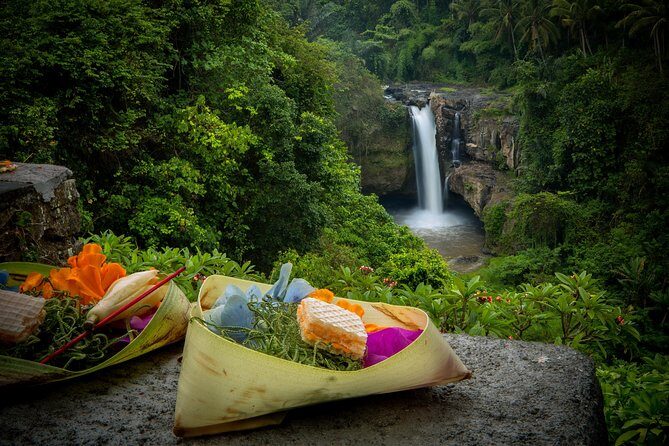
- Hands-on canang sari workshop: you make an offering and learn what it means in daily life.
- A quieter temple stop: Mengening Temple adds a slower, more reflective break from the busiest areas.
- Air-conditioned vehicle + bottled water: practical comfort for a full day on the road.
- Mobile ticket: less hassle on arrival.
A 12-Hour Ubud Day That Stays Practical

This is one of those days where Ubud’s variety is the whole point. You start in the morning with pickup and an air-conditioned ride, then move through a sequence of temples and landscapes that cover different sides of island life: archaeology and worship at Goa Gajah, everyday sacred space at Monkey Forest, royal aesthetics at Ubud Palace, farming beauty at Tegalalang, and then a more personal, purification-focused stop at Mengening.
The value here isn’t just the places—it’s that the tour handles the friction points. Entrance fees are included, bottled water is provided, and you get an English-speaking guide plus an offering workshop. That means you can focus on the experience instead of hunting down tickets, translating signs, and figuring out timing between sites.
One more thing I like: the tour is designed for a maximum of 20 people, so you’re less likely to feel swallowed by the crowd. It still won’t be empty—Ubud’s famous sites draw attention—but group size helps you keep your bearings.
Goa Gajah (Elephant Cave): Ancient Carvings and Sacred Water Pools

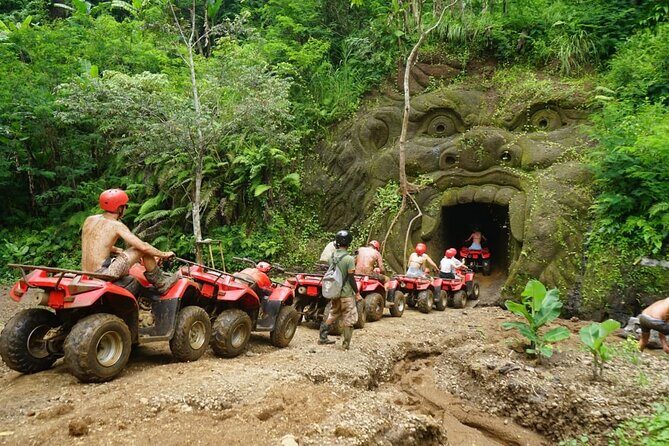
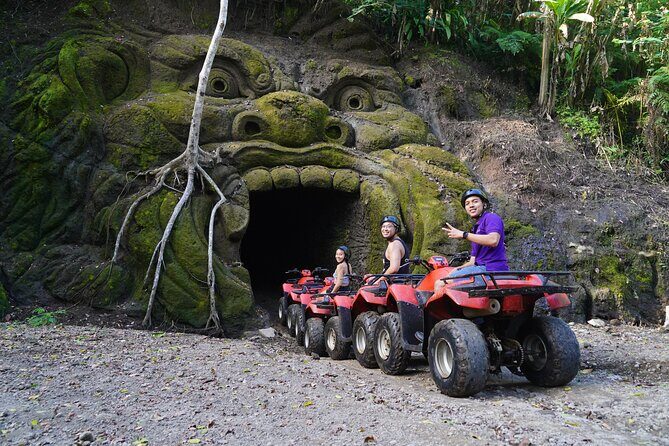
Your day kicks off with Goa Gajah, also known as Elephant Cave. The star here is the carved entrance and the sense of stepping into an older layer of Bali. Even if you’re not a history nerd, you can read the place with your eyes: the stonework draws you in, and the setting feels purposeful.
This stop is also a reminder that Bali’s sacred sites aren’t just pretty—they often have practical spiritual functions. Goa Gajah includes ancient bathing pools and surrounding temple areas, so you’re seeing how worship and ritual space can be built around water and stone.
What to watch for:
- Time matters. This stop goes by pretty fast (about an hour and a half), so decide early what you want most: photos of the carvings, quiet moments near the pools, or just absorbing the atmosphere.
- Keep your pace steady. If you linger too long in one corner, you may feel rushed later at Monkey Forest or Tegalalang.
Sacred Monkey Forest Sanctuary: Mossy Temples and Close-Up Macaques
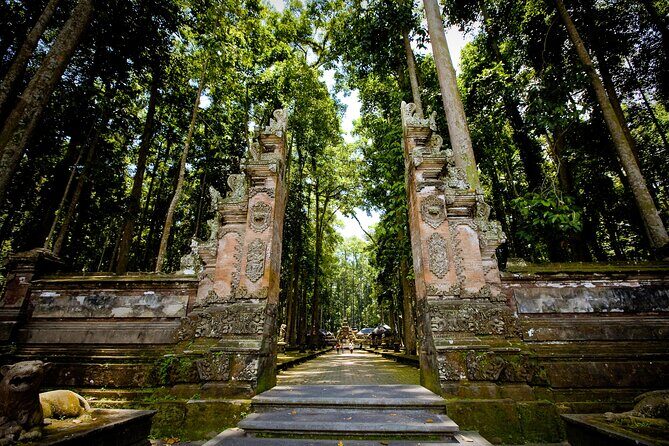
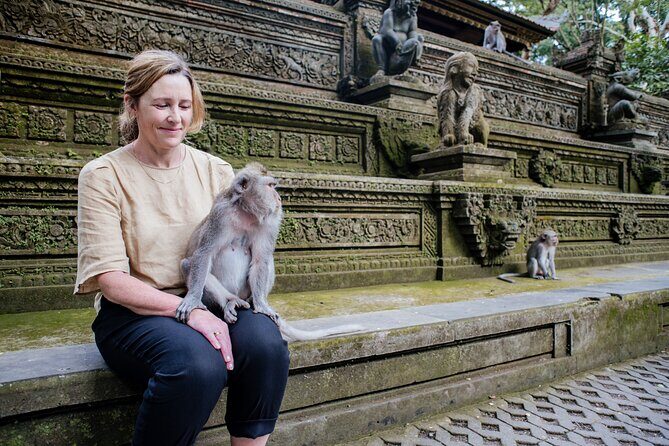
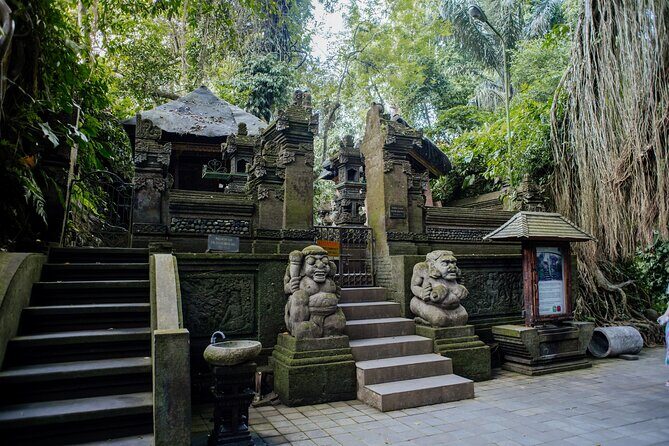
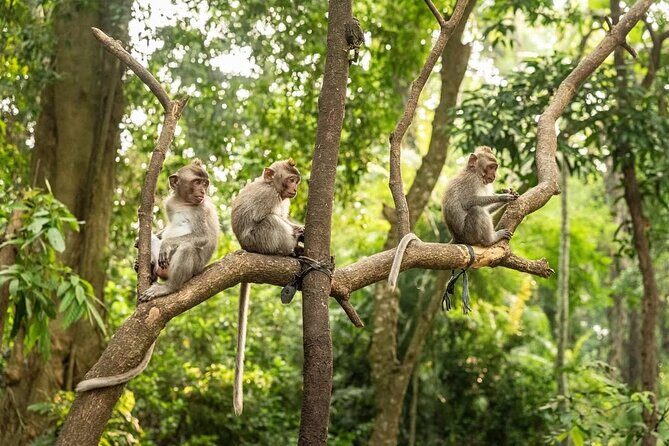
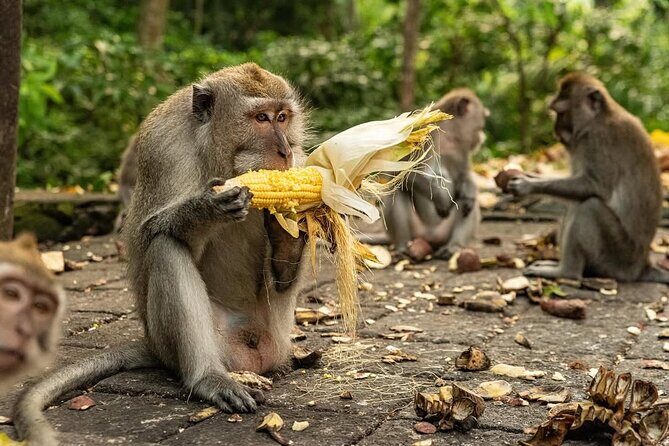
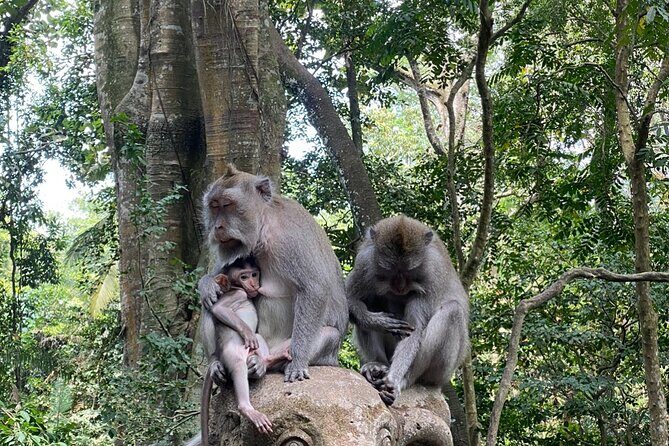
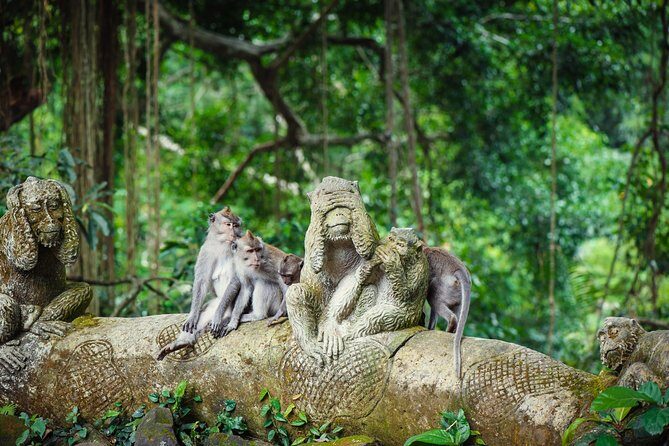
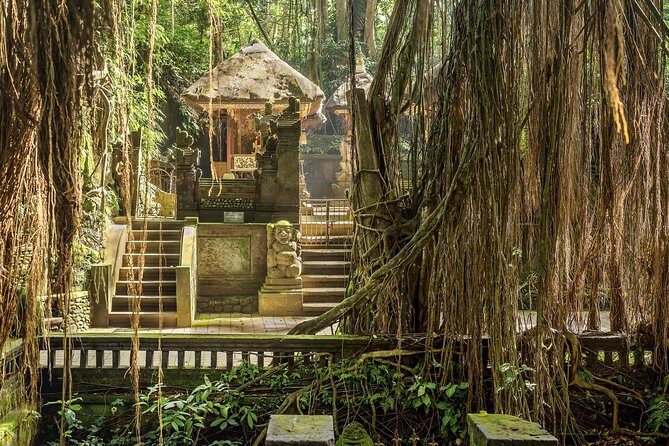
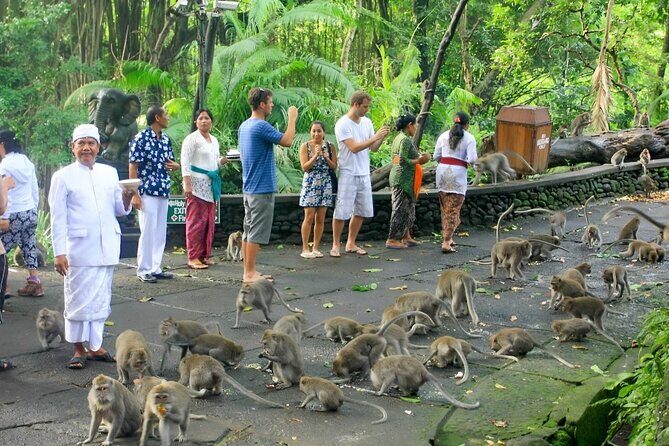
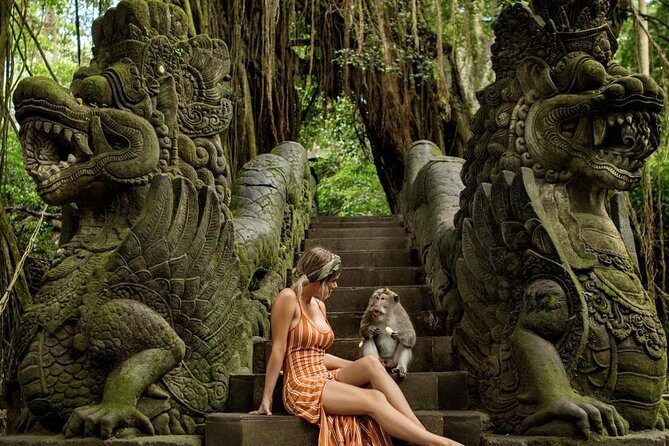
Then comes the stop most people plan their Ubud trip around: Sacred Monkey Forest Sanctuary. This is a jungle sanctuary with moss-covered temples, ancient stone carvings, and hundreds of free-roaming macaques. If you’re hoping for atmosphere, it delivers. You walk leafy paths where the temple structures look weathered in the best way—like they’ve been there for centuries because, well, they have.
I also like that the tour doesn’t treat this as a simple zoo visit. The wording emphasizes the sanctuary setting and the sacred temple elements, which helps you connect what you’re seeing: animals are part of the environment, not separate from it.
Practical advice (because monkeys are part of the deal):
- Keep belongings controlled. The experience is described as meeting macaques up close. That means you should assume they’ll investigate what looks interesting.
- Don’t let your guard down near snacks or bags. Even if you’re not trying to feed anything, curious animals have a way of finding your pockets.
Ubud Palace: A Photo Stop With Real Cultural Shape
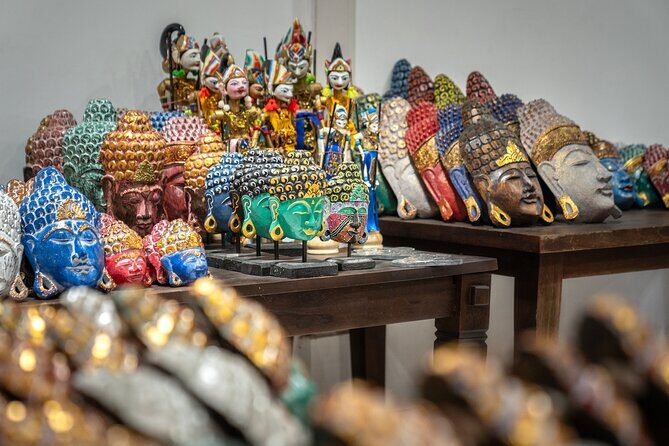
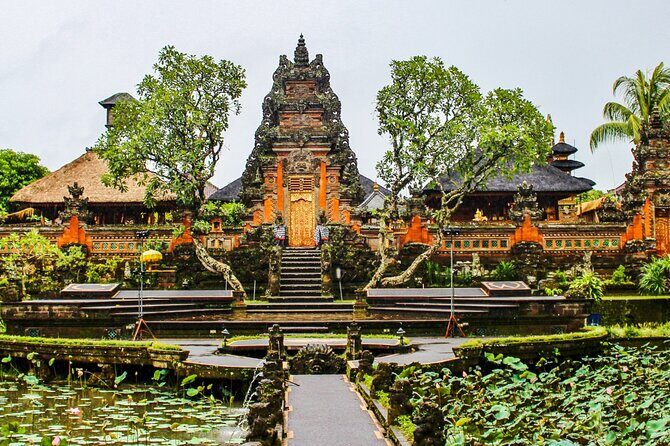
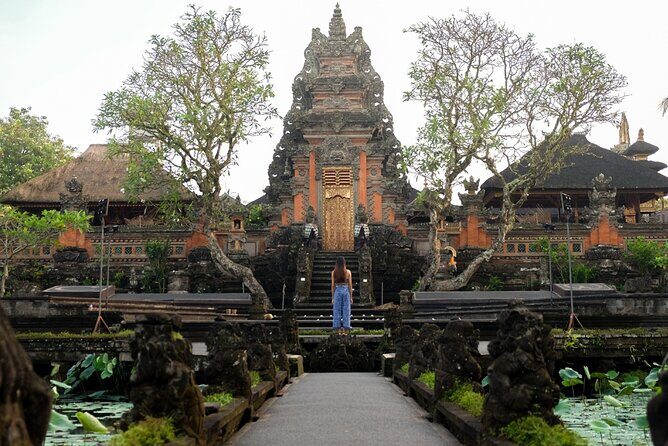
After Monkey Forest, the tour heads to the Ubud Royal Palace. This is one of Ubud’s most recognizable landmarks, and the focus is traditional Balinese design—courtyards and intricate gateways.
This stop works well as a breather. Monkey Forest is active and chaotic in a good way; Ubud Palace is more about architecture and composition. It’s easier to slow down, take a few photos, and reset your energy before you head toward the rice terraces.
If you’re sensitive to crowds, note that palace areas can get busy with tour groups. The good news is that the stop is included and stays long enough (again, about an hour and a half) to enjoy the details without turning into a marathon.
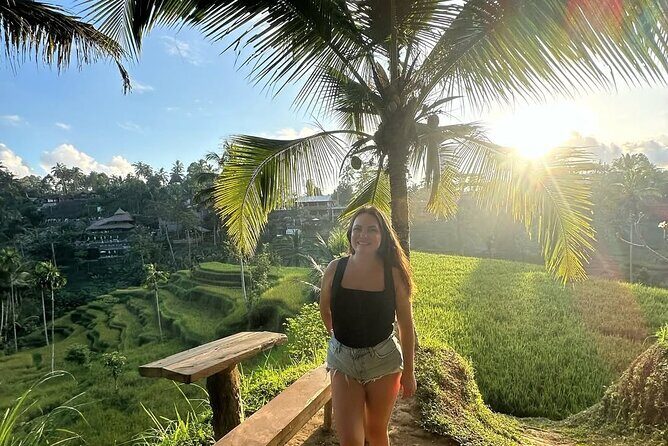
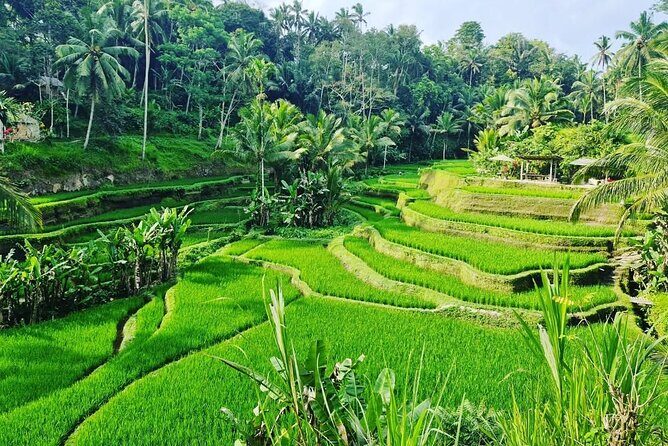
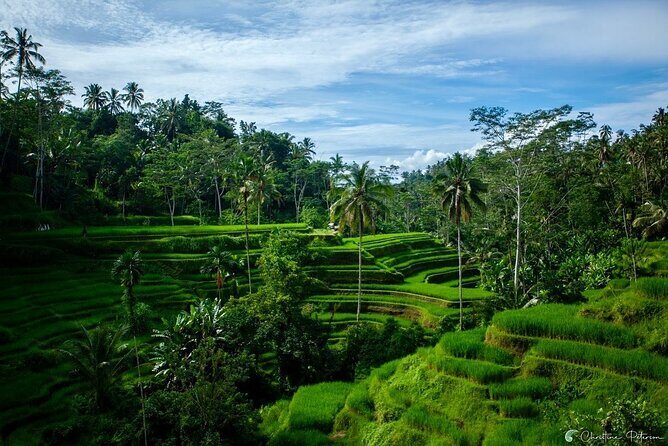
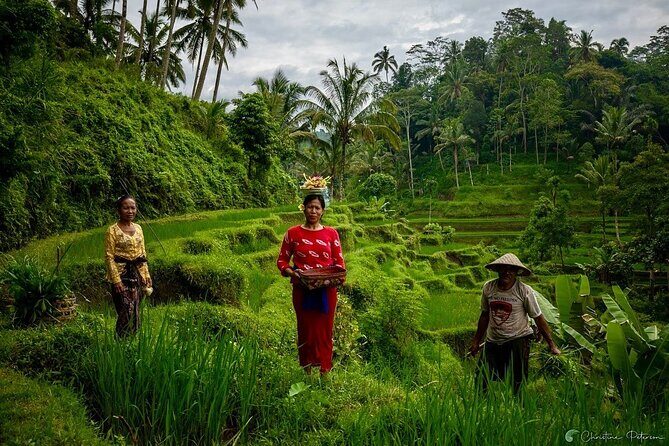
Tegalalang Rice Terraces: Reading the Greens Like a Field Guide
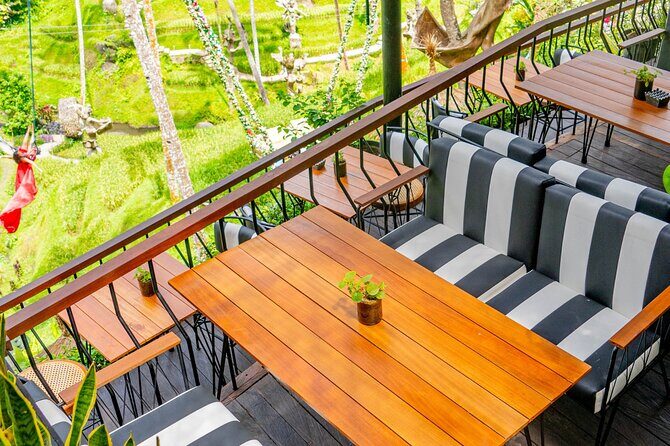
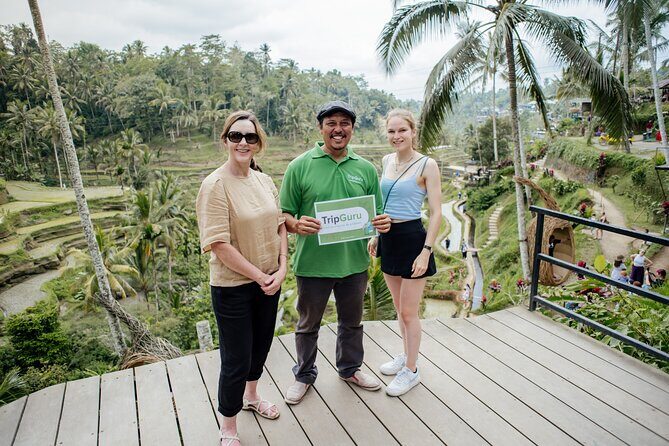
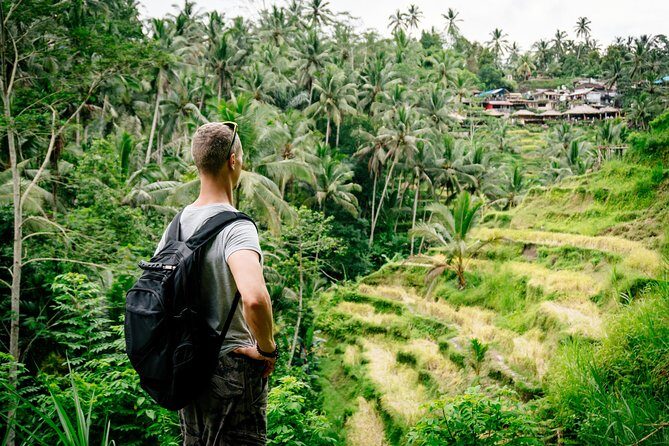
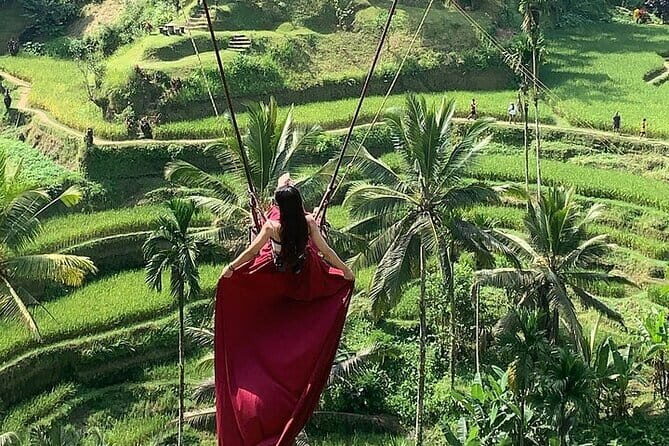
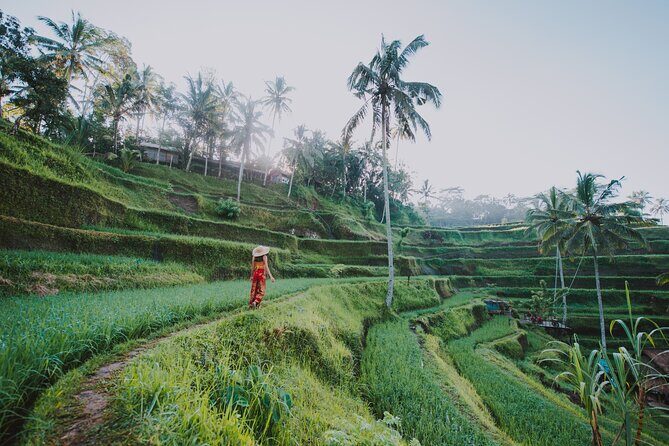
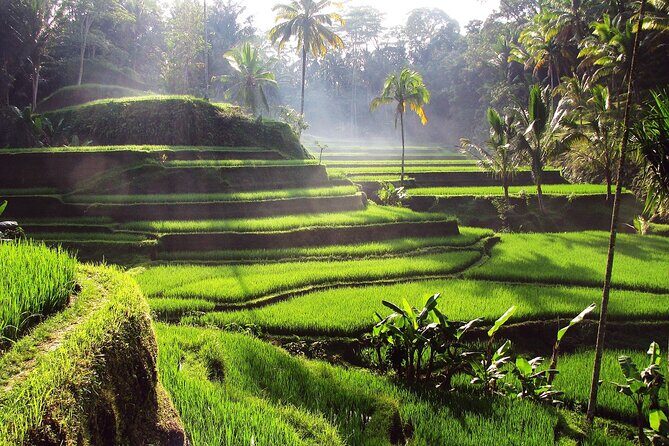
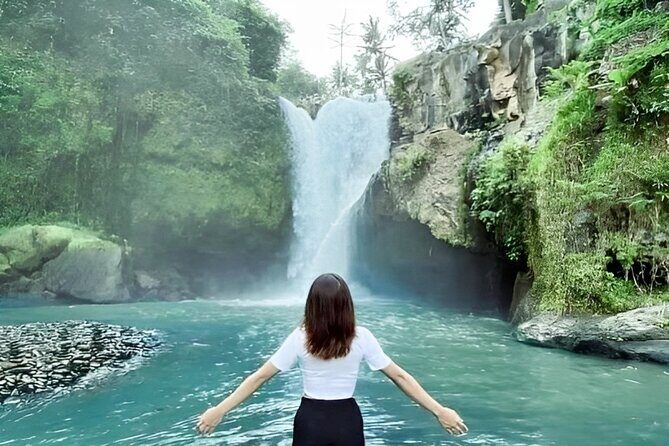
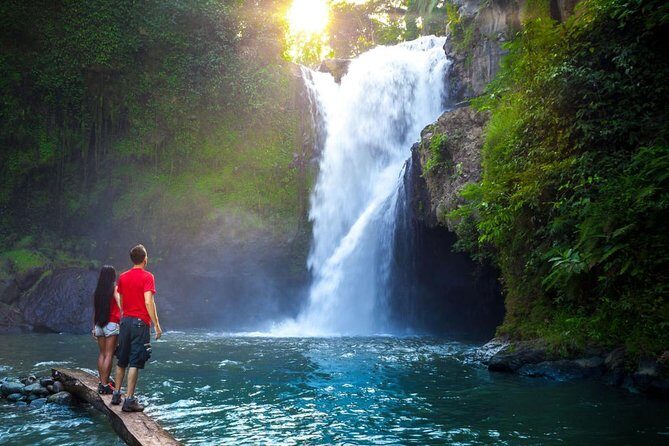
In the early afternoon, you shift to the Tegalalang Rice Terraces. This is one of those places where you can’t help staring. The terraces create sweeping layers of bright-green paddies carved into the hillside. From the viewpoints, the pattern is what hits you first—the repeating geometry that makes the whole area feel ordered, even though it’s clearly shaped by nature and farming.
The value of coming with a guide is not that you suddenly learn secret farming facts. It’s that you get help finding the right angles and pacing your time so you don’t rush through the best views while everyone else is sprinting.
Here’s how I’d approach it:
- Pick a viewpoint and stay there for a few minutes. Watch the light change. Rice terraces can look different depending on cloud cover and sun.
- Don’t only take wide shots. The terraces are layered; try a few medium shots where you can see the texture and the depth.
A possible drawback: later in the day, heat and crowds can stack up. Bring water habits with you. Bottled water is included, but you’ll still feel better if you drink earlier rather than waiting until you’re thirsty.
Mengening Temple: Purification Atmosphere and the Canang Sari Workshop
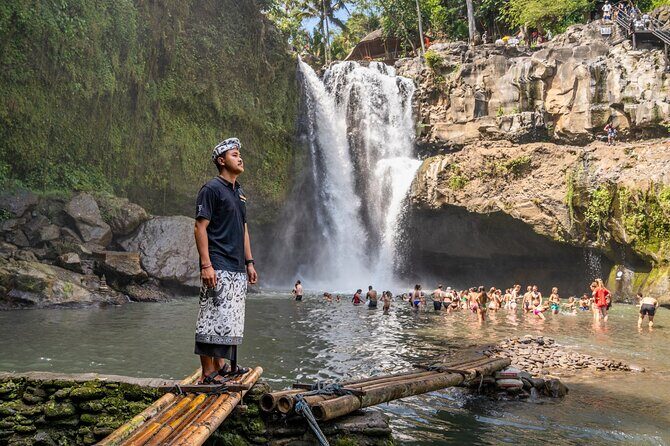
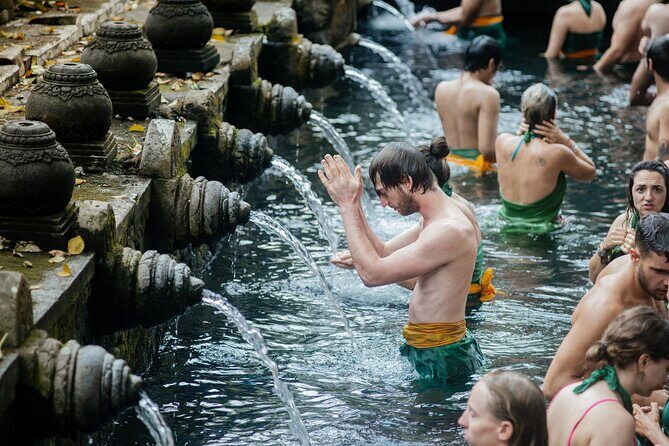
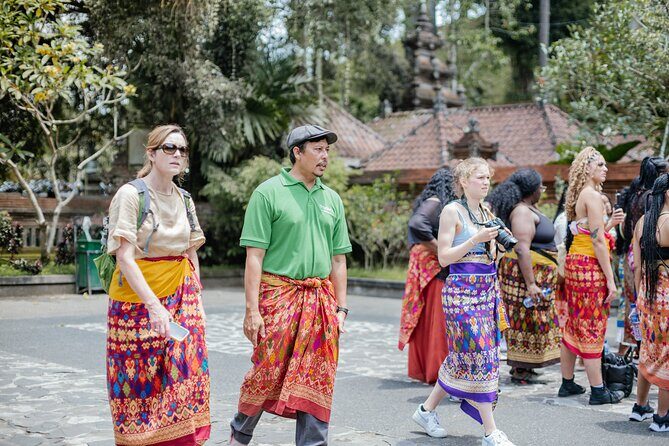
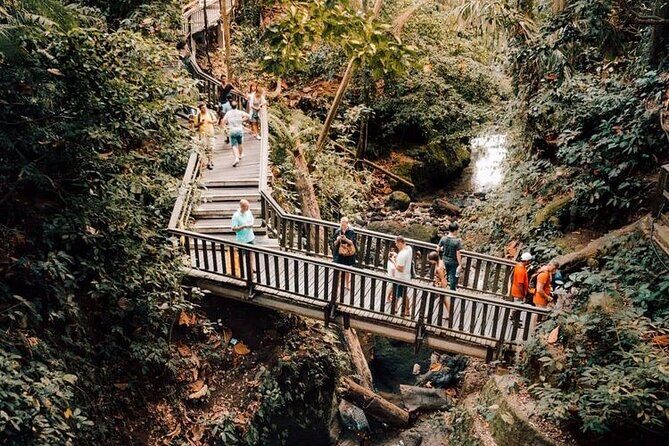
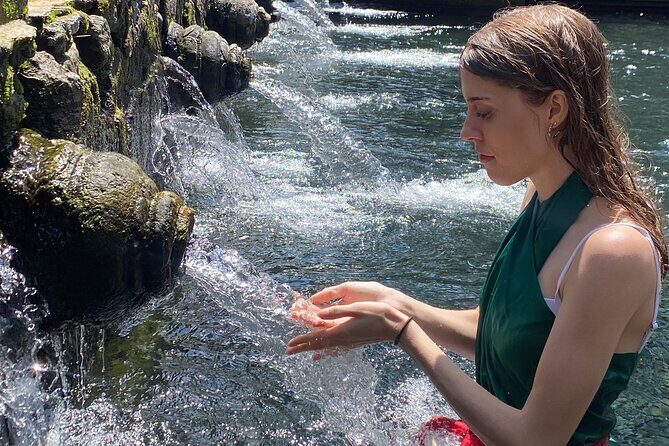
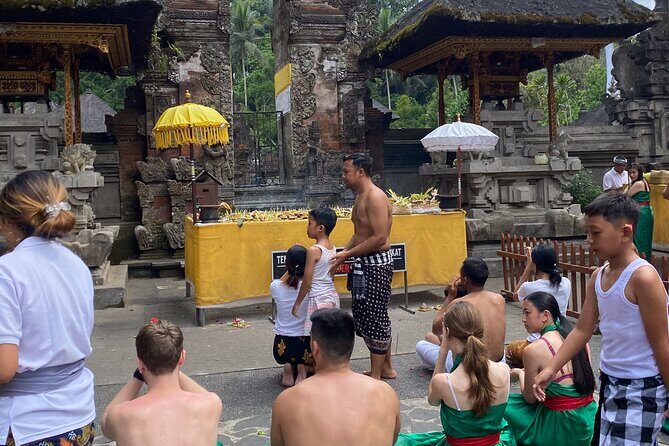
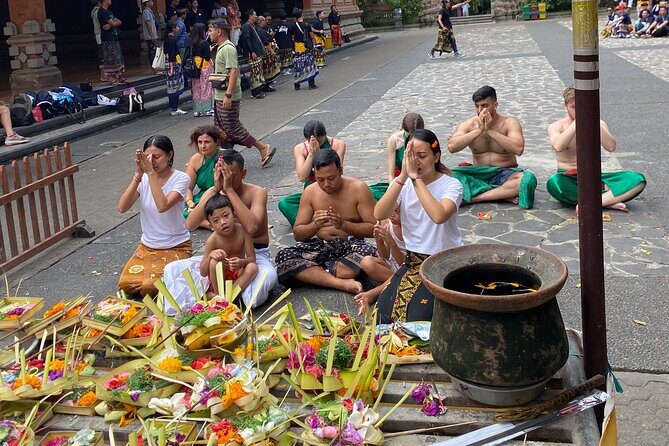
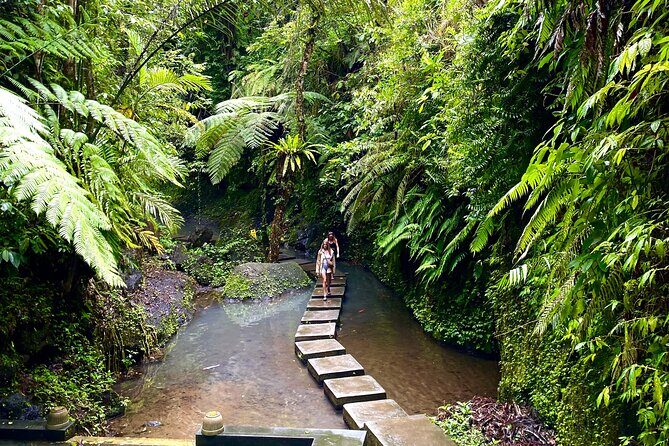
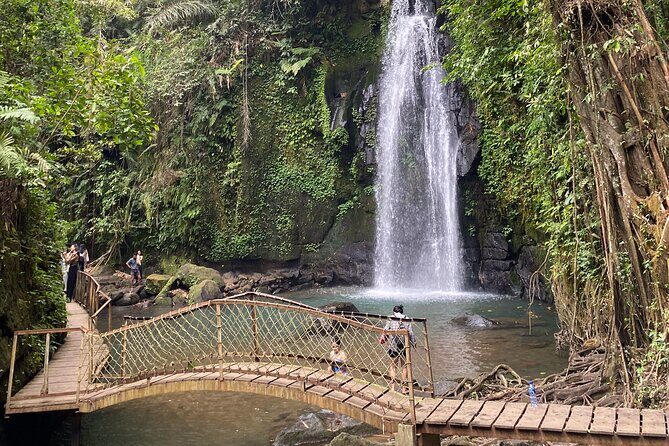
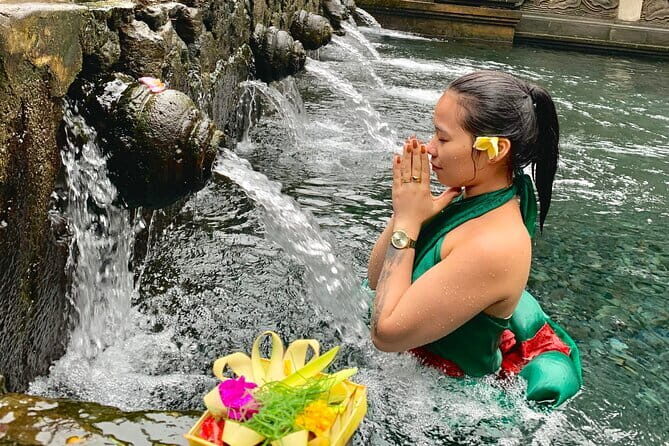
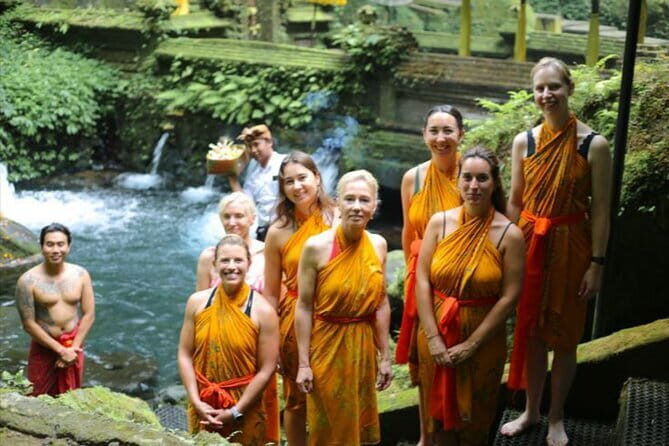
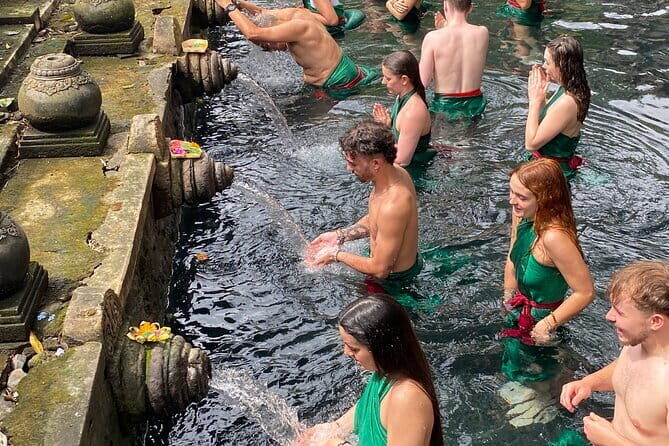
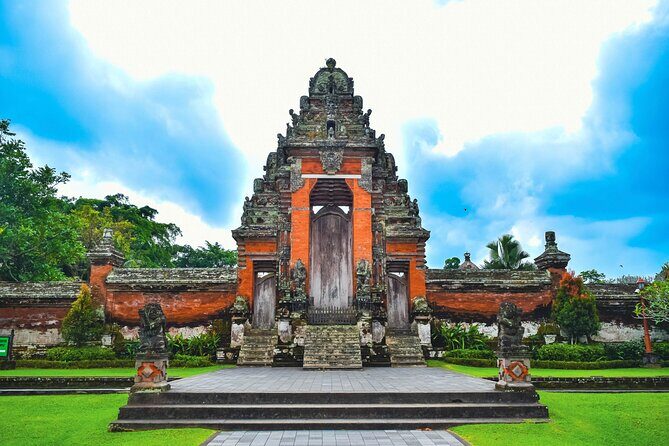
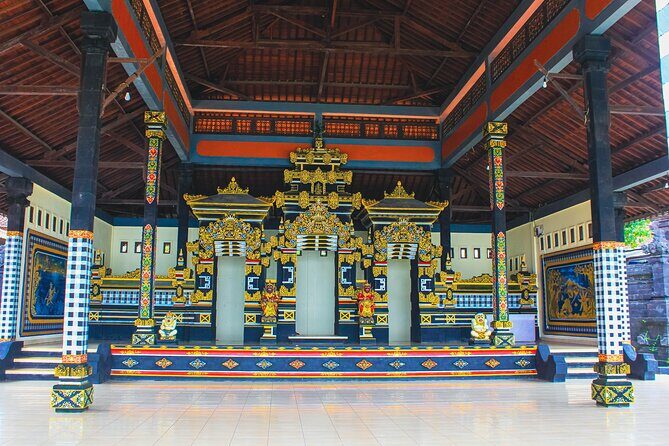
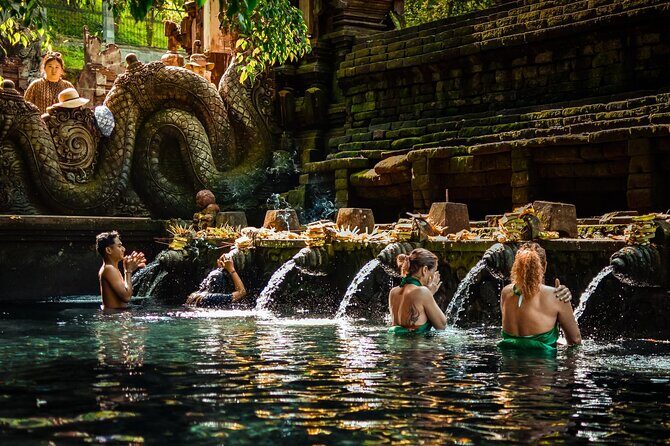
This is the stop that feels like the tour’s secret weapon. Mengening Temple is described as a serene, lesser-known purification temple hidden within a lush jungle setting. It’s positioned as quieter than the more famous sites, and that matters because purification rituals are meant for focus, not for constant interruptions.
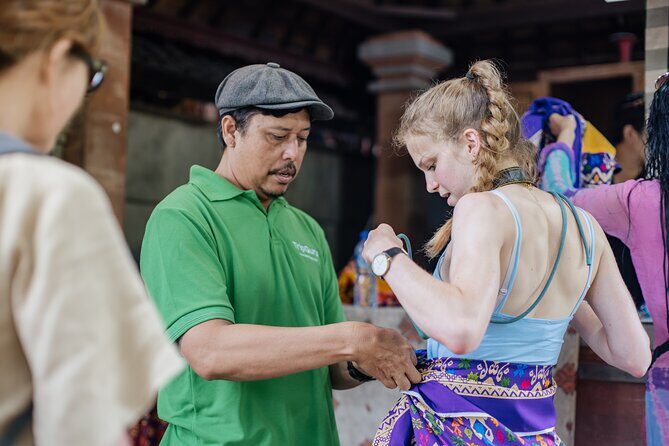
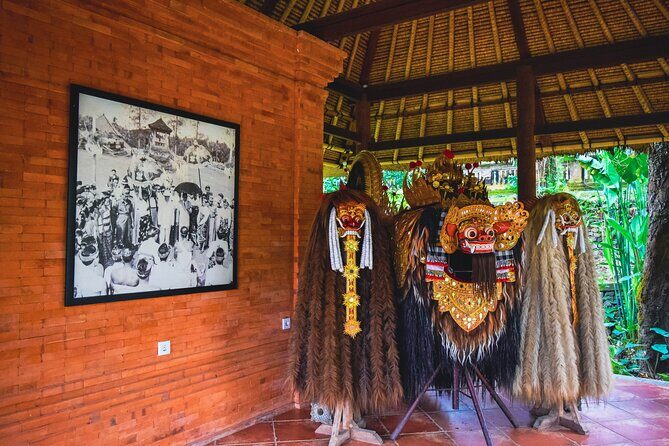
The real highlight, though, is the offering workshop tied to canang sari. You’ll try making a canang sari offering and learn its meaning in daily Balinese life. This is the part that turns sightseeing into participation.
Why that hands-on element is worth your time:
- You’re not only looking at culture; you’re practicing a small piece of it. Even if you make it slowly or mess up the first try, you’re still learning what the offering represents.
- It gives you context. When you later see small offerings at other sites, you’re more likely to understand that they’re not random decorations. They’re part of a living routine.
Also, this stop is longer than most segments (around two hours). That added time helps you actually settle in rather than treating the temple like a quick checklist item.
Price and Value: Why $69 Can Make Sense Here
At $69 per person for a full-day tour, the value comes from what’s bundled. Entrance fees are included. Hotel pickup and drop-off are included. You also get an English-speaking guide, air-conditioned transportation, bottled water, and the offering workshop.
If you tried to do this alone, you’d quickly run into costs that are hard to predict: entrance tickets, driver or ride-share juggling between widely separated sites, and the time cost of figuring out which temple to see when. This tour isn’t trying to be cheap on paper—it’s trying to reduce the hassle load. For many people, that’s exactly what they want on a limited Bali trip.
Two other value notes:
- Small group cap (20): you’re more likely to get practical attention rather than feeling like a number.
- Mobile ticket: it helps you avoid last-minute scrambling for printed documents.
What the Day Feels Like: Pacing, Timing, and Where You’ll Want to Slow Down
Start time is 9:30 am, and you’re out for about 12 hours. That’s a long day, and the schedule makes sense: morning sacred and iconic sites, early afternoon rice terraces, then a slower, more meaningful temple stop later.
The pacing is also balanced in a smart way:
- High-energy and animal-forward at Monkey Forest
- Visual and architectural at Ubud Palace
- Panoramic at Tegalalang
- Reflective and participatory at Mengening
If you’re the type who gets mentally exhausted by constant movement, keep your expectations realistic. This is a see-it-all day. You’ll enjoy it most if you stay flexible and let the guide’s timing do some of the work for you.
Guide and Driver Care: What the Best-Day Reviews Tend to Mention

A pattern I like seeing in the feedback is how much guests mention the guide’s attitude and explanations. Names show up for guides and drivers across multiple runs, including Dan and Mariyasa, Ariana with driver Juliantara, Laras with Nengah, Gunawan, and Haris with Gus Alit.
You don’t need to memorize names to benefit. The point is that the tour experience often hinges on whether the guide helps you connect the dots—why a carving matters, what a purification temple is about, and how the offering fits into everyday Balinese life. When those explanations are clear and patient, the day feels smoother and more meaningful.
Who This Tour Fits Best
This tour is a strong match if you want:
- A full-day structure without ticket chaos
- A mix of iconic Ubud stops and a quieter temple moment
- A cultural activity you can actually do (the canang sari workshop)
- Small-group pacing (max 20)
It’s also a good fit for first-timers who don’t want to plan the order of sites and logistics across Ubud.
Where it may not be perfect:
- If you hate long days, this one is still about 12 hours.
- If you dislike crowds, Monkey Forest and Tegalalang can be busy since they’re major attractions.
Should You Book This Ubud Tour?
I think you should book it if you want one day that checks multiple boxes—temples, rice terraces, and a hands-on tradition—without turning your trip into a transportation puzzle. The inclusion list matters here: entrance fees, pickup/drop-off, bottled water, and the offering workshop all reduce surprise costs and wasted time.
I’d skip it only if you’re chasing pure quiet or you want a lighter schedule with fewer stops. Otherwise, this is a practical way to experience Ubud’s sacred side and its working landscape in the same day.
FAQ
What time does the tour start?
The tour start time is 9:30 am.
How long is the tour?
It runs for approximately 12 hours.
Does the price include hotel pickup and drop-off?
Yes. Hotel pickup and drop-off are included.
Are entrance fees included?
Yes. Entrance fees are included.
Is a guide provided, and do they speak English?
Yes. You’ll have an English-speaking tour guide.
Is there a limit on the group size?
Yes. The tour has a maximum of 20 travelers.
What’s included besides the visits?
Included items are the air-conditioned vehicle, hotel pickup/drop-off, entrance fees, bottled water, and an offering workshop. Personal expenses and gratuities are not included.

.jpg)
.jpg)
.jpg)
.jpg)
.jpg)
.jpg)
.jpg)
.jpg)














.jpg)
.jpg)
.jpg)
.jpg)
.jpg)
.jpg)
.jpg)
.jpg)

















.jpg)
.jpg)
.jpg)
.jpg)
.jpg)
.jpg)
.jpg)
.jpg)