Mount Batur Sunrise Trekking (Group Tour)

Mount Batur Sunrise Trekking (Group Tour) - Getting There: Transfers That Save Your Brain at 2:00 a.m.

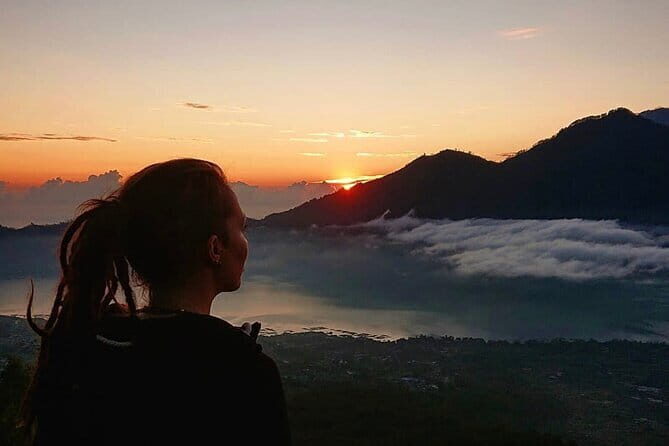
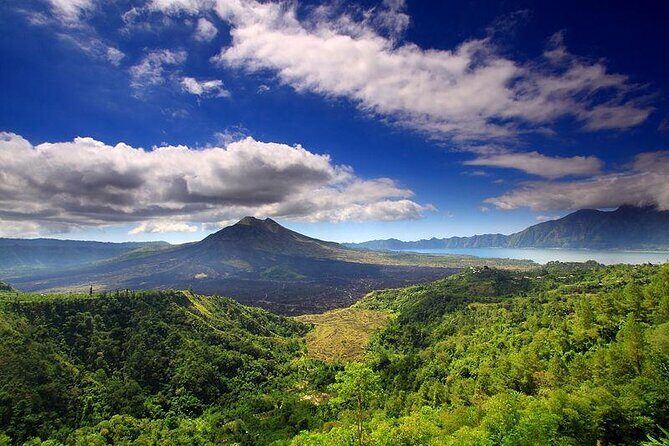
Sunrise on Mount Batur changes your mood fast. This guided hike is all about beating the dark, reaching the rim in time, and photographing the first light over Lake Batur and Mount Agung. You’ll be climbing with a small group while your guide keeps everything moving at a sane pace.

I really like two parts of this setup: the included round-trip transfers (no midnight driving headaches) and the fact that you get the key hike essentials—flashlight and trekking pole—so you’re not shopping for gear at the last second. It’s also run like a real tour, with a licensed guide leading the route.

One consideration: it’s early and it gets cold at the top, so if you hate dawn hikes or you underpack for the chill, you’ll feel it. And while breakfast is included, it’s described as simple, not fancy.

Key Highlights at a Glance

Mount Batur Sunrise Trekking (Group Tour) - Key Highlights at a Glance

  • Pickup and drop-off across Bali means you start the trek without navigating in the dark
  • Small group size (max 15) keeps the hike from feeling chaotic
  • Flashlight and trekking poles included so you can hike lighter
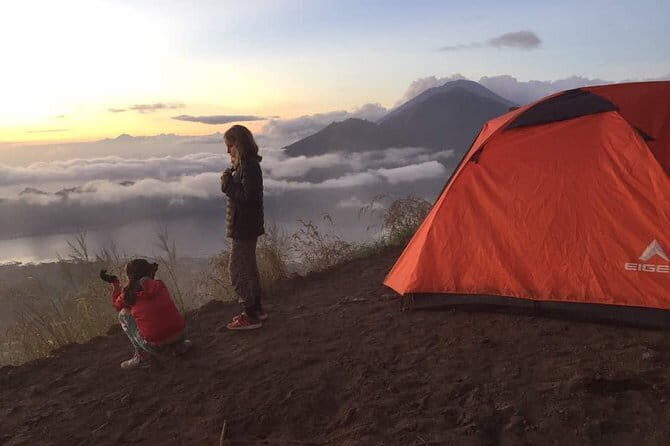
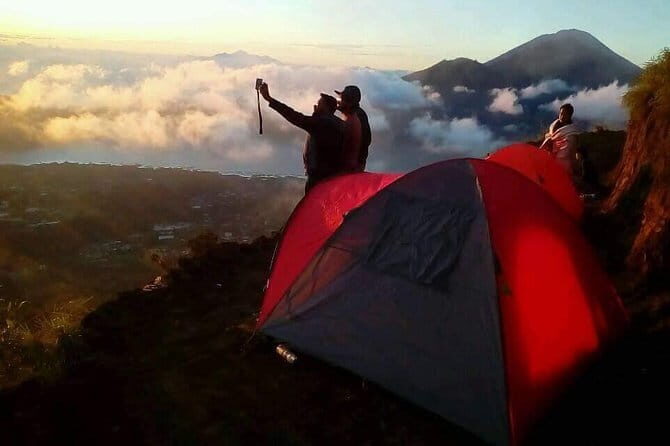
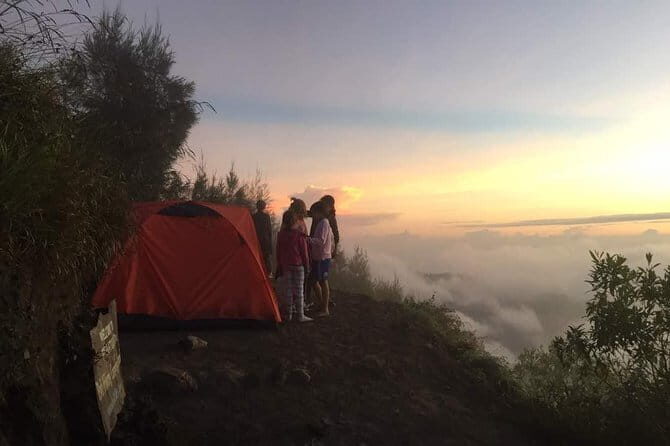
  • Sunrise on the crater rim with warm coffee and a simple breakfast
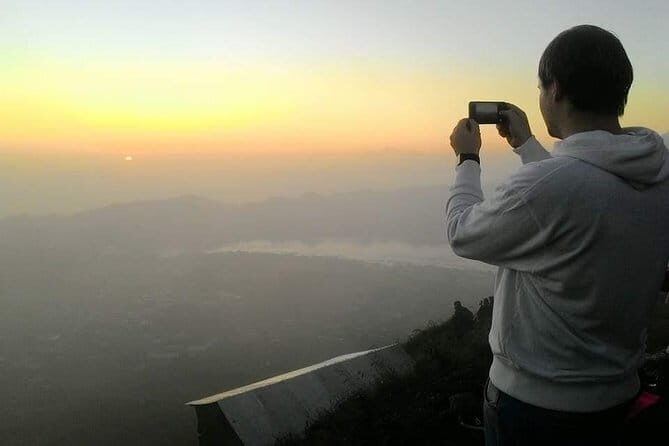
  • Photo help from guides can make a difference when you’re trying to capture the moment
  • Weather-dependent experience with a reschedule or refund option if conditions fail

Why the Mount Batur Sunrise Trek Really Works
Mount Batur Sunrise Trekking (Group Tour) - Why the Mount Batur Sunrise Trek Really Works
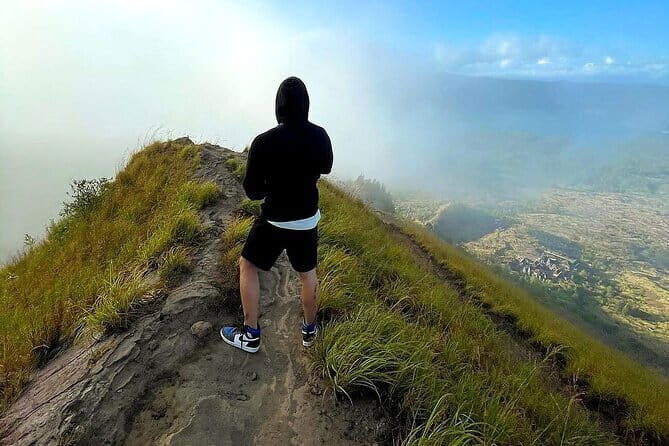
Mount Batur is Bali’s classic sunrise climb for a reason. The trail is famous, the views are iconic, and the timing matters—because sunrise on the crater rim is a different world than daylight around town.

What makes this tour feel like a smart choice is the structure. You’re not left to guess when to depart, who to follow, or how to navigate the approach. A local licensed guide leads the hike step-by-step, and you’re set up to show up ready, not scrambling.

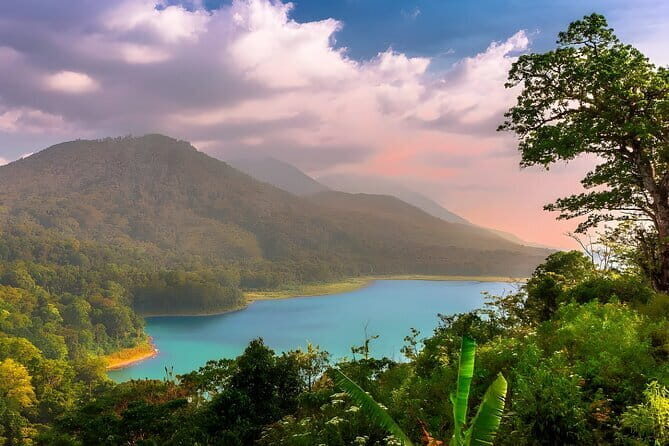
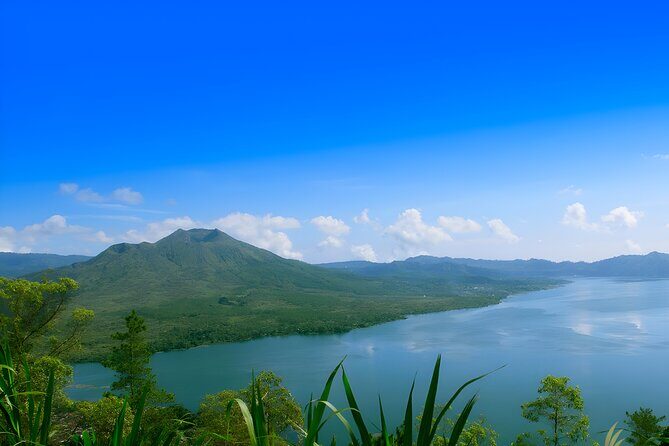
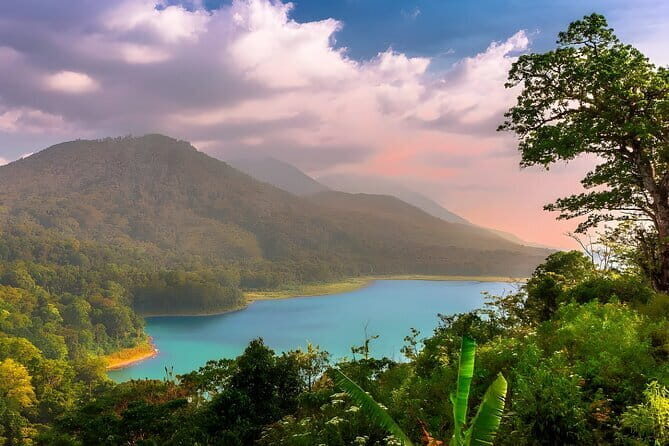
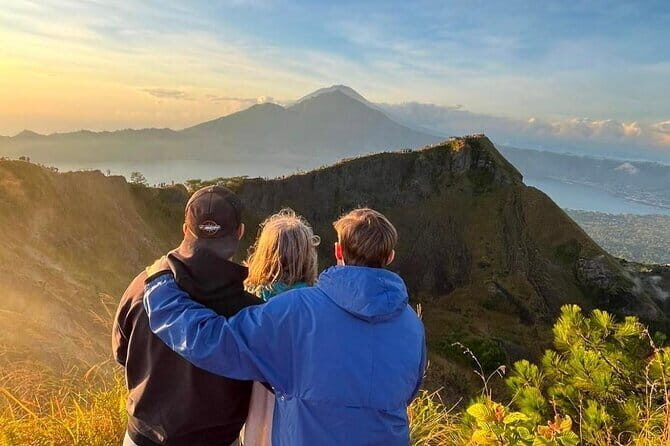
The payoff is the moment the first light spills over Lake Batur, with Mount Agung visible in the distance. Even if you’re not a “big photo person,” it still hits. The quiet, the steam and fog that sometimes hang over the water, and the sheer scale of the volcanic setting make it easy to understand why this trek sells out.

Small-Group Energy: Up to 15 People, Not a Chaos Train

This is a shared experience with a maximum of 15 travelers. That group size sits in the sweet spot for me: big enough to be social, small enough to keep things organized.

You also get that “like-minded hike” vibe. People tend to be here for sunrise, photography, and the challenge—not to treat the climb like a casual stroll. The result is a group that usually moves with similar energy, and that helps on steep, dark segments.

A big plus: guides can adapt when fitness levels vary. In past trips, guides were able to accommodate people who were slower or had different comfort levels, while still keeping the group safely on track toward sunrise.

Getting There: Transfers That Save Your Brain at 2:00 a.m.
Mount Batur Sunrise Trekking (Group Tour) - Getting There: Transfers That Save Your Brain at 2:00 a.m.
This is one of the most valuable parts of the tour: round-trip transfers are included from addresses all over Bali. You pick a base location, and the tour handles the ride both ways.

For Mount Batur, the early hours matter. Driving in the dark on unfamiliar roads is not the kind of “adventure” most people want before a hike. With pickup included, you can focus on the real mission: getting to the trail on time, warm enough, and not running late.

The total experience is listed at about 8 hours. A common rhythm people experience is pickup around 2:30 a.m., arrival at the base around 4:00 a.m., reaching the peak by roughly 6:00 a.m., then returning around 11:00 a.m. (timing can vary, and not every trip adds extra stops afterward).

The Climb: 1.5–2 Hours of Work You Can Manage
Mount Batur Sunrise Trekking (Group Tour) - The Climb: 1.5–2 Hours of Work You Can Manage
The hiking portion takes about 1.5 to 2 hours. It’s described as a decent workout, but doable for most people with basic fitness—especially if you pace yourself instead of trying to “win” the climb.

You don’t need to pack a flashlight. This tour includes one, along with trekking poles, which can make the steep sections feel way more controlled. The poles are especially useful when footing gets slippery or when you’re tired and your legs want to shake a little.

Your guide sets the pace and keeps the group moving safely. The climb is not just about endurance—it’s about rhythm. Slow down slightly on the ascent and you’ll reach the rim with enough energy to enjoy the sunrise instead of gasping at it.

Sunrise Time: Coffee, Breakfast, and the View Over the Water
Mount Batur Sunrise Trekking (Group Tour) - Sunrise Time: Coffee, Breakfast, and the View Over the Water
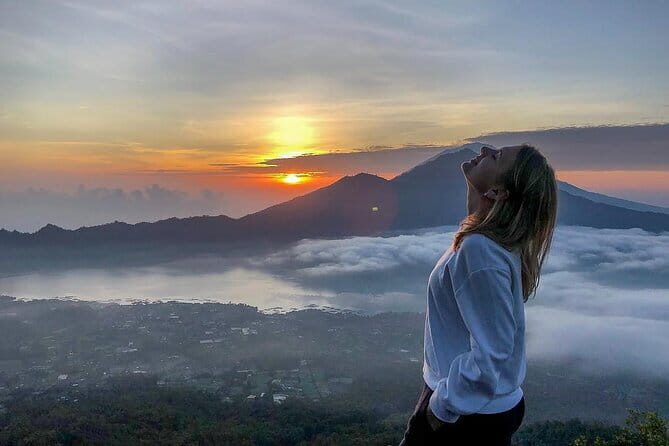
At the summit, the goal is simple: be there when the light changes. The first light over Lake Batur and the distant Mount Agung is what the whole early departure is for.

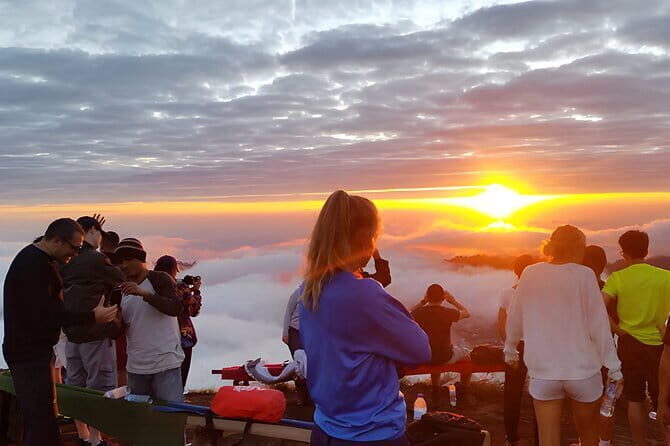
Most people love the peaceful quality of the experience once you’re up there. The vibe shifts from “push up the mountain” to “wait, watch, and soak it in.” If there’s cloud cover, don’t assume it’s a total loss—there have been trips where clouds hung around at first, and the sunrise still broke through eventually.

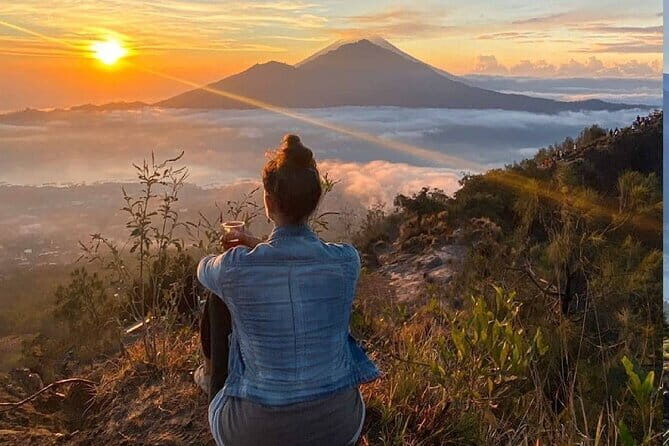
A standout detail here is that your guide may prepare warm coffee and a simple breakfast at the top. It’s not portrayed as a gourmet spread, but it hits the spot after the climb—especially when your hands are cold and you’re thinking only one thought: warm me up.

One smart tip from real experience: bring warm clothes. Sunrise on an active volcano can be colder than you expect, and the temperature drop can sneak up on you fast while you’re waiting for the sun.

Your Guide and Driver Really Do Make It Easier
Mount Batur Sunrise Trekking (Group Tour) - Your Guide and Driver Really Do Make It Easier
This tour leans hard on local leadership. You get a licensed trekking guide, and the guides on these trips have a reputation for being helpful, friendly, and good at getting people up and down safely.

The names you’ll hear from successful trips include Arya, Kadek, Ardana, Surama, Suka, Bona, Ketut, Arkana, and Jaya. Different people, different personalities—but the recurring theme is service that feels personal, not robotic.

Some guides also help with photos and videos. If you’ve ever tried to juggle a camera while walking uphill in low light, you’ll appreciate that. You can focus on positioning and timing, and the guide handles practical stuff like where to stand when the light hits.

What’s Included (So You Don’t Get Surprise Costs)
Mount Batur Sunrise Trekking (Group Tour) - What’s Included (So You Don’t Get Surprise Costs)
For a $75 per person group tour, the included items are the real value story. You’re not just paying for a guide—you’re paying for the friction-free package.

Included:

  • Hotel pickup and drop-off (based on your location)
  • All fees and taxes
  • Flash light and trekking pole
  • Bottled water
  • Breakfast
  • Licensed trekking guide

Not included:

  • Personal expenses

That matters because Mount Batur treks can get expensive when you factor in private transfers, gear rentals, and “add-ons” to cover logistics. Here, the fundamentals are bundled, and you can plan your budget knowing what you’re getting.

What You Should Bring (The Part That Actually Changes Comfort)
Mount Batur Sunrise Trekking (Group Tour) - What You Should Bring (The Part That Actually Changes Comfort)
The tour covers several essentials, like flashlight, trekking poles, bottled water, and breakfast. So your packing focus should be on what the cold and early morning demand.

Bring warm layers. That’s the most repeated, practical piece of advice. You’ll be moving at night, but then you stop and wait for sunrise—standing still while the air stays cold is where comfort can make or break the experience.

Also, wear shoes you trust for steep steps. Even with poles, the climb is still a climb, and your feet are your main tool. If your shoes grip poorly, you’ll notice.

Finally, keep some room in your day. The full experience is about 8 hours total, and the schedule is built around sunrise timing. That means you’ll want a buffer afterward so you’re not rushing into the next activity half-asleep.

How Weather Changes the Plan (and How This Tour Handles It)

This experience requires good weather. If conditions are poor and the tour can’t run as planned, you’ll be offered a different date or a full refund.

That policy matters because sunrise treks are weather-driven. Fog, heavy cloud, or rain can wipe out visibility—and safety considerations can come first. The goal is to get you on the mountain when it’s worth the effort.

Also, manage expectations for the photo moment. Sunrise is dramatic, but it’s also nature. Even on days when visibility isn’t perfect at first, the timing of sunrise can still surprise you.

Price and Value: What $75 Buys You in Real Terms

$75 per person sounds simple, but the value is in what’s bundled. This price includes round-trip transfers, a licensed guide, and the hike tools that most people would otherwise need to rent or borrow. Add bottled water and breakfast, and suddenly the tour becomes a structured way to do Mount Batur without extra steps.

It’s also positioned as a budget-friendly alternative to private options. If you want a guided sunrise climb but you don’t need a private car and private guide setup, this shared format makes sense.

Two realities to weigh:

  • Breakfast is included but described as simple, not an upgraded breakfast buffet.
  • It’s early and group-based, so you’re trading flexibility for organization.

If your top priority is a smooth, safe, sunrise-centered plan without added logistics, this tour price fits the job.

Is This the Right Mount Batur Tour for You?

I’d book this if you want:

  • A guided sunrise trek led by a licensed guide
  • Pickup and drop-off so you don’t handle early driving
  • A small group that stays manageable (up to 15)
  • The basics covered: flashlight, trekking poles, water, and breakfast
  • A strong focus on reaching the crater rim on time for sunrise

I’d think twice if:

  • You hate cold mornings or you’re unlikely to pack warm layers
  • You want a slower, fully customized pace (this is a set-group sunrise schedule)
  • You’re expecting a gourmet breakfast at the top

One interesting workaround that’s come up: if someone reaches their limit and can’t continue the summit portion, there may be options using ride-hailing services to get help up, but you’d need to arrange and pay separately. It’s not the tour’s core plan, but it’s good to know in case you’re worried about stamina.

FAQ

What time does the Mount Batur sunrise trek usually start?

The hike starts in the early hours of the morning. The overall experience is about 8 hours, and the hiking portion takes around 1.5 to 2 hours.

What’s included in the tour price?

It includes hotel pickup and drop-off (based on your location), all fees and taxes, a flashlight and trekking poles, bottled water, breakfast, and a licensed trekking guide.

Do I need to bring a flashlight or trekking poles?

No. The tour includes both the flashlight and trekking poles.

How fit do I need to be?

You should have a moderate physical fitness level. The hike is a decent workout, but it’s described as doable for most people with basic fitness when you pace yourself.

How large is the group?

The tour has a maximum group size of 15 travelers.

What happens if the weather is bad?

This experience requires good weather. If it’s canceled due to poor weather, you’ll be offered a different date or a full refund.

If you tell me where you’re staying in Bali (Canggu, Seminyak, Ubud, Nusa Dua, etc.), I can help you figure out whether this pickup setup lines up well with your schedule.
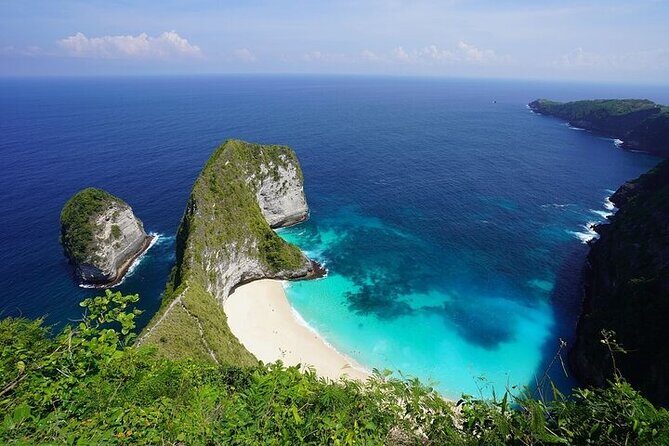
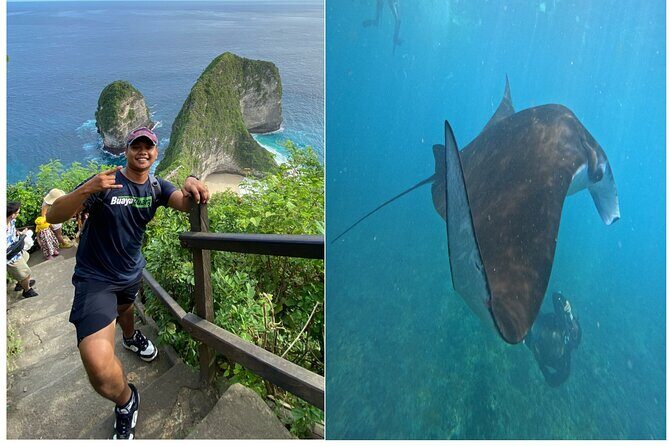
No:#1. Penida Island Tour And Snorkeling With Manta

No:#1. Penida Island Tour And Snorkeling With Manta - What’s included (and what isn’t): gear, lunch, towels, and transfers

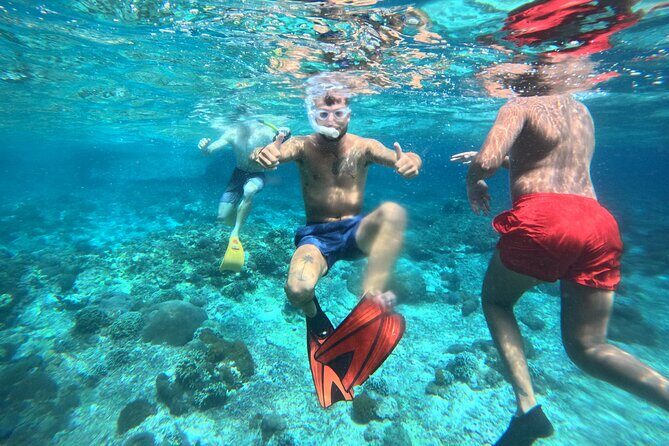
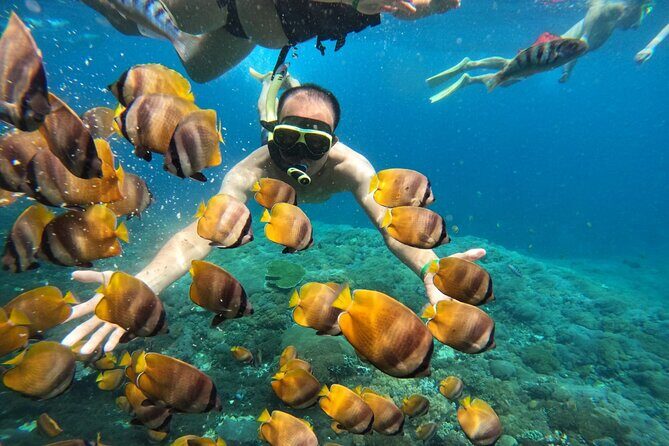
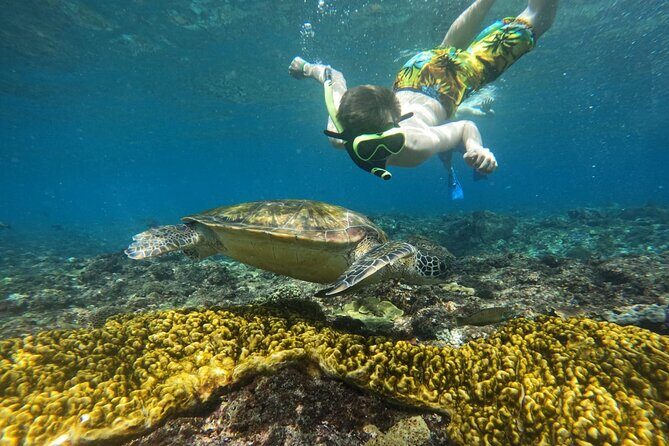
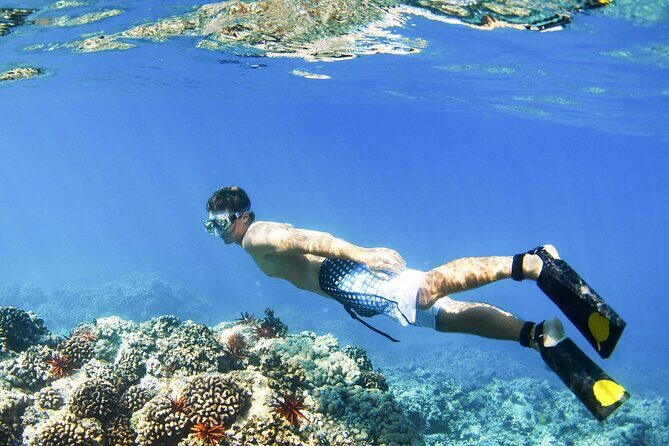
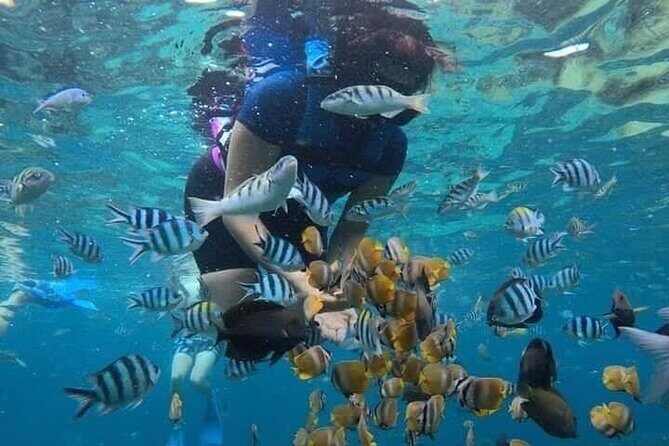
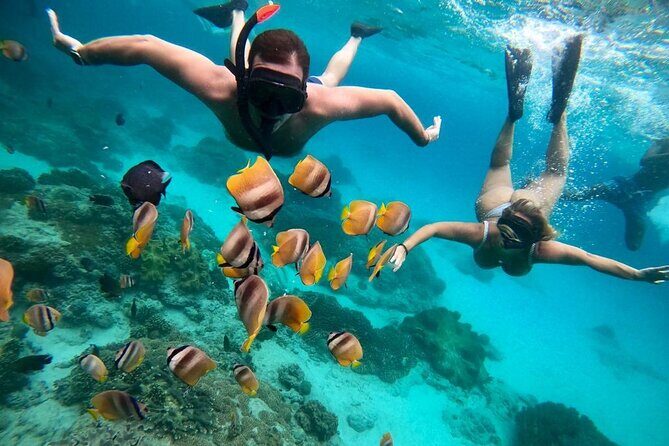
Penida can be a long day, in a good way. What makes this tour special is the way it’s built around manta-ray snorkeling, with a full day plan and expert logistics so you can focus on swimming, not schedules. You’ll typically hit several reef areas, and the day is timed to catch the best underwater conditions when you’re out there.

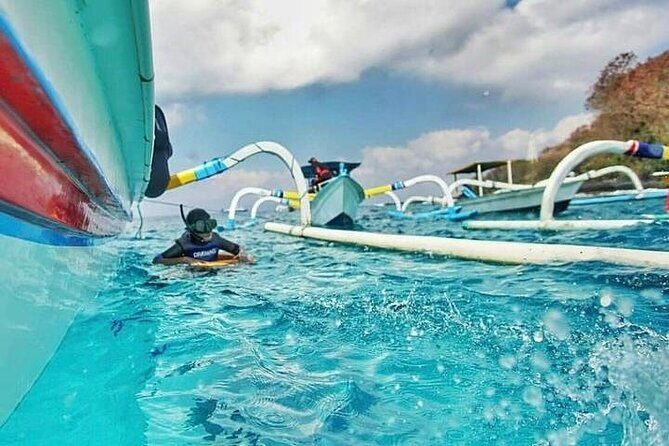
I also like the practical setup: hotel pickup and return transfers (air-conditioned car where available) plus fast boats back and forth. That means less time haggling, getting lost, or figuring out which dock is correct at 7:00 am. And since you’re not expected to bring your own kit, you can keep your packing simple.

One possible drawback to consider: quality can vary. In one account, the equipment felt less solid than on a prior snorkeling trip, and communication was an issue when the driver in Nusa Penida didn’t seem comfortable with English—so have realistic expectations and bring a backup plan for how smooth everything feels.

Quick hits: what I’d notice first on this manta snorkeling day

No:#1. Penida Island Tour And Snorkeling With Manta - Quick hits: what I’d notice first on this manta snorkeling day

  • Manta-ray focused route with multiple snorkeling stops like Manta Bay, Crystal Bay, Gamat Bay, and Wall Bay Point
  • Hotel pickup + fast boat returns with included land transport on Nusa Penida
  • Snorkel gear and life jacket are part of the experience (depending on the option you select)
  • Indonesian lunch included, so you’re not paying for food during a long outing
  • Underwater photography support during the snorkel stops so you can get group shots

Entering the day at 7:00 am: Seminyak pickup and the pace you need

No:#1. Penida Island Tour And Snorkeling With Manta - Entering the day at 7:00 am: Seminyak pickup and the pace you need
This starts early: the tour kicks off at 7:00 am. That’s not just for show. With Nusa Penida, conditions and travel time matter, and an early departure gives you a better shot at calmer water and more usable snorkeling windows.

Pickup covers a wide slice of areas around Seminyak and beyond, including Nusa Dua, Jimbaran, Kuta, Canggu, Sanur, and Ubud. You’ll ride in an air-conditioned car for the land portions, then switch to fast boat transport. The group size is capped at 28 people, which helps keep the day from feeling like an endless cattle line.

Your fitness needs are described as moderate. That usually means you should be comfortable with getting in and out of boats, moving around at the sites, and spending several hours in the sun and on the move. If you’re sensitive to rougher rides, you’ll want to be mentally ready for the fact that sea conditions can change.

What’s included (and what isn’t): gear, lunch, towels, and transfers

No:#1. Penida Island Tour And Snorkeling With Manta - What’s included (and what isn’t): gear, lunch, towels, and transfers
This tour is priced at $67.75 per person, and a lot of that value comes from how much is wrapped into one package.

What you get included:

  • Return hotel transfer by air-conditioned car (from the listed areas)
  • Fast boat tickets return
  • Land transportation in Nusa Penida
  • Lunch (Indonesian food)
  • Snorkeling gear, life jacket, and towel per person if you selected the gear option

What’s not included:

  • Breakfast

So if you’re someone who tends to forget breakfast until it hurts, plan ahead. Even though lunch is provided, you’ll still be starting the day early, so you’ll want your morning fuel before pickup time.

Also, you’ll get a mobile ticket, which is handy for check-in and reduces the need for paper. Confirmation is provided at booking, so you should be able to organize your day without extra guesswork.

The reef circuit: Manta Bay, Crystal Bay, Gamat Bay, Wall Bay Point

No:#1. Penida Island Tour And Snorkeling With Manta - The reef circuit: Manta Bay, Crystal Bay, Gamat Bay, Wall Bay Point
This is not a one-stop snorkel. It’s a snorkel safari by boat where the actual locations depend on water conditions. Still, you can expect stops that often include three or four areas, such as:

  • Manta Bay
  • Crystal Bay
  • Gamat Bay
  • Wall Bay Point

Here’s how to think about each stop and why it matters:

Manta Bay

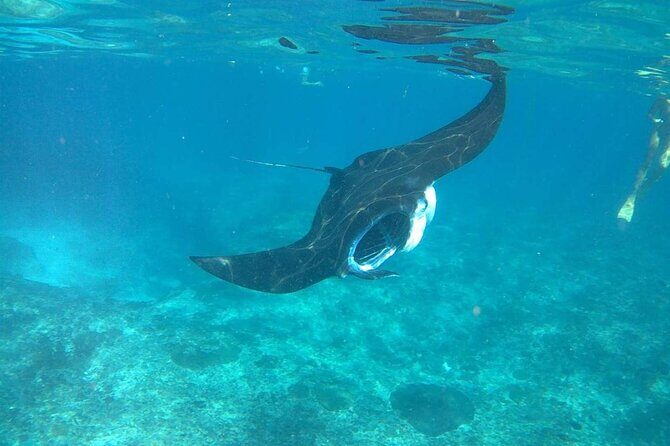
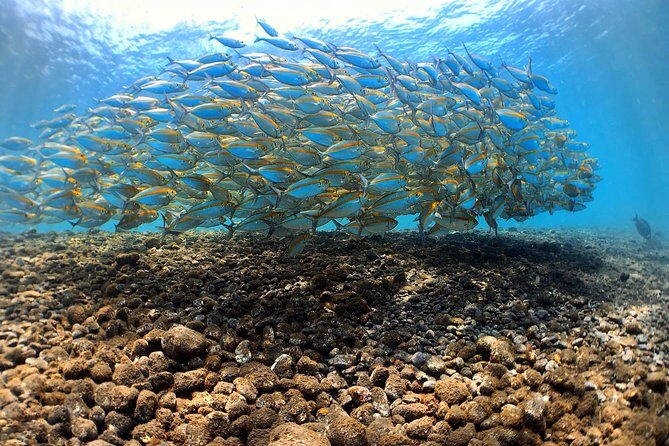
This is the headline area. It’s where the chance of seeing manta rays is central to the plan, not a side bonus. In practice, what you’re looking for is that moment when the water turns from “nice reef” into “something big cruising overhead.” Your guide keeps you oriented and helps you snorkel in the right spot and direction for what the area is known for.

Crystal Bay

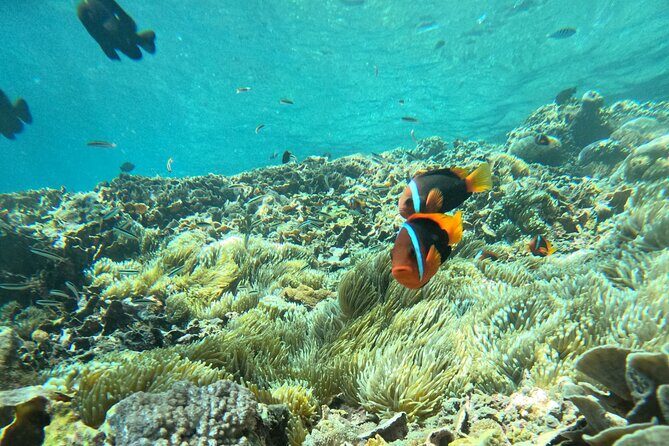
This stop is often about variety—different reef conditions and different chances to spot fish and coral life. Even if mantas aren’t the headline at every moment, you’ll still get meaningful underwater time at a reef site.

Gamat Bay

This area tends to be about the overall snorkeling experience: coral, reef scenery, and the kind of underwater activity you can enjoy even while waiting for mantas. If you’re a less confident snorkeler, this is also the kind of stop where you can settle in and enjoy the water without feeling like you’re constantly on high alert.

Wall Bay Point

A lot of Penida snorkeling revolves around underwater edges and currents that bring marine life into view. Wall Bay Point is listed as part of the typical route, so it’s one of the stops you’ll want to respect: follow guide instructions closely, stay calm, and don’t rush your breathing or positioning.

And here’s the key point: since the stops depend on conditions, you shouldn’t treat any single bay as guaranteed. Your goal is to get multiple chances in the best conditions the day allows.

Snorkeling with mantas: safety rhythm, gear use, and real expectations

No:#1. Penida Island Tour And Snorkeling With Manta - Snorkeling with mantas: safety rhythm, gear use, and real expectations
You’re snorkeling around coral reefs, and you’ll do it as a group with a guide keeping watch. You also get a life jacket, and snorkeling gear is provided (depending on your selected option). That setup is important because it reduces one common stress: the need to source gear at the last minute.

This experience is described as suitable for snorkelers of all levels. That doesn’t mean it’s zero-skill. You still need to be comfortable floating, clearing your mask, and keeping your movements steady. If you’re new, it helps to focus on slow, controlled breathing and staying where your guide tells you to be.

Manta rays are the reason many people book. But don’t treat manta spotting like a show with fixed seating. What you can control is how prepared you are:

  • Put on gear correctly before you hit the water
  • Keep your body calm and horizontal
  • Let the guide manage the “where now” decisions

Also, you’ll have an underwater photographer on hand who can grab shots of you and your group. That’s a nice extra because it captures the day without you needing to hold a waterproof camera or awkwardly time selfies. One practical note: the tour description doesn’t spell out how you receive those photos. If photos matter, confirm how delivery works when you book.

The boat day reality: what “12 hours 30 minutes” feels like

No:#1. Penida Island Tour And Snorkeling With Manta - The boat day reality: what “12 hours 30 minutes” feels like
This runs about 12 hours 30 minutes, including travel and time on Nusa Penida. That’s a full day. The benefit is you get enough time for multiple snorkeling stops and the travel chain to work without rushing you into just one quick swim.

The cost of that long duration is obvious: you’ll be hungry, tired, and slightly “done” by the end—especially if you’re sensitive to heat. The good news is lunch is included, so you’re not spending your whole day hunting for food.

Your best strategy is to treat the day like a cycle:

  • Keep a steady energy pace from the start
  • Hydrate when you can during land transfers
  • Don’t overexert early in the day in the water

And yes, there’s a factor that can affect comfort: sea conditions. Since stops depend on water conditions, there can be day-to-day variation in how smooth the ride feels and how long you’re in each area.

Value check: is $67.75 a smart deal or a gamble?

No:#1. Penida Island Tour And Snorkeling With Manta - Value check: is $67.75 a smart deal or a gamble?
For $67.75 per person, the value depends on what you’re comparing it to.

If you tried to DIY this yourself, you’d likely pay for:

  • Dock transfers and transport logistics
  • Fast boats (round trip)
  • Multiple reef-site transport coordination
  • Snorkel gear and life jacket
  • Food, if you end up buying it while racing the schedule

This tour bundles the big chunks: round-trip fast boat tickets, return transfers by air-conditioned car from listed areas, land transport on Penida, lunch, and gear (with the option). That bundling is where the price starts to look more reasonable, especially for a day as long as 12.5 hours.

The gamble part is also real: mantas aren’t guaranteed, and the reef stops depend on conditions. Still, the fact that you typically go to three or four snorkeling areas helps you maximize the chances that the day feels worth it even if manta encounters are brief.

Also worth noting: this experience gets booked fairly ahead of time (on average about 28 days in advance). If you’re traveling during a busy period, booking earlier can reduce the chance of missing your preferred departure time.

The human factor: communication and equipment quality can vary

No:#1. Penida Island Tour And Snorkeling With Manta - The human factor: communication and equipment quality can vary
Most of the feedback for this tour is very strong—a 4.8 rating from 32 reviews, with 94% recommending it. That tells me the overall experience tends to land well for people who want a well-run day trip and don’t want to think about logistics.

But I won’t ignore what can go wrong. One account described shoddy-feeling equipment, and said the driver in Nusa Penida didn’t appear to know English, which made it harder to ask questions and contributed to a faster, more time-pressured ride. That kind of mismatch can turn a relaxing day into a stressed one.

So how should you protect yourself? Simple:

  • Arrive ready and on time for pickup
  • Double-check your gear fit before you step into the water
  • If you have questions, write them down or use simple phrases
  • Keep your expectations flexible if the day runs tightly to the schedule

This is exactly the kind of day where calm cooperation matters as much as the coral.

Who should book this Penida manta snorkeling tour?

No:#1. Penida Island Tour And Snorkeling With Manta - Who should book this Penida manta snorkeling tour?
This is a good fit if you want:

  • Manta-ray snorkeling as the main goal
  • An all-in-one setup with pickup, boat transport, and lunch
  • Snorkeling that works for different comfort levels
  • A day planned to reach multiple snorkeling locations in one outing

It’s also a decent option if you don’t want to manage logistics alone—especially if you’d rather spend your mental energy watching for movement overhead instead of figuring out timetables and meeting points.

You might reconsider if:

  • You’re very sensitive to rougher boat rides or long days
  • You expect perfect communication all day and every stop runs like a private charter
  • You care deeply about gear condition and would rather bring your own backup kit

Should you book? My practical take

I’d book this tour if you want a structured manta-focused Penida day with the essentials handled: transfers, fast boat, land transport, lunch, and snorkeling gear support. The strongest selling points are the logistics and the multiple snorkeling stops, which increase your chances of having a great underwater day even when conditions change.

If you’re choosing between DIY and a package, this is the kind of plan where the bundled transport and day structure can be worth it fast—especially starting from Seminyak. Just go in with flexible expectations about manta sightings and the day’s flow, and you’ll get the best chance at the magic Penida is known for.

FAQ

What time does the tour start?

It starts at 7:00 am.

Where do pickups happen?

Pickup is offered from Nusa Dua, Jimbaran, Kuta, Canggu, Sanur, and Ubud.

How long is the tour?

It runs for approximately 12 hours 30 minutes.

What snorkeling stops will we visit?

Stops typically include areas such as Manta Bay, Crystal Bay, Gamat Bay, and Wall Bay Point, but the exact places depend on water conditions.

Do I need to bring snorkeling gear?

No. Snorkeling gear is provided (and includes additional items like a life jacket and towel if that option is selected).

Is lunch included?

Yes. Lunch (Indonesian food) is included. Breakfast is not included.

Are there underwater photos?

There is an underwater photographer on hand to take shots of you and your group during the snorkel stops.

How big is the group?

The tour has a maximum of 28 travelers.

What if the weather is bad?

This experience requires good weather. If it’s canceled due to poor weather, you’ll be offered a different date or a full refund.

Can I cancel for a refund?

Yes, you can cancel for a full refund up to 24 hours before the experience’s start time. If you cancel less than 24 hours before, the amount paid won’t be refunded.

Amazing Bali Swing Experience with Ubud Full Day Tour

Amazing Bali Swing Experience with Ubud Full Day Tour - Ubud Monkey Forest Sanctuary: getting the macaque experience right

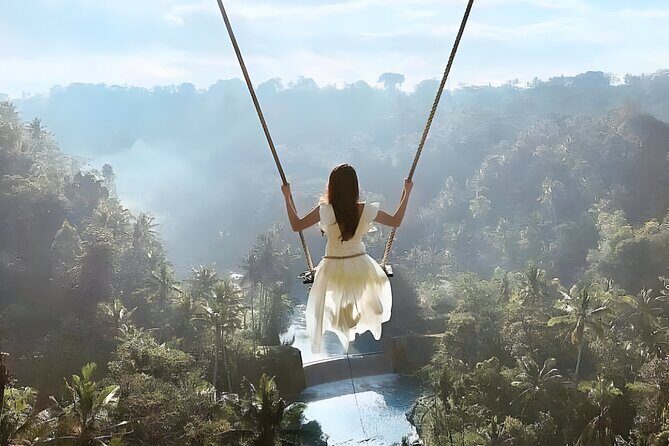
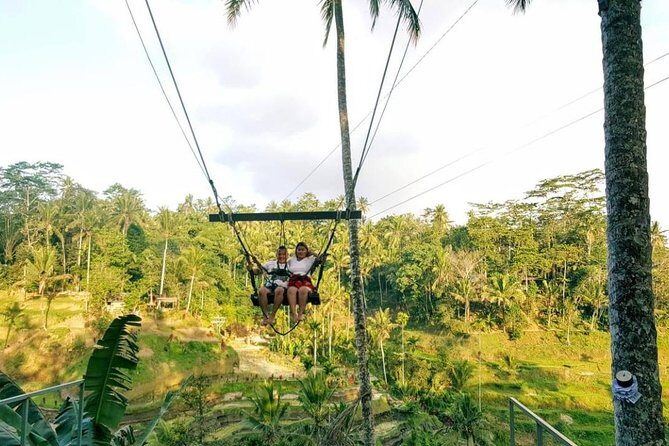
One-day Bali can feel like a highlight reel. This private full-day tour strings together Bali Swing big views, Ubud icons, and a driver who keeps the day moving without self-driving stress. I love that it’s truly door-to-door from Seminyak, and that your Bali Swing ticket covers multiple ride styles, not just one photo moment. The main consideration: it’s a long day with several 1-hour stops, so you’ll want to go in with a flexible pace.

Here’s why it works: Bali’s roads can be confusing, and the tour avoids the usual hassle of parking and navigating on your own. You’ll also be out in the sun, so plan for heat and photo time (sunscreen and a camera are specifically recommended). One caution from my perspective: even though lunch is listed as included, I’d still double-check lunch timing and drink details with the operator before you go.

If you get a great driver, the whole day gets better fast. In past trips, guides like Kadek Darma (friendly, accommodating, strong photo help, clear cultural explanations) and driver Nyoman (safe, informative, and excellent at staying on schedule) have made the itinerary feel smooth rather than chaotic. With a 4.9 rating and 97% recommending it, this is the kind of day trip that tends to land well when expectations match the plan.

Key things to know before you go

Amazing Bali Swing Experience with Ubud Full Day Tour - Key things to know before you go

  • Private vehicle for your party: no sharing the ride with strangers, and it helps the schedule stay on track.
  • Bali Swing ticket with 10 activities: includes 4 single swings, a tandem swing, plus bird and chicken nest styles.
  • Real time at each Ubud stop: Monkey Forest, Ubud Palace, and Tegalalang Rice Terrace are each about an hour.
  • Lunch set menu at Bali Swing with an open bar: built into the flow so you’re not scrambling for food.
  • Driver as an English-speaking guide: you’ll get context while you’re moving between sites.

Private door-to-door from Seminyak: the sane way to tour Ubud

Bali is not the easiest place to self-drive, especially for visitors juggling narrow roads, limited parking, and unpredictable traffic habits. This tour starts by picking you up from your hotel or villa area, including Seminyak, and using an air-conditioned vehicle for the day.

That matters because you’re not just paying for sightseeing. You’re buying time and mental space. When you’re spending 9 to 10 hours moving between places, cutting out navigation and parking stress can make the day feel enjoyable instead of exhausting.

You’ll also get a “private tour” setup, meaning it’s just your group in the vehicle. That’s a small detail, but it changes the experience: you’re not waiting on other people or watching your day stretch out because someone’s still finishing up photos.

Real Bali Swing: why the ticket includes 10 activities (not just one pose)

Amazing Bali Swing Experience with Ubud Full Day Tour - Real Bali Swing: why the ticket includes 10 activities (not just one pose)
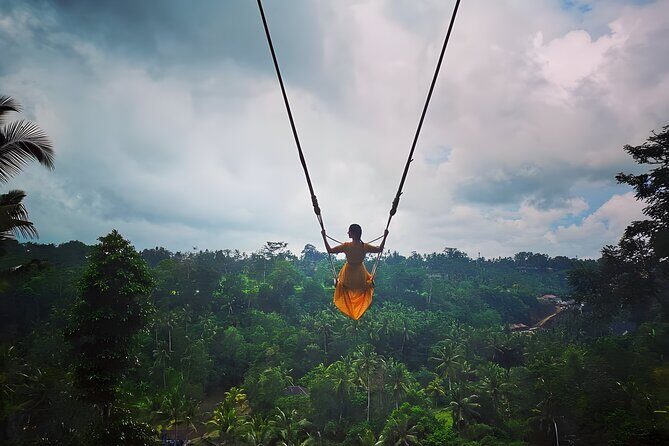
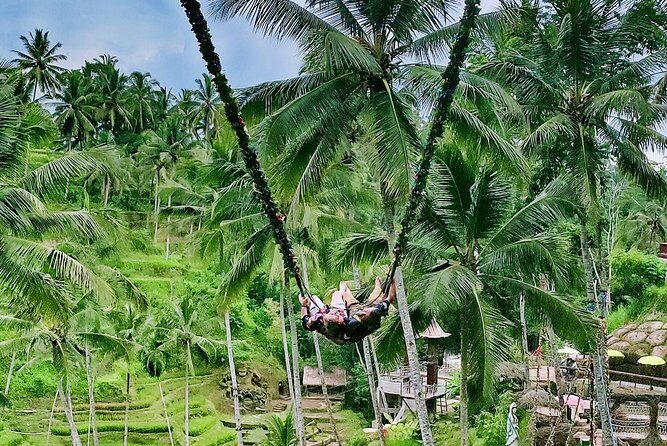
The heart of this day is the Real Bali Swing, and the ticket package is built for variety. You don’t just do one swing and move on. Your included Bali Swing ticket covers 10 activities: 4 single swings, a tandem swing, and the bird and chicken nest positions.

In practical terms, that gives you options for photos. Some people prefer the classic solo swing. Others like the partner shot on tandem. If you’re the type who wants more than one angle and more than one “final best photo,” this format helps you get there without repeating the booking process on-site.

The tour schedules about 3 hours for the swing segment, which is a good chunk of time. It’s long enough to take your photos, re-check angles, and still move on to the next stops without the rest of the day feeling like it’s slipping away.

One more thing: the tour includes swing insurance, tax, and services. That doesn’t remove every thrill, but it does add peace of mind for an activity where you’re suspended and moving.

Ubud Monkey Forest Sanctuary: getting the macaque experience right

Amazing Bali Swing Experience with Ubud Full Day Tour - Ubud Monkey Forest Sanctuary: getting the macaque experience right
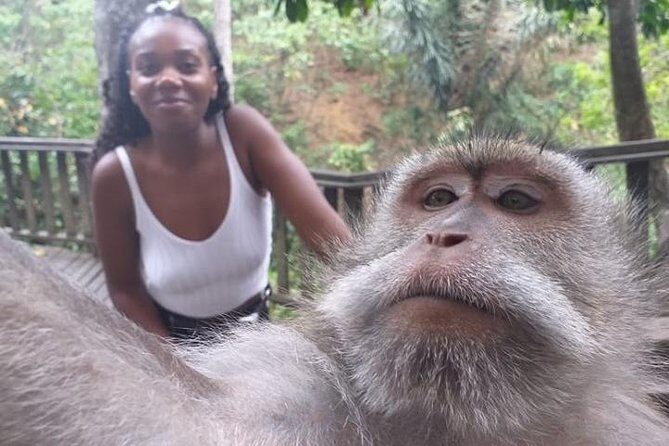
Next up is the Sacred Monkey Forest Sanctuary, with about 1 hour on the ground. This place is famous for a reason: it covers 27 lush green acres and is home to over 400 long-tailed macaques.

What makes it worthwhile on this itinerary is the pacing. You’re not trying to cram every Ubud attraction all day at once. You’re doing a focused monkey stop, then heading into the more cultural sights around Ubud.

You should also know what this kind of setting demands from you. Expect to share space with monkeys. Keep your belongings secure and be mindful when you’re photographing up close. If you want calm photos, I’d time your poses with a little patience rather than trying to fight for position.

Also, dress code is smart casual, and that’s useful here. You’ll be walking through a natural setting, so wear something comfortable enough for movement, not just Instagram fashion.

Ubud Palace and Art Market: royal sights with a local-craft stop

Amazing Bali Swing Experience with Ubud Full Day Tour - Ubud Palace and Art Market: royal sights with a local-craft stop
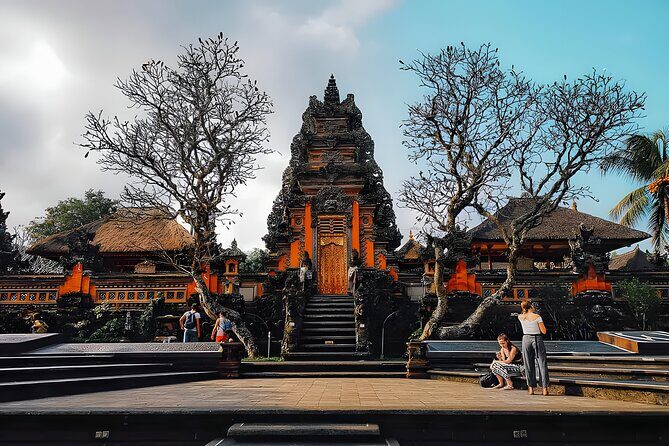
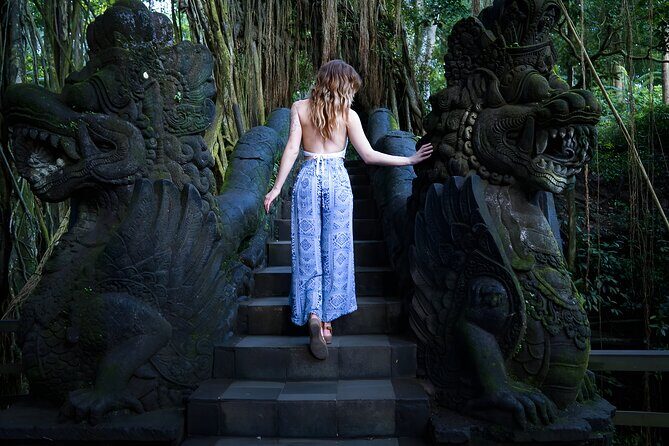
After Monkey Forest, the tour heads to Ubud Palace (Puri Saren Ubud), with about 1 hour. The palace is described as sitting right on the main Jalan Raya Ubud road, which makes it easy to see and easy to connect to the rest of the day’s Ubud sights.

Why I like this inclusion: it adds cultural grounding to the more “wow” attractions like the swing and rice terraces. You get a sense of Ubud’s identity beyond temples and views.

From there, the day also includes Ubud Art Market. This is a chance to look at local craft life rather than treating Ubud like a checklist. If you’re buying gifts, it’s the kind of stop where you can browse without feeling like you’re pulling over randomly while your driver waits.

One small practical note: with multiple 1-hour blocks, you’ll want to decide early what you care about most. Spend your time inside Ubud Palace on what actually interests you, then keep your momentum for the next scenery stop.

Tegalalang Rice Terrace: why an hour here works

Amazing Bali Swing Experience with Ubud Full Day Tour - Tegalalang Rice Terrace: why an hour here works
You’ll visit Tegalalang Rice Terrace, one of Bali’s most recognizable rice-field views. The itinerary keeps it to about 1 hour, which sounds short until you’re there and realize how much time can disappear when you stop every 20 seconds for photos.

The value of an hour is that it forces a good rhythm. You can walk a bit, spot a few viewpoints, and still leave enough energy for the waterfall later. If you try to stay too long at a single viewpoint, the day becomes about standing still rather than moving through the experience.

Also, this stop is visually strong, and that can be a trap if you’re rushing. Plan for the fact that you’ll likely want at least two photo angles: a wide shot to show the terraces and a closer shot to show the detail.

If you’re going for photos, bring your camera and keep sunscreen on—this is an outdoor day, and the swing and terraces both reward time in the sun.

Tegenungan Waterfall and the bonus roadside culture passes

Amazing Bali Swing Experience with Ubud Full Day Tour - Tegenungan Waterfall and the bonus roadside culture passes
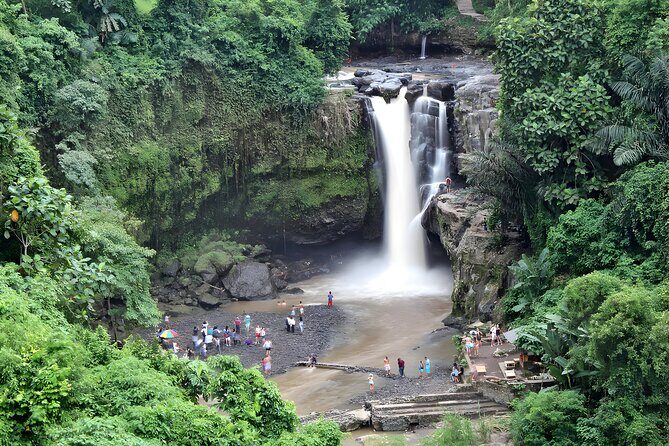
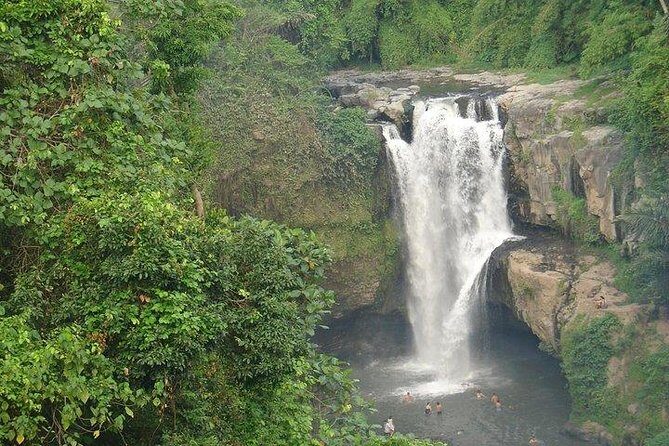
The final main stop is Tegenungan Waterfall, scheduled for about 1 hour. Waterfalls can feel like a payoff moment after a day of photos and walking. Even if your feet are tired, the sound and visual change tends to reset the day.

On the way, you’ll also pass well-known spots, including a famous temple, a wood carving village, and a gold and silversmith village. These aren’t listed as full stops where you’re guaranteed long time inside, but the “passing by” pieces are useful. They give you a quick sense of what Bali’s trades and sacred spaces look like outside the main photo spots.

If you’re the type who wants deep shopping or long temple time, this itinerary may feel too quick in places. But if you want a full, varied day without the stress of planning, the mix makes sense.

One more practical thing: the tour includes all entrance tickets, which helps you avoid the pay-then-wait pattern at each location.

Lunch at Bali Swing with an open bar: energy management for a 10-hour day

Amazing Bali Swing Experience with Ubud Full Day Tour - Lunch at Bali Swing with an open bar: energy management for a 10-hour day
The plan includes a lunch set menu at the swing location and mentions an open bar as part of the meal experience. With a long day, lunch isn’t just food—it’s your energy checkpoint.

The balanced approach here is simple: eat first, then decide how you want the drinks to fit into the rest of the day. If you’re taking photos afterward, staying comfortable and steady matters.

There is one red flag worth acknowledging. One trip story shared that lunch (and water) didn’t match what the person expected. Since lunch is listed as included, I’d treat this as a cue to confirm the exact lunch timing and what’s covered in the open bar when you book or message the operator. That one step can prevent a disappointment that colors the entire day.

Vegetarian option is also available if you ask at booking. If you have any dietary needs, send the request early rather than hoping it works out on the spot.

Price and what you’re actually getting for $100 per person

Amazing Bali Swing Experience with Ubud Full Day Tour - Price and what you’re actually getting for $100 per person
At $100 per person, this tour can be a strong value because so much of the expensive friction is bundled. You’re not only paying for access to a few sites. You’re getting:

  • a private, air-conditioned vehicle
  • an English-speaking driver who also guides
  • Bali Swing ticket with 10 activities, plus swing insurance
  • all entrance tickets
  • lunch set menu (and it’s positioned with an open bar)
  • hotel/villa pickup and drop-off from a wide range of areas

When you compare that to piecing together swing tickets, entrance fees, and transportation yourself, the math often works out better—especially if you’d otherwise spend time figuring out routes and where to park.

The “private” part is also key. A shared tour can lower the per-person cost, but it can stretch your schedule. Here, your day is designed to run like a planned timeline rather than a group scramble.
Weather, timing, and comfort tips that keep the day fun

This tour requires good weather, so there’s a built-in weather dependency. If conditions are poor, you should expect the operator to adjust by offering another date or a full refund.

For your side of the planning, pack like it’s an outdoor photo day. The tour specifically recommends sunscreen and a camera, and smart casual dress code keeps you comfortable for walking and transfers. Bring water on your own if you’re someone who gets dehydrated, even though lunch and the drink portion are included.

Timing is another practical issue. The itinerary stacks several stops, with each main site around an hour and the swing taking about three. That means transitions are part of the experience. If you hate feeling rushed, mentally commit to enjoying the ride and the ride context, not just counting minute-by-minute time.

Should you book this Bali Swing and Ubud full day tour?

Book it if you want a single-day, high-impact Bali plan that covers the biggest Ubud hits without the stress of self-driving. The swing ticket structure (10 activities) plus private door-to-door transport is the kind of combo that makes sense for first-timers and for people who are short on time.

Skip or rethink if you want long, slow temple time or deep shopping time at each stop. This is built for breadth, not lingering. Also, if you’re especially sensitive to meal inclusions or dietary details, confirm lunch and drink coverage early so you’re not stuck dealing with expectations on the day.

If your goal is a smooth, photo-ready Bali day with a driver who can explain what you’re seeing, this is an easy “yes” to put on your plan.

Fun Diving Tulamben Bali – For Certified Divers

Fun Diving Tulamben Bali - For Certified Divers - The two underwater sessions: how your day is structured

This is the most practical way to see Tulamben.

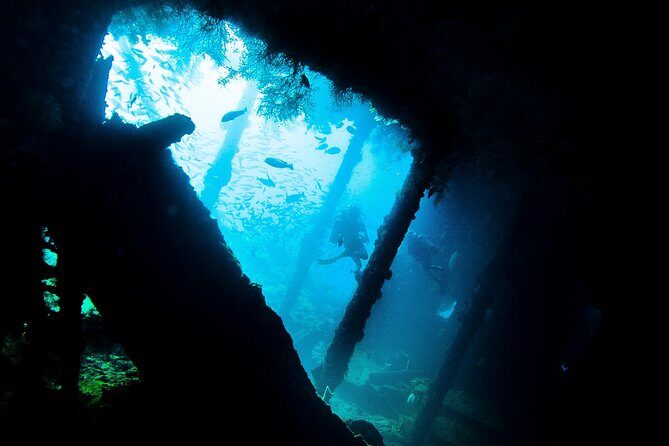
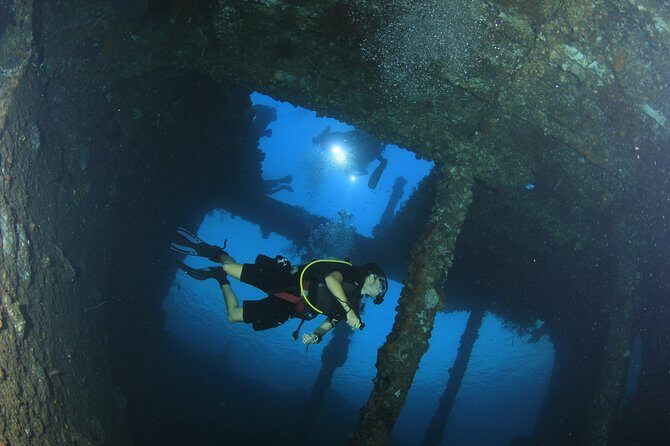
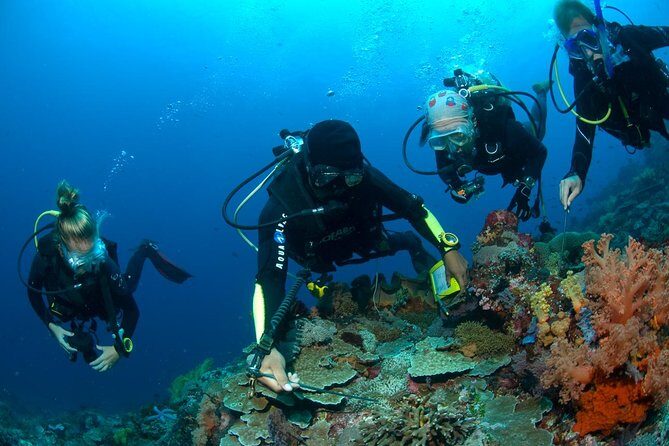
The USAT Liberty WWII shipwreck sits close to shore, with the top around 5 meters and the wreck dropping to roughly 30 meters, so you get options for different comfort levels. I like that there’s an easy shore approach, calm conditions when they’re available, and plenty of life around the wreck, from corals and sea fans to barrel sponges and big-school fish.

The day is built for a smooth flow. I like the small-group feel (up to 12 people) and the steady team energy, with names like Wayan, Kai, Nyoman, Aswan, and Guna popping up in recent experiences. One drawback to plan for: it’s an early morning with about 2 hours of driving each way, and Tulamben can get bumpy at the shore when you’re getting in and out.

Key highlights you’ll care about

Fun Diving Tulamben Bali - For Certified Divers - Key highlights you’ll care about

  • USAT Liberty in shallow range: top at about 5 meters, with the wreck dropping deeper to around 30 meters
  • Two underwater sessions: two chances to explore the same wreck system without rushing
  • WWII story meets real marine life: healthy corals, sea fans, barrel sponges, plus jacks, groupers, barracuda, and stingrays
  • Small group limits: a maximum of 12 travelers keeps the day calmer and more controlled
  • Included gear and coverage: scuba equipment, towels, bottled water, air-con transport, plus insurance coverage
  • Guides who help you in the real world: support at the entry/exit matters when conditions are choppy

Seminyak to Tulamben: an early start that pays off

Fun Diving Tulamben Bali - For Certified Divers - Seminyak to Tulamben: an early start that pays off
Your morning begins with pickup around 6:30–7:00 am. Then you’re on an air-conditioned vehicle heading from Seminyak toward Tulamben, with a drive of about 2 hours each way. If you hate mornings, you’ll still get through this—just treat it like a plan, not a surprise.

Along the road, the route is part of the value. You’ll pass local villages and rice terraces, which gives you a nice “Bali land” warm-up before you go underwater. It’s not a luxury scenic cruise, but it’s a pleasant way to turn transit time into something useful.

One more timing note: lunch happens between the two underwater sessions, and you’re back around 5:00 pm at the Sanur scuba center. That means you get a full day without it turning into a 12-hour travel slog.

Why the USAT Liberty wreck is such a smart choice

The big reason people come to Tulamben is the USAT Liberty shipwreck. It’s a WWII casualty tied to torpedoes and a volcanic eruption, and it ends up sitting in shallow water—close enough to shore that it’s one of the most accessible wrecks you’re likely to find in Bali.

The depth range is what makes it practical. The top sits around 5 meters, and the wreck drops away to about 30 meters. In real terms, that’s huge: you can enjoy the structure and life near the top without feeling like you have to go straight to deep territory. At the same time, there’s enough depth on the wreck to satisfy more confident certified scuba travelers.

Also, this is set up for different comfort levels because the conditions are described as calm with good visibility when you’re there. No one can guarantee ocean behavior, but the site’s layout makes it easier than many open-water wrecks.

The two underwater sessions: how your day is structured

Fun Diving Tulamben Bali - For Certified Divers - The two underwater sessions: how your day is structured
You’ll do two underwater sessions at the USAT Liberty. That matters for two reasons. First, it reduces the pressure to cram everything into a single long water time. Second, it gives you a second shot at the wreck so you can slow down and look for animals you missed the first time.

Between the sessions, you’ll have lunch. That’s not a throwaway detail. Eating early and properly helps you stay comfortable, especially when you’ve already been awake since early morning and you’ll be managing gear, buoyancy, and cold thoughts like, Did I pack the right stuff?

Before each water time, you should expect the usual run-up: check-in, gear use, and a briefing on the wreck and conditions. The exact flow isn’t listed step-by-step, but the included equipment and small-group size strongly suggest a controlled, not-chaotic, setup.

Spotting wildlife on the wreck: a quick checklist

Fun Diving Tulamben Bali - For Certified Divers - Spotting wildlife on the wreck: a quick checklist
USAT Liberty isn’t just a pile of metal—it’s described as being festooned with life. You can expect healthy corals, sea fans, and barrel sponges on the structure. That coral coverage is a big deal: it means you’re more likely to see fish feeding and cruising rather than only looking at the wreck skeleton.

For animals you’ll specifically want to keep an eye out for, the route description calls out a resident school of jacks, plus bumphead parrotfish and bluespotted stingrays. Also watch for harlequin sweetlips, giant groupers, and giant barracuda.

Here’s the practical way to use that list: don’t hunt every species like a checklist robot. Pick one or two targets per session. If you watch the same corner of the wreck for a few minutes, fish behavior becomes easier to read, and you’ll feel less rushed.

Getting in and out of the water at Tulamben (the part that matters)

The overview highlights easy shore entry, which is a big advantage versus boats-first approaches. Shore entry usually means fewer steps, less time in transit once you’re at the coast, and more control over your own pace.

Still, consider that Tulamben can get waves. One recent experience notes big waves during the day, and the guide helped the person avoid falling when getting out. That’s the kind of real-world reminder that matters: if the sea gets rough, follow your guide’s body positioning and timing closely.

If you’re prone to feeling shaky in surge, this is where your calm, careful buoyancy and your willingness to listen really pay off. The wreck is accessible, but “accessible” doesn’t mean “effortless.”

Equipment, insurance, and the included extras that reduce stress

This tour includes use of scuba equipment, towels, and bottled water. You also get coffee and/or tea as a complimentary welcome drink when you arrive at the dive center.

The included insurance coverage is also worth caring about. It’s not the same as travel insurance, but it does signal that the operator considers safety and coverage part of the product—not an add-on you scramble to buy later.

And since pickup is included (and the vehicle is air-conditioned), you’re not doing the math on hiring a driver, finding the right pickup point, or wasting time coordinating. For a full day that starts early, those details add up quickly.

The team vibe: why the names matter on a day like this

A calm, capable team is what makes a wreck day enjoyable instead of stressful. Recent experiences specifically praise the admin staff and instructors for being patient and for going above and beyond to make sure everyone had a great time.

You’ll see names tied to memorable moments. Kai is mentioned in a context involving help during rougher conditions. Wayan shows up as an underwater guide who was easygoing and knowledgeable about the sites and what to look for. Nyoman is praised for instruction quality and patience. Aswan is described as confident and well informed, sharing information about marine life and regional dive spots. Guna appears as an instructor for training experiences, which suggests the same organization has a teaching mindset.

Even the photographer gets credit (David is named), which tells you they aren’t just focused on “go down, come up.” If you want photos or video documentation, this kind of support can make the day feel more complete.

Lunch and downtime: how to make the long day feel shorter

Lunch is included between the two underwater sessions. That’s important because you’re not just underwater—you’re also managing hydration, timing, and gear fatigue.

What you can control: arrive hungry, drink water when you can, and don’t assume you’ll feel like eating later. With a pickup around 6:30–7:00 am and a return around 5:00 pm, your body will follow the schedule whether you’re mentally ready or not.

Also, plan to bring basic personal comfort items, even if the tour provides towels and bottled water. You’re still on a full-day program, and you’ll appreciate anything that reduces friction while you wait for your next water time.

Price and value: what you’re paying for at $174.12

At $174.12 per person, you’re not just paying for access to the USAT Liberty wreck—you’re paying for the whole machine that gets you there and keeps it running. That includes pickup, air-conditioned transport, scuba gear use, towels, lunch, bottled water, welcome drinks, and insurance coverage.

The two key value drivers for me are:

1) two underwater sessions at one of the most accessible wrecks in Bali, and

2) small group size up to 12 travelers, which usually means more hands-on attention when equipment, air management, or comfort becomes a factor.

Could you find cheaper options in Bali? Possibly. But with early pickup and a structured wreck day, “cheap” often means you end up managing more yourself. Here, the inclusions reduce the number of things you have to organize at the start of the trip.

Who should book this USAT Liberty shipwreck day

This is aimed at certified scuba travelers. It’s also a good fit if you want the wreck experience without dealing with the complexity of more remote wrecks.

If you’re excited by WWII history but more interested in what lives on the wreck now, this fits. The site is described as shallow enough to enjoy structure and wildlife, with coral and sponges giving the wreck a living, not just historical, feel.

It may be less ideal if you strongly dislike early mornings or you know you struggle with shore entry in choppy water. The itinerary is straightforward, but it’s still a coastal entry day.

If you’re traveling solo, this small group setup can feel friendly rather than overwhelming. If you’re traveling with friends, it’s also easier to coordinate since the cap is 12.

Book it or skip it: my practical verdict

I’d book this if you want a wreck day that’s built around access and good odds of seeing real marine life. The USAT Liberty depth range (top around 5 meters, dropping to about 30 meters) is a clear advantage, and doing two structured underwater sessions makes the day feel complete.

I’d hesitate only if early pickup and long road time feel like a deal-breaker, or if you’re very nervous about getting in and out of the water when waves show up. In that case, you might still enjoy the wreck, but you’ll want to be realistic about conditions.

FAQ

What time does pickup happen?

Pickup is around 6:30–7:00 am.

How long is the full day?

The tour runs for about 11 hours.

How far is the drive from Seminyak to the wreck area?

The bus ride is approximately 2 hours each way.

What underwater sessions are included?

You’ll do two sessions at the USAT Liberty shipwreck.

Is lunch included?

Yes, lunch is included between the two sessions.

Is scuba equipment provided?

Yes. Use of scuba equipment is included.

Is insurance included?

Yes. Dive insurance is included.

What marine life can you expect around the USAT Liberty wreck?

The description lists jacks, bumphead parrotfish, bluespotted stingrays, harlequin sweetlips, giant groupers, and giant barracuda.

What if weather is poor?

This experience requires good weather. If it’s canceled due to poor weather, you’ll be offered a different date or a full refund.

Is free cancellation available?

Yes. You can cancel up to 24 hours in advance for a full refund.

Is there any restriction if I’m flying?

Yes. Guests with flights less than 24 hours before the activity should refrain from scuba for safety regulations.

If you want, tell me your scuba certification level and typical depth comfort, and I’ll help you decide whether the USAT Liberty range is a good match for your day.

Private Full-Day Tour: The Gate of Heaven and East Bali Trip

Private Full-Day Tour: The Gate of Heaven and East Bali Trip - Tirta Gangga Water Palace: royal design and photogenic water features

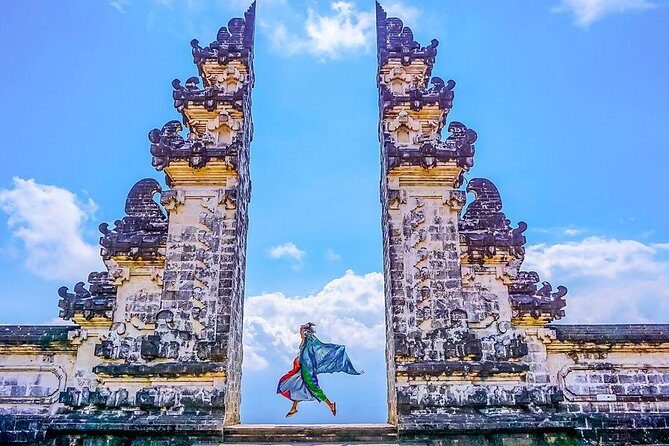
If you like big views and real local stops, this long day works. You’ll start with the Gate of Heaven at Lempuyang Temple, then move through water palaces, a beach cove, and a traditional Bali Aga village. The appeal is the mix: spectacular photos plus cultural context from a guide who’s meant to explain what you’re seeing while you travel.

Two things I really like about this tour are the private setup and the “no extra math” inclusions. Private means you’re only with your party in the car. And you’re not juggling ticket lines at each stop, because entrance fees are included. If you pick the lunch option, you also get an Indonesian set-menu meal.

One consideration: the drive time can test your patience. The trip is built for a full 9 to 10 hours, and even though the run from Seminyak to Lempuyang is often estimated at around 2 hours, traffic can stretch things out and make the day feel rushed at the temples and beach.

Key highlights to expect

Private Full-Day Tour: The Gate of Heaven and East Bali Trip - Key highlights to expect

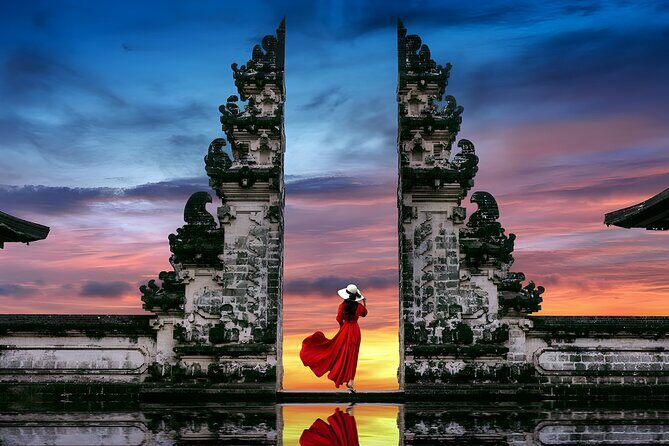
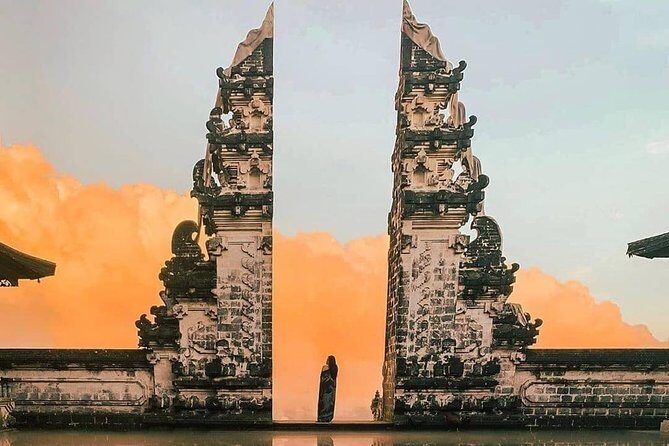
  • Gate of Heaven at Lempuyang Temple with views toward Mount Agung
  • Tirta Gangga Water Palace, built in 1948 by Anak Agung Anglurah Ketut Karangasem
  • Ujung Water Palace, the sister site in Seraya village
  • Virgin Beach on a 700-metre cove with rocky cliffs and tropical forest edges
  • Desa Tenganan, a symmetrically laid out Bali Aga village
  • Private, air-conditioned transport with hotel pick-up and drop-off

A 9 to 10 hour East Bali circuit from Seminyak

Private Full-Day Tour: The Gate of Heaven and East Bali Trip - A 9 to 10 hour East Bali circuit from Seminyak
This is an all-day East Bali plan, usually clocking in around 9 to 10 hours. The structure is straightforward: you get picked up, you move as a group in an air-conditioned vehicle, and you hit five main sights plus a couple of roadside passes along the way. Since it’s private, you’re not waiting on other people or stuck to a group pace.

The biggest “feel” factor here is the travel time. East Bali is farther from Seminyak than most first-time planning charts suggest. One review complained the drive took more than 4 hours each way due to traffic on the day, and that’s exactly the risk you’re buying insurance against with the private format: at least you won’t lose time hunting for your own rides, but you can still lose time to congestion.

Practical tip: if you want the Gate of Heaven experience to feel smooth, treat early starts as part of the deal. Also, bring patience for roads, and keep your expectations flexible on timing. The itinerary is set, but the day can stretch when traffic spikes.

Lempuyang Temple and the Gate of Heaven: what you’re really paying for

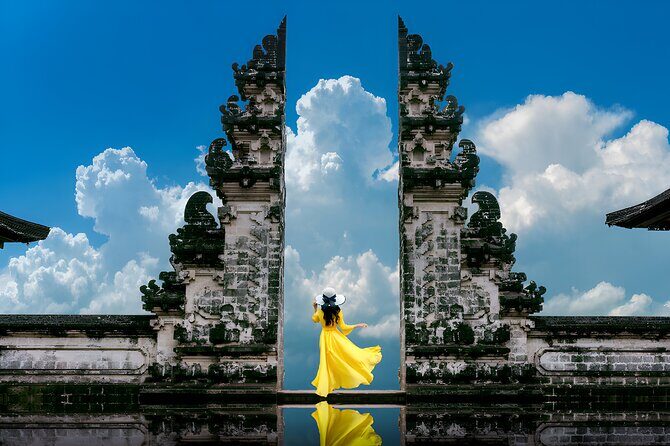
Lempuyang Temple is the big star, and the reason is simple: the Gate of Heaven viewpoint frames Mount Agung. It’s also described as the highest temple in Bali, which helps explain why the view and the whole setup are the main attraction.

This stop is scheduled for about 2 hours, and it’s not just strolling time. You’ll be there for the climb up, the time at key photo angles, and the general temple experience around the gate area. A standout theme from feedback is that the Gate of Heaven is stunning and it’s worth waiting for pictures. Translation: if you’re expecting instant magic with no lines or waiting, you may be disappointed. If you’re okay with a slower, photo-focused moment, you’ll likely feel it was worth the detour.

Another smart move: bring your camera ready and your sunscreen on. You’ll spend time in open areas for views, and even on a “short” stop, the sun can do its thing. The tour also lists a smart casual dress code—so plan clothing that won’t make you scramble at the last second.

Downside to know: this is a temple visit plus a viewpoint. That means it can feel less like a laid-back sightseeing stroll and more like a controlled, photo-and-walk block. If you dislike waiting or crowds, this is the part most likely to annoy you.

Tirta Gangga Water Palace: royal design and photogenic water features

Private Full-Day Tour: The Gate of Heaven and East Bali Trip - Tirta Gangga Water Palace: royal design and photogenic water features
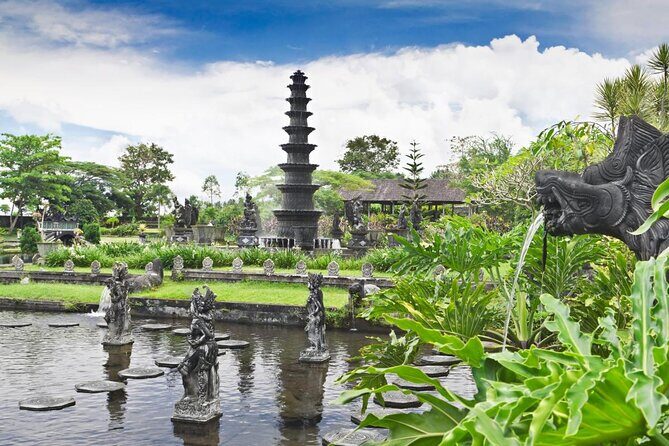
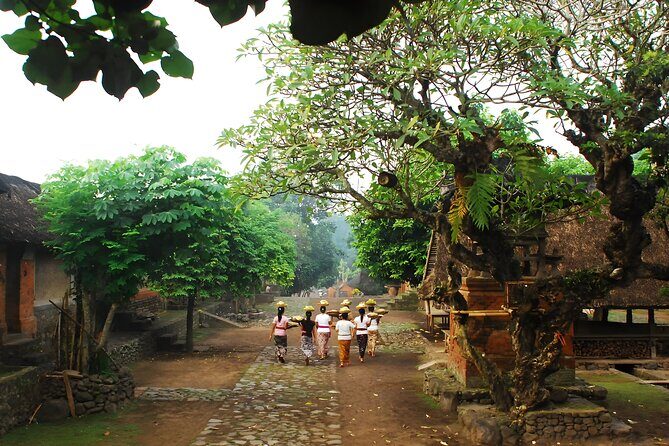
Next up is Tirta Gangga, a water palace designed and constructed in 1948 by Anak Agung Anglurah Ketut Karangasem, described as the last king of Karangasem. That detail matters because it explains why the place feels like more than scenery. It’s a designed environment—water used as a visual and spiritual element, laid out with a royal-era purpose.

You’re scheduled for about 1 hour here. That’s usually enough time to wander the main areas, take photos, and get your bearings without turning it into a long sit-down. If you’re the type who likes noticing details, this is one of the stops where the architecture and water layout give you things to look at besides just the main viewpoints.

Potential drawback: because you’ll already have been traveling, this stop can feel either relaxing or like another “move quickly” moment depending on how traffic treated your schedule. If your driver’s timing is tight, 1 hour will pass fast. The upside is that it’s short enough that it rarely feels like a filler stop.
Ujung Water Palace: the sister site that helps the day feel connected

Private Full-Day Tour: The Gate of Heaven and East Bali Trip - Ujung Water Palace: the sister site that helps the day feel connected
From Tirta Gangga you’ll head to Ujung Water Palace (Taman Ujung Sukasada), located in the village of Seraya in Karangasem regency. The tour describes it as the sister site of Tirta Gangga, and it notes it was built by the late raja (king).

This is another 1 hour stop. The value here is comparison. By seeing two related “water palace” sites in one day, you’ll get a clearer sense of the region’s design logic—how water, grounds, and royal-era spaces were arranged for beauty and status.

What I’d watch for: if you’re very photo-heavy, the later stops can blend together visually when you’re tired. In that case, focus on one or two things each place does differently—like how the space is laid out or how the view directions feel—so you remember the story, not just the photos.

Virgin Beach: a sandy break that still feels local

Private Full-Day Tour: The Gate of Heaven and East Bali Trip - Virgin Beach: a sandy break that still feels local
Then you get your breather: Virgin Beach, a roughly 700-metre stretch around a turquoise cove. The tour description points out rocky cliffs bookending the cove, with tropical forest edging the area. It’s not described as a postcard white-sand dream. The sand is described as fine, and also squeaky—and that squeaky texture is part of the fun if you’re in the mood for walking.

This stop runs about 1 hour. That’s a good length for legs and photos without letting it balloon and eat your remaining temple time. Also, because it’s part of a culture-heavy day, this beach break can feel like a reset for your senses.

What to consider: you may not want to plan this as your swim stop. The tour’s information doesn’t promise swimming facilities or time for towels and changing. Treat it as a walk, view, and short break. Bring sunscreen since the beach time is generally bright and exposed.

Desa Tenganan: Bali Aga village life you can actually see and respect

Private Full-Day Tour: The Gate of Heaven and East Bali Trip - Desa Tenganan: Bali Aga village life you can actually see and respect
The day finishes with Desa Tenganan, described as a traditional Bali Aga pre-Hindu village. It’s located about 5 kilometers from the main road and is known for being symmetrically laid out. That symmetry is a big clue about why this place is worth including: it’s not random development. It’s a designed community layout with long-standing traditions.

You’re given about 1 hour here. That’s enough time to understand the setting, walk through key areas, and appreciate how different it feels from the temple complex and water palaces earlier in the day. It also tends to be the stop where your guide’s cultural explanations matter most, because you’re not just looking at buildings—you’re meeting an idea of “how people live.”

Respect is the real takeaway. Dress smart casual as requested, keep your behavior calm, and follow what your guide suggests at each point. If you get that right, this is one of the places that makes the whole day feel more human and less like a checklist.

How the guide shapes your day (Kadek Darma, Putu, Raka, and one hiccup)

Private Full-Day Tour: The Gate of Heaven and East Bali Trip - How the guide shapes your day (Kadek Darma, Putu, Raka, and one hiccup)
This tour is built on a guide-driver who’s meant to explain what you’re seeing, and the quality can seriously change the experience. The tour details say you’ll have an English-speaking driver as a tour guide, but English ability can still vary by person and day.

I like that you may recognize names from past tours: Kadek Darma was highlighted for being excellent and for accommodating itinerary changes and dietary needs. Putu was described as wonderful and the tour favorite for at least one person. Raka was praised as arriving early and as sharing cultural, geography, custom, and history information.

Now the balanced part: there’s also at least one complaint where the guide’s English wasn’t strong enough and the person felt it wasn’t worth it. That lines up with a common reality in Bali—language skills can fluctuate, even when a provider intends English-first guidance.

How you can protect yourself:

  • Ask questions during the drive so you can gauge explanations early.
  • If your guide’s language is limited, focus on photos plus basic context from what you can understand.
  • Don’t plan this as a deep academic lecture. Think cultural storytelling and orientation.

Price and value: what $80 gets you in a day this far east

Private Full-Day Tour: The Gate of Heaven and East Bali Trip - Price and value: what $80 gets you in a day this far east
At $80 per person, this is not a budget “just driver” deal. It’s priced like a day tour that includes the hard parts you’d otherwise pay for or organize yourself: transport, entry tickets, and time-efficient planning.

Here’s what’s included based on the tour details:

  • Hotel/villa pick-up and drop-off (Seminyak included)
  • Air-conditioned private vehicle
  • Entrance tickets for the listed stops
  • Petrol and parking fees
  • Tax and service
  • An Indonesian set-menu lunch if you select the lunch option
  • A vegetarian lunch option available if you request it at booking
  • A mobile ticket

So where’s the value? Mostly in cutting the planning friction. If you try to DIY East Bali from Seminyak, you’ll spend time figuring out ticketing, ride logistics, and the order of stops. With a private tour, you lose that headache and gain guidance for what you’re seeing.

When it might not be great value:

  • If you strongly dislike long drives, the distance can make the day feel like too much transit for too many stops.
  • If you end up with a less talkative or less fluent guide, you lose part of what you’re paying for at a cultural level.
  • If you select lunch, confirm it’s included for your option so you’re not expecting it automatically.

Timing reality check: traffic can shift how “relaxed” the day feels

This itinerary is structured, but East Bali roads are where the day’s mood comes from. One review said the tour info suggested about 2 hours each way from Seminyak to the Gate of Heaven area, but the trip took longer due to traffic. That’s not a guarantee, but it’s a believable scenario.

Here’s what you can do:

  • Keep your expectations on the Gate of Heaven as the main event, not a quick photo stop.
  • Don’t schedule anything tight after pick-up time. This is a full day.
  • Bring water and a snack if you’re prone to low energy while waiting (the tour notes lunch as a possible option, not always a guaranteed meal).

Because the tour is private, you might have a little flexibility for timing and comfort, but don’t count on miracles. The best mindset is: expect a scenic day that moves around congestion.

What to pack and wear for temples plus beach time

The tour requests smart casual dress code. That matters for Lempuyang Temple and for Desa Tenganan, where you want to be respectful and comfortable. Don’t overdress in something that makes you overheat, and don’t underdress for sun and steps.

Pack these basics from the tour guidance:

  • Sunscreen
  • Camera
  • Comfortable shoes for walking and temple areas

If you’re the type who likes being prepared, bring a hat and water too, since beach plus temple sun can stack up fast.

Should you book the Gate of Heaven and East Bali full-day tour?

If you want a single day that combines the famous Gate of Heaven, two water palace stops that feel historically connected, a beach walk, and a Bali Aga village visit, I think this is a strong choice. The private transport and included tickets remove the annoying planning load, and the guide can make the culture pieces click—especially if you end up with someone like Kadek Darma, Putu, or Raka.

Skip it if you’re easily worn out by driving time, or if you’re expecting a highly personalized, fluent-English lecture all day. This tour can feel tiring when traffic stretches out the schedule, and the overall success depends on timing and guide communication.

My practical call: book it when you can afford a full day with some travel fatigue and you care about seeing more than just temples. This is a “see the region” day, not a “sleepy half-day.”

FAQ

How long is the Private Full-Day Tour: The Gate of Heaven and East Bali Trip?

The tour runs about 9 to 10 hours.

Is the tour private, and do I get hotel pick-up and drop-off from Seminyak?

Yes. It’s a private tour, so only your group is in the vehicle. The tour offers hotel/villa pick-up and drop-off, including Seminyak.

What are the main stops on the itinerary?

The day includes Lempuyang Temple (Gate of Heaven), Tirta Gangga Water Palace, Ujung Water Palace, Virgin Beach, and Desa Tenganan.

Are entrance tickets and lunch included?

Entrance tickets are included. Lunch is included only if you select the lunch option, and it’s an Indonesian set menu.

Can I request a vegetarian lunch?

Yes. A vegetarian option is available if you advise at the time of booking.

What should I wear and bring for the day?

Wear smart casual. Bring sunscreen and a camera.

Bali Flower Bath, Massage & Tirta Empul Experience (Private & All-Inclusive)

Bali Flower Bath, Massage & Tirta Empul Experience (Private & All-Inclusive) - Tirta Empul Temple: holy springs, water spouts, and the Melukat ritual

Three ceremonies, one calm Bali day.

This private, all-included outing strings together Tirta Empul’s holy-spring purification and a flower bath plus massage at a 5-star spa, with an air-conditioned car getting you between stops. You also get lunch handled, so you can focus on the experience instead of logistics.

I really like two parts of this package. First, you get a dedicated 2.5 hours for the flower bath and massage inside the spa window. Second, the schedule includes lunch and bottled water, which matters on a day that runs about 7.5 hours.

The main consideration: you’re packing a temple ritual, spa pampering, and Ubud sightseeing “drive-bys” into one day. If you want lots of free time in Ubud or prefer to skip water-based rituals, this might feel a bit full.

Key highlights to know before you go

Bali Flower Bath, Massage & Tirta Empul Experience (Private & All-Inclusive) - Key highlights to know before you go

  • Tirta Empul’s Melukat: holy-spring purification tied to the famous water spouts, with admission included.
  • 5-star spa time, not just a quick treatment: flower bath and massage for a total of 2.5 hours.
  • Hotel pickup and private transport: ride in an air-conditioned vehicle, with private round-trip from your hotel.
  • Lunch included: no hunger stress between the spa and temple stops.
  • Ubud atmospherics without the scramble: you pass the Ubud market and sights like Campuhan Ridge Walk.
  • Good-guide momentum: strong feedback names include Aprio, Buddy, Gusde, Bennie, and Agus.

A 7.5-hour reset with spa calm and temple meaning

This tour works because it does two very different kinds of Bali in one block of time. On one side you have a traditional spa flower bath + massage style of relaxation. On the other, Tirta Empul Temple is a spiritual stop built around cleansing rituals in holy spring water.

The day is also structured so you’re not constantly switching plans. You’re picked up from your hotel, you move by private car, and you keep going through a clear sequence of stops. That’s a big deal in Bali, where distances can add up and parking can turn into a small adventure.

Private hotel pickup in an air-conditioned car (and why that matters)

Bali Flower Bath, Massage & Tirta Empul Experience (Private & All-Inclusive) - Private hotel pickup in an air-conditioned car (and why that matters)
You’re not meeting a big crowd at a random spot. This is a private tour, meaning only your group participates. Your day starts with pickup from your hotel and includes private, air-conditioned round-trip transportation.

Practically, that means you spend less brainpower on:

  • figuring out where to go next,
  • bargaining for transport,
  • and squeezing between traffic and timing.

Also, the tour includes bottled water, which sounds basic, but on a warm day it keeps the mood steady.

Tirta Empul Temple: holy springs, water spouts, and the Melukat ritual

Bali Flower Bath, Massage & Tirta Empul Experience (Private & All-Inclusive) - Tirta Empul Temple: holy springs, water spouts, and the Melukat ritual
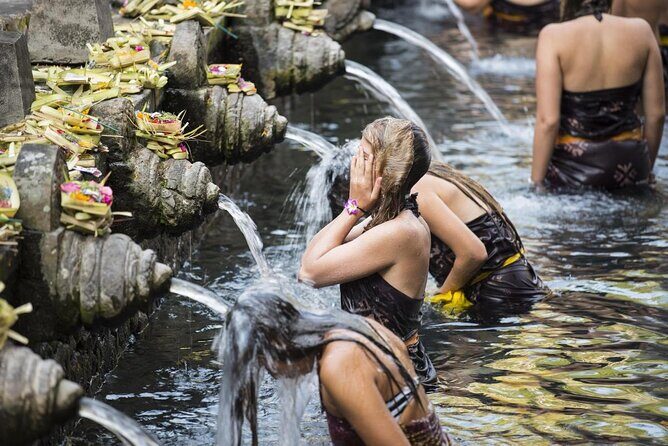
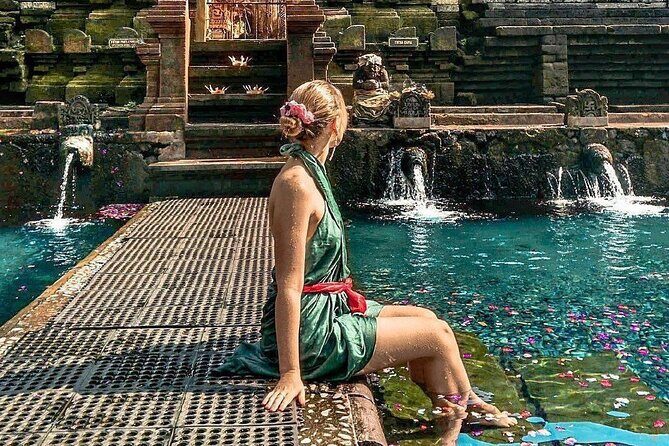
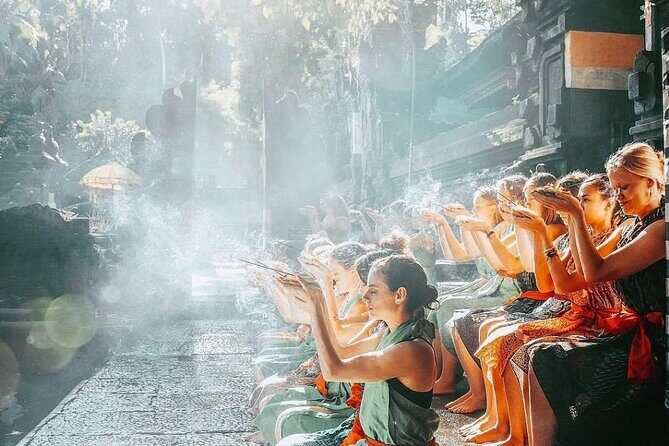
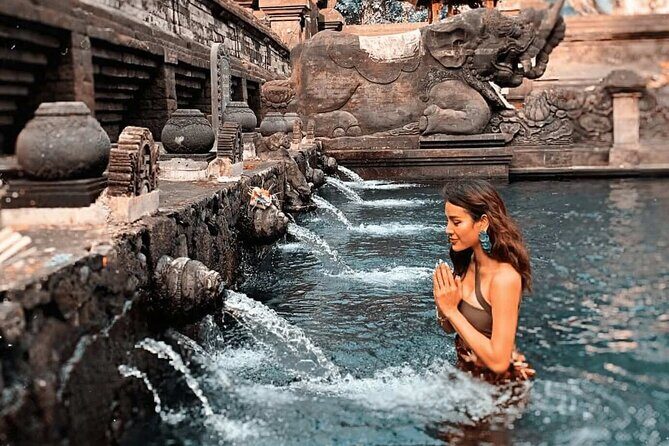
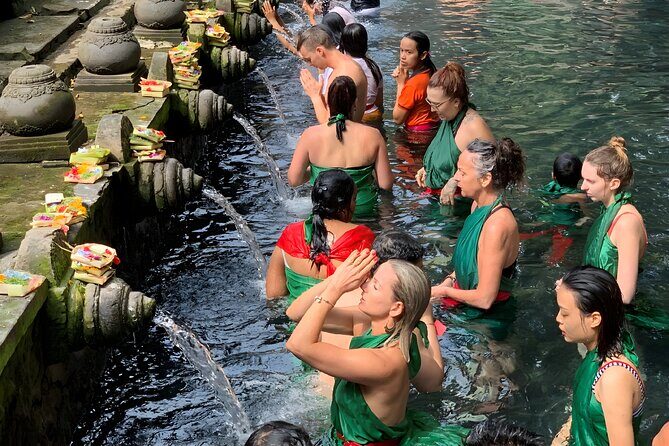
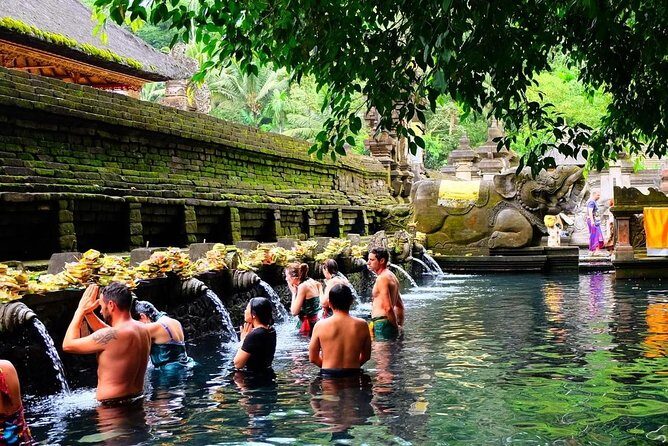
Tirta Empul is one of Bali’s best-known temple experiences. It’s famous for the water spouts used in purification, believed to cleanse the soul and remove sins. At the center of the experience is the Melukat ritual, performed in the holy spring water.

Your time here is listed as about 1 hour (and entrance is included). That’s a realistic length: long enough to experience the flow of the ritual areas, but not so long that you feel stuck in one place.

What to expect at the ritual areas

You’ll be dealing with holy spring water and ceremonial activity. The tour description doesn’t spell out every detail of the process for you, but it does make one thing clear: this is a purification ritual, not just a photo stop. If you want to watch quietly, you can typically do that around the ritual setting. If you plan to participate, be ready for getting wet and following staff guidance on where to go and how to act respectfully.

A smart consideration

Because this is a religious site with a water-focused ritual, it helps to be comfortable with:

  • changing your mindset from “tour mode” to “ceremony mode,”
  • moving carefully around wet surfaces,
  • and keeping your focus on the purpose of the experience.

If you’re the type who gets stressed in crowded, active environments, go in with patience and short expectations: aim for one good experience, not perfection from every angle.

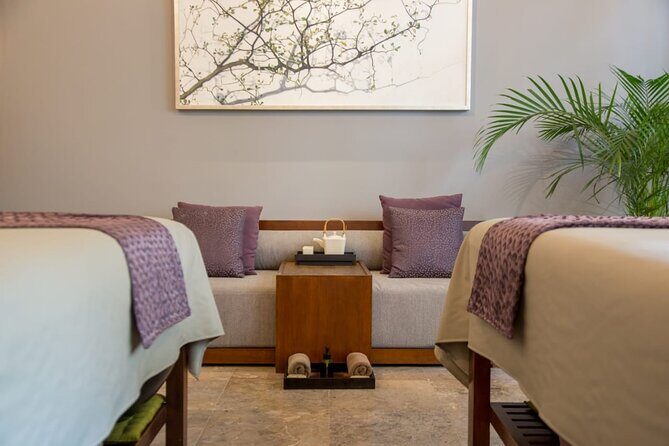
The Ubud Traditional Spa: flower bath + massage for real downtime

Bali Flower Bath, Massage & Tirta Empul Experience (Private & All-Inclusive) - The Ubud Traditional Spa: flower bath + massage for real downtime
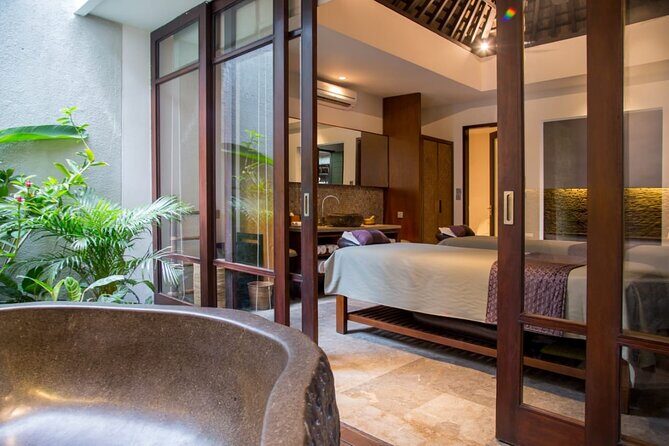
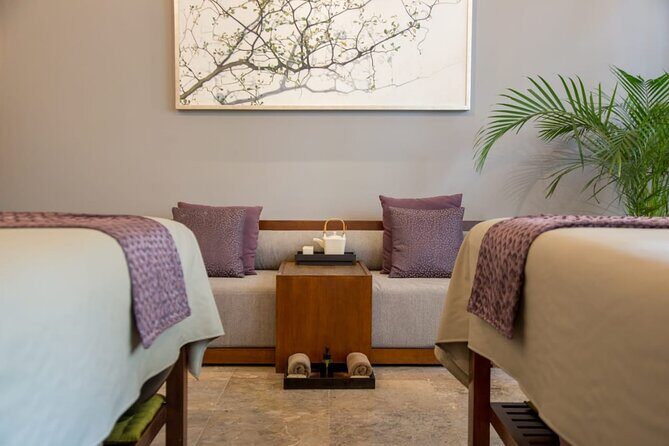
After Tirta Empul, the day turns toward pure comfort. The spa stop is scheduled for about 3 hours, and inside that window you get flower bath and massage total time of 2.5 hours at a 5-star spa setting.

That “2.5 hours” detail is what I care about most. A lot of Bali packages say massage + bath, but the actual time you’re in treatment can be tight. Here, you’re given enough time to actually settle in, not just get started and then immediately get up.

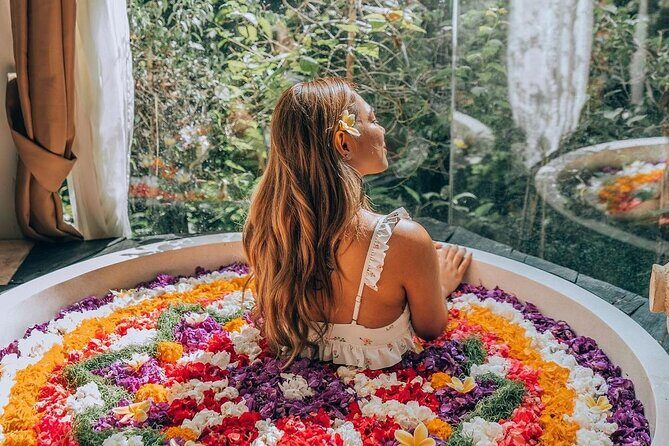
Flower bath: more than pretty photos

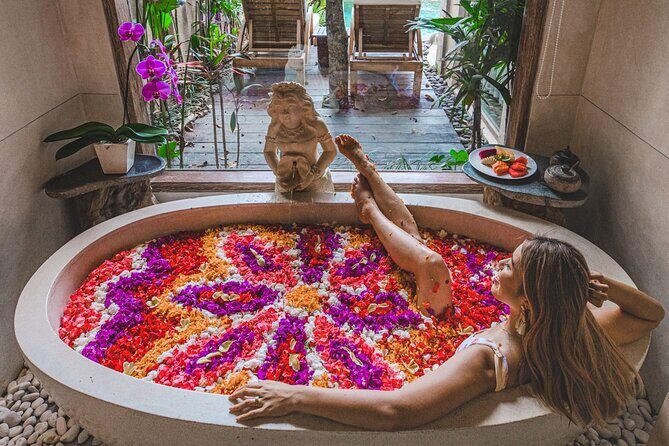
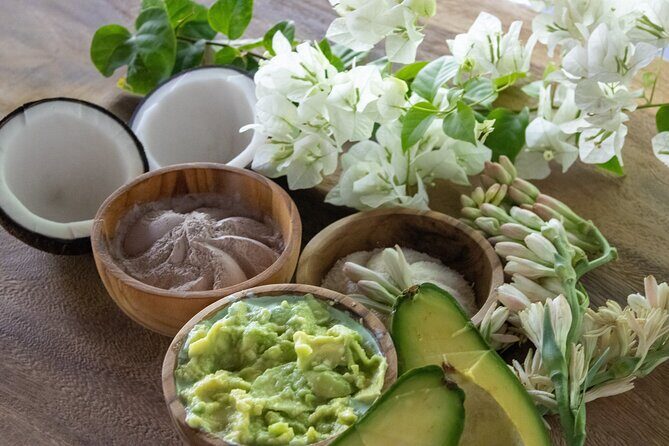
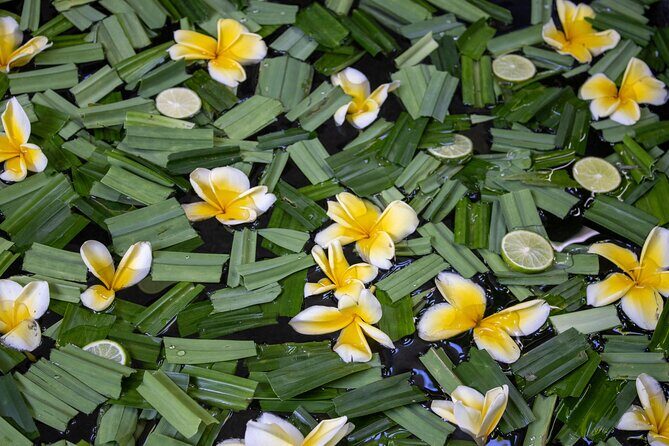
A flower bath in Bali is traditional and ceremonial in spirit, using water and flowers as part of the experience. The listing frames it as part of a rejuvenation flow, and you can expect the experience to feel structured like a real treatment—there’s usually a rhythm to it, not just dipping in for a minute.

Also, one practical benefit from the feedback: people loved that their therapist and staff helped with photos during the flower bath. If you want keepsakes, you can ask ahead (politely) about photo support for your time in the bath.

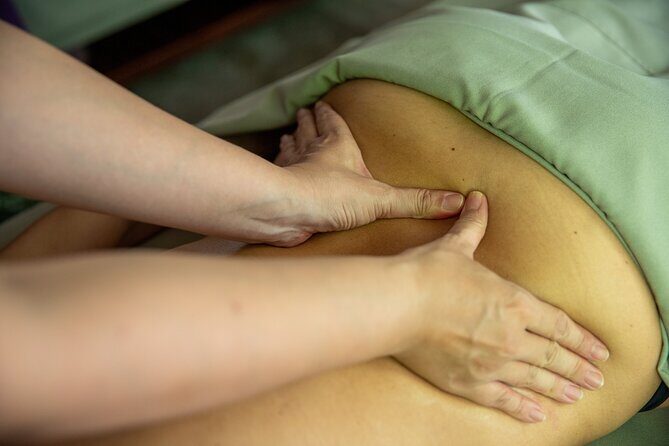
Massage: focus on how you’ll feel afterward

The package includes a massage as part of this same session. Feedback highlights that the massage can be genuinely relaxing, with guides like Agus specifically mentioned in a positive way for making sure people felt taken care of.

Go in with one expectation: this is the part of the day where you want your body to unclench. If you’re doing this after a temple visit, you’ll likely feel the difference right away when you get to the spa calm.

Ubud on the route: market and Campuhan Ridge Walk pass-by

Bali Flower Bath, Massage & Tirta Empul Experience (Private & All-Inclusive) - Ubud on the route: market and Campuhan Ridge Walk pass-by
This isn’t a “stay all afternoon in Ubud” tour. You’ll pass by the Ubud market, pass by Ubud, and pass by Campuhan Ridge Walk.

So what does that mean for you? Think of it as context and atmosphere. You get a glimpse of Ubud life and scenery without the time commitment of a full hike or extended market browsing.

The advantage

If you love Bali but you’re short on vacation days, this kind of pass-by sightseeing is useful. It gives you a sense of place while protecting your energy for the core activities: the spa and Tirta Empul.

The trade-off

If you were hoping for long walks, deep browsing, or a full ridge-walk experience, you’ll need another outing for that. This tour keeps its promise: pampering first, sightseeing as a bonus.

Price and value: what you’re really paying for

Bali Flower Bath, Massage & Tirta Empul Experience (Private & All-Inclusive) - Price and value: what you’re really paying for
At $204 per person, you’re not just buying two attractions. You’re paying for the “glue” between them: private, air-conditioned transport, hotel pickup and round-trip, lunch, bottled water, and all fees and taxes.

Then add the two big-ticket experiences:

  • Tirta Empul entrance (included)
  • Flower bath + massage for a total of 2.5 hours at a 5-star spa, with the spa stop itself scheduled around 3 hours

That’s where the value usually lands for people: you don’t have to coordinate transportation timing between sites, and you’re not hunting for lunch mid-day. When a day is this scheduled, cutting the unknowns can be worth real money.

Demand signal

This is commonly booked about 76 days in advance on average. That doesn’t guarantee your exact experience, but it does suggest it’s a popular “do more, stress less” combo—especially for visitors staying in Seminyak who want a Bali highlight day without extra planning.

The guides: what to look for (and why names show up)

Bali Flower Bath, Massage & Tirta Empul Experience (Private & All-Inclusive) - The guides: what to look for (and why names show up)
The tour experience seems to lean heavily on the guide keeping things smooth. In the strong feedback, you’ll see names tied to the best moments:

  • Aprio, making the last day tour feel special
  • Buddy, described as informative and willing to share local experiences, plus taking great snaps
  • Gusde, praised for friendliness and knowledge
  • Bennie, praised for personality and making people feel extra special
  • Agus, praised for friendly care during the spa and massage experience

That matters because in a day with a temple ritual and a spa treatment, having someone who keeps you on track makes everything easier. Even if you don’t speak the local language, a good guide helps you feel confident about timing, where to go, and how to handle the flow of the day.

If you have preferences, consider asking for a guide by name when booking, like Gusde, since that name came up in recommendations.

A small schedule warning: one day, three moods

Bali Flower Bath, Massage & Tirta Empul Experience (Private & All-Inclusive) - A small schedule warning: one day, three moods
This tour moves through:

1) Tirta Empul Temple (about 1 hour)

2) Ubud spa time (about 3 hours total; 2.5 hours treatment time)

3) Drive-by Ubud sights

So it’s not a slow, wandering day. It’s a “box-checked” day. If you’re the kind of person who likes to linger, you may feel the pressure to wrap up at each stop.

One more thing I think you should be honest about: one feedback note mentioned a mix-up where the spa reservation didn’t match the date/time expected, and the facility was already booked for that slot. The situation was handled with an apology and the day still turned out great. Still, it’s smart to confirm your spa timing once you have your voucher details, so there’s no last-minute scramble.

Who should book this (and who should skip)

This is ideal if you want:

  • a relaxing spa experience without having to plan the treatment and timing yourself,
  • a meaningful temple stop at Tirta Empul instead of only beach time,
  • and private transportation that keeps the day easy from Seminyak.

You might want to skip it if:

  • you want lots of independent time to explore Ubud on foot,
  • you hate scheduled days,
  • or you really don’t want anything involving water-based ritual areas.

If you’re doing Bali for the first time and you want two high-impact experiences with minimal hassle, this fits well.

Quick tips so the day stays comfortable

A few practical things I’d do if I were you:

  • Plan for getting wet at Tirta Empul and handle temple areas respectfully.
  • Bring something simple for after the spa, since you’ll likely want a quick change once the treatments are done.
  • Pace your energy. The day is long enough that you’ll enjoy it more if you go into it rested.
  • If photos matter to you in the flower bath, ask whether staff can help capture moments. The feedback suggests that support can be available.

Should you book this Bali Flower Bath, Massage & Tirta Empul Experience?

Yes, I’d book it if you want a reliable, private day that combines spa pampering + a famous holy-spring ritual and still includes lunch and transportation. The value is strongest for travelers who dislike planning logistics and prefer someone else to handle the timing.

If you’re hoping for a laid-back Ubud exploration day with long stops, you’ll likely need a separate plan after this one. Think of this tour as a calm reset with meaning, not a whole-day free-roam pass.

If your dates line up, it’s a solid choice—especially given the high overall rating (4.9) and that it’s widely recommended based on the available feedback.

FAQ

How long is the Bali Flower Bath, Massage & Tirta Empul experience?

The total duration is listed at about 7 hours 30 minutes.

Is this tour private, and do they pick me up from my hotel?

Yes. It’s a private tour/activity, and it includes private round-trip transportation from your hotel in an air-conditioned vehicle.

What spa services are included?

You get a flower bath and massage. The total treatment time is 2.5 hours at a 5-star spa.

What happens at Tirta Empul Temple?

You visit Tirta Empul Temple, known for water spouts used for purification. The purification ritual is referred to as Melukat and uses holy spring water. Tirta Empul entrance is included, and the temple stop is listed as about 1 hour.

Is lunch included, and does the price cover entrance fees?

Yes. Lunch is included, along with bottled water and all fees and taxes. The entrance fee at Tirta Empul is included too.

Are tips for guides included in the price?

No. Tips for guides are not included.

Can I cancel for a full refund?

Yes. Free cancellation is available if you cancel up to 24 hours in advance of the experience start time for a full refund.

Ubud Highlight Rice Terrace,Waterfall,Temple and Art village

Ubud Highlight Rice Terrace,Waterfall,Temple and Art village - Kanto Lampo Waterfall: Swim Time and Photo-Friendly Views

One day in Ubud, four highlights. This private tour strings together Bali’s green scenery, Hindu temple culture, and hands-on art stops, all with an English-speaking driver-guide and hotel pickup from Seminyak.

I love the practical setup: air-conditioned transport plus all entrance fees and tickets covered, so you’re not hunting for cash all day. I also like the variety packed into the 8 hours, from a waterfall swim/photo moment to Tirta Empul’s holy spring water ritual, then finishing with coffee tasting and local crafts.

One thing to weigh: it’s a long day with several road legs and walking, and the schedule depends on good weather, since outdoor stops can be affected.

Key Things to Know Before You Go

Ubud Highlight Rice Terrace,Waterfall,Temple and Art village - Key Things to Know Before You Go

  • Kanto Lampo waterfall stop with time to swim and take photos around the falls
  • Tirta Empul Holy Water Temple for a close look at Balinese Hindu practice
  • Coffee plantation break with chances to taste coffee, tea, and chocolate
  • Tegalalang rice terrace plus an optional swing roughly 20 meters above the fields (paid on the spot)
  • Art village time for wood carving, art painting, and silver work in the Celuk and Sukawati area

How This Ubud Highlights Route Feels in Real Life

This itinerary works because it follows the way most people actually want to experience Ubud: water and views first, then culture, then the slower craft side of Bali. You start in the rice-country atmosphere around Ubud, hop to a waterfall, move into a temple setting, and come back out for coffee and art.

In practical terms, it’s a smart “greatest hits” day. Kanto Lampo gives you that classic cliff-and-water look. Tirta Empul adds the spiritual layer that makes Bali more than just scenery. And the art village stops let you see how the island turns ideas into objects you can buy or simply watch being made.

The only trade-off is pacing. This isn’t a sit-and-stay day. You’ll likely feel the travel time between stops, even with a private vehicle.

Seminyak Hotel Pickup and an Air-Conditioned Ride for 8 Hours

Ubud Highlight Rice Terrace,Waterfall,Temple and Art village - Seminyak Hotel Pickup and an Air-Conditioned Ride for 8 Hours
Pickup from Seminyak is a big comfort win. You don’t have to figure out local transport or jump between different drivers. The tour includes an air-conditioned vehicle, which matters on Bali’s warmer parts of the day.

Because the total duration is about 8 hours, you’ll want to treat the day like a planned route, not a flexible wandering session. The driver-guide keeps the timing moving between Kanto Lampo, the temple, coffee, rice terraces, and the art villages.

If you’re the kind of person who gets impatient when plans change, a structured route like this can feel reassuring. If you prefer to linger, plan on enjoying each stop for what it is rather than trying to stretch everything.

Kanto Lampo Waterfall: Swim Time and Photo-Friendly Views

Ubud Highlight Rice Terrace,Waterfall,Temple and Art village - Kanto Lampo Waterfall: Swim Time and Photo-Friendly Views
Kanto Lampo is the start of the fun. This stop is built around a waterfall visit that includes time to swim and capture photos. The wording about this being a hidden or less crowded-feeling experience is the point: you’re aiming for a more enjoyable waterfall break than the ones where you constantly feel herded.

Practical tips that make a difference here:

  • Bring or wear water-friendly footwear. Waterfalls can mean slippery rocks.
  • Pack a small towel or quick-dry shirt, if you’ve got room.
  • Expect a bit of effort to get into the best viewpoints.

The best part of this stop is the mix of movement and stillness. You get the active part with swimming, and you get the still part where you can frame photos with the waterfall and rock face in view.

Tirta Empul Holy Water Temple: Culture With a Clear Reason

Next comes Tirta Empul Holy Water Temple, one of the best-known religious sites in the Ubud area. The point of the stop is not sightseeing wallpaper. The goal is to learn about Balinese culture and see what people do there.

This is also where having an English-speaking guide earns its keep. You’ll get more context than you’d get by reading signs alone, especially around why the temple relates to holy water rituals.

A couple of basic ways to keep yourself comfortable:

  • Dress to match religious sites. Use your guide’s instructions as your “rulebook.”
  • Move respectfully and slowly around worship areas.
  • If you’re unsure about what’s permitted, ask before stepping closer.

This temple stop balances the adrenaline of the waterfall. Where Kanto Lampo is water for your camera and your body, Tirta Empul is water for devotion, with people treating the space seriously.

Coffee Plantation Break: Coffee, Tea, and Chocolate Tasting

You’ll get a coffee break at a local coffee plantation. The tasting includes various kinds of coffee, tea, and chocolate, and it’s timed as a reset before the rice terrace.

This stop is valuable because it slows the day down just enough for most people. After waterfall and temple, your brain needs a pause. Coffee tasting does that while still staying on-theme with Bali’s food and everyday culture.

A simple strategy:

  • Taste thoughtfully, not all at once. Your favorites will show up after a few sips.
  • If you want to buy anything, consider doing it with cash or a plan, since payment methods can vary by place.

Even if coffee isn’t your main interest, the break makes the rest of the day more enjoyable, especially when you’ll later stand in the bright open air at Tegalalang.

Tegalalang Rice Terrace and the Optional 20-Meter Swing

Ubud Highlight Rice Terrace,Waterfall,Temple and Art village - Tegalalang Rice Terrace and the Optional 20-Meter Swing
Then you hit Tegalalang rice terrace, one of the most famous rice-field views around Ubud. The scenery is the headline here, and it’s the kind of place that makes you pause without trying.

There’s also the swing option, described as roughly 20 meters above the rice field. The key detail: the swing is a personal expense, so it’s not included in the tour price.

Should you do it? If you like photos and don’t mind height sensations, it can be a memorable part of the day. If you’d rather spend that money on snacks, a drink, or shopping at the end, you can still enjoy the terrace viewpoints without buying the swing.

Either way, plan for sun and dust. This is open-air rice countryside, so bring sunglasses and something to protect your skin. The best photos usually mean walking a little, so don’t count on staying perfectly dry and dust-free.

Art Village Time in Celuk and Sukawati: Wood, Paint, Silver

The final stretch is the art village side of Ubud. You’ll see and experience local crafts like wood carving, art painting, and silver smith work. The route points to the Celuk and Sukawati area in Gianyar.

Why this part matters: Bali art isn’t just souvenirs. It’s craft skill and family work, and the villages are where you can watch that process more directly than in a packaged store.

What to do on this stop:

  • Look for small workshops where artisans are actively making items.
  • If you want something real, ask about the materials and what you’re buying. A guide can help with communication.
  • Don’t feel pressured to purchase. Browsing is still part of the experience.

The art village portion is a nice ending because it brings everything back to hands-on Bali. After water and temples, you leave with objects that reflect the island’s everyday creativity.

Price and What You’re Really Paying For

The price listed is $27.49 per person, for an experience that includes hotel pickup from Seminyak, an English-speaking driver-guide, an air-conditioned vehicle, and all fees and taxes.

The real value isn’t just the low number. It’s what’s included:

  • Air-conditioned transport
  • All ticket and entrance fees
  • Donations and parking fees included
  • Private guide and driver for your group

What’s not included is mainly personal spending. The big named extra is the swing at Tegalalang. You might also spend on snacks, drinks, or keepsakes at the coffee plantation and art village.

This pricing makes sense if you’re trying to avoid “add-on” surprises. If you’re the type who hates surprise costs, this tour’s all-in entry coverage is the part you’ll thank yourself for later.

Timing, Weather, and How to Pack for This Kind of Day

This tour requires good weather. That matters because your most time-sensitive stops are outdoors: Kanto Lampo and Tegalalang rice terrace.

If weather is rough, you’ll likely end up with adjustments or a different date. Your best move is to pack for variability:

  • A lightweight rain layer
  • Water-friendly shoes for waterfall time
  • Sunglasses and sun protection for the terraces
  • A small bag that can handle splashes

Also keep in mind: you’re doing multiple stops in one day. That’s great for variety, but it means fewer opportunities to escape the heat or long lines. The private setup helps here, because your guide can move with you through the day’s rhythm.

Who This Tour Fits Best (and Who Might Want Something Else)

This tour fits best if you want a full Ubud-style day without planning. It’s especially good for:

  • People who want a nature + culture combo (waterfall and Tirta Empul)
  • Anyone who likes an efficient route with an English-speaking guide
  • First-timers who want to see Tegalalang without guessing timing or transport

It may not be the best match if you want a super slow itinerary where you spend lots of time at each place. Since it’s built around highlights, you’ll be moving.

And if you know you dislike heights, skip the swing. The rest of Tegalalang is still worth your time.

Final Verdict: Should You Book This Ubud Highlights Tour?

If you want a practical, value-minded day that covers the core Ubud hits, this is an easy yes. The all-in coverage of entry fees is the deciding factor for many people, plus you get a waterfall, a major holy water temple stop, a coffee tasting break, and an art village finish in one coherent loop.

My only hesitation is the typical one with 8-hour highlight days: it’s active, not slow. If that pace sounds good to you, book it and treat the day like a guided playlist—hit the highlights, then go looking for your own extra time after.

FAQ

Is pickup included, and where does it start?

Yes. The tour offers hotel pickup from Seminyak, and you’re traveling around the Ubud area for the day.

How long is the tour?

The duration is about 8 hours.

Is the tour private?

Yes. It’s a private tour/activity, so only your group participates.

What language is the guide?

The tour includes a private English-speaking driver and guide.

Are tickets and entrance fees included?

Yes. All ticket and entrance fees are included, along with donations and parking fees.

Is the Tegalalang swing included?

No. The swing is available, but personal expenses for the swing are not included.

What do you do at Kanto Lampo waterfall?

You visit Kanto Lampo waterfall, with time to swim and take photos.

What’s included in the coffee break?

You’ll have a coffee break where you can taste various coffee, tea, and chocolate.

What if the weather is bad?

This experience requires good weather. If it’s canceled due to poor weather, you’ll be offered a different date or a full refund.

Is there free cancellation?

Yes. You can cancel up to 24 hours in advance for a full refund.

Mt Batur Camping (sunset & sunrise) – All Inclusive

Mt Batur Camping (sunset & sunrise) - All Inclusive - Camp Life at the Rim: Tent Setup, Dinner, and Volcano-Steam Breakfast

Mt. Batur feels big in every direction.

This all-inclusive camping experience is built around one simple idea: you get sunset and sunrise from the volcano without spending your whole day fighting crowds. You’ll hike up at the right time, camp at the summit area, watch the light change over Bali, then go again early for the sunrise—so you’re often among the last people heading down and the first ones heading up.

What I like most is how little you have to handle. Your guide brings your gear and sets up your tent, and you still get a proper hiking experience with views from the crater rim. I also really appreciate the recovery stop: you descend and then relax your muscles in natural hot springs around Toya Bungkah.

One thing to consider: this is still a volcano hike. You’ll need moderate fitness and good weather, and you’ll be up early the next morning.

Key highlights

  • Sunset + sunrise in one package, so you don’t lose the whole day to early starts
  • Guide-managed camping: your tent is brought and erected for you
  • Hot breakfast cooked using steam from the volcano
  • Hot springs at Toya Bungkah to soothe after the descent
  • Private tour style: it’s just your group
  • Pacing and photos: guides like Subagia are known for humor, check-ins, and great photo moments

Two Volcanic Views From One Camp: Sunset to Sunrise on Mt. Batur

Mt Batur Camping (sunset & sunrise) - All Inclusive - Two Volcanic Views From One Camp: Sunset to Sunrise on Mt. Batur
Mt. Batur is one of those Bali experiences that sounds simple until you picture the logistics: crowds on the mountain, early wake-ups, and the timing pressure to catch the right light. This camping setup fixes that. You hike for sunset, camp near the top, then wake up for sunrise without having to negotiate a separate tour or scramble for the “perfect” summit slot.

The timing is the magic. At sunset, the crater and the surrounding ridgelines catch that late-day glow, and you’ll be watching from a position that lets you feel close to the action without the stress of being stuck in a massive queue. Then you sleep (more or less comfortably, depending on your tolerance for mountain air and tent life) and get the sunrise timing that makes Mt. Batur famous.

And it’s not just about the views. You’re doing a moderate trek that crosses the crater rim area, then descends to Toya Bungkah for hot springs. That adds a real “arc” to the day—effort up, payoff at the top, recovery down.

Meeting Point to Mt. Batur: Easy Pickup and Private Group Comfort

Your day starts with pickup and ends with drop-off back to your hotel area in Seminyak. You’ll ride with an English-speaking driver, and the tour uses a mobile ticket. That matters because it reduces the time you spend figuring things out when you’d rather be planning for a good start time.

This is also set up as a private tour/activity, meaning it’s only your group. On a hike like this, that’s not a luxury detail—it’s a comfort detail. You’ll have fewer “merge points” with strangers on the trail, and you can take breaks without feeling rushed by the pace of a bigger crowd.

The other practical upside is the “already at the top” strategy. Since you’re camping overnight, you’re not traveling back and forth in the dark just to chase sunrise. That saves energy and helps you actually enjoy the experience instead of treating it like a timed mission.

Climbing for Sunset: How the Hike Helps You Dodge the Usual Crowds

Mt Batur Camping (sunset & sunrise) - All Inclusive - Climbing for Sunset: How the Hike Helps You Dodge the Usual Crowds
Mt. Batur sunrise is famous, and with fame comes crowds. This experience aims to shift your position in the flow. You’ll be among the last people to experience the volcano at one end of the day and among the first at the other end. That doesn’t mean it will feel empty, but it does mean you’re less likely to feel trapped in a long stream of people doing the same thing at the same time.

The climb itself is described as moderate, which is important for planning. You’ll want to be comfortable with a steady uphill effort. The trail is scenic, and you’re trekking across the crater rim area before heading back down. Even if you don’t consider yourself an “ultra-hiker,” you should be able to do it with sensible pacing.

One detail I value: the guide experience can make the difference between “this is fine” and “this is enjoyable.” In the tour feedback, the guide Subagia is singled out for being funny, kind, and attentive—checking in often and helping people manage the climb with breaks when needed. If you get a guide with that style, it’s easier to stay focused on the views rather than the effort.

Camp Life at the Rim: Tent Setup, Dinner, and Volcano-Steam Breakfast

Mt Batur Camping (sunset & sunrise) - All Inclusive - Camp Life at the Rim: Tent Setup, Dinner, and Volcano-Steam Breakfast
This is where the tour earns its all-inclusive label. You’re not supposed to bring and manage the heavy bits. The guide brings and erects your tent, so you’re free to focus on the actual hiking and the view. That’s a big deal for most people, because volcano camping tours can quietly turn into an equipment stress test.

Once your tent is set up, dinner is prepared while you take in the sunset over the western sky. That part can feel like a reward you didn’t have to chase. You’re not juggling a meal plan mid-hike. You’re just there—watching the sky change—while the “camp work” happens around you.

Then comes the next morning. You’ll wake up early and have hot breakfast prepared over steam from the volcano. Even if you’ve never thought about volcano steam as a cooking method, the idea is simple and memorable: you’re eating something warm because the mountain is doing what it always does. After that, you’re ready to enjoy the sunrise without feeling wiped out.

If you want a practical tip: pack layers. Mountain weather near the volcano can shift fast, and tent camping means you’ll feel those temperature changes more than you would on a normal hotel tour. Also, bring a headlamp or small light if you have one—night starts and tent mornings can be dim, and you’ll want to move comfortably.

Down to Toya Bungkah and Natural Hot Springs Recovery

Mt Batur Camping (sunset & sunrise) - All Inclusive - Down to Toya Bungkah and Natural Hot Springs Recovery
The descent is where many hikes start to feel like survival. This itinerary turns recovery into part of the experience. After your summit and sunrise time, you’ll hike back down, again across the volcano’s crater rim area, and return toward Toya Bungkah village.

The hot springs stop is the payoff. You’ll soak in natural hot springs to soothe aching muscles after the hike. It’s not a random add-on; it’s the kind of recovery you actually want after two big climbs in a short window (up for sunset and up again for sunrise).

Why this matters: Mt. Batur is the type of hike where you’re using your legs harder than your brain expects. Your knees and calves will feel it. When the tour then gives you a warm place to relax, you end the trip feeling refreshed instead of just tired.

Also, it gives you a better sense of “Bali beyond views.” You’re not only standing at viewpoints; you’re finishing in a local setting where the volcano’s energy shows up as hot water.

What’s Included in the $150 Price (and What You Still Need to Plan)

Mt Batur Camping (sunset & sunrise) - All Inclusive - What’s Included in the $150 Price (and What You Still Need to Plan)
At $150 per person for about 2 days, this tour is priced like a premium experience—but it’s not just because you’re on a volcano. The cost is supported by multiple included items that would normally add up:

  • Pickup/dropoff by an English-speaking driver
  • Dinner and breakfast
  • Bottled water
  • Natural hot spring entry/soak
  • Tent support (brought and erected by your guide)
  • A private group format

The one clear exclusion is lunch, so plan for that meal on your own day timing. Also, the itinerary mentions you’ll drink bottled water, which is helpful when you’re hiking at altitude and don’t want to worry about refills.

About value and timing: the tour is booked around 30 days in advance on average, which suggests it’s popular and not a last-minute “maybe.” If you’re planning around a specific date (especially around clear-weather windows), earlier booking can help you avoid disappointment.

Bottom line: you’re paying for convenience and structure. You’re not managing gear, meals, or the overnight plan. You show up, hike, eat, soak, and go back to the hotel with the hard parts handled.

Weather, Pace, and Fitness: Your Checklist Before You Go

Mt Batur Camping (sunset & sunrise) - All Inclusive - Weather, Pace, and Fitness: Your Checklist Before You Go
This experience requires good weather. Volcano hikes change quickly, and the tour notes that if it’s canceled due to poor conditions, you’ll either be offered a different date or a full refund. That’s exactly what you want on a mountain experience—no tough decision-making on your end if nature doesn’t cooperate.

Fitness level is described as moderate, and it’s not recommended for kids under 7. That tells you the hike is not a stroll. You should be able to handle an uphill trek for a period of time and be ready for early-morning hours.

Also, you’ll be camping. Your comfort depends on your expectations. Tent camping can be totally fine if you pack smart (warm layers, comfortable sleep setup) and accept that it’s part of the deal: you’re trading hotel comfort for a front-row seat on Mt. Batur.

One more thought: the guide quality matters. The best feedback highlights Subagia’s humor, kindness, frequent check-ins, and photo help—plus taking pauses during the climb. A good guide helps you manage discomfort without making it feel like work.

Who This Mt. Batur Camping Tour Fits Best

Mt Batur Camping (sunset & sunrise) - All Inclusive - Who This Mt. Batur Camping Tour Fits Best
I think this tour is a great match if you want:

  • A top Bali hike that includes both sunset and sunrise without extra juggling
  • A more comfortable version of camping where the guide manages the setup
  • Recovery built in through hot springs after the descent
  • A private-group feel so the experience doesn’t turn into a crowd shuffle

It may not be ideal if:

  • You dislike early mornings or camping-adjacent nights
  • You’re looking for a very easy walk (this is described as moderate)
  • You need lunch included and don’t want to plan anything extra

If you’re a couple, a small group of friends, or anyone who wants a “do it once right” volcano experience, this is the kind of structured adventure that works.

Should You Book Mt. Batur Camping for Sunset & Sunrise?

Mt Batur Camping (sunset & sunrise) - All Inclusive - Should You Book Mt. Batur Camping for Sunset & Sunrise?
Yes, if you want real value in timing and effort. The biggest reasons I’d book are simple: you get both sunset and sunrise, and the hard logistics are handled for you—tent setup, meals, and the hot springs recovery.

This is also a good choice for people who care about guide support. The standout feedback names Subagia as especially funny and kind, with frequent check-ins, the ability to pause when needed, and strong photo skills. That matters, because on a volcano, comfort and pacing can be the difference between a great story and a miserable grind.

Just go in knowing two things: weather can affect the plan, and you do need moderate fitness. If that fits you, Mt. Batur’s sunrise and sunset are exactly the kind of reward that makes the trip feel worth it fast.

FAQ

What does the tour include?

It includes breakfast, dinner, bottled water, entry/soothing in natural hot springs, and pickup/drop-off by an English-speaking driver.

Do I need to bring hiking or camping equipment?

No. The guide brings and erects your tent, so you don’t have to handle that equipment yourself.

Is lunch included?

No. Lunch is not included.

How long is the experience?

The duration is about 2 days.

Is hotel pickup and drop-off included?

Yes. Pickup and drop-off are included.

Is this a private tour?

Yes. It’s private, so only your group participates.

What fitness level do I need?

You should have a moderate physical fitness level.

What age is this suitable for?

It’s not recommended for kids under 7 years old.

Is there a hot springs stop after the hike?

Yes. You’ll soothe your muscles in natural hot springs after your descent.

What if the weather is bad?

The experience requires good weather. If it’s canceled due to poor weather, you’ll be offered a different date or a full refund.

TULA Wellness Half Day Experience with Sound Healing

TULA Wellness Half Day Experience with Sound Healing - The 2-course Tula Wellness set: simple, healthy, and not too heavy

Sound can change your afternoon.

This Tula Wellness half day in Seminyak pairs two main ingredients: seven-metal singing-bowl sound healing and a lymphatic drainage massage, with a nourishing meal to close the loop. I like that the sound session is built around chakra alignment (not just relaxing noise), and I like that the massage work is gentle and rhythmic rather than aggressive. One consideration: if you’re sensitive to vibrations, chimes, or light massage pressure, you’ll want to go in with clear expectations.

You’ll do everything in about 4 hours, and it’s scheduled within the Amala Boutique Retreat day window (10:30 AM to 4:00 PM). It’s also a private experience, so it’s quieter and easier to settle in, especially if you prefer your wellness time to feel personal rather than crowded.

Key highlights you’ll actually feel

  • Seven-metal Nepal singing bowls linked to planets, chakras, and specific musical notes
  • A full 1-hour sound session plus a full 1-hour lymphatic drainage massage
  • Chimes (Koshi), Ding Xia, and chakra crystal bowls folded into the sound therapy
  • A choice-based 2-course menu with a re-balancing drink
  • Meet at Amala Boutique Retreat in Seminyak, with a day-friendly time window (10:30 AM–4:00 PM)

Where this half day happens: Amala Boutique Retreat in Seminyak

The experience meets at the Amala Boutique Retreat, Jl. Kunti I No.108, Seminyak. That matters because Seminyak can be busy and spread out, but this setup gives you a clear “wellness base” to transition into. You’re not bouncing between multiple spots—once you arrive, your session unfolds on one schedule and then you head back to the same meeting point.

This is offered Monday through Sunday, with activity hours listed as 10:30 AM to 4:00 PM. The whole thing is about 4 hours, so it’s a nice fit for a Bali day when you still want time for dinner, beach time, or a simple scooter-free evening.

You’ll also get a mobile ticket, and confirmation happens at booking. It’s a private tour/activity, meaning only your group participates, which tends to make the session feel calmer and more adjustable to your pace.

The sound healing hour: 7 metals, 7 chakras, and a lot of specific detail

TULA Wellness Half Day Experience with Sound Healing - The sound healing hour: 7 metals, 7 chakras, and a lot of specific detail
The first part is 1 hour of sound healing. You’ll be guided through the vibrations and tones produced by Nepal singing bowls made of seven metals. The session is explained as chakra-focused work: the bowls create waves of vibration designed to open and align each chakra point.

What I like here is that it’s not vague. The approach connects each chakra to musical notes, colors, body organ locations, and characteristic traits. That’s a lot of “system building,” and if you’re the kind of person who likes knowing what you’re tuning into, you’ll probably appreciate the structure.

The sound toolkit doesn’t stop at the main bowls. You’ll also hear Koshi/chimes, plus seven metal Ding Xia, and seven chakra crystal bowls. In practice, that typically means more layers of tone—higher chime-like accents, deeper bowl resonance, and crystal-bowl brightness—so the soundscape can feel like it’s moving rather than staying flat.

A key point: the session is described as clinically proven to reduce stress, improve depression, better sleep, and enhance immunity. I can’t verify clinical results from a single visit, but I can tell you why it’s a sensible wellness pairing. If your nervous system is already tired from travel, a guided sensory ritual can help you slow down fast. And if you’re there for sleep or stress relief, sound is one of the most direct “off switches” you can try without needing any special equipment.

One practical caution: sound healing relies on sound and vibration. If you’re dealing with migraines, hearing sensitivity, or you simply know you don’t do well with chimes, plan to communicate that early.

The lymphatic drainage hour: gentle, rhythmic, and body-focused

TULA Wellness Half Day Experience with Sound Healing - The lymphatic drainage hour: gentle, rhythmic, and body-focused
After the sound work, you’ll switch into 1 hour of lymphatic drainage massage. The method is described as gentle and rhythmic, designed to stimulate the lymphatic system. The goal is to encourage elimination of toxins and increase blood circulation.

Here’s how I’d interpret that for real life: lymph drainage massage is often sought after long travel days, less-than-great eating, and that “puffy” feeling you can get when your body’s fluid flow slows down. This session doesn’t claim to be a medical treatment, but it is a focused bodywork hour that’s meant to leave you feeling looser and more awake.

Also, the contrast matters. Sound healing is about hearing and vibration. Lymph drainage is touch-based, slower-paced, and often more grounding. That combo can be a good rhythm reset: you get sensory calm, then body movement signals to transition out of rest mode and into recovery mode.

The feedback tied to this part tends to be positive: people describe it as warm and regenerating, gentle but in the right places, with benefits lingering for hours. That’s a strong signal that the session pacing matches what many wellness clients want—no harshness, no rushing.

Still, consider this: massage pressure can vary by practitioner and by your comfort level. If you prefer very light touch, tell the provider right away so the session matches your threshold.

The 2-course Tula Wellness set: simple, healthy, and not too heavy

TULA Wellness Half Day Experience with Sound Healing - The 2-course Tula Wellness set: simple, healthy, and not too heavy
The final 2 hours include a 2-course Tula Wellness set menu plus a re-balancing drink. This is more than just a meal. It’s part of the “recovery loop” of the experience: sound and massage may help you relax and reset, but food is what keeps the day from ending on an empty or overly heavy stomach.

Your meal includes choices in each course:

Starter options

  • Moringa Detox Soup
  • Beetroot Salad

Main course options

  • Eggplant & Veggie Roll
  • Tula Bento

Dessert

  • Goji Berry Pudding

The listing also mentions a re-balancing drink, and that the meal is nutritious and designed to help body rejuvenation and balance electrolytes of the body’s cells. I’d read that as a wellness-minded menu: likely lighter, vegetable-forward, and supportive rather than “Bali blowout dinner” heavy.

Why this matters: after sound and massage work, you may be in a slower, more sensitive state. A balanced meal can help you keep feeling good rather than crashing. And if you’re the type who likes to “eat in line with your plan,” this set menu makes it easy.

A small tip for you: if you’re heading out afterward, try to drink water and keep the rest of your evening gentle. The point of the meal is to sustain that reset.

Timing and flow: how a 4-hour half day usually feels

TULA Wellness Half Day Experience with Sound Healing - Timing and flow: how a 4-hour half day usually feels
With a duration of about 4 hours, your experience is designed as a full arc: settle in, receive sound work, follow with bodywork, then recharge with food.

The day window (10:30 AM–4:00 PM) makes it flexible. If you schedule it earlier, you might feel it as a “set your tone for the rest of the day” moment. If you schedule it later, you can turn it into a calmer landing before dinner.

Because it’s private, you’re less likely to feel rushed or swallowed by a group timeline. That can make a difference, especially for sound healing where your best results come from quiet attention rather than clock watching.

Also, the session ends back at the meeting point, so you don’t have to re-plan transport at the last minute. That’s underrated in Bali. One less logistical stressor makes the wellness part more likely to actually work.

Price and value: what you’re paying for beyond the “nice spa hour”

TULA Wellness Half Day Experience with Sound Healing - Price and value: what you’re paying for beyond the “nice spa hour”
At $148.64 per person, this isn’t a bargain massage add-on. But it’s also not “two separate appointments” that you have to arrange yourself.

What you’re getting for the price is:

  • a full hour of guided sound healing using specific bowl types (seven-metal Nepal singing bowls plus additional instruments)
  • a full hour lymphatic drainage massage
  • a 2-course meal with choice and a re-balancing drink
  • a private format (only your group)

If you price that out in your head as: sound session + massage session + meal package, the total begins to make more sense. The value is really in the combination. Many places do relaxation, but this one also builds a “system” around chakras and then supports it with food.

Still, consider your goal. If you only want a massage, you may find cheaper options. If you’re chasing stress relief, sleep support, or recovery after travel, the full sequence can feel like more than the sum of its parts.

Who should book this (and who should adjust expectations)

This experience fits best if you like structured wellness. You want to know what’s happening, not just lie there and hope for the best. The chakra-and-sound explanation, plus the layered bowl instruments, makes it a strong match for people who enjoy meaning behind the ritual.

It also works well if you want a gentler day reset. The lymph drainage is described as gentle and rhythmic, and the meal choices keep things supportive without feeling heavy.

You might want to think twice or plan modifications if:

  • you’re sensitive to loud chimes or vibration
  • you prefer deep-pressure massage rather than gentle lymph work
  • you’re expecting a medical lymph treatment (this is wellness-focused bodywork, not a clinical procedure)

Practical tips before you go

TULA Wellness Half Day Experience with Sound Healing - Practical tips before you go
Keep these in mind so you get the best outcome from the day:

  • Give yourself a quiet buffer before your session, if you can. Sound healing feels better when your head isn’t already racing.
  • After the massage, take it slow. The sound-and-touch combo can make you feel extra relaxed; don’t immediately rush into a hectic schedule.
  • Wear comfortable clothes you can move in. Even if you’re not doing stretching, you’ll want an easy, calm body feel.
  • If you know you’re sensitive to sound, tell the provider early so they can guide you through the process.

Should you book Tula Wellness in Seminyak?

If you want a half day in Seminyak that actually changes your pace, I’d say yes, book it—especially if you’re interested in sound healing with seven-metal bowls and you also want bodywork plus a wellness-minded meal.

Choose it if:

  • you’re after stress reduction and calmer sleep routines
  • you like chakra-focused explanations and structured wellness rituals
  • you want private, not crowded
  • you want your session to end with something nourishing and balanced

Skip it (or adjust your expectations) if:

  • you dislike sound/vibration-based sessions
  • you only want a massage and nothing else
  • you prefer deep-pressure bodywork rather than gentle lymph drainage

FAQ

What is included in the Tula Wellness half day experience?

It includes 1 hour of sound healing, 1 hour of lymphatic drainage massage, and a 2-course Tula Wellness set menu plus a re-balancing drink.

How long does the experience take?

The duration is listed as about 4 hours.

What happens during the sound healing session?

You’ll have sound healing using seven metals hand made Nepal singing bowls, plus Koshi/chimes, seven metal Ding Xia, and seven chakra crystal bowls, with the session aimed at opening and aligning chakras.

What happens during the lymphatic drainage massage?

You’ll receive a gentle and rhythmic lymphatic drainage massage intended to stimulate the lymphatic system and support elimination of toxins and increased blood circulation.

What are the meal options?

Starters can be Moringa Detox Soup or Beetroot Salad. Main courses can be Eggplant & Veggie Roll or Tula Bento. Dessert is Goji Berry Pudding, plus a re-balancing drink.

Where is the meeting point?

The meeting point is The Amala Boutique Retreat, Jl. Kunti I No.108, Seminyak, Kec. Kuta, Kabupaten Badung, Bali 80361, Indonesia. The activity ends back at the same meeting point.

Is this a private tour?

Yes. It’s a private tour/activity, so only your group participates.

What is the cancellation policy?

Free cancellation is available up to 24 hours before the experience’s start time for a full refund. If you cancel less than 24 hours before, the amount paid is not refunded.

All Inclusive Blue Lagoon Snorkeling with Bali ATV Quad Adventure

All Inclusive Blue Lagoon Snorkeling with Bali ATV Quad Adventure - Seminyak to the ATV start: getting the day moving

Nothing says Bali like mud first, fish later. This combo tour from Seminyak mixes an ATV quad adventure through jungle trails with a Blue Lagoon snorkeling session known for clear water, coral, and colorful marine life. It’s built for a full day, not a slow one.

I love how smoothly the day is put together: private transport and boat transfers mean you’re not stitching together logistics yourself. I also really like the option for tandem riding, so couples can share the ride without splitting up. One thing to consider is that the quad portion is active and messy by design, so wear the right gear and expect getting dirty.

What you’ll love most (and what might annoy you)

All Inclusive Blue Lagoon Snorkeling with Bali ATV Quad Adventure - What you’ll love most (and what might annoy you)
First, the ATV route runs the show with variety. You’re in for up-and-down trails to a high hill, plus stops you’ll actually notice like waterfalls, a tunnel, muddy sections, rice fields, rivers, and jungle and forest scenery. Second, the snorkeling time feels efficient: gear is included, the water is clear, and you get time at the Blue Lagoon area with a good shot at turtles if conditions cooperate.

The only real drawback is timing and stamina. It’s an 8-hour day, and you’ll switch from physical quad riding (including mud) to snorkeling, which means you’ll want a good breakfast and you may feel the day later, especially in the heat.

Key highlights you should know

All Inclusive Blue Lagoon Snorkeling with Bali ATV Quad Adventure - Key highlights you should know

  • ATV route packed with variety: waterfall, tunnel, rice fields, rivers, jungle, forest, and muddy stretches
  • Blue Lagoon snorkeling focus: clear water, coral, colorful fish, and sometimes a turtle
  • Gear and transfers included: snorkeling equipment plus boat transfers so you don’t manage details
  • Tandem ATV option for couples: ride together on one quad
  • Lunch and pickup included: a real time-saver on a long day

Seminyak to the ATV start: getting the day moving

All Inclusive Blue Lagoon Snorkeling with Bali ATV Quad Adventure - Seminyak to the ATV start: getting the day moving
Most combo tours sound good on paper. This one works because you start with energy and end with calm water. You’ll get pickup offered, and the idea is simple: your driver brings you from your Seminyak-area hotel area to the quad start, then keeps things flowing all day.

One review called out how the driver handled a tricky pickup situation at 7am and worked with the group to find an accessible pickup point. The point for you: show up where your meeting spot is actually easy to reach, even if you think it should be “close enough.” If your lodging has narrow lanes or hard access, confirm an alternative pickup point early.

From there, plan to get your first real view of what makes Bali “Bali” beyond the beaches: green terrain, winding roads, and rural scenery as you head into the adventure zone.

ATV quad adventure: where the adrenaline (and mud) happens

All Inclusive Blue Lagoon Snorkeling with Bali ATV Quad Adventure - ATV quad adventure: where the adrenaline (and mud) happens
The quad riding is the heart of the day, and the duration matters. You’ll ride for about two hours, with trails that go up and down and include a lot of eye-catching natural features. Expect a mix of tight sections, wider jungle stretches, and scenery stops along the way.

Here’s what you’ll likely pass:

  • Waterfalls
  • A tunnel segment
  • Muddy parts (yes, plan for it)
  • Rice fields
  • A river area
  • Jungle and forest scenery
  • High hill trail riding with fun changes in elevation

Those details matter because they change the feeling of the ride. You’re not just making laps on dirt. You’re moving through different environments, so the time stays interesting. And because it’s a combo, you get a strong reset afterward: switch from “grip the handlebars” to “look at fish.”

Single vs tandem ATVs: choose how you want to share it

You can choose between:

  • Single ride: one bike, one person
  • Tandem ride: one bike, two people

If you’re traveling as a couple, tandem often makes more sense than splitting up. It keeps you together and avoids the awkward “one of us did the best parts and the other watched” problem. If you’re going with friends and everyone wants different comfort levels, single rides can be better.

Practical note: dress like you mean it

You’re told to expect mud during the ride, so I recommend:

  • Wear quick-dry clothes you don’t mind ruining a bit
  • Closed-toe shoes with grip (slip risk after mud)
  • Bring a change of clothes if you can

The tour provides a packed day, not a laundry service.

The ride to snorkeling: the calm shift you’ll feel

All Inclusive Blue Lagoon Snorkeling with Bali ATV Quad Adventure - The ride to snorkeling: the calm shift you’ll feel
After quad time, you’ll transfer toward snorkeling. This is where the tour setup helps: you’re not driving your own boat route and you’re not figuring out gear and timing. Your day includes transport, and the snorkeling part includes boat transfers.

Switching gears is more than a mood change. It’s about friction. Your legs are likely tired from riding. The heat may still be on. So having transfers handled means you can focus on the next step: snorkeling.

You’ll also find it helps to drink water after the quad ride. Don’t wait until you feel wiped.

Blue Lagoon snorkeling: coral, clear water, and the turtle possibility

All Inclusive Blue Lagoon Snorkeling with Bali ATV Quad Adventure - Blue Lagoon snorkeling: coral, clear water, and the turtle possibility
The snorkeling portion is centered on Blue Lagoon beach. The big draw is visibility and what you see once you’re in. The water is described as clear, and the setting includes coral and a lot of colorful fish.

You’ll get:

  • All snorkeling gear included
  • Guidance on the snorkeling spot (the tour is positioned as one of the best snorkeling locations in Bali)
  • Time in the water long enough to actually enjoy it

A couple of reviews mention two snorkeling stops, with about one hour in each. The snorkeling focus is still very much tied to the Blue Lagoon area, but the program seems to allow two underwater sessions as part of the full day. The exact mix can vary with conditions, so don’t assume it’s always only one beach.

What to look for underwater (so you don’t just float)

When the water’s clear, your biggest mistake is drifting and staring at the surface. Instead, give yourself a simple mission:

  • Look at coral edges for fish activity
  • Watch for movement around the reef line
  • Slow down. If you rush, you’ll miss the fun stuff

You might also see a turtle if you’re lucky. That’s not something you can plan, but it’s part of what makes people talk about this spot.

Time and comfort: why gear matters

Because gear is included, you don’t have to rent mid-day or stress about fit. A good mask fit makes snorkeling much more pleasant. If something feels off, adjust it right away before you get far from shore or the boat.

The overall snorkeling time is structured enough that you won’t feel like you blinked and it was over.

Lunch and the “what keeps the day easy” factor

All Inclusive Blue Lagoon Snorkeling with Bali ATV Quad Adventure - Lunch and the “what keeps the day easy” factor
A full-day combo needs a few anchors. For this one, lunch and transport are included, which matters more than it sounds.

Why? Because buying food separately during a day like this is where budgets and schedules get messy. With lunch built in, you can time your meal around transitions: after the quad, before you hit the water, and before you head back.

Also, the tour is described as private—only your group participates. That usually means less waiting around for unrelated strangers and fewer language-speed bumps. Your driver stays close throughout the day, which is exactly the kind of calm you want when you’re doing something active in the morning and something water-based later.

Value for $70: what you’re really getting

All Inclusive Blue Lagoon Snorkeling with Bali ATV Quad Adventure - Value for $70: what you’re really getting
At $70 per person, you’re not paying for two separate tours and then trying to stitch them together. You’re paying for a day where ATV time, snorkeling gear, boat transfers, and included lunch are bundled.

You can think of it like this:

  • ATV time gives you a structured two-hour adventure with scenic variety
  • Snorkeling time gives you a focused underwater session at Blue Lagoon with clear water
  • Gear + transfers remove the biggest headaches
  • Pickup and a private-group setup reduce waiting and confusion

The “value” part isn’t just the price. It’s the fact that the hard parts are managed for you.

One more practical value point: this is often booked about 27 days in advance. That suggests demand. If you’re traveling during a busy season or on a tight schedule, booking earlier can help you get the time slot that fits your day.

Who this tour fits best (and who should think twice)

All Inclusive Blue Lagoon Snorkeling with Bali ATV Quad Adventure - Who this tour fits best (and who should think twice)
This combo is ideal if you:

  • Want one day to include both adrenaline and real snorkeling
  • Like active sightseeing more than just beach lounging
  • Travel as a couple and want to ride together via tandem ATVs
  • Appreciate a driver who stays with you and keeps the day moving

You might think twice if you:

  • Hate getting muddy (you should still expect it on the quad)
  • Prefer slow, low-effort days with long, lazy breaks
  • Have a fragile sense of timing. This is an 8-hour day with multiple transitions.

Weather and conditions: the part you can’t control

This experience requires good weather. If it’s canceled due to poor conditions, you’ll be offered a different date or a full refund. That matters because ATV and snorkeling both depend on conditions—bad weather can make trails unsafe and water visibility worse.

Also, there’s a minimum number of travelers requirement. If the minimum isn’t met, the experience may be rescheduled or refunded. If you’re traveling solo or in a small group, double-check how many people are typically needed on the operator side before you get emotionally attached to one specific date.

Should you book it?

Yes, if you want a well-run ATV + Blue Lagoon snorkeling day in Seminyak that doesn’t require you to manage equipment, transfers, or timing. The combination is the point: you get a packed scenic ride through waterfalls, tunnels, muddy trails, rice fields, and jungle/forest scenery, then switch to clear-water snorkeling with gear included and a chance at turtles.

I’d skip it only if you strongly dislike mess, you want a gentle day, or you’re the type who needs long downtime between activities.

If your schedule is flexible and you’re okay with a full day, this is the kind of Bali outing that leaves you with two kinds of memories: the mud-on-your-boots kind and the fish-in-clear-water kind.

FAQ

How long is the ATV and Blue Lagoon snorkeling tour?

It runs about 8 hours (approximately).

Is pickup included from Seminyak hotels?

Yes, pickup is offered.

What snorkeling gear is included?

All snorkeling gear is included.

Do I get boat transfers for snorkeling?

Yes, boat transfers are included as part of the snorkeling portion.

Can couples ride together on the ATV?

Yes. You can choose a tandem ride (one bike for two people), or a single ride.

Where does the snorkeling happen?

The snorkeling is at Blue Lagoon beach.

Is lunch included?

Yes, lunch is included.

Is this tour private or shared with other groups?

It’s private. Only your group participates.

What is the cancellation policy if weather is bad?

You can cancel for free up to 24 hours in advance for a full refund. The experience requires good weather, and if it’s canceled due to poor weather, you’ll be offered another date or a full refund.

Ubud Village, Waterfall and Kintamani Volcano Tour

Ubud Village, Waterfall and Kintamani Volcano Tour - Private pickup from Seminyak: the start that sets the tone

Ubud in a single day can feel intense, but this one actually makes sense. You’ll hit the big spiritual stops and the big nature stops, then finish with Ubud Palace and the Art Market, all with door-to-door private transport. The best part is the mix: Lake Batur and Mt. Batur views at lunch, plus Ubud’s temples, rice terraces, and the Monkey Forest under the same day plan.

Two things I love about this tour are the pacing and the people part. Your driver/guide handles the driving, timing, and English explanation, and in real life that’s what turns a long checklist into an enjoyable route. Also, guides like Gede and Ardika show up as real pros on the cultural side, and that makes places like Tirta Empul feel more grounded than a quick photo stop.

One possible drawback to plan for: it’s a long day (about 9 to 10 hours), and the schedule depends on good weather. If the conditions are poor, the tour can be adjusted or rescheduled, so keep your next day in Bali flexible.

Key highlights worth your time

Ubud Village, Waterfall and Kintamani Volcano Tour - Key highlights worth your time

  • Tegenungan Waterfall in a classic Bali setting with a short visit that still feels like a real stop
  • Tirta Empul Temple plus the holy spring area, a key Hindu cultural experience
  • Kintamani highlands and Mt. Batur caldera views from the cooler mountain air
  • Tegalalang Rice Terrace viewpoints timed as part of a tight, efficient loop
  • Ubud’s core landmarks: Monkey Forest, Ubud Palace, and the Art Market
  • Lunch with Lake Batur and Mt. Batur views as a true reward mid-day

Price and logistics: what you’re paying for in Bali

Ubud Village, Waterfall and Kintamani Volcano Tour - Price and logistics: what you’re paying for in Bali
At $70 per person, this is priced like a full-day highlights package, not a short hop-around. You’re paying for convenience and structure: pickup and drop-off from Seminyak, an air-conditioned vehicle, and your entrance fees already handled.

The private part is also the value lever. Since it’s just you and your group in the car (no mixing with random strangers), you get fewer awkward “wait for others” moments. In tours like this, small timing delays add up. Here, the private vehicle helps keep the day moving without feeling rushed.

Plan for a long stretch of driving. Bali’s roads can be slow, especially when you’re moving between Ubud and the Kintamani side of the island. If you hate car time, this tour may feel like too much. If you’re okay trading a bit of road time for big variety, you’ll likely enjoy it.

Private pickup from Seminyak: the start that sets the tone

Ubud Village, Waterfall and Kintamani Volcano Tour - Private pickup from Seminyak: the start that sets the tone
Your day begins with hotel or villa pickup and round-trip private transfers. That door-to-door service matters more than it sounds, especially in Ubud-style sightseeing where you’re bouncing between different zones.

You’ll travel in an air-conditioned vehicle, which is a lifesaver in Bali heat. And the driver is listed as an English-speaking guide, meaning you should get more than directions. People in the driver seats, including Raj, Gede, and Ardika, stood out for safe driving and real explanations about local customs.

Tip for your comfort: wear easy layers. The weather can shift from warm coastal areas to cooler highlands near Kintamani, and your day includes both.

Tegenungan Waterfall: famous, but still worth the stop

Tegenungan Waterfall is one of Bali’s widely known waterfall visits, and the reason is simple: it’s scenic and easy to reach as a day-trip anchor. You’ll have about one hour here, including time for photos and walking around the viewpoint areas.

A practical detail from the real-world feel of this stop: there’s mention of a bridge you can take to get across toward the river area. That helps you get a slightly different angle from the main viewpoint, and it’s often what turns a quick waterfall photo into a more memorable experience.

Keep your camera ready, and bring sunscreen. Waterfall mist and strong sun can both hit you in the same hour.

Possible consideration: waterfalls can vary with conditions and crowd levels. If rain has been heavy, paths and viewpoints can feel slippery, and timing can shift slightly.

Tirta Empul Temple: Hindu culture you can actually feel

Tirta Empul Temple is a holy spring temple complex tied to Balinese Hindu belief. You’re there for about one hour, which is long enough to walk the grounds, understand what you’re seeing, and still keep the day on schedule.

This is the stop that often changes how people rate a full-day tour. When your guide explains the good-versus-evil story setting and what the site represents, the visit becomes more than a scenic temple. The driver/guide role here is key, because religious sites in Bali have details that you’ll miss if you only treat it as a photo stop.

What to expect: a slower, respectful pace compared to the waterfall portion. Dress smart casual works as a baseline, but for temples you’ll want to be prepared to cover as needed (the tour lists a smart casual dress code; bring a light layer if you tend to run cold or prefer extra coverage).

Kintamani Highland: Mt. Batur views that anchor the day

Ubud Village, Waterfall and Kintamani Volcano Tour - Kintamani Highland: Mt. Batur views that anchor the day
Then you move into the Kintamani highlands, where the big draw is the caldera view and the Lake Batur scenery below. You’ll spend about one hour at this stop, which is a good length for looking, taking photos, and enjoying the mountain atmosphere.

This area often feels like a natural “reset.” After temples and waterfall time, the Kintamani stop gives you space for wide views and fewer close-up distractions.

Here’s the standout benefit for your lunch: the tour includes a buffet lunch with views of Lake Batur and Mt. Batur (when the buffet lunch option is selected). That means you’re not just eating on the go. You’re eating while the landscape does the work.

Weather note: this is one of the spots most affected by cloud cover. If the view is blocked, you’ll still get the experience, but the wow factor can drop.

Tegalalang Rice Terrace: the Balinese postcard with real context

Tegalalang Rice Terrace is one of Bali’s signature sights, and it’s not just a backdrop. You’ll spend about one hour here, and the terraces are tied to local history through a revered holy man named Rsi Markandeya (as described in the tour notes).

Why I like this stop on a structured day tour: it’s easy to understand once you’re there. Your guide can point out how terracing works and how it fits into Balinese life, not just how it looks in photos.

The terraces can be busy, but the visit time is built in so you can look around without feeling like you’re being herded.

Practical tip: bring sunscreen and wear footwear with grip. The area can have slick or uneven ground depending on recent rain.

Sacred Monkey Forest Sanctuary: close encounters, set expectations

Next up is the Sacred Monkey Forest Sanctuary, a small forest area centered right in Ubud. You’ll have about one hour here.

The point of this stop is the contrast: after open views and temples, you step into a living mini-ecosystem with monkeys and tropical greenery. The tour notes it as a rain forest area, and that can feel different in temperature and humidity.

Respect the monkeys. Don’t treat them like props. Keep your belongings controlled and avoid sudden movements. This is the kind of place where your safety and comfort are mostly about your common sense.

Ubud Palace and the Art Market: where the day turns into shopping and culture

Ubud Village, Waterfall and Kintamani Volcano Tour - Ubud Palace and the Art Market: where the day turns into shopping and culture
After the heavier sightseeing, you shift to two Ubud “human-scale” stops: Ubud Palace and the Ubud Art Market.

Ubud Palace (Puri Saren Ubud) is a prominent royal landmark right on a main road intersection. You’ll spend about 30 minutes, which is perfect for a quick cultural grounding without dragging your schedule.
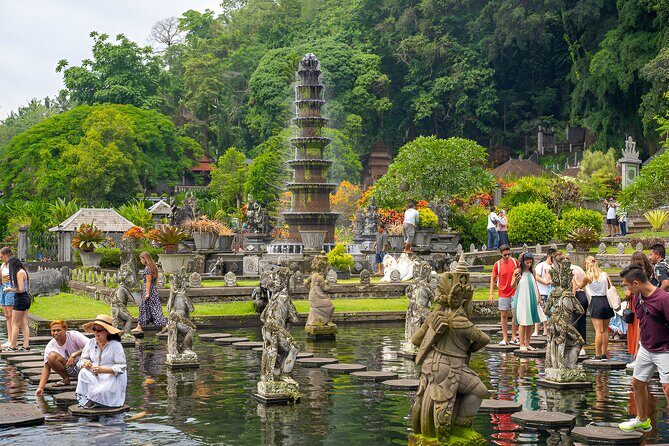
Then you head to the Ubud Art Market for about one hour. This is where you can trade that big scenic day energy for practical souvenirs: wood and rattan handicrafts, plus paintings and smaller knick-knacks.

I like putting the market late in the day. If you buy too early, you end up carrying items all day. Late purchases also let you see what you’re actually interested in after the rest of the day gives you context.

Shopping tip: budget time for browsing, but don’t overthink every stall. If something fits your style and your price range, grab it and move on.

The guides make or break it: what to look for in your driver

This is one of those tours where the driver/guide really shows up in the feedback. People name drivers like Ardika and Gede for being friendly, safe, and tuned into local customs and culture. Another driver, Raj, is praised for being a great driver.

What matters for you is what that adds to the day:

  • clear explanations so you understand why a place matters
  • flexible timing when a stop needs a small adjustment
  • smoother transitions between sites, especially on long road segments

If you book and your guide speaks enough English to answer your questions, you’ll likely enjoy the cultural stops more. You’ll also get better photos because you understand where to stand and when.

The one complaint to take seriously: lunch quality and hydration

One review standout wasn’t about the sights. It was about the lunch being underwhelming at the venue, even though the location had great views.

That doesn’t mean your lunch will be bad, but it does mean you should manage expectations. The tour notes lunch as an Indonesian buffet with a view of Mt. Batur and Lake Batur. If buffet food isn’t your thing, plan to supplement your own snacks.

Hydration is also worth flagging. Another feedback point mentioned not seeing mineral water. Even if the tour handles the main meal, you might want to bring a refillable bottle.

How the full route fits together (and who it suits best)

This tour strings together three categories of Bali highlights:

  • nature: Tegenungan Waterfall, plus Kintamani highlands
  • culture and religion: Tirta Empul, Ubud Palace
  • Ubud experiences: rice terraces, Monkey Forest, and the Art Market

That mix is why it works as a single day. If you only did Ubud’s temples, you’d miss the volcano-zone drama. If you only did volcano scenery, you’d miss the daily spiritual rhythm that makes Bali feel like Bali.

Who I think this suits best:

  • you want a structured best-of day and don’t want to self-drive
  • you like variety—waterfall, temple, terraces, volcano views, then Ubud town
  • you prefer private transport so the day stays smooth and personal

Who might find it less ideal:

  • you hate long car days or tight schedules
  • you’re very picky about buffet lunch quality and want a specific restaurant plan
  • you want very slow travel with lots of free time between stops

Should you book Ubud Village, Waterfall and Kintamani Volcano Tour?

If you’re in Bali for a short stay and want to check off the famous Ubud sights plus Mt. Batur/Kintamani scenery, I’d say this is a solid booking. The price makes sense because it includes entrance tickets and the logistics that usually cost you time and energy when you travel independently.

The decision hinge is your attitude toward two things: a long day and mountain-view-dependent weather. If you’re comfortable with that trade and you care about getting the culture and nature combination right, you’ll likely feel satisfied by the end.

If you do book, go in smart: use sunscreen, bring a camera, and keep a small snack backup in case lunch isn’t your style. And if you get a driver like Ardika or Gede, ask questions. This tour gets better when you actually talk to the person behind the wheel.

FAQ

What is the duration of the Ubud Village, Waterfall and Kintamani Volcano Tour?

It runs about 9 to 10 hours.

Where does the tour start from?

Pickup is offered from Seminyak, with hotel or villa pickup and drop-off.

Is this a private tour or a shared tour?

It’s a private tour, so only your group participates in the vehicle.

What’s included in the price?

Private tour transport in an air-conditioned vehicle, an English-speaking driver/guide, entrance tickets, and buffet lunch if you select that option, plus petrol, parking, taxes, and services.

Does the tour include lunch?

Yes, buffet lunch is included if you choose the buffet lunch option.

Can I request a vegetarian meal?

Yes. A vegetarian option is available if you advise at the time of booking.

What are the main stops on the itinerary?

Tegenungan Waterfall, Tirta Empul Temple, Kintamani Highland, Tegalalang Rice Terrace, Sacred Monkey Forest Sanctuary, Ubud Palace, and the Ubud Art Market.

What should I wear for the tour?

The dress code is smart casual.

What should I bring?

Bring sunscreen and a camera.

Does the tour depend on weather?

Yes, the experience requires good weather. If it’s canceled due to poor weather, you’ll be offered a different date or a full refund.

Best of Bali Jungle Swing with Ubud Sightseeing Tour

Best of Bali Jungle Swing with Ubud Sightseeing Tour - Seminyak pickup and private transport that keeps the day moving

Ubud can feel like a whole world in one day. This private tour strings together temples, jungle scenery, and a proper waterfall break, with a ride planned for you.

You’ll start around the Tegalalang rice terraces, then move through sacred sites and viewpoints at a pace that still feels efficient.

I especially love the combination of Tegalalang’s wow-factor views and the included jungle swing time. And I like that you’re not bouncing between stops on your own—you get a private driver-guide, so the day feels calmer and more photo-friendly.

One possible drawback: it’s a 10-hour full-day plan. If you’re the type who wants long, slow hangs in one place (instead of hopping), you might feel the pace.

Key takeaways

Best of Bali Jungle Swing with Ubud Sightseeing Tour - Key takeaways

  • Tegalalang rice terraces + swing time: Terraces first, with zip lines and jungle swings available right there, and swing fees included once.
  • Sacred Monkey Forest Sanctuary: A jungle temple complex with macaques, so plan for quick reactions and respectful behavior.
  • Tirta Empul holy spring purification: A real Balinese ritual setting, not just a photo stop.
  • Tegenungan Waterfall break (swim possible): Clear water, a chance to cool off, plus towel refreshments.
  • More than temples: Ubud Traditional Art Market and the Campuhan Ridge Walk add everyday local texture and scenic walking time.
  • Practical guide support: In rain, guides have provided umbrellas, and the driving has been described as careful and safety-minded.

A full-day Ubud plan built for temples, terraces, and a real swim

Best of Bali Jungle Swing with Ubud Sightseeing Tour - A full-day Ubud plan built for temples, terraces, and a real swim
This is the kind of day I like for Bali when you want variety without doing logistics gymnastics. The route is built like a greatest-hits tour of Ubud’s outdoor side: terraced rice fields, jungle temple grounds, a ritual bathing site, and then a big waterfall where you can actually get in the water.

What makes it work is the mix of energy levels. You’ll have moment-y stops (like a ridge walk and the art market), plus longer “stay and look” sections where you can slow down: the Monkey Forest area, the Tirta Empul temple bathing zone, and your time at Tegenungan. It’s also a private setup, so your driver-guide can help keep the pace comfortable for your group instead of funneling everyone through the same scramble.

And yes, the included jungle swing at Tegalalang is part of the appeal. It turns a scenic viewpoint into something you’ll remember with your body as well as your camera.

Seminyak pickup and private transport that keeps the day moving

Best of Bali Jungle Swing with Ubud Sightseeing Tour - Seminyak pickup and private transport that keeps the day moving
The big practical win here is private transportation with a private driver guide. You’re not piecing together rides or guessing travel times between Ubud-area sights. You’re also less likely to lose time to confusion at intersections or at busy entrance areas.

Pickup is offered, and some guests have been collected from hotels in Seminyak, which makes this feel like a true whole-day plan rather than “figure out how to get there.” On top of that, bottled water is included, and you’ll have lunch covered—small things, but they help when your day stretches out toward 10 hours.

One thing to keep in mind: this is a private tour, so it’s not about sharing space with strangers. That’s great for comfort and flexibility. Still, you’ll be moving between popular sites, so expect crowds at the high-traffic highlights, especially around the Monkey Forest area.

Tegalalang Rice Terrace: the first wow shot and the swing factor

Best of Bali Jungle Swing with Ubud Sightseeing Tour - Tegalalang Rice Terrace: the first wow shot and the swing factor
Your day starts at the Tegalalang Rice Terrace, where the terraced hillside creates that classic Bali “layers” look. This is the stop where the scenery feels like it’s made for photos, but it’s also active and hands-on. You’ll have time to walk through the terraces and take in the greenery, and there are options overhead and around you like zip lines and jungle swings.

This tour includes the entrance ticket, plus once swing fees. That matters because it turns what could be an extra-cost activity into a real, planned highlight. The swing is typically where you’ll spend that “one last thing before we move on” energy—good timing right at the beginning of your day, when you still have fresh legs and the light can be forgiving for pictures.

A practical tip: wear shoes you can trust on uneven paths. Terraces can mean loose ground, stairs, and slippery spots after humidity or rain. And bring sun protection even if clouds show up—this area can still roast you while you’re standing still waiting for your turn.

Sacred Monkey Forest Sanctuary: temple grounds with real macaques

Best of Bali Jungle Swing with Ubud Sightseeing Tour - Sacred Monkey Forest Sanctuary: temple grounds with real macaques
After Tegalalang, you head to the Sacred Monkey Forest Sanctuary, a Hindu temple complex in the jungle environment where macaques live. This stop is famous for the monkeys, but it’s also a sacred site, so you’ll be moving through an active space with religious structures and areas where people come to pray.

What I like about this stop on a guided day is that your guide can help you stay calm and respectful. A smooth visit here is less about trying to control the monkeys and more about not provoking problems. Keep bags closed, avoid sudden moves, and be mindful about anything in your hands—food, phones, sunglasses. Monkeys are quick, and the fastest way to turn a cool experience into a stressful one is to get too friendly or too careless.

Also, plan for a bit of chaos. It’s part of the appeal. Just accept that you’ll adjust your timing a little. Some areas are crowded at peak times, so if you prefer quiet photos, you’ll get better results by moving with your guide and not lingering in the first busy pocket you see.

Tirta Empul Temple: the ritual bathing area is the main event

Best of Bali Jungle Swing with Ubud Sightseeing Tour - Tirta Empul Temple: the ritual bathing area is the main event
Next is Tirta Empul Temple, known for a bathing area filled with holy spring water used for ritual purification. This is the most “meaningful” stop in the sense that you’re stepping into a living practice, not just sightseeing architecture.

You’ll have 2 hours here, which is a good amount of time. It gives you space to find where you can observe respectfully, take photos only where it makes sense, and avoid feeling rushed through something that’s more about ceremony than scenery.

One caution: a place centered on ritual purification is not the same as a tourist fountain. Follow your guide’s guidance on where to stand and what to wear. Even if you’re just watching, you’ll want to behave like you’re entering a sacred space, because that’s exactly what it is.

And if you’re wondering whether this stop is worth it: it’s the one that makes the whole day feel more than a photo checklist. It grounds the nature-and-fun parts with something genuinely Balinese.

Coffee plantation stop: the culture break inside the ride

Best of Bali Jungle Swing with Ubud Sightseeing Tour - Coffee plantation stop: the culture break inside the ride
The tour description includes a coffee plantation visit. Even though the exact timing isn’t spelled out in the stop list you’ll see, you can expect it to be part of the “between temples and waterfall” day flow, where your driver-guide slows down enough for a short cultural stop.

On Bali, coffee plantation tours can range from educational to overly sales-y, so the value depends on how your guide frames it and how you approach it. The best mindset is to treat it like an introduction: what grows here, what processing looks like, and why coffee is a big part of the local economy.

Practical move: if tasting is offered, go in with a light appetite. You’re also heading toward lunch and then a waterfall swim option later, so don’t stack heavy snacks right before getting in the water.

Tegenungan Waterfall: swim time plus towel refreshments

Best of Bali Jungle Swing with Ubud Sightseeing Tour - Tegenungan Waterfall: swim time plus towel refreshments
Then comes Tegenungan Waterfall, one of the big names for a reason. It’s a “nice big waterfall” with clear water, and the tour includes time to cool off with a swim.

You’ll have about 1 hour here, which is enough time to take pictures, change your plans based on crowd level, and still get in the water without feeling like you’re racing the clock. The tour also includes towel refreshments, which is a welcome detail. It means you’re not scrambling for what to do after you get wet.

A balanced note: swimming at waterfalls depends on conditions like water flow and how the site is being managed that day. It’s not guaranteed like a swimming pool. But the fact that you’re given the option—and the tour includes towels—signals this is designed for that cooling-off break, not just a quick overlook.

Bring a dry bag if you have one, or at least plan carefully where your phone and wallet will go. If rain hits your day, ask your guide about the best timing for photos and the safest areas to step.

Ubud Traditional Art Market: souvenirs with real local texture

Best of Bali Jungle Swing with Ubud Sightseeing Tour - Ubud Traditional Art Market: souvenirs with real local texture
After the waterfall, you shift to the Ubud Traditional Art Market, with 30 minutes allocated. This is the most famous traditional art market in Bali, and that fame comes with the usual mix: lots to see, lots to browse, and a shopper’s energy.

Here’s what makes this stop useful: it’s not just about picking something up. It’s a quick window into how Ubud sells creativity—batik-style crafts, small art pieces, and the kind of handmade goods that are hard to find in tourist-only corridors.

You’ll have enough time to wander and decide what you actually want to carry home. Since it’s only half an hour, don’t plan to turn it into a full shopping spree. Treat it as a taste: look, compare, and only buy what you genuinely like.

Campuhan Ridge Walk: a scenic breather between stops

Next is Campuhan Ridge Walk, about 45 minutes, and this is a good counterbalance to the busier temple and market rhythm. This is a scenic nature walk with plenty of chances to take photos.

What I appreciate about ridge walks on a tour like this is the mental reset. After monkeys and temples, you get open air and easier movement. It’s also where the day becomes more about being outside than being inside a site.

Wear breathable layers if you’re sensitive to weather shifts. Even in Bali, conditions can change fast. And if you’re carrying camera gear, keep an eye on footing and move slowly along the more photo-friendly edges.

Batuan Temple: ancient village temple with a timeline you can feel

The final temple stop is Batuan Temple, described as an ancient Hinduism village temple built in 1010, honoring Wisnu (often spelled as Wisnu in tour descriptions). You’ll have 30 minutes here.

This matters because it gives the day a longer time horizon. Tirta Empul and the Monkey Forest sanctuary feel deeply rooted in present-day rituals. Batuan adds a “this is old old” feeling—an older village temple structure that helps you connect Bali’s spiritual geography to history.

Thirty minutes is just enough time to see the main areas, look at details, and feel the shift in atmosphere. It’s not enough to become an expert, but it is enough for a meaningful finish to the day.

Lunch, water, towels, and the small comforts that make it work

The included extras are more than filler. Lunch keeps you from burning time finding food between stops. Bottled water helps when you’re walking under sun and humidity. Towel refreshments at Tegenungan are a smart inclusion, because getting in the water usually creates chaos right after.

Also, admission tickets are included for the listed stops, and swing fees once are included too. When you price out a day like this on your own, entrance fees, transport, and those “one ticket that becomes three” costs add up quickly. Here, the tour packages those key pieces into one paid day.

Who this tour is best for (and who should think twice)

I’d point you toward this tour if you want:

  • A structured Ubud day that covers major nature and temple highlights without planning
  • An activity day that includes the swing experience, not just viewpoints
  • A private setup with a driver-guide who can help you stay organized across stops
  • A solo-friendly plan where you can move safely and comfortably with support (this has been noted by solo visitors)

Think twice if:

  • You want a slow pace with lots of downtime
  • You strongly dislike monkeys or aren’t comfortable around animals in a jungle setting
  • You’re expecting a casual, laid-back day with long lingering time at each stop

Tips to get better photos and a smoother day

A few small moves can make the day feel easier:

  • Bring something to protect your hands and phone in monkey areas. Keep them close and controlled.
  • Wear shoes that handle stairs and uneven ground.
  • Plan your camera battery charging for the ride breaks, not just the walking parts.
  • If the weather turns, follow your guide’s timing. Some guides have provided umbrellas in rain, which can save your day.

The other practical advantage: private driving means you’re not stuck in the same crowd patterns as buses. You can often time your photo stops better.

Should you book Best of Bali Jungle Swing with Ubud Sightseeing Tour?

If you want a full Ubud highlights day with entrances, lunch, private transport, and a jungle swing fee once bundled in, this is strong value. The route is balanced: terraces and fun early, sacred ritual in the middle, and a cooling waterfall break that gives you something physical to do.

I’d recommend booking this tour if you’re the type who likes checking off “I want to see that” sights, but still wants the day to feel personal. The private driver-guide setup—and the careful, supportive vibe described by different guides—makes it easier to enjoy rather than manage logistics.

Skip it if you’re craving a very laid-back pace or you’re traveling with expectations of a tiny, quiet Ubud. This is a popular route, and you’ll share key stops with other people.

FAQ

What’s the duration of the Ubud sightseeing tour?

The tour runs about 10 hours (approx.).

Is pickup available?

Yes. Pickup is offered, and private transportation is included.

Is this tour private or shared?

It’s private. Only your group will participate.

What stops are included during the day?

The tour includes Tegalalang Rice Terrace, Sacred Monkey Forest Sanctuary, Tirta Empul Temple, Tegenungan Waterfall, Ubud Traditional Art Market, Campuhan Ridge Walk, and Batuan Temple.

Are entrance tickets included?

Yes. Entrances tickets are included for the stops listed in the itinerary.

Is the jungle swing included?

Yes. The once swing fees are included.

Can I swim at Tegenungan Waterfall?

You may swim there. The tour also includes towel refreshments.

Can I cancel for a full refund?

Yes, free cancellation is available up to 24 hours in advance for a full refund. If you cancel less than 24 hours before the start time, the amount you paid will not be refunded.

TULA Wellness Balinese Exotic Fruit Ritual

TULA Wellness Balinese Exotic Fruit Ritual - The 130-minute ritual order: what happens in sequence

Want soft skin without the guesswork? This Seminyak ritual strings together foot care, a traditional Balinese massage, and fruit-based body treatments—all in about 2 hours and 10 minutes to 15 minutes.

I like that it’s designed as a step-by-step sequence, not a random set of add-ons. You start with a calming foot bath, then move through massage, exfoliation, masking, and finishing baths with citrus and flower petals—ending with a sandalwood lotion moisturizer.

My favorite part is that you can feel the staff’s focus on comfort and skill, with therapists such as Ana, Desi, Devi, Tari, Kadek, and Rusma repeatedly named for making the session feel easy and relaxing. The only watch-out: at $142 per person and a full ritual length, this isn’t a quick in-and-out massage—so plan your day around it.

Key highlights you’ll actually care about

TULA Wellness Balinese Exotic Fruit Ritual - Key highlights you’ll actually care about

  • A full ritual flow, not just a massage: foot bath → Balinese massage → fruit-coconut scrub → avocado mask → citrus flower bath → sandalwood finish
  • Therapists are named and praised, including Ana and Devi for relaxing, targeted work like shoulders and back
  • Skin-focused products, including coconut, exotic fruits, avocado, and sandalwood lotion to moisturize after exfoliation
  • Private for your group, so you get your own pace even though it’s in a shared resort/spa setting
  • Convenient Seminyak location at The Amala Boutique Retreat, near public transportation
  • Good value if you want a whole-body reset, not a 60-minute quick fix

TULA Wellness in Seminyak: where the ritual starts to feel real

TULA Wellness Balinese Exotic Fruit Ritual - TULA Wellness in Seminyak: where the ritual starts to feel real
TULA Wellness by The Amala sits in Seminyak at the Amala Boutique Retreat, on Jl. Kunti I No.108. That matters because Seminyak can be loud and busy, and this experience is built to help you shut that off. You’re not just booking a massage chair and hoping for the best—you’re stepping into a wellness setting where the staff clearly treat the session like a ritual.

The timing is another reason this works. The ritual runs around 130 minutes, which is long enough to do real skin and body work, but not so long that it eats your whole day. If you’re in Bali for culture and beaches too, this is the kind of treatment you can schedule as a reset before an evening out.

The 130-minute ritual order: what happens in sequence

TULA Wellness Balinese Exotic Fruit Ritual - The 130-minute ritual order: what happens in sequence
Here’s the rhythm of the treatment, in plain terms:

Stop 1: Foot bath to start the body-downshift

You begin with a foot bath. It’s not just a nice touch; it’s a signal to your system that you’re switching from travel mode to slow mode. Expect a gentle start that helps your legs relax before any hands-and-pressure work begins.

Then: Traditional Balinese massage

Next comes a traditional Balinese massage. This is where the session goes from relaxation to muscle release. From the way therapists are described, the technique tends to focus on comfort and working areas like upper shoulders and the back without making you feel like you’re being handled roughly.

If you carry stress in your shoulders (hi, airplane neck), this is the stage to pay attention to. A good match here often decides whether you feel “meh” or actually relieved by the end.

Scrub: exotic fruits plus coconut for exfoliation

After the massage, you get fully pampered with a scrub made from a combination of exotic fruits and coconut. The goal is straightforward: help rid the skin of dead cells while keeping things gentle.

This is also why the ritual feels different from a standard massage-only appointment. You’re not just loosening muscles—you’re prepping your skin to absorb the next layers of nourishment.

Avocado body mask for softness

Then comes an avocado body mask. It’s meant to keep skin smooth and soft, essentially locking in comfort after exfoliation.

In practice, this kind of step is what makes your skin feel less dry later in the day. If you’ve ever left a massage feeling relaxed but still dry or rough on your arms and legs, this is built to avoid that.

Citrus and flower petals bath for the “float” feeling

Next: a bath with citrus and flower petals. This is the emotional centerpiece. The citrus element gives a fresh, awake vibe, while the flower petals keep it soothing and ceremonial. If you want the ritual to end on a calm note instead of drying out into lotion-only territory, this stage is why the package is memorable.

Final finish: sandalwood lotion moisturizer

To close, you’re finished with sandalwood lotion moisturizer. Think of it as the seal on everything that came before: exfoliation done, mask applied, bath rinse, then a smoothing final layer.

The spa “logic” behind the fruit, coconut, and avocado

The ingredients aren’t random. The ritual is basically a three-part skin plan:

  1. Exfoliate with fruit and coconut scrub to remove dead skin
  2. Recondition with an avocado mask to add softness back
  3. Protect and finish with citrus-petal bath and sandalwood lotion

Why you’ll feel the difference: after massage, your body is already warm and ready. After exfoliation, your skin can actually absorb moisturizing steps instead of just sitting on top. And after a bath, the final sandalwood lotion helps prevent that tight, dry feeling you can get in Bali’s heat.

Also, I appreciate that the ritual is focused on gentle moisturizing rather than the kind of “scorched skin” exfoliation you might get elsewhere. Nothing in the treatment description suggests harshness—this is framed as care: remove dead cells, then gently moisturize.

Balinese massage: comfort-first technique with real muscle payoffs

Traditional Balinese massage is built on more than just rubbing. It’s typically a full-body pressure approach that aims to release tension and restore ease. In this ritual, it’s placed after the foot bath and before the scrub, which is smart.

Why? You want your body relaxed and warmed up before:

  • you move into exfoliation (less sensitive skin),
  • and before you settle into masking and bathing (better comfort).

From the named therapist feedback, the strongest praise clusters around the way the session targets common stress zones—especially upper shoulders and back—with a pace that helps people feel comfortable enough to doze off. That’s a good sign if you’re the kind of person who struggles to relax on vacation.

One thing to keep in mind: if you prefer a very light touch, tell your therapist at the start. The ritual description doesn’t say it’s gentle-only, so it’s worth setting expectations.

The citrus flower bath and sandalwood finish: where the ritual lands

By the time you reach the citrus and flower petals bath, you’re not just done—you’re transitioning into the after-feel: calm, clean, and softened skin.

This part matters because massage-only appointments often leave you feeling relaxed but forgettable once you’re dressed and out the door. The bath and sandalwood finish make this feel like an actual reset. You leave with your senses still tuned in, and your skin feels treated, not just rubbed.

The sandalwood lotion step is a classic finishing move. Lotion after a bath helps your skin stay comfortable instead of getting dry as you return to Seminyak air-conditioning, scooter rides, and evening humidity.

Price and value in real life: is $142 per person worth it?

At $142 per person, you’re paying for a full multi-step ritual—not just a 60-minute massage.

Here’s how I think about value for a ritual like this:

  • If you want a complete body experience (massage + exfoliation + mask + bath), this price starts to look fair.
  • If you only want a basic massage and don’t care about the skin steps, you may feel like the extras are more than you need.

For many people in Seminyak, the sweet spot is booking one “longer” spa session rather than hopping between shorter appointments. This ritual gives you a clear arc and a full-body finish.

Also, you get private tour/activity for your group. That matters because it lets you plan a spa day with your partner or friends without feeling like you’re being herded or rushed. Add group discounts if you’re traveling with others, and the math can get even better.

One more practical plus: a mobile ticket usually makes check-in easier, and the venue is near public transportation, so you’re not forced into complicated logistics to make it happen.

Who this Balinese Exotic Fruit Ritual is best for

TULA Wellness Balinese Exotic Fruit Ritual - Who this Balinese Exotic Fruit Ritual is best for
I’d point you here if:

  • you want a skin-and-body treatment, not just muscle work
  • you’re traveling with someone and want a couples-friendly spa mood (the ritual is often chosen for couples)
  • you’re in Seminyak and want a structured, calm break that doesn’t require planning a whole day around it

You might think twice if:

  • you’re trying to fit a spa into a tight schedule with no buffer time afterward
  • you want only a quick massage style and you’d skip baths and scrub/mask steps

Arrival tips for The Amala in Seminyak

Start at The Amala Boutique Retreat, Jl. Kunti I No.108. Since you’re starting and ending back at the meeting point, treat it like an appointment with a defined rhythm. Give yourself time to arrive a little early so you can settle before the foot bath begins.

And if you’re sensitive to scents, note that this ritual uses citrus and includes sandalwood lotion at the finish. You should still be fine, but it’s smart to mention preferences at the start.

Should you book it? My practical take

If you want one spa booking in Seminyak that feels more like a whole-body ritual than a single service, I think this is a strong choice. The combination of Balinese massage + fruit-coconut scrub + avocado mask + citrus flower bath + sandalwood finish is the kind of sequence that makes you feel taken care of long after you leave.

Book it if:

  • you like structured treatments
  • you’re after visible comfort in your skin, not just muscle relaxation
  • you want a calming, romantic-feeling wellness moment in a Seminyak setting

Skip it only if you’re short on time or you know you don’t want the scrub/bath/mask portion. For everyone else, this is the sort of ritual where the details do the work—step by step, until you feel softer, lighter, and properly relaxed.

FAQ

How long is the TULA Wellness Balinese Exotic Fruit Ritual?

The ritual runs about 130 minutes (roughly 2 hours and 15 minutes).

Where does the experience take place?

It starts at TULA Wellness by The Amala, located at Jl. Kunti I No.108, Seminyak, Bali and ends back at the same meeting point.

What’s included in the treatment?

It includes a foot bath, traditional Balinese massage, a fruit and coconut scrub, an avocado body mask, a citrus and flower petals bath, and finishing with sandalwood lotion moisturizer.

Is it a private experience?

Yes. It’s a private tour/activity, meaning only your group participates.

Is it suitable for most travelers?

The experience notes that most travelers can participate.

What payment or ticket method is used?

You receive a mobile ticket after booking.

Is there free cancellation?

Yes. You can cancel for a full refund up to 24 hours before the experience starts.

Bali Culture and Choose Your Bali Tour Route in Bali with Bali driver-Free WIFI

Bali Culture and Choose Your Bali Tour Route in Bali with Bali driver-Free WIFI - What $30 buys you (and what it doesn’t)

One day in Bali, picked your way. This is a customizable culture route run with a private driver out of Seminyak, mixing monkeys, temple rituals, waterfalls, and seaside scenery—plus free Wi‑Fi so the day doesn’t feel cut off.

I especially love how you can shape the pace. The best parts are the A/C car with bottled water, and the driver-guide who adjusts the order when roads get slow.

The main drawback is simple: 8 to 10 hours goes fast. If you try to do everything, you’ll feel rushed, and some sites can be busy—Monkey Forest roads can get heavy.

Key things to know before you go

Bali Culture and Choose Your Bali Tour Route in Bali with Bali driver-Free WIFI - Key things to know before you go

  • Private driver, A/C, and bottled water make long hops less exhausting
  • Free pickup from your hotel or the airport helps you start clean
  • A choose-your-route menu includes Ubud, Tirta Empul, Uluwatu, Tanah Lot, and more
  • Many stops involve steps and short walks, so wear grippy shoes
  • Entrance tickets and lunch are not included, so budget a bit extra

A choose-your-route Bali day from Seminyak

Bali Culture and Choose Your Bali Tour Route in Bali with Bali driver-Free WIFI - A choose-your-route Bali day from Seminyak
This tour is built for short Bali trips. You’re not locked into one fixed circuit. Instead, you pick what fits your mood—Ubud for rice terraces and art, beach time around Nusa Dua and the southern coast, or temples for sunset and ritual vibes.

That flexibility matters because Bali geography is real. One wrong choice can turn a “quick stop” into a long drive. With a private driver, you can match the route to what you want most and still get back before the day collapses into traffic and fatigue.

If you’re starting in Seminyak, the biggest advantage is how quickly you can change scenery. You can go from street life and cafés to jungle paths with monkeys, then to temple courtyards, then to ocean viewpoints—without the hassle of figuring out routes on your own.

What $30 buys you (and what it doesn’t)

Bali Culture and Choose Your Bali Tour Route in Bali with Bali driver-Free WIFI - What $30 buys you (and what it doesn’t)
The price point is attractive because a lot of the costly “in-between” stuff is handled: private transportation, parking fees, fuel surcharge, and bottled water. In plain terms, you’re paying to move efficiently between places while staying comfortable in an A/C vehicle.

What you should plan for: lunch and entrance tickets are not included. Many of the stops are places where you’ll likely pay admission at the gate, and some attractions involve special platforms or paid viewpoints. Also, you’ll want some cash or card ready for the day’s small purchases—snacks, water refills, and anything you decide on the spot.

So the value is real if you treat it like a “driver-led greatest-hits sampler.” It’s less ideal if you want everything fully included with zero extra spending and no walking.

Why the driver-guide makes or breaks the day

In Bali, the difference between a good day and a great one is often the person behind the wheel.

From the experience stories tied to this service, drivers like Putu, Yoga, Juliana, and Ketut show up with a few repeat strengths: punctual pickup, clear communication about what’s next, and flexibility when your schedule changes mid-day. People also note that drivers help with lunch recommendations and timing so you spend less time guessing and more time looking.

The other practical win is free Wi‑Fi in the car. It’s not just for socials. It helps you check messages, update plans with family, and keep your group aligned when you’re bouncing between multiple areas.

And yes, driving skills matter. Some stops sit in traffic-heavy zones. One Monkey Forest experience even mentions very safe, experienced driving—key when the roads are tight and scooters appear like they spawn from nowhere.

Monkey Forest and Ubud’s art world: the culture starter pack

Bali Culture and Choose Your Bali Tour Route in Bali with Bali driver-Free WIFI - Monkey Forest and Ubud’s art world: the culture starter pack
If your route leans into Ubud, you’ll likely start with Sacred Monkey Forest Sanctuary. This is a tropical rain forest with shady trees, temple structures inside, and a big monkey population—more than 700. The fun part is watching them act like tiny chaos agents: cheeky, quick, and always scanning for attention.

Practical notes:

  • Go with your eyes up, not your phone down. Monkeys move fast.
  • Expect crowds. This part of Bali often feels popular.
  • Give yourself time. Even with a driver, the road approach can be slow.

Then comes the Ubud Traditional Art Market area. This is a good spot to slow down and browse: small farms and rice paddies around town, plus shops selling goods from regional artisans. If you want souvenirs that feel local instead of mass-produced, this is where you’ll start noticing craft styles.

The “culture” takeaway here is that Ubud isn’t just a backdrop. It’s a working landscape of small farms and creative neighborhoods. A driver who understands the flow helps you shop and visit without wasting time between detours.

Tegalalang rice terraces and Tirta Empul’s holy spring

Bali Culture and Choose Your Bali Tour Route in Bali with Bali driver-Free WIFI - Tegalalang rice terraces and Tirta Empul’s holy spring
Next up in many Bali days: Tegalalang Rice Terrace. This area is known for dramatic green paddies and views that look great in daylight. One of the reasons it’s so popular is that there’s a swing option over the fields—very photogenic, and a bit of a production, so plan accordingly.

What I like about this stop is how it reframes “rice” as something living and engineered. Those terraces are not flat decor; they’re agricultural work shaping the valley.

Then shift from scenery to ritual at Tirta Empul Temple. “Holy Spring” is more than a name here. The temple’s bathing structure is associated with purification rituals for Balinese Hindus, centered on holy spring water.

Expect a more respectful atmosphere than at the photo-heavy viewpoints. It’s a good place to see Bali’s spiritual side in action—especially if you’re curious about why certain water rituals matter culturally.

Waterfalls and jungle views: Tegenungan and the climb

Bali Culture and Choose Your Bali Tour Route in Bali with Bali driver-Free WIFI - Waterfalls and jungle views: Tegenungan and the climb
Tegenungan Waterfall is the kind of stop that feels like a reset button. You get a layered waterfall with multiple drops, a viewing point near the entrance, and stairs down to reach closer views. There’s also a climb back up, which can feel like “workout tourism” if you’re not used to it.

This is a stop where the weather matters. If it’s wet and slick, take your time on the steps. The upside is the lush look and the sound of the water, which changes the mood of the whole day.

If you’re someone who hates crowded viewpoint funnels, you might find the experience calmer than the most famous Instagram stops—though it can still get busy depending on the day. A flexible driver helps you time it better.

Beach time on Bali’s south coast: Nusa Dua, Water Blow, Dreamland, Padang Padang

Bali Culture and Choose Your Bali Tour Route in Bali with Bali driver-Free WIFI - Beach time on Bali’s south coast: Nusa Dua, Water Blow, Dreamland, Padang Padang
From Ubud and the temples, the route can swing toward the coast. Nusa Dua Beach is a classic “chill and swim” option: golden-white sand and blue water with an easy “slow down” vibe.

Then you might move to something more dramatic like Water Blow. This spot is created when the ocean waves surge through a narrowing crag under the cliff, shooting water up to about 30 meters high after strong currents. It’s the kind of spectacle that feels loud and alive, but you should treat it like a viewpoint stop rather than something to chase.

Two more coastal names often appear on south-coast routes:

  • Pantai Dreamland, a coral beach with panoramic views and big waves
  • Padang Padang Beach, famous in surf circles for high-quality surf and an annual Rip Curl surfing contest held in July–August

These beaches are best when you’re okay with salt air and sand logistics. They’re not museum stops; they’re “stand, look, walk a little, and enjoy” places.

And if you’re mixing beaches with temples the same day, keep expectations realistic. You don’t want to turn every stop into a sprint.

Uluwatu temple, Kecak fire dance, and the 6pm rhythm

Bali Culture and Choose Your Bali Tour Route in Bali with Bali driver-Free WIFI - Uluwatu temple, Kecak fire dance, and the 6pm rhythm
If there’s one time-based anchor on Bali days, it’s the Kecak and Fire Dance at Uluwatu. The show is performed daily at the temple at around 6pm on the cliff side, outdoors with sunset in the background.

Before the dance, you’ll usually stop at Uluwatu Temple itself, built on the edge of a rocky cliff rising roughly 70 meters over the sea. It’s a stark, scenic setting and a place where the wind makes everything feel more dramatic.

This is one of the best “Bali in one evening” combinations because:

  • you’re at a cliff temple location
  • the show follows a daily schedule
  • the timing naturally creates a sunset payoff

Plan for the practical stuff: bring a layer for the evening, and expect crowds as sunset nears. A smart driver can position you so you aren’t arriving at the loudest moment with no time to settle.

Big icons: Garuda Wisnu Kencana, Handara gate, Tanah Lot, and sunset energy

Some people want temples. Some people want statues. Garuda Wisnu Kencana (GWK) Cultural Park fits the statue crowd. The giant Lord Vishnu riding Garuda is described as about 120 meters high, making it a landmark you can’t ignore.

Then there are photo-focused but scenic stops like Handara Iconic Gate. It’s famous for pictures with a big traditional gate backdrop and green scenery behind it.

For a more iconic temple experience, Tanah Lot Temple is often the go-to. The temple sits on an offshore rock shaped over time by the ocean. If you plan it for late afternoon, you get that classic “island temple by the sea” mood.

If your day includes multiple of these, keep your eyes on the schedule. It’s easy to add one more stop and end up with a late finish. A driver who understands timing helps you prioritize without feeling like you’re skipping “the important one.”

UNESCO rice terraces and lake temples: Jatiluwih and Ulun Danu Beratan

Jatiluwih Green Land is an area of terraced rice fields that follow the contours of the land, framed by Mount Batukaru and Mount Agung. It’s part of the UNESCO cultural heritage listing, which makes it a great pick if you want more than a quick photo stop.

The feel here is slower and more “walkable countryside” than the most concentrated viewpoints. If you’re trying to balance crowds with meaningful scenery, this type of site often hits the sweet spot.

Then there’s Ulun Danu Beratan Temple by Lake Bratan. It sits around 1239 meters elevation, and Lake Bratan comes from a volcanic eruption long ago. The temple setting by the water can feel like a reset from temple-on-a-cliff energy.

Both stops reward a calm pace. If you’re the type who tries to cram every location like a checklist, these are the ones that will make you feel rushed. Give them at least a proper look, even if your day stays packed.

East Bali water palaces and ridge walks: Tirta Gangga, Ujung, and Campuhan

Not every Bali day has to be only beaches and temples. Some routes include Tirta Gangga, a water palace tied to Balinese reverence. It’s described as built in 1948 by the Raja of Karangasem. Expect water features and a garden-palace atmosphere.

Another stop you might see is Ujung Water Palace (also called Ujung Park). It’s a former palace with three large pools, and it’s noted as known by the Dutch East Indies era name Water palace. This area works well if you like peaceful spaces and “less performance, more place” sightseeing.

Back in Ubud, Campuhan Ridge Walk is a classic trek. It’s described as a well-known Ubud walk with sparse crowds and vistas that explain why people keep coming back. This is the kind of stop where you feel your shoulders drop because you’re not constantly navigating temple entry rules and souvenir lines.

If you want to balance your day, pair one “water palace” style stop with one “walkable ridge” moment. You’ll end up with a more human-feeling itinerary.

Big photo stops in Bali’s highlands: Wanagiri, Tamblingan & Buyan, and Lempuyang

Some routes reach into the highlands for viewpoints and gate photos.

Wanagiri Hidden Hills is listed as one of Bali’s best viewpoints, including swings over the lake and bird-nest style features. It’s one of the most Instagrammable spots mentioned in the plan details, so expect camera lines at peak times.

For twin-lake scenery, Tamblingan Lake is described as a panorama of Twin Lakes: Tamblingan and Buyan. It’s scenic but still a “look and breathe” kind of stop.

Then there’s Lempuyang Temple, located on the slope of Mount Lempuyang, with views of Mount Agung over the clouds. This one is as much about the atmosphere as the structure, so if the sky is clear, you’ll likely enjoy it more.

These are the stops that can reward good timing and weather. If conditions aren’t great, your driver can suggest what to prioritize so you don’t waste the whole day waiting in disappointment.

How to fit an 8–10 hour day without feeling wrecked

With this kind of menu, you’ll want to pick a smart theme. Here are three practical ways to avoid burnout:

  • Pick one zone for depth: either Ubud (monkeys, art market, rice terrace) or the coast (Nusa Dua and south beaches) or temple-heavy south (Uluwatu and sunset show).
  • Add one wildcard: something like Water Blow’s spectacle or Handara Gate’s photo setup.
  • Keep stops to what you can enjoy in real time: many places are described as about an hour each, so the day adds up quickly when you consider driving between areas.

Also plan around the show time. If you’re doing the Uluwatu Kecak and Fire Dance, treat 6pm as a non-negotiable anchor.

Finally, wear shoes you don’t regret on stairs. Tegenungan’s steps and cliff-side temple approaches don’t forgive flip-flops.

Should you book this Bali driver route?

Yes, if you want maximum Bali variety in a short time and you’d rather spend your energy watching than planning. The value works best when you treat it like a guided route of experiences: temples for meaning, rice terraces for scenery, beaches for recovery.

I’d skip this approach if you’re trying to do a “see everything in every region” checklist. The drive times between far-flung areas can make an 8–10 hour day feel tight, especially when traffic shows up and crowds gather.

If you book, do one smart thing: tell your driver what matters most. Then let the route reflect that priority. That’s when this kind of day becomes more than a long car ride.

FAQ

Is this a private tour or a shared group?

It’s described as a private tour/activity, meaning only your group participates.

How long is the tour?

The duration is listed as approximately 8 to 10 hours.

Do I get picked up from my hotel or from the airport?

Yes. Free hotel pickup or airport pickup is included.

What’s included in the price?

Included items are bottled water, an air-conditioned vehicle, private transportation, fuel surcharge, parking fees, and free hotel pickup or airport.

What’s not included?

Lunch and entrance tickets are not included.

Is there Wi‑Fi during the tour?

Yes. The experience is noted as having Free WIFI.

Do temples and attractions include admission?

The plan notes indicate admission tickets are not included for the stops, so you should expect to pay for individual entrances as needed.

Does the tour depend on good weather?

Yes. It requires good weather. If canceled due to poor weather, you’ll be offered a different date or a full refund.

What is the cancellation window?

You can cancel up to 24 hours in advance of the experience for a full refund.

Zero Gravity Flotation Therapy in Canggu Bali by Solace Float

Zero Gravity Flotation Therapy in Canggu Bali by Solace Float - Inside the Float Pod: Light and Sound-Proof Quiet

That weightless quiet hits different.

At Solace Float in Canggu, you trade Bali’s buzz for a private, light-and-sound-proof float pod where gravity feels like it’s turned off. I especially like the calm setup (no interruptions, near-silence) and the fact that it’s more than a quick dip: the session is designed for deep relaxation and a slower, clearer mind afterward.

The other thing that impressed me is the attention to comfort and the extras: you get a shower room, helpful amenities (including earplugs and petroleum jelly), plus a post-float zen lounge with refreshments. One consideration: if you’re nervous about enclosed spaces or sensory change, you should plan for a little mental ramp-up before you fully settle.

Key Points You’ll Care About

Zero Gravity Flotation Therapy in Canggu Bali by Solace Float - Key Points You’ll Care About

  • Private, light-and-sound-proof pods that help you tune out and stay comfortable
  • Epsom salt flotation aimed at relaxing muscles and easing pressure on joints and muscles
  • A recovery-focused wellness angle, covering athletic strain, chronic pain, and pregnancy discomfort (with sensible medical judgment on your side)
  • Post-float zen lounge time, plus a complimentary tea ceremony experience and snacks
  • Included amenities like earplugs, petroleum jelly, towel, hair dryer, lotion, and hair oil

Solace Float Location: Canggu Square, Easy to Reach from Seminyak

Zero Gravity Flotation Therapy in Canggu Bali by Solace Float - Solace Float Location: Canggu Square, Easy to Reach from Seminyak
Solace Float is in the Canggu area, but it’s close enough to feel like part of the Seminyak-or-Canggu wellness strip. Your meeting point is Solace Float, No. 8 Canggu Square, units 8–10, on Jl. Pantai Berawa, Tibubeneng, Kuta Utara, Badung Regency, Bali.

The practical win here is timing. The venue lists opening hours from 7:00 AM to 10:30 PM, every day, so you can pick a slot that fits your day: before a busy beach stretch, after a surf session, or as your evening reset when you’re done dealing with schedules.

This is also a private experience. That matters because you’re not sharing a pod with strangers or rushing around for other groups. You’re in your own bubble.

Inside the Float Pod: Light and Sound-Proof Quiet

Zero Gravity Flotation Therapy in Canggu Bali by Solace Float - Inside the Float Pod: Light and Sound-Proof Quiet
The heart of the experience is the float tank in a private pod. The setup is described as light and sound-proof, which is exactly what you want if your goal is to unplug hard. You step in, settle into warm water infused with Epsom salts, and you experience near-weightlessness as the water supports your body.

Warm water and buoyancy do two things at once:

1) they reduce the load on muscles and joints, and

2) they help your body stop guarding itself against gravity and movement.

The pod is designed for stillness. You get your own quiet time, and the goal isn’t entertainment—it’s sensory reset. In the real world, that’s rare. Most “relaxation” in Bali still has music, voices, and scooters outside your window. Here, the point is to make the outside fade.

You’ll also be given comfort items. The included amenities list includes earplugs and petroleum jelly, which is there to make the experience easier on your body and senses. There’s a shower room and after-care items too: a hair dryer, hair oil, and body lotion, plus a towel.

What Flotation Therapy Is Supposed to Do for Your Body and Mind

The pitch for floatation therapy is both physical and mental. The experience description specifically mentions relief for:

  • athletic strain
  • chronic pain
  • pregnancy discomfort

On top of that, it’s positioned as support for relaxation, improved blood circulation, and faster recovery from injuries. I can’t promise medical outcomes, but I can tell you the logic is straightforward: near-weightlessness can reduce pressure, and warmth can help muscles unclench.

The mental benefits are just as central. The experience is also framed as a gateway to:

  • deeper meditation
  • improved sleep quality

And the vibe matches what people are looking for in Bali wellness. One big pattern in the feedback is how quickly the session helps people slow down mentally. First-timers often walk in a little unsure, then relax as soon as they realize there are no interruptions and no constant sensory input.

If you’re carrying stress, that matters. When your nervous system isn’t getting loud signals from the outside, you can feel a kind of mental lightness afterward—more like you’re resetting than performing relaxation.

The Zen Lounge After: Tea Ceremony, Snacks, and a Smooth Landing

Here’s a smart part that many wellness activities skip: you don’t just leave the float and rush back into the day. After the session, you continue into a zen lounge.

Inclusions here are clear. You’ll get:

  • tea / cold-brew / young coconut
  • snacks
  • a complimentary tea ceremony

That post-float time is more than a nice touch. It helps your body come back slowly. After a float, you may feel sleepy, calm, or simply quieter inside. If you have somewhere to be immediately, it can be harder to keep that benefits window.

The amenities list also supports the “land softly” idea. You have a shower room, plus makeup wipes, hair products, lotion, and a towel. So you can leave feeling put together, not like you just walked out of a wet science experiment.

Who Should Book Solace Float (and Who Might Want to Think Twice)

This is a great match if you want a true quiet break. It’s also a good fit for people who like wellness that isn’t complicated.

You’ll probably enjoy it if:

  • you get stress in your body from work, travel, or training
  • you want something more calming than a typical massage session
  • you like guided calm routines, even if you don’t need long meditations
  • you’re curious about floatation but want a supportive, comfortable environment

Feedback themes point to this being especially good for first-timers, including people who feel nervous at the start and then relax once the silence and weightlessness kick in.

One thing to consider: the pod is light and sound-proof, and it’s inside a float tank environment. If you strongly dislike enclosed spaces, do some honest self-checking before you book. You don’t need to be fearless here, but your comfort matters.

Also, the experience notes that most travelers can participate and that service animals are allowed. Still, if you have specific medical conditions, you’ll want to use your own judgment and talk with your care team before doing anything that could affect your body.

Price and Value: $36.53 for a Private, Recovery-Linked Wellness Reset

At $36.53 per person, this can be a very reasonable wellness stop in Bali—especially because it’s not just time in the tank.

You’re paying for:

  • a private float pod session (listed at about 1 hour 30 minutes)
  • a zen lounge with complimentary drinks and snacks
  • a tea ceremony
  • included amenities (towel, earplugs, petroleum jelly, shower setup, hair and body care basics)

The description also mentions up to 2 1/2 hours of uninterrupted bliss. That suggests you can plan around not just “the float,” but a longer calm block depending on how your time is arranged. So if you’re comparing costs, think of this as a half-day reset you can actually finish quickly.

One more value clue: the activity is booked about 9 days in advance on average. That’s a sign people plan this into their Bali rhythm, not as an afterthought. If you want a specific time, booking earlier helps you avoid ending up with a slot that doesn’t fit your schedule.
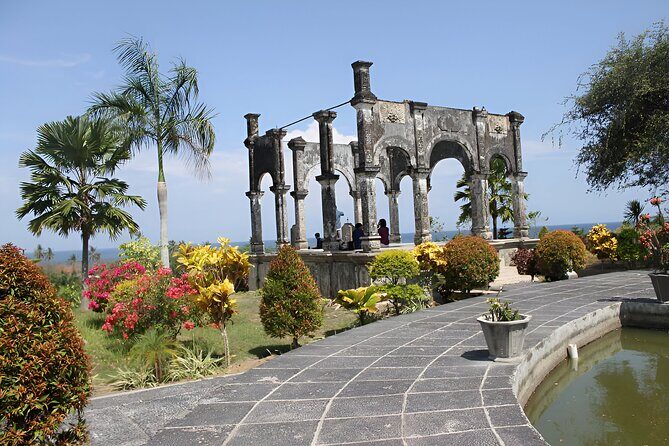
Making It Work with Your Bali Schedule

Solace Float is open early to late, so you have options. If you’re trying to get the most out of the calm, I’d time it when you won’t be rushing right after.

A few timing ideas that usually work well:

  • Morning: easier to follow with a light day, then normal dinner
  • Midday: great if your afternoons in Bali already feel chaotic
  • Evening: perfect if you want that slow, quiet feeling to carry into sleep

Because it’s near public transportation, it’s also not a pain to reach compared with far-flung wellness spots. And since this is private, you don’t need to hover for long waiting times with strangers.

For first-timers, I’d also build in a little buffer. Even when you’re confident, your body might take a minute to settle into stillness.

First-Float Tips: How to Feel Comfortable Fast

Zero Gravity Flotation Therapy in Canggu Bali by Solace Float - First-Float Tips: How to Feel Comfortable Fast
You can’t control how your body reacts, but you can control how prepared you are. Here’s what’s supported by what you’ll be provided and how the experience is set up.

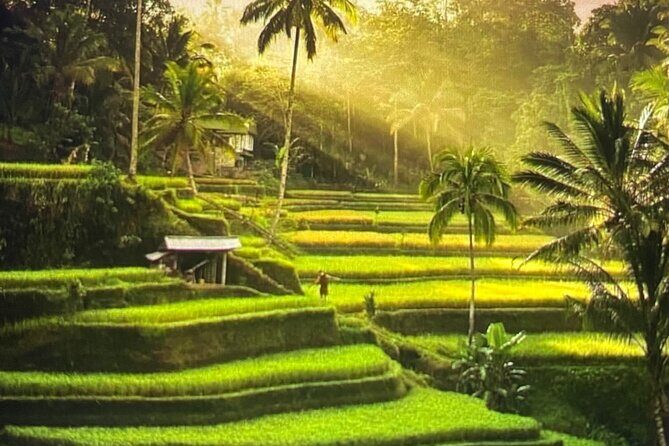
  • Use the earplugs. Even if the pod is sound-proof, earplugs help you treat the experience as truly sensory-free.
  • Plan to use the shower room and take the pre-float rinse seriously. The whole point is comfort and cleanliness, not skipping steps.
  • Expect guidance when you arrive and follow the setup instructions. The experience is built around being in your private pod without interruptions.
  • After the float, take your time in the zen lounge with tea or cold-brew or young coconut. Don’t treat it like a quick snack break.
  • Use the included comfort items for finishing up: hair dryer, lotion, and hair oil. It’s a small thing, but it makes leaving feel normal.

If you’re nervous, that’s not a dealbreaker. People often report feeling anxious at the start and then relaxing quickly once they realize the environment is controlled and quiet.

Should You Book Solace Float in Canggu?

If you want a Bali activity that’s truly about rest, this is an easy yes. Private pods, light-and-sound-proof quiet, Epsom salt flotation, and a calm lounge with tea and snacks make it a complete reset, not just a single moment in water.

Book it if:

  • you’re carrying stress and want your nervous system to downshift
  • you’re dealing with sore muscles or recovery needs
  • you’d like a better sleep routine anchor
  • you like wellness that feels intentional and unhurried

Skip it or think twice if:

  • enclosed, sensory-limited environments make you uncomfortable
  • you want a social, high-energy activity (this is the opposite)

For $36.53, with thoughtful inclusions and a privacy-first setup, Solace Float looks like strong value for a calm day in Canggu.

FAQ

How long is the floatation therapy experience?

The duration is listed at about 1 hour 30 minutes. The description also mentions up to 2 1/2 hours of uninterrupted bliss, so your booked time may vary.

Where do I meet for Solace Float?

You’ll meet at Solace Float, No. 8 Canggu Square, units 8–10, Jl. Pantai Berawa, Tibubeneng, Kuta Utara, Badung Regency, Bali 80361.

What’s included with the float session?

Included items are tea/cold-brew/young coconut, snacks, access to the shower room, and amenities such as makeup wipes, earplugs, petroleum jelly, hair dryer, hair oil, body lotion, and a towel. A welcome drink is also included, plus all fees and taxes.

Is this a private experience?

Yes. It’s listed as a private tour/activity, meaning only your group participates.

Are drinks and snacks provided after the float?

Yes. After your session, you can enjoy the zen lounge, with complimentary tea (plus the listed options), snacks, and a tea ceremony.

What are the opening hours?

Opening hours are listed as 7:00 AM to 10:30 PM, Monday through Sunday.