A helmet lets you walk underwater in Bali. Off Tanjung Benoa, trained guides fit you with an oxygen helmet and run through the safety gear before you head down the stairs. The big win: it’s no certification required, and you can face the reef fish up close without learning scuba skills.
I love the smooth pickup and drop-off option when you choose transfers, plus the staff handles the practical stuff like lockers and shower access. I also really like the in-water support—your guides stay with you the whole time, which makes the whole experience feel controlled instead of chaotic.
The main thing to consider is the photos. Souvenir photos are available to buy, and multiple people note it can get pricey (and sometimes the final product didn’t match the promo expectations), so decide before you commit.
Quick take: why this sea-walking trip is popular
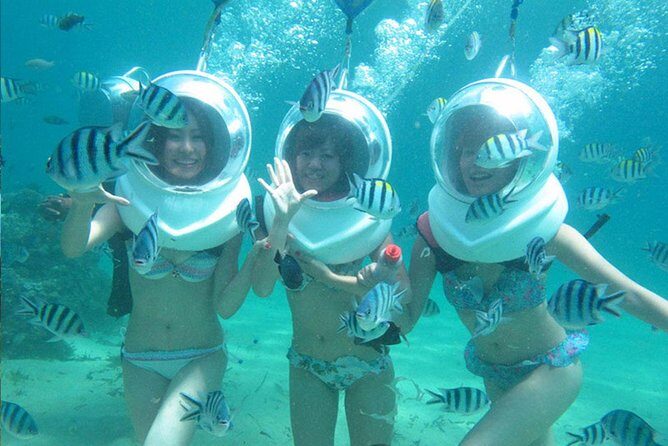
- Oxygen-fed custom helmet: fresh air runs through a hose so you can breathe normally while walking underwater.
- No certification needed: you just follow instructors at the station and in the water.
- Tanjung Benoa location: a fast jump from beach to Ocean Walker station, with an easy on-ramp for first-timers.
- About 25–30 minutes on the ocean floor: enough time to see fish up close without feeling like it drags.
- Small group feel: capped at 15 travelers, which helps you get attention.
- Photos are optional but costly: plan for upsells and ask how you’ll receive them.
Sea walking at Tanjung Benoa: from beach change-room to helmet in minutes
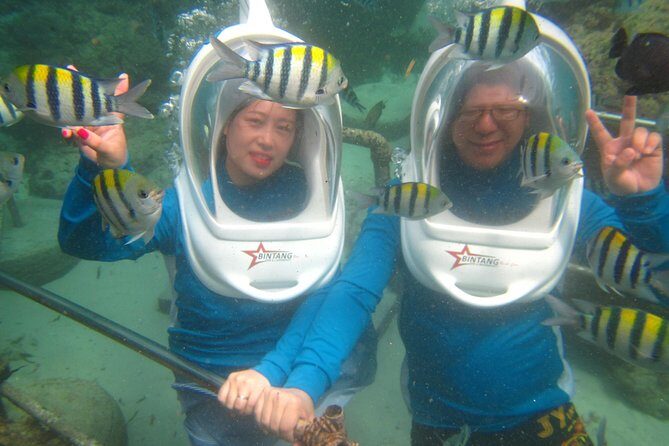
This experience starts at Tanjung Benoa, a convenient seaside area for water sports. If you choose the transfer option, pickup happens from your hotel area, then you drive to the Ocean Walker station. If you choose the package without transfers, you meet at the activity location at Bintang Beach Club Dive & Water Sport in Tanjung Benoa.
Once you arrive, you change into your swimsuit. Then it’s a short move to the Ocean Walker station (about 3 minutes from the beach), which keeps the day from feeling like a long bus ride sandwiched around one activity. At the station, guides walk you through the equipment and safety basics before you go anywhere near the water.
One detail I like: the process is paced for nervous first-timers. After you gear up, you descend using stairs and you’re not left to figure things out on your own. Even the helmet design is meant to reduce panic—you’re breathing air through the system, while instructors guide where to hold on and how to move.
Oxygen helmet 101: what you actually experience underwater
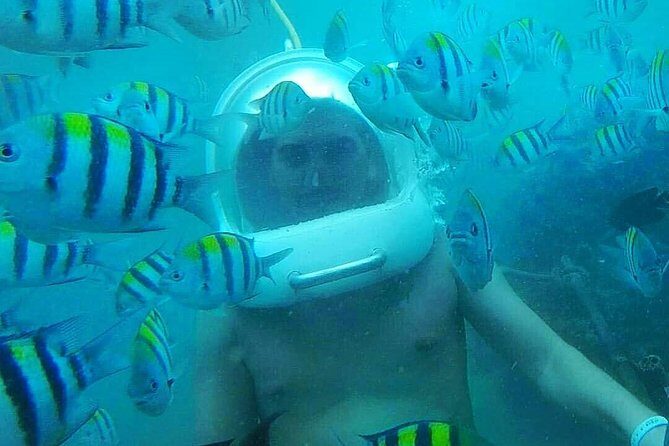
The headline feature is the helmet. It’s custom-built, and it has a steady stream of fresh air coming in through a hose. Instead of learning underwater breathing or dealing with bubbles, you focus on walking and looking—while your guides handle the control side.
The helmet also changes the comfort equation. You don’t need to get your hair wet, and you can wear glasses or contact lenses during the walk. That’s a big deal if you normally can’t see well without them—your reef views stay sharp instead of blurry.
What you’ll feel is more like a guided walk in a controlled environment than an adrenaline stunt. Instructors accompany you the entire time, and there’s constant attention to breathing and basic body position. Some people describe the experience as intense, but the safety structure is built around clear instructions and staff support.
Do listen carefully to how they tell you to move. One person in the feedback noted the safety instructions weren’t as strong as expected, which is a reminder to take instruction seriously even if you’re confident in water sports. If you rush the setup or ignore the coaching, you’ll notice it fast once you’re down there.
Underwater route and timing: how long you’re really on the ocean floor
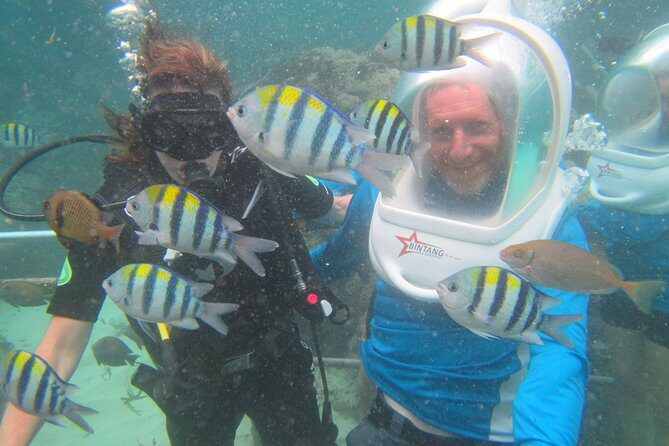
The standard expectation is around 25–30 minutes walking at the bottom of the ocean. The full experience is listed at about 1 hour (and roughly 3 hours when you include transfer time from pickup to drop-off). In practice, people can get slightly different in-water timing depending on the day’s conditions and flow.
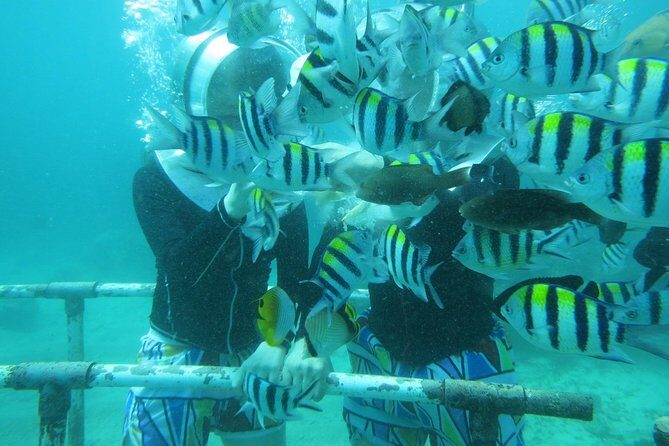
Here’s what your underwater movement is like: you go down stairs, then you walk along a set route where reef life comes near. One review noted there’s a man-made coral reef with visible metal frames, and that matters because it explains why the experience feels repeatable and approachable. You’re not wandering in a huge open-water maze—you’re on a structured set where fish gather.
You’ll likely spend most of your time looking around at fish swimming close to your head and the reef area around you. Guides are there to help you keep balance and follow the rhythm of the group. If you’re expecting a long, slow exploration of the ocean, calibrate your expectations. Think short, guided, and close-up.
Also: visibility can shift. When there’s turbulence, water can look murky even if the fish activity is good. If the ocean looks rough, you’re still going to see wildlife—but the clarity may not match the sharpest photos you’ve seen online.
Marine life and fish feeding: the close-up factor
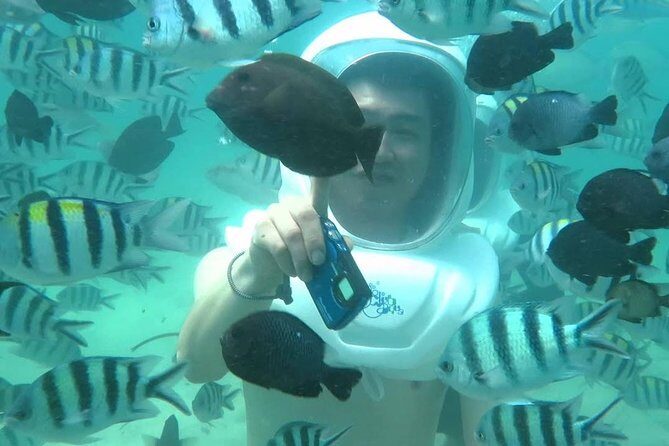
This is built for the face-to-face effect. When you walk in, fish gather around the helmet area, and you get to watch them at a distance that feels surprisingly personal. Many people highlight the same wow moment: colorful fish moving right by their heads.
Fish feeding is part of the design, which is why the experience tends to deliver strong wildlife views. In one piece of feedback, bread was mentioned as part of the feeding routine, supporting the idea that fish come to the reef area at set moments.
You’ll also see corals and the structure of the reef floor. If you’re coming from snorkeling or plain beach-spotting, this is the step that turns fish into something you can study up close—size, color patterns, and how they react when you move slowly.
Two practical notes from real-world experience patterns:
- If visibility is low, focus on motion and fish behavior rather than expecting crystal-clear scenery.
- If you want photos, keep your movements steady. Helmet positioning can feel awkward at first, so rushing your pose often leads to blurry frames.
Transfers and timing: how the day flows through Legian, Kuta, Jimbaran, and Nusa Dua
If you book the option with transfers, expect hotel pickup and then a loop through popular areas. The drive can include stops such as Legian, Kuta, Jimbaran, and Nusa Dua, mostly because drop-offs are bundled by location.
That matters because your sea-walk time stays relatively fixed, while your total day length can stretch to around 3 hours. So if you’re planning lunch, temple visits, or another tour afterward, keep some breathing room. I’d rather you plan for a little buffer than for a perfect minute-by-minute schedule.
Also, the transfer experience is where the smoothness really shows. People frequently praise the drivers and the way the pickup and drop-off are handled. Names that show up in feedback include Oka, Nyoman, and Ketut Stephen—all noted for keeping the day organized and on track. You don’t need to memorize names, but it’s a hint that the operator cares about timing, not just getting you to the beach.
If you’re on the self-arranged route, you’ll want to show up a bit early so you can handle changing and check-in without stress. The ocean walk is short; arriving rushed is how a fun activity turns into an irritated one.
Optional add-ons: Uluwatu and an Ubud highlights day
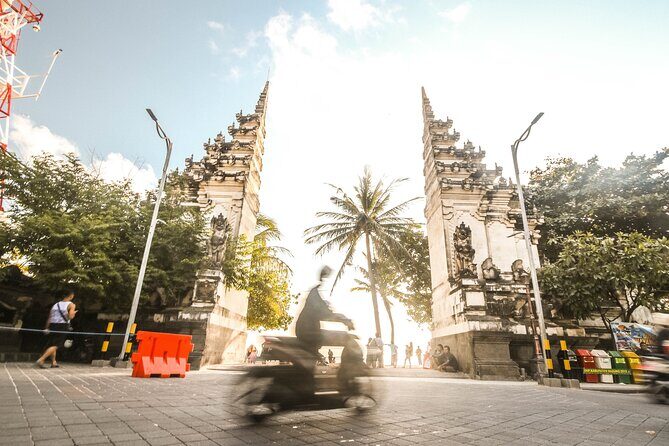
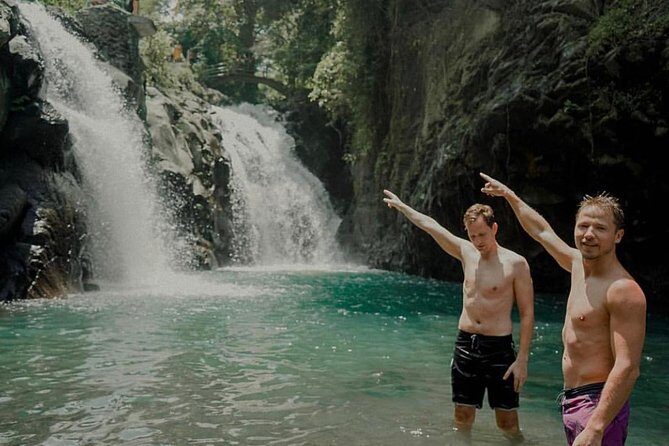
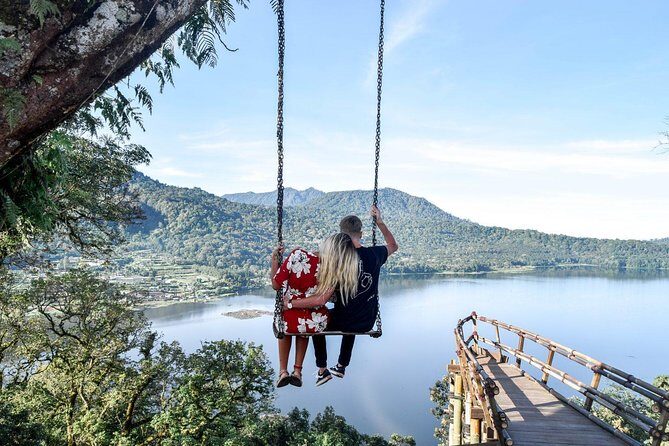
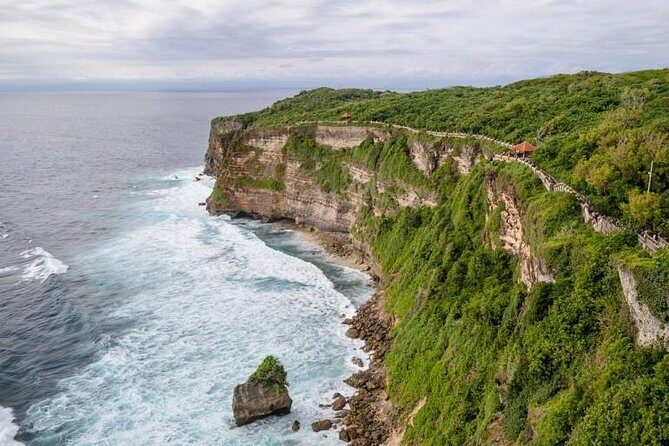
You can upgrade the day with more than sea walking. Options include adding other beaches, Uluwatu cliff temple, and Jimbaran bay. There’s also an Ubud sightseeing mix available, with stops that can include Tegalalang rice terraces, Sacred Monkey Forest Sanctuary, Tegenungan Waterfall, Ubud art handicrafts, Tirta Empul holy spring-water temple, Elephant cave, and a Jungle Swing experience.
These add-ons are best if you want a full itinerary, not just a single hour by the sea. It also helps if you’ve already mapped your Bali route and want one tour to handle the transit and guide service in a logical order.
The trade-off is simple: you’ll spend more time on the road. Sea walking itself is quick, but Uluwatu and Ubud are separate mood shifts—cliffs and beaches on one side, temples and landscapes on the other. If you’re sensitive to long days, choose either the sea-walk plus a nearby beach plan, or sea walking plus Ubud. Trying to cram everything can turn the day into a checklist.
Photos, DVDs, and the cost of memories
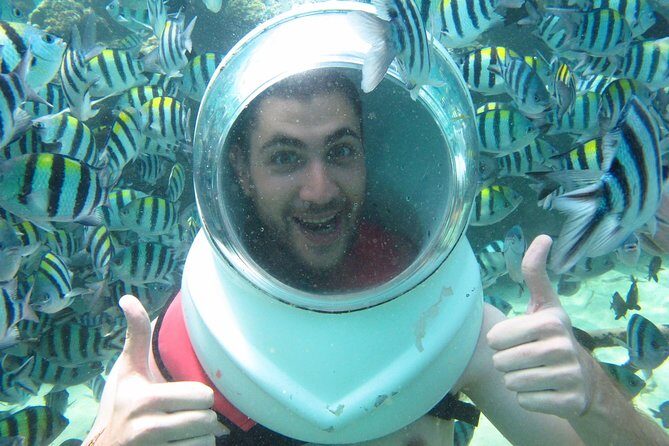
Sea walking photos can be a mixed bag, mostly because they’re a separate purchase. Souvenir photos are available to buy, and multiple people call out that the pricing can feel high. One person cited an extra cost (450k) for photos, and others complained about how photos and videos were delivered.
Here’s what you should do to protect your money:
- Ask what format you get (CD, digital transfer, phone link).
- Ask when you can view them—some delivery methods require a disc or a specific device.
- Don’t assume the marketing images are what you’ll see in every water condition.
Also remember: the helmet can be disorienting, and your positioning is constrained underwater. If you’re buying photos, you’re really buying someone else’s ability to capture the helmet-face-to-fish moment, not your ability to take perfect selfies. That’s a valid reason to buy—but only if you know what you’re paying for.
If you hate surprises, consider skipping photos or purchasing only a small set. You’ll still have the real value: the guided walk and the fish close enough to feel unreal.
Safety, comfort, and health notes that matter
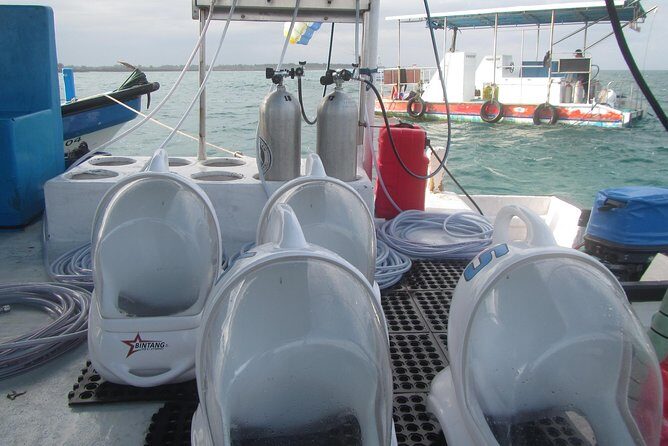
Safety is handled with instructors and all safety equipment, plus insurance. Staff guide you through steps before you go down and stay with you while you walk. In feedback, older participants—even in their sixties—describe feeling well taken care of and supported.
Comfort comes down to setup and small prep choices. You’re given lockers, plus changing rooms and showers. Bottled water is included. Most importantly, the helmet air system is the safety anchor: fresh air is supplied constantly, and you breathe as you would on the surface.
A small but useful prep tip: bring gloves if you’re the type who gets cuts easily. One person reported a partner got a cut from sharp edges on the underwater railing. You can’t fix what’s under the water, but you can reduce skin contact risk.
Medical reality check: one participant wasn’t allowed to do the trip due to asthma and was offered alternate water activities. That doesn’t mean everyone with asthma is disqualified, but it’s a clear warning to ask ahead and disclose conditions early.
Value for $35.35: what’s included versus what costs extra
At $35.35 per person, the big value comes from what you don’t have to source. Included is a professional instructor, safety equipment, lockers, shower and changing rooms, bottled water, and insurance. You also get about 30 minutes of walking at the ocean (timing can vary a little), which is the core reason to book.
What’s not included is food and any optional expenses like souvenirs and photo packages. If you add upgrades—Uluwatu, Jimbaran bay, or the Ubud itinerary—your total day price will rise, but you’re paying for the added guiding and transport, not just the sea walk.
Group size is also part of the value equation. With a maximum of 15 travelers, you’re less likely to feel like a number. And there are group discounts, plus a mobile ticket option.
Overall, this is priced like a do-it-once Bali classic: beginner-friendly, highly guided, and short enough to fit into a packed schedule. If you want a long, independent snorkeling style experience, this isn’t that. If you want the helmet-and-fish moment with guidance and safety structure, the price looks fair.
Who should book, and who should skip
This sea-walking experience is a great fit if you:
- Want underwater views without certification.
- Like structured guidance and a staff-led routine.
- Prefer a short, clear activity block instead of a half-day boat charter.
- Travel with mixed comfort levels (sea walking can feel more approachable than other underwater options).
It might be less ideal if you:
- Hate photo upsells or want full control over purchases.
- Are extremely sensitive to water visibility changes (turbulence can make water murky).
- Have health conditions that could require special approval (for example, asthma was a deal-breaker for one person in the available information).
If you’re nervous, that’s not a deal-breaker. The helmet setup, the constant air supply, and the instructor presence are built to take the edge off. The key is listening and staying calm when you descend.
My booking verdict: should you book Go Ocean Walking in Bali?
I’d book this if you want a guided, no-certification way to see fish up close off Bali’s coast, with the practical comforts covered—lockers, shower, safety equipment, and insurance included. The underwater team support is repeatedly praised, and the small-group cap helps it feel more personal than assembly-line.
I’d hesitate only if you’re expecting a flawless, crystal-clear ocean every time or if you’re photo-driven and hate unexpected costs. If you’re okay deciding in advance about photos, and you bring a calm mindset for the helmet-and-rail experience, this is a smart, high-value Bali activity.
FAQ
Do I need a certification to do the ocean walk?
No. The experience is described as not requiring certification, and it includes an introduction to the equipment by trained guides.
How long is the ocean walk underwater?
You can walk around about 25 to 30 minutes in the ocean. The overall experience duration is listed as about 1 hour, and with transfers it’s about 3 hours from pickup to drop-off.
Where do I meet if I choose no transfers?
If you choose without transfers, you come on your own to the Sea Walker place. The meeting point listed is Bintang Beach Club Dive & Water Sport on Tanjung Benoa.
What’s included in the price?
Included items include bottled water, a professional instructor, all safety equipment, lockers, shower and changing rooms, insurance, and about 30 minutes of ocean walking. Hotel pickup/drop-off is included only for the transfers package.
Can I buy photos and are they included?
Souvenir photos are available to purchase, and they are not included in the base price.
What if I need to cancel or the weather is poor?
Cancellation is free if you cancel up to 24 hours in advance for a full refund. The experience requires good weather, and if it’s canceled due to poor weather you’ll be offered a different date or a full refund.



































































.jpg)
.jpg)
.jpg)
.jpg)
.jpg)
.jpg)
.jpg)
.jpg)