TULA Wellness Half Day Experience with Sound Healing

TULA Wellness Half Day Experience with Sound Healing - The 2-course Tula Wellness set: simple, healthy, and not too heavy

Sound can change your afternoon.

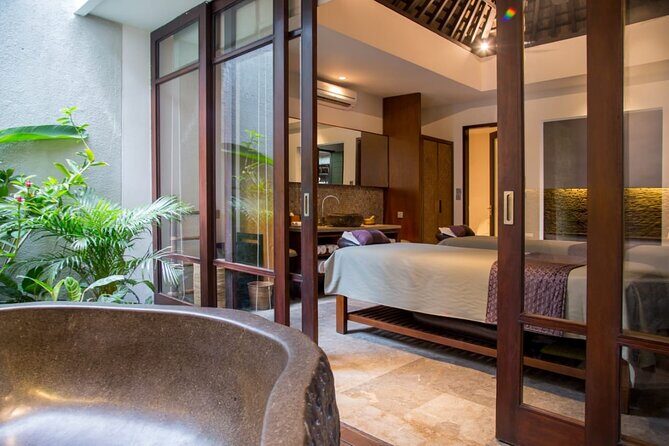
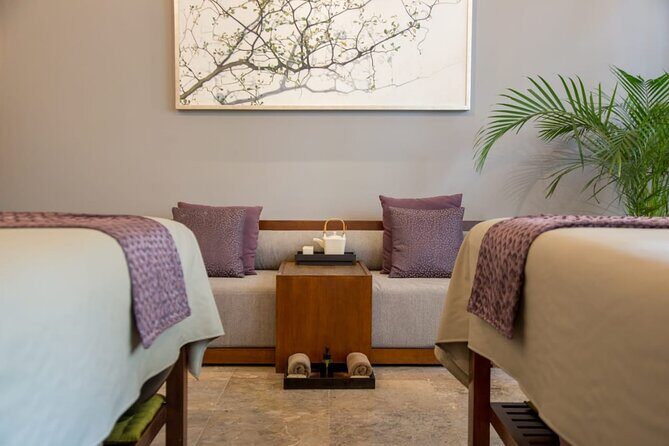
This Tula Wellness half day in Seminyak pairs two main ingredients: seven-metal singing-bowl sound healing and a lymphatic drainage massage, with a nourishing meal to close the loop. I like that the sound session is built around chakra alignment (not just relaxing noise), and I like that the massage work is gentle and rhythmic rather than aggressive. One consideration: if you’re sensitive to vibrations, chimes, or light massage pressure, you’ll want to go in with clear expectations.

You’ll do everything in about 4 hours, and it’s scheduled within the Amala Boutique Retreat day window (10:30 AM to 4:00 PM). It’s also a private experience, so it’s quieter and easier to settle in, especially if you prefer your wellness time to feel personal rather than crowded.

Key highlights you’ll actually feel

  • Seven-metal Nepal singing bowls linked to planets, chakras, and specific musical notes
  • A full 1-hour sound session plus a full 1-hour lymphatic drainage massage
  • Chimes (Koshi), Ding Xia, and chakra crystal bowls folded into the sound therapy
  • A choice-based 2-course menu with a re-balancing drink
  • Meet at Amala Boutique Retreat in Seminyak, with a day-friendly time window (10:30 AM–4:00 PM)

Where this half day happens: Amala Boutique Retreat in Seminyak

The experience meets at the Amala Boutique Retreat, Jl. Kunti I No.108, Seminyak. That matters because Seminyak can be busy and spread out, but this setup gives you a clear “wellness base” to transition into. You’re not bouncing between multiple spots—once you arrive, your session unfolds on one schedule and then you head back to the same meeting point.

This is offered Monday through Sunday, with activity hours listed as 10:30 AM to 4:00 PM. The whole thing is about 4 hours, so it’s a nice fit for a Bali day when you still want time for dinner, beach time, or a simple scooter-free evening.

You’ll also get a mobile ticket, and confirmation happens at booking. It’s a private tour/activity, meaning only your group participates, which tends to make the session feel calmer and more adjustable to your pace.

The sound healing hour: 7 metals, 7 chakras, and a lot of specific detail
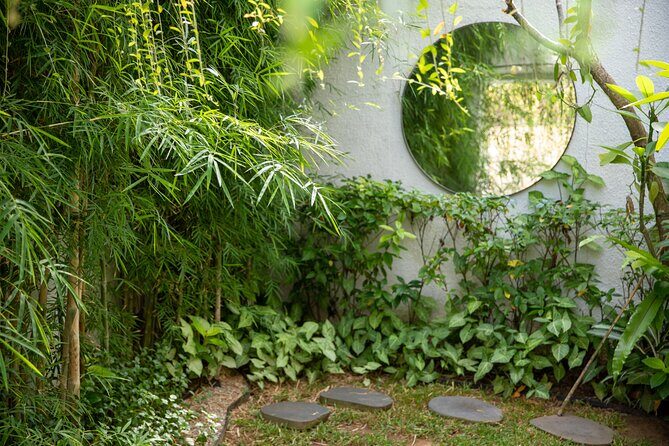
TULA Wellness Half Day Experience with Sound Healing - The sound healing hour: 7 metals, 7 chakras, and a lot of specific detail
The first part is 1 hour of sound healing. You’ll be guided through the vibrations and tones produced by Nepal singing bowls made of seven metals. The session is explained as chakra-focused work: the bowls create waves of vibration designed to open and align each chakra point.

What I like here is that it’s not vague. The approach connects each chakra to musical notes, colors, body organ locations, and characteristic traits. That’s a lot of “system building,” and if you’re the kind of person who likes knowing what you’re tuning into, you’ll probably appreciate the structure.

The sound toolkit doesn’t stop at the main bowls. You’ll also hear Koshi/chimes, plus seven metal Ding Xia, and seven chakra crystal bowls. In practice, that typically means more layers of tone—higher chime-like accents, deeper bowl resonance, and crystal-bowl brightness—so the soundscape can feel like it’s moving rather than staying flat.

A key point: the session is described as clinically proven to reduce stress, improve depression, better sleep, and enhance immunity. I can’t verify clinical results from a single visit, but I can tell you why it’s a sensible wellness pairing. If your nervous system is already tired from travel, a guided sensory ritual can help you slow down fast. And if you’re there for sleep or stress relief, sound is one of the most direct “off switches” you can try without needing any special equipment.

One practical caution: sound healing relies on sound and vibration. If you’re dealing with migraines, hearing sensitivity, or you simply know you don’t do well with chimes, plan to communicate that early.

The lymphatic drainage hour: gentle, rhythmic, and body-focused
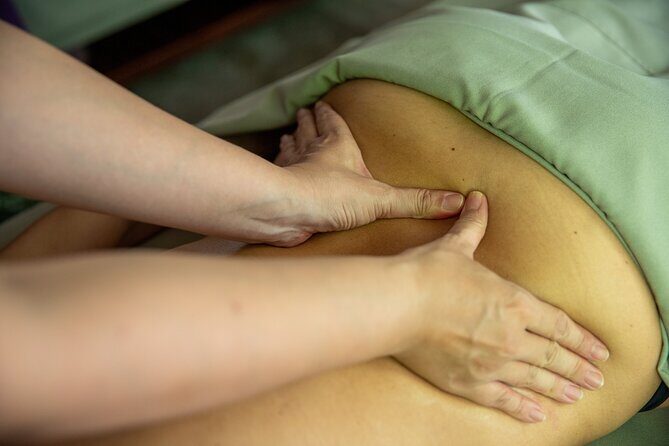
TULA Wellness Half Day Experience with Sound Healing - The lymphatic drainage hour: gentle, rhythmic, and body-focused
After the sound work, you’ll switch into 1 hour of lymphatic drainage massage. The method is described as gentle and rhythmic, designed to stimulate the lymphatic system. The goal is to encourage elimination of toxins and increase blood circulation.

Here’s how I’d interpret that for real life: lymph drainage massage is often sought after long travel days, less-than-great eating, and that “puffy” feeling you can get when your body’s fluid flow slows down. This session doesn’t claim to be a medical treatment, but it is a focused bodywork hour that’s meant to leave you feeling looser and more awake.

Also, the contrast matters. Sound healing is about hearing and vibration. Lymph drainage is touch-based, slower-paced, and often more grounding. That combo can be a good rhythm reset: you get sensory calm, then body movement signals to transition out of rest mode and into recovery mode.

The feedback tied to this part tends to be positive: people describe it as warm and regenerating, gentle but in the right places, with benefits lingering for hours. That’s a strong signal that the session pacing matches what many wellness clients want—no harshness, no rushing.

Still, consider this: massage pressure can vary by practitioner and by your comfort level. If you prefer very light touch, tell the provider right away so the session matches your threshold.

The 2-course Tula Wellness set: simple, healthy, and not too heavy
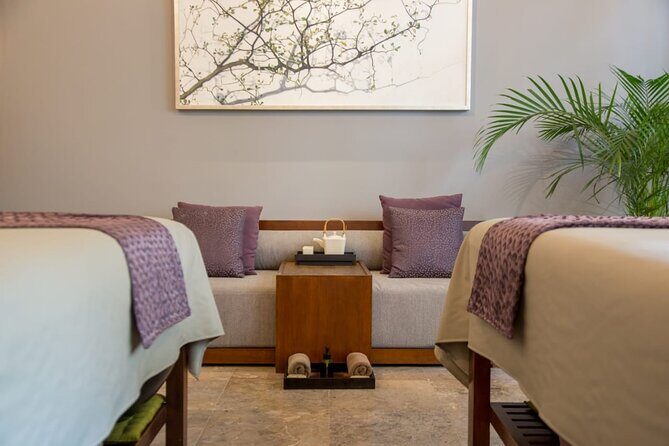
TULA Wellness Half Day Experience with Sound Healing - The 2-course Tula Wellness set: simple, healthy, and not too heavy
The final 2 hours include a 2-course Tula Wellness set menu plus a re-balancing drink. This is more than just a meal. It’s part of the “recovery loop” of the experience: sound and massage may help you relax and reset, but food is what keeps the day from ending on an empty or overly heavy stomach.

Your meal includes choices in each course:

Starter options

  • Moringa Detox Soup
  • Beetroot Salad

Main course options

  • Eggplant & Veggie Roll
  • Tula Bento

Dessert

  • Goji Berry Pudding

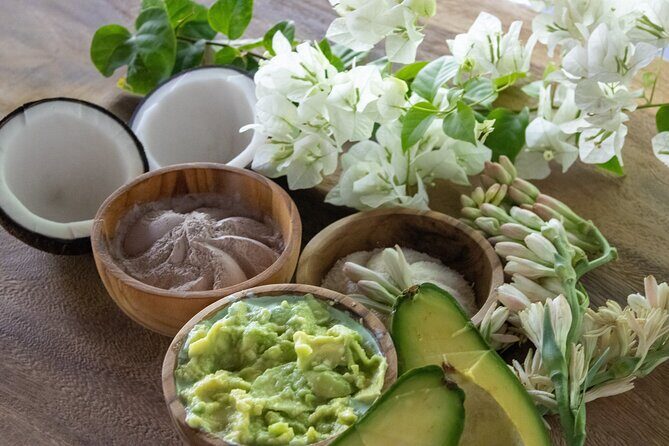
The listing also mentions a re-balancing drink, and that the meal is nutritious and designed to help body rejuvenation and balance electrolytes of the body’s cells. I’d read that as a wellness-minded menu: likely lighter, vegetable-forward, and supportive rather than “Bali blowout dinner” heavy.

Why this matters: after sound and massage work, you may be in a slower, more sensitive state. A balanced meal can help you keep feeling good rather than crashing. And if you’re the type who likes to “eat in line with your plan,” this set menu makes it easy.

A small tip for you: if you’re heading out afterward, try to drink water and keep the rest of your evening gentle. The point of the meal is to sustain that reset.

Timing and flow: how a 4-hour half day usually feels

TULA Wellness Half Day Experience with Sound Healing - Timing and flow: how a 4-hour half day usually feels
With a duration of about 4 hours, your experience is designed as a full arc: settle in, receive sound work, follow with bodywork, then recharge with food.

The day window (10:30 AM–4:00 PM) makes it flexible. If you schedule it earlier, you might feel it as a “set your tone for the rest of the day” moment. If you schedule it later, you can turn it into a calmer landing before dinner.

Because it’s private, you’re less likely to feel rushed or swallowed by a group timeline. That can make a difference, especially for sound healing where your best results come from quiet attention rather than clock watching.

Also, the session ends back at the meeting point, so you don’t have to re-plan transport at the last minute. That’s underrated in Bali. One less logistical stressor makes the wellness part more likely to actually work.

Price and value: what you’re paying for beyond the “nice spa hour”

TULA Wellness Half Day Experience with Sound Healing - Price and value: what you’re paying for beyond the “nice spa hour”
At $148.64 per person, this isn’t a bargain massage add-on. But it’s also not “two separate appointments” that you have to arrange yourself.

What you’re getting for the price is:

  • a full hour of guided sound healing using specific bowl types (seven-metal Nepal singing bowls plus additional instruments)
  • a full hour lymphatic drainage massage
  • a 2-course meal with choice and a re-balancing drink
  • a private format (only your group)

If you price that out in your head as: sound session + massage session + meal package, the total begins to make more sense. The value is really in the combination. Many places do relaxation, but this one also builds a “system” around chakras and then supports it with food.

Still, consider your goal. If you only want a massage, you may find cheaper options. If you’re chasing stress relief, sleep support, or recovery after travel, the full sequence can feel like more than the sum of its parts.

Who should book this (and who should adjust expectations)

This experience fits best if you like structured wellness. You want to know what’s happening, not just lie there and hope for the best. The chakra-and-sound explanation, plus the layered bowl instruments, makes it a strong match for people who enjoy meaning behind the ritual.

It also works well if you want a gentler day reset. The lymph drainage is described as gentle and rhythmic, and the meal choices keep things supportive without feeling heavy.

You might want to think twice or plan modifications if:

  • you’re sensitive to loud chimes or vibration
  • you prefer deep-pressure massage rather than gentle lymph work
  • you’re expecting a medical lymph treatment (this is wellness-focused bodywork, not a clinical procedure)

Practical tips before you go
TULA Wellness Half Day Experience with Sound Healing - Practical tips before you go
Keep these in mind so you get the best outcome from the day:

  • Give yourself a quiet buffer before your session, if you can. Sound healing feels better when your head isn’t already racing.
  • After the massage, take it slow. The sound-and-touch combo can make you feel extra relaxed; don’t immediately rush into a hectic schedule.
  • Wear comfortable clothes you can move in. Even if you’re not doing stretching, you’ll want an easy, calm body feel.
  • If you know you’re sensitive to sound, tell the provider early so they can guide you through the process.

Should you book Tula Wellness in Seminyak?

If you want a half day in Seminyak that actually changes your pace, I’d say yes, book it—especially if you’re interested in sound healing with seven-metal bowls and you also want bodywork plus a wellness-minded meal.

Choose it if:

  • you’re after stress reduction and calmer sleep routines
  • you like chakra-focused explanations and structured wellness rituals
  • you want private, not crowded
  • you want your session to end with something nourishing and balanced

Skip it (or adjust your expectations) if:

  • you dislike sound/vibration-based sessions
  • you only want a massage and nothing else
  • you prefer deep-pressure bodywork rather than gentle lymph drainage

FAQ

What is included in the Tula Wellness half day experience?

It includes 1 hour of sound healing, 1 hour of lymphatic drainage massage, and a 2-course Tula Wellness set menu plus a re-balancing drink.

How long does the experience take?

The duration is listed as about 4 hours.

What happens during the sound healing session?

You’ll have sound healing using seven metals hand made Nepal singing bowls, plus Koshi/chimes, seven metal Ding Xia, and seven chakra crystal bowls, with the session aimed at opening and aligning chakras.

What happens during the lymphatic drainage massage?

You’ll receive a gentle and rhythmic lymphatic drainage massage intended to stimulate the lymphatic system and support elimination of toxins and increased blood circulation.

What are the meal options?

Starters can be Moringa Detox Soup or Beetroot Salad. Main courses can be Eggplant & Veggie Roll or Tula Bento. Dessert is Goji Berry Pudding, plus a re-balancing drink.

Where is the meeting point?

The meeting point is The Amala Boutique Retreat, Jl. Kunti I No.108, Seminyak, Kec. Kuta, Kabupaten Badung, Bali 80361, Indonesia. The activity ends back at the same meeting point.

Is this a private tour?

Yes. It’s a private tour/activity, so only your group participates.

What is the cancellation policy?

Free cancellation is available up to 24 hours before the experience’s start time for a full refund. If you cancel less than 24 hours before, the amount paid is not refunded.


All Inclusive Blue Lagoon Snorkeling with Bali ATV Quad Adventure

All Inclusive Blue Lagoon Snorkeling with Bali ATV Quad Adventure - Seminyak to the ATV start: getting the day moving

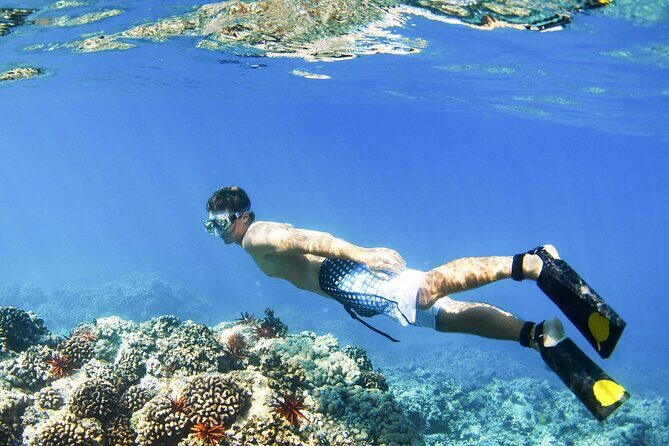
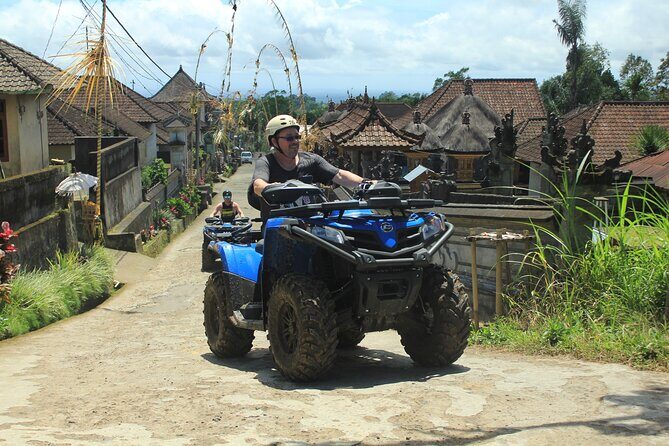
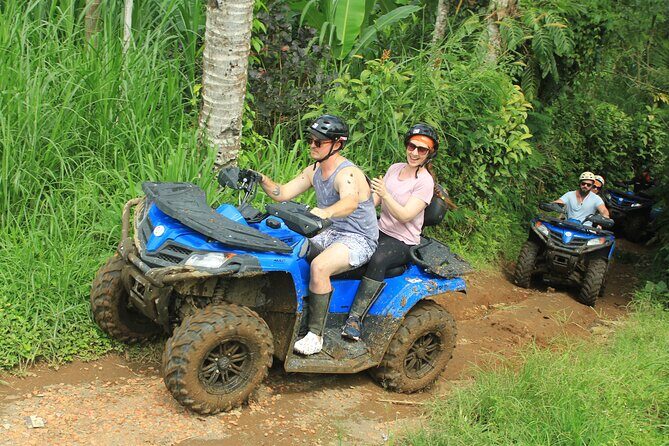
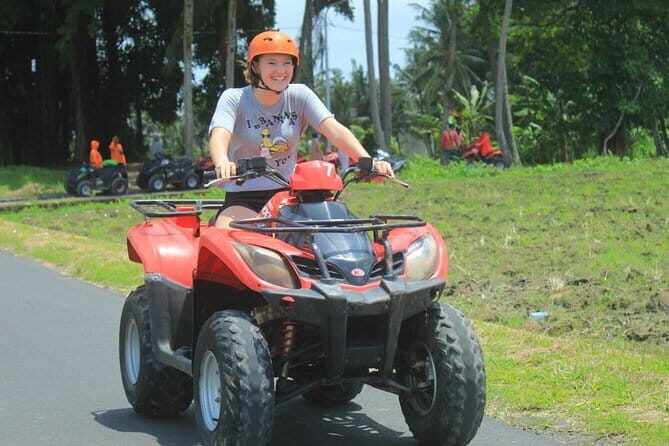
Nothing says Bali like mud first, fish later. This combo tour from Seminyak mixes an ATV quad adventure through jungle trails with a Blue Lagoon snorkeling session known for clear water, coral, and colorful marine life. It’s built for a full day, not a slow one.

I love how smoothly the day is put together: private transport and boat transfers mean you’re not stitching together logistics yourself. I also really like the option for tandem riding, so couples can share the ride without splitting up. One thing to consider is that the quad portion is active and messy by design, so wear the right gear and expect getting dirty.

What you’ll love most (and what might annoy you)

All Inclusive Blue Lagoon Snorkeling with Bali ATV Quad Adventure - What you’ll love most (and what might annoy you)
First, the ATV route runs the show with variety. You’re in for up-and-down trails to a high hill, plus stops you’ll actually notice like waterfalls, a tunnel, muddy sections, rice fields, rivers, and jungle and forest scenery. Second, the snorkeling time feels efficient: gear is included, the water is clear, and you get time at the Blue Lagoon area with a good shot at turtles if conditions cooperate.

The only real drawback is timing and stamina. It’s an 8-hour day, and you’ll switch from physical quad riding (including mud) to snorkeling, which means you’ll want a good breakfast and you may feel the day later, especially in the heat.

Key highlights you should know

All Inclusive Blue Lagoon Snorkeling with Bali ATV Quad Adventure - Key highlights you should know

  • ATV route packed with variety: waterfall, tunnel, rice fields, rivers, jungle, forest, and muddy stretches
  • Blue Lagoon snorkeling focus: clear water, coral, colorful fish, and sometimes a turtle
  • Gear and transfers included: snorkeling equipment plus boat transfers so you don’t manage details
  • Tandem ATV option for couples: ride together on one quad
  • Lunch and pickup included: a real time-saver on a long day

Seminyak to the ATV start: getting the day moving

All Inclusive Blue Lagoon Snorkeling with Bali ATV Quad Adventure - Seminyak to the ATV start: getting the day moving
Most combo tours sound good on paper. This one works because you start with energy and end with calm water. You’ll get pickup offered, and the idea is simple: your driver brings you from your Seminyak-area hotel area to the quad start, then keeps things flowing all day.

One review called out how the driver handled a tricky pickup situation at 7am and worked with the group to find an accessible pickup point. The point for you: show up where your meeting spot is actually easy to reach, even if you think it should be “close enough.” If your lodging has narrow lanes or hard access, confirm an alternative pickup point early.

From there, plan to get your first real view of what makes Bali “Bali” beyond the beaches: green terrain, winding roads, and rural scenery as you head into the adventure zone.

ATV quad adventure: where the adrenaline (and mud) happens

All Inclusive Blue Lagoon Snorkeling with Bali ATV Quad Adventure - ATV quad adventure: where the adrenaline (and mud) happens
The quad riding is the heart of the day, and the duration matters. You’ll ride for about two hours, with trails that go up and down and include a lot of eye-catching natural features. Expect a mix of tight sections, wider jungle stretches, and scenery stops along the way.

Here’s what you’ll likely pass:

  • Waterfalls
  • A tunnel segment
  • Muddy parts (yes, plan for it)
  • Rice fields
  • A river area
  • Jungle and forest scenery
  • High hill trail riding with fun changes in elevation

Those details matter because they change the feeling of the ride. You’re not just making laps on dirt. You’re moving through different environments, so the time stays interesting. And because it’s a combo, you get a strong reset afterward: switch from “grip the handlebars” to “look at fish.”

Single vs tandem ATVs: choose how you want to share it

You can choose between:

  • Single ride: one bike, one person
  • Tandem ride: one bike, two people

If you’re traveling as a couple, tandem often makes more sense than splitting up. It keeps you together and avoids the awkward “one of us did the best parts and the other watched” problem. If you’re going with friends and everyone wants different comfort levels, single rides can be better.

Practical note: dress like you mean it

You’re told to expect mud during the ride, so I recommend:

  • Wear quick-dry clothes you don’t mind ruining a bit
  • Closed-toe shoes with grip (slip risk after mud)
  • Bring a change of clothes if you can

The tour provides a packed day, not a laundry service.

The ride to snorkeling: the calm shift you’ll feel

All Inclusive Blue Lagoon Snorkeling with Bali ATV Quad Adventure - The ride to snorkeling: the calm shift you’ll feel
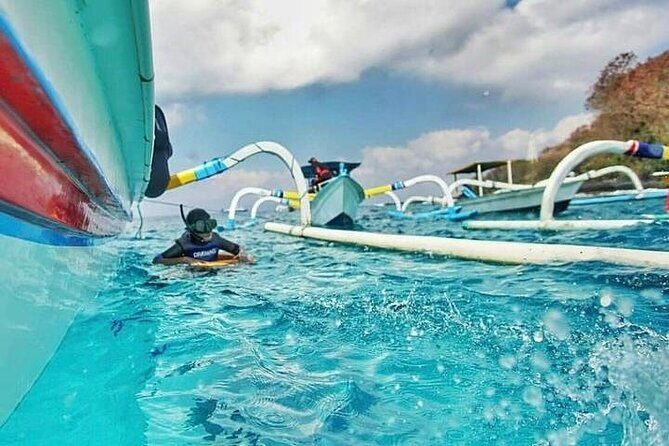
After quad time, you’ll transfer toward snorkeling. This is where the tour setup helps: you’re not driving your own boat route and you’re not figuring out gear and timing. Your day includes transport, and the snorkeling part includes boat transfers.

Switching gears is more than a mood change. It’s about friction. Your legs are likely tired from riding. The heat may still be on. So having transfers handled means you can focus on the next step: snorkeling.

You’ll also find it helps to drink water after the quad ride. Don’t wait until you feel wiped.

Blue Lagoon snorkeling: coral, clear water, and the turtle possibility

All Inclusive Blue Lagoon Snorkeling with Bali ATV Quad Adventure - Blue Lagoon snorkeling: coral, clear water, and the turtle possibility
The snorkeling portion is centered on Blue Lagoon beach. The big draw is visibility and what you see once you’re in. The water is described as clear, and the setting includes coral and a lot of colorful fish.

You’ll get:

  • All snorkeling gear included
  • Guidance on the snorkeling spot (the tour is positioned as one of the best snorkeling locations in Bali)
  • Time in the water long enough to actually enjoy it

A couple of reviews mention two snorkeling stops, with about one hour in each. The snorkeling focus is still very much tied to the Blue Lagoon area, but the program seems to allow two underwater sessions as part of the full day. The exact mix can vary with conditions, so don’t assume it’s always only one beach.

What to look for underwater (so you don’t just float)

When the water’s clear, your biggest mistake is drifting and staring at the surface. Instead, give yourself a simple mission:

  • Look at coral edges for fish activity
  • Watch for movement around the reef line
  • Slow down. If you rush, you’ll miss the fun stuff

You might also see a turtle if you’re lucky. That’s not something you can plan, but it’s part of what makes people talk about this spot.

Time and comfort: why gear matters

Because gear is included, you don’t have to rent mid-day or stress about fit. A good mask fit makes snorkeling much more pleasant. If something feels off, adjust it right away before you get far from shore or the boat.

The overall snorkeling time is structured enough that you won’t feel like you blinked and it was over.

Lunch and the “what keeps the day easy” factor

All Inclusive Blue Lagoon Snorkeling with Bali ATV Quad Adventure - Lunch and the “what keeps the day easy” factor
A full-day combo needs a few anchors. For this one, lunch and transport are included, which matters more than it sounds.

Why? Because buying food separately during a day like this is where budgets and schedules get messy. With lunch built in, you can time your meal around transitions: after the quad, before you hit the water, and before you head back.

Also, the tour is described as private—only your group participates. That usually means less waiting around for unrelated strangers and fewer language-speed bumps. Your driver stays close throughout the day, which is exactly the kind of calm you want when you’re doing something active in the morning and something water-based later.

Value for $70: what you’re really getting

All Inclusive Blue Lagoon Snorkeling with Bali ATV Quad Adventure - Value for $70: what you’re really getting
At $70 per person, you’re not paying for two separate tours and then trying to stitch them together. You’re paying for a day where ATV time, snorkeling gear, boat transfers, and included lunch are bundled.

You can think of it like this:

  • ATV time gives you a structured two-hour adventure with scenic variety
  • Snorkeling time gives you a focused underwater session at Blue Lagoon with clear water
  • Gear + transfers remove the biggest headaches
  • Pickup and a private-group setup reduce waiting and confusion

The “value” part isn’t just the price. It’s the fact that the hard parts are managed for you.

One more practical value point: this is often booked about 27 days in advance. That suggests demand. If you’re traveling during a busy season or on a tight schedule, booking earlier can help you get the time slot that fits your day.

Who this tour fits best (and who should think twice)

All Inclusive Blue Lagoon Snorkeling with Bali ATV Quad Adventure - Who this tour fits best (and who should think twice)
This combo is ideal if you:

  • Want one day to include both adrenaline and real snorkeling
  • Like active sightseeing more than just beach lounging
  • Travel as a couple and want to ride together via tandem ATVs
  • Appreciate a driver who stays with you and keeps the day moving

You might think twice if you:

  • Hate getting muddy (you should still expect it on the quad)
  • Prefer slow, low-effort days with long, lazy breaks
  • Have a fragile sense of timing. This is an 8-hour day with multiple transitions.

Weather and conditions: the part you can’t control

This experience requires good weather. If it’s canceled due to poor conditions, you’ll be offered a different date or a full refund. That matters because ATV and snorkeling both depend on conditions—bad weather can make trails unsafe and water visibility worse.

Also, there’s a minimum number of travelers requirement. If the minimum isn’t met, the experience may be rescheduled or refunded. If you’re traveling solo or in a small group, double-check how many people are typically needed on the operator side before you get emotionally attached to one specific date.
Should you book it?

Yes, if you want a well-run ATV + Blue Lagoon snorkeling day in Seminyak that doesn’t require you to manage equipment, transfers, or timing. The combination is the point: you get a packed scenic ride through waterfalls, tunnels, muddy trails, rice fields, and jungle/forest scenery, then switch to clear-water snorkeling with gear included and a chance at turtles.

I’d skip it only if you strongly dislike mess, you want a gentle day, or you’re the type who needs long downtime between activities.

If your schedule is flexible and you’re okay with a full day, this is the kind of Bali outing that leaves you with two kinds of memories: the mud-on-your-boots kind and the fish-in-clear-water kind.

FAQ

How long is the ATV and Blue Lagoon snorkeling tour?

It runs about 8 hours (approximately).

Is pickup included from Seminyak hotels?

Yes, pickup is offered.

What snorkeling gear is included?

All snorkeling gear is included.

Do I get boat transfers for snorkeling?

Yes, boat transfers are included as part of the snorkeling portion.

Can couples ride together on the ATV?

Yes. You can choose a tandem ride (one bike for two people), or a single ride.

Where does the snorkeling happen?

The snorkeling is at Blue Lagoon beach.

Is lunch included?

Yes, lunch is included.

Is this tour private or shared with other groups?

It’s private. Only your group participates.

What is the cancellation policy if weather is bad?

You can cancel for free up to 24 hours in advance for a full refund. The experience requires good weather, and if it’s canceled due to poor weather, you’ll be offered another date or a full refund.

Bali Quad and Buggy Discovery Tour, Including Round-Trip Transfer

Bali Quad and Buggy Discovery Tour, Including Round-Trip Transfer - Before You Ride: Check-In, Lockers, and What to Wear

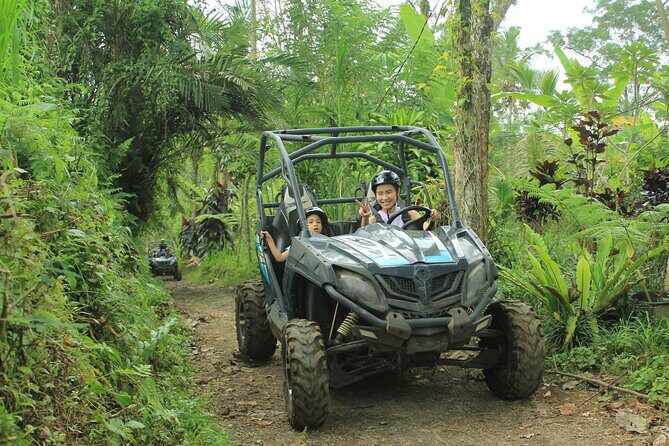
Get muddy, then get clean fast. This Nusa Dua tour lets you drive a quad or buggy through traditional villages, dense jungle paths, and rice-field countryside in a small group. I love the small-group feel and the chance to ride past rice terraces without the crowds. The only real catch is that you should expect bumpy dirt and muddy sections, so it’s not a polished, stay-dry kind of outing.

I also like that the day is built to handle the mess: lockers, a goodies bag, light welcome refreshments, and hot showers with soap and a towel. Add in a buffet lunch at a local restaurant, and you’re not left hunting for food or washing up on your own.

Families will especially appreciate the built-in flexibility: kids 5–15 can ride as copilot, and solo drivers must be at least 16. The drawback to keep in mind is that photo coverage is handled by a professional team, so you’ll want to budget for optional photo purchases afterward if that’s your thing.

Key Things That Make This Bali Quad and Buggy Tour Worth Your Time

Bali Quad and Buggy Discovery Tour, Including Round-Trip Transfer - Key Things That Make This Bali Quad and Buggy Tour Worth Your Time

  • Ride solo or with a copilot: Pick a quad or a buggy and match the setup to your group.
  • Jungle and rice fields, not just roads: You’ll cross dense jungle tracks and pass plantations and rural villages.
  • Hot shower + soap and towel: This is a real post-ride priority, not a vague promise.
  • Lunch is included and it’s a buffet: You can eat without planning your next stop.
  • Small group size: With a maximum of 20 travelers, the experience feels more personal.
  • Professional photo team joins: You’ll likely have usable memories even if you don’t bring a camera that day.

Quad or Buggy in Nusa Dua: Why This Tour Feels More Local

Bali Quad and Buggy Discovery Tour, Including Round-Trip Transfer - Quad or Buggy in Nusa Dua: Why This Tour Feels More Local
This isn’t a city sightseeing loop. It’s a hands-on day in the countryside around Nusa Dua, where you steer an off-road quad bike or buggy through parts of Bali most people rush past.

What makes it work is the mix of terrain. You’re not just cruising on flat paths. You’ll go through dense jungle areas, between rice fields and plantations, and pass traditional villages along the way. That variety is exactly what turns an ATV tour into a real experience.

And yes, it can get messy. The route includes muddy jungle tracks, which is great for the adventure factor. But it also means you’ll want to dress like you expect dirt on you, because you probably will.

The Real Value: Pickup, Included Gear, and a Day That Runs on Rails

The “all-inclusive” part isn’t marketing fluff here. Round-trip hotel or port pickup and drop-off means you’re not piecing together transport, and the schedule is designed so you can focus on riding.

You also get the practical stuff that makes a muddy activity actually comfortable:

  • Vehicle use and safety equipment
  • Free lockers
  • Hot shower facilities with soap and a towel
  • Light welcome refreshments
  • A buffet lunch
  • A goodies bag

So even if you’re not an experienced rider, you’re set up to handle the basics fast. The tour also uses professional guides, and small group size (up to 20 people) helps you get attention when you need it.

If you’re deciding based on value, this is why the price makes sense. You’re paying for transportation, a timed ride experience, meals, and cleanup. A lot of tours charge extra for one of those pieces.

Before You Ride: Check-In, Lockers, and What to Wear

Bali Quad and Buggy Discovery Tour, Including Round-Trip Transfer - Before You Ride: Check-In, Lockers, and What to Wear
Plan to arrive ready. Solid shoes or sport shoes matter because you’ll be on uneven ground. Sneakers that can handle dirt are ideal. Skip anything too slick or flimsy.

Bring sunscreen and sunglasses, and bring a change of clothes. The tour is set up with hot showers afterward, but you still don’t want to spend your evening in sweaty, muddy gear. That change of clothes is the difference between a fun day and a day you remember as a discomfort.

If you like carrying personal items, you’ll get locker access. The tour also provides water-resistant bags if you want to bring items with you. That’s smart for phones or small bags, but don’t treat it as waterproof insurance for everything.

The Main Event: Two Hours Driving Through Village, Jungle, and Rice Fields

Bali Quad and Buggy Discovery Tour, Including Round-Trip Transfer - The Main Event: Two Hours Driving Through Village, Jungle, and Rice Fields
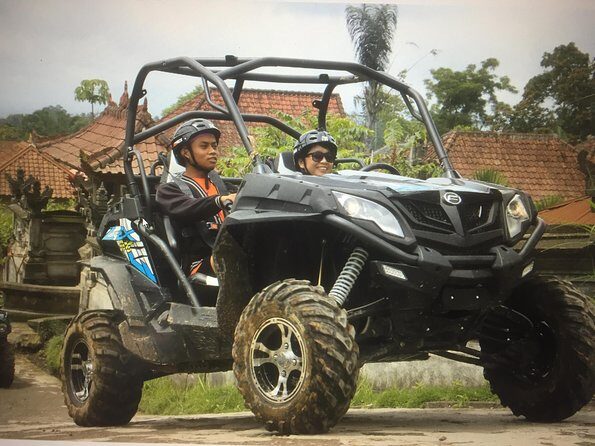
The heart of your day is the riding time—about two hours—where you discover an authentic part of Bali. You’ll drive yourself using a specially designed off-road vehicle, either a quad bike or a buggy car.

During that ride you’ll pass:

  • A traditional village
  • Dense jungle areas
  • Rice fields and plantations
  • Rural countryside that feels away from the main tourist roads

This is where the experience earns its high rating. Riding means you notice details you’d miss on foot. You feel the terrain, you spot how fields and plantations sit next to villages, and you ride through the “real work” parts of the island.

Solo rules and how to think about who drives

There’s a clear rule for who can drive solo: the minimum age for solo drivers is 16. Children ages 5–15 can join only as a copilot. That means you’ll want to think ahead about your family’s ages and how you want the driving split.

If you’re bringing teenagers who can drive, this is often the sweet spot. If you’ve got younger kids, plan on them riding along while an adult drives. Either way, it’s set up to keep the group moving together.

Safety and pace

You’ll get safety equipment and guidance from a professional guide. Expect instruction and then hands-on time. Because you’re on dirt tracks, you should assume slower sections and occasional bumps. That’s part of the point.

If you’re the type who hates being jolted around, this might feel like too much. If you like active days where you’re part of the journey, you’ll probably love it.

The Mud Factor: Why This Tour Feels Fun Instead of Stressful

Bali Quad and Buggy Discovery Tour, Including Round-Trip Transfer - The Mud Factor: Why This Tour Feels Fun Instead of Stressful
The ride includes muddy jungle tracks. That alone can scare people off, but the tour is built to handle it afterward.

Hot showers with soap and a towel are included, and lockers are provided so you don’t end up juggling your bag during the messy parts. In other words, you’re not just told to wear the right clothes. You’re also given a clean way back to comfort.

That balance is why this kind of tour works for families. Kids get the thrill, adults get the scenery, and nobody has to scramble for recovery logistics afterward.

Just don’t plan your day like it’s a spa afternoon. Wear the shoes you can get dirty, and treat cleanup as part of the schedule.

Lunch at a Local Buffet: Simple Food, Real Satisfaction

Bali Quad and Buggy Discovery Tour, Including Round-Trip Transfer - Lunch at a Local Buffet: Simple Food, Real Satisfaction
Your day includes a buffet lunch at a local restaurant. This is a bigger deal than it sounds. When a tour skips lunch, you end up spending time and money on something that isn’t even connected to the experience.

Here, lunch is part of the flow. You’ll have a break after the riding and before you head back. You can recharge without negotiating a restaurant with a schedule that keeps shifting.

Vegetarian lunch is available if you notify when you book. That’s worth doing early so the kitchen can plan for it.

Based on the strong feedback the tour has earned, lunch is one of the spots people remember positively. The vibe is that it’s filling, not fussy, and timed so you don’t feel rushed.

What the Scenery Delivers (and What It Doesn’t)

This isn’t a beach club day. You’re in the countryside. The views are about fields, plantations, and village life rather than ocean sunsets.

That can be great if you want Bali beyond the postcard zones. The ride passes rice fields and plantations, and you’ll see rural life up close as you travel between areas.

But it does mean you should adjust your expectations. If you’re chasing iconic temple stops or long cultural lectures, this isn’t structured that way. The focus is the off-road adventure.

The Small-Group Advantage: Personal Service Without the Big Tour Chaos

Bali Quad and Buggy Discovery Tour, Including Round-Trip Transfer - The Small-Group Advantage: Personal Service Without the Big Tour Chaos
The max group size is 20 travelers. That matters more than you’d think.

In a smaller group, guides can actually keep an eye on everyone. It’s easier to manage different skill levels, and it’s easier to keep the day from dragging while waiting for a huge bus load of people.

Also, when you’re riding vehicles, crowd energy can get chaotic fast. A smaller group helps you feel like you’re in an organized activity, not a traffic jam of off-road beginners.

Who This Tour Fits Best

This tour fits best if you want an active day with real countryside. If you like getting out of the resort bubble and driving through jungle tracks and rice fields, you’re in the right place.

It’s also a solid choice for families because of the riding structure:

  • Solo drivers are age 16+
  • Kids 5–15 ride as copilots

That creates a clear plan for who drives and who rides. It makes it easier to book one activity everyone can participate in without splitting the family into separate experiences.

If you’re traveling with mixed ages, this is also helpful because the tour can still work for non-drivers. The copilot setup keeps younger kids included rather than parked somewhere.

Price and Value at About $75.94 Per Person

At $75.94 per person for about 7 hours, this is not the cheapest thing on Bali. But it’s not priced like a luxury private guide either.

What you’re paying for is the package:

  • Round-trip pickup and drop-off
  • Guided off-road vehicle experience
  • Safety equipment
  • Lockers
  • Hot showers with soap and towel
  • Buffet lunch
  • Photography team documentation (photos sold separately)

If you had to recreate all of that yourself, the time and coordination costs would add up fast. So the value is strongest when you treat it as a full day plan, not just a ride.

One more point: the tour notes a $20 surcharge for private transportation arrangements for single participants. If you’re coming solo and prefer private transport, keep that in mind when comparing costs.

Photos and Memories: Plan for Optional Purchases

A professional photography team joins the tour to document it. Photographs are available to purchase after the tour.

That’s convenient because you won’t always want to hold a camera while you’re riding. Still, it’s smart to decide in advance if you want to buy photos. If you don’t, you can still treat the official coverage as extra background material for your own memories.

What to Bring Checklist (So You’re Not Hunting After the Ride)

Here’s what you should take based on the tour’s own prep tips:

  • Solid shoes or sport shoes
  • Sunscreen
  • Sunglasses
  • A change of clothes
  • Consider using the provided water-resistant bags if you bring items

Then once you’re done riding, take advantage of the hot showers and towel. That’s part of why this tour is comfortable even if you get muddy.

Should You Book This Bali Quad and Buggy Discovery Tour?

If you want a fun, active day with countryside riding, I think you’ll like this. The rating is strong—4.8 with 34 reviews—and the recommendation rate is 94%, with people highlighting great fun, great guides, amazing scenery, and lunch. The family angle also lands well, with kids ages 7 to 16 enjoying it.

Book it if:

  • You want quad or buggy driving, not just sitting on a bus
  • You’re okay with dirt and muddy tracks
  • You want pickup, lunch, lockers, and hot showers handled for you
  • Your group includes drivers age 16+ and/or copilots age 5–15

Skip it if:

  • You hate bumpy, off-road conditions
  • You need a fully dry, low-physical-effort day
  • You’re mainly after temple or cultural stops (this is built around the ride)

If you match those expectations, this is a good-value way to see Bali from the inside, with your hands on the controls and a hot shower waiting at the end.

FAQ

How long is the Bali Quad and Buggy Discovery Tour?

It runs for about 7 hours.

Do I get round-trip transfer from Nusa Dua hotels or ports?

Yes. Hotel or port pickup and drop-off are included.

Can children drive solo?

No. The minimum age for solo drivers is 16. Children ages 5–15 can join only as copilots.

What kind of vehicles can I choose?

You can choose between a quad bike or a buggy car.

Is lunch included, and is there a vegetarian option?

Yes. A buffet lunch is included, and a vegetarian lunch option is available if you notify when you book.

What should I bring for the tour?

Wear solid or sport shoes, and bring sunscreen and sunglasses. Also bring a change of clothes. Lockers are provided, and water-resistant bags are provided if you bring items.

Private tour, discover the beauty of bali

Private tour, discover the beauty of bali - Sacred Monkey Forest Sanctuary: Temple Views and Comedy-Channel Energy

A full day in Bali can feel like chaos. This one is built for easy flow. You get hotel pickup in Ubud, an air-conditioned ride with a dedicated driver, and a local guide to connect the dots between temple life, rice-terrace views, and famous scenery. The best part is the pace: you’re not left figuring out tickets and timing on your own.

I especially liked two things. First, the private format means you’re not stuck waiting on a big group—you can actually enjoy the stops. Second, the tour includes entrance fees where it matters, so your day stays smoother (and cheaper in the practical sense) than planning it solo. The commentary also helps you notice details you’d likely miss if you were just walking through.

One thing to consider: the day packs multiple major sights, and some stops have very short listed on-site time. That doesn’t ruin the experience, but it does mean you’ll want to come ready to move, take photos fast, and enjoy the moment without expecting a long, slow wander.

Key things I’d circle before you go

Private tour, discover the beauty of bali - Key things I’d circle before you go

  • Hotel pickup from Ubud plus a dedicated driver for a low-stress day
  • Sacred Monkey Forest in Ubud with temple architecture and lots of monkeys for photos
  • Jatiluwih rice-terrace panorama with a meal break built into the schedule
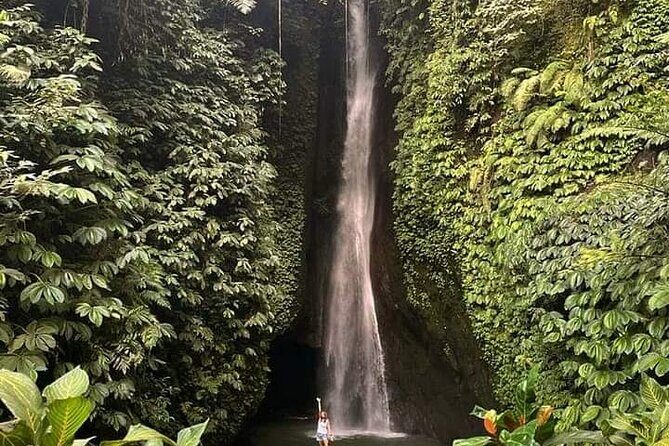
  • Leke Leke Waterfall as a quick, nature-focused stop in tropical forest
  • Ulun Danu Beratan Temple on the lake, with optional canoeing not included
  • Entrance fees handled so you spend less time on logistics

How the 8:30am Private Bali Loop Really Feels

Private tour, discover the beauty of bali - How the 8:30am Private Bali Loop Really Feels
Starting at 8:30am, this is the kind of day that works because the hard parts are handled for you. You’ll be picked up from your Bali hotel and taken around in a comfortable, air-conditioned vehicle. Even if you like driving yourself sometimes, I think you’ll appreciate the stress savings here—Bali’s roads can be lively, and you’re trying to enjoy temples, viewpoints, and a waterfall without the added navigation pressure.

This is also truly private. Your group is the only group on the tour, which usually means better flexibility with timing and less waiting around. And because you’re traveling with a driver and a guide, you’re not just getting transported—you’re getting a running explanation as you go. In places like Bali’s temples and countryside, that context can turn a quick stop into something you actually remember.

The listed duration is about 8 to 9 hours, so it’s a full day, not a quick sampler. Plan your morning around that. If you want the kind of experience where you’re never rushed, you might feel the “tight schedule” a bit—especially at the stops with very short time windows. But if you want big highlights in one day, this is a strong match.

Sacred Monkey Forest Sanctuary: Temple Views and Comedy-Channel Energy

Private tour, discover the beauty of bali - Sacred Monkey Forest Sanctuary: Temple Views and Comedy-Channel Energy
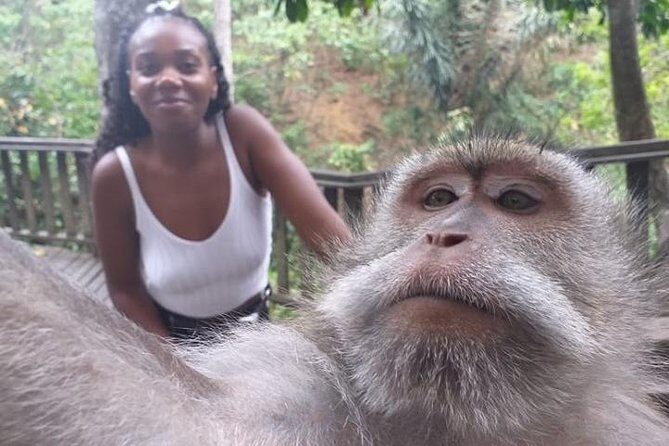
Your tour starts in Ubud Monkey Forest, the Sacred Monkey Forest Sanctuary. The setting is all tropical forest vibes plus old Balinese temple architecture, and it’s one of the most photo-friendly places to begin a Bali day. You’ll have about 1 hour here, which is enough time to take in the temple areas, look around, and get the classic monkey photos that people travel for.

What makes this stop work is the combination: you’re not just staring at animals or just looking at buildings. You get a living, shaded forest scene with temple structures and the “surprise factor” of the monkeys. The tour description even leans into the silly side—expect plenty of funny moments for photos.

A practical note: monkey sanctuaries can be unpredictable anywhere, so keep your attention on your belongings and be ready to adjust quickly for photos. If you come with a calm, “look but don’t chase” mindset, you’ll enjoy it more.

If you’re traveling with kids or you want an easy cultural entry point before heading into bigger countryside sights, this is a solid first stop. It gives you energy for the day instead of ending it on a sweaty note.

Jatiluwih Rice Terraces: A Scenic Break with a Practical Ticket Win

Private tour, discover the beauty of bali - Jatiluwih Rice Terraces: A Scenic Break with a Practical Ticket Win
After Ubud, the day shifts into countryside territory with a stop at Jatiluwih. This is where the pace softens slightly—you get about 2 hours. The big draw is the rice terrace panorama, with the classic sweeping views people come to Bali for. It also includes time for lunch with traditional Balinese food, and the setting is described as a rice-terrace view.

Now for the money angle: the admission ticket for this stop is listed as free. Even if you’re someone who doesn’t like counting expenses, this matters. Entrance fees add up fast across multiple sights, and having one stop where admission is handled without charging you extra makes the whole day feel more reasonable.

One small inconsistency to plan around: lunch is listed as not included, but the schedule describes a lunch buffet at Jatiluwih. So in real life, you should treat lunch as something you’ll likely pay for on-site or as part of the meal arrangement at that stop. If you bring a little cash (or check how your guide handles the meal), you won’t get stuck mid-day.

This is a great stop if you want a slower, calmer moment. You’re not only seeing a view—you’re getting a breather before the waterfall and lake temple.

Leke Leke Waterfall: Quick Stop, Real Nature Feeling

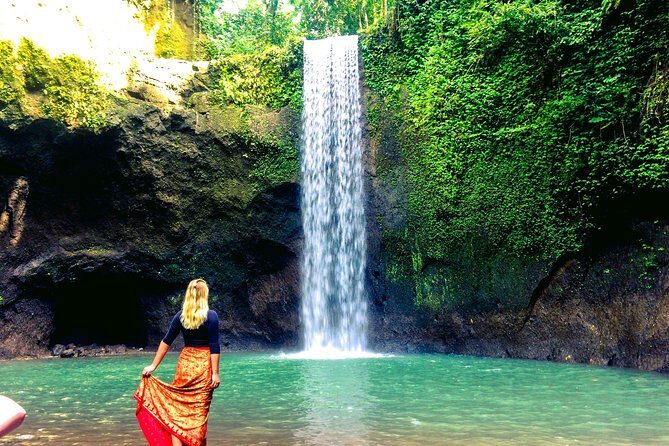
Next up is Leke Leke Waterfall, a short nature break with tropical forest surroundings and a river setting. The listed on-site time is tiny—about 2 minutes—so don’t expect a long hike or an extended lounge session.

That said, I like stops like this when the goal is “see it, feel it, move on.” The value here is getting the waterfall moment without turning your whole day into an endurance event. You get that fresh outdoor feeling, a change of scenery, and a quick photo opportunity in a lush environment.

Because the time is short, wear comfortable footwear. Also, keep your expectations tuned for a fast visit. If your ideal day includes slow wandering and deep exploration, this portion may feel rushed. If you’re okay treating it as a highlight checkpoint, it works well.

Ulun Danu Bratan Temple: Lake Views, Ceremony Energy, and Optional Canoe

Private tour, discover the beauty of bali - Ulun Danu Bratan Temple: Lake Views, Ceremony Energy, and Optional Canoe
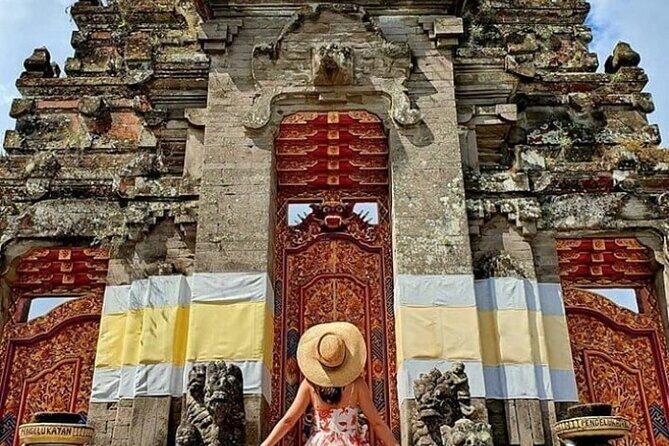
Your last stop is Ulun Danu Beratan Temple, one of Bali’s most iconic lake temples. This is the kind of location where the views do half the work. The description emphasizes a lake panorama and Balinese temple architecture, plus the chance to see a unique ceremony.

Even though the listed time on-site is very short (about 1 minute), this is still a memorable ending point because it’s visually dramatic. You’ll be looking at the temple set against the lake, with the scene giving you that “Bali postcard” feeling—except you’ll also have guide commentary to help you understand what you’re seeing.

There’s also an optional romantic canoeing activity around the lake temple, but it’s not included. If you want that extra experience, you’ll need to arrange it separately (and pay separately). If you don’t want to risk squeezing it into the timeline, you can still enjoy the main temple views without adding anything.

For your planning: if weather is even slightly bad, this lake setting can feel different fast. Fog and rain can change what you see. That’s why your day includes a weather dependency—more on that in the FAQ.

Price and Value: What You’re Really Paying for at $94.62

Private tour, discover the beauty of bali - Price and Value: What You’re Really Paying for at $94.62
Let’s talk money. At $94.62 per person, this isn’t a budget “hop on and off” tour. You’re paying for a private setup, which usually means fewer compromises: pickup, a dedicated driver, and a guide doing the explaining.

Here’s what makes the price feel fair:

  • Private vehicle + dedicated driver: you’re not sharing transport with strangers.
  • Guide commentary: you’re not just collecting photos; you’re getting context.
  • Mineral water: a small thing, but it keeps the day comfortable.
  • Admission fees included: for most stops, entrance costs are handled for you.

When a tour includes entrance fees, the “real cost” is often less than it looks on paper. If you tried to recreate the day by yourself—transport, tickets, and a guide for temple context—you’d likely spend more time and money figuring it out.

One more value signal: this tour is popular enough that it’s commonly booked about 65 days in advance. That doesn’t automatically mean it’s perfect, but it does suggest demand for a well-timed highlights day from Ubud.

What I Think Makes This Tour Strong for Your Bali First Day

I like this tour for a very specific reason: it strings together Bali experiences in a way that feels logical. You start with a Ubud cultural scene (Monkey Forest), then shift to rice terrace views (Jatiluwih), then move into nature (Leke Leke), and end with a lake temple icon (Ulun Danu Beratan).

If you’re in Bali with limited time, you’ll appreciate that structure. You’re not bouncing randomly across the island. Instead, your day follows a route style that lets you check off major hits without spending hours planning.

The tone matters too. The tour description and the feedback point toward a helpful, accommodating guide and driver. In practical terms, that can change the day. If you’re the type who likes to ask questions and adjust your plan based on what you’re seeing, a good guide is the difference between a checklist day and a “I got something out of this” day.

Just be honest with yourself about expectations. This is not a slow meditative retreat. It’s a “do a lot, do it well, don’t waste time” day.

Who Should Book This (and Who Should Skip It)

Private tour, discover the beauty of bali - Who Should Book This (and Who Should Skip It)
This tour is a great match for:

  • First-time visitors who want top Bali sights in one day
  • People who hate ticket chaos and want entrance fees included
  • Travelers who like short explanations and fast photo stops
  • Couples or small groups who want privacy, not a crowded bus vibe

It may not be your best choice if:

  • You want long, unhurried time at every location (some stops have very short listed time)
  • You’re sensitive to tight schedules and want a slower pace
  • You’re planning your trip around rain-proof sightseeing only. Weather matters here.

If you’re traveling at a time when you expect wet weather, keep flexibility in your calendar. The experience notes it needs good weather.

Quick Tips to Make the Day Go Smoothly

A few things will help you get the best version of this tour:

  • Bring cash or a card for anything not included, especially lunch if it’s not being covered in your exact meal arrangement, and for the canoe activity if you want it.
  • Wear shoes you can move in. You’ll be walking around multiple sights, and the waterfall area is described as nature and forest setting.
  • Have your camera ready early. Monkey Forest and the temple are the kinds of places where you’ll want quick grabs before the light or crowds shift.
  • If you’re prone to motion discomfort, the air-conditioned vehicle helps, but you’ll still be moving between sights—pack what you need.

Should You Book This Private Bali Highlights Day?

I’d book it if you want a straightforward, private highlights circuit from Ubud: Monkey Forest, Jatiluwih terraces, Leke Leke waterfall, and Ulun Danu Beratan—with pickup, a dedicated driver, and admission fees handled. The structure makes it easy for you to get a lot done without turning your day into a logistics project.

I’d pause if you’re the type who hates feeling rushed, because some stops are listed with very short time on-site. In that case, you might prefer fewer stops and more time at each location.

If your priority is value + convenience + a local-guided day that hits Bali’s most recognizable sights, this one makes a lot of sense.

FAQ

What time does the tour start?

The tour starts at 8:30am.

How long is the private tour?

It runs about 8 to 9 hours.

Is pickup included from Ubud?

Pickup is offered, with pickup from your Bali hotel.

Is this tour private?

Yes. It’s a private tour/activity, and only your group will participate.

Are entrance fees included?

All admission fees are included for the tour, with one stop (Jatiluwih) listed as having admission ticket free.

Is lunch included?

Lunch is not listed as included, even though a lunch buffet at Jatiluwih is mentioned in the schedule. You should plan to pay for your meal.

Is canoeing at the lake included?

No. Canoe in the lake temple is not included.

What’s included besides the guide and driver?

You’ll have a private driver and guide, mineral water, and all admission fees.

What happens if the weather is poor?

This experience requires good weather. If it’s canceled due to poor weather, you’ll be offered a different date or a full refund.

Tegallalang cave tubing

Tegallalang cave tubing - Sliding through the river: tubing, caves, and the jungle pace

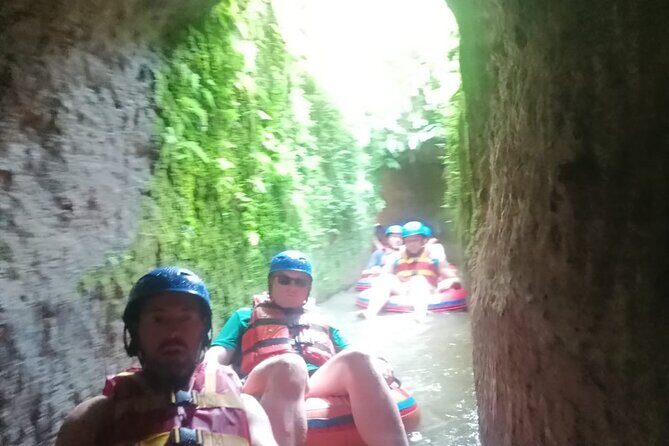
Cave tubing in Ubud feels like a secret escape. You float through a river in Bali’s lush forest, with cool water under you and small rapids that add just the right amount of excitement. Afterward, there’s time to slow down with a peaceful boat ride and the kind of scenery that makes you pause for photos without feeling rushed.

I especially like the value here: the price covers lunch plus all fees and taxes, so you’re not stuck doing math in your head later. I also like the human touch from drivers such as Eka, who are described as warm, welcoming, and genuinely helpful with the day’s rhythm, including safe, comfortable transfers.

One possible drawback: this activity expects moderate physical fitness. If you’re dealing with mobility limits, the getting-in-and-out and uneven, wet surfaces around water can be harder than a simple walk.

Key highlights to know before you go

Tegallalang cave tubing - Key highlights to know before you go

  • River tubing with gentle rapids: enough action to feel like an adventure, not a grind.
  • Lunch included: you won’t need to hunt for food mid-day.
  • Pickup and small groups: capped at 20 travelers, with pickup often arranged from your area.
  • Forest scenery and wildlife vibes: expect an outdoorsy, close-to-nature feel.
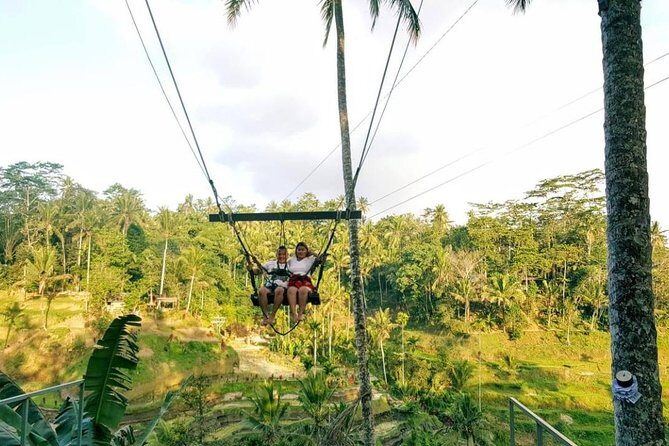
  • Photo-friendly add-ons: some people fit in a swing or zip line during the day, depending on timing.

Tegallalang Cave Tubing in Ubud: what the 4-hour day feels like

Tegallalang cave tubing - Tegallalang Cave Tubing in Ubud: what the 4-hour day feels like
A Tegallalang cave tubing day is built around one main idea: you’re on the water long enough to feel the shift in pace. Instead of racing through rapids or spending your whole time in gear, you glide along the river through dense greenery. It’s the kind of experience where you can keep your cool, even if you’re not a “hard adventure” person.

The total time runs about 4 hours. That matters because it makes the outing easy to stack with other Ubud plans. You get to do something very “Bali” without sacrificing your whole day to transportation and logistics.

The other big feel-good point is the balance. This isn’t just sightseeing from a bus window, but it’s not a white-knuckle event either. The rapids are described as gentle, and the overall tone is relaxed.

Pickup, the meeting point, and how to avoid timing stress

The start point is listed at NUKUWERA & PANDAWA, Jl. Raya Sapat, Tegallalang. The activity also offers pickup, and in practice that’s often what you’ll experience: drivers pick you up from your resort area and move you between stops. People mention drivers like Eka handling pickup smoothly and sending messages ahead of time about when to be ready.

Here’s the practical way to think about it: even if you have pickup, plan to have your “ready to go” window slightly earlier than you think. Ubud traffic can be unpredictable, and drivers tend to be patient when you’re organized.

At the end, the tour returns you back to the meeting point. That’s a relief if you don’t want to figure out transport after a wet, sandy, jungle-feeling morning.

Sliding through the river: tubing, caves, and the jungle pace

Tegallalang cave tubing - Sliding through the river: tubing, caves, and the jungle pace
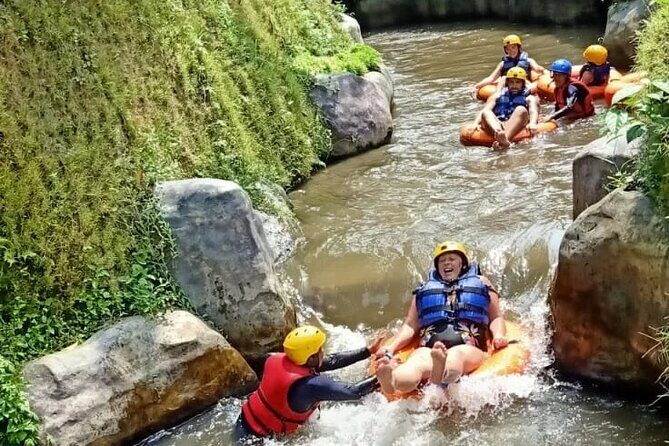
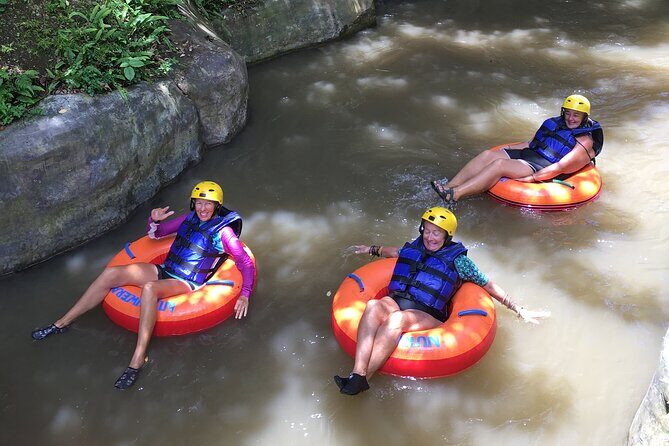
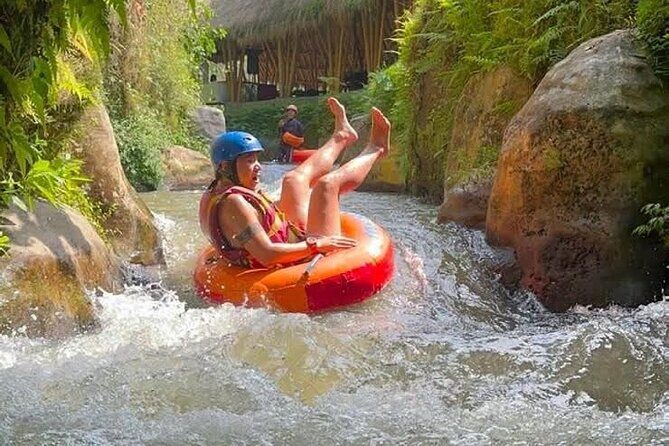
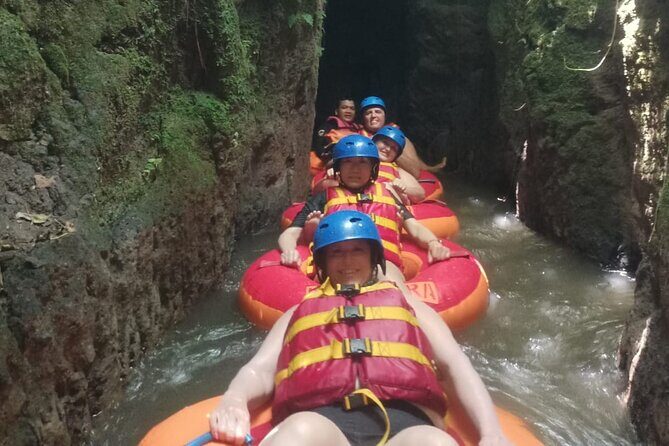
The tubing portion is the heart of Tegallalang cave tubing. You’ll be drifting down a secluded river through tropical forest. Expect cool water and a gentle, floaty feeling as you move along the currents.

The most important “how it feels” detail is the pacing. Tubing is often a great middle ground if you like being on the water but find rafting too intense. You still get small rapids and moments of motion, but the ride doesn’t demand constant effort.

You’ll also be close to nature in a way that’s hard to replicate in Ubud’s more crowded zones. Some people mention seeing frogs, geckos, and birds around the jungle setting. Even if you don’t spot every animal, the soundscape and greenery do the work.

Safety-wise, you should follow your guide’s instructions for how to sit, hold on, and move through any slick areas. This activity is listed as moderate physical fitness, so if you have balance issues or mobility concerns, go slowly and tell your guide what you need.

After the water: the boat ride and breaks for photos

Tegallalang cave tubing - After the water: the boat ride and breaks for photos
A big reason this itinerary works is what comes after tubing. Instead of jumping straight into the next stop while everyone is still soaking, the day includes a peaceful boat ride.

This part gives you a mental reset. Your body gets a chance to cool down, and you can enjoy the scenery with fewer “active” moments. If you’re the type who likes landscape shots but hates being rushed, this pacing helps.

Photo opportunities tend to be a real highlight around Tegallalang. Some people also add activities during the day, like a swing or a zip line. Whether you can do that depends on timing and how your operator schedules the stops, so it’s worth asking when you book.

Lunch, included fees, and why $40.93 can be fair value

Tegallalang cave tubing - Lunch, included fees, and why $40.93 can be fair value
The price is $40.93 per person, and the listing includes lunch plus all fees and taxes. Personal expenses are not included, but the essentials are covered.

That bundled approach matters because it makes the day simpler for budgeting. In Ubud, small add-ons pop up fast. If the essentials are already in the price, you can decide what you genuinely want instead of being forced into purchases to keep hunger and transport from derailing the day.

Also, think about what you’re getting for a short outing. You’re not just buying a ticket for a single activity; you’re getting an organized day with transportation help (pickup offered) and a full run of the experience, including lunch. For many people, the “less hassle” value is worth as much as the activity itself.

The role of your driver: Eka, Mead, and the comfort factor

Tegallalang cave tubing - The role of your driver: Eka, Mead, and the comfort factor
In Ubud, a good driver can turn a “good day” into an easy day. People describe drivers such as Eka as warm, welcoming, and genuinely helpful, and they highlight safety and comfort in traffic. Another name that comes up is Mead, noted for being patient (especially in traffic) and providing local knowledge and culture during the drive.

Even if the tubing and scenery are the main event, the transfer time is still part of your experience. A driver who explains what’s next, keeps the schedule calm, and adjusts to your needs can make a huge difference, especially if you’re traveling with kids or you just don’t want stress on your holiday.

Who Tegallalang cave tubing is best for (and who should rethink it)

Tegallalang cave tubing - Who Tegallalang cave tubing is best for (and who should rethink it)
This experience is aimed at people who want adventure with a calm vibe. It’s a solid fit if:

  • You want water time but don’t want rafting-level intensity.
  • You like jungle scenery and wildlife-like atmosphere.
  • You prefer a shorter outing (about 4 hours) rather than a full-day marathon.
  • You want lunch included so your day stays smooth.

It may be less ideal if:

  • You have trouble with uneven ground, wet surfaces, or moderate physical movement.
  • You need full accessibility accommodations, since tubing-style activities usually involve getting in and out of water and moving around outdoors.

Families can be a good match. One review-style detail you’ll want to pay attention to is that staff are described as excellent with a 6-year-old and focused on safety. Still, if your child is young or cautious around water, plan for extra patience and follow the guide’s direction closely.

What to bring for a wet jungle day

Tegallalang cave tubing - What to bring for a wet jungle day
You don’t need a lot of gear, but you do need to think like it’s a water activity. Plan on getting wet. Pack like this:

  • A change of clothes for afterward (you’ll want to get into something dry quickly).
  • Swimwear you’re comfortable getting fully wet.
  • Water-friendly footwear or something you can keep secure on slippery areas.
  • A small bag you don’t mind protecting, since you’ll likely want a place for personal items.

If you’re adding activities like a swing or zip line (some people fit these in), you’ll also want to dress for movement and bring a way to keep personal items secure.

Booking and timing: how far ahead to plan

On average, this experience is booked about 13 days in advance. That’s a useful clue. If you’re traveling during a busier season or on a tight schedule, booking earlier tends to give you more date options. Also, confirmation is received at the time of booking, and you’ll have a mobile ticket—helpful if you want a simple, paper-light day.

Should you book Tegallalang cave tubing in Ubud?

I think you should book it if you want a nature-forward water outing that stays relaxed, includes lunch, and doesn’t eat your entire day. The combination of river tubing through tropical forest, small rapids, and a calm boat ride hits a nice sweet spot for people who like adventure but don’t want to feel exhausted.

Skip it or rethink it if moderate physical movement is an issue for you. Also, if you’re only interested in a very extreme ride, this isn’t positioned that way. The whole concept is balanced: cool water, gentle excitement, and scenery you can actually enjoy.

If you do book, ask your operator about what’s scheduled during your specific day and whether optional add-ons like a swing or zip line fit in. Clear expectations make the day feel even smoother.

FAQ

Where does Tegallalang cave tubing start and end?

The tour starts at NUKUWERA & PANDAWA, Jl. Raya Sapat, Tegallalang, Kec. Tegallalang, Kabupaten Gianyar, Bali 80561, Indonesia. It ends back at the meeting point.

How long is the experience?

It runs about 4 hours (approx.).

Is pickup available?

Yes, pickup is offered.

What’s included in the price, and what isn’t?

Lunch and all fees and taxes are included. Personal expenses are not included.

What fitness level do I need?

The tour lists a moderate physical fitness level.

How big is the group?

The experience has a maximum of 20 travelers.

Will I receive a mobile ticket?

Yes, a mobile ticket is included.

What is the cancellation policy?

You can cancel for free up to 24 hours in advance for a full refund. If you cancel less than 24 hours before the start time, the amount paid will not be refunded.

Tanah Lot – Ulun Danu Beratan Temple – Scenic Countryside Tour

Tanah Lot - Ulun Danu Beratan Temple - Scenic Countryside Tour - Ulun Danu Beratan Temple: lake views first, details second

Four Bali icons, one calm private day. I like the mix of temple-on-a-lake views, jungle waterfalls, and UNESCO rice terraces packed into a single 10-hour route. You’ll also get plenty of time to aim for great photos around Tanah Lot’s sea views. The only real drawback to plan for: admission fees and lunch aren’t included, so you’ll want a little extra budget.

This is a private day out of Ubud with pickup offered, bottled water, and an air-conditioned vehicle. You’ll receive a mobile ticket, which makes the day feel smoother than hunting for paperwork. For a private group up to 4, the pacing is easier on your body than trying to do all this by scooter.

The trip includes a full set of stops—Ulun Danu Beratan, Banyumala Twin Waterfalls, Jatiluwih rice terraces, and Tanah Lot (plus the nearby Batu Bolong temple area). If you hate driving days, this may feel like a lot, but the schedule is built around short, focused visits instead of endless wandering.

Key things to know before you go

  • Private group, up to 4: Your day is shared only with your group, so you can move at a comfortable pace.
  • Most sites are short on purpose: You’ll get meaningful time at each highlight—no marathon temple sprinting.
  • UNESCO rice terraces at Jatiluwih: This isn’t just pretty scenery; it’s protected as part of the island’s world heritage conservation.
  • Banyumala Twin Waterfalls are in the jungle: Bring your patience—this stop is the most time-consuming and weather can change the vibe.
  • Photo-friendly timing at the coast: Tanah Lot’s sea temple area is a natural “camera out” moment.

Why this countryside route works so well from Ubud

Tanah Lot - Ulun Danu Beratan Temple - Scenic Countryside Tour - Why this countryside route works so well from Ubud
This tour is built for people who want the classic Bali postcard sights, but without the chaos of crisscrossing the island all day. You’re covering temples, waterfalls, and rice terraces in one stretch, so your ticket is buying convenience as much as it’s buying views.

I also like that the stops feel balanced. You start with a lake temple, move into jungle nature, then shift to the open, stepped world of rice terraces, and end on the dramatic sea-temple coastline. It’s a smart way to keep your brain awake: different scenery every segment.

One more thing that matters: the tour includes an air-conditioned car and bottled water. That sounds basic, but on a 10-hour day it helps you stay human. You’ll still do walking and standing, but you’re not dealing with heat stress on top of everything else.

Your ride, your pace, and why “private” is worth it here

Tanah Lot - Ulun Danu Beratan Temple - Scenic Countryside Tour - Your ride, your pace, and why “private” is worth it here
You’re traveling in an air-conditioned vehicle, and the day runs about 10 hours. Pickup is offered, which is a big deal in Bali when traffic can turn a simple plan into a longer one than you expected.

Because it’s private, you’re not stuck with the “everyone move now” energy that often comes with shared tours. The schedule includes set visit times—30 minutes at Ulun Danu Beratan, about 2 hours for Banyumala Twin Waterfalls, 1 hour 30 minutes at Jatiluwih, and around 45 minutes for Tanah Lot—so you can count on time at each priority without feeling rushed.

You may also get a bit of flexibility. Some groups have shared that the guide can adjust the order slightly to match what you want most. That’s useful on days when you’d rather spend longer at the place you care about, and shorten the part you can see faster.

Ulun Danu Beratan Temple: lake views first, details second

Tanah Lot - Ulun Danu Beratan Temple - Scenic Countryside Tour - Ulun Danu Beratan Temple: lake views first, details second
Ulun Danu Beratan (often written as Ulun Danu Bratan) is the kind of temple stop that makes you slow down without trying. The setting is the star: it sits on the Beratan Lake edge, with rolling hills around it. Even if you’re not a serious temple person, the view does the heavy lifting.

Plan for about 30 minutes here. That’s enough time to get your bearings, walk the main areas you can access in that time window, and take photos without feeling like you’re stuck in a queue. The best strategy is to pick your viewpoint early, because once you’re satisfied, you can enjoy the details without constantly checking the clock.

This stop is also great for your timing later in the day. Starting with a temple-by-the-water view gives you a visual calm-up before the more intense nature segment at the waterfalls. It’s a nice contrast: architecture and stillness before humidity and motion.

Banyumala Twin Waterfalls: the jungle stop that eats time (in a good way)

Tanah Lot - Ulun Danu Beratan Temple - Scenic Countryside Tour - Banyumala Twin Waterfalls: the jungle stop that eats time (in a good way)
Next comes Banyumala Twin Waterfalls, about 2 hours in total. This is the nature breath of the day: waterfalls in the jungle with a view that feels more alive than the temples. If your Bali day is only about buildings and sea cliffs, this is the segment that adds physical atmosphere.

Because it’s in a jungle setting, you’ll want to be mentally ready for a bit of “walk, pause, look again.” The two waterfall concept also helps. Even when one side is your favorite, there’s still enough to keep you interested without feeling like you’re repeating the same photo.

The main consideration is simple: this is the longest stop besides the total driving day. If you’re short on patience or you dislike anything even slightly active, you’ll feel it here. But if you like fresh air and the sound of water, that extra time is exactly what makes it satisfying.

Jatiluwih rice terraces: UNESCO scenery with real walking involved

Jatiluwih is one of Bali’s standout rice terrace areas and it’s recognized as a UNESCO world heritage site under conservation. The big value here is scale. These terraces aren’t a tiny viewpoint you see from one corner—they’re the kind of area you can understand by moving through it.

You’ll spend about 1 hour 30 minutes. That window is long enough to take in the stepped fields, but short enough to keep the day moving. I’d treat it like a scenic walk with breaks, not like a hike. You’ll get better photos by changing your angle a few times instead of trying to grab everything from one spot.

One practical thought: bring footwear you’re comfortable walking in. Rice terraces are not a treadmill—paths can be uneven, and you’ll want stable steps so your focus stays on the view, not on your feet.

Tanah Lot and Batu Bolong: sea-temple drama with photo power

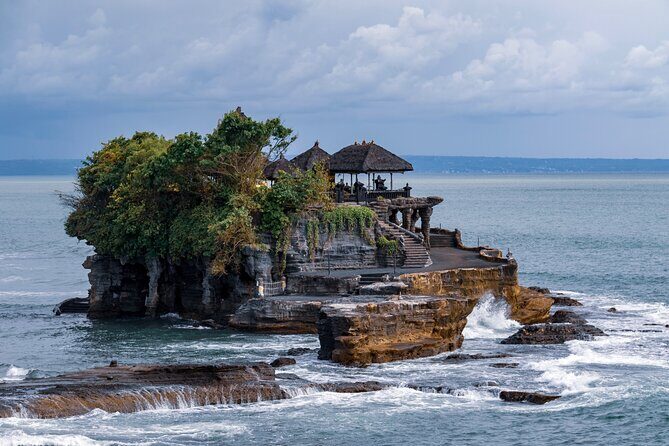
Tanah Lot is the headline for the final segment, with around 45 minutes on-site. The reason it’s so popular is obvious once you’re there: the temple is located by the sea, and the setting makes the whole place feel dramatic. You’re not just looking at temple gates; you’re looking at water, waves, and a coastline that changes as the light shifts.

The tour also includes the Batu Bolong temple area as part of that sea-temple zone. This is where your panoramic photos happen—wide angles, dramatic cliffs, and that “I can’t believe this is real” feeling that Bali does so well.

The time is short, which can be a good thing. With just 45 minutes, you can move from viewpoint to viewpoint without overthinking it. If you’re someone who loves lingering, you’ll feel the limit—but the benefit is that you won’t burn your whole day waiting for a perfect moment.

Guide service quality: the detail that turns a tour into a memory

Tanah Lot - Ulun Danu Beratan Temple - Scenic Countryside Tour - Guide service quality: the detail that turns a tour into a memory
In Bali, the difference between a good tour and a great one often comes down to the guide’s attention. This tour is often praised for guides who are professional and kind, and who help you get more from each stop than just a quick look.

I’d call out three things that show up repeatedly:

  • Photo help: Some guides are described as excellent at taking pictures, which matters at places like Tanah Lot where the scenery is wide and you want the right angles.
  • Enough time at each stop: You’re not rushed through everything, so you can actually experience the place instead of checking boxes.
  • Flexibility and personalization: If you ask for a small change—like adjusting the order to match your preferences—this tour can often accommodate.

Language can also be a hidden value. Some guides speak Italian, and that makes explanations and temple context easier to absorb. Even if you’re not traveling in Italian, having clear communication helps you feel relaxed instead of confused.

Price and value: what you’re really paying for

Tanah Lot - Ulun Danu Beratan Temple - Scenic Countryside Tour - Price and value: what you’re really paying for
The price is listed at $85.00 per group (up to 4) for about 10 hours. On paper, that’s a group rate, not a per-person deal, which is where the value starts. If you’re traveling as two or three people, you’re effectively spreading the cost of private transport across your group.

What you’re paying for is not just seats in a car. You’re paying for:

  • an air-conditioned vehicle,
  • bottled water,
  • a plan that strings together four major sights without you having to organize route timing,
  • and a guide who can add context and keep the pace realistic.

Admission fees and lunch are not included, so don’t let the $85 number feel like a full day everything-paid rate. But once you account for tickets and your own lunch plan, you’ll likely find the day still competes well with other private options because the itinerary is so concentrated.

What to expect for your day schedule

Here’s the practical rhythm I’d expect: short, focused temple time; a longer nature block; a guided-feeling terrace walk; then a sea-temple finale. The stop durations aren’t random. They reflect what each place needs to feel satisfying.

  • Ulun Danu Beratan: about 30 minutes, best for views and quick exploring.
  • Banyumala Twin Waterfalls: about 2 hours, where you’ll feel the jungle time.
  • Jatiluwih rice terraces: about 1 hour 30 minutes, for walking and layered viewpoints.
  • Tanah Lot (and Batu Bolong area): about 45 minutes, for coastal drama and photos.

If you’re the type who hates tight schedules, this still has enough built-in buffer to keep it enjoyable. If you’re the type who wants every minute maximized, you may wish you had more time at the final coast segment—because it’s Tanah Lot.

Who this tour suits best (and who should think twice)

This is a strong fit if you want a classic Bali mix—temples, waterfalls, and rice terraces—without doing it in separate days. It’s also a good choice if you like structure. The visit times help you avoid decision fatigue.

It’s especially worth it for small groups. Up to four people means you can keep the vibe private and comfortable, while still splitting the cost.

You might think twice if:

  • you want a very slow, no-driving day, or
  • you know you hate jungle walking, because the waterfalls stop takes the most time.

The tour is marked as near public transportation and suitable for most travelers, so it’s not an extreme adventure. But you should still expect normal sightseeing walking and standing.

Should you book this Tanah Lot – Ulun Danu Beratan – Countryside tour?

If your ideal Bali day includes Ulun Danu Beratan, Banyumala Twin Waterfalls, Jatiluwih rice terraces, and Tanah Lot, then yes—this is an efficient way to hit all of them in one go. The private format, air-conditioned vehicle, and bottled water help you stay comfortable, and the stop lengths are built to keep you from feeling constantly rushed.

Book it if you want the full “Bali greatest hits” package with a guide who can help you get better results at the photo stops and keep the day smooth. Just go in with two expectations: you’ll pay admission separately, and you’ll need to plan your lunch on your own.

If you want, tell me your travel month and whether you prefer temples first or nature first, and I’ll suggest a sensible lunch and photo strategy for the day.

FAQ

How long is the Tanah Lot – Ulun Danu Beratan Temple – Scenic Countryside Tour?

The duration is listed as about 10 hours.

What is the group size for this private tour?

It’s a private tour/activity, and the price is per group for up to 4 people.

Is pickup included?

Pickup is offered.

Are admission fees included in the price?

No. Admission fees are not included.

Is lunch included?

No. Lunch is not included.

What does the tour include?

It includes bottled water and an air-conditioned vehicle.

Do I get a mobile ticket?

Yes, mobile ticket is listed as a feature.

Which places are included in the tour?

You’ll visit Ulun Danu Beratan Temple, Banyumala Twin Waterfalls, Jatiluwih rice terraces, and Tanah Lot Temple (with Batu Bolong temple included in the scenic overview).

Is the tour only for my group?

Yes. Only your group will participate.

Can I cancel for a full refund?

Free cancellation is offered. You can cancel up to 24 hours in advance for a full refund.

Is this tour suitable for most travelers?

Yes, it’s marked as most travelers can participate. It’s also noted as near public transportation.

Ubud Village, Waterfall and Kintamani Volcano Tour

Ubud Village, Waterfall and Kintamani Volcano Tour - Private pickup from Seminyak: the start that sets the tone

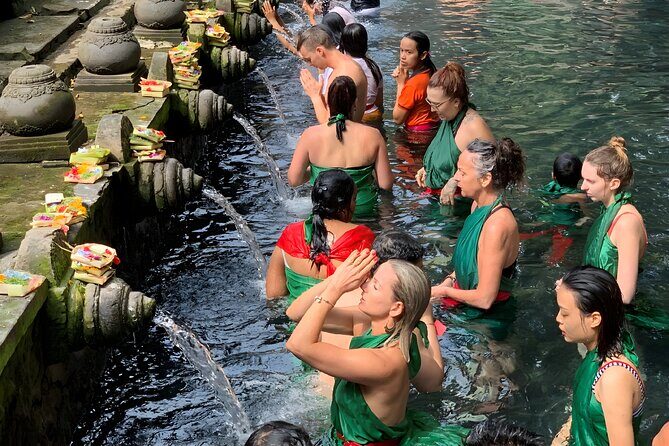
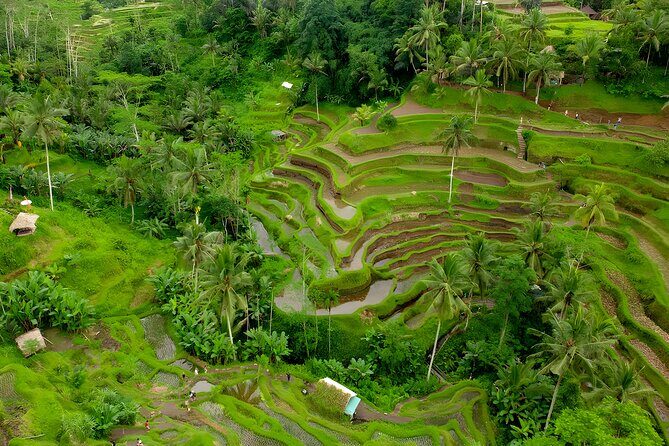
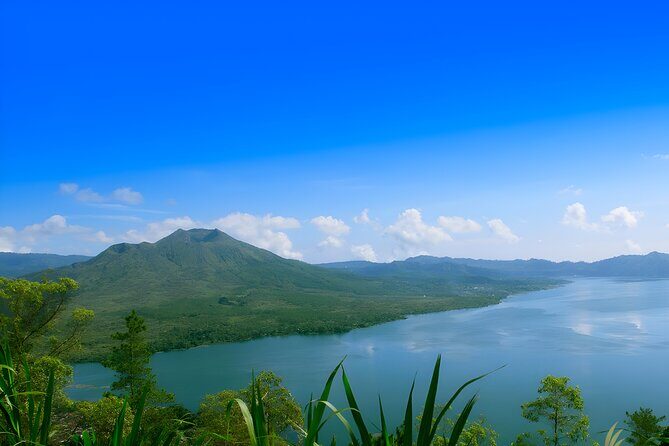
Ubud in a single day can feel intense, but this one actually makes sense. You’ll hit the big spiritual stops and the big nature stops, then finish with Ubud Palace and the Art Market, all with door-to-door private transport. The best part is the mix: Lake Batur and Mt. Batur views at lunch, plus Ubud’s temples, rice terraces, and the Monkey Forest under the same day plan.

Two things I love about this tour are the pacing and the people part. Your driver/guide handles the driving, timing, and English explanation, and in real life that’s what turns a long checklist into an enjoyable route. Also, guides like Gede and Ardika show up as real pros on the cultural side, and that makes places like Tirta Empul feel more grounded than a quick photo stop.

One possible drawback to plan for: it’s a long day (about 9 to 10 hours), and the schedule depends on good weather. If the conditions are poor, the tour can be adjusted or rescheduled, so keep your next day in Bali flexible.

Key highlights worth your time

Ubud Village, Waterfall and Kintamani Volcano Tour - Key highlights worth your time

  • Tegenungan Waterfall in a classic Bali setting with a short visit that still feels like a real stop
  • Tirta Empul Temple plus the holy spring area, a key Hindu cultural experience
  • Kintamani highlands and Mt. Batur caldera views from the cooler mountain air
  • Tegalalang Rice Terrace viewpoints timed as part of a tight, efficient loop
  • Ubud’s core landmarks: Monkey Forest, Ubud Palace, and the Art Market
  • Lunch with Lake Batur and Mt. Batur views as a true reward mid-day

Price and logistics: what you’re paying for in Bali

Ubud Village, Waterfall and Kintamani Volcano Tour - Price and logistics: what you’re paying for in Bali
At $70 per person, this is priced like a full-day highlights package, not a short hop-around. You’re paying for convenience and structure: pickup and drop-off from Seminyak, an air-conditioned vehicle, and your entrance fees already handled.

The private part is also the value lever. Since it’s just you and your group in the car (no mixing with random strangers), you get fewer awkward “wait for others” moments. In tours like this, small timing delays add up. Here, the private vehicle helps keep the day moving without feeling rushed.

Plan for a long stretch of driving. Bali’s roads can be slow, especially when you’re moving between Ubud and the Kintamani side of the island. If you hate car time, this tour may feel like too much. If you’re okay trading a bit of road time for big variety, you’ll likely enjoy it.

Private pickup from Seminyak: the start that sets the tone

Ubud Village, Waterfall and Kintamani Volcano Tour - Private pickup from Seminyak: the start that sets the tone
Your day begins with hotel or villa pickup and round-trip private transfers. That door-to-door service matters more than it sounds, especially in Ubud-style sightseeing where you’re bouncing between different zones.

You’ll travel in an air-conditioned vehicle, which is a lifesaver in Bali heat. And the driver is listed as an English-speaking guide, meaning you should get more than directions. People in the driver seats, including Raj, Gede, and Ardika, stood out for safe driving and real explanations about local customs.

Tip for your comfort: wear easy layers. The weather can shift from warm coastal areas to cooler highlands near Kintamani, and your day includes both.

Tegenungan Waterfall: famous, but still worth the stop

Tegenungan Waterfall is one of Bali’s widely known waterfall visits, and the reason is simple: it’s scenic and easy to reach as a day-trip anchor. You’ll have about one hour here, including time for photos and walking around the viewpoint areas.

A practical detail from the real-world feel of this stop: there’s mention of a bridge you can take to get across toward the river area. That helps you get a slightly different angle from the main viewpoint, and it’s often what turns a quick waterfall photo into a more memorable experience.

Keep your camera ready, and bring sunscreen. Waterfall mist and strong sun can both hit you in the same hour.

Possible consideration: waterfalls can vary with conditions and crowd levels. If rain has been heavy, paths and viewpoints can feel slippery, and timing can shift slightly.

Tirta Empul Temple: Hindu culture you can actually feel

Tirta Empul Temple is a holy spring temple complex tied to Balinese Hindu belief. You’re there for about one hour, which is long enough to walk the grounds, understand what you’re seeing, and still keep the day on schedule.

This is the stop that often changes how people rate a full-day tour. When your guide explains the good-versus-evil story setting and what the site represents, the visit becomes more than a scenic temple. The driver/guide role here is key, because religious sites in Bali have details that you’ll miss if you only treat it as a photo stop.

What to expect: a slower, respectful pace compared to the waterfall portion. Dress smart casual works as a baseline, but for temples you’ll want to be prepared to cover as needed (the tour lists a smart casual dress code; bring a light layer if you tend to run cold or prefer extra coverage).

Kintamani Highland: Mt. Batur views that anchor the day

Ubud Village, Waterfall and Kintamani Volcano Tour - Kintamani Highland: Mt. Batur views that anchor the day
Then you move into the Kintamani highlands, where the big draw is the caldera view and the Lake Batur scenery below. You’ll spend about one hour at this stop, which is a good length for looking, taking photos, and enjoying the mountain atmosphere.

This area often feels like a natural “reset.” After temples and waterfall time, the Kintamani stop gives you space for wide views and fewer close-up distractions.

Here’s the standout benefit for your lunch: the tour includes a buffet lunch with views of Lake Batur and Mt. Batur (when the buffet lunch option is selected). That means you’re not just eating on the go. You’re eating while the landscape does the work.

Weather note: this is one of the spots most affected by cloud cover. If the view is blocked, you’ll still get the experience, but the wow factor can drop.

Tegalalang Rice Terrace: the Balinese postcard with real context

Tegalalang Rice Terrace is one of Bali’s signature sights, and it’s not just a backdrop. You’ll spend about one hour here, and the terraces are tied to local history through a revered holy man named Rsi Markandeya (as described in the tour notes).

Why I like this stop on a structured day tour: it’s easy to understand once you’re there. Your guide can point out how terracing works and how it fits into Balinese life, not just how it looks in photos.

The terraces can be busy, but the visit time is built in so you can look around without feeling like you’re being herded.

Practical tip: bring sunscreen and wear footwear with grip. The area can have slick or uneven ground depending on recent rain.

Sacred Monkey Forest Sanctuary: close encounters, set expectations

Next up is the Sacred Monkey Forest Sanctuary, a small forest area centered right in Ubud. You’ll have about one hour here.

The point of this stop is the contrast: after open views and temples, you step into a living mini-ecosystem with monkeys and tropical greenery. The tour notes it as a rain forest area, and that can feel different in temperature and humidity.

Respect the monkeys. Don’t treat them like props. Keep your belongings controlled and avoid sudden movements. This is the kind of place where your safety and comfort are mostly about your common sense.

Ubud Palace and the Art Market: where the day turns into shopping and culture

Ubud Village, Waterfall and Kintamani Volcano Tour - Ubud Palace and the Art Market: where the day turns into shopping and culture
After the heavier sightseeing, you shift to two Ubud “human-scale” stops: Ubud Palace and the Ubud Art Market.

Ubud Palace (Puri Saren Ubud) is a prominent royal landmark right on a main road intersection. You’ll spend about 30 minutes, which is perfect for a quick cultural grounding without dragging your schedule.

Then you head to the Ubud Art Market for about one hour. This is where you can trade that big scenic day energy for practical souvenirs: wood and rattan handicrafts, plus paintings and smaller knick-knacks.

I like putting the market late in the day. If you buy too early, you end up carrying items all day. Late purchases also let you see what you’re actually interested in after the rest of the day gives you context.

Shopping tip: budget time for browsing, but don’t overthink every stall. If something fits your style and your price range, grab it and move on.

The guides make or break it: what to look for in your driver

This is one of those tours where the driver/guide really shows up in the feedback. People name drivers like Ardika and Gede for being friendly, safe, and tuned into local customs and culture. Another driver, Raj, is praised for being a great driver.

What matters for you is what that adds to the day:

  • clear explanations so you understand why a place matters
  • flexible timing when a stop needs a small adjustment
  • smoother transitions between sites, especially on long road segments

If you book and your guide speaks enough English to answer your questions, you’ll likely enjoy the cultural stops more. You’ll also get better photos because you understand where to stand and when.

The one complaint to take seriously: lunch quality and hydration

One review standout wasn’t about the sights. It was about the lunch being underwhelming at the venue, even though the location had great views.

That doesn’t mean your lunch will be bad, but it does mean you should manage expectations. The tour notes lunch as an Indonesian buffet with a view of Mt. Batur and Lake Batur. If buffet food isn’t your thing, plan to supplement your own snacks.

Hydration is also worth flagging. Another feedback point mentioned not seeing mineral water. Even if the tour handles the main meal, you might want to bring a refillable bottle.

How the full route fits together (and who it suits best)

This tour strings together three categories of Bali highlights:

  • nature: Tegenungan Waterfall, plus Kintamani highlands
  • culture and religion: Tirta Empul, Ubud Palace
  • Ubud experiences: rice terraces, Monkey Forest, and the Art Market

That mix is why it works as a single day. If you only did Ubud’s temples, you’d miss the volcano-zone drama. If you only did volcano scenery, you’d miss the daily spiritual rhythm that makes Bali feel like Bali.

Who I think this suits best:

  • you want a structured best-of day and don’t want to self-drive
  • you like variety—waterfall, temple, terraces, volcano views, then Ubud town
  • you prefer private transport so the day stays smooth and personal

Who might find it less ideal:

  • you hate long car days or tight schedules
  • you’re very picky about buffet lunch quality and want a specific restaurant plan
  • you want very slow travel with lots of free time between stops

Should you book Ubud Village, Waterfall and Kintamani Volcano Tour?

If you’re in Bali for a short stay and want to check off the famous Ubud sights plus Mt. Batur/Kintamani scenery, I’d say this is a solid booking. The price makes sense because it includes entrance tickets and the logistics that usually cost you time and energy when you travel independently.

The decision hinge is your attitude toward two things: a long day and mountain-view-dependent weather. If you’re comfortable with that trade and you care about getting the culture and nature combination right, you’ll likely feel satisfied by the end.

If you do book, go in smart: use sunscreen, bring a camera, and keep a small snack backup in case lunch isn’t your style. And if you get a driver like Ardika or Gede, ask questions. This tour gets better when you actually talk to the person behind the wheel.

FAQ

What is the duration of the Ubud Village, Waterfall and Kintamani Volcano Tour?

It runs about 9 to 10 hours.

Where does the tour start from?

Pickup is offered from Seminyak, with hotel or villa pickup and drop-off.

Is this a private tour or a shared tour?

It’s a private tour, so only your group participates in the vehicle.

What’s included in the price?

Private tour transport in an air-conditioned vehicle, an English-speaking driver/guide, entrance tickets, and buffet lunch if you select that option, plus petrol, parking, taxes, and services.

Does the tour include lunch?

Yes, buffet lunch is included if you choose the buffet lunch option.

Can I request a vegetarian meal?

Yes. A vegetarian option is available if you advise at the time of booking.

What are the main stops on the itinerary?

Tegenungan Waterfall, Tirta Empul Temple, Kintamani Highland, Tegalalang Rice Terrace, Sacred Monkey Forest Sanctuary, Ubud Palace, and the Ubud Art Market.

What should I wear for the tour?

The dress code is smart casual.

What should I bring?

Bring sunscreen and a camera.

Does the tour depend on weather?

Yes, the experience requires good weather. If it’s canceled due to poor weather, you’ll be offered a different date or a full refund.

Best of Bali Jungle Swing with Ubud Sightseeing Tour

Best of Bali Jungle Swing with Ubud Sightseeing Tour - Seminyak pickup and private transport that keeps the day moving

Ubud can feel like a whole world in one day. This private tour strings together temples, jungle scenery, and a proper waterfall break, with a ride planned for you.

You’ll start around the Tegalalang rice terraces, then move through sacred sites and viewpoints at a pace that still feels efficient.

I especially love the combination of Tegalalang’s wow-factor views and the included jungle swing time. And I like that you’re not bouncing between stops on your own—you get a private driver-guide, so the day feels calmer and more photo-friendly.

One possible drawback: it’s a 10-hour full-day plan. If you’re the type who wants long, slow hangs in one place (instead of hopping), you might feel the pace.

Key takeaways

Best of Bali Jungle Swing with Ubud Sightseeing Tour - Key takeaways

  • Tegalalang rice terraces + swing time: Terraces first, with zip lines and jungle swings available right there, and swing fees included once.
  • Sacred Monkey Forest Sanctuary: A jungle temple complex with macaques, so plan for quick reactions and respectful behavior.
  • Tirta Empul holy spring purification: A real Balinese ritual setting, not just a photo stop.
  • Tegenungan Waterfall break (swim possible): Clear water, a chance to cool off, plus towel refreshments.
  • More than temples: Ubud Traditional Art Market and the Campuhan Ridge Walk add everyday local texture and scenic walking time.
  • Practical guide support: In rain, guides have provided umbrellas, and the driving has been described as careful and safety-minded.

A full-day Ubud plan built for temples, terraces, and a real swim

Best of Bali Jungle Swing with Ubud Sightseeing Tour - A full-day Ubud plan built for temples, terraces, and a real swim
This is the kind of day I like for Bali when you want variety without doing logistics gymnastics. The route is built like a greatest-hits tour of Ubud’s outdoor side: terraced rice fields, jungle temple grounds, a ritual bathing site, and then a big waterfall where you can actually get in the water.

What makes it work is the mix of energy levels. You’ll have moment-y stops (like a ridge walk and the art market), plus longer “stay and look” sections where you can slow down: the Monkey Forest area, the Tirta Empul temple bathing zone, and your time at Tegenungan. It’s also a private setup, so your driver-guide can help keep the pace comfortable for your group instead of funneling everyone through the same scramble.

And yes, the included jungle swing at Tegalalang is part of the appeal. It turns a scenic viewpoint into something you’ll remember with your body as well as your camera.

Seminyak pickup and private transport that keeps the day moving

Best of Bali Jungle Swing with Ubud Sightseeing Tour - Seminyak pickup and private transport that keeps the day moving
The big practical win here is private transportation with a private driver guide. You’re not piecing together rides or guessing travel times between Ubud-area sights. You’re also less likely to lose time to confusion at intersections or at busy entrance areas.

Pickup is offered, and some guests have been collected from hotels in Seminyak, which makes this feel like a true whole-day plan rather than “figure out how to get there.” On top of that, bottled water is included, and you’ll have lunch covered—small things, but they help when your day stretches out toward 10 hours.

One thing to keep in mind: this is a private tour, so it’s not about sharing space with strangers. That’s great for comfort and flexibility. Still, you’ll be moving between popular sites, so expect crowds at the high-traffic highlights, especially around the Monkey Forest area.

Tegalalang Rice Terrace: the first wow shot and the swing factor

Best of Bali Jungle Swing with Ubud Sightseeing Tour - Tegalalang Rice Terrace: the first wow shot and the swing factor
Your day starts at the Tegalalang Rice Terrace, where the terraced hillside creates that classic Bali “layers” look. This is the stop where the scenery feels like it’s made for photos, but it’s also active and hands-on. You’ll have time to walk through the terraces and take in the greenery, and there are options overhead and around you like zip lines and jungle swings.

This tour includes the entrance ticket, plus once swing fees. That matters because it turns what could be an extra-cost activity into a real, planned highlight. The swing is typically where you’ll spend that “one last thing before we move on” energy—good timing right at the beginning of your day, when you still have fresh legs and the light can be forgiving for pictures.

A practical tip: wear shoes you can trust on uneven paths. Terraces can mean loose ground, stairs, and slippery spots after humidity or rain. And bring sun protection even if clouds show up—this area can still roast you while you’re standing still waiting for your turn.

Sacred Monkey Forest Sanctuary: temple grounds with real macaques

Best of Bali Jungle Swing with Ubud Sightseeing Tour - Sacred Monkey Forest Sanctuary: temple grounds with real macaques
After Tegalalang, you head to the Sacred Monkey Forest Sanctuary, a Hindu temple complex in the jungle environment where macaques live. This stop is famous for the monkeys, but it’s also a sacred site, so you’ll be moving through an active space with religious structures and areas where people come to pray.

What I like about this stop on a guided day is that your guide can help you stay calm and respectful. A smooth visit here is less about trying to control the monkeys and more about not provoking problems. Keep bags closed, avoid sudden moves, and be mindful about anything in your hands—food, phones, sunglasses. Monkeys are quick, and the fastest way to turn a cool experience into a stressful one is to get too friendly or too careless.

Also, plan for a bit of chaos. It’s part of the appeal. Just accept that you’ll adjust your timing a little. Some areas are crowded at peak times, so if you prefer quiet photos, you’ll get better results by moving with your guide and not lingering in the first busy pocket you see.

Tirta Empul Temple: the ritual bathing area is the main event

Best of Bali Jungle Swing with Ubud Sightseeing Tour - Tirta Empul Temple: the ritual bathing area is the main event
Next is Tirta Empul Temple, known for a bathing area filled with holy spring water used for ritual purification. This is the most “meaningful” stop in the sense that you’re stepping into a living practice, not just sightseeing architecture.

You’ll have 2 hours here, which is a good amount of time. It gives you space to find where you can observe respectfully, take photos only where it makes sense, and avoid feeling rushed through something that’s more about ceremony than scenery.

One caution: a place centered on ritual purification is not the same as a tourist fountain. Follow your guide’s guidance on where to stand and what to wear. Even if you’re just watching, you’ll want to behave like you’re entering a sacred space, because that’s exactly what it is.

And if you’re wondering whether this stop is worth it: it’s the one that makes the whole day feel more than a photo checklist. It grounds the nature-and-fun parts with something genuinely Balinese.

Coffee plantation stop: the culture break inside the ride

Best of Bali Jungle Swing with Ubud Sightseeing Tour - Coffee plantation stop: the culture break inside the ride
The tour description includes a coffee plantation visit. Even though the exact timing isn’t spelled out in the stop list you’ll see, you can expect it to be part of the “between temples and waterfall” day flow, where your driver-guide slows down enough for a short cultural stop.

On Bali, coffee plantation tours can range from educational to overly sales-y, so the value depends on how your guide frames it and how you approach it. The best mindset is to treat it like an introduction: what grows here, what processing looks like, and why coffee is a big part of the local economy.

Practical move: if tasting is offered, go in with a light appetite. You’re also heading toward lunch and then a waterfall swim option later, so don’t stack heavy snacks right before getting in the water.

Tegenungan Waterfall: swim time plus towel refreshments

Best of Bali Jungle Swing with Ubud Sightseeing Tour - Tegenungan Waterfall: swim time plus towel refreshments
Then comes Tegenungan Waterfall, one of the big names for a reason. It’s a “nice big waterfall” with clear water, and the tour includes time to cool off with a swim.

You’ll have about 1 hour here, which is enough time to take pictures, change your plans based on crowd level, and still get in the water without feeling like you’re racing the clock. The tour also includes towel refreshments, which is a welcome detail. It means you’re not scrambling for what to do after you get wet.

A balanced note: swimming at waterfalls depends on conditions like water flow and how the site is being managed that day. It’s not guaranteed like a swimming pool. But the fact that you’re given the option—and the tour includes towels—signals this is designed for that cooling-off break, not just a quick overlook.

Bring a dry bag if you have one, or at least plan carefully where your phone and wallet will go. If rain hits your day, ask your guide about the best timing for photos and the safest areas to step.

Ubud Traditional Art Market: souvenirs with real local texture

Best of Bali Jungle Swing with Ubud Sightseeing Tour - Ubud Traditional Art Market: souvenirs with real local texture
After the waterfall, you shift to the Ubud Traditional Art Market, with 30 minutes allocated. This is the most famous traditional art market in Bali, and that fame comes with the usual mix: lots to see, lots to browse, and a shopper’s energy.

Here’s what makes this stop useful: it’s not just about picking something up. It’s a quick window into how Ubud sells creativity—batik-style crafts, small art pieces, and the kind of handmade goods that are hard to find in tourist-only corridors.

You’ll have enough time to wander and decide what you actually want to carry home. Since it’s only half an hour, don’t plan to turn it into a full shopping spree. Treat it as a taste: look, compare, and only buy what you genuinely like.

Campuhan Ridge Walk: a scenic breather between stops

Next is Campuhan Ridge Walk, about 45 minutes, and this is a good counterbalance to the busier temple and market rhythm. This is a scenic nature walk with plenty of chances to take photos.

What I appreciate about ridge walks on a tour like this is the mental reset. After monkeys and temples, you get open air and easier movement. It’s also where the day becomes more about being outside than being inside a site.

Wear breathable layers if you’re sensitive to weather shifts. Even in Bali, conditions can change fast. And if you’re carrying camera gear, keep an eye on footing and move slowly along the more photo-friendly edges.

Batuan Temple: ancient village temple with a timeline you can feel

The final temple stop is Batuan Temple, described as an ancient Hinduism village temple built in 1010, honoring Wisnu (often spelled as Wisnu in tour descriptions). You’ll have 30 minutes here.

This matters because it gives the day a longer time horizon. Tirta Empul and the Monkey Forest sanctuary feel deeply rooted in present-day rituals. Batuan adds a “this is old old” feeling—an older village temple structure that helps you connect Bali’s spiritual geography to history.

Thirty minutes is just enough time to see the main areas, look at details, and feel the shift in atmosphere. It’s not enough to become an expert, but it is enough for a meaningful finish to the day.

Lunch, water, towels, and the small comforts that make it work

The included extras are more than filler. Lunch keeps you from burning time finding food between stops. Bottled water helps when you’re walking under sun and humidity. Towel refreshments at Tegenungan are a smart inclusion, because getting in the water usually creates chaos right after.

Also, admission tickets are included for the listed stops, and swing fees once are included too. When you price out a day like this on your own, entrance fees, transport, and those “one ticket that becomes three” costs add up quickly. Here, the tour packages those key pieces into one paid day.

Who this tour is best for (and who should think twice)

I’d point you toward this tour if you want:

  • A structured Ubud day that covers major nature and temple highlights without planning
  • An activity day that includes the swing experience, not just viewpoints
  • A private setup with a driver-guide who can help you stay organized across stops
  • A solo-friendly plan where you can move safely and comfortably with support (this has been noted by solo visitors)

Think twice if:

  • You want a slow pace with lots of downtime
  • You strongly dislike monkeys or aren’t comfortable around animals in a jungle setting
  • You’re expecting a casual, laid-back day with long lingering time at each stop

Tips to get better photos and a smoother day

A few small moves can make the day feel easier:

  • Bring something to protect your hands and phone in monkey areas. Keep them close and controlled.
  • Wear shoes that handle stairs and uneven ground.
  • Plan your camera battery charging for the ride breaks, not just the walking parts.
  • If the weather turns, follow your guide’s timing. Some guides have provided umbrellas in rain, which can save your day.

The other practical advantage: private driving means you’re not stuck in the same crowd patterns as buses. You can often time your photo stops better.

Should you book Best of Bali Jungle Swing with Ubud Sightseeing Tour?

If you want a full Ubud highlights day with entrances, lunch, private transport, and a jungle swing fee once bundled in, this is strong value. The route is balanced: terraces and fun early, sacred ritual in the middle, and a cooling waterfall break that gives you something physical to do.

I’d recommend booking this tour if you’re the type who likes checking off “I want to see that” sights, but still wants the day to feel personal. The private driver-guide setup—and the careful, supportive vibe described by different guides—makes it easier to enjoy rather than manage logistics.

Skip it if you’re craving a very laid-back pace or you’re traveling with expectations of a tiny, quiet Ubud. This is a popular route, and you’ll share key stops with other people.

FAQ

What’s the duration of the Ubud sightseeing tour?

The tour runs about 10 hours (approx.).

Is pickup available?

Yes. Pickup is offered, and private transportation is included.

Is this tour private or shared?

It’s private. Only your group will participate.

What stops are included during the day?

The tour includes Tegalalang Rice Terrace, Sacred Monkey Forest Sanctuary, Tirta Empul Temple, Tegenungan Waterfall, Ubud Traditional Art Market, Campuhan Ridge Walk, and Batuan Temple.

Are entrance tickets included?

Yes. Entrances tickets are included for the stops listed in the itinerary.

Is the jungle swing included?

Yes. The once swing fees are included.

Can I swim at Tegenungan Waterfall?

You may swim there. The tour also includes towel refreshments.

Can I cancel for a full refund?

Yes, free cancellation is available up to 24 hours in advance for a full refund. If you cancel less than 24 hours before the start time, the amount you paid will not be refunded.
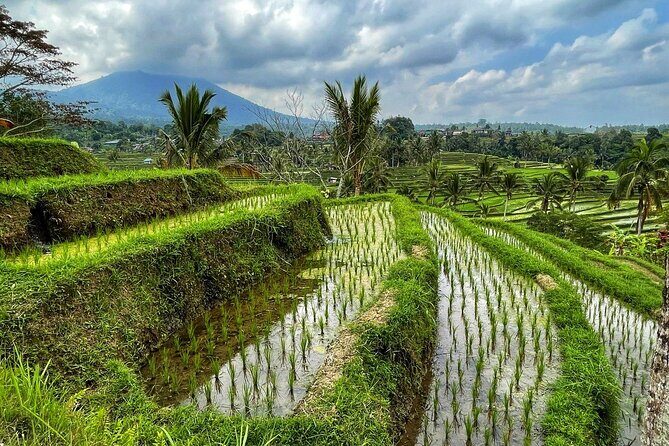
Bali Waterfalls and Temples Tour

Bali Waterfalls and Temples Tour - Temesi Waterfall: a rainforest stop where you can slow down

A perfect Bali day needs two things. This private Ubud tour mixes waterfalls and temples in one smooth day, with round-trip hotel pickup and a guide who explains what you’re seeing instead of rushing you past it. It’s built for people who want both the wow of the jungle and the meaning behind Bali’s Hindu sites.

I like the small comforts that make the day easier: sarongs are provided for temple visits, and you also get free bottled water so you’re not scrambling once the heat hits. One thing to plan for: temple and waterfall entrance fees aren’t included, so your total cost per person will rise once you add those charges on arrival.

Key things to know before you go

Bali Waterfalls and Temples Tour - Key things to know before you go

  • Private means up to 4 people and your day can run at your pace, not the bus schedule
  • Sarongs are provided so you can follow temple dress rules without hunting for a store first
  • Bottled water is included, which sounds basic until you’ve spent a few hours in Bali’s humidity
  • Sindu is a big reason people love this tour, with strong communication and culture explanations
  • Entrance fees are extra for Temesi Waterfall, Kehen Temple, Goa Raja Waterfall, and Besakih Temple
  • Waterfall time includes walking and stairs, so bring shoes you’re comfortable getting wet in

Ubud makes sense for a temples-plus-waterfalls day

Ubud is a smart base for this kind of day because it gives you a blend of Bali’s culture and nature without needing multi-day logistics. You’ll spend your time between forest water sounds and major Hindu temples, so your day doesn’t feel like one long “drive to another viewpoint.”

I also like the overall rhythm: you’re not choosing between nature or culture. This tour treats both as equal priorities, which is exactly what most people want on a limited visit to Bali.

Your private setup: hotel pickup, driver time, and small-group flexibility

Bali Waterfalls and Temples Tour - Your private setup: hotel pickup, driver time, and small-group flexibility
This is a private tour for your group (up to 4). That matters because you can slow down for photos, pause when you need a rest, or ask questions without feeling like you’re holding up a crowd.

You also get round-trip transportation from your hotel area, plus a driver/guide for the day. The meeting window is listed as 8:30 AM to 5:00 PM, so the schedule is designed to keep you from starting too late and burning energy in the hottest hours.

Based on feedback tied to this provider, the guide (Sindu) is known for running a well-organized day and communicating well in advance. One recurring theme: visitors appreciated easy coordination through WhatsApp, and felt safe with the driving—especially important when you’re mixing temples, stairs, and wet ground.

Temesi Waterfall: a rainforest stop where you can slow down

Bali Waterfalls and Temples Tour - Temesi Waterfall: a rainforest stop where you can slow down
The first nature stop is Temesi Waterfall. The vibe is described as a picture-perfect place with a more peaceful feel—time here is meant for exploring the surrounding forest area and taking in the waterfall at a comfortable pace.

This is the kind of stop that rewards patience. If you rush, you’ll miss the best part: the walk through the greenery and the moment the falls come into view. If you’re the type who likes to linger, this first stop can set a great tone for the whole day.

A quick practical note: the tour states moderate physical fitness is recommended. Even if you’re not doing any extreme hiking, waterfall areas usually involve uneven ground and short stretches where your shoes matter.
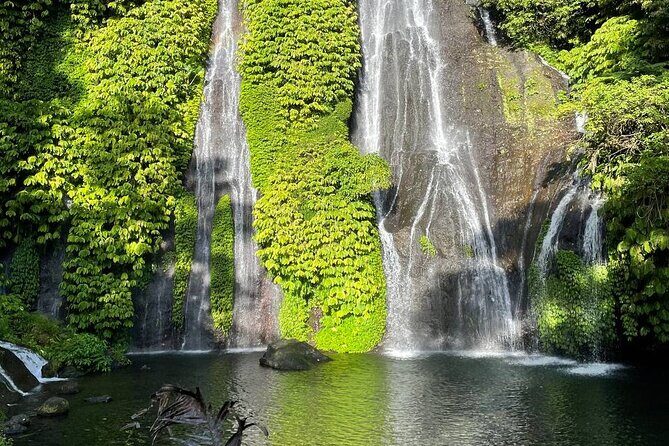
Kehen Temple at Bangli Hill: a more local-feeling temple visit

Bali Waterfalls and Temples Tour - Kehen Temple at Bangli Hill: a more local-feeling temple visit
After the waterfall, you head to Kehen Temple, located on the foot of the south part of Bangli Hill, near Bangli Town. This is a famous tourist destination in Bali, but it tends to feel more grounded than the most gigantic temple sites because you’re not just sweeping across a single massive complex.

What makes Kehen a good stop on this kind of day is how it changes the pace. You go from wet forest air to temple etiquette and stillness, and you get time for a full 1-hour visit here. It’s also a good checkpoint in the day: you’re far enough in that you’ve warmed up to the temple rhythms, but not so late that everyone starts rushing.

The most useful way to enjoy it is to ask your guide what you’re looking at—especially around how Balinese Hindu practice shows up in temple structure and daily life. People have specifically praised this tour for explanations that make the sites feel more than just scenic backdrops.

Ristorante Lereng Agung lunch break: good valley views, but know what’s included

Bali Waterfalls and Temples Tour - Ristorante Lereng Agung lunch break: good valley views, but know what’s included
There’s a lunch stop with Ristorante Lereng Agung, plus about 1 hour to eat. The setting is described as a place to see valleys at the foot of Agung volcano, with a buffet-style meal.

Important detail: lunch is not included in the tour price. So you’re paying for the meal on the day. If you like buffet lunches and want a break from transport and temples, this stop is a solid plan. If you prefer packing snacks and eating your own way, you might decide to treat this as a convenience stop rather than your only food option.

Goa Raja Waterfall: rainforest coolness and stairs you’ll feel

Bali Waterfalls and Temples Tour - Goa Raja Waterfall: rainforest coolness and stairs you’ll feel
The second waterfall stop is Goa Raja Waterfall. The description points to a hidden-in-the-rainforest feeling, a cool atmosphere, and a spectacular setting. You’ll also encounter some practical physical effort here—there are a few steps down, and there’s mention of a clear water area with an infinity-pool style feature.

This is the kind of waterfall where good timing matters. If you can, take your time at the top before you head down, then move carefully once you’re on slick surfaces. Goa Raja is exactly the sort of stop where your day can either feel relaxed and scenic—or feel stressful if you’re wearing the wrong shoes.

If you want a smooth experience, wear footwear with grip. And if you’re sensitive to wet stairs, this is a place where slower movement is the smart move.

Besakih Temple: Bali’s biggest Hindu temple and the long views

Bali Waterfalls and Temples Tour - Besakih Temple: Bali’s biggest Hindu temple and the long views
The final major cultural anchor is Besakih Temple, described as the biggest Hindu temple in Bali. This is a big stop with big payoff. You’re also given time to enjoy views from the top area—panoramic nature scenery stretching out in the distance.

Besakih is often the kind of place where it helps to have a guide who can translate what you’re seeing. One of the strongest themes in guest feedback is how Sindu explains Hindu life and local customs so the temple doesn’t feel like a checklist stop.

Practically, give yourself permission to pause. People tend to rush major temples because they want to keep the whole day moving. But at Besakih, you’ll enjoy it more if you slow down for a few “stand and look” moments—especially once you’re higher up and the air opens.

Temple etiquette made easy: sarongs, respectful behavior, and comfort

Bali Waterfalls and Temples Tour - Temple etiquette made easy: sarongs, respectful behavior, and comfort
A small-but-important win here: sarongs are provided for temple visits. That removes a common headache for visitors who don’t travel with the right clothing. You can focus on the visit instead of worrying about whether your outfit will pass.

For a smooth day, I suggest you dress in light layers even if you look like you’re dressed for a beach day. Temple visits can mean long standing periods, shaded and sunny patches, and occasional rain coming out of nowhere.

Also, bring your temple mindset into the waterfall hours. The tour includes both wet nature and sacred spaces in one day, so keeping a calm, respectful pace helps everything feel right. If you’re unsure about what to do in a temple space, your guide can point you in the right direction.

Budget and value: $76 per group plus entrance fees and lunch

At $76 per group (up to 4), the base price can feel like a bargain, especially because you’re getting private transport and a driver/guide for around 10 hours. The value gets even better if you share the group cost with friends or family.

But you should budget for entrance fees, because they’re explicitly listed as separate from the tour price:

  • Temesi Waterfall: IDR 30,000 per person
  • Kehen Temple: IDR 50,000 per person
  • Goa Raja Waterfall: IDR 30,000 per person
  • Besakih Temple: IDR 150,000 per person

Add those up and it’s about IDR 260,000 per person for entrance fees across the paid stops. Lunch is also not included, even though there’s a planned restaurant stop.

My advice: treat the tour price as your transportation + guidance cost, then plan a simple on-the-ground budget for sites and food. That way you won’t do the mental math mid-day while trying to enjoy the views.

Timing, walking, and weather: how to avoid a frustrating day

This experience is scheduled for a 10-hour day and runs within an 8:30 AM to 5:00 PM operating window. That’s a long day, but it’s also the right length to fit multiple stops without turning it into a whirlwind.

The tour also notes that it requires good weather. If conditions are poor, you’ll be offered a different date or a full refund. In Bali, rain can turn paths slippery and photos harder to enjoy, so this is one place where patience pays.

For walking, the tour recommends a moderate physical fitness level. You’re not signing up for a trek, but waterfall areas often include stairs and uneven ground. Your best move is simple: wear grippy shoes and keep water and snacks accessible.

Who this tour suits best (and who might want a different option)

This is a great fit if you:

  • want a single private day that blends culture and nature
  • prefer a guide who can explain what you’re looking at (Sindu is repeatedly praised for this)
  • care about comfort details like sarongs and bottled water
  • like the idea of small-group pace, not a big coach day

It’s also a strong option for language support. Feedback includes praise for Spanish-speaking help, and communication that worked smoothly via WhatsApp. That’s valuable if anyone in your group doesn’t speak much English.

If you hate walking on wet surfaces or you want a very relaxed “mostly seated” day, you might find waterfall steps a bit tiring. In that case, you could consider a version of a temple-focused tour instead—but for most visitors, the pace is manageable with good shoes.

Should you book this Bali Waterfalls and Temples Tour?

I’d book it if you want one day in Bali that feels balanced: rainforest water time plus real temple culture, handled by a driver-guide who pays attention to pacing and explanations. The price for a private group is strong, and the day is designed to keep you comfortable with sarongs and bottled water.

I’d think twice if entrance fees and lunch costs surprise you, or if you’re uncomfortable with wet stairs and uneven ground. If you’re good with a bit of walking and you budget for the paid sites, this is a smart way to get a lot of Bali into one day without feeling rushed.

FAQ

What does the Bali Waterfalls and Temples tour cost?

It’s listed at $76.00 per group, up to 4 people.

How long is the tour?

The duration is approximately 10 hours.

Is hotel pickup included?

Yes. Round-trip transportation from your hotel is included.
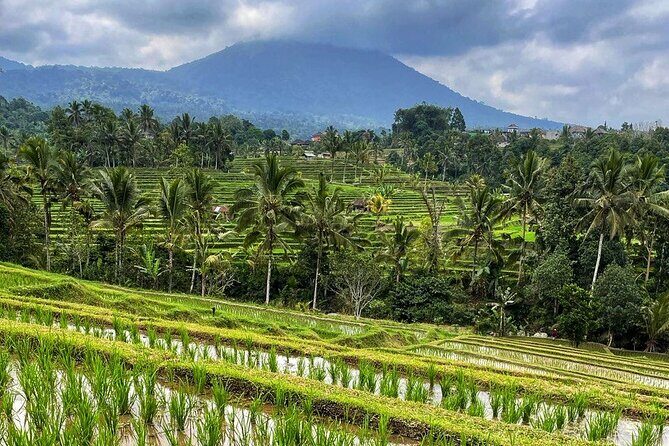
Do I get help with temple clothing?

Yes. Sarongs are provided for wearing in temples.

Are entrance fees included?

No. Entrance fees are not included and are listed separately for Temesi Waterfall, Kehen Temple, Goa Raja Waterfall, and Besakih Temple.

Is lunch included in the price?

Lunch is not included. There is a lunch stop at Ristorante Lereng Agung, but you would pay for your meal there.
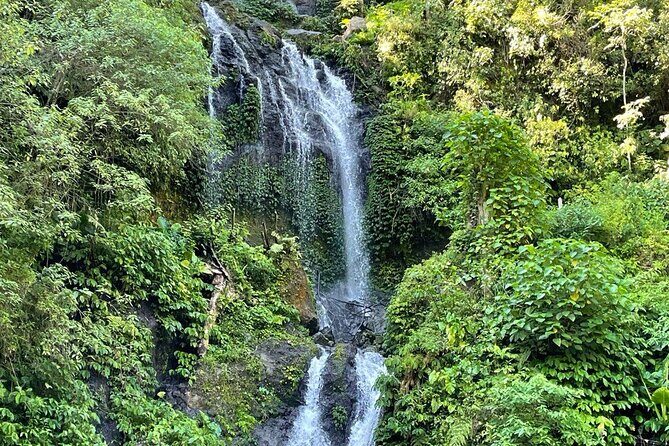
What happens if the weather is bad?

The experience requires good weather. If it’s canceled due to poor weather, you’ll be offered a different date or a full refund.
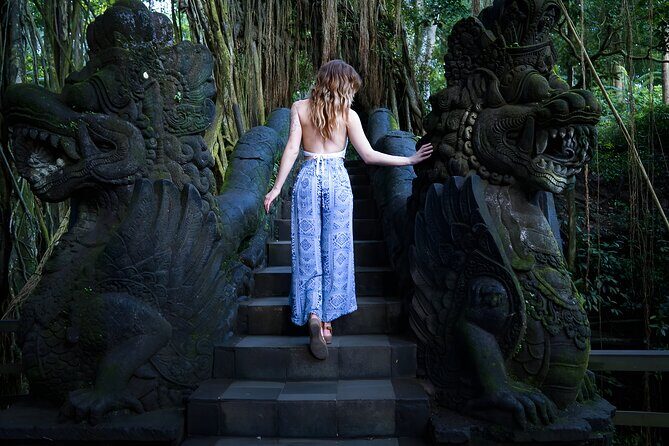
Scuba Diving Nusa Penida Manta Point 3 dives for certified divers

Scuba Diving Nusa Penida Manta Point 3 dives for certified divers - Manta Point: the morning session built for manta chances

Mantas show up when you do the work. This Nusa Penida and Nusa Lembongan day is built around a small-group feel and a safety-first crew, with real chances to spot manta rays and, in season, mola-mola. I like that you’re not packed in; the guide-to-client ratio keeps the day calm and controlled. I also like the practical stuff: air-conditioned pickup, onboard Wi‑Fi, lunch, fruit, and water. One possible drawback: the schedule is early and the route by speedboat can make motion sickness a factor if you’re sensitive.
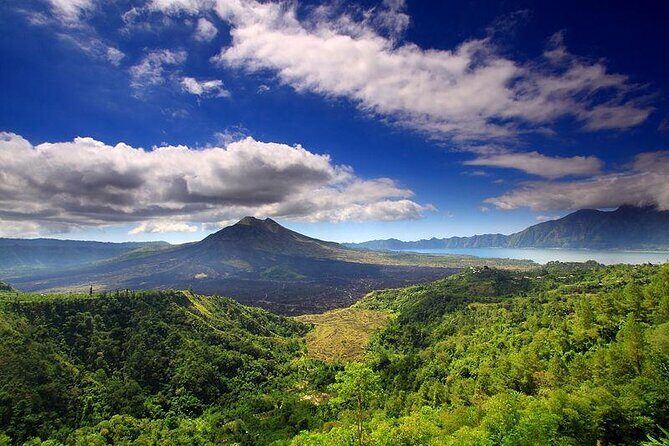
You’ll start with an underwater session at Manta Point (and often bamboo sharks), then go on to Crystal Bay or Nusa Lembongan for the second run—where drift-style diving can put you over healthier corals and where mola-mola sightings can happen. In reviews, the team gets praised by name—Branko runs things, and guides such as Robert, Alfian, Nikola, and Agus show up repeatedly in good stories about organization and care.

Key highlights that make this day worth your time

Scuba Diving Nusa Penida Manta Point 3 dives for certified divers - Key highlights that make this day worth your time

  • Max 4 certified divers per guide keeps the pace steady and the briefings useful
  • Manta Point as the anchor for manta-ray odds, plus bamboo sharks
  • Crystal Bay / Nusa Lembongan options for mola-mola (seasonal) and healthy-corals drift
  • Onboard Wi‑Fi, toilet, and towel mean less chaos during the long boat day
  • Zero Gravity Diving’s team gets name-checked (Branko, Robert, Alfian, Nikola, Agus) for professionalism

Timing and getting there: a smooth day that starts early

Scuba Diving Nusa Penida Manta Point 3 dives for certified divers - Timing and getting there: a smooth day that starts early
This outing runs about 8 hours, typically starting between 7:00 and 8:00 a.m. and finishing around 2:00 to 3:00 p.m. The early start matters here. You want calmer conditions and good site access, and the operator builds the day around that reality.

Pickup is offered from your hotel with an air-conditioned vehicle. You’ll also have Wi‑Fi onboard, which sounds small until you’re staring at the morning sky waiting for the speedboat. Meeting hours are listed as 6:30–7:30, so plan to be ready before the first call time hits.

From there, the speedboat transfer from Sanur to the southern Nusa Penida area is about 45 minutes. That’s short enough to stay upbeat, but long enough that your body will notice the boat. If you tend to feel off on water, this is the main part of the day to plan for.

Safety on the water: what the guide ratio really changes

The best part isn’t just that it’s labeled safety-focused. It’s how the day is structured. The package uses a leader-to-certified-diver ratio of one guide for a maximum of four certified divers, which is unusually hands-on for a popular, high-demand region.

In plain terms, that small group size means:

  • You get clearer pre-water instructions.
  • It’s easier to check buoyancy control and buddy spacing.
  • The group can stay tighter around the guide route, instead of doing “everybody fend for themselves” navigation.

The center is PADI-qualified, and you’ll need to complete a PADI medical form. If you answer yes to any questions, the form asks you to consult your doctor and get approval noted before you can participate. This isn’t there to slow you down. It’s there because scuba needs your health to be a green light, not a maybe.

In reviews, what stands out is the consistent theme: staff members are described as professional, organized, and safety-minded, and modern gear is mentioned. One review specifically calls out a no-nonsense approach and modern equipment, plus a setup using a van and a boat geared for the operation.

Manta Point: the morning session built for manta chances

Scuba Diving Nusa Penida Manta Point 3 dives for certified divers - Manta Point: the morning session built for manta chances
Manta Point is the headline site, and it’s scheduled as the first stop on the day. This is where you’re going for manta rays, and the description also mentions bamboo sharks as part of the underwater mix.

Why this stop works as a “first act” of the day:

  • Manta sightings are often about timing and water conditions.
  • Starting here gives you your best shot before fatigue and changing conditions set in later.

Also, a lot of the comfort of your day depends on how you handle the sea. If the speedboat ride feels choppy, your first water time still needs focus. A smaller group and steady leadership usually make that easier. You’re not trying to build confidence while juggling a large group and a crowded surface.

What to expect underwater is not something anyone can guarantee, but the intent is clear: this is a manta-focused run. If you came for mantas, this is the moment you’ll care about.

Crystal Bay or Nusa Lembongan: mola-mola odds and drift style

Scuba Diving Nusa Penida Manta Point 3 dives for certified divers - Crystal Bay or Nusa Lembongan: mola-mola odds and drift style
After Manta Point, your second session shifts based on conditions and the day’s plan. The description references Crystal Bay and Nusa Lembongan (with nearby options like Gamat Bay, Toya Pakeh, SD, PED, and Buyuk) depending on what’s working underwater.

If you go Crystal Bay

Crystal Bay is tied to the possibility of mola-mola and also giant trevallies. Mola-mola sightings are seasonal, so your experience can range from “wow” to “not today,” but this is the right target area for people planning specifically around these fish.

One review is especially memorable for odds: the writer credits the operator with seeing two mola-mola in a row. Even if your day doesn’t match that story, it’s a sign the team takes the mola-mola mission seriously and positions divers with intention.

If you go Nusa Lembongan

Nusa Lembongan is known here for drift-style exploring and for seeing healthier corals around the area. The listing also emphasizes a drift concept, which matters for how you should prepare mentally. Drift sessions reward calm control: stay relaxed, keep your buoyancy steady, and let the current do the work instead of forcing the motion.

If you’ve ever had your underwater experience ruined by over-flapping kicks, this drift approach is a good match. It tends to feel more natural when you stop trying to fight the water and instead move with it.

The boat and the in-between time: comfort wins you’ll feel later

Scuba Diving Nusa Penida Manta Point 3 dives for certified divers - The boat and the in-between time: comfort wins you’ll feel later
The operation includes an onboard marine toilet and towel use, which is the kind of practical detail you don’t notice until you’re on a long boat day. There’s also lunch, fruit, and bottled water, so you don’t start the morning hungry and you don’t end it irritated.

On the surface, the boat day can feel like a long wait. That’s exactly where Wi‑Fi onboard helps. You’ll probably use it more than you expect—checking messaging, saving maps, or just distracting yourself while the crew handles the schedule.

Boat size is also mentioned in reviews: one person notes the boat is huge and fit for purpose. If you’ve been on small boats that make you feel like you’re sitting inside a washing machine, that sort of comment is a quiet green flag.

Equipment, what’s included, and the one thing to double-check

Scuba Diving Nusa Penida Manta Point 3 dives for certified divers - Equipment, what’s included, and the one thing to double-check
Here’s the slightly annoying part: the info you were given contains conflicting hints about equipment.

  • The overview says the price excludes equipment, meaning rental charges may apply.
  • The included section says use of scuba equipment.

So what should you do? Treat this like a checklist item before you arrive. Ask for confirmation of whether your booking includes rental gear or if you’re expected to pay separately once you’re there. That one question can save you stress on day one.

The good news: reviews repeatedly mention modern equipment and well-maintained gear. So even if you need to rent, the center’s gear reputation looks strong.

Also, if you’re a first-time participant with this operator, bring your own items that keep you comfortable:

  • your own mask-fit preferences if you have them
  • motion-sickness support if you know you need it

The center can’t change the ocean, but a little preparation keeps the day pleasant.

Food and small touches: why lunch matters in the Nusa heat

Scuba Diving Nusa Penida Manta Point 3 dives for certified divers - Food and small touches: why lunch matters in the Nusa heat
This day includes lunch plus fruit and bottled water. It sounds basic, but it changes how you feel at 1:30 p.m. when you’re still processing your morning. Skipping food on these trips can turn “one more hour” into a bad memory.

Towels matter too. In humid island conditions, having a towel helps you get back to normal quickly after getting out of the water. That keeps the post-session experience from dragging.

Price and value: is $233 fair for a manta-focused day?

Scuba Diving Nusa Penida Manta Point 3 dives for certified divers - Price and value: is $233 fair for a manta-focused day?
At $233 per person, you’re paying for more than just underwater time. The value comes from the package shape:

  • hotel pickup and round-trip transport
  • speedboat access to Nusa Penida / Lembongan areas
  • guided small groups with a strict ratio (max four certified divers per leader)
  • meals and water
  • site fees and taxes
  • onboard conveniences like Wi‑Fi and a marine toilet

Where value gets tricky is the two items below:

1) Equipment inclusion is unclear in the details you have, so you should confirm whether rentals are included.

2) Your actual animal list depends on season and conditions, especially for mola-mola.

Still, for most certified divers, the biggest “real cost” on these islands is often logistics. This price bundles the planning work: you show up, get moved, get briefed, get guided, and get fed. If that’s the kind of trip you like, it’s a fair deal.

Who this is best for (and who should look elsewhere)

This works best for:

  • Certified divers who want a tightly managed group and a serious chance at mantas at Manta Point
  • Divers who care about safety and want a small ratio, not a crowded set-up
  • People who want one day that combines manta potential with a second target area that may include mola-mola or healthier-coral drift

It may be less ideal if:

  • You’re prone to motion sickness and you don’t plan for the boat ride. One review mentions seasickness, and while it doesn’t mean it’ll happen to you, it’s a heads-up to prepare.
  • You need fully predictable wildlife. This region offers fantastic chances, but it’s still nature and conditions.

If you’re traveling as a couple or small group of certified divers, you’ll likely appreciate the calmer, focused vibe. If you’re traveling solo, you’ll still be in a small group, which many independent divers prefer on day trips.

Should you book it? My practical call

Book this scuba sessions day if your goal is to do Nusa Penida for the manta-ray mission and you’re comfortable with the idea that the second session may swing between Crystal Bay (mola-mola odds) and Nusa Lembongan (drift + healthier corals).

I’d only hesitate if you:

  • can’t handle a speedboat ride and didn’t plan for it
  • haven’t confirmed equipment inclusion in your voucher/booking notes
  • need certainty on mola-mola sightings (seasonal means it can be hit or miss)

If you sort out those two points, this looks like a solid operator for a full day: small groups, safety structure, modern gear reputation, and staff who earn consistent praise by name, including Branko and guides such as Robert, Alfian, Nikola, and Agus.

FAQ

How long is the trip?

It runs about 8 hours, typically starting around 7:00–8:00 a.m. and ending around 2:00–3:00 p.m.

Where does the trip start and end?

Pickup is offered from your hotel, and the day ends with hotel drop-off.

How many underwater sessions are included?

The included details list 2 underwater sessions. The title mentions 3, so you should confirm what your exact booking includes.

Do I need to be certified?

Yes. This package is for certified divers.

What sites will I visit during the day?

You start at Manta Point on Nusa Penida, then the second session is described as being at Crystal Bay or Nusa Lembongan (with nearby options mentioned such as Gamat Bay, Toya Pakeh, SD, PED, and Buyuk).

What marine life are you targeting?

The plan focuses on manta rays at Manta Point, and there’s also a chance for mola-mola in season (plus other fish such as bamboo sharks and giant trevallies are mentioned).

What safety and medical requirements are there?

You must complete a PADI medical form. If you answer yes to any questions, you’ll need doctor approval as requested on the form.

What’s the group size and guide ratio?

Certified divers are led with a ratio of one guide for a maximum of four certified divers.

Is equipment included?

Your information includes conflicting notes. The overview says equipment is excluded, while the included section mentions scuba equipment use. Check your voucher to confirm what you’ll pay for.

What if weather is bad?

The experience requires good weather. If it’s canceled due to poor weather, you’ll be offered a different date or a full refund.

Ubud Jungle, River, Bamboo Forest and Muddy Quad Bike Tours

Ubud Jungle, River, Bamboo Forest and Muddy Quad Bike Tours - Pickup, Training, and Safety Gear That Actually Matters

Mud. Waterfalls. Quads. In Ubud. This ATV ride is a fast, messy, fun 90 minutes to 2 hours through real green trails: jungle, bamboo forest, rice fields, irrigation canals, mudflats, and river crossings, with sliding under waterfalls.

I love two things about how this tour is set up. First, the route sounds like a full-on trail experience, not just a short loop: dense rainforest, bamboo shade, and around an 8 km jungle trek. Second, you get local trained instruction and professional ATV handling, plus a small-group feel with a maximum of 20 people.

One consideration: you should assume you’ll be wet and muddy. If you hate getting dirty, or you prefer totally flat ground, the steep descents and mud play may feel too intense.

Key Things I’d Zoom In On

Ubud Jungle, River, Bamboo Forest and Muddy Quad Bike Tours - Key Things I’d Zoom In On

  • A tough-feeling route: steep 45-degree track down into the valley, then more mud and momentum
  • Bamboo forest + rice fields: shady riding through green pockets, not just open areas
  • About 700 meters of mudflats: a long wet section where you’ll stop caring about clean clothes
  • Water features included: river crossing on single or tandem quad, plus sliding under waterfalls
  • Professional guidance: instructors run the ATV and guide riders for roughly 1:40 to 2:00
  • Value bundle: pickup/drop-off option, towels, boots, changing and bathing facilities, lunch, and insurance

ATV Through Ubud Jungle: What This Ride Feels Like

Ubud Jungle, River, Bamboo Forest and Muddy Quad Bike Tours - ATV Through Ubud Jungle: What This Ride Feels Like
This tour is built for people who want action with scenery attached. You’ll ride through Ubud’s jungle and farm areas, with the kind of mixed terrain that makes ATVs more than just transportation.

Expect hills, forests, village passing, and water-heavy sections like irrigation canals, mudflows, and rivers. The big draw is that you’re not only watching Bali from a viewpoint—you’re getting covered in it while your guide steers the pace.

It also leans “thrill with structure.” You’ll get an instructor’s rundown first, then you follow the guide through the route. That matters, because the track includes a steep 45-degree descent and muddy sections where control is everything.

Pickup, Training, and Safety Gear That Actually Matters

Ubud Jungle, River, Bamboo Forest and Muddy Quad Bike Tours - Pickup, Training, and Safety Gear That Actually Matters
The tour includes hotel pickup and drop-off if you select it, which is a big deal in Ubud. It keeps your day simple: you don’t need to wrestle with taxis just to get to a dirt trail.

Before you ride, you’ll get instruction on operating the ATV and safety procedures. The tour also notes proper maintenance of the ATV and safety equipment, which is one of those boring details that becomes very important when you’re going downhill and into mud.

In the feedback I saw, guides like Eka and drivers like Putu showed up early and ran the day smoothly. One rider even mentioned Eka giving cultural lessons on the drive up to Ubud, which is a nice bonus if you like learning while you travel.

Quick practical tip: wear something you don’t mind scrubbing later. They provide boots, towels, and bathing facilities, but mud finds the cracks. Bring a clear mindset: the mess is part of the experience.

Bamboo Forest Shade and Rice Field Riding

A major part of the route is the green in-between: bamboo forest sections, shady riding, and rice fields. Even if you’re focused on the thrill of the ATV, these areas give your eyes a break and make the ride feel more like a journey than a single stunt.

The tour highlights dense rainforest and bamboo forest as key stops, plus farmland and villages along the way. That village passing can be a grounding moment when you realize you’re riding through actual local countryside, not just a themed park route.

This is also where the trail rhythm changes. Bamboo and rice areas tend to feel cooler and more enclosed, so you’ll likely notice slower turns and more attention to spacing. That’s a good thing if you’re newer to ATVs.

If you’re with kids or teens, this part can be a confidence builder. The terrain is still active, but it’s the kind of scenery that makes the ride feel like an adventure, not just a workout.

The 45-Degree Descent, Mudflats, and the 8 km Trail Stretch

Ubud Jungle, River, Bamboo Forest and Muddy Quad Bike Tours - The 45-Degree Descent, Mudflats, and the 8 km Trail Stretch
The route description includes a steep valley descent on a 45-degree track. That’s the part that turns “fun ride” into “I have to focus.” It’s also why you want a guide who stays on top of spacing and speed.

Then comes the long wet section: mudflats of about 700 meters. That’s not a quick sprinkle. It’s long enough that you’ll feel the weight of the mud on the ATV and get a proper sense of how slippery surfaces behave.

The tour also mentions a longer trek experience—up to about 8 km of jungle trek—through rainforest, rice fields, bamboo, mud play, and canyons. Even if you can’t picture each segment perfectly, the takeaway is that the ride time isn’t just driving back and forth. It’s a real route with different terrain.

By the time you hit the end, the description includes a big jump onto a mud track. That’s a classic ATV moment: quick air, quick land, then right back into mud. If you prefer gentle riding, you might still enjoy it—but go in with the understanding that this is built for adrenaline.

River Crossings and Sliding Under Waterfalls

Ubud Jungle, River, Bamboo Forest and Muddy Quad Bike Tours - River Crossings and Sliding Under Waterfalls
Water is a core part of this ATV experience. The route includes river crossings, with crossing options on a tandem or single quad depending on your setup. That changes the feel of the ride because balance and coordination become more important in moving water zones.

The highlights also mention sliding under waterfalls. This is one of those “why you came” features, because it’s a playful, memorable payoff after muddy sections. It’s not just a photo stop—you’ll experience the water as part of the ride.

A practical thought: even with boots and towels on hand, expect your clothes and hair to be affected. Bring a small bag for after you ride. You’ll be glad you did when you’re trying to change quickly before lunch or pickup back.

If you get nervous with water or slippery ground, tell your instructor during the briefing. You’ll likely be able to set a comfort level while still enjoying the route.

Lunch, Towels, Boots, and Facilities After the Ride

Ubud Jungle, River, Bamboo Forest and Muddy Quad Bike Tours - Lunch, Towels, Boots, and Facilities After the Ride
This tour includes lunch with a local menu, plus towels, bathing facilities, changing room, and toilet facilities. That’s the kind of included convenience that makes the day feel complete instead of “ride, return, shower later somewhere else.”

Photo and video aren’t included. If you want them, there’s a surcharge noted as $25. I’d only add it if you like having a documented record of the muddy chaos—otherwise you can save the money for another Ubud meal or day trip.

One detail I appreciate: they plan for the mess. When a tour gives you boots and bathing facilities, it signals they expect riders to get wet and dirty. That’s a better plan than tours that pretend you’ll stay clean.

The $54 Price: Where the Value Really Comes From

Ubud Jungle, River, Bamboo Forest and Muddy Quad Bike Tours - The $54 Price: Where the Value Really Comes From
At $54, this tour is priced like an experience that tries to bundle the useful stuff. The included items matter because they cut down on extra costs: pickup/drop-off (if selected), lunch, boots, towels, bathing facilities, and insurance.

The tour also mentions full insurance coverage and notes insurance for ages 7–65. The ride itself is described as suitable for ages 6 to 65. If you’re booking for a child on the edge of that range, I’d treat the insurance age note as a reason to confirm details before you go.

Equipment and guide quality are also part of the value equation. The tour specifies a professional ATV instructor, proper maintenance, and safety-focused guidance. In the feedback I saw, riders specifically praised guides such as Eka and drivers like Putu for being friendly and safety-focused, not just “take you there and hope.”

Finally, the group size is capped at 20 travelers. Smaller groups tend to mean more attention during instruction and better control on tricky sections like the steep descent or mudflats.

Who Should Book This ATV Tour (and Who Might Prefer Something Else)

Ubud Jungle, River, Bamboo Forest and Muddy Quad Bike Tours - Who Should Book This ATV Tour (and Who Might Prefer Something Else)
This is a great fit if you want a mix of Bali scenery and real off-road riding. You’ll enjoy it most if you like:

  • adventure riding with uneven ground
  • getting wet and muddy without panicking about it
  • riding with a guide who focuses on safety while still making it fun

It also looks family-friendly in a practical way, since the tour is described as suitable for riders aged 6 to 65. In feedback, families noted the kids enjoyed the experience, which makes sense given the included gear and structured guidance.

You might skip it if you have limited tolerance for steep tracks, slippery mud, or getting your clothes soaked. The route includes a 45-degree descent and waterfall-style sliding, so this isn’t a gentle cruise.

Booking Advice: Should You Book Bali Quad Biking in Ubud?

I’d book this if you want one strong Ubud activity that feels like the countryside, not a fenced viewpoint. The combo of jungle, bamboo, rice fields, mudflats, river crossing, and sliding under waterfalls is the sort of “whole-day memory” package that usually costs more elsewhere.

Book it especially if you care about convenience. Pickup and drop-off (when selected), included lunch, and full after-ride facilities reduce your stress. And with a small group cap of 20, you’re more likely to get real instruction instead of being rushed.

One more practical check: confirm how tandem vs single works for your plan, since the river crossing options are described in that way. Then dress for mud, and bring a spare set of dry clothes for the end of the day.

If you’re deciding last minute, the tour lists free cancellation with a window up to 24 hours in advance for a full refund. That’s useful when Bali weather or schedule changes your plans.

FAQ

How long is the quad bike tour?

The ride runs about 1 hour 45 minutes, roughly 90 minutes to 2 hours.

Is hotel pickup and drop-off included?

Yes. Hotel pickup and drop-off are included as an option you select.

What’s included besides the ATV ride?

The tour includes professional ATV instruction, safety equipment, towels, boots, changing room and toilet facilities, and lunch with a local menu.

Do I need to buy insurance separately?

No. The tour includes insurance, and it specifies coverage for ages 7–65.

What age range can ride?

The tour states it’s suitable for riders aged 6 to 65, with insurance noted for ages 7–65.

Are photos and videos included?

Photo and video are not included, but they are available for an added surcharge of $25.

TULA Wellness Balinese Exotic Fruit Ritual

TULA Wellness Balinese Exotic Fruit Ritual - The 130-minute ritual order: what happens in sequence

Want soft skin without the guesswork? This Seminyak ritual strings together foot care, a traditional Balinese massage, and fruit-based body treatments—all in about 2 hours and 10 minutes to 15 minutes.

I like that it’s designed as a step-by-step sequence, not a random set of add-ons. You start with a calming foot bath, then move through massage, exfoliation, masking, and finishing baths with citrus and flower petals—ending with a sandalwood lotion moisturizer.

My favorite part is that you can feel the staff’s focus on comfort and skill, with therapists such as Ana, Desi, Devi, Tari, Kadek, and Rusma repeatedly named for making the session feel easy and relaxing. The only watch-out: at $142 per person and a full ritual length, this isn’t a quick in-and-out massage—so plan your day around it.

Key highlights you’ll actually care about

TULA Wellness Balinese Exotic Fruit Ritual - Key highlights you’ll actually care about

  • A full ritual flow, not just a massage: foot bath → Balinese massage → fruit-coconut scrub → avocado mask → citrus flower bath → sandalwood finish
  • Therapists are named and praised, including Ana and Devi for relaxing, targeted work like shoulders and back
  • Skin-focused products, including coconut, exotic fruits, avocado, and sandalwood lotion to moisturize after exfoliation
  • Private for your group, so you get your own pace even though it’s in a shared resort/spa setting
  • Convenient Seminyak location at The Amala Boutique Retreat, near public transportation
  • Good value if you want a whole-body reset, not a 60-minute quick fix

TULA Wellness in Seminyak: where the ritual starts to feel real

TULA Wellness Balinese Exotic Fruit Ritual - TULA Wellness in Seminyak: where the ritual starts to feel real
TULA Wellness by The Amala sits in Seminyak at the Amala Boutique Retreat, on Jl. Kunti I No.108. That matters because Seminyak can be loud and busy, and this experience is built to help you shut that off. You’re not just booking a massage chair and hoping for the best—you’re stepping into a wellness setting where the staff clearly treat the session like a ritual.

The timing is another reason this works. The ritual runs around 130 minutes, which is long enough to do real skin and body work, but not so long that it eats your whole day. If you’re in Bali for culture and beaches too, this is the kind of treatment you can schedule as a reset before an evening out.

The 130-minute ritual order: what happens in sequence

TULA Wellness Balinese Exotic Fruit Ritual - The 130-minute ritual order: what happens in sequence
Here’s the rhythm of the treatment, in plain terms:

Stop 1: Foot bath to start the body-downshift

You begin with a foot bath. It’s not just a nice touch; it’s a signal to your system that you’re switching from travel mode to slow mode. Expect a gentle start that helps your legs relax before any hands-and-pressure work begins.

Then: Traditional Balinese massage

Next comes a traditional Balinese massage. This is where the session goes from relaxation to muscle release. From the way therapists are described, the technique tends to focus on comfort and working areas like upper shoulders and the back without making you feel like you’re being handled roughly.

If you carry stress in your shoulders (hi, airplane neck), this is the stage to pay attention to. A good match here often decides whether you feel “meh” or actually relieved by the end.

Scrub: exotic fruits plus coconut for exfoliation

After the massage, you get fully pampered with a scrub made from a combination of exotic fruits and coconut. The goal is straightforward: help rid the skin of dead cells while keeping things gentle.

This is also why the ritual feels different from a standard massage-only appointment. You’re not just loosening muscles—you’re prepping your skin to absorb the next layers of nourishment.

Avocado body mask for softness

Then comes an avocado body mask. It’s meant to keep skin smooth and soft, essentially locking in comfort after exfoliation.

In practice, this kind of step is what makes your skin feel less dry later in the day. If you’ve ever left a massage feeling relaxed but still dry or rough on your arms and legs, this is built to avoid that.

Citrus and flower petals bath for the “float” feeling

Next: a bath with citrus and flower petals. This is the emotional centerpiece. The citrus element gives a fresh, awake vibe, while the flower petals keep it soothing and ceremonial. If you want the ritual to end on a calm note instead of drying out into lotion-only territory, this stage is why the package is memorable.

Final finish: sandalwood lotion moisturizer

To close, you’re finished with sandalwood lotion moisturizer. Think of it as the seal on everything that came before: exfoliation done, mask applied, bath rinse, then a smoothing final layer.

The spa “logic” behind the fruit, coconut, and avocado

The ingredients aren’t random. The ritual is basically a three-part skin plan:

  1. Exfoliate with fruit and coconut scrub to remove dead skin
  2. Recondition with an avocado mask to add softness back
  3. Protect and finish with citrus-petal bath and sandalwood lotion

Why you’ll feel the difference: after massage, your body is already warm and ready. After exfoliation, your skin can actually absorb moisturizing steps instead of just sitting on top. And after a bath, the final sandalwood lotion helps prevent that tight, dry feeling you can get in Bali’s heat.

Also, I appreciate that the ritual is focused on gentle moisturizing rather than the kind of “scorched skin” exfoliation you might get elsewhere. Nothing in the treatment description suggests harshness—this is framed as care: remove dead cells, then gently moisturize.

Balinese massage: comfort-first technique with real muscle payoffs

Traditional Balinese massage is built on more than just rubbing. It’s typically a full-body pressure approach that aims to release tension and restore ease. In this ritual, it’s placed after the foot bath and before the scrub, which is smart.

Why? You want your body relaxed and warmed up before:

  • you move into exfoliation (less sensitive skin),
  • and before you settle into masking and bathing (better comfort).

From the named therapist feedback, the strongest praise clusters around the way the session targets common stress zones—especially upper shoulders and back—with a pace that helps people feel comfortable enough to doze off. That’s a good sign if you’re the kind of person who struggles to relax on vacation.

One thing to keep in mind: if you prefer a very light touch, tell your therapist at the start. The ritual description doesn’t say it’s gentle-only, so it’s worth setting expectations.

The citrus flower bath and sandalwood finish: where the ritual lands

By the time you reach the citrus and flower petals bath, you’re not just done—you’re transitioning into the after-feel: calm, clean, and softened skin.

This part matters because massage-only appointments often leave you feeling relaxed but forgettable once you’re dressed and out the door. The bath and sandalwood finish make this feel like an actual reset. You leave with your senses still tuned in, and your skin feels treated, not just rubbed.

The sandalwood lotion step is a classic finishing move. Lotion after a bath helps your skin stay comfortable instead of getting dry as you return to Seminyak air-conditioning, scooter rides, and evening humidity.

Price and value in real life: is $142 per person worth it?

At $142 per person, you’re paying for a full multi-step ritual—not just a 60-minute massage.

Here’s how I think about value for a ritual like this:

  • If you want a complete body experience (massage + exfoliation + mask + bath), this price starts to look fair.
  • If you only want a basic massage and don’t care about the skin steps, you may feel like the extras are more than you need.

For many people in Seminyak, the sweet spot is booking one “longer” spa session rather than hopping between shorter appointments. This ritual gives you a clear arc and a full-body finish.

Also, you get private tour/activity for your group. That matters because it lets you plan a spa day with your partner or friends without feeling like you’re being herded or rushed. Add group discounts if you’re traveling with others, and the math can get even better.

One more practical plus: a mobile ticket usually makes check-in easier, and the venue is near public transportation, so you’re not forced into complicated logistics to make it happen.

Who this Balinese Exotic Fruit Ritual is best for

TULA Wellness Balinese Exotic Fruit Ritual - Who this Balinese Exotic Fruit Ritual is best for
I’d point you here if:

  • you want a skin-and-body treatment, not just muscle work
  • you’re traveling with someone and want a couples-friendly spa mood (the ritual is often chosen for couples)
  • you’re in Seminyak and want a structured, calm break that doesn’t require planning a whole day around it

You might think twice if:

  • you’re trying to fit a spa into a tight schedule with no buffer time afterward
  • you want only a quick massage style and you’d skip baths and scrub/mask steps

Arrival tips for The Amala in Seminyak

Start at The Amala Boutique Retreat, Jl. Kunti I No.108. Since you’re starting and ending back at the meeting point, treat it like an appointment with a defined rhythm. Give yourself time to arrive a little early so you can settle before the foot bath begins.

And if you’re sensitive to scents, note that this ritual uses citrus and includes sandalwood lotion at the finish. You should still be fine, but it’s smart to mention preferences at the start.

Should you book it? My practical take

If you want one spa booking in Seminyak that feels more like a whole-body ritual than a single service, I think this is a strong choice. The combination of Balinese massage + fruit-coconut scrub + avocado mask + citrus flower bath + sandalwood finish is the kind of sequence that makes you feel taken care of long after you leave.

Book it if:

  • you like structured treatments
  • you’re after visible comfort in your skin, not just muscle relaxation
  • you want a calming, romantic-feeling wellness moment in a Seminyak setting

Skip it only if you’re short on time or you know you don’t want the scrub/bath/mask portion. For everyone else, this is the sort of ritual where the details do the work—step by step, until you feel softer, lighter, and properly relaxed.

FAQ

How long is the TULA Wellness Balinese Exotic Fruit Ritual?

The ritual runs about 130 minutes (roughly 2 hours and 15 minutes).

Where does the experience take place?

It starts at TULA Wellness by The Amala, located at Jl. Kunti I No.108, Seminyak, Bali and ends back at the same meeting point.

What’s included in the treatment?

It includes a foot bath, traditional Balinese massage, a fruit and coconut scrub, an avocado body mask, a citrus and flower petals bath, and finishing with sandalwood lotion moisturizer.

Is it a private experience?

Yes. It’s a private tour/activity, meaning only your group participates.

Is it suitable for most travelers?

The experience notes that most travelers can participate.

What payment or ticket method is used?

You receive a mobile ticket after booking.

Is there free cancellation?

Yes. You can cancel for a full refund up to 24 hours before the experience starts.

Bali Culture and Choose Your Bali Tour Route in Bali with Bali driver-Free WIFI

Bali Culture and Choose Your Bali Tour Route in Bali with Bali driver-Free WIFI - What $30 buys you (and what it doesn’t)

One day in Bali, picked your way. This is a customizable culture route run with a private driver out of Seminyak, mixing monkeys, temple rituals, waterfalls, and seaside scenery—plus free Wi‑Fi so the day doesn’t feel cut off.

I especially love how you can shape the pace. The best parts are the A/C car with bottled water, and the driver-guide who adjusts the order when roads get slow.

The main drawback is simple: 8 to 10 hours goes fast. If you try to do everything, you’ll feel rushed, and some sites can be busy—Monkey Forest roads can get heavy.

Key things to know before you go

Bali Culture and Choose Your Bali Tour Route in Bali with Bali driver-Free WIFI - Key things to know before you go

  • Private driver, A/C, and bottled water make long hops less exhausting
  • Free pickup from your hotel or the airport helps you start clean
  • A choose-your-route menu includes Ubud, Tirta Empul, Uluwatu, Tanah Lot, and more
  • Many stops involve steps and short walks, so wear grippy shoes
  • Entrance tickets and lunch are not included, so budget a bit extra

A choose-your-route Bali day from Seminyak

Bali Culture and Choose Your Bali Tour Route in Bali with Bali driver-Free WIFI - A choose-your-route Bali day from Seminyak
This tour is built for short Bali trips. You’re not locked into one fixed circuit. Instead, you pick what fits your mood—Ubud for rice terraces and art, beach time around Nusa Dua and the southern coast, or temples for sunset and ritual vibes.

That flexibility matters because Bali geography is real. One wrong choice can turn a “quick stop” into a long drive. With a private driver, you can match the route to what you want most and still get back before the day collapses into traffic and fatigue.

If you’re starting in Seminyak, the biggest advantage is how quickly you can change scenery. You can go from street life and cafés to jungle paths with monkeys, then to temple courtyards, then to ocean viewpoints—without the hassle of figuring out routes on your own.

What $30 buys you (and what it doesn’t)

Bali Culture and Choose Your Bali Tour Route in Bali with Bali driver-Free WIFI - What $30 buys you (and what it doesn’t)
The price point is attractive because a lot of the costly “in-between” stuff is handled: private transportation, parking fees, fuel surcharge, and bottled water. In plain terms, you’re paying to move efficiently between places while staying comfortable in an A/C vehicle.

What you should plan for: lunch and entrance tickets are not included. Many of the stops are places where you’ll likely pay admission at the gate, and some attractions involve special platforms or paid viewpoints. Also, you’ll want some cash or card ready for the day’s small purchases—snacks, water refills, and anything you decide on the spot.

So the value is real if you treat it like a “driver-led greatest-hits sampler.” It’s less ideal if you want everything fully included with zero extra spending and no walking.

Why the driver-guide makes or breaks the day

In Bali, the difference between a good day and a great one is often the person behind the wheel.

From the experience stories tied to this service, drivers like Putu, Yoga, Juliana, and Ketut show up with a few repeat strengths: punctual pickup, clear communication about what’s next, and flexibility when your schedule changes mid-day. People also note that drivers help with lunch recommendations and timing so you spend less time guessing and more time looking.

The other practical win is free Wi‑Fi in the car. It’s not just for socials. It helps you check messages, update plans with family, and keep your group aligned when you’re bouncing between multiple areas.

And yes, driving skills matter. Some stops sit in traffic-heavy zones. One Monkey Forest experience even mentions very safe, experienced driving—key when the roads are tight and scooters appear like they spawn from nowhere.

Monkey Forest and Ubud’s art world: the culture starter pack

Bali Culture and Choose Your Bali Tour Route in Bali with Bali driver-Free WIFI - Monkey Forest and Ubud’s art world: the culture starter pack
If your route leans into Ubud, you’ll likely start with Sacred Monkey Forest Sanctuary. This is a tropical rain forest with shady trees, temple structures inside, and a big monkey population—more than 700. The fun part is watching them act like tiny chaos agents: cheeky, quick, and always scanning for attention.

Practical notes:

  • Go with your eyes up, not your phone down. Monkeys move fast.
  • Expect crowds. This part of Bali often feels popular.
  • Give yourself time. Even with a driver, the road approach can be slow.

Then comes the Ubud Traditional Art Market area. This is a good spot to slow down and browse: small farms and rice paddies around town, plus shops selling goods from regional artisans. If you want souvenirs that feel local instead of mass-produced, this is where you’ll start noticing craft styles.

The “culture” takeaway here is that Ubud isn’t just a backdrop. It’s a working landscape of small farms and creative neighborhoods. A driver who understands the flow helps you shop and visit without wasting time between detours.

Tegalalang rice terraces and Tirta Empul’s holy spring

Bali Culture and Choose Your Bali Tour Route in Bali with Bali driver-Free WIFI - Tegalalang rice terraces and Tirta Empul’s holy spring
Next up in many Bali days: Tegalalang Rice Terrace. This area is known for dramatic green paddies and views that look great in daylight. One of the reasons it’s so popular is that there’s a swing option over the fields—very photogenic, and a bit of a production, so plan accordingly.

What I like about this stop is how it reframes “rice” as something living and engineered. Those terraces are not flat decor; they’re agricultural work shaping the valley.

Then shift from scenery to ritual at Tirta Empul Temple. “Holy Spring” is more than a name here. The temple’s bathing structure is associated with purification rituals for Balinese Hindus, centered on holy spring water.

Expect a more respectful atmosphere than at the photo-heavy viewpoints. It’s a good place to see Bali’s spiritual side in action—especially if you’re curious about why certain water rituals matter culturally.

Waterfalls and jungle views: Tegenungan and the climb

Bali Culture and Choose Your Bali Tour Route in Bali with Bali driver-Free WIFI - Waterfalls and jungle views: Tegenungan and the climb
Tegenungan Waterfall is the kind of stop that feels like a reset button. You get a layered waterfall with multiple drops, a viewing point near the entrance, and stairs down to reach closer views. There’s also a climb back up, which can feel like “workout tourism” if you’re not used to it.

This is a stop where the weather matters. If it’s wet and slick, take your time on the steps. The upside is the lush look and the sound of the water, which changes the mood of the whole day.

If you’re someone who hates crowded viewpoint funnels, you might find the experience calmer than the most famous Instagram stops—though it can still get busy depending on the day. A flexible driver helps you time it better.

Beach time on Bali’s south coast: Nusa Dua, Water Blow, Dreamland, Padang Padang

Bali Culture and Choose Your Bali Tour Route in Bali with Bali driver-Free WIFI - Beach time on Bali’s south coast: Nusa Dua, Water Blow, Dreamland, Padang Padang
From Ubud and the temples, the route can swing toward the coast. Nusa Dua Beach is a classic “chill and swim” option: golden-white sand and blue water with an easy “slow down” vibe.

Then you might move to something more dramatic like Water Blow. This spot is created when the ocean waves surge through a narrowing crag under the cliff, shooting water up to about 30 meters high after strong currents. It’s the kind of spectacle that feels loud and alive, but you should treat it like a viewpoint stop rather than something to chase.

Two more coastal names often appear on south-coast routes:

  • Pantai Dreamland, a coral beach with panoramic views and big waves
  • Padang Padang Beach, famous in surf circles for high-quality surf and an annual Rip Curl surfing contest held in July–August

These beaches are best when you’re okay with salt air and sand logistics. They’re not museum stops; they’re “stand, look, walk a little, and enjoy” places.

And if you’re mixing beaches with temples the same day, keep expectations realistic. You don’t want to turn every stop into a sprint.

Uluwatu temple, Kecak fire dance, and the 6pm rhythm

Bali Culture and Choose Your Bali Tour Route in Bali with Bali driver-Free WIFI - Uluwatu temple, Kecak fire dance, and the 6pm rhythm
If there’s one time-based anchor on Bali days, it’s the Kecak and Fire Dance at Uluwatu. The show is performed daily at the temple at around 6pm on the cliff side, outdoors with sunset in the background.

Before the dance, you’ll usually stop at Uluwatu Temple itself, built on the edge of a rocky cliff rising roughly 70 meters over the sea. It’s a stark, scenic setting and a place where the wind makes everything feel more dramatic.

This is one of the best “Bali in one evening” combinations because:

  • you’re at a cliff temple location
  • the show follows a daily schedule
  • the timing naturally creates a sunset payoff

Plan for the practical stuff: bring a layer for the evening, and expect crowds as sunset nears. A smart driver can position you so you aren’t arriving at the loudest moment with no time to settle.

Big icons: Garuda Wisnu Kencana, Handara gate, Tanah Lot, and sunset energy

Some people want temples. Some people want statues. Garuda Wisnu Kencana (GWK) Cultural Park fits the statue crowd. The giant Lord Vishnu riding Garuda is described as about 120 meters high, making it a landmark you can’t ignore.

Then there are photo-focused but scenic stops like Handara Iconic Gate. It’s famous for pictures with a big traditional gate backdrop and green scenery behind it.

For a more iconic temple experience, Tanah Lot Temple is often the go-to. The temple sits on an offshore rock shaped over time by the ocean. If you plan it for late afternoon, you get that classic “island temple by the sea” mood.

If your day includes multiple of these, keep your eyes on the schedule. It’s easy to add one more stop and end up with a late finish. A driver who understands timing helps you prioritize without feeling like you’re skipping “the important one.”

UNESCO rice terraces and lake temples: Jatiluwih and Ulun Danu Beratan

Jatiluwih Green Land is an area of terraced rice fields that follow the contours of the land, framed by Mount Batukaru and Mount Agung. It’s part of the UNESCO cultural heritage listing, which makes it a great pick if you want more than a quick photo stop.

The feel here is slower and more “walkable countryside” than the most concentrated viewpoints. If you’re trying to balance crowds with meaningful scenery, this type of site often hits the sweet spot.

Then there’s Ulun Danu Beratan Temple by Lake Bratan. It sits around 1239 meters elevation, and Lake Bratan comes from a volcanic eruption long ago. The temple setting by the water can feel like a reset from temple-on-a-cliff energy.

Both stops reward a calm pace. If you’re the type who tries to cram every location like a checklist, these are the ones that will make you feel rushed. Give them at least a proper look, even if your day stays packed.

East Bali water palaces and ridge walks: Tirta Gangga, Ujung, and Campuhan

Not every Bali day has to be only beaches and temples. Some routes include Tirta Gangga, a water palace tied to Balinese reverence. It’s described as built in 1948 by the Raja of Karangasem. Expect water features and a garden-palace atmosphere.

Another stop you might see is Ujung Water Palace (also called Ujung Park). It’s a former palace with three large pools, and it’s noted as known by the Dutch East Indies era name Water palace. This area works well if you like peaceful spaces and “less performance, more place” sightseeing.

Back in Ubud, Campuhan Ridge Walk is a classic trek. It’s described as a well-known Ubud walk with sparse crowds and vistas that explain why people keep coming back. This is the kind of stop where you feel your shoulders drop because you’re not constantly navigating temple entry rules and souvenir lines.

If you want to balance your day, pair one “water palace” style stop with one “walkable ridge” moment. You’ll end up with a more human-feeling itinerary.

Big photo stops in Bali’s highlands: Wanagiri, Tamblingan & Buyan, and Lempuyang

Some routes reach into the highlands for viewpoints and gate photos.

Wanagiri Hidden Hills is listed as one of Bali’s best viewpoints, including swings over the lake and bird-nest style features. It’s one of the most Instagrammable spots mentioned in the plan details, so expect camera lines at peak times.

For twin-lake scenery, Tamblingan Lake is described as a panorama of Twin Lakes: Tamblingan and Buyan. It’s scenic but still a “look and breathe” kind of stop.

Then there’s Lempuyang Temple, located on the slope of Mount Lempuyang, with views of Mount Agung over the clouds. This one is as much about the atmosphere as the structure, so if the sky is clear, you’ll likely enjoy it more.

These are the stops that can reward good timing and weather. If conditions aren’t great, your driver can suggest what to prioritize so you don’t waste the whole day waiting in disappointment.

How to fit an 8–10 hour day without feeling wrecked

With this kind of menu, you’ll want to pick a smart theme. Here are three practical ways to avoid burnout:

  • Pick one zone for depth: either Ubud (monkeys, art market, rice terrace) or the coast (Nusa Dua and south beaches) or temple-heavy south (Uluwatu and sunset show).
  • Add one wildcard: something like Water Blow’s spectacle or Handara Gate’s photo setup.
  • Keep stops to what you can enjoy in real time: many places are described as about an hour each, so the day adds up quickly when you consider driving between areas.

Also plan around the show time. If you’re doing the Uluwatu Kecak and Fire Dance, treat 6pm as a non-negotiable anchor.

Finally, wear shoes you don’t regret on stairs. Tegenungan’s steps and cliff-side temple approaches don’t forgive flip-flops.

Should you book this Bali driver route?

Yes, if you want maximum Bali variety in a short time and you’d rather spend your energy watching than planning. The value works best when you treat it like a guided route of experiences: temples for meaning, rice terraces for scenery, beaches for recovery.

I’d skip this approach if you’re trying to do a “see everything in every region” checklist. The drive times between far-flung areas can make an 8–10 hour day feel tight, especially when traffic shows up and crowds gather.

If you book, do one smart thing: tell your driver what matters most. Then let the route reflect that priority. That’s when this kind of day becomes more than a long car ride.

FAQ

Is this a private tour or a shared group?

It’s described as a private tour/activity, meaning only your group participates.

How long is the tour?

The duration is listed as approximately 8 to 10 hours.

Do I get picked up from my hotel or from the airport?

Yes. Free hotel pickup or airport pickup is included.

What’s included in the price?

Included items are bottled water, an air-conditioned vehicle, private transportation, fuel surcharge, parking fees, and free hotel pickup or airport.

What’s not included?

Lunch and entrance tickets are not included.

Is there Wi‑Fi during the tour?

Yes. The experience is noted as having Free WIFI.

Do temples and attractions include admission?

The plan notes indicate admission tickets are not included for the stops, so you should expect to pay for individual entrances as needed.

Does the tour depend on good weather?

Yes. It requires good weather. If canceled due to poor weather, you’ll be offered a different date or a full refund.

What is the cancellation window?

You can cancel up to 24 hours in advance of the experience for a full refund.

Private Bali Airport Arrival Transfer: Airport to Hotel (Arrival)

Private Bali Airport Arrival Transfer: Airport to Hotel (Arrival) - Meet-your-driver fast: name sign, WhatsApp, and arrival hall reality

Getting to Bali should start easy. A prebooked DPS (Ngurah Rai) airport arrival transfer turns that first stressful airport hour into a calm exit: you get a driver waiting with your name sign, then ride straight to your hotel around Bali. I like that it’s built for real life—immigration lines, taxi chaos, and last-minute flight changes are part of the deal, so the service stays flexible.

What I also like is the private setup: no shared drop-offs, no awkward detours, and you travel as your own group in a vehicle sized for 1 to 10 people. One thing to keep in mind: Bali traffic can stretch ride times. Depending on where your hotel is, your transfer can run from about 25 minutes up to 4 hours, so build in some buffer energy.

Key things I’d watch for

Private Bali Airport Arrival Transfer: Airport to Hotel (Arrival) - Key things I’d watch for

  • Meet-and-greet sign at arrivals so you can get your bearings fast
  • WhatsApp + phone support 24/7 if anything feels off
  • Direct, no other-passenger stops for quicker hotel arrival
  • Vehicle options for 1–10 people (MPV, SUV, or minibus) plus luggage space
  • Support for schedule changes if your flight is delayed or rerouted

Why a private DPS-to-Ubud ride beats taxi chaos

Private Bali Airport Arrival Transfer: Airport to Hotel (Arrival) - Why a private DPS-to-Ubud ride beats taxi chaos
Denpasar airport can be a test before your vacation even begins. Long lines, crowded arrival areas, and drivers hovering with aggressive pricing are common stressors, especially when you’re tired and jet-lagged. This private transfer is designed to remove the whole guessing game. You prebook, show up, and someone is waiting for you with a clear visual cue.

At $16 per person, the value isn’t just about transportation. It’s about buying back your time and lowering the mental load. You avoid walking through the terminal while comparing offers and arguing over where you’re going. You also get door-to-door convenience: the driver takes you from Bali’s airport straight to your accommodation around the island.

Another quiet win: you’re not stuck figuring out where to stand, who to trust, or which pickup area you’re supposed to use. The service includes a meet-and-greet, and that one step matters when you’re juggling luggage, kids, or just that post-flight fog.

Meet-your-driver fast: name sign, WhatsApp, and arrival hall reality

Private Bali Airport Arrival Transfer: Airport to Hotel (Arrival) - Meet-your-driver fast: name sign, WhatsApp, and arrival hall reality
Your success here depends on one simple moment: finding your driver right after customs. The plan is straightforward. After you go through immigration and arrive in the terminal area, your driver meets you in the arrival hall holding a sign with your name. That sign reduces the most common arrival panic—people milling around with different placards, all looking similar.

To make it even easier, communication is part of the package. The service offers 24/7 customer support by phone or WhatsApp, and drivers may keep you updated before you even land. In the experiences shared, this communication detail comes through clearly—people described drivers sending photos of the sign so they knew what to look for when exiting.

A few driver names came up in the stories: Guna, Gusti Ardiasa, Wayan, and Boom Boom. The consistent theme wasn’t just friendliness. It was clear coordination: visible presence, smooth pickup, and quick help if people had trouble locating each other in the busy airport environment.

One practical consideration: the airport pickup area can be confusing at first glance, especially if you exit into an area that feels different from what you expected. If you can’t locate your driver, you’re expected to call the number listed on your voucher information sheet for assistance. Have that number handy on your phone before you head outside.

Door-to-door ride across Bali: from 25 minutes to 4 hours

Private Bali Airport Arrival Transfer: Airport to Hotel (Arrival) - Door-to-door ride across Bali: from 25 minutes to 4 hours
The transfer duration is listed as approximately 25 minutes to 4 hours. That wide range is not fluff—it reflects how far your hotel is from the airport and how traffic behaves. Bali traffic can be slow even on normal days, and rush-hour timing can add meaningful minutes.

So what should you do with that information? Plan like a grown-up: treat it as variable, not a promise. If your hotel is in a farther area, you should expect a longer ride. One example shared included a longer run to Nusa Dua, where the drive took about an hour. If you’re heading toward more distant corners like Menjangan or Candidasa (the service lists a wide choice of destinations), you should treat the upper end of the time estimate as realistic.

Here’s what you gain by going private anyway: while traffic may still happen, you avoid the big time-eaters—no waiting around for other parties, no extra stops to drop off people, and no route juggling to fit multiple schedules. In the shared experiences, drivers handled traffic well and kept things calm.

And yes, sometimes the ride turns into a mini welcome to the island. Several drivers were described as sharing practical tips—where to go, what to watch out for, and general cultural pointers—so you arrive at your hotel feeling oriented, not just delivered.

Vehicles that fit 1–10 people (and real luggage)

This is not a one-size-fits-all taxi. Your booking includes a private vehicle sized for your group: an MPV, SUV, or minibus, depending on how many people you have. The service notes it can accommodate up to 10 travelers in a single private ride.

That matters because Bali airport logistics are luggage-heavy. Even if you pack light, you’ll still have carry-ons, backpacks, or rolling bags. In the shared experiences, people highlighted vehicles that felt roomy—particularly for groups of adults plus luggage—so the ride doesn’t turn into a cramped shuffle.

You can use this info when deciding what to book for your group. If you’re traveling as a couple with extra bags, an MPV/SUV often feels perfect. If you’re rolling with a family or a small friend group, a minibus setup is usually the comfort move because everyone has space and the luggage doesn’t get shoved into the corner.

Also pay attention to the included basics: gas/petrol and airport parking fees are covered. That prevents the common “surprise add-ons” feeling you sometimes get with informal pickup arrangements.

Support when plans change: flight delays and problem-solving

Private Bali Airport Arrival Transfer: Airport to Hotel (Arrival) - Support when plans change: flight delays and problem-solving
A big reason people like this kind of transfer is the safety net. The service is available 24/7, and support is offered by phone or WhatsApp with fast response. That’s not just a nice feature. It’s what keeps your arrival plan from collapsing if something changes mid-flight.

The service specifically notes what to do if your flight is changed: contact the operator prior to travel so the pickup time can be adjusted. That’s your responsibility, but it’s a clear instruction, and it helps avoid the classic mismatch where you land at a different time than expected.

In the experiences shared, the best examples of support were very real-world: drivers waited patiently when arrival situations went off-script, including a story where a driver stayed around for 2.5 hours while someone dealt with a lost phone at the airport. Whether your situation is big or small, it’s reassuring to know the service is used to handling delays without panic.

There’s also a safety and professionalism angle. Some driver stories mentioned careful, defensive driving and making people feel safe—especially important after a long flight when you’re not in your sharpest decision-making mode.

Price and value: why $16 per person can feel fair

Let’s talk money in a practical way. The price is listed as $16.00 per person, and there’s a note about group discounts. Even without doing complicated math, private airport transfers can swing from great value to expensive depending on distance and how many people share the ride.

Here’s the value logic that makes this work for many people:

  • You pay for time saved (no searching, no bargaining, no shared detours)
  • You pay for less stress at the moment when stress hits hardest
  • You pay for a direct ride to your door, with the basics covered (fuel and parking)

Also, the “private” part is not a marketing word. Because it’s a dedicated vehicle for your group (not a multi-stop shuttle), you’re less likely to end up on the longest schedule in the car. That’s the hidden cost of cheaper shared options: you trade upfront savings for time and patience later.

If you’re the kind of person who hates airport chaos—and who wants the first 10 minutes of vacation to be calm—this price often feels right. If you’re traveling completely solo, you may still find it worthwhile, but the best deals usually come when your group can split the cost.

Who should book this transfer (and who might not)

Private Bali Airport Arrival Transfer: Airport to Hotel (Arrival) - Who should book this transfer (and who might not)
This transfer fits best if you want a simple start: you land at Ngurah Rai International Airport (DPS) and want a straight shot to your hotel without extra mental work. It’s also a good match if you have a group size that benefits from a vehicle sized for up to 10 people, or if you care about reliable communication like WhatsApp updates.

It might feel less ideal if you’re extremely flexible, don’t care about meeting a driver with a sign, and you’re okay with the trial-and-error of airport pickup. But for most people traveling to a new area—especially if your schedule is tight—private arrival service is a comfort purchase you’ll feel immediately.

The other “yes, but” is time. If your hotel is far from the airport, you should expect a longer drive. You can’t eliminate traffic by prebooking, but you can avoid additional passenger stops and planning headaches.

Should you book this Bali airport arrival transfer?

If you want a stress-reduced arrival, I’d book it. The service checks the boxes that matter at the start of a trip: name-sign meet-and-greet, private direct ride, and 24/7 WhatsApp/phone support if anything goes sideways. At $16 per person, it’s also priced in a way that doesn’t feel like a luxury-only option.

My decision rule is simple: if you’d rather trade a little money for a calmer landing, book this. If you enjoy airport problem-solving for fun, then taxis might work—but most people are too tired for that plan.

FAQ

Where do I meet the driver at Bali’s airport?

You’ll proceed through customs, then meet your driver in the arrival hall holding a sign with your name.

Is this transfer available 24/7?

Yes. It operates 24 hours a day, so it’s set up for late-night or early arrivals.

How long does the transfer take?

The duration is listed as approximately 25 minutes to 4 hours, depending on where your hotel is and traffic.

Is it a private transfer or shared shuttle?

It’s private. Only your group participates, and the service is described as saving time with no stops to drop off other travelers.

What kind of vehicle will I ride in?

You’ll use a private vehicle for your group size, with options including MPV, SUV, or minibus.

What support do I get if something goes wrong?

There is 24/7 customer service by phone call and WhatsApp, with fast response.

What if I can’t find my driver at the airport?

If you can’t locate your driver, you should call the number shown on your voucher information sheet for assistance.

What happens if my flight changes?

If your flight is changed, you must contact the operator before travel to adjust your pickup time.

Is the ride cost all-inclusive?

The transfer includes transport by private vehicle, meet-and-greet service, airport parking fees, and gas/petrol. Gratuities are optional and aren’t included.

Is cancellation free?

The policy is free cancellation. You can cancel up to 24 hours in advance for a full refund. If you cancel less than 24 hours before the start time, you won’t receive a refund.

Ayung River Rafting – Ubud Best White Water Rafting

Ayung River Rafting - Ubud Best White Water Rafting - Getting from your hotel to Graha Adventure Rafting (and back)

Rafting on the Ayung feels like a reset. The Ayung River runs through rainforest and rice fields, and during the dry season you get that mix of misty jungle calm and playful whitewater. You’ll also have moments to slow down and scan the banks for a Blue Javan Kingfisher.

What I like most is how smoothly the day runs. Prompt pickup and drop-off keep the rafting logistics simple, and the staff vibe is clearly safety-first but still fun—one driver named Agung stood out as courteous, punctual, and genuinely easy to talk with. The second big win is comfort after the ride: a buffet lunch plus towels, showers, and a changing room means you don’t end your trip sweaty and stuck.

One thing to think about is footing. There can be a fair few stairs either side of the experience, so if stairs are hard for you, plan ahead and speak up before you go—especially since the minimum age is 5 and the maximum age is listed as 60.

Key things to know before you go

Ayung River Rafting - Ubud Best White Water Rafting - Key things to know before you go

  • Family-friendly rapids: Class II to III, suitable for beginners and children
  • Scenery time, not just thrills: Balinese rainforest and rice fields along the ~10 km route
  • Included comfort: Towels, showers, and a changing room after rafting
  • Less stress logistics: Hotel pickup and drop-off (when your package includes transfer)
  • Good-value meal: Buffet lunch included, with a vegetarian option if you request it
  • Extra safety layers: Safety-approved equipment and insurance included

Ayung River Rafting in Ubud: what the day actually feels like

Ayung River Rafting - Ubud Best White Water Rafting - Ayung River Rafting in Ubud: what the day actually feels like
This is the kind of rafting that’s built for real people, not just adrenaline fans. The Ayung River section used here is rated Class II and III, which usually means you’ll get waves and some exciting pushes without needing elite strength or nerves of steel. It’s also described as safe and family-friendly, with a guide there the whole time.

You’re not just strapped in and rushed downstream. The route runs about 10 kilometers over roughly 2 hours, so you get time to enjoy the slow stretches as well as the rapids. That balance matters because Ubud’s appeal isn’t only adventure—it’s the feel of being in Bali’s green countryside.

A nice extra: the guide may point out local wildlife. You’re encouraged to look out for the Blue Javan Kingfisher, which is the sort of detail that turns a simple ride into a story you’ll remember later.

Getting from your hotel to Graha Adventure Rafting (and back)

Ayung River Rafting - Ubud Best White Water Rafting - Getting from your hotel to Graha Adventure Rafting (and back)
Your day starts with pickup. If your booking includes transfer, you’ll be collected from your hotel area and taken to Graha Adventure Rafting. The meeting point is at Graha Adventure Rafting, G6JX+VJ6, Jl. Raya Kedewatan, Kedewatan, Kecamatan Ubud, Kabupaten Gianyar, Bali 80571.

This matters more than it sounds. In Bali, travel time can eat your morning. With pickup and drop-off built in, you can focus on the river instead of figuring out how to get there.

Also pay attention to timing and staff professionalism. In the experience I’m basing my expectations on, drivers were described as punctual and well organized, and one driver named Agung was called out for being both courteous and informative. That’s a good sign when you’re heading into a water activity where being on schedule keeps things calm.

The itinerary is straightforward: you arrive, check in, gear up, raft, then return. The activity ends back at the meeting point, and from there you’re back to your hotel if transfer is included.

The rapids section: 10 km of Class II–III fun on the Ayung

The Ayung River route here is about 10 kilometers, and the rafting portion is roughly 2 hours. Expect a mix of moments—some sections are for control and scenery, others are for the kind of whitewater that makes you laugh and shout without being terrifying.

The rating—Class II and III—is your clue for difficulty. Class II usually brings straightforward rapids with clear waves. Class III is a step up: you’ll handle faster water and more defined turns, but this is still presented as suitable for beginners and children. In plain terms: you’ll get wet, you’ll feel a rush, and you’ll still be in the “learn as you go” range.

One practical note: your body will still work a bit. You’re on a raft, you need to brace, and there may be stairs as you get in and out. If you’re comfortable moving around on uneven ground, you’ll likely find this manageable. If stairs are a problem, plan to go slowly and ask for help early.

And yes, the water can be swimmable. The river is described as clear and fresh, and the experience is set up in a way where you might get a chance to swim if conditions allow. Don’t assume it’s guaranteed, but the option is part of the feel of the Ayung in dry season.

Wildlife spotting and river scenery you can actually enjoy

Ayung River Rafting - Ubud Best White Water Rafting - Wildlife spotting and river scenery you can actually enjoy
This is one of those activities where your camera has a job. The rafting route runs through Balinese rainforest and rice fields, so even when the raft slows down, you’re surrounded by green views instead of just trees on a single side.

Dry season also changes the vibe. The description specifically points to rafting during the dry season in Ubud, which generally means more predictable conditions for guiding and timing. That doesn’t mean it’s hot and flat every minute—it’s Bali—but it helps keep the day moving.

And then there’s the wildlife moment. You’re encouraged to look for the Blue Javan Kingfisher, which makes the journey feel more like a guided nature walk with paddles than a theme-park version of rafting. If you like small details—birds, birds, and more birds—this is a good match for you.

Bring your camera, and don’t be shy about taking shots during calmer stretches. The rapids moments are loud and fast, so the best photos often come when the raft glides.

Safety, gear, and the small comforts that make a big difference

Ayung River Rafting - Ubud Best White Water Rafting - Safety, gear, and the small comforts that make a big difference
Safety is a core selling point here, and the included items back it up. You get safety-approved equipment, a professional river guide, plus insurance. There’s also a water resistant bag and a locker, which helps you keep your phone and valuables less stressed.

That combination is huge for first-timers. If you’ve ever done water sports and then spent the next hour worrying about whether your stuff is safe, you’ll appreciate the built-in organization. The locker reduces chaos, and the water resistant bag makes it easier to pack like a grown-up.

You’ll also have guide support throughout. The experience is family-friendly and guide-led, and in the feedback you can see that guides are not only safety conscious but also quick with humor. That matters because a fun guide helps you relax. When you’re relaxed, you brace better in rapids and listen more carefully when they give instructions.

Dress code is smart casual. That’s vague enough to be annoying, but the practical version is: wear quick-dry clothes and plan to change after. Bring sunscreen and a change of clothes—those are explicitly recommended.
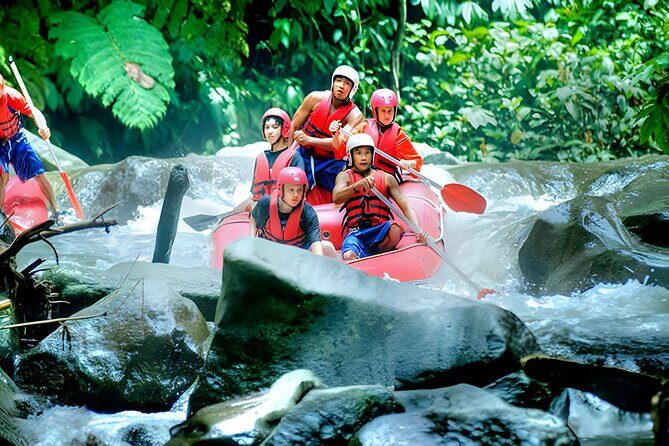
Lunch, showers, and changing rooms: the part people forget to plan for

Ayung River Rafting - Ubud Best White Water Rafting - Lunch, showers, and changing rooms: the part people forget to plan for
This is where many rafting trips fall short. They dump you back at the trailhead and you’re left trying to find a way to dry off. Here, you get a more complete finish: a buffet lunch plus towels, shower access, and a changing room.

That’s not just comfort—it’s timing. After two hours on the river, you’ll likely feel cold-water chill on your skin even if the air is warm. A proper shower and a spot to change means you can go back to exploring Ubud afterward without feeling like a soggy laundry project.

Lunch being included also improves value. At $30 per person, you’re paying for transportation (when included), guide leadership, safety gear, and food. You’re not forced to make a separate meal decision after you’re tired and wet.

Vegetarian options are available if you request them during booking. If you have dietary needs, it’s worth mentioning early so the buffet plan matches your preferences.

One more practical detail: photo and video souvenirs are available for purchase. That means you shouldn’t expect every memorable moment to be automatically included in your price.

Price and value in Ubud: what you’re really paying for

Ayung River Rafting - Ubud Best White Water Rafting - Price and value in Ubud: what you’re really paying for
At $30 per person, this sits in the “reasonable day out” range for Ubud rafting. The value comes from the bundle: you’re getting a guided 2-hour rafting experience on a named river section, plus buffet lunch, towels, shower access, and insurance. For many people, that included comfort is the difference between a good deal and a stressful one.

You’re also getting a family-friendly style of rafting. Because the rapids are Class II–III and described as suitable for beginners and children, you’re not paying beginner rates for something that turns into an advanced extreme event. You should still expect to get wet and move around a bit, but the difficulty level is clearly framed.

If you compare costs, keep an eye on what’s included rather than just the base price. Here, the included items reduce extra spending later—especially meals and basic post-activity needs like changing and showering.

Who should book Ayung River rafting (and who might want a different plan)

Ayung River Rafting - Ubud Best White Water Rafting - Who should book Ayung River rafting (and who might want a different plan)
This trip is a good fit if you want whitewater without heavy strain. It’s described as not overly strenuous, and the rapids profile makes it friendly for first-timers. If you’re traveling with kids (minimum age is 5) or a group with mixed experience levels, you should feel comfortable choosing this.

It can also work for older visitors, but there’s a listed maximum age of 60. If anyone in your party is near that number—or if mobility is limited—reach out before booking. The stairs are the practical challenge to plan for.

You’d also like this if you care about good guiding style. In the experience’s standout feedback, guides were described as safety conscious and fun, with humor that kept the group engaged. That’s an underrated factor when you’re wearing a helmet and trusting someone with your safety.
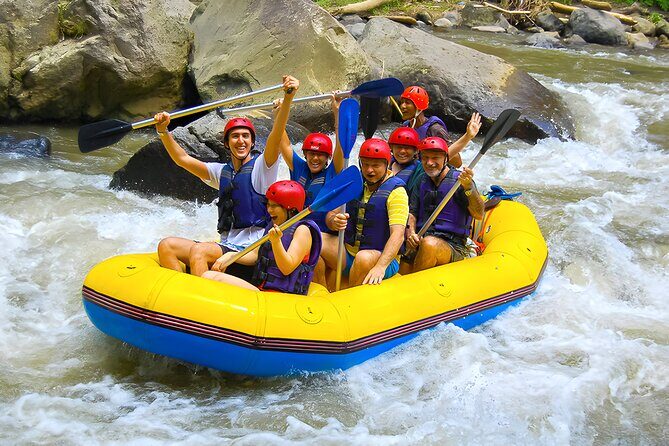
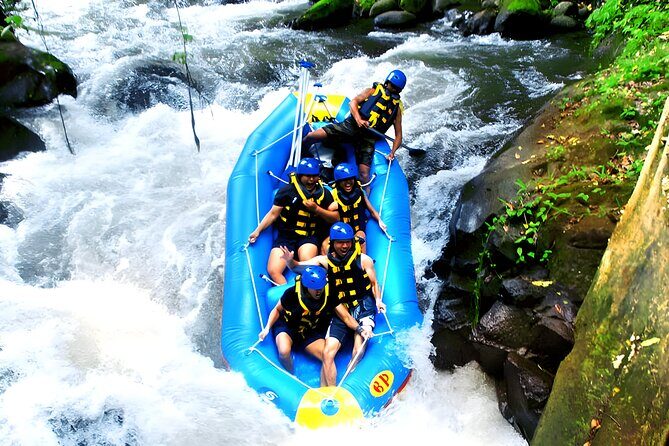
Should you book this Ubud rafting day?

I’d book it if you want a well-run rafting trip where you can focus on the river, the scenery, and the feeling of being taken care of. The included buffet lunch plus shower and changing room is a big deal, and the Class II–III rating makes this a realistic choice for beginners.

I’d think twice (or at least prepare) if you or someone in your group has trouble with stairs or needs extra help moving between river areas. Also double-check that the age limits match your group.

For timing, note the weather factor: this experience requires good weather. If conditions are poor, you should expect a different date or a full refund. And if plans change, cancellation is free up to 24 hours before the experience starts, as long as you cancel in time.

If you want a straightforward rafting day with a nature-focused feel—and you like the idea of finishing clean, fed, and ready to keep exploring Ubud—this is a strong pick.

FAQ

How long is the Ayung River rafting experience?

The rafting duration is listed as approximately 2 hours. The activity ends back at the meeting point after the ride and included lunch.

Do you get hotel pickup and drop-off?

Hotel pickup and drop-off is offered when your package includes transfer. Pickup is available from several Bali areas, including Ubud.

What rapids level is this tour?

The river offers Class II and Class III rapids, and the activity is described as suitable for beginners and children.

Is lunch included, and can I request a vegetarian option?

Yes. A buffet lunch is included in the tour price, and a vegetarian option is available if you advise at booking.

What is the minimum and maximum age for this rafting?

The minimum age is 5 years. The maximum age allowed is 60 years.

What should I bring for the rafting day?

Bring sunscreen, a camera, and a change of clothes. You’ll also have access to towels and showers afterward.

Where does the tour start?

The meeting point is Graha Adventure Rafting at G6JX+VJ6, Jl. Raya Kedewatan, Kedewatan, Kecamatan Ubud, Kabupaten Gianyar, Bali 80571, Indonesia.