This is the most practical way to see Tulamben.
The USAT Liberty WWII shipwreck sits close to shore, with the top around 5 meters and the wreck dropping to roughly 30 meters, so you get options for different comfort levels. I like that there’s an easy shore approach, calm conditions when they’re available, and plenty of life around the wreck, from corals and sea fans to barrel sponges and big-school fish.
The day is built for a smooth flow. I like the small-group feel (up to 12 people) and the steady team energy, with names like Wayan, Kai, Nyoman, Aswan, and Guna popping up in recent experiences. One drawback to plan for: it’s an early morning with about 2 hours of driving each way, and Tulamben can get bumpy at the shore when you’re getting in and out.
Key highlights you’ll care about
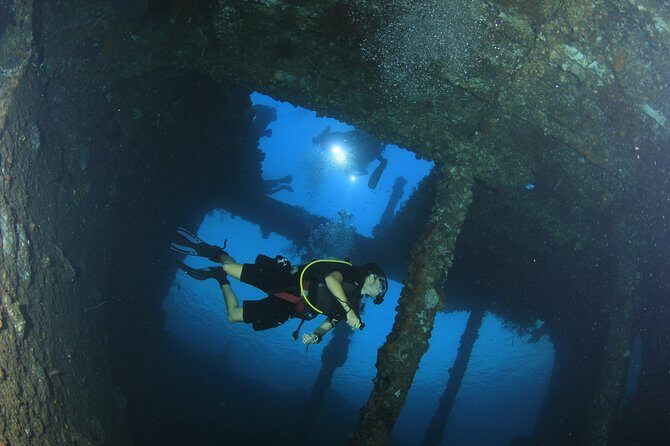
- USAT Liberty in shallow range: top at about 5 meters, with the wreck dropping deeper to around 30 meters
- Two underwater sessions: two chances to explore the same wreck system without rushing
- WWII story meets real marine life: healthy corals, sea fans, barrel sponges, plus jacks, groupers, barracuda, and stingrays
- Small group limits: a maximum of 12 travelers keeps the day calmer and more controlled
- Included gear and coverage: scuba equipment, towels, bottled water, air-con transport, plus insurance coverage
- Guides who help you in the real world: support at the entry/exit matters when conditions are choppy
Seminyak to Tulamben: an early start that pays off
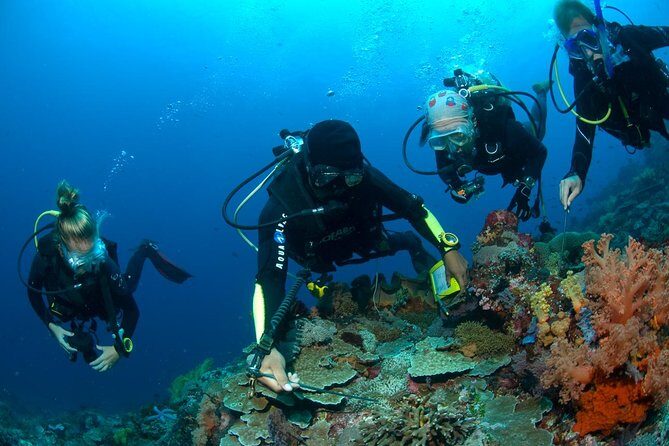
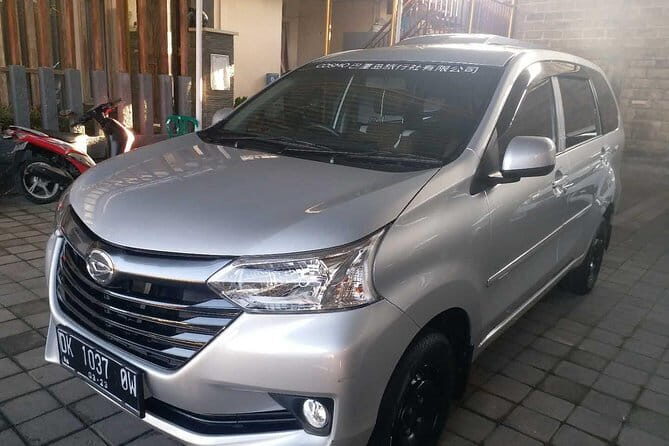
Your morning begins with pickup around 6:30–7:00 am. Then you’re on an air-conditioned vehicle heading from Seminyak toward Tulamben, with a drive of about 2 hours each way. If you hate mornings, you’ll still get through this—just treat it like a plan, not a surprise.
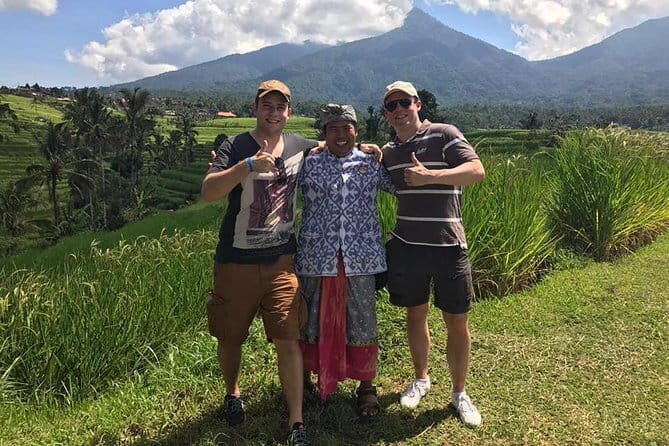
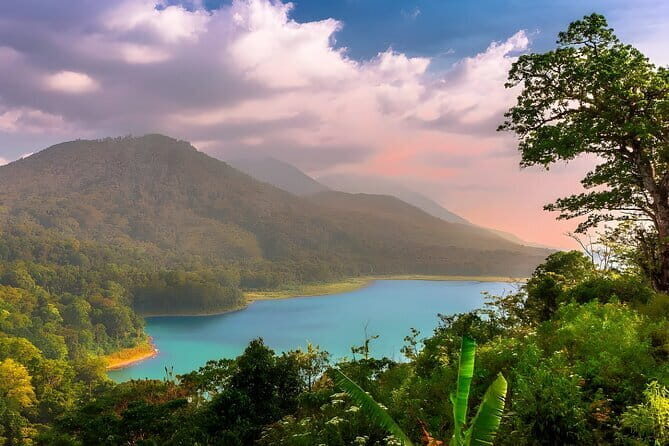
Along the road, the route is part of the value. You’ll pass local villages and rice terraces, which gives you a nice “Bali land” warm-up before you go underwater. It’s not a luxury scenic cruise, but it’s a pleasant way to turn transit time into something useful.
One more timing note: lunch happens between the two underwater sessions, and you’re back around 5:00 pm at the Sanur scuba center. That means you get a full day without it turning into a 12-hour travel slog.
Why the USAT Liberty wreck is such a smart choice
The big reason people come to Tulamben is the USAT Liberty shipwreck. It’s a WWII casualty tied to torpedoes and a volcanic eruption, and it ends up sitting in shallow water—close enough to shore that it’s one of the most accessible wrecks you’re likely to find in Bali.
The depth range is what makes it practical. The top sits around 5 meters, and the wreck drops away to about 30 meters. In real terms, that’s huge: you can enjoy the structure and life near the top without feeling like you have to go straight to deep territory. At the same time, there’s enough depth on the wreck to satisfy more confident certified scuba travelers.
Also, this is set up for different comfort levels because the conditions are described as calm with good visibility when you’re there. No one can guarantee ocean behavior, but the site’s layout makes it easier than many open-water wrecks.
The two underwater sessions: how your day is structured
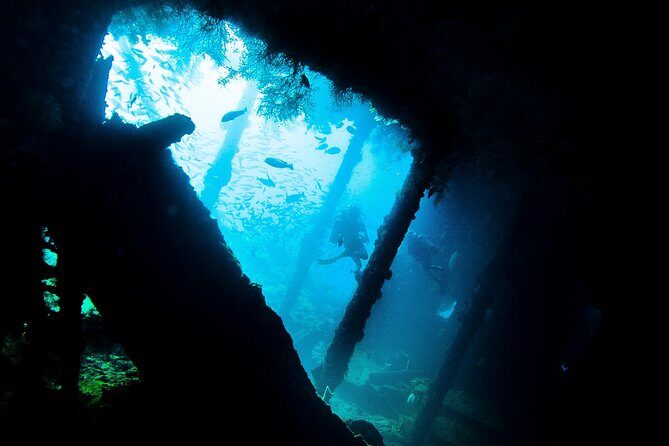
You’ll do two underwater sessions at the USAT Liberty. That matters for two reasons. First, it reduces the pressure to cram everything into a single long water time. Second, it gives you a second shot at the wreck so you can slow down and look for animals you missed the first time.
Between the sessions, you’ll have lunch. That’s not a throwaway detail. Eating early and properly helps you stay comfortable, especially when you’ve already been awake since early morning and you’ll be managing gear, buoyancy, and cold thoughts like, Did I pack the right stuff?
Before each water time, you should expect the usual run-up: check-in, gear use, and a briefing on the wreck and conditions. The exact flow isn’t listed step-by-step, but the included equipment and small-group size strongly suggest a controlled, not-chaotic, setup.
Spotting wildlife on the wreck: a quick checklist
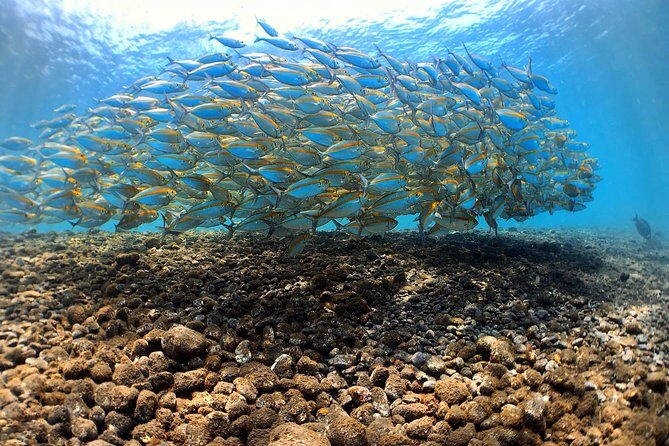
USAT Liberty isn’t just a pile of metal—it’s described as being festooned with life. You can expect healthy corals, sea fans, and barrel sponges on the structure. That coral coverage is a big deal: it means you’re more likely to see fish feeding and cruising rather than only looking at the wreck skeleton.
For animals you’ll specifically want to keep an eye out for, the route description calls out a resident school of jacks, plus bumphead parrotfish and bluespotted stingrays. Also watch for harlequin sweetlips, giant groupers, and giant barracuda.
Here’s the practical way to use that list: don’t hunt every species like a checklist robot. Pick one or two targets per session. If you watch the same corner of the wreck for a few minutes, fish behavior becomes easier to read, and you’ll feel less rushed.
Getting in and out of the water at Tulamben (the part that matters)
The overview highlights easy shore entry, which is a big advantage versus boats-first approaches. Shore entry usually means fewer steps, less time in transit once you’re at the coast, and more control over your own pace.
Still, consider that Tulamben can get waves. One recent experience notes big waves during the day, and the guide helped the person avoid falling when getting out. That’s the kind of real-world reminder that matters: if the sea gets rough, follow your guide’s body positioning and timing closely.
If you’re prone to feeling shaky in surge, this is where your calm, careful buoyancy and your willingness to listen really pay off. The wreck is accessible, but “accessible” doesn’t mean “effortless.”
Equipment, insurance, and the included extras that reduce stress
This tour includes use of scuba equipment, towels, and bottled water. You also get coffee and/or tea as a complimentary welcome drink when you arrive at the dive center.
The included insurance coverage is also worth caring about. It’s not the same as travel insurance, but it does signal that the operator considers safety and coverage part of the product—not an add-on you scramble to buy later.
And since pickup is included (and the vehicle is air-conditioned), you’re not doing the math on hiring a driver, finding the right pickup point, or wasting time coordinating. For a full day that starts early, those details add up quickly.
The team vibe: why the names matter on a day like this
A calm, capable team is what makes a wreck day enjoyable instead of stressful. Recent experiences specifically praise the admin staff and instructors for being patient and for going above and beyond to make sure everyone had a great time.
You’ll see names tied to memorable moments. Kai is mentioned in a context involving help during rougher conditions. Wayan shows up as an underwater guide who was easygoing and knowledgeable about the sites and what to look for. Nyoman is praised for instruction quality and patience. Aswan is described as confident and well informed, sharing information about marine life and regional dive spots. Guna appears as an instructor for training experiences, which suggests the same organization has a teaching mindset.
Even the photographer gets credit (David is named), which tells you they aren’t just focused on “go down, come up.” If you want photos or video documentation, this kind of support can make the day feel more complete.
Lunch and downtime: how to make the long day feel shorter
Lunch is included between the two underwater sessions. That’s important because you’re not just underwater—you’re also managing hydration, timing, and gear fatigue.
What you can control: arrive hungry, drink water when you can, and don’t assume you’ll feel like eating later. With a pickup around 6:30–7:00 am and a return around 5:00 pm, your body will follow the schedule whether you’re mentally ready or not.
Also, plan to bring basic personal comfort items, even if the tour provides towels and bottled water. You’re still on a full-day program, and you’ll appreciate anything that reduces friction while you wait for your next water time.
Price and value: what you’re paying for at $174.12
At $174.12 per person, you’re not just paying for access to the USAT Liberty wreck—you’re paying for the whole machine that gets you there and keeps it running. That includes pickup, air-conditioned transport, scuba gear use, towels, lunch, bottled water, welcome drinks, and insurance coverage.
The two key value drivers for me are:
1) two underwater sessions at one of the most accessible wrecks in Bali, and
2) small group size up to 12 travelers, which usually means more hands-on attention when equipment, air management, or comfort becomes a factor.
Could you find cheaper options in Bali? Possibly. But with early pickup and a structured wreck day, “cheap” often means you end up managing more yourself. Here, the inclusions reduce the number of things you have to organize at the start of the trip.
Who should book this USAT Liberty shipwreck day
This is aimed at certified scuba travelers. It’s also a good fit if you want the wreck experience without dealing with the complexity of more remote wrecks.
If you’re excited by WWII history but more interested in what lives on the wreck now, this fits. The site is described as shallow enough to enjoy structure and wildlife, with coral and sponges giving the wreck a living, not just historical, feel.
It may be less ideal if you strongly dislike early mornings or you know you struggle with shore entry in choppy water. The itinerary is straightforward, but it’s still a coastal entry day.
If you’re traveling solo, this small group setup can feel friendly rather than overwhelming. If you’re traveling with friends, it’s also easier to coordinate since the cap is 12.
Book it or skip it: my practical verdict
I’d book this if you want a wreck day that’s built around access and good odds of seeing real marine life. The USAT Liberty depth range (top around 5 meters, dropping to about 30 meters) is a clear advantage, and doing two structured underwater sessions makes the day feel complete.
I’d hesitate only if early pickup and long road time feel like a deal-breaker, or if you’re very nervous about getting in and out of the water when waves show up. In that case, you might still enjoy the wreck, but you’ll want to be realistic about conditions.
FAQ
What time does pickup happen?
Pickup is around 6:30–7:00 am.
How long is the full day?
The tour runs for about 11 hours.
How far is the drive from Seminyak to the wreck area?
The bus ride is approximately 2 hours each way.
What underwater sessions are included?
You’ll do two sessions at the USAT Liberty shipwreck.
Is lunch included?
Yes, lunch is included between the two sessions.
Is scuba equipment provided?
Yes. Use of scuba equipment is included.
Is insurance included?
Yes. Dive insurance is included.
What marine life can you expect around the USAT Liberty wreck?
The description lists jacks, bumphead parrotfish, bluespotted stingrays, harlequin sweetlips, giant groupers, and giant barracuda.
What if weather is poor?
This experience requires good weather. If it’s canceled due to poor weather, you’ll be offered a different date or a full refund.
Is free cancellation available?
Yes. You can cancel up to 24 hours in advance for a full refund.
Is there any restriction if I’m flying?
Yes. Guests with flights less than 24 hours before the activity should refrain from scuba for safety regulations.
If you want, tell me your scuba certification level and typical depth comfort, and I’ll help you decide whether the USAT Liberty range is a good match for your day.