Some days in Bali feel like a reset button.
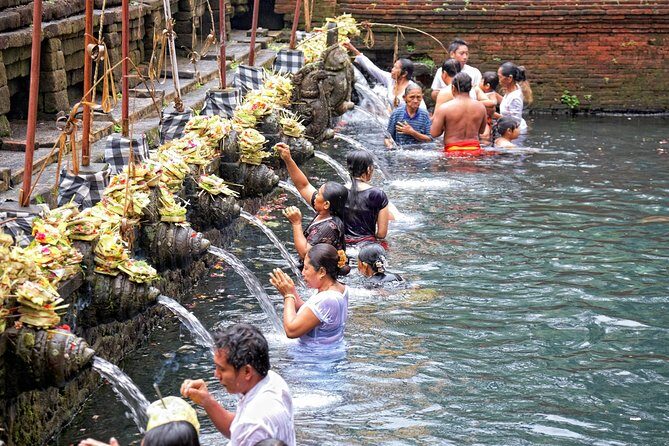
This one mixes a Hindu water purification at Tirta Empul with a shamanic-style follow-up, so you’re not just sightseeing—you’re participating in ritual. I like that the plan gives you real structure: you meditate at a temple, you wash at sacred springs, then you end with either a palm reading or mantra healing.
Pickup and a private, just-for-your-group pace are a big plus, especially when your day runs 6 to 8 hours and you want it to feel calm, not rushed. I also like the choice at the end—your healer session can be done as mantra healing or as a palm reading (or both, depending on what you select).
Just note the practical side: the purification part expects you to get into the water, so bring a swim suit and towel and be ready to follow priest guidance closely.
Key things to know before you go
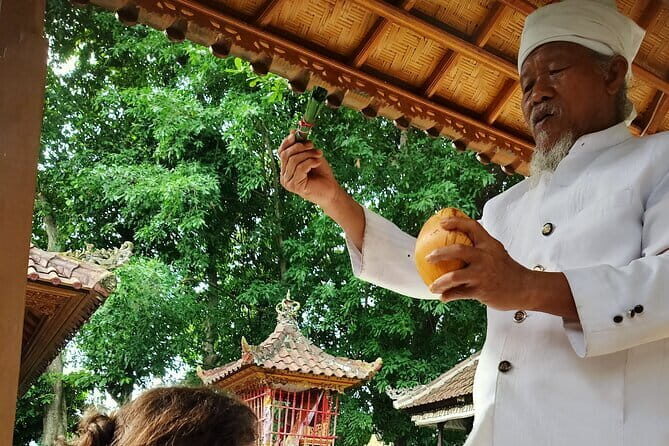
- Tirta Empul purification is the core moment: you’ll be doing the cleansing at the water temple as part of the ritual flow
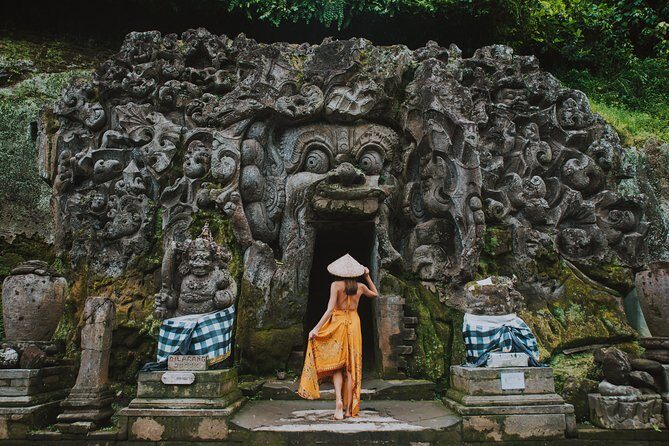
- Goa Gajah (Elephant Cave) adds a strong contrast: from bathing and prayer to an older temple space with its own mood
- Your final stop is interactive: you can choose mantra healing or a palm reading with a local healer
- You get temple essentials: sarong/canang/offering support is included, so you’re not scrambling last minute
- A private guide makes it easier to follow the rules: you’ll have a live guide translating the whys, not just the where
A 6–8 Hour Ubud Reset: What This “Temple Healing” Day Includes
This is the kind of tour that works best when you treat it like an experience, not a checklist. The day is designed around participation: you start at a major cleansing site, you continue through a historic temple stop, and you finish with a healer session that focuses on mindset and interpretation.
You’re looking at about 6 to 8 hours total, with admission included at each temple stop. Pickup and drop-off from your Ubud area help you keep your time tight, especially if you’re pairing this with other Ubud plans.
Price and value: Why $75 can make sense in Ubud
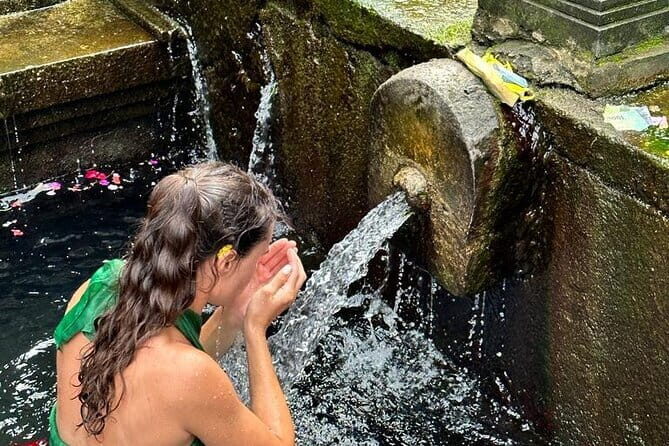
At $75 per person, the price feels reasonable only because the tour covers the things that usually cost you extra or slow you down: entrance fees, a live guide, and pickup/drop from your hotel area. You also get bottled water, plus sarong/canang/offering items for temple use, which is the kind of small cost that adds up when you’re booking pieces separately.
The best part for value is the ritual time. Tirta Empul is not just a quick look from the walkway; the tour is built around doing the cleansing with a priest-guided flow. Then you add the human factor: at the end you’re meeting a healer at a local place for mantra treatment or a palm reading, not just watching from a distance.
If you’re someone who likes to understand what you’re doing—why you’re doing it, what to expect next—this format pays off.
Getting ready: What to bring for sacred springs and temple spaces
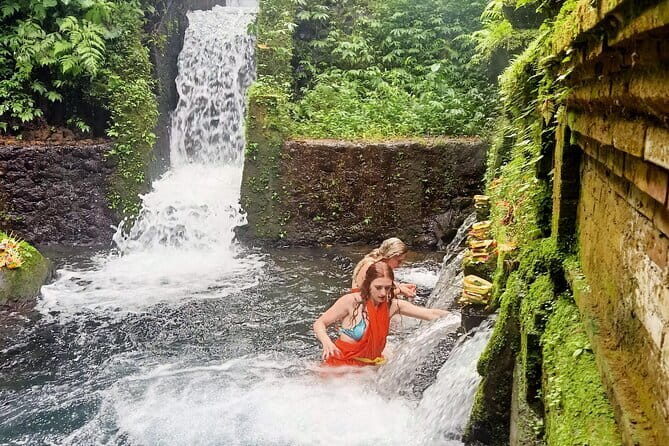
There are a few items you’ll want to plan around before you leave your room. Bring a changing cloth, a swim suit, and a towel for the purification part. Even if you’re comfortable around water, you’ll still want a towel for drying off and getting back to a presentable state.
You don’t need to hunt for temple basics. Sarong/canang/offering items are included, but you may still want to wear something easy to change out of later. Plan for a long day in warm weather, and think practical: flip-flops or sandals that can handle wet temple steps.
Also keep your expectations respectful and open. This is a spiritual ritual day, so the best results come from following the guide’s cues and staying present.
Stop 1: Tirta Empul Temple cleansing at the water temple
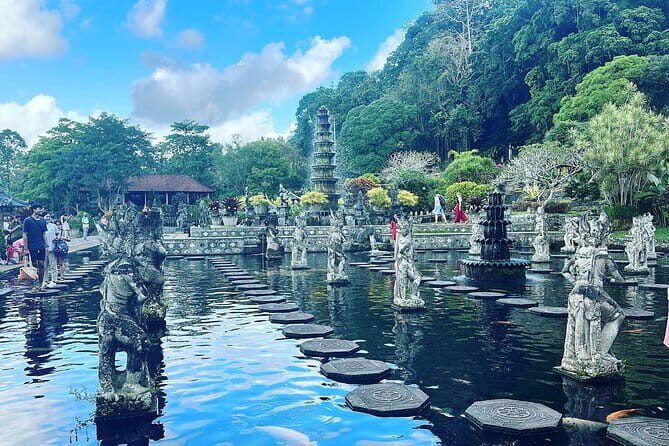
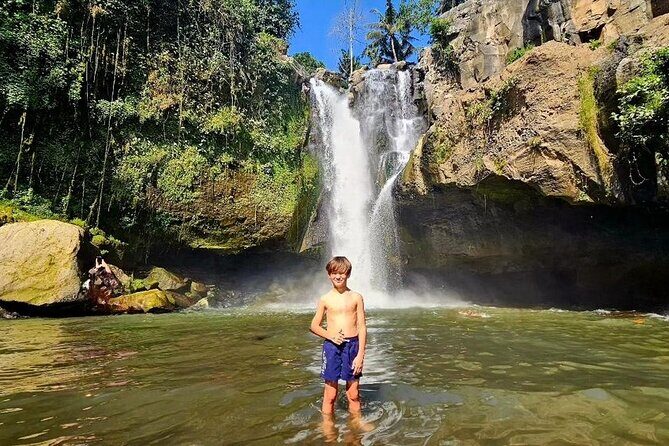
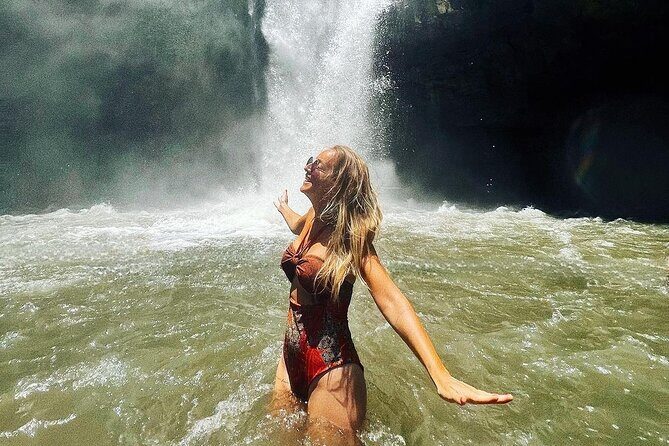
Tirta Empul is where the tour earns its name. You’ll spend about 3 hours at the temple complex, and the focus is the spiritual cleansing at the water temple with a priest.
What makes this stop special is the way the ritual is staged. You’re not there to take a fast photo and move on. The tour is built for the full process, which means you should expect guidance, time, and a bit of patience while you work through the cleansing flow.
Practical tip: treat your swim suit like part of your packing plan, not an afterthought. One of the clear takeaways from this style of day is that you’ll be in the water as part of the purification. That’s why a towel and changing cloth matter.
Possible drawback? If you’re uncomfortable with water-based rituals or you don’t like being told what to do step-by-step, you may feel awkward. The solution is simple: go with a calm attitude, follow the priest’s instructions, and let the structure do its job.
Stop 2: Goa Gajah (Elephant Cave) for an older, calmer temple mood

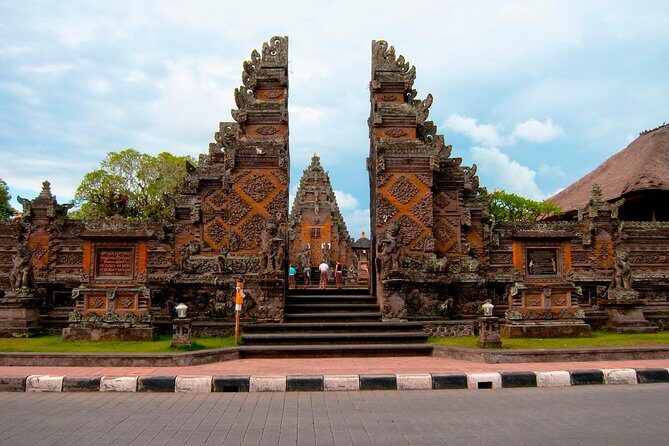
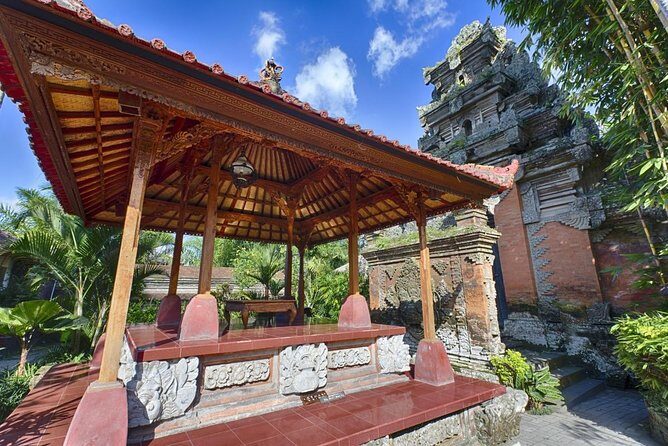
After the cleansing, you shift gears. The next stop is Goa Gajah, commonly called Elephant Cave, for about 2 hours. The site is described as an old temple complex dating back to around the 11th century.
This stop works as a visual and emotional contrast. Tirta Empul is movement and purification; Goa Gajah feels more like stepping into a historic atmosphere where the details, stone spaces, and layout help you slow down.
What you’ll likely enjoy most here is the change of pace. You get a culturally meaningful temple visit without the same wet-ritual intensity. If your legs got tired from temple steps at Tirta Empul, this can feel like a welcome break while still keeping you in the spiritual places of Bali.
A small consideration: 2 hours is enough time to see and understand the layout, but you should still expect some walking and uneven surfaces. Wear footwear that handles temple terrain comfortably.
Stop 3: Ubud healer session with mantra treatment or palm reading
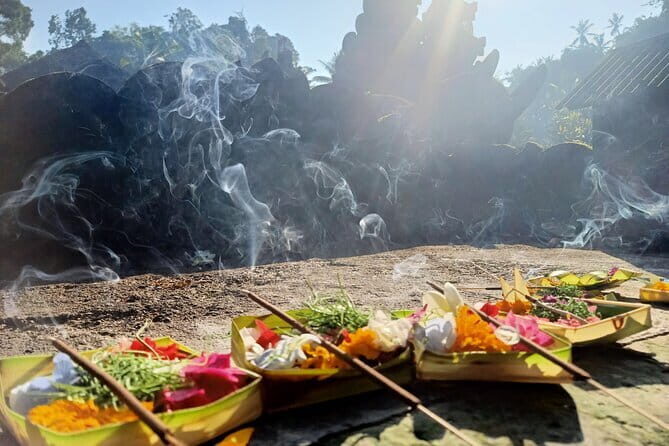
This is the heart of the “shamanic” part, and it’s also where you get personal. You’ll meet the healer at a local place for a ritual treatment session, usually for about 2 hours. You can choose either mantra treatment, a palm reading, or both, based on the option you select.
Here’s what makes this stage valuable: you’re not only hearing about Balinese spiritual traditions—you’re experiencing how a local healer frames meaning. Palm reading adds a storytelling layer, while mantra healing tends to focus more on intention and emotional/mental alignment.
I also like that the tour gives you a menu of options instead of forcing one style. If you want insight and reflection, palm reading can scratch that itch. If you’re more drawn to chanting and spiritual “tuning,” mantra treatment may feel more your speed.
If you’re bringing family or a small group, this final stop can become the most memorable part because it turns the day from cultural education into something personal. One clear theme in the praise for this kind of tour is the way people describe it as a family healing day when they approach it with openness.
The guide experience: Why names like Ade, Gede, and Gusty show up
A good guide matters more on a ritual tour than on a standard museum day. You’re asking someone to translate customs in real time—what to wear, how to behave, when to move, and how to understand what you’re doing.
In the examples of praised guides, names like Ade and Gede come up for being kind and accommodating, and Gusty is mentioned for making the day feel easy while also taking great photos. Another guide, Dek Kembar Bagus, is highlighted for positive energy, strong English, and plenty of knowledge shared during the cleansing and healer parts.
You don’t need to get your guide to do everything for you, but you do want someone who can help you follow the flow without guessing. That’s a big reason this tour works well as a guided spiritual day.
What the whole day feels like (and how to get the best out of it)
Think of the day as three chapters:
1) Cleansing (Tirta Empul, with a priest-led water purification flow)
2) Reflection through place (Goa Gajah, an older temple setting that slows your pace)
3) Meaning-making (the healer session, where you choose palm reading and/or mantra healing)
For me, the biggest sign this tour is worth your time is that it doesn’t stop at spectacle. You’re given context about Balinese shamanism and you’re guided through rituals instead of being left alone to interpret everything.
The best way to get value is also the simplest: come with a flexible mindset. If you try to judge every moment like a science project, you’ll miss the point. This is spiritual practice in a living cultural setting.
Also, don’t be afraid to ask your guide what comes next. A live guide is included, and on a day with temple rules and a water ritual, clarity is comfort.
Lunch, timing, and day planning in Ubud
Lunch isn’t included, and it’s commonly priced around $10. Plan for a light meal so you don’t feel heavy during the purification portion. If you want your day to feel smoother, keep lunch simple and easy to access after your temple visits.
Your total time target is 6 to 8 hours, and the stops themselves add up to about 7 hours (3 hours at Tirta Empul, 2 at Goa Gajah, 2 at the healer session). Travel and waiting time fill the rest, so treat this as your main Ubud activity day.
Should you book this Bali Spiritual Shamanic-Palm Reading Tour?
Book it if:
- You want a structured spiritual day, not a random temple hop
- You’re curious about Balinese spiritual traditions and want context as you go
- You’re willing to do the purification part with a swim suit and towel ready
- You like the idea of ending with something personal: palm reading, mantra healing, or both
Skip it if:
- You strongly dislike water rituals or feel uneasy following religious instructions closely
- You want purely historical sightseeing with no spiritual interpretation component
- Your schedule can’t handle a full 6–8 hour block
FAQ
How long is the tour?
It runs about 6 to 8 hours total.
Where does the tour start and end?
It starts at Ubud Palace on Jl. Raya Ubud No. 8, Ubud, and ends back at the meeting point.
What are the main stops?
The tour includes Tirta Empul Temple (water cleansing), Goa Gajah (Elephant Cave), and a healer session in the Ubud area.
How long do you spend at each location?
Tirta Empul is about 3 hours, Goa Gajah is about 2 hours, and the healer session is about 2 hours.
Is admission included?
Yes. Entrance fees are included for the temple stops.
Do I get pickup and drop-off?
Yes, pickup and drop hotel service is included.
What should I bring?
Bring a changing cloth, a swim suit, and a towel.
What does the tour include besides temples?
It includes a donation for the priest, live tour guide, bottled water, sarong/canang/offering at the temple, and the option you select for the healer session.
Is lunch included?
No. Lunch is not included, and it’s around $10.
What’s the difference between the healer options?
You can choose mantra healing, palm reading, or both, depending on the options available for your booking.
Can I cancel and get a refund?
Free cancellation is available up to 24 hours before the experience starts for a full refund.